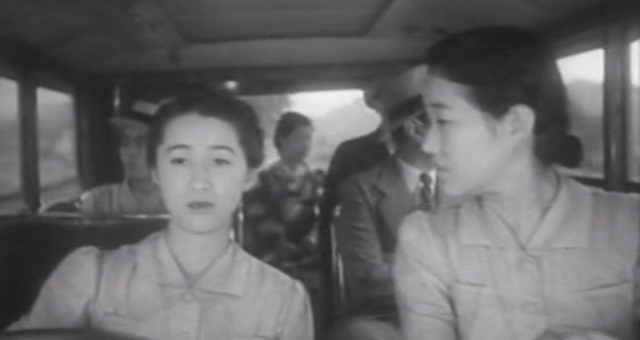
“Before me flows a wide and serene river of life,” a young woman writes in an unexpectedly poetic essay, “I beg you to pray for my just and happy future.” Yet Tomoko (Michiyo Kogure) does appear to be pretty happy with her choice, even if the just future she’s forging for herself might not be what others see as just. Though she cites her family’s poverty and a minor disability as her reason for giving up on education, there seems to be another side of her that eagerly embraces independence and looks for it in unexpected places.
That would be her desire to become a bus driver, an occupation then thought to be inherently masculine. Perhaps in that way, it reflects her desire to be in control of her own destiny, while her apparent love of life on the bus hints at another for travel and ever-expanding horizons. Another of Shimizu’s travelling films, he often as in Mr Thank You includes scenes shot through the bus’ rear window including that of a flock of boys off to school on their bikes that makes Tomoko think of her stepbrother Ginjiro (Giichi Okita) who has a voracious appetite despite their family’s poverty. There are indeed all kinds of people who get on the bus, including, at one point, a melancholy woman in a bridal outfit who nevertheless pitches in when the bus gets stick in a ditch and needs a push. Tomoko fixes the bride’s makeup and gives her her compact, but there’s no avoiding the fact that she looks miserable despite the joy of the older women accompanying her.
Even Tomoko remarks that she isn’t sure whether her tears were in joy or sorrow even while wishing her a broad-shouldered husband. Later the bus catches her again trailing behind the man to whom she was married, older than her and not particularly handsome, pulling a cart. She still doesn’t look very happy, and is presumably bound for a life of drudgery over which she has little say. Her fate contrasts with that of Tomoko who is actively choosing her way forward even if the bride’s plight forces Tomoko to think about marriage and her womanhood as does the birth of a baby on the bus. Everyone is always telling Tomoko that she ought to get married quickly, and not least among them Eiko (Kiyoko Hirai) who declares herself tired by life. Working for a newspaper, she had apparently been the girlfriend of Saburo (Toshiaki Konoe) whose late brother once owned the company while now he runs a cinema. Saburo has apparently tired of her, though he appears to have developed a fondness for Tomoko which might seem slightly problematic to modern eyes because of Tomoko’s relative youth while she is in the process of coming of age and into herself uncertain if marriage is even something that she’s interested in.
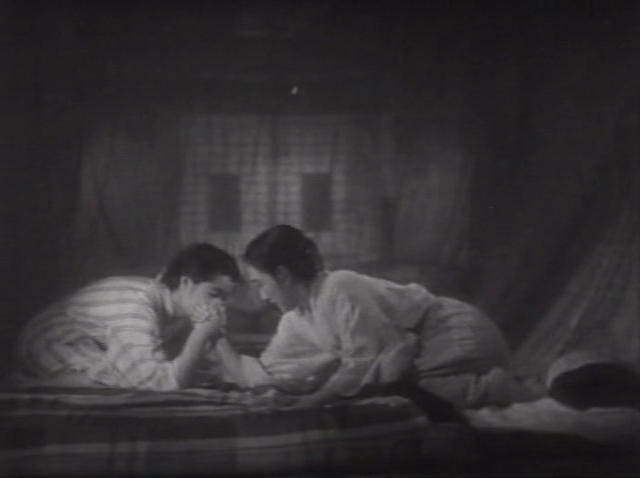
On the other hand, her tomboyish qualities leave her in a slightly liminal space as reflected in her desire to become a driver, rather than a conductress. In learning to drive, she mostly wears trousers while Eiko remarks on her “big hands” and she prides herself on her physical strength when engaging in an impromptu arm wrestling match with Yoneko (Hiroko Kawasaki), the widow of Saburo’s brother who now manages the bus company and has a crush on handsome driver Ukita (Shin Saburi) who also had to drop out of university for undisclosed reasons. Tomoko loses the match because she’s overcome by tears without really knowing why, which might in its way be a manifestation of her returning femininity along with her maturity, but there’s also something strangely transgressive about the scene featuring two women under mosquito net randomly arm-wrestling in the middle of the night.
Nevertheless, Tomoko’s life seems otherwise happy and pretty care free even if there are signs of corruption all around her. One of her first challenges while working as a conductress is an old woman (Choko Iida) who tries to get out of paying. It seems like the old woman probably can’t really afford to pay, but puts on a show of having tried to cheat them deliberately to save face. She suggests to Tomoko that she simply neglect to punch a ticket and pocket the money she’s already given her, until the bus driver, a man, gets out to exert his authority and tell her off despite Tomoko’s offer to make up the shortfall out of her own money. Later it’s discovered that two of the other conductresses have been made unhappy enough to consider quitting their jobs and are deliberately avoiding riding with one particular driver because he’s forcing them to embezzle ticket money in this way on his behalf, hinting at a kind of greed and immorality that might not necessarily be motivated by abject poverty.
It is though a presence Tomoko is able to dispel, bringing on Kimie (Chiyoko Fumiya) as her own conductress when she finally becomes a driver in her own right. Though the film hints at her feelings for Saburo, it does not end on marriage but with Tomoko’s personal fulfilment if tempered by the idea that a woman must now be useful and productive in the wider world while the men are away which might be how it gets around the censors despite otherwise avoiding overtly patriotic or imperialistic themes. Based on a novel by Yojiro Ishizaka, the film rather validates Tomoko’s desire to take charge of her life and drive off towards the future as an independent woman.
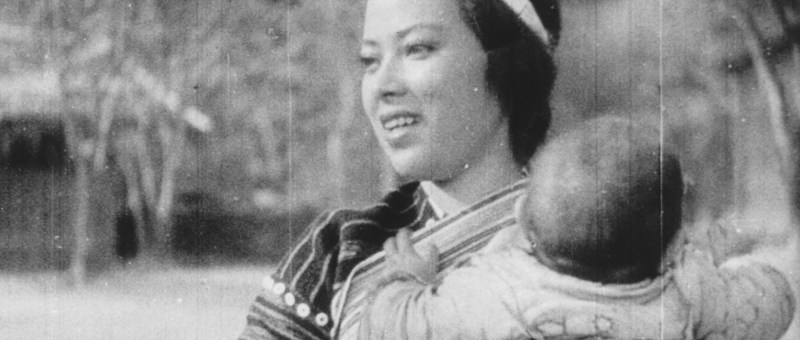
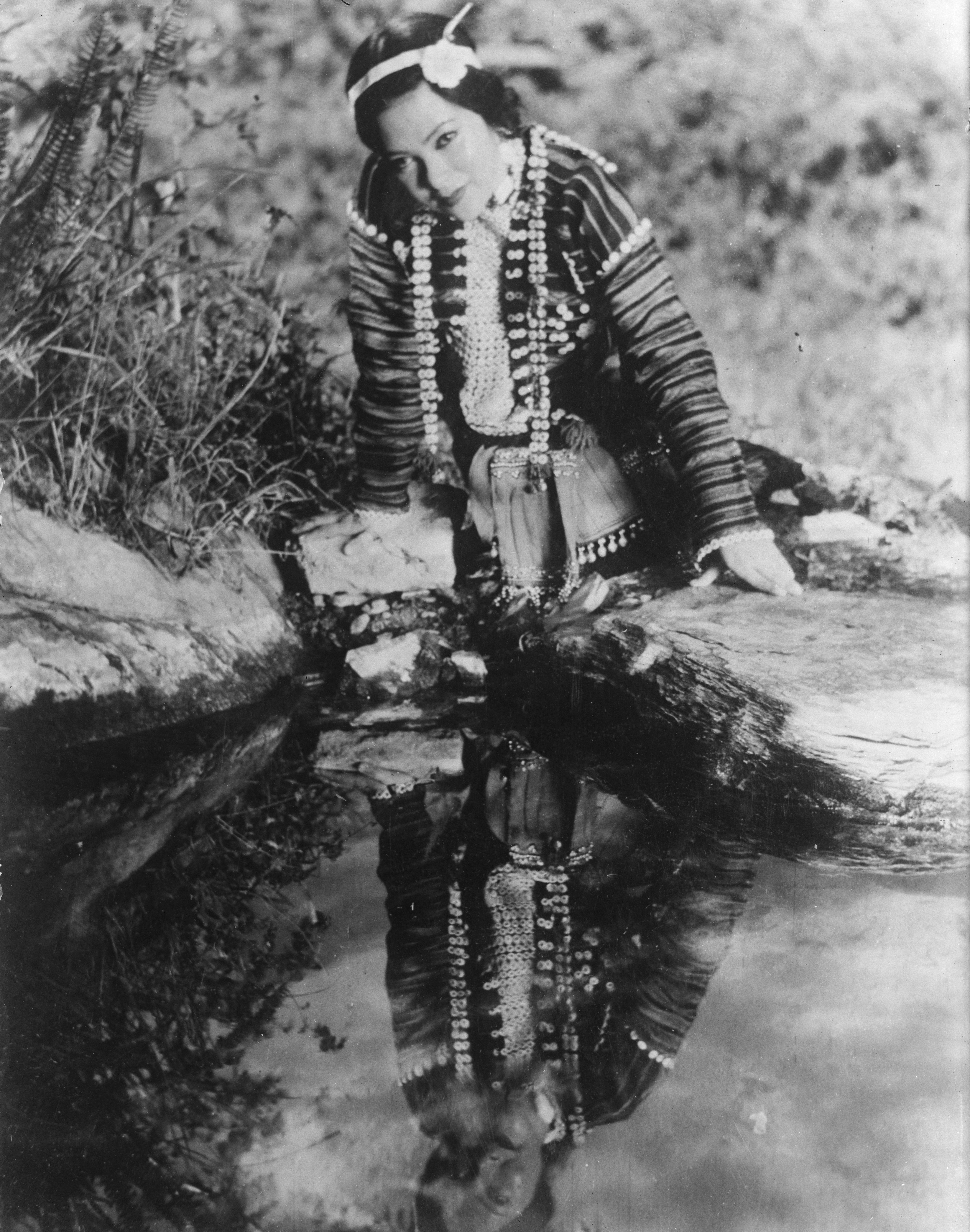
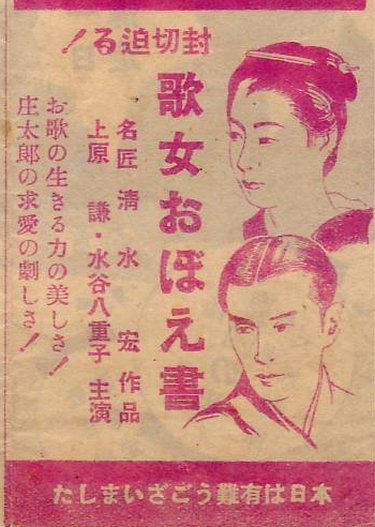 Filmed in 1941, Notes of an Itinerant Performer (歌女おぼえ書, Utajo Oboegaki ) is among the least politicised of Shimizu’s output though its odd, domestic violence fuelled, finally romantic resolution points to a hardening of his otherwise progressive social ideals. Neatly avoiding contemporary issues by setting his tale in 1901 at the mid-point of the Meiji era as Japanese society was caught in a transitionary phase, Shimizu similarly casts his heroine adrift as she decides to make a break with the hand fate dealt her and try her luck in a more “civilised” world.
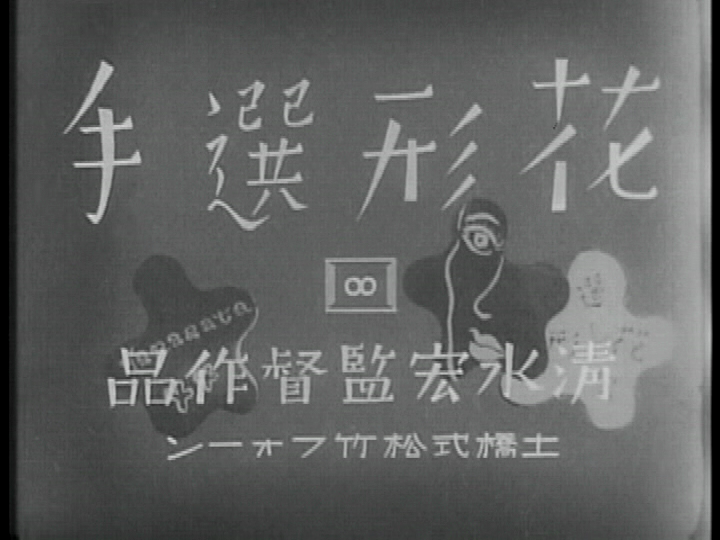 Japan in 1937 – film is propaganda, yet Hiroshi Shimizu once again does what he needs to do in managing to pay mere lip service to his studio’s aims. Star Athlete (花形選手, Hanagata senshu) is, ostensibly, a college comedy in which a group of university students debate the merits of physical vs cerebral strength and the place of the individual within the group yet it resolutely refuses to give in to the prevailing narrative of the day that those who cannot or will not conform must be left behind.
 Naruse’s final silent movie coincided with his last film made at Shochiku where his down to earth artistry failed to earn him the kind of acclaim that the big hitters like Ozu found with studio head Shiro Kido. Street Without End (限りなき舗道, Kagirinaki Hodo) was a project no one wanted. Adapted from a popular newspaper serial about the life of a modern tea girl in contemporary Tokyo, it smacked a little of low rent melodrama but after being given the firm promise that after churning out this populist piece he could have free reign on his next project, Naruse accepted the compromise. Unfortunately, the agreement was not honoured and Naruse hightailed it to Photo Chemical Laboratories (later Toho) where he spent the next thirty years.
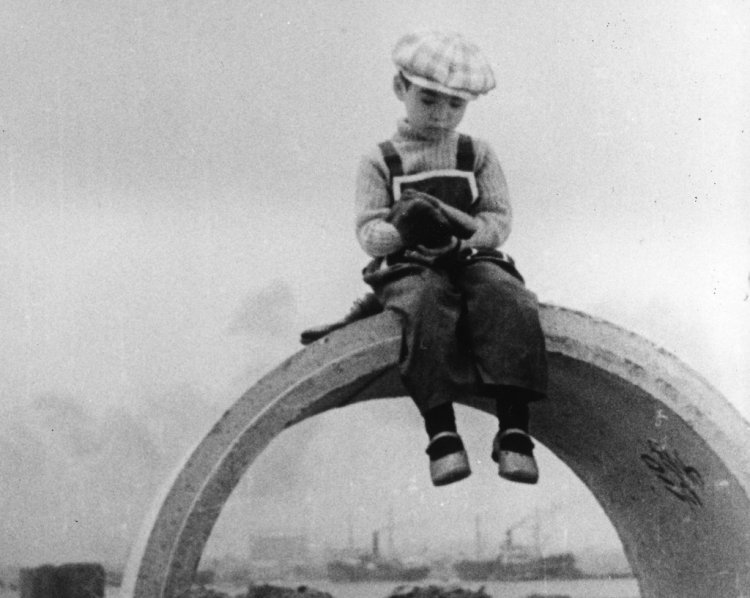 Following on from
 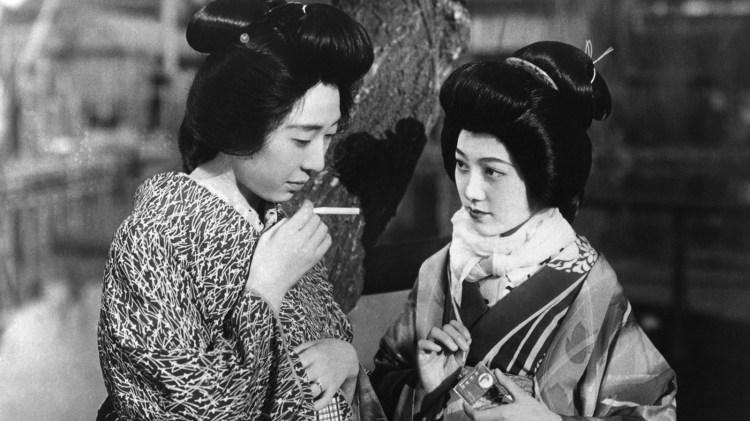 Naruse’s critical breakthrough came in 1933 with the intriguingly titled Apart From You (君と別れて, Kimi to Wakarete) which made it into the top ten list of the prestigious film magazine Kinema Junpo at the end of the year. The themes are undoubtedly familiar and would come dominate much of Naruse’s later output as he sets out to detail the lives of two ordinary geisha and their struggles with their often unpleasant line of work, society at large, and with their own families.
 Naruse apparently directed six other films in-between
  Shimizu goes on holiday! Again! Actually, when you think about it going on holiday is always inherently sad because just like everything else holidays end and you have to return to whatever it was that made you want to go on holiday in the place only with the painful reminder that a more cheerful world exists and you’re no longer in it. That rather depressing preamble out of the way, it’s time to join the temporary residents of a small hot springs resort in the picturesque countryside where a mislaid hairpin is about to kickstart a series of mini epiphanies in the diverse collection of guests.
 Windows on Worlds