 Written by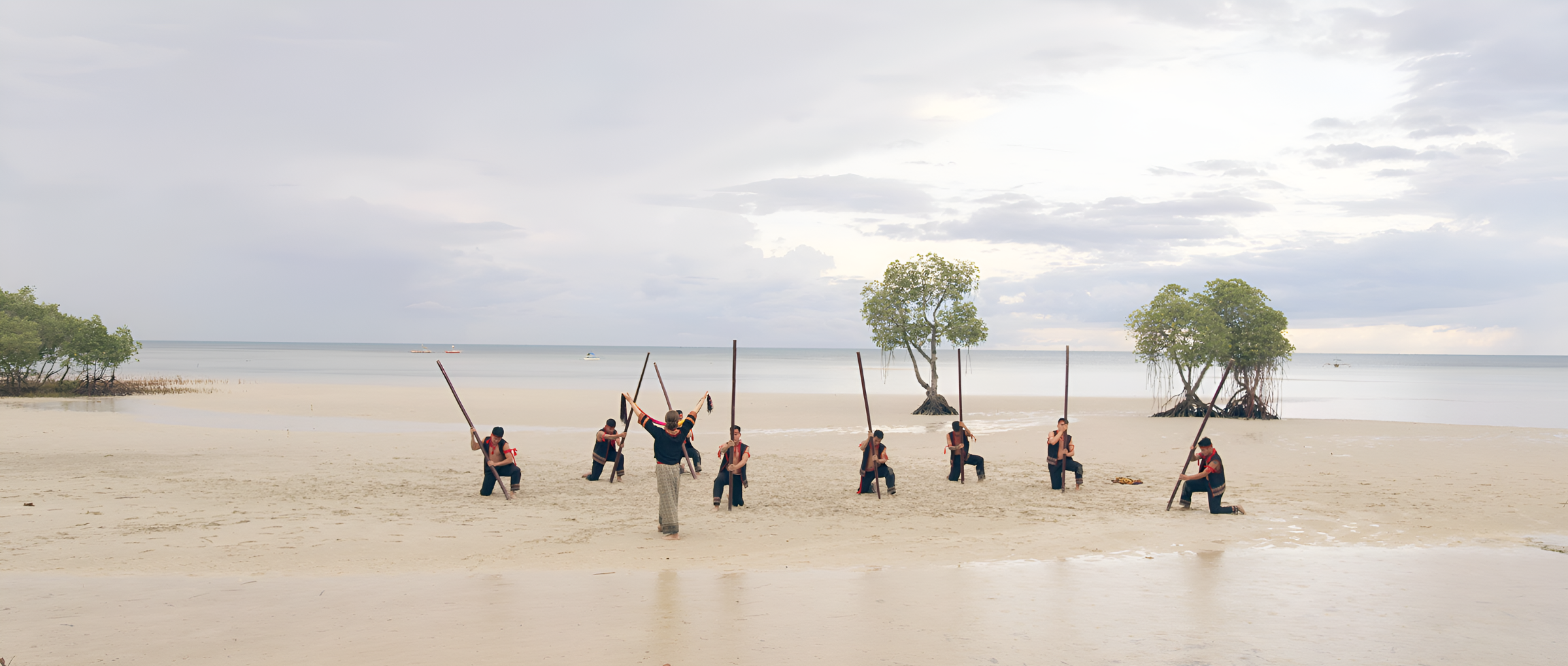
As a young person in Palawan, Sydney Loyola found herself the victim of toxic masculinity and a fiercely patriarchal culture. She recalls that her father once made her fight a neighbour’s son and threw her into a lake in what she then felt to be a rejection of her femininity. This feeling of being unloved by her father and responsible for the breakdown of her parents’ marriage has left a permanent scar on her life that continues to haunt her even as she begins the steps towards embracing her authentic self.
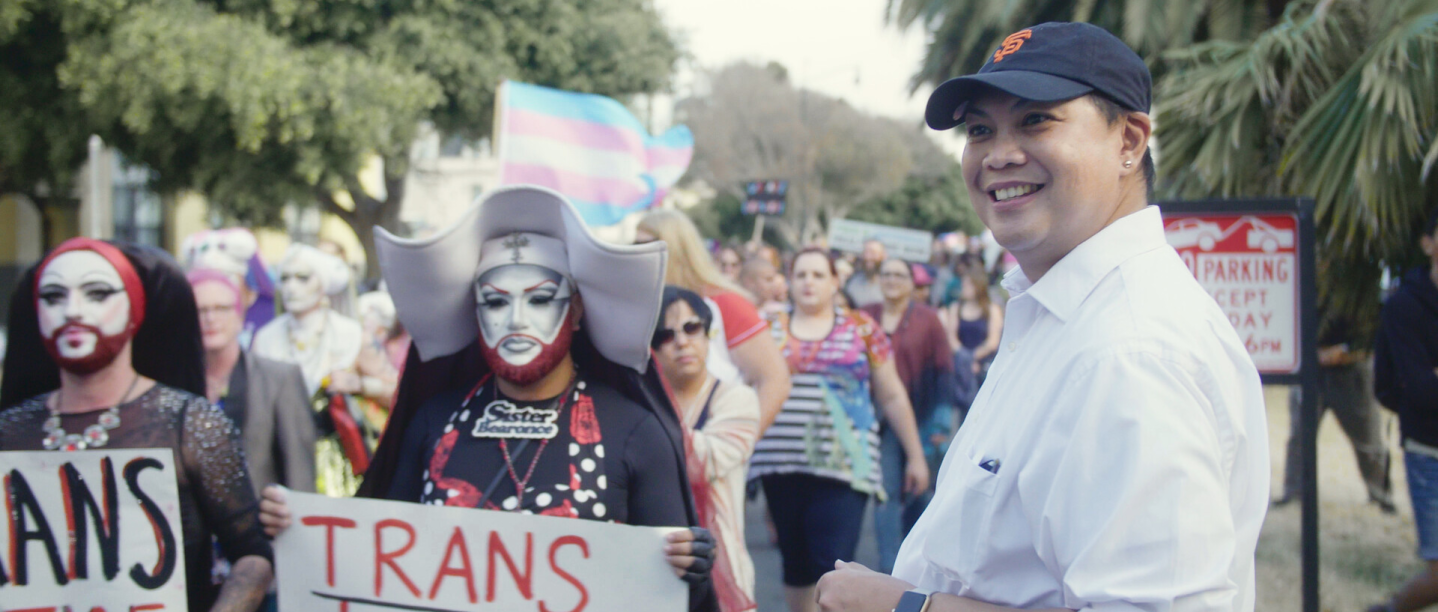
Shot over several years, Benito Bautista’s documentary follows Sydney through her transition having moved to the United States where she encounters a different kind of rejection and discrimination. A dancer and choreographer well versed in the traditional dance of Palawan, Sydney nevertheless had a survival job in San Francisco working for a property management company. When she told her boss that she needed medical leave to recover from surgery and that, on her return, she would be known as Sydney, he was apparently supportive. When she returned to work, however, the situation was quite different and her employers seemed to seize on any chance to dismiss her. Despite having sought advice from former fire fighter Mia who had undergone a successful transition in the fire service and assured Sydney that transgender people already enjoyed workplace protections in San Francisco she is eventually let from her job, forcing her to move out of her apartment, too.
But in another way, being forced out of her apartment is only another migration that acts as a fresh start at the beginning of her new life as Sydney. On reconnecting with her dance background, Sydney returns to the Philippines to choreograph a new routine inspired by a local folksong about a man who swore he would return for a woman. Sydney has done something quite similar, returning to reclaim not only her authentic self but her culture as rooted in the history of Palawan by choreographing a routine that incorporates traditional elements and western-inspired dance. Performed on the shores of a local beach, hers is a dance of migration inspired by the nomadic Batak people that reflects her journey toward becoming Sydney, embracing her authentic self, and eventually coming home.
Even in the US, Sydney had said that dance was the only place she felt truly safe while those who remember her from her youth in Palawan state that she was already able to express her authentic self even if she was too afraid of her parents’ reaction to do so openly. She recalls that she repressed herself and did everything she could not to stand out and be noticed, though the other children at school called her effeminate and bullied her. Even as an adult, she breaks down in tears wondering why people look down on others. Several of the other interviewees, some of whom are also from the Philippines, recall similar stories of being rejected by their families for not conforming to rigid gender roles.
Sydney says that she never felt loved by her father and suspects that his rejection of her was born of a feeling of inadequacy, that her femininity brought his own manhood into question. On reuniting with him, it seems as if her feelings toward her father may have been due to a lifelong misunderstanding, or at least, he doesn’t seem to remember her childhood in the same way she does and though the meeting is more of a positive experience than she feared it might be, she’s left feeling shortchanged for a lack of acknowledgment for all she suffered. Though she describes her mother as more supportive, Sydney also waited until after she died to pursue her transition fearing that it should be too difficult or her understand and cause further strain near the end of her life. Despite having gone to America to be free of this patriarchal culture, coming back to Palawan allows Sydney to come full circle by reclaiming her authentic identity and overcoming a past sense of rejection. Resolving her situation in the US and rediscovering old friends in Palawan, she finally arrives at herself and a moment of serenity having become the person she always knew herself to be.
The Road to Sydney screenedas part of this year’s San Diego Asian Film Festival Spring Showcase.

