
The 12 Day Tale of the Monster that Died in 8 (8日で死んだ怪獣の12日の物語, Shunji Iwai, 2020) [Fantasia 2021]

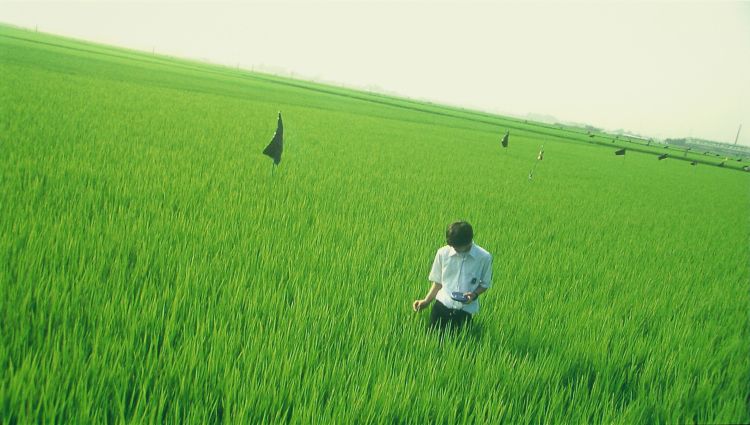
“We, all of us, can be heroes! Let’s support each other to beat this monster.” the hero of Shunji Iwai’s pandemic dramedy, The 12 Day Tale of the Monster that Died in 8 (8日で死んだ怪獣の12日の物語, Yoka de Shinda Kaiju no Juninichi no Monogatari) affirms. Inspired by Shinji Higuchi’s Kaiju Defeat Covid project and originally streamed as a web series, Iwai’s surreal screen drama is replete with the atmosphere of the pandemic’s early days, a mix of boredom and intense anxiety coupled with a determination to protect and support each other through this difficult time. Yet it’s also a tale of uncanny irony taking place in world in which Ultraseven is a documentary while the Earth has apparently been subject to waves of monster aggression, alien visitors, and even apparently an epidemic of ghosts. 

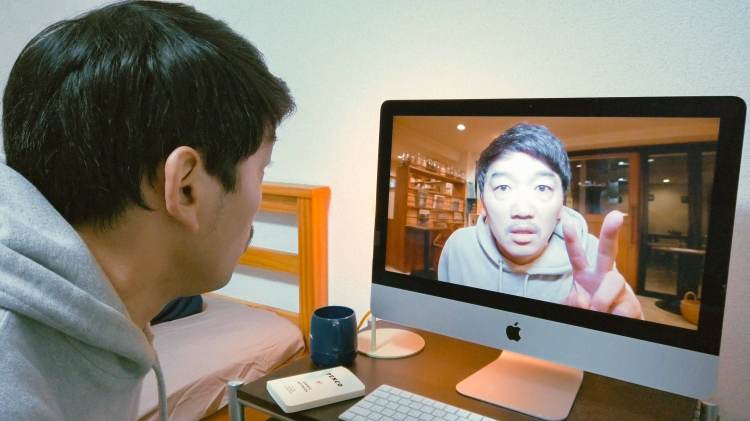
All of this the hero, Takumi Sato (Takumi Saitoh playing a version of himself) finds out from director Shinji Higuchi after contacting him on Zoom for advice about how to raise the “Capsule Kaiju” he bought on the internet in order to do something to help battle corona virus. Sato’s single “egg” soon becomes three, later back down to one again causing him to worry if the other two managed to escape or perhaps were eaten by the sole remaining monster. In any case, while they are three he names each of them after various Covid-fighting drugs and is informed by Higuchi that they currently resemble three kaiju from classic tokusatsu series Ultraseven. 

Nevertheless, Takumi is continually confused and disappointed by the slow progress of his project, confessing to one of his friends online that they were rated only one star on the store he bought them from but he’s sure that’s just because they’re a new product. His friend Non, (also playing a version of herself), meanwhile, has invested in an alien though the alien is, conveniently enough, entirely invisible and inaudible via camera. Non’s alien seems to be making much better progress to the extent that it eventually becomes disillusioned with selfish, apathetic human society and decides to return to outer space. Challenged, Takumi has to admit he hasn’t really done anything to make the world a better place except for raising his capsule kaiju and even that hasn’t gone particularly well. 

Then again, perhaps just getting through is enough to be going along with in the middle of a global pandemic. Takumi’s friend So (So Takei) is separated from his family in Bangkok and is struggling to find work as a chef while all the restaurants are closed only to later confess that he actually has a second family he, understandably, had not mentioned before in Japan that he also needs to support financially. Even so, Takumi is bemused watching the YouTube channel of a young woman (Moeka Hoshi) who broadcasts from her bathtub dressed in a nightgown and has managed to raise a recognisably dragon-like kaiju while his keep shapeshifting without progressing into a final form. He starts to worry, what if his kaiju are actually evil and intend to destroy the world rather than save it? The fact that it eventually takes on the form of a giant coronavirus might suggest he has a point, but kaiju work in mysterious ways and perhaps they are trying to help in their own small ways even if it might not seem like it in the beginning. 

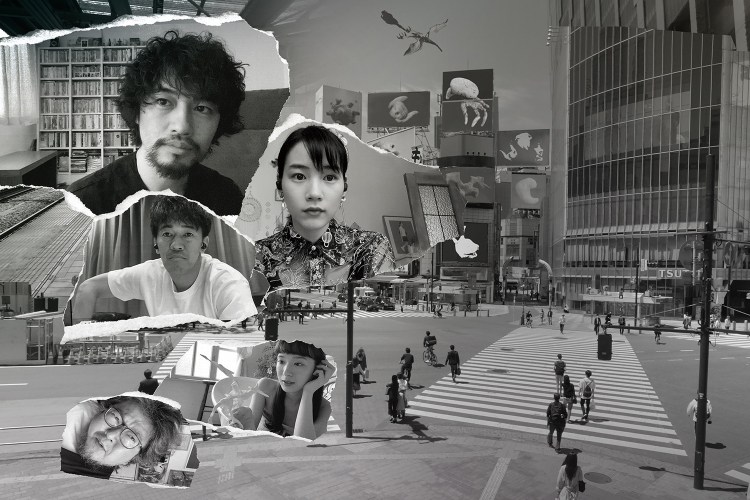
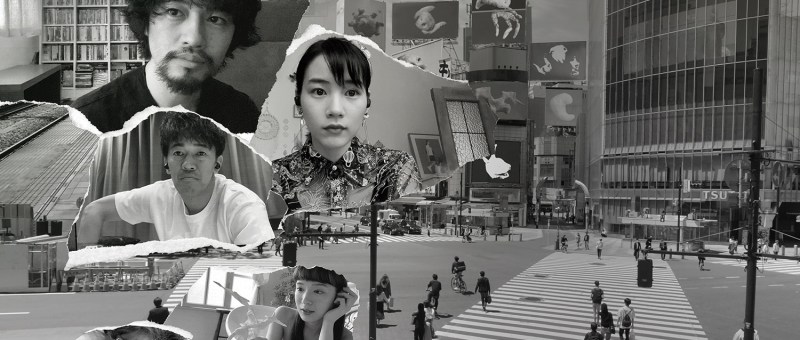
In many ways that might be the primary lesson of the pandemic, everyone is doing their best even if they’re only doing something small like staying at home and wearing their mask. Shot entirely in black and white and mostly as direct to camera YouTube-style monologues or split-screen Zoom calls complete with occasional lag and echoing, Iwai adds in eerie pillow shots from a camera positioned high above the streets of a strangely quiet but not entirely empty Tokyo along with fragmentary dance sequences of young women dressed in black with CGI kaiju heads. A whimsical slice of pandemic life, 12 Day Tale ends as it began, with Takumi once again reminding us that we are all heroes and should support each other to beat the “virus monster” but adds a much needed note of hope as he assures his audience that the the day we beat the virus will certainly come, “let’s do our best together”. 


The 12 Day Tale of the Monster that Died in 8 streams in Canada until Aug. 25 as part of this year’s Fantasia International Film Festival.

Original trailer (English subtitles)
Seobok (서복, Lee Yong-ju, 2021) [Fantasia 2021]

Without death, would life still have meaning? Lee Yong-ju’s high concept sci-fi thriller Seobok (서복) situates itself in a near future Korea in which the possibility of immortality is tantalisingly close only there are some who would prefer it not to be, fearing that without the driving force of mortal dread humanity will lose its ambition and thereafter slide into internecine greed. Then again, humanity hasn’t needed much of an excuse before. 

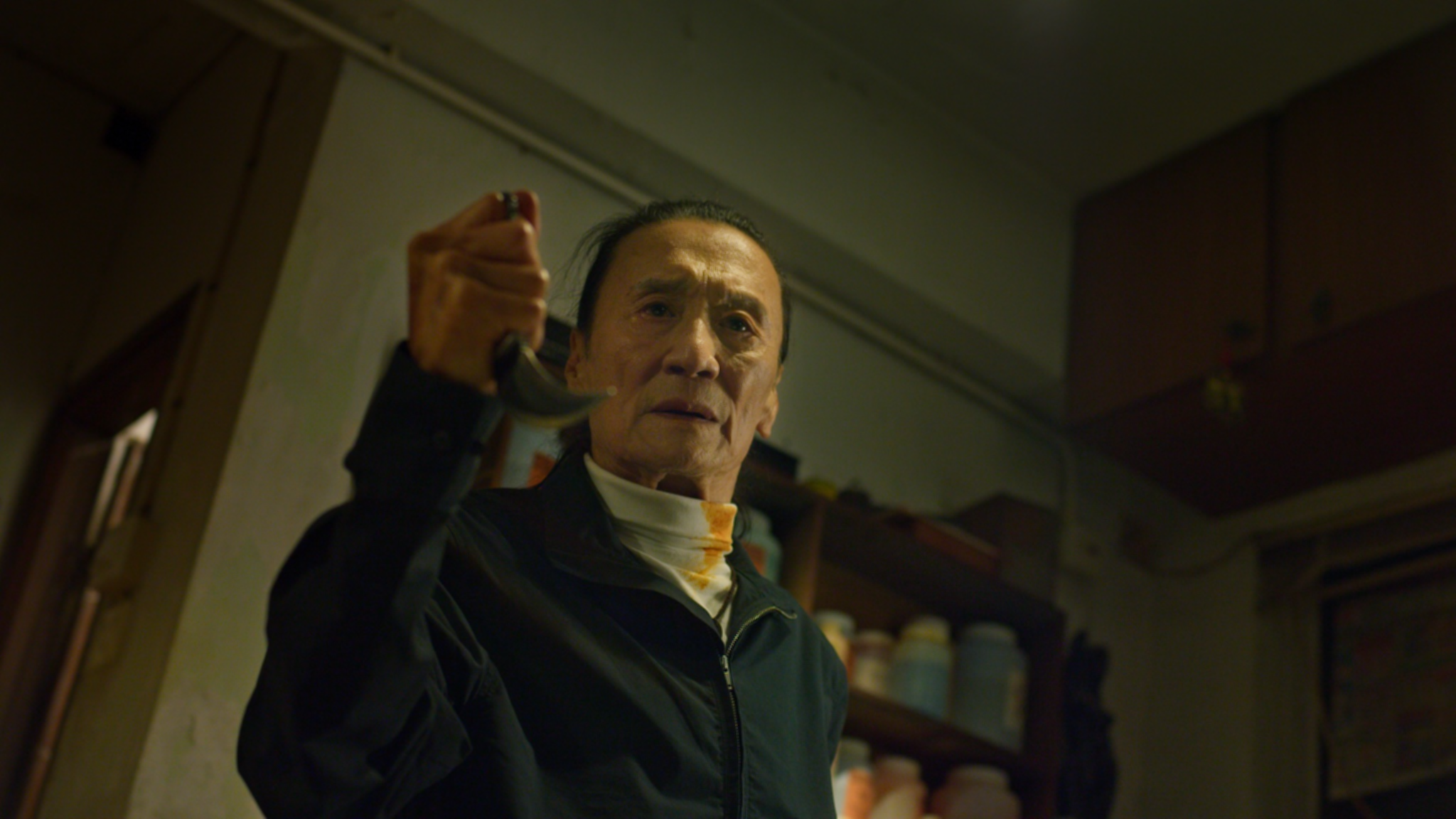
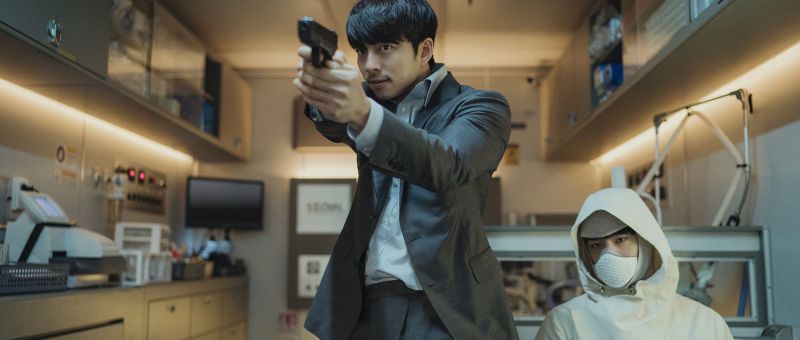
When a foreign scientist is murdered by drone the incident is attributed to “terrorists” presumably objecting to his research into stem cell technology and the possibilities of eternal healing. Fearing exposure, NIS agent Ahn (Jo Woo-jin) advises the project move to a secret location and recruits a former associate, Min Ki-hun (Gong Yoo), to act both as a test subject and a bodyguard. Since leaving the service, Ki-hun has been suffering with a terminal brain tumour that leaves him plagued by debilitating headaches and distressing hallucinations. 

Ki-hun is roped in by the promise of a potential cure for his condition brokered by Seobok (Park Bo-gum), a genetically modified clone who cannot die. Speaking to the dubious ethics of the research project, no one quite thinks of Seobok as “human” though he was born in the same way as any other child. “It’s like collecting insulin from a pig” a doctor later scoffs at Ki-hun’s squeamishness witnessing Seobok hooked up to a chair and milked for his lifesaving properties, realising that this may be his life “forever”. Having lived all his life within the lab, Seobok is filled with wonder for the outside world begging Ki-hun to walk a little slower through a market when the pair are forced on the run together so he can take it all in a little better. He has no clothes of his own, cannot use chopsticks, and is left with nothing to do with his time other than think. The scientists refer to him only as a “specimen” refusing to acknowledge his humanity viewing him solely as a test subject. 

Seobok can’t decide if life in the presence of death is worse than the curse of immortality. Already condemned, Ki-hun no longer knows if he wants to live or is merely afraid of dying. The fear of death is itself a kind of weapon, at least according to those against the project, a force which propels mankind forward in imposing an unavoidable deadline as it struggles against its mortality. Ki-hun, meanwhile, regards his tumour as a punishment, a mark of his moral cowardice in failing to stand up to his boss’ duplicitous practices and blaming himself for the death a friend who was silenced for daring to speak to out. In bonding with Seobok he realises he cannot allow the same thing to happen again in choosing to prioritise his own survival over someone else’s life. Seobok, meanwhile, comes to the opposite conclusion in realising that his existence is potentially apocalyptic and that there is no escape for him because he has nowhere else to go other than back to his “home” at the lab despite coming to an understanding that much of his treatment there constitutes abuse. 

Nevertheless, Seobok is fiercely contested by mysterious foreign forces intent either on capturing or destroying him apparently terrified of the implications of a world in which sickness can be instantly cured and death has become a thing of the past. Such a world would, of course, be very bad news for Big Pharma and the medical industry, yet it’s the philosophical arguments which they claim motivate them in a fear of a permanent and destructive anarchy which is more than a little ironic considering what eventually unfolds in their quest to capture Seobok who, as it turns out, has also developed awesome powers of telekinesis. Rather than eternal life, however, it’s death that the two must learn to accept, Ki-hun reckoning with his trauma while coming to terms with his terminal diagnosis, and Seobok by contrast seizing his humanity by rejecting his immortality. 

Essentially a lowkey existential drama, Lee Yong-ju’s high concept sci-fi thriller boasts excellent production design and large scale action set pieces, yet situates itself in a cold world of paranoia and anxiety in which even mortal dread has been effectively weaponised by duplicitous forces intent on playing god in the permanent power vacuum of the modern society.


Seobok streams in Canada until Aug. 25 as part of this year’s Fantasia International Film Festival.

International trailer (English subtitles)

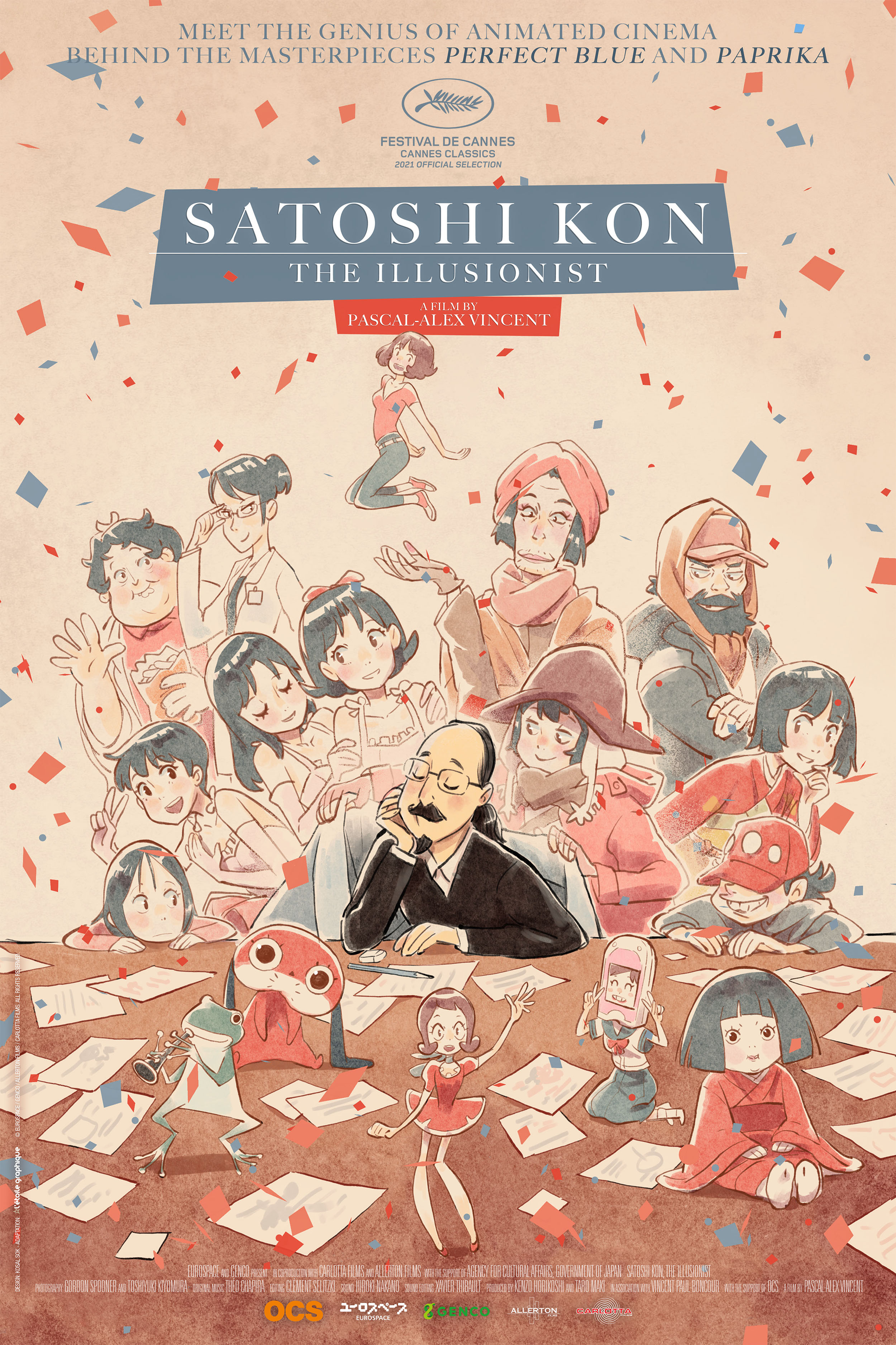
Satoshi Kon: The Illusionist (Satoshi Kon, l’illusionniste, Pascal-Alex Vincent, 2021) [Fantasia 2021]

“A genius but a nasty guy” is the way a former collaborator describes the late director Satoshi Kon, a sentiment echoed by others who’d worked alongside him though many also describe him as gentle if reserved remarking on his seeming impenetrability. Pascal-Alex Vincent’s documentary Satoshi Kon: The illusionist (Satoshi Kon, l’illusionniste) is less interested in illuminating the man than briefly sketching an overview of his career yet nevertheless seems to content to present him as an enigmatic figure filled with contradictions which his work, in some way, was intended to resolve. 

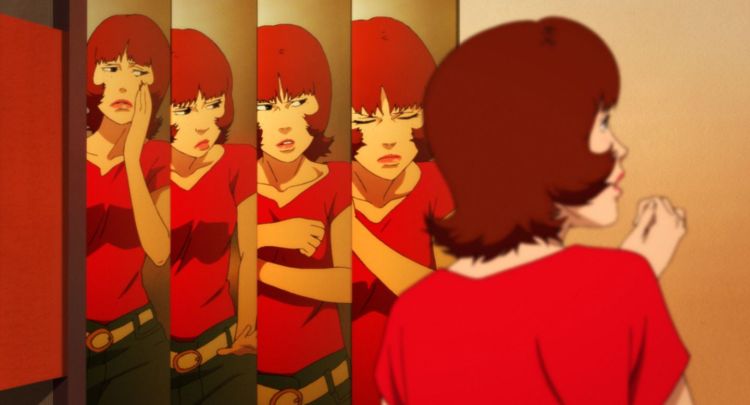
Skipping over Kon’s early life and beginnings as a manga artist, Vincent begins with Perfect Blue before proceeding through each of his features chronologically finishing with the incomplete Dreaming Machine. In essence a talking heads doc, he interviews a series of well-known figures in the anime world such as fellow directors Mamoru Oshii, Mamoru Hosoda, and Jin-Roh’s Hiroyuki Okiura, as well as those who had worked with Kon directly, the international filmmakers who’d found inspiration in his work such as Darren Aronofsky, Jeremy Clapin, Marc Caro, and Rodney Rothman, and experts in anime and manga history. 

In a sense, Vincent is less interested in Kon as a man than in the lasting impact of his oeuvre, which does in a sense lend an uncomfortable imbalance in implying Kon’s work is of greater importance because of the influence it went on to have on Western, particularly Hollywood, cinema. Kon’s impact on contemporary anime for example is not addressed in any real depth save for implying that it gave the art form permission to deal with more mature concepts and ideas which in itself implies that it up to that point had not done so. 

Yet even if Kon is described as “prickly”, an intense perfectionist unable to tolerate failure or resistance, he is also regarded as another kind of innovator in his determination to change the notoriously difficult, often exploitative working culture of the contemporary anime industry. Despite facing financial hardship, he ensured his crew members and animators were paid fairly while also determined to support the next generation of anime creatives. His goodbye letter published the day after he passed away similarly expresses concern for his animators now left adrift with Dreaming Machine destined to remain incomplete. A former colleague remembers Kon as a patient mentor and teacher, gaining a new appreciation for him when she dared to challenge some of the attitudes she found unpalatable in his work including his depiction of women only for Kon to reveal that the women in his films are often reflections of himself. Thus Mima’s torment is an expression of his own in dealing with the fractious politics of the anime and manga industry. 

According to others, the desire to address these issues was born of that to resolve the things he did not understand, Kon again describing the heroine of Millennium Actress’ quest to retrieve a lost key as like that of a director pursuing the idealised vision in his mind, finally arriving at the conclusion that what he loved was the chase itself. His work was frequently concerned with the interplay between dream and reality, yet his vision could sometimes be at odds with others’ describing Paprika as his “Sailor Moon” movie intended as a piece of commercial cinema about a dream hopping “magical girl”. Despite his perfectionism, his universe was anything but black and white, a space which held no place for those who embody evil and sought only to understand. According to an archive interview, Dreaming Machine would have marked a break with his persistent themes, aimed at children as well as adults though apparently also dealing with some darker ideas as mankind’s children attempt to survive their orphanhood. It’s this sense of contradiction which gives Kon’s work its power, at once a man who “radiated gentleness” but was unafraid to speak his mind, bluntly berating a colleague for not pulling his weight but hurt and confused when the colleague declined the opportunity to continue working together because of his intense management style. “He had two sides to him. He could be a nasty guy. A really nasty guy, OK? But I loved him” according to Madhouse’s Masao Maruyama, “He’ll always be in our hearts” a contradiction to the last.


Satoshi Kon: The Illusionist streams in Canada until Aug. 25 as part of this year’s Fantasia International Film Festival.

Original trailer (English subtitles)
Georama Boy, Panorama Girl (ジオラマボーイ・パノラマガール, Natsuki Seta, 2020) [Fantasia 2021]

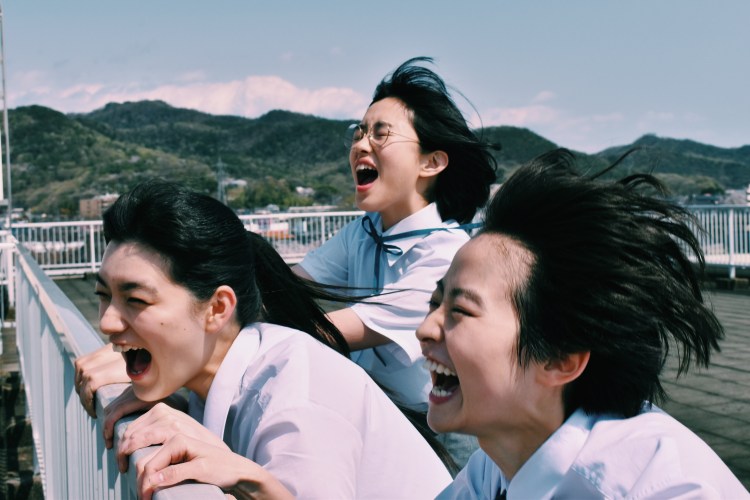
“As long as you have a girl you can cope with anything. Who cares what’s happening in the world?” the lovestruck hero of Natsuki Seta’s Georama Boy, Panorama Girl (ジオラマボーイ・パノラマガール) blusters floating around on a cloud of adolescent intensity. “Man, you’re crazy” his more mature workmate replies with unconcealed exasperation. Adapted from a manga by Kyoko Okazaki, Seta’s post-modern drama like her previous film Parks recalls the lighthearted teen movies of the Bubble era even as it gleefully subverts rom-com norms as the mismatched youngsters repeatedly glide past each other experiencing parallel though connected episodes of romantic disillusionment in a rapidly deconstructing city. 

The heroine, Haruko Shibuya (Anna Yamada), is a dreamy, romantic sort of girl who’s read too many shojo manga and wishes the summer could go on indefinitely because she wants “to dream longer”. Kenichi Kanagawa (Jin Suzuki), by contrast, is a slightly nerdy young man who upends expectation by suddenly standing up mid-class after being forced to take a test on the first day back after the summer holidays to announce he’s quitting school because he’s realised it’s just not necessary for him. As if trying to get his mid-life crisis over as early as possible, Kenichi picks up a skateboard and starts hanging round in Shibuya unsuccessfully trying to pick up girls until he catches the attention of a free spirited older woman, Mayumi (Misato Morita), only to be unceremoniously beaten up by her maybe boyfriend after being spotted together in a cafe. Bloodied, bruised, and collapsed in the street is how he eventually meets Haruko who stops to see he’s OK and then randomly gifts him her combini purchases, keeping hold of his school ID card which is how she figures out who he is. 

Being a teenage girl, Haruko, like her friends Kaede (Erika Takizawa) and Maru (Kogarashi Wakasugi), longs to fall in love and thinks meeting Kenichi is her romantic destiny even over investing in its potency in believing their love is probably necessary in order to save the Earth from calamity like the star-crossed lovers from a shojo manga. As their names suggest, Haruko is the city centre whereas Kenichi is the provincial suburbs, but they spend their time dancing around each other living out parallel love stories as Kenichi continues to obsess over Mayumi whose free-spirited frankness is tinged with sadness while her toying with a lovestruck teen has an almost self-destructive quality. Each of them experience a moment of romantic disillusionment realising that their adolescent visions of pure love are essentially unrealistic and that chance meetings are sometimes just that intended to go no further because life thinks nothing of the rules of narrative causality. 

The failure of Haruko’s romantic dreams prompts her into a further moment of introspection as she continues to wonder if everything around her is merely an illusion. Meanwhile, the TV news is a catalogue of contemporary anxieties from an early report on a young woman who took her own life rather than return to school because of rampant bullying not to mention exam stress, to a protest over nuclear weapons and conscription, and even one about a potential response to meteors and aliens. The Tokyo the teens inhabit is one of constant uncertainty, a city half-built and in a state of limbo remaking itself for the upcoming Olympics (which ironically we now know will only half arrive). Yet as Kenichi had suggested, the teens barely notice what’s going on in the world around them so caught up are they in their adolescent dramas finding themselves less star-crossed than at cross purposes in their mutual romantic dilemmas. 

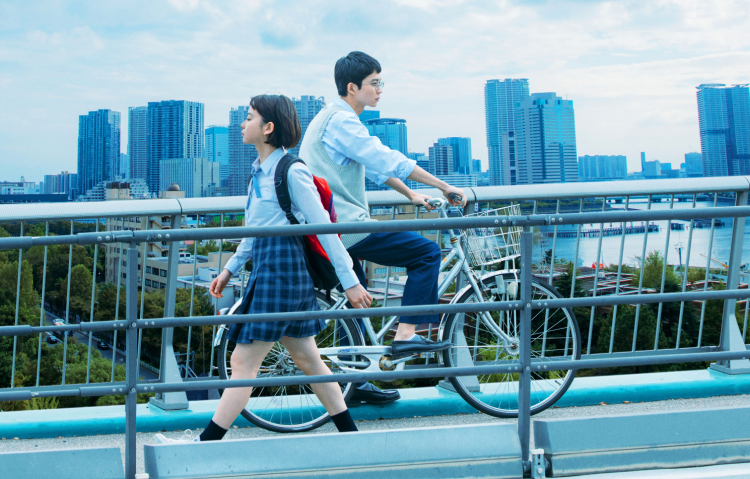
Just like the teen movies of old, Seta draws inspiration from the French New Wave as the youngsters frequently monologue across each other sometimes in sync and others not their dialogue in a sense pretentious but also filled with the naive intensity of youth as they each attempt to navigate their way towards a more mature adulthood. With a charmingly timeless retro quality, Georama Boy, Panorama Girl embraces the absurdity of teenage love but finally opens the door to something more “real” brokered in a way by twin heartbreak followed by a mutual resetting as the pair walk out into a new dawn now more ready to meet whatever it has waiting for them. 


Georama Boy, Panorama Girl streams in Canada until Aug. 25 as part of this year’s Fantasia International Film Festival.

International trailer (English subtitles)

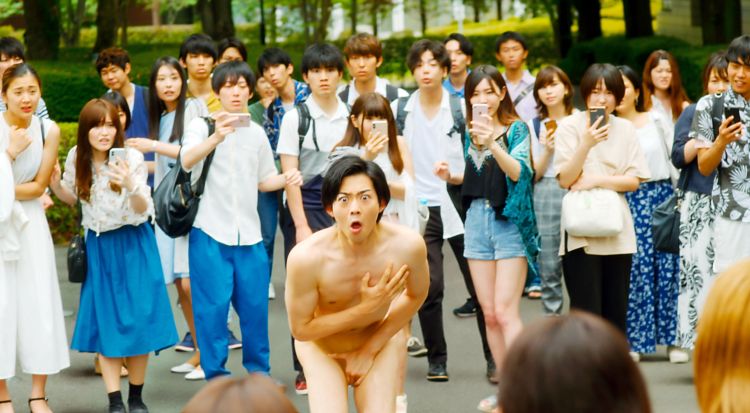
Sexual Drive (性的衝動, Kota Yoshida, 2021) [Fantasia 2021]

A weird chestnut-bearing spirit of sexual awakening visits three troubled couples in Kota Yoshida’s odyssey of food-themed eroticism, Sexual Drive (性的衝動, Seitekishodo). As the title perhaps implies, Yoshida’s loose thesis seems to be that each of the spouses he counsels is living a dull and unfulfilling life because they’re repressing their authentic selves either unrecognising or rejecting the true nature of their sexual desires. Yet who or what is Kurita (Tateto Serizawa) and what is he really up to? Aside from all that, is he even “real”?

When we first meet Kurita, he’s bearing a box of Chinese chestnuts (“chestnut” being the first character of his name but also a slang term for clitoris) and walking with a pronounced limp. This lends credence to his story of having suffered a stroke three years previously though as we will later discover the cause is likely very different if at least suggesting a healthy corporality. The visit is all the more unusual as it seems he doesn’t know the man he’s come to see, Enatsu (Ryo Ikeda). Just as we’re wondering if this is some kind of hookup while his wife (Manami Hashimoto) works an extra shift at the hospital, we realise that the reverse may be true as Kurita claims to have been having a three-year affair with Enatsu’s spouse having fixated on her after she fitted a catheter for him following an operation. This is a discussion between men, but Kurita soon becomes excitable making lewd gestures with a mostly empty natto carton apparently likening its distinctive taste and odour to the nether regions of Enatsu’s wife. Goading him that their marriage has been sexless for the last five years, what Kurita seems to do is ironically restore Enatsu’s sexual potency through his vicarious enjoyment of his wife’s taste for this famously love it or hate dish of fermented soy beans. 

Kurita’s second victim, meanwhile, has apparently committed the crime of making inauthentic mapo tofu, its heat turned down to suit the Japanese palate. This time Kurita claims to have been an elementary school classmate of the nervous Akane (Honami Sato) who has frequent panic attacks and has finally got up the courage to go for her first solo drive. He insists that Akane is a sadist who brokered his own masochistic awakening through her merciless bullying and that the reason she’s so on edge is because she’s living a neutered life with only inauthentic mapo tofu when she should really be making her own loaded with enough spice to burn the roof of her husband’s mouth clean off. 

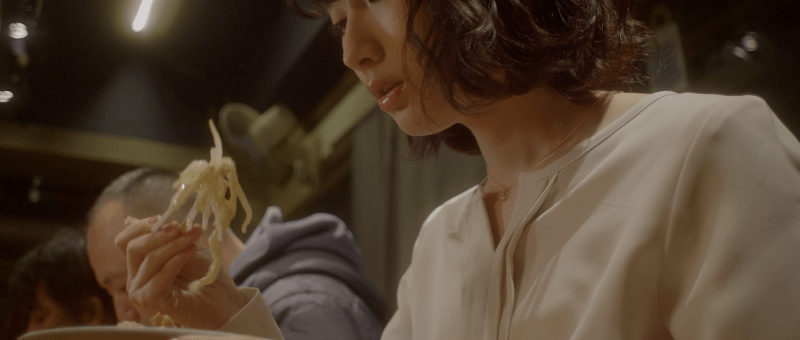
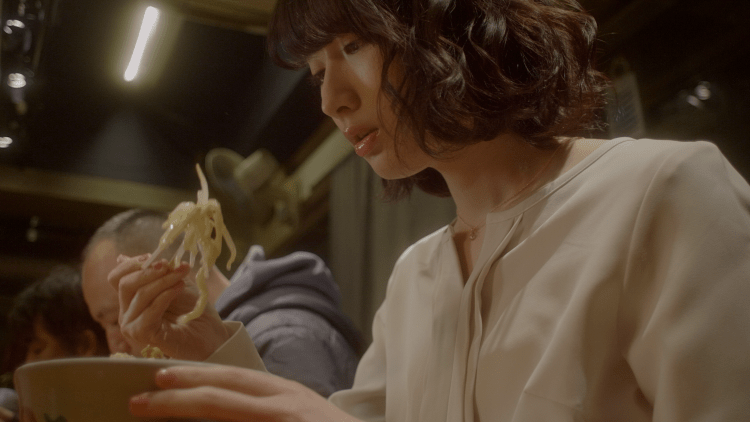
His third case, however, sees him steal a device from Snake of June in communicating with an adulterous husband, Ikeyama (Shogen), claiming that he’s kidnapped his mistress, Momoka (Rina Takeda), and will soon expose his extra-marital affair if he refuses to follow the instructions he gives him. These are mostly surprisingly wholesome and a little bit sad as what Kurita is hoping to teach Ikeyama is what a cad he’s being and how his insensitive treatment of Momoka must make her feel. Accordingly, he sends him to a greasy ramen bar mostly frequented by middle-aged men where talking is very much not allowed in order for him to consume a satisfyingly fatty dish the transgressive energy of which both inflamed Momoka’s desire and forced her into a contemplation of her role as the mistress of a married man. Ikeyama’s awakening is less to sex than to love in being forced to accept Momoka’s personhood in empathising with the loneliness his indifference causes her to feel. 

Yet, if it weren’t for the chestnuts, we might wonder if Kurita were real or merely a manifestation of each of his victims’ subconscious fears and desires. Even as it stands, we can’t be sure that anything he says is actually true, nor do we know what motive he has for guiding these frustrated souls towards their sexual release like some strange sex fairy sent from on high. Nevertheless, in satisfying appetites of all kinds he paints the fulfilment of authentic sexuality as a basic human need even as food becomes a kind of displacement activity standing in for the satisfaction of human desire. Strangely absurd in Kurita’s rather creepy demeanour coupled with his victims’ crumbling wholesomeness, Sexual Drive even if ironically presents a refreshingly positive message of embracing kink while remaining mindful of its effects on others. 


Sexual Drive streams in Canada Aug. 5 – 25 as part of this year’s Fantasia International Film Festival.

Original trailer (English subtitles)

Fantasia International Film Festival Confirms Complete 2021 Programme

Montreal’s Fantasia International Film Festival celebrates its 25th anniversary with a hybrid edition in theatres and streaming across Canada Aug. 5 – 25 showcasing the best in global genre cinema. Here’s a look at the East Asian features included in this year’s programme:

China

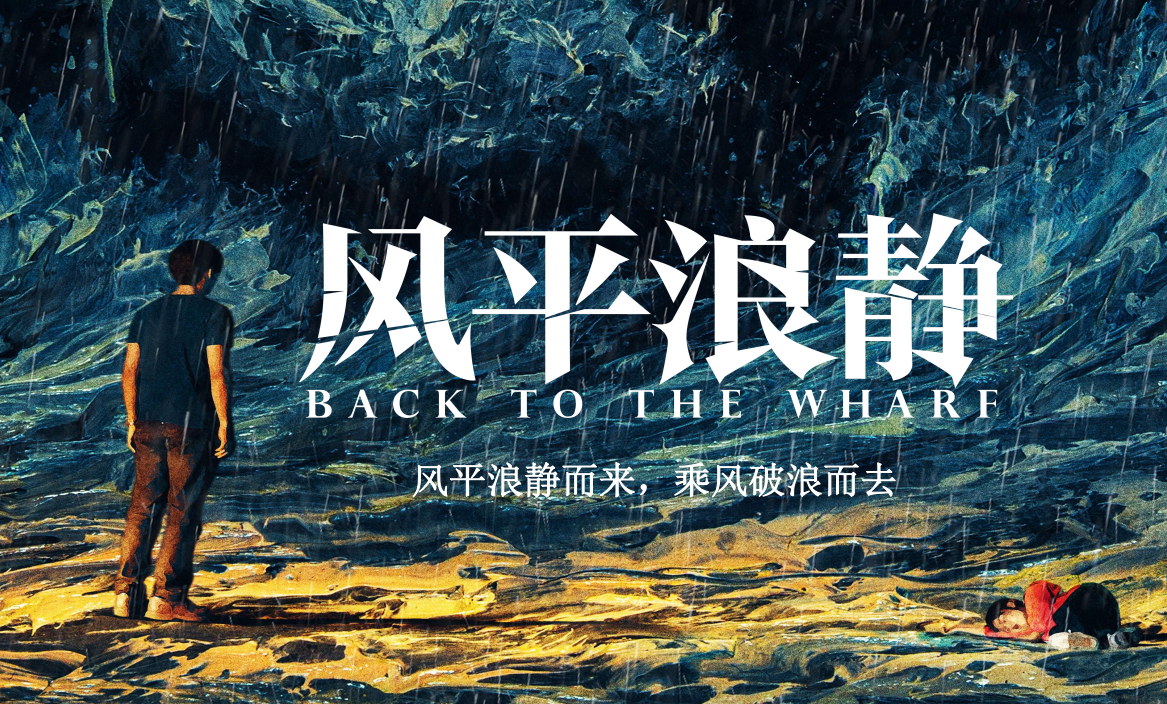
  • Back to the Wharf – A wounded young man’s attempts to start over in the shadow of his crime are doomed to failure in Li Xiaofeng’s moody, fatalistic neo-noir. Review.

Japan

  • Kakegurui 2: Ultimate Russian Roulette – sequel to the hit high school gambling manga adaptation.
  • Remain in Twilight – six former high school friends reunite for a funeral in a poignant drama from Daigo Matsui.
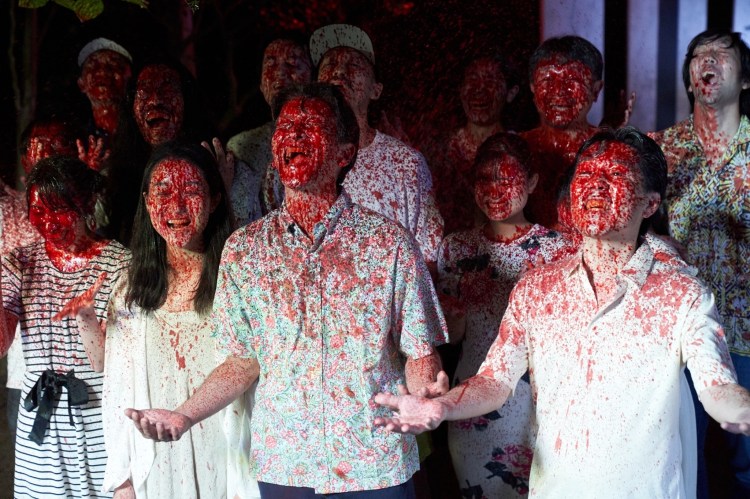
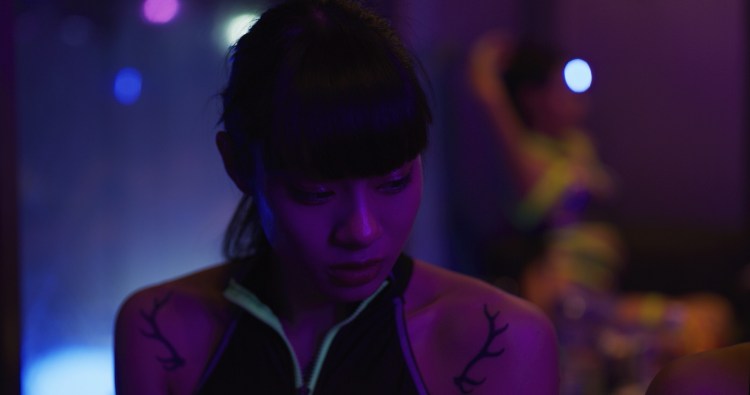
  • Wonderful Paradise – An impromptu going away party descends into a psychedelic rave of death and rebirth in Masashi Yamamoto’s defiantly surreal nighttime odyssey. Review.
  • Caution, Hazardous Wife – big screen outing of the TV drama starring Haruka Ayase as a former assassin turned regular housewife.
  • Not Quite Dead Yet – A resentful young woman comes to understand her awkward scientist dad only after he becomes temporarily deceased in Shinji Hamasaki’s delightfully zany comedy. Review.
  • Art Kabuki – filmed kabuki performance
  • Beyond the Infinite Two Minutes – A diffident cafe owner faces an existential dilemma when trapped in a time loop with himself from two minutes previously in Junta Yamaguchi’s meticulously plotted farce. Review.
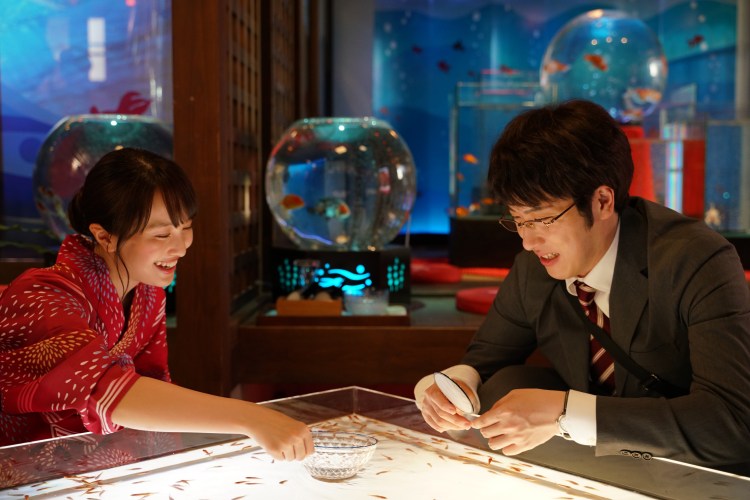
  • Love, Life and Goldfish – musical manga adaptation in which a salaryman is demoted to a rural town after insulting his boss.
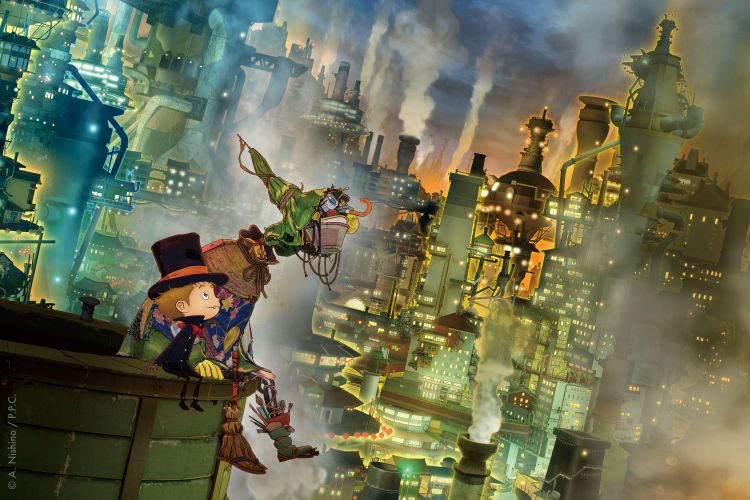
  • Poupelle of Chimney Town – animated adaptation of the picture book by Akihiro Nishino.
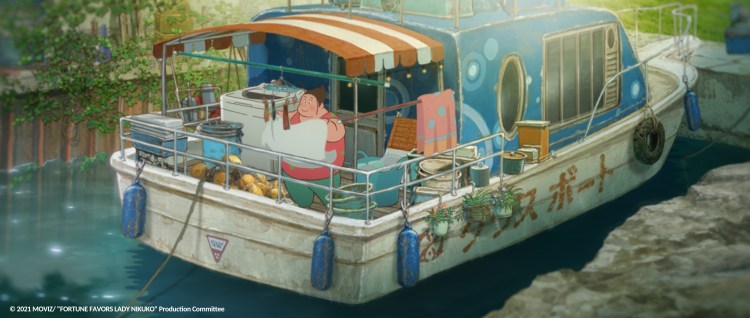
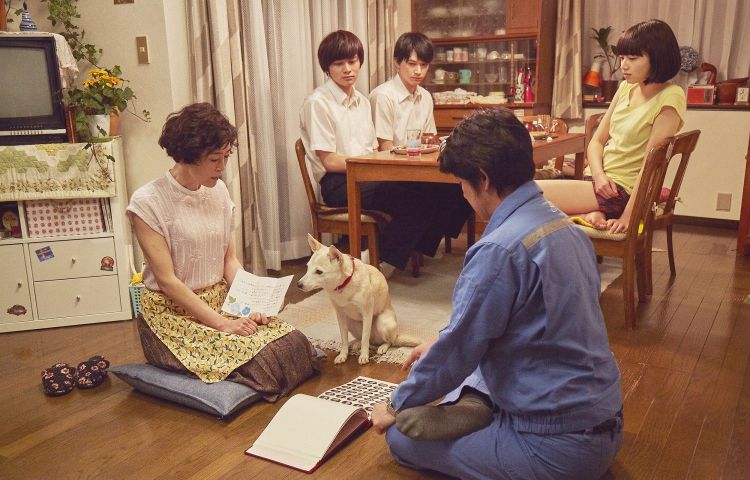
  • Fortune Favors Lady Nikuko – animated adaptation of the much loved book by Kanako Nishi centring on the sometimes difficult relationship between a serious young girl and her cheerful mother.
  • It’s a Summer Film! – A jidaigeki-obsessed high schooler sets out to make her own summer samurai movie in Soshi Matsumoto’s charming sci-fi infected teen rom-com. Review.
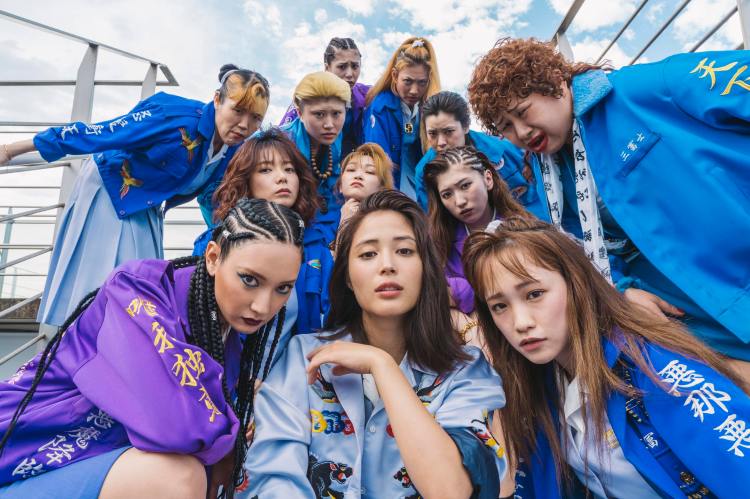
  • Jigoku-no-Hanazono ~ Office Royale ~ – delinquent office lady comedy drama.
  • Sakura – nostalgic family drama adapted from the novel by Kanako Nishi and directed by Hitoshi Yazaki.
  • Pompo: the Cinéphile – anime adaptation of the movie-themed manga.
  • Satoshi Kon, the Illusionist – documentary by Pascal-Alex Vincent on the late director of Perfect Blue.
  • Junk Head – new theatrical edit of the sci-fi horror stop motion animation.
  • Dreams on Fire – A country girl comes to the city to become a dancer and finds a sense of solidarity in subculture in Philippe McKie’s refreshingly positive drama. Review.
  • Georama Boy Panorama Girl – teen romance adapted from the manga by Kyoko Okazaki and directed by Natsuki Seta.
  • Hold Me Back – latest from Akiko Ohku in which a happily single 31-year-old woman’s peaceful life is disrupted by romance. 
  • Ora, Ora, Be Goin’ Alone – latest from Shuichi Okita starring Yuko Tanaka as an older woman reflecting on her younger self (Yu Aoi) and surrounded by the “voices of her heart”.
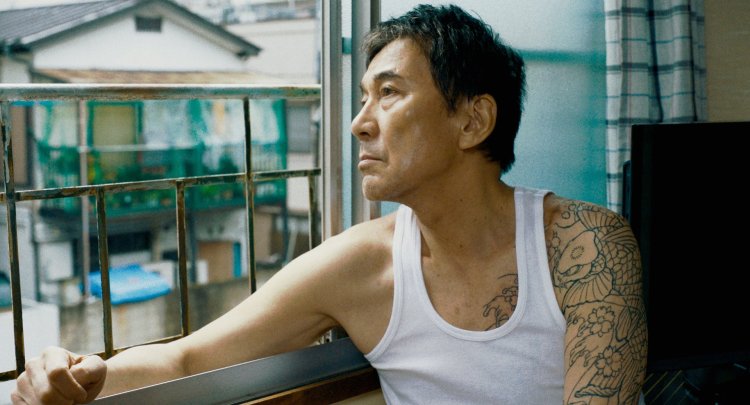
  • Sexual Drive – three tales of food and sex from Kota Yoshida
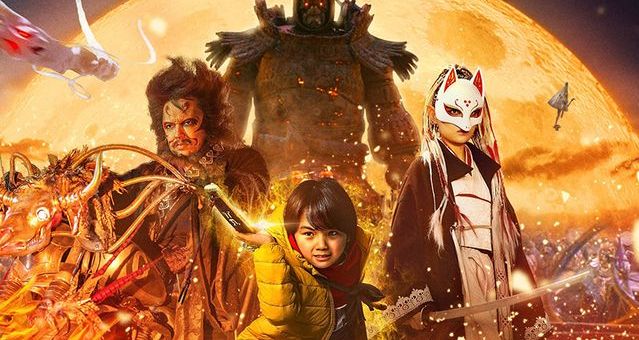
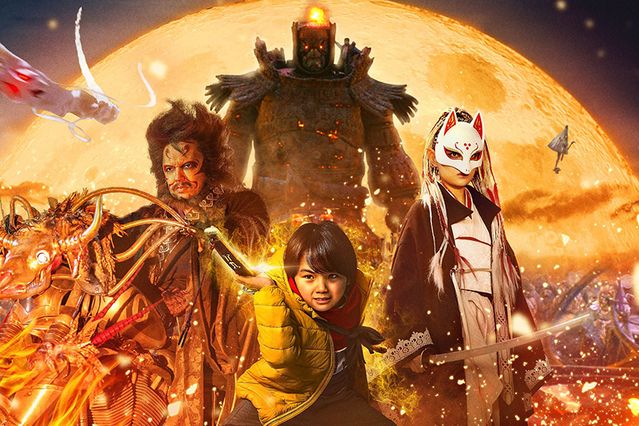
  • Great Yokai War: Guardians – Takashi Miike’s sequel to The Great Yokai War in which an elementary school student inherits the blood of the legendary monster hunter in order to save the world from rampaging yokai.
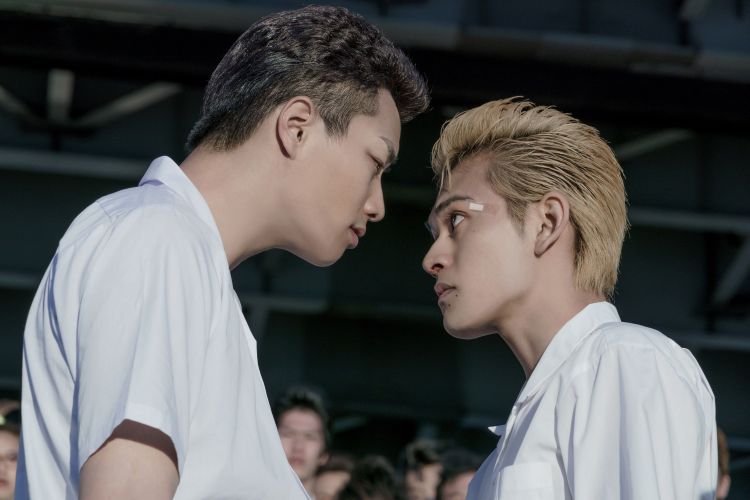
  • Tokyo Revengers – manga adaptation in which a freeter discovers his first love was murdered by gangsters.
  • Follow the Light – sci-fi-inflected coming-of-age story in which a crop circle appears in a quiet rural village.
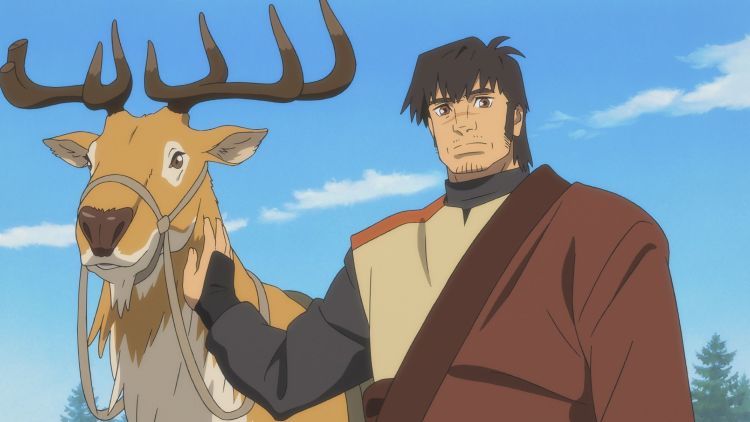
  • The Deer King – animated feature in which a former soldier and a young girl attempt to escape a deadly plague.
  • Grand Blue Dreaming – manga adaptation in which a straight-laced college student is pulled into the debauched life of the local diving club.
  • The 12 Day Tale of the Monster that Died in 8 – black & white COVID kaiju drama from Shunji Iwai.
  • Under the Open Sky – A pure-hearted man of violence struggles to find his place in society after spending most of his life behind bars in Miwa Nishikawa’s impassioned character study. Review.
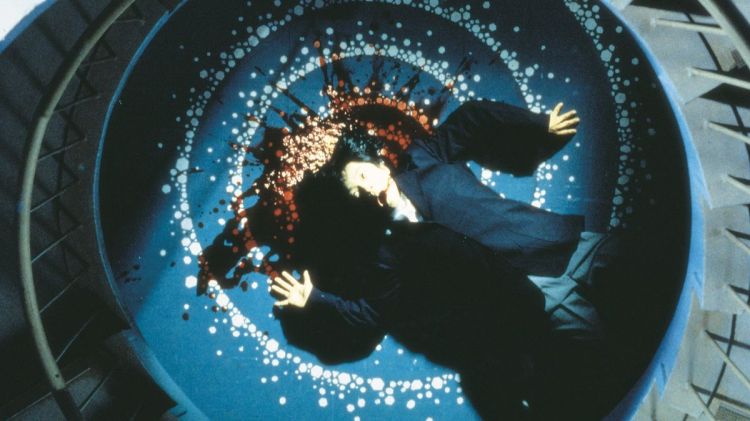
  • Uzumaki – 2000 horror movie adaptation of Junji Ito’s manga in which mysterious spirals engulf a small town.
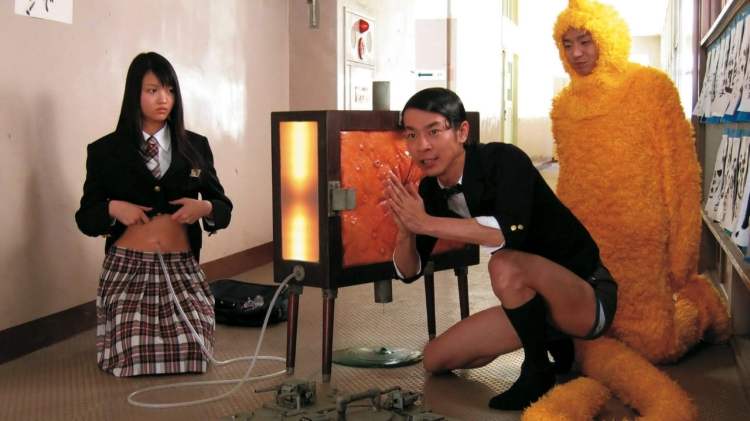
  • Funky Forest – 2005 quirky anthology film
  • Warped Forest – 2011 sequel to Funky Forest from Shunichiro Miki
  • All About Lily Chou Chou – Shunji Iwai’s 2001 school bullying drama
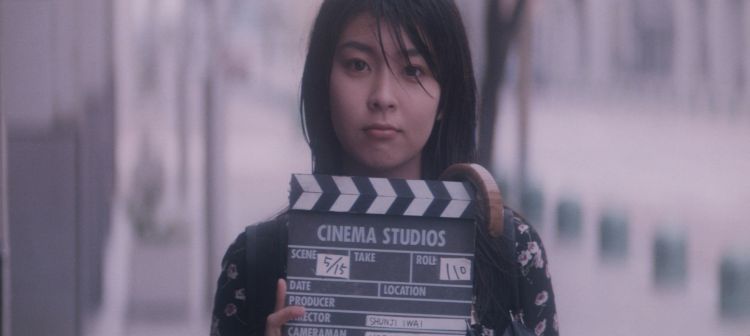
  • April Story – Shunji iwai’s charming 1998 mid-length film starring Takako Matsu as a young woman moving to Tokyo for uni.

Hong Kong

  • Time – an ageing hitman takes up a new career in euthanasia in Ricky Ko’s black comedy. 
  • Septet – HK-themed anthology featuring instalments by Patrick Tam, Ringo Lam, Ann Hui, Johnnie To, Yuen Woo-ping, Tsui Hark, Sammo Hung
  • Hand Rolled Cigarette – A cynical former British soldier and a South Asian street thief find unexpected solidarity in Chan’s gritty neo-noir. Review.
  • One Second Champion – A dejected single-father with a “useless” superpower finds a new lease of life in the boxing ring in Chiu’s plucky social drama. Review.
  • Raging Fire – Benny Chan action drama starring Donnie Yen as a by the book cop facing off against Nicholas Tse’s maverick gone rogue.

Korea

  • Voice of Silence – A mute farmer begins to dream of a different life after being charged with minding a kidnap victim in Hong Eui-jeong’s strangely warmhearted crime caper. Review.
  • The Slug – A woman in her ’30s struggles to overcome a sense of toxic inadequacy born of teenage trauma in Choi Jin-young’s whimsical drama. Review.
  • Collectors – a tomb raider prepares a daring heist to retrieve a precious artefact.
  • Devil’s Deal – political drama in which a slighted politician steals classified information
  • Midnight – thriller in which a deaf woman becomes a target for a killer after witnessing a murder.
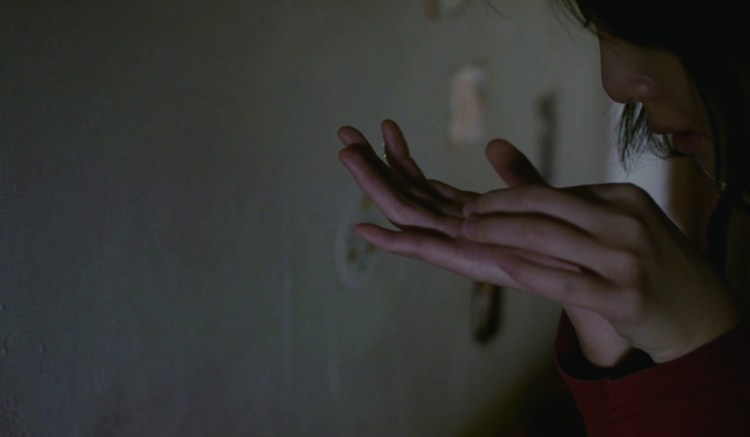
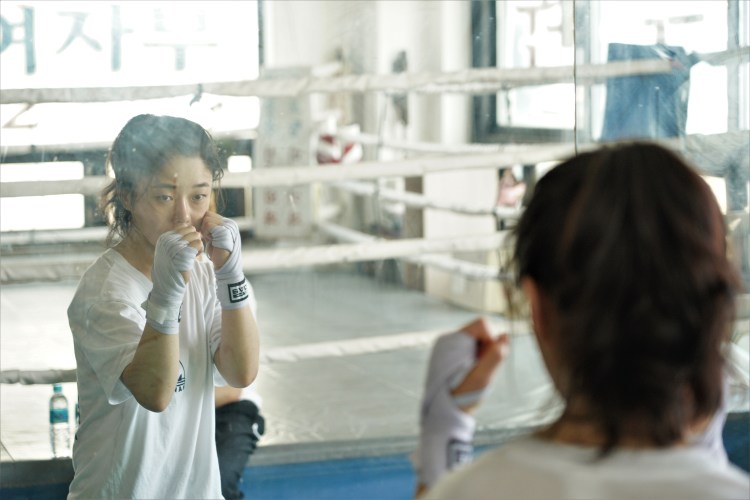
  • Fighter – a North Korean refugee pins her hopes on boxing to bring her father to the South
  • Josee – Korean adaptation of Seiko Tanabe’s short story Josee, the Tiger and the Fish in which a student befriends a young woman isolated by her disability.
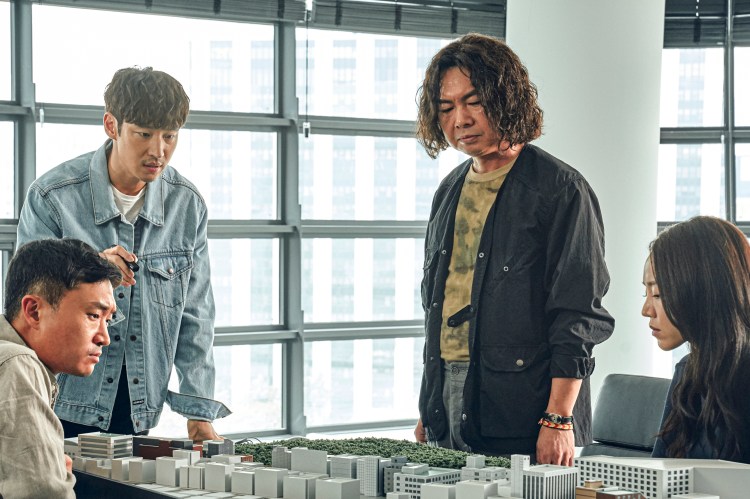
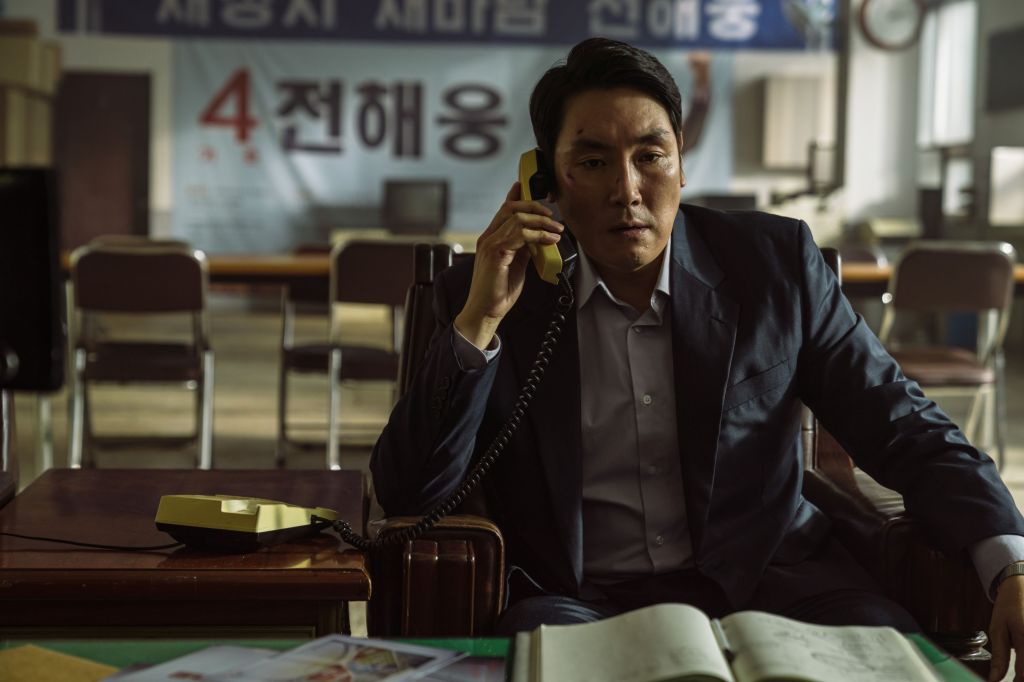
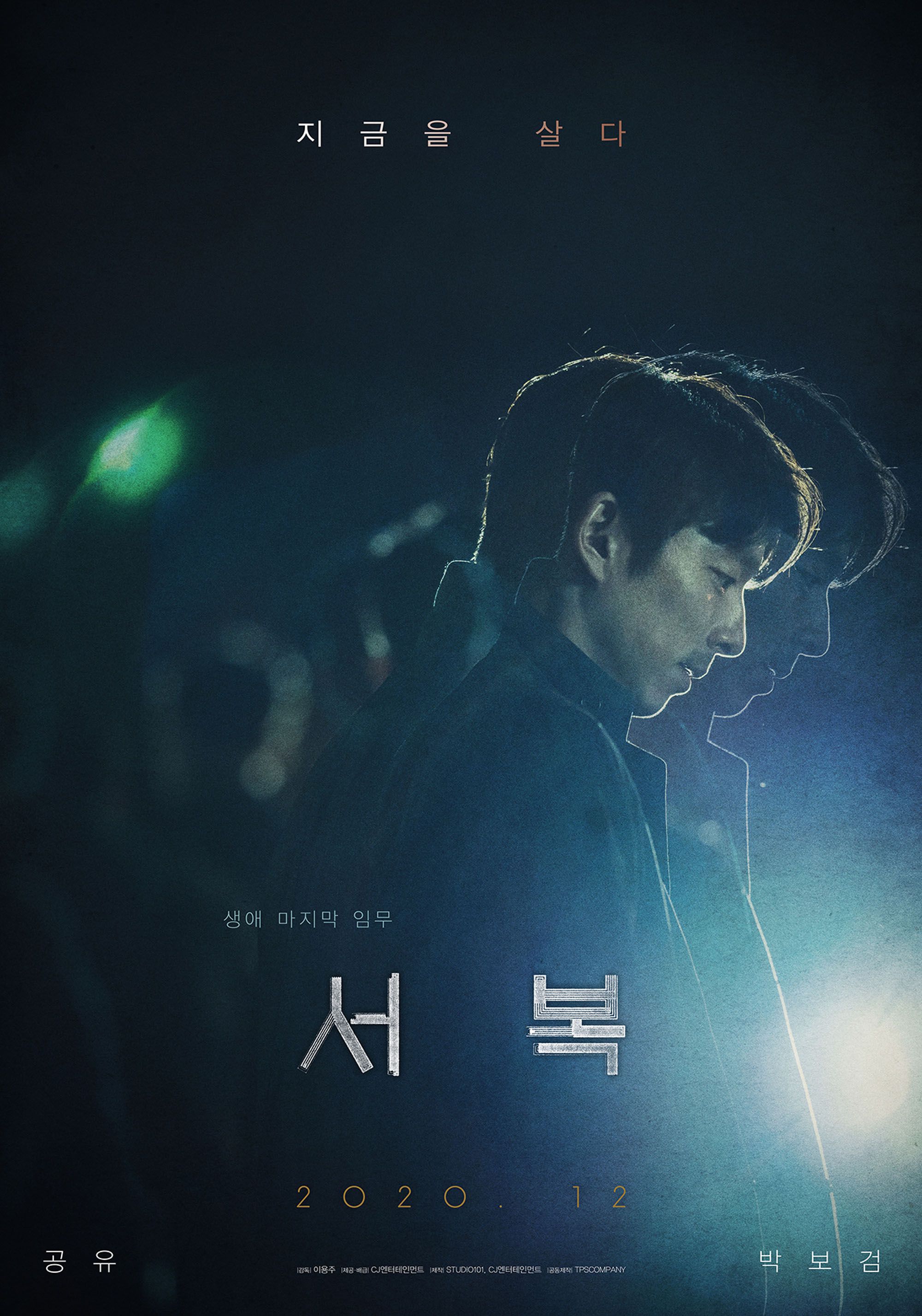
  • Seobok – big budget sci-fi starring Gong Yoo as a former government agent teaming up with the first human clone

Kazakstan

  • Sweetie You Won’t Believe It – after arguing with his wife a husband gets more than he bargained for while fishing with friends.

Malaysia

  • The Story of Southern Islet – a wife embarks on a perilous journey to save her ailing husband.

The Philippines

  • Midnight in a Perfect World – dejected youngsters contemplate the costs of their newly “utopian” society in Dodo Dayao’s eerie, sci-fi inflected horror take on the legacy of martial law. Review.

Singapore

  • Tiong Bahru Social Club – An earnest young man experiences an existential crisis while living in the “happiest neighbourhood in the world” in Tan Bee Thiam’s whimsical satire. Review.

Taiwan

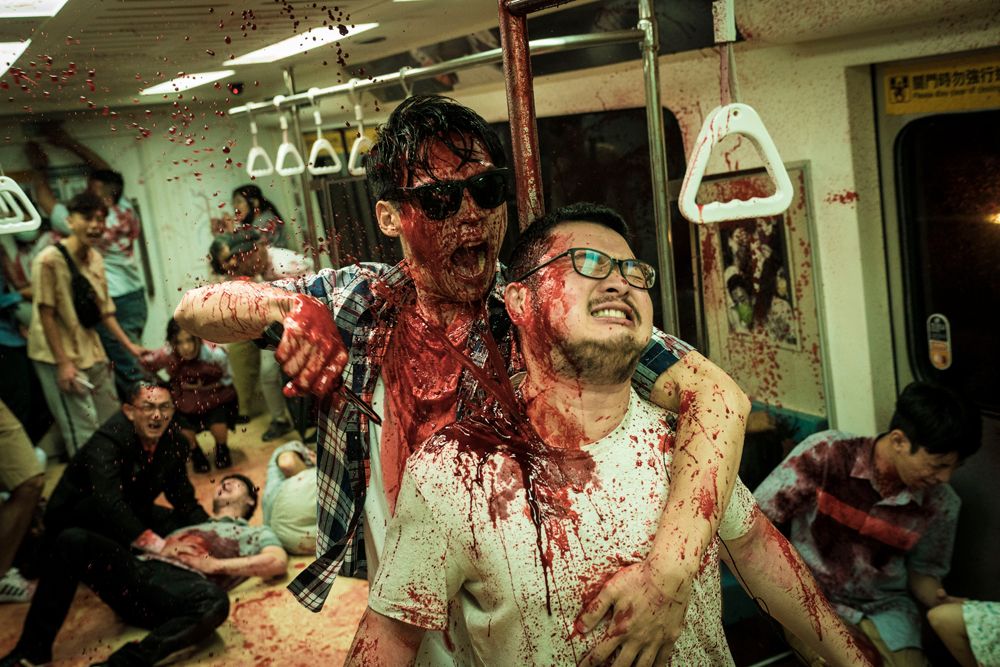
  • The Sadness – an office worker and her filmmaker boyfriend attempt to escape a deadly epidemic of rage and violence in Robert Jabbaz bloody horror

Most films will be available to stream in Canada from 5th – 25th August with some also screening in Montreal. “Tickets” for online movies are limited in number comparable to the size of a physical auditorium and while much of the programme is available on demand selected films will stream live only. Full details for all the films are available via the the official website, and you can also keep up with all the latest news via the festival’s official Facebook pageTwitter account, Instagram, and Vimeo channels.

Fantasia Confirms Second Wave of Titles for 2021 Virtual Edition

Montreal’s Fantasia International Film Festival celebrates its 25th anniversary with another online virtual edition streaming across Canada Aug. 5 – 25 showcasing the best in global genre cinema. With the full programme revealed later this month, here’s a look at the East Asian highlights announced so far:

China

  • Back to the Wharf – A wounded young man’s attempts to start over in the shadow of his crime are doomed to failure in Li Xiaofeng’s moody, fatalistic neo-noir. Review.

Japan

  • Kakegurui 2: Ultimate Russian Roulette – sequel to the hit high school gambling manga adaptation.
  • Remain in Twilight – six former high school friends reunite for a funeral in a poignant drama from Daigo Matsui.
  • Wonderful Paradise – An impromptu going away party descends into a psychedelic rave of death and rebirth in Masashi Yamamoto’s defiantly surreal nighttime odyssey. Review.
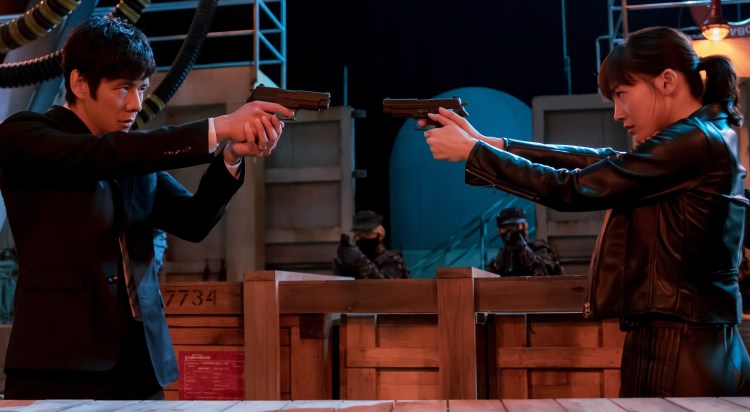
  • Caution, Hazardous Wife – big screen outing of the TV drama starring Haruka Ayase as a former assassin turned regular housewife.
  • Not Quite Dead Yet – A resentful young woman comes to understand her awkward scientist dad only after he becomes temporarily deceased in Shinji Hamasaki’s delightfully zany comedy. Review.
  • Art Kabuki – filmed kabuki performance
  • Beyond the Infinite Two Minutes – A diffident cafe owner faces an existential dilemma when trapped in a time loop with himself from two minutes previously in Junta Yamaguchi’s meticulously plotted farce. Review.
  • Love, Life and Goldfish – musical manga adaptation in which a salaryman is demoted to a rural town after insulting his boss.
  • Poupelle of Chimney Town – animated adaptation of the picture book by Akihiro Nishino.
  • Fortune Favors Lady Nikuko – animated adaptation of the much loved book by Kanako Nishi centring on the sometimes difficult relationship between a serious young girl and her cheerful mother.
  • It’s a Summer Film! – A jidaigeki-obsessed high schooler sets out to make her own summer samurai movie in Soshi Matsumoto’s charming sci-fi infected teen rom-com. Review.
  • Jigoku-no-Hanazono ~ Office Royale ~ – delinquent office lady comedy drama.
  • Sakura – nostalgic family drama adapted from the novel by Kanako Nishi and directed by Hitoshi Yazaki.
  • Pompo: the Cinéphile – anime adaptation of the movie-themed manga.
  • Satoshi Kon, the Illusionist – documentary by Pascal-Alex Vincent on the late director of Perfect Blue.
  • Junk Head – new theatrical edit of the sci-fi horror stop motion animation.
  • Dreams on Fire – A country girl comes to the city to become a dancer and finds a sense of solidarity in subculture in Philippe McKie’s refreshingly positive drama. Review.
  • Georama Boy Panorama Girl – teen romance adapted from the manga by Kyoko Okazaki and directed by Natsuki Seta.
  • Hold Me Back – latest from Akiko Ohku in which a happily single 31-year-old woman’s peaceful life is disrupted by romance. 
  • Ora, Ora, Be Goin’ Alone – latest from Shuichi Okita starring Yuko Tanaka as an older woman reflecting on her younger self (Yu Aoi) and surrounded by the “voices of her heart”.
  • Sexual Drive – three tales of food and sex from Kota Yoshida

Hong Kong

  • Time – an ageing hitman takes up a new career in euthanasia in Ricky Ko’s black comedy. 

Korea

  • Voice of Silence – A mute farmer begins to dream of a different life after being charged with minding a kidnap victim in Hong Eui-jeong’s strangely warmhearted crime caper. Review.
  • The Slug – A woman in her ’30s struggles to overcome a sense of toxic inadequacy born of teenage trauma in Choi Jin-young’s whimsical drama. Review.
  • Collectors – a tomb raider prepares a daring heist to retrieve a precious artefact.

Malaysia

  • The Story of Southern Islet – a wife embarks on a perilous journey to save her ailing husband.

Singapore

  • Tiong Bahru Social Club – An earnest young man experiences an existential crisis while living in the “happiest neighbourhood in the world” in Tan Bee Thiam’s whimsical satire. Review.

The films will be available to stream in Canada from 5th – 25th August. “Tickets” for each film are limited in number comparable to the size of a physical auditorium and while much of the programme is available on demand selected films will stream live only. Full details for all the films are available via the the official website, and you can also keep up with all the latest news via the festival’s official Facebook pageTwitter account, Instagram, and Vimeo channels.