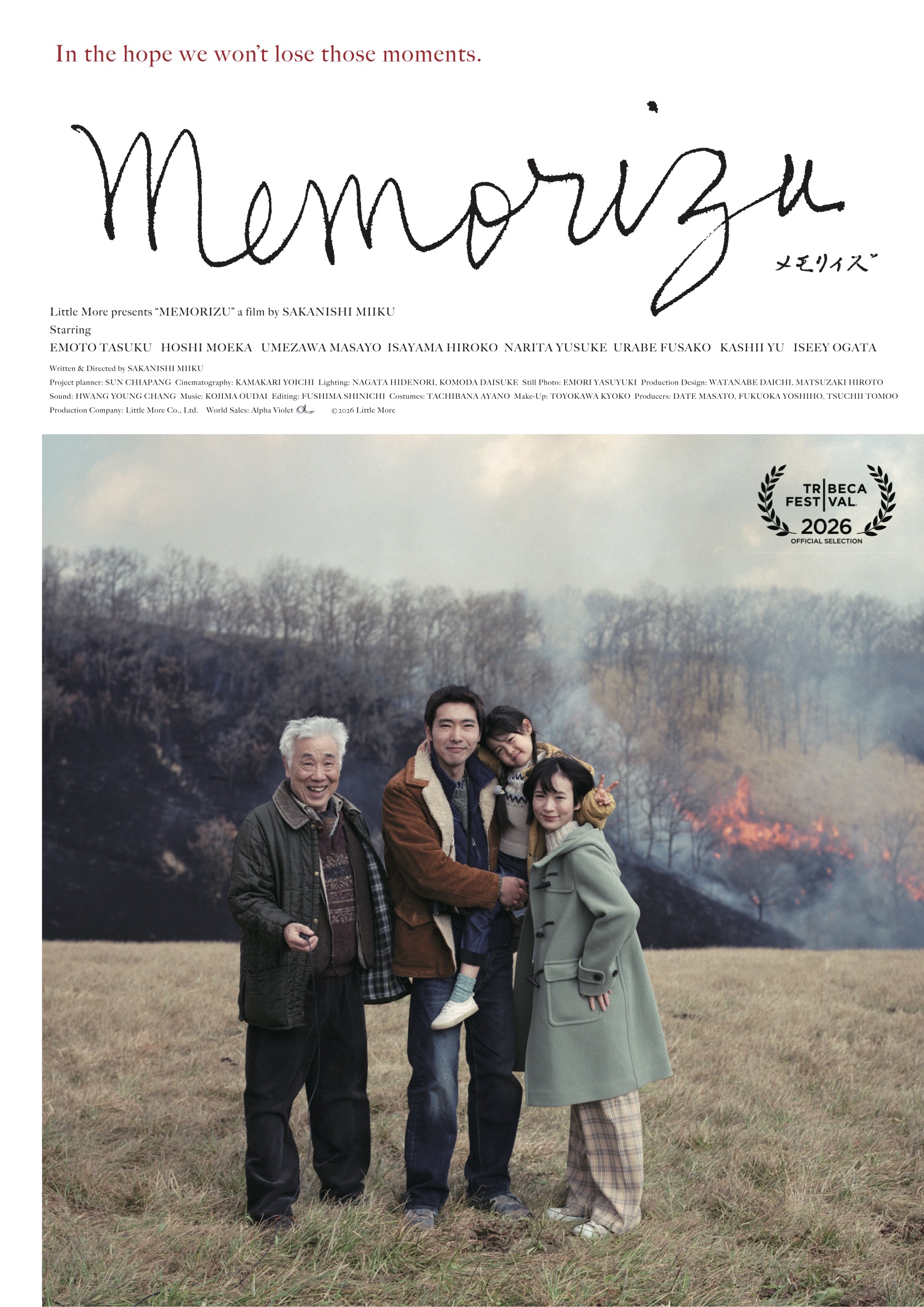
Memorizu (メモリィズ, Miiku Sakanishi, 2026)

Trying to calm a nervous groom, ageing photographer Makoto (Issei Ogata) tells him that he also took his grandfather’s wedding pictures in a moment that speaks of several kinds of continuity all at once. Yet why is that we take photos? Is it for ourselves, as a kind of proof of existence “to remember we were here,” or so that we can share these moments with others and create shared memories to paper over the rift of absence?

The weight of nostalgia hangs heavy over Makoto’s photography studio, but the irony is that it’s son-in-law, Yuta (Tasuku Emoto), who’s come to look after him while he recuperates after breaking a leg, and therefore has no particular attachment to this place or the landscape given that it is not the place where he grew up. Nevertheless, this sense of distance is perhaps why Yuta finds himself taking photos on his smartphone and documenting his daily live in the peaceful rural environment as a means of keeping in touch with his wife, Yuki (Moeka Hoshi), and daughter, Hana, who were supposed to be coming with him but had to cancel at the last moment.

These photos are often spontaneous and sparked by the desire to share a moment or re-experience it later, whereas the photographs taken at Makoto’s studio are more deliberate. Someone has made a decision to have their photo taken either for a prosaic reason such as an application form, or because they too want to mark an important event like a wedding or the birth of a child. These are not events that anyone is likely to forget, but the physical object of the photograph becomes a repository for the emotions the subjects and photographer were feeling at that moment which might otherwise me transitory but can now be re-accessed through film.

The same can be true of the photos and videos Yuta takes on his phone which enable a kind of time lapse communication between himself and his family in which one can be both present and absent at the same time. Yet there’s an implication that the ease with which we take photos in the present day has diluted has their potency. Yuki calls up the photo app on her phone is ad plunged into a sea of images, mainly of her young daughter, so many that she will likely never open most of them again while the vastness of the archive might discourage looking at any of them at all beyond the already visible thumbnail. 

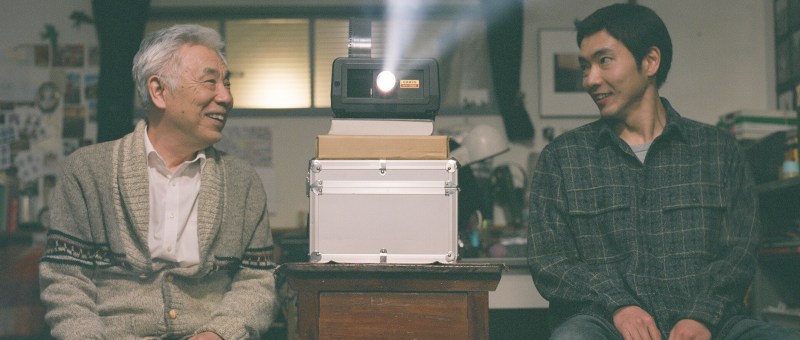
Even so, there’s a degree of poignancy in Makoto getting out the slide projector to show Yuta old pictures of his later wife and Yuki as a child as we see the same images recreated by the adult Yuki and Hana making exactly the same trip with the images appearing in Yuta’s mind like photographs. As Shiori and the young Yuki move further and further away from the camera, there’s a sense of continuing in these repeated images like a film negative running through a projector as one generation slowly replaces another. Though Shiori is already gone, her presence is felt through its absence in the empty seat next to Makoto as he remembers the time they saw a burning field, or her coat still hanging on the wall now on its own as Makoto has given his jacket to Yuta.

The gift of the jacket furthers Yuta’s identification with Makoto, though as one might expect the situation is a little awkward to begin with. Nevertheless, as he settles into the relaxed pace of rural life, the pair begin to bond and develop a familial relationship of their own. Sakanishi bookends the film with scenes of open windows, the first that of a ferry looking out onto the sea. Its rounded corners give it the aesthetic of film while the scene constantly changes to explore how various people react to it. Some look out on the sea as they eat, others more or less ignore it or get on with their work. The closing shot, meanwhile, is a timelapse photo through Makoto’s bedroom window capturing the changing seasons. The lesson is perhaps that the human eye is also a camera and that our lives our made up of these small, barely memorable moments that can nevertheless amount to something greater than ourselves. 


Trailer (English subtitles)
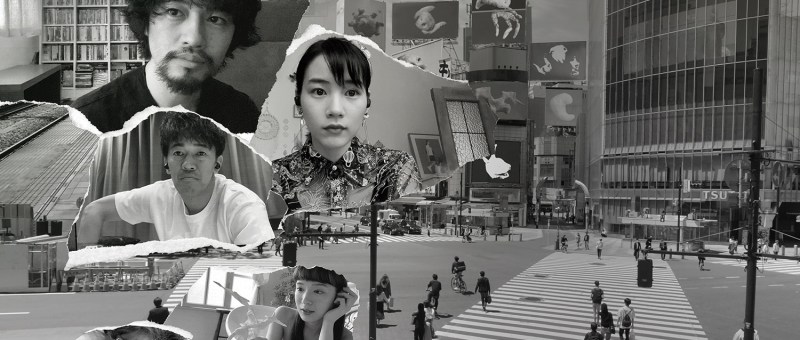
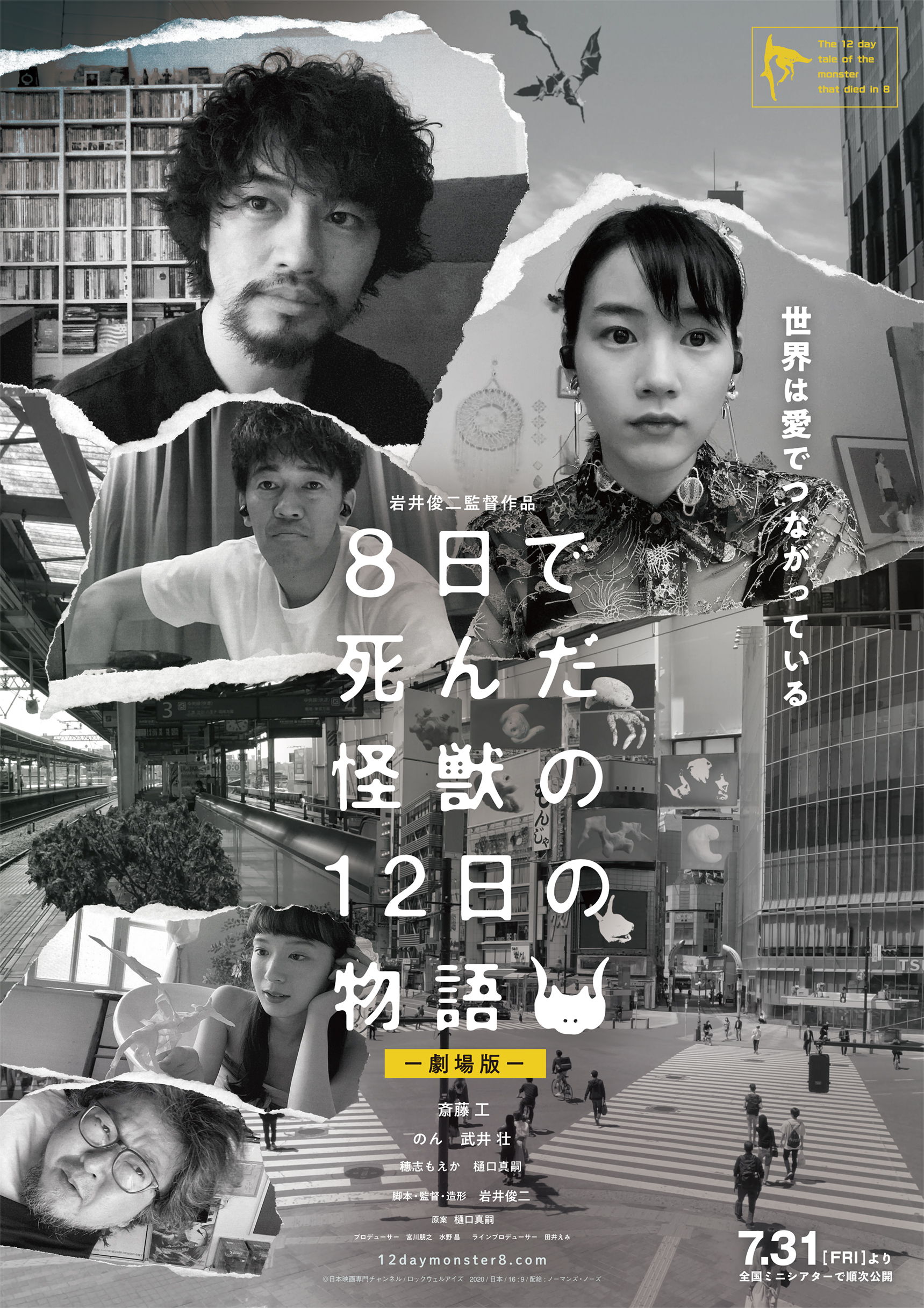
The 12 Day Tale of the Monster that Died in 8 (8日で死んだ怪獣の12日の物語, Shunji Iwai, 2020) [Fantasia 2021]

“We, all of us, can be heroes! Let’s support each other to beat this monster.” the hero of Shunji Iwai’s pandemic dramedy, The 12 Day Tale of the Monster that Died in 8 (8日で死んだ怪獣の12日の物語, Yoka de Shinda Kaiju no Juninichi no Monogatari) affirms. Inspired by Shinji Higuchi’s Kaiju Defeat Covid project and originally streamed as a web series, Iwai’s surreal screen drama is replete with the atmosphere of the pandemic’s early days, a mix of boredom and intense anxiety coupled with a determination to protect and support each other through this difficult time. Yet it’s also a tale of uncanny irony taking place in world in which Ultraseven is a documentary while the Earth has apparently been subject to waves of monster aggression, alien visitors, and even apparently an epidemic of ghosts. 

All of this the hero, Takumi Sato (Takumi Saitoh playing a version of himself) finds out from director Shinji Higuchi after contacting him on Zoom for advice about how to raise the “Capsule Kaiju” he bought on the internet in order to do something to help battle corona virus. Sato’s single “egg” soon becomes three, later back down to one again causing him to worry if the other two managed to escape or perhaps were eaten by the sole remaining monster. In any case, while they are three he names each of them after various Covid-fighting drugs and is informed by Higuchi that they currently resemble three kaiju from classic tokusatsu series Ultraseven. 

Nevertheless, Takumi is continually confused and disappointed by the slow progress of his project, confessing to one of his friends online that they were rated only one star on the store he bought them from but he’s sure that’s just because they’re a new product. His friend Non, (also playing a version of herself), meanwhile, has invested in an alien though the alien is, conveniently enough, entirely invisible and inaudible via camera. Non’s alien seems to be making much better progress to the extent that it eventually becomes disillusioned with selfish, apathetic human society and decides to return to outer space. Challenged, Takumi has to admit he hasn’t really done anything to make the world a better place except for raising his capsule kaiju and even that hasn’t gone particularly well. 

Then again, perhaps just getting through is enough to be going along with in the middle of a global pandemic. Takumi’s friend So (So Takei) is separated from his family in Bangkok and is struggling to find work as a chef while all the restaurants are closed only to later confess that he actually has a second family he, understandably, had not mentioned before in Japan that he also needs to support financially. Even so, Takumi is bemused watching the YouTube channel of a young woman (Moeka Hoshi) who broadcasts from her bathtub dressed in a nightgown and has managed to raise a recognisably dragon-like kaiju while his keep shapeshifting without progressing into a final form. He starts to worry, what if his kaiju are actually evil and intend to destroy the world rather than save it? The fact that it eventually takes on the form of a giant coronavirus might suggest he has a point, but kaiju work in mysterious ways and perhaps they are trying to help in their own small ways even if it might not seem like it in the beginning. 

In many ways that might be the primary lesson of the pandemic, everyone is doing their best even if they’re only doing something small like staying at home and wearing their mask. Shot entirely in black and white and mostly as direct to camera YouTube-style monologues or split-screen Zoom calls complete with occasional lag and echoing, Iwai adds in eerie pillow shots from a camera positioned high above the streets of a strangely quiet but not entirely empty Tokyo along with fragmentary dance sequences of young women dressed in black with CGI kaiju heads. A whimsical slice of pandemic life, 12 Day Tale ends as it began, with Takumi once again reminding us that we are all heroes and should support each other to beat the “virus monster” but adds a much needed note of hope as he assures his audience that the the day we beat the virus will certainly come, “let’s do our best together”. 


The 12 Day Tale of the Monster that Died in 8 streams in Canada until Aug. 25 as part of this year’s Fantasia International Film Festival.

Original trailer (English subtitles)

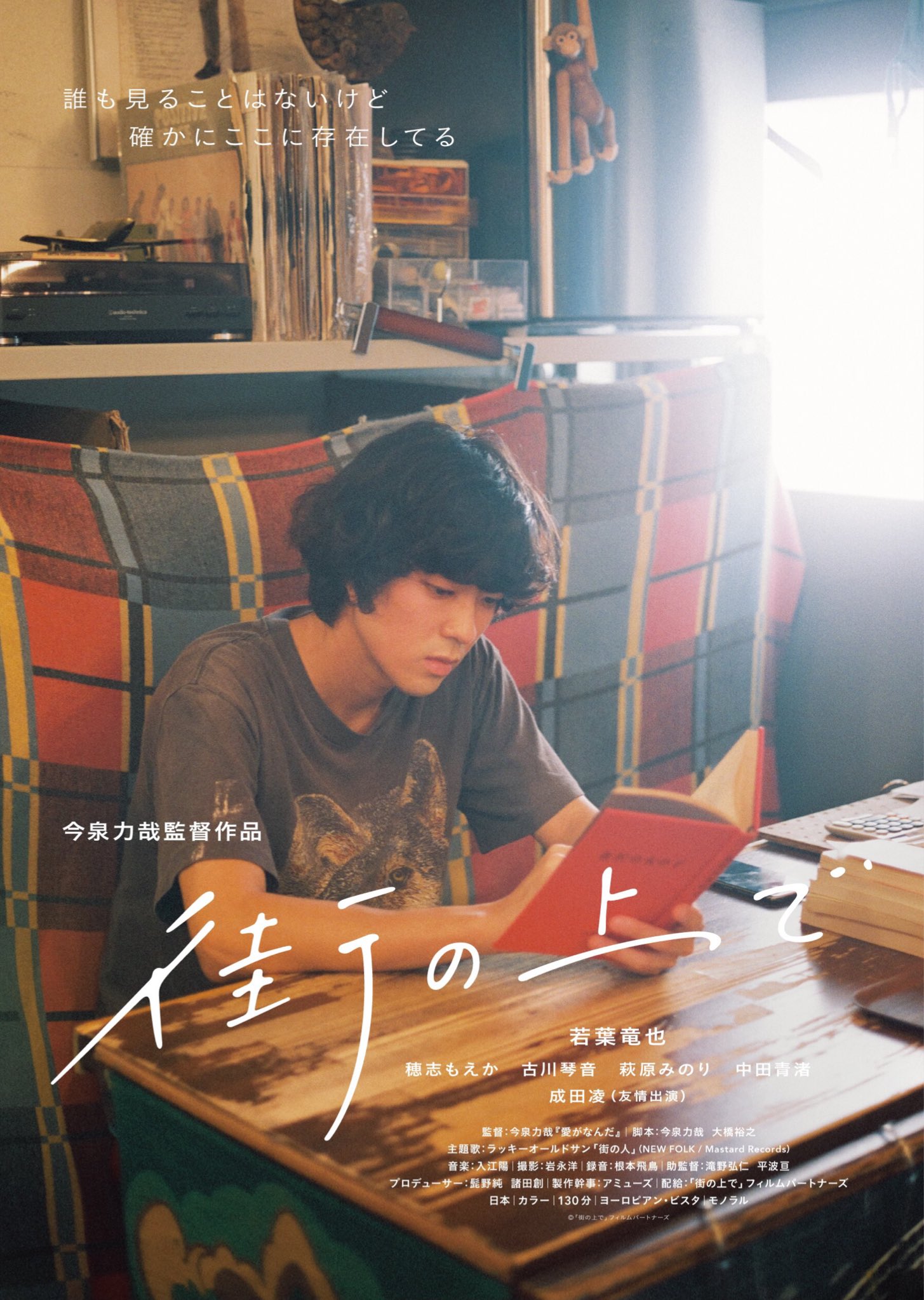
Over the Town (街の上で, Rikiya Imaizumi, 2019)

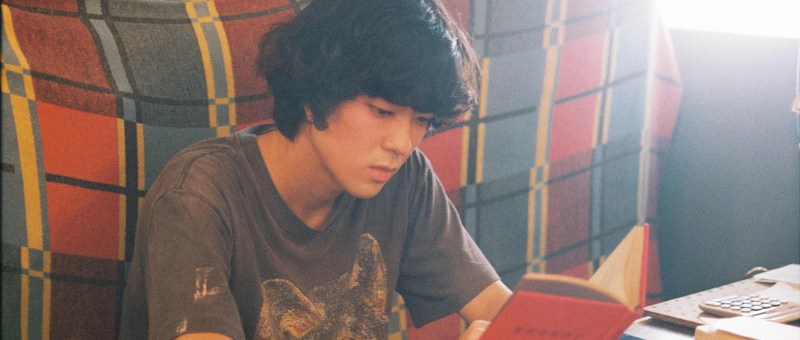
Frustrated youngsters chase an unrealisable dream of idealised romance in Rikiya Imaizumi’s ode to Shimokitazawa, Over the Town (街の上で, Machi no Uede). For the moment at least known as the bohemian, avant-garde artists quarter of the contemporary capital beloved for its slightly retro quality replete as it is with narrow lanes and period buildings, Shimokitazawa is also a place of constant change but as the hero later points out even if “parts change and disappear that doesn’t mean they never existed”. Nevertheless, he seems to be marked by a particular anxiety, as do many of his age struggling to make meaningful connections in an ever shifting world. 

Ao’s (Ryuya Wakaba) world begins to crumble when he’s unexpectedly dumped by his beloved girlfriend, Yuki (Moeka Hoshi), on her birthday. Unceremoniously telling him that she’s met someone else, Yuki rationalises that breaking up is the only option but Ao tries to resist only for her to tell him that he can go on deluding himself that he still has a girlfriend but from now on she’ll be hanging out with someone new. From then on, Ao seems to be surrounded by frustrated couples and worryingly outdated ideas of romantic politics such as those of the students who drop into the vintage clothing shop where he works. Ao assumes they’re a couple, but a row slowly brews as the girl, Asako, declares herself bored with helping the guy, Shigeru, try on clothes that turn out to be for the purpose of impressing a different girl altogether despite knowing that Asako fancies him. Eventually Shigeru makes a highly inappropriate suggestion, almost akin to a bet, that if the woman he has a crush on rejects him he’ll deign to dating her even though Asako is “a distant second” in his heart. The shocking thing is that Asako agrees, a slightly mournful look in her eyes as she finally reaffirms that she really hopes it works out with the other girl. 

Throughout the exchange during which Ao looks on as an awkward bystander, it becomes increasingly difficult to see what’s so great about Shigeru. Meanwhile, not even Ao comes off particularly well, struggling to deal with his breakup and refusing to accept Yuki has moved on. So hung up on her is he that she eventually ends up contacting the barman at his favourite haunt to ask him to have a word, explaining that it’s inappropriate to go on texting your ex even if she doesn’t reply. Meanwhile, he finds himself at the centre of romantic missed connection, captivated by a sad woman at a concert who gives him a menthol cigarette he keeps in his ashtray as a kind of talisman for the rest of the picture. Infinitely awkward, he talks himself out a potential date with the cute girl at his favourite used bookstore (Kotone Furukawa) by asking an inappropriate question, later doing something similar to a woman (Seina Nakata) with whom he makes a more platonic connection as they each reflect that for some strange reason it’s much easier to open up to someone you have no romantic interest in. 

Perhaps that’s why a melancholy policeman keeps stopping random people in the street to ask their advice on his peculiar romantic dilemma in having inconveniently fallen in love with his “niece” (by marriage and the same age as he is, so maybe it’s “OK”, he’d like to think). Shimokitazawa, which Ao rarely leaves, is indeed a small world, the various strands of his romantic entanglements strangely connected from a young woman’s unrequited longing for her sumo wrestler childhood sweetheart to a TV actor’s (Ryo Narita) troubled love life and a young film director’s (Minori Hagiwara) attempt to deflect her own sense of romantic disaffection. Just as Yuki used another man as an excuse to break up with Ao, Ao finds himself recruited as a fake boyfriend to help a young woman shake off a controlling ex whose refusal to accept the relationship is over in the absence of another man skews even darker than his own signalling perhaps like that first vintage shop exchange the dangerously outdated sexual politics which continue to underpin modern dating. Perhaps boring love is the real kind of fun, comfortable and balanced marked by true connection and mutual vulnerability rather than a giddy anxiety. A stubborn holdout where everything’s secondhand in a continual circulatory process of exchange and return, Shimokitazawa is the kind of place where love finds you even if it takes a while to wander on its way. A charming ode to this timeless yet ever-changing district, Imaizumi’s quirky dramedy keeps the neurosis of young love on the horizon but suggests that romance, like a well baked cake, keeps much better than you’d think when cooled.


Over the Town screened as part of the 2021 Osaka Asian Film Festival.

Original trailer (no subtitles)