Family of Strangers (閉鎖病棟 それぞれの朝, Hideyuki Hirayama, 2019)

“Things happen to everyone” the hero of Hideyuki Hirayama’s Family of Strangers (閉鎖病棟 それぞれの朝, Heisa Byoutou: Sorezore no Asa, AKA Closed Ward) explains, not in an accusatory sense or attempt to limit someone else’s trauma response but in a gentle spirit of empathy, a reminder that everyone has their own load to carry and theirs are heavier than most. Empathy is indeed a minor theme of Hirayama’s drama as his wounded protagonists eventually find the strength to allow themselves to live again in the unconditional solidarity of their newly found family in defiance of the internalised shame and external stigma that plagues them in an admittedly conformist society. 

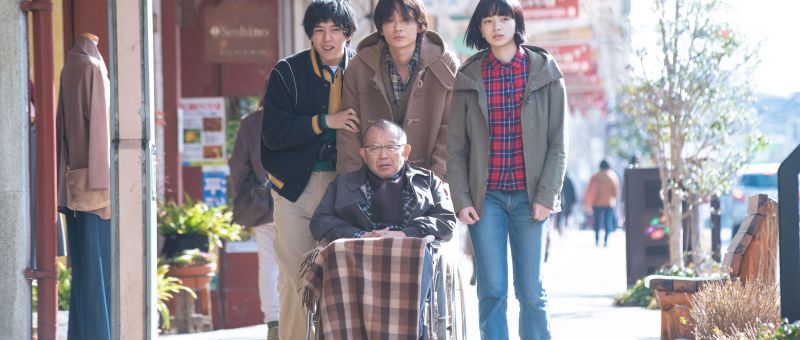
Hirayama opens with a flashback, shot in muted colour, as a man, Hide (Tsurube Shofukutei), is marched slowly towards the execution chamber where he is eventually hanged but, inconveniently for the prison authorities, does not die. Lacking a clear precedent for such an unusual event, they are at a loss as to how to proceed while Hide does not exactly seem overjoyed in his improbable survival. As hanging him again would be cruel and simply letting him off as if reborn to live a new life they feel not in the interests of justice, they opt for a fudge, palming the now wheelchair-using Hide off on the hospitals system by placing him in the secure ward of a psychiatric institution. 

A quiet man keeping himself to himself, Hide patiently crafts ceramics and meditates on his crime keeping others at arm’s length as if believing himself unworthy of human society. He may have been sentenced to death for something truly unforgivable, but he is not mentally ill and does not really belong in the hospital whereas many of the other patients are self-committals who are technically free to leave at a time of their own choosing. Chuya (Go Ayano), a young man with schizophrenia, has more or less learned to live with his condition and exercises a greater degree of personal freedom, often venturing into town and bringing back various items he cynically sells to others on the ward. He could leave if he wanted to, but stays partly out of a sense of internalised shame and partly in fear of the outside world. Yuki (Nana Komatsu), meanwhile, an 18-year-old woman committed by her mother (Reiko Kataoka) after becoming worryingly withdrawn, has little personal agency, first placed on the ward and then removed from it neither with her full consent. 

Though we can see that the hospital is a largely positive, supportive place where the patients are well cared for we do not see a great deal of treatment practices and it is in someways surprising that Yuki is allowed to leave in the company of a man who is quite clearly violent and abusive even if we can also infer that she herself has remained largely silent as regards the nature of her trauma. Her silence is perhaps her means of both defence and resistance with her first words offered to Hide largely because he does not ask her for them, merely sitting by giving her the space to choose to speak or not to. Despite his caution that the longer one stays on the ward the more one begins to think of oneself as a patient, she begins to think of the hospital of her safe place and the other patients as her surrogate family, touched by an old woman’s radiant happiness as she helps her back to her room mistaking her for her granddaughter. 

Yet as much as the hospital works for her, it does not necessarily work for others as in the case of Shigemune (Kiyohiko Shibukawa) whose antisocial and violent tendencies often endanger other patients not least because of lax supervision and questionable decisions made by members of staff. A direct parallel is perhaps being drawn between the jail and the ward, Chuya frightened he may never leave while Hide believes he does not deserve to and Yuki longs to stay only to have her new safe place ruined by another predatory man of violence. Yet there is also a sense that society views the hospital as a place to dump those it feels to be problematic, Hide hidden away in embarrassment, Chuya rejected by his family, and Yuki betrayed by a mother who has come to see her as a rival. Shopkeepers look at them askance, not altogether happy that “even crazy people have rights these days” while the trio struggle to accept themselves as having a right to a happier future even as they begin to bond in a newfound sense of family. While the closing scenes may engage in an uncomfortable ableism, there is an undoubtable sense of warmth and compassion in Hirayama’s egalitarian sense of solidarity as his wounded protagonists find strength in faith reflected in others to shake off their sense of internalised shame and claim their right to life in an often hostile society. 


Family of Strangers streams in Germany 1st to 6th June as part of this year’s Nippon Connection.

Original trailer (English subtitles)
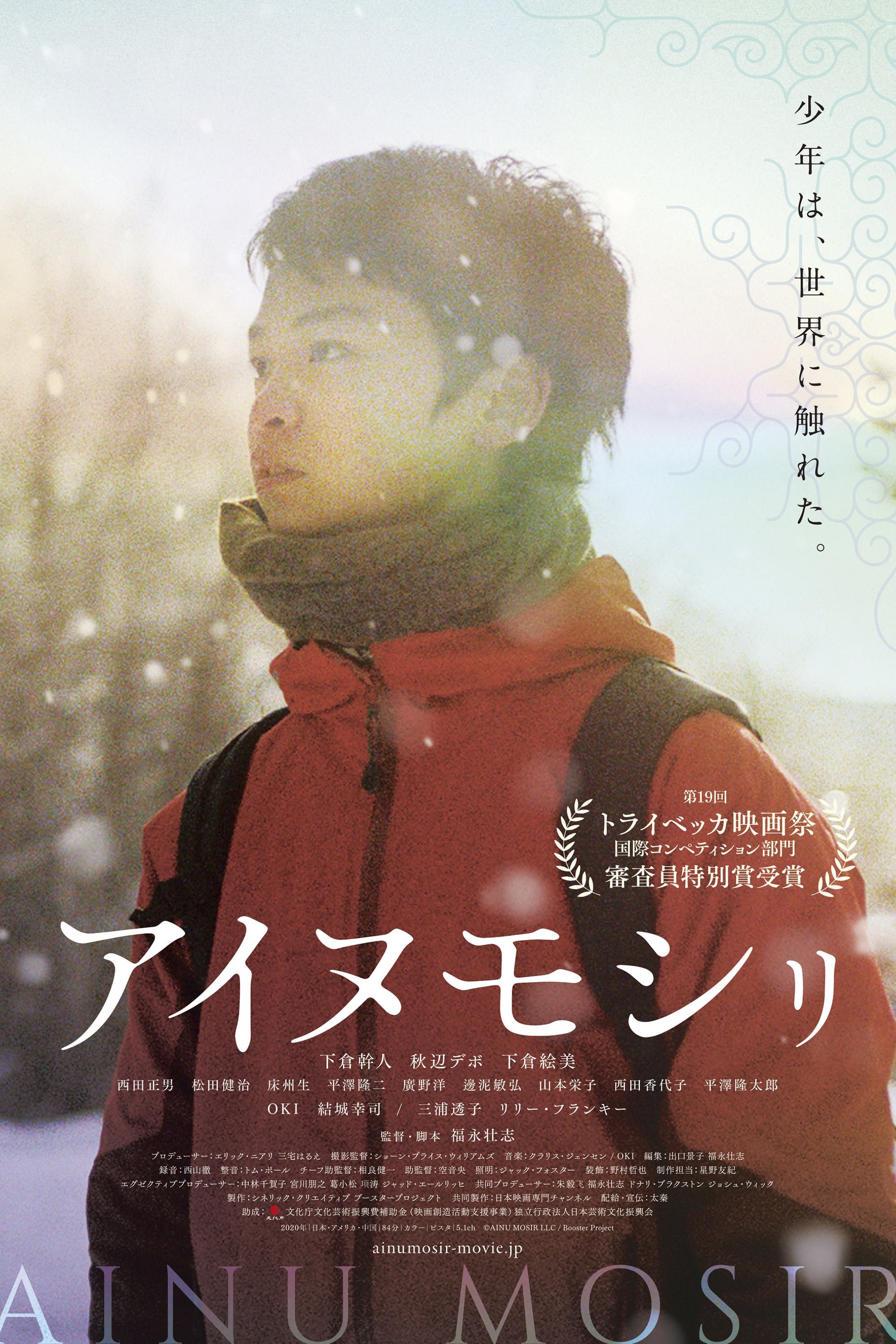
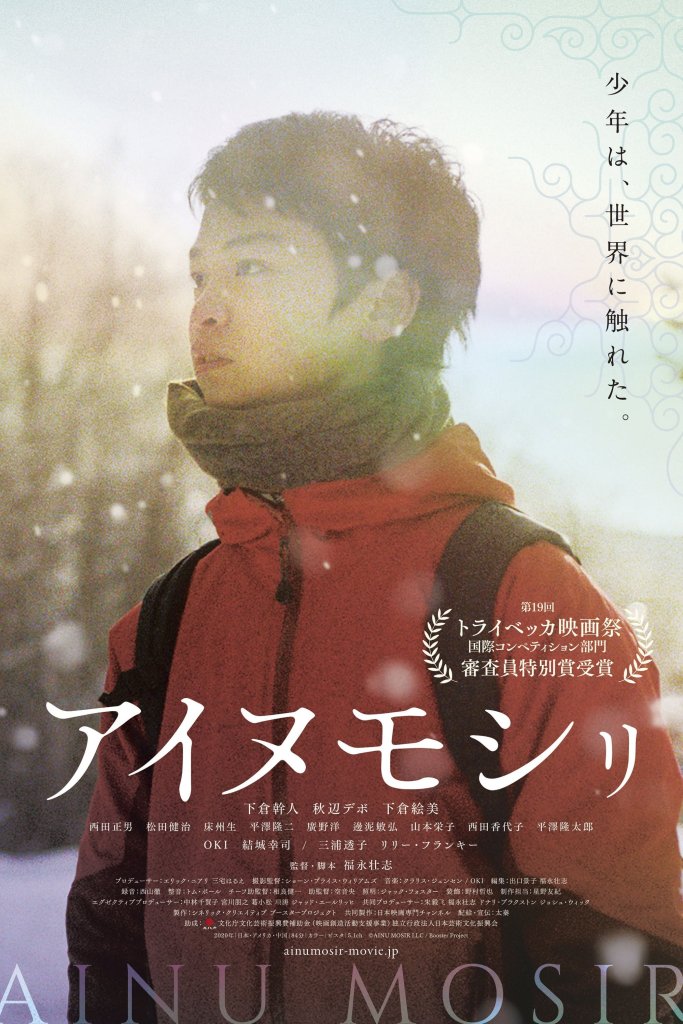
Ainu Mosir (アイヌモシㇼ, Takeshi Fukunaga, 2020)

Despite its continuing preoccupation with the conflict between tradition and modernity, Japanese cinema has often been reluctant to address the nation’s relationship with marginalised communities such as the Ainu, the indigenous people of Hokkaido which was in essence the site of Japan’s first colonial expansion at the beginning of the Meiji era. Set very much in the present day, Takeshi Fukunaga’s Ainu Mosir (アイヌモシㇼ) takes its title from the indigenous name for the island and is both coming-of-age tale and exploration of the position of the Ainu people within the context of modern Japan. 

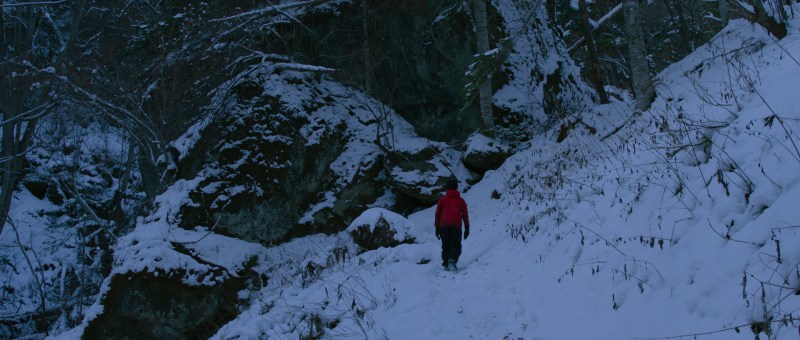
14-year-old Kanto (Kanto Shimokura) lives in the quaint Ainu tourist village of Akan and has not long lost his father. Questioned about his plans for the next stage of his education, Kanto replies that he’s fine with anything as long as it involves leaving Akan, later explaining to his understandably upset mother Emi (Emi Shimokura) that his desire to leave is because the town is “tiny” and “they make you do Ainu stuff”. Emi points out that neither she nor anyone else has ever forced him to participate in Ainu culture, but still the boy insists that he’d prefer to go somewhere more “normal” spending his time playing classic American rock on an electric guitar rather than engaging with his cultural roots. His attitude begins to change, however, when Debo (Debo Akibe), an elder acting as an uncle, begins introducing him to various aspects of Ainu culture such as the remote cave in the Forest of Light which leads to the land of the dead, teaching him how to catch and gut fish, and finally enlisting him in a project to look after a captive bear, Chibi, hidden in a cage in the woods. 

Bears are sacred in Ainu culture, but what Debo has not explained to the boy is that he’s raising Chibi as part of an ancient ritual last performed over forty years previously which involves sacrificing the bear in the belief that his spirit will then return to the land of the gods filled with tales of how wonderful humans are after being so lovingly looked after during his time in the mortal world. In a series of documentary-style sequences, Fukunaga captures the ambivalence present within the community on learning of Debo’s plan to carry out an Iomante ritual, pointing out that they live in different times and bear sacrifice is unlikely to be accepted by the outside world which will undoubtedly view it as primitive and cruel. Aside from a concern as to how the indigenous community is viewed by mainstream society, some of the council are acutely worried because they are economically dependent on the tourist trade. Young Kanto is frustrated by the idea of growing up in a museum, the town of Akan something like a theme park repackaging Ainu culture for curious Japanese tourists. His own mother works in a shop selling traditional crafts as souvenirs while appearing in a stage show adapting ancient ritual as entertainment for visiting audiences. 

A man in Emi’s shop stops to ask her if she herself is Ainu, but seems ambivalent on being told that yes she is while a female customer somewhat crassly compliments her on the quality of her Japanese which is particularly ironic as we’ve just seen her attending evening classes to relearn the Ainu language which is in constant danger of dying out. Warming to Ainu culture, Kanto is more receptive towards the idea of adding traditional instrumentation but his bandmate is, as he was, embarrassed by “Ainu stuff” and wants nothing to do with it. Debo’s betrayal sets Kanto on a collision course with his newly found appreciation for his indigenous roots in presenting him first hand with something dark and cruel that proves difficult for him to understand but perhaps finally allows him to come to terms both with his father’s death and with his own identity as a member of an indigenous community. 

Using a cast of mainly non-professional actors from the local area, Fukunaga switches between documentary-style capture of Ainu life and the cinematic naturalism of Kanto’s path towards self-acceptance filled as it is with the wonder of the natural world. Juxtaposing the reality of the Iomante ritual with the repackaged stage show, he shows us what it costs to preserve traditional culture within a surrounding modernity even as scholars descend to record the songs of the Ainu for prosperity badgering old women to offer up long forgotten lullabies for a lonely tape recorder. Kanto has however perhaps found his path in knowing he is not alone as he steps into a less innocent adulthood having integrated both sides of himself into a more complete whole. 


Ainu Mosir streams in Germany 1st to 6th June as part of this year’s Nippon Connection. It is also available to stream in the UK (and possibly elsewhere) via Netflix.

International trailer (English subtitles)
21st Nippon Connection ONLINE Film Festival Confirms Full Program

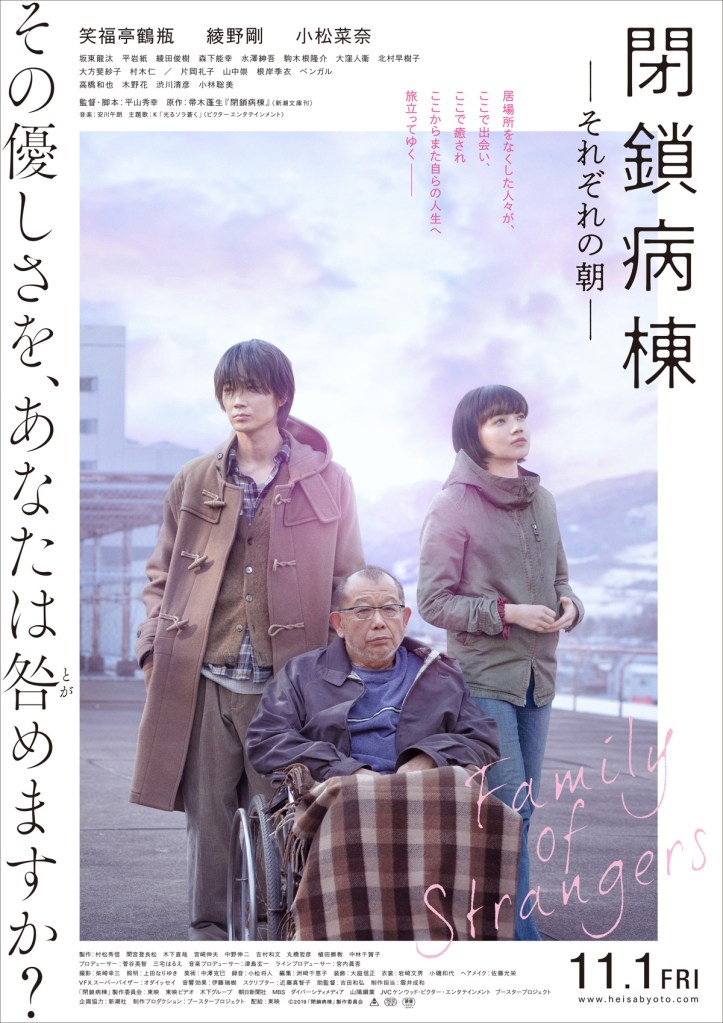
Nippon Connection is back for 2021 once again taking place entirely online! Running from 1st to 6th June, the festival will be bringing some of the best in contemporary Japanese cinema to homes around the world via their Shift72-powered streaming platform. Unfortunately not everything will be available everywhere with some titles streaming in Germany only, but unless otherwise stated all films stream in the original Japanese with English subtitles. Full details for all the films including streaming locations will be available via the official website from 22nd May with tickets priced at €6.

Full list of features:

NIPPON CINEMA

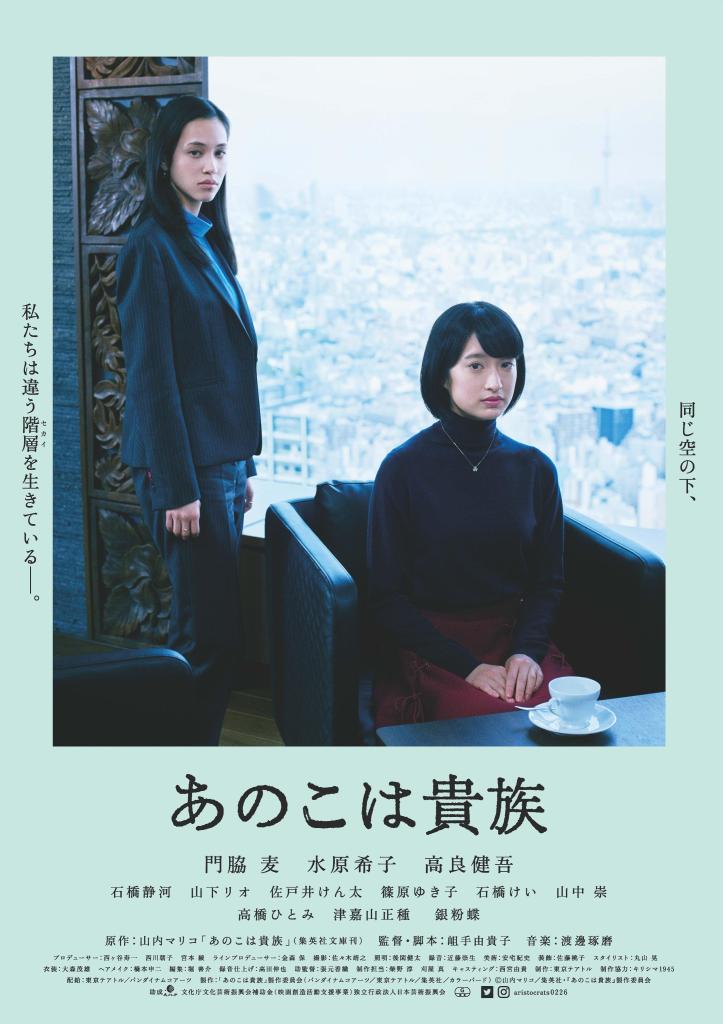
  • Aristocrats – a rich girl (Mugi Kadowaki) and a poor girl (Kiko Mizuhara) eventually find inter-class solidarity through failed relationships with the same man (Kengo Kora) in Yukiko Sode’s empathetic social drama.
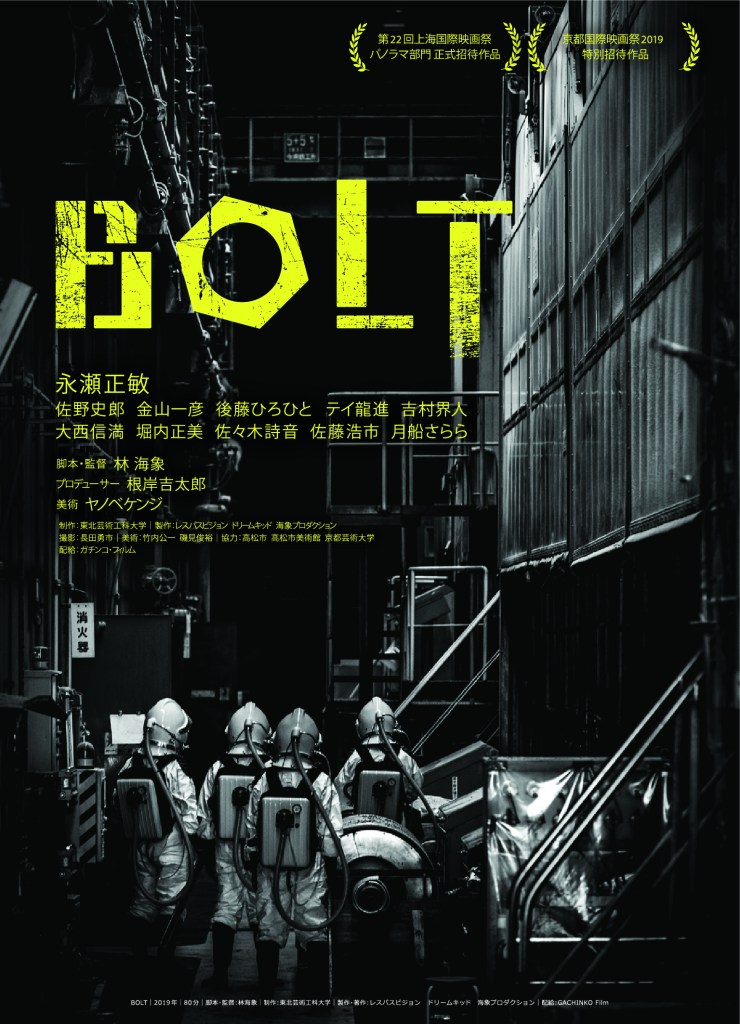
  • Bolt – tripartite nuclear-themed omnibus movie directed by Kaizo Hayashi and starring Masatoshi Nagase
  • Can’t Stop The Dancing (AKA Dance with Me) – musical comedy from Shinobu Yaguchi starring Ayaka Miyoshi as an ambitious executive whose plans for career success are derailed when she’s accidentally hypnotised to break into song and dance every time she hears music. Review.
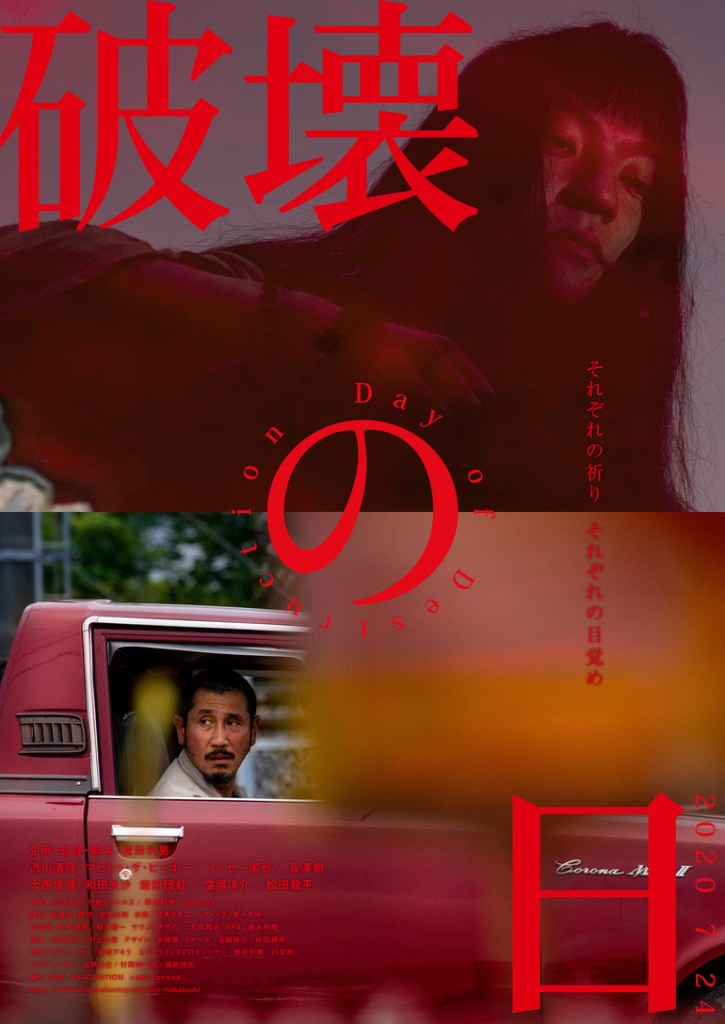
  • The Day Of Destruction – Toshiaki Toyoda sets out to exorcise the demons of a venal city in an impassioned attack on societal selfishness and personal apathy. Review.
  • Family Of Strangers (AKA Closed Ward) – the lives of three patients at a psychiatric clinic are disrupted when a murder takes place at the facility.
  • A Girl Missing – a home care nurse’s life is turned upside-down when she’s wrongfully implicated in a kidnapping in Koji Fukada’s thought provoking drama. Review.
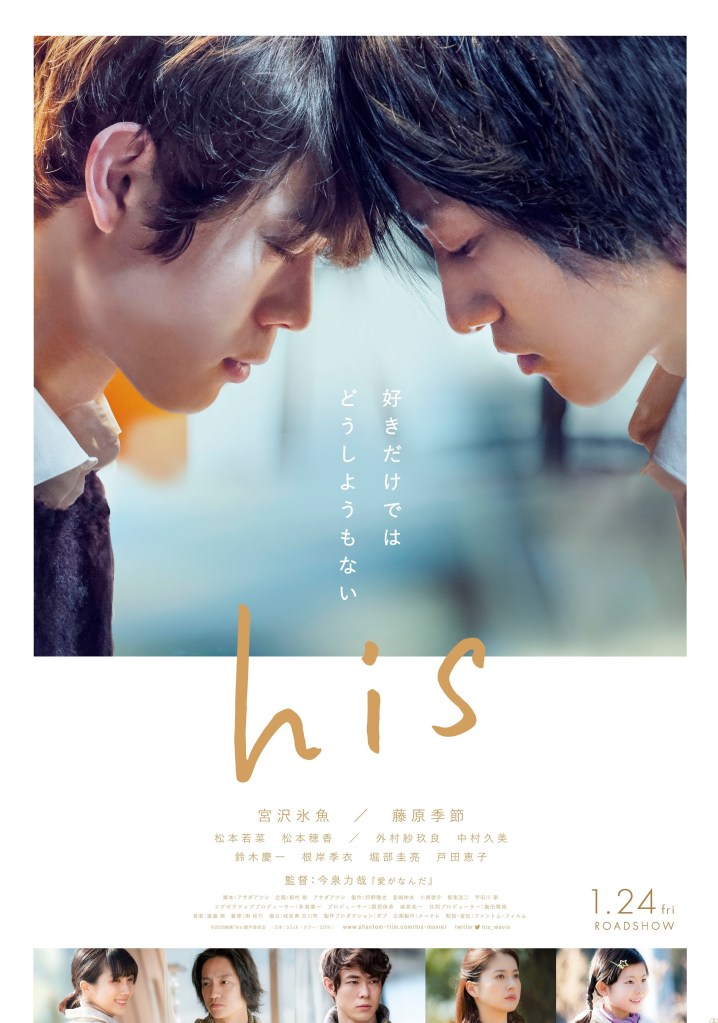
  • his – teenage lovers break up after uni each taking different paths while struggling with their sexuality but begin to see new hope reuniting some years later in Rikiya Imaizumi’s empathetic drama. Review.
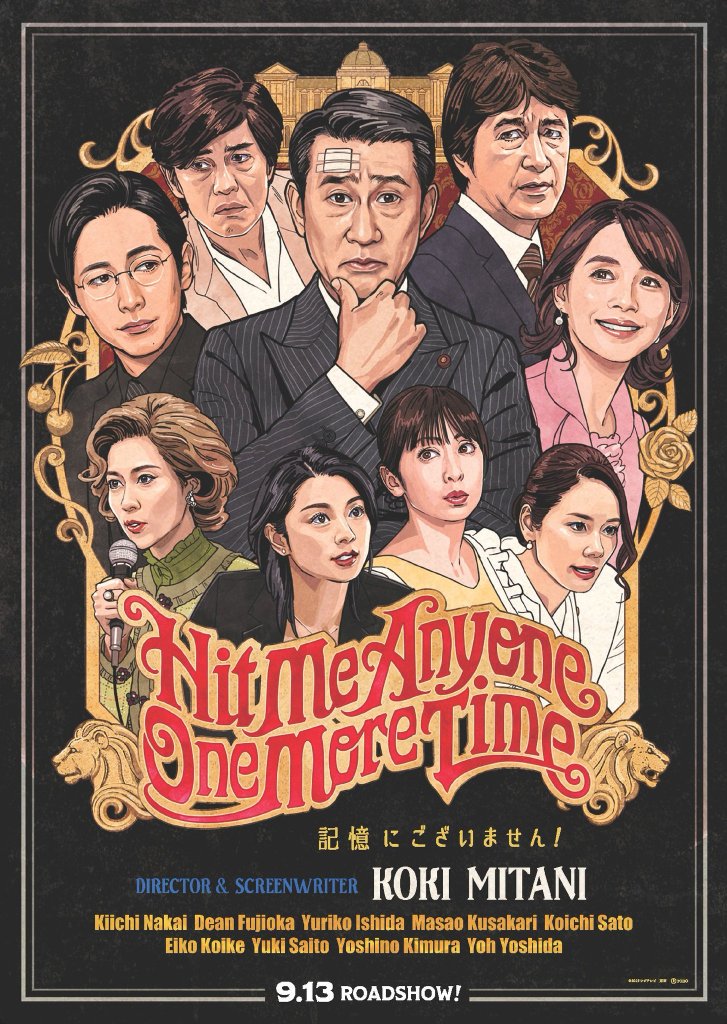
  • Hit Me Anyone One More Time – farcical comedy from Koki Mitani in which a man gets hit on the head and loses his memory only to be told he is actually the prime minister of Japan!
  • My Blood And Bones In A Flowing Galaxy – SABU adapts the hugely popular novel in which a high school boy tries to save a bullied classmate.
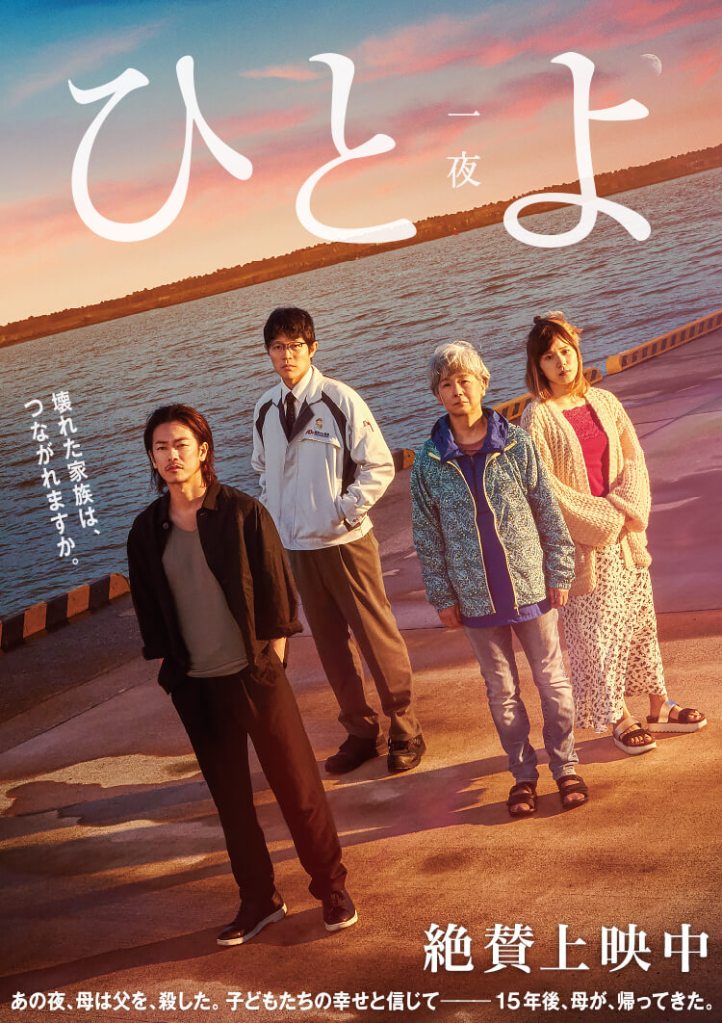
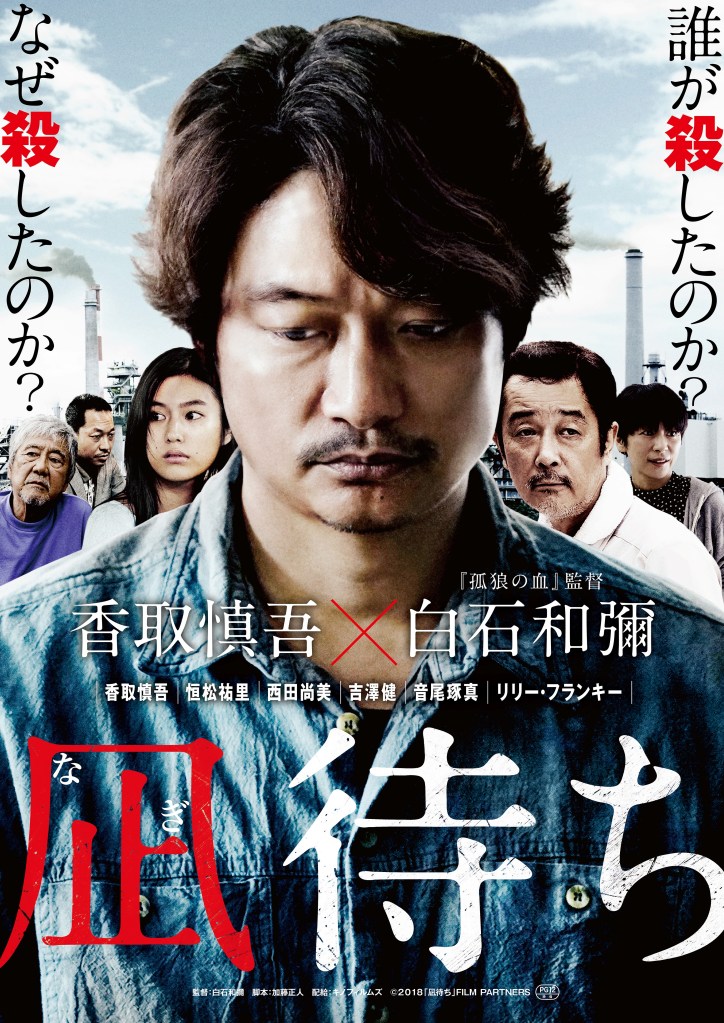
  • One Night – adult children are forced to face the legacy of trauma and abuse when their mother returns after 15 years of exile in Kazuya Shiraishi’s raw family drama. Review.
  • Our 30-Minute Sessions – a ghostly intervention helps a collection of wounded adults find accommodation with grief in Kentaro Hagiwara’s bodyswapping take on the band movie. Review.
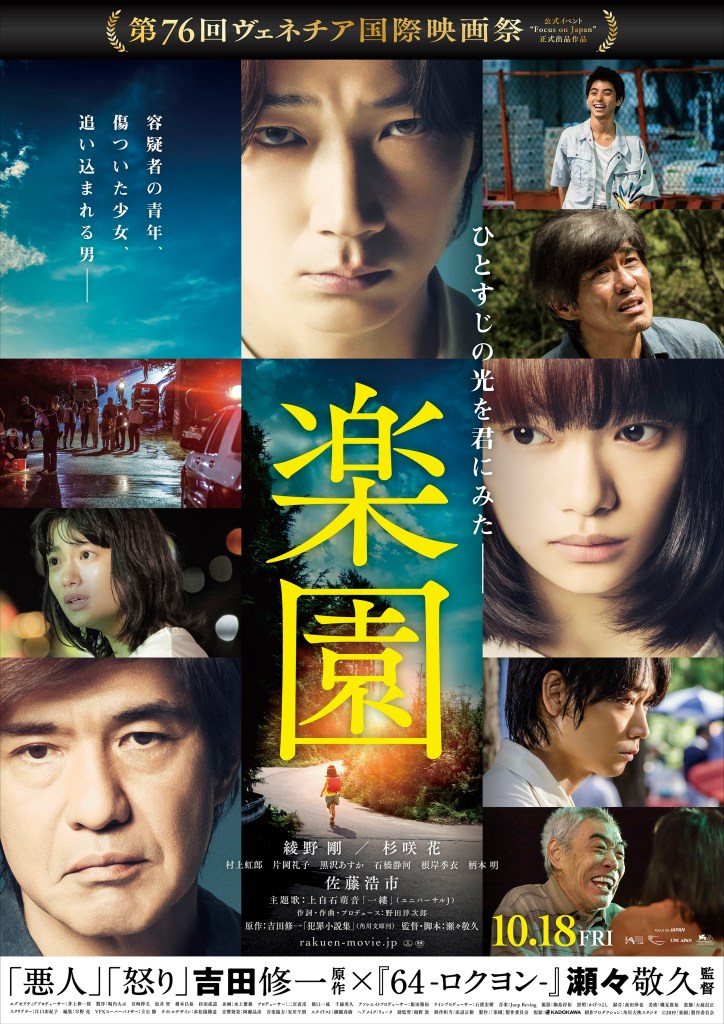
  • The Promised Land – Takahisa Zeze adapts the novel by crime writer Shuichi Yoshida revolving around the unsolved disappearance of a 12-year-old girl.
  • Red Post On Escher Street – epic drama from Sion Sono following a series of actors who audition for a festival darling director.
  • Sea Of Revival – a man tries and fails to make a new start as he searches for a sense of belonging in a land touched by tragedy in Kazuya Shirashi’s unconventional family drama. Review.
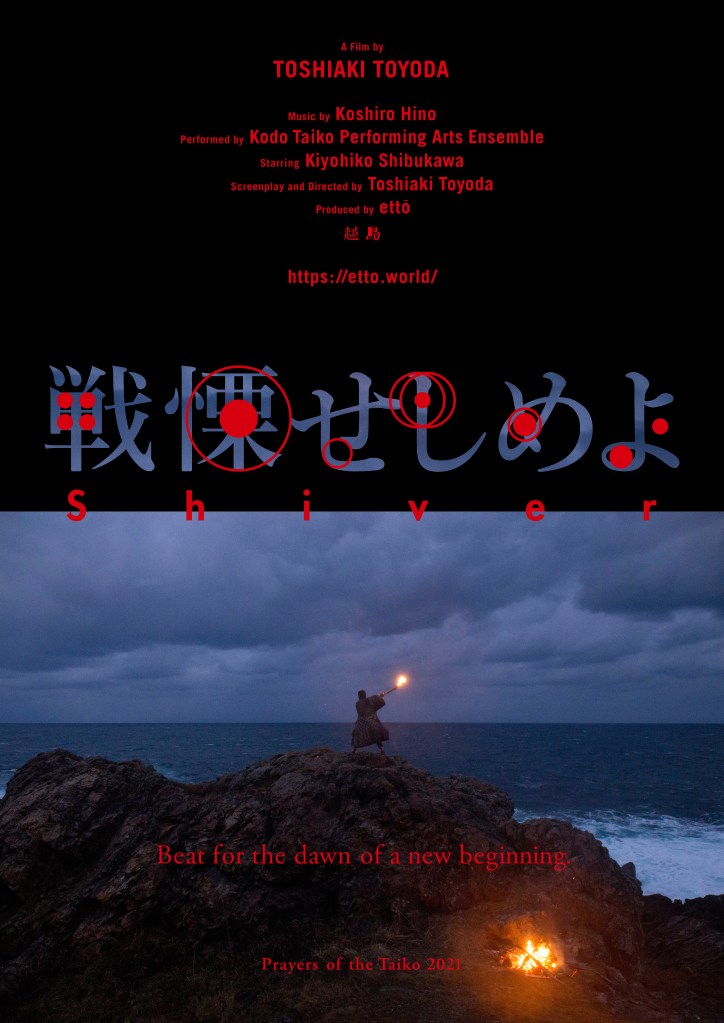
  • Shiver – dialogue free music movie from Toshiaki Toyoda filmed entirely on Sado island.
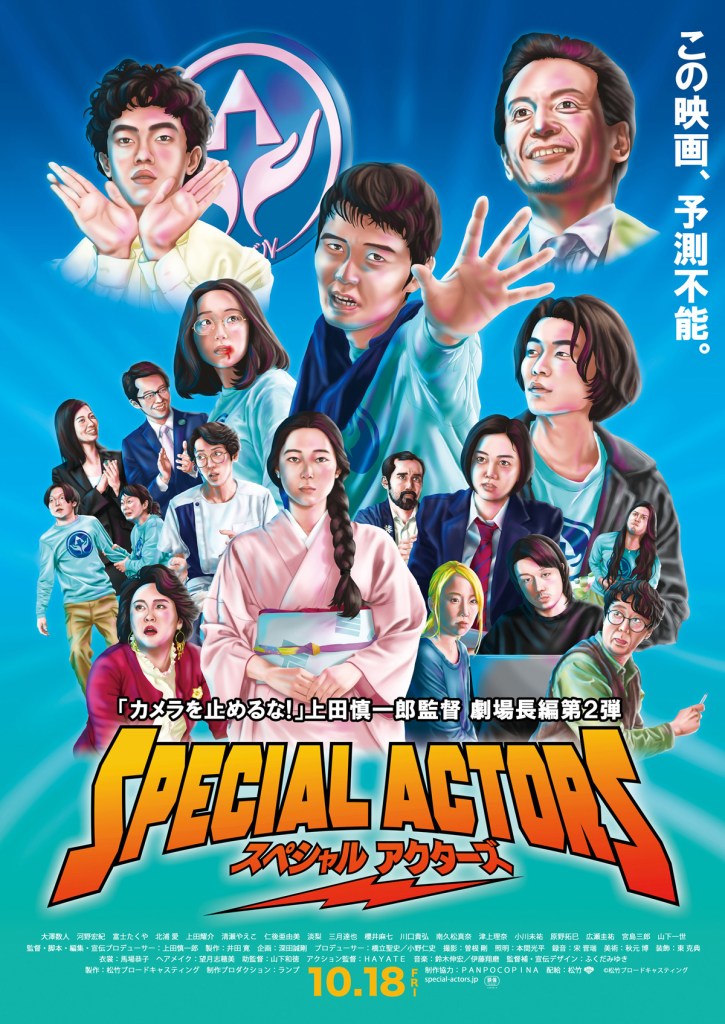
  • Special Actors – a nervous young man discovers his inner hero while infiltrating a shady cult as a “Special Actor” posing as a new devotee in Shinichiro Ueda’s absurdist followup to One Cut of the Dead. Review.
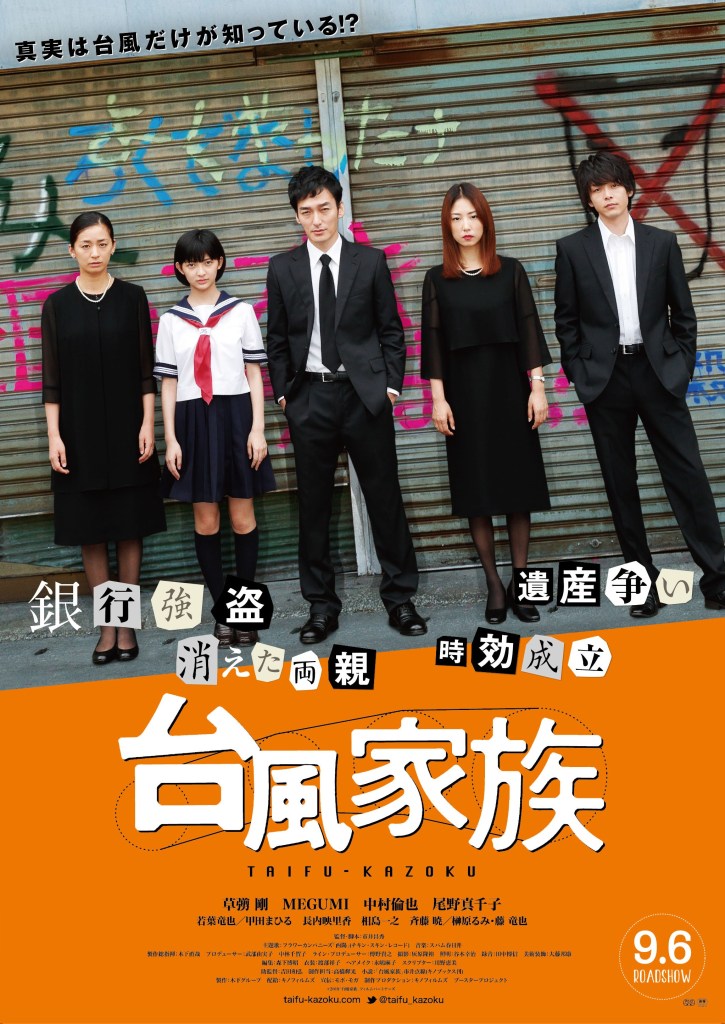
  • The Stormy Family – abandoned siblings reunite 10 years after their parents robbed a bank and disappeared.
  • To The Ends Of The Earth – Kiyoshi Kurosawa reunites with recent muse Atsuko Maeda as a lost TV presenter goes searching for herself while filming in Uzbekistan. Review. Original version with German and French subtitles only
  • Under The Open Sky – a pure-hearted man of violence struggles to find his place in society after spending most of his life behind bars in Miwa Nishikawa’s impassioned character study. Review.
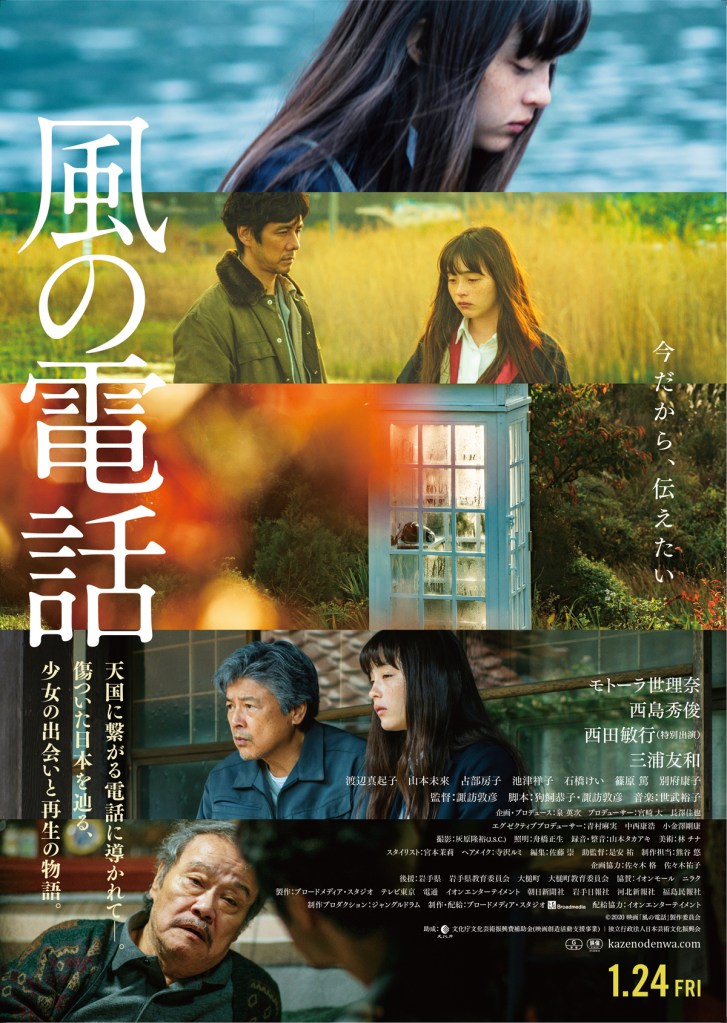
  • Voices In The Wind – Nobuhiro Suwa returns to Japan after an 18-year absence for a tale of national catharsis as a young woman makes a painful journey home in search of making peace with the traumatic past. Review.
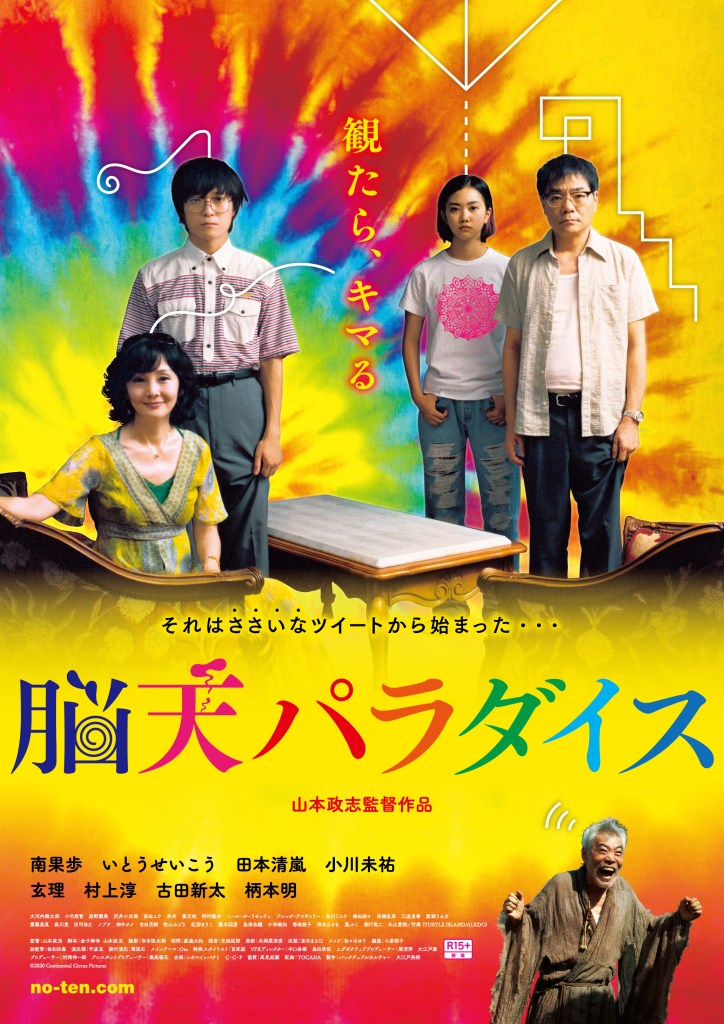
  • Wonderful Paradise – a father has to sell the family flat after a career setback but his kids unwittingly turn the sad event in to an unpredictable party.
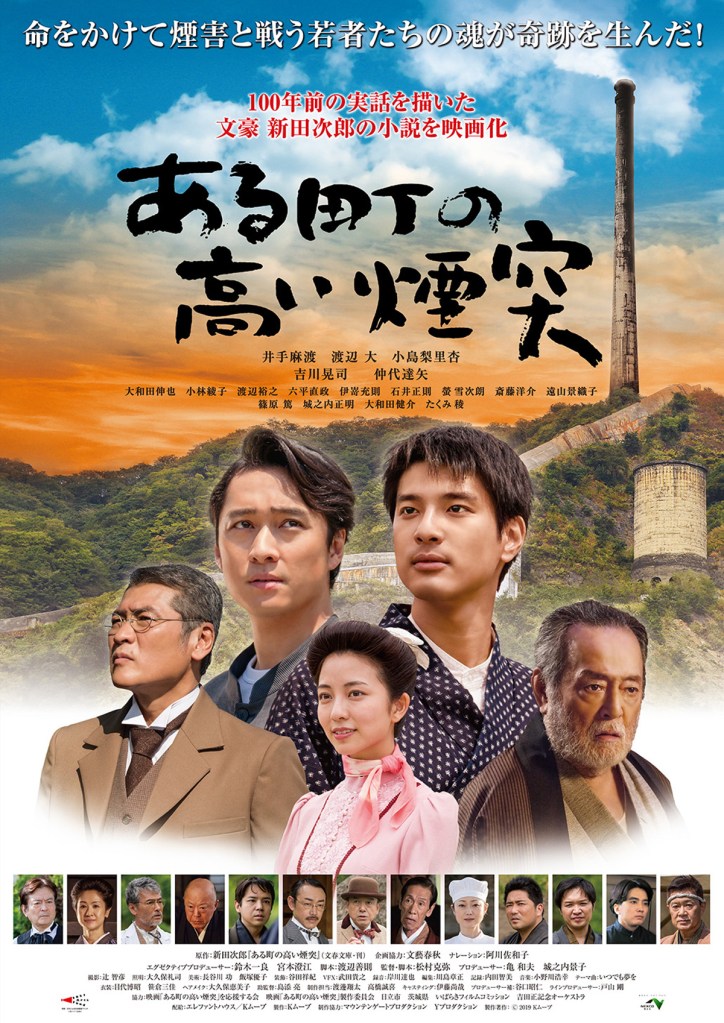
  • Special screening: A Town And A Tall Chimney – village youngsters stand up to industrial pollution in late Meiji Ibaraki. original version with German subtitles only

NIPPON VISIONS

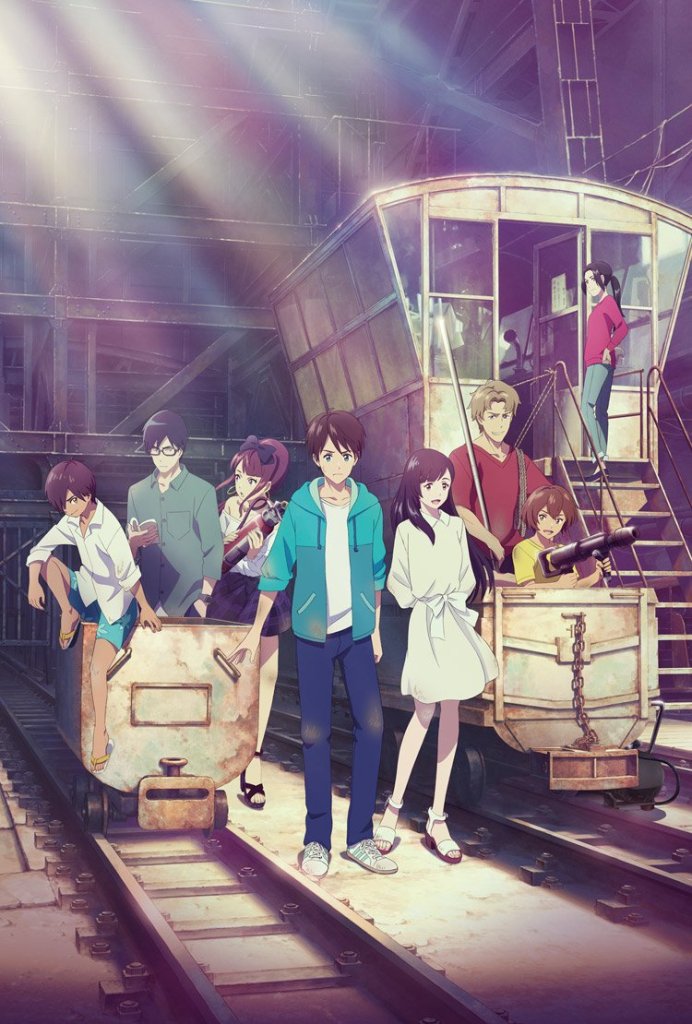
  • © Kamata Prelude Film Partners
  • Ainu Mosir – coming-of-age drama in which an Ainu boy confronts the contradictions of his cultures.
  • Along The Sea – a migrant worker from Vietnam is faced with her lack of possibility after discovering she is pregnant while living undocumented in Akio Fujimoto’s unflinching social drama. Review.
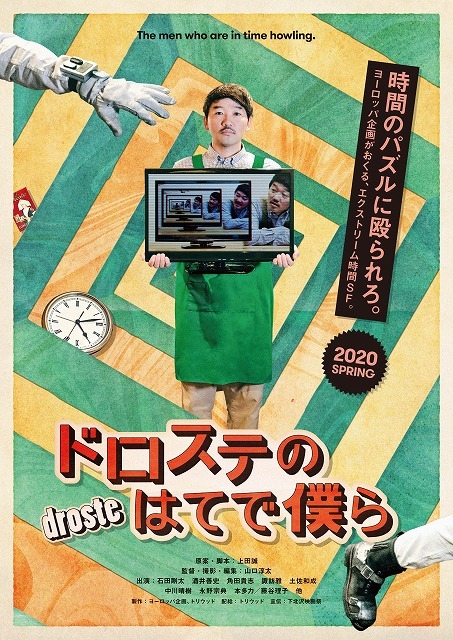
  • Beyond The Infinite Two Minutes – a musician/cafe owner starts receiving messages from himself from two minutes in the future.
  • Company Retreat – docudrama in which a young woman is harassed by her boss while working as a hotel receptionist.
  • Daughters – two young women find themselves reassessing their ideas of womanhood and maternity in the wake of an unexpected pregnancy in Hajime Tsuda’s refreshingly positive drama. Review.
  • Extraneous Matter–Complete Edition – compilation of a series of short films about a woman who encounters something strange while living a sexless life with her boyfriend.
  • I’m Really Good – Hirobumi Watanabe shifts focus in capturing one ordinary, though strangely full, day in the life of a little girl living cheerfully in peaceful Tochigi. Review.
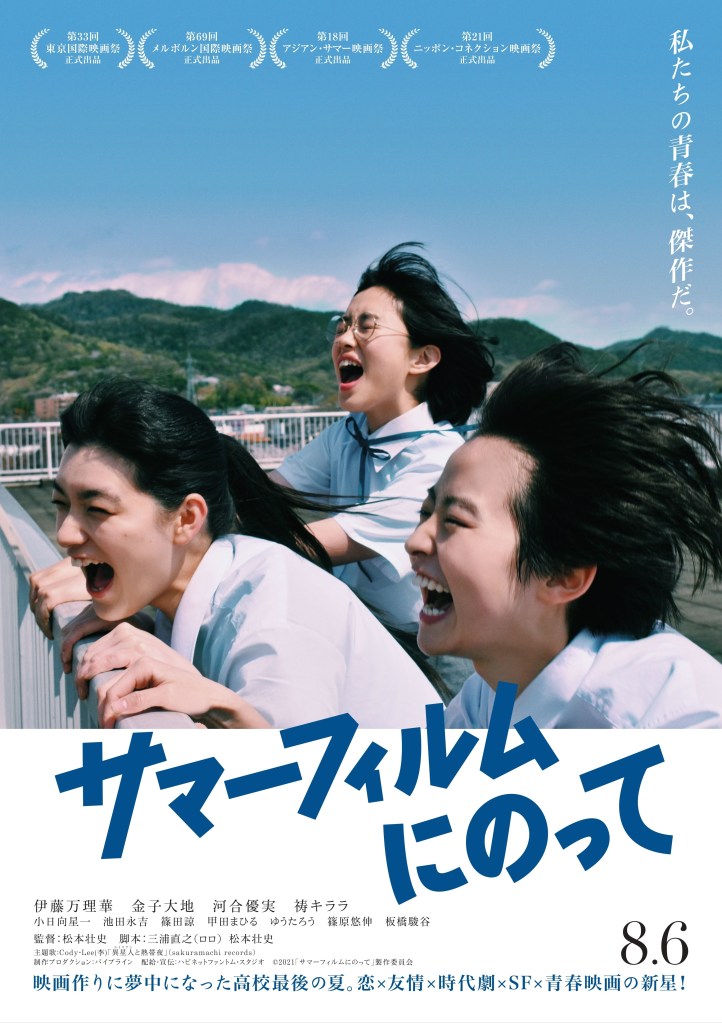
  • It’s A Summer Film! – high school drama in which a jidaigeki obsessive decides to make a samurai movie only to discover her lead actor is a time traveller from the future!
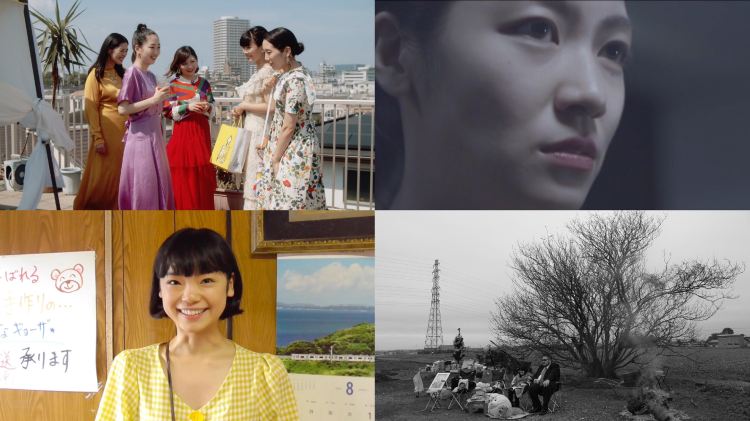
  • Kamata Prelude – four-part anthology film directed by Ryutaro Nakagawa, Mayu Akiyama, Yuka Yasukawa, and Hirobumi Watanabe.
  • Kontora – a directionless high school girl finds a path towards the future through deciphering a message from the past in Anshul Chauhan’s ethereal coming-of-age drama. Review.
  • Nosari: Impermanent Eternity – an “ore ore” scammer ends up living with an elderly woman convinced he really is her grandson.
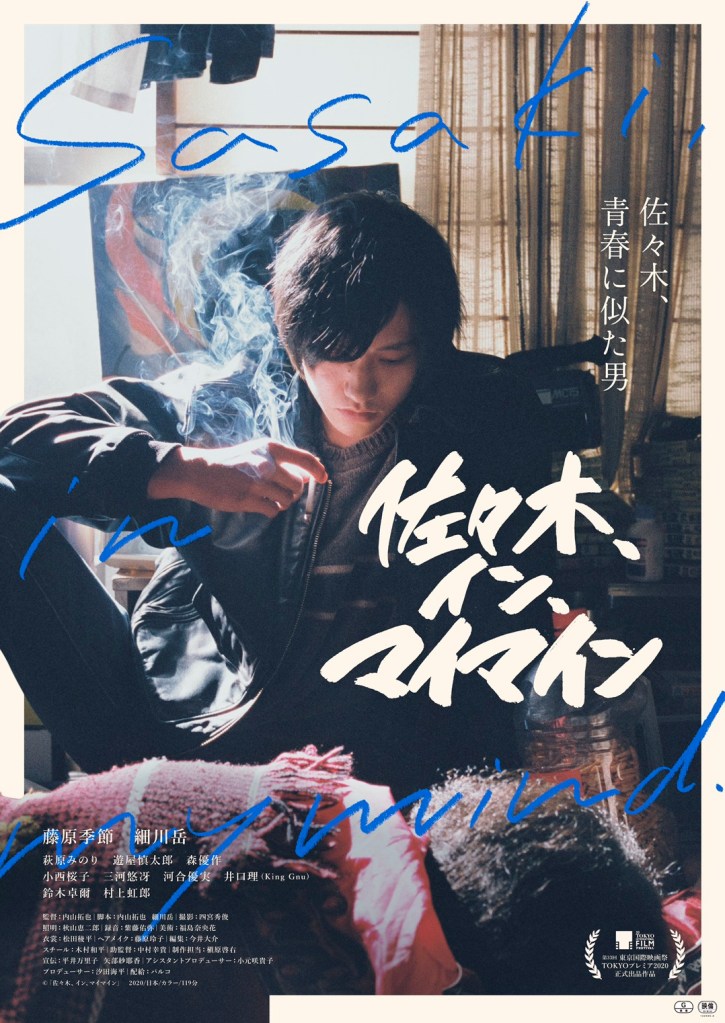
  • Sasaki In My Mind – a down on his luck actor thinks back on his high school days.
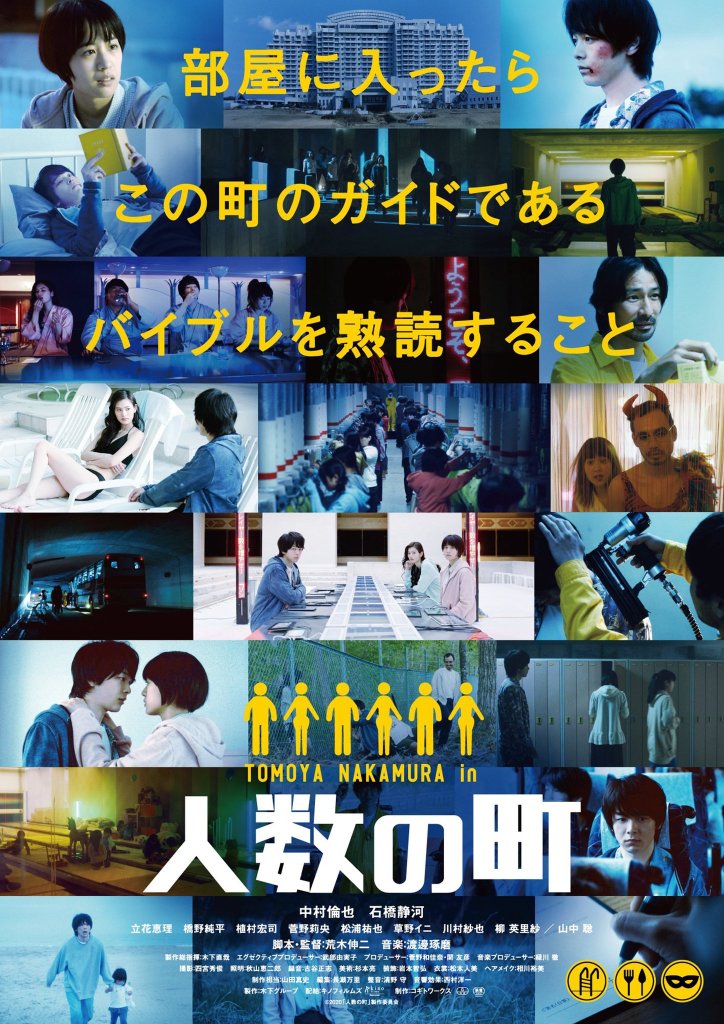
  • The Town Of Headcounts – a disaffected young man gets a fresh start in a utopian community but quickly becomes disillusioned in Shinji Araki’s slick dystopian thriller. Review.
  • yes, yes, yes – a family begins to fall apart under the weight of impending grief when a mother enters the final stages of a terminal illness in Akihiko Yano’s intense existential drama. Review.

NIPPON DOCS

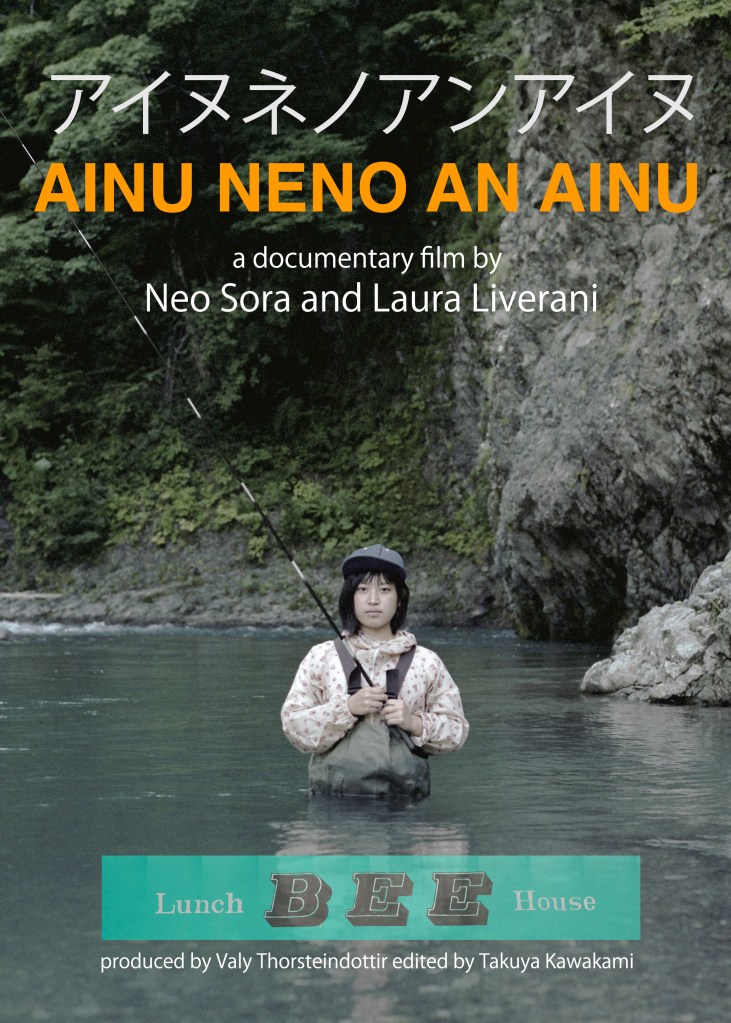
  • Ainu Neno An Ainu – documentary by Laura Liverani, Neo Sora & Valý Þórsteinsdóttir exploring Ainu identity in contemporary Japan
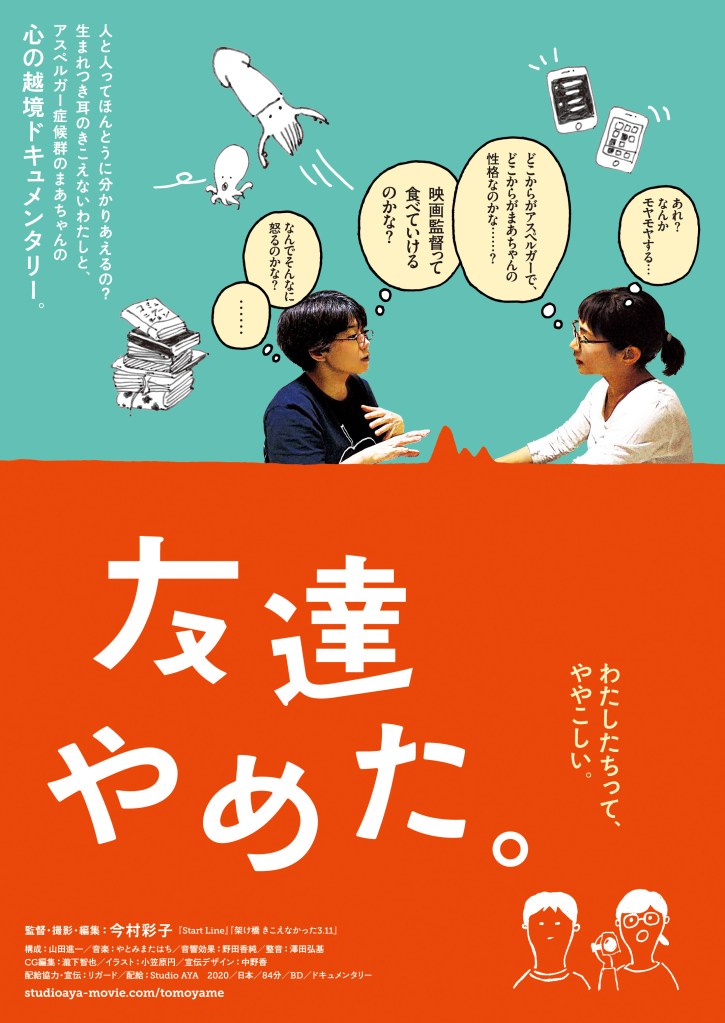
  • I Quit, Being “Friends” – director Ayako Imamura turns the camera on herself and explores her sometimes complicated relationship with an autistic friend who struggles with communication.
  • Koshien: Japan’s Field Of Dreams – documentary following a high school baseball team as they battle through national championships
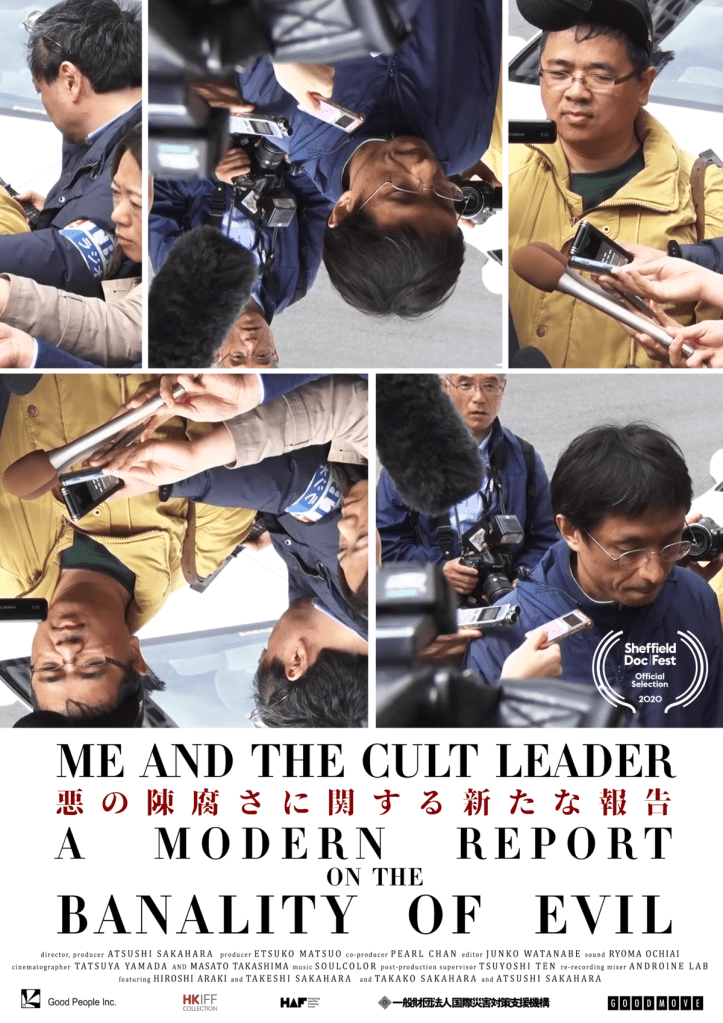
  • Me And The Cult Leader – sarin gas attack survivor Atsushi Sakahara takes a cult member on the road in search of understanding in an empathetic, self-directed doc. Review.
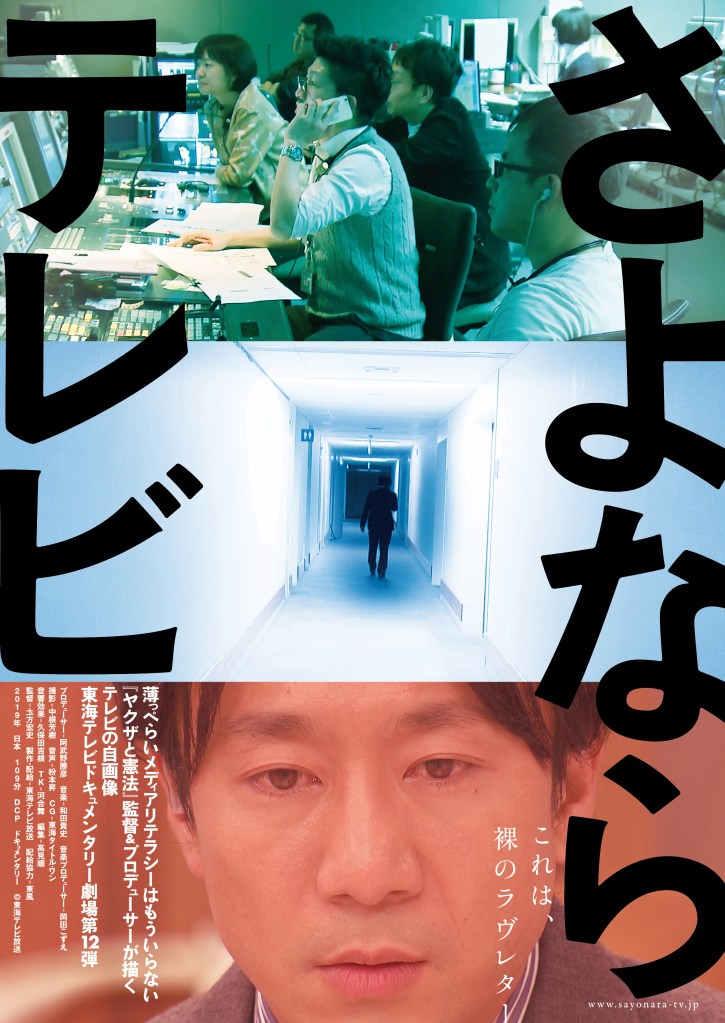
  • Sayonara TV – documentary marking the 60th anniversary of Tokai Television Broadcasting while contemplating the changing place of television in the contemporary media landscape.
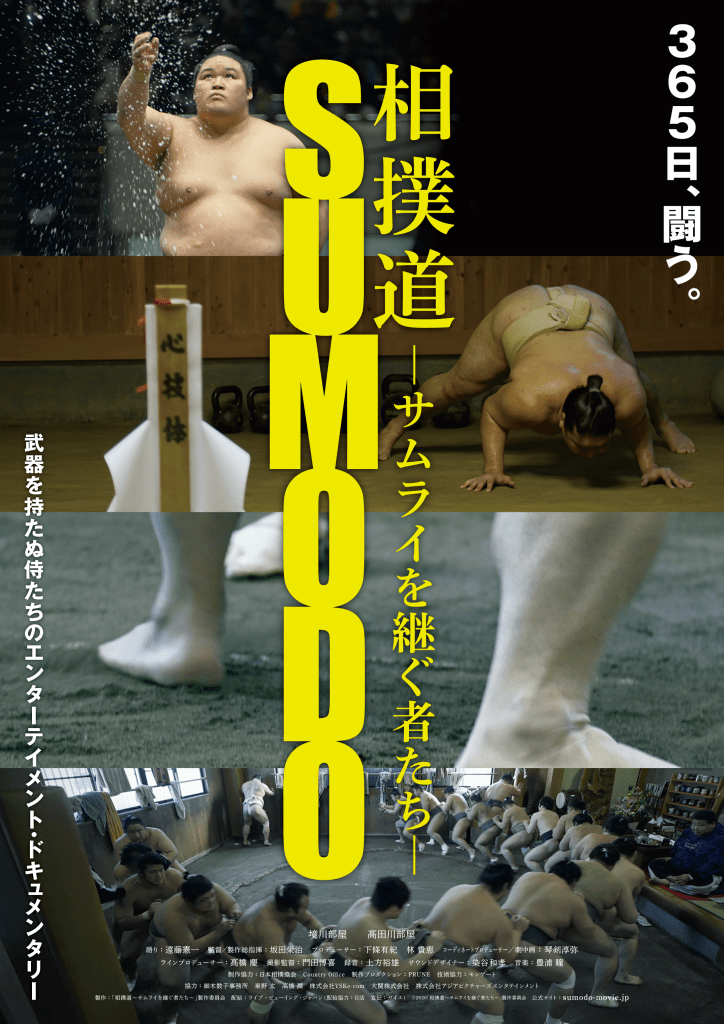
  • SUMODO ~The Successors Of Samurai~ – documentary exploring the lives of sumo wrestlers.
  • The Witches Of The Orient – documentary focussing on the 1964 Olympic Gold medal-winning women’s volleyball team who inspired a host of manga and anime heroines.
  • A new feature documentary by Thomas Ash (details coming soon) world premiere

NIPPON ANIMATION

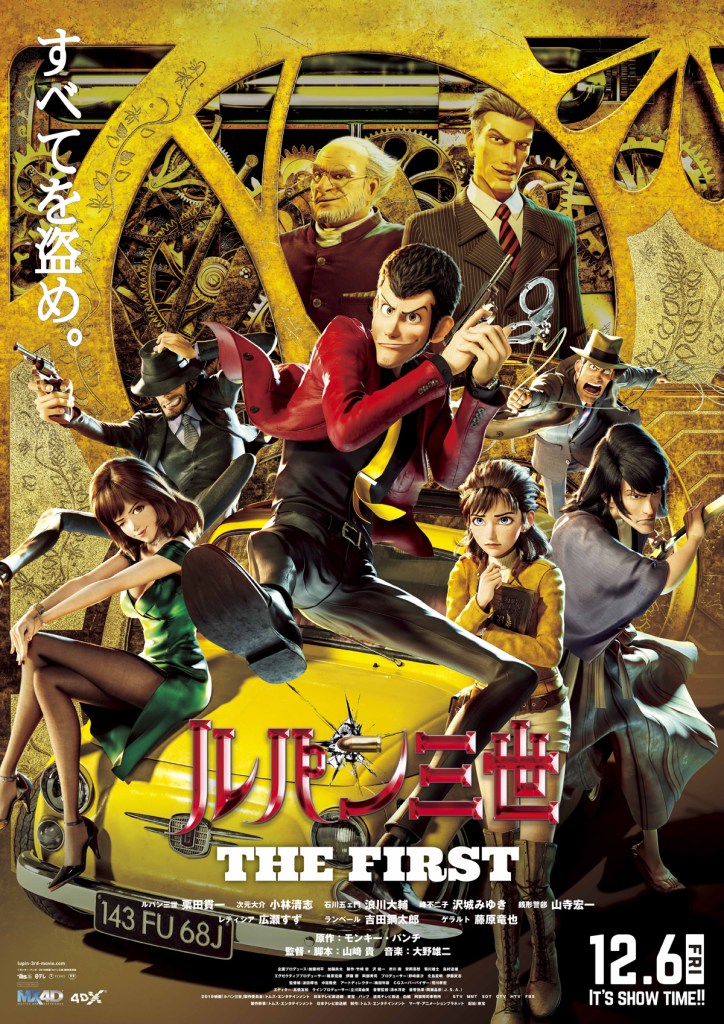
  • Lupin III: The First – 3DCG take on Monkey Punch’s iconic hero directed by Takashi Yamazaki. Original version with German subtitles only
  • ON-GAKU: Our Sound – deadpan slackers decide to start a band and discover unexpected sides to themselves in the joy of making music in Kenji Iwaisawa’s infinitely charming indie animation. Review.
  • Seven Days War – a group of idealistic teens holds the fort against duplicitous adult indifference in Yuta Murano’s openhearted anime adaptation of the cult novel. Review. Original version with German subtitles only
  • Sumikkogurashi: Good To Be In The Corner – cute animation starring the iconic San-X characters. original version with English subtitles / original version with German voice-over

The festival will also be hosting its usual series of lectures and special events via Zoom with the full program available from 22nd May via the official website where you’ll also be able to find ticketing and reservation links. This year’s online Nippon Connection runs 1st to 6th June via the festival’s dedicated streaming platform. To keep up with all the latest news you can also follow the festival on Facebook,  Twitter,  YouTubeFlickr, and Instagram.