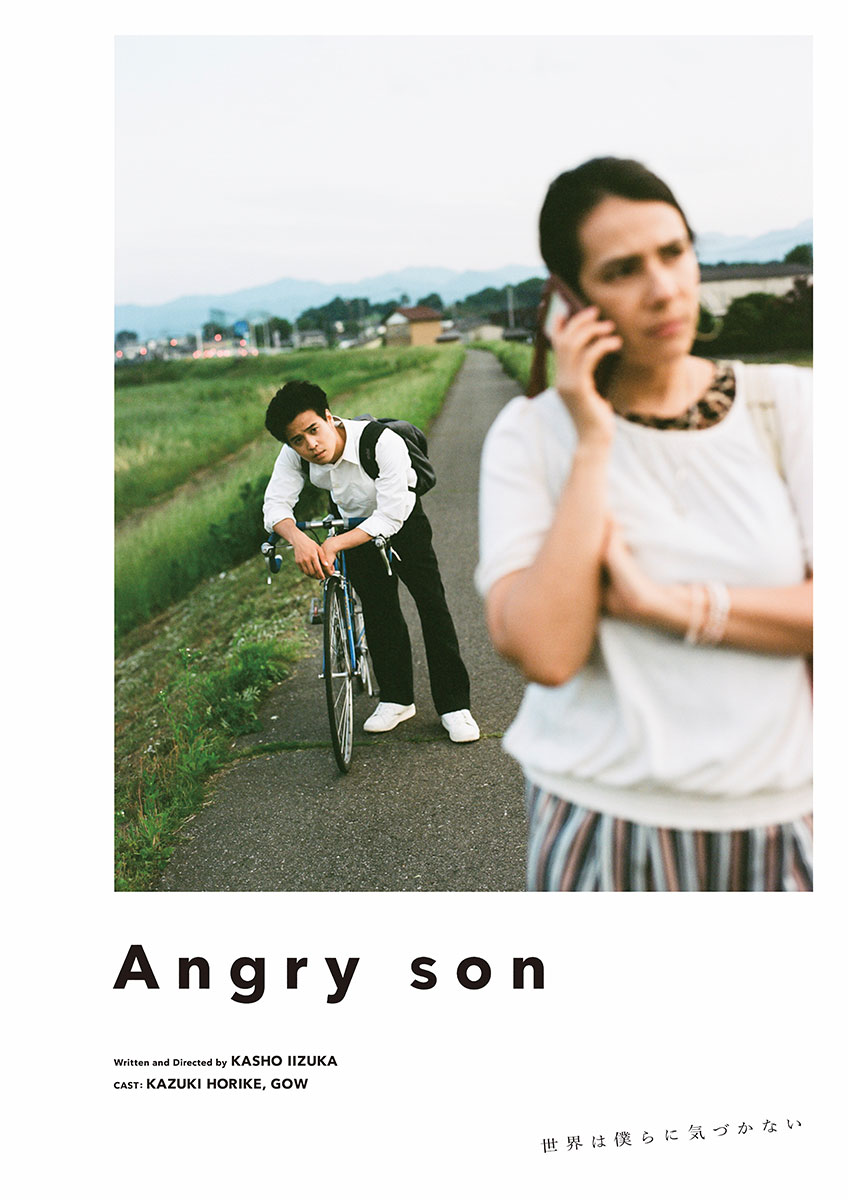
Angry Son (世界は僕らに気づかない, Kasho Iizuka, 2022)

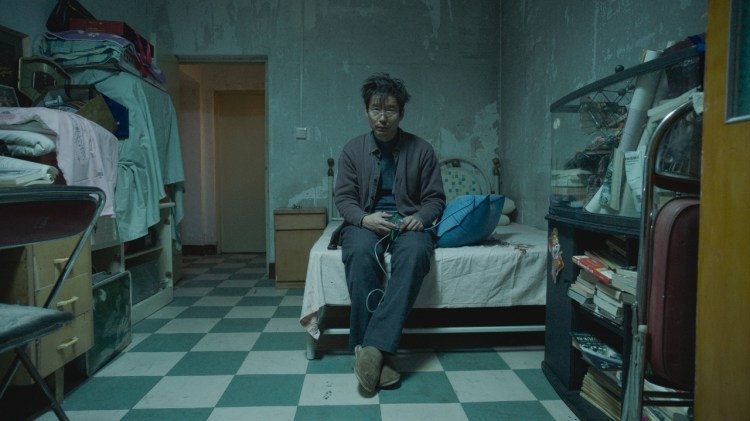
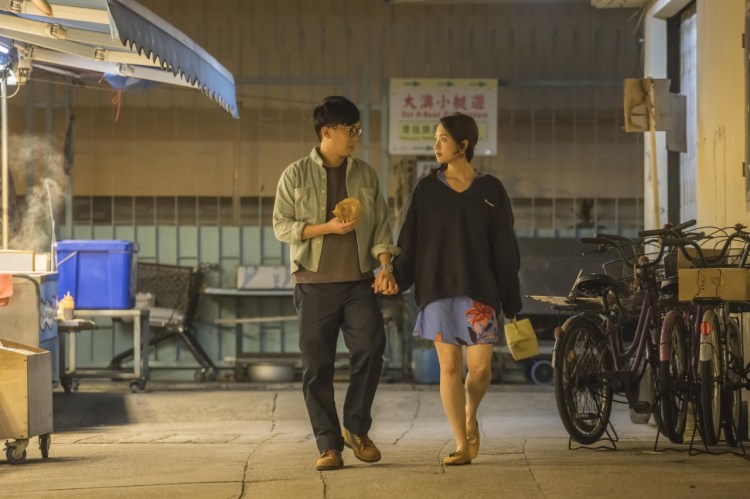
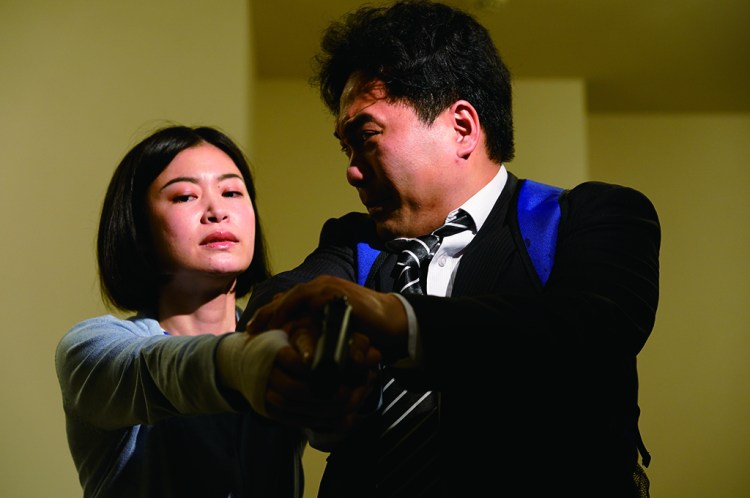
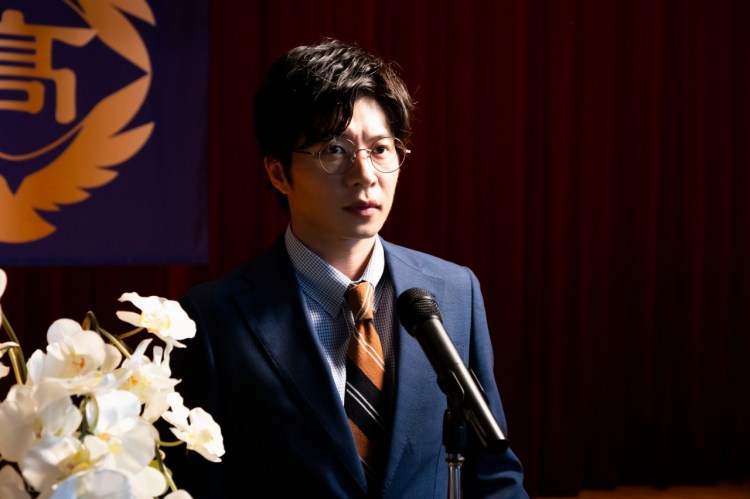
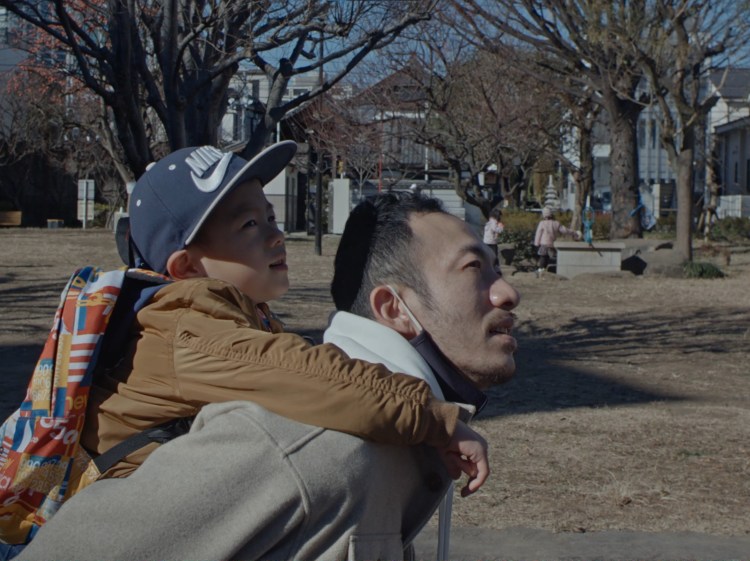
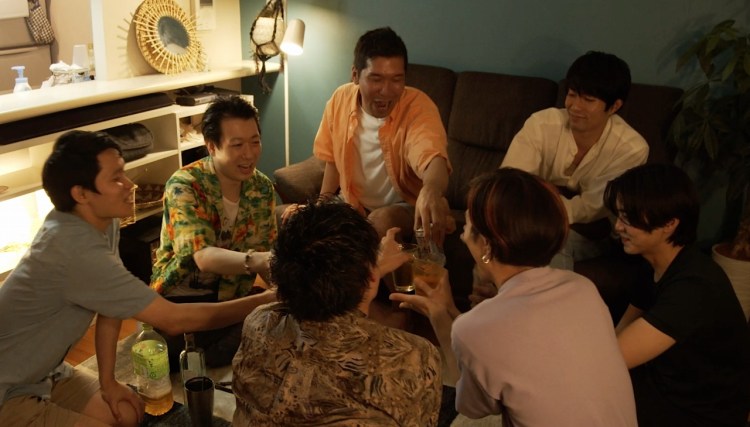
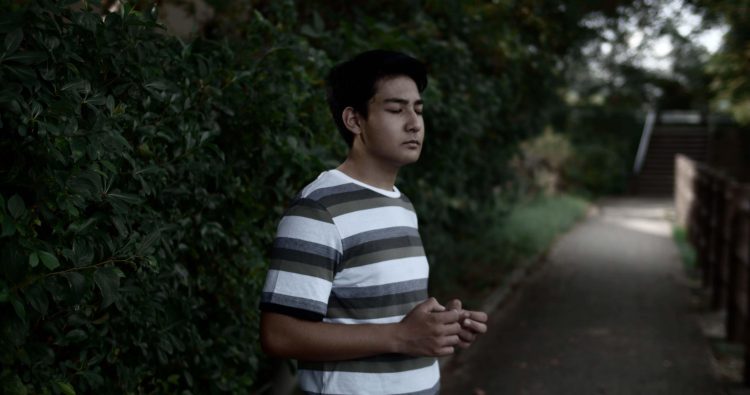
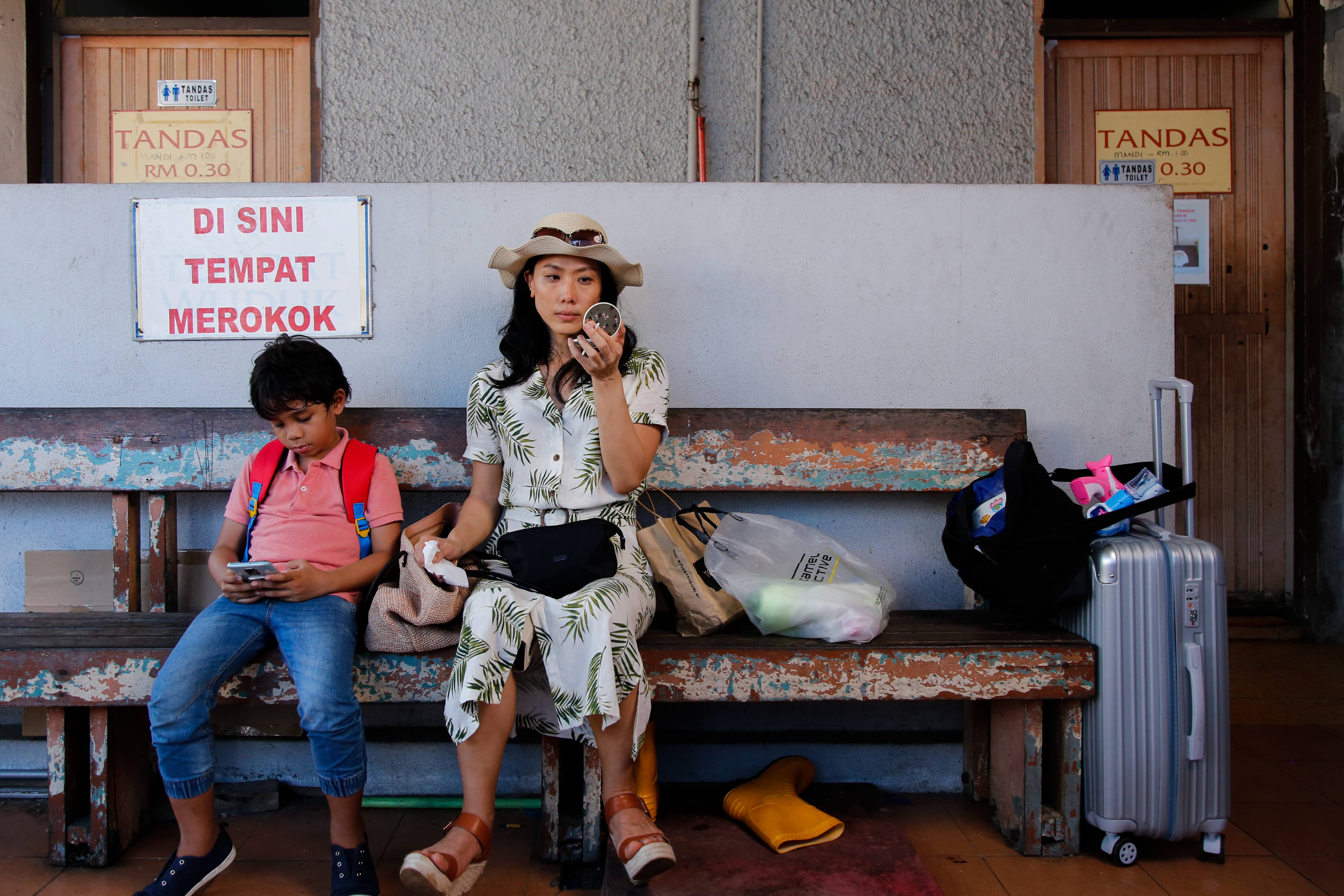
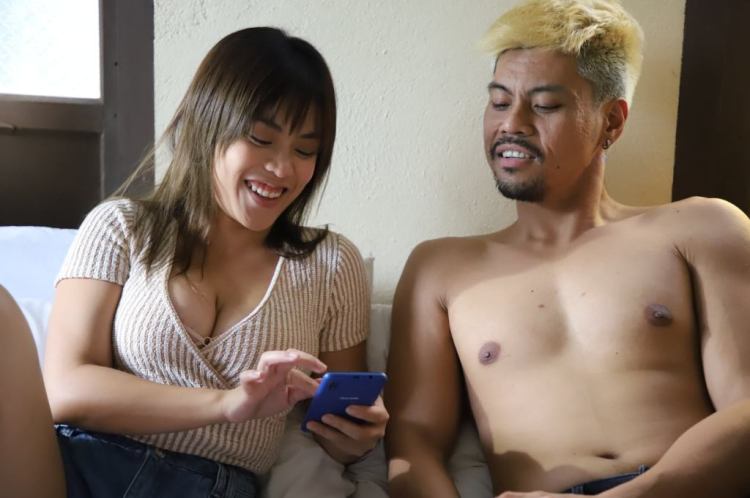
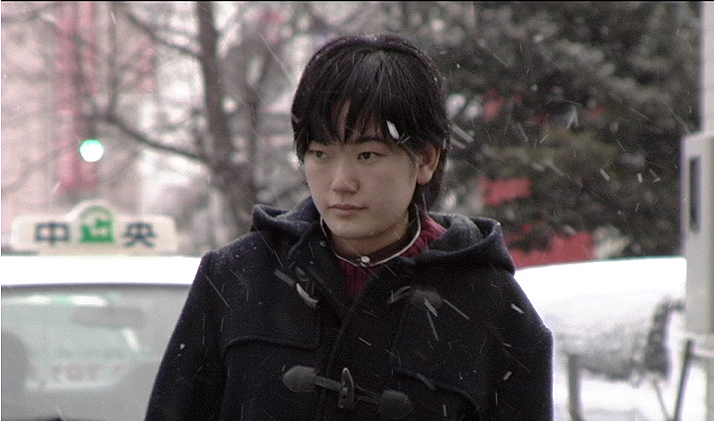
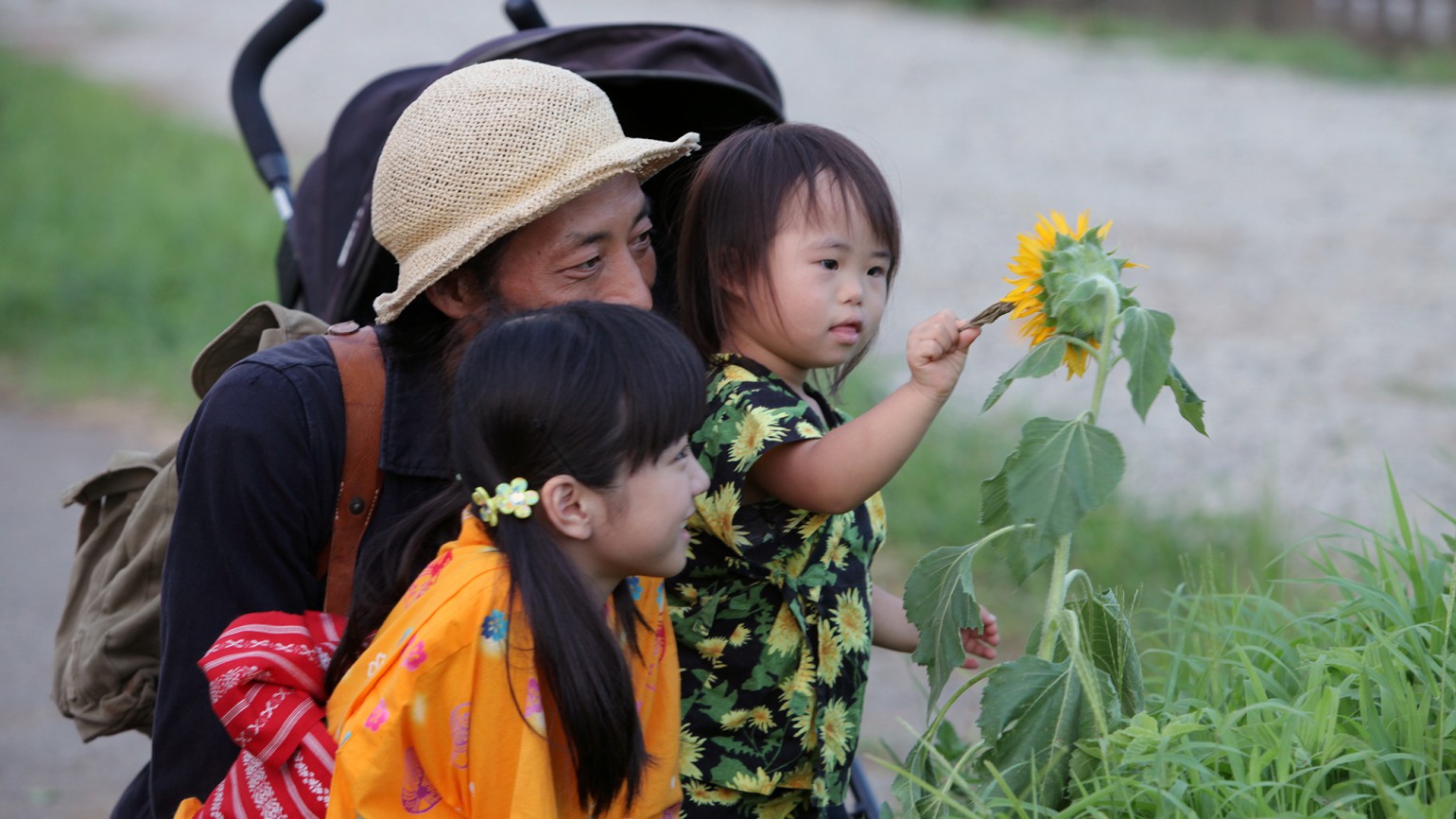
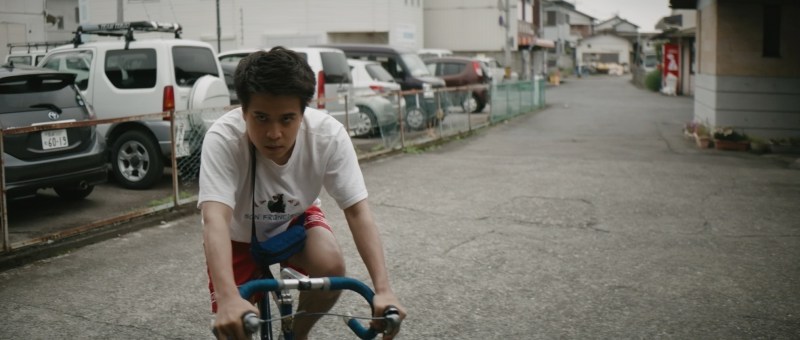
A resentful young man struggles to orient himself amid constant xenophobia and social prejudice in Kasho Iizuka’s sympathetic coming-of-drama Angry Son (世界は僕らに気づかない, Sekai wa Bokura ni Kizukanai). At a difficult age, he flails around lashing out at all around him without fully comprehending the consequences of his actions, but eventually comes to understand a little more about his mother’s past, his place in Japan, his relationships with his extended family, and his possibilities for the future while searching for the father he has never really known save for a name on his maintenance payments. 

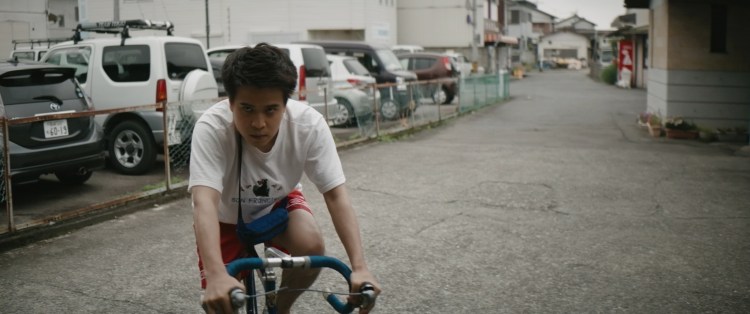
Jun’s (Kazuki Horike) main source of resentment is towards his mother, Reina (GOW), a Filipina bar hostess by whom he feels emotionally neglected while unfairly blaming her for the discrimination he faces for being mixed ethnicity. The pair live incredibly modestly as Reina sends all her money back to her family in the Philippines even telling Jun to use his child support payments to get the electric turned back on if it bothers him that much, leaving Jun feeling as if he isn’t really included her definition of “family” or that perhaps she resents him as a burden that causes her to hold back even more of her pay. That’s one reason that he becomes so irate on coming home one day and unexpectedly finding an unfamiliar man in his pants in their living room only to be told he’s his mum’s new boyfriend, Mr. Morishita, who will be moving in the week after next because they’re getting married. Granted, this is not an ideal way to find out about such a drastic change in his living circumstances but Jun just can’t accept it, fearing firstly that Reina is after his money only to discover to his further bemusement that Morishita is also unemployed.  

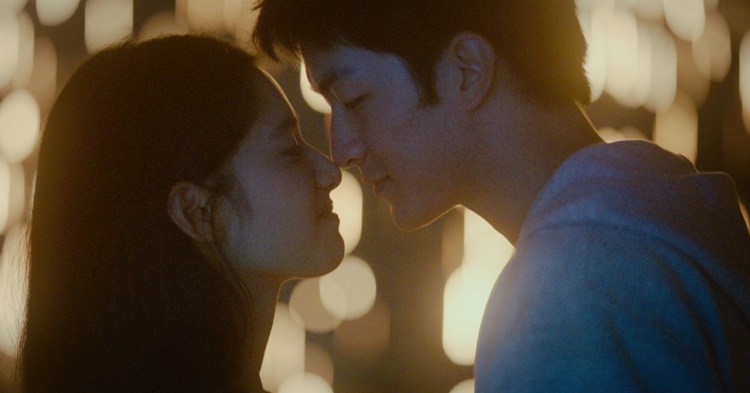
News of his mother’s impending wedding has Jun feeling even more pushed out than before, especially when Reina confirms that if he’s forcing her to choose she’s going to choose Morishita and he’ll have to fend for himself. Meanwhile, his high school boyfriend Yosuke is already talking up the possibilities of marriage seeing as their prefecture has recently brought in a same sex partnership scheme. Though Yosuke excitedly talks it over with his supportive parents, Jun is noticeably sullen replying honestly that he really isn’t sure if it’s a such a good idea mostly because he doesn’t want Yosuke to get “dragged” into his ever increasing financial responsibilities to his extended Filipino family. Like many of the other kids, Jun has left his careers survey blank and it’s his refusal to think seriously about his future that eventually disrupts his relationship with Yosuke. 

In response to all of these crises, he decides to try tracking down his birth father whom he has never met a quest which takes him through a series of Filipino hostess bars across their largely rural area and eventually to a man, Watanabe, who was once married to “Loopy Lisa” as she was then but is not actually his dad. Even so, Watanabe begins to open his eyes and change his perspective on his mother’s occupation for which he had previously looked down her beginning to understand the sacrifices she is making not only for her family back home but for him too and that while her love may be difficult for him to understand it is not absent. Meanwhile, she too faces prejudice and discrimination on more than one level, a co-worker at a part-time job at a bowling alley she took while laid off from a bar struggling in the post-corona economy expressing openly racist sentiment even in front of their boss, and from the local council when she tries to apply for rent relief which she is denied on the grounds that those working in the “adult entertainment” industry are not eligible for benefits. 

Reina gives as good as she gets and refuses to let discrimination slide, but Jun finds it all quite embarrassing and is carrying a degree of internalised shame which later leads her challenge him on his fragile sense of identity that he too looks down on her as an inherently dishonest foreigner just like any other prejudiced Japanese person no different from her unpleasant colleague or the kids at school who’d bullied him for being half-Filipino, gay, and the son of a bar hostess. Confronted with his own bad behaviour and gaining a new perspective thanks both to Mr Watanabe and Morishita whom he realises is sensitive, kind, and genuinely cares for his mother he begins to envisage a future for himself only to have his horizons broadened once again when Yosuke introduces him to a young woman at the school, Mina, who is asexual but wants to raise a family and is looking for another kind of partnership that hints at a new evolution of the family unit. 

A willingness to embrace the idea of family and of being a part of one himself marks Jun’s passage into adulthood, coming to an understanding of his mother and her relationship with her family in the Philippines and willing to take on the responsibilities of a committed relationship in mutual solidarity and support. A highly empathetic coming-of-age tale, Angry Son never shies away from societal issues such as widespread xenophobia, homophobia, bullying, prejudice, and discrimination but eventually allows its enraged hero to discover a new sense of confidence in his identity in order to forge his own future in a sometimes hostile environment. 


Angry Son screened as part of Osaka Asian Film Festival 2022

International trailer (dialogue free)

Images: ©2022「世界は僕らに気づかない」製作委員会
The First Girl I Loved (喜歡妳是妳, Yeung Chiu-Hoi & Candy Ng Wing-Shan, 2021)

“I wonder how many people are like us, dare to like yet too frightened to love?” the heroine of Yeung Chiu-Hoi & Candy Ng Wing-Shan’s youth nostalgia romance The First Girl I Loved (喜歡妳是妳) reflects having made peace with youthful romantic disappointment. As the title implies, Yeung & Ng’s melancholy love story finds a young woman looking back on her first love while beginning to wonder if she may have misunderstood or overly mythologised her high school romance. 

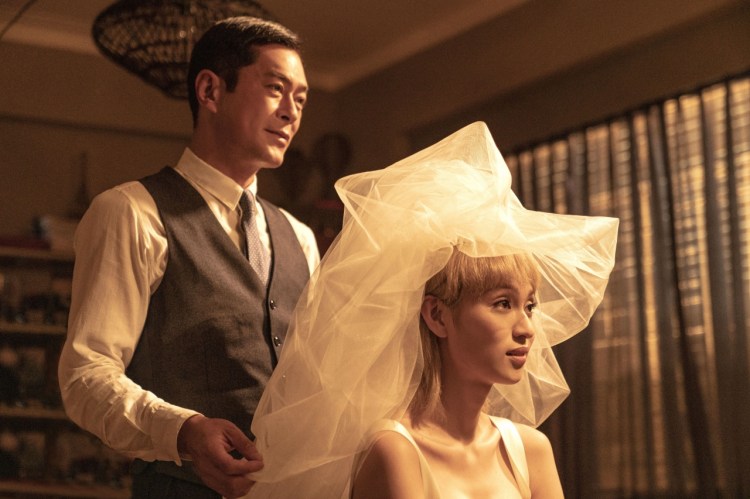
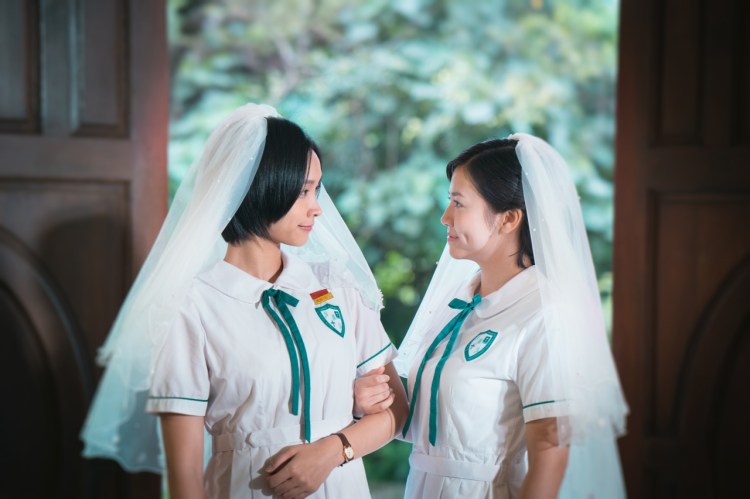
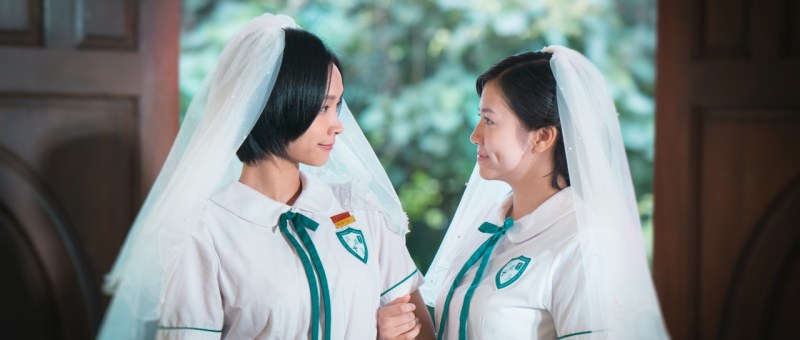
Now in her late 20s, Wing (Hedwig Tam Sin-Yin) is called back to the past by a phone call from her high school best friend Sylvia (Renci Yeung) who unexpectedly asks her to be the Maid of Honour at her wedding. Wing explains that she doesn’t like wearing dresses and would usually turn the invitation down but on this occasion she can’t because Sylvia was the first girl she ever loved. Long years of friendship eventually blossomed into teenage romance but while same sex relationships might have been more acceptable than they once were, they are not condoned by the private catholic girl’s high school the pair attend which calls their parents in after they’re spotted kissing on a bus by a passing teacher. 

Though Wing’s mother is a little taken aback, neither of the girls’ fathers thinks it’s a particularly big deal if for less than progressive reasons in that as Sylvia’s father puts it nothing “bad” can happen between two girls and he’d be much less relaxed if she’d been hanging around with a boy while Wing’s agrees that it’s probably just a phase and they “won’t look back” once they’ve met the right guy. The girls meanwhile seem to flit between despair and youthful romantic idealism, Sylvia who’d earlier been the more proactive in pursuing a relationship later conceding that perhaps it is a phase after all when her otherwise sympathetic father advises her to keep a low profile in order to avoid losing her scholarship because their family is poor. More secure in her middle-class comfort, Wing is minded to fight for love, saving up to buy a ring Sylvia had admired on a shopping trip and insisting that if growing up means denying their feelings for each other she’d rather remain a child. But then for unclear reasons Wing is the one who later betrays their love in agreeing to perform a public apology admitting that her relationship with Sylvia is “shameful and unacceptable” while Sylvia tears hers up and simply leaves having planned to take full responsibility while refusing to apologise for her feelings. 

The relationship between the two women continues to ebb and flow, leaving the older Wing wondering if they were ever really in the same story or if they simply remember their high school relationship differently. Perhaps to Sylvia they really were just admittedly intense “good friends” as she was fond of saying rather than the doomed lovers Wing has branded them as in her mind. Then again could it just be that Sylvia has chosen conventionality out of a lack of courage to fight for love, Wing wondering if Sylvia has decided to marry now in order to escape a pact they’d made to reunite if neither of them had married by 30 implying that Sylvia had never been able to let of the idea that anything other than a heteronormative marriage is necessarily a failure. 

Time does indeed seem to be a factor, the girls recreating the one minute scene from Days of Being Wild with a clock which has no second hand symbolising the timelessness of their youthful love while forever afterwards they seem to be haunted by ticking clocks implying that their romance has a shelf life. Even so, Yeung & Ng try to have their cake and eat it too, the climactic wedding taking place on a symbolic level between Sylvia and Wing echoing their mock high school wedding as they walk down the aisle together with Sylvia pained and conflicted in her choice while Wing reflects that they will always be “best friends” no matter what happens in the future having reclaimed her happy memories of her high school love reassured by Sylvia’s coded reactions that love is really what it was that existed between them. Replete with early 2000s nostalgia, Yeung & Ng’s tragic romance nevertheless ends on a hopeful note in managing to salvage the friendship from a faded love even if lacking the courage to fight for authenticity in an often conservative society.


The First Girl I Loved screens 13th/16th March as part of Osaka Asian Film Festival 2022

Original trailer (Traditional Chinese / English subtitles)

Osaka Asian Film Festival 2022 Announces Complete Lineup

The Osaka Asian Film Festival returns as a physical event taking place in the city from March 10 to 20, with a small retrospective of 10 Japanese indie features from previous editions streaming worldwide from March 3 to 21. This year’s edition will open with Zhang Lu’s Yanagawa, and close with Danish, Norwegian and Japanese co-production Miss Osaka.

China

  • Journey to the West – a true believer in the existence of extraterrestrial life travels to the mountains where he meets a man claiming to be in touch with aliens.
  • Love Will Tear Us Apart – youth romance adapted from a popular web novel in which a man looks back on his youthful love after receiving a phone call informing him she plans to marry someone else.
  • ON STAGE – documentary following the lead singer of rock band Second Hand Roses.

Hong Kong

  • Anita – biopic of the late Cantopop star and actress Anita Mui.
  • Far Far Away – quirky rom-com from Amos Why in which a 28-year-old IT guy finds himself the object of attraction for five women who each hail from distant corners of Hong Kong.
  • The First Girl I Loved – romantic drama in which two women reflect on their high school romance the night before one is set to marry someone else.
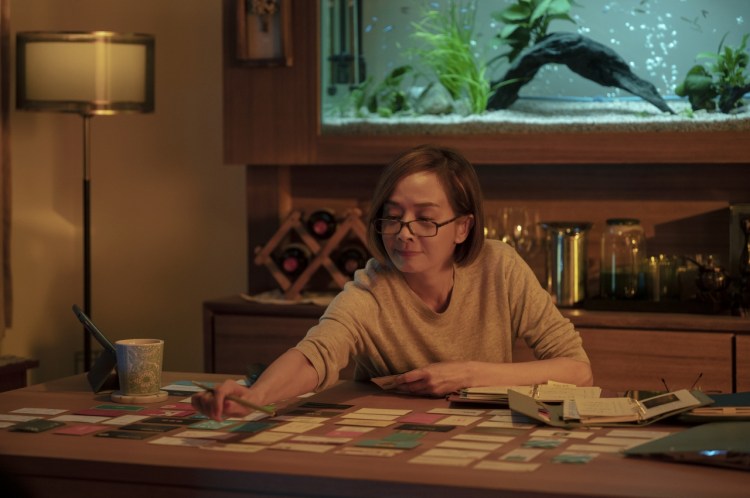
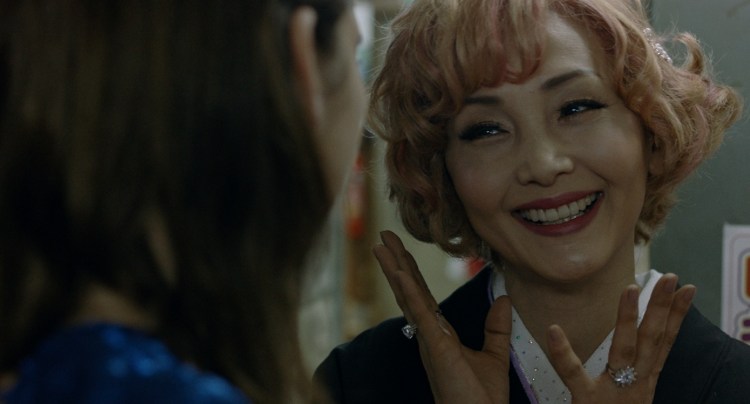
  • Mama’s Affair – latest drama from Kearen Pang (29+1) starring Teresa Mo as a woman who returns to work after raising her son.
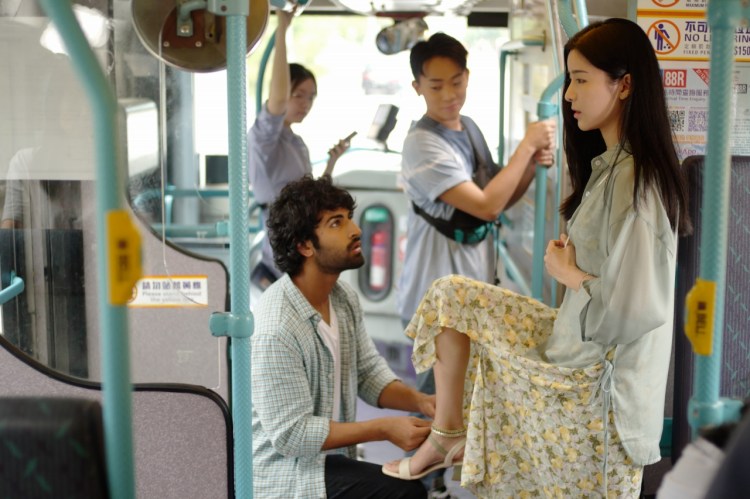
  • My Indian Boyfriend – romantic comedy in which a boy from India romances a Hong Kong dancer who is also courted by a rich yet chauvinistic family friend.
  • Time – An elderly hitman displaced by the modern society gets a second chance at life after taking up “euthanasia” in Ricky Ko’s darkly comic yet moving drama. Review.

Japan

  • Angry Son – indie drama in which an angry young man from the country raised by a Filipina single mother contends with local xenophobia while looking for the father he has never known.
  • Confession – drama from actor/director Hideo Sakaki in which a young woman is confronted with her traumatic past after her estranged step-brother visits to tell her her mother has passed away. no longer screening
  • Far Away, Further Away – romantic drama from Shinji Imaoka in which an unhappily married woman bonds with a brokenhearted estate agent.
  • Howling – after losing his job having been accused of sexual harassment, 40-year-old Ryuji is propositioned by 20-year-old Akane only to discover she wants him to kill her father while his first love Chisato has married their former high school bully and is trapped in an abusive relationship.
  • To Be Killed by a High School Girl – outlandish manga adaptation starring Kei Tanaka as a handsome teacher who joined the profession because he has a taboo fetish of being murdered by a high school girl.
  • The Light of Spring – neorealist docudrama told from the point of view of a little boy who returns home to discover his mother and sister have left because his parents are separating.
  • Our House Party – semi-autobiographical LGBTQ+ indie drama from Shuichi Kawanobe in which a student begins exploring his sexuality after an encounter with the owner of a gay bar in Tokyo’s Shinjuku 2-chome.
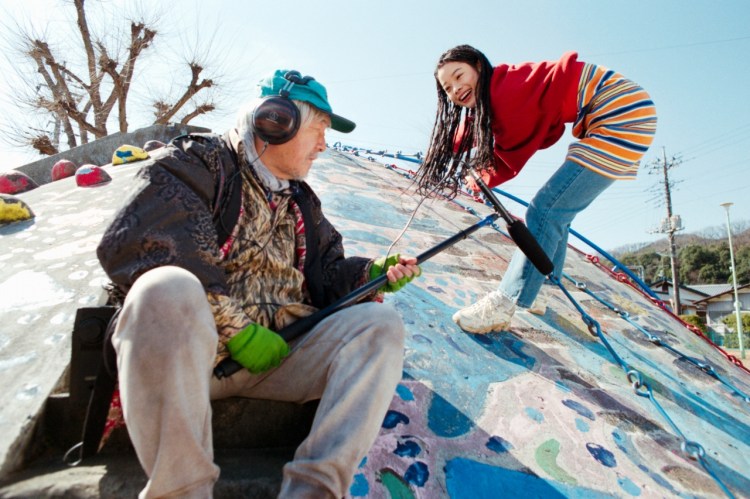
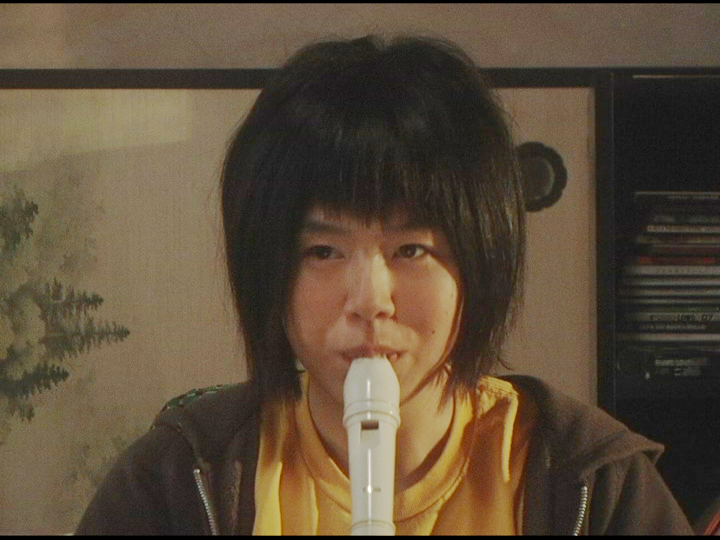
  • Melting Sounds – MOOSIC LAB drama from Kahori Higashi in which a young woman returns to her grandmother’s home to find an old man in her garden recording ambient sounds so he can bury them in a “sound tomb”.
  • Miss Osaka – Danish-Norwegian-Japanese co-production in which a directionless young woman steals the identity of a Japanese friend after she mysteriously disappears.
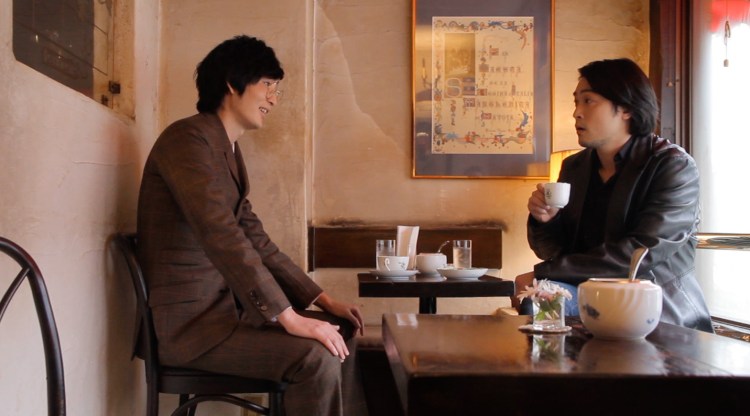
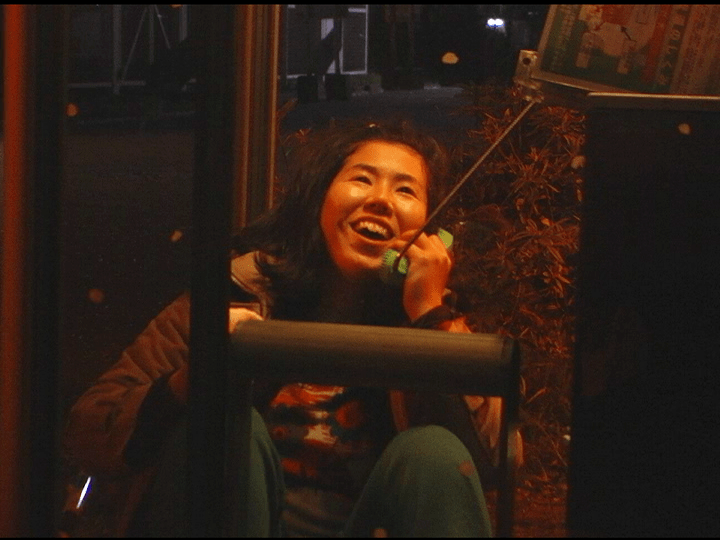
  • Random Call – a struggling actor’s world expands after he’s drawn into a social experiment reconnecting with old friends through random phone calls.
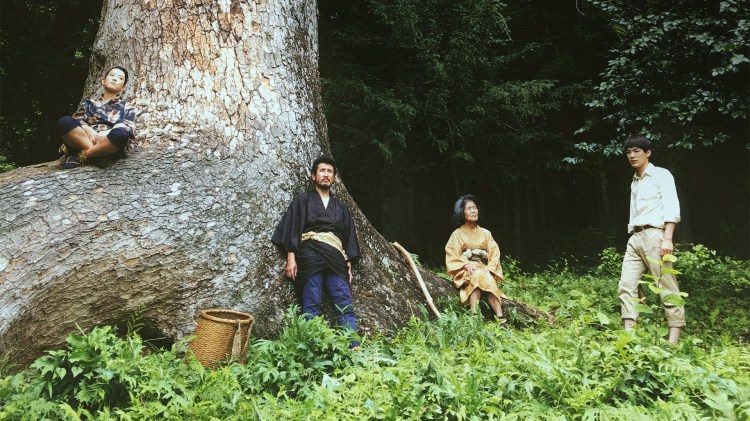
  • Sanka: Nomads of the Mountains – drama set in 1965 in which a teenager studying for his exams encounters the Sanka, a community of nomads whose way of life is on the brink of extinction.
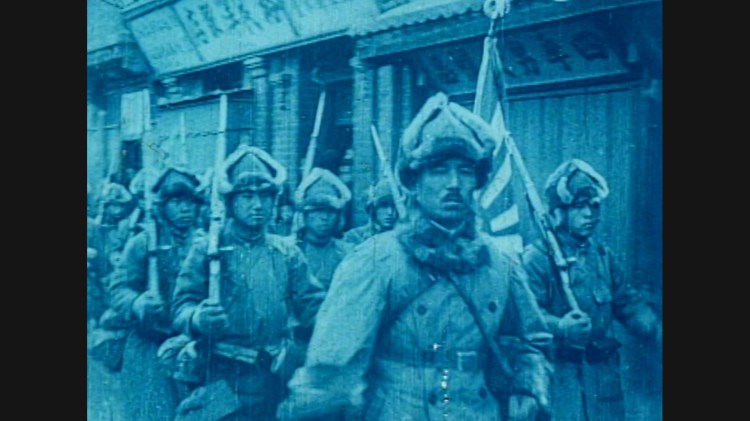
  • The Second Sino-Japanese War in Toy Films – silent compilation of early Showa documentary and propaganda films
  • Switchback – four teenagers are brought together by a summer workshop encouraging them to look deeper at their small hometown of Obu.
  • The Wonder of a Summer Day – sisters separated by divorce are reunited by a summer at grandma’s.
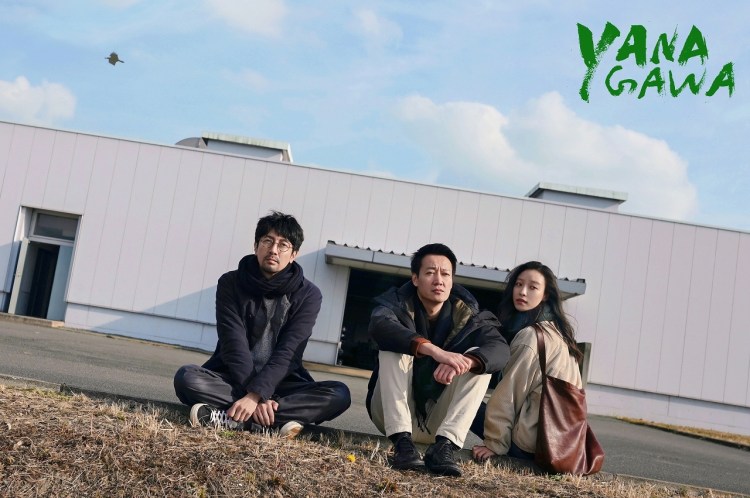
  • Yanagawa – latest drama from Korean-Chinese director Zhang Lu in which two brothers decide to visit “the Venice of Japan” in search of a woman they both loved 20 years previously
  • YU-GEKI~side story of “Love’s Twisting Path”~ – documentary following veteran director Sadao Nakajima during the production of Love’s Twisting Path.

Korea

  • Aloners – A solitary call centre employee is forced into a reconsideration of her way of life when a neighbour dies a lonely death in Hong Sung-eun’s melancholy character study. Review.
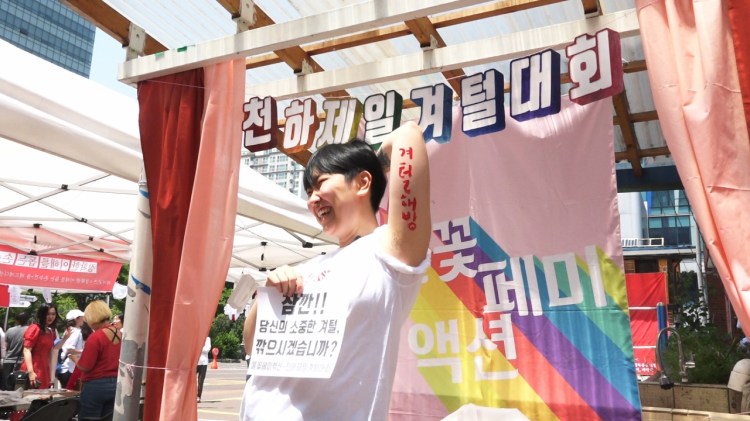
  • Boundary: Flaming Feminist Action – documentary focussing on the feminist action group formed in the wake of the violent murder of a woman at Gangnam Station in 2016.
  • The Girl on a Bulldozer – an angry young woman rebels when her father is injured in an accident which seems to be connected to a shady politician.
  • In Front of Your Face – An ageing actress returns to Seoul after many years abroad carrying with her a sense of melancholy vulnerability in Hong sang-soo’s gentle character study. Review.

Malaysia

  • Barbarian Invasion – Tan Chui Mui directs and stars as an actress making a comeback after retiring to become a housewife and mother only to be told the film can only be made if her ex co-stars.

Mongolia

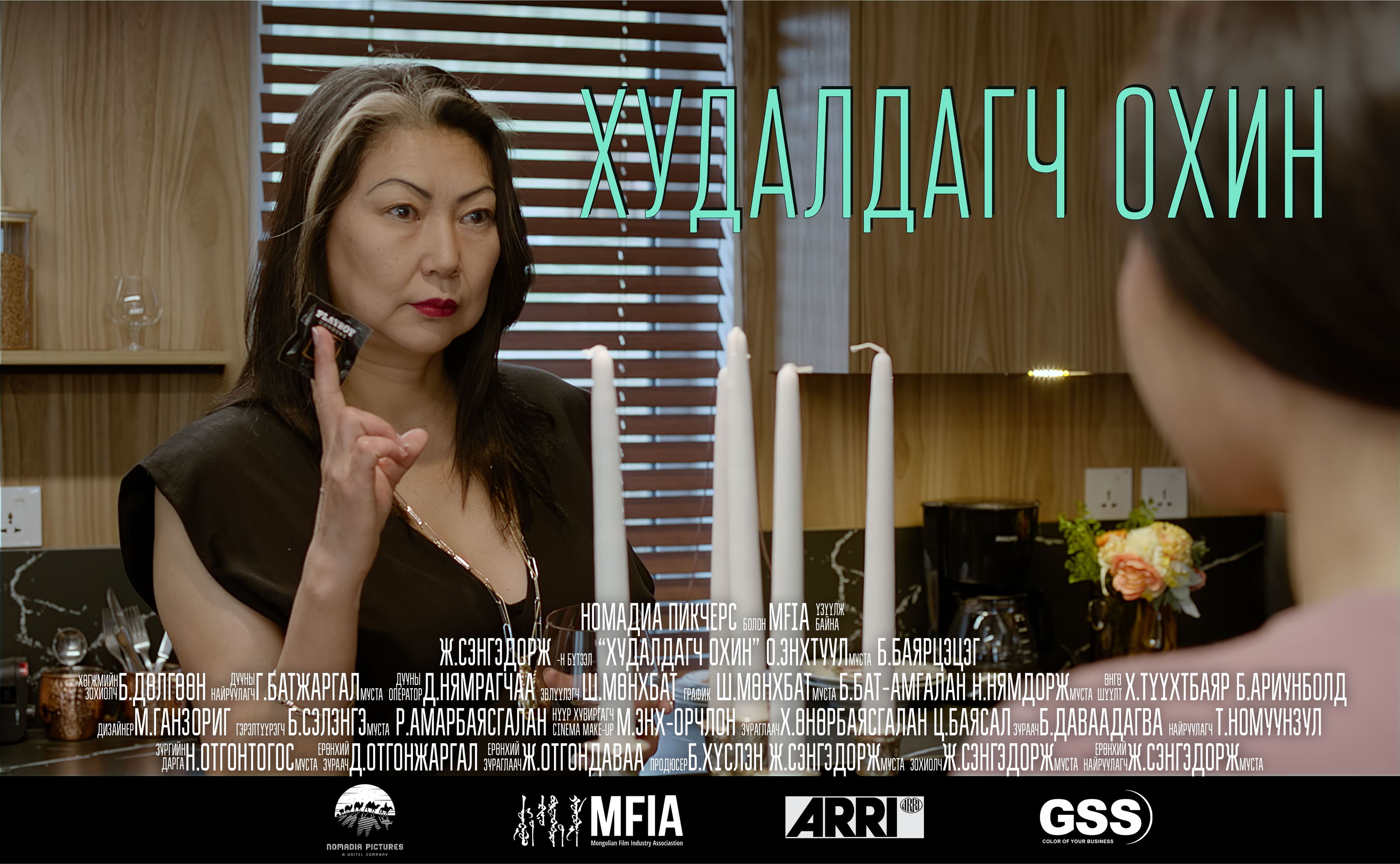
  • The Sales Girl – a shy student of nuclear physics begins to explore her sexuality when covering a friend’s shift at a sex shop.

Philippines

  • Big Night – a gay beautician is confronted with her own complicity with injustice when her name is placed on a watch list.
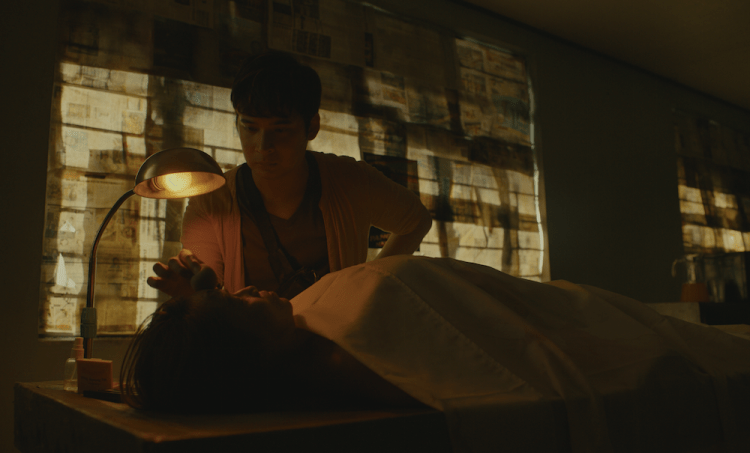
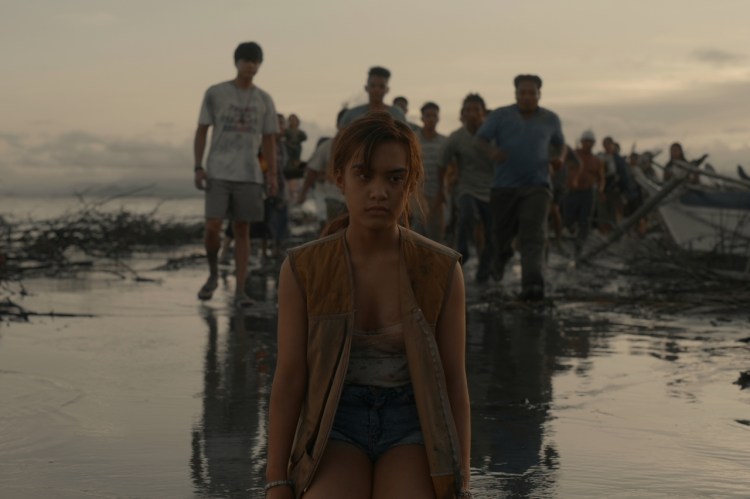
  • Whether the Weather Is Fine – Philippine drama in which a mother and son search for missing loved ones in the aftermath of disaster.
  • You and Me and the Ending – a fugitive and a hotel maid find love at a holiday resort during a COVID-19 lockdown

Taiwan

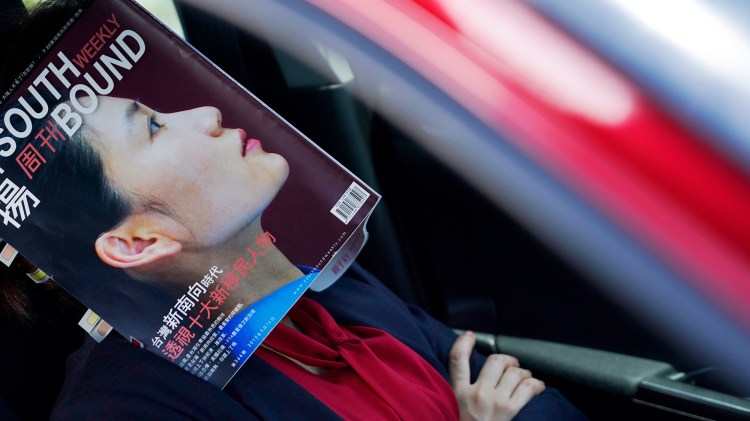
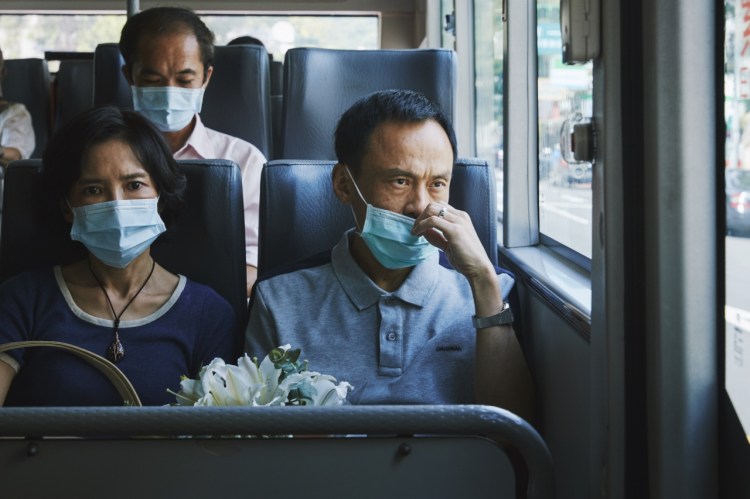
  • Days Before the Millennium – Two Vietnamese women who came to Taiwan 20 years apart and in very different circumstances discover a sense of mutual solidarity in Chang Ten-Yuan’s migratory epic. Review.
  • Increasing Echo – marital drama in which a woman attempts to force her adulterous husband to visit his former mistress in a nursing home where she is living with dementia but he refuses and runs away.
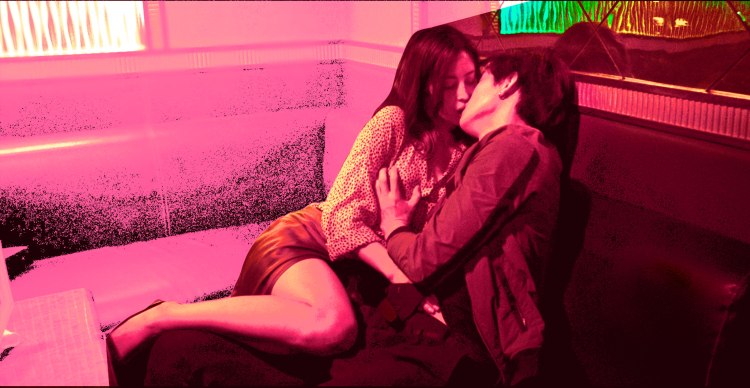
  • Leave Me Alone – a petty gangster falls for a wealthy gallery owner while working as her driver.
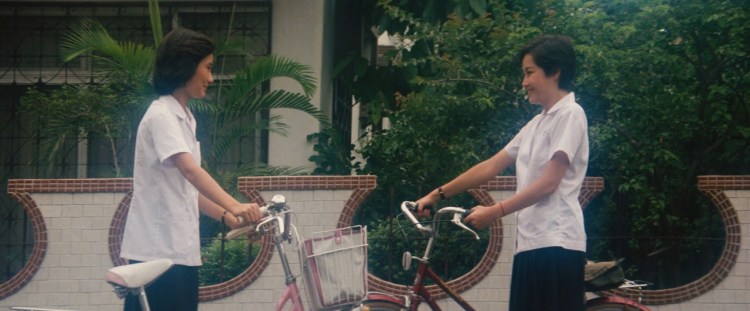
  • Girls’ School <Digitally Remastered> – new restoration of the 1982 drama revolving around the transgressively close friendship between two high school girls.

Thailand

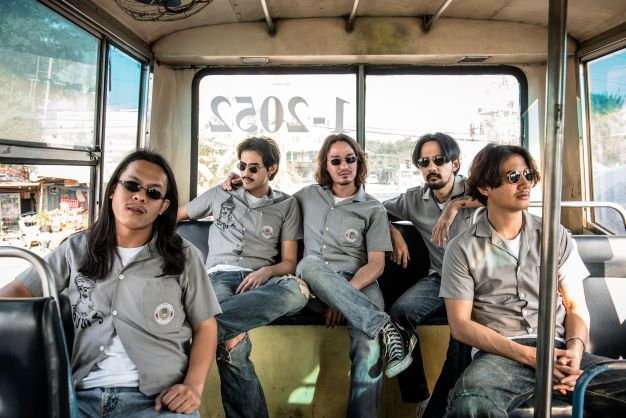
  • 4 Kings – a hardworking family man reflects on his time as a teenage delinquent after his daughter is involved in gang violence.

Vietnam

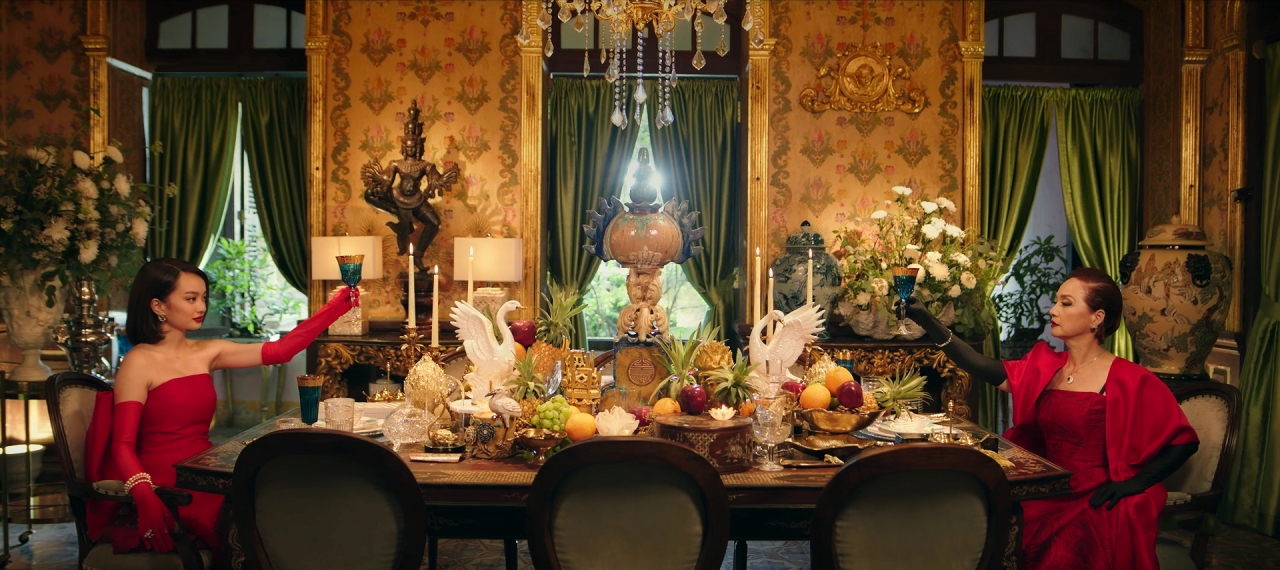
  • Camellia Sisters – three wealthy sisters plot against each other in this opulent melodrama.

Director in Focus: Satoko Yokohama

  • Chiemi And Kokkunpatcho – Yokohama’s mid-length graduation project in which a young woman working as a dental technician receives a wedding invitation from an old friend with whom she had previously fallen out.
  • German plus Rain – Yokohama’s first theatrical feature following a teenage girl who dreams of being a singer but works as an apprentice gardener along with a German guy who calls her “gorillaman”.
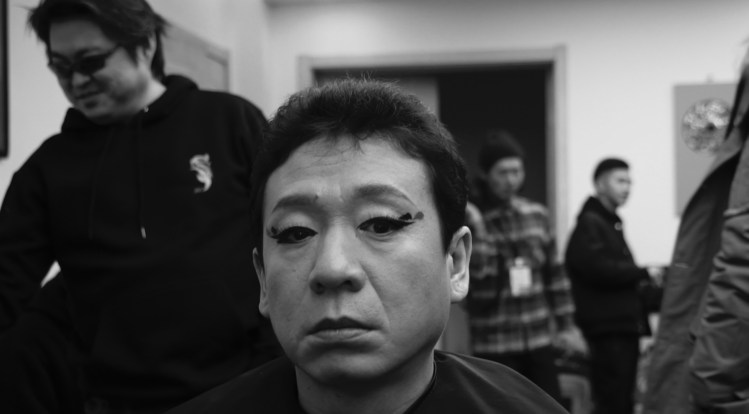
  • Bare Essence of Life – Aomori-set drama in the Tsugaru dialect starring Kenichi Matsuyama as an eccentric young man who falls in the love with a kindergarten teacher who has recently arrived in the town in search of her late boyfriend’s missing head. Review.
  • The Granny Girl – 30-minute short revolving around the life of an ordinary Tokyo couple
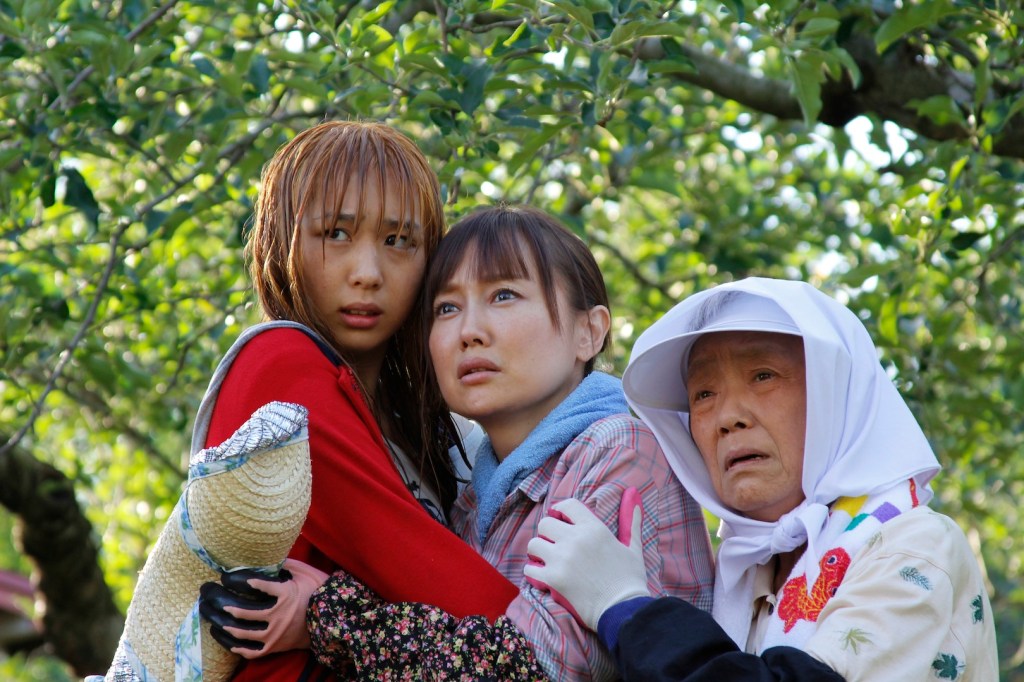
  • A Girl in the Apple Farm – 42-minute short starring Masatoshi Nagase and Youki Kudo as parents to a runaway daughter.
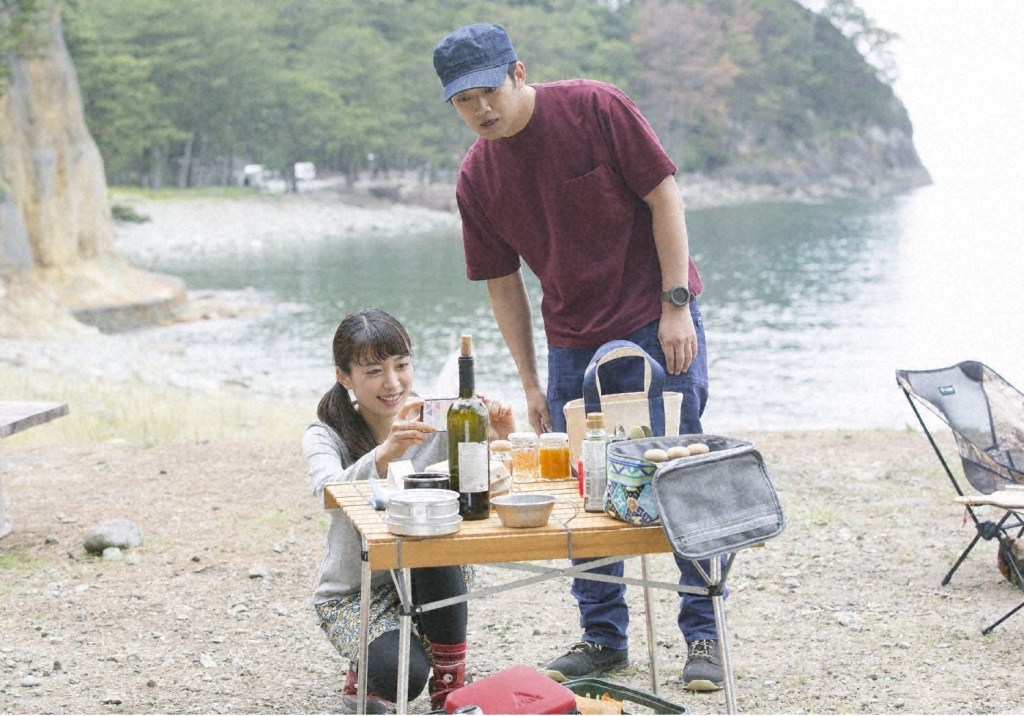
  • Camping, eating, and sleeping, alone. #7 Corned beef yukke in Nishiizu – 24-minute episode from the TV series starring Takahiro Miura.
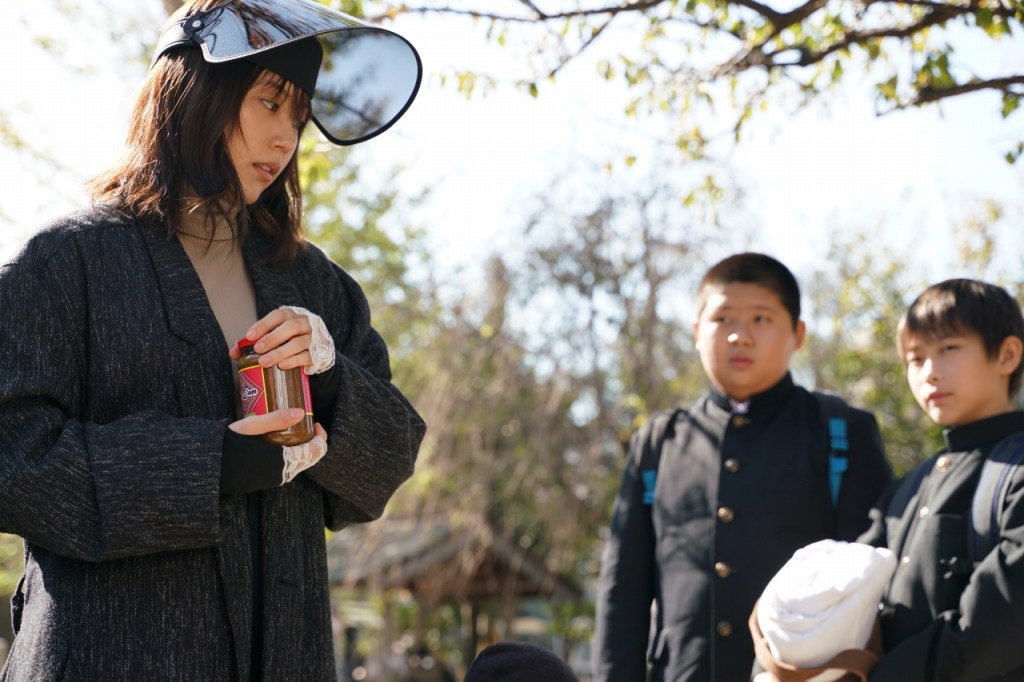
  • A DAY-OFF OF KASUMI ARIMURA #5 The Lid 26-minute episode of the TV series starring Kasumi Arimura as a fictionalised version of herself in which she experiences difficulty trying to open a jar and ventures out in disguise in search of help.
  • Honsundonsukosuko – 4-minute short produced for TV starring Ryohei Suzuki

Osaka Asian Film Festival Online < Theater ONE >

Streaming worldwide with English subtitles March 3 to 21.

  • Torso – 2009 drama from Yutaka Yamazaki starring Makiko Watanabe, Sakura Ando, Arata Iura, Sora Aoi, and Renji Ishibashi revolving around an isolated office lady whose only comfort is a limbless male inflatable doll.
  • Breathless Lovers – 20-minute short from 2017 directed by Shumpei Shimizu in which a man chases the ghost of his late boyfriend.
  • Chigasaki Story – whimsical 2014 drama from Takuya Misawa (Murders of Oiso) in which students and teachers come together during a wedding at a hotel.
  • The Faceless Dead – 2009 feature from Kishu Izuchi in which an aspiring writer receives a phone call to tell her she is in the hospital and decides to visit to find out why someone is using her identity.
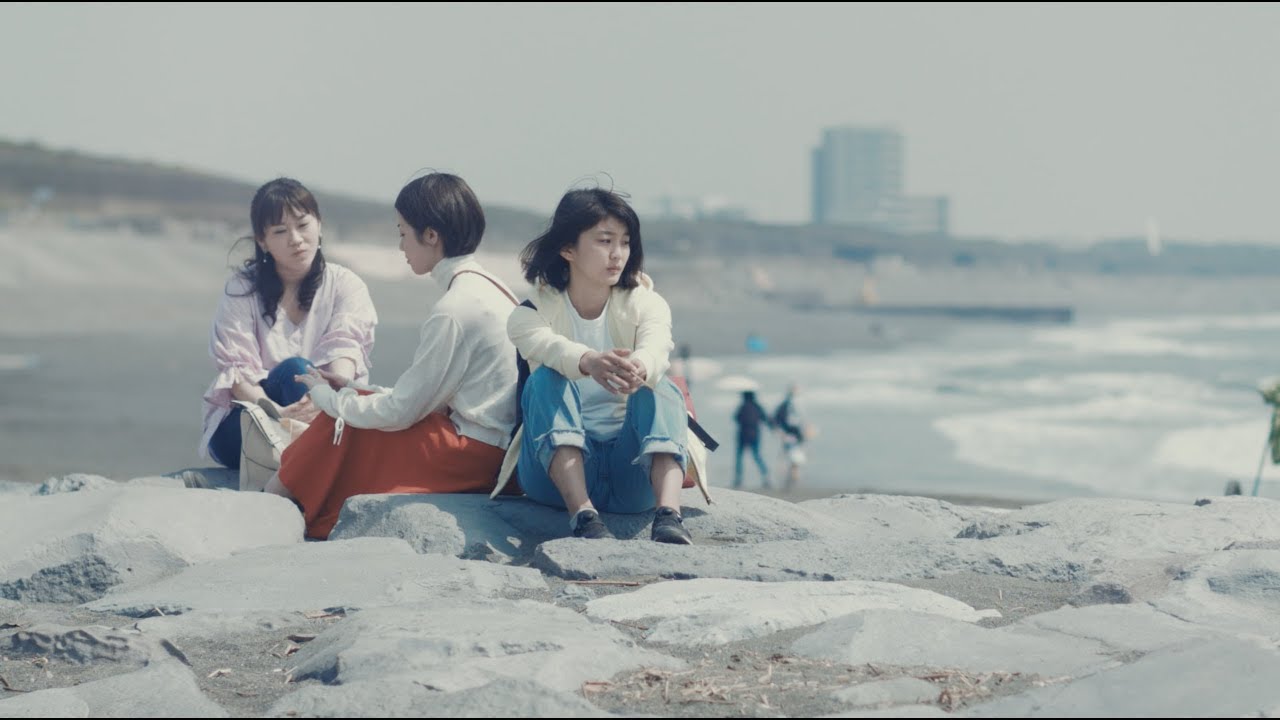
  • Jeux de Plage – Rohmerian drama in which college friends Sayaka and Yui take a trip to the beach where they meet up with Yui’s old pal Momoko but find their dynamic disrupted by sleazy passersby and mutual awkwardness. Review.
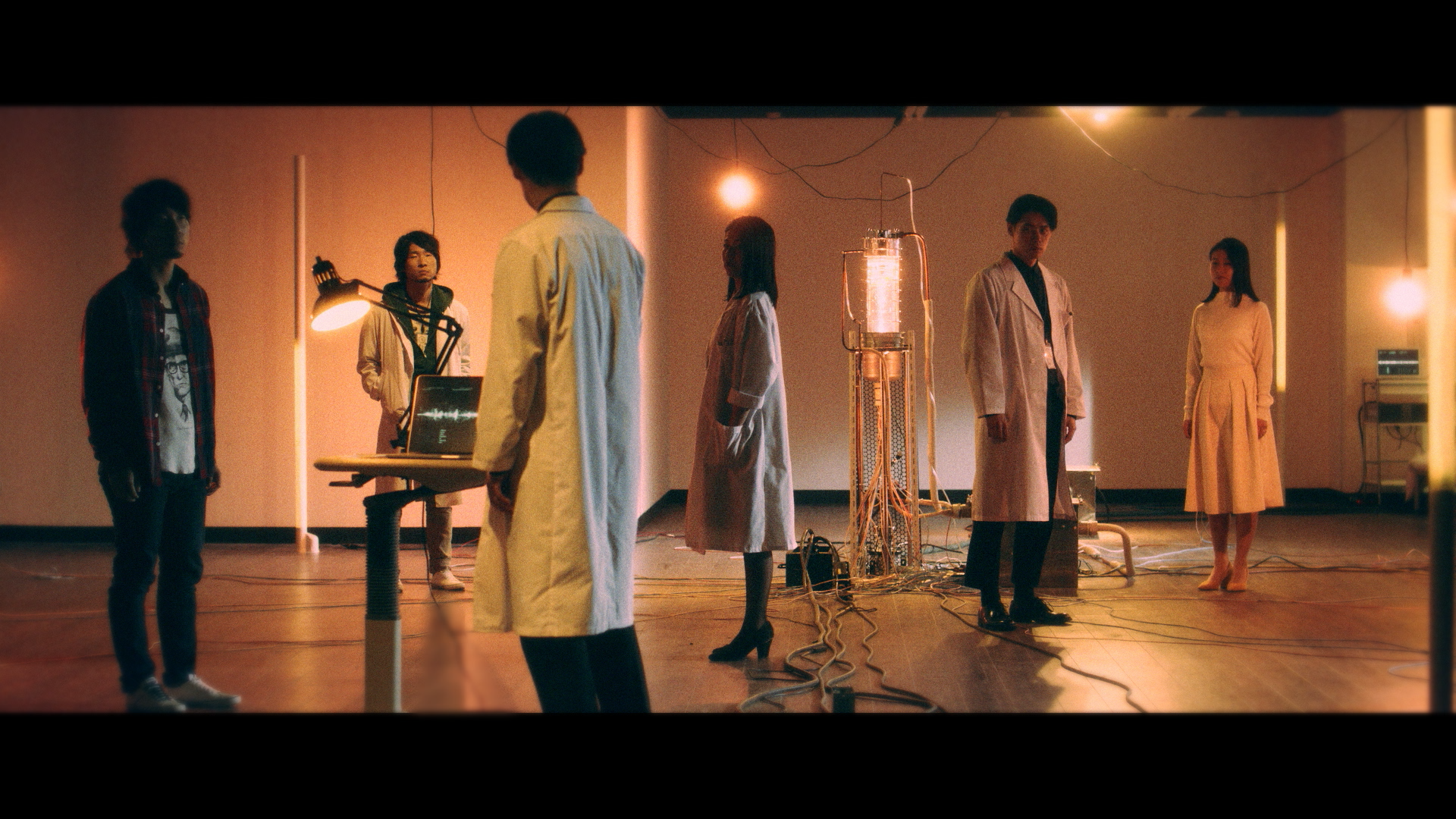
  • Mechanical Telepathy – 2018 feature from Aya Igarashi in which a researcher loses consciousness while trying to develop a machine to visualise the human mind
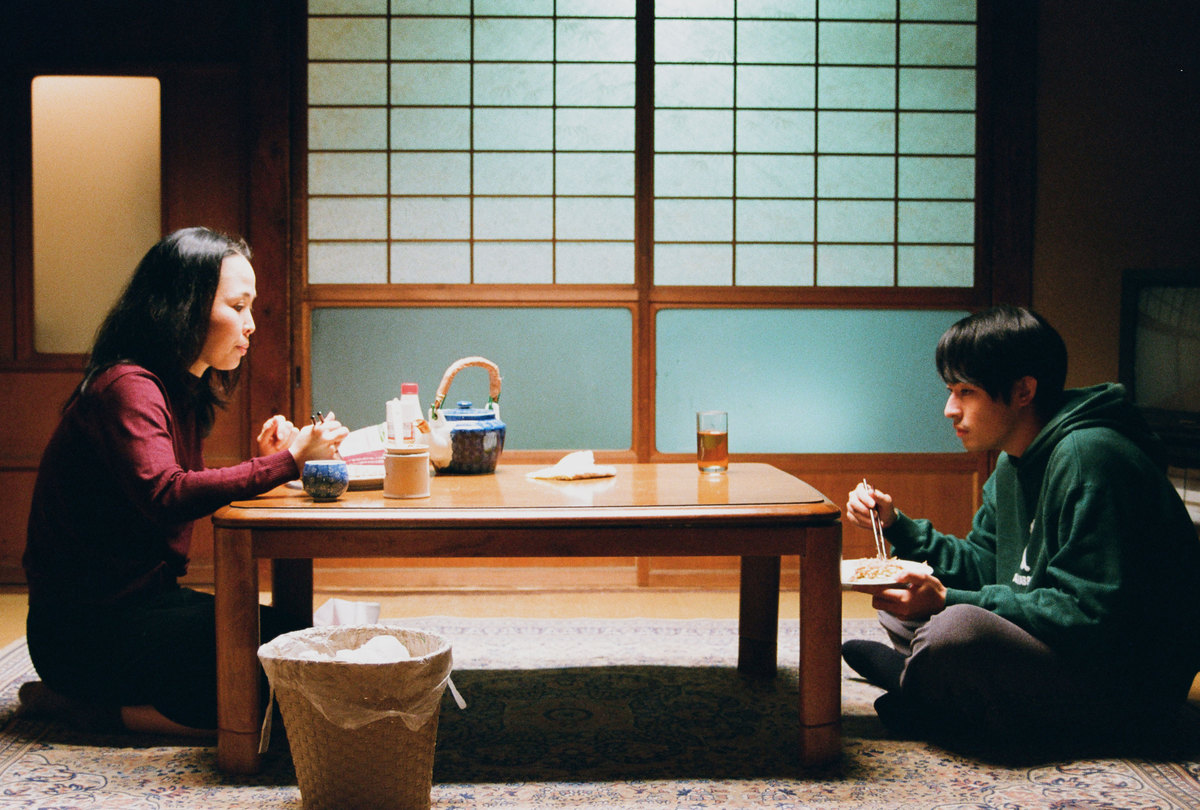
  • Nice to Meet You – 2011 drama from Takamasa Oe in which a student living alone with his mother discovers her diary in which she converses with his unborn brother.
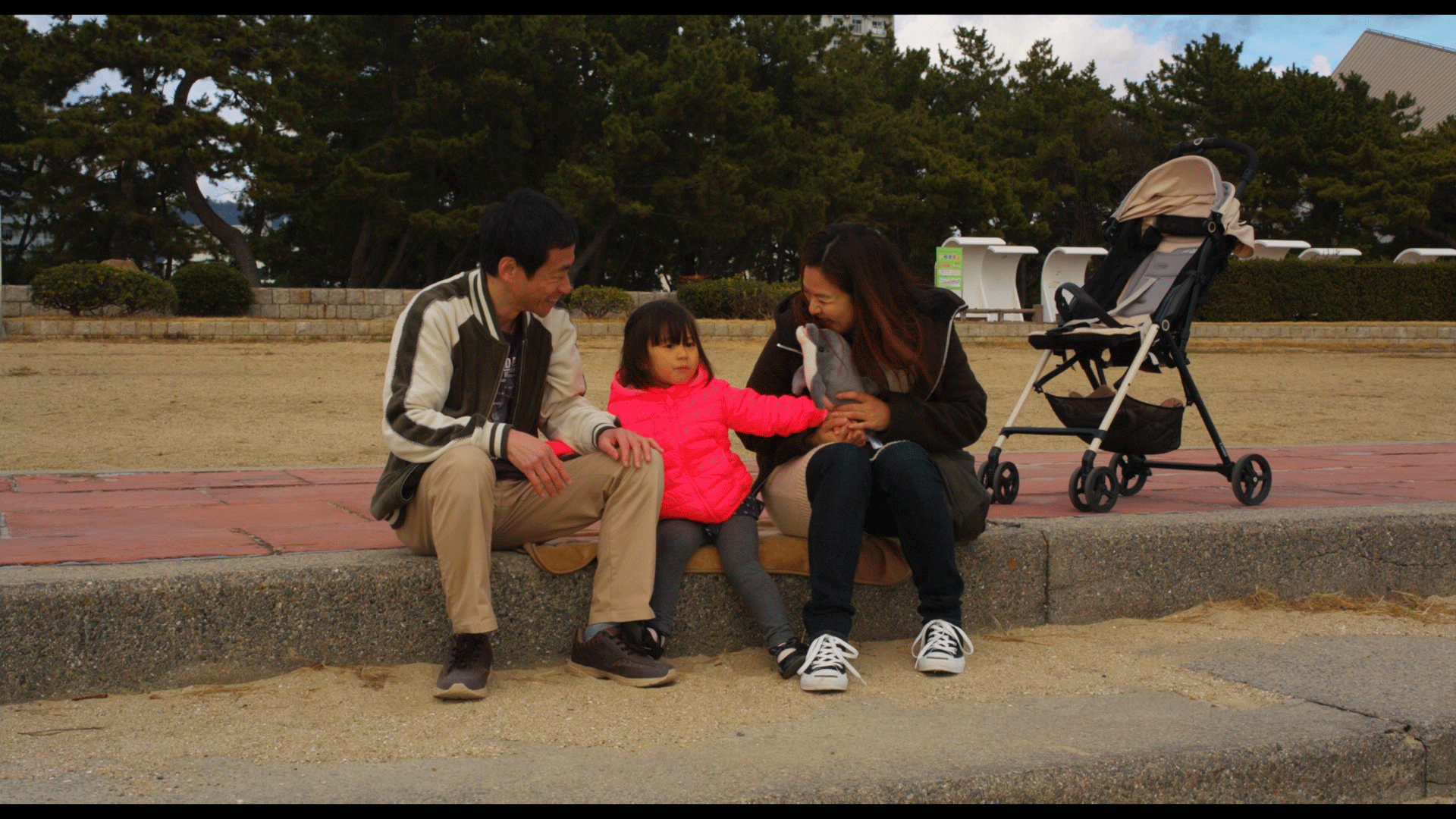
  • Reiko and the Dolphin – 2019 family drama from pink director Shinji Imaoka in which a young couple try to come to terms with the loss of their daughter in the devastating earthquake which struck Kobe in 1995.
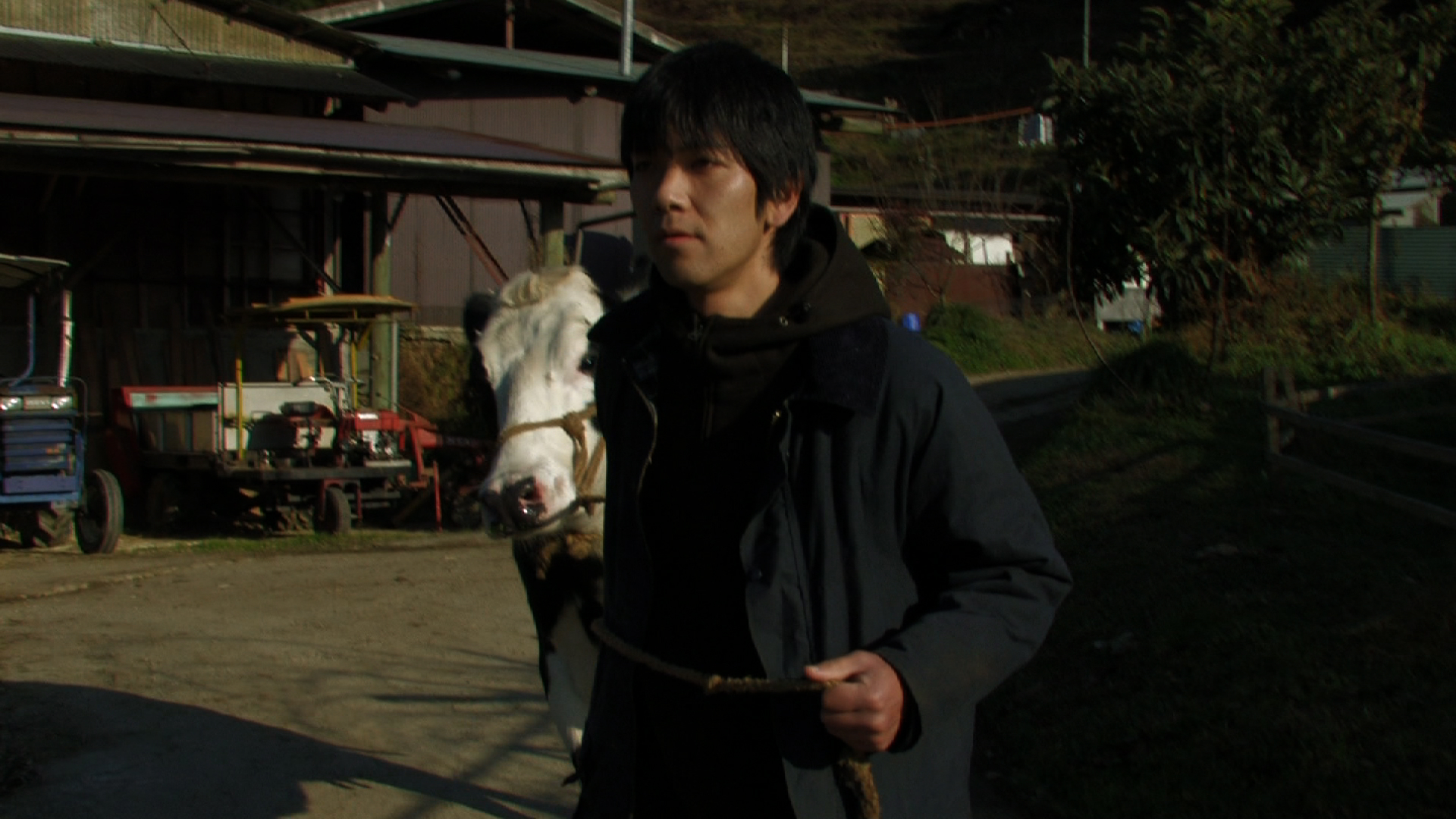
  • The Sound of Light – 2011 first feature from Juichiro Yamasaki in which a former musician returns home from Tokyo to take over the family farm.
  • The Sower – 2016 drama from Yosuke Takeuchi in which a man recently discharged from a psychiatric hospital falls under suspicion following a family tragedy. Review.

This year’s Osaka Asian Film Festival runs at venues across the city March 10 to 20, and online March 3 to 21. Full details for all the films as well as ticketing links are available via the official website and you can also keep up with all the latest details by following the festival on Facebook, TwitterInstagram, and YouTube.