Edhi Alice (에디 앨리스: 리버스, Kim Il-ran, 2024)

“I’m Alice, who is living in the present,” one of the two protagonists of Kim Il-ran’s documentary Edhi Alice tells the camera when asked to introduce herself. A transwoman in her 40s, Alice got her name from film director Lee Joon-ik while working on Dong-ju: The Portrait of a Poet, a film inspired by the life of a poet who died as a political prisoner yearning for freedom and authenticity in a Japanese jail during the colonial era. 

Freedom and authenticity are both things that Alice has found in her transition and is continuing to seek. As a child, she had a consciousness of herself as female until her sister remarked in a phone call that she was becoming a man after noticing that her voice was breaking. Surrounded by an intensely patriarchal society, Alice convinced herself to conform to common notions of masculinity, even getting married in an attempt to live as a man and prove herself as one by having a child. Only after the marriage ended did she begin to embrace her authentic self by undergoing surgery which, she points out, is somewhat unusual in that she chose to remove her genitals right away because she couldn’t bear to live with the reminder of her masculinity. However, she has avoided other kinds of medical interventions such as plastic surgery stating that she doesn’t see the point now that she is already in her 40s and has no plans to date. 

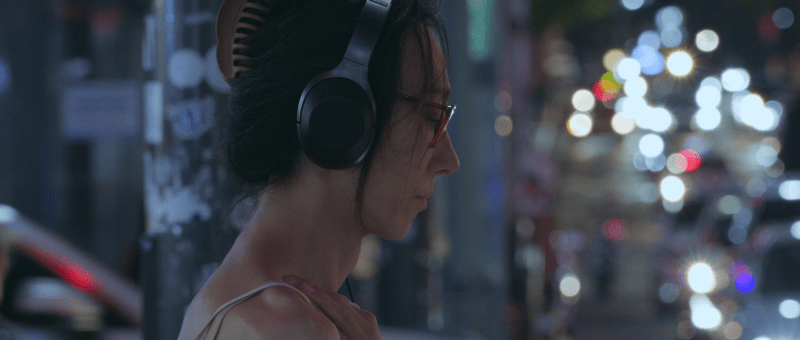
She does, however, live in a more liminal space in which her transness is not immediately apparent while working in a stereotypically masculine industry as a lighting director for film and TV in which, as she points out, her height and strength are definite advantages. Though she says she has not experienced much prejudice and discrimination while working on films, she reveals that she was dismissed from a TV project because the producers were “ultra-conservative” and did not want to work with her. Meanwhile, there’s a genuine poignancy in the crew’s visit to a public bath as Alice reflects that she probably won’t ever have the opportunity to visit one again, suggesting that she most likely won’t be admitted to the women’s bath given her gender presentation and fears may make people uncomfortable if she were. 

Edhi doesn’t have the same trouble, but has not yet completed her transition having visited a fortune teller and been advised to wait until a more auspicious time. Working as a councillor for LGBTQ+ youth, she assumed she must have been gay because she liked men but only later came to realise after joining an LGBTQ+ choir that the gay men around her did not experience the same kind of discomfort in their bodies and that she must be trans. But like Alice, she originally tried to conform to what it means to be a man in Korean society. When she tried to explain her identity to her mother, she had dismissed it by saying that it was only because she didn’t want to serve in the military. Trans people are not welcomed in the armed forces and Edhi reflects on the death of Byun Hui-su who fought for her right to serve by beginning her transition while on leave from military service. Her desire to continue being a member of the armed forces was denied and she was dismissed. She later took her own life.

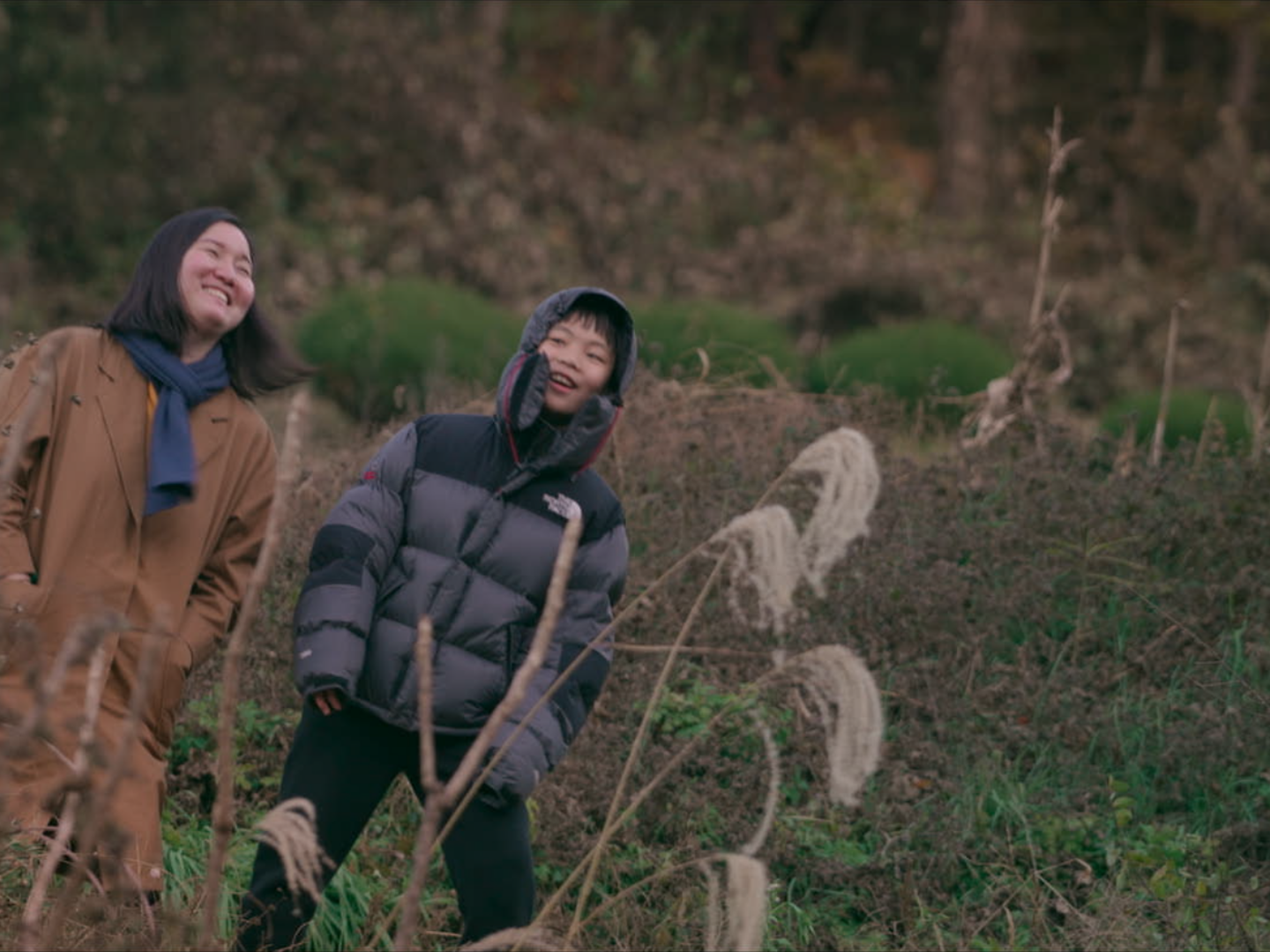
While affected by the deaths of so many people around her who could not find a way to survive amid the intensely conformist pressures of Korean society, Edhi does her best to live her life while taking care of her parents and nephews. Though her father might use male pronouns and continue to refer to her as his son and her mother, though supportive, worries that she might regret her choices later, Edhi was surprised by the ease with which her nephews simply accepted her explanation of her transness and agreed that “Edhi is just Edhi,” agreeing to call her by her name rather than uncle or aunt. She fears being forgotten and regrets having thrown away photos of her other life but continues to pursue her dream of living in a house with her mother and opening a cafe. While never shying away from the physical pain involved in transitioning, the film reinforces the sense of liberation it can bring if tempered by the realities of life in contemporary Korea.


Edhi Alice screens at the ICA 18th May as part of this year’s Queer East.
Bel Ami (漂亮朋友, Geng Jun, 2024)

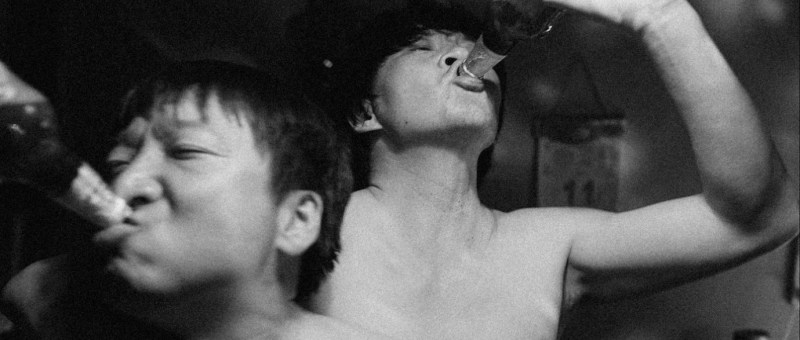
In the opening scenes of Geng Jun’s Bel Ami, a middle-aged man poses for a series of nude photos. The pictures and the poses echo a long history of queer iconography, but at first the man stands with his back to us. We can’t see his face, and he is hiding from us who he really is even as his nakedness suggests a desire for authenticity and a demand that we recognise his identity. “It’s repressive,” another man sighs, complaining that like everyone else he is forced to keep a part of himself hidden and is painfully lonely because of it. 

Like Geng’s other films set in Heilongjiang, Mainland China, the film’s queer themes would not play well with the censor’s board who are notoriously squeamish of any reference to the LGBTQ+ community and has found success only by screening in Taiwan where it won several categories at the Golden Horse Awards. There is a minor irony in play as a certain character makes clear in his rendition of the Internationale that the queer community in China has long referred to each other as “tongzhi” or “comrade” but do so to express solidarity against the oppressive authoritarian government which isolates and others them, preventing them from living authentically as full and free members of society. 

When Zhiyong spots a man he assumes to be gay in a cafe, he addresses him as “tongzhi”, but the man first denies his identity and responds to Zhiyong’s question about why he’s dressed in what he sees as a stereotypically gay manner if he’s not actually gay by saying that his son is really into rock music so he’s trying to look “cool”. He later confirms that he is actually gay and is annoyed his outfit is giving him away while similarly worried that Zhiyong will expose him. By contrast, a pair of lesbians sit in the next booth over and are overt and open in their relationship. They remark that the men behind them appear to be hiding something, while one insists that men have no morals or integrity. 

Xuanyu is, however, the most authoritarian of all as she keeps gay barber Quan, the prospective father of their child, under total surveillance. She insists on micromanaging his life, stalking him and installing a camera hidden in a clock in his barber shop. Her partner tells her love is freedom and asks if that’s what they give each other when they receive little of it from elsewhere, though it’s a question with no answer. Xuanyu is happy with the way that things are. She’d rather adopt than involve a man in their desire for a child and suggests just eloping while her partner says her parents would never accept it. Shooting in a crisp black and white that adds to the film’s breezy, deadpan humour, Geng switches to colour only once as Jing poses in a wedding dress only to be joined by a reluctant Quan suggesting a possible marriage of convenience that will satisfy both of their families and their filial obligations in the birth of their child. Quan leaves the frame as soon as possible, taking his flowers with him, for Xuanyu to enter now dressed in a black suit and occupying the space the groom.

Quan had been the lover of the man in the nude photos, Gang, but abruptly broke up with him. A baker who likes to strike back against an unforgiving society by hiding stands of his hair in his bread, Gang is also isolated and lonely, fearing he won’t be able to find another partner. He ends up meeting Zhiyong at an exclusive and very weird gay membership club run by “K” for King who gives Zhiyong the “codename” “Apollo” and immediately embarks on a sadomasochistic game pressuring Zhiyong for sexual favours as a means of joining the community expressing the way in which the oppressed oppress each other. While semi-stalked by an incredibly lonely and socially awkward restaurant owner, Zhiyong first runs from his queer identity but eventually finds a kind of hope and freedom in his relationship with Gang. They are each searching for connection and the freedom to love and be loved which is also in its way a means of resistance against entrenched authoritarianism. Don’t lose hope, they encourage each other while basking in the isolated patch of sunshine of the freedom they have found. 


Bel Ami screened as part of this year’s Queer East.

My Sunshine (ぼくのお日さま, Hiroshi Okuyama, 2024)

A golden light seems to pour into the life of Takuya (Keitatsu Koshiyama), a nervous young man with a stammer, as he stands transfixed by the elegant movements of a figure skater. As the world around him literally brightens, he begins to discover another side of himself, though it’s never quite clear if it’s Sakura (Kiara Takanashi), a moody teenage girl whose attitude to figure skating seems ambivalent at best, with whom he’s fallen in love or the simple act of figure skating itself. 

Drawing on autobiographical experience, Okuyama studied figure skating himself while his older sister trained to be a champion, My Sunshine (ぼくのお日さま, Boku no Ohisama) otherwise roots itself in the small-town Japan of the late ‘90s and 2000s in which being different was not exactly welcomed. But in fact, most people seem accepting of Takuya, if in a sometimes patronising way, viewing him as a boy with his head in the clouds and cutting him off when he attempts to speak rather than give him the time to finish. When the teacher is going around the class asking the children to read out a stanza of a poem each, he picks on Takuya and tells him to take his time, though the boy’s anxiety is palpable. The teacher may be caught between two options and struggling to decide which is better, not asking him to read at all to spare him from his classmates’ mocking which would also be to exclude him and reinforce a sense of inferiority in his otherness, or to ask him deliberately and try to encourage patience to teach him and the other children that there’s nothing wrong with the way he speaks. 

But in any case, Takuya is already something of an outsider in that he has no aptitude for sports and it’s never clear if he actually enjoys them or just participates because it’s what you do in this town to be man. When a recent arrival to the town and former international pro-figure skater Hiroshi (Sosuke Ikematsu) catches sight of him clumsily trying to teach himself how to dance like Sakura, it enlivens something in him that reminds him of the passion he once felt for skating. He finds himself wanting to help the boy, gifting him his old figure skating skates and teaching him for free before hitting on the idea of training him alongside Sakura as a pair.

Sakura isn’t all that keen to begin with, though at times, it seems as though she may not even like figure skating and is only doing it because her mother makes her. She tells Hiroshi that she isn’t aiming to become the best ice dancer and is a little resentful of being forced to go back to basics to meet Takuya’s skill level but goes along with it because the coach says so. What she thinks of Takuya isn’t exactly clear, though she seems to look down on him a little like the other kids who also mock him giving up ice hockey to do a “girl’s” sport. For her part she seems to have a crush on the handsome and mysterious Hiroshi that, like Takuya, she is unable to articulate. For this reason, along with an insecurity in her talent, she resents the special attention Takuya seems to be getting when it’s her mother who’s paying for the lessons and comes to the conclusion that he’s just more interested in him than her.

She may not altogether be incorrect. In his early coaching sessions with Sakura, Hiroshi doesn’t seem all that invested and is distracted by Takuya in the same way Takuya is distracted by the sunlight or the snow. In trying to help Takuya, he’s trying to help himself and for a time succeeds as the three of them generate a joyful familial relationship, culminating in a day skating on a frozen lake. But he too is unable to be honest about the fact that he came to this rural town to be with his partner who decided to take over the family business when his father passed away. Kai (Ryuya Wakaba) laughs off questions about whether he’s married yet, and the two men seem to live together quietly otherwise isolated from the community around them. When Sakura catches sight of them together, she realises something she may not really be equipped to fully understand, only further deepening her sense of resentment in an unreasonable feeling of betrayal. It isn’t really homophobia that motivates her as much jealousy when she suddenly brands Hiroshi as “‘disgusting” and accuses him of getting a kick out of making a boy do a girl’s sport, excusing her conviction that he prefers Takuya over her and potentially giving herself an out to quit skating (though it seems her mother’s not taking the hint).

But like Sakura, Hiroshi is also uncertain if this is the right place for him or if he and his partner can really live together in this small town permanently. Though he answers “of course” when Kai asks if he’s glad he came, Hiroshi pointedly gives no answer when he’s asked if he really wants to be here. Kai says that he hasn’t talked about skating like this for ages nor seemed so happy, suggesting that there may have been something missing in his life that the relationship didn’t compensate for and may not survive without. How his professional career ended is never explained, though his telling Sakura that he only got to compete internationally because of the lack of male dancers speaks to a degree of insecurity that contributes to a lack of ambition in his personal and professional lives. All three of them are, for varying reasons, unable to say what they really want or how they really feel. Though they find temporary solace in their fragile bond, it is only, as Takuya’s brother cruelly puts it, meant to last until the snow melts. Nevertheless, now dressed in a new school uniform clearly far too big for him that suggests he has some more growing to do, Takuya may have found a means of self-expression in dance that might give him the courage to speak his mind.


My Sunshine screened as part of this year’s Queer East.

Trailer (English subtitles)

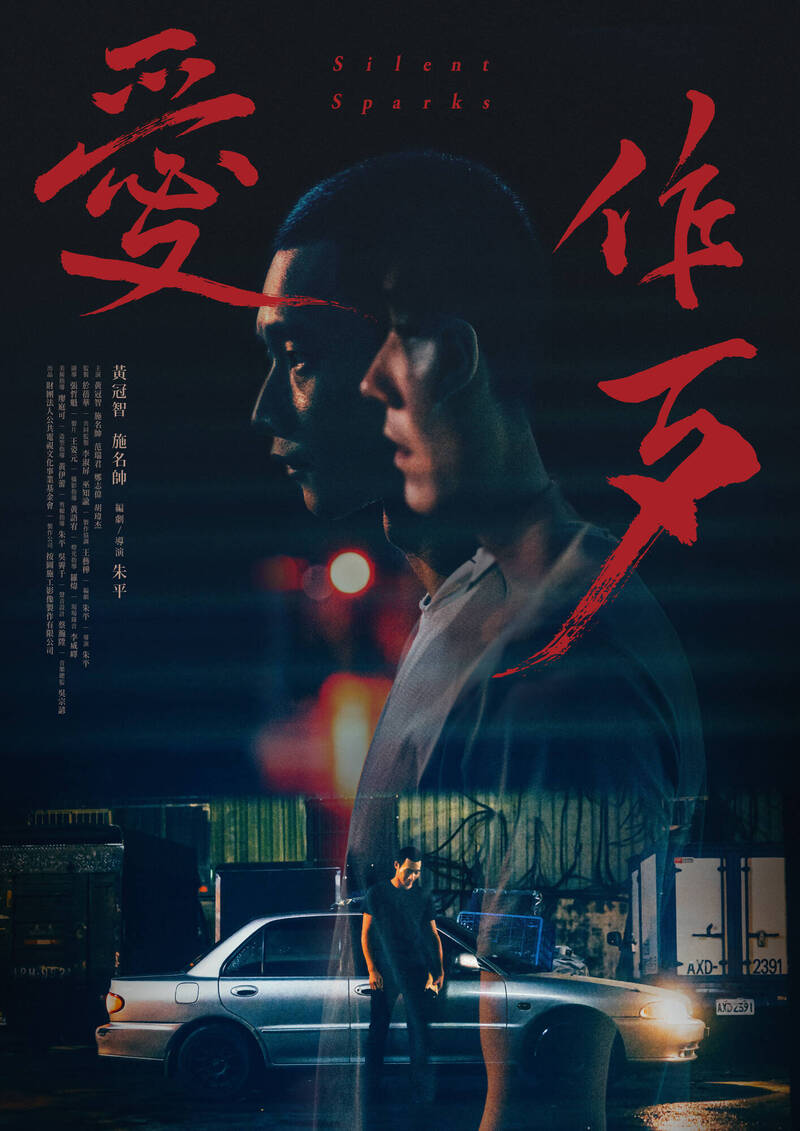
Silent Sparks (愛作歹, Chu Ping, 2024)

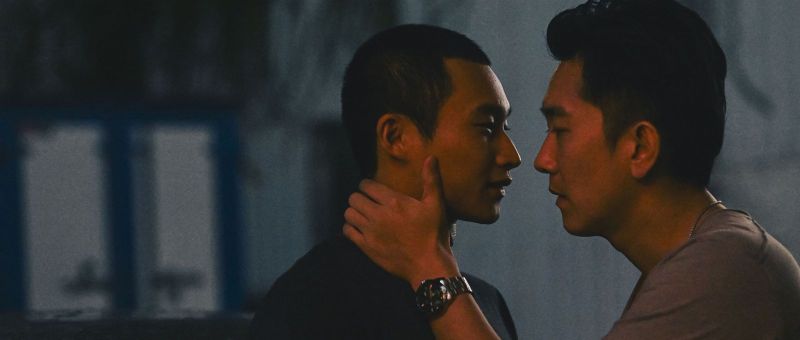
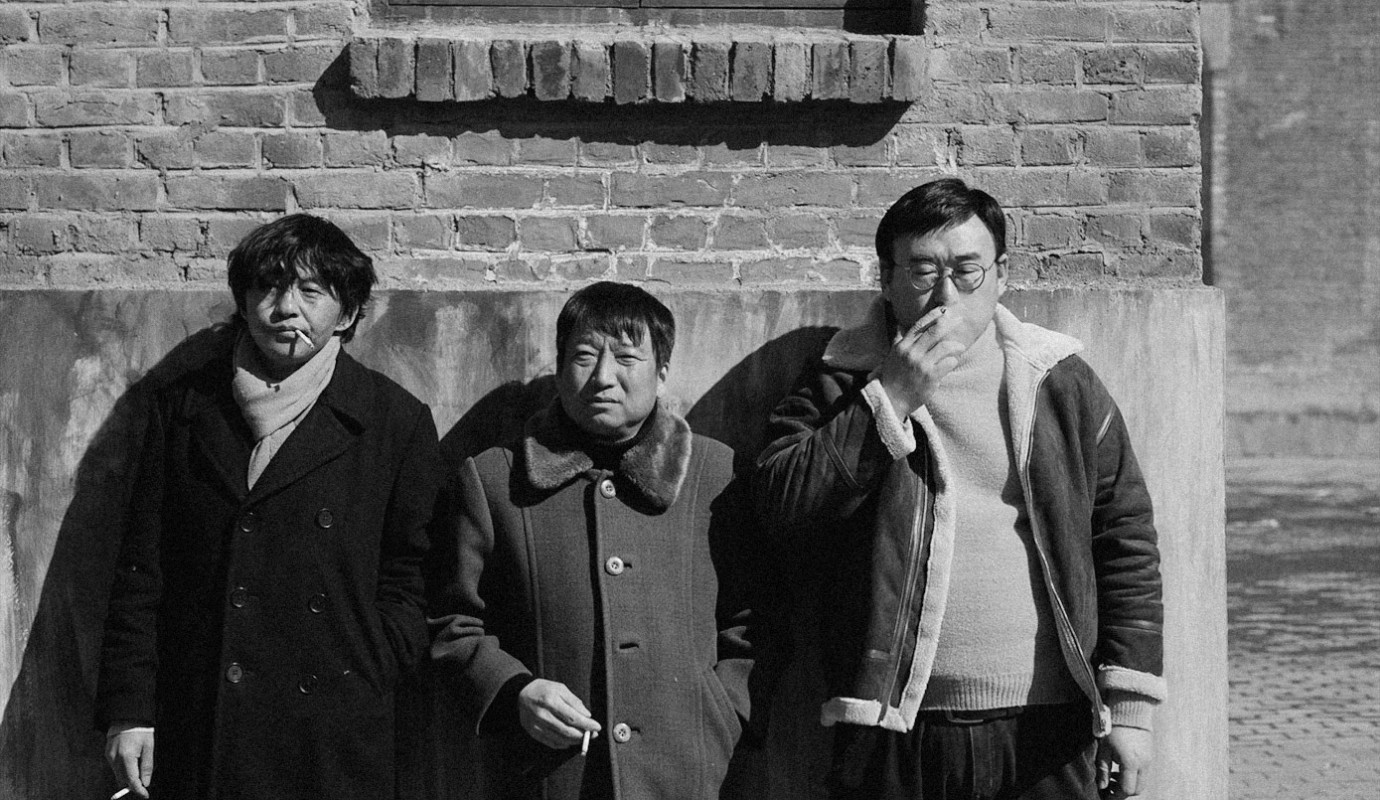
Recently released from prison, a young man discovers that it might be easier to be free behind bars than amid the incredibly homosocial world of urban gangsterdom in Chu Ping’s poignant LGBTQ+ drama, Silent Sparks (愛作歹, ài zuò dǎi). Pua (Akira Huang Guang-Zhi) is a kind of silent spark himself. As the gang boss describes him, he’s too rowdy and can’t keep his cool, which makes him a liability, but he’s also reticent and lonely, not to mention hurt by the seeming rejection when the man he fell in love with in prison ignores him on his release.

There is indeed a latent violence in Pua that hints at his frustration and inability to express himself. When we see him enter prison, he appears as a small boy lost in his own thoughts and silently crying, though he was sent there for breaking a man’s leg in a fight. Though he’s served his time, Pua is still paying off the monetary compensation he owes to the man whose leg he broke and otherwise struggles to get by, which leaves him almost dependent on the gang boss who agrees to take him under his wing as a favour to his mother. It seems that he once knew Pua’s long-absent father, presumably also a gangster, and plays a quasi-paternal role but only half-heartedly in seeing Pua more as a resource to be employed or otherwise an irritating burden he can’t quite seem to shake.

It was the gang boss who asked Mi-ji (Shih Ming-Shuai), his right-hand man, to “look after” Pua in prison. The boss sneers a little, and claims responsibility for saving him, adding that things could have ended up “real nasty” for him inside, by which he means “getting it up your ass”. The irony is that Mi-ji was Pua’s prison lover and Pua is excited about the idea of his release fully expecting to pick up where they left off. But the reunion between them is awkward. Mi-ji is not happy to see him. He speaks tersely and makes it clear he’s not exactly keen for a catch up while keeping one eye on the room in case anyone is getting the right idea. Though Pua continues to pursue him, Mi-ji is avoidant. Perhaps for him, it really was a prison thing that he’s embarrassed about on the outside, whereas Pua is more secure in his sexuality and less afraid of its exposure, only longing to resume the intimacy they once shared.

Mi-ji’s ambivalence hints at the toxic masculinity and entrenched homophobia of the world around them in which homosexuality is not really accepted and “getting it up your ass” is synonymous with defeat and humiliation. The irony is that Pua and Mi-ji were freer in prison where they could embrace their love without shame. Pua is imprisoned within the outside side world by virtue of being unable to be his authentic self, but is also trapped by his socio-economic prospects, which leave him dependent on the underworld and the dubious paternity of the gang boss. Expressing his frustration through violence damns him further in leaving him with mounting debts he can only hope to satisfy through acts of criminality. It is really on this side of the bars that the “real” prison lies, and it’s from this world that Pua longs to be released to return to the prison utopia of his love with Mi-ji.

Still, he cannot really escape his destiny, as his mother keeps reminding having read his tragic gangster fortune and trying to get him to eat rice noodles for 100 days to change his fate only to get her heart broken realising salvation for her son might mean something quite different than she had imagined and also take him away from her. Gritty in its gangland setting and hinting at the connections between political corruption and organised crime Chu’s slow-burn drama makes a hell of the contemporary society in which men like Pua find themselves trapped by toxic masculinities and hierarchal violence under an intensely patriarchal social order that permits them little sense of possibility or the ability to be their authentic selves and true freedom is to be found only within the homosocial world of a more literal “prison”.


Silent Sparks screens at Rio Cinema 5th May as part of this year’s Queer East.
Trailer (Traditional Chinese / English subtitles)

Come Dance With Me (来来, Liu Yunyi & Wei Bozhi, 2019)

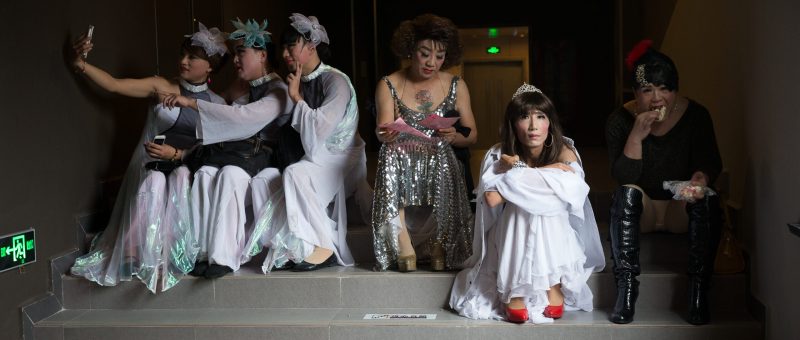
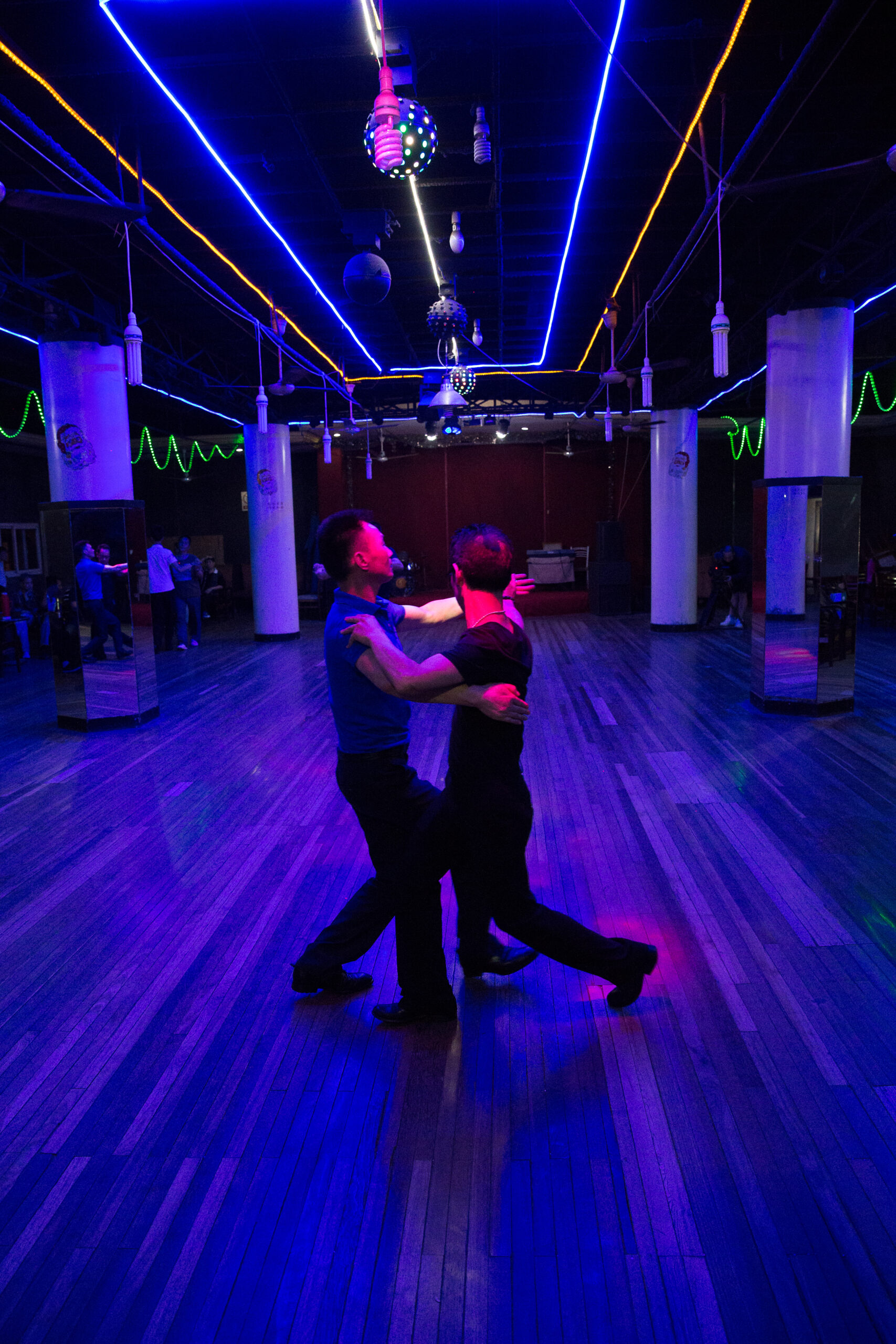
“You need to fight for your place in society,” according to Jiaojiao, one of several regulars at the Lai Lai Ballroom interviewed as part of Liu Yunyi & Wei Bozhi’s documentary, Come Dance With Me (来来, lái lái). As several of them mention, the ballroom had been a refuge for the LGBTQ+ community, though times have now changed. These days, younger people prefer clubs and bars, while many of those who used to come are now elderly and don’t get out as much meaning that the ballrooms are mainly meeting places for the now middle-aged men who first frequented them 20 years earlier.

That they exist at all and this documentary could be made might be surprising given prevalent anti-LGBTQ+ attitudes from the censors’ board and wider community. It’s true enough that Lai Lai became a community hub and its partial closure for the 2016 G20 conference leaves them with no place to go. The various people that Liu & Wei interview come from various walks of life as they demonstrate in the opening sequence in which an old man visits a temple, a younger one visits a park, and Lai Lai’s manager Min walks through the neighbourhood and gets something to eat at a small cafe. 

The old man from the temple best expresses the inherent contradictions both of his religion and the wider society in which he relates that Buddhist monks are supposed to overcome their desires. Young monks are forbidden from taking wives and also from touching women, but technically speaking, the same prohibitions do not exist between men and homosexual acts are not unusual in the temple. Conversely, the young man who went to the park reveals that he has been living with HIV for the last seven years and that he lost his job because of it. In despair, he tried to take his own life only for his godmother to explain to him that people with high blood pressure also need to take medication for the rest of their life so it’s no different from that.

Still, he’s convinced himself of the impossibility of having a relationship sure that no one would stay with him after finding out. He says that he once told a close friend that he had AIDS and the friend quickly distanced himself from him and effectively disappeared from his life. The film later follows him on another day out with a young man, Li Yapeng, but an ill-fated decision to take a five-hour bus trip to go see him backfires when Yapeng not only fails to come and meet him but seems less than enthusiastic about his impromptu visit before abruptly breaking up with him. Another older man relates that he once had a lover who was diagnosed with HIV but told that he could not receive treatment in Shanghai and should return to his hometown. A Shanghai native, the older man resolved that, as he was already old and it would take several years for symptoms to emerge at which point he may be dead anyway, he would deliberately contract HIV and get medicine to give to him. What he didn’t realise is that the treatment isn’t the same for anyone and the medication he was prescribed was no good for his boyfriend, who then went back to his hometown and got treated there. Unfortunately, the treatment didn’t agree with him and he elected to stop taking it, passing away not long after.

Jiaojiao, meanwhile, has been with their partner Fei Er for 26 years, though Fei Er is now having health issues. Fei Er describes their relationship as rock solid and the same as that of any heterosexual couple in that now they’ve been together so long, 26 years is effectively forever and neither of them is ever going to abandon the other no matter what may come. Nevertheless, Jiaojiao also describes an additional layer of stigmatisation in that they have breasts, a fact which it seems they still hide from extended relatives having made the original decision to get them without telling anyone first. Done in a private clinic, the procedure also left them with ongoing medical issues caused by the failure to drain the wound properly. In a later conversation, they suggest that the primary motivation for getting breast surgery was financial. They now work as a dominatrix, but do not like doing it describing some of the men as “disgusting”. Their marginalised status prevents them from gaining more mainstream employment in a still conservative society. They have all found a place for themselves at Lai Lai, but as the press notes reveal, it abruptly closed its doors in 2018 with no one sure when or if it will reopen. Nevertheless, its legacy lives on as a space of warmth and acceptance that gave each of them a place to belong and be joyful no matter the difficulties of the world outside.


Come Dance With Me screens at Centre 151 3rd May as part of this year’s Queer East.

1 Girl Infinite (Lilly Hu, 2025)

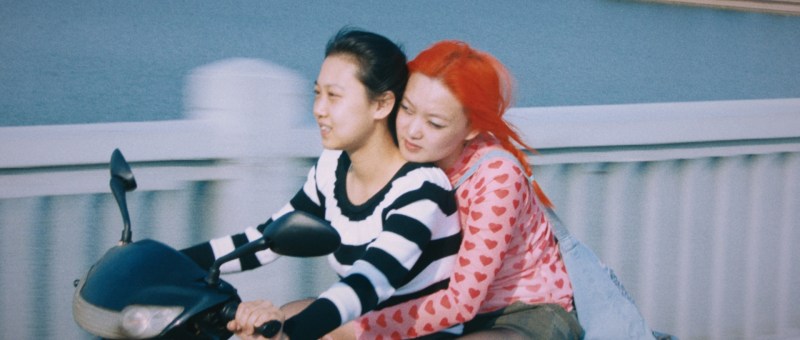
There’s a moment in Lilly Hu’s gritty Changsha-set drama 1 Girl Infinite in which the heroine, Yinjia (Chen Xuanyu), watches as a fishmonger bashes a fish to death. He repeatedly smacks its head into the ground and, in a moment of foreshadowing, hits it with his meat cleaver while the fish flails around helplessly, gasping for air and twitching its tail. Yinjia winces and half looks away, but also sees something of herself in the way this poor creature is tossed around and eventually gutted in much the same way that she feels herself to be battered by her society.

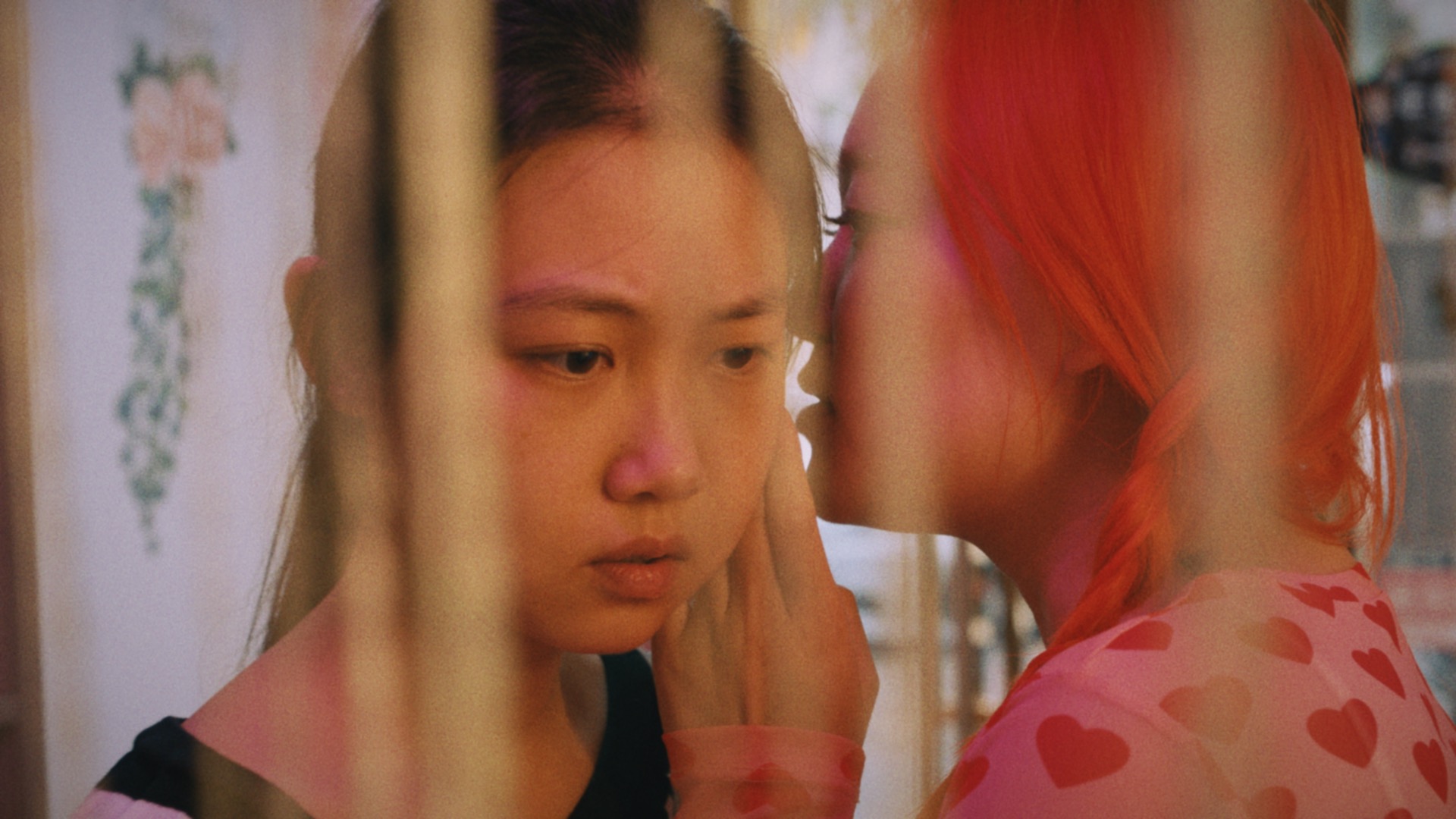
Indeed, the film opens with her reading her suicide note in which she states that however she may die it has nothing to do with Xia Yutong (Lilly Hu), though in actuality it has everything to do with her. Abandoned by both of her parents, 19-year-old Yinjia has adopted a quasi-maternal role over Tong Tong who lives in her apartment and shares her bed, though the relationship, from Tong Tong’s perspective at least, remains curiously ill-defined. In the early light of morning, Yinjia silently gazes at her sleeping figure, but Tong Tong often rejects her gestures of intimacy. She won’t let Yinjia hug her in the street because she’s “too heavy,” and there is a clinginess to Yinjia that spills over into possessiveness and control that might be off-putting, but equally it seems that Tong Tong pushes her away because she herself doesn’t know how to process this relationship or her feelings for Yinjia. 

Then again, perhaps it is really about not having anywhere else to go as she unconvincingly tells her friends when they complain she’s brought “that girl,” again. Tong Tong tells them that Yinjia is just some girl who won’t stop following her around and acts like she’s a drag, but is at other times clingy herself and in rare moments of freedom expressing a silent affection for Yinjia. Nevertheless, there is a marked contrast between the more straight-laced Yinja and Tong Tong’s punkish friends who seem to represent two opposing worlds. Yinja glares at them constantly, resenting their indiscriminate use of drugs and the dangerous situations it could get them into, but appears to want to rescue Tong Tong who might not actually want to be rescued.

When Tong Tong gets involved in another ill-defined and possibly transactional relationship with local drug dealer Chen Wen (Bo Yang), it further disrupts their dynamic and pushes Yinjia towards the edge as she falls into a self-destructive obsession while convinced that she will lose Tong Tong. Tong Tong is convinced that Chen Wen will take her to America, which it seems clear that he has no real intention to do, where people live in big houses and everyone has a job. In this way, he represents a more literal kind of escape from the problems of contemporary China in which she is trapped in a dissatisfying socio-economic position from which she sees no way out. After she loses her virginity to Chen Wan, the camera cuts to a Burberry bag containing a designer dress that echoes Tong Tong’s need for consumerist affirmation. 

Tong Tong clearly aspires to his life of wealth and comfort, but it’s equally true that Chen Wen’s financial stability is rooted in illegality and moral dubiousness in his indifference to the harm his line of business causes. When the girls visit his apartment, there’s another woman there that is being fed drugs and is eventually manhandled out when her reaction to them begins to annoy Chen Wen and his henchman. She may be a harbinger of what may become of Tong Tong if she gives in to this bargain and a further provocation for Yinjia who is determined to prevent her from doing so by any means necessary. It’s never quite clear whether either relationship is any more than transactional from Tong Tong’s point of view, or whether she’s really aware of the realities of her relationship with Chen Wen which he clearly doesn’t view with much seriousness, though she continues to refer to herself as his girlfriend and evidently really believed he meant it when he said he’d take her to America. 

Yinjia meanwhile glares at the world around her and strikes back self-destructively. She scores a partial victory in seeming to have impressed Chen Wen in the depths of her devotion and the lengths that she would go to to maintain control over Tong Tong, though it’s also somewhat hollow and ironic given that he almost certainly never meant to take her to America anyway nor keep her around very long. Left with no parental input or societal safety net, the two women are each adrift and left with only each other to rely on. Though locked in a somewhat toxic embrace, the relationship between them is the only hint of purity in their otherwise impure world of betrayal and exploitation.


1 Girl Infinite screens at Rio Cinema 3rd May as part of this year’s Queer East.