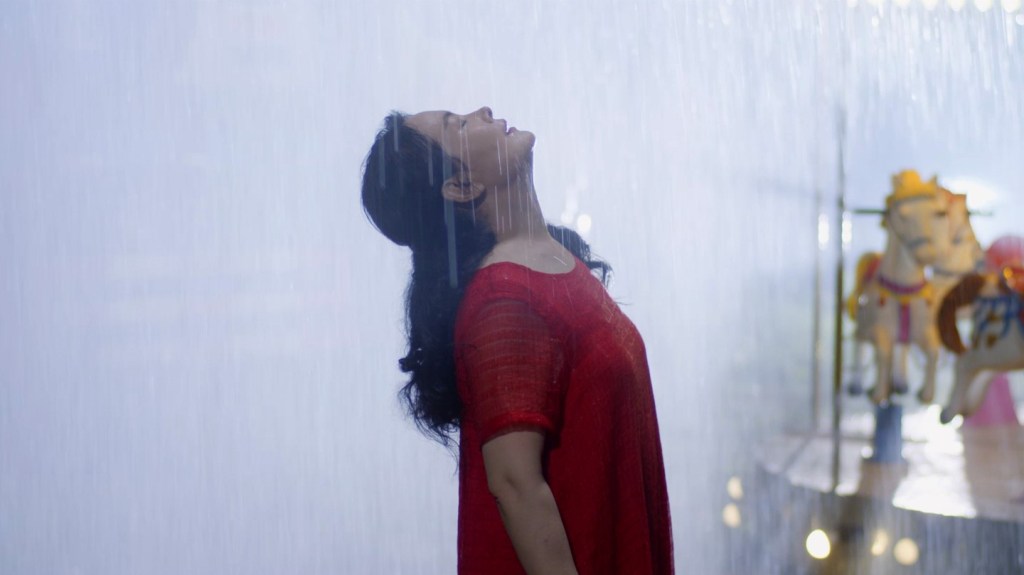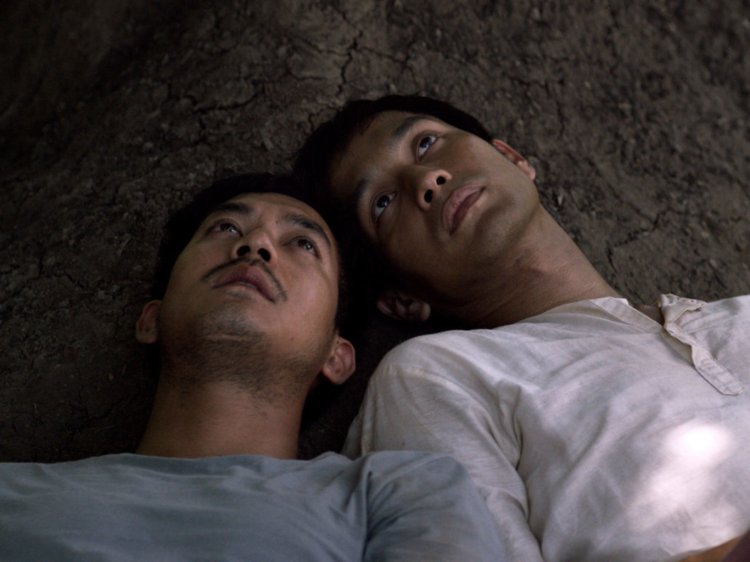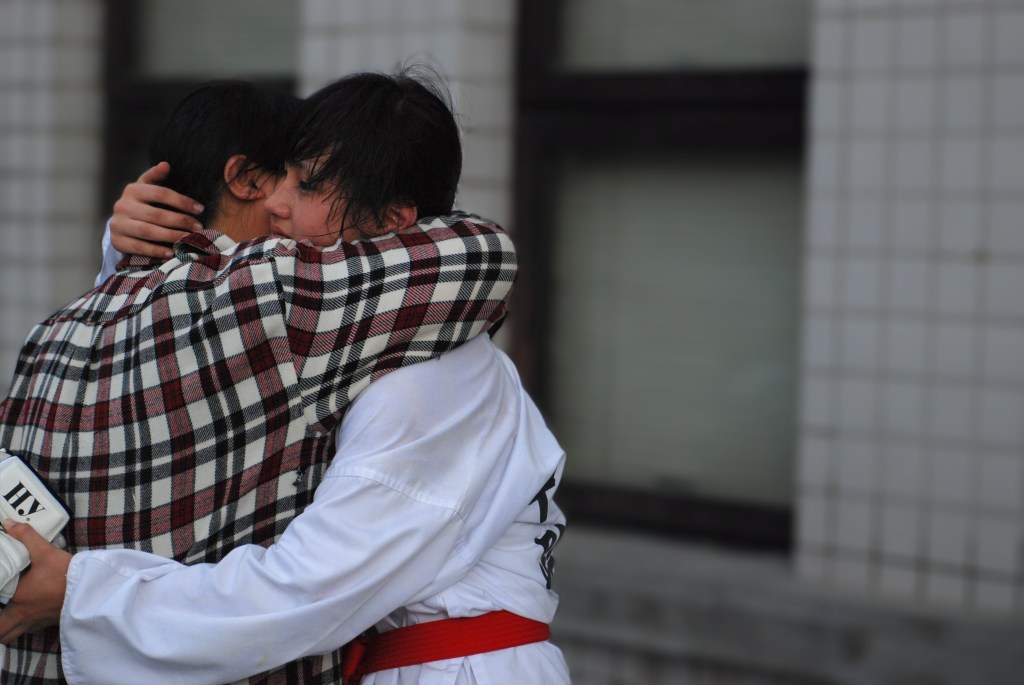
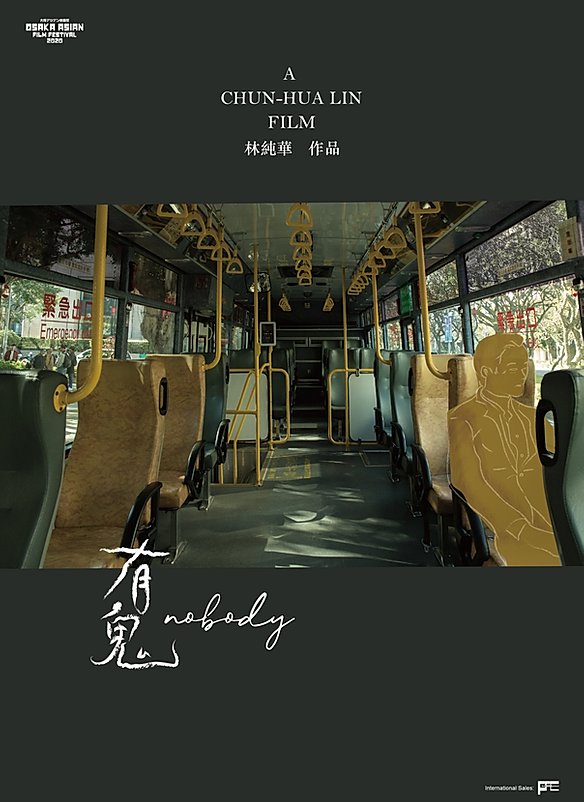
Nobody (有鬼, Lin Chun-hua, 2020)

“Everyone has secrets that they don’t want others to know” according to the hero of Lin Chun-hua’s Nobody (有鬼, Yǒu Guǐ). He is indeed quite correct, everyone is in one sense or another living a lie, pretending to be something they’re not and often for quite complicated reasons which make them unhappy but convince them that their unhappiness is a kind of victory. Yet, there is no true connection without vulnerability and the sharing of a secret can be the most profound of intimacies, even if the connection itself is, perhaps wilfully, misunderstood by others. 

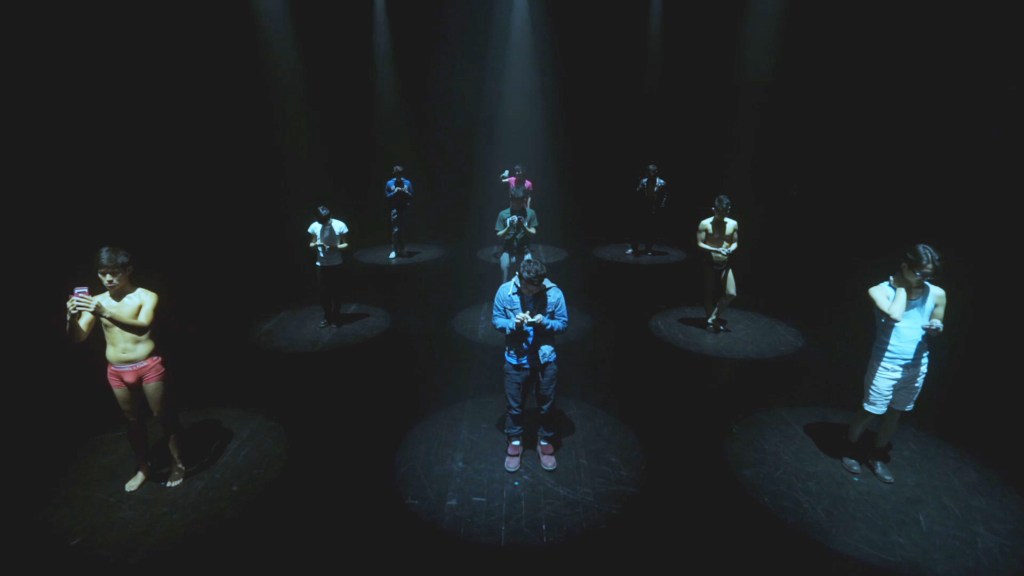
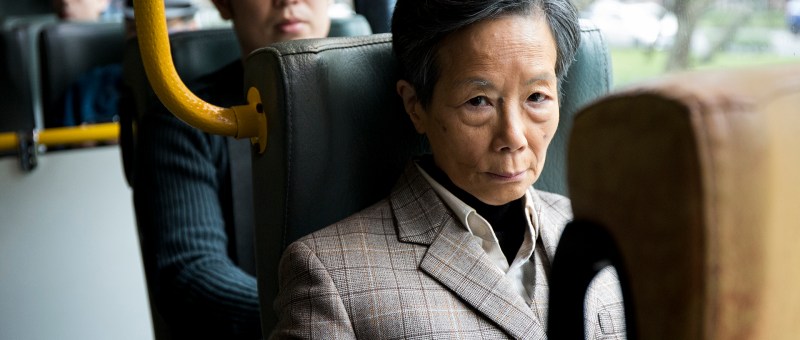
Credited only as “Weirdo” (Jian fu-sang), an old man lives in an illegally occupied attic space on top of an old-fashioned apartment building that he now finds difficult navigate due to his increasing mobility issues. For unclear reasons, he spends his days riding the bus to the hospital but making sure to spit somewhere along the journey, a habit which has made him the bane of bus drivers across the city. Thoroughly fed up, one particular driver decides to throw Weirdo off his bus by force despite his old age and relative frailty, causing him to sustain an injury to his head.

When he gets back to his apartment, Weirdo finds an unexpected intruder – teenager Zhenzhen (Wu Ya-ruo) who has snuck in in order to spy on the apartment opposite where her father meets his mistress. Zhenzhen is from a wealthy though conservative home where her mother, Yuping (Huang Jie-fe), is the perfect housewife but makes a point of prioritising her husband and son, leaving Zhenzhen feeling innately inferior simply for being female. Determined to be allowed to use the apartment to spy on her dad, Zhenzhen starts following Weirdo around, mostly trying to bully him into submission but Weirdo treats her the way he treats everyone else, simply ignoring her as if she didn’t exist. 

The original Chinese title means something more like “haunted” or more literally “there are ghosts” and in some senses it’s tempting to think of Weirdo as a ghost himself as he deliberately attempts to walk through the world as if he existed in a different plane. He is however haunted by lost love and a terrible sense of guilt that keeps him alone in his attic dressing the same way he dressed forty years previously though his hands are now too weak to be able to tie his tie. And then there are those secrets, things he feels obliged hide in the most literal of ways because others simply wouldn’t understand. 

What Zhenzhen discovers is that her family is full of secrets, but exposing them might cause more harm than good. She videos her father with another woman intending to expose him to her mother, but Weirdo tries to warn her that she’s the one that will probably end up hurt if she tries to use other people’s secrets against them. On the surface her family is a vision of upper-middleclass respectability, but her father’s having an affair, her mother is desperately unhappy, and her golden boy brother has secrets of his own. Challenged, Zhenzhen’s father resents her intrusion and points out that he provides for them as if his family life is just for show while he satisfies his desires outside of it, shutting down his wife’s admiration for her sister’s career as a pop idol manager by reminding her that she has a husband, home, and children while her sister has “nothing” because she is a single career woman and in his view an unsuccessful one. Yuping meanwhile is a taut, repressed, and unfulfilled middle-aged housewife actively lashing out at her daughter while sweetly supporting her husband and son, but tries to exorcise her own desires by teaching piano on the side and finding unexpected pleasure in flirtatious banter with one of her sister’s handsome idol stars. 

Nobody is exactly being honest, but it’s the way we live our lives because like it or not secrets are the lifeblood of civility but also an impermeable barrier to connection. Unable to bond with her prim and proper mother, Zhenzhen finds support from Weirdo who begins to open up despite knowing that Zhenzhen’s superficial niceness was only a ploy to get into the apartment, perhaps connecting with her sense of loneliness and betrayal as a young woman discovering that to one extent or another everyone lives a lie. Yet sharing the truth if only with one person can be its own kind of salvation, allowing youth and age to save each other from a world riddled with hypocrisy. 


Nobody made its World Premiere as part of this year’s Osaka Asian Film Festival.

Original trailer (English / Traditional Chinese subtitles)

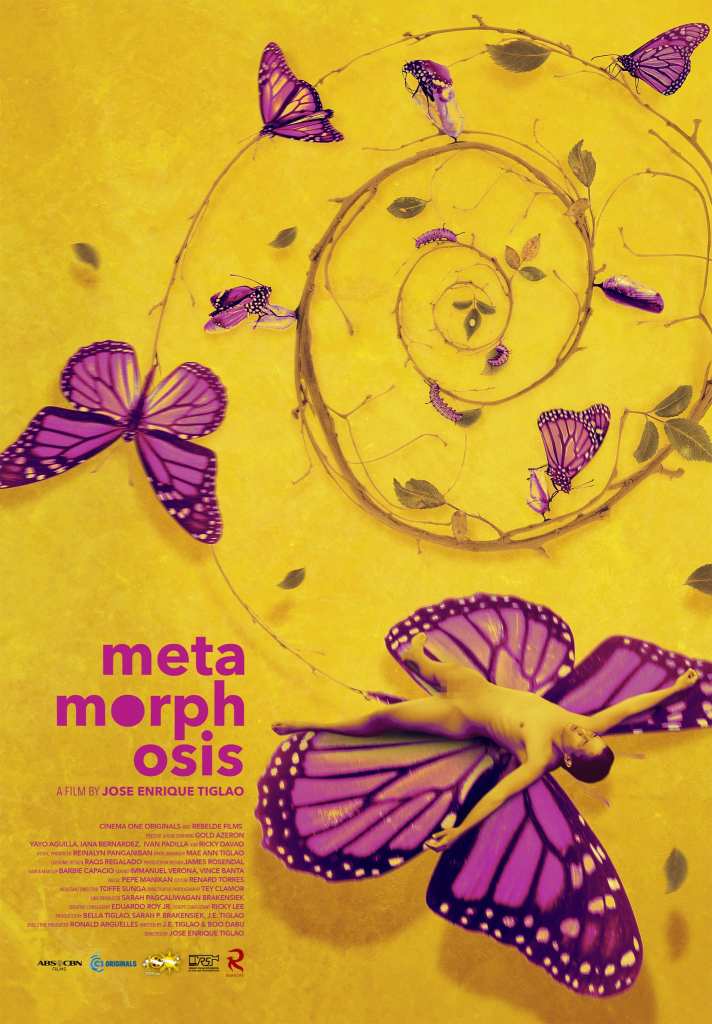
Metamorphosis (Jose Enrique Tiglao, 2019)

“Everyone has a secret, but not all secrets are bad” according to Angel (Iana Bernardez), a sex worker and 24-year-old returnee to high school who befriends the lonely Adam (Gold Azeron) as he contends with an adolescence more challenging than most. Exploring the often underrepresented theme of intersexuality, Jose Enrique Tiglao’s Metamorphosis follows its conflicted hero as he struggles to come to an acceptance of who he is and wants to be while faced with the sometimes old fashioned, conservative attitudes of those around him. 

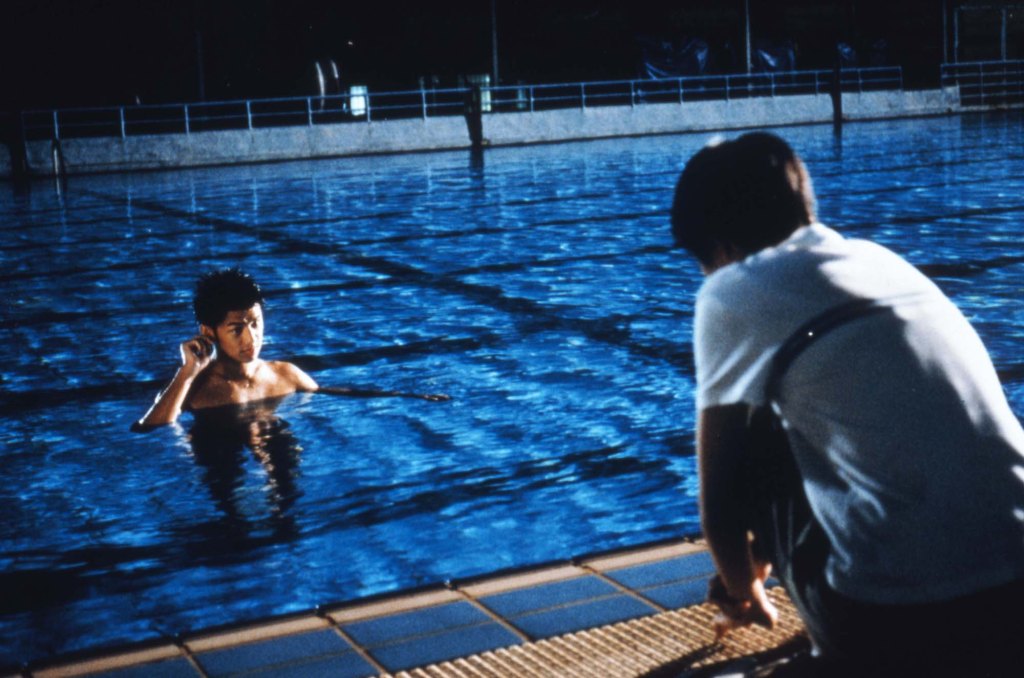
14-year-old Adam is already something of an outcast at school, often getting into fights with one particular boy who who keeps making a point of throwing homophobic slurs at him during class which go completely unchallenged either by the teacher or fellow pupils. Adam gives as good as he gets, but remains very much on the margins, until that is a beautiful young woman transfers into his class and ends up working with him on a class project because as usual no one else wanted to work with him. Somewhat strangely, Angel is 24 years old but in a regular high school class with a bunch of 14 year olds, which is a definite incongruity, but quickly becomes friends with Adam who offers to show her some of the local sites including a picturesque swimming hole. It’s during their outing that Adam discovers a change in his physique – he has begun to menstruate.

Adam and his family have always known that he was intersex though he has been raised as a boy which, for the moment, is what he most closely identifies as. The fact that he has started to menstruate forces him to engage on a deeper level with a sense of identity, struggling to accept the intrusion of this new and definitely female element of his physical body while also embracing his nascent sexuality. It’s Angel, making a somewhat age inappropriate attempt at seduction, who becomes Adam’s first ally, affirming that there isn’t anything wrong with him and suggesting that he reframe his perspective and think of himself as someone who is both rather than neither. 

That’s easier said than done, however, seeing as Adam comes from a conservative home with a father who is a pastor giving sermons about how God created male and female in his own image. Obviously concerned for their son’s health, Adam’s parents consult their family doctor who directs them to a specialist in Manila. Dr. Abraham (Ivan Padilla) is sympathetic, but also perhaps too definitive in immediately trying to offer reassurance with “we can fix this” as if Adam is in someway broken and in need of repair. That idea continues to present a problem when it is discovered that he has a functioning womb and vagina, leading the doctor and Adam’s father to conclude that he is more female than male and should therefore have his maleness removed. Nobody really tries to talk to Adam about this. Dr. Abraham tells him that he needs to be “ready” and also that he has to want this himself, but doesn’t make much of an effort to listen to him, telling him only that “the things that are not needed we will remove”. 

Adam’s father immediately starts referring to him as his daughter and makes arrangements for the surgery without explaining to Adam what exactly will be happening to him. He also suggests selling their mango farm and moving to another town where no one will know them as if Adam is some kind of dirty secret. Meanwhile Adam has begun to explore his sexuality, attracted both to the handsome Dr. Abraham, and the supportive Angel, uncertain if he should be feeling any contradiction between the two. People seem to be telling him that he needs to conform to being only one thing, negating both his own ability to choose and the right not to. Only the family doctor points out that many families in other countries have regretted forcing premature confirmation surgeries on children who later came to resent them, and that whatever happens should be up to Adam to decide, forcing a reconsideration on the part of Adam’s mother who realises her husband has been keeping valuable information from her regarding her son’s health. 

Ultimately, however, Metamorphosis offers a strong message of acceptance as Adam begins to embrace himself as he is rather than conform to a false binary gender identity.  “I only want one thing” he tells Dr. Abraham, “to be happy”. Adam gains the courage to be completely himself, emphasising that intersex identities are not broken or corrupted but beautiful in themselves, while making it plain that if others cannot learn to step outside of socially conservative norms of gender and sexuality then it is they who need to change.


Metamorphosis was screened as part of this year’s Osaka Asian Film Festival.

Original trailer (English subtitles)
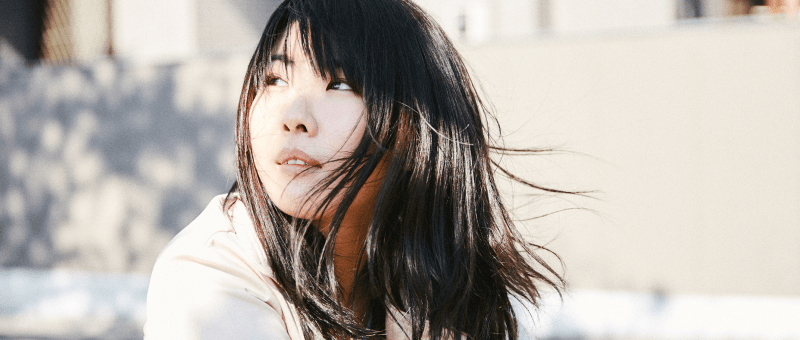
Queer East Film Festival Reveals Full Programme For Inaugural Edition

The Queer East Film Festival has announced the complete programme for its inaugural edition running at venues across London from 18th April to 2nd May. This year’s lineup features a diverse selection of films both classic and contemporary exploring LGBTQ+ life in East Asia opening with Hong Kong transgender drama Tracey, and closing with a 35mm screening of landmark Taiwanese teen movie Blue Gate Crossing.

Tracey

18th April, Lexi Cinema Plus Intro by How Wee Ng, University of Westminster

50-something Tai-hung is a married father of two grown-up children living a conventional life in contemporary Hong Kong, but a phone call informing him that a childhood friend has passed away forces him into a reconsideration of his life choices and a long delayed acceptance of a transgender identity in Li Jun’s moving drama. Review.

The Shepherds (UK Premiere)

19th April, Lexi Cinema Plus Intro by by Christopher Brown, University of Sussex

Documentary focussing on the lives of LGTBQ+ Christians in Taiwan.

Between the Seasons (UK Premiere)

21st April, Lexi Cinema

Hae-soo moves to a new city and opens a cafe where high schooler Ye-jin becomes a regular and eventually starts working. The two women draw closer but each have closely guarded secrets.

Funeral Parade of Roses

22nd April, Deptford Cinema

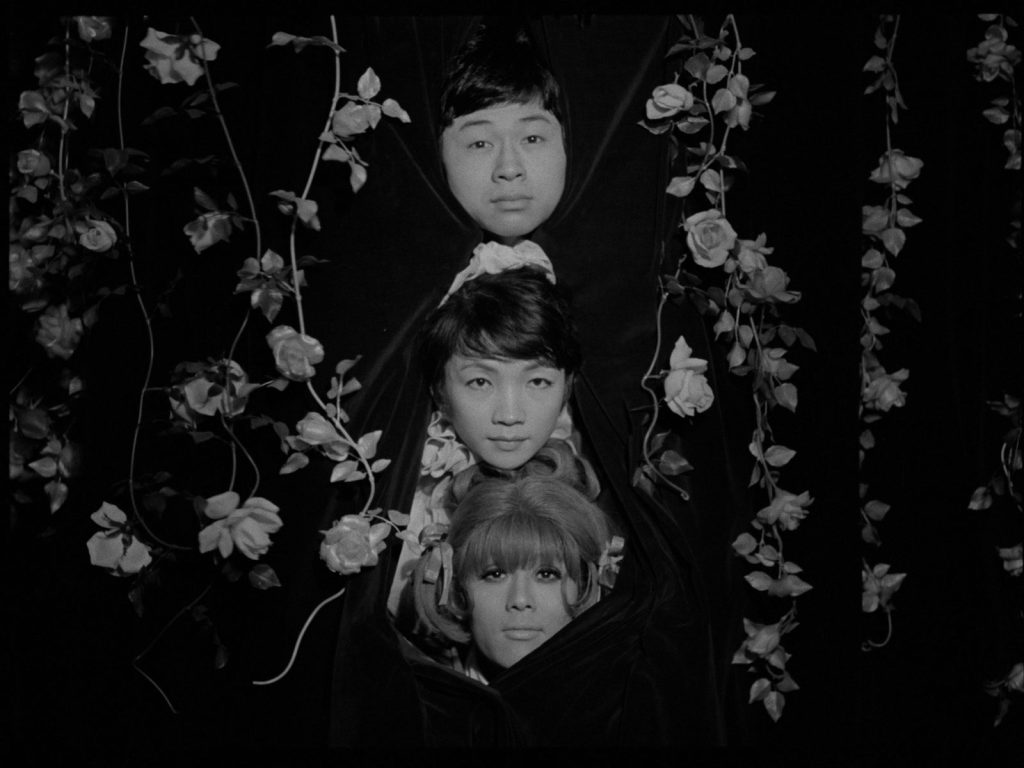
Toshio Matsumoto’s avant-garde classic inspired by Oedipus Rex and starring Peter as a bar hostess involved in a complicated love triangle with drag queen Leda and bar owner Gonda.

Memories of My Body (UK Premiere)

22nd April, Barbican plus intro by film critic Eric Sasono

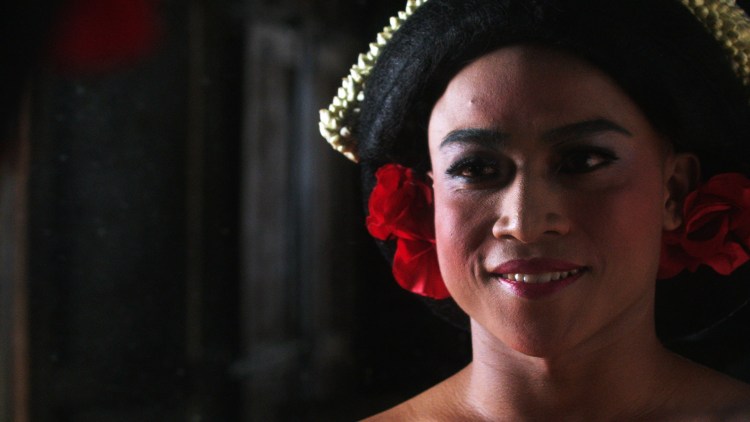
A Lengger dancer looks back on his life as a tale of growing acceptance of sensuality lived against a turbulent political backdrop. Review.

Sisterhood (UK Premiere) + Director Q&A

24th April, Barbican. Followed by a ScreenTalk with director Tracy Choi

A woman returns to Macau after 15 years in Taiwan and begins reconsidering her relationship with her best friend, realising the emotions she felt for her may have been romantic in Tracy Choi’s subtly political melodrama.

Girlfriend Boyfriend – GF*BF

25th April, Lexi Cinema Plus Intro by by Christopher Brown, University of Sussex

Yang Ya-che’s modern classic in which the friendship between three young people fighting for democracy at the tail end of the Martial Law era is tested by their conflicting feelings for each other.

A Dog Barking at the Moon

26th April, Curzon Goldsmiths

A pregnant writer returns home to Beijing to visit her family with her French husband and is struck by the realities of her parents’ unhappy marriage in which her mother has retreated into a bizarre buddhist cult and her father has taken a male lover.

Malila: The Farewell Flower

26th April, Lexi Cinema

Reeling from tragic loss, a young man reunites with the love of his youth only to discover he has terminal lung cancer and has chosen to forgo all treatment in Anucha Boonyawatana’s melancholy mediation of love, life, and transience. Review.

Spider Lilies + Director Q&A

26th April, Genesis

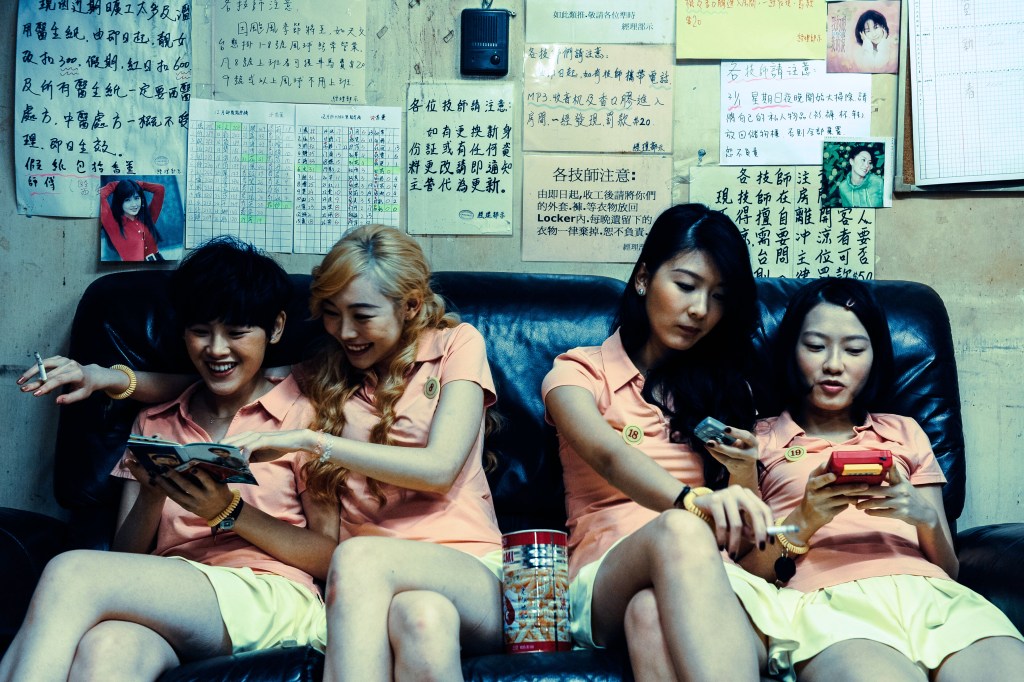
Zero Chou’s lesbian classic in which a web-cam girl visits a tattooist’s studio and becomes obsessed with the spider lily tattoo on her arm. Hoping to get to know her better, she asks her to give her the same tattoo but the experience reawakens memories which threaten to force the two women apart.

Lilting

27th April, Prince Charles Cinema

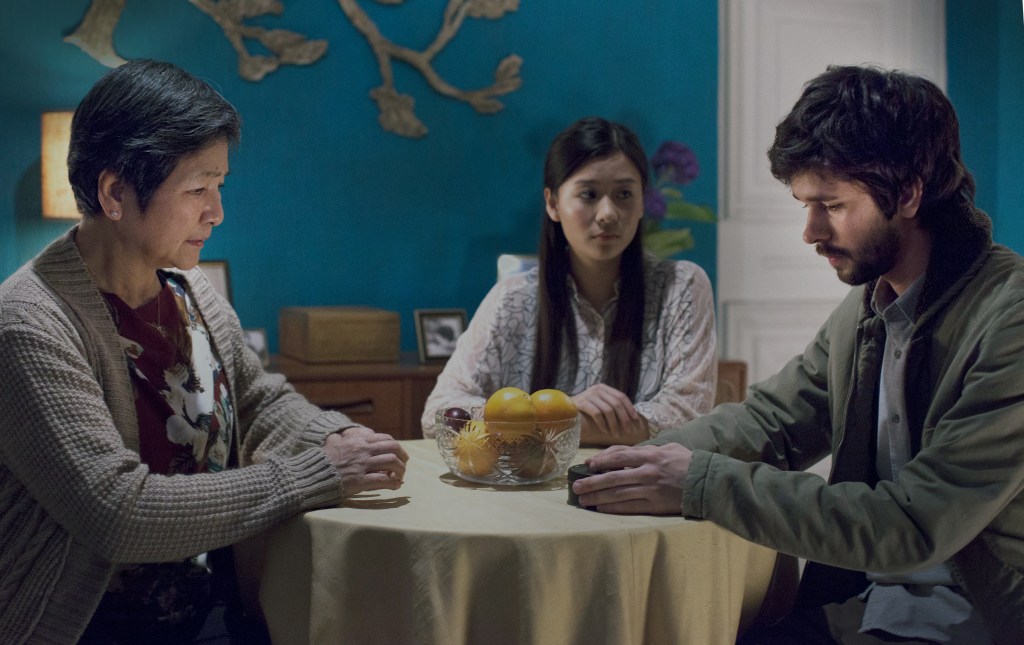
A man tries to connect with the mother of his late partner who speaks only Cambodian-Chinese and remained unaware of her son’s sexuality in Hong Khaou’s deeply moving debut feature.

Turning 18

27th April, Regent Street Cinema

Documentary following the lives of two indigenous Taiwanese girls who meet on a vocational training programme and each experience difficult family circumstances.

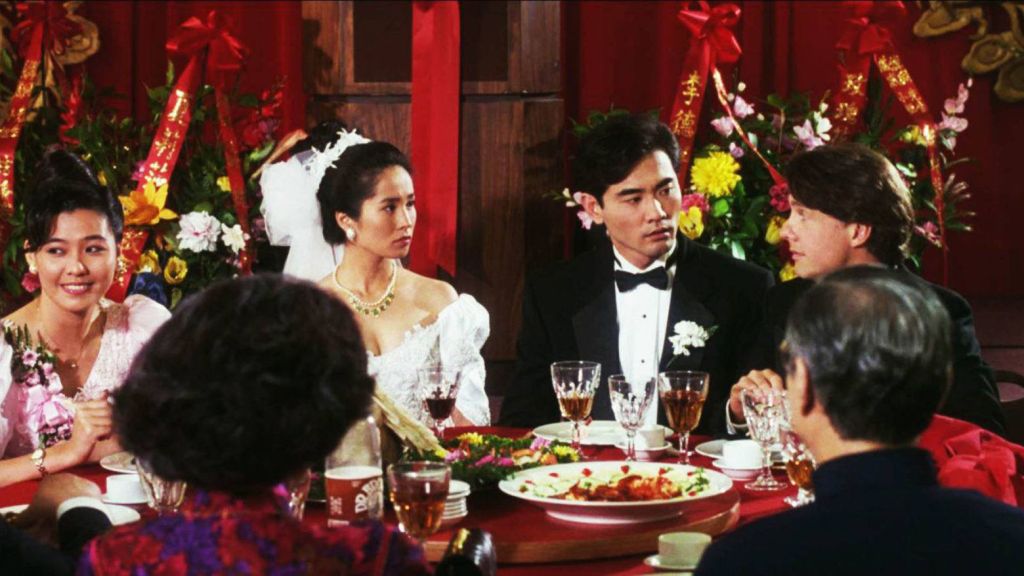
The Wedding Banquet

28th April, Rio Cinema

Ang Lee’s 1993 Asian-American classic in which a gay Taiwanese New Yorker agrees to participate in a green card marriage to a Chinese artist to get his nagging parents off his back.

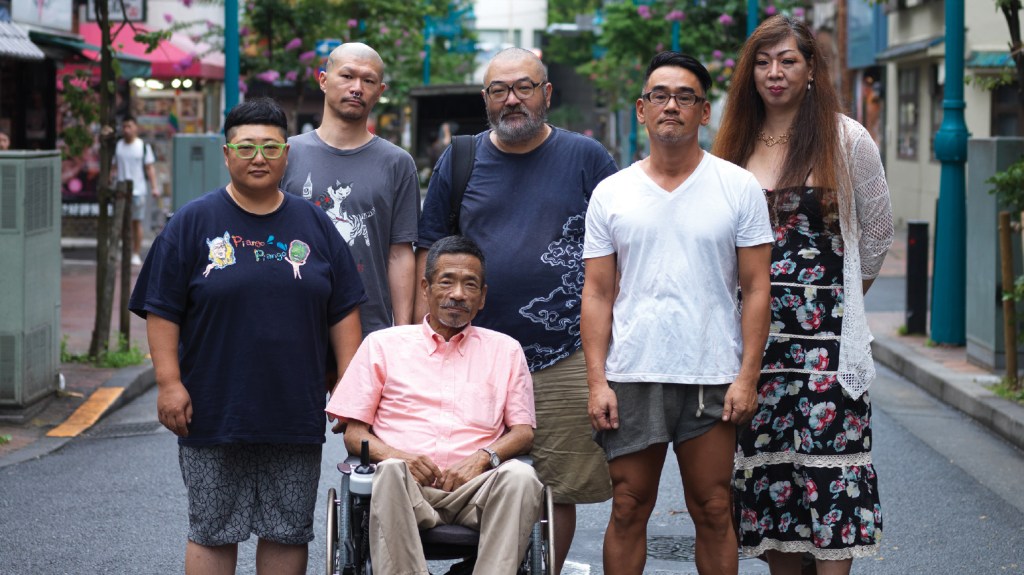
Queer Japan

29th April, Prince Charles Cinema

Graham Kolbeins’ documentary exploring LGBTQ+ life in contemporary Japan including contributions from mangaka Gengoroh Tagame (My Brother’s Husband), drag queen Vivienne Sato, and Aya Kamikawa who recounts her path to becoming the first transgender elected official in Japan.

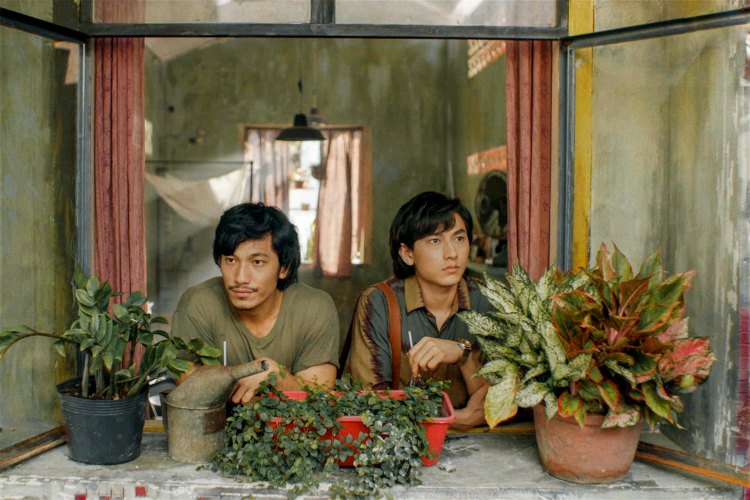
Song Lang

30th April, Barbican

Beautifully tragic romance set in ’80s Saigon in which a conflicted street punk falls in love with a Cai Luong opera singer. Review.

The Teacher (UK Premiere)

1st May, Genesis Cinema Plus Intro by Christopher Brown, University of Sussex

A teacher’s personal and professional lives are destabilised by his support for equal marriage and relationship with a closeted, HIV+ older man.

Looking For? (UK Premiere) + Director Q&A

2nd May, Rio Cinema followed by a Q&A with directors Tung-Yen Chou and Popo Fan.

Documentary exploring questions of intimacy in contemporary gay life interviewing men from Taipei, Beijing, New York and London to find out what it is they’re looking for.

Blue Gate Crossing (35 mm)

2nd May, Genesis Cinema Plus Introduction by Christopher Brown, University of Sussex.

Taiwanese classic from Yee Chih-yen starring Gwei Lun-mei and Chen Bo-lin as high school students pursuing conflicting romantic destinies.

Queer East 2020 runs at venues across London from 18th April to 2nd May. Full details for all the films as well as ticketing links can be found on the official website, while you can also keep up with all the latest news by following Queer East on Facebook, Twitter, Instagram, and YouTube.

Spring Tide (春潮, Yang Lina, 2019)

Toxic motherhood takes on strangely subversive, allegorical tones in Spring Tide (春潮, Chūn Cháo), Yang Lina’s painful examination of the relationships between three generations of Chinese women, each in different ways victims of the times in which they live. It’s true enough that the folk tunes sung so happily are often odes to the “motherland” which betray none of the eeriness of their propagandistic intentions in their full hearted endorsement of nation as family, but the darkness is inescapable as we see their metaphors made flesh in a woman destroyed by her sense of disappointment in life and in turn destroying her daughters literal and metaphorical in a pathological attempt to give her life meaning. 

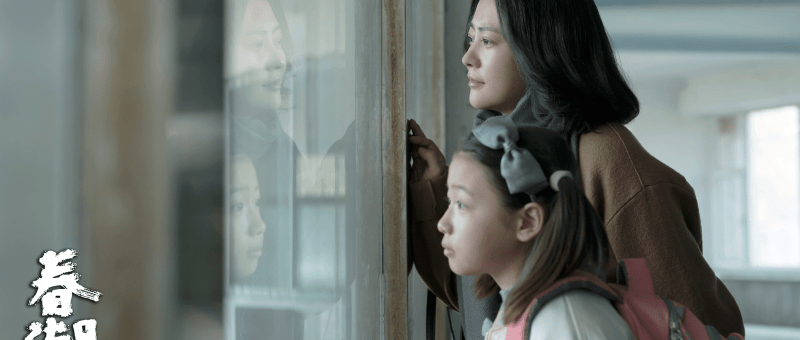
30-something Jianbo (Han Lei) is a socially conscious investigative journalist whose refusal to let sleeping dogs lie is a constant thorn in the side of her more conservative editor. At home, meanwhile, she’s mother to nine-year-old Wanting (Qu Junxi), who, we later realise is being raised by Jianbo’s feisty mother, Minglan (Elaine Jin Yan-ling), while she splits her time between the family’s backroom and a bed in a student dorm with occasional nights spent with an intense yet silent musician. 

Aside from the obvious emotional disconnection, the fracture lines between mother and daughter are also ideological. Jianbo is a post-80s generation woman, she wants to hold mother China to account because she wants her society to be better than it is. She unroots scandal and corruption and brings them to light through the power of the press, trying to create real social change through shaming the populace into better patterns of behaviour. But her mother Minglan lived through the Cultural Revolution, because of all she’s suffered she thinks that things are fine the way they are and criticising the beneficent state is like scolding the person that raised you. Caught in the middle, Minglan’s fiancé Zhou (Li Wenbo) espouses contradictory views, at once proud to have Jianbo as a daughter because “journalists are the conscience of a country”, but also grateful for the iron rice bowl system that gave him a steady job, not to mention a pension and the old person’s flat that’s allowed him to meet Minglan. 

Minglan’s life has indeed been full of suffering, though it is perhaps surprising how casually she and her friends remark on the terror they experienced during their youth while continuing to sing the old patriotic songs. “My motherland and I can’t be apart for a moment”, according to patriotic hit My People, My Country (我和我的祖国), but its tones suddenly seem sinister in their breeziness as we’re forced to consider the icy Minglan as a stand-in for China as a toxic mother, insisting that she must be respected and that her children must repay their debts to her, no matter how abusive she has been and may continue to be. To her friends in the retirement community, Minglan is a warm and caring woman, running the choir and organising local events, but she’s also blindsided by the suicide of a friend who took her own life because of an entirely different kind of filial disappointment coupled with existential loneliness. Minglan can’t understand why she did it, but in characteristic fashion largely makes it all about herself in lashing out at Jianbo when she points out that Mrs Wang was not as happy about their (read: Minglan’s) potential retirement plan as Minglan had believed her to be. 

“When were you going to realise this was a family and not a battlefield?” Jianbo asks her mother knowing that she can make no further reply. The tug of love over motherhood of Wanting is, in many ways, a tussle over the future of China. Minglan digs her nails in, telling Wanting a few hurtful truths about her mother while insisting that you really can’t trust anyone anymore but that’s OK because grandma loves you, while Jianbo remains powerless to reassume her maternity knowing that her only weapon is to avoid unduly antagonising her mother in the hope that she won’t end up alienating Wanting in the same way Minglan alienated her. All that exists between them now is a torrent of resentment, Minglan seeing her daughter only as the symbol of all her frustrated desires, and Jianbo knowing she’s become a sad and lonely woman solely because her mother refused to love her in the way she wanted to be loved. Jianbo is determined that she won’t let Minglan’s “vanity and hypocrisy” corrupt her pretty, sensitive daughter, pushing her towards an “ignoble and ridiculous life”. She wants Wanting to be free of this chain of abuse and all its authoritarian gaslighting, but has no mechanism to free her other than distance. 

Wanting, by contrast, is cheerful and kind. She has absolutely no filter and is entirely unafraid of asking difficult questions, but is also brave and strong, willing to stand up for others. A little girl in her class who happens to be from the Korean minority is criticised for her “poor” Mandarin and ordered to switch seats but her new buddy refuses to sit with her because he claims not to be able to understand what she’s saying. Wanting immediately pipes up that she understands perfectly, instantly becoming the girl’s best friend and visiting her home which appears to be one of immense harmony and happiness where her dad whirls her round while proudly singing Arirang, standing in stark contrast to Minglan’s joyous yet somehow self-involved recitals. China as an authoritarian mother may be losing its grip on power, while Jianbo’s generation struggles to free itself from the trauma of toxic parenting, but there is perhaps hope for Wanting as she and her friend decide to leave the patriotism showcase to follow the spring tide right out into a wide river of joy and freedom.


Spring Tide was screened as part of this year’s Osaka Asian Film Festival.

VIDEOPHOBIA (Daisuke Miyazaki, 2019)

(C)VIDEOPHOBIA PARTNERS

How can you really be sure who you are when your image of self is entirely dependent on external validation? In this brave new age of video technology, none of us are any longer custodians of our own image, we leave impressions of ourselves everywhere we go and most particularly online where anyone and everyone is free to do with them as they please. Intellectually, we all know this already. We use the internet ourselves, not always responsibly, and have become so used to seeing CCTV cameras on every street corner that we no longer register their presence. We live our lives under observation, but even so the realisation that our image has been captured without our knowledge can be a profound violation. 

So it is for Ai (Tomona Hirota), a permanently exhausted young woman who has returned to her Osaka home after failing to make it in Tokyo (or rather, as she points out, Kanagawa). Ai is currently taking acting classes while making ends meet with a side gig as a shopping mall mascot (another masked role). She spends her nights smoking while wearing a face mask and making anonymous connections with strangers via cybersex websites. That is until she goes on a rare night out with some people from acting class and meets a handsome man in a bar (Shugo Oshinari) who tells her that it’s too early for names before taking her back to his improbably swanky apartment for a one night stand. Ai notices that there’s a strange looking camera pointed at them from a nearby shelf but thinks nothing of it, and after rather mechanistic sex clasps hands with her new lover as if an intimate connection has finally been forged. 

It’s therefore a double shock for her when she spots a mysterious video on a porn website which appears to have been shot in the apartment where she spent the previous night. Pressing play her worst fears are confirmed, a sex tape featuring Ai and the guy from the club seems to have been uploaded online. She tries to confront him and is told that the camera is a vintage 8mm model for display purposes only which contains no film and admittedly would be very difficult to process. Confused, she leaves, but is even more disturbed when more videos start appearing online which could not have been taken by the static camera on the shelf. She then discovers that the guy has vanished, the apartment wasn’t even his but is being illegally sublet on Airbnb by a company registered in Indonesia. 

That last piece of info Ai gets after going to the police to whom she gives her name as “Park”. Though the policewoman is sympathetic enough and never directly judges Ai, she’s embarrassed to have to explain that she went home with a guy whose name she still doesn’t know and has no other evidence except the video site. Trying to be reassuring, the policewoman reminds her that there are billions of hours of video already online so the chances of someone seeing hers are extremely small and, in any case, they don’t even think it looks like her in the video anyway. 

Rather than reassured, Ai becomes even less certain. If that isn’t her in the video, then who is she? She takes the police up on their recommendation of a support group but finds it a bizarrely uncanny experience in which each of the other participants tells a near identical story about an ex posting an old photo on social media which contributed to the failure of their present relationship. The support group mirrors her acting class in which an abrasive director instructed them all to take on personas which were the opposite of their own, literally swapping identities. Pushed into a corner, one of the students eventually snapped and attacked the teacher whose intense approach was, according to some, also an act designed to elicit the best performance. 

If we’re all “acting”, and our image is susceptible to theft, then what really can we say constitutes our “identity” in the digital age? The support group is fond of chanting that “You haven’t changed” hinting at an essential presence that exists outside of immediate perception, but everyone in the support group is verging towards some kind of creepy group think defined by “shared” trauma. In the end, Ai resorts to desperate measures, literally taking control of her image by changing it, but can she really be said to have escaped herself and should she even want to? Wearing the face mask eerily reminiscent of Eyes Without a Face, she gazes out of her balcony window and thinks she sees “herself” walk past on the street below. Thanks to the powers of technology we have made division of ourselves, no longer the primary hosts of our own image. 


VIDEOPHOBIA was screened as part of this year’s Osaka Asian Film Festival.

Original trailer (English subtitles)

Write About Love (Crisanto Aquino, 2019)

Write what you know, the old adage goes, but can you really write about love if you’ve never been in it? The debut feature from Crisanto Aquino, Write About Love concerns itself not only with romance but with love in a wider sense as mediated through the act of creativity. Two writers are forced into an awkward collaboration working in some senses at cross purposes but eventually find common ground as their shared endeavour pushes them towards acts of self interrogation as they attempt to write a sincere romance with an ending that satisfies all. 

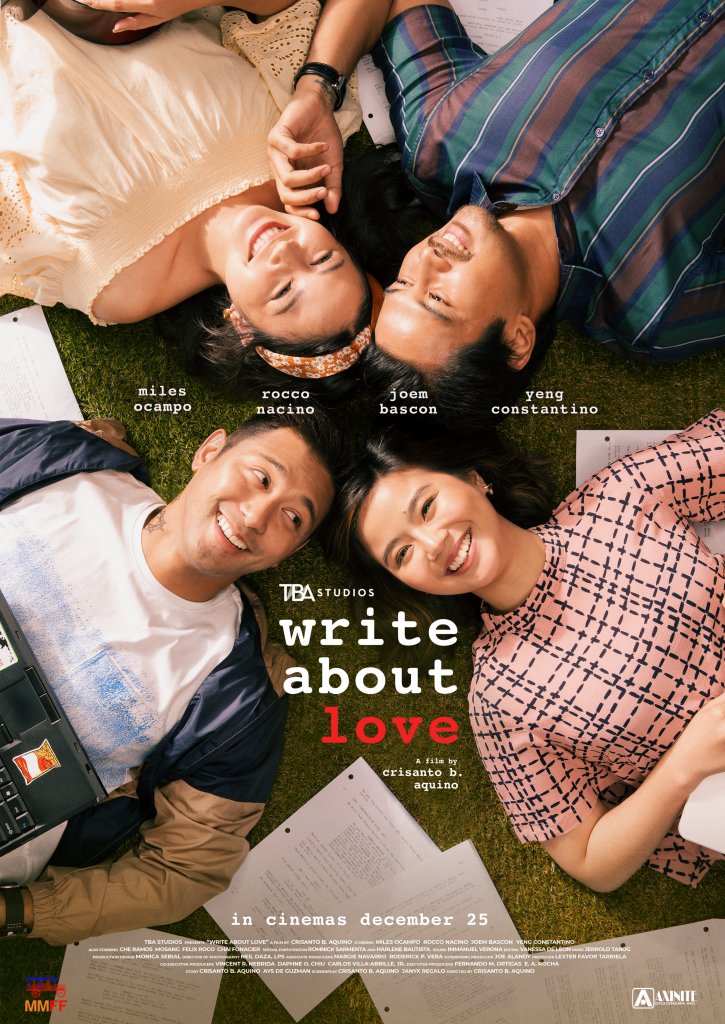
Credited only as “female writer” (Miles Ocampo), a young woman obsessed with rom-coms successfully pitches one of her own titled “Just Us” to a major studio. Though they like her ideas, the suits call her back in a few days later and express concern that her scenario is too similar to an upcoming movie from a rival studio. Rather than a traditional meet-cute rom-com, they want her to focus on what came next, not the story of how they got together but a serious relationship drama about all the boring bits of being in love. To help her out, they’ve decided to team her up with an experienced “indie” screenwriter (Rocco Nacino), and have given the pair one month to thrash out a first draft. 

Of course, things get off to a bumpy start. She’s very “mainstream”, He’s quite cynical, which might make for an interesting dynamic if they weren’t constantly clashing on a personal level. He pushes his experience, She pushes her earnestness. Still, they begin to become closer writing the story of Joyce (Yeng Constantino) and Marco (Joem Bascon), an aspiring musician and a company man who meet and fall in love but find that life gets in the way of their grand romance. The pair decide to structure their drama around various anniversaries – 100 days, 200 days, a year etc, during which Joyce and Marco grow apart, discover that they have different priorities, and eventually break up after an intense argument that lays bare Marco’s insecurity and ongoing abandonment issues which lead him to put his foot down over Joyce’s career ambitions in Korea. 

Meanwhile, the real lives of the writers begin to influence the drama as they hover on the sidelines observing their fictional romantics and plotting out where they might go next. Despite their intention not to write a “mainstream” romance, they are perfectly happy to play with standard melodrama plot devices like job offers from overseas and terminal illnesses as they try to tell the story of Joyce and Marco, but, it seems, those “plot devices” also come from their lives. He had a longterm relationship end because his lover went abroad and met someone else, while she is romantically naive and still hung up on the failure of her parents’ relationship. In fact, her parents’ meet cute inspired the one in Just Us though she hoped to rewrite their story with a happier ending where her dad didn’t eventually leave them to go back to an old girlfriend. 

He asks her if she’s never been in love because she’s afraid of getting hurt, She tells him she’s just not interested, but is eventually forced to deal with her sense of insecurity through accepting the fact that her family is never getting back together. He actually doesn’t tell her much of anything, but is later forced to accept that love is a choice he may have failed to make. We expect that the writers will eventually fall in love while writing the saga of Joyce and Marco, but first they have to discover a few things about themselves, about love, and about suffering. Questioning her mother, She finds out that love is great motivator, prompting you to make decisions good and bad, while He realises that just as in real life you can’t manipulate your characters to force them to do what you want because feelings must be earned to be sincere. Love and pain are inextricable, but love is also an energy which cannot be created or destroyed and endures even after death, according to Her, coming to the conclusion that you need two for a love story and creation is a collaborative effort. Maybe you can’t write yourself out of heartbreak, or give yourself a better ending than life saw fit to give you, but if you’re going to write about love you have to be honest and honest is never easy. 


 Write About Love was screened as part of this year’s Osaka Asian Film Festival.

Original trailer (English subtitles)
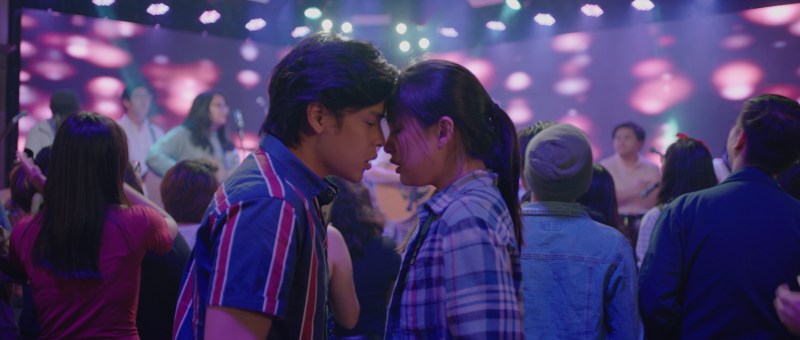
Good-bye (グッドバイ, Aya Miyazaki, 2020)

“The things you learn as a child stay with you” admits a melancholy nursery teacher, lamenting that perhaps her life would have turned out differently if only her parents hadn’t been so easy going. Most people probably wind up wondering something similar, who they might have been if their parents had or hadn’t made the choices that they made on their behalf, but sooner or later you have to leave childhood behind and take responsibility for yourself. 

That’s the part that the heroine of Aya Miyazaki’s Good-bye (グッドバイ), 20-something Sakura (Mayuko Fukuda), is currently having trouble with, struggling to find a way forward largely because in one sense everything comes too easy for her and life is no kind of challenge. Privately, however, she’s caught in an adolescent dilemma pining for the father who, it seems, has been largely absent from her life since leaving the family when she was small. 

The crunch comes when Sakura abruptly quits yet another boring office job just because it didn’t light her fire. Her mystified friend who can’t really believe someone would just quit their job on a whim in Japan’s competitive employment environment just because it was dull (let alone make a habit of it), suggests she fill in at a daycare centre that another friend has just vacated leaving them in the lurch and with a temporary contract available. Sakura is unconvinced seeing as she has no childcare qualifications, but is persuaded on hearing the facility is “unlicensed” and therefore not fussy. She doesn’t exactly take to it right away, but beginning to bond with the children reminds her of her more innocent self, especially once she encounters the father of one little girl, Ai, who is often the last to get picked up. 

Sakura is taken with Mr. Shindo (Kohei Ikeue) because he looks a little like her dad and also smells of the same brand of cherry-scented cigars that he used to smoke. It also doesn’t help that his family situation closely resembles a mildly traumatic incident from her own childhood in that Ai’s mum seems to be temporarily absent from the family home for unclear reasons. Sakura finds herself playing mother, brushing Ai’s hair and tying it up in pigtails the way her father couldn’t quite master on his own. Running into the pair in the street, she even finds herself cooking dinner for them, giving Ai a few lessons in peeling carrots, while accidentally stepping into the space vacated by another woman and perhaps crossing a line with the extremely awkward Mr. Shindo. 

The encounter does, however, prompt her into a long delayed conversation with her sympathetic mother (Asako Kobayashi) who offers no explanation for why she did what she did, or sees any need to apologise, but is perhaps touched by some of her words which convince her that her daughter needs a final push to help find her place in the world. Prompted by the other teacher at the nursery, Sakura asks her mother why she sent her to all those after school clubs etc, only to be told that she did it because she wanted Sakura to find her passion but though she was good at everything, Sakura always quit after only a few weeks. Her mother wonders if that’s because when everything is easy for you you have no incentive to stick with it and never get the opportunity to become invested. 

That has perhaps been Sakura’s problem, she says goodbye too early before there’s any possibility of getting attached. Bonding with the kids reminds her of the little girl she once was, processing the sudden absence of her mother and the possibility of her familiar world ending. Her mother eventually returned, but perhaps gave her an incomplete sense of security in the feeling that she would never leave her or the house, while her father is of the opinion that the family photo was something best left behind in the family home which was no longer his. In learning to say “good-bye” to Ai, Sakura learns to bid farewell to the little girl she once was, insecure and afraid of rejection. As her mum tries to hint, it’s time for her to find a place of her own, no longer so afraid to stick around past the part where everything seems too easy.


Good-bye screened as part of this year’s Osaka Asian Film Festival.

LSS (Last Song Syndrome) (Jade Castro, 2019)

“This is Love!” exclaims the heroine somewhat excitedly, though her romantic declaration turns out to be a tongue in cheek reference to the PJ Harvey song rather than a heartfelt confession. LSS (Last Song Syndrome) finds its lovelorn millennials chasing their romantic dreams but seemingly stuck in a relatable loop of heartbreaks and disappointments. They meet and then part only to brush past each other sometimes knowingly sometimes not, but somehow give each other strength as they battle the sense that their dreams are not destined to come true, yet love is less a goal in its own right than the freedom it offers to be all of who you are.

Sarah (Gabbi Garcia), a struggling singer-songwriter working a host of part-time jobs to put her younger brother through college, meets Zack (Khalil Ramos), a graphic designer, on a bus after he nervously switches seats to avoid a man with an obvious cold. Unbeknownst to Zack, Sarah had already spotted him in the queue because he was singing along to a song she likes by up and coming indie band Ben&Ben. She strikes up a conversation about music and they have a good laugh that they’re called Zack and Sarah like the Ben Folds song, eventually sharing their anxieties as they bond over a shared taste in indie pop. Sarah reveals that she doesn’t really like Ben&Ben, or she does but feels conflicted because she took part in the same newcomers workshop they did and now they’re superstars and she’s struggling to get ahead, while Zack tells her that he’s on his way to see his “best friend” with whom he’s been secretly in love for the last five years and is hoping tonight might be the night. Even so, Zack is evidently smitten and a connection has been made, but they each get off the bus and head in different directions without swapping contact details, thinking it’s one of those crazy one time encounters. 

Meanwhile, we watch them both remain in sync battling twin heartbreaks as each of their dreams goes in for a series of batterings. Zack shows up at Cha’s (Iana Bernardez) apartment and discovers she’s started dating someone else, a girl, earlier that day and realises he’s missed his chance again. Sarah gets fired from her part-time job and breaks up with her annoyingly conservative boyfriend Elmer (Eian Rances) who tells her that her dreams of becoming a musician are unrealistic while planning to open some kind of “networking” business selling dodgy cosmetics. Elmer’s words get to Sarah, but because of her meeting with Zack who told her that he believed in her dream because she has great taste in music, she has the strength to tell him where to go and double down on getting into the music industry.

That means, for a time at least, coming at it from the other side. Sarah swallows her pride and asks Ben&Ben for a job as a roadie. They aren’t very supportive (perhaps oddly seeing as the band play themselves in this movie that heavily features their music and is all about how they save love), but their manager remembers her and gives her a job when she applies for an assistant’s position through the regular channels. Zack, meanwhile, is still listening to Ben&Ben and hoping to run into Sarah at a concert someday while secretly planning to meet up with his estranged father behind the back of his kind of amazing taxi driver mum (Tuesday Vargas) who keeps needling him about his lack of romantic success (in the most playful of ways). 

Zack’s first sense of heartbreak is romantic, realising that Cha just doesn’t see him that way and that isn’t going to change. His second is familial in realising he can’t change the way the people he loves feel, and that has to be OK. Sarah’s heartbreaks, meanwhile, are largely professional as she struggles to convince those around her that she has what it takes to make it while seeing others pull ahead as she languishes backstage. Castro brings the pair together at their lowest point, allows their love to let them blossom, but then sets them apart again in the most amicable of ways. “Go chase your dreams, Sarah”, Zack tells her, supporting from the sidelines as he always has. Love is not the dream, but it is a bridge to one. You might have to let it wander for a while, but it’ll come back round eventually when it’s ready, better and stronger for having figured itself out on its own. And until then, you’ll always have Ben&Ben. 


LSS (Last Song Syndrome) screened part of this year’s Osaka Asian Film Festival.

Original trailer (no subtitles)
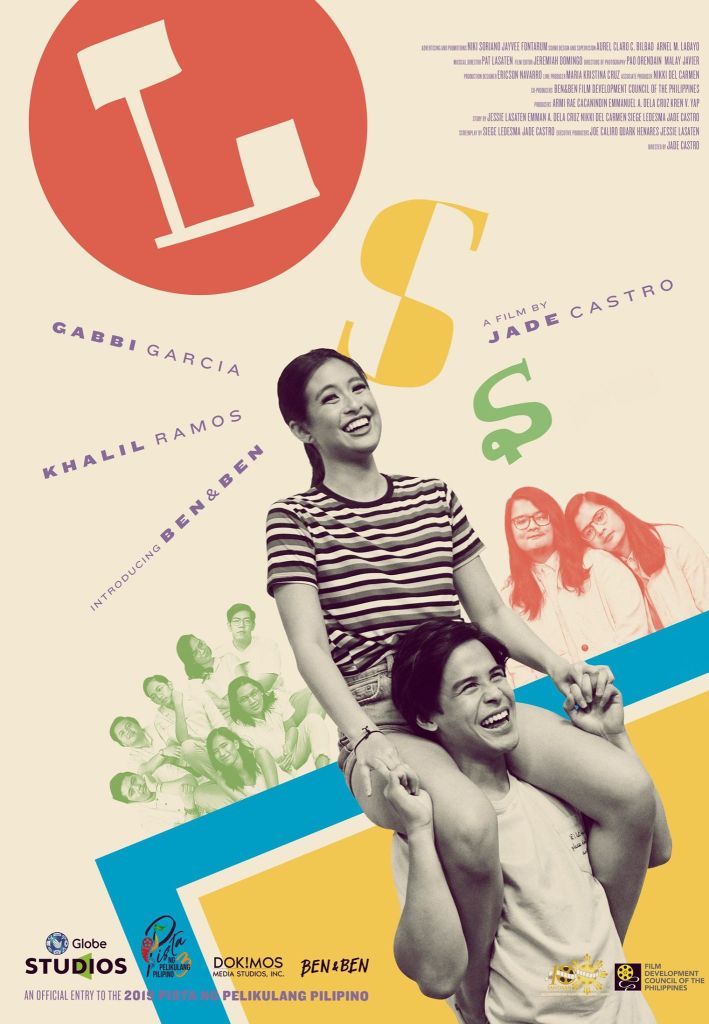
Ben&Ben’s official website.

Music video for Ben&Ben’s Araw Araw featuring actors Gabbi Garcia and Khalil Ramos

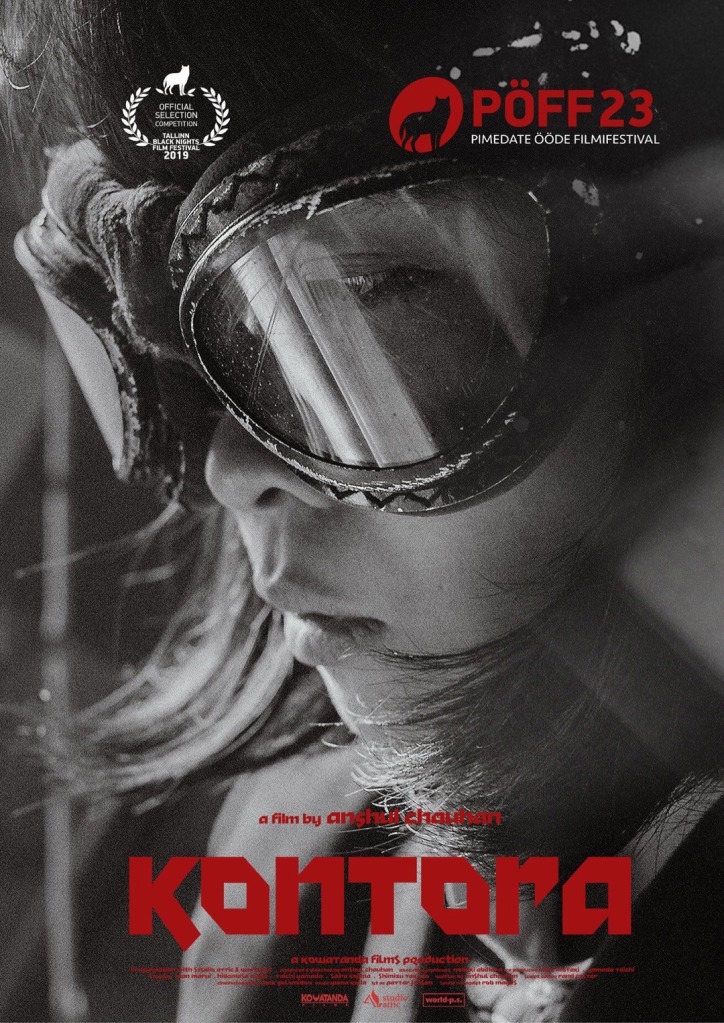
Kontora (コントラ, Anshul Chauhan, 2019)

Copyright © 2020 Kowatanda Films

Life is a series of oppositions, the past conflicting with the future, the young with the old, selfishness with altruism, but without conflict there can be no sense of forward motion. That’s largely where the heroine of Anshul Chauhan’s second feature Kontora (コントラ) has found herself, stuck in a “one horse” town with no sense of excitement, longing for the bright lights of Tokyo while fiercely rejecting her distant father in favour of gentle companionship with her compassionate grandad. It’s not until after he passes away, however, that she begins to realise there were things in his life that he was never able to tell her. 

Teenager Sora (Wan Marui), in her final year of high school, discovers this on finding her grandfather’s body. Understandably panicked she looks over the box of World War Two mementos he appeared to have been poring over just before died and hurriedly hides them so her father (Takuzo Shimizu) won’t see. After the funeral she finds herself fondling his old pilot’s helmet and goggles while reading his war diary, filled with beautifully drawn illustrations and terrible memories of torture and privation. Writing such a diary must have been quite a risk, seeing as Sora’s grandfather recounts only fear and dissatisfaction, envious of the young men who failed the draft and got to continue with their student lives while he is lonely and desperate but claims no longer to be able to understand love. For Sora, however, the most important thing is that her grandfather mentions burying his “metal arm” in the forest. She commits herself to finding it, bunking off school to go digging on a nearby mountain. 

Meanwhile, she also begins spotting a strange young man (Hidemasa Mase) around town who is dressed in rags and seemingly can only walk backwards. The man enters her life in a more concrete sense when he literally collides with her father’s car while the pair are returning from a fairly disastrous family dinner over which her father’s cousin Yoshiji (Takuzo Shimizu) had made an inappropriate bid to get him to sell the family home so he could use it to house workers at his factory, even offering to give Sora a job to make sure she’s looked after. Questioned about her future plans, Sora had mentioned hoping to go to Tokyo, which comes as a shock to her dad and is abruptly shutdown by Yoshiji who can’t see what the point in that would be. His own daughter, Haru (Seira Kojima), went to Tokyo to become a dancer but seems to have returned somewhat chastened and now works in his factory, as if proving his point that there is no future for girls like Sora other than shifting straight into small-town life seconds after graduating high school. 

Sora’s dad leaves the gathering drunk and angry, which is why his first thought is abandoning the injured man on the roadside so he won’t have to deal with a drunk driving charge. Sora, however, refuses to abnegate her responsibly and insists on making sure the man is OK, leading to a compromise in which they take him home to monitor overnight. Still unconvinced, Sora’s dad kicks him out in the morning, but Sora chases him down and brings him back, dressing him in grandad’s clothes and stunned when she hears him singing one of grandad’s songs. 

The man’s presence highlights a key difference between Sora and her distant father. Sora is intrigued and unafraid, she tries to talk to the man and is very interested to find out why he only walks backwards but is also accepting of his silence. Her father meanwhile sees only danger. His first thoughts are only to expel the man by whatever means possible, eventually jumping to conclusions born of prejudice that he may have somehow harmed Sora. Sora, meanwhile, jealously keeps the diary to herself, never sharing her newfound quest with her father until forced into the open at which point she tells him that the diary had given her life a sense of purpose that she was reluctant to share with anyone else. Secrets revealed, the rift between father and daughter begins to heal while the mysterious man looks on in silence, perhaps knowing that grandad had other messages to give that are still waiting to be uncovered. 

Strangely, no one seems to stop to consider that grandad may have buried his “metal arm” for good reason, and that it should perhaps stay that way (especially if a heartless arch capitalist like Yoshiji ends up getting his hands on it). Nevertheless, unearthing the buried past begins to solve the mystery of grandad and enable a kind of healing. The man keeps walking round and round in circles, backwards as if walking against the future, caught on a treadmill of repetitive anxieties and unable to move forward. Sora may be at that point herself, stuck in a moment of adolescent confusion unable to step into adulthood and having lost her only guide and confidant. It may be, in some ways, troubling that she finds her direction through embracing a violent past, but there is indeed a moment of healing in two eras meeting which allows time to reassume its proper flow. Ethereal and mysterious, Kontora is both coming-of-age tale and a melancholy fable of griefs both national and personal in which forward motion is possible but only in facing the past head on and waving it goodbye as you turn around to walk towards a more positive future.


Kontora screens on March 12/13 as part of this year’s Osaka Asian Film Festival.

Original trailer (English subtitles)
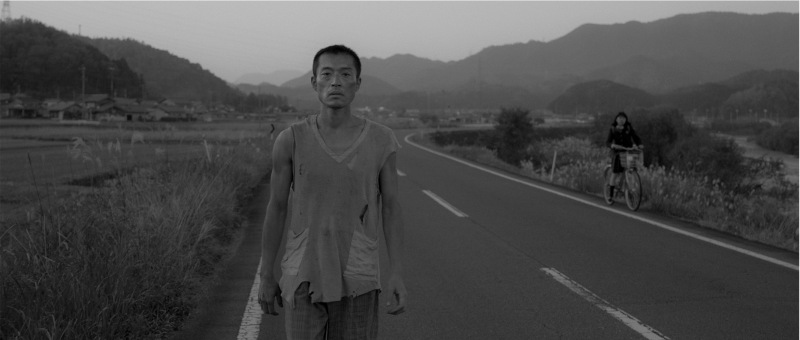
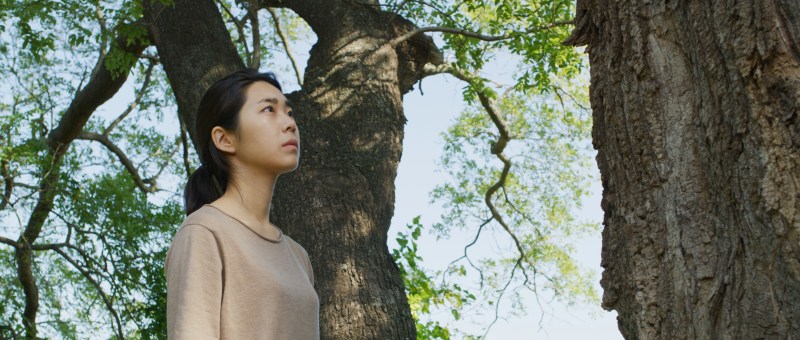
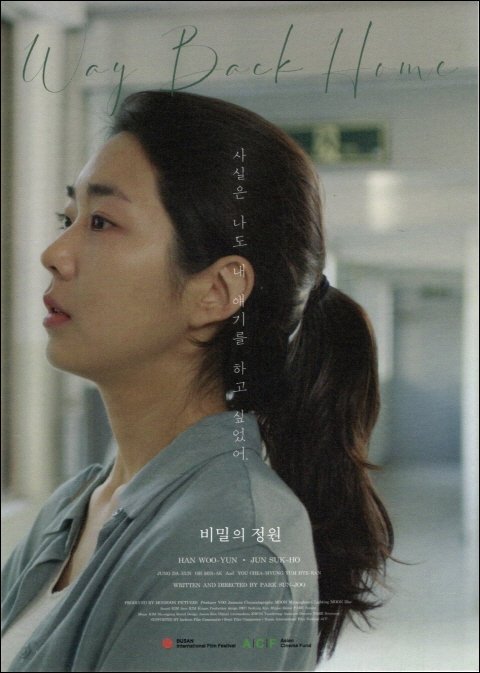
Way Back Home (비밀의 정원, Park Sun-joo, 2019)

Can you ever really “move on” from trauma, or do you simply have to learn to live with it? The heroine of Park Sun-joo’s Way Back Home (비밀의 정원, Bimil-eui Jeong-won) thought she’d made peace with the past by trying her best to forget it, but an unwelcome intrusion reminds her that it’s not only the echoes of something terrible that happened to her when she was very young that shaped her life, but everything that happened afterwards. Now preparing to move into a new phase, she realises that in order to start a new family she’ll have to repair her fractured relations with the old. 

As a high school student, Jeong-won (Han Woo-yun) was abducted and raped by a stranger who was never caught. 10 years later, she’s in her mid-20s and is preparing to move into a family home with her husband, Sang-u (Jun Suk-ho), a carpenter who works with her uncle (Yoo Jae-myung) and aunt (Yum Hye-ran) in their studio while she also has a job as a swimming instructor. The couple are currently trying for a baby, but Jeong-won recently had a miscarriage and fears that the assault may have affected her ability to bear a child despite the doctor’s assurances that there is nothing medically wrong. Then, she gets an unexpected phone call from a detective in her hometown informing her that they’ve had a hit on the DNA from her case and think they’ve caught the man who raped her but need her to come in and verify a few details. 

Not really wanting to revisit the past she’d convinced herself she’d moved on from, Jeong-won ignores the policeman’s calls but after he contacts her mother (Oh Min-ae) and turns up at her door, alerting Sang-u, she has no choice but to face the matter head on. Sang-u is understandably blindsided, not quite sure how to deal with this very sensitive new information, wanting to be there for his wife but frustrated that she doesn’t seem to want him involved. He tries to talk to her about it, but she flatly explains that it’s not something she’s prepared to discuss with him. 

Intellectually understanding that his wife needs space, Sang-u can’t help but feel shut out, hurt that Jeong-won doesn’t feel comfortable allowing him into this extremely vulnerable space. Jeong-won begins to pull away, pretending that everything’s fine, getting on with packing for their move as if nothing had happened. Meanwhile, he begins to piece things together, realising that her past trauma must have something to do with her strained relationships with her mother and So-hui (Jung Da-eun), the younger sister she always seems to be reluctant to see. 

The traumatic event in itself is not the central source of Jeong-won’s suffering but the sense of rejection she felt from her family along with an internalised shame. Jeong-won’s mother sent her to live with her uncle and aunt because she thought it might be easier to move on in a different environment, but all Jeong-won felt was that her family no longer wanted her around. Jeong-won’s aunt thinks the reason she doesn’t want to see So-hui, who is around 10 years younger and therefore around the age she was at the time of the attack, is resentment in feeling that her mother sent her away to protect her younger sister from the social stigma of being involved with a case of sexual assault, but as might be expected the situation is far more emotionally complex than anyone is able to intuitively understand. 

So-hui, meanwhile, is also hurt, travelling to the city on her own to make sure her sister is alright because she isn’t answering her calls. Fearing rejection, Jeong-won distances herself from Sang-u, mourning the relationship she had with him which was founded partly on the fact he didn’t know and therefore existed in world in which the assault had never happened. She resents being worried over because other people’s concern only reminds her of her victimhood. During his summing up at the trial, the prosecution lawyer argues that Jeong-won’s life stopped in 2008 while her attacker went on living guilt free, leaving her to suffer alone. Jeong-won might not quite agree with that assessment, she thought she’d moved on and lived an otherwise happy, normal life despite the terrible thing which happened to her, but if she wants to move forward she will indeed have to face not only the source of her trauma but the familial fracturing which followed it, finding the way back home through emotional openness and understanding along with a willingness to be vulnerable in a place of safety.


Way Back Home screens on March 11/15 as part of this year’s Osaka Asian Film Festival.

Original trailer (English subtitles)
Introduction to the film by director Park Sun-joo from the Busan International Film Festival (activate English subtitles from the subtitle button)