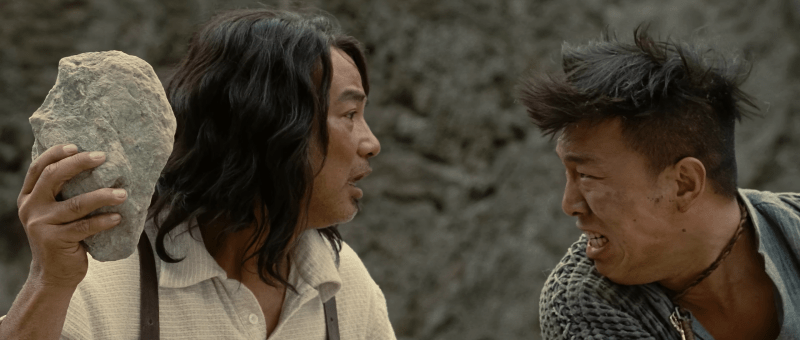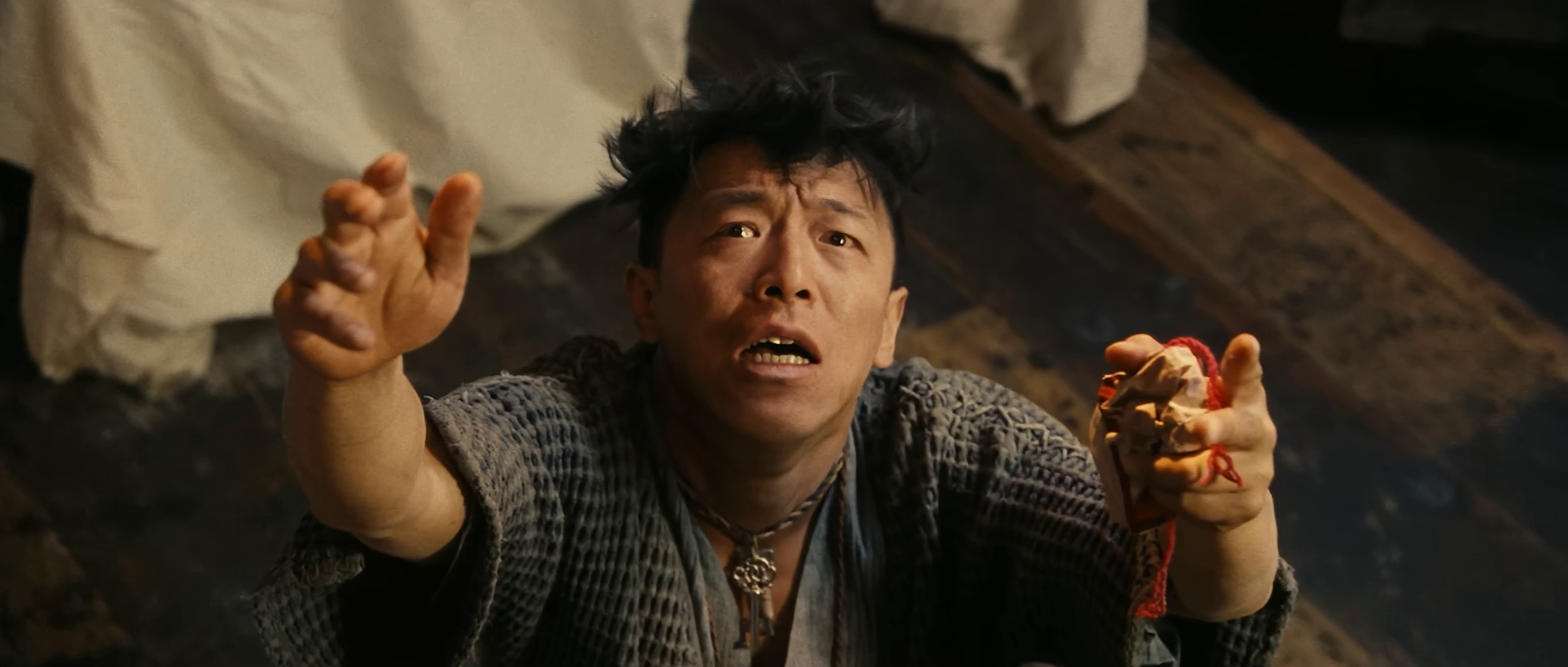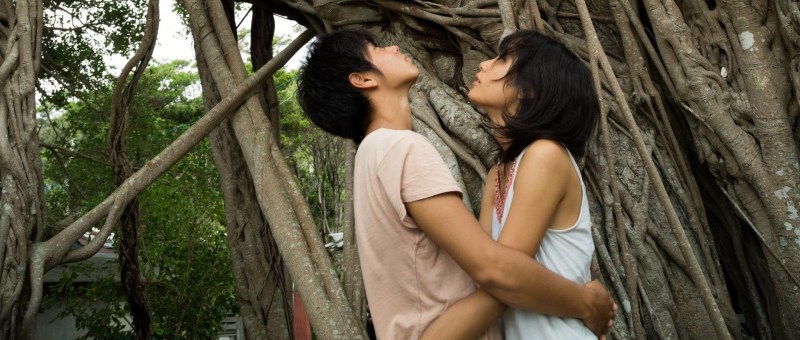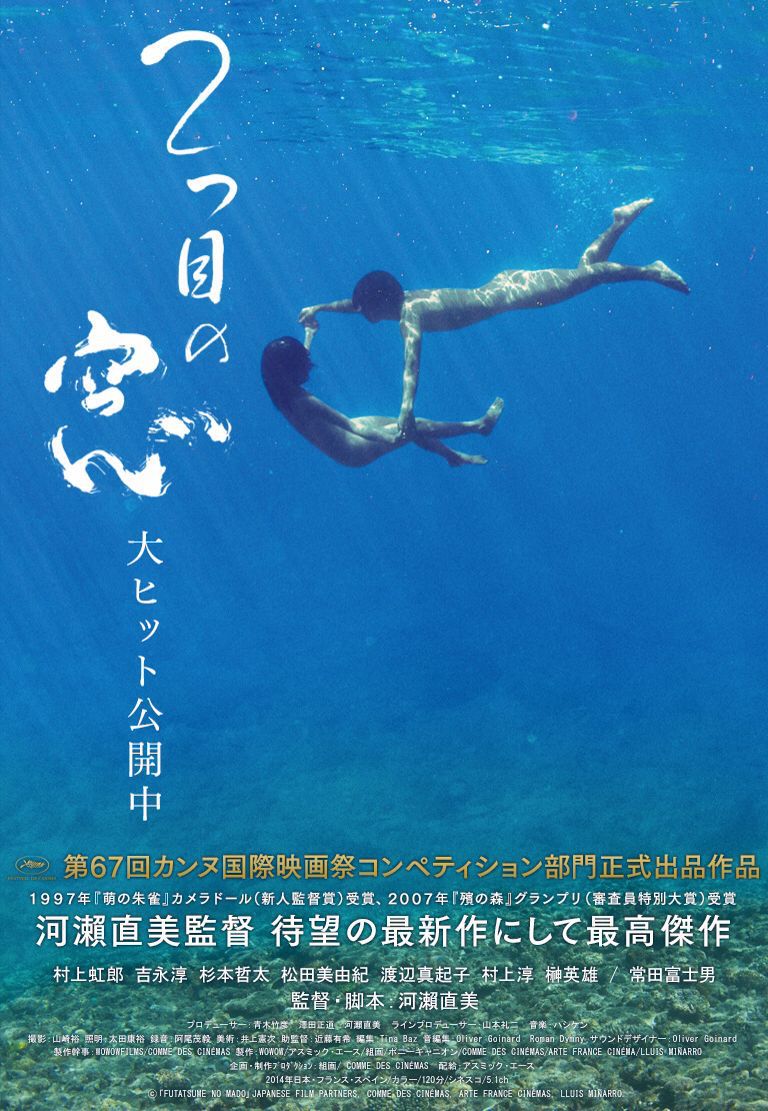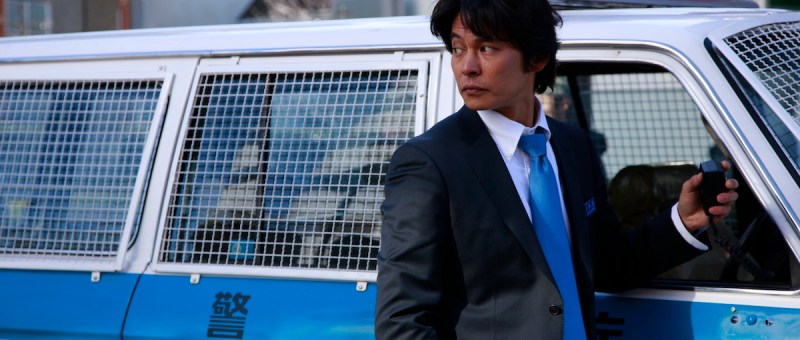
Still the Water (2つ目の窓, Naomi Kawase, 2014)

“Why is it that people are born and die?” asks the heroine of Naomi Kawase’s existential odyssey Still the Water (2つ目の窓, Futatsume no Mado). It’s a question with which the director has long been wrestling, though this time more directly as her adolescent protagonists ponder life’s big questions as they prepare to come of age. Moving away from the verdant forests of Nara Prefecture with which her work is most closely associated, Kawase shifts to the tropical beaches of Amami Oshima, a small island somewhere between Kyushu and Okinawa as two youngsters discover life and death on the shore while contemplating what lies beneath the sea. 

Opening with rolling waves and the graphic death of a goat, Kawase’s trademark visions of nature soon give way to night and the discovery of a tattooed man washed up on the shore made by moody teen Kaito (Nijiro Murakami) who leaves abruptly, walking past the confused figure of his tentative love interest Kyoko (Jun Yoshinaga) with whom he was supposed to meet. The next morning the townspeople are all aflutter with news of the body, confused by the sight seeing as there are few crimes in this community but admittedly many accidents. The cause of death however is an irrelevance, the import is in the body and what it represents. 

First and foremost, it turns the ocean into an active “crime” scene, placed off limits to the locals but Kyoko, a bold and precocious young woman, dives right in in her school uniform and all merely laughing as Kaito remains on the jetty asking her if she isn’t afraid. Raised in they city, Kaito finds the sea disquieting, apparently squeamish of its “stickiness”, describing it as something “alive” only for the bemused Kyoko to point out that she is a living thing too, exposing his essential fear of her as she kisses him and he freezes. On the brink of adulthood, Kaito is afraid to live, afraid of the “death” that change represents, and most of all afraid of the sea inside in the infinite confusion of human feeling. 

That confusion spills over into animosity towards his mother, Misaki (Makiko Watanabe), who, obviously at a different stage of life, exists in a world inaccessible to him. He’s at school during the day while she works evenings at a restaurant so they are rarely together and he’s quietly resentful on coming to the realisation that his mother is also a woman, berating her for daring to have a sex life and flying to Tokyo to attempt a man-to-man conversation with his absent father to figure out why their marriage failed. His dad, however, spins him some poetic lines about fate and romance which don’t really explain anything, paradoxically affirming that he feels more connected to Misaki now that they’re apart while admitting that age has shown him “fate” is less soaring emotion and more an expression of something which endures. 

Kyoko meanwhile is considering something much the same as she tries to come to terms with her shaman mother’s terminal illness, reassured by another priest that although her mother’s body will leave this world her warmth will survive. She and Kaito are treated to a lesson in nature red in tooth and claw as an old man slits the throat of a goat while the pair of them watch something die. “How long will it take?” Kaito asks in irritation, while Kyoko looks on intently until finally exclaiming that “the spirit has left”. Later she is forced to watch as her mother dies but even on her deathbed is painfully full of life, listening to plaintive traditional folksongs and moving her arms in motion with the music as the others dance. 

The old man, Kame, tells the youngsters that as young people they should live life to the full without regret, do what they want to do, say what they want to say, cry when they want to cry, and leave it to the old folks to pick up the pieces. But he also admonishes them for not yet understanding what lies in the sea. It’s Toru, Kyoko’s equally new age father, who eventually talks Kaito out of his fear which is in reality a fear of life, explaining that the ocean is great and terrible swallowing many things but that when he surfs it’s akin to becoming one with that energy and achieving finally a moment of complete stillness. Kaito needs to learn to “still the water”, to bear the “stickiness” of being alive to enjoy its transient rewards while the far more active Kyoko finds solace in her mother’s words that they are each part of a great chain of womanhood which is in itself endless, something Kame also hints at in mistaking the figure of Kyoko walking on the sand for that of her long departed great grandmother. 

Nature eventually takes its course and in the most beautiful of ways as the young lovers learn to swim in the sea in spite of whatever it is that might be lurking under the surface. Death and life, joy and fear and misery, the sea holds all of these and more but they roll in and out like waves hitting the shore and the key it seems is learning to find the stillness amid the chaos in which there lies its own kind of eternity.


Trailer (English subtitles)

The Extremists’ Opera (過激派オペラ, Junko Emoto, 2016)

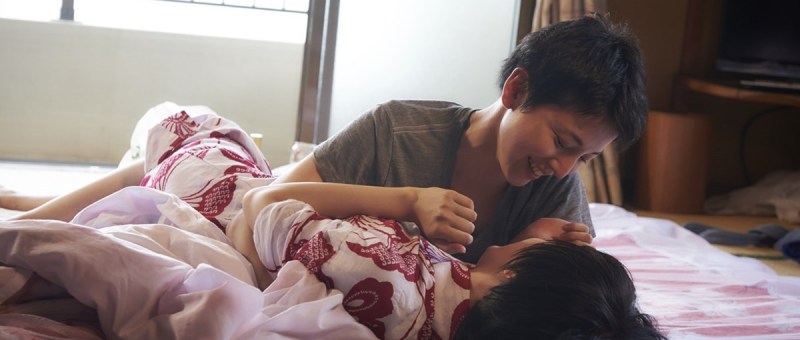
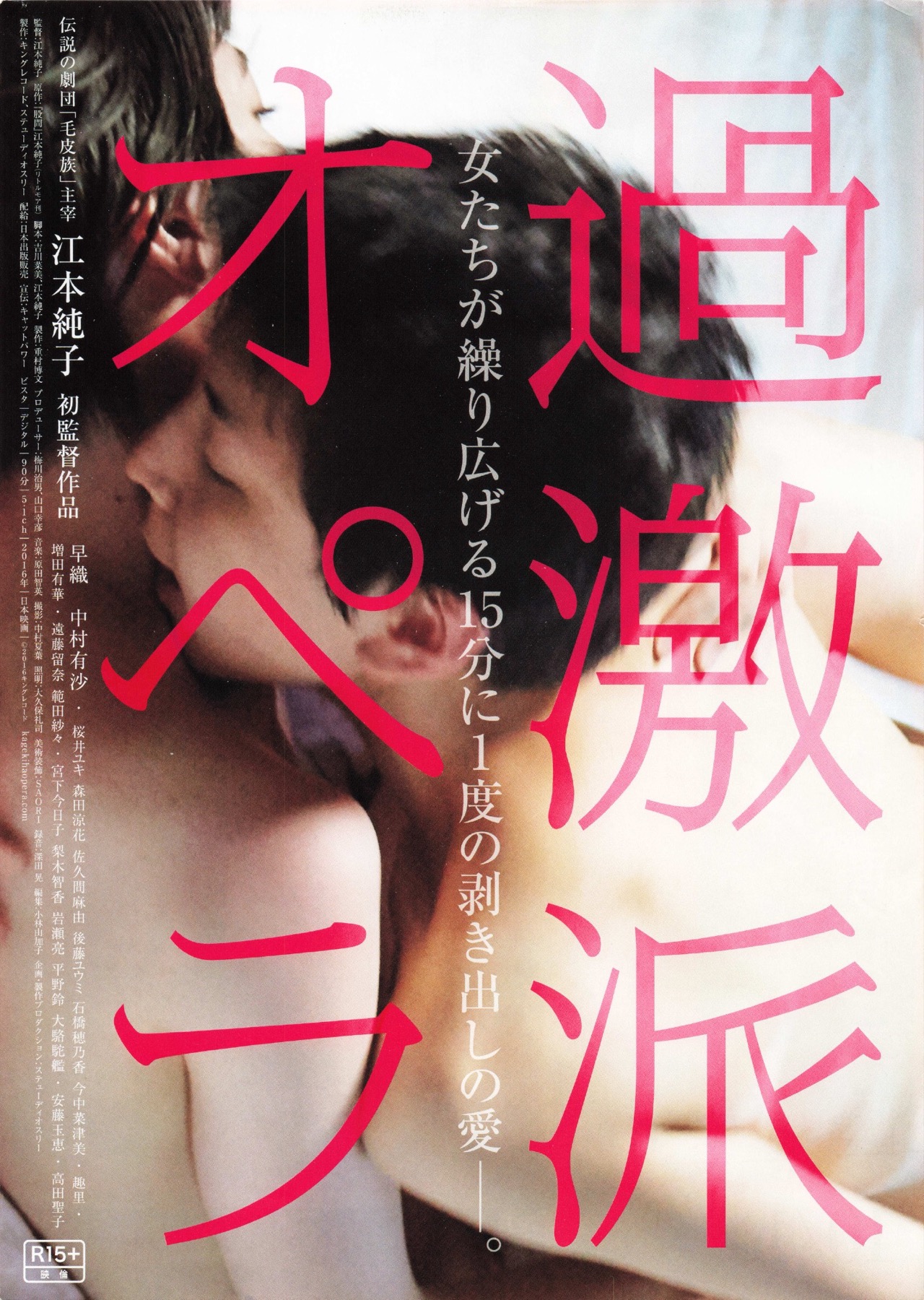
Junko Emoto ironically explores Tokyo’s fringe theatre scene in adapting her semi-biographical novel. Shot with a roving, handheld camera, The Extremists’ Opera (過激派オペラ, Kagekiha Opera) situates itself within an all female, avant-garde experimental theatre company but quickly makes plain that even those with high-minded artistic intentions are not free of the usual human flaws as the borderline abusive, womanising female director finds herself sabotaging everything she’s built through a mix of hubris and wandering desire. 

Blanket Cult are a popular company on the fringe theatre scene with a small following devoted to their art. Former banker Ayako bursts into their office determined on an audition and subsequent career change precisely because she can’t get enough of director/playwright Nao’s experimental plays which, she explains, she believes can stop wars. Nevertheless, it’s not Ayako the team are struck by, but the intense young woman who came in behind her, Haru, who more or less demands to be taken on. Nao is captivated, hiring both women on the spot and vowing to write a new piece with Haru in the lead. Of course, she does this partly for not altogether altruistic reasons. Immediately after the first script meeting she asks Haru to stay behind and then propositions her, directly declaring her love with the justification that she’d rather be upfront rather than waste time during the rehearsal process. Haru tells her that she’s not into women, but Nao doesn’t take no for an answer seemingly oblivious to the fact that what she’s doing is harassment and really she’s no better than any other sleazy male director handing out parts to women she wants to sleep with. 

Nevertheless, her persistence even with its undignified pleading eventually pays off. Haru relents, either because she’s fed up of fending off Nao’s advances or discovering that she is on some level receptive, finding that she does in fact enjoy sex with another woman. She agrees to start dating Nao who declares Haru her muse and the pair move in together but their relationship is threatened by their working environment with its petty jealousies and temptations. Emoto opens the film with a graphic sex scene of two naked women 69-ing, rolling around in the empty environment of the garage the troupe uses to rehearse. The two women are Nao and her previous squeeze, a former leading lady she throws over because of her attraction to Haru whose own desire is perhaps signposted after she walks in on them going for a second round and makes a passive aggressive scene that leads the other woman to warn her that Nao is a heartless womaniser with a habit of bedding her leading ladies, sometimes in the wings. 

Yet it’s not only Nao’s misplaced desire that endangers the troupe but her arrogance and abusive directing style. After their play proves a success, she unwisely gives in to ambition and sells out by allowing a mainstream professional actress, Yurie, to join the troupe, a move which disrupts their dynamic while also inflaming Haru’s jealousy as she begins to wonder if she’s already being replaced. Nao snaps at her team and stops giving them proper direction in favour thinly veiled insults. She repeatedly instructs an actress to lose weight while increasingly allowing Yurie to dominate the rehearsals, accepting all of her ideas even while the other members sceptical. She even goes so far as to abandon her usual thriftiness, purchasing elaborate props such as a large vertical tank which leads her into another possibly inappropriate relationship with an older woman who had been pursuing her. Needless to say, the whole thing blows up in her face, ruining not just her relationship with Haru but that with her theatre company who are now all thoroughly fed up with her mistreatment and have entirely lost respect for her as a person and an artist. 

“If you want to pick a fight with society live in it first,” her benefactor irritatedly tells Nao after she’s thoughtlessly caused offence, reminding her that she lives in a kind of bubble that is the fringe theatre scene. Her only real interaction with someone outside of it is with the estate agent who finds her and Haru a flat and is extremely confused as to why they only need one room if they’ll be living together, concerned that female roommates are a liability because sooner or later one gets a boyfriend and leaves the other in the lurch unable to make the rent alone. Unable to learn her lesson, Nao has furiously energetic sex with an apparently wealthy starstruck fan and then immediately asks for money, perhaps getting a taste of her own medicine when she assures her there’s plenty more where that came from as long as she sees her again and also gives her a part in a play. Playfully ironic with its whimsical score and slightly detached gaze, Emoto’s refreshingly explicit drama is both a mild satire of the avant-garde fringe theatre scene and a takedown of its self-involved director whose inability to separate the creative from the carnal proves her downfall both artistic and emotional. 


Trailer (English subtitles)

Sweet Bean (あん, Naomi Kawase, 2015)

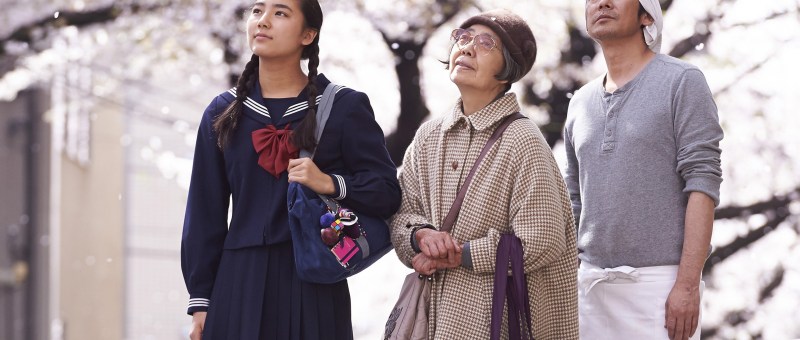
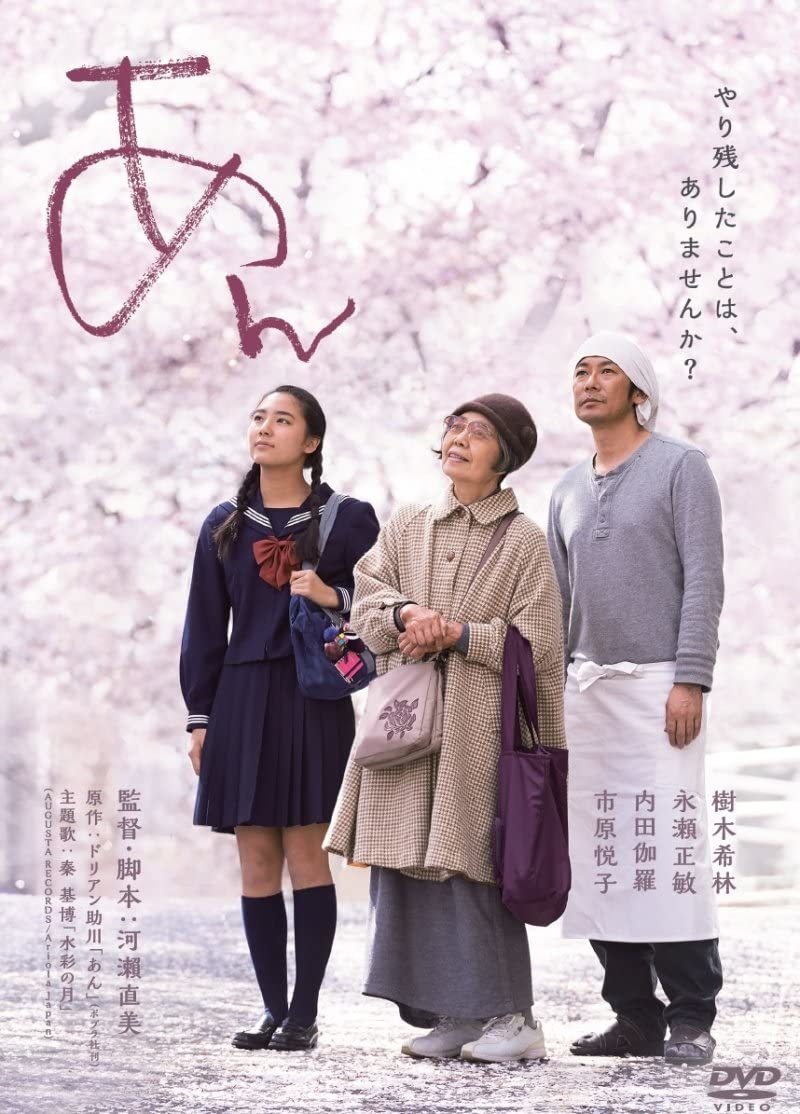
Naomi Kawase has been a festival favourite since becoming the youngest Camera D’Or winner in 1997 with Suzaku, picking up the Grand Prix 10 years later with The Mourning Forest. Her work has however proved divisive with some decidedly unconvinced by her new age aesthetics and wilful obscurity. Set in suburban Tokyo rather than picturesque Nara, Sweet Bean sees Kawase for the first time working on a literary adaptation rather than her own original script, producing her most accessible and narratively straightforward work to date. 

The film opens with one of Kawase’s trademark handheld sequences that sees a dejected, middle-aged man trudge to work at a job he clearly hates and is perhaps not particularly good at. For reasons which will be explained later, Sentaro (Masatoshi Nagase) does not even like dorayaki but is currently the proprietor of a small, unsuccessful store selling them mainly to a group of irritatingly excitable teenage girls. One day, an old woman surprises him by responding to his help wanted sign. Despite clarifying there was no age restriction on the position, Sentaro turns her away with the gift of a free sample only she later returns and takes him to task. The pancakes were not too bad, she tells him, but the filing is intensely disappointing. Unbeknownst to Tokue (Kirin Kiki), Sentaro has been bulk buying the “an” sweet red been paste from a catering company. She’s been making an for over 50 years and has brought along a sample which Sentaro first bins in irritation but then thinks better of it, realising as he tastes some that Tokue is the real deal. 

As Tokue later says, she decided to approach the dorayaki shop after noticing the sadness in Sentaro’s eyes, wanting to ask him what it was that made him suffer. She remembers a time where her eyes were full of just that sadness, feeling a similar sense of hopeless imprisonment, in her case reflecting a fear that she would never again be able to walk through the outside world after being quarantined in facility for those suffering from Hansen’s disease when she was a teenager (the Leprosy Prevention Law was lifted only in 1996). Yet having suffered so much, as we later learn even denied the opportunity to become a mother because of her condition, 76-year-old Tokue is full of joy and positivity enjoying her life to its fullest while envying the “freedom” of the annoying trio of high school girls at the dorayaki store, sadly relating that at their age she dreamed of becoming a Japanese teacher reading poetry with her students, another dream denied. 

The other high school girl, Wakana (Kyara Uchida), who comes into the store just before closing so she can take home the rejected pancakes, is perhaps feeling equally constrained, is touched by Tokue’s tale because her own mother isn’t even keen for her to finish high school proclaiming that studying doesn’t put food on the table. The three of them generate an intergenerational friendship as Tokue begins transmitting her knowledge, painstakingly teaching Sentaro how to make “real” an, which as it turns out is an art which can’t be rushed. Seeing the world on a microlevel she communicates with the beans, “I always listen to the stories the beans tell” she explains, visualising the sun and rain and wind which brought them on the long journey to be a part of this bean paste, even going so far as to thank them for their service. As she tells Sentaro, “We all have our stories” realising it’s not perhaps yet time to hear his or share hers. Yet for all her positivity, “sometimes we are crushed by the ignorance of the world”. Tokue’s bean paste generates a lengthy queue outside the store, but custom dries up after a rumour gets round that the old lady who makes it is a leper. 

Like Tokue Sentaro too had once been isolated from the world, now burdened by guilt and obligation that perhaps make him cynical and aloof but is eventually touched by Tokue’s earnestness, not just her lust for life but the fact that she works hard and possesses great skill. His boss tells him to unceremoniously fire her, but he is struck by the unfairness of it all, that she’s still being discriminated against for nothing more than outdated prejudice. It’s her kindness and generosity of spirit which begins to show him the “sweetness” of life, finally converted to the charms of the dorayaki despite proclaiming himself not possessed of a sweet tooth. 

The protagonists of Kawase’s previous films often found spiritual release in traditional dance which is notably absent in the urbanised Sweet Bean, though the positivity perhaps extended more to finding accommodation with the sadness of life than actively embracing its joys. Tokue had in her own way freed herself and hoped that others could learn to do the same, urging both Sentaro and Wakana to find the confidence to follow their own paths while affirming that “we were born into this world to see and listen to it, I think whatever we become each of us has meaning in our lives”. A recognisably Kawaseian evocation of mono no aware shot against the cherry blossoms, Sweet Bean is uncharacteristically direct in message but even in its essential melodrama quietly moving in its awestruck love for the natural world and for the liberating power of simple human kindness as a path to existential happiness. 


Trailer (English subtitles)

Samurai Hustle Returns (超高速!参勤交代 リターンズ, Katsuhide Motoki, 2016)

At the conclusion of 2014’s Samurai Hustle, it seemed that samurai corruption had been beaten back. Corrupt lord Nobutoki had got his comeuppance and the sympathetic “backwoods samurai” Naito was on his way home having found love along the way. Of course, nothing had really changed when it comes to the samurai order, but Naito was at least carving out a little corner of egalitarianism for himself in his rural domain. 

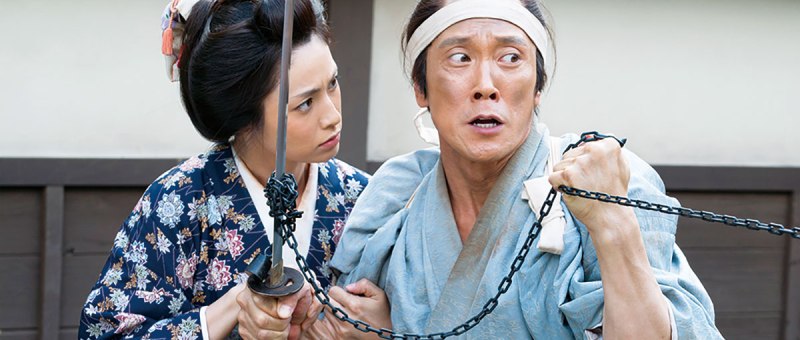
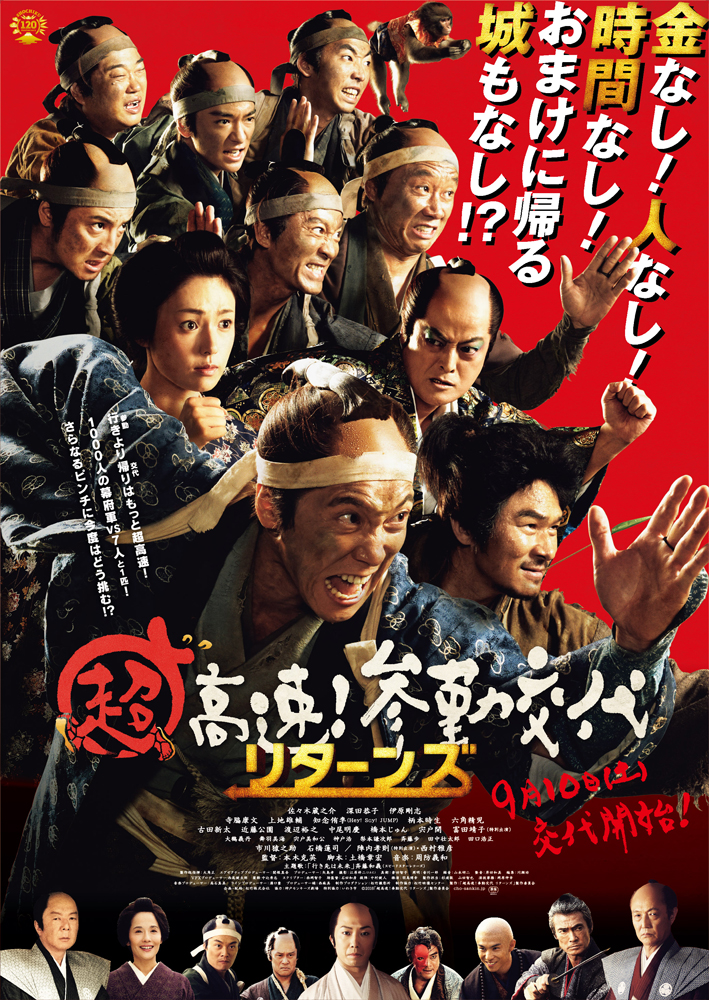
The aptly named Samurai Hustle Returns (超高速!参勤交代 リターンズ, Cho kosoku! Sankin kotai returns) picks up a month later with Naito (Kuranosuke Sasaki) taking a rather leisurely journey home in preparation for his marriage to Osaki (Kyoko Fukada) only to receive news that there has been a “rebellion” in Yunagaya. Predictably, this turns out to have been orchestrated by none other than Nobutoki who has been released early from his house arrest thanks to his close connections with the shogun but has been humiliated at court and is otherwise out for revenge with a slice of treasonous ambition tacked on for good measure. Just as in the first film, but in reverse, Naito and his retainers must try to rush home to get there before the imperial inspector arrives or else risk their clan being disbanded. 

Meanwhile, the shogun is absent at the wheel after having decided to resurrect an old tradition abandoned because of its expense and inconvenience to make a pilgrimage to Nikko. In an interesting parallel, the farmers are uncharacteristically upset with Naito, blaming him for the destruction of their fields because he wasn’t there to protect them. Naito also feels an additional burden of guilt given that, having run flat out all the way to Edo, he took his time coming back leaving his lands vulnerable to attack while he now risks losing the castle. Nobutoki wastes no time at all looking for various schemes to undermine him while secretly plotting to overthrow the shogun and usurp his position for himself. 

As in the first film, the battle is between samurai entitlement and the genial egalitarianism of Naito’s philosophy. “The real lords of Yunagaya are people like you who are one with the soil,” he tells the farmers, while Nobutoki sneers that “lineage rules supreme in this world, inherited wealth breeds more”. It doesn’t take a genius to read Nobutoki’s machinations as a reflection of his insecurity, that he invests so much in his rights of birth because he has no confidence in his individual talents. Naito counters that it’s the people around him that matter most, “people are priceless. Friends are priceless,” but Nobutoki rather sadly replies that people will always betray you in the end. Even the shogun eventually agrees that “anger brings enemies, forbearance brings lasting peace” but treats Nobutoki with a degree of compassion that may only embolden him in his schemes.

“Nepotism has endangered the shogunate,” the shogun ironically sighs apparently lacking in self-awareness even if beginning to see the problems inherent in the samurai society but presumably intending to do little about them. “No government should torment its people,” Naito had insisted on boldly deciding to retake his castle but even if this particular shogun is not all that bad, it’s difficult to deny that his rule is torment if perhaps more for petty lords like Naito than for ordinary people or higher-ranking samurai. Naito struggles to convince Osaki that she is worthy of his world and only finally succeeds in showing her that she has nothing prove and love knows nothing of class. The people of Yunagaya are impoverished but happy, satisfied with the simple charms of pickled daikon unlike the greedy Nobutoki whose internalised sense of inadequacy has turned dark and self-destructive. 

Then again, Naito is still a lord. He obeys the system out of love for his clan and a genuine desire to protect those around him but otherwise has little desire to change it actively even if his quiet acts of transgression in his closeness with the villagers and professions of egalitarianism are in their own way a kind of revolution in a minor rejection of the shogun’s authority to the extent that the time allows. Nevertheless, with his return journey he once again proves the ingenuity of a backwoods samurai getting by on his wits as he and his men race home to save their small haven of freedom from samurai oppression from the embodiment of societal corruption.


Trailer (no subtitles)

Samurai Hustle (超高速!参勤交代, Katsuhide Motoki, 2014)

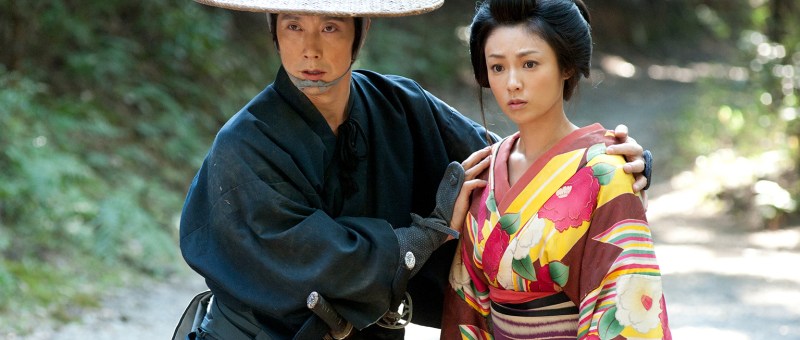
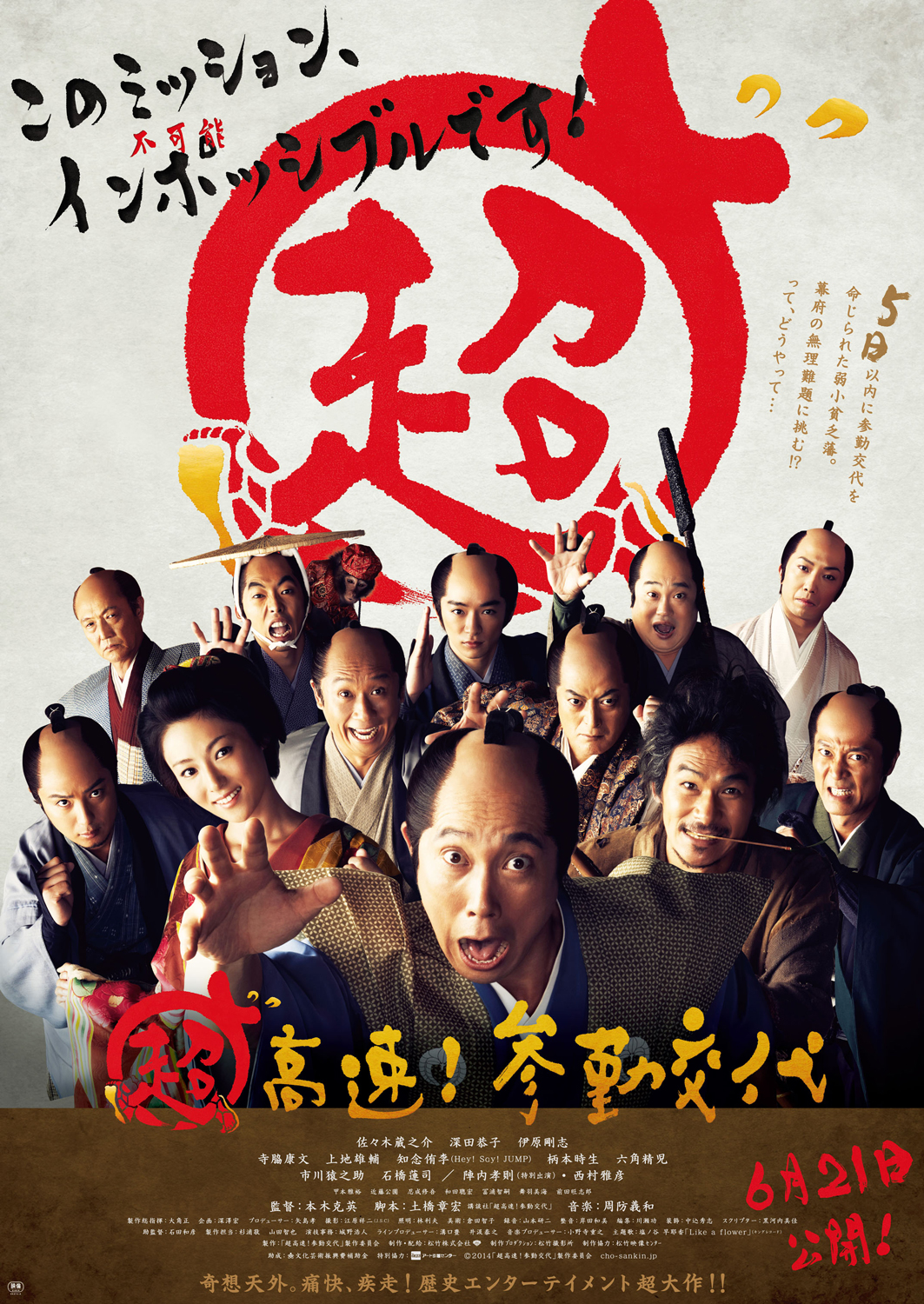
A kindhearted lord finds himself in deep trouble when he’s suddenly called back to Edo despite having just returned from his biennial service in Katsuhide Motoki’s jidaigeki comedy Samurai Hustle (超高速!参勤交代, Chokosoku! Sankin Kotai). Set in 1735, the film is in some senses unusual in pointing the various class biases even with the hierarchal samurai society as the tiny rural clan at the film’s centre are swept into intrigue by the machinations of an ambitious courtier who thinks they lied about their goldmine being extinct and plans to get his hands on it by dobbing them in to the Shogun.

The problem is that they really weren’t lying. The Yunagaya clan is dirt poor, especially after having spent a small fortune travelling to Edo and back. In this era, even distant lords were called to Edo every two years to serve at court. They were expected to parade to the capital in style, showing off their wealth and status as they go which is of course inordinately expensive. The expense was the point. Practices like these along with forcing clans to move domains on a whim were designed to weaken their resources so they’d have no recourse to rebellion even if they were even more annoyed about being forced to travel back and fore for no real reason. 

It took Lord Naito (Kuranosuke Sasaki) and his retinue 10 days to walk home, which is why it’s even more of a shock to get a letter telling them to high-tail it back in five or risk being dissolved by the shogun. Evil retainer Nobutoki (Takanori Jinnai) knows it’s impossible for them to arrive on time which is how he plans to get his hands on the gold. What he didn’t count on, however, is the unexpected scrappiness of a “backwoods samurai” who’s used to having to find ingenious solutions to difficult problems because he doesn’t have the money to solve them. Nobutoki is essentially a snob who looks down on country folk and thinks Naito does not befit the rank of a samurai anyway, sneering at his humble gift for the Shogun of some locally sourced daikon pickles. 

The homeliness of the daikon signals Naito’s down to earth nature as a fairly egalitarian samurai who doesn’t really care about hierarchy and status even if he knows he has to play the game. What he cares about is the safety and happiness of his people, which is one reason he’s going to bust his arse to get back to Edo and clear his name. Aside from his humanitarian principles, also giving away some of their rice stocks to neighbouring clans suffering during a time of famine, Naito is also thought of as an eccentric because of his severe claustrophobia which makes it impossible for him to close the door when using the bathroom, let alone travel in a palanquin, though he’s found an ingenious solution for that one too. 

In an odd kind of paradox, he becomes a defender to proper samurai values in his opposition to Nobutoki who plays fast and dirty, sending out ninja assassins on the road to try to ensure he won’t make it to Edo before the deadline. Meanwhile, he bonds with a feisty sex worker who, like him, is dealing with childhood trauma and is sick of entitled noblemen who look down on the poor despite being a fellow human who as she puts it poops and screws just like everyone else. In a way she frees him from the confines of his hierarchal existence by helping him overcome his claustrophobia, at least while she’s at his side, while he saves her from her oppression by transgressing class boundaries and bringing her into the samurai world if only as a concubine.

Nevertheless, as he warns her, being poor is hard even when you’re a samurai, and ironically his circumstances aren’t much better than hers even if he has a superficial level of comfort and security tempered by his genuine ability to appreciate the simple charms of daikon over fancy Edo cuisine. After all, sometimes samurai become peasants or peasants become samurai and for an impoverished lord like Naito the distinction is fairly thin, though he evidently does his best to protect those around him from both sides of the class divide while remaining unafraid to tell the Shogun exactly what he thinks of him. After all, you’ve got to roll with the times, especially if you’re a backwoods samurai at the mercy of a harsh and arbitrary system but also far enough away from the mechanisms of power to begin to ignore them. 


Trailer (no subtitles)

Three Adventures of Brooke (星溪的三次奇遇, Yuan Qing, 2018)

“The people you meet are only reflections of your own state of mind” according to a sympathetic tarot reader in Yuan Qing’s Three Adventures of Brooke (星溪的三次奇遇, xīng xī de sāncì qíyù). Perhaps that’s why she herself is slightly different each time we meet her, experiencing three sets of parallel encounters as she searches for meaning in a foreign land. Echoing Rohmer’s The Green Ray, Brooke’s three encounters allow her to examine more of herself until she learns to open her heart, no longer suspicious or afraid but ready to see the world’s beauty even in its sadness. 

20-something Brooke (Xu Fangyi) has come to Alor Setar in Malaysia from Beijing. This appears to be a concrete fact, though many other things about her will change, at least in our perception of her. On June 30, her bicycle gets a puncture and she’s stuck, alone, in the middle of a country road without knowing who to ask for help. A series of strangers come to her rescue beginning with Ailing (Ribbon Ooi), a local girl who can speak Mandarin as well as Malaysian and Hokkien, who happens by Brooke looking distressed and takes her home where she shares some handy bicycle repair tips while explaining that her tyres were too pumped up for the head local climate and likely to explode. 

Brooke tells Ailing that she came to Alor Setar to visit her researcher father, but that he preferred to hang out with his colleagues, all geeky middle-aged men, playing mahjong and singing karaoke, so she got bored and decided to go travelling. The central crisis occurs when Brooke ventures into a shop selling crystals and is convinced to buy an extremely expensive one which is apparently something of a unique item. Brooke shows the crystal off to Ailing, but she’s quietly outraged, sure that Brooke has been taken advantage of by the unscrupulous salesman. Ailing takes it upon herself to try and get some of the money back, while Brooke assumes that Ailing has tricked her and made off with her “extremely valuable” piece of rock which the salesman assured her would help her find all the things she desires. In a strange way it does. Making her first enquiry with the tarot reader, she’s told that her own suspicious nature is to blame, the stone isn’t missing only in the wrong place and will be found again. She realises that she was wrong to suspect Ailing who has become a genuine friend, while regaining the stone for a much lower price only makes her question its value. 

It’s value and fear that concern her in second adventure which is taken with three chatty part-time council workers apparently working on a regeneration project designed to “accentuate” historical culture to make it more desirable to the young, though their intentions ma perhaps destroy the peculiar tranquillity of Alor Setar, turning it into just another anonymous town of glass and steel. This time around, Brooke tells them that she’s an anthropologist interested in the relationship between people and cities, but spends the day desperately trying to get away from the three guys who are both boring and perhaps mildly threatening in their determination to railroad her into doing as they please. 

The second encounter proving hugely satisfactory, on the third iteration of June 30, Brooke finds herself desperately pushing her bike towards somewhere that might be able to help her, eventually arriving at a garage where she meets melancholy blocked writer, Pierre (Pascal Greggory). This Brooke is a wounded widow, though unlike her previous two incarnations she already knows the secret of “Alor Setar” and has come because of it. Asked what “Alor Setar” meant, Ailing could only reply that it was just a place name and otherwise unimportant, while the guys had made a point of having a plaque made in English explaining that it means “starry brook” which happens to be the same as Brooke’s Chinese name. She’s come hoping to see this titular waterway, but is repeatedly told that it doesn’t exist before being guided towards it by a rather snarky “god”, only to be disappointed on its discovery. Pierre, meanwhile, is on a search for Blue Tears, on which she decides to accompany him, unburdening herself on her recent trauma to quiet, ironically fatherly older man on his own quest for meaning. “It’s a sad and beautiful world” he murmurs, accidentally or otherwise quoting Jarmusch’s Down By Law. The Blue Tears burn out bright, lighting the way as they go. Age has taught Pierre that it’s enough to live peacefully surrounded by the people you love, while Brooke is learning something similar in opening her heart to small moments of beauty and the fleeting joy of serendipitous meetings.


Trailer (English subtitles)

Red Flowers and Green Leaves (红花绿叶, Liu Miaomiao & Hu Weijie, 2018)

“They do things their way. We do ours our way” according to the rapidly maturing young husband at the centre of Liu Miaomiao & Hu Weijie’s touching marital romance, Red Flowers and Green Leaves (红花绿叶, hónghuā lǜyè). Shining a light on the under-explored culture of the Hui Muslim minority in China’s northwest, Liu and Hu’s heartfelt drama has some questions to ask about the potentially destructive effects of traditional culture, but ultimately allows its young couple to discover their own kind of happiness as they learn to understand each other while embracing their own senses of natural goodness.

The hero, Gubo, was diagnosed with a mysterious illness, apparently similar to epilepsy, some time in childhood, and has been written off by those around him ever since. Because of a deep sense of shame and inadequacy stemming from his condition which threatens but does not often interfere with the quality of his everyday life, he has long convinced himself that he will never marry or be very much of anything at all because he has “nothing to offer”. His well-meaning mother keeps trying to marry him off, but Gubo is convinced she does it to assuage her feelings of guilt in blaming herself for his illness (he does not blame her, but does harbour resentment towards the village’s irritating doctor, Li Feng). In a surprise development, Gubo’s aunt appears to have found the ideal match in an improbably beautiful young woman, Asheeyen, but his mother remains uncertain that Gubo can be talked into it. A conversation between the two older women makes plain that the reason the beautiful Asheeyen has not yet married has something to do with an incident in her past which has made her unsuitable in the eyes of some for marriage. Though the older generation are aware, they decide that it’s better the youngsters do not know of the other’s “issues” and that they rush the marriage through as soon as possible to prevent it potentially breaking down. 

Despite himself, Gubo is smitten and allows himself to be swept into marriage but their early relationship is indeed as awkward as one might expect. Gubo, a kind and sensitive person, is keen to stress that he means to put no pressure on the nervous Asheeyen who spends most of their wedding night crying, but the distance between the pair even as Asheeyen blends seamlessly into the household, arouses the suspicions of the nosy aunt whose gentle prodding (secretly removing the second duvet to force them to share) begins to have the desired effect. But the central problem remains that each remains ignorant of the other’s “secret” and worried what will happen when it is eventually revealed. For Gubo that occurs when he’s turned down for social support after being unfairly usurped by Doctor Li who swipes it for his own disabled wife by wielding his social status against the mild-mannered Gubo who’d rather not have to deal with him anyway. 

Doctor Li does indeed seem to do more harm than good, even if Gubo’s father later dismisses everything he says as “bullshit” not to be taken seriously. Li feels Gubo blames him for his condition because of some treatment he gave him as a child, while Gubo appears to resent him for constantly harping on about the limitations of his illness which seem to be far exaggerated. Doctor Li doesn’t quite think people like Gubo should marry at all, let alone have children. Even Gubo’s haughty brother Shuerbu, preparing to enter the military academy, writes him off a useless idiot while intensely jealous of his beautiful wife. When the couple eventually conceive a child, Doctor Li goes so far as to suggest that it shouldn’t be born because Gubo’s condition may be hereditary and he finds it distasteful for him to have a child, while Shuerbu thinks it’s unfair because Gubo will not be able to look after it and the burden will fall disproportionately on Asheeyen. 

Asheeyen, by contrast, is mildly ambivalent to her circumstances in view of the mysterious past but is also struck by Gubo’s goodness. Her sister-in-law, while openly criticising her brother as a husband, agrees that Gubo is a “decent” man, the criteria being a mix of the ability to provide material comfort with a genuine intention to care. Realising that they both have secrets the other was not aware of reawakens Gubo’s sense of inferiority, reminding him that they’ve been paired off together because they were each viewed as somehow “damaged”. Discovering Asheeyen’s past sends him into a petulant, depressive funk that threatens to ruin everything in a mistaken bout of destructive male pride, but eventually love wins out. Asheeyen and Gubo may have been railroaded into a traditionally arranged marriage not quite against their wills, but that doesn’t mean that they have to go on doing everything traditionally, taking their elders’ advice at face value and always falling victim to the unpleasant Doctor Li who reacts to Gubo’s grudging agreement to buy his scooter even though Doctor Li is always telling him he’s too disabled to ride one because Asheeyen could use it with a surprised “I suppose we even have women driving trains these days”. Coming together, the couple are resolved to do things in their own way and make their decisions together, no matter what the future might bring.


Trailer (English subtitles)

Homestay (ฮมสเตย์, Parkpoom Wongpoom, 2018)

“You got a prize!” the hero of Parkpoom Wongpoom’s spiritually-tinged existential drama Homestay (ฮมสเตย์) is told, though he won’t really realise the kind of gift he’s been given or that in reality he had it all along until the end of the picture. Based on a Japanese novel, the film is part mystery, part psychodrama as the hero is charged with finding out who caused the young man whose body he’s taken over to take his own life and why. If he manages to figure out the answer within the 100-day time limit, he can extend this “homestay” indefinitely and win the chance at a new life. If he fails, he’ll die and won’t even be reborn.

Taken another way, this Min (Teeradon Supapunpinyo) trying to understand why he did what he did having apparently lost his memories after his traumatic experience of being clinically dead for an entire day. In any case, he’s helped and hindered by a collection of “guardians” who appear to taunt him and issue reminders about his time running out. Though no one suspects Min is not Min, they all remark that seems like a different person from his new ability to eat durian fruit to his outward cheerfulness. As for why he hasn’t been attending school and even missed a set of important exams, they’ve been told he had “the flu” and seem to believe it. But even as this fresh soul seems to ease into Min’s life and originally finds it not bad enough to want to die to escape, he soon begins to discover fracture points in Min’s reality.

The biggest of those would be friction with unsympathetic brother Menn (Natthasit Kotimanuswanich) along with animosity towards his father who apparently gave up a steady job as a teacher to join a multi-level marketing scam peddling vitamins. The other Min was apparently embarrassed by him, as is new Min when he turns up at school and tries to recruit his classmates while giving him a bag of samples for one of the teacher’s which turns out to be a trick to get him to see a child psychologist. Old Min also resented him for the way he treated his mother who works at a factory in another city while he reduces the family to financial ruin even going so far as to sell her wedding ring. 

But as much as he wants to know about Old Min, New Min is also determined to start again. He gets a fancy haircut and starts dressing in a snappier fashion in part in hope of getting together with Pi (Cherprang Areekul), his crush before and after, while less than kind to old friend Li (Saruda Kiatwarawut) who also seems to have a crush on him. The more he finds out about how Old Min lived, the more his world darkens. He begins to understand why he might have wanted to end his own life and feels as if it’s everyone else’s fault or the essential corruption of the world. But what he gradually comes to understand is that it was a choice he made himself. Having turned too far inward, old Min lost the ability to see that others around him were also suffering. He couldn’t see how unhappy his mother was in her marriage, nor his father’s humiliation, or how hard and lonely it must also have been for his brother who dreamed of studying abroad solely to escape. “Stop thinking that no one loves you,” Menn eventually tells him in admonishment of his tendency to take it all on himself.

To that extent, life itself is the prize and that was something Min already had though his vision had been clouded by his intense pain and sense of futility. Guided by his post-death experiences, Min awakens to the suffering all around him and in an odd way feels both less alone and a greater responsibility not to cure it but simply to be present and more compassionate towards others. Parkpoom Wongpoom reflects his dilemma in the ever present tonal incongruity. New Min’s school life is shot like a typical rom-com complete with jaunty score only for him to suddenly find himself confronted by one of his Guardians and reminded his time is running out, as it is for us all. Strangely uplifting even in its touches of existential horror, the film has a genuine empathy for its embattled hero in his moments of selfishness and self-obsession as he begins to find his way back towards a less bleak existence through discovering the power of mutual compassion and forgiveness.


International trailer (English subtitles)

Chigasaki Story (3泊4日、5時の鐘, Takuya Misawa, 2014)

Desire and desperation bubble to the surface at a small hotel making preparations for a wedding in Takuya Misawa’s Chigasaki Story (3泊4日、5時の鐘, 3-paku 4-ka, 5-ji no kane). Though the English-language title may recall Ozu who wrote several of his most highly regarded films while staying at the inn, Misawa pays him only cheerful homage with a series of pillow shots apparently added only as an afterthought while his true inspiration seems to lie in the breezy Rohmerism that has come to dominate a certain strain of Japanese indie cinema over the last decade or so. 

Accordingly the tale is set in the small seaside town of Chigasaki and most particularly at the 115-year-old Chigasaki Inn to which former airline ground crew Risa has recently returned following her marriage to a filmmaker named George whom she met in the course of her work. The couple have already held the ceremony and enjoyed a honeymoon in Hawaii but are now holding a celebratory party for their friends and family in Japan. Meanwhile the inn is also host to a contingent of university students from the same department in which local boy and part-time worker Tomoharu is studying archeology. 

Somewhat meek and mild-mannered, Tomoharu takes his job incredibly seriously and is generally found running around on errands for guests or else cleaning up but his presence becomes a disruptive factor caught between the two groups of visitors instantly captivated as he is on the arrival of Karin, a young and pretty former co-worker of Risa’s who has arrived with the comparatively uptight Miki who has missed nothing in this exchange and is already frustrated by her friend’s wanton behaviour. Miki undeniably has a point when she criticises Karin for putting Tomoharu in an awkward position by inappropriately flirting with him at his job especially as he seems shy and easily embarrassed, but in turn is perhaps also jealous on a personal level intensely irritated when she blows off a plan to visit an aquarium to hang out on the beach with Tomoharu at stupid o’clock in the morning. 

The row only highlights the differences between the mismatched friends though the tables are turned when Miki realises that the students are from her old university and in fact led by her former professor with whom she begins to grow close much to Karin’s consternation. Reverting to her student persona, “workaholic” Miki becomes carefree and uninhibited at once doling out pieces of sisterly advice to the younger women and imposing her company on the students by joining in on their field trip. Her behaviour may in a sense reflect her dissatisfaction with her life as she contends with overbearing bosses having taken over Risa’s role while complaining about Karin’s fecklessness at work and otherwise seemingly jealous of their ill-defined friendship. Risa meanwhile may also be harbouring a degree of doubt in her decision to quit her job, get married, and return to run the family inn especially as her new husband is off working until the day of the party and like everyone else there isn’t really anyone with whom she can share those feelings honestly leading to an unwise if possibility long-term act of rebellion against a potentially stultifying existence that places her at further odds with the already on edge Miki. 

Caught between the women Tomoharu also has a more age-appropriate suitor in an earnest young woman from his class, Ayako, who likes him because of his tendency to care for others while getting on quietly with his work. Attempts to communicate culminate in a lengthy game of ping pong as the angry little balls of truth are batted back and fore across the table until a third player enters the scene and disrupts the flow. Tomoharu had said that his work of piecing ancient bowls back together was different from a jigsaw puzzle because you don’t know what shape it’s supposed to be until it’s finished, which might in a way explain these intersecting relationships as they run through and across each other but ultimately ending up in the place that they’re supposed to be culminating in a wedding party which is either the calm after the storm, an intense act of hypocrisy, or something between the two. 


Trailer (no subtitles)
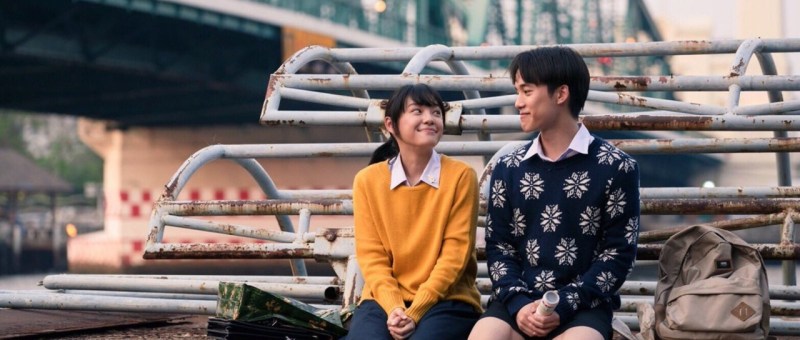
Dryads in a Snow Valley (風の波紋, Shigeru Kobayashi, 2015)

“You can’t live here alone” a older woman admits having long left the village and returning only to visit her parents’ graves to be shocked by its ongoing decline. Shigeru Kobayashi’s mostly observational documentary loosely follows the life of a middle-aged man who left Tokyo for a life in the mountains only to be frustrated by the March 2011 earthquake. Undeterred, he ignores the advice of a local builder that his 117-year-old home is damaged beyond repair and forges on together with the support of the surrounding villagers to rebuild and restore.

It could in a way be a metaphor for the nation’s determination to do the same in the way of the 2011 earthquake and tsunami, but it’s also for Kogure a personal mission to fulfil his dreams of country living. Indeed, he gleefully tends to his rice paddies which he says he’s kept chemical free rather than allow them to be polluted by the modern society. Then again, perhaps this is easy for Kogure to say given that he describes his farming to a fellow farmer as a “hobby” and it’s otherwise clear that he’s not using it as a means to support himself. For these reasons he takes pleasure in the simple though arduous acts of planting and harvesting, pushing a wooden plow through the field and revealing that he discovered the traces of those before him in the remnants of an old irrigation tunnel now buried by mud. For him, this sense of continuity seems to be central as if he’s preserving something of an older Japan and a simpler, more fulfilling way of life. 

Kogure had said he wanted to save the house because it was like the pillars cried out to him. A local dye artist says something similar in that he almost feels the wood he harvests is alive though if it were he wouldn’t be able to cut it. There is a sense of the forest as an almost sentient entity with which the villagers live in harmony, but also a less wholesome vision of nature red in tooth and claw as Kogure offers up one of his goats to have its buds removed with hot iron by a local goat expert. The poor thing cries in pain but is ignored, the expert simply stating that it’s only natural and what is always done though it seems if it really is necessary there must be a less cruel way to do it. Kobayashi later wisely cuts away as we realise a goat is about to be slaughtered, cutting straight to the “meat carnival” it provides for the villagers. 

Most of those interviewed are themselves transplants like Kogure who moved to the mountains 20 or 25 years previously usually from the cities and have largely adapted to a simpler way of life, though it’s also true that there are few young people besides a young woman and her daughter who cheerfully exclaims that rice is her favourite food. The woman is grateful for the unconditional support and acceptance she’s received from the villagers whom she says smile in the face of hardship, keen to help each other and make sure that no one is excluded. Yet this way of life is often hard and it’s true enough that no one can survive here alone amid the heavy winter snows. One old man decides that it isn’t worth trying to repair his home after the earthquake and it’s better to demolish it instead while his wife reflects on her life explaining that she was more or less forced to marry him by her family who lured her back from Tokyo on a ruse that her mother was seriously ill. 

Nevertheless, Kobayashi demonstrates the closeness of the remaining villagers as they bond together through shared feasts, laserdisc karaoke, and a general sense of community. “Breaks are a big part of shovelling snow” one man jokes, focussing not so much on the unending labour as the pleasure taken in rest and friendship. Another later suggests the snow will become “a memory of a trial I survived” echoing the harshness of this village life in winter, even as the camera cuts to a glorious spring filled with bright sunshine and verdant green. Kogure continues to plant his rice while a goat runs about in the field behind him in a timeless vision of pastoral life despite itself persisting. 


Trailer (no subtitles)