
Manok (이반리 장만옥, Lee Yu-jin, 2025)

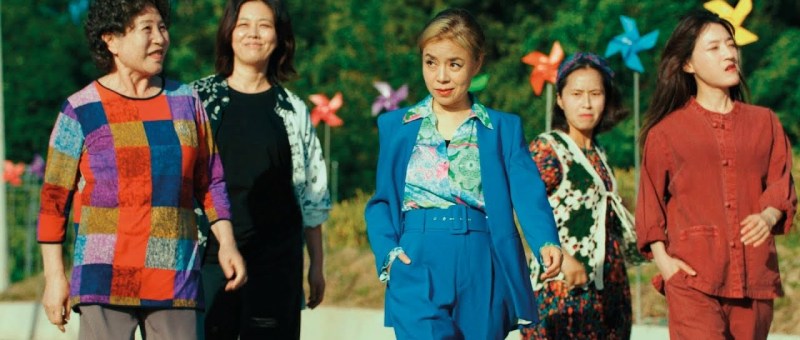
When Manok returns to her rural hometown in the wake of her mother’s death, the irony is that some accuse her of running away from the humiliation of the implosion of her life in Seoul, but in other ways she has unfinished business in Iban-ri and this time she isn’t going to let them drive her away. Lee Yu-jin’s warmhearted dramedy is at heart about a love of community, or rather communities that might not at first seem compatible or even mutually exclusive but are then integrated by the sheer force of Manok’s determination.

Now in her 50s, Manok (Yang Mal-bok) had owned a popular lesbian bar in Seoul and was at the forefront of queer activism in the city hosting the annual after party for the Pride parade for the last 20 years. But times have changed and the young queer community has begun to find new places to root itself while Manok struggles to adjust to the generational shift taking place. Finding out on the same day that her mother has died and her brothers don’t really want her at the funeral, she’s losing the parade after party and without it her bar will probably go out of business, and her long-term partner Geum-ja (Kim Jung-young) knew all along but didn’t say anything out of fear of her reaction, sends her into frenetic spiral in which she abruptly leaves town and decamps to the house her mother inexplicably left her back in Iban-ri.

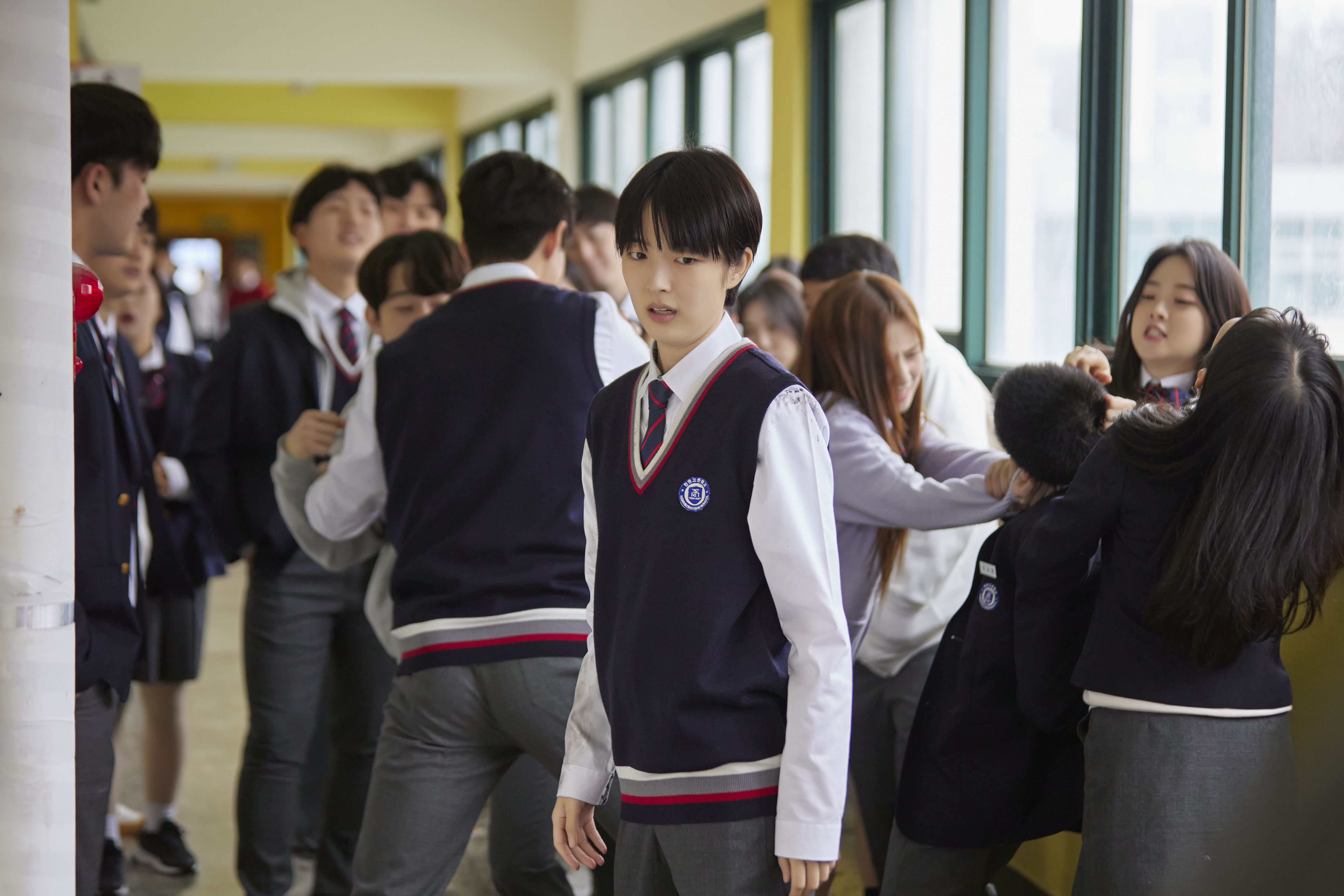
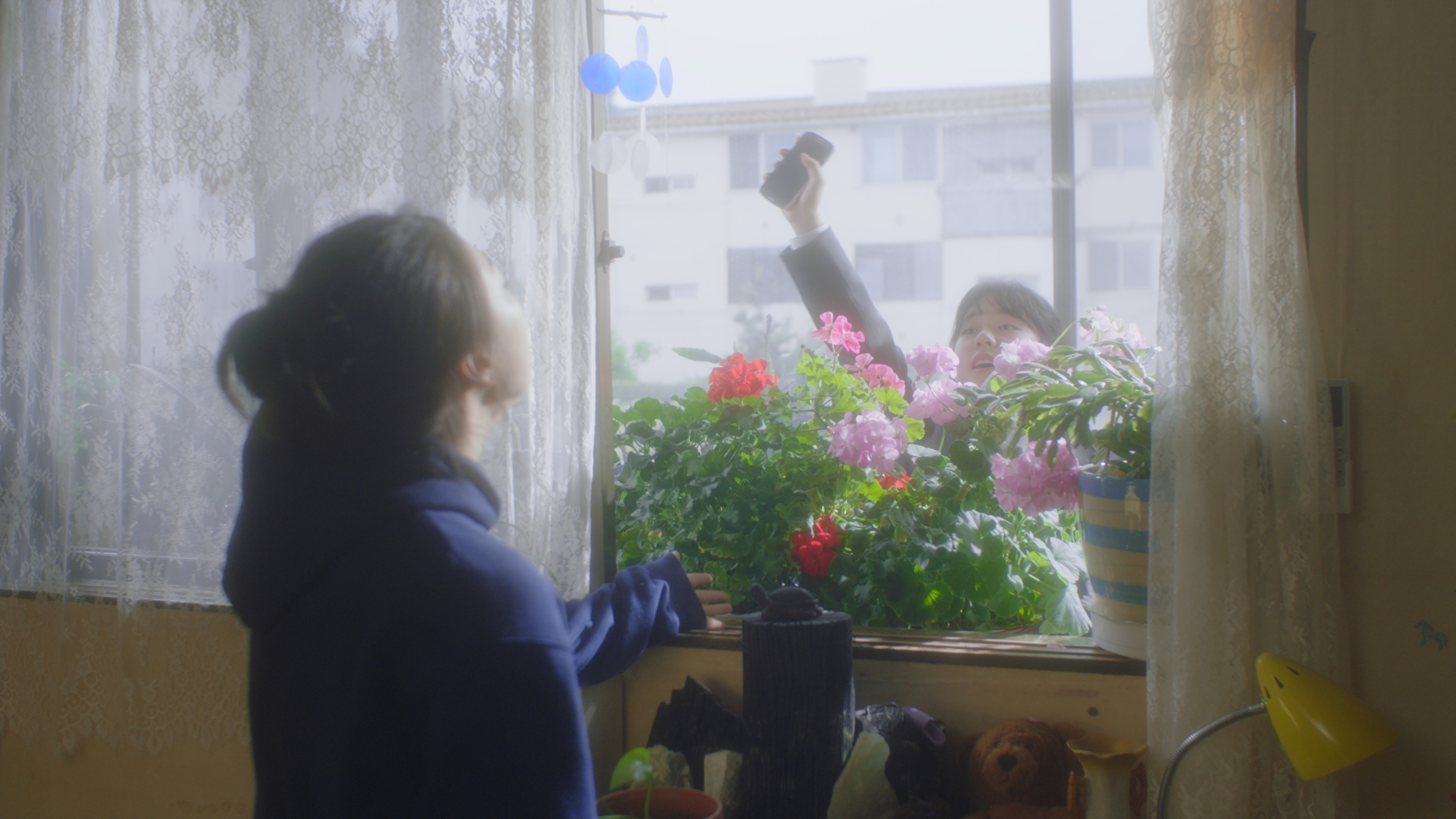
Manok had left town to live a more authentic life having tried to accommodate herself to conventionality through marriage but finding it unbearable. She is not exactly welcomed back with open arms as her brothers repeatedly blame her for being a “nasty lesbian,” and using it as a justification for increasing their share of the inheritance to cut her out. Her ex-husband, meanwhile, has become the city chief and rules the local area with an iron hand while misusing his position to exploit the local community. Manok ends up coming to the rescue of his child, Jae-yeon, whose transgender identity he repeatedly rejects while Jae-yeon faces discrimination and harassment from his schoolmates.

Jae-yeon is in many ways the reason that Manok can’t simply leave again and try to reconstruct her life in Seoul because nothing’s really changed in Iban-ri and Jae-yeon is facing all the same problems she once did but without the well-earned armour the middle-aged Manok has managed to forge for herself that allows her to stare down injustice with a steely gaze. Then again, back in Seoul, younger members of the community had accused her of being self-aggrandising, that she was overfond of justifying her actions as being for their benefit when really she simply enjoyed the status of being a community leader. In Iban-ri, however, she gains some time to reflect and truly becomes a part of this community that she again wants to save, this time by challenging her ex to win the position of city chief herself and enact change through kindness and solidarity. While the young leave for the cities, many left behind are elderly and are in their way just as exiled as Manok with the city chief failing in his obligations to look after them.

Later Manok says that her ambition is to make Iban-ri a place where no one is lonely or feels the kind of isolation she once felt through being rejected by those around her because of her sexuality. As her ex pathetically tries to cling on to his patriarchal authority, Manok decides to do things the Iban-ri way by winning hearts and minds and eventually showing them that there’s nothing to fear as she too reoccupies her mother’s house with her partner in tow finally claiming her claiming her space in this place that had no place for her. As Geum-ja had said, Manok really does love her community and sets about making Iban-ri a happier and healthier town where people care for and about each other and no one is left behind. A warm and quirky exploration of small-town life and the power of authenticity the film’s infectious spirit is difficult to deny as the joy it finds in the queer identity even amid so much fear and hostility brokered by one woman’s determination not to back down because there are kids who need protecting in Iban-ri and they all they deserve a Manok in their lives.


Manok screened as part of this year’s BFI Flare.

Trailer (English subtitles)
Summer’s Camera (여름의 카메라, Divine Sung, 2025)

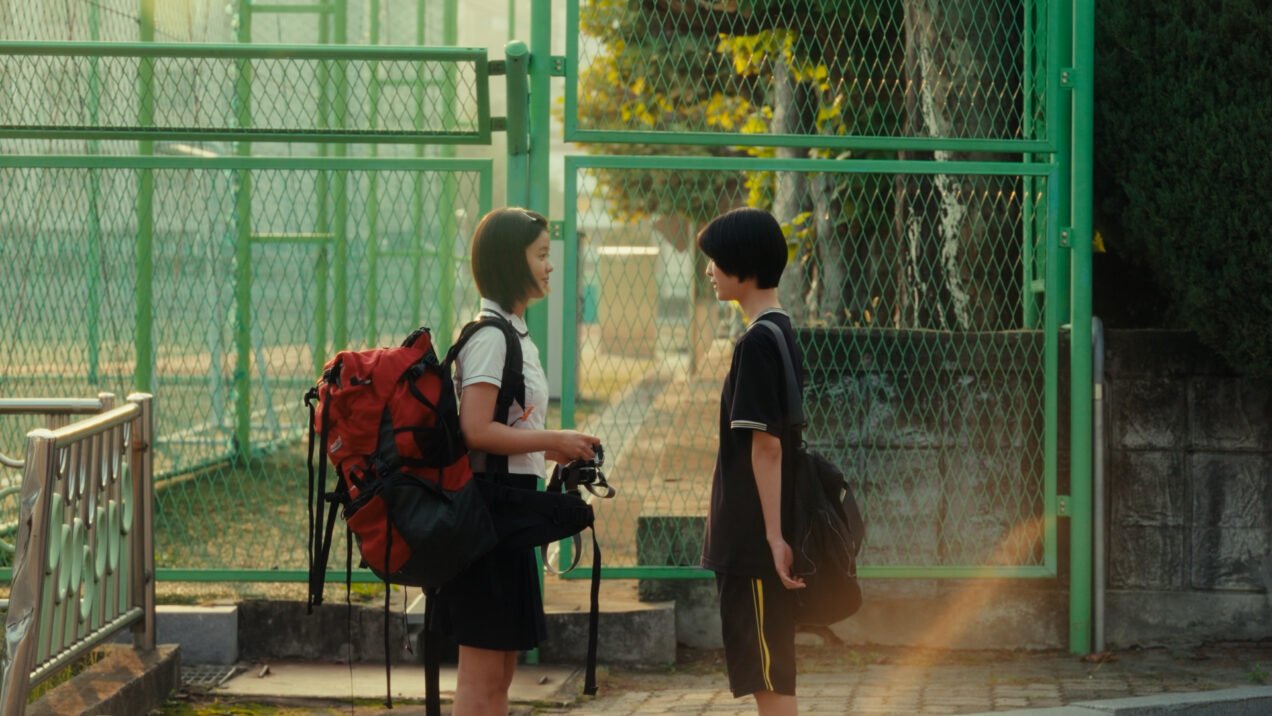
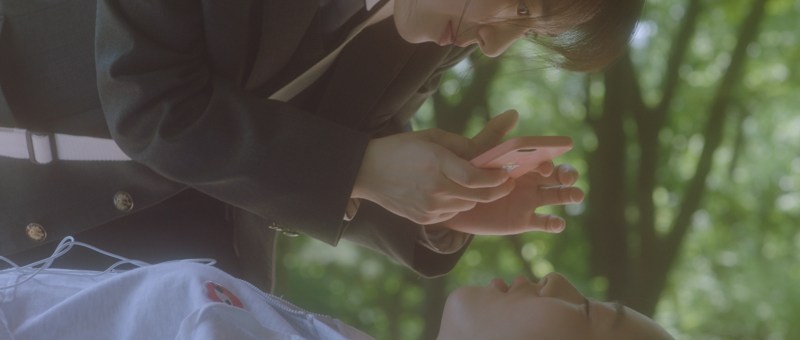
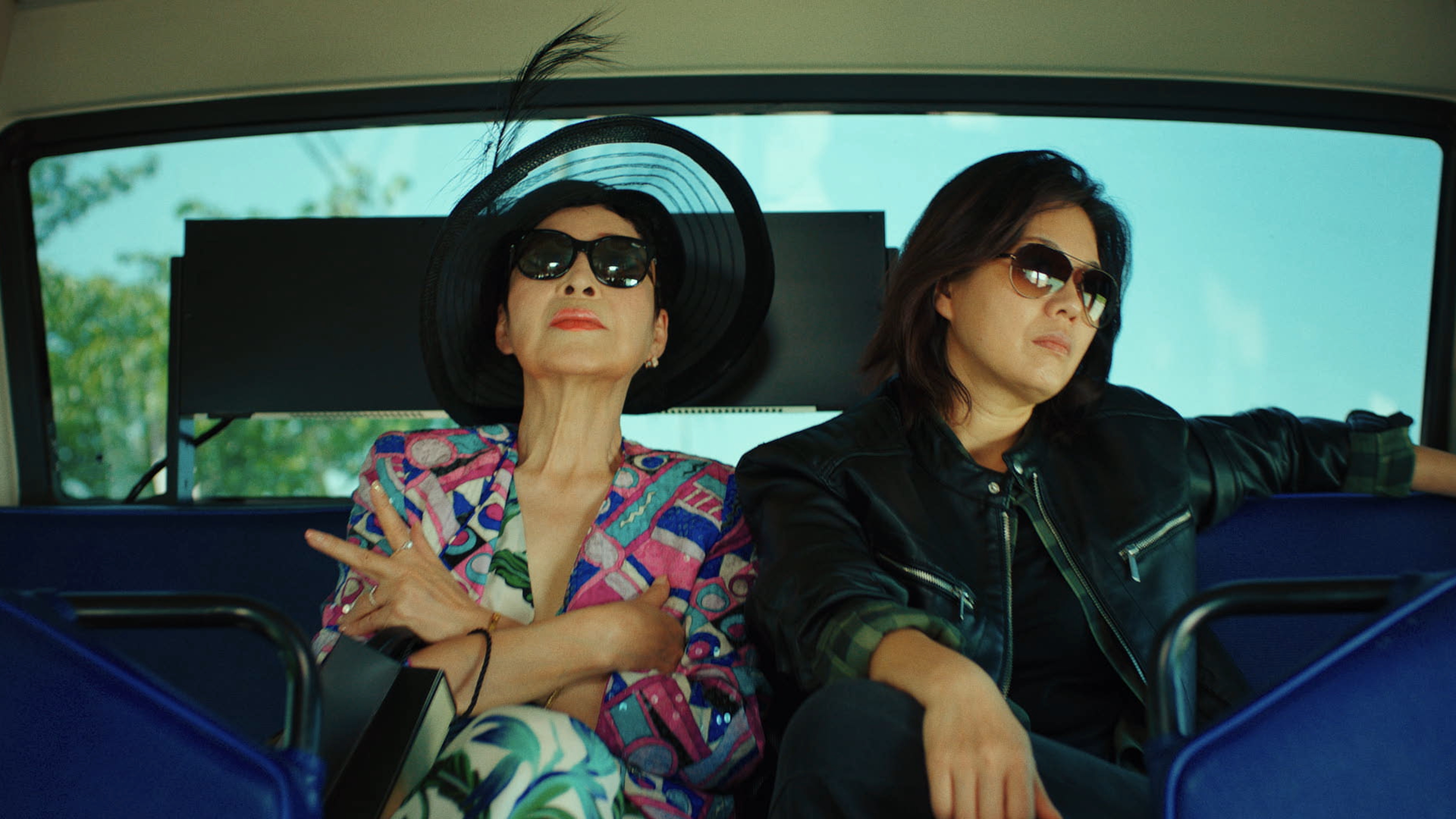
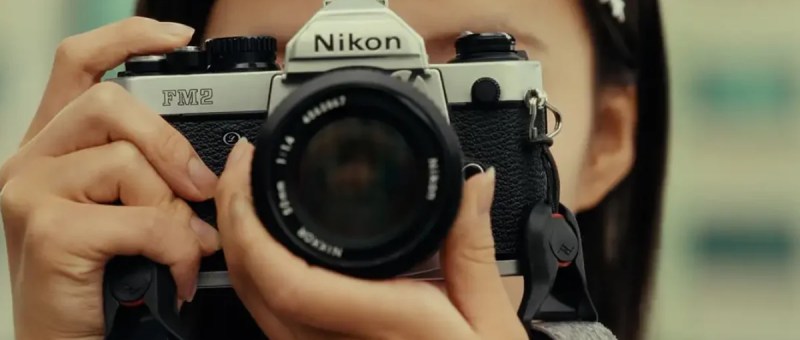
Summer can’t bring herself to press the shutter button on the last four exposures left on the unfinished roll of film her father left behind. Her unwillingness to do so and seeming abandonment of their shared passion for photography hints at her difficulty to come to terms with his passing along with her own sense of adolescent confusion. But just as her father had told her she would, she learned to hear the shutter for herself and took three of her four remaining photos without thinking, all of Yeonwoo, the star of the school’s football team by whom she is unexpectedly captivated.

Well, perhaps not all that unexpectedly. Summer appears to already be aware of her queerness even if she hasn’t explored it yet and quickly finds that her interest is returned by Yeonwoo who immediately responds to her roundabout confession of love by asking her out. Which is all to say, this world is quite different from that Summer’s father Jihoon inhabited in his youth even if it’s rosier than the still conservative reality of contemporary South Korea. Summer’s direct announcement to her best friend that she likes girls is met with a simple “I know,” having noticed that she never took photos of guys and only a little hurt that she never said anything before and hasn’t let her in on her recent dating news.

But what Summer discovers after taking one very deliberate photo of Yeonwoo and having the film developed is that her father also took pictures of someone he liked and that someone was a boy, Maru. Of course, this revelation is quite destabilising for her. She can’t get her head around her father’s relationship with herself and her mother if he was gay though as her friend points out, he may have been bisexual which actually didn’t occur to her. In a quest for answers, Summer approaches the now middle-aged Maru and eventually like her friends did of her simply accepts this unknown fact about Jihoon while finding in Maru someone who’s gone through the same things she’s experiencing and with whom she can discuss the things she can’t yet talk about with her mother or friends. 

In her recollections, we never see the face of the adult Jihoon. He always appears with her back to her or just out of frame reflecting the ways in which she no longer feels as if she knew her father and has lost sight of her relationship with him in the wake of her loss. Though told it was a traffic accident, Summer wonders if in reality he might have taken his own life and chosen to leave her behind. Through re-embracing photography, she begins to rediscover him and come into herself gaining not only the confidence to be who she is but to believe that loss is something she can bear while like Yeonwoo’s running hobby which apparently can alter the flow of time, photography is also a means of trapping a memory which means that nothing’s ever really gone.

With the universal love and acceptance that seems to surround Summer, the film implies that the world has moved on and if her father chose conventionality over love that’s a choice that she may not need to make. Even so, in Maru she finds a strong queer role model who even in his own sadness and grief in his lost love for Jihoon is able to help her move forward in showing her a different side of her father which she had never known. He helps her navigate young love and offers a safe space for her to be herself until she’s ready to confront the unresolved past and make peace with it. Though perhaps tinged with melancholy and longing, Summer’s world is otherwise bright and sunny. Filled both with the giddiness of first love and the deep sadness of a catastrophic loss, it is nevertheless warm and beautiful as Summer sees it through the camera lens. With the shutter button as her guiding light, Summer learns to see in new ways peering both back into the past and ahead into her future now less fearful and more certain of herself having reclaimed both something of the father she lost and the one she never knew.


Summer’s Camera screened as part of this year’s BFI Flare.

Trailer (English subtitles)
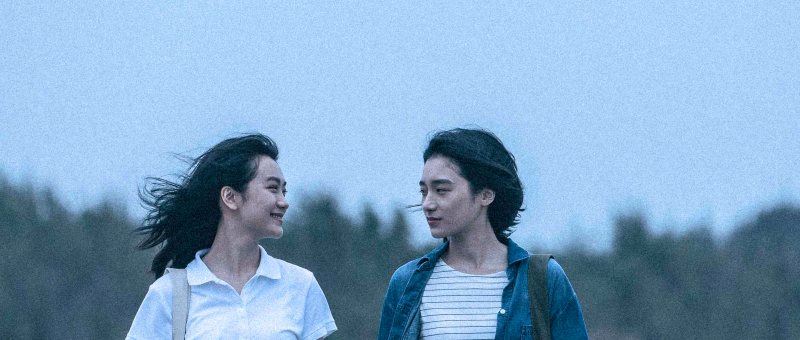
Who’ll Stop the Rain (青春並不溫柔, Su I-Hsuan, 2023)

What does “freedom” actually mean? Su I-Hsuan’s post-martial law drama Who’ll Stop the Rain? (青春並不溫柔) sees a younger generation struggle to shake off the authoritarian yoke meanwhile it seems clear that freedom has its limits and has not been granted equally to or by all. Set in 1994 it takes place against the longest student strike in the nation’s history and ultimately pits the forces of protest and complicity against each other in the constant struggle for individual freedom. 

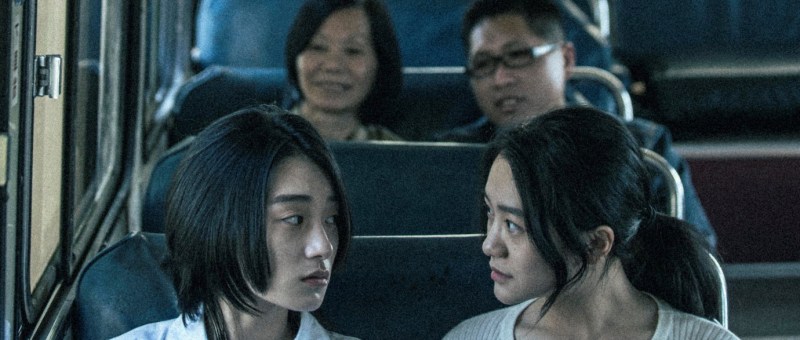
Free-spirited Chi-wei (Lily Lee) might be something of an outlier in this age, later expressing confusion to the comparatively repressed Ching that she doesn’t understand why they’re fighting for freedom when freedom was something they had always possessed. Yet at the university she finds herself constrained in what is supposed to be an artist’s school, denied creative freedom by stuffy professors who mark their students not by the quality of their work but their obedience and willingness to accept the lessons the professors see fit to give them. Chi-wei’s professor gives her telling off because he says her hair’s too messy, then humiliates her in front of the class by throwing her work on the floor and telling her to start again. Chi-wei, however, remains defiant and continues to work her own way regardless of what the teachers may say. 

It’s after a chance encounter with Ching (Yeh Hsiao-Fei) that she’s drawn into the student movement which opposes the authoritarian rule of the professors and demands greater creative freedoms for the students and society at large as this generation who came of age after martial law considers the kind of future they envision for themselves. But like any student movement, there are innate tensions within the group with some suggesting that its leader, Kuang (Roy Chang), is merely trying to relive the White Lily movement and is in fact less committed to the cause than he seems as evidenced by his willingness to enter dialogue with the staff against the wishes of his girlfriend, Ching. 

Unlike the others, Ching is a law student and not and artist. She’s also the daughter of a prominent, conservative and patriarchal politician and the group is somewhat ironically often dependent on her familial wealth. Her background perhaps makes it harder for her to emerge into a new, ostensibly freer age as bound by a set of ideas otherwise alien to Chi-wei who is at any rate absolutely herself and unafraid to be so. Ching tells her that she longs to be part of a group, which is presumably why she’s joined the artists in their protest even if others accuse her of simply rebelling against her privilege, which is something Chi-wei has little need for as she has already discovered the power of freeing her mind. 

It’s these forces that generate the push and pull between the two women as Chi-wei is eventually awakened to her sexuality by Ching only to experience her pulling away in her deeply internalised shame. Even so, she takes an approach that largely avoids direct confrontation but allows her to stay by Ching’s side, patient yet confused in attempting to create a safe space that Ching can accept as her own. Both women are also constrained by forces of traditional patriarchy with even Kuang stating that perhaps women shouldn’t be too independent after all or else they wouldn’t need him in an ironic moment foreshadowing his total redundancy. Meanwhile, Chi-wei is aggressively pursued by a fellow student who won’t be deterred by her frequent rejections and general lack of interest in men while ironically trying to convince her she’s been “brainwashed” by the strikers and is really a good girl, like him willing to bend to the authoritarian yoke. 

Perhaps it’s telling that it’s only once the strike is over and following a confrontation with her authoritarian father that Ching is able to overcome the barriers that prevent her from embracing her true desires and authentic self. In her opening voiceover, Chi-wei reflects that back then they still believed a tiny flame could burn down the forest implying at least that she was mistaken but even if a wider revolution ends if not exactly in failure than in compromise, disappointment, and rancour, it is true enough that the spark between these women was enough to burn through the forces that kept them apart to find a more individual kind of freedom that exists outside of oppressive superstructures even if as Ching says protest never ends.


Who’ll Stop the Rain screened as part of this year’s BFI Flare.

Trailer (English subtitles)
Heavy Snow (폭설, Yun Su-ik, 2023)

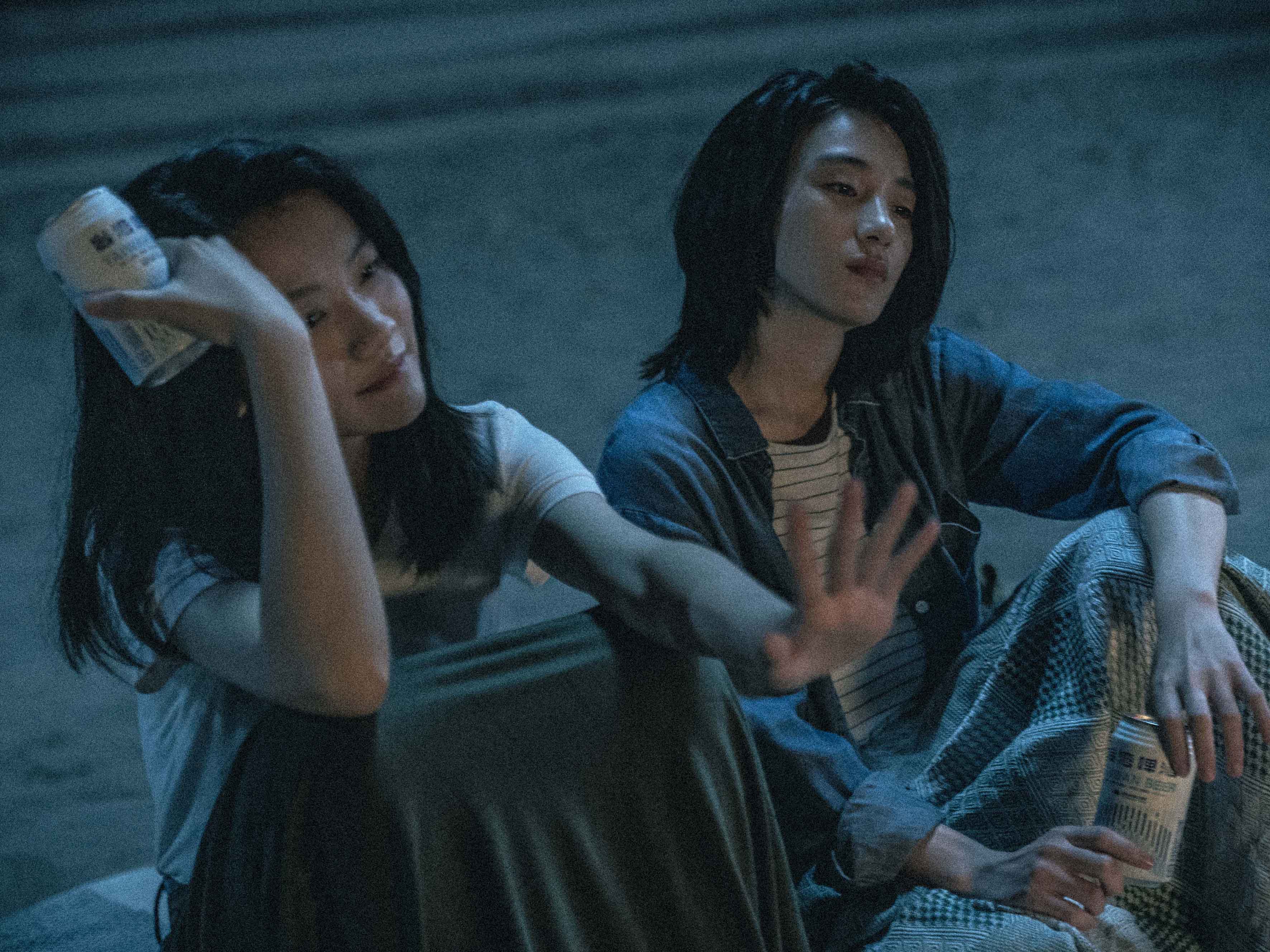
“It’s obvious it was a romance, why did you pretend it wasn’t?” one wounded woman asks another while their connection seems to be frustrated by internalised shame and conflicting desires. Yun Su-ik’s frosty drama Heavy Snow (폭설, pokseol) does indeed seem to suggest that their love for each other can only exist in a kind of otherworld, eventually segueing into a metaphysical realm which simultaneously implies that this isn’t actually a romance but self-reflection and interrogation as a tomboyish actress searches for herself inside her various roles.

Indeed, Su-an (Han Hae-in) views Seol (Han So-hee) with a kind of awe which might be understandable given that Seol is a TV drama superstar improbably transferring to her rural arts school for a break from the world of showbiz. Or as Seol would later imply, because she’s become too difficult to manage and is rebelling against the emptiness of her ostensibly glamorous life through increasing acts of reckless self-harm. Su-an might wonder if that’s all her flirtation is, an attempt to flaunt a taboo while otherwise puzzled and jealous as to why someone like Seol would actually be interested in her. 

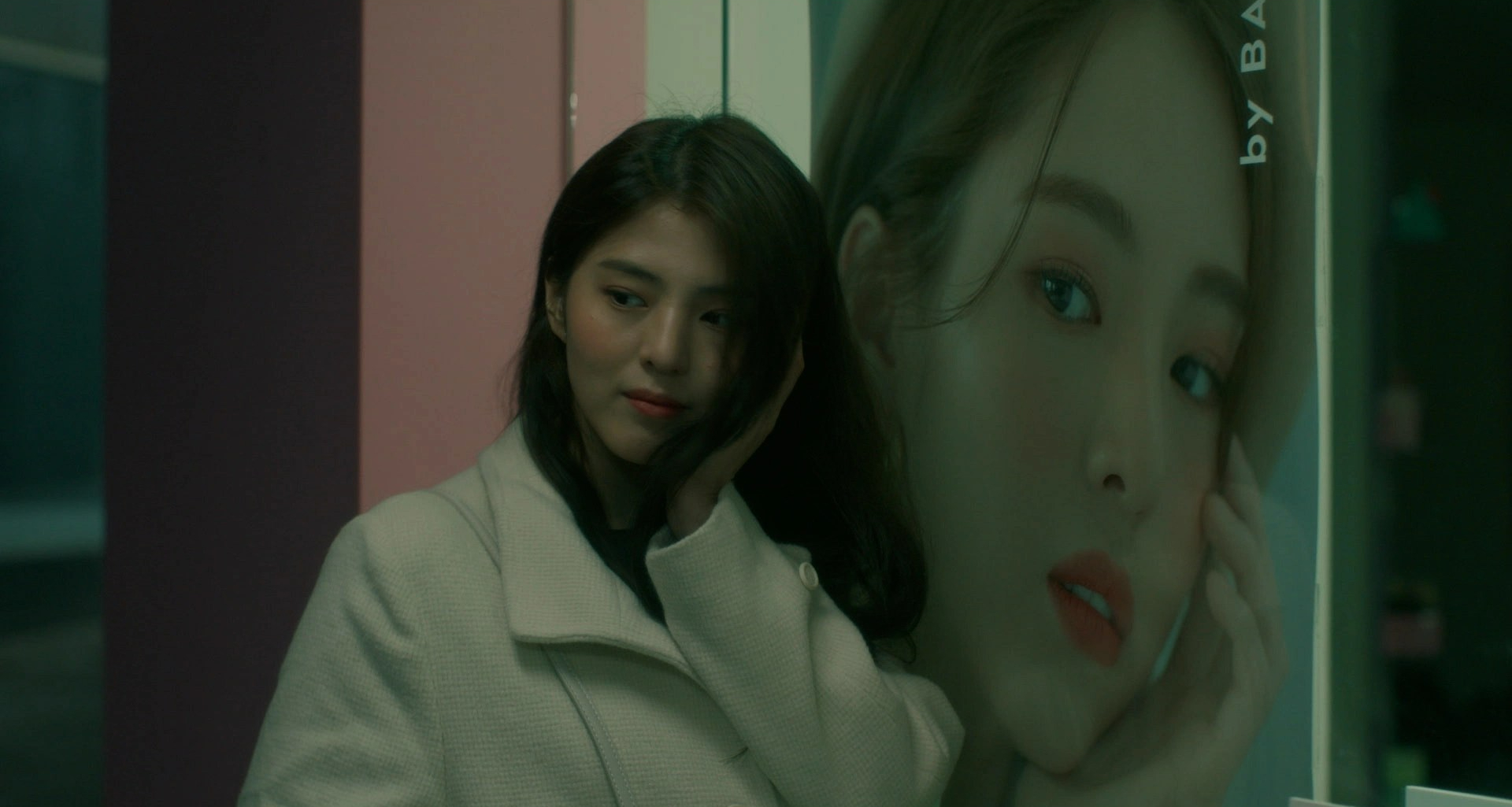
Yet Su-an’s interest is also in part idolisation, attracted to Seol because she fears she is everything she wants to be but isn’t, beautiful and talented. But Seol seems to doubt she’s either of those things while otherwise superficially confident in her sexuality and drawn to Su-an because of her ordinariness. Experiencing a moment of identity crisis, she’s looking for herself outside the frame yet also perhaps like Su-an caught in moment of self-idolisation. Noticing one of the giant billboards of her face that the litter the city she briefly touches it before walking away as if attracted to an image of herself she recognises and doesn’t. 

Yet it seems it’s less the awkwardness of too much intimacy that causes Su-an to pull away when Seol kisses her than shame. She tells Seol that she thinks it isn’t right, and perhaps goes on to regret that decision while continually pining for an idealised teenage love. The two women in a sense trade places. Years later Su-an is a famous TV actress, having in a way taken over the image of Seol, while Seol is evidently no longer acting but a depressed and defeated figure still resentful of Su-an’s rejection. The effects of their shifting fame deepen the gap between them with the teenage Su-an further nervous in her relationship with Seol knowing the danger that her celebrity presents. There is a suggestion that their creative desires conflict with the romantic, that they feel they cannot embrace their sexuality freely and remain in the entertainment industry because of the intense pressures a conservative society places on prominent people to be shining examples of moral purity. Each of them appear to become worn out by the demands of their fame, Su-an turning to drugs in attempt to mask her depression while the teenage Seol ponders quitting acting to become more her authentic self.

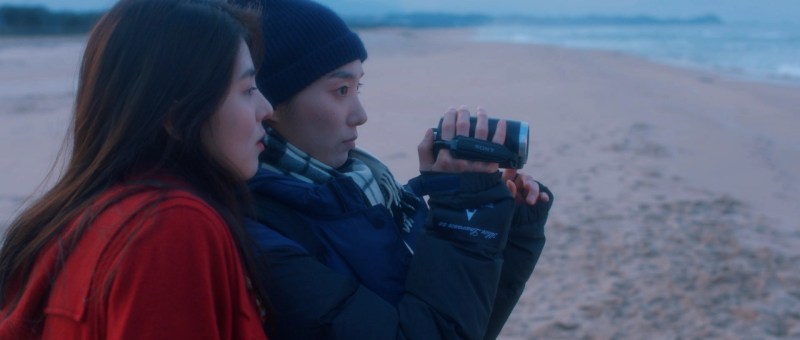
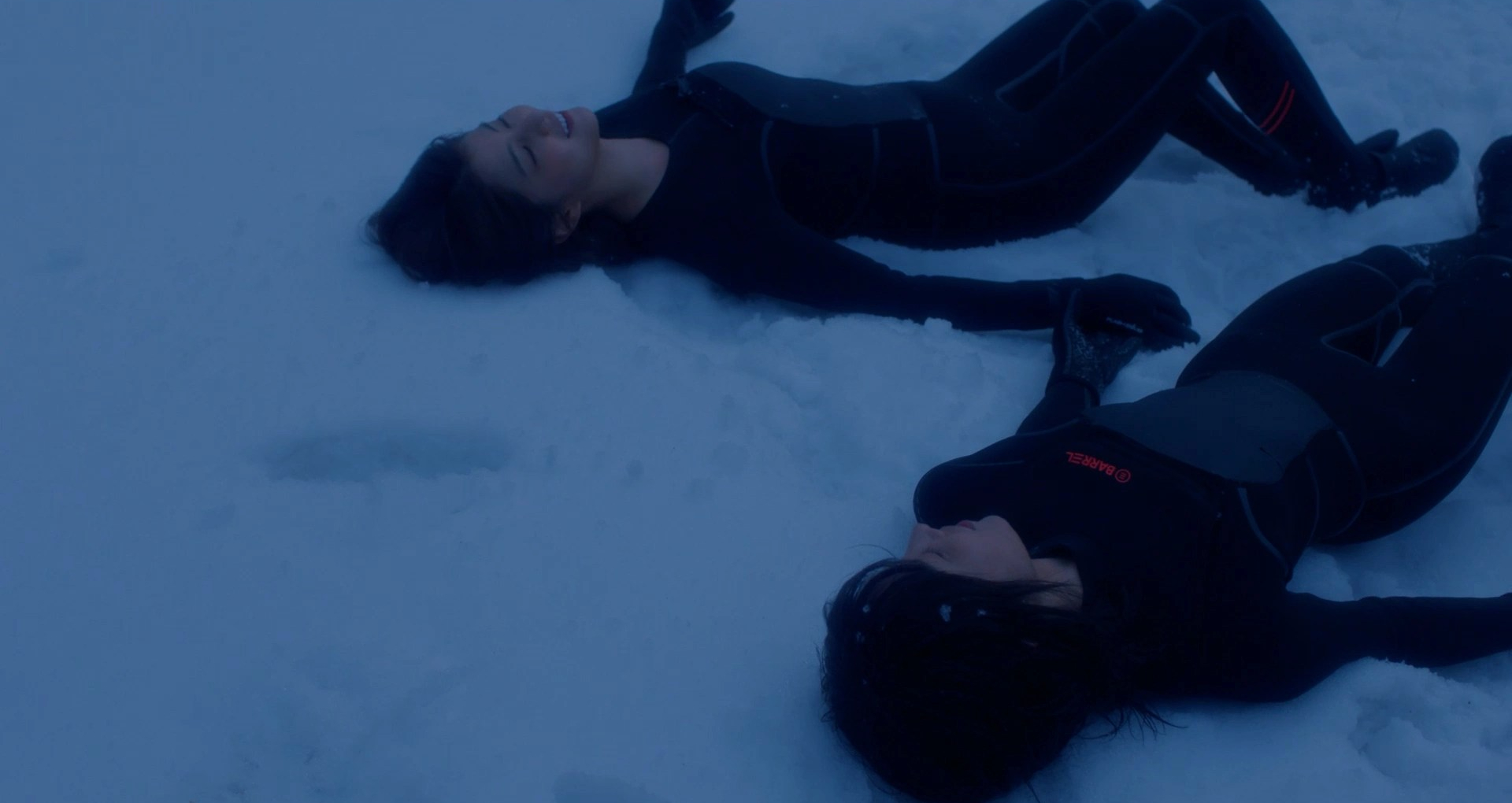
In the dreamlike third act which commences at the sea, a touchstone for each of the women connected to the innocence of their teenage romance, may suggest that in looking for Seol Su-an is really looking for herself or perhaps simply to recapture the person she was at the beginning of everything. At odds with each other, the two women become marooned in a snowbound land with no one else around. Finally repairing their relationship, it seems that they can only embrace their love in this barren place where no one else exists to judge them. The implication maybe that as Seol says the things Su-an wants to say to Seol she really wants to say to herself in a desire for self-acceptance, but equally that we can’t be sure that any of this “real” rather than dream or wishfulment.  In any case all that remains is a painful longing either for an unrealised love or the elusive self. 

Hinting at the pressures of the contemporary society, the unrealistic expectations placed on those in entertainment industry and outward social conservatism the film never less presents its central romance with an evenhanded poignancy even in its continuing impossibility as the two women continue to look for the self in each other but seemingly struggling to see past the hollow images of their own self-projections.


Original trailer (no subtitles)

Heavy Snow screened as part of this year’s BFI Flare.

BFI Flare Confirms Complete Programme for 2024

The BFI’s LGBTQ+ film festival, BFI Flare, has announced the full programme for this year’s edition which runs at the BFI Southbank 13th to 24th March. This year there are a trio of features from East Asia included in the lineup from South Korea, Taiwan, and Thailand.

South Korea

  • Heavy Snow – drama in which a girl at a performing arts high school draws closer to a famous teen actress.

Taiwan

  • Who’ll Stop The Rain – drama set in post-martial law Taiwan in which an art student experiences first love after joining a protest group.

Thailand

  • Solids By the Seashore – etherial Thai drama in which a woman from a small town falls for a visiting artist.

BFI Flare runs at BFI Southbank 13th to 24th March, 2024. A small number of short films are also available to stream via BFI Player. The full programme can be found on the official website where tickets are already on sale. You can also keep up to date with all the latest news via the festival’s Facebook page,  X (formerly Twitter) account, Instagram, and YouTube channels.

Lotus Sports Club (ក្លឹបកីឡាបាល់ទាត់ផ្កាឈូក, Vanna Hem & Tommaso Colognese, 2022)

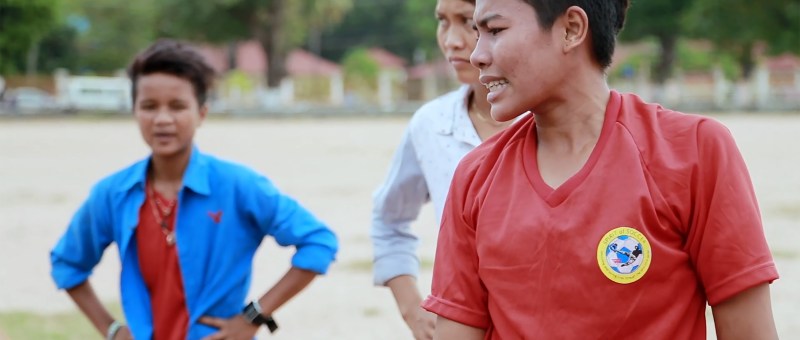
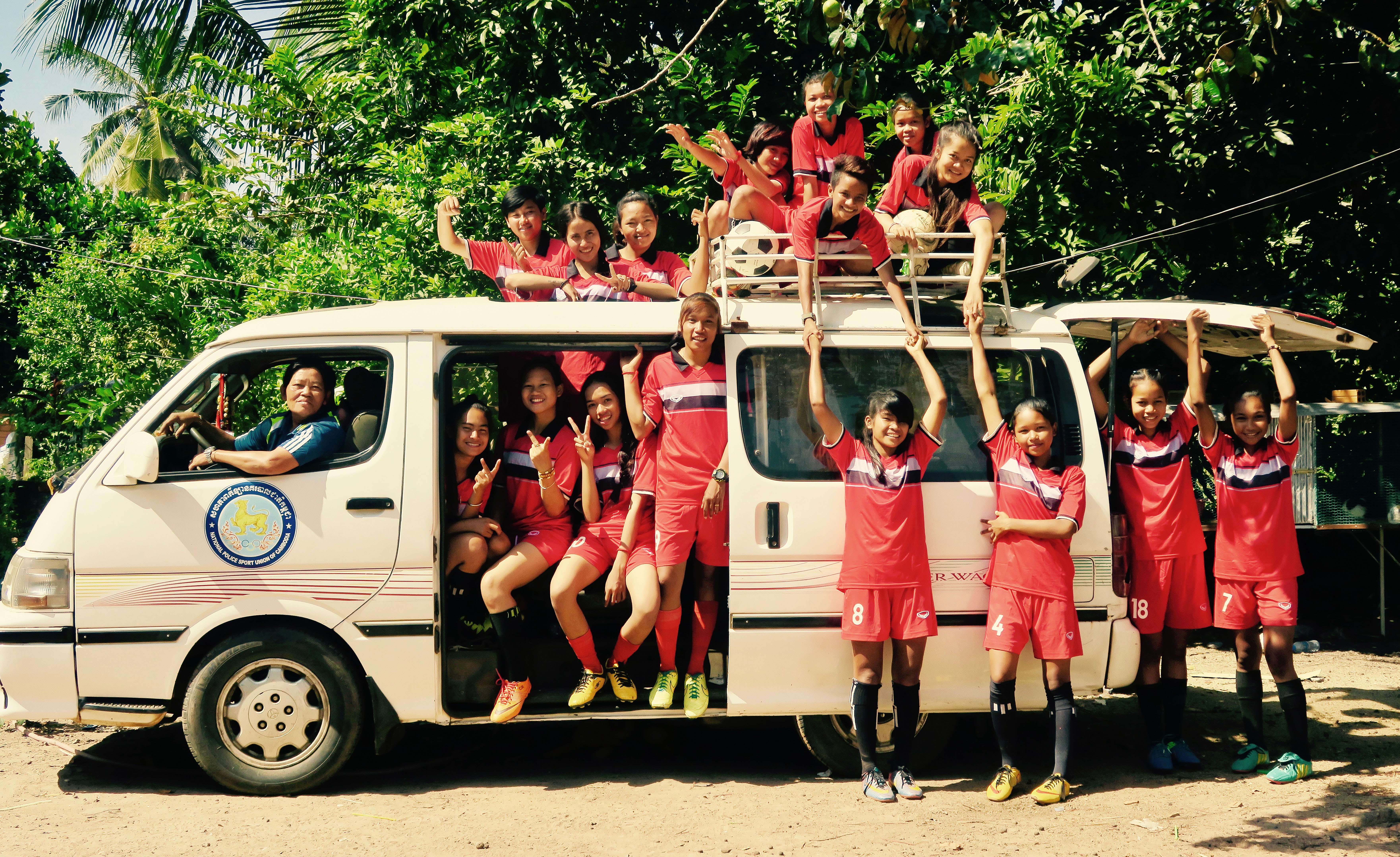
Solidarity becomes the watch word of a team of athletes led by the much loved Pa Vann in Tommaso Colognese and Vanna Hem’s observational documentary, Lotus Sports Club (ក្លឹបកីឡាបាល់ទាត់ផ្កាឈូក). Now in his 60s, Pa Vann is a trans man living with a longterm partner and running a women’s under 21 football team in which the majority of members are LGBTQ+, offering a place to belong to young people who often have nowhere else to turn having become estranged from their families or rejected by the world around them. 

One of the players on the team, Leak, explains that he always knew he was a boy but was expelled from school for cutting his hair short and behaving in a more masculine fashion. After leaving the home of a relative, a friend brought him to Pa Vann’s where he found a new sanctuary and a place he could be accepted for being himself. Amas, meanwhile, is from a conservative village and a Muslim family who struggle to accept his identity as a trans man and are unable to reconcile it with their religion and community. 

Both Leak and Amas are deeply grateful for the new family they’ve found with Pa Vann and also for the opportunities they’ve gained through football, Leak especially thankful to have met so many different people from so many different places while coming to see that he wasn’t alone and there were other people like him. The team is however for under 21s meaning that the pair will inevitably at some point age out and though it’s clear that they wouldn’t have to leave Pa Vann’s because of it they seem to struggle with what else to do with their lives. Leak in particular is deeply worried about not having a job at comparatively late age and eventually leaves for the city without saying goodbye apparently out of a desire to avoid hurting Pa Vann’s feelings or a fear he may be angry with him for leaving. 

Pa Vann is however philosophical if a little hurt, knowing that his job is to send them back out into the world with better skills to survive its harshness. Opening his home to the team members, he gives them life advice and teaches useful skills to help them find work such as carpentry and handicrafts. The entire point of the football team, which includes both LGBTQ+ members and otherwise, is to foster a sense of solidarity between the players to support each other in their everyday lives often in the face of entrenched social prejudice. 

Prejudice is something the team receives its fair share of. Players complain that some coaches from other regions accuse them of having men on the team and inappropriately ask for “proof” that they are female sometimes by having a look or a feel for themselves. But Pa Vann isn’t having any of that, directly telling the other coaches that he won’t have people being “rude” to his team and that their requests are “unacceptable”. Leak complains that the short-haired players have it worse and finds it ironic that he has to tell them he’s a woman to be left alone while even spectators sometimes hurl homophobic slurs from the sidelines. 

It seems unclear whether Leak and Amas find the city anymore accepting after moving there, but they do apparently find signs of hope in seeing other queer people living well while having their horizons broadened. Amas is also grateful for his time with Pa Vann but suggests that it might have been too easy to simply stay in the village and that he wanted to see more of the world and experience more of the life though he’d never have had the courage if it were not for the “solidarity” that Pa Vann showed him. Pa Vann’s own life cannot of have been easy. His partner explains that her family disowned her over the relationship while she herself identifies as straight and has never thought of Pa Vann as anything other than a man. But it has perhaps allowed him to show kindness and compassion to those like himself in giving them a safe place to stay where they can be accepted for who they are that then gives them the courage to extend the same kindness to others as they go out into the world seeking new and brighter futures of joy and solidarity. 


Lotus Sports Club screened as part of this year’s BFI Flare. It will also be screening at Bertha DocHouse on 23rd April as part of this year’s Queer East.

Trailer (English subtitles)
XX+XY (Lee Soh-Yoon, 2022)

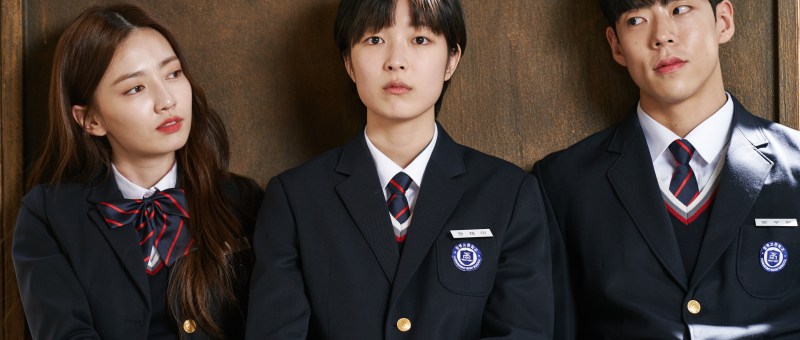
According to the voiceover narration that opens Lee Soh-yoon’s lighthearted teen drama XX+XY, we live in an age of choices yet sometimes choice can itself be a burden. At least that’s how Jay comes to see it having been born intersex but encouraged to think that at some point they’re going to have to choose whether to live as a man or a woman as if those are the only options or the choice to continuing living just as they are is not available to them. 

In essence many of their problems could be solved by reducing social dependence on the gender binary. Having been mainly home schooled, Jay has decided to attend a regular high school in part to help them figure out who they are through interacting with other teenagers who, they discover, are also struggling with many of the same questions in trying to decide who they’ll be. Yet for Jay, there’s also the issue of social stigma surrounding the reality of their life as an intersex person which is little understood by the world around them. When their identity is exposed by a malicious person, Jay’s teacher sighs and asks “Why didn’t you hide it better?”, prompting their response that their identity is not something shameful that needs to be concealed while suggesting that the school is on one level at least failing in their duty of care in refusing to protect them from the fallout of being outed which is in part their fault in stemming from the indiscretion of a teacher. 

The idea that they have something to hide is also particularly hurtful to Jay because of their unusual family circumstances given that they were adopted by a couple in a happy marriage of convenience between a closeted gay man and a woman otherwise uninterested in marriage. Their father’s partner now also lives with them and is very much a part of the family as can be seen in cheerful family photo they have hanging on their living room wall. Jay’s father tells them that he wants them to live in a world where they can love freely without fear of judgement or of feeling forced into the kind of arrangement he and their mother have made, their happy partnership not withstanding. On the other hand, it’s also he who first raises the potentially problematic idea that Jay should decide their binary gender based on their sexual orientation only to be firmly slapped down by their mother. 

This is partly the thesis of the film, that Jay is figuring themselves out based on their feelings towards two potential suitors in childhood best friend Sera who’s always known that Jay is intersex and the smitten Wooram who fell for Jay thinking they were a girl and then confused by their more masculine presentation on arrival at school. As Sera later points out, Jay never directly states they are a boy but everyone assumes them to be one because they are wearing a boy’s school uniform and have short hair. It is the school that force Jay to make a concrete choice because of its persistent gender segregation which extends from uniforms, single sex bathrooms, and classroom cliques to different activities for boys and girls in PE. Jay has to make a choice because they have to pick a bathroom, only using the men’s means there’s no bins to dispose of sanitary pads forcing Jay to carry them around until they can find a place to discreetly dispose of them. The boys in Jay’s class are jealous of their popularity with girls, while immaturely gossiping about another boy they regard as effeminate and possibly gay because he is “small” and hangs out with the girls a lot. 

Meanwhile, the conservative attitudes towards sex and romance held by the school and society at large are also in themselves counterproductive. Teens try to buy condoms to be responsible but are turned away because they don’t have ID or a note from their parents and are even shouted at by a nosy old lady at the checkout all of which has them wondering if they should just go ahead without protection rather than giving up on the idea. When Jay’s intersex identity is revealed online, the teachers are more concerned about the concurrent rumour that they and Sera have slept together rather than the breaching of Jay’s privacy, only interested in what the other parents might say or that Jay’s identity on its own may negatively affect their reputation aside from the developing sex scandal. 

In any case supported by their new friends, Jay gains the confidence to believe that they, and everyone else, are good enough as they are and that there isn’t any point in worrying about the people who won’t accept them as they are now. The film may still imply that there’s a binary choice to be made and that whoever Jay decides to pursue romantically has a large impact on it, but nevertheless affirms Jay’s identity as it is and makes clear that it’s they who have a free right to define themselves independently of any social mores or commonly held beliefs. Warmhearted and generous of spirit, Lee’s teen drama finds that largely the kids alright treating each other with kindness and respect when given the opportunity to do so and only waiting for the adult world to catch up. 


XX+XY screened as part of this year’s BFI Flare.

International trailer (English subtitles)

Peafowl (공작새, Byun Sung-bin, 2022)

A trans woman begins to step into herself after reclaiming her traditional culture to make peace with the past in Byun Sung-bin’s poignant indie drama, Peafowl (공작새, Gongjaksae). At once situating itself in the heartland of a society struggling to adapt to the pace of change, the film suggests that only by reintegrating her Koreanness can the heroine become fully herself even as the spirit of the father who rejected her softly tells her to dance her dance.

Myung (Choi Hae-jun), whose name as she later says means “not too light not too dark”, is a trans woman living in Seoul hoping to earn a large amount of money to pay for her surgery through winning a waacking dance competition. Shortly before she performs, she receives an unsettling telephone call and narrowly loses the dance off against a Taiwanese competitor while a judge explains that she lacks a colour of her own. It’s then that a childhood friend, Woo-gi (Kim Woo-kyum), contacts her to let her know that her estranged father Duk-gil (Ki Joo-bong) has passed away and asks her to come to the funeral. Myung first says she won’t go, but later does only to be berated by her overbearing, conservative uncle who ironically causes a scene by loudly exclaiming that a man shouldn’t be going around with long hair or wearing makeup. He even introduces her as Duk-gil’s son to an older relative who is otherwise much more sympathetic and even asks her with surprise why she’s wearing a male mourning outfit rather than the more appropriate one for women. 

It’s the uncle, a symbol of oppressive middle-aged patriarchal power, that is the real problem. Most other people are either broadly supportive or too polite to say anything of Myung’s changed appearance while her teenage nephew Bo-suk (Go Jae-hyun) simply accepts her and quickly refers to Myung as “sis” despite his mother’s obvious discomfort. It is however the uncle who is in charge, continuing to misgender and insult Myung especially once Woo-gi reveals that it was Duk-gil’s dying wish for Myung to lead the funerary rites at his 49th day memorial service. Myung doesn’t really want to participate but is tempted after Woo-gi suggests there’s a sizeable inheritance to be had if she agrees. 

It’s clear that Myung had good reason to resent her father, holding up her hand and revealing a large burn scar she’s since had tattooed with with a beautiful peacock feather. The feather motif is repeated throughout as a kind of symbol of Myung’s hidden beauty which she will eventually learn to reveal through the fusion of the traditional art of shamanistic ritual and her contemporary waacker dance moves, yet it’s also linked to the image of her father as a man she never understood and may never have really known whose relationship with her was shaped by the legacy of homophobic prejudice in ways she could never have imagined. The truth that she discovers reminds her that there have always been people like her even within this very “traditional” society, while the twin revelation that her cousin is gay and struggling in many of the same ways she has proves there always will be. As Woo-gi reminds her, her grandfather’s tree looks like it’s dead but is kept alive by its connections with others much like people are, pointing out that rituals accept everyone without prejudice or exception. 

Only after making peace with her conflicted aunt and showing her overbearing uncle the error of his ways can Myung begin to reclaim herself in reintegrating her traditional culture to gain the colour she was lacking and become fully herself as she performs the ritual along with a waacker dance that quite literally sets fire to the oppressive quality of tradition as mediated by men like her uncle who weaponise it to preserve their own privilege. Shot in classic 4:3, Byun neatly contrasts the vibrancy of Seoul nightlife with the oppressive dullness of life in the village, but also highlights the various similarities in the colour and noise of a shamanistic ceremony which as Myung discovers moves to a beat not dissimilar to waacker as she watches her friends dance in a club with the movements of traditional shamanism. In a way, Myung does indeed burn it all down but does so positively, finally coming to an understanding of her father and her history while reclaiming her traditional culture along with the right to do with it whatever she wishes.


Peafowl screened as part of BFI Flare 2023. It will also be screening at Genesis Cinema, London on April 20 as part of this year’s Queer East.

Trailer (English subtitles)
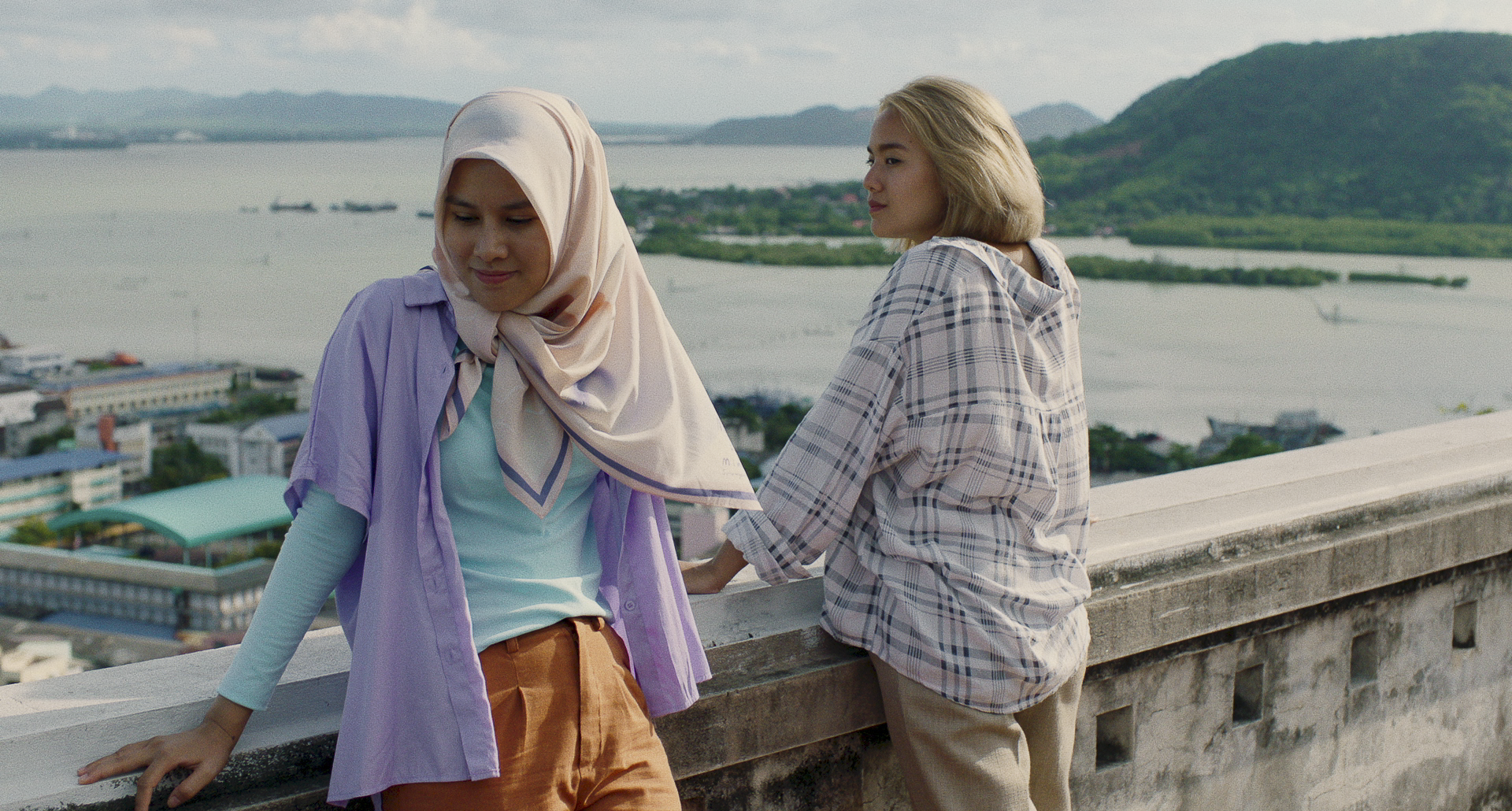
The Dream Songs (너와 나, Cho Hyun-chul, 2022)

Teenage friends wrestle with a sense of mortality, frustrated longing, and future anxiety in the etherial feature debut from actor Cho Hyun-chul, The Dream Songs (너와 나, Neo wa Na). Set shortly before the 2014 Sewol ferry disaster and shot in a washed out soft focus with a hazy nostalgic quality, the oneiric drama finds its conflicted heroine coming to an appreciation of the solipsistic qualities of obsessive love while preparing to cross the line between adolescence and adulthood in fearing she may not return from her upcoming trip or that the her that returns will not be same and the world will have moved on without her. 

The trip is only four days, but for Sam (Park Hye-su) it represents the end of her adolescence and the beginning of adulthood. As the film opens, she wakes up in her classroom after having a disturbing dream that something bad is going to happen to her best friend Ha-eun (Kim Si-eun) who is currently in the hospital though only for broken leg after being hit by pedal bike on a zebra crossing. So upset is she, that Sam manages to convince her teacher to let her leave early to verify that Ha-eun is OK with her own eyes and try to convince her to come on the school trip to Jeju with her, broken leg and all, so that whatever happens happens to them together. 

In the repeated dream imagery, it’s being left on her own that Sam seems to fear. She doesn’t want to be the only one who survives or the only one who dies and leaves her friend behind though as she confesses there was something that felt peaceful in her dream on looking at a corpse that might have been her own. The school trip to Jeju is one that many teenagers take in a quite literal rite of passage, but it’s also tinged with additional anxiety in the painful reminders of the 2014 Sewol Ferry disaster, directly referenced via a radio broadcast, in which many school children taking the trip from the area where the film takes place lost their lives. Sam’s impending sense of foreboding causes her to reevaluate her relationships and especially that with her best friend Ha-eun for whom she has developed romantic feelings she is unsure can be returned. Afraid to leave without saying anything but also worried she may be rejected and end up imploding the friendship too, Sam’s internalised conflict ironically blinds to her Ha-eun’s individual suffering in having recently lost her pet dog as well as her disappointment on missing out on the trip while recovering from her accident. 

Cho frequently lands on the image of clocks, often stopped, which hint at time running out while there are frequent allusions to death and drowning from the bird Sam finds on the ground by the school to the girls’ final parting seemingly taking place in front of a stranger’s funeral with mourners talking outside while people carry funeral wreaths directly past them. While the lines between dream and reality continue to blur, Sam sees images of herself in the two little girls playing together in the park and another with her grandmother who “saves” a toy dinosaur from drowning in an environment in which it is unable to survive. She and Ha-eun chase a lost dog and eventually end up on opposite sides of a fence which is the outcome Sam most feared, but are eventually reunited and able to have a more emotionally honest conversation now that Sam has come to an understanding of the self-involved qualities of her romantic obsession. 

Even so, for the first part of the film it isn’t entirely clear if Sam’s feelings are indeed romantic or if it’s more a case of intense teenage friendship that causes her to be jealous of others that might be spending time with Ha-eun while preoccupied with the identity of the mysterious “Humbaba” whom Ha-eun apparently wanted to kiss in a diary entry Sam was presumably not intended to read. Sam’s feelings are made clear in a letter she doesn’t have the courage to send while she seems to fear that time may slip away from her and Ha-eun won’t be there when she returns from her trip. Yet what she ends up awakening to is more like self love, or at least no longer fearing “Joy” will fly away from her when she’s not looking. Cho’s hazy, poetic coming-of-age drama excels in capturing the joyful quality of teenage female friendship and diffidence of first love if tinged with a note of melancholy nostalgia in the wake of a devastating loss.


The Dream Songs screened as part of BFI Flare 2023

Original trailer (English subtitles)
BFI Flare Confirms Complete Programme for 2023

The BFI’s LGBTQ+ film festival, BFI Flare, has announced the full programme for this year’s edition which runs at the BFI Southbank 15th to 26th March. This year there are a few features from East Asia included in the lineup including four from South Korea.

Cambodia

  • Lotus Sports Club – documentary filmed over five years following a trans man in his 60s who formed a football team for LGBTQ+ youth.

South Korea

  • The Dream Songs – etherial drama following two high school friends over the course of a day.
  • Life Unrehearsed – documentary following two Korean women who met each other at a summer camp in Germany in 1986 and have stayed in the country together ever since.
  • PEAFOWL – drama following a trans woman who is tasked with performing the memorial dance at her estranged father’s funeral.
  • XX+XY – teen comedy following an intersex high schooler who finds themselves at the centre of a love triangle.

BFI Flare runs at BFI Southbank 15th to 26th March, 2023. A small number of short films are also available to stream via BFI Player. The full programme can be found on the official website where tickets are already on sale. You can also keep up to date with all the latest news via the festival’s Facebook page, Twitter account, Instagram, and YouTube channels.