Hoodlum Soldier (兵隊やくざ, Yasuzo Masumura, 1965)

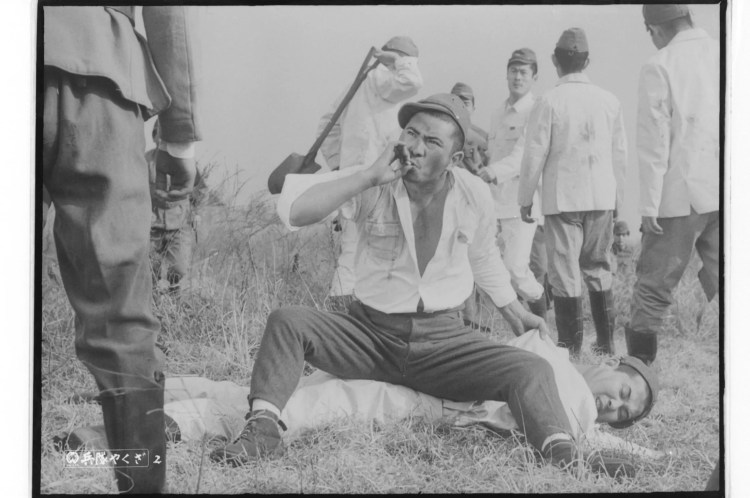
The opening voiceover of Yasuzo Masumura’s Hoodlum Soldier (兵隊やくざ, Heitai Yakuza) explains to us that the settlement we’re looking at is effectively a huge prison in the desert inhabited only the Japanese military from which there is no escape. To ram the point home, the camera lingers on the decomposed skeleton of Japanese infantrymen half-buried in the mud only a short distance from the fort’s borders. This is the fate of the soldier, it seems to tell us with nihilistic futility as if in effect all of these men are already dead while imprisoned inside the death cult that is militarism. 

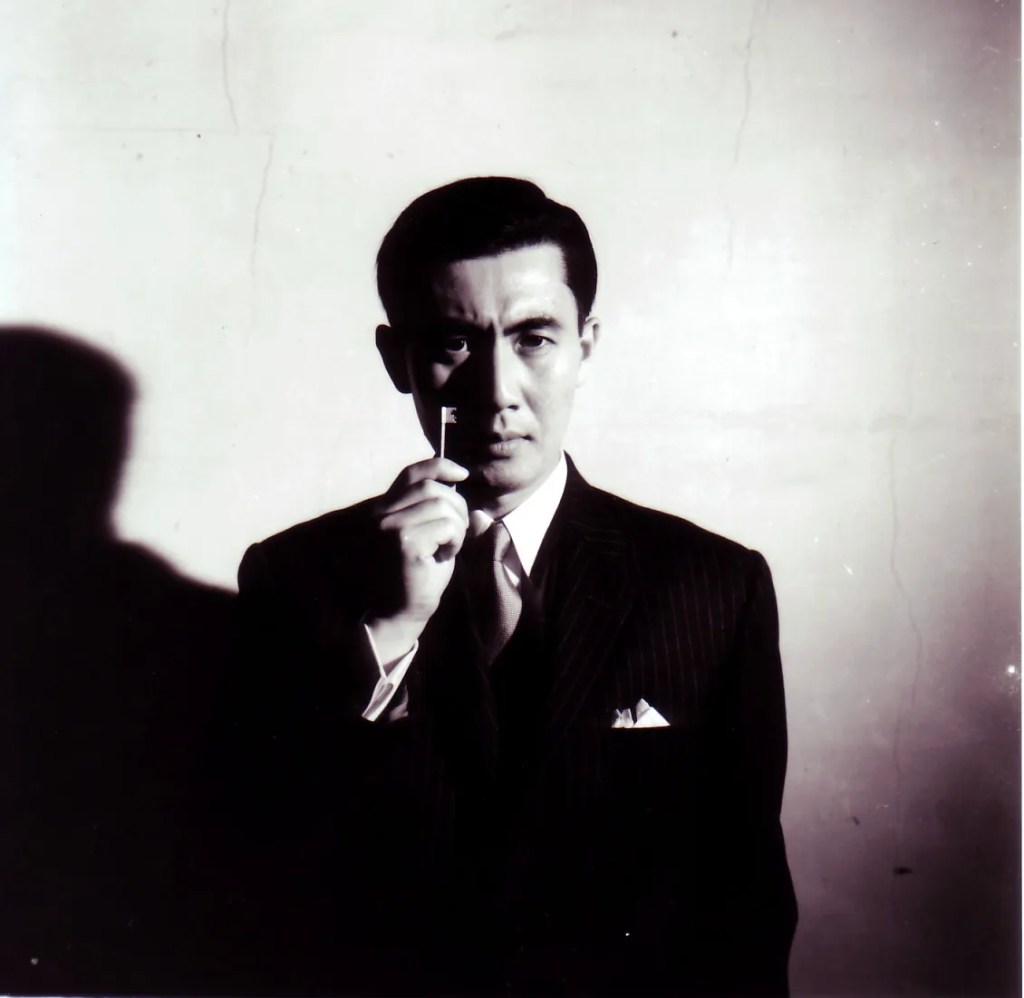
Yet, our heroes will eventually escape. At least that’s how it seems at the end of the film though there are a further eight instalments in this series. A mismatched pair who develop something akin to a sadomasochistic relationship, they each resist this system in opposing ways. “College boy” Arita (Takahiro Tamura) is just waiting out the end of his contract, continually refusing promotions so that he will be discharged at the end of his three-year term and allowed to return to Tokyo a free man. Omiya (Shintaro Katsu), by contrast, is a man who has no real concept of hierarchy or authority. As he later says, he doesn’t do anything he doesn’t want to do and it’s not so much that he resists authority but is simply indifferent to it.

As Arita explains, the the army is a hierarchy that’s founded on violence. The mildest infraction is dealt with through a process of slapping in which those of higher status assert their authority by inflicting violence on those below. We’re told that laws have recently been put in place to regulate the violence implemented as disciple with excessive force now apparently frowned upon leaving this culture of slapping as the only accepted form of judging an action right or wrong though it’s also clear that these rules are not always respected even by those who made them. The very system is then itself corrupt and unfair, which Arita knows and therefore contrives to live outside of it in so much as he does not participate in this chain of violence.

Neither does Omiya but in an opposing way. On joining the unit, he simply does not react to being slapped by his superior officer and in that way makes it clear that he cannot be controlled by violence. He does not fight back, but only uses to violence to oppose what he sees as injustice and it’s this refusal to just accept the unfairness of army life that makes him a thorn in the side to army command. They assign a reluctant Arita as his mentor, much to his chagrin because he fears that Omiya will get him into trouble and damage his chances of making it to his discharge without incident. But the funny thing is that Omiya does submit himself to Arita’s authority precisely because he does not brutalise him and never uses violence as a means of control. Omiya respects Arita, and therefore listens to him when he explains why a particular course of action is disadvantageous to himself and will only result in further violence. 

To Arita, Omiya at times seems like a bullheaded brawler who thinks a fight is over when someone is knocked out or surrenders and is unable to see the potential for reprisals, but he’s smarter than he gives him credit for and the bond between them is quite genuine even at times homoerotic as they each declare they don’t want to be parted from each other seemingly the only two sane men marooned amid the folly of war in Manchuria. Omiya respects Arita because he does not use violence against him, but in other senses perhaps craves it and is willing to inflict violence on himself in order to save Arita from being forced to do so by the system under which they live which would obviously cause him mental anguish. The power dynamics between them shift as the fortunes of the war decline with Arita eventually declaring that Omiya is now his superior and may issue him orders which he will then obey.

The statement may however be ironic in that they are in the process of escaping the hierarchal society by hijacking its most potent symbol, a train. Omiya declares themselves free of it in pointing out that China stretches to the borders of Russia and Europe as if the whole world were now open to them that they are no longer bound by the walls of the literal prison that is the army camp and the symbolic ones of the militarist society ruled by violence. As Arita had pointed out, the camp ran itself like a prison and was akin to a yakuza society with the different factions often at war with each other. Goverened by macho posturing, every transgression must be solved through violence to approve each man’s status with Omiya’s perpetually high in part because he doesn’t really care very much for the hierarchy only for what he sees as righteousness. 

The two men bond with a Japanese sex worker who they realise is just as trapped as they are by the force that underpins militarism, violent patriarchy. She also feels her situation to be futile, that even if she should return to Japan there will no future for her because of her past in sex work while she currently has no more control than they do and is simply pulled around by her employers to wherever the army goes now that the frontlines are in constant flux and the retreat south has begun. Arita and Omiya free themselves by decoupling from the train leaving the sleeping soldiers yet to awake from the cruel spell of militarism inside while they seek freer futures. Our heroes are men who in effect simply choose to remove themselves from an absurd and destructive social order which speaks just as well to the contemporary society of docile salarymen living in a different kind of prison but perhaps no more free than previous generations while tied to a feudalistic, patriarchal social hierarchy. 


Hoodlum Soldier screened as part of this year’s Camera Japan.

Original trailer (no subtitles)
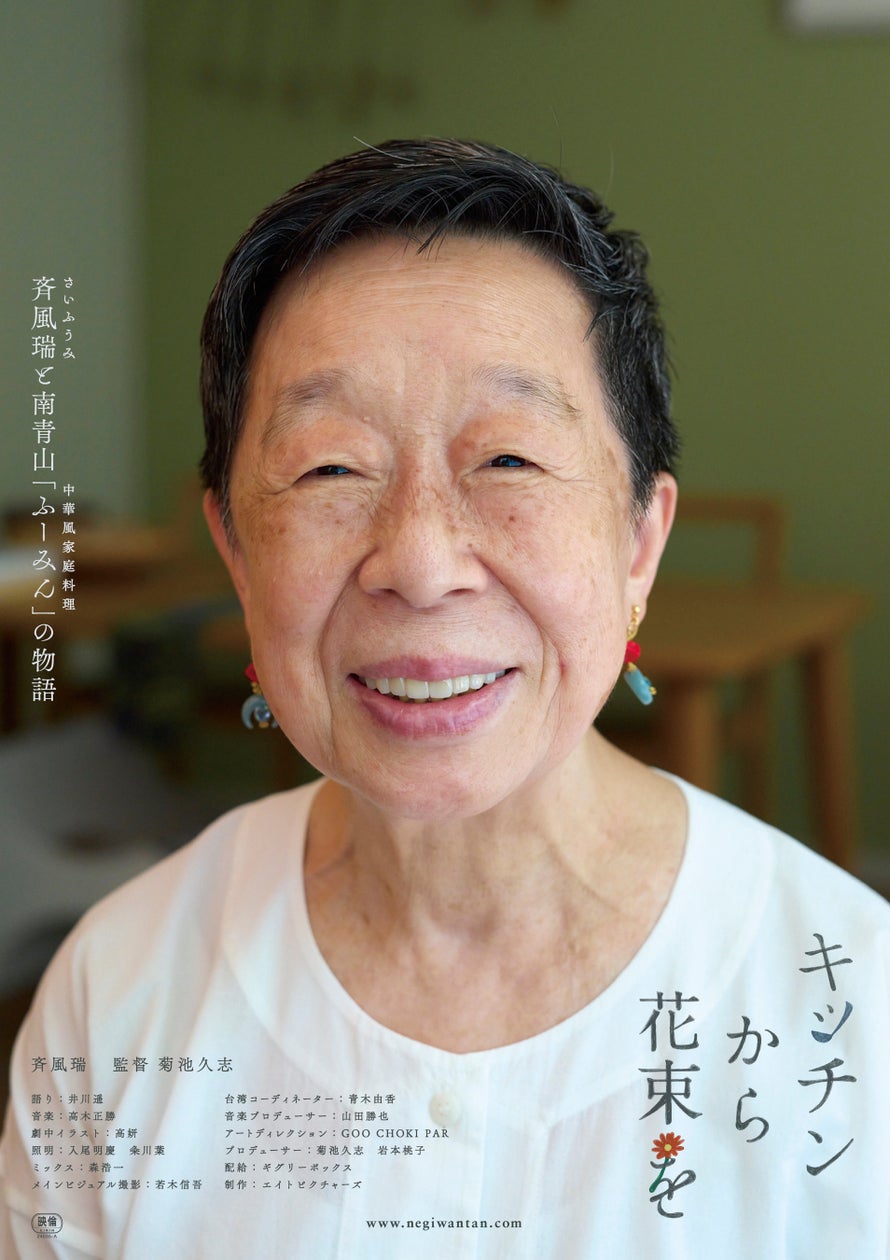
Gifts from the Kitchen (キッチンから花束を, Hisashi Kikuchi, 2024)

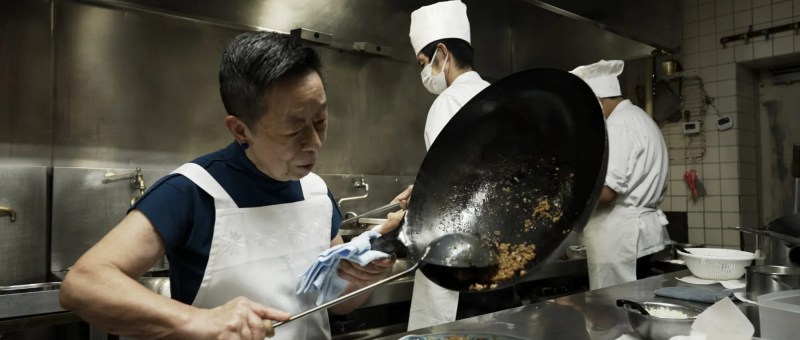
One of the few places offering Chinese-style home cooking, Fumin had become a home from for many during the 50 years its founder worked her kitchen herself. Fumi Sai has now retired, though welcoming one set of guests a day to her home, but there are many who continue to visit the restaurant under the management of her nephew Kazuyoshi and reminisce over their long years of enjoying not just the cooking but a familial relationship with Fumi herself. 

Collaboration with the clientele is cited by many as a reason Fumi’s restaurant became so popular. After a few years of working as a hairdresser, she decided to open a cafe after a friend remarked it was a shame more people didn’t have the opportunity to taste her cooking. Her first location was a tiny bar-style place with a handful of seats at the counter which of course meant that she was able to build up close relationships through talking directly to her customers. Others describe her cooking style as spontaneous, that she would come up with new dishes just by adding something or other to see how it would taste but she also took hints from customers as well sometimes adding their successful requests to the main menu and allowing them to feel as if they were fully involved in the restaurant. It’s this sense of connection brokered by an exchange of tastes that seems to be integral to the degree of warm feeling many have for the place and for Fumi herself.

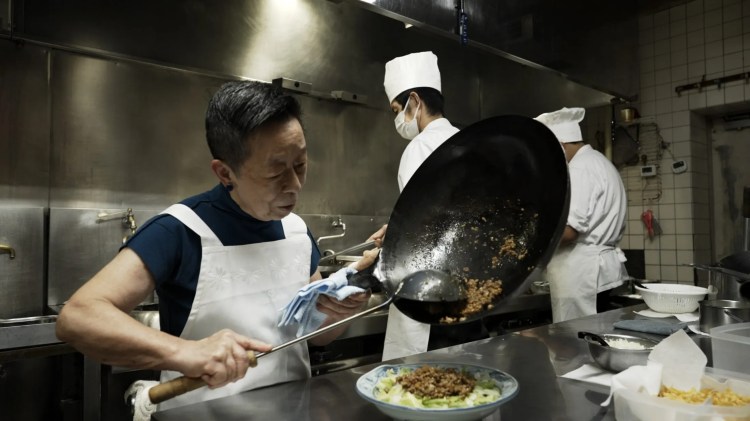
Director Kikuchi frequently switches between testimonials from regular customers some going back decades and many remarking on the incongruous sight of Fumi herself, a small woman battling a giant wok in the centre of the kitchen. All these years later and despite the expanded capacity there are always queues to get in while customers claim that there are dishes they might not otherwise care for or actively dislike but that Fumi alone can make appetising. She attributes her skill to her upbringing in a Taiwanese family where her sisters joke their father had a gambling problem and didn’t work but did do most of the family cooking. She picks up new ideas on trips to the island nation and on one occasion visits a Taiwanese woman to experience more home cooking who also points out that cooking is imbued with emotion. Fumi’s own enthusiasm and love of the craft finds its way in, delivering care and attention to her customers who just as often may be looking for somewhere to belong as much as a good meal.

The film otherwise does not pry too much into Fumi’s personal life, never stepping too far outside the restaurant save for exploring her relationship with nephew Kazuyoshi and three younger sisters as well as her soon to be 100-year-old mother who was responsible for the restaurant’s constant supply of Taiwanese sausages. Food is a family affair, the now elderly women recalling the dishes they remember from their childhood and putting on a large spread for New Year. Yet the restaurant is also a kind of home for Fumi, one she admits she was reluctant to leave. She’d never considered a successor, but later came round to the idea of entrusting it to her nephew and head chef. 

As other guests remark, food a means of building body and soul. The nourishing wholesomeness of Fumi’s cooking seems to have a positive effect on those who visit the restaurant which was often home to various celebrities from the illustrators and designers of the surrounding area to the top stars of the day such as Tora-san himself, not to mention sustaining her mother to the ripe old age of almost a century. Guests describe her as a radiant character, like someone in an animation, an improbably small woman filled with a warmth that draws others to her offering comfort and connection through food but also an artist whose medium was cooking creating a series of unique dishes that couldn’t be found anywhere else yet quickly offering to teach anyone who wanted to know how to make them. A tribute to a bygone era, Kikuchi captures a sense of nostalgia for simple pleasures but equally of pleasure in the moment for as Fumi says to eat is to live.


Gifts from the Kitchen screened as part of this year’s Camera Japan.

Original trailer (no subtitles)
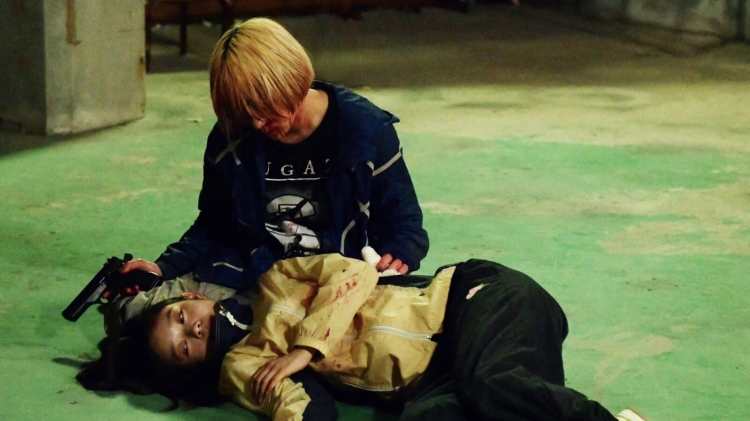
Tatsumi (辰巳, Hiroshi Shoji, 2023)

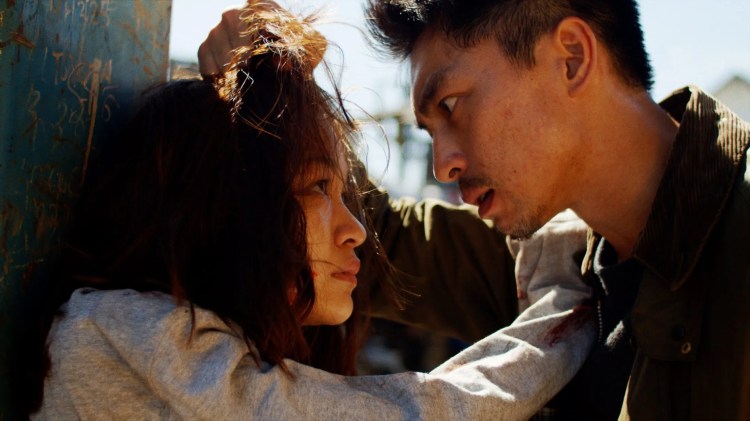
The titular Tatsumi (辰巳) laments that there used to be a line. They used to be better than this. But his incredibly duplicitous boss just laughs at him and says they can’t live on honour and humanity anymore. In any case, there didn’t seem to be much honour or humanity in Tatsumi’s decidedly unglamorous life of petty gangsterdom even before everything went to hell but despite his cynicism and seeming indifference he is the last holdout for some kind of gangster nobility.

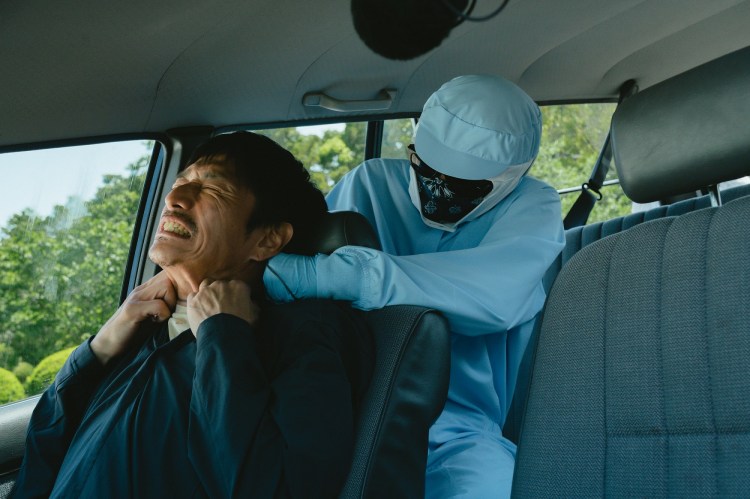
Though he has a cover job as a fisherman, Tatsumi’s (Yuya Endo) main hustle is as a cleanup agent getting rid of inconvenient bodies for various gangs. He finds himself mixed up in local drama when a pair of crazed, sadistic gangsters become aware someone’s been skimming their meth supply. They torture and kill a suspect who leads them to another, garage owner Yamaoka (Ryuhei Watabe) who is married to an old flame of Tatsumi’s, Kyoko (Nanami Kameda), while her younger sister, Aoi (Kokoro Morita), is also in trouble with another rival ganger, Goto (Takenori Goto), on the suspicion of having pinched some of his meth supply. Tatsumi ends up agreeing to mediate for Aoi, gets much more than he bargained for when the crazed Ryuji (Tomoyuki Kuramoto) murders Yamaoka and Kyoko and Aoi becomes a secondary target after catching him in the act.

Ryuji doesn’t seem to care about tying up loose ends, but just wants Aoi dead for reasons of total vengeance. It’s his uncontrolled violence that has disrupted the equilibrium of the local gangster society though the proposed solution is simply more violence in allowing him to kill the people he wanted to kill in the hope he’ll then calm down and stop which seems unlikely. Like many similarly themed yakuza dramas, Ryuji’s violence appears to have a sexually charged quality and there is also a hint of a potential relationship between Ryuji and Tatsumi’s boss whom he calls “Skipper.” 

Ryuji also has a slightly less crazy sibling in an echo of the relationship Tatsumi once had with his own brother who died of a drugs overdose having become involved in petty crime. The implication is that Tatsumi gave up on his brother and was relieved when he died but also that he harbours a degree of guilt for preventing him ending up the way he did and not trying harder to save him. That may partly be why he decides to help Aoi, seeing echoes of the brother he couldn’t save while she is also friendless alone having unwisely made enemies of almost everyone because of her outrageous behaviour and reckless disregard for authority. Aoi has an unpleasant habit of spitting at people who upset her while otherwise adopting a devil-may-care attitude with those minded to kill her. If she did skim from Goto’s stash, it cost the life of another falsely accused underling. 

Despite himself, Tatsumi becomes increasingly determined to help Aoi even though or perhaps because he assumes neither of them is likely to survive this crisis. Desperately trying to stay one step ahead he plays one side against the other and tries to find the best angle for escape while knowing there probably isn’t one. Shoji sets the tale across a series of moribund jetties and shacks laying bare the busy emptiness of this world with only the sea beyond. “Emotion will make you fail,” Tatsumi tells Aoi while describing dead bodies as just things and trying to keep his cool when needled by Ryuji or another dangerous and violent gangster. 

Death and life by extension appear to be meaningless and of little value. Tatsumi does perhaps close a circle, or maybe more than one, as the last principled gangster who thought there ought to be a line between what they do and greedy thuggery only to find there never was one and his determination not to cross it is the kind of sentimentality that can get a man killed. Making good use of slow dissolves, Shoji revels in a retro aesthetic in a tale of moral compromise and redemption as Tatsumi determines to safeguard Aoi not only from her own reckless impulses but the meaningless emptiness of the gangster life but the toxic legacy of violence and fallacy of vengeance as a salve for the wounds of the soul.


Tatsumi screened as part of this year’s Camera Japan.

International trailer (English subtitles)

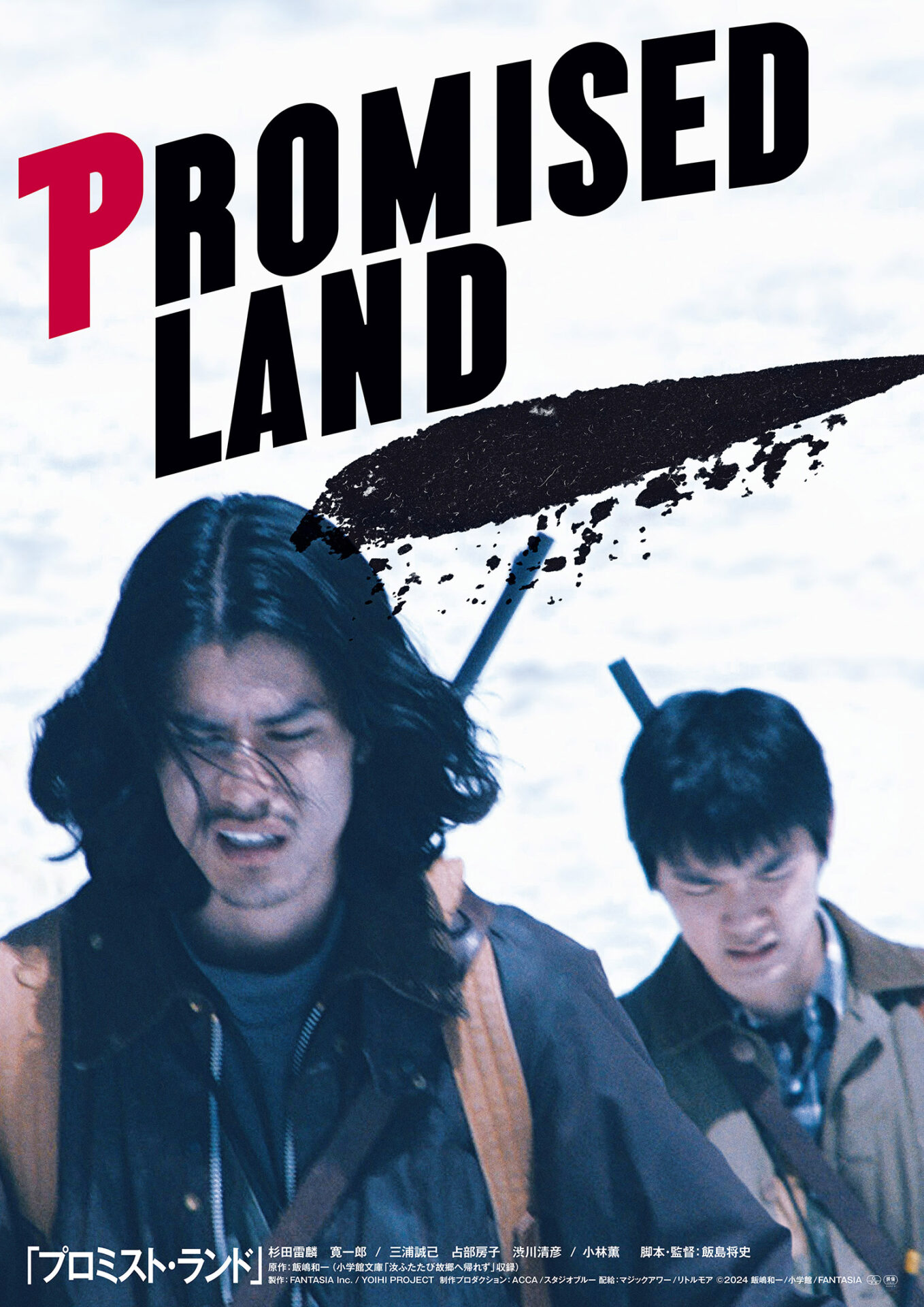
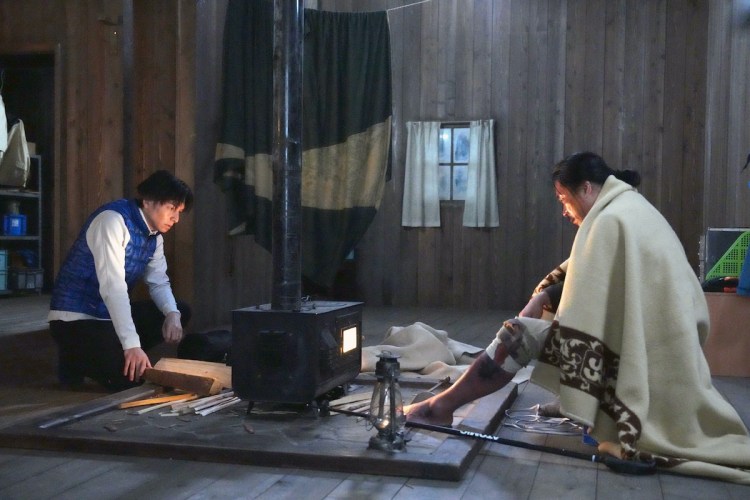
Promised Land (プロミスト・ランド, Masashi Iijima, 2024)

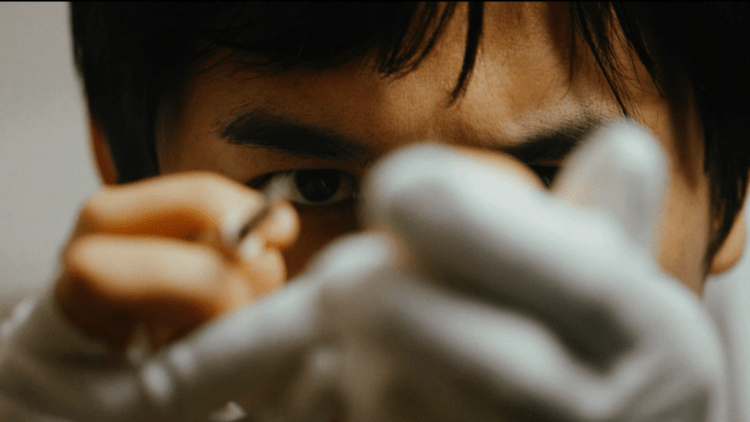
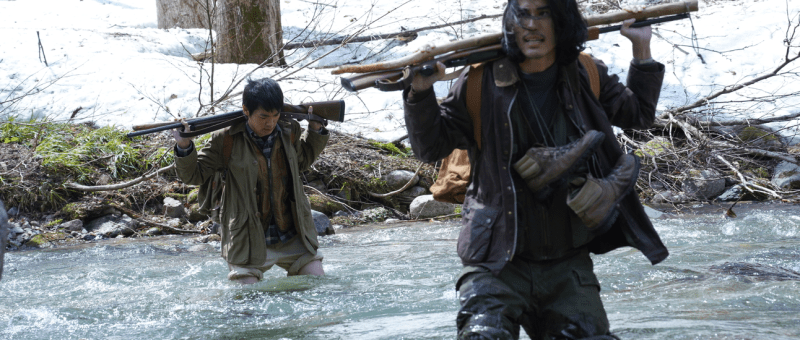
An avalanche approaches a small town in Japan, a harbinger of change in which the centuries old practice of bear hunting has finally been put to rest by government directive. The buried question at the centre of Masashi Iijima’s Promised Land (プロミスト・ランド) is who exactly that land has been promised to and what the rights and responsibilities surrounding it are in the midst of a changing society in which there may longer be a place for the hunter.

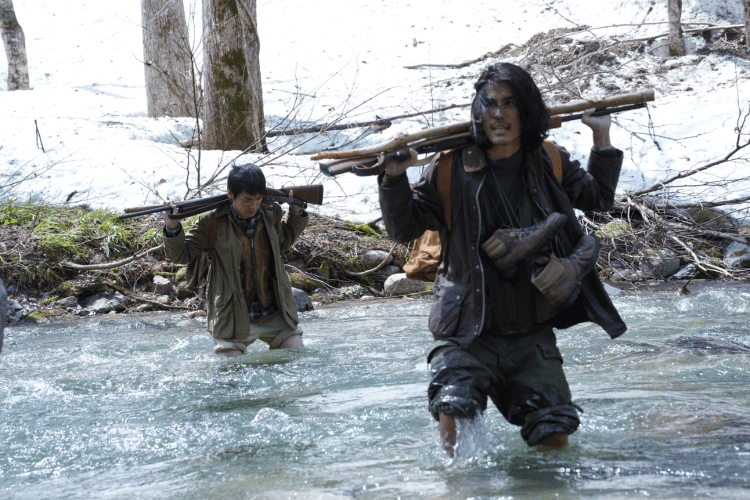
Some might argue that there shouldn’t be, and it has to be said this is one ancient tradition that’s increasingly hard to defend. Set in 1983, the film finds the “Matagi”, or traditional hunter, already all but extinct even before the head of the local association (which appears to only have five members) calls them all together and tells them the hunt is off for that year due to a preservation order by local government. One of the younger members, Rei (Kanichiro), immediately objects sensing that if the hunt is canceled this year it will never be held again. He says he thinks it’s unfair as it’s industry encroaching on the forests that has led to a decrease in the bear population rather than overhunting while another of the men takes constant pops at rich men from the city who come in and treat hunting like a hobby failing to abide by any of their rules such as not shooting mothers with their cubs.

The hunters seem to think of themselves as keeping nature in check, “culling” the bears to keep the mountain safe though there’s no sign that they are any real danger to humans and anyway their numbers are now depleted. There doesn’t seem to be any other way to defend this practice outside of tradition, but it’s evidently something very important to Rei, important enough to constitute a large part of his identity. Thus he alone is determined to defy the order and kill a bear anyway even though he knows there’s a good chance of going to prison for illegal hunting and being branded a poacher. 

Rei ropes in Nobu (Rairu Sugita), a childhood friend who apparently owes a debt to him having received a blood transfusion from him when he was four and now deeply resents having that fact wielded against him all these years later. Unlike Rei, Nobu is a much more modern young man whose father makes fun of him for wearing fashionable clothes and perfume. He hates working on his father’s farm and longs to escape the moribund small town and its brutal traditions such as the bear hunt he’s been roped into since birth just because like many things his ancestors always did it. While hunting for a bear, the pair have an opportunity to talk, Rei admitting that hunting and the gun represent for him the essence of the man he once was while reeling from the breakdown of his marriage to a woman he failed to support when she failed to fit in to village life. He recounts the story of a banker he did some work for who says that he envies the freedom of his life as a landscape gardener while he sits in a prison all day counting other people’s money but when he asks him why he does’t give it a try the man just backtracks and starts making excuses.

Rei seems to be wondering what true freedom means and perhaps feels he doesn’t really have it, asserting dominance over the mountain by killing the bear to regain control over his life. He calls the bears a gift from the mountain god as if they existed only for him to kill, though it’s difficult to see why his tradition or need for raw masculinity is worth more than a living creature’s life. When he eventually kills a bear, the film hovers on the ritualistic quality of the act as Nobu and Rei bend over the body, wafting it with leaves, and skinning its pelt before drinking its blood. This is an act of cruelty more of necessity. They have no need of the pelt or meat, do not make a major part of their income from selling them, and the bear did not threaten them. This is in short a tradition that can safely be left by the wayside, but by the film’s conclusion the two men seem to have switched positions Rei now pondering leaving the village while Nobu seemingly has a renewed desire to stay and preserve these old traditions. Perhaps it is his promised land after all, or else was intended to exist for the bears as creatures of nature free from the destructive forces of humanity.


Promised Land screened as part of this year’s Camera Japan.

Original trailer (no subtitles)
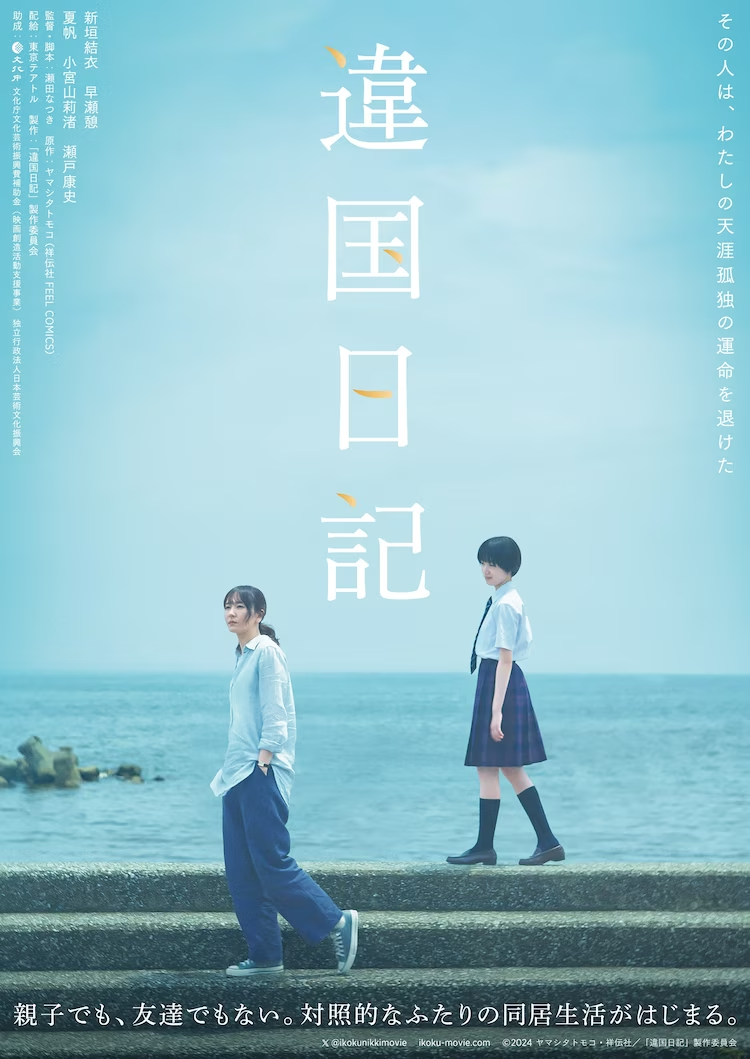
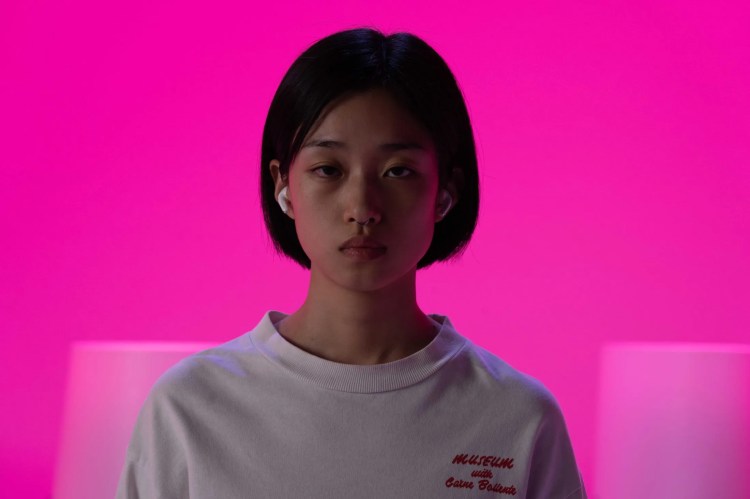
Worlds Apart (違国日記, Natsuki Seta, 2024)

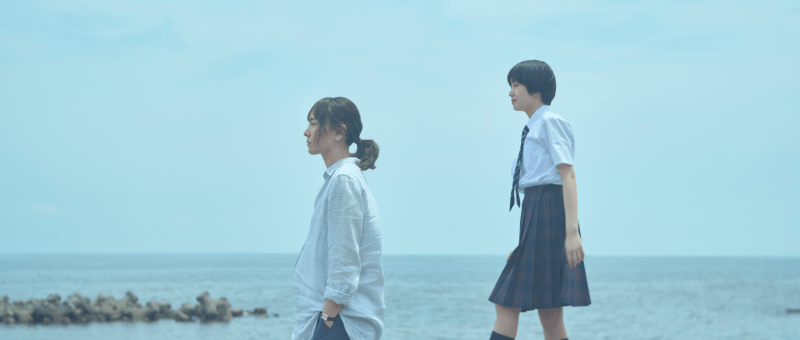
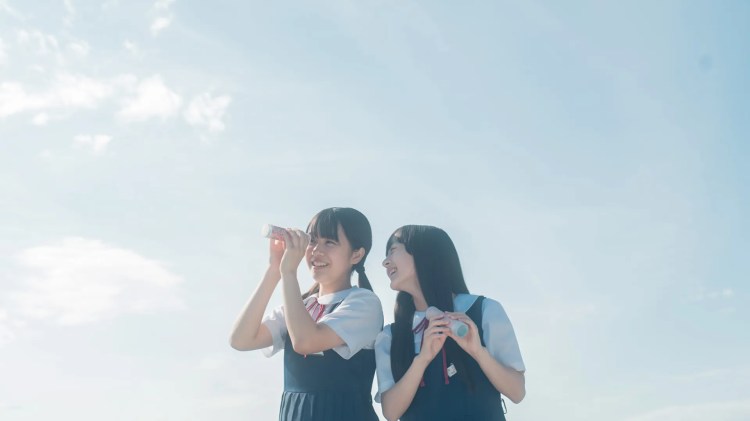
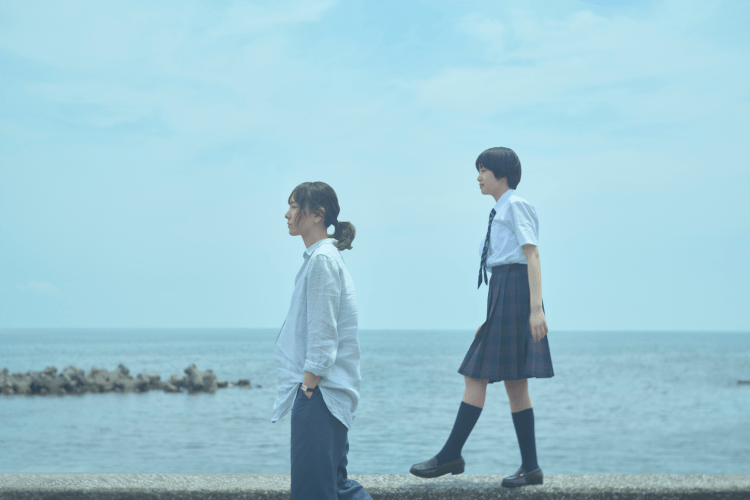
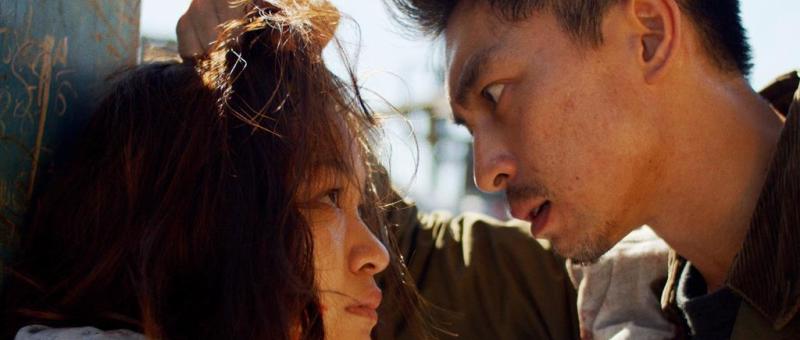
Adapted from the manga by Tomoko Yamashita, Natsuki Seta’s quietly empathetic drama Worlds Apart (違国日記, Ikoku Nikki) eventually reveals the private lonelinesses and hidden sorrows that everyone has which isolate them from others. The film’s Japanese title plays on a homonym for the word for “foreign country” instead using the character for “different” which in itself suggests each person is an entire world often unable to make contact or be fully understood by those who cannot after all ever travel there. 

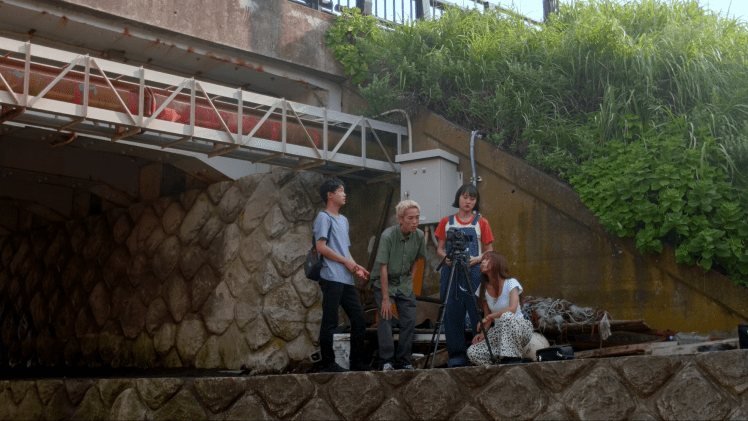
Perhaps that’s something most people feel every once in a while but becomes acutely obvious to 15-year-old Asa (Ikoi Hayase) when her parents are killed in a surreal traffic accident in the film’s opening scenes. She sits struck dumb and vacant at the funeral, having no idea what’s going to happen to her now while other relatives crassly describe her as having been cast adrift like an “unwanted barrel”. It’s this insensitive phrase that seems to drive her aunt Makio (Yui Aragaki), a novelist, into an impromptu decision to offer to take her in though they had only met briefly long in the past and had no real relationship with each other. Makio had been estranged from her sister for many years and never makes any attempt to disguise her utter loathing and resentment towards her for having been so cruel and judgemental when they were children. 

It’s refreshing, in a way, that the film doesn’t encourage her to change her feelings after her sister’s death. She doesn’t discover another side to her through bonding with Asa nor are her feelings invalidated much as Asa originally tries to make her like her mother as a means of reclaiming her. In fact, what Makio does is normalise whatever way Asa is feeling telling her at the hospital when forced to identify her parents bodies that it’s alright not to know how she feels. The two sisters were it seems very different, though the grandmother eventually offers an explanation that Makio’s sister had once been seriously ill and therefore unable to live a “normal life” which might explain why she was so enraged by Makio’s decision to chart her own course and wilfully spurn conventionality. 

These are also hints to the hidden world contained with the diaries Asa’s mother left behind to opened when she graduated high school. Makio wrestles with whether or not to pass the notebooks on and when, unsure if Asa is ready to receive the knowledge that might be inside them. Though she settles in to Makio’s home quite comfortably, Asa keeps her grief and occasional bouts of resentment to herself. Seta often frames her as standing alone in vast empty spaces or total darkness, isolated and lonely, now displaced by her liminal status no longer anybody’s daughter but not quite independent. 

Yet this isolation also blinds her to that of others. She doesn’t quite pick up on it when she clumsily attempts to talk about boys with her best friend Emily (Rina Komiyama) who directly tells her she has no interest in them and deflects the question when she asks if she likes girls instead. Emily is also lonely and isolated in feeling anxious to reveal her sexuality to Asa who in any case reacts clumsily when she eventually does. A similar thing happens with a girl in their class who studied hard to apply for a special programme only to be told the organisers are looking for a male student because it requires “physical strength,” while Asa also seems to develop a fascination with a bass player in the school music club who declines an offer to collaborate because she doesn’t want to get her hopes up only to be disappointed in the end. 

Makio hadn’t previously wanted to share her life, separating from an old boyfriend she still seems attached to out of an apparent fear of intimacy but nevertheless opens herself to Asa in deciding to respect her as an adult giving her agency over her own choices along with good, empathetic advice while simultaneously being clear that she doesn’t know if she can come to love her given the depth of hatred and resentment she bore towards her sister. But what the pair of them realise is that good or bad they can each share their memories rather than being forced into a frosty silence even if as Makio points out Asa will never understand her hurt and she will never understand Asa’s loneliness. Gentle and wholesome, the film ironically lays bare how opening up to others can in fact expand the world inside you instead filling the space rather than leaving you isolated inside it and returning light to a world that might otherwise have seemed dark and lonely.


Worlds Apart screened as part of this year’s Camera Japan.

Original trailer (no subtitles)

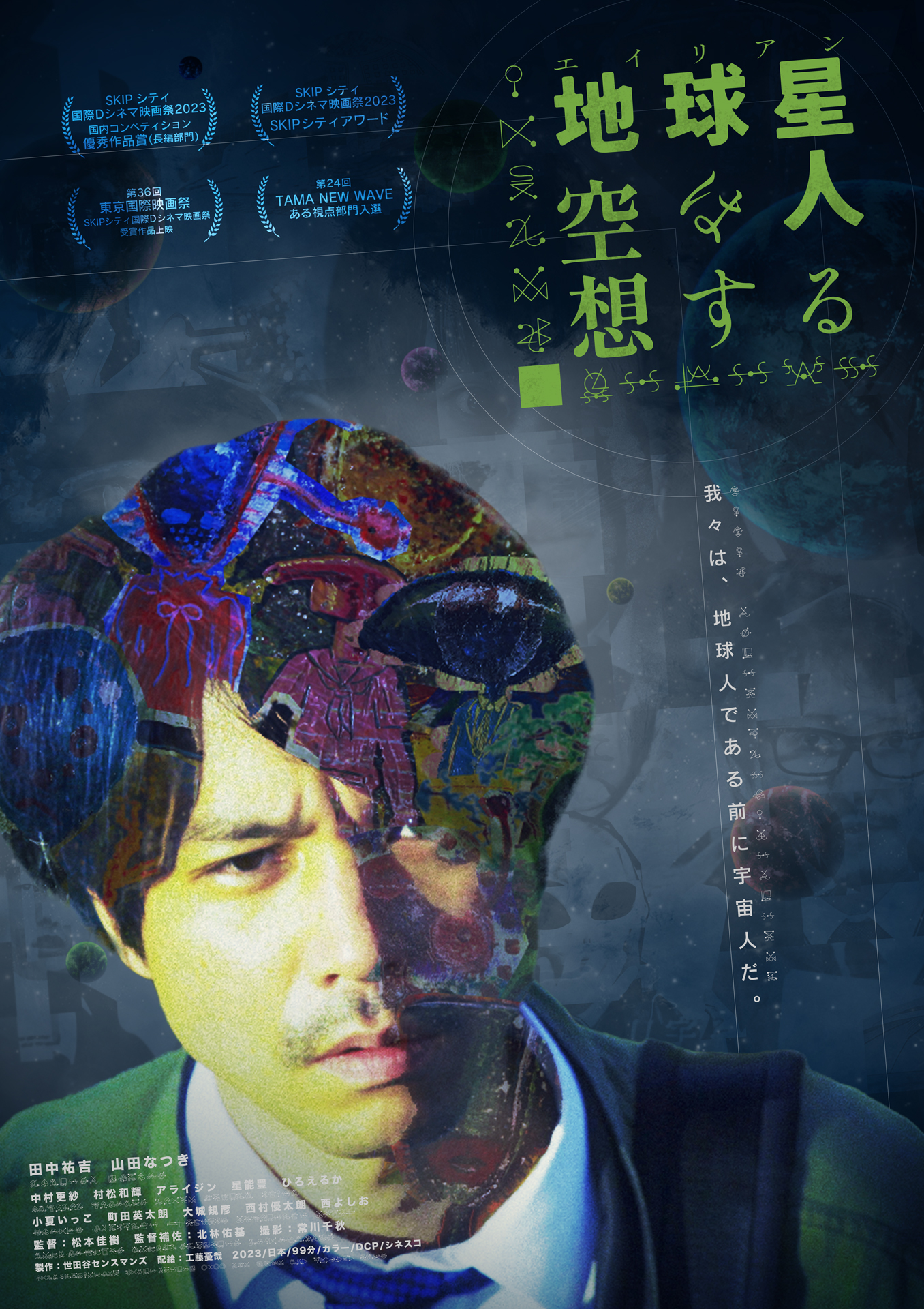
Alien’s Daydream (地球星人(エイリアン)は空想する, Yoshiki Matsumoto, 2023)

Who can really say what’s real and what’s not, who gets to decide what’s right and what’s wrong? The journalistic hero of Yoshiki Matsumoto’s Alien’s Daydream (地球星人(エイリアン)は空想する, Chikyu Seijin (Alien) wa Kusosuru) is asked each of these questions when railing against the absurdities of his latest assignment, a possible UFO hotspot in an otherwise remote area of Japan. In addition to the question of whether there is life on other planets, Ito is confronted by questions of press ethics as he begins to wonder if telling the truth is really the right thing to do.

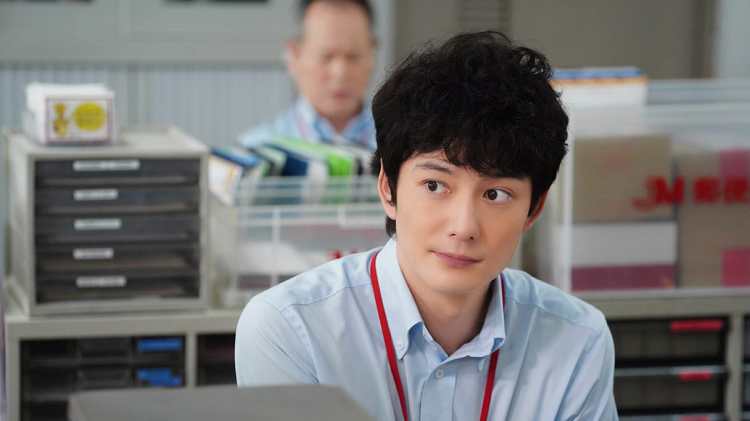
In many ways, Uto’s (Yukichi Tanaka) problem is his rigidity. He doesn’t like injustice, so he stands up to some people bullying a homeless man but then also threatens to report him to the police pointing at the no loitering sign behind him. He something similar while visiting the space museum in the UFO town, abruptly breaking off his interview to confront a young woman and ask her if she has a ticket even though it’s not his responsibility seeing as he doesn’t work there and in fact it’s none of his business. Uto likes to think of himself as a serious journalist and and wants to do real investigations into the things he thinks matter, but is employed by a sleazy tabloid mainly interested in celebrity sex scandals and bits of weird news like the UFO town. 

That’s one reason Uto had little interest in going, but in the end doesn’t have much choice and is surprised to find there actually might be a story in it after all even if not quite the one his boss might be looking for. A local man is claiming to have been abducted by aliens and dumped in a random place some distance from where he was taken, while the girl he interrogated about her ticket, Noa, keeps making cryptic statements about “earthlings”, refers to aliens as her “people” and is fascinated by crop circles.

What he eventually discovers is that Noa may really have been kidnapped a few years ago if by a more terrestrial presence and subsequently brainwashed by a UFO worshipping cult. He realises that to some, including the girl’s mother, the stuff about aliens is a harmless delusion and blessing in disguise that prevents her from remembering what “really” happened. Uto want to write an article stating what how thinks it was, but if he does so there’a chance Noa may find out the “truth” and have her illusions shattered. He goes ahead and publishes anyway, but then realises his central hypothesis may have been incorrect and he’s fingered the wrong man. He then has another dilemma of whether or not to correct his article with Noa’s mother and friends each saying it’s better if he just lets it stand as the truth so that at least Noa won’t be branded a crazy cultist.

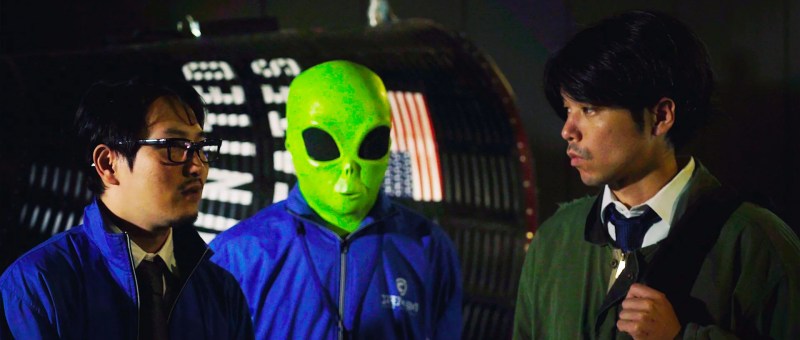
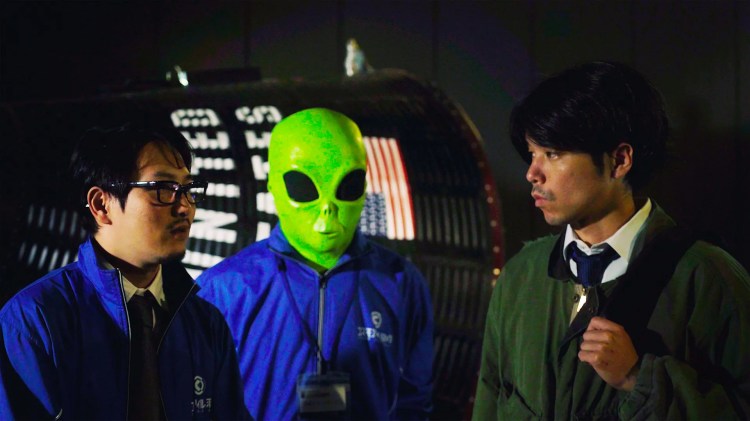
It turns out the local UFO lore has a surprisingly long history dating back to the Edo era which has given rise to a series of folk legends. The space museum itself is designed to resemble the pre-modern UFO and is a decidedly strange place where the manager is constantly shadowed by a man in a green alien mask.Yet what Uto is later learns is that we are all perhaps lonely aliens, each from different planets which is why we’re so different from each other. Uto himself often seems somehow alien in his rigidity and black of white way of thinking, a quality perfectly brought out by Yukichi Tanaka’s stiffness and often vacant stare. Noa asks him if he isn’t tire of living his life like that, so needlessly uptight and unimaginative and perhaps in a way he is though he soon turns the equation around on her. Dividing the film into 10 chapters each with a strange and childlike illustration, Matsumoto adds a touch of whimsical absurdity to what could otherwise be quite a dark tale. Uto may have to learn that he isn’t the arbiter of the truth, selling believable lies to a readership looking for something to make life more interesting, but is free to find the truth for himself because it is of course out there for those want to believe. 


Alien’s Daydream screened as part of this year’s Camera Japan.

Original trailer (no subtitles)
Camera Japan Announces Complete Programme for 2024

Camera Japan returns for its 19th edition in Rotterdam 26th to 29th September and in Amsterdam 3rd to 6th October bringing with it another fantastic selection of the best in recent and not so recent Japanese cinema.

Feature Films

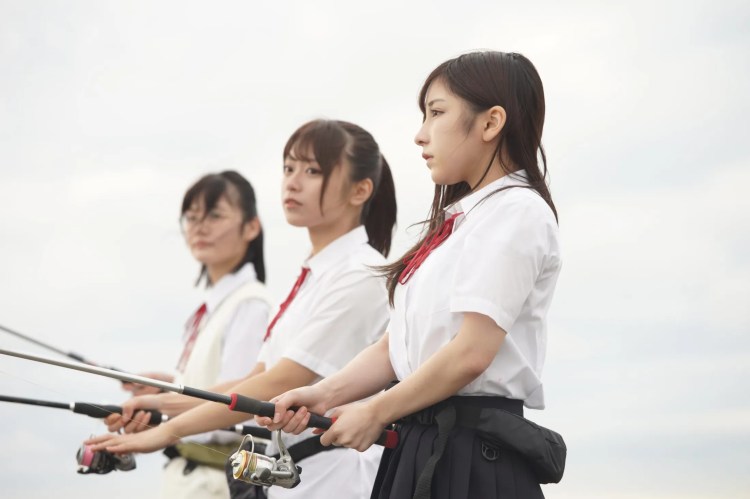
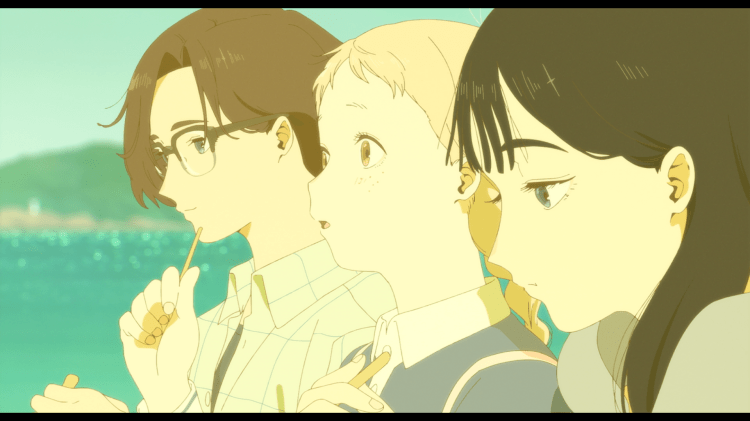
  • Afterschool Anglers Club – a bullied teen makes new friends through fishing in Hideo Jojo’s laidback drama.
  • Alien’s Daydream – surreal drama in which a jaded reporter investigates reports of alien activity.
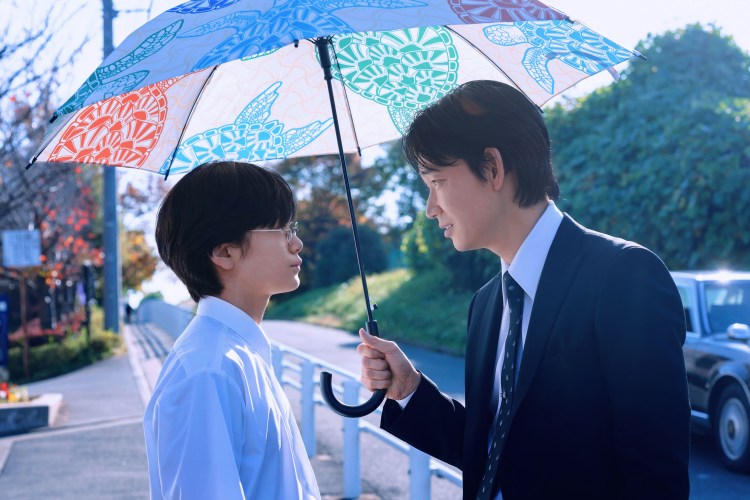
  • All the Long Nights – mismatched colleagues struggling amid contemporary corporate culture find unexpected solidarity in Sho Miyake’s gentle human drama. Review.
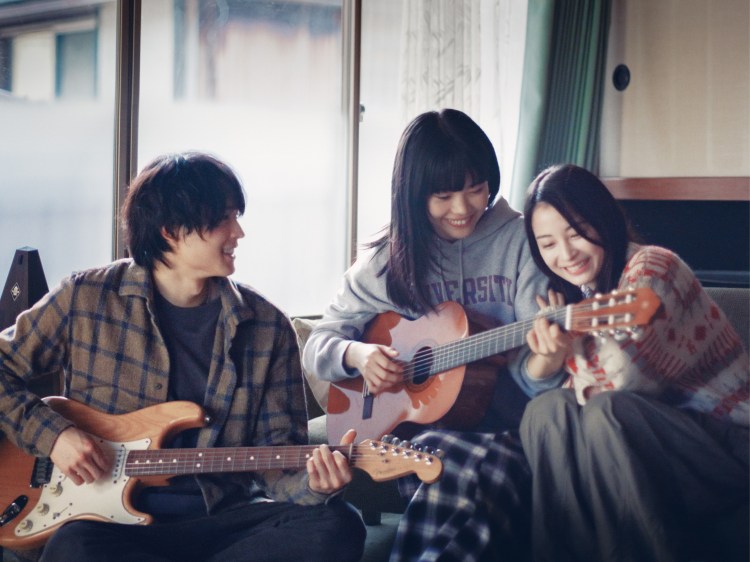
  • All the Songs We Never Sang – a young woman finds herself diving into the past after receiving a less than enthusiastic welcome on visiting her mother’s island home in Chris Rudz’s gentle indie drama. Review.
  • Baby Assassins: Nice Days – the Baby Assassins try to have a nice holiday but instead find themslves facing off against a rogue hitman. Review.
  • The Box Man – those who obsess over the Box Man, become the Box Man, in Gakuryu Ishii’s adaptation of the Kobo Abe novel. Review.
  • Bushido – a stoical ronin’s peaceful life is disrupted by a face from the past in Kazuya Shiraishi’s elegantly lensed period drama. Review.
  • Confession – latest from Nobuhiro Yamashita starring Toma Ikuta and Yang Ik-june as two men hiking in memory of a late friend.
  • Desert of Namibia – a young woman struggles with the conditions of modern living.
  • Fly Me to the Saitama – From Biwa Lake with Love – Osaka is on the March in the sequel to the popular comedy. Review.
  • Great Absence – a forced reconnection with his estranged father forces a young man to contemplate the great absences of life in Kei Chikaura’s poetic drama.
  • Hoyaman – the tranquil island life of a pair of brothers is interrupted by the arrival of a mysterious woman in Teruaki Shoji’s quirky comedy. Review.
  • Ichiko – when a young woman disappears, it transpires that she never existed in the first place in Akihiro Toda’s twisty psychological mystery. Review.
  • Kyrie – musical drama from Shunji Iwai told over 10 years and starring AiNA THE END as a street musician who can only communicate through song.
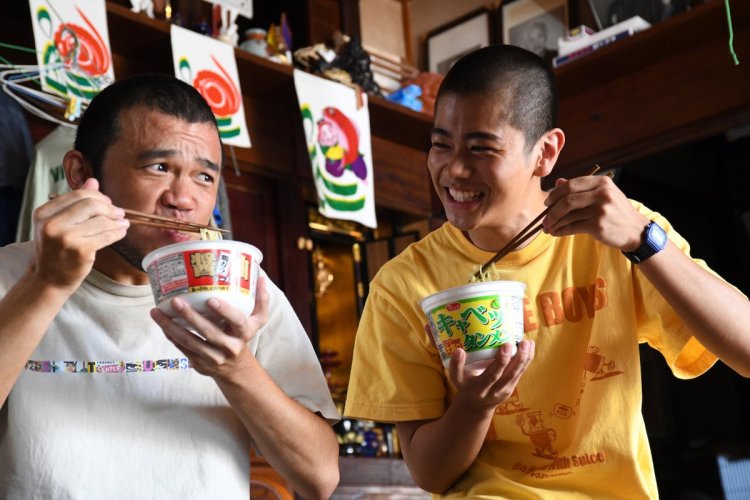
  • Let’s Go Karaoke! – an old school yakuza and high school boy find themselves fighting similar battles through the medium of Karaoke in Nobuhiro Yamashita’s zany comedy. Review.
  • The Moon – a formerly successful author struggling with personal tragedy takes a job at a care home and is shocked by what she finds in Yuya Ishii’s hard-hitting drama.
  • One Second Ahead, One Second Behind – misaligned romantics eventually rediscover a long forgotten connection in Nobuhiro Yamashita’s take on Taiwanese rom-com My Missing Valentine. Review.
  • Penalty Loop – a man trapped in a timeloop of vengeance begins to realise the fallacy of revenge in Shinji Araki’s absurdist drama. Review.
  • Promised Land – a young man takes drastic action when traditional bear hunting is called off.
  • Qualia – a timid poultry farmer’s wife begins to feel her coop’s a little cramped after unwittingly inviting her husband’s mistress to live with them in Ryo Ushimaru’s quirky family dramedy. Review.
  • Retake – a diffident teenage boy finds himself editing in real time in Kota Nakano’s movie-making summer holiday movie. Review.
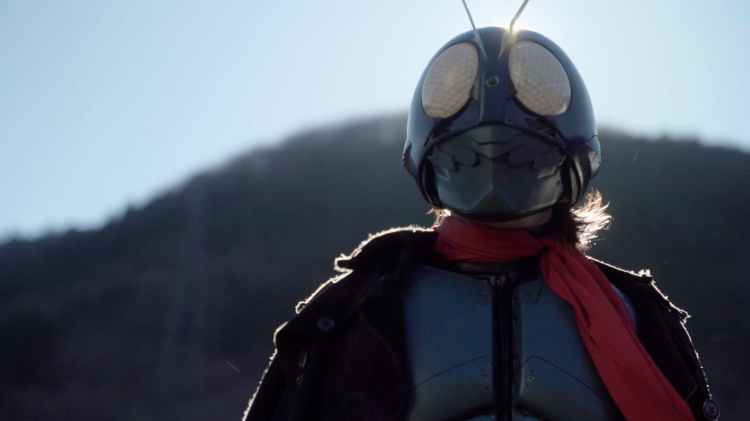
  • Shin Masked Rider – Hideaki Anno’s take on the classic tokusatsu series.
  • Sin and Evil – when their friend is murdered, three teenage boys end up killing a man they assume to be responsible and then carry on with their lives only for the case to echo 20 years later.
  • Six Singing Women – a man finds himself trapped in a strange place after travelling to the mountains in the wake of his estranged father’s death in Yoshimasa Ishibashi’s surreal drama. Review.
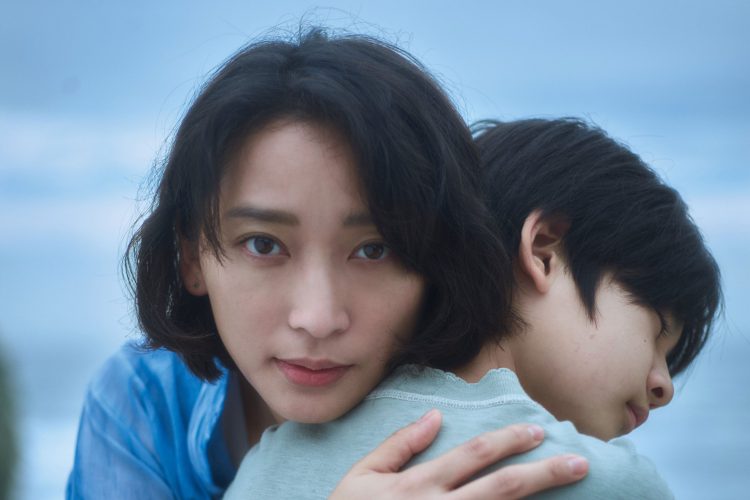
  • Stay Mum – on returning to care for estranged father, a woman finds herself taking care of a neglected little boy in Kosai Sekine’s maternal melodrama. Review.
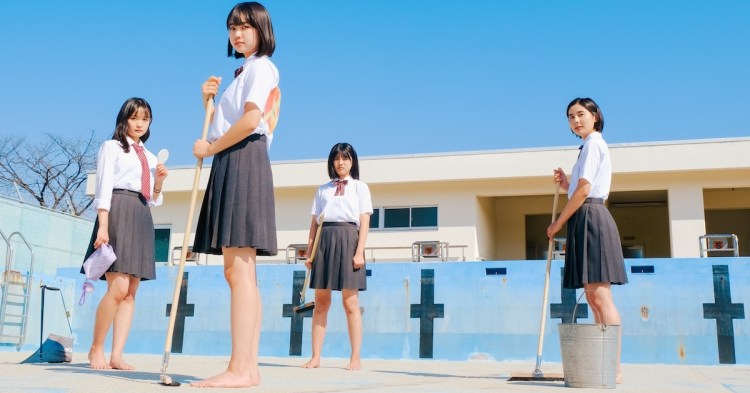
  • Swimming in a Sand Pool – a group of high school girls ponder the role of gender in their lives while shovelling the sand in Nobuhiro Yamashita’s charming teen comedy. Review.
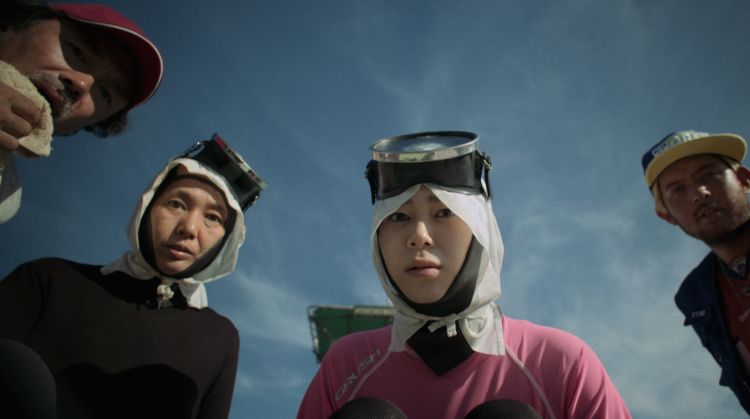
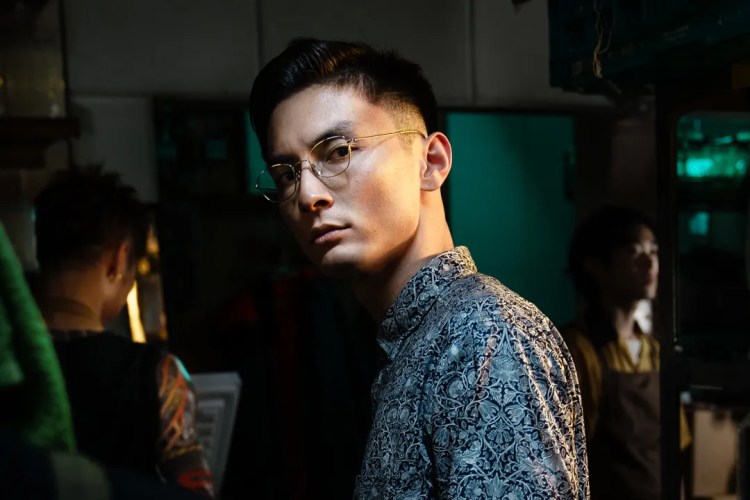
  • Tatsumi – a fisherman/cleaner for a drug gang teams up with his ex-girlfriend’s sister to avenge her death.
  • Till the Day I Can Laugh about My Blues – lonely young woman bonds with a mysterious girl after being given a magic kaleidoscope.
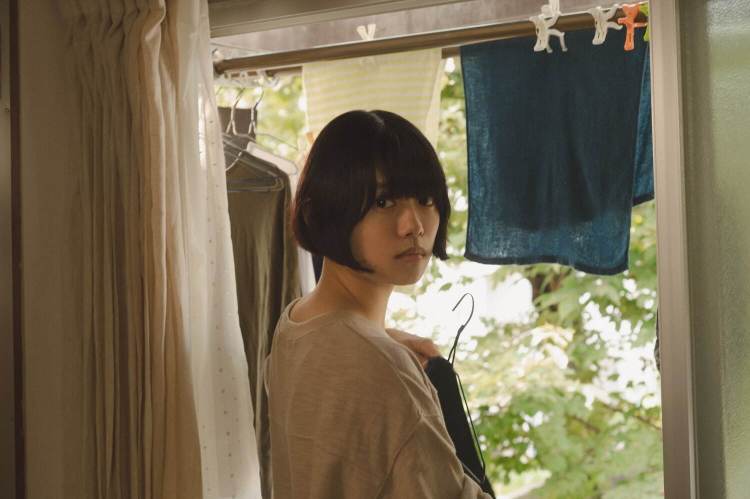
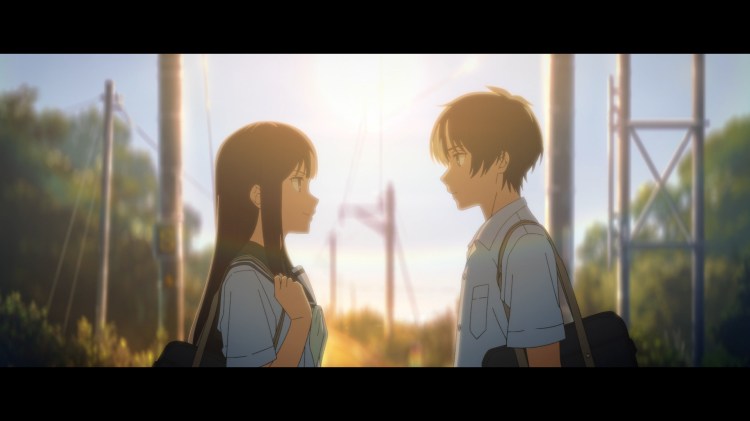
  • Worlds Apart – a young woman goes to live with her eccentric aunt after her parents are killed in an accident in a gentle drama from Natsuki Seta.
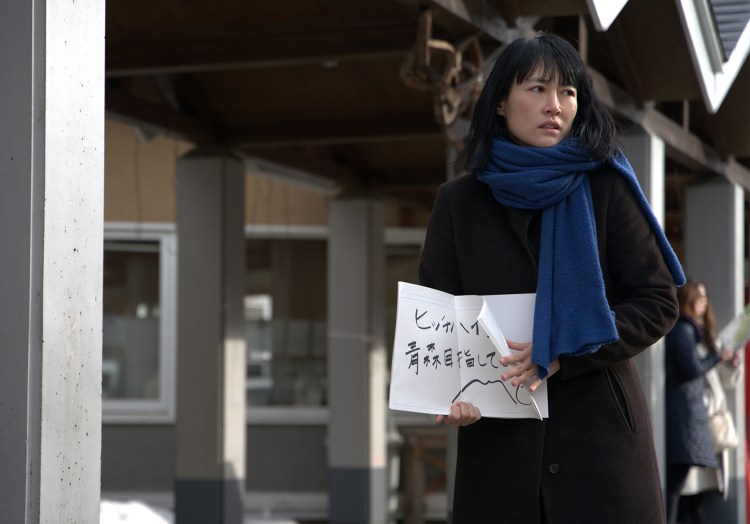
  • Yoko – an isolated woman begins to rediscover herself while hitchhiking to her estranged father’s funeral in Kazuyoshi Kumakiri’s quietly moving road movie. Review.

Animation

Documentary

Special Screenings

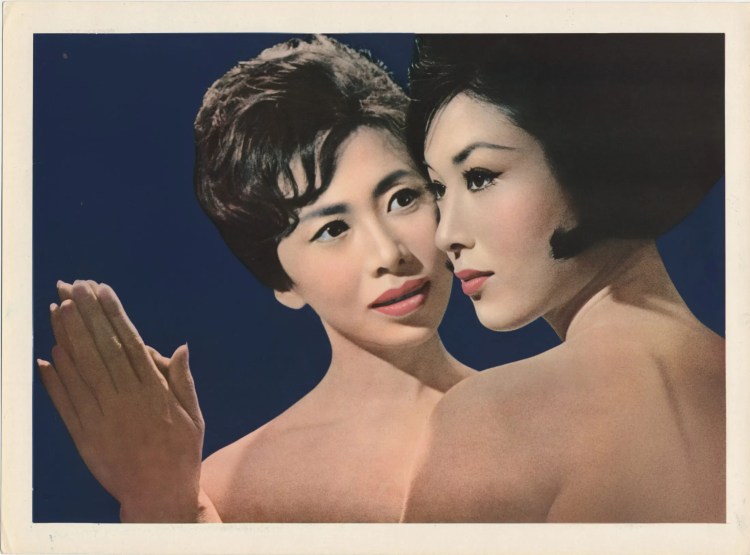
  • All Mixed Up – new restoration of Yasuzo Masumura’s adaptation of the Tanizaki novel Quicksand.
  • Hoodlum Soldier – first in the series of films featuring Shintaro Katsu.
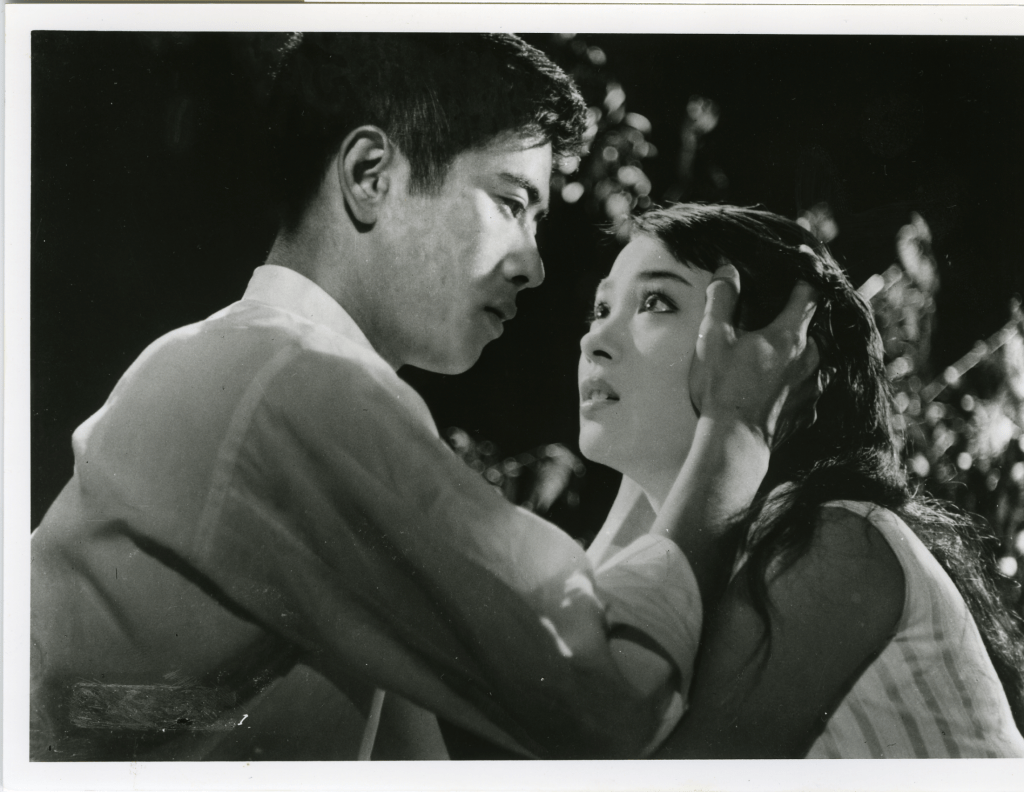
  • Kisses – Masumura’s debut feature subverts the Sun Tribe narrative for sweet and charming youth romance.
  • Nakano Spy School – drama starring Raizo Ichikawa as a recruit at Japan’s famous espionage academy.
  • The Wife’s Confession – searing drama starring Ayako Wakao as a wife accused of killing her husband. Review.

Camera Japan 2024 takes place in Rotterdam 26th to 29th September and Amsterdam 3rd to 6th October. Full information on all the films as well as ticketing links can be found on the official website and you can also keep up to date with all the latest news via Camera Japan’s official Facebook pageX (formerly known as Twitter) account, and Instagram channel.