Rainy Blue (レイニー ブルー, Asuna Yanagi, 2025)

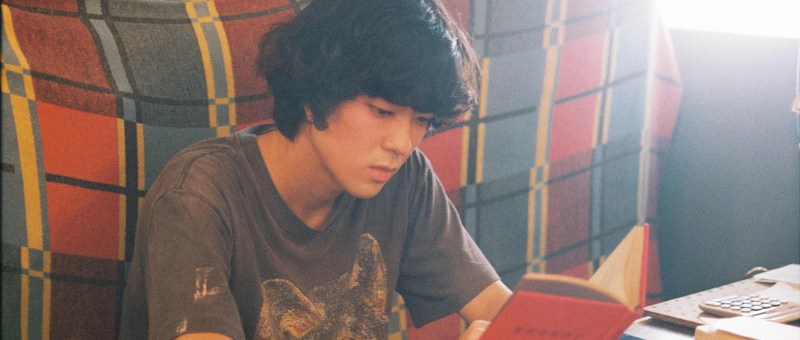
“You never know when it will end,” Aoi mutters to a concerned teacher. “The streaming period, and my life.” Asuna Yanagi’s Rainy Blue (レイニー ブルー) is a semi-autobiographical tale of a young woman figuring out how to live in the world while immersed in cinema. Her father may insist that she look at the reality, but Aoi’s world is already quite surreal even as she pours all her efforts into writing screenplays and watching films but otherwise floundering for direction.

To begin with, Aoi isn’t interested in cinema She just gets sent to see a film as punishment after getting caught setting off fireworks on the school roof because a local cinema has a special retrospective dedicated to actor Chishu Ryu who attended the same high school though probably 100 years previously. Despite scoffing at the idea and chuckling that everyone in the cinema is “old” while even the usher double checks to make sure she’s in the right place, Aoi is captivated by Ozu’s filmmaking and becomes a true convert to cinema to the extent that it completely takes over her life. She becomes the only member of the school’s film club, or as she’s find of reminding people “society”, and regularly turns up late after staying up all night watching movies. 

To that extent, Aoi’s film obsession may not quite be healthy in that it leads her to make some questionable decisions with unintended consequences, such as getting arrested for “stalking” people after following them around as research for her screenplays. She also finds out that one of her old friends, who is also her father’s favourite example of a “good” daughter, is into compensated dating and in reality perhaps just as lost as she is. Aoi’s father no longer understands her and has become authoritarian and unforgiving. He regularly berates and shouts at her while making no real attempt at communication. He simply asks why she can’t be “normal” and concentrate on going to uni like the other girls while complaining about how “embarrassed” he would be if she doesn’t go because it would reflect badly on him as a parent. 

Perhaps it’s not surprising that Aoi retreats into cinema to escape, but it’s also true that she finds a more supportive paternal presence in the guy at the cinema who turns out to have been a classmate of her mother’s. There’s a kind of poignancy in Aoi and her sister’s moment of confusion on realising that their mother was interested in films but they rarely watch them at home because her father doesn’t like them, while her mother rarely has time to go alone. Aoi’s love of cinemas as mediated by an old script she finds in the club room is also a way of connecting with her mother as a potentially more supportive parental figure in contrast to her father’s hardline authoritarianism.

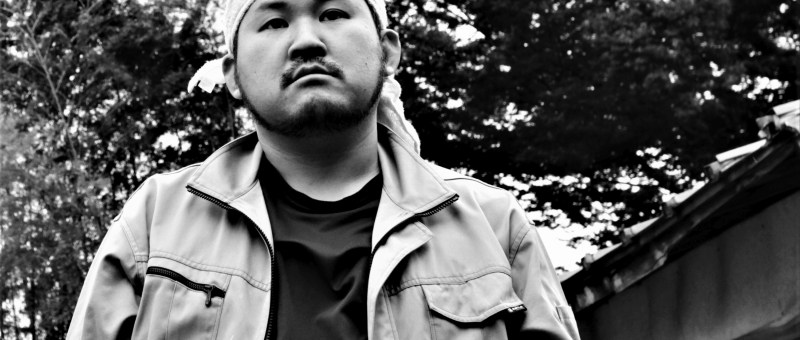
But then, in her love of cinema Aoi is absolutely certain and she’s no reason why she should hide it from anyone else. Her best friend at school is rather bafflingly played by 43-year-old film director Hirobume Watanabe who dresses in a pre-war school uniform complete with student’s cap and little round glasses that make him look strangely like a Studio Ghibli character. Usami is an otaku with a love of anime he thinks he’s kept hidden despite having several anime badges on his backpack and is too afraid to be out and proud about it because he knows he’ll be bullied, which he eventually is when Aoi enters a deeper moment of crisis and more or less abandons him and the school. Watanabe also appears as a weirdly inspirational film director who has a go at an audience member at a q&a who asks him why his film is so nihilistic only for him to turn the question back on her and angrily insist that film can illuminate the way forward for those like Aoi who feel themselves to be lost. 

Thanks to all these strange adventures, her various friendships, and even her father’s animosity, Aoi eventually figures out what she wants to do with her life and gains the courage to go after it no matter what anyone else might say. Set in the picturesque environment of rural Kumamoto, the film’s gentle, laid-back aesthetic belies the storm at its centre and the rainy blue that surrounds the heroine until she too finally finds her way through the labyrinths of cinema.


Rainy Blue (レイニー ブルー, Asuna Yanagi, 2025) screened as part of this year’s Osaka Asian Film Festival.

Original trailer (no subtitles)
Techno Brothers (テクノブラザーズ, Hirobumi Watanabe, 2023)

Hirobumi Watanabe has sometimes cast himself in his films as a misunderstood, struggling filmmaker at the mercy of his own thwarted ambitions and the vagaries of the Japanese indie movie scene. With Techno Brothers (テクノブラザーズ) he shifts his perspective a little in delivering an absurdist satire on the relationship between an artist and the oppressive managerial forces by which they are exploited but are otherwise largely unable to escape.

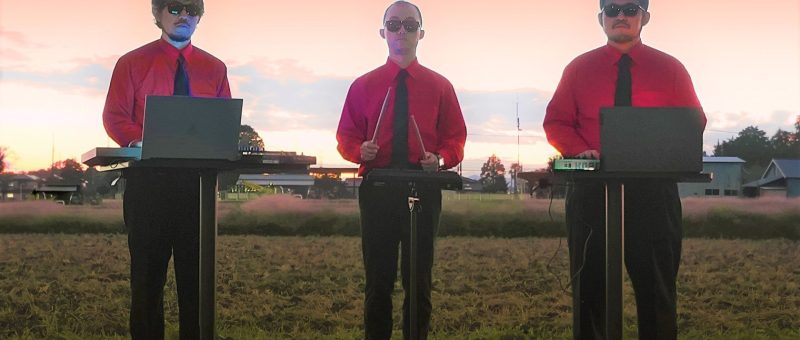
In his previous films, the characters that Watanabe plays have often stood out for their motormouth quality often going on lengthy rants to a largely silent straight man but the total powerlessness of the titular Techno Brothers is signalled by the fact that they are never permitted to speak except through their music. The film contains several scenes of them standing in identical red shirts with black ties and sun glasses, each with an identical impassive expression as they play their 80s style synth techno music inspired alternately by that of Yellow Magic Orchestra and Kraftwerk. They’ve been picked by manager Hiromu who also dresses in a red shirt and sunshades but wears a leopard-print jacket over the top as if to make clear that she is the one in control. 

Hiromu repeatedly makes clear that she believes Techno Brothers are musical geniuses destined to echo through time like Bach and Mozart but in the end she is only really interested in exploiting them financially rather than supporting the art she claims to have so much faith in. In a running gag, she takes them to several restaurants and orders enough food for four people but seemingly doesn’t let them eat any of it and tells the wait staff just to bring them tap water. Why the Techno Brothers allow themselves to be treated this way is a mystery with only the implication that they must really believe that Hiromu can get them career success and are too afraid of ruining their chances to stand up to her. 

Hiromu tries to get them a gig with a local fixer who for some reason is a little girl (played once again by Watanabe’s niece Riko Hisatsugu) who only speaks through her assistant, played by Watanabe in one of several sides roles he assumed throughout the film. She tells Hiromu that Techno Brothers stink and they aren’t marketable locally because their music is out of touch with the times and people won’t understand it (echoing a description of his filmmaking Watanabe has given in his previous films). Boss Riko advises them to seek their fortunes in Tokyo, but though they may briefly leave Otawara they never get out of Tochigi and stuck playing a series of low rent gigs like busking in parks or entering what turns out to be a competition mainly for local children and other unsuccessful adult musicians as in the wonderful folksinger parody once again performed by Watanabe. On one occasion they’re hired by an eccentric orchid grower who wants to see if the kind of music he plays has an effect on the way his flowers grow.

For all its absurdity the film skews surprisingly dark in Hiromu’s indifference the safety of the band, wilfully starving them which apart from anything else would seem to be counterproductive in preventing them from being able to perform not that their performances require much in the way of animation anyway. She books herself fancy hotel rooms and sends them out on the street, keeping the money for herself, while denying them any form of individuality or autonomy. Even if at one point they begin to rebel or make a run for it, they are unable to escape her grasp entirely and are once again rendered mute tools of her own success. 

Then again, it seems Hiromu has bosses of her own to placate and is also on the search for a missing sister though if she treated her like she treated the Techno Brothers maybe she requires no rescue. A brief post-credits coda hints at a wider world of dark corporate finagling the Techno Brothers may have no clue they’re a part of though a title screen assures us that they will return even if currently they seem to have landed right back where they started with little to show for their pains. In this perhaps Watanabe signals his position as an independent filmmaker locked onto a circular path of frustration and appeasement but also a determination to continue making art that people might not understand no matter what the cost.


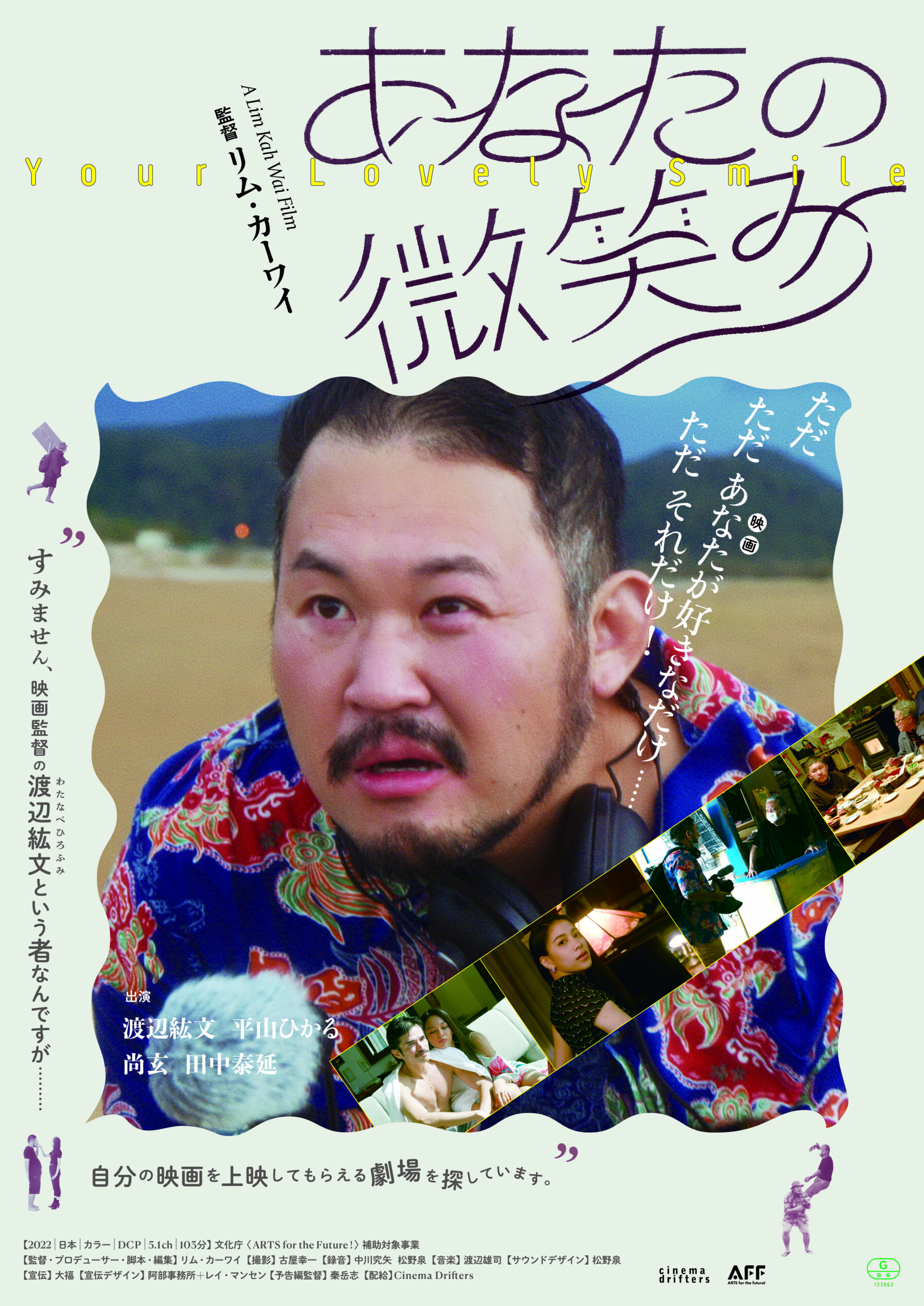
Your Lovely Smile (あなたの微笑み, Lim Kah-Wai, 2022)

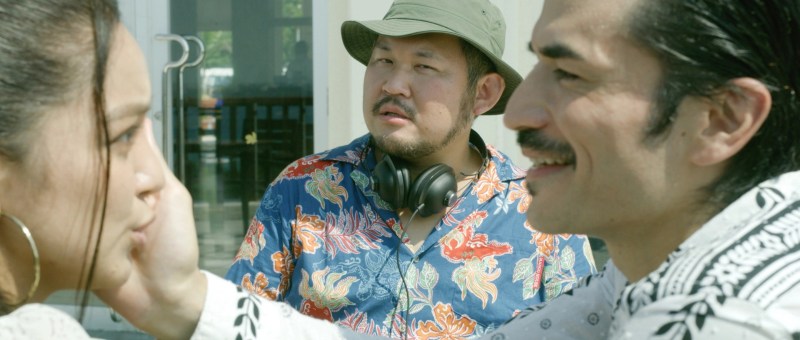
Indie director Hirobumi Watanabe has previously appeared as a version of himself in his own films, playing a self-involved and childish indie filmmaker railing against the world’s failure to recognise his genius in 2018’s Life Finds Away. For Malaysian director Lim Kah-Wai in Your Lovely Smile (あなたの微笑み, Anata no Hohoemi) he takes a rare leading role in someone else’s film doing much the same only with a little less self-laceration as he attempts to reorient himself amid personal and professional anxieties of the pandemic-era industry. 

Once again living out his ordinary days in Tochigi, Hirobumi sighs sadly as he reflects that no matter how many awards he gets his work will never equal that of New Wave masters such as Shohei Imamura and Kaneto Shindo. He’s having trouble completing a script and has no other work coming in. His brother is mainly supporting him through piano lessons, while Hirobumi keeps trying to reassure himself that a big offer from Netflix or Amazon is sure to turn up soon. He may be a “world famous director” but that doesn’t really help him pay the bills and only adds to his sense of anxiety. 

The irony is that in Life Finds A Way Hirobumi had received some harsh feedback from a woman who advised he consider making “good films” like Koreeda rather than the stuff he normally makes, but this time he gets a break, from Toho no less, who hire him for a shoot in Okinawa because Koreeda is too busy filming in Korea. What he experiences there is further humiliation at the hands of a deranged male star (Shogen) who orders him to write script in under a day and has his bodyguards follow him around to make sure he’s applying himself. But of course, the kind of film he wants (not that he really knows) isn’t the sort of film Hirobumi usually makes, or at least gangster romance hasn’t played much of a role in his filmmaking so far. Then again, when the actor asks about winning best actress awards, he might have a point that his films have rather tended to be male-centric save for the cheerfully absurd I’m Really Good which starred his young niece. 

While searching for artistic fulfilment, Hirobumi is often struck by visions of himself walking in the desert where he comes across a woman whom he subsequently encounters in “real life”. The humiliating experience in Okinawa sends him on a more literal journey travelling the length of the Japanese archipelago visiting indie cinemas in the hope that one of them will agree to screen his films. Even within this more friendly, environment, however, he discovers little support. Troubled by the economic conditions of the pandemic era, even microcinemas have to consider the bottom line and are reluctant to play anything other than established classics. Even when one rural cinema invites him for a mini retrospective, it turns out to be run by a man and his daughter who enlist him to hand out fliers and sell tickets in person to the less than enthusiastic locals only a handful of whom eventually show up. The closer he draws to the far the north, the more hopeless he begins to feel about the realities of indie filmmaking in the contemporary society. 

There is a poignant quality in Hirobumi’s obvious loneliness and desire for artistic approval, along with the sense of hopelessness he finds mirrored in some of the cinema owners who struggle to see a future for themselves in an age of streaming and changing taste in entertainment. All of the venues Lim visits in the film are genuine provincial theatres, their owners giving small interviews over the closing credits explaining the difficulties they find themselves in along with their intention to keep going as long as they can. The owner of Bluebird Theater is 92 years old and still running front of house, while the fourth generation owner of the only cinema left in his town wonders if he’ll have to shut up shop if his daughter decides she doesn’t want to inherit the business. The onscreen Hirobumi finds himself reevaluating his relationship with cinema, and even with his beloved Tochigi, as he travels as far as it’s possible to go in the depths of a Hokkaido winter trying to keep something at least alive. Lim’s aesthetic is warmer than Watanabe’s and less deadpan if equally melancholy, but evidently in tune with his sensibility as the two filmmakers come together in shared frustration with the indie life.


Your Lovely Smile screened as part of this year’s Red Lotus Asian Film Festival.

Original trailer (English subtitles)

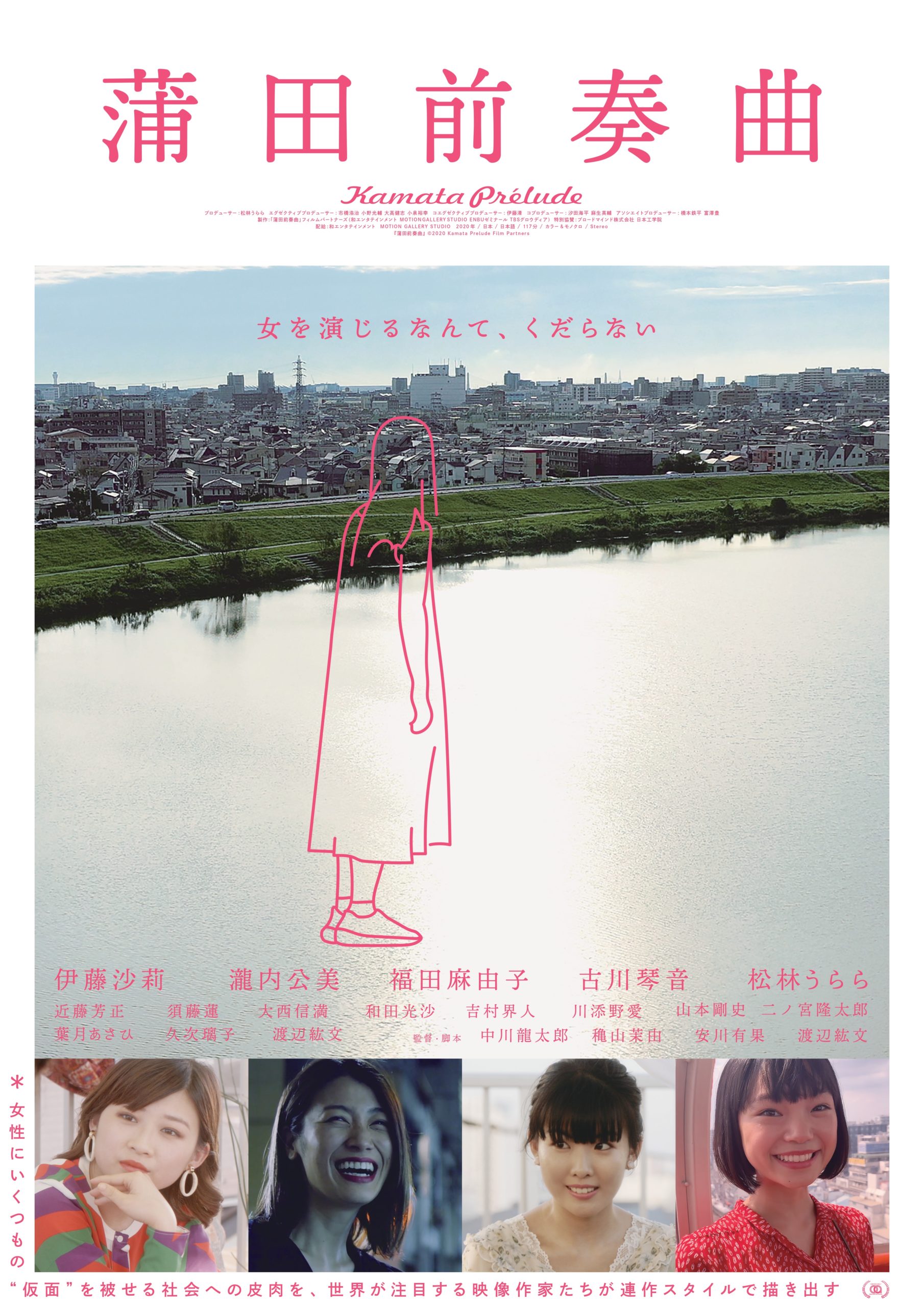
Kamata Prelude (蒲田前奏曲, Ryutaro Nakagawa, Mayu Akiyama, Yuka Yasukawa, Hirobumi Watanabe, 2020)

A quiet suburb of Tokyo, Kamata is in someways the birthplace of modern Japanese cinema home to Shochiku’s prewar studio where the “Kamata Style” which aimed to introduce a note of cheerful naturalism to an artform defined by shinpa gloominess was forged. Produced by actress Urara Matsubayashi who hails from the area and stars in three of the four segments, omnibus movie Kamata Prelude (蒲田前奏曲, Kamata Zensokyoku) asks some tough questions about what it means to be a woman and an actress today in the contemporary capital as the heroine, “Machiko Kamata”, contends with various demands from the economic to the emotional. 

Directed by Ryutaro Nakagawa, the first segment finds Machiko (Urara Matsubayashi) introducing herself as she takes part in a strange audition dressed in an inappropriately short cosplay-style nurse’s outfit. After the audition is over, her agent tells her to say “hi” to the director, a theme which will recur in the third chapter as Machiko finds herself feeling uncomfortable, forced to ingratiate herself in order to get ahead. Annoyed after the eccentric director asks her out for dinner, she can’t help asking him why she has to wear the suspiciously skimpy nurse’s outfit provoking him into a worryingly violent outburst. At home, meanwhile, her world is rocked by her younger brother’s revelation that he’s got a girlfriend who is, ironically, a nurse at local hospital. Jealous and resentful, Machiko can’t warm to Setsuko (Kotone Furukawa) who seems improbably sweet and innocent, almost as if she came from another time (the mid-August dating and ornaments for the Bon festival might clue us in as to why). Spending a day bonding with her, however, the two women generate a kind of sisterhood which pushes Machiko into a realisation of the emptiness she feels in her life of constant struggle as an aspiring actress supporting herself mainly with her part-time job at a ramen bar. 

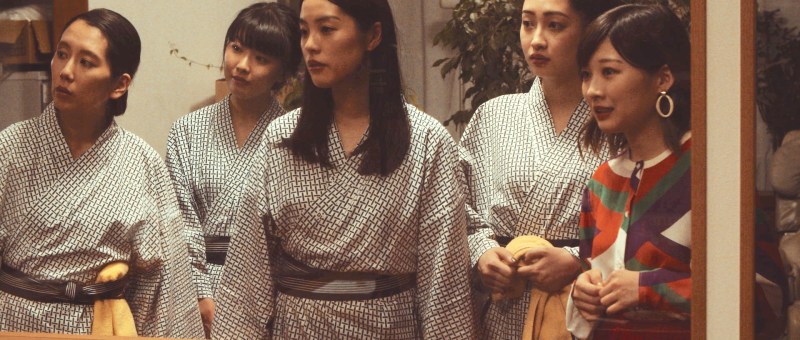
The themes of alienation and insecurity are only depend in the second segment, directed by Mayu Akiyama, in which Machiko reunites with a group of high school friends who are each less than honest about the state of their lives and their unfulfilled desires. Machiko gives the impression that she’s just been in a major movie with a big star, but it turns out she only played a corpse while the rest of the group are scandalised by the bombshell that their friend Marippe (Mayuko Fukuda) has got engaged to a guy from work she’s been seeing secretly for only six months. Besides being somewhat hurt not to have known she was seeing someone, the gang have different reactions to the news with hard-nosed career woman Hana (Sairi Ito) put out by Marippe’s traditional view of conventional gender roles in which she intends to let her career slide to concentrate on being a wife. A trip to a hot spring (the same hot spring seen advertised on Machiko’s T-shirt in part one) brings things to a head with a possibly cheating boyfriend eventually offering the excuse that he is merely a hot spring enthusiast sharing his hobby with a friend of the opposite sex rather than a two-bit louse indulging in the patriarchal double standard. 

Patriarchal double standards are out in force in part three, directed by Yuka Yasukawa, in which Machiko attends another odd audition where she and the other auditionees are asked to outline an episode of sexual harassment they have personally experienced. In fact, we have already seen her be inappropriately propositioned by a middle-aged producer who ran out on her in a coffee shop after she turned him down leaving her with the bill, but the episode she recounts is darker still. As she feared they might, the men in the room quickly figure out who she might have been talking about but proceed to put the blame on her implying that she sleeps around to get ahead and was only offended by the producer’s actions because he wasn’t powerful enough to be useful. It’s another woman however, Kurokawa (Kumi Takiuchi), who kicks things into gear by relating that she was assaulted by a man in a club whom she later reveals to have been the director himself only he doesn’t remember her. The director brings both women back and makes them re-enact Machiko’s tale of being inappropriately propositioned in a producer’s office, increasingly exasperated that the situation seems “too scary” as if he’s entirely missed the point of his own exercise or is actively getting off on the actress’ discomfort. The male cameraman (Ryutaro Ninomiya) is the one who eventually points out that the audition itself has descended into a protracted act of sexual harassment, seemingly conducted solely for the entertainment of the director and his assistant. 

Largely disconnected from the other three chapters, the fourth does not feature Urara Matsubayashi and is in fact set not in Kamata but in director Hirobumi Watanabe’s familiar Tochigi. The opening of his segment, characteristically filmed with static camera and in black and white, finds him once again playing a version of himself ranting about not knowing what to do with this unusual project he has taken on for the money even though he doesn’t generally make shorts, has never done an omnibus movie before, and remains suspicious of the concept. He relates all of this to his 10-year-old niece Riko (star of I’m Really Good), who says absolutely nothing while he continues to treat her as if she were the most famous actress in Japan. Somewhat poignantly, a photograph of Watanabe’s late grandmother sits on a stool off to the side, implying perhaps that little Riko has in some senses taken over her role as silent observer. The main thrust of the action follows Watanabe as he attempts to film a sci-fi movie about an alien invasion with local non-actors, but is finally linked back to the omnibus by Riko’s cheerful letter to Machiko in which she states that she wants to become an actress just like her. Ending on such an upbeat moment seems to imbue a sense of hope for the future that was perhaps previously absent, implying that the hopes and dreams of a little girl at least are worth fighting for if only to live up to her sense of expectation for the magic of the movies. 


Kamata Prelude streamed as part of this year’s Nippon Connection.

Original trailer (English subtitles)

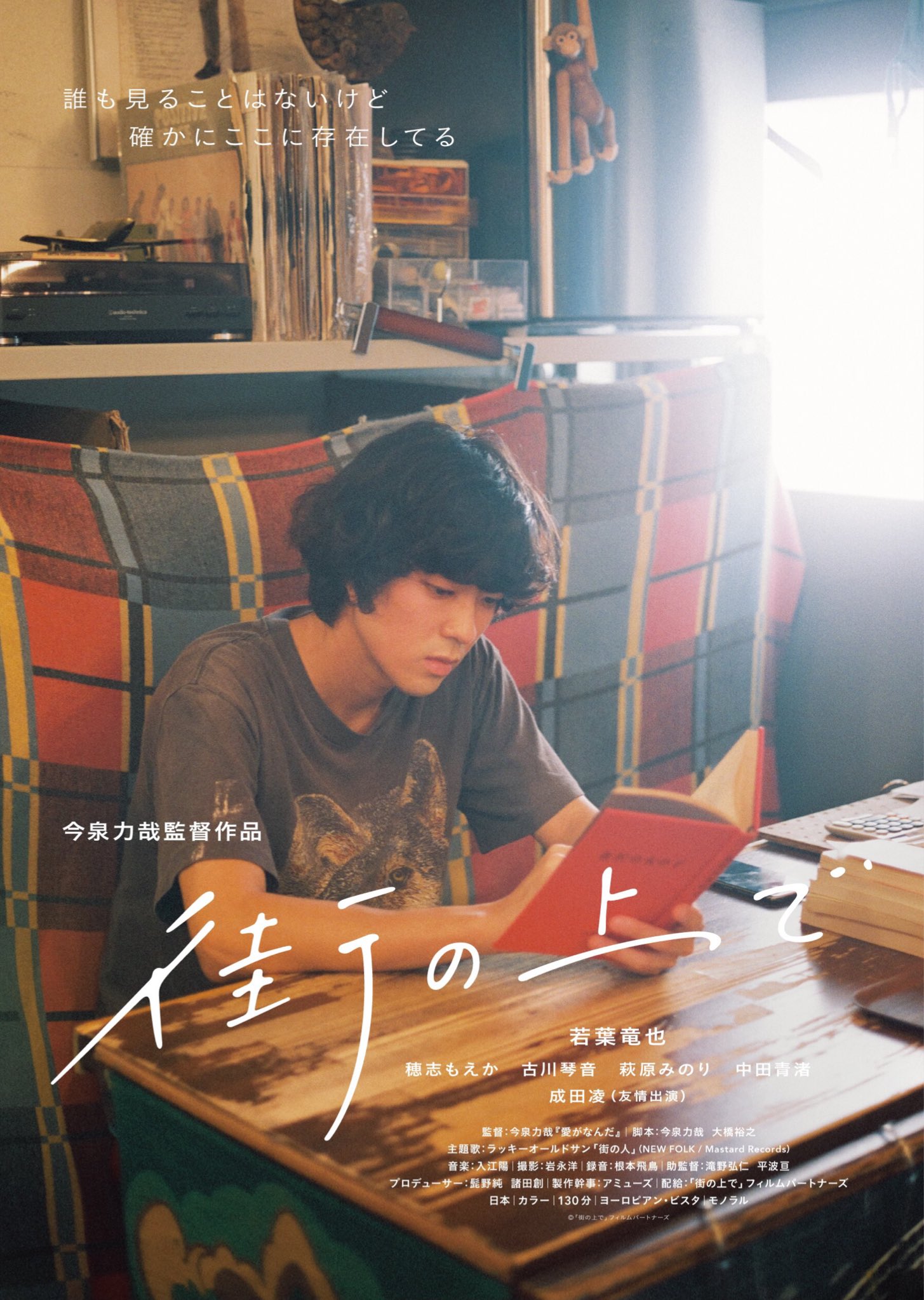
Over the Town (街の上で, Rikiya Imaizumi, 2019)

Frustrated youngsters chase an unrealisable dream of idealised romance in Rikiya Imaizumi’s ode to Shimokitazawa, Over the Town (街の上で, Machi no Uede). For the moment at least known as the bohemian, avant-garde artists quarter of the contemporary capital beloved for its slightly retro quality replete as it is with narrow lanes and period buildings, Shimokitazawa is also a place of constant change but as the hero later points out even if “parts change and disappear that doesn’t mean they never existed”. Nevertheless, he seems to be marked by a particular anxiety, as do many of his age struggling to make meaningful connections in an ever shifting world. 

Ao’s (Ryuya Wakaba) world begins to crumble when he’s unexpectedly dumped by his beloved girlfriend, Yuki (Moeka Hoshi), on her birthday. Unceremoniously telling him that she’s met someone else, Yuki rationalises that breaking up is the only option but Ao tries to resist only for her to tell him that he can go on deluding himself that he still has a girlfriend but from now on she’ll be hanging out with someone new. From then on, Ao seems to be surrounded by frustrated couples and worryingly outdated ideas of romantic politics such as those of the students who drop into the vintage clothing shop where he works. Ao assumes they’re a couple, but a row slowly brews as the girl, Asako, declares herself bored with helping the guy, Shigeru, try on clothes that turn out to be for the purpose of impressing a different girl altogether despite knowing that Asako fancies him. Eventually Shigeru makes a highly inappropriate suggestion, almost akin to a bet, that if the woman he has a crush on rejects him he’ll deign to dating her even though Asako is “a distant second” in his heart. The shocking thing is that Asako agrees, a slightly mournful look in her eyes as she finally reaffirms that she really hopes it works out with the other girl. 

Throughout the exchange during which Ao looks on as an awkward bystander, it becomes increasingly difficult to see what’s so great about Shigeru. Meanwhile, not even Ao comes off particularly well, struggling to deal with his breakup and refusing to accept Yuki has moved on. So hung up on her is he that she eventually ends up contacting the barman at his favourite haunt to ask him to have a word, explaining that it’s inappropriate to go on texting your ex even if she doesn’t reply. Meanwhile, he finds himself at the centre of romantic missed connection, captivated by a sad woman at a concert who gives him a menthol cigarette he keeps in his ashtray as a kind of talisman for the rest of the picture. Infinitely awkward, he talks himself out a potential date with the cute girl at his favourite used bookstore (Kotone Furukawa) by asking an inappropriate question, later doing something similar to a woman (Seina Nakata) with whom he makes a more platonic connection as they each reflect that for some strange reason it’s much easier to open up to someone you have no romantic interest in. 

Perhaps that’s why a melancholy policeman keeps stopping random people in the street to ask their advice on his peculiar romantic dilemma in having inconveniently fallen in love with his “niece” (by marriage and the same age as he is, so maybe it’s “OK”, he’d like to think). Shimokitazawa, which Ao rarely leaves, is indeed a small world, the various strands of his romantic entanglements strangely connected from a young woman’s unrequited longing for her sumo wrestler childhood sweetheart to a TV actor’s (Ryo Narita) troubled love life and a young film director’s (Minori Hagiwara) attempt to deflect her own sense of romantic disaffection. Just as Yuki used another man as an excuse to break up with Ao, Ao finds himself recruited as a fake boyfriend to help a young woman shake off a controlling ex whose refusal to accept the relationship is over in the absence of another man skews even darker than his own signalling perhaps like that first vintage shop exchange the dangerously outdated sexual politics which continue to underpin modern dating. Perhaps boring love is the real kind of fun, comfortable and balanced marked by true connection and mutual vulnerability rather than a giddy anxiety. A stubborn holdout where everything’s secondhand in a continual circulatory process of exchange and return, Shimokitazawa is the kind of place where love finds you even if it takes a while to wander on its way. A charming ode to this timeless yet ever-changing district, Imaizumi’s quirky dramedy keeps the neurosis of young love on the horizon but suggests that romance, like a well baked cake, keeps much better than you’d think when cooled.


Over the Town screened as part of the 2021 Osaka Asian Film Festival.

Original trailer (no subtitles)

I’m Really Good (わたしは元気, Hirobumi Watanabe, 2020)

Hirobumi Watanabe has made a name for himself as a purveyor of deadpan wit, often shooting in a stark black and white and casting himself as a sometimes irate monologuer inhabiting a world of silence. With I’m Really Good (わたしは元気, Watashi wa Genki), however, he for the most part stays behind the camera which he operates for himself for the first time in the absence of regular cinematographer Bang Woo-hyun, and subverts the conceits of Poolsideman to show us the innocent world of childhood, following an energetic little girl through one ordinary, though as it turns out, packed with small incident day. 

After opening with a colour sequence in which Riko (Riko Hisatsugu), a very energetic young girl, shoots an encouraging iPhone video, Watanabe returns to a more familiar black and white to find her playing with her best friend Nanaka (Nanaka Sudo), and then waking up to the sound of bird song ready for a brand new day. Like the hero of Poolsideman, she is constantly exposed to the radio news though, we can assume, she is not the one who put it on or actively listening to it. The central irony is that, where Poolsideman’s hero found himself driven in dangerous directions by reports of death, violence, and war, Riko is largely indifferent to the current pensions crisis which seems to be dominating the news. As a child, pensions are not something she is particularly worried about, though in a very real sense this will one day affect her especially in its implications for Japan’s rapidly ageing society as the discussion moves on to potential tax reform and ideas to combat a stagnating economy. In any case, Riko carries on playing happily with her friends, the news washing over her as perhaps it should. 

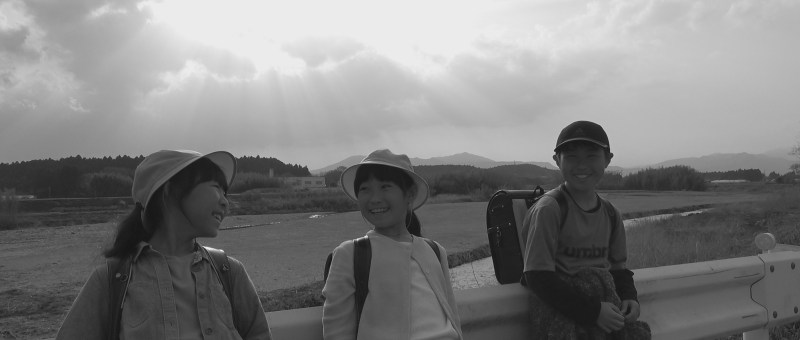
Meanwhile, her days are filled with ordinary things like walking to school with her brother and Nanaka, chatting about what’s for lunch and what they had for dinner, playing shiritori, and enjoying the pleasant rural landscape. In the evening they make the exact same journey in reverse, returning to their homes where they do their homework and wait patiently for their parents to return from their jobs to make dinner. On this particular day, two unusual events occur the first being she’s ended up with Nanaka’s homework book by mistake and needs to return it. The second is a visit from a strange man with the bizarre name of Kamekichi Jinguji (Hirobumi Watanabe) who claims to be from a company selling textbooks that will send even the dimmest of students to the top of the class. 

Luckily Riko is not duped by Kamekichi whose rather bizarre scam is undermined when she tells him her dad’s a policeman which sends him into a bit of a panic, but his presence does perhaps hark back to the pensions crisis as Riko finds herself targeted by a problem which is usually associated with the elderly in being doorstepped by a fraudulent salesman taking advantage of the fact she is currently without responsible adults with both parents out working. He tries the same thing with Nanaka who is almost taken in, but catches her just after Riko has arrived to give the book back, pausing only to remind the girls that they are the future and it’s their job to build a better Japan. Particularly ironic advice from a guy conning children out of their pocket money in exchange for phoney textbooks, not to mention somewhat unfair in projecting the responsibility for fixing a series of social problems like the pensions crisis into the future when it’s people like him who should be fixing them now to make the better world possible while little girls like Riko and Nanaka play happily enjoying a carefree childhood. 

To that matter, Riko’s childhood seems to be pretty carefree. She hangs out with Nanaka, plays football, enjoys the pleasant country environment and is surrounded by loving family even if sad that her policeman dad often works late and can’t join them for dinner while her older brother is forever playing video games at the table. The politicians on the news debate what standard of life is appropriate, trying to get out of their responsibilities by splitting hairs about the “model family”, but Riko carries on enjoying her ordinary days oblivious to the troubles of the world around her. “I’m really good!” she affirms in her introductory video after politely enquiring after the viewers’ health, and it’s as good a mission statement as you’re likely to find. 


I’m Really Good is available to stream worldwide until July 4 as part of this year’s Udine Far East Film Festival.

Festival trailer (English captions)

Cry (叫び声, Hirobumi Watanabe, 2019)

Hirobumi Watanabe has become closely associated with a particular brand of deadpan, black and white comedy, often casting himself in a prominent role as a motormouth monologuer. Cry (叫び声, Sakebigoe), however, returns him to the themes of 7 Days which proved divisive with critics following as it did the lowkey absurdist charms of And the Mud Ship Sails Away… Once again set in rural Tochigi, the (almost entirely) wordless Cry stars Watanabe this time as a pig farmer rather than cattleman and follows the crushing mundanity of his life over the course of an ordinary week. 

Replete with agricultural detail, Cry is at pains to dramatise the cyclical, rhythmic qualities of a life lived in tune with nature even as that of a pig farmer is in some ways perhaps in conflict with it in the cultivation and constraint of other living creatures. There is perhaps something rather ironic in recalling that Watanabe’s production company is called Foolish Piggies Films, and it’s all but impossible to ignore the odd kind of symmetry in the life of the farmer and his animals who are each in their own way imprisoned on either side of the bars. The major difference between them lies in crowding and solitude, cacophony and silence. Aside from the equally silent grandmother (sadly the final onscreen appearance of Watanabe’s own grandmother Misao Hirayama who sadly passed away last year and had been a constant fixture in each of the director’s films to date) with whom he lives, the farmer has no other human contact, indeed his only “social” outlet is a solo trip to the cinema where he is the sole spectator and the only other person with whom he interacts is the usher who says nothing more than “enjoy the movie”. 

We can infer that the farmer goes to the pictures every Sunday at around the same time after seeing to the pigs, that he likely does so alone, and that this is a fixed part of his weekly routine. On a weekday, we see him rise, eat breakfast with his grandmother, muck out the pigs and break for lunch, usually taking a moment of rest on windswept rooftop under an incongruous electricity pylon as if to signal the encroachment of modernity on his simple life, or in event of rain returning home to read the paper. In the evenings he reads by the light of a small lamp and writes in a diary. Sunday aside, his days are almost identical yet, unlike the heroes of other Watanabe films who often comically walk the exact same routes they came by only in reverse, he seems to vary his path, making the surprisingly long journey between his home and the pens a little less predictable than the other areas of his life. 

The “cry” of the title might express this desire for an interruption to the maddening mundanity of his existence, but otherwise the farmer does not appear to be particularly unhappy with the simplicity of his life save for the intense drumming of the taiko score which accompanies him as he walks along the quiet country paths towards the pens as if he were heading to a battlefield which, in a way, he perhaps is as he engages in the paradoxical task of caring for animals he will one day surrender for slaughter and in fact consume.

He does not seem to be withholding a wail of existential despair, merely living an ordinary life in ordinary ways. Even on his trip to the cinema, he appears to be watching, until he falls asleep, footage from Watanabe’s own I’m Really Good (a poster for And the Mud Ship Sails Away… also sits in the foyer) in which farmland kids walk the same paths he walks but entertain themselves with games of shiritori which is generally much less fun to play on your own even if not exactly impossible. At home he cares patiently for his grandmother, diligently cleaning her dentures, again another part of his routine, while bathing in the calming silence free of the noisy cacophony of the pig pens and of the roar of the wind which sweeps the rooftop. His life may be simple, but perhaps no less repetitive than that of many others and with its own small joys even in its mundanity. 


Cry is available to stream worldwide until July 4 as part of this year’s Udine Far East Film Festival.

Festival trailer (English captions)

Life Finds a Way (普通は走り出す, Hirobumi Watanabe, 2018)

Hirobumi Watanabe goes full 8 1/2 with the decidedly meta comedy, Life Finds a Way (普通は走り出す, Futsu wa Hashiridasu). After the joyful celebration of Party ‘Round the Globe, he returns in a noticeably self-reflective mood once again playing a version of himself as a self-involved, childish blocked filmmaker who fears he is falling out of love with film. Unable to come up with ideas, he fobs off producers and ignores phone calls while hanging out with grandma (Misao Hirayama) and making a nuisance of himself at the library but a mini-nervous breakdown and a reconnection with the film-loving little boy he once was perhaps offer him new direction though the jury’s out on whether “Hirobumi” is ever going to grow up. 

Once again locating itself in peaceful Tochigi and shot in crisp black and white with Watanabe’s trademark deadpan static camera, Life Finds a Way opens with Hirobumi fielding a phone call from a producer in which he confesses that he’s supposed to be working on a script created in collaboration with rock band Triple Fire but he’s getting nowhere so he’s hanging out in a cafe to “relax” while playing Dragon Quest. Later he rings his cinematographer, Bang Woohyun, and makes a similar apology, admitting that he’s going to take some time off to watch the World Cup because, after all, it’s a once in every four years opportunity. Meanwhile, he’s mostly snoozing at home with grandma, or driving around with his almost entirely silent and extremely patient strawberry farmer friend Kurosaki (Kurosaki Takanori). 

One of his early rants offered as a monologue to Kurosaki who seems to be used to them, revolves around his sense of inferiority as a creative unfairly maligned as a lazy good-for-nothing by workaholic Japanese society. In Japan, he says, we worship the worker ant who survives because he works away earnestly, while in France they honour the grasshopper because his beautiful music can cheer you up even in the depths of winter. Hirobumi thinks the French have it right, that Japanese people are too obsessed with doing everything “properly”, always worrying about trivial things. According to him, there are far too many worker ant types in the Japanese film industry. He thinks films should be free and unconstrained, not bound by some kind of ideal. 

In any case, while being quite rude to “worker ant” Kurosaki who labours all day long on his strawberry farm, Hirobumi blames all his problems on having been unlucky enough to have been born in Japan rather than somewhere like France where they appreciate people like him. Later, he interviews a few locals and asks them what they think is the problem with the Japanese film industry, only for Kurosaki to repeatedly answer “it’s Hirobumi”, perhaps getting his own back. In fact, Kurosaki, apparently meaning well, shows Hirobumi a piece about of one of his films in a glossy magazine only it’s uncomplimentary in the extreme which sends him into a rage, ranting furiously about ungrateful audiences and how much he hates film critics. Hirobumi seemingly blames everyone but himself for his faults and failures, climbing all the way up to a hilltop shrine to pray that he wins the Palme d’Or while also asking that the gods not give good jobs to successful directors but give them all to him instead, and for bad things to happen to someone who sent him a strongly worded letter. 

Hirobumi’s “fan mail” appears to be from a stuffy old woman who states that she has “kindly” written to him several times already to explain that his work is an insult to cinema yet he keeps “selfishly” making films. She’d liked to have told him this in person, but was apparently “too busy” so has written another letter urging him to reflect on his life choices and either make “good” films like Koreeda and Miyazaki, or find himself another career. Hirobumi wonders what the point of films is if they don’t make people happy or have the capacity to change the world. Asked what films meant to them most of his interview subjects either had no answer or regarded them only as entertainment. An encounter with himself perhaps reminds him what it was he saw in cinema and allows hims him to begin moving forward creatively. 

But even having finished his script, has Hirobumi really changed? He seems permanently to be surrounded by children, hanging out reading the manga in the kids’ section of the library, lining up behind a string of obedient primary school students to check out his DVDs where he sets a bad example by having a series of Tora-san movies already overdue but using grandma’s card to take out more, and hanging out with his niece catching crayfish in the local stream with a bucket and net just like he must have done since he was little. He lies about missing the World Cup, ignores phone calls from the library to snooze while spending time with grandma, and is not really any nicer to the patient Kurosaki than he was before. But life finds its way, Hirobumi escapes his creative malaise by rediscovering the joy of cinema, healing himself body and soul, and feeling more positive about the future even if nothing has really changed. 


Life Finds a Way is available to stream worldwide until July 4 as part of this year’s Udine Far East Film Festival. It was also scheduled to screen as part of the 10th season of Asian Pop-Up Cinema.

Festival Trailer (English captions)

Original trailer (no subtitles)
Party ‘Round the Globe (地球はお祭り騒ぎ, Hirobumi Watanabe, 2017)

Party 'Round the Globe

Ever since their startlingly surreal debut And the Mud Ship Sails Away, the Watanabe brothers have been quietly making waves, determined to put their native Tochigi on the big screen. Last year’s award winning Poolsideman took them to a darker place than they’d hitherto ventured as its silent protagonist lived out his days with rage fuelled anxiety, ready to explode at any given second. Party ‘Round the Globe (地球はお祭り騒ぎ, Chikyu wa Omatsurisawagi) neatly mirrors Poolsideman’s despair and counters it with everyday joys. Once again starring Gaku Imamura as a silent loner, and the director himself, Hirobumi Watanabe, as the non-stop chatterbox intent on making friends with him, the latest effort from the Watanabe brothers finds that despite the myriad awful things reported in the news, life is still basically good, at least in Tochigi when the sun is shining.

In a mild departure from the now familiar pattern, Watanabe opens with a beautifully animated picture book sequence in which a little robot child dreams of travelling to the moon but is unable to catch it even when speeding full steam ahead with his friend, Mr. Car. The robot children love the moon so much that they build a factory to produce fake moons which soon fill the sky, leaving the adults confused and worried, unable to tell the real moon from the fake. All too soon the boy is alone again as his friends float away looking for the “real” moon.

Seemingly divorced from the main narrative, the images from the picture book recur throughout as part of the decor in the strangely warm family home inhabited by the silent and melancholy Mr. Honda (Gaku Imamura) and his lovely little dog, Ringo. Mr. Honda’s routine is set – he listens to the radio as he prepares breakfast, takes Ringo for a walk, and works at a small family run electronics factory where he keeps his head down and concentrates on the repetitive exactitude of soldering circuitboards all day long. The day is interrupted by the cheerful sound of the musical bells which signal a pause in his work, but unlike his colleagues who cluster around the table in the staff room, Mr. Honda stands alone outside, smoking sadly in silence.

Mr. Honda’s life changes when the radio announces some good news for a change – Paul McCartney is coming back to Japan. Unexpectedly invited to accompany a colleague, Hirayama (Hirobumi Watanabe), Mr. Honda finds himself driving all the way to Tokyo with a man who won’t stop talking. Hirayama monologues on and on, never waiting for the answer to his questions and often filling them in himself so he can carry on ranting about standing room only concert venues, entitled Bob Dylan fans, and once again the mystifying fascination young people seem to hold for One Piece. Yet where Poolsideman’s anti-social loner merely tolerated his colleague’s loquacity, Mr. Honda seems almost relieved his new friend is doing most of the talking and is grateful to have been included on this trip, not least because he is also a big McCartney fan who failed to get tickets for his landmark concert.

Mr. Honda’s radio announces terrible things happening everywhere – mistrust in government as the scandal surrounding polluted land at the site of the controversial relocation of the Tsukiji fish market intensifies while the rightwing ruling party is intent on passing an equally controversial anti-conspiracy law which many fear will infringe on civil liberties. Abroad there are religious hate crimes, buildings burning down with people trapped inside, and North Korea sabre rattling in the background. Mr. Honda reacts to them all with stoical indifference, watering his plants, watching baseball games and enjoying the peace and quiet of a pleasant spring day. Yet there’s a sadness in his serenity, as if he’s trying to block out a personal tragedy through silence and repetition as he takes care of his dog alone in a house filled with picture books and children’s drawings but seemingly no children.

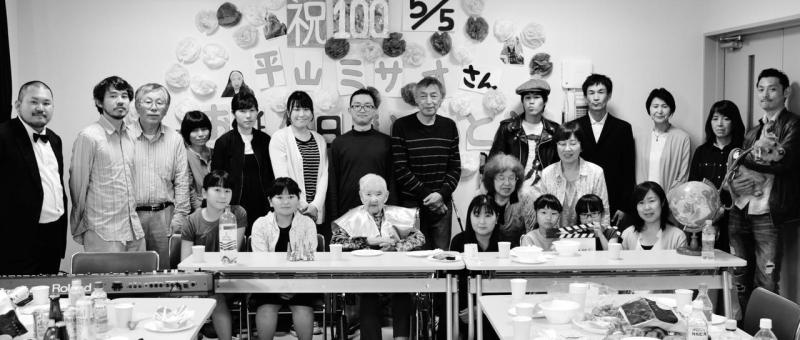
Nevertheless, life goes on and the globe keeps turning. Mr. Hirayama’s grandmother celebrates her 100th birthday surrounded by her large extended family who gladly make room for friends old and new. Mr. Honda and Ringo are no longer quite so silent and alone, coaxed out of their self-imposed isolation by the extroverted Hirayama who is also glad to have unexpectedly made a new friend in bonding over a shared love of retro pop. No matter how bad things seem to be, there is still warmth and friendship to be found everywhere but most especially in Tochigi.


Screened at Nippon Connection 2018.

Original trailer (English subtitles)

Poolsideman (プールサイドマン, Hirobumi Watanabe, 2016)

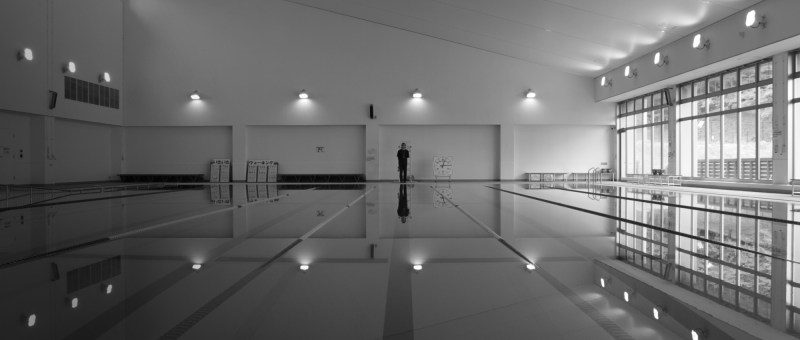
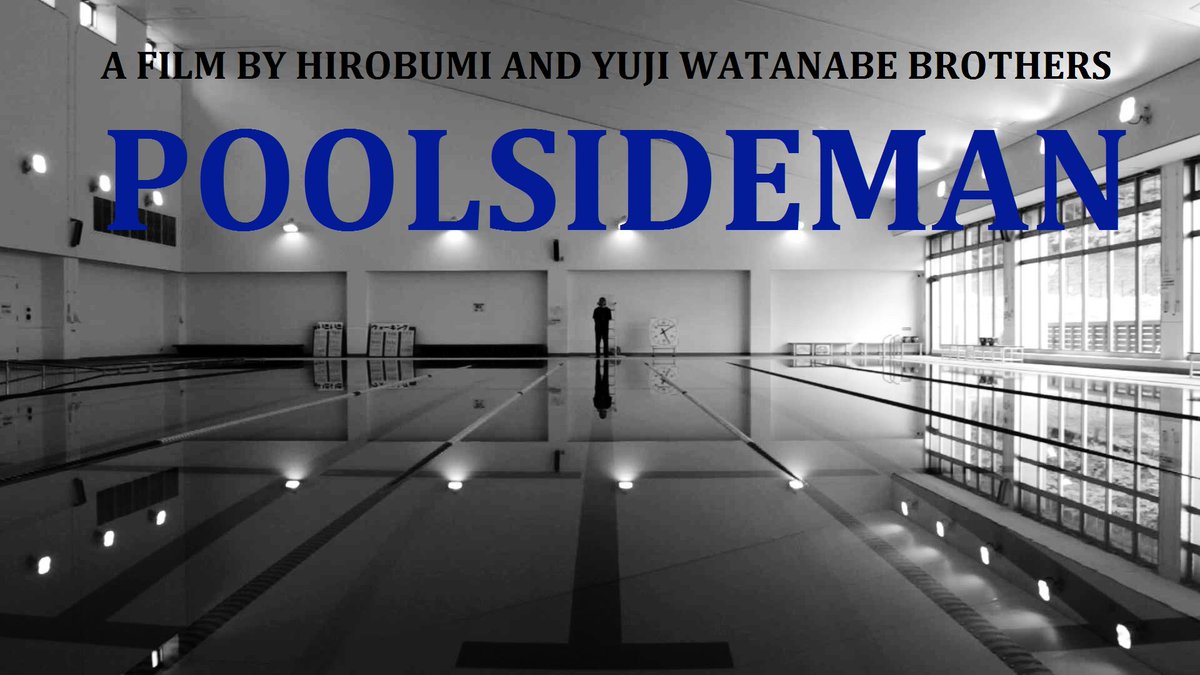
poolsidemanAround halfway through Poolsideman (プールサイドマン), the director himself playing an overly chatty colleague of the film’s protagonist, embarks on a lengthy rant about encroaching middle-age which is instantly relatable to those who find themselves at a similar juncture. He’s sure the world seemed better when he was a child, there wasn’t all of this distress and anxiety – everything just seemed like it would go on forever but time has inexplicably sped up with a series of rapid changes packed into recent years. The life of a poolsideman is improbably intense, or at least it is for Mizuhara (Gaku Imamura) whose days are all the same but filled with tension and the low simmer of something waiting to explode. Loosely inspired by the real life case of a man who left Japan for the Middle East with the idea of joining Isis, Poolsideman wants to explore why such a surreal thing might happen but finds it all too plausible.

Mizuhara lives his life to strict routine. He gets up, turns on his radio to listen to the latest current events which mostly have to do with atrocities in the Middle East, eats breakfast and goes to work where he checks the lockers, patrols the pool, writes down various readings from the boiler system, and avoids his colleagues at break times by sitting outside or eating shortbread in his car before leaving for the day. He then goes to a local cinema where he is generally the only audience member and watches a violent film full of shooting, explosions and screaming, before grabbing a McDonald’s dinner and going home to bed.

His precious routine is broken when one of his colleagues informs him that they’re both being sent to a different pool to help out with staff shortages and asks if it would be possible to give him a lift because the pool is kind of far and he is only a “paper driver” – he has a license, but in reality doesn’t drive. It’s not as if Mizuhara can refuse, and so the pair drive together to another pool where they do the same job only in different surroundings.

The first hour or so of this two hour film is entirely taken up with Mizuhara repeating his near identical days while different news reports play recounting various international atrocities. Mizuhara never says anything and runs through each of his tasks with robotic precision but there’s something burning somewhere just behind his eyes. He looks at his colleagues with disdain as they gossip raucously in the rec room before taking himself outside to smoke or enjoy his daily shortbread alone in his car listening to more reports of terrible things happening abroad. Despite his apparent calmness, Mizuhara does indeed seem like the type who may just snap but deciding to join Isis is not necessarily the result most would have predicted.

Poolsideman’s main position is that blanket news coverage of horrific events may have strained Mizuhara’s already tense mind, leading him to believe the world is a worse place than it really is. Later, he switches his radio preferences but sticks with international politics as the world swings right – Trump, at that point still a candidate, suggests using nuclear weapons against “enemy” forces in the Middle East (something particularly worrying to the only nation so far with direct experience of nuclear attack) while Obama and Clinton attempt to talk sense. Britain votes for Brexit, against expectation and its own interest which, the commentator explains, is expected to lead to the destabilisation of Cameron’s government, extreme economic chaos, and political turmoil (on point, as it seems). Mizuhara carries on as before, cereal, toothbrushing, the pool, the cinema, and McDonald’s but there’s always the feeling that he’s standing on the edge about to jump and there’s no way to know how he might do it.

Less ostensibly humorous than And The Mudship Sails Away, Poolsideman still finds room for comedy though mostly through the amusing monologues delivered by Watanabe to the ever silent Mizuhara. Ranting about modern life from an inability to connect with the young to the noise pollution of hipster karaoke bars and ramen restaurants that make you book a ticket in advance, Watanabe’s observations are all too true but at least he works out his frustration with friendliness and good humour rather than internalising some kind of barely suppressed rage which threatens to boil over at any second. A kind of state of the nation address, Poolsideman gestures at the enemy within – the ignored, frustrated, and angry young man whose mind is ripe for hijacking when assaulted by a constant barrage of violence and political disturbance. Ending on a note of ambiguous tension Poolsideman wonders where all of this leads, or if it leads anywhere at all, but offers no easy answers for the problem of Japan’s disillusioned youth.


Poolsideman was screened at the 17th Nippon Connection Japanese Film Festival.

Original trailer (no subtitles)