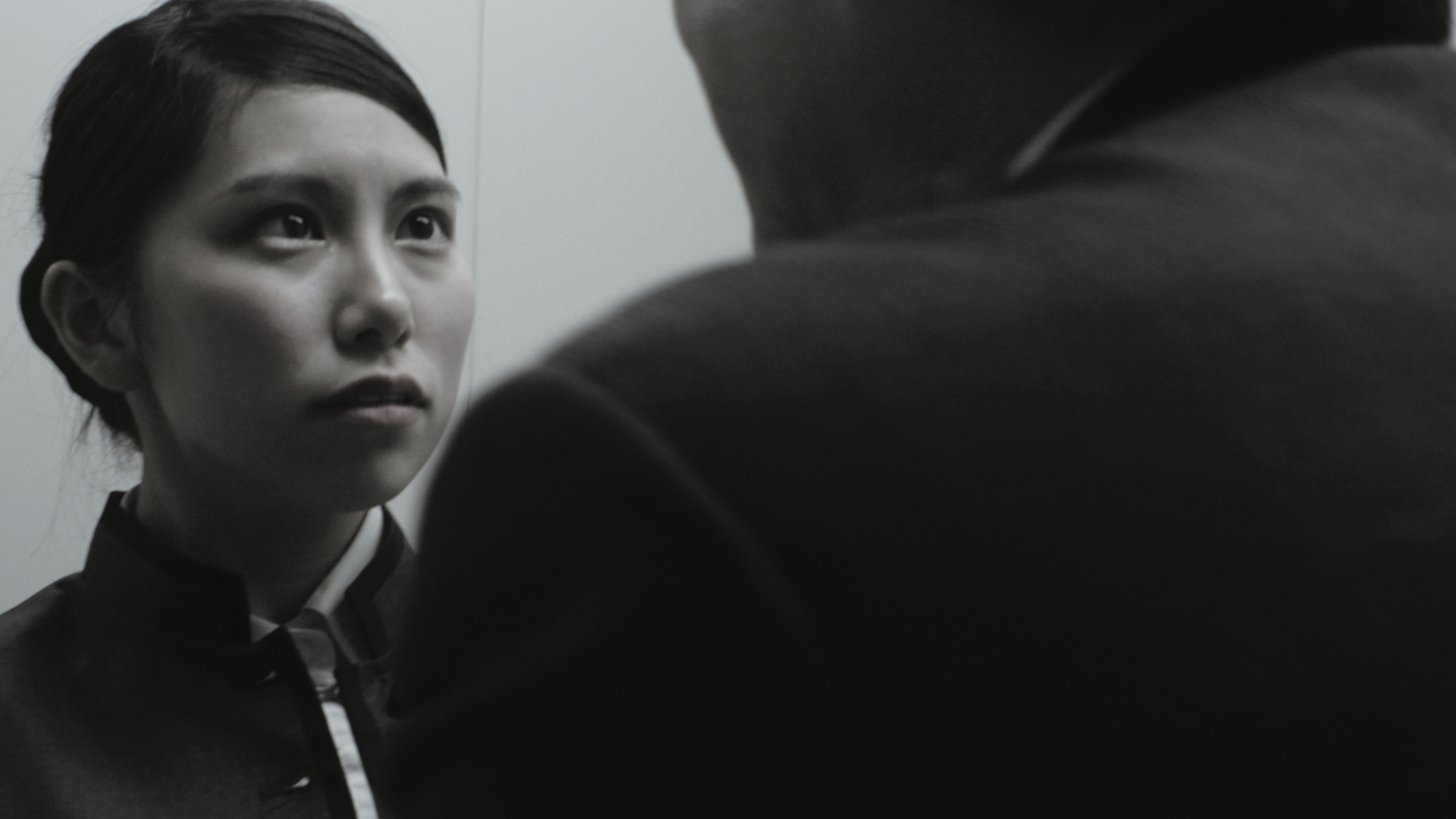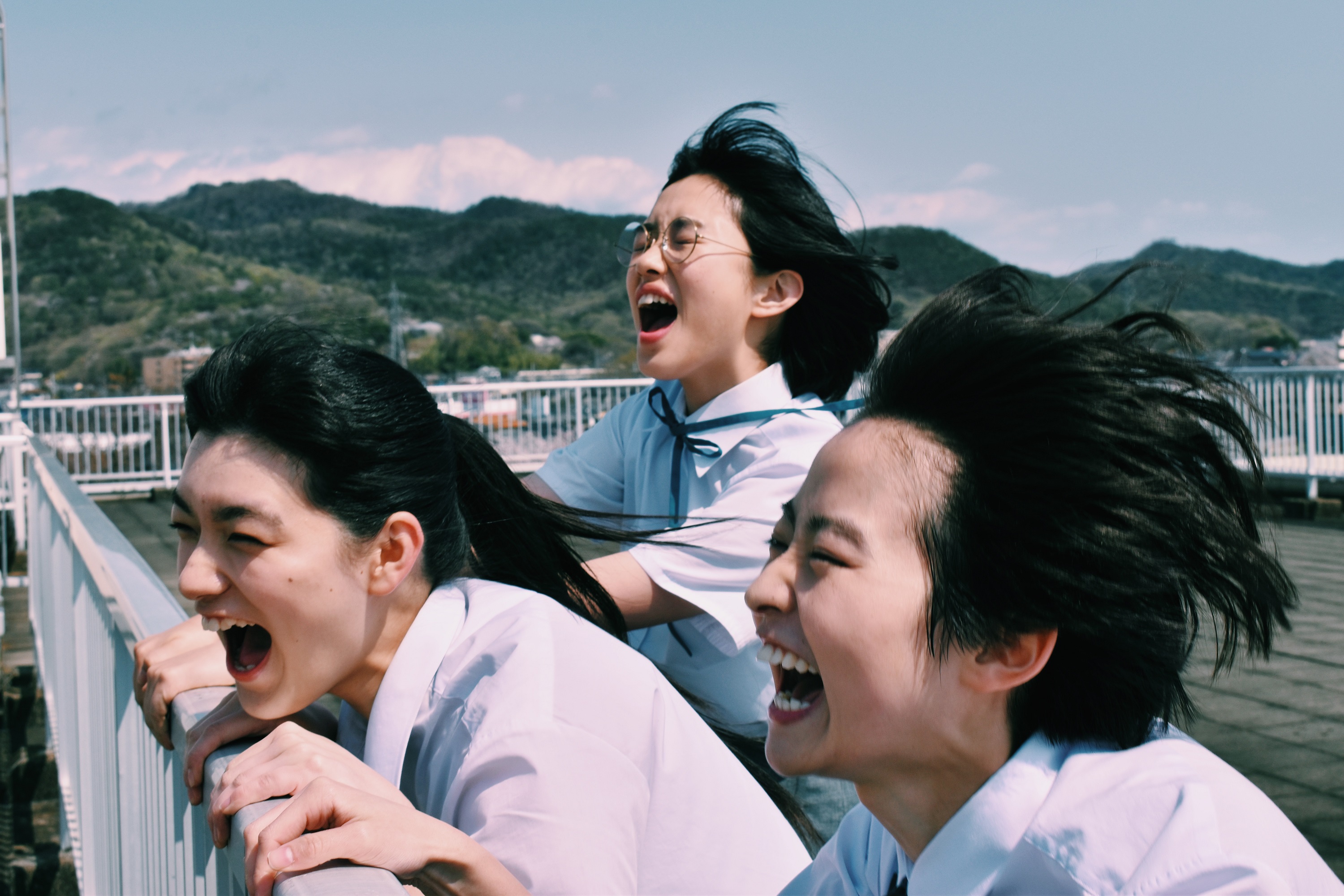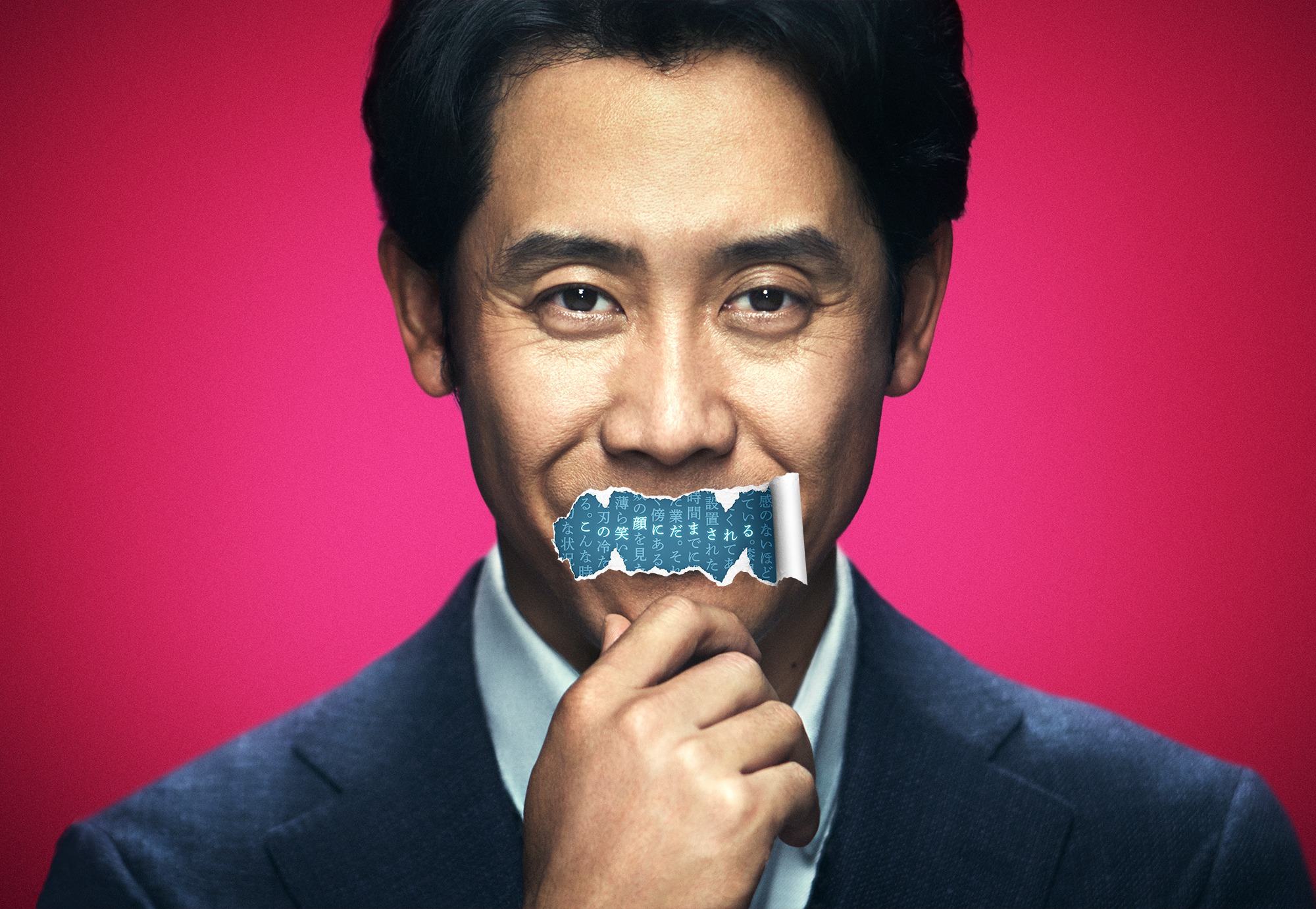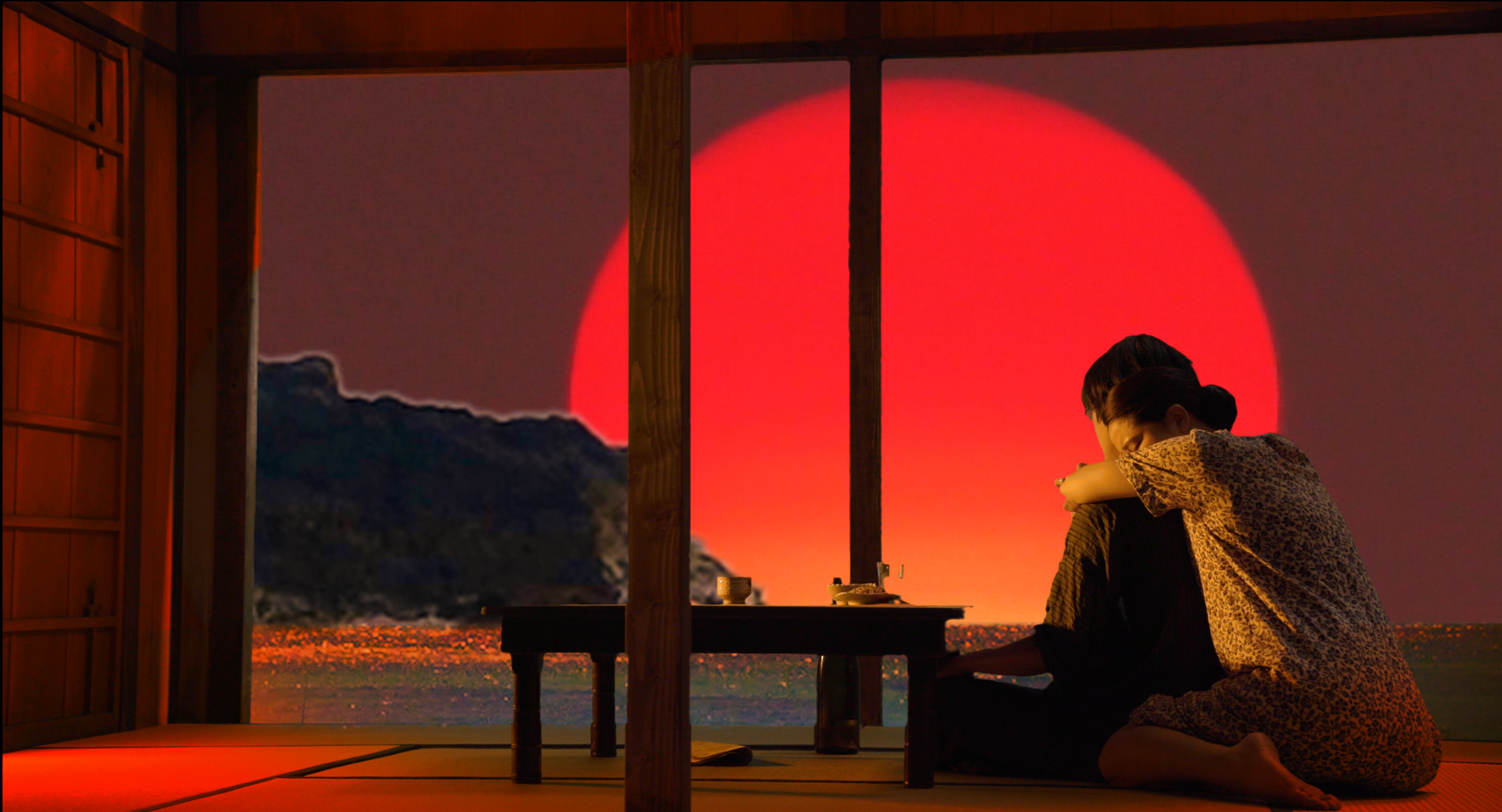

The Goldfish: Dreaming of the Sea (海辺の金魚, Sara Ogawa, 2021)

A young woman begins to come to terms with a painful maternal legacy while bonding with a neglected little girl in Sara Ogawa’s gentle coming-of-age drama, The Goldfish: Dreaming of the Sea (海辺の金魚, Umibe no Kingyo). As the title suggests, the heroine struggles with ambivalent feelings towards her future partly in the unresolved relationship with her mother but also in an unwillingness to move on without the firm anchoring of family, anxious about leaving the safety of her current life behind for the uncertainties of adulthood. 

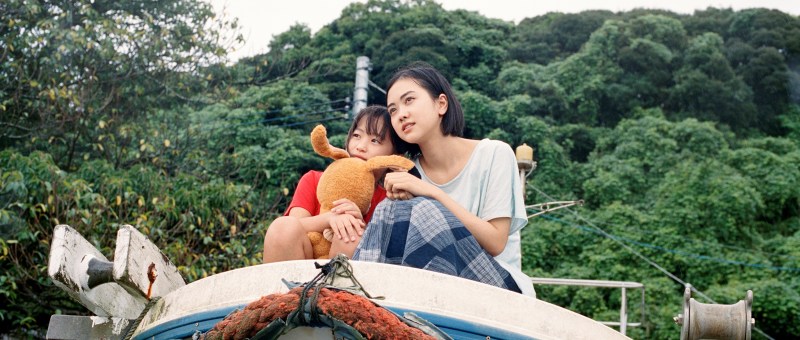
About to turn 18, Hana (Miyu Ozawa) has been living in a children’s home for the past 10 years while her mother, Kyoko (Kinuo Yamada), has been in prison convicted of mass poisoning at a summer festival though she continues to protest her innocence. Part of Hana’s anxiety about the future stems from the fact that in order to apply for a scholarship to university she would need her mother’s signature, but she is reluctant to get back in contact with her and is even considering not going despite having studied hard with just that goal in mind. Perhaps surprisingly, Hana has kept her original surname and though seemingly living in a different area is largely shunned by her classmates, either because they know of her mother’s conviction or simply because she lives in a children’s home. 

Meanwhile, Hana finds herself bonding with a withdrawn little girl, Harumi (Runa Hanada), brought into the home for unclear reasons while remaining largely silent and keeping herself separate from the other children. Perhaps recognising something of herself in her, Hana takes the young girl under her wing and attempts help her adjust to life in care but is alarmed to notice scars on the back of her neck which may suggest she has been the victim of physical abuse. Of course, Hana has no way of knowing her family circumstances or if her mother was the one was harming her but is confused by Harumi’s obvious longing to return to a place in which she has been subjected to violence. As the sympathetic man running the home, Taka (Tateto Serizawa), reminds her, however, Harumi’s mother is the only one she’s ever known so of course like all children she wants to return to a familiar environment and continues to long for maternal love even if that love is also abusive. 

In her desire to protect Harumi Hana avoids reflecting on the similarities with her own life or relationship with her mother. Though many things remain unclear about her early years, Hana perhaps resents Kyoko for burdening her with a criminal legacy and essentially abandoning her into the foster system though it has to be said the children’s home is a warm and welcoming place where the children are each loved and well cared for. Nevertheless she fixates on her mother’s parting words to “be a good girl”, in a way like Harumi thinking that her separation from her mother is somehow her fault for being “bad” and if only she were good enough her mother would come back. Looking after Harumi she finds herself saying the same thing, fearful that she’s turning into her mother and that her maternity is necessarily corrupted beyond repair.  

Like the goldfish in her fishbowl, she longs for freedom and independence but is also afraid of it. Through the gentle bond they begin to build the two young women save each other and themselves, Hana giving herself permission to fail, to not always be “good” and to live her life in the way she wants unburdened by the stigma of her mother’s crime while Harumi discovers a kind of maternal love that is positive and supportive without the threat of violence. Nevertheless, the release she chooses despite its metaphorical qualities is also potentially destructive in that goldfish are freshwater creatures unlikely to survive in the highly salinated environment of the ocean. Even so in letting go of her trauma she begins to move forward into a more certain adult world, determined to take Harumi with her in providing the care and protection her mother was unable to give her. A gentle coming-of-tale, Ogawa’s subtle, empathetic direction lends a touch of melancholy but also a lyrical, hopeful sensibility as the young women discover in each other the means to overcome their trauma. 


The Goldfish: Dreaming of the Sea streams in the US until Sept. 2 as part of this year’s Japan Cuts.

Original trailer (English subtitles)
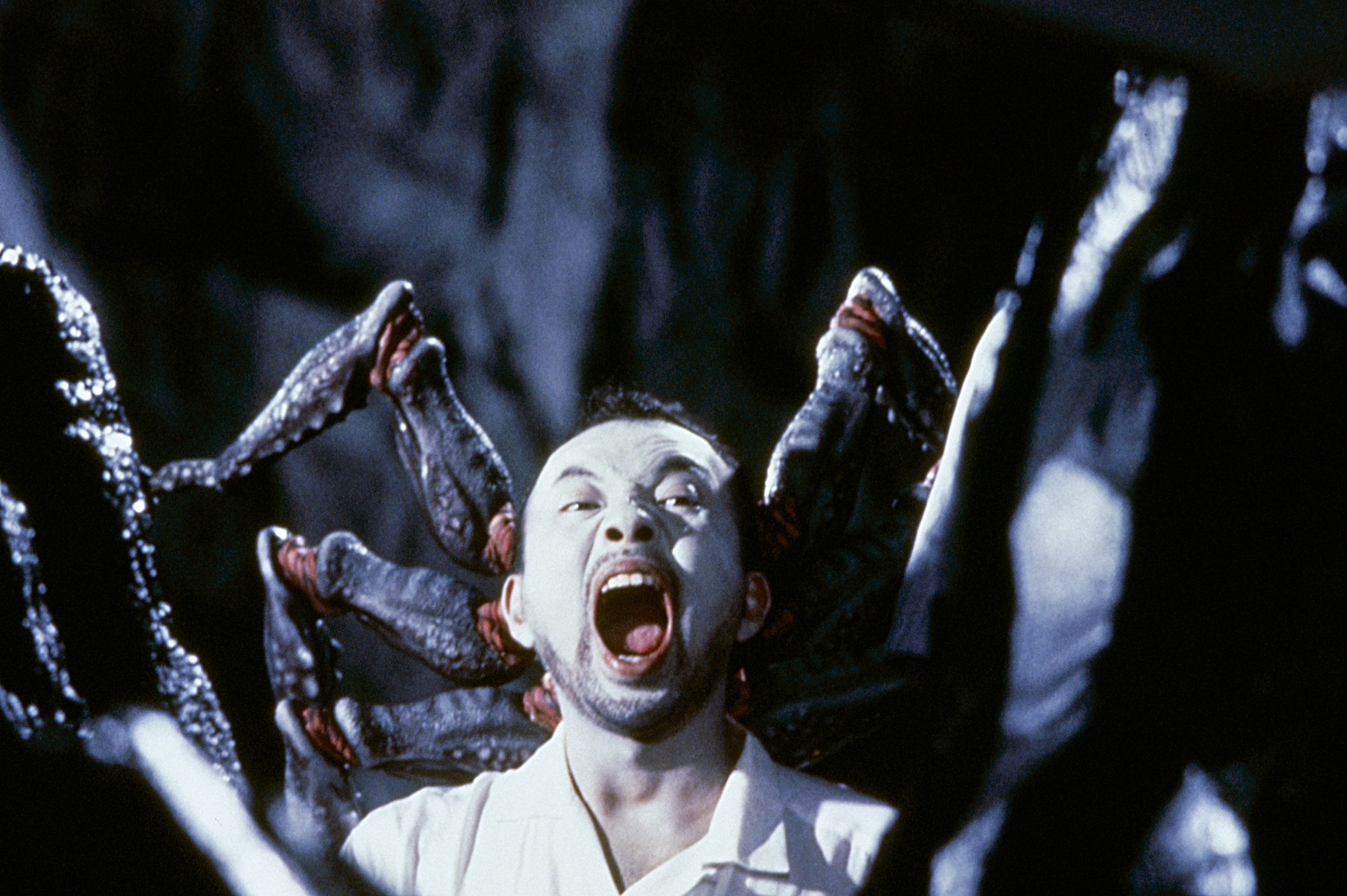
The Great Yokai War: Guardians (妖怪大戦争 ガーディアンズ, Takashi Miike, 2021)

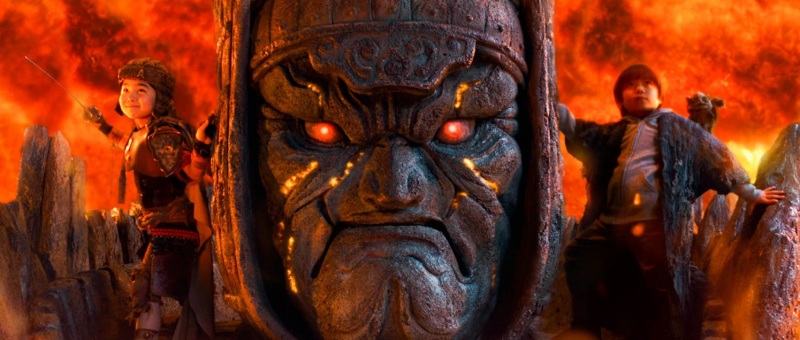
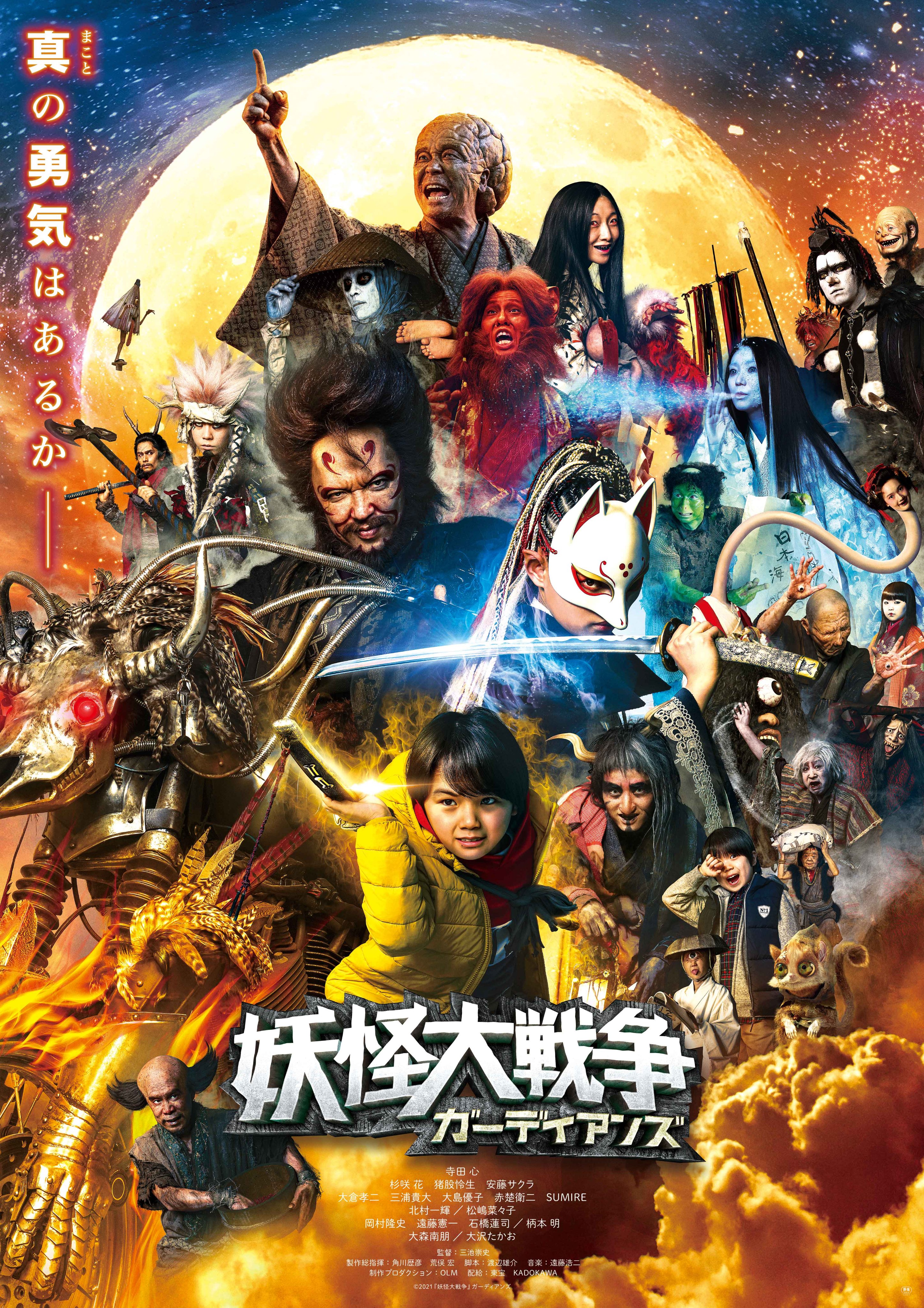
An anxious little boy struggling with his growing responsibility finds himself charged with saving the world in Takashi Miike’s return to the realms of folklore, Great Yokai War: Guardians (妖怪大戦争 ガーディアンズ, Yokai Daisenso Guardians). Not quite a sequel to the 2005 supernatural drama, Guardians once stars a child hero trying to come to terms with his place in the world, but this time takes on another dimension as the pint-sized hero determines to embrace his “humanity” through the very qualities the yokai fear are largely absent among those who “kill and cheat their own kind”. 

Young Kei (Kokoro Terada) has recently lost his father and as the oldest child has gained an additional responsibility especially towards his younger brother, Dai (Rei Inomata). The other children meanwhile think of him as a scaredy-cat, a small gang of them exploring a disused shrine from which they each pick a fortune from a small box, Kei’s being an ominous red sheet otherwise blank. While Kei had hesitated to enter, Dai did as he was told and waited outside but longed to be included, excited rather than frightened by the creepy old buildings. Later that night, Kei is woken up by a scary yokai leaning over him in bed, covering up one eye so he can see him. Running away in fright the boy finds himself in another world, surrounded by dozens more scary yokai who tell him he’s the descendent of a legendary Edo-era yokai hunter and it’s time for him to accept his destiny by helping the yokai avoid disaster. It just so happens that a bunch of sea creatures trapped underneath a fault line have banded together in a huge ball of resentment that is currently barreling towards Tokyo. The yokai are particularly worried that the monster which they’ve named “Yokaiju” (see what they did there?) will break the seal over the city and release a nameless evil. 

The yokai first tried asking for help among themselves at the “Yammit” or Yokai Summit recently held in Beijing at which supernatural monsters from across the world including vampires, mermaids, and even Bigfoot meet, but were roundly rebuffed. Japanese yokai rarely carry weapons, and they’ve already tried asking Yokaiju nicely not to destroy Tokyo, so they need some help. The yokai that that Kei encounters are mostly of the harmless kind like the guy who just stands around holding tofu or the one who creepily washes azuki beans at inappropriate moments, what they want Kei to do is help them wake up General Bujin, the god war, though others fear the cure may be worse than the disease. Some yokai are even of the opinion that letting Yokaiju run riot is no big deal because humans are generally awful anyway and so deserve little sympathy. 

Little Kei, however, is a counter to their argument. They constantly ask him if he really has the courage to carry his mission through, even at one point taking his brother Dai instead, while Kei struggles with himself understandably afraid of his new destiny. Back in the “real” world, he is of course entirely anxious about his responsibilities as a “big brother” now that his father’s no longer around and especially as his mother is a nurse meaning she often has to work late helping other people. He is however determined to keep his promise to look after Dai, mustering all his courage to push through the scary world of monsters to save him from being sacrificed to General Bujin. He also acts with kindness and generosity of spirit, even on being betrayed by a yokai expressing only sympathy that he’s glad the lonely monster turned out to have more friends than he thought, while also making a point of stopping to save even the bad demons who were trying to kill him after they’re trapped by rockfall because “you can’t just leave a suffering person”. 

Kei’s solution is, ultimately, love not war. Faced with the giant resentment monster he chooses to soothe its pain, teaching the yokai a thing or two about themselves as they rediscover their ancient capacity for compassion and forgiveness. It’s the brothers’ love for each other which eventually saves the world, leading even the most cynical of yokai to hope that the spirit of kindness in this generation might be enough to bring about a human revolution. A good old-fashioned family adventure, Guardians’ charmingly grotesque production design and childlike view of the twilight world of spirits and demons carries genuine magic while its wholesome messages of kindness, acceptance, and personal responsibility can’t help but warm the hardest of hearts. 


The Great Yokai War: Guardians screens on Aug. 28 and Sept. 1 as part of this year’s Japan Cuts.

Original trailer (no subtitles)

Wife of a Spy (スパイの妻, Kiyoshi Kurosawa, 2020)

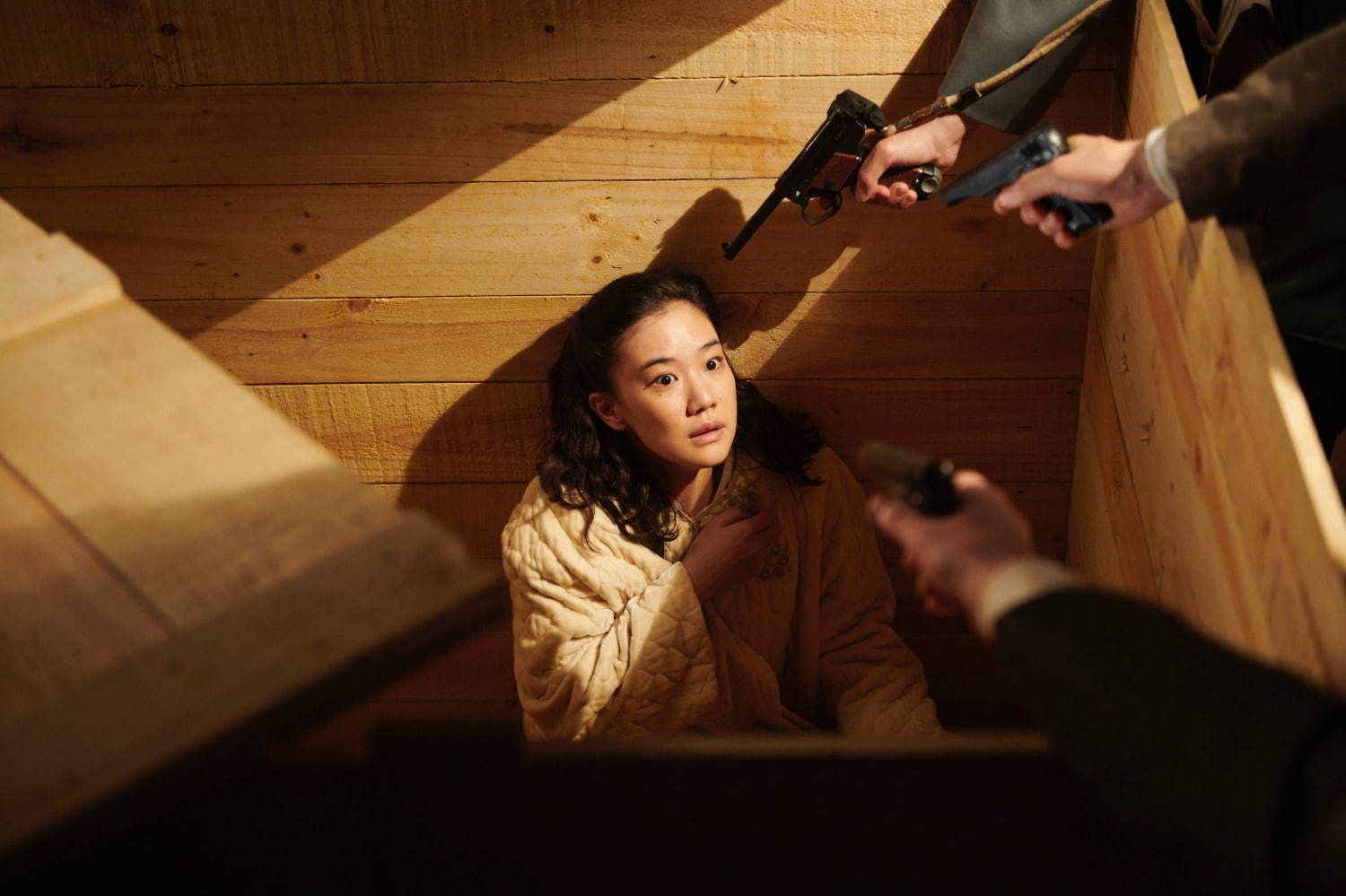
“If the times have changed you, couldn’t you have changed the times?” the spy’s wife not unreasonably asks of a man she knew to be good and kind yet has done terrible things, perhaps, as has she, out of a misplaced love. Travelling from death is eternal loneliness to love is our salvation, Kiyoshi Kurosawa’s Wife of a Spy (スパイの妻, Spy no Tsuma), co-scripted by Ryusuke Hamaguchi and Tadashi Nohara, picks up a thread from Before We Vanish TV companion Yocho (Foreboding) to suggest that love can in fact be as destructive as hate in its all encompassing single-mindedness as an ordinary housewife uninterested in politics is caught between her progressive, compassionate and aristocratic husband and a childhood friend with an unrequited crush who has since become an ardent militarist. 

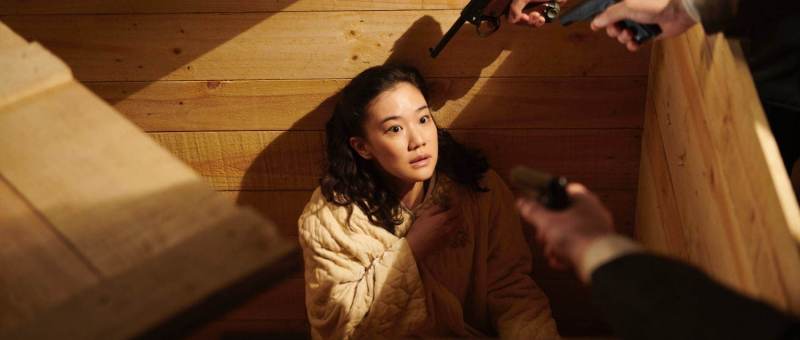
Set in Kobe in 1940, the film opens with a portly British textile merchant, Drummond, dragged from a silk inspection centre by the military police on the suspicion of being a foreign spy. This is appears not to be the case, but as in much of the narrative little is as it seems. The British merchant is a friend and associate of Yusaku Fukuhara (Issey Takahashi), the chairman of a family-owned textile company whose main objection to the idea that Drummond is a spy seems to be that a man of such copious proportions hardly fits his mental image of the word. Yusaku is nevertheless questioned by the local squad leader, Taiji (Masahiro Higashide), who happens to be a childhood friend of his wife Satoko (Yu Aoi), and later risks implication by paying Drummond’s bail. Satoko approves of this decision even if it may be politically unwise, confessing that she thought it “heartless” that Yusaku was messing about making a silent movie in which she starred as a femme fatale spy eventually killed by her lover/rival while his friend was in custody. “You’re always looking so far ahead of me, I feel like a fool” she reflects though as we’ll see she’ll soon be taking him on at his own game, the couple dancing around each other in a deadly waltz of love and betrayal. 

When Yusaku declares that he’s planning to visit Manchuria, partly for adventure and partly on behalf of a doctor friend, Satoko’s main concern is his impending absence though his return brings her little peace. After a woman he and his nephew Fumio (Ryota Bando) had apparently befriended and then brought home is found dead, Satoko makes a dark discovery driven at once by jealousy in Taiji’s vague hints that Yusaku may have been romantically involved with the dead woman, and resentment in realising he is keeping something from her. That something turns out to be his intention to expose the atrocities he witnessed in Manchuria committed by doctors connected to the Kwantung Army. 

Yusaku’s motives for this are rather naive, believing that it will bring the Americans into the war and hasten a Japanese defeat bringing an end to the militarist folly. Nevertheless, the discovery forces the couple into an ideological confrontation, Yusaku insisting that he is a “cosmopolitan” whose allegiance lies in “universal justice” rather to than any nation. To him happiness founded on injustice is an impossibility, while Satoko declares herself able to unsee the inconvenient truth in order to preserve the status quo reasonably pointing out that Yusaku’s “justice” will necessarily result in the deaths of thousands of innocent people. It’s at this point, however, that the tables turn, Satoko setting in motion a series of machinations which at first appear naive and counterproductive but are in fact infinitely ruthless. 

“I’m not afraid of capture or death, I’m only afraid of being separated from you” Satoko insists, willing to burn the world to save her love if also later moved on “seeing” for herself the reality of Japanese abuses in Manchuria. Taking on the role she had played in their silent movie, Satoko becomes the spy revelling in her ruthlessness yet this spy game revolves around the ability to correctly read the emotional lives of others. Having been “warned” by the austere Taiji that she and her husband were too Westernised for the times with their expensive foreign whiskey and international fashions, Satoko puts on kimono in order to curry favour with him hoping to leverage his unrequited love for her. Yusaku meanwhile perhaps banks on something similar, each of them ironically manipulating the apparently conflicted militarist in the conviction that his love is pure and he will therefore continue to protect Satoko, and by extension her husband, as a means of protecting himself. 

Early on, Taiji had confessed to Yusaku that he disliked arresting people which may have been a thinly veiled threat, but also bears out Satoko’s conviction that he is at heart a gentle person though we’ve not long seen him rip out one man’s fingernails in order to present them to another as a warning. Unrequited love has perhaps thrown him into the arms of militarist austerity, hardening his heart while his ardour is sublimated into a misplaced love of country that allows him to justify such heinous acts of inhumanity.  “Hard choices must be made to achieve greet deeds” Satoko herself had said in order to excuse her own act of injustice in sacrificing another man on Yusaku’s behalf, only to later face the same fate in an ironic turn of events either vengeful betrayal or protective act of love depending on how you read the emotional intentions behind them. 

Just as in the silent movie, incongruously scored with a poignant Japanese cover of Jerome Kern & Oscar Hammerstein II’s Make Believe, everyone is playing a role, engaging in an act of deception if only self-directed, yet their act perhaps exposes the truth they were attempting to hide, the spy’s wife becoming the spy but beaten at her own game unable to see the entirety of the board. Commissioned as an 8K feature for a Japanese TV channel, the incongruity of the hyperreal digital photography deepens the sense of the uncanny in the unexpected naturalism of the period setting, a world of constant anxiety with soldiers on the streets and the feeling of being forever watched in the oppressive atmosphere of authoritarian militarism, while standing in strong contrast with the unreality presented by the films within the film both that made by the couple and the brief yet ironic inclusion of Sadao Yamanaka’s Priest of Darkness, another tale of infinite duplicities, given that the director had himself become a casualty of war on the Manchurian front two years previously. Ironically titled, Wife of a Spy situates itself in a state of permanent paranoia in which nothing and no-one is as it seems and love may in its own way be the most destructive force of all while containing within itself the only possible source of salvation no matter its veracity.  


Wife of a Spy  screens on Aug. 27 as part of this year’s Japan Cuts.

International trailer (English subtitles)

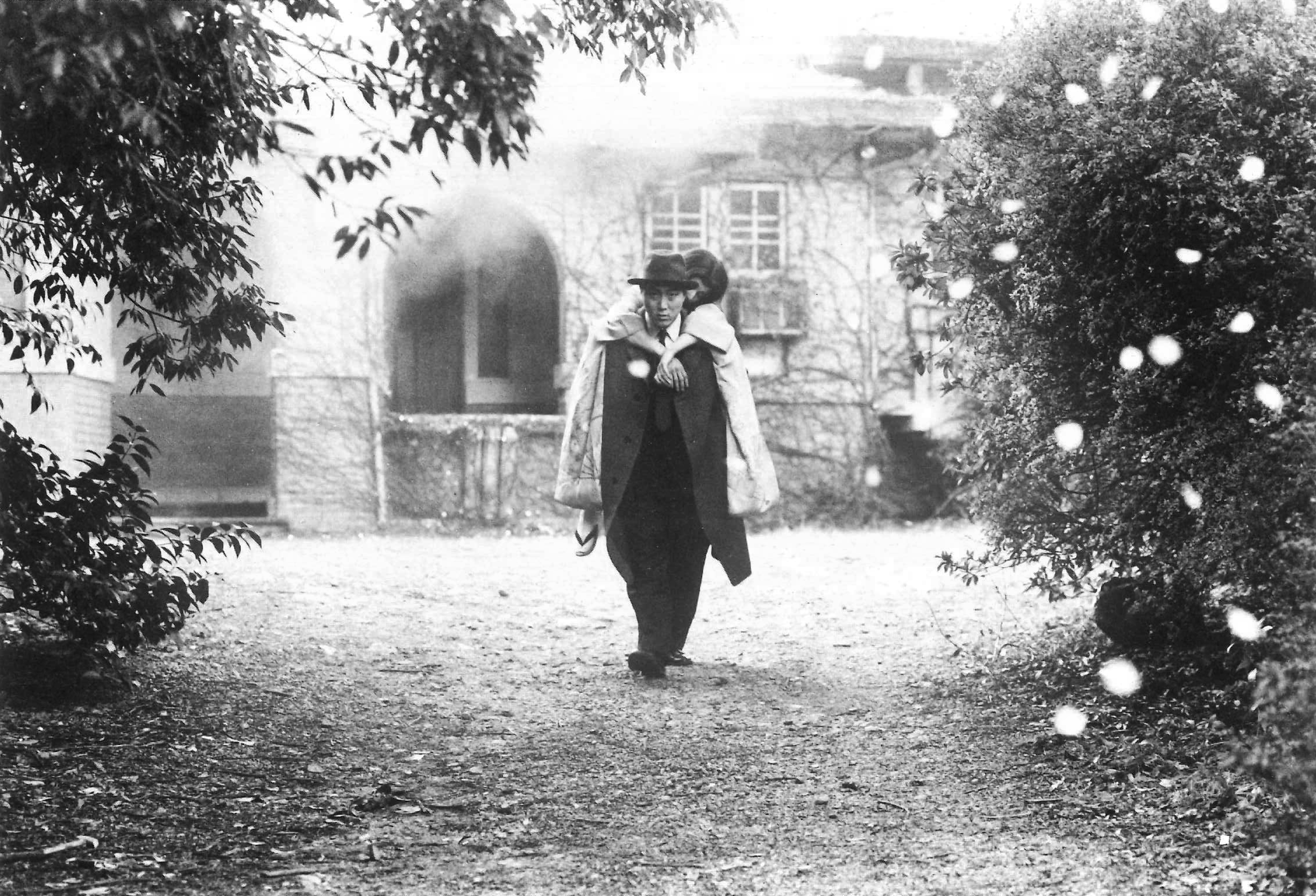
Karisome no Koi (“fleeting love”) – Chiyoko Kobayashi (1936)

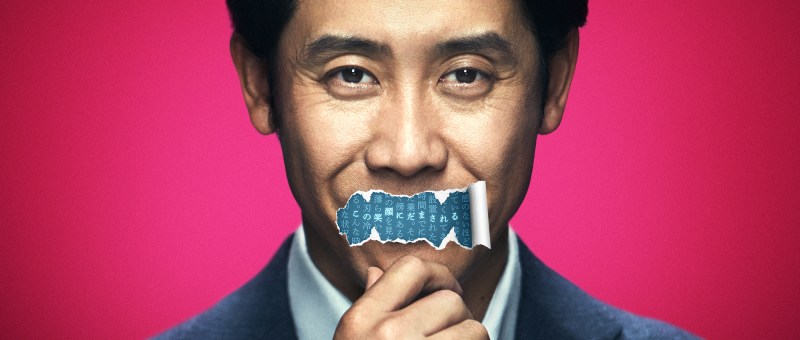
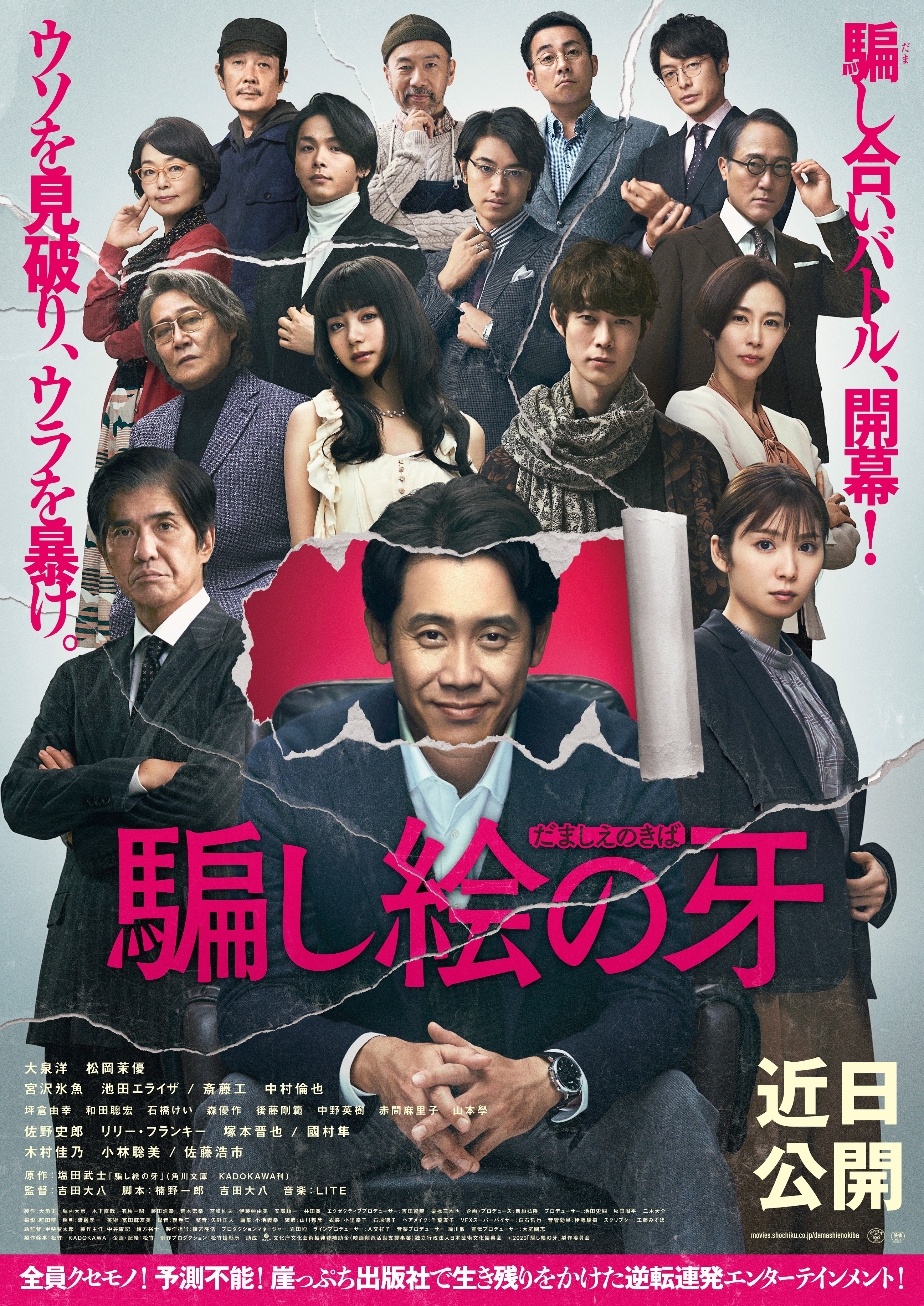
Kiba: The Fangs of Fiction (騙し絵の牙, Daihachi Yoshida, 2020)

“Landscapes don’t stay the same” laments a young woman in Daihachi Yoshida’s slick corporate drama, Kiba: The Fangs of Fiction (騙し絵の牙, Damashie No Kiba), though the more things change the more they stay the same and the push and pull of traditionalists and modernisers seems set to be an unending battle. If someone were brave enough to think of it, there may be a third way, but one thing is clear – it’s adapt or die for the printed word and the real war is over who makes it onto the page and how they do it. 

When the CEO of a major family-owned publishing house dies of a heart attack while walking his dog, it throws the entire industry into disarray and even makes it onto the national news where pundits discuss who might be most likely to succeed while pointing out that publishing is already in crisis seeing as most novels are serialised in literary journals and magazine readership is on its way out. Earnest editor Megumi (Mayu Matsuoka) is forever told that old and new is a false dichotomy and in some ways it may be, but century-old literary journal Kunpu Review is quite clearly mired in a traditionalist past woefully out of touch with contemporary society. 

This Megumi learns to her cost when pulled straight from the CEO’s funeral to a 40th anniversary event marking the debut of their best-selling author Daisaku Nikaido (Jun Kunimura). Encouraged by rival editor Hayami (Yo Oizumi), she gives her honest opinion on Nikaido’s work pulling him up on the latent sexism in his novels by suggesting his sexual politics are at best old-fashioned. This is of course a huge faux pas and a moment of minor embarrassment for all concerned, though it will also become a repeated motif Megumi again trying to bring up a younger author on his subpar portrayal of women but finding her concerns falling on deaf ears. 

Part of the problem is that authors, and particularly well-established ones, rarely undergo a rigorous editing process such as they might outside of Japan. Kunpu is so desperate to keep Nikaido on side that they treat him as a mini god, wasting vast amounts of their budget expensing him for “research” holidays and a healthy interest in fine wines. They simply wouldn’t have the courage to tell him that his drafts are improvable or that elements of his writing may cause offence. 

Hayami, the tricky editor of rival culture mag Trinity, is by contrast deliberately looking for the modern but in other ways is not so different from Kunpu. Poaching an up and coming author Megumi had pitched but was rejected, Hayami embarks on an elaborate PR campaign casting the young and handsome Yajiro (Hio Miyazawa) as a literary idol star. But Yajiro seems to be uncomfortable with the attention, unprepared to deal with demands of being a prominent writer and resenting Hayami’s attempts to manipulate his image by forcing him into photoshoots dressed in outfits he would never wear. Hayami also engineers a publicity stunt implying Yajiro is in a relationship with his other protege, a young model and unexpected firearms enthusiast (Elaiza Ikeda) who is later arrested after shooting a stalker with a homemade pistol. 

What happens to Saki Jojima is either an unintended consequence or direct result of Hayami’s inability to fully control the situation, but it also creates both crisis and opportunity for Trininty when Hayami breaks protocol and decides to run Saki’s issue rather than pulling it entirely with an apology as is usual in Japan when a celebrity is the subject of scandal. This places him in direct opposition to the traditionalist Kunpu, horrified and insistent that his decision stains the integrity of the publishing house. Like Hayami, however, new CEO Tomatsu (Koichi Sato) is determined to do things differently and prepared to take a gamble, secretly working on his own plan to streamline the business and build their own production/distribution facility in Yokohama. 

Everyone is so absorbed in their own plotting that they fail to notice others plotting around them. Megumi, meanwhile, is preoccupied with the survival of her father’s old-fashioned book shop which itself badly needs another literary hit because half the customers are kids who come in to browse the manga and then download the good ones when they get home. One young woman looking for a particular novel even explains that she only wants to read it because there’s no movie or drama adaptation. With all this finagling, it’s easy to think everyone’s forgotten about the books while Megumi desperately tries to get someone to let her do some actual editing because they’re all too busy mollycoddling their authors. Nevertheless there’s more to the Kunpu vs Trinity battle than it first seems as they vie for the future of Japan’s publishing industry little suspecting that there may be another contender with a less acrimonious solution. “If something could be updated it should be” Megumi insists, a sentiment which apparently goes both for dinosaur writers unwilling to reckon with their latent misogyny and the book business itself. 

Once again adapting a literary source, Yoshida’s gentle farce quietly builds the tension with courtly intrigue as the wider society remains rapt over the succession crisis at a publishing firm while its ambitious courtiers plot amongst themselves in order to steal the throne. Casting Yo Oizumi in the role he apparently inspired in the book is another masterstroke of meta commentary as his thrill-seeking manipulator plays the long game but even if the prognosis for Japan’s publishing industry may be bleak there is unexpected glee to be had in the eventual triumph of a righteous underdog over a thoroughbred plotter. 


Kiba: The Fangs of Fiction screens on Aug. 26 and 28 as part of this year’s Japan Cuts.

Original trailer (English subtitles)
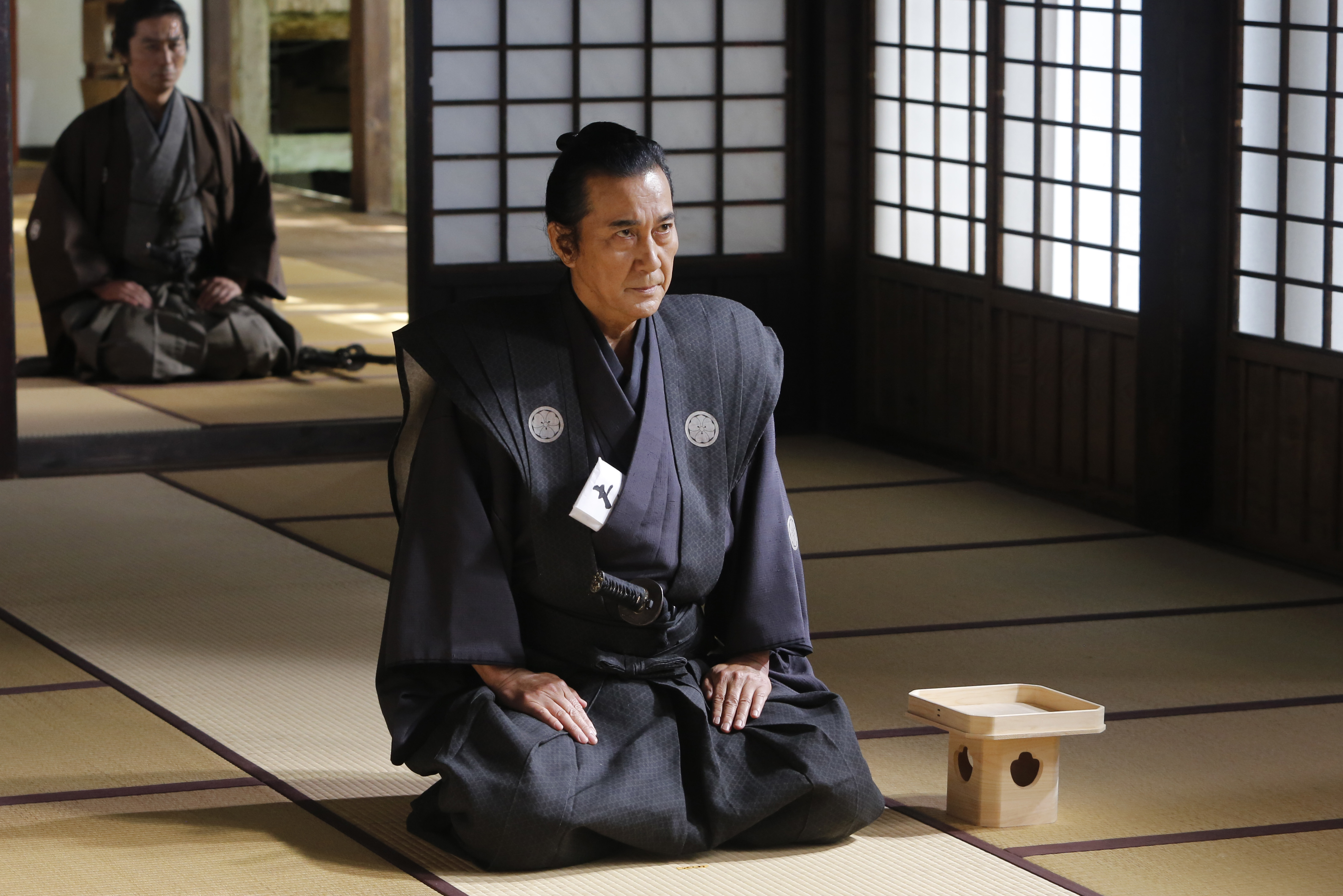
The Pass: Last Days of the Samurai (峠 最後のサムライ, Takashi Koizumi, 2021)

“Even with 100 plans and 100 ideas, we cannot defeat the march of progress” a progressive samurai admits, well aware that he’s witnessing the end of his era while knowing that the “thrilling future” that lies ahead will have no place for him. Adapted from the novel by Ryotaro Shiba, The Pass: Last Days of the Samurai (峠 最後のサムライ, Toge: Saigo no Samurai) is inspired by the life of Kawai Tsugunosuke, known as the “Last Samurai” for his steadfast embodiment of the samurai ideal during the chaos of the Bakumatsu and subsequent Boshin War

As the opening voiceover from Tsugunosuke’s wife Osuga (Takako Matsu) explains, the Tokugawa Shogunate had ruled Japan for close to 300 years after bringing the warring states era to an end following the Battle of Sekigahara, placing the nation into a period of enforced isolation which by the 1850s was beginning to crack while resentment towards the Tokugawa continued to grow over their handling of access to foreign trade. In 1867, Tokugawa Yoshinobu (Masahiro Higashide) effectively relinquished his monopoly on power and restored ultimate authority to the emperor (the “Meiji Restoration”). Yet if he hoped his decision would both restore peace and allow the Tokugawa to maintain political influence he was quite mistaken. In the immediate wake of this political earthquake the nation became polarised between those in favour of imperial rule and those who remained loyal to the Shogunate. 

The chief retainer in Nagaoka, Tsugunosuke (Koji Yakusho) finds himself in an impossible position caught between the forces of East and West and essentially unable to pick a side because of the demands of samurai loyalty. Fearing another war would prove disastrous, he chooses neutrality certain that the present conflict cannot be resolved militarily and requires a political solution. To this effect he attempts to petition a delegation from the Western, pro-emperor, pro-modernisation army but his pleas fall on deaf ears and lead only to a rebuke that he is a coward and a traitor. Like any good leader, however, Tsugunosuke has also been preparing for the worst, buying a gatling gun from foreign dealers in order to boost his meagre man power eventually realising they have no other option than to go war 

The irony is that Tsugunosuke tacitly supports imperial rule but cannot say so because his clan is closely affiliated with the Tokugawa. He is well aware that his era has come to a close and that he will not live to see the new Japan, knowing that he is man of the old world and cannot progress into the classless society he is certain is coming. For all that he seems to be excited by the promises of revolution, encouraging the son of a friend to take advantage of the freedoms of a new era while dreaming of foreign travel and advocating for “liberty and rights” along with universal education in the hope of building of a better society. 

Yet for himself he cannot let go of samurai ideals, knowing he must fight a pointless war in which he does not believe because honour dictates it. “If it shows future generations what we samurai truly stood for then this battle will have been worthwhile” he tells a friend, fearful of a future dominated by the clans of Satsuma and Choshu. “Your samurai spirit will encourage countless others” another retainer tells him, “you are our ideal”, touched by his stoicism and grace even in defeat as he takes sole responsibility for the failure of their military campaign caused in part by the betrayal of a defecting ally. “This warriors’ way shall die with me” he cheerfully tells a servant, advising him to become a merchant and travel abroad to seize the “thrilling future” which lies ahead of him. 

A martyr to his age, Tsugunosuke is the last of the samurai stoically defending a lofty ideal in an acknowledgement that he does not belong in the new society and must sacrifice himself in order to bring it about. An homage to classic samurai cinema from former Akira Kurosawa AD Takashi Koizumi, who even throws in the odd screen wipe, featuring cameos from golden age stars Tatsuya Nakadai and Kyoko Kagawa, The Pass is about the passage from one era to the next taking as its hero a closet revolutionary and walking embodiment of the idealised samurai who chooses unity and shared vision over conflict in the creation of a better world he does not intend to live to see.


The Pass: Last Days of the Samurai screens on Aug. 21 and Sept. 1 as part of this year’s Japan Cuts.

Original trailer (English subtitles)
Japan Cuts Announces Lineup for 2021 Hybrid Edition

Japan Cuts returns for 2021 in a hybrid edition featuring a series of in-person screenings as well as a virtual festival streaming in the US (and in some cases beyond) Aug. 20 – Sept. 2. This year’s Cut Above award goes to actress Yu Aoi who stars in Centrepiece Presentation Wife of a Spy, Kiyoshi Kurosawa’s 8K World War II espionage drama.

Feature Slate

Aristocrats

In-person only

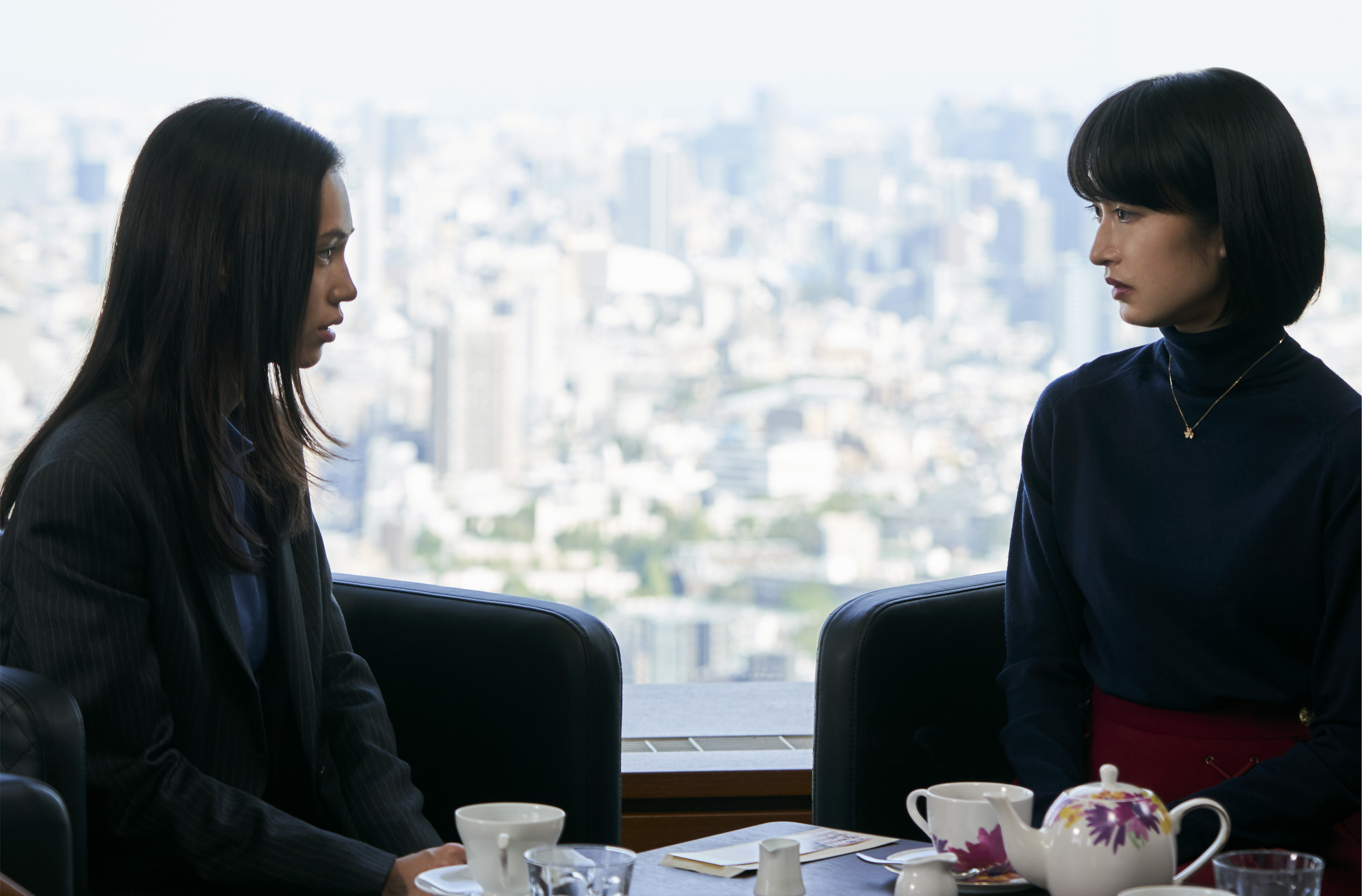
Two women involved with the same man eventually find interclass solidarity in Yukiko Sode’s empathetic critique of a highly stratified and fiercely patriarchal society. Review.

Come and Go

Online only

A detective investigates the connection between the discovery of an old woman’s skeleton and a series of real estate scams by interviewing the local residents many of whom are migrant workers from other areas of Asia.

Company Retreat

Online only

A workplace trip descends into mistrust and suspicion following an accusation of harassment in Atsushi Funahashi’s contemplative drama. Review.

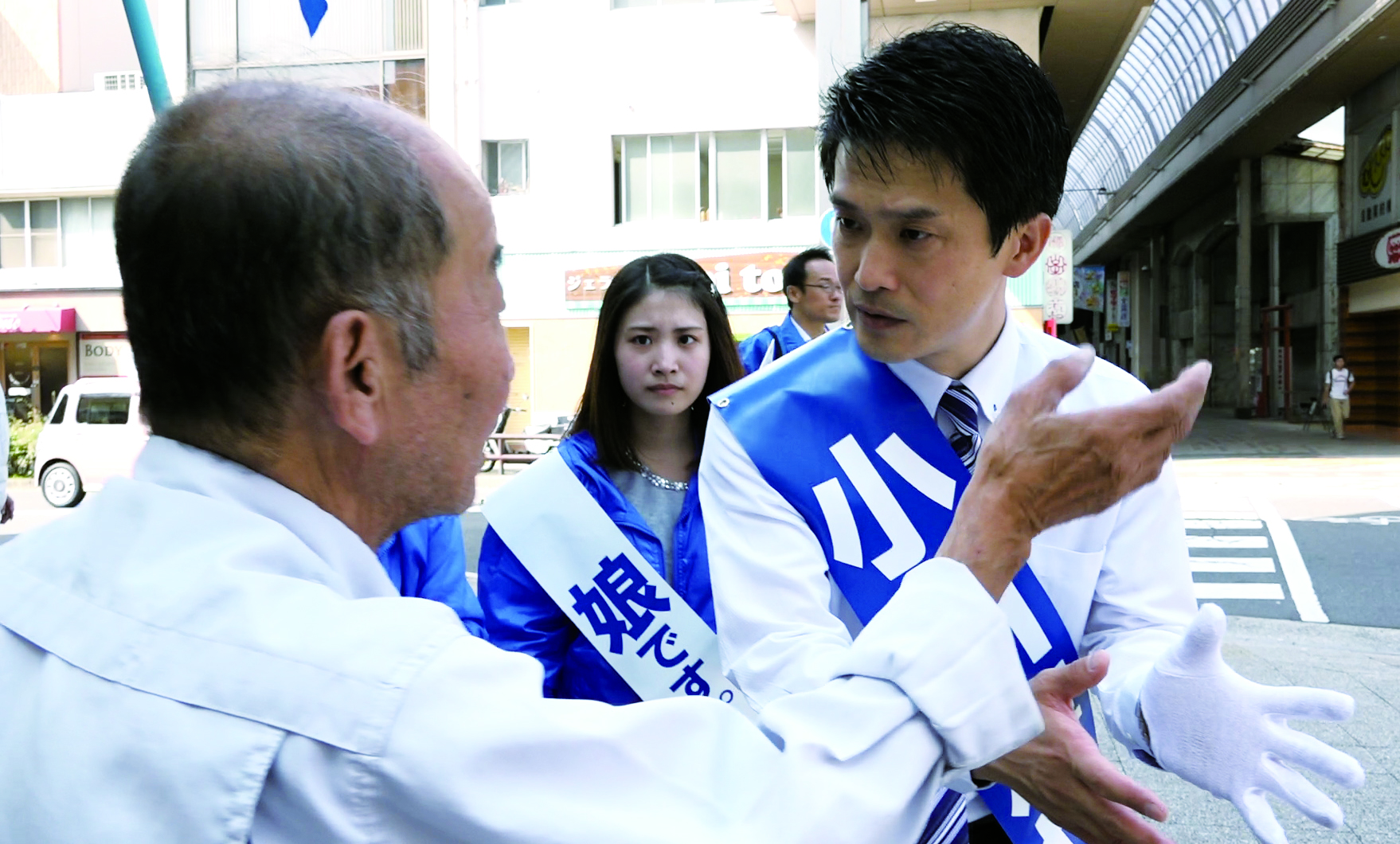
The Goldfish: Dreaming of the Sea

Online only

Drama in which a young girl raised in a foster home after her mother was convicted of a crime takes care of a new girl abused by her mum.

The Great Yokai War: Guardians

In-person only

A small boy is forced to embrace his legacy as the descendent of a legendary yokai hunter when the supernatural realm is thrown into chaos by the awakening of a giant rolling resentment monster set to steamroll Tokyo while breaking the seal on a nameless evil in Takashi Miike’s long awaited return to the world of Great Yokai War.

It’s a Summer Film!

Online & in-person

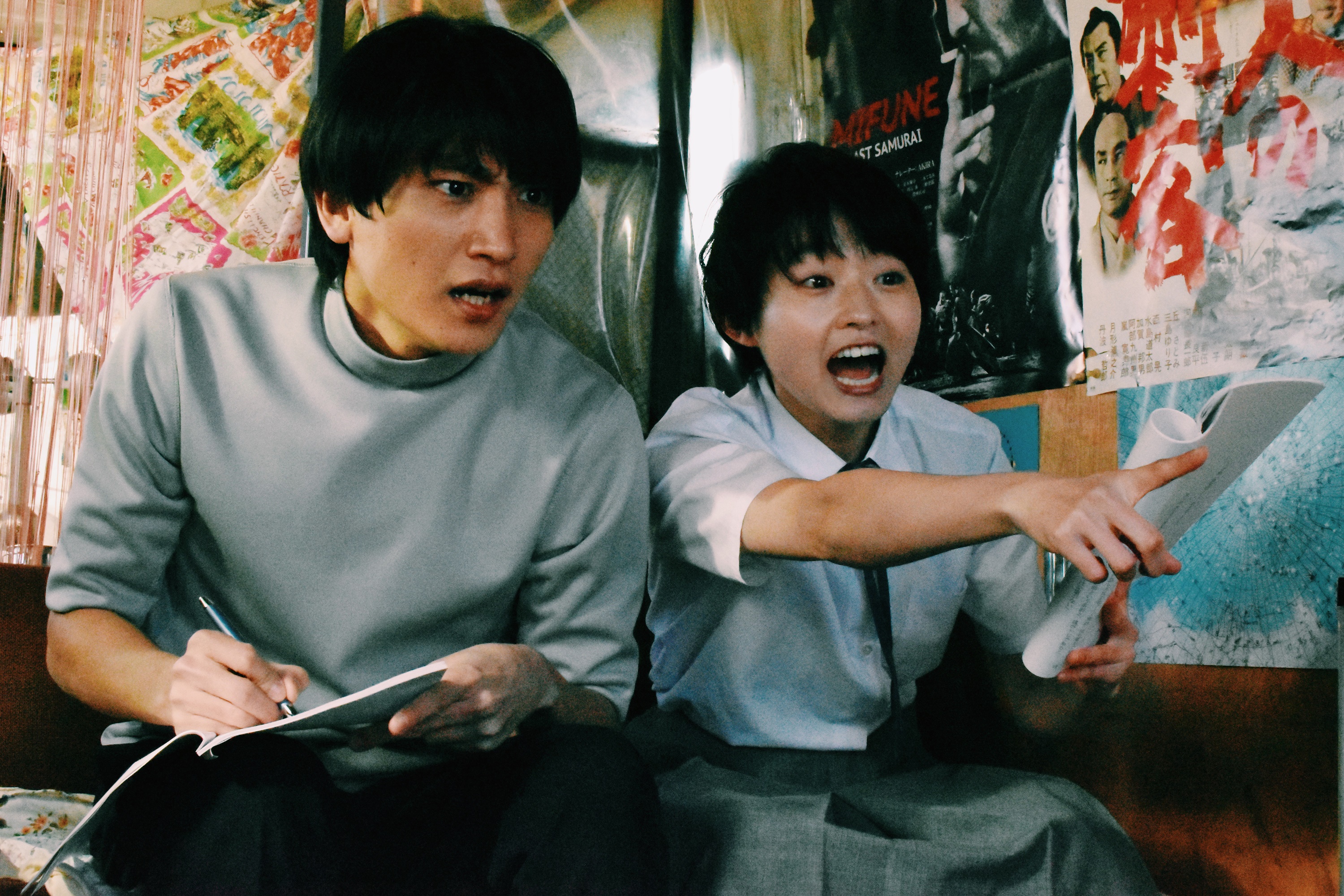
A jidaigeki-obsessed high schooler sets out to make her own summer samurai movie in Soshi Matsumoto’s charming sci-fi-inflected teen rom-com. Review.

Ito

Online only

A shy young woman with a talent for Tsugaru shamisen grows in confidence after getting a job at a maid cafe in Satoko Yokohama’s warmhearted drama. Review.

Kiba: The Fangs of Fiction

In-person only

Yo Oizumi stars in the role he apparently inspired as a maverick magazine editor caught up in a dynastic struggle while trying to save a moribund culture magazine in Daihachi Yoshida’s adaptation of the novel by Takeshi Shiota.

JAPAN CUTS 2020 ENCORE SCREENING
Labyrinth of Cinema

In-person only

A poetic advocation of the transformative power of art, Nobuhiko Obayashi’s final film takes a surrealist odyssey through the history of warfare as three youngsters chase the image of Japan in the labyrinths of cinema. Review.

The Pass: Last Days of the Samurai

In-person only

Historical drama starring Koji Yakusho as real life historical figure Tsuginosuke Kawai who tried but failed to broker a peaceful solution to Bakumatsu confusion.

Talking the Pictures

In-person only

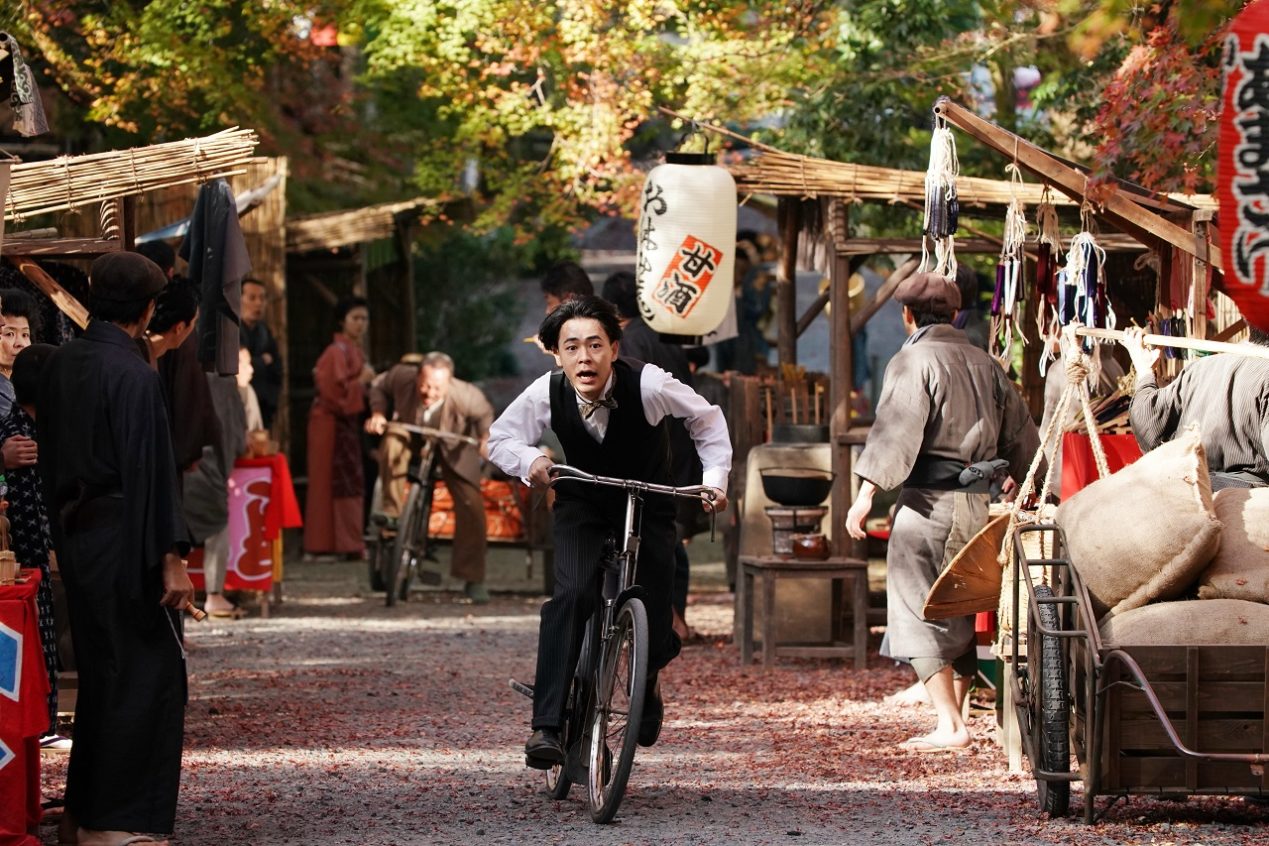
An aspiring benshi finds himself dealing with issues of crime and authenticity in Masayuki Suo’s heartfelt tribute to the not so silent movies. Review.

CENTERPIECE PRESENTATION
Wife of a Spy

In-person & online (with limited availability)

Originally commissioned for 8K TV, Kiyoshi Kurosawa’s wartime drama stars Yu Aoi as the titular wife who finds herself working against her husband, Issey Takahashi, when she discovers that he intends to blow the whistle after observing something he shouldn’t have while working in Manchuria. An awards season favourite, the film also picked up the Silver Lion at the 77th Venice International Film Festival.

Wonderful Paradise

Online only

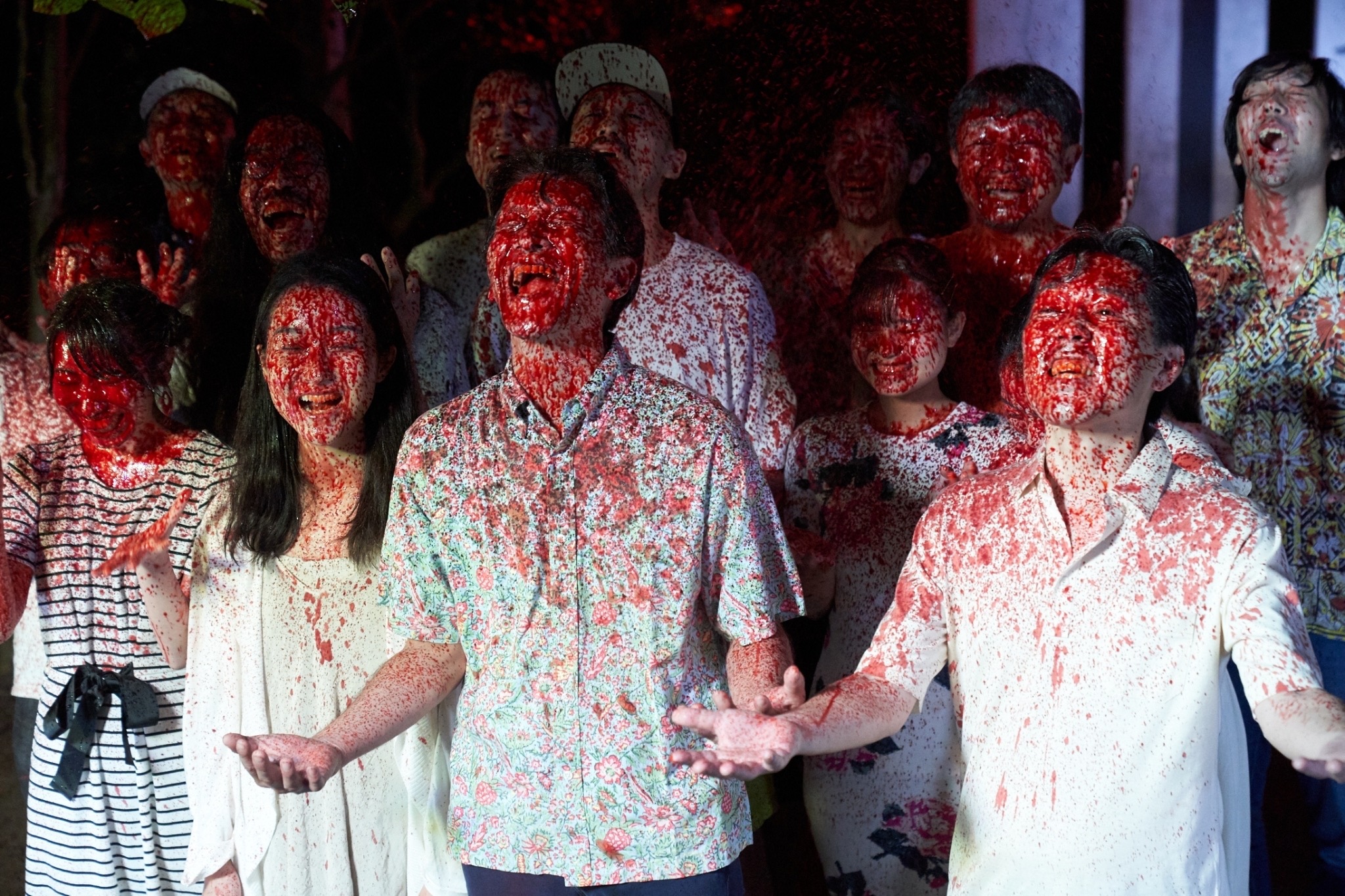
An impromptu going away party descends into a psychedelic rave of death and rebirth in Masashi Yamamoto’s defiantly surreal nighttime odyssey. Review.

NEXT GENERATION

B/B

Online only. Available worldwide.

A policeman and psychiatrist attempt to investigate a bizarre killing through unlocking the testimony of a young woman with MPD in Kosuke Nakahama’s visually striking, hugely accomplished feature debut. Review.

Mari and Mari

Online only.

A mild mannered casting agent’s life is disrupted when he returns home one day to discover a mysterious woman in place of his girlfriend of five years.

My Sorry Life

Online only

A self-involved aspiring TV producer is becoming fed up with her longterm boyfriend only for him to suddenly drop the bombshell that he thinks he’s pregnant in the feature debut from Kozue Nomoto.

Sasaki in My Mind

Online only. Available worldwide except Netherlands, Japan and Poland.

A struggling actor finds himself thinking back on memories of a larger than life high school friend in Takuya Uchiyama’s melancholy youth drama. Review.

Spaghetti Code Love

Online only

Tokyo-set ensemble drama following 13 young people trying to find their place in the modern metropolis.

Town Without Sea

Online only

Laidback coming-of-age drama set in a sunny Kyushu in which two co-dependent childhood friends struggle with the anxieties of impending adulthood marking an impressive directorial debut from Elaiza Ikeda.

CLASSICS

Hiruko the Goblin

Online only

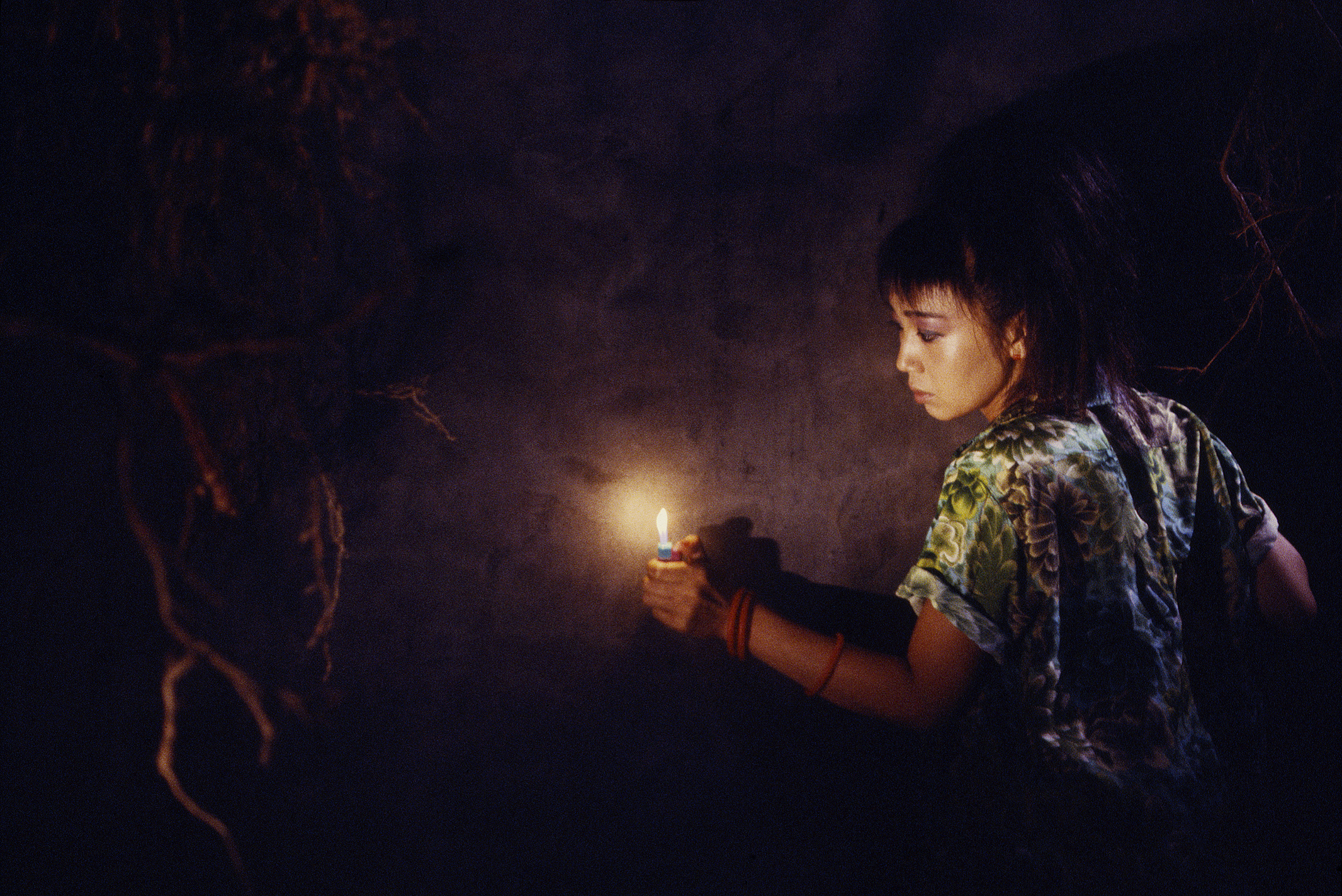
Shinya Tsukamoto’s adaptation of Daijiro Morohoshi’s Yokai Hunter starring ’70s pop idol Kenji Sawada as a disgraced archeologist teaming up with a high schooler to investigate a series of mysterious disappearances.

Robinson’s Garden

Online only

Masashi Yamamoto’s 16mm Bubble-era adventure stars Kumiko Ohta as a slacker who crafts a bohemian garden in the former industrial heartland of outer Tokyo.

To Sleep So as to Dream

Online & in-person at Le Petit Versailles

Kaizo Hayashi’s 1986 debut feature in which an ageing starlet sends a pair of detectives into a sleepless world of silent cinema in search of her kidnapped daughter.

DOCUMENTARY FOCUS

No Smoking

Online only

Documentary exploring the long and varied career of Haruomi Hosono.

Ushiku

Online only

Filmed mainly with hidden camera, Thomas Ash’s harrowing documentary exposes a series of human rights abuses at the Ushiku immigration detention centre. Review.

Why You Can’t Be Prime Minister

Online only. Available in North America.

Probing doc from Arata Oshima following an idealistic political candidate over 17 years.

EXPERIMENTAL SPOTLIGHT

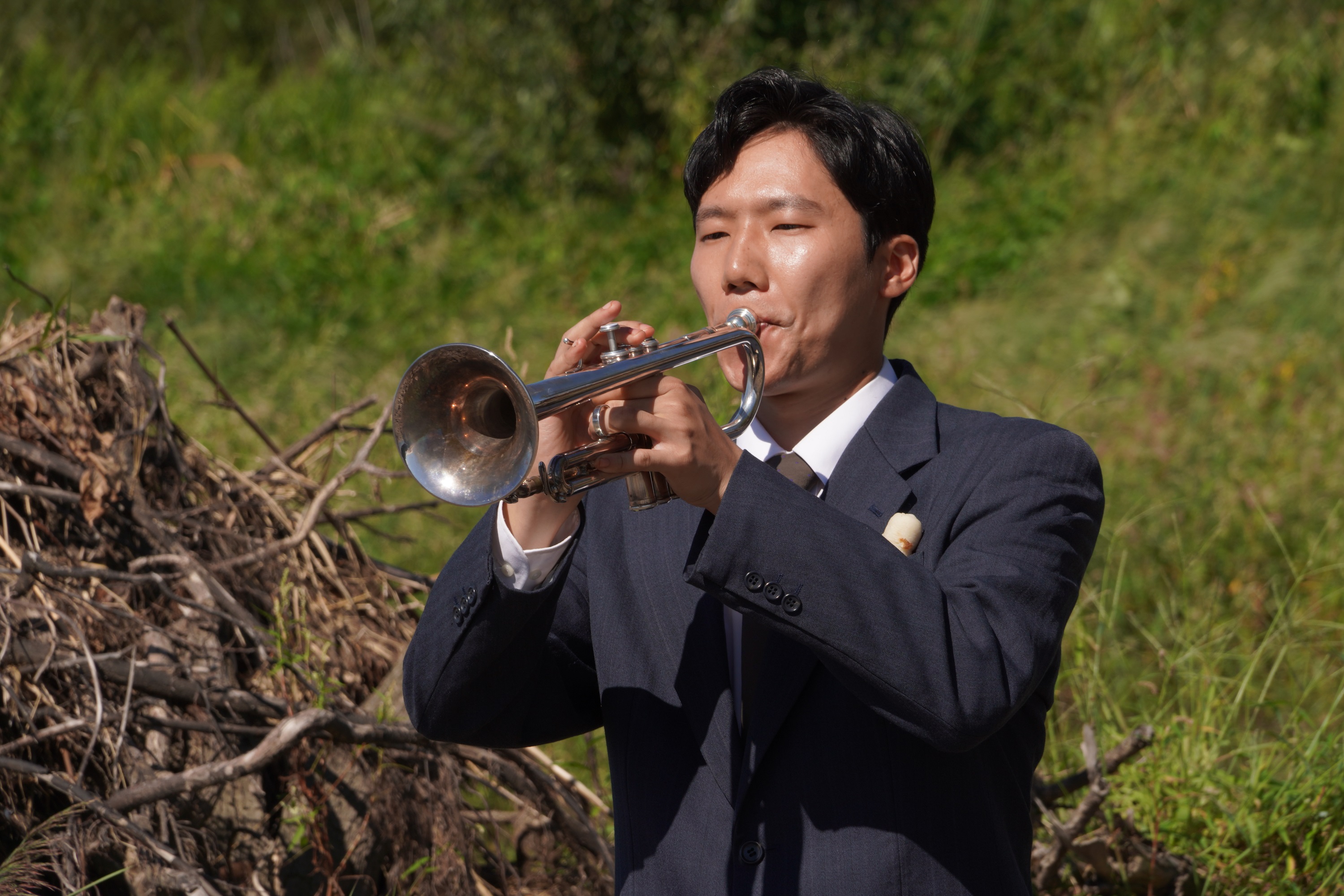
The Blue Danube

Online only

A soldier seconded to play in a marching band begins to question the eternal war with the village on the other side of the river in Akira Ikeda’s absurdist drama.

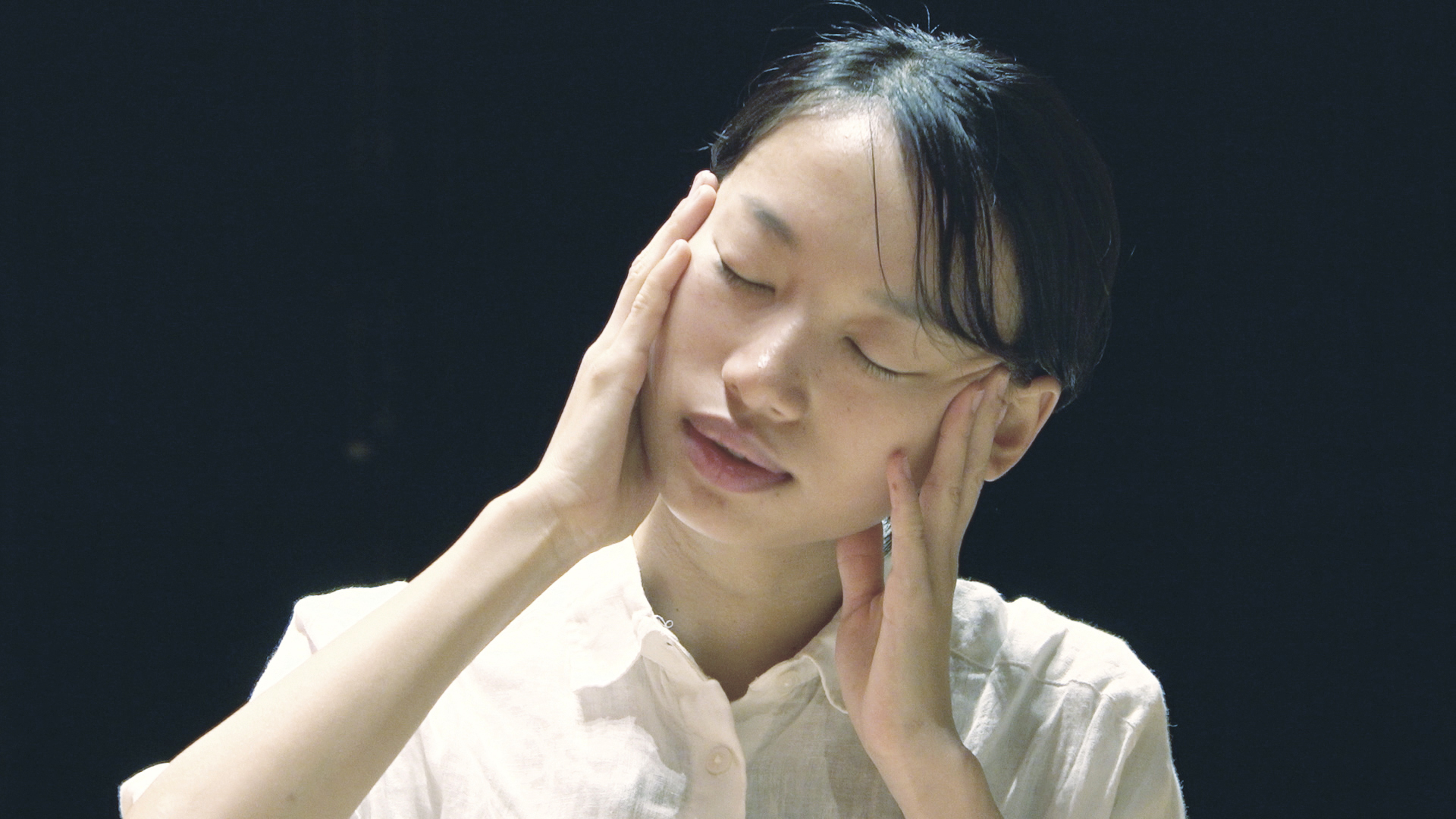
Double Layered Town / Making a Song to Replace Our Positions

Online only

Four young travellers relate the stories of the 2011 earthquake and tsunami in verbatim stage performances running concurrently with a fictional narrative set in 2031.

Tickets for in-person screenings are on sale now via the official website. Passes for the virtual festival priced at $69 are currently available with individual rentals on sale from Aug. 20. You can also keep up with all the festival news as well as the year round programme via Japan Society New York’s website, or by following them on Twitter and Facebook.