
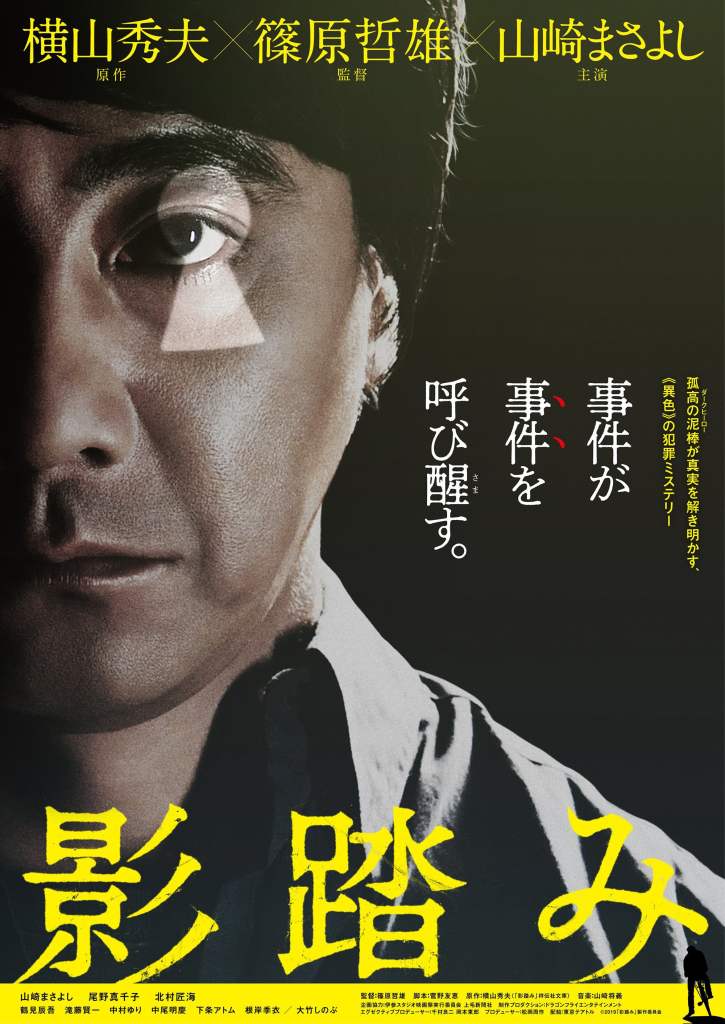
Cinema has an odd preoccupation with twins. The uncanniness of seeing more than one person with the same face in the same frame injects a note of inescapable unease, not least because of the oddness of the techniques required to make one actor appear to be in two places at once. Shadowfall (影踏み, Kagefumi) adapted from the mystery novel by 64’s Hideo Yokoyama, places the “evil twin” motif at its heart but, perhaps a little uncomfortably, uses it as a metaphor for the shadow self as the conflicted hero attempts to find closure with past trauma and family legacy in order to reintegrate his two selves into one complete whole capable of living a life both spiritually and emotionally honest.
As the film opens, ace cat burgler Shuichi (Masayoshi Yamazaki) is in the process of breaking into the home of a local politician. Whilst there, however, he discovers petrol pooled on the hall floor and the politician’s wife, Yoko (Yuri Nakamura), nervously grasping a cigarette lighter. He manages to snap the lighter shut before she can use it, saving her life (as well as that of the husband she was about to kill), but is then caught by a policeman, Sosuke (Pistol Takehara), who happened to be “just passing by” and is also, coincidentally, a childhood friend. Shuichi gets two years, and is met on his release by a young man, Keiji (Takumi Kitamura), dressed in incongruously old-fashioned, gangster-style clothes and adressing him as “Shuichi-ni” or “big brother Shuichi”. Together, the pair form a small crime fighting team determined to find out what became of Yoko while poking their noses into some conspiratorial corruption which links her with yakuza, police, and the judiciary. The situation is further complicated when Sosuke is found dead after a visit to Yoko’s bar, leaving Shuichi implicated in the possible murder of his old friend.
Reflecting on the case, police detective Mabuchi (Shingo Tsurumi), who also knew Shuichi in his youth, remarks that twins are tied to each other like heaven is to hell. One will necessarily drag the other down. Later, he corrects himself, that if is that is true then the reverse must also be and one should be able to raise the other up. What we see, however, is largely the former. We discover that Shuichi had an identical twin who was “no good”, a petty teenage hoodlum always in trouble with the police where he was a top student preparing to study the law and become a prosector. Their mother (Shinobu Otake), a teacher, found herself a victim of social stigma as the mother of a criminal, asked to resign from her job because a woman who can’t raise her own son to be a law abiding citizen is not fit to educate those of others. Hisako (Machiko Ono), who had been friends with both the boys and is still carrying a smouldering torch for the “good” Shuichi, experiences something of the same when she’s targeted by a creepy stalker (Kenichi Takito) who leaks her “criminal associations” on the message board of the nursery school where she too teaches.
Having waited for him all these years, Hisako is praying for the restoration of the Shuichi she once knew who was good where his brother was “bad”. Despite her deep and abiding love for him, she claims to have chosen Shuichi, rather than his brother, because loving the good is the safer, more responsible choice. Shuichi, meanwhile, describes himself as walking in his brother’s shadow, a darkened space into which Hisako wishes to be admitted but is wilfully denied. He tells himself he does this to keep her safe, but is in reality unable to step into that space himself and occupy it as a full and complete person. He claims that his criminality is an act of revenge when it is actually a kind of self-harm that ensures his two selves, the shadow self that is his departed brother, and the ghost self which is the cat burglar, will remain forever separate.
Talking with another twin whose mirroring of his brother had even darker results, Shuichi confesses that to share a soul with another human being is a terrible curse and one he secretly longed to be released from. It’s this latent sense of guilt which haunts him, cleaving his soul in two. Only by dealing with the traumatic past, the memories inflamed by Yoko whose burden is a fear of an excessive “niceness” she too must learn to let go, can he reintegrate his two selves into one complete whole with only a single shadow. A noirish tale of haunting grief and unresolved regret, Shadowfall finds hope in the simple act of acceptance and the promised restoration of the imperfect whole.
Screened as part of the Japan Foundation Touring Film Programme 2020.
International trailer (English subtitles)

 Takeo is a big guy with a big heart but awkward when it comes to romance. When he saves timid transfer student Rinko from a street harasser and falls in love at first sight, he is convinced she must have fallen for his super-handsome friend and determines to get them together in this charmingly innocent high school rom-com.
  An introverted high school boy and outgoing girl grow closer after participating in a joint sack race, but their romance is threatened by a dark secret…
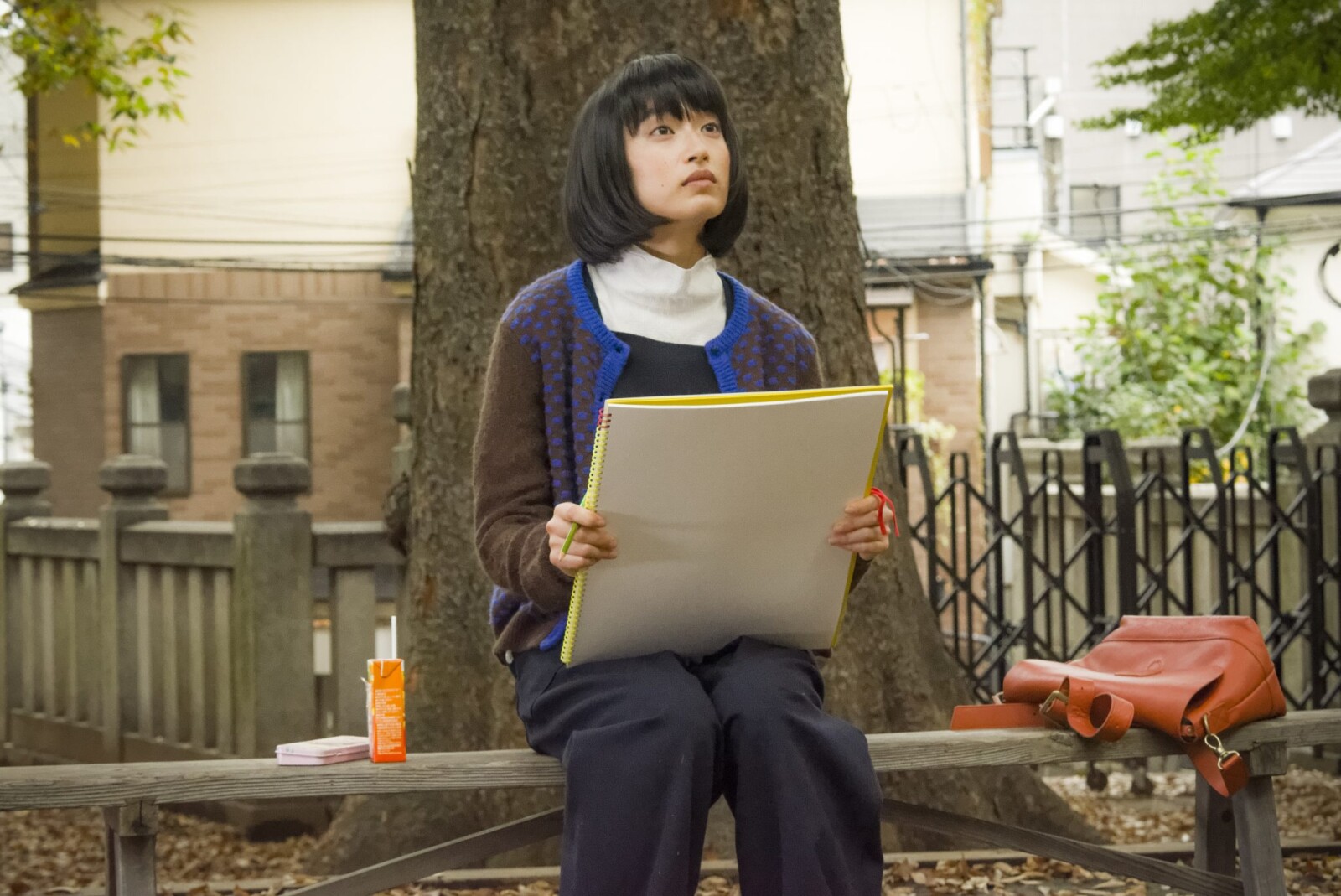 An introverted otaku has become a virtual shut in so her father finds her a quiet job
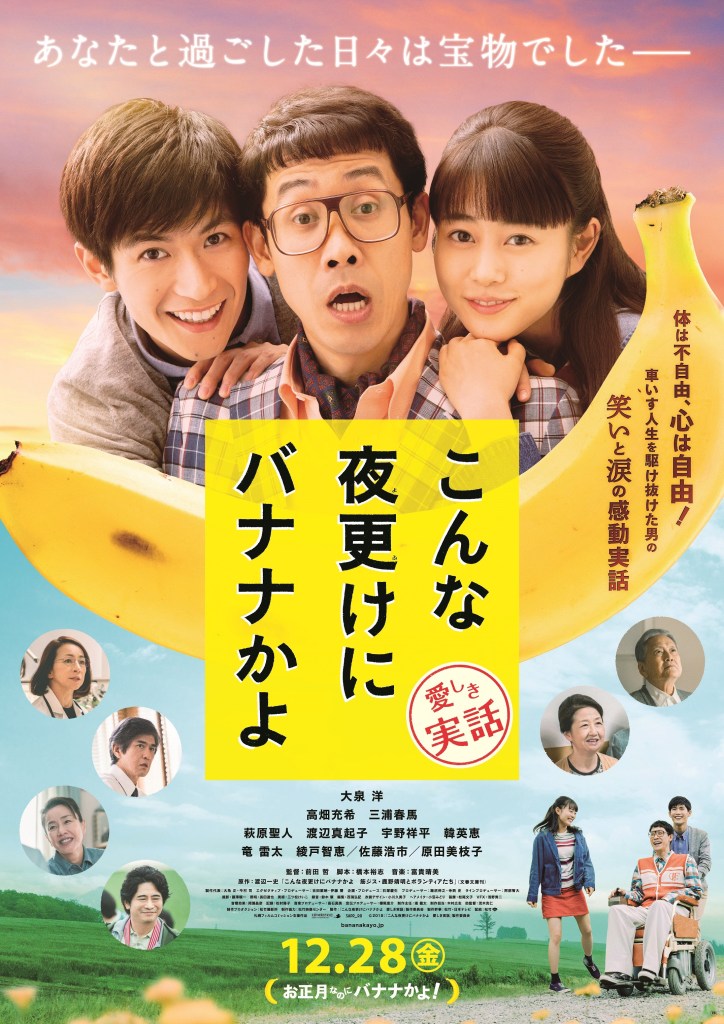
 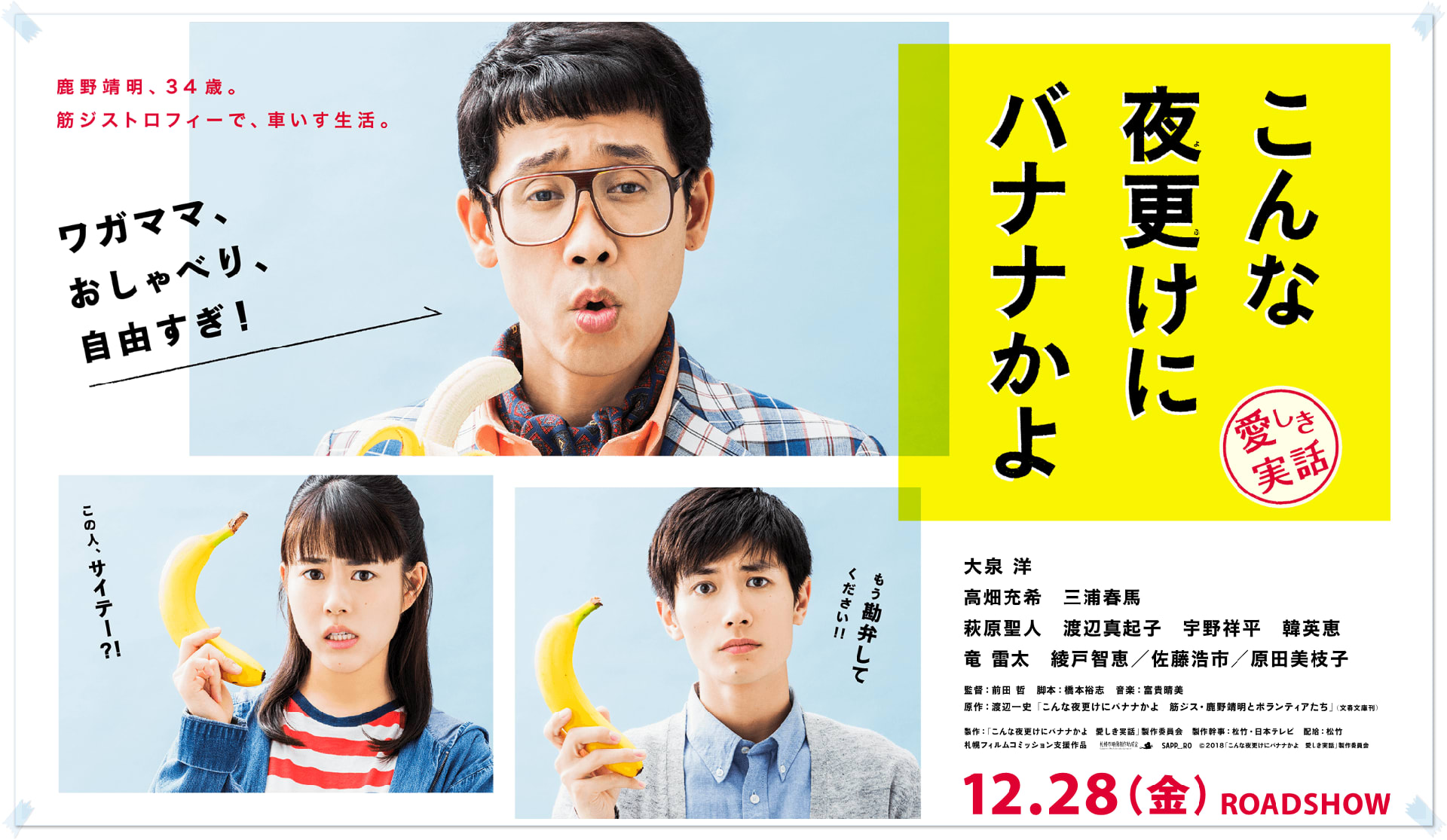 Yo Oizumi stars as a man with muscular dystrophy who is determined to live an independent life in his own home. After striking up a friendship with medical student Hisashi (Haruma Miura) he falls for volunteer carer Misaki and asks Hisashi to help him woo her little knowing she is his girlfriend.
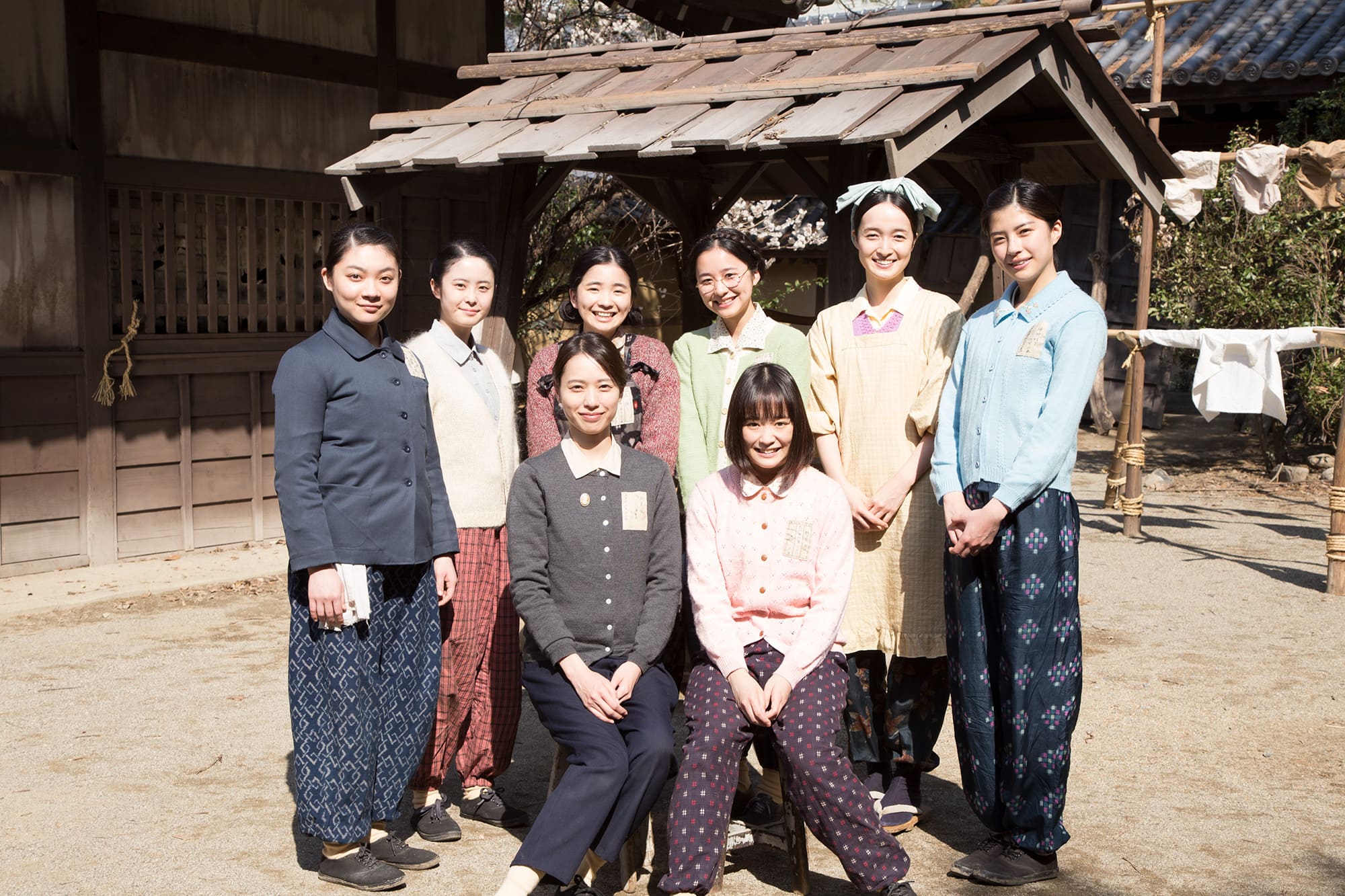 Wartime drama starring Erika Toda as a kindergarten teacher who evacuates her children to a nearby temple to try and protect them from the firebombing of Tokyo.
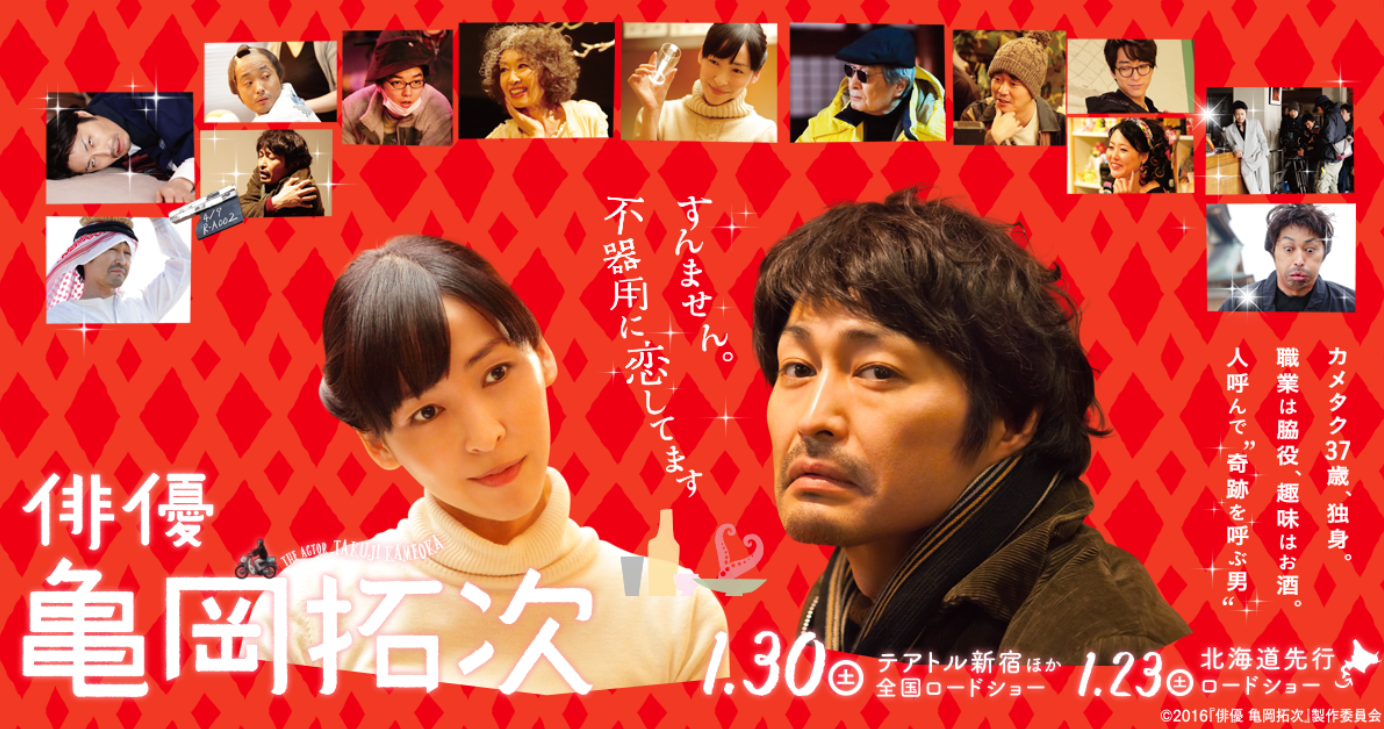 Ken Yasuda stars as a jobbing actor experiencing a small revolution when he’s brought in for a big film role for a foreign director and falls for the pretty daughter of a local izakaya owner.
 27-year-old Sato is patiently waiting for love. A chance encounter with a smartly dressed woman who agrees to fill in one of his questionnaires could be just what he’s been looking for…
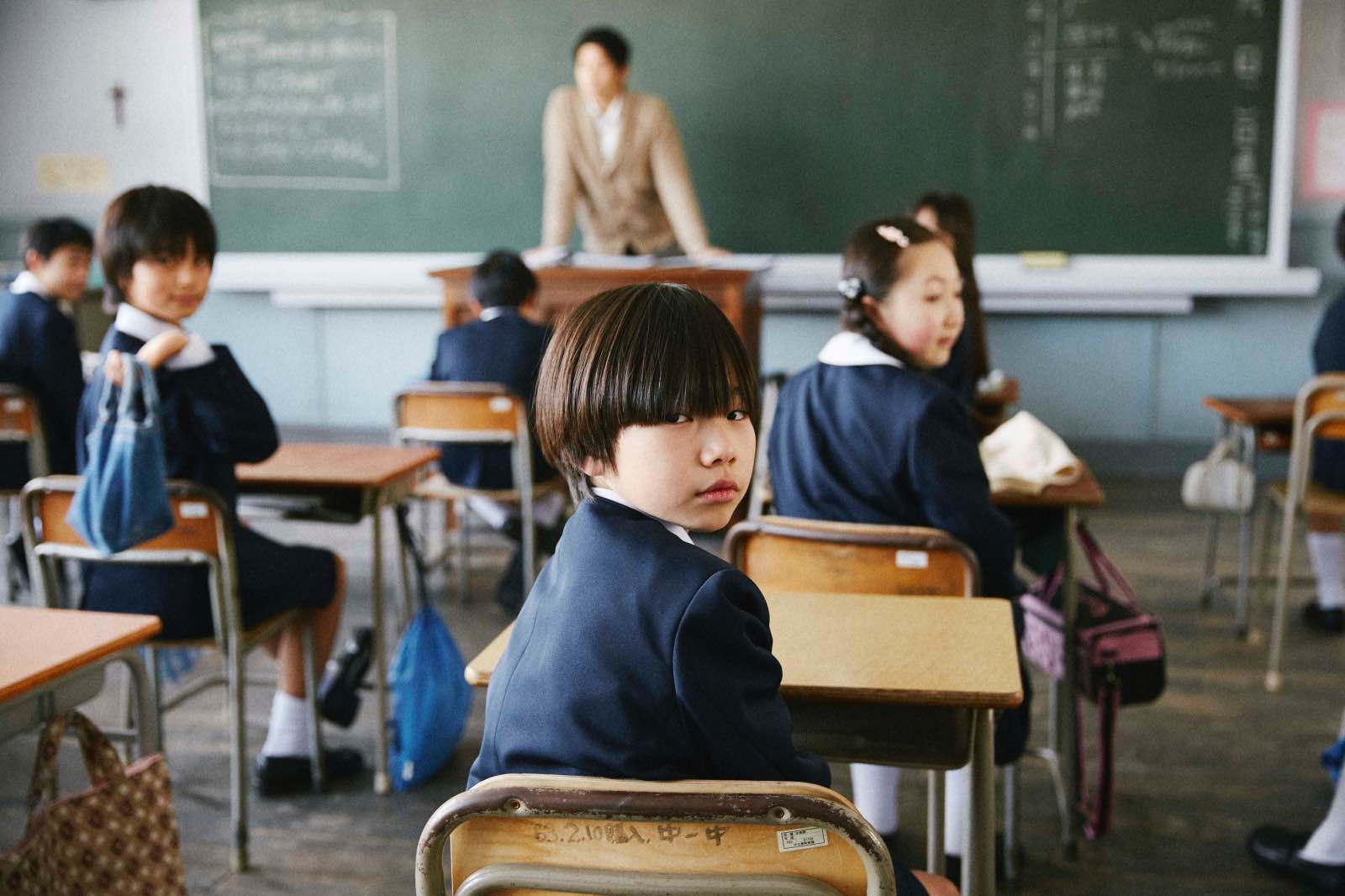 A small boy is forced to relocate to the mountains after his grandfather dies. Though the family is not Christian, he finds himself doubly out of place having to attend a Catholic school where a little bit of religious confusion sees him befriended by a Tiny Jesus.
 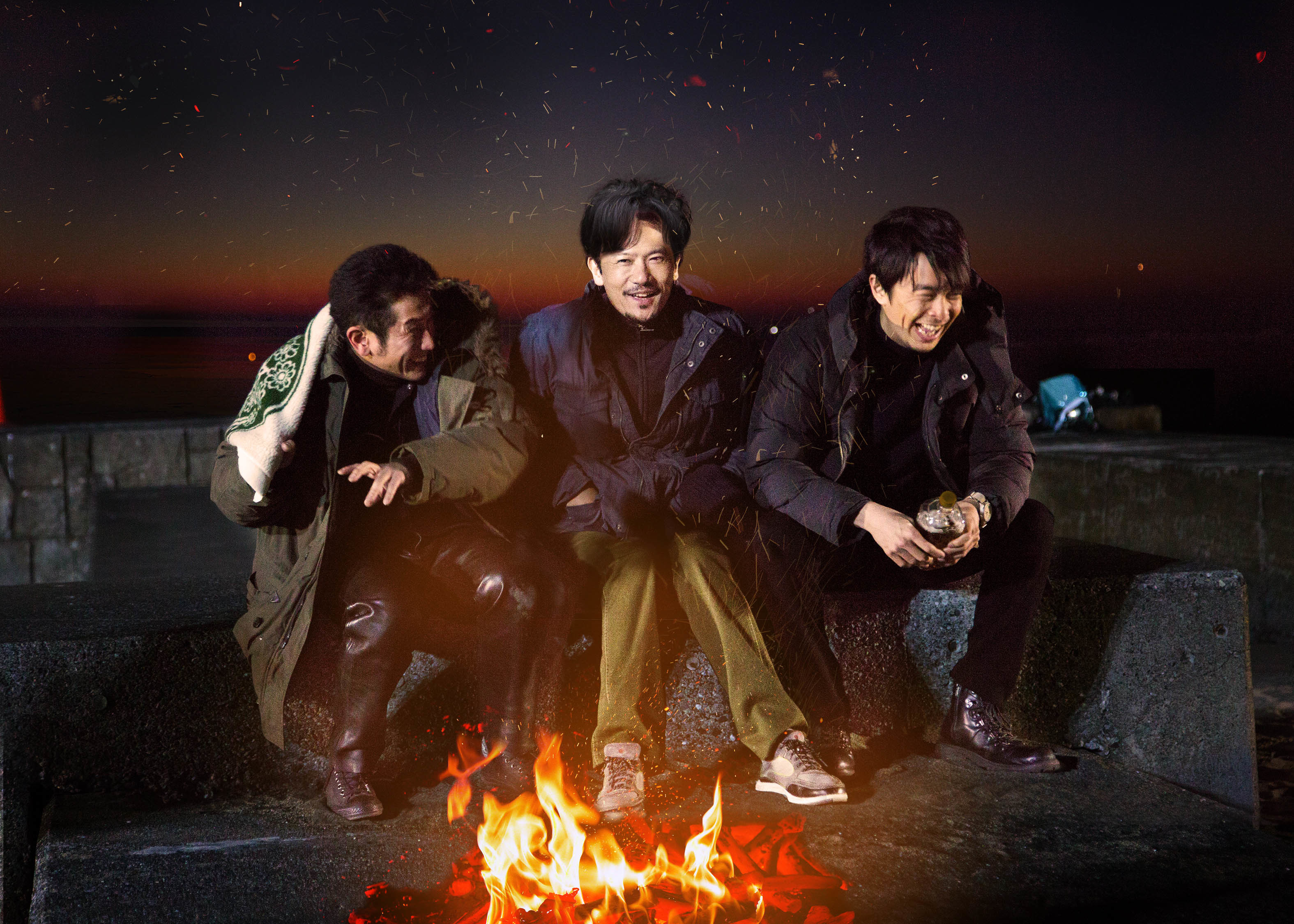 Three high school buddies reunite in their small-town home hoping to restore the easy bond of their adolescence while battling middle-aged disappointment in the latest from Junji Sakamoto.
 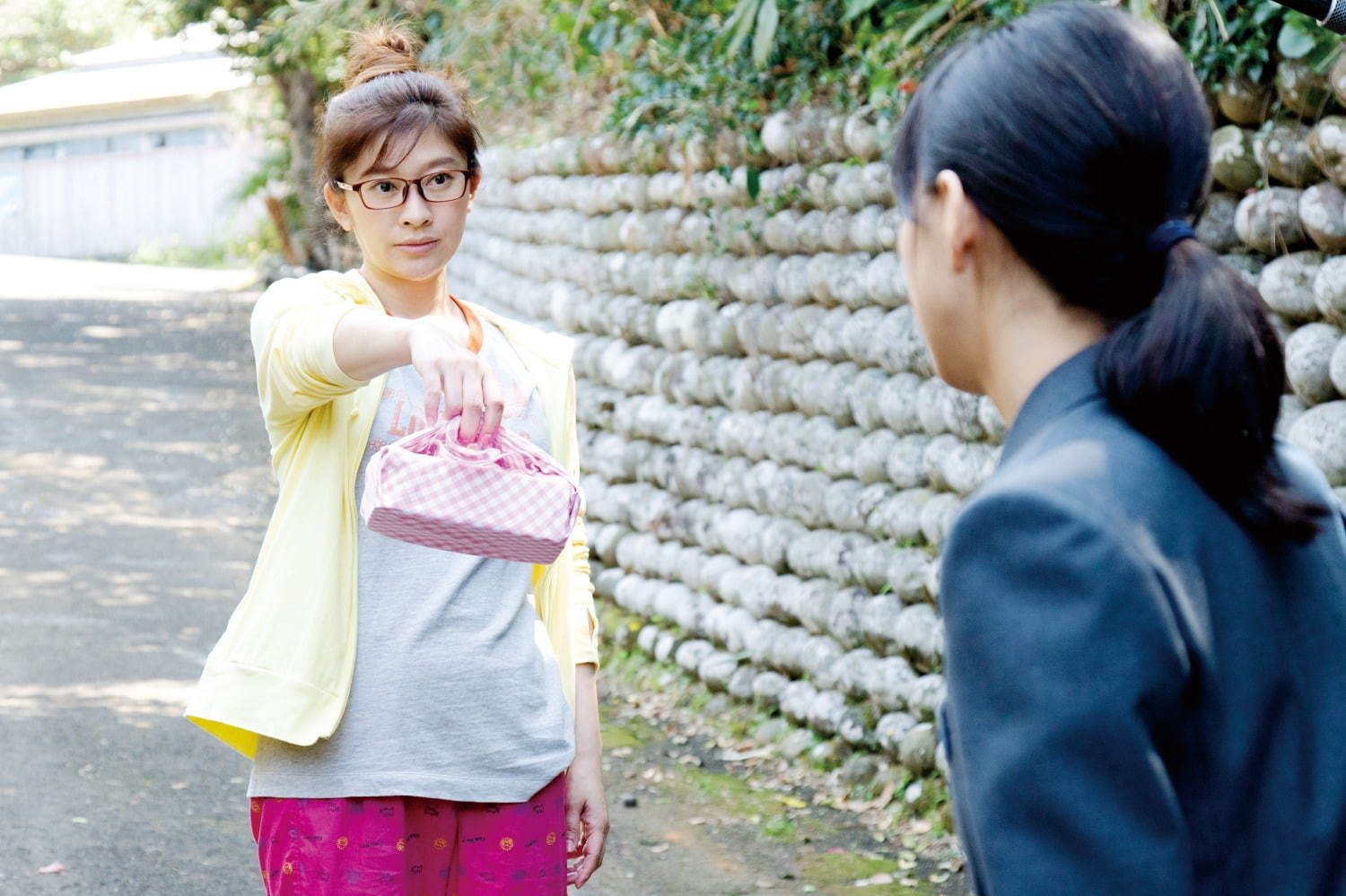 Fed up with her teenage daughter’s moodiness, a single mother tries to communicate with her via passive aggressive bento in this charming family drama.
 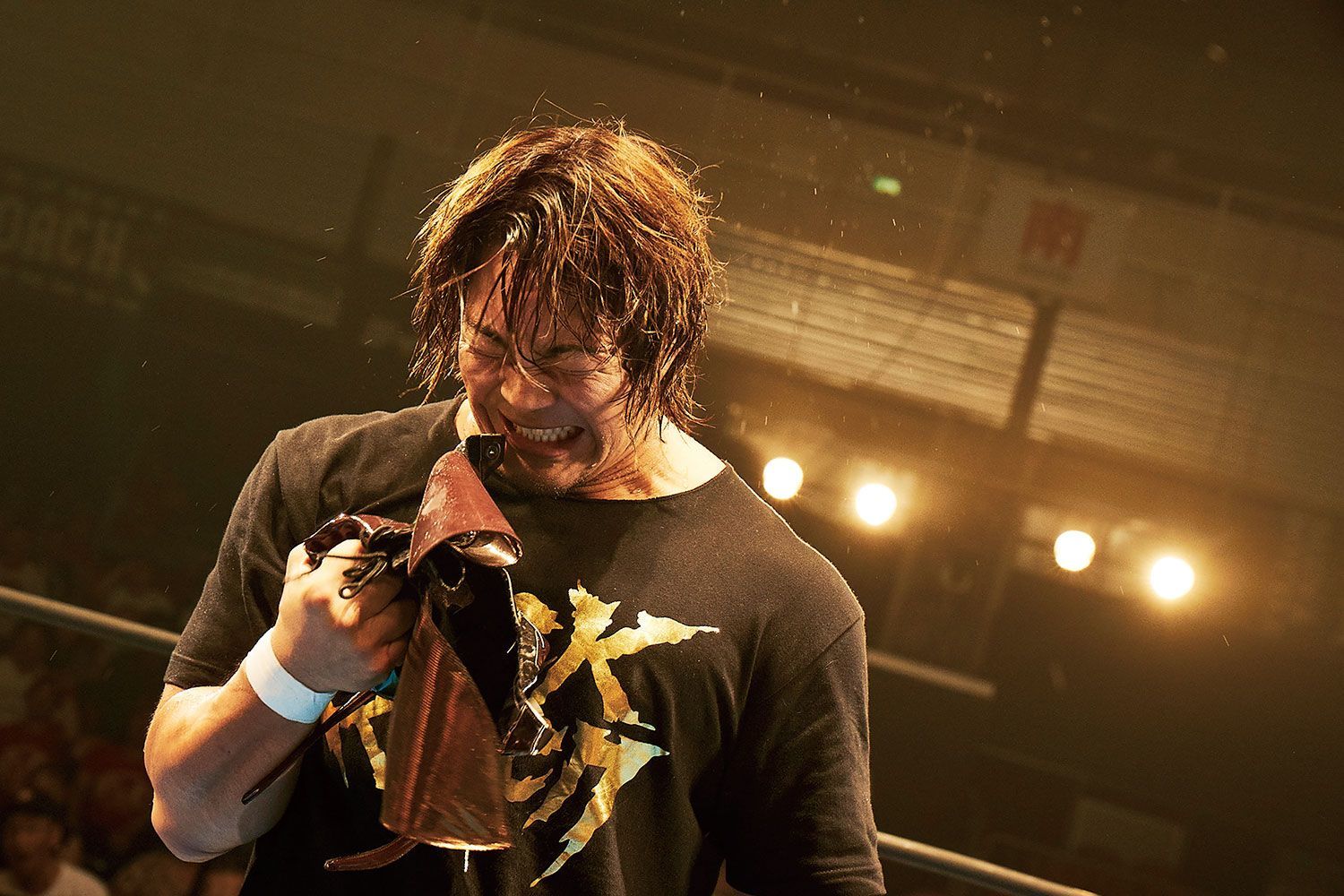 Former pro-wrestler Takashi Omura injured his knee and now makes a living playing a “heel” – a cockroach mask-wearing villain of the ring. Takashi’s 9-year-old son Shota had no idea what he does for a living until he snuck into the ring. Horrified to discover he’s such a loser, Shota tells his classmates that his dad’s the hero wrestler Dragon George…
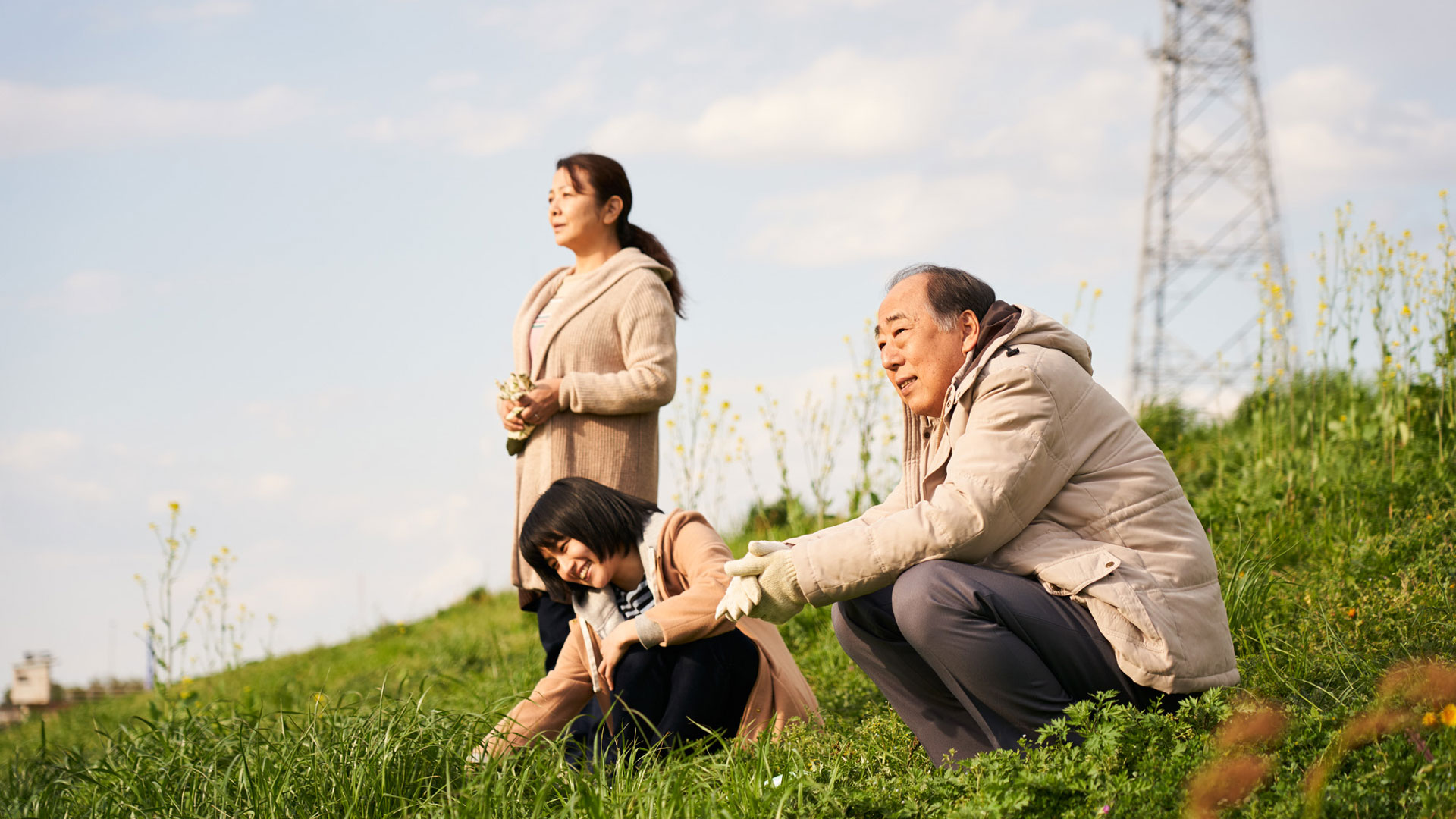 Yuko is knocked out trying to save her son who has hanged himself in his bedroom. Unfortunately he didn’t make it, but when she wakes up she has no memory of the incident and her family don’t have the heart to tell her what really happened, electing to keep up the elaborate pretence that he is alive and well and living in Argentina.
  A burglar gets a nasty surprise when he breaks into a house where a woman is preparing to commit a murder!
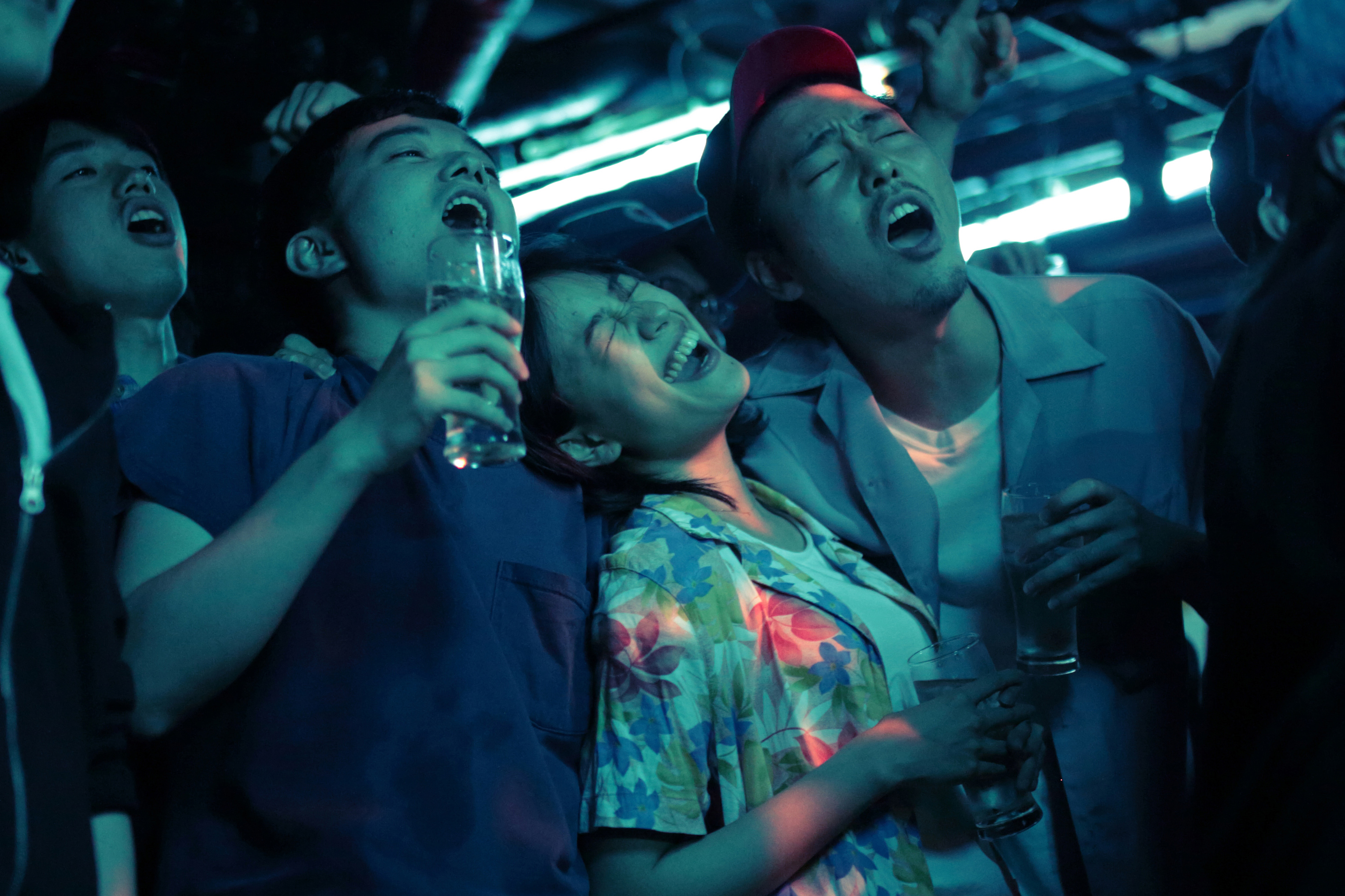 Three slackers struggle to accept love in modern day Tokyo in Sho Miyake’s contemporary adaptation of Yasushi Sato’s Akutagawa Prize-winning novel.
 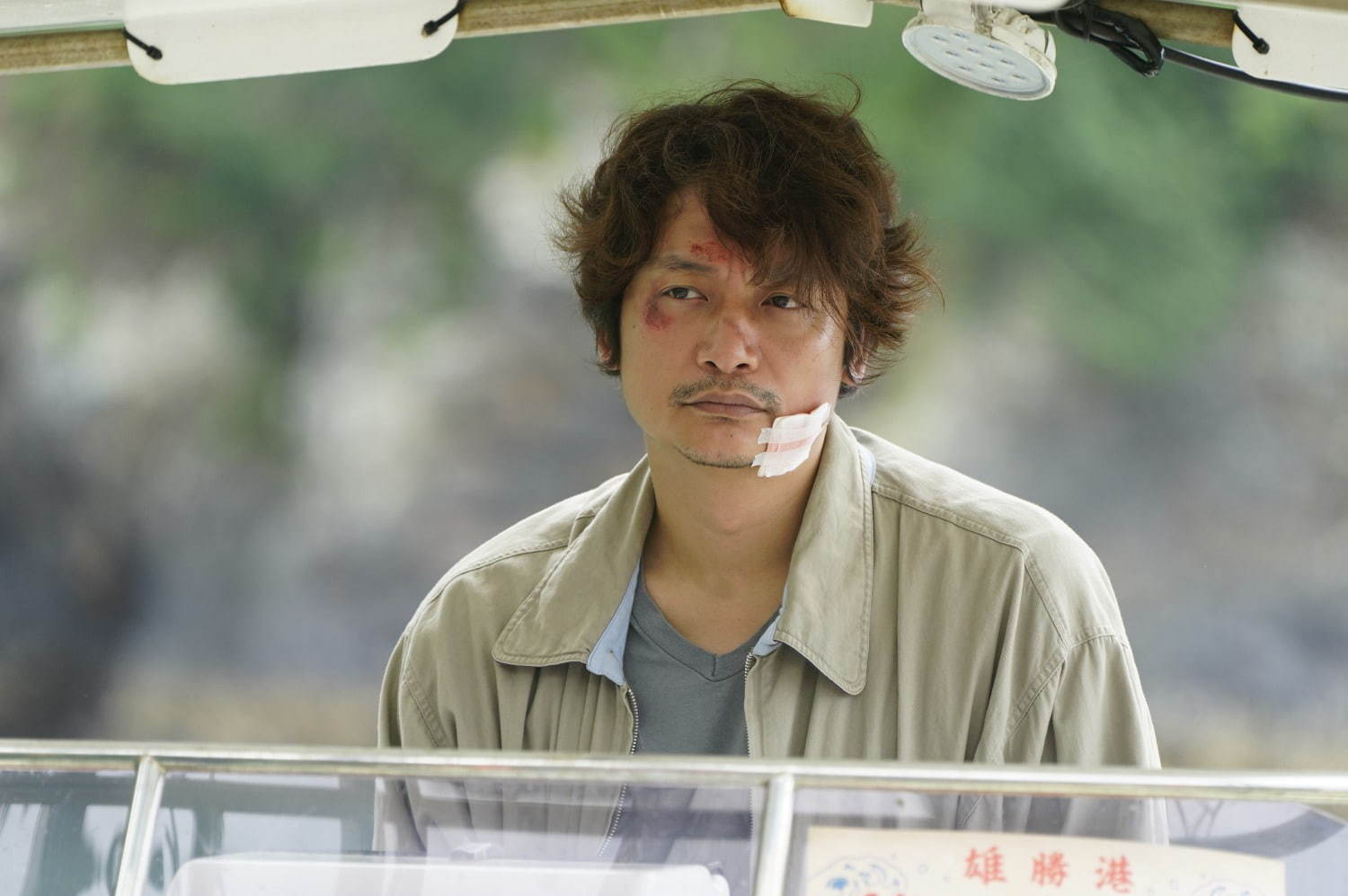 A man moves to his partner’s hometown when her father falls ill, but tragedy follows him and his gambling addiction spirals out of control.
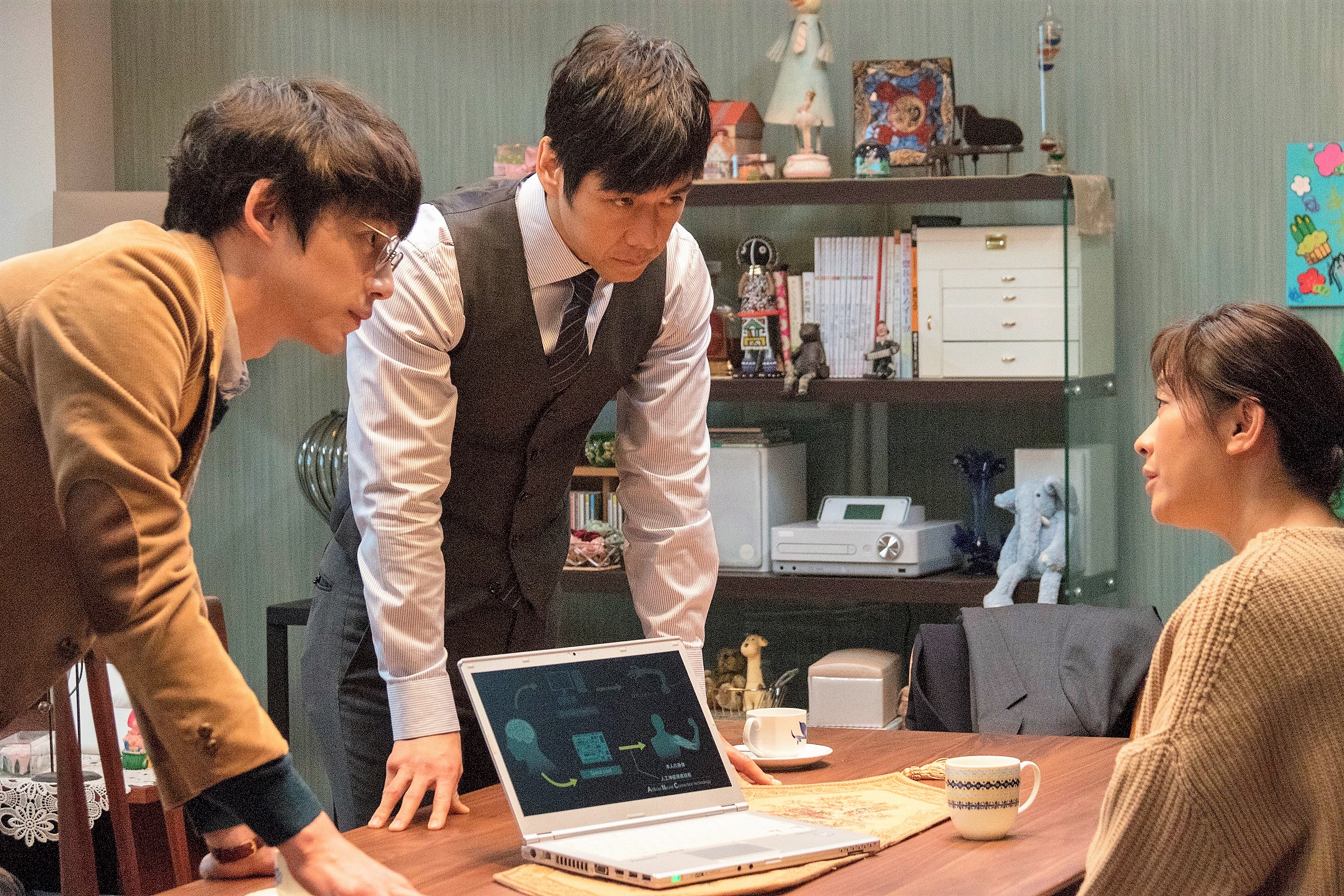 Kaoruko is separated from her husband and has two small children. One day she gets a call to say that her daughter has drowned in a swimming pool and has been declared brain dead. She and her husband then have a difficult choice to make, donate her organs so another child can live, or wait until her heart stops beating.
 It’s high stakes high school in this adaptation of Homura Kawamoto & Toru Naomura’s gambling manga Kakegurui in which grades are decided at the gaming tables!
 Kon Ichikawa’s classic black comedy in which a sleazy TV exec gets his comeuppance when his wife and nine mistresses team up to plot his death.
 TV doc director Naoko Nobutomo follows her ageing parents as her mother’s Alzheimer’s-related dementia intensifies.
  The latest feature from Masaaki Yuasa in which a surfer and fireman fall in love only for him to die in an accident at sea which convinces her to stay away from the water until…
 Windows on Worlds