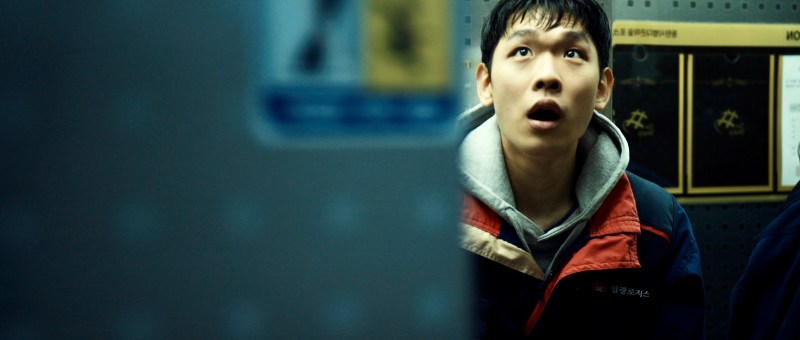
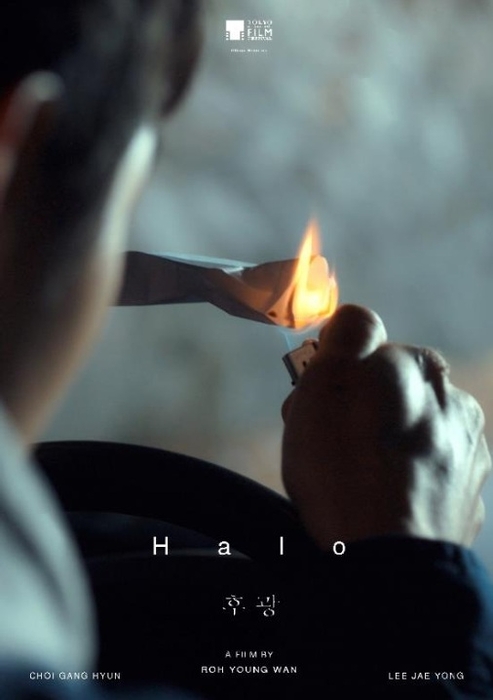
An astrologer delivery driver Min-joon (Choi Gang-hyun) meets tells him that he’s unlikely to achieve his dreams of becoming a film director in Korea. He was born under an unlucky star, destined to be a self-sacrificing figure overshadowed by his toxic family. However, the astrologer points out, the stars look different depending on where you stand, and according to him the best place for Min-joon is the UK, as unlikely as that might seem.
The astrologer doesn’t seem to hold out much hope that he’ll make it, though. He feels sorry for people like Min-joon who have an over-developed sense of responsibility for those around them and are incapable of putting themselves first. They may very well be toxic and dragging him down, but as Min-joon says, they’re still his family. When we first meet them, his parents are having a physical altercation in the police station while his older brother, Min-ha, who has learning difficulties, screams in terror and confusion. It seems that Min-joon’s father has taken to drink and either can’t or doesn’t work. He criticises the state of the nation that reduces people to living like this, but as his wife points out rather than worrying about the country perhaps he could fix the light in the bathroom that’s been broken for months. He asks why he should when it’s not their place anyway, which might explain a few things about the state of the nation.
In any case, Min-joon is surrounded by radio broadcasts about North Korean missiles and various other disasters that lend an additional sense of doom to his monotonous life. Min-joon is honest and hard-working, diligently delivering parcels all day long and taking good care of his van, only to be treated with contempt and a constant stream of problems from his family. He dreams of becoming a film director, but is always frustrated, first by being unable to afford a colour print of his script and pitch for a producer he met through a connection. He shows up in a neat suit ready to discuss his idea, but she immediately shoots him down by saying that no one makes this kind of film any more and he has zero chance of directing anything. She advises working on the set to gain more experience, but those kinds of jobs don’t usually pay very well and Min-joon probably couldn’t afford to take it even if he weren’t hurt and demoralised by the humiliating experience of being so casually dismissed.
That might be why he takes the astrologer’s advice to heart and starts working overtime to save money to move to the UK while sleeping in his van and washing in a local public toilet. He makes the convenience store guy put his buy one get one free sandwiches in separate bags as if ashamed to have him know he’s going to eat them both himself and that that’s his only meal. Even so, his mother asks him to lend them money to buy his brother, the oldest son, a wife from North Korea so he can live a settled family life, seemingly thinking little of Min-joon’s right to do the same. Meanwhile, Min-ha has suspiciously also come into quite a lot of money, and is later arrested for getting involved with a gang running telephone scams. Min-joon thinks Min-ha probably didn’t know or at least fully understand what he was getting into and was exploited by the gang because of his disability but the police won’t listen to him and a lawyer seems to suggest there’s nothing he can do, bearing out the inherent injustice of the contemporary society.
There really is no way out for him. He’s insulted by residents of the snooty apartment blocks he delivers to who don’t like him using their lift, his van gets robbed, and he ends up bumping it too, requiring even more money to repair and now he can’t even sell it to help his brother pay the compensation money for victims of the scam so he can stay out of prison. He repeatedly visits the apartment of a hoarder with a piles of boxes outside her door that she never opens. It’s like he too is trapped in the room surrounded by cardboard with only his family for company. His desperation mounts with frightening intensity until reaching its unavoidable conclusion as he seeks the only kind of escape available to him.
Halo screens in Chicago March 28th as part of the 20th edition of Asian Pop-Up Cinema.
Trailer (English subtitles)




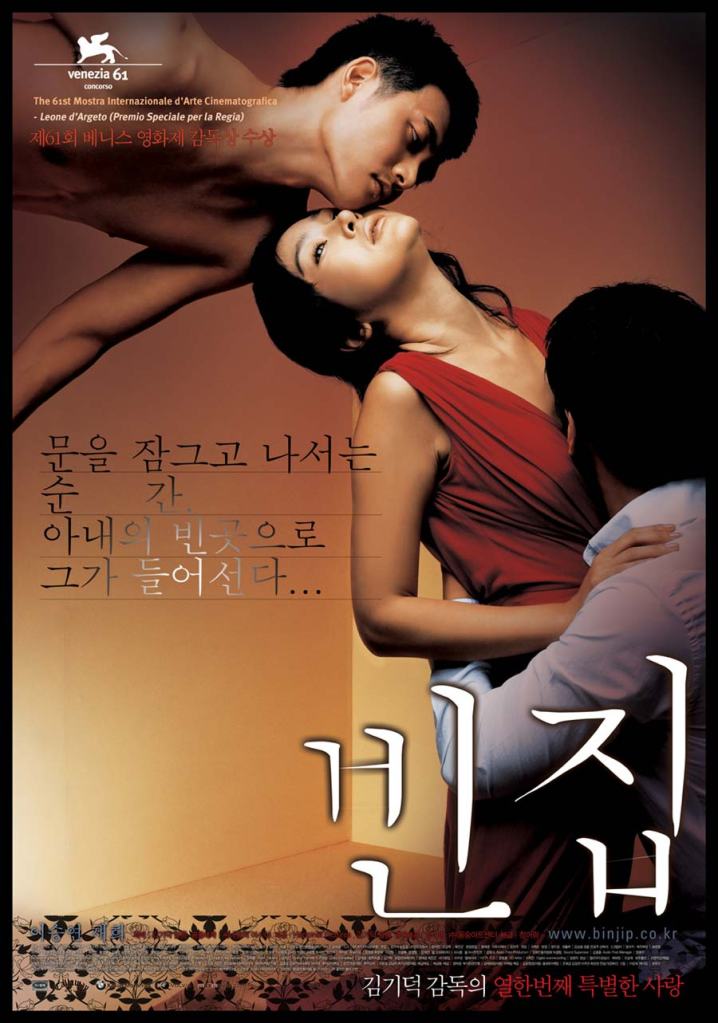 You wouldn’t think it wise but apparently some people are so trusting that they don’t think twice about recording a new answerphone message to let potential callers know that they’ll be away for a while. On the face of things, they’re lucky that the guy who’ll be making use of this valuable information is a young drifter without a place of his own who’s willing to pay his keep by doing some household chores or fixing that random thing that’s been broken for ages but you never get round to seeing to. So what if he likes to take a selfie with your family photos before he goes, he left the place nicer than he found it and you probably won’t even know he was there.
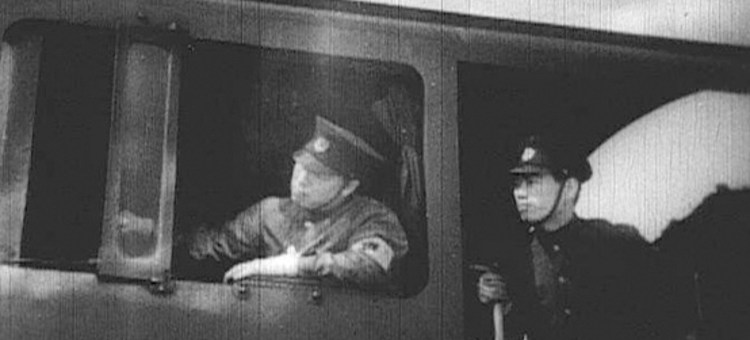
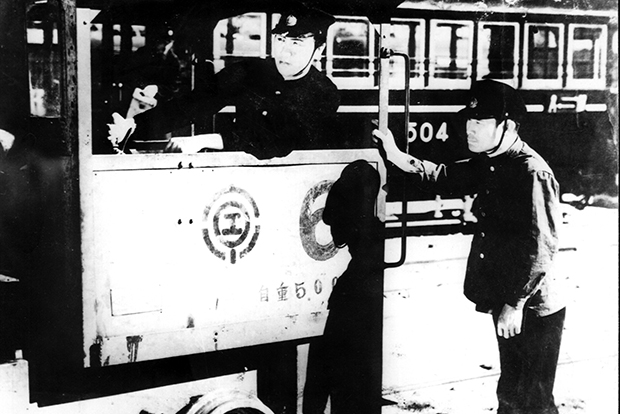
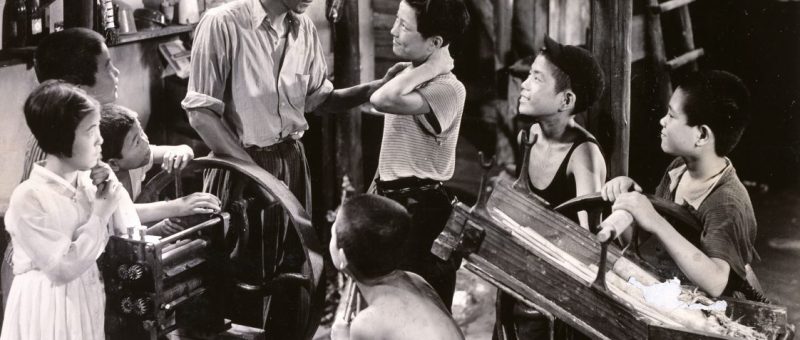
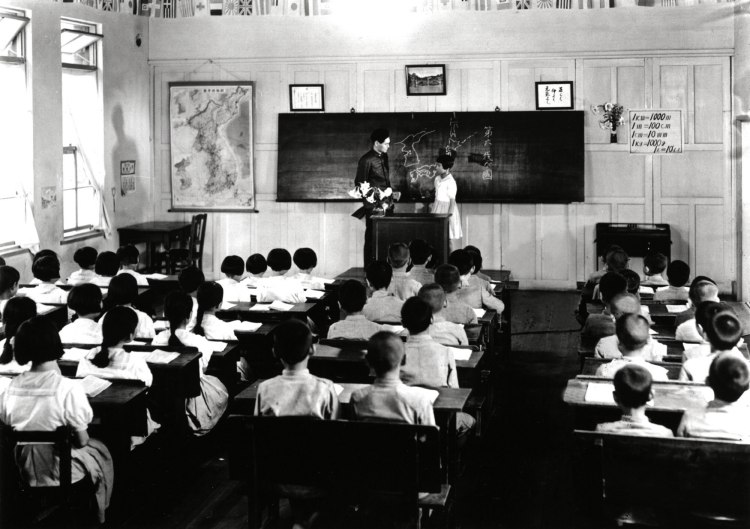 Long thought lost, Tuition (수업료, Su-eop-ryo) is an unusual example of Korean film made during the Japanese colonial period. Released in 1940, the film depicts the lives of ordinary people facing hardship during difficult economic conditions though there is no reference made to the ongoing military situation. The story itself is inspired by a prize winning effort by a real life school boy who was doubtless experiencing something similar to the trials of Yeong-dal, however, directors Choi In-gyu and Bang Han-joon made several subversive changes to the script at the filming stage in an attempt to get around the censorship regulations.
 Windows on Worlds