Lost Land (Harà Watan, Akio Fujimoto, 2025)

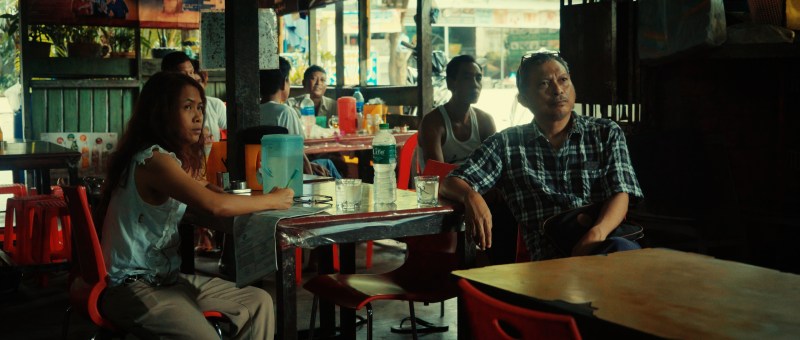
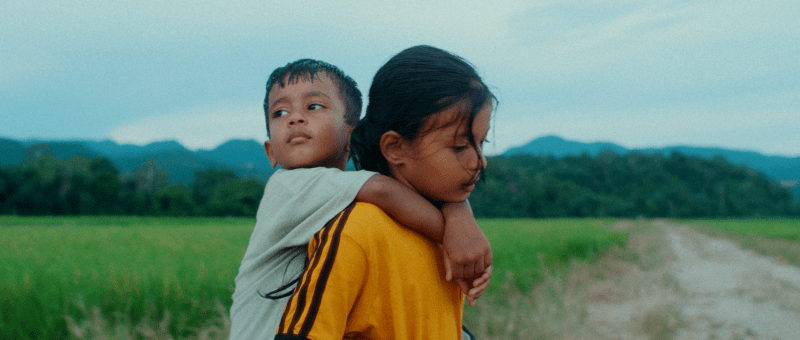
The world’s largest group of stateless people, the Rohingya have been persecuted under several authoritarian regimes in Myanmar and forced continually on the move throughout the region. Having previously explored the lives of Burmese migrants in Japan, and those of Vietnamese workers caught in exploitative training contracts, in Lost Land (Harà Watan), Fujimoto follows a community of Rohingya refugees as they embark on a perilous journey across South East Asia to reach Malaysia.

Somira and her brother Shafi don’t know much about this. They’ve been told that they have an uncle living there, but they don’t know his name or his phone number. Shafi keeps asking when they’re going “home”, but in reality they don’t quite have one. Their mother tells them stories about her childhood in Myanmar and a large mango tree that to her seems to embody the idea, but it’s an abstract concept that occupies a space of fairytale or mythical origin story. Later, Shafi will tell a kind young man looking after him that his uncle lives near a big mango tree, mixing up the stories he’s been told in his internal search for a home. He wanders off and finds a tall tree for himself in the middle of the city, looking up at it plaintively and playing hide and seek on his own knowing that no one’s coming to look for him. 

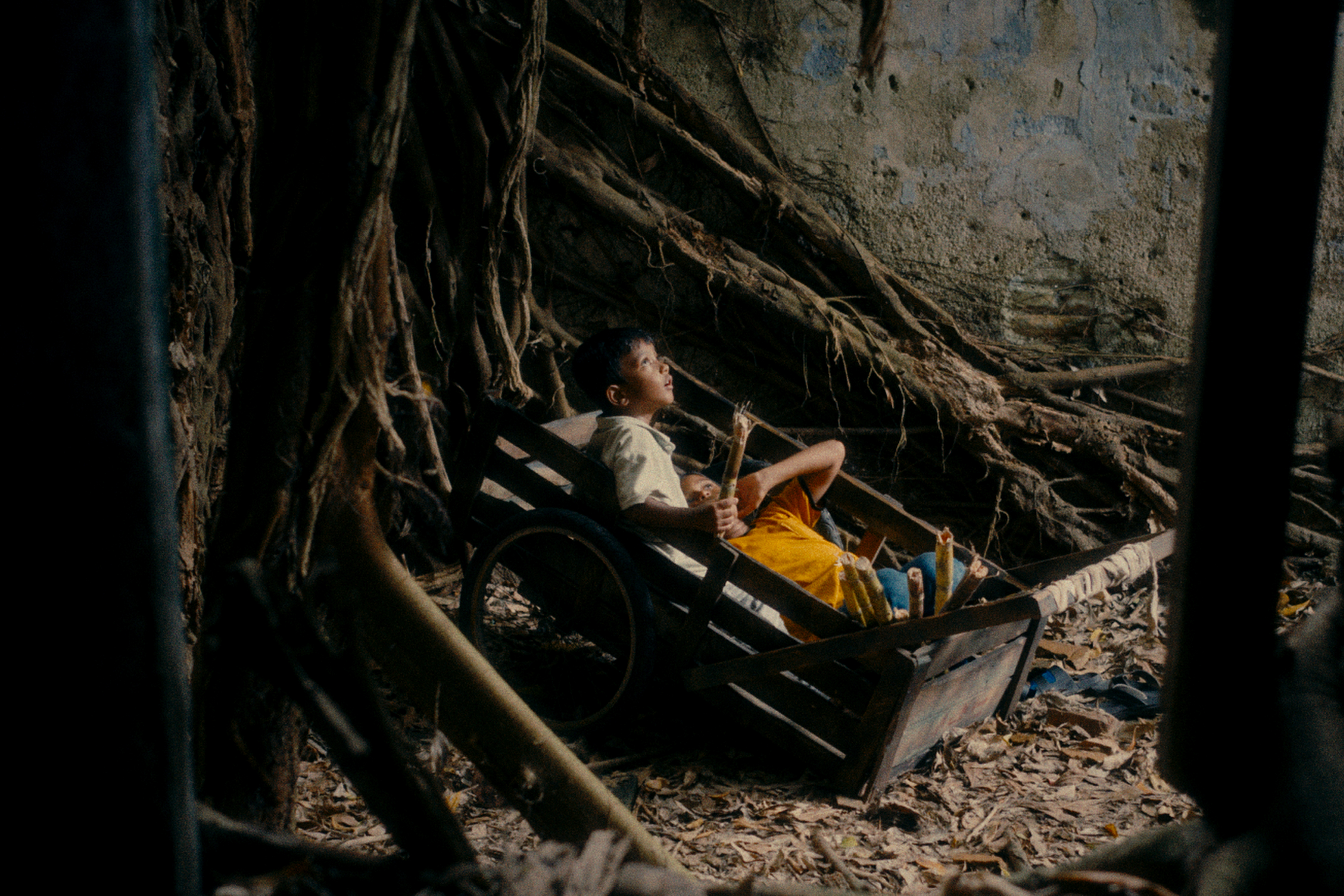
The siblings continue to play like children, but their games take on a darker quality when they become separated from their community and must try to look after themselves. They steal sugarcane to suck on, and beg local women for water, while planning to walk to Malaysia on their own despite not knowing the way. Eventually, they’re taken in by another fleeing Rohingya community who find themselves conflicted about what they should do with them. Though they may want to help these lone children for humanitarian reasons, they also know that they make their own passage more difficult and that the brokers will demand extra money they don’t have when they get to the next check point. 

By this time, it’s already been a couple of weeks since the children left their previous “home”. Their journey began by walking through the night to a dinghy that took them to a small ship where they encountered a storm, blew off course, and began to run out of food. One of their community died in the liminal space of the boat and was buried at sea. They frequently have to leave people behind because they couldn’t keep up or the authorities got them. This community too walk in the through the night clipping metal fences and then are forced to run for their lives. A horrifying moment finality demonstrates what it costs to look back or to try to help others while bullets fly indiscriminately in the darkness. 

Then again, there are moments of joy as a mother is reunited with her son after ten years even if he tells her that his workplace was raided and many of his friends were arrested. He was spared because he wasn’t working that day but ended up losing his job and will now struggle to find a new one while making sure to not blow his cover or be caught by the authorities. His mother’s faith remains strong as she insists that God wouldn’t let him suffer and is sure to find him a new job, despite all the fear and horror she’s been through on her journey towards him. She and her son are good people who look after Shafi even though they don’t have to because it’s the right thing to do. Though the siblings encounter good people like the Thai man who wanted to help them because he saw once Rohingya being taken away but couldn’t do anything about it, the world is otherwise heartless traffickers who’ll kill those who talk back to them or aren’t able to pay the extra money they’re sure to ask for. Wherever they go, the children aren’t welcome but are pushed on somewhere else, forced on more perilous journeys towards a distant homeland in an endless game of hide-and-seek. The first film ever produced in the Rohingya language, Fujimoto’s hard-hitting drama is a quiet plea for a little more compassion for those who are only in search of a home.


Los Land had its World Premiere at the 2025 Venice International Film Festival in the Orrizonti Section.
MA – Cry of Silence (မ – Cry of Silence, The Maw Naing, 2024)

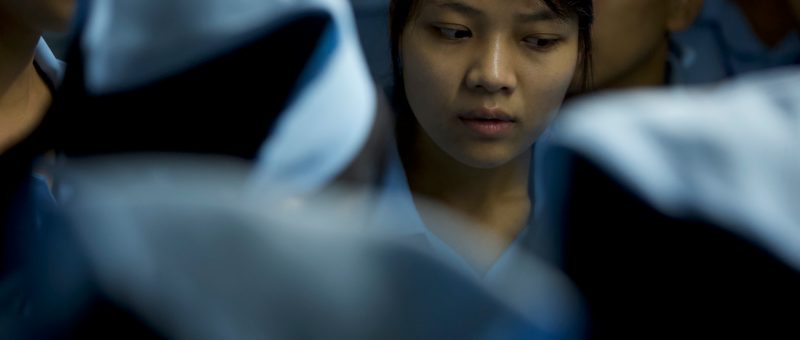
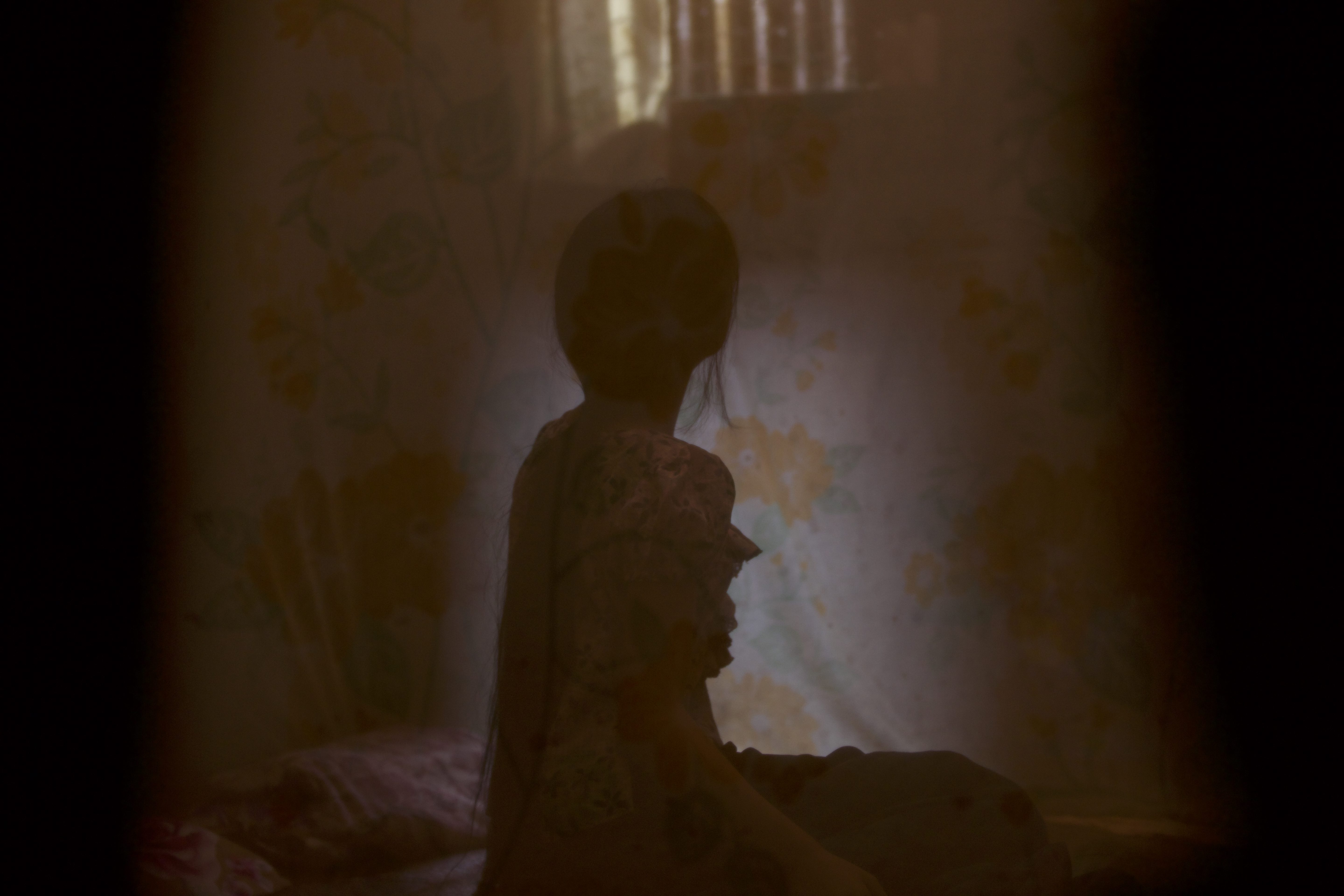
After their factory withholds wages for two months, seamstresses decide they have no other option but to strike in The Maw Naing’s hard-hitting drama, Ma – Cry of Silence (မ – Cry of Silence). As the opening title cards explain, Myanmar has seen a series of military coups over the last few decades and is now in a state of civil war. The military’s burning of villages has forced young people into the cities in search of work and shelter, but also left them in a precarious position and vulnerable to exploitative conditions. 

Mi-Thet, at least,ƒ is haunted by memories of her village burning and lives in a kind of hell where smoke is always on the horizon. She has a job as a seamstress and lives in a dorm with other young women in similar positions, but the factory hasn’t paid wages in two weeks and the landlady is beginning to get fed up. She snaps at the girls and ironically asks if they want her to starve to death, laying bare both the domino effects of this world in collapse and the pervasive heartlessness of capitalism. At the factory, the Forman watches over them, ruler in hand and often strikes them if he thinks they aren’t working hard enough while they’re terrified of taking breaks or visiting the bathroom because he also peeps on them or tries to extract sexual favours which some of the girls grant because they need the money.

The foreman’s face is kept offscreen and even when the women confront him, he appears as a ghostly silhouette behind the plastic sheeting. The factory boss, even when he supposedly arrives by car, is never seen at all. It may be that the political situation makes it impossible to run this kind of business, but at the same time it seems more like the factory just don’t want to pay the women because they think they don’t have to. After all, they have money to hire thugs to break up the protests when the women decide to strike rather than just giving them what they’re owed. The foreman alternately threatens them and makes false promises of payment that the women can’t believe because they’re still owed so much money even though as Mi-Thet says, she spends her days between the factory and the dorm. It wouldn’t surprise her if she died at her machine, while one of the others quips they’d still keep them working after they died.

Mi-Thet remains on the fence about even joining the strike, as do many of the other women afraid of the repercussions and of losing the money they’re owed entirely though it doesn’t seem as if it would be paid anyway. Her neighbour U-Tun who is disabled and is covered in scars from the 1988 protests for democracy remains world-weary and not so much encouraging as fatalistic but offers Mi-Thet a series of books that help her commit to the cause though it’s seeing her friend who works as a maid be badly beaten by her employer that convinces her they have to act now. 

As U-Tun says, the country should have changed but it stayed the same, while Mi-Thet can’t figure out if they’re emerging from the darkness or walking deeper into it. News reports speak of torched villages and refugees but also of the food shortages the destruction has caused. Even the cook at the dorm complains prices have gone up so much she can’t get good food and says she’ll cook better when they pay her more. “Better” doesn’t really matter at the factory as long as the girls hit their quotas, but workers can’t work on empty stomachs and no sleep even as the foreman seems intent in working them to their deaths. Mi-Thet and the others attempt to stand up against this cyclical destruction, but discover that they have almost no power and the factory owners don’t care at all if they live or die because they think there’s an endless stream of displaced girls looking for work. Gunshots and the rumble of fire echo in Mi-Thet’s ears, but ultimately she discovers herself trapped within this historical loop but issuing a rallying cry to the youth of Myanmar to rise up against this continuing oppression.


MA – Cry of Silence screened as part of this year’s New York Asian Film Festival.

Trailer (English subtitles)

The Clinic (ဆေးခန်း, Midi Z, 2023)

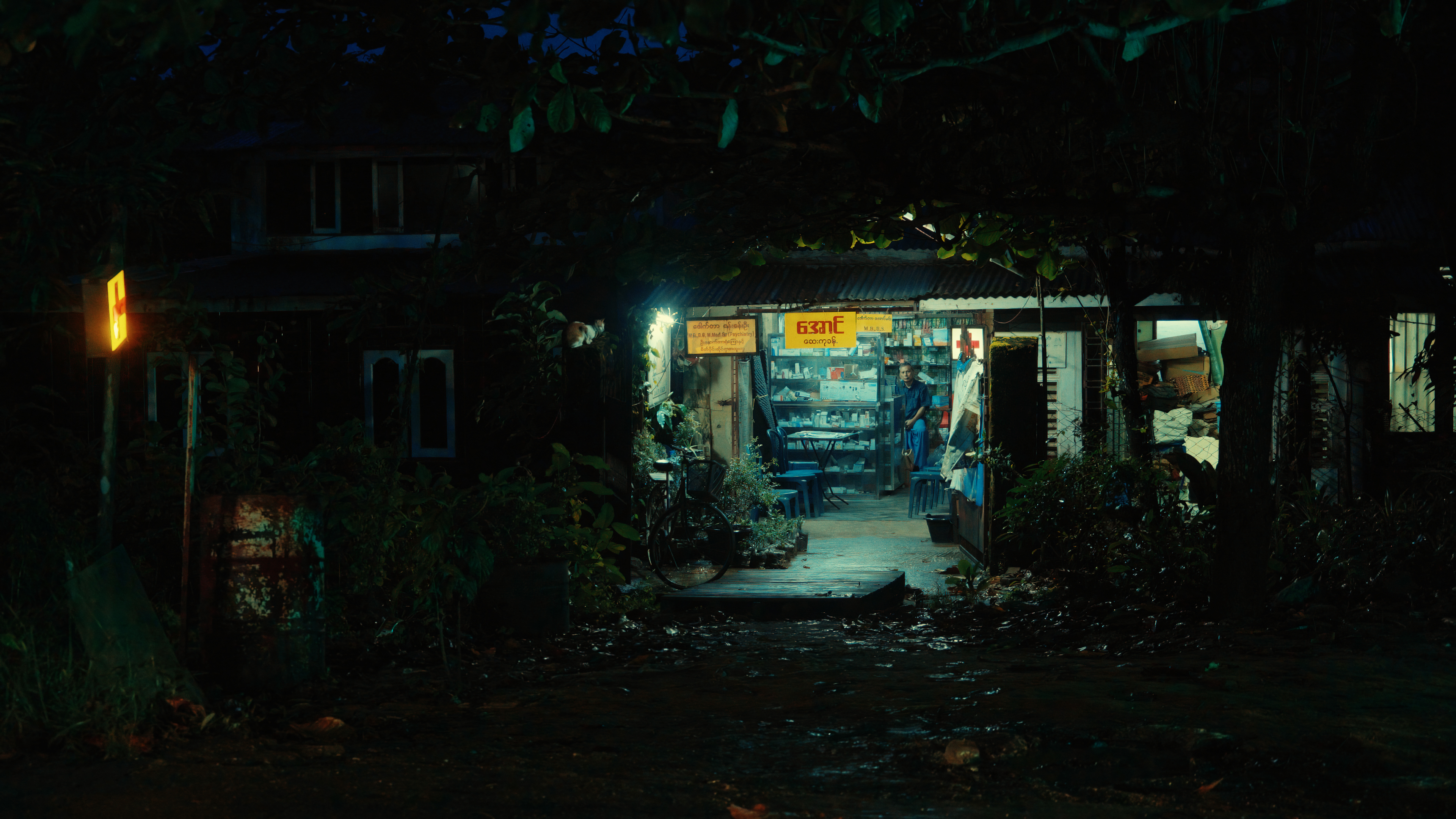
The title of Midi Z’s documentary The Clinic (ဆေးခန်) most obviously refers to that run by the two doctors at its centre providing a safe haven in the midst of chaos, but the director apparently envisaged secondary meaning in which the entire nation is a clinic filled with those in desperate need for treatment. It does seem that there is a lot of sickness and despair in this small corner of Yangon, the husband and wife doctors largely treating conditions related to alcohol and mental illness while otherwise powerless to do much more than treat their symptoms. 

It’s clear that there is little medical provision otherwise available in the local area. One woman has brought her sister from several towns over, explaining that there aren’t many doctors as kind as these ones are. They even invite their patients to return for dinner. The woman’s sister, however, has picked up head lice after a stay in hospital and seems to be under what they assume is a delusion of having been tried by the army for joining the Rohingya and rebelling against the Burmese state despite living in completely the wrong part of the country to have any contact with the conflict. Later the doctors sit in a cafe and listen to a speech by Aung San Suu Kyi about the Rohingya crisis which ends with an announcement for the delegates to head to a post-conference party. Doctor Aung Min quips that apparently they are not invited.

Aung Min is not invited to the party in many ways as he discovers when a film he’s made is screened at a human rights film festival but he’s harangued by a pro-military audience member who found his work offensive. A filmmaker as well as a doctor, he’s planning a film about an actor with fractured cultural identity as a Buddhist Rakhine taken to Bangladesh by the Rohingya. The actor is conflicted while considering whether to accept a film role that requires him to have a beard knowing that he may be mistaken for a Rohingya and will face social censure. In a meta touch, Aung Min’s film is like this one somewhere between documentary and narrative, incorporating photographs of the felling Rohingya in anguish and agony.

Meanwhile, Aung Min and his wife San San Oo treat similar ailments in their clinic, notably one middle-aged man with an infected leg wound originally caused by a drunken accident. Aung Min tells the man he might have to cut his leg off, but struggles to convince him when he says he’ll have to avoid alcohol for a few months to try to save it. San San Oo also answers the phone to reports of people in severe mental distress threatening to harm themselves or others. In quieter moments they offer art therapy to some of their patients and otherwise attempt provide a safe and comforting space. Both artists themselves, San San Oo is a keen painter while Aung Min has his film career. 

The film follows them in the midst of the military coup, the famous video of the woman filming a yoga session as the soldiers head towards the seat of government, during which the doctors and the clinic seem to stand firm while overseas radio reports reflect on the dire situation in the nation. Yet they are largely powerless to treat the wider sicknesses around them, the fear, the anxiety, guilt or indifference in a divided society. Instead, they take solace in their art but also in its capacity to heal while keeping the clinic open as a beacon of hope for wounded locals and those from further afield. 

Midi Z films with a detached naturalism that sometimes adds to a sense of absurdity echoing the outside chaos of the society mired in anxiety and confusion. “What’s in a film isn’t real,” Aung Min and a potential actor reflect, but even if this were not a documentary that is never quite true. Midi Z hints at the wider sicknesses in the society but in the end finds only powerlessness to treat it if tempered by the resilience of the doctors who keep their clinic open even in the darkest hours allowing the illumination of their signage to stand as a small beacon of hope amid so much despair.


The Clinic (ဆေးခန်း, Midi Z, 2003) screens in New York 17th March as part of this year’s First Look.

What Happened to the Wolf? (Na Gyi, 2021)

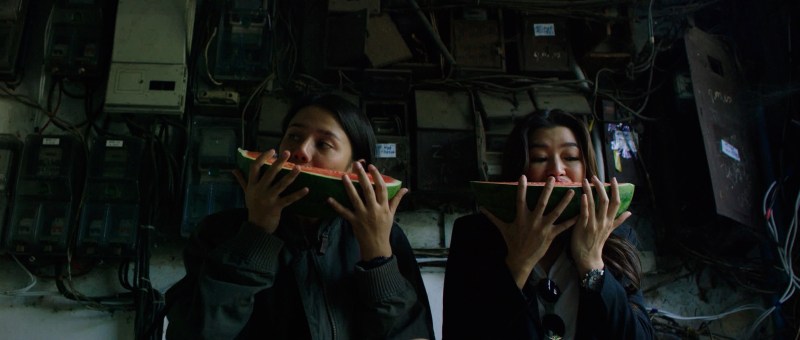
Two terminally ill women slowly fall in love while circling the spectre of death in Na Gyi’s poignant queer romance, What Happened to the Wolf?. Homosexual activity is currently illegal in Myanmar and carries a 20-year prison term. The situation has only declined since the military coup which occurred in 2021. Director Na Gyi has since gone into exile along with his wife, actress Paing Phyo Thu, while her co-star Eaindra Kyaw Zin was herself arrested for protesting against the junta.

Given these conditions, the film may seem in a way coy or perhaps oblique but is also filled with a sense of melancholy longing that culminates in a well earned moment of emotional serenity. As the husband of heroine later suggests, they’ve been unhappy for a long time and only now that she’s been diagnosed with terminal lung cancer and been given only a year at most to live does Myint Myat (Eaindra Kyaw Zin) begin to reflect on her life and regret its missed opportunities. The film opens with her attempting to take her own life, explaining that she did not want to be waiting around to die though has a few “things to take care of” that made her reconsider her decision. 

It’s in the hospital that she first encounters Way Way (Paing Phyo Thu), a rebellious young woman born with a hole in her heart who has had quite a tragic life but seems to Myint Myat to have come to an accommodation with the proximity of death. As she later begins to realise, Way Way’s vivacity is also an act of self-delusion to mask her fear of mortality but nevertheless her lust for life begins to reawaken something in Mying Myat who is beginning to wonder what her life which has largely been defined by ideas of conventional success has really been for. 

When she laments that she was raised with a “proper system”, it reads both as a mild rebuke against an authoritarian culture and a frustration directed at her own internalised repression. Na Gyi’s camera often shoots with lingering desire, a close up on Way Way’s neck pregnant with longing as a conflicted Mying Myat considers reaching out but cannot bring herself to do so. As she reveals to Way Way, she never saw the point in dancing only for the younger woman to try to teach her how which is really a way of trying to show her how to live. 

But Way Way also has her own troubles which have led her to push people away so they wouldn’t miss her when she’s gone, though most of all what she fears is being left behind alone. She rejects her brother out of a mix of guilt and love in feeling unworthy that he gave up his artistic desires of becoming a photographer to become a doctor in order to cure her disease. She takes pictures with his old-fashioned film camera and listens to cassette tapes on a classic walkman as if longing for a long lost past. With her retro sensibility it might seem as if the (slightly) older Myint Myat is falling for the embodiment of her own frustrated youth and she does indeed seem to meditate on the things she lost along the way much as her architect husband gave up painting to work for the father she resents while she poured everything into her business. 

The film’s title takes itself from a shadow play Way Way acts out while the pair are holed up in a “haunted” house hoping to see a ghost. A wolf comes across a peacock and is jealous of its beautiful feathers. The wolf pounces, but the peacock flies away unfurling its beautiful plumage as it goes. Myint Myat wonders what happened to the wolf after that, but Way Way doesn’t have an answer for her. In some ways it’s difficult to define which of them might be the wolf and the other peacock for each of them begins to rediscover a sense of beauty in their unexpected connection even while the spectre of death hangs over them both. The film might in a sense answer the question of its title though only in the most melancholy of senses even as the two women transcend themselves as they make their way towards a place beyond the clouds.


What Happened to the Wolf? screens at BFI Southbank 24th April as part of this year’s Queer East.

Original trailer (English subtitles)

A Thousand Fires (Saeed Taji Farouky, 2021)

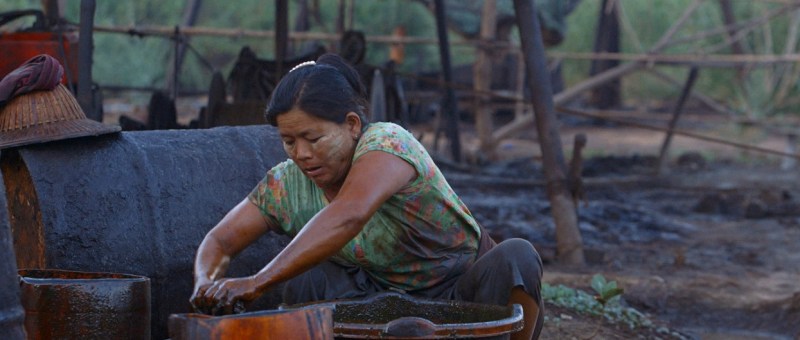
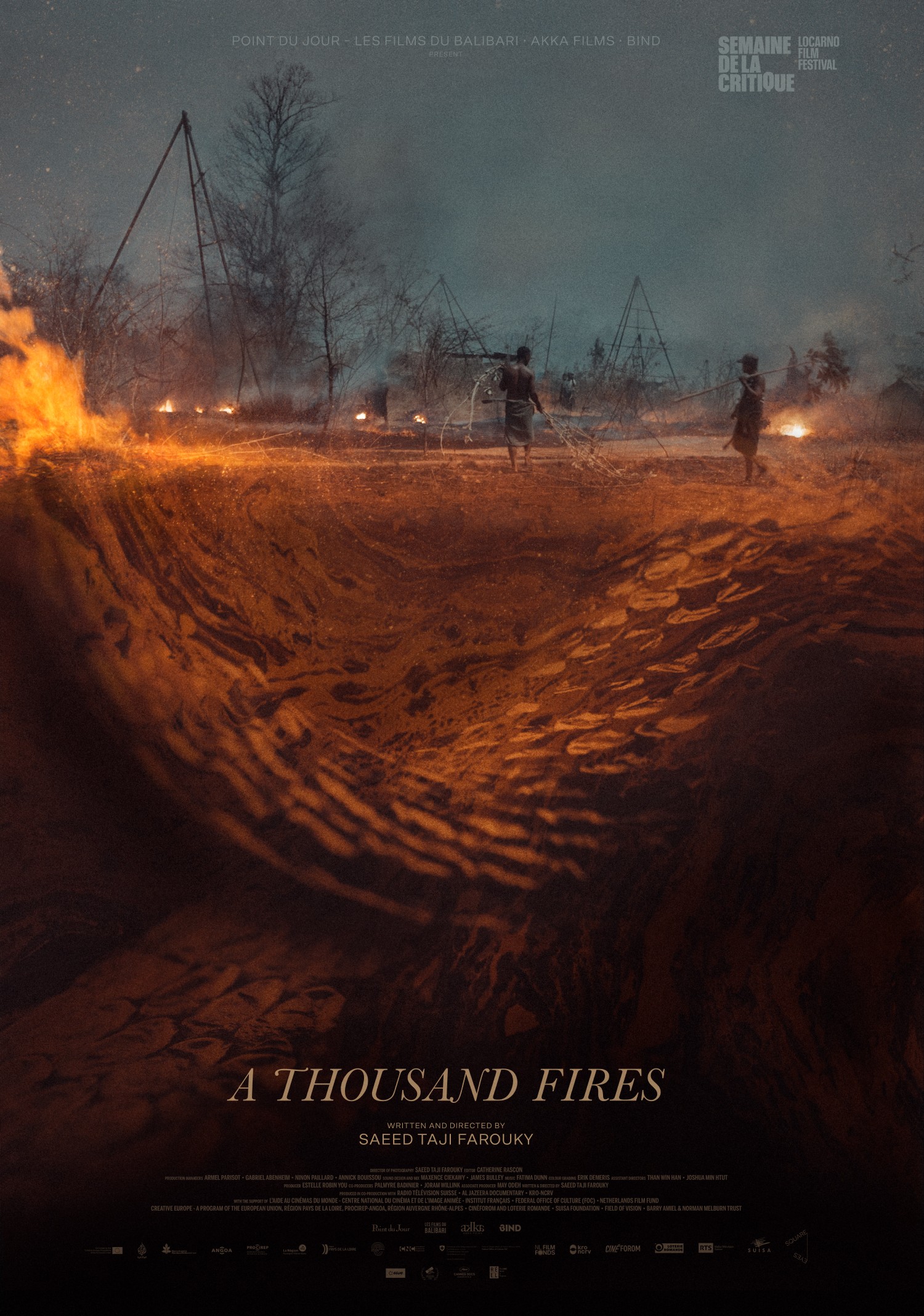
The whole world turns on oil, but most of us give little thought to where it comes from to the extent that we never really think of oil at all aside from that which it powers. Saeed Taji Farouky’s elegantly lensed observational documentary A Thousand Fires follows a small family in Myanmar who support themselves through unregulated oil digging, operating the kind of hand cranked wells one might associate with 19th century prospecting and getting barely a barrel a day but still fetching more than they might be able to get through farming. Yet this intrusion of modernity continues to disrupt their otherwise traditional existence as they ponder better lives for their children that will necessarily take them far away from their parents and their home. 

As they later reveal Thein Shwe and Htwe Tin once made their money through farming but now they only draw oil. You might think it would be a less intensive occupation, but the rigs require constant supervision and the machinery often breaks either needing immediate repair or resulting in a day’s lost work. Yet Thein Shwe is worried most about his oldest son, Zin Ko Aung, who is wilful and rebellious rarely helping his parents out to the extent the he worries if his son would even be able to start the engine for the well if no one were available to do it for him. 

His mother meanwhile makes slightly passive aggressive comments about a young woman his age who finished high school and now has a good job as the manager of a textile factory in the city. It might not be that there is no way out for him, but the parents worry that as he seems to have rejected both education and inheriting the oil wells he will be left with nothing at all. Their daughter, by contrast, is currently staying with them along with their baby granddaughter having married and moved to another town. Perhaps a part of them knows that in order to give their children better lives they must effectively send them away while worrying if they’ll be alright, if their sacrifices will have been worth it and these other lives are indeed better than theirs. 

To quell some of this anxiety we see them consult a fortune teller to find out if Zin Ko Aung will achieve success only to be told that he’d be better off if they changed his name from the one they gave him at birth to the one the fortune teller suggests. Capitalising on his talent for football they send him to the city to apprentice with a youth team for a year with no way of knowing if it’ll pay off and Zin Ko Aung will be able to make it as a sportsman, as his sister jokes becoming the first famous person from their village able to support the family with his newfound riches. The family also take part in several traditional festivals, praying for a “prosperous life” while eerily paying homage to a god of oil by “feeding the dragon” pouring liquid into a greyish swamp which bubbles and snorts as if burping in gratitude. 

Then again another passerby reveals that a Buddhist priest in their area cleared a hole and set fire to it causing an explosion that rocked the mountain. In an ironic touch, we witness a festival in which young children have their heads shaved in preparation for being ordained as monks before cutting directly Zin Ko Aung enjoying his new city life by getting a fancy haircut drenched in a red smock which strangely resembles religious robes. Another fortune teller the couple visit in the city warns Thein Shwe that his lifeline is short and he must be careful to remember his religion, while adding at that no matter one’s good intentions the only place you’ll find an honest man is in a cemetery.  Simultaneously he tells Htwe Tin that she is the leader of her family and admonishes her that women are overly materialistic and simply want too much. In any case all she seems to want is for her son to find his way even if he has to leave his family to do so. Poignantly as the film ends the couple are left alone, their son-in-law arriving to take their daughter home and their son away in the city while all they’re left with is more of the same dredging oil up from beneath soil and feeding the ever hungry dragon of the contemporary society that barely knows of their existence. 


A Thousand Fires screens in New York March 19 as part of Museum of the Moving Image’s First Look 2022

Trailer (English subtitles)

Money Has Four Legs (ခြေလေးချောင်း, Maung Sun, 2020)

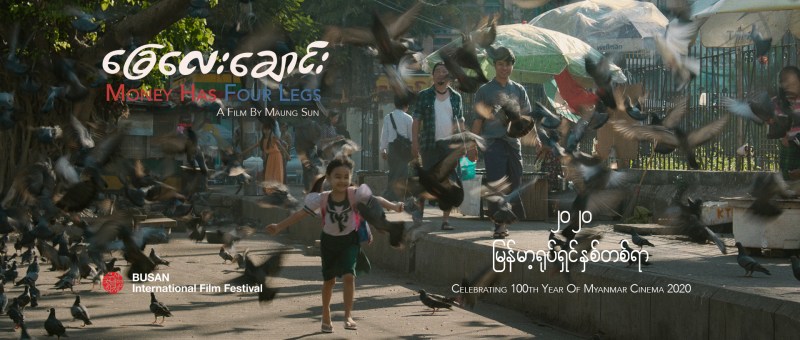
In an opening conversation with the local censor, ambitious director Wai Bhone (Okkar) is cautioned that his film has too much smoking in it which might set a bad example for the young, same goes for drinking. Also, there’s too much swearing, perhaps he could opt for a less offensive substitute such as “futhermucker” for instance, it’s important to show how polite Burmese people are after all. Best to cut the sex scene too. As for the ending, well, that’s non-starter better insert some stuff about how wonderful the police are and make sure the hero either turns himself in or is killed because crime can’t pay when it comes to the movies! As the “conversation” ends, the censor picks up a hefty copy of the 1996 Motion Picture Law and uses it to swat a fly which is rather like what’s just happened to poor Wai Bhone who was just trying to add a little contemporary swagger to the umpteenth remake of a popular gangster movie from 1940. 

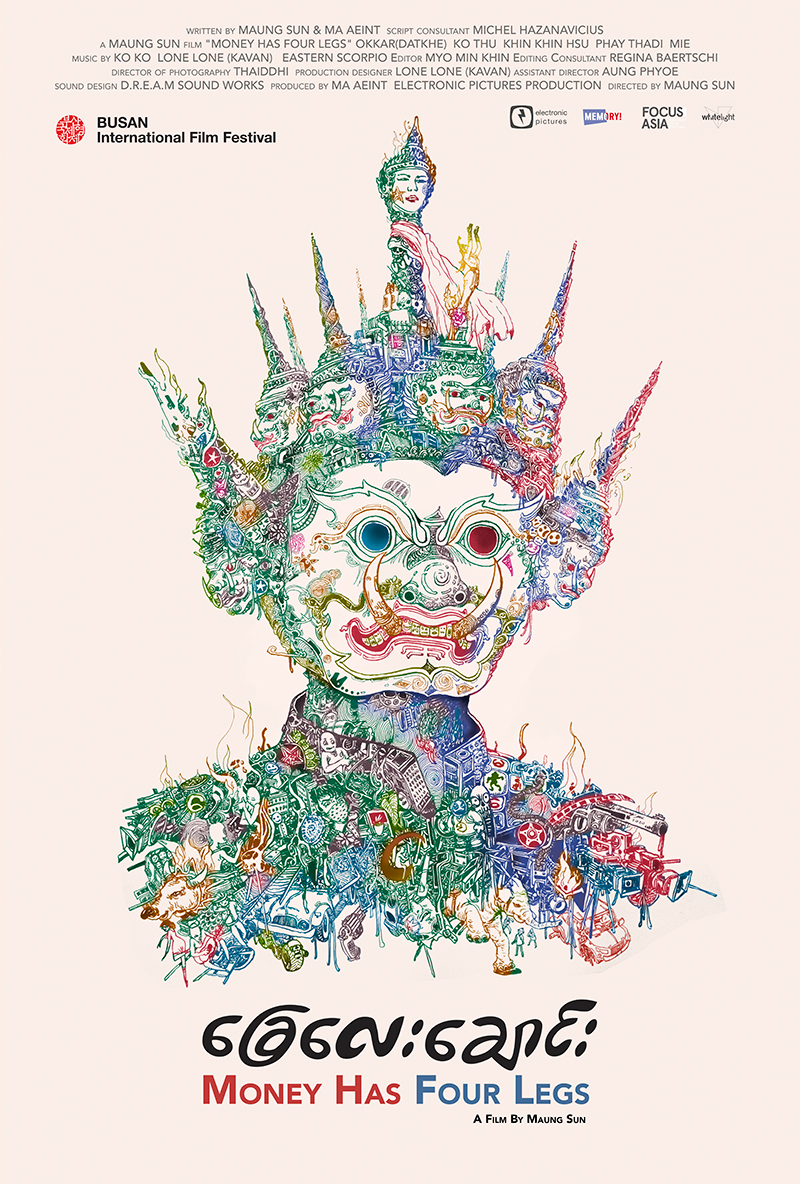
To one degree or another, director Maung Sun will break almost all of these rules in meta satire Money Has Four Legs (ခြေလေးချောင်), Wai Bhone receiving a dirty look from an earnest nurse when visiting a friend in the hospital, a cigarette seen briefly in his hand as captured from behind. Set in a Myanmar on the verge of a coup, Sun’s film takes place in a world in a state of collapse in which power cuts are commonplace, banks are going bankrupt, and hypocrisy rules yet all Wai Bhone really wants to do is make art even if everyone keeps telling him it’s pointless. More than political strife Wai Bhone finds himself trapped by the legacy of his filmmaker father whose award, topped with a valuable gold star, sits on top of his bookcase. A neighbour even at one point stops Wai Bhone in the street to tell him he’s not a patch on his dad while warning him not to “destroy the original stories” because “we must safeguard the dignity of our film industry”. 

Even Wai Bhone’s producer Tin Htut tells him that he only gave him the job out of loyalty to his father, but if anyone’s in danger of damaging the dignity of the Burmese film industry it isn’t Wai Bhone. Having shot a series of cheap straight to video flicks, this is Wai Bhone’s first shot at a commercial feature but as he explains to his brother-in-law it’s another remake of popular 40s gangster tale Bo Aung Din, “every remake made money so the producers are fond of it”. Meanwhile, his leading actress complains the lines are “too long” to remember so she’s written them on her hand to read out robotically, the lead actor hardly ever comes to set because he’s also starring in another much better movie, and no one has time to get a permit for shooting so sometimes you might need to hop a wall or two “for art”. If all that weren’t enough, Wai Bhone foolishly casts his brother-in-law Zaw Myint as an extra despite knowing of his tendency for random and unnecessary violence, something which comes back to bite him when he ignores the cinematographer’s advice that his sudden decision to switch to close quarters handheld for a combat scene is likely dangerous. Zaw Myint breaks the hideously expensive camera landing him with yet another debt and the prospect of being out of a job. 

The film’s title is itself an ironic joke which links back to Wai Bhone’s daughter watching a bootleg copy of the animated Animal Farm he ironically picked up for a pittance at the market. Humans have two legs (good), but money has four (bad). No matter how fast you run after it you’ll never catch up, and if it’s chasing you there’ll be no escape. Money is in a sense at the route of all Wai Bhone’s troubles in that it places a strain on his relationship with his wife Seazir (Khin Khin Hsu) who had a steady job at the bank until it went bust in the midst of a money laundering scandal, while his rent is so overdue that his landlady’s already started showing the apartment to prospective new tenants. Wai Bhone wants to make “art” but he can’t do that given the repressive censorship regime of contemporary Myanmar. Meanwhile he still uses money as a marker of success, judging himself for his inability to make it as they find themselves raiding their daughter’s savings account while struggling to pay for the cram school classes she wanted to enrol in because all her friends are going. 

For all of these reasons, he finds himself stepping into the world of film in embodying the figure of Bo Aung Di complete with bandana and fake pistols as he lets Zaw Myint talk him into a “bank heist” mopping up some of that leftover cash his wife mentioned before someone else gets there first only for the bank manager to end up making off with some of it himself while a baying mob hammer at the doors wanting to know what they’re supposed to do now their savings have been sucked into a black hole of impropriety. Wai Bhone only starts to gain a foothold by blackmailing his producer over his affair with the talentless actress, Tin Htut keen to stress that he’s only giving him his job back because he thinks the way he makes films is “artistic” despite having scolded him earlier that films are only successful when they make money so you have to give the audience what they want advising him to cut the action and add more “love scenes” which the censor of course told him to include only as “symbolism”. Wai Bhone really can’t win but despite his foray into crime retains his good heart, temporarily pausing his heist to take an injured dog to the vet, and in the ironic conclusion literally committing a radical act of wealth redistribution as a Buddhist song on the radio sings of wretches getting rich while Wai Bhone if accidentally shares his merits with everyone. 


Money Has Four Legs screened as part of this year’s BFI London Film Festival

Original trailer English subtitles

Bo Aung Din is also available to stream via YouTube though in poor quality and without subtitles

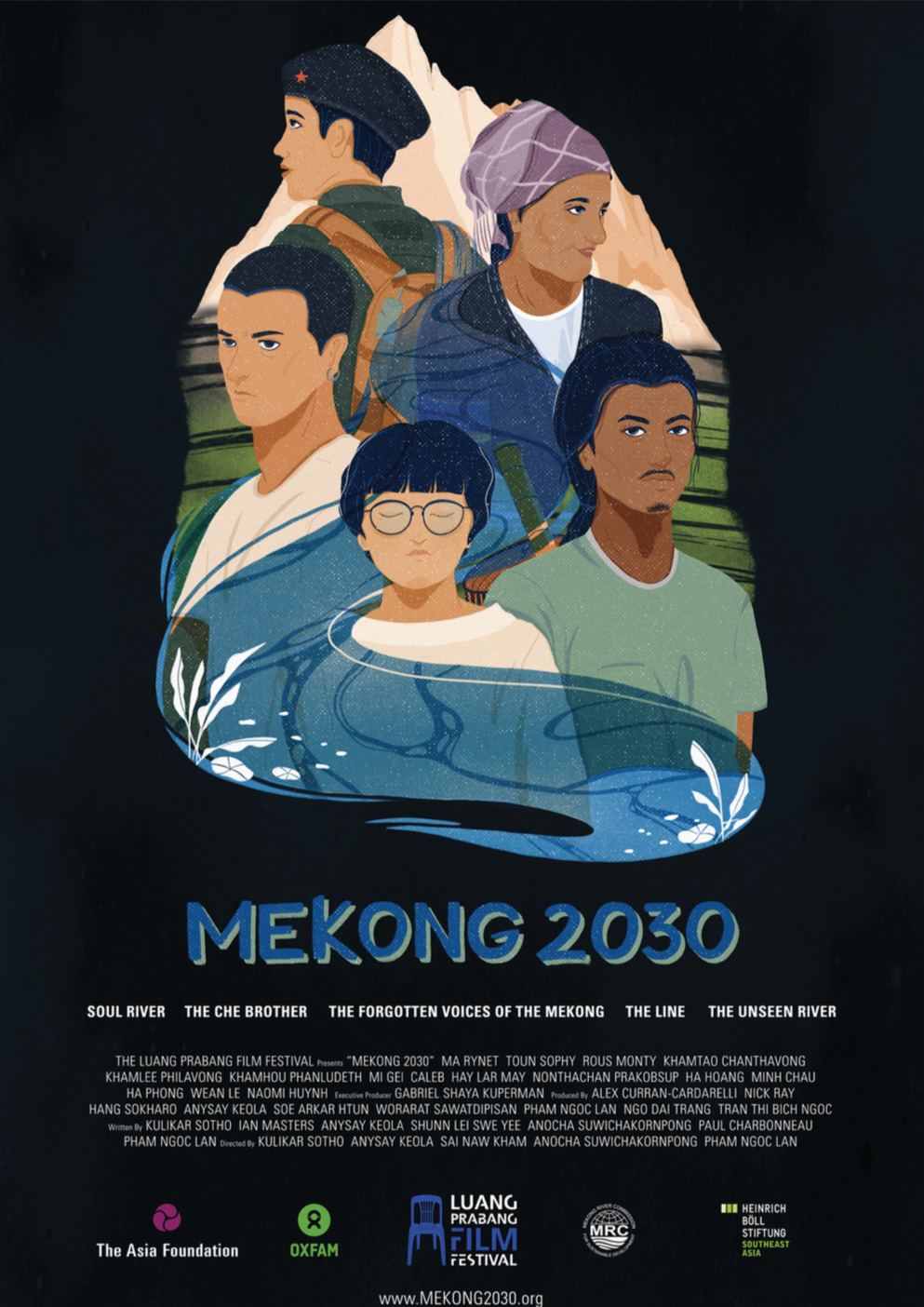
MEKONG 2030 (Kulikar Sotho, Anysay Keola, Sai Naw Kham, Anocha Suwichakornpong, Pham Ngoc Lân, 2020)

Literally on the shores of an ecological crisis, the communities along the Mekong River know better than most the dangers of climate change and increasing industrialisation. Commissioned by the Luang Prabang Film Festival, MEKONG 2030 takes its cues from the recent “ten years” phenomenon, bringing together five directors from different nations along the Mekong to imagine what the situation might be in a decade’s time. 

Environmental concerns and changing times are clearly at the forefront of Cambodian director Kulikar Sotho’s Soul River in which Klark, an indigenous huntsman, discovers an ancient statue in the forest and determines to sell it to buy a better future for himself and his wife having lost everything in a flood caused by deforestation and the affects of increasing industrialisation. Unfortunately he is challenged by Sok, a former fisherman forced onto the land due to the lack of fish in the river, who claims to be the land’s owner and insists the statue is his. An amusing stand off, Klark’s machete vs Sok’s walkie-talkie, signals their respective positions as avatars of new and old. Nevertheless, the statue is too heavy for one man to carry and so they agree to work together, occasionally quibbling over their respective cuts and irritating Klark’s conflicted wife Ladet whose premonition that the statue is cursed is well and truly borne out as the two men begin to lose themselves in greed and suspicion. Yet as her closing voice over reminds us their sin is emblematic of their times in their irresponsible and arrogant desire to “sell” their nation’s ancestral treasures, be they forests, rivers, or statues the protection of which should have been their only duty. 

Depleting fish stocks and industrial pollution are also a persistent theme in the entry from Laos as a worried sister explains to her student brother concerned to see nets covered in dust on his return home from university. Xe is worried because his sister has a bruise on her face and seems to have separated from her husband and children she says to look after their mother who, as it turns out, is immune to the ongoing plague and therefore a valuable commodity to those hoping to find a vaccine. The bruise was apparently caused when their older brother, who has since become a warlord, kidnapped mum in order to monopolise her exploitation. The sister wants Xe to kidnap her back, but the deeper he gets into this awkward situation the more conflicted Xe feels knowing that whatever is actually going on both of his siblings are in effect determined to bleed his mother dry for economic gain. 

The precarious position of the older generation and the side effects of industrialisation raise their heads again in chapter three, Myanmar’s The Forgotten Voices of the Mekong in which well-meaning young village chief Charlie determines to “modernise” his community by inviting a mining conglomerate to begin digging gold on their land. An old grandma patiently teaching her grandson to care for the local herb grown for its medicinal properties is the voice of opposition, pointing out that there is nothing wrong with their lives as they are and so she feels they don’t need the complications of the “modernity” Charlie is determined to bring them. He tells her that he’s the chief now and so they’ll do as he says and so she calmly walks out of the meeting, but her animosity is soon vindicated when farmers complain their livestock has been poisoned after drinking water contaminated by the mine. Not long after a child is taken ill. Devils devour everything, but there is something we can do the old woman assures her grandson: make the mountains green again. 

Shifting into a more abstract register, Anocha Suwichakornpong’s Thai entry The Line takes the river as a protagonist through the film within the film playing on a gallery wall though apparently in some way unsatisfying to its creator. Speaking in a robotic Mandarin, the video places an ironic voiceover on top of images of the river and the city juxtaposing an incongruous family history with a vision of modernity. Meanwhile, a young intern makes smalltalk with her temporary bosses who seem to have no time for her about a weird animal captured on camera in the river near her hometown, and the artist explains her intention of dramatising a vision of space and time through the story of the river.  

The sense of the Mekong as liquid time recurs in the final instalment, Vietnam’s The Unseen River, in which two stories, one of youth and the other age, run in parallel. While a young couple make a visit to a temple hoping to find a cure for the boy’s restless sleep, a middle-aged woman catches sight of a somehow familiar dog that serendipitously reunites her with her long-absent first love who went abroad to study shortly before they dammed the river. In a piece of possibly unhelpful advice, the old monk tells the young man that all he needs to do is “believe” in the act of sleeping. Sinking into a deep sleep is like surrendering yourself to the current he explains, directly linking the rythms of life to the river while the young monk attributes their youthful llistlessness, the failure to see a future that has prevented the young couple marrying, to the inability to dream. The river is both past and future, dream and reality. It is disconnection with the natural world which has so affected the young man, something he perhaps repairs borrowing the monk’s decommissioned fishing rod to gaze upon the wide river under the light of the moon. 

Giving voice to the anxieties of climate change, overdevelopment, the unequal power dynamics of large corporations operating in rural communities, the erosion of traditional culture, and the loss of the natural world, MEKONG 2030 issues a strong warning against ecological complacency but also rediscovers a kind of serenity in the river’s eternal presence even as it is perhaps flowing away from us. 


MEKONG 2030 streamed as part of this year’s San Diego Asian Film Festival. Readers in Poland will also have the opportunity to stream MEKONG 2030 as part of the 14th Five Flavours Film Festival 25th November to 6th December.

Original trailer (English subtitles)

Ice Poison (冰毒, Midi Z, 2014)

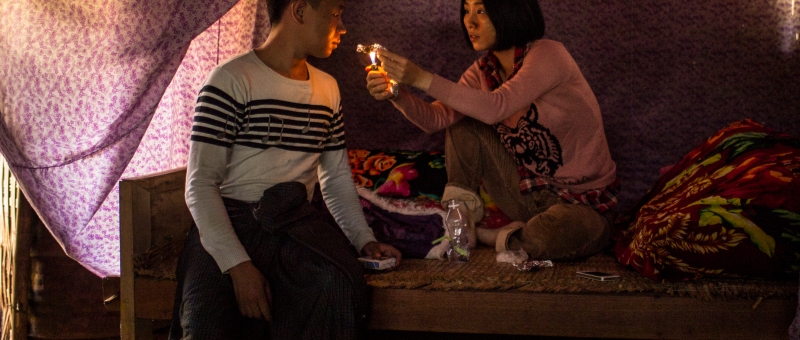
“You know only too well that in Burma if we want to make money you either go to work in jade mines, but you can’t afford the trip, or you sell drugs” according to the cynical heroine of Midi Z’s Ice Poison (冰毒, Bīngdú) seducing an equally desperate farmer in an effort free herself from patriarchal oppression and reclaim her son from the family who bought her and refuse to let her go. 

In an ironic touch, the film begins and ends in fire as an unnamed young farmer (Wang Shin-hong) and his father (Zhou Cai Chang) burn their fields and harvest their crop only to lament their slender pickings. This year’s harvest has been poor and, according to the young man “everything is getting more expensive except the vegetables we grow”. Left with few options the old man and his son walk towards the town, calling in at various houses along the way gingerly asking for a loan to help make ends meet but everyone is in a similar position. The men of working age have all gone away to find employment, an older woman explaining that her husband is on a construction site while her son who returned from abroad has only been able to find work on a poppy farm and he won’t be paid until after the harvest is finished. Another woman explains that her son, unlike others, wanted to do things properly by applying for a work visa for Malaysia but was cheated by the broker, who then bribed the police when they reported him. Her son now intends to stay and get married which, perhaps surprisingly, she thinks is irresponsible when there’s no money and his older brother is still a bachelor. The last man relates the sorry tale of his son who was apparently poisoned in Thailand after spurning the advances of two local ladies and has since lost his mind. 

Shifting to his plan B, the old man plans to pawn his cow to borrow a scooter so his son can earn some money with a bike taxi, first asking the scooter’s owner for a loan but once again informed he’s strapped himself because one of his employees ran off and his China deal fell through. Rather than the scooter, he offers the young farmer a job, but they ultimately opt for a bloody bargain, placing the cow as a deposit under the agreement that if they can’t pay back the money for the scooter in a few months’ time the oil merchant may have it slaughtered though it breaks the old man’s heart. 

The young farmer had wanted to go and work in the jade mines, but his father discourages him not just because there’s war in the north but because everyone in the mines takes drugs and if he goes and gets himself hooked on meth where will they be then? The bike taxi business, however, does not exactly take off. The young man finds himself at the back of a crowd of pushier drivers literally blocking the exits of the buses that roll into town mobbing those attempting to disembark, but with such crushing poverty all around him it’s perhaps incongruous to assume many want to spend money on speedy transport. He finally manages to get a passenger, Sanmei (Wu Ke-xi), after realising she is also from the Chinese minority, driving her to a village where, it transpires, her grandfather lies dying, apparently waiting for her arrival and the burying clothes she brings with her from their ancestral home in China. The rites completed, she should go home but Sanmei doesn’t want to. As she tells her mother, she was tricked into a marriage to a much older man whose family are oppressively possessive, unwilling to let her bring her son to meet his grandmother for fear she wouldn’t come back. 

Hinting both at the crushing despair and the patriarchal strictures of their society, Sanmei’s mother tells her that she’s better off in China especially as her husband apparently treats her well enough when there are women who marry for love only to suffer domestic violence. But Sanmei keeps repeating that he’s not the man she loves and so she does not want to stay with him. What she wants is to reclaim her child and live an independent life in Burma where, she feels, there are better opportunities for making money. She’s determined to talk to her shady cousin, ignoring her mother’s advice not to get involved with him because he’s a notorious drug dealer. Her cousin indeed tells her that there’s money to be made for those who are bold in peddling “ice”, apparently the only the remaining marketable commodity. Before long she’s smoking it herself, roping in the young farmer who’s taken to making courier deliveries in the absence of passengers, telling him he’s simply ferrying her around and can claim plausible deniability of what it is she herself is transporting. 

Is Sanmei merely manipulating him, seducing the farmer to claim her new life in exploiting his boredom and despair, or was there perhaps a genuine connection born of mutual hopelessness that their poverty and impotence eventually destroys? Shooting in his own hometown, Midi Z paints a bleak picture of contemporary Burma as a scorched paradise in which the only sense of possibility lies in escape, employment abroad or drug-fuelled oblivion at home. Captured with documentary realism, Ice Poison eventually consumes our two heroes but its ultimate victim is a forgotten and unexpected one, nature dismembered at the hands of cruel and indifferent humanity. 


Ice Poison streams in the UK until 27th September as part of the Taiwan Film Festival Edinburgh.

International trailer (English subtitles)