The Last Footage (Arkar Soe Oo, 2026) [Fantasia 2026]

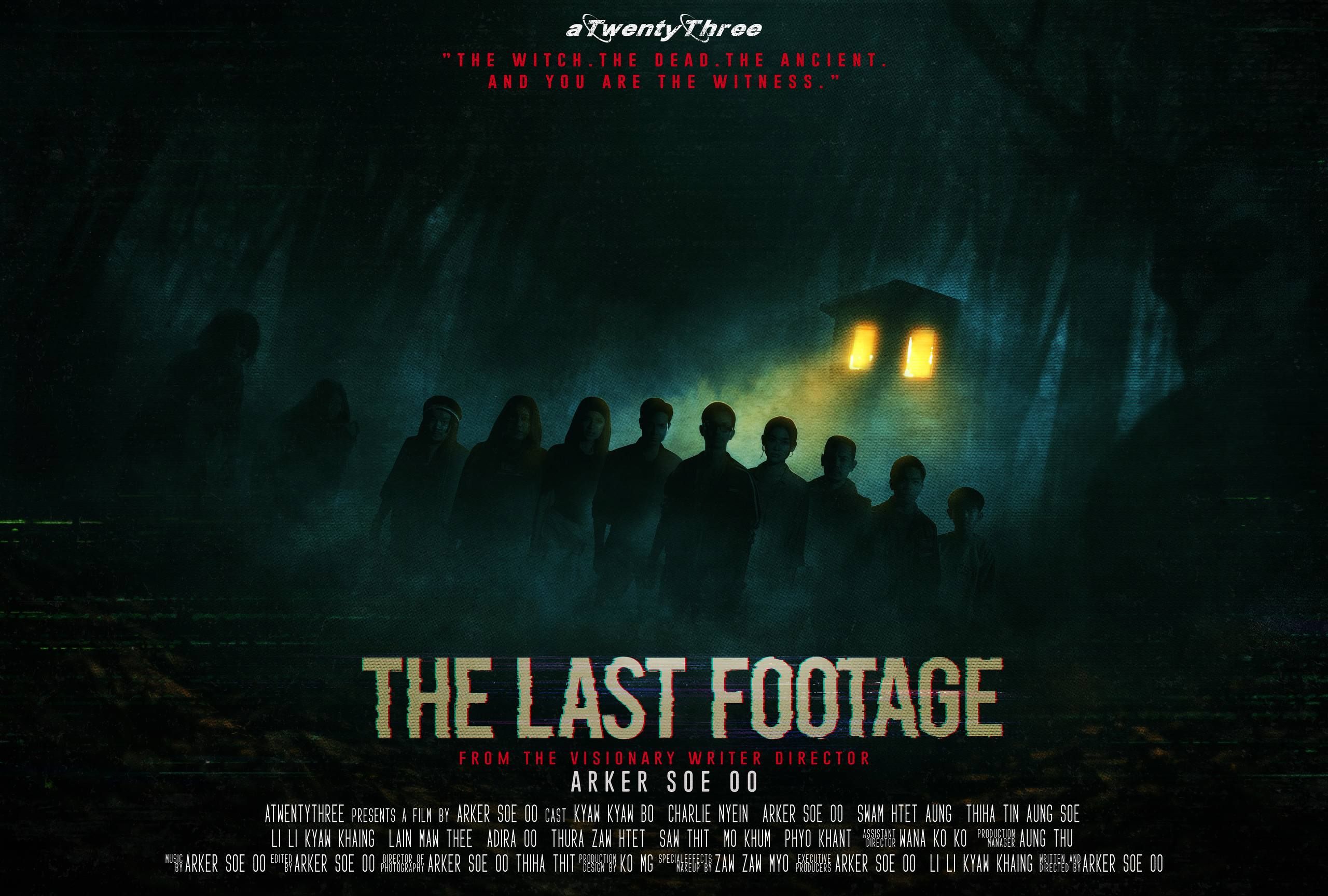
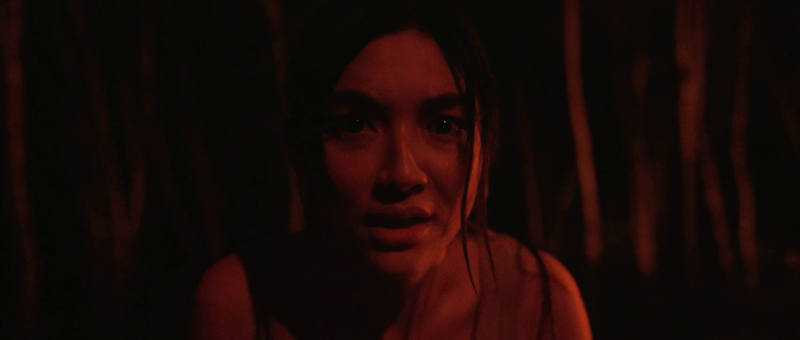
“Show some respect for things you don’t understand,” a creepy which intones, admonishing a group of city slickers fetching up in the forest with a dangerous disrespect for the natural world and what lies beyond in Arkar Soe Oo’s creepy found footage folk horror, The Last Footage. The first found footage films from Myanmar though apparently made for the international market rather than the purely domestic, the film is entirely shot with 4K camera-equipped glasses neatly juxtaposing an entirely new technology with ancient folk beliefs and ritual practices.

The opening sequence, however, seems to hint at the variety of uses these glasses can be put to from a young man taking a picture of his parents to another who surreptitiously Googles “how to talk to girls” while staring at an attractive woman in a coffee shop. A group of ghost hunters uses them to capture footage while walking around a former conference centre where large numbers of people died in an explosion before apparently meeting a sticky end after running into a weird cult. The ID numbers given suggest this footage is being stored somewhere else and is therefore somehow accessible externally.

Aung Khant seems to have bought the glasses just because they’re the cool new thing rather than a desire to capture something in particular. His friends describe him as being “obsessed with strange stuff” and recall a fairly disastrous trip they picked to a destination he picked, but don’t particularly seem to mind him documenting their every move through his glasses which, he points out, have excellent battery life. That comes in handy because the electricity’s been out at the strange little hut they eventually make it to after the coach they were travelling on breaks down right outside the forest.

Thu Ya has been left a sizeable amount of land on a former rubber plantation owned by his late grandfather. He plans to open a resort there, and suggests the group’s latest trip be to go check it out. In a way Thu Ya has received a toxic inheritance that he is ill-equipped to deal with, never really considering that his grandfather may have abandoned this place for a reason or that there really may be something dark and ancient lurking in the woods. They are all fairly affluent, educated urbanites who only joke about supernatural threats and are flippant about folk beliefs. Despite being urged not to do anything to disrupt the balance of the forest, two of the group engage in some black magic rituals as a joke using cow’s blood and candles they brought from home.

Stepping into the witch’s cottage, they may as well have entered another world as she makes cryptic pronouncements that “it has awakened” and there’s nothing to be done now except accept one’s fate. Obsessed with black magic rituals herself in an effort to resurrect her late son, the witch isn’t really interested in helping the gang or saving their lives. Beginning to realise they probably should have listened to Thu Ya’s uncle Ko Nyo who warned them that the forest was not a safe place, Aung Khant and his friends have little choice other than to do battle with the evil they’ve awakened in the hope of rescuing a missing child even if they themselves may not survive.

As the wearer of the glasses, Aung Khant is there to be an audience stand-in providing an immersive POV that gives the impression of actually being present. As such he is a fairly passive presence following those who take part in the action so he can witness and recored it through his glasses. In a sense, he embodies the camera and the fact that it is mounted in his glasses means that it can continue capturing images without his involvement. All he can really do, however, is watch as his friends desperately try to come up with solutions after deciding that they can’t run from this particular beast and will have to their best to fight it. As the witch had said, however, there are some things that cannot be understood but must be respected. They will pay a heavy price for their lack of respect for traditional folk practices and an ancient past from which they have become entirely disconnected. 


The Last Footage screened as part of this year’s Fantasia International Film Festival.

Trailer (English subtitles)
The Clinic (ဆေးခန်း, Midi Z, 2023)

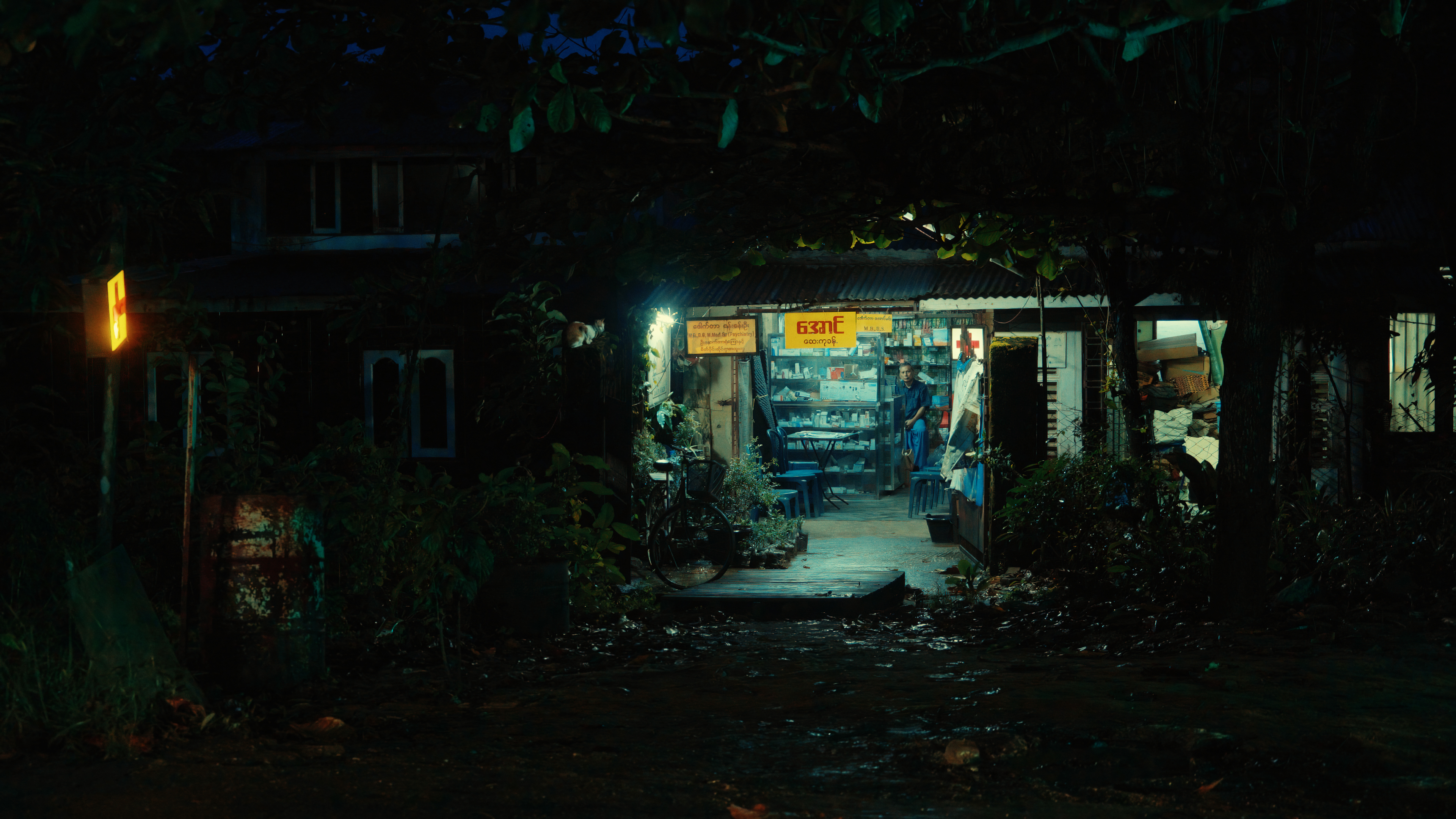
The title of Midi Z’s documentary The Clinic (ဆေးခန်) most obviously refers to that run by the two doctors at its centre providing a safe haven in the midst of chaos, but the director apparently envisaged secondary meaning in which the entire nation is a clinic filled with those in desperate need for treatment. It does seem that there is a lot of sickness and despair in this small corner of Yangon, the husband and wife doctors largely treating conditions related to alcohol and mental illness while otherwise powerless to do much more than treat their symptoms. 

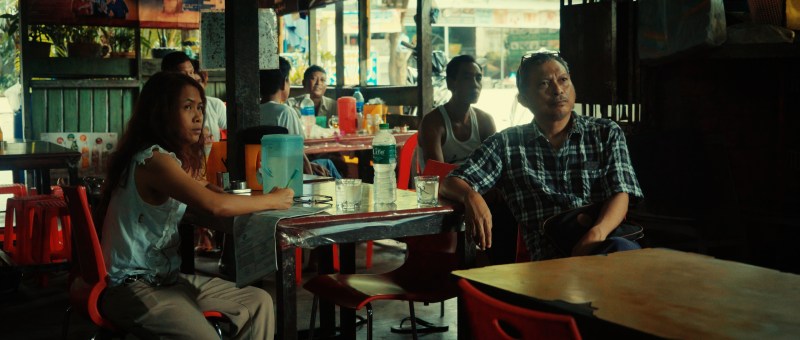
It’s clear that there is little medical provision otherwise available in the local area. One woman has brought her sister from several towns over, explaining that there aren’t many doctors as kind as these ones are. They even invite their patients to return for dinner. The woman’s sister, however, has picked up head lice after a stay in hospital and seems to be under what they assume is a delusion of having been tried by the army for joining the Rohingya and rebelling against the Burmese state despite living in completely the wrong part of the country to have any contact with the conflict. Later the doctors sit in a cafe and listen to a speech by Aung San Suu Kyi about the Rohingya crisis which ends with an announcement for the delegates to head to a post-conference party. Doctor Aung Min quips that apparently they are not invited.

Aung Min is not invited to the party in many ways as he discovers when a film he’s made is screened at a human rights film festival but he’s harangued by a pro-military audience member who found his work offensive. A filmmaker as well as a doctor, he’s planning a film about an actor with fractured cultural identity as a Buddhist Rakhine taken to Bangladesh by the Rohingya. The actor is conflicted while considering whether to accept a film role that requires him to have a beard knowing that he may be mistaken for a Rohingya and will face social censure. In a meta touch, Aung Min’s film is like this one somewhere between documentary and narrative, incorporating photographs of the felling Rohingya in anguish and agony.

Meanwhile, Aung Min and his wife San San Oo treat similar ailments in their clinic, notably one middle-aged man with an infected leg wound originally caused by a drunken accident. Aung Min tells the man he might have to cut his leg off, but struggles to convince him when he says he’ll have to avoid alcohol for a few months to try to save it. San San Oo also answers the phone to reports of people in severe mental distress threatening to harm themselves or others. In quieter moments they offer art therapy to some of their patients and otherwise attempt provide a safe and comforting space. Both artists themselves, San San Oo is a keen painter while Aung Min has his film career. 

The film follows them in the midst of the military coup, the famous video of the woman filming a yoga session as the soldiers head towards the seat of government, during which the doctors and the clinic seem to stand firm while overseas radio reports reflect on the dire situation in the nation. Yet they are largely powerless to treat the wider sicknesses around them, the fear, the anxiety, guilt or indifference in a divided society. Instead, they take solace in their art but also in its capacity to heal while keeping the clinic open as a beacon of hope for wounded locals and those from further afield. 

Midi Z films with a detached naturalism that sometimes adds to a sense of absurdity echoing the outside chaos of the society mired in anxiety and confusion. “What’s in a film isn’t real,” Aung Min and a potential actor reflect, but even if this were not a documentary that is never quite true. Midi Z hints at the wider sicknesses in the society but in the end finds only powerlessness to treat it if tempered by the resilience of the doctors who keep their clinic open even in the darkest hours allowing the illumination of their signage to stand as a small beacon of hope amid so much despair.


The Clinic (ဆေးခန်း, Midi Z, 2003) screens in New York 17th March as part of this year’s First Look.

What Happened to the Wolf? (Na Gyi, 2021)

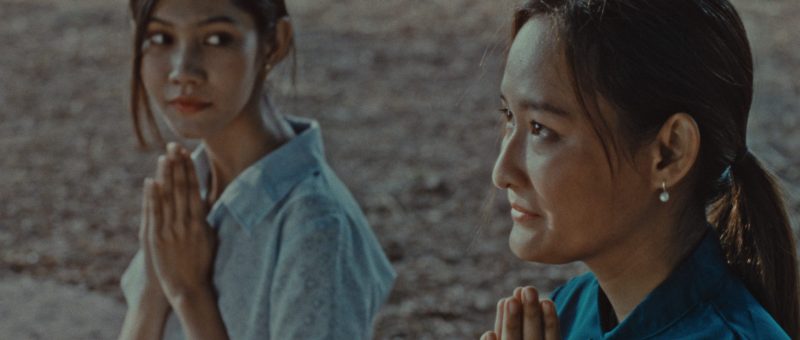
Two terminally ill women slowly fall in love while circling the spectre of death in Na Gyi’s poignant queer romance, What Happened to the Wolf?. Homosexual activity is currently illegal in Myanmar and carries a 20-year prison term. The situation has only declined since the military coup which occurred in 2021. Director Na Gyi has since gone into exile along with his wife, actress Paing Phyo Thu, while her co-star Eaindra Kyaw Zin was herself arrested for protesting against the junta.

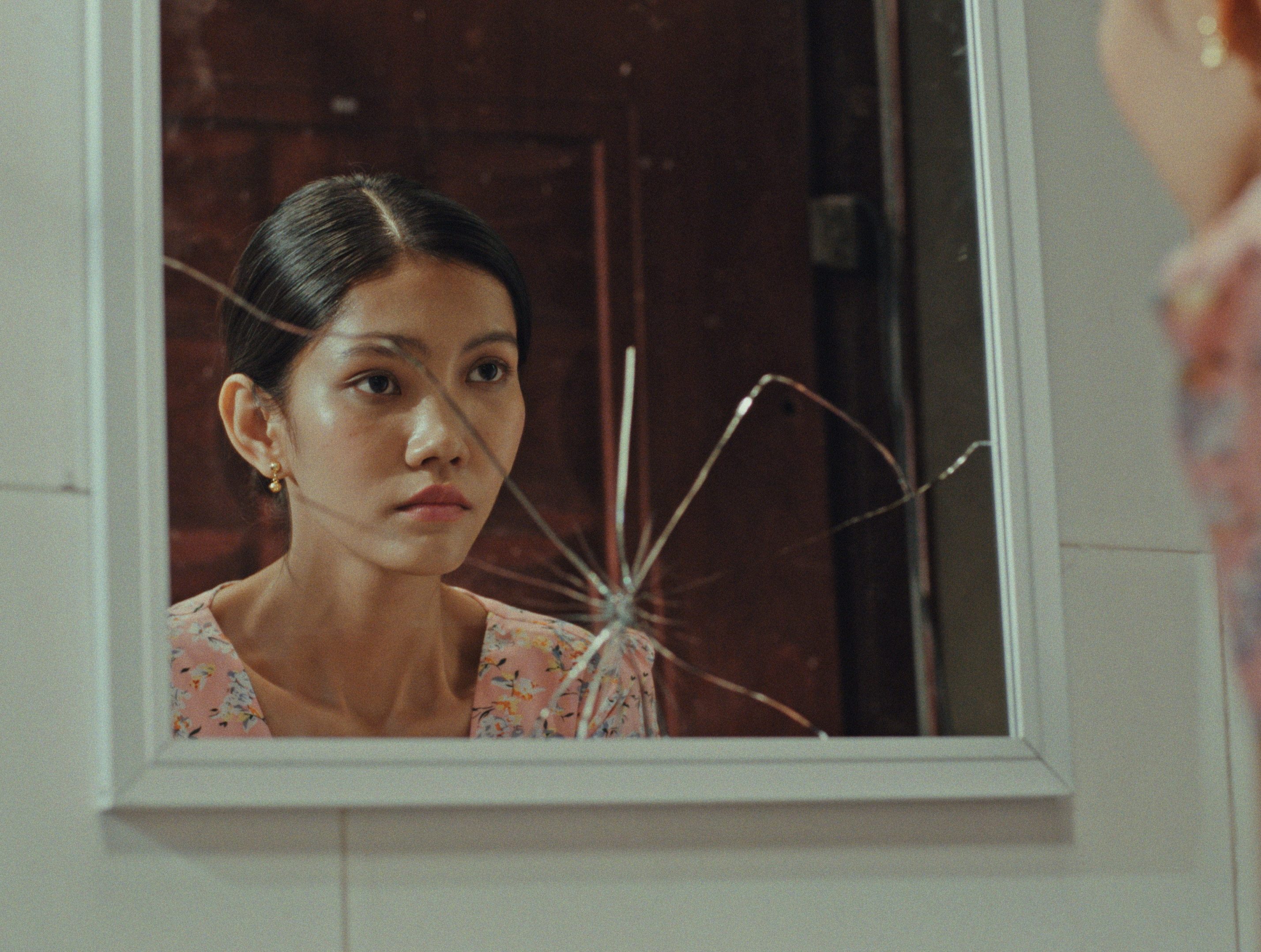
Given these conditions, the film may seem in a way coy or perhaps oblique but is also filled with a sense of melancholy longing that culminates in a well earned moment of emotional serenity. As the husband of heroine later suggests, they’ve been unhappy for a long time and only now that she’s been diagnosed with terminal lung cancer and been given only a year at most to live does Myint Myat (Eaindra Kyaw Zin) begin to reflect on her life and regret its missed opportunities. The film opens with her attempting to take her own life, explaining that she did not want to be waiting around to die though has a few “things to take care of” that made her reconsider her decision. 

It’s in the hospital that she first encounters Way Way (Paing Phyo Thu), a rebellious young woman born with a hole in her heart who has had quite a tragic life but seems to Myint Myat to have come to an accommodation with the proximity of death. As she later begins to realise, Way Way’s vivacity is also an act of self-delusion to mask her fear of mortality but nevertheless her lust for life begins to reawaken something in Mying Myat who is beginning to wonder what her life which has largely been defined by ideas of conventional success has really been for. 

When she laments that she was raised with a “proper system”, it reads both as a mild rebuke against an authoritarian culture and a frustration directed at her own internalised repression. Na Gyi’s camera often shoots with lingering desire, a close up on Way Way’s neck pregnant with longing as a conflicted Mying Myat considers reaching out but cannot bring herself to do so. As she reveals to Way Way, she never saw the point in dancing only for the younger woman to try to teach her how which is really a way of trying to show her how to live. 

But Way Way also has her own troubles which have led her to push people away so they wouldn’t miss her when she’s gone, though most of all what she fears is being left behind alone. She rejects her brother out of a mix of guilt and love in feeling unworthy that he gave up his artistic desires of becoming a photographer to become a doctor in order to cure her disease. She takes pictures with his old-fashioned film camera and listens to cassette tapes on a classic walkman as if longing for a long lost past. With her retro sensibility it might seem as if the (slightly) older Myint Myat is falling for the embodiment of her own frustrated youth and she does indeed seem to meditate on the things she lost along the way much as her architect husband gave up painting to work for the father she resents while she poured everything into her business. 

The film’s title takes itself from a shadow play Way Way acts out while the pair are holed up in a “haunted” house hoping to see a ghost. A wolf comes across a peacock and is jealous of its beautiful feathers. The wolf pounces, but the peacock flies away unfurling its beautiful plumage as it goes. Myint Myat wonders what happened to the wolf after that, but Way Way doesn’t have an answer for her. In some ways it’s difficult to define which of them might be the wolf and the other peacock for each of them begins to rediscover a sense of beauty in their unexpected connection even while the spectre of death hangs over them both. The film might in a sense answer the question of its title though only in the most melancholy of senses even as the two women transcend themselves as they make their way towards a place beyond the clouds.


What Happened to the Wolf? screens at BFI Southbank 24th April as part of this year’s Queer East.

Original trailer (English subtitles)

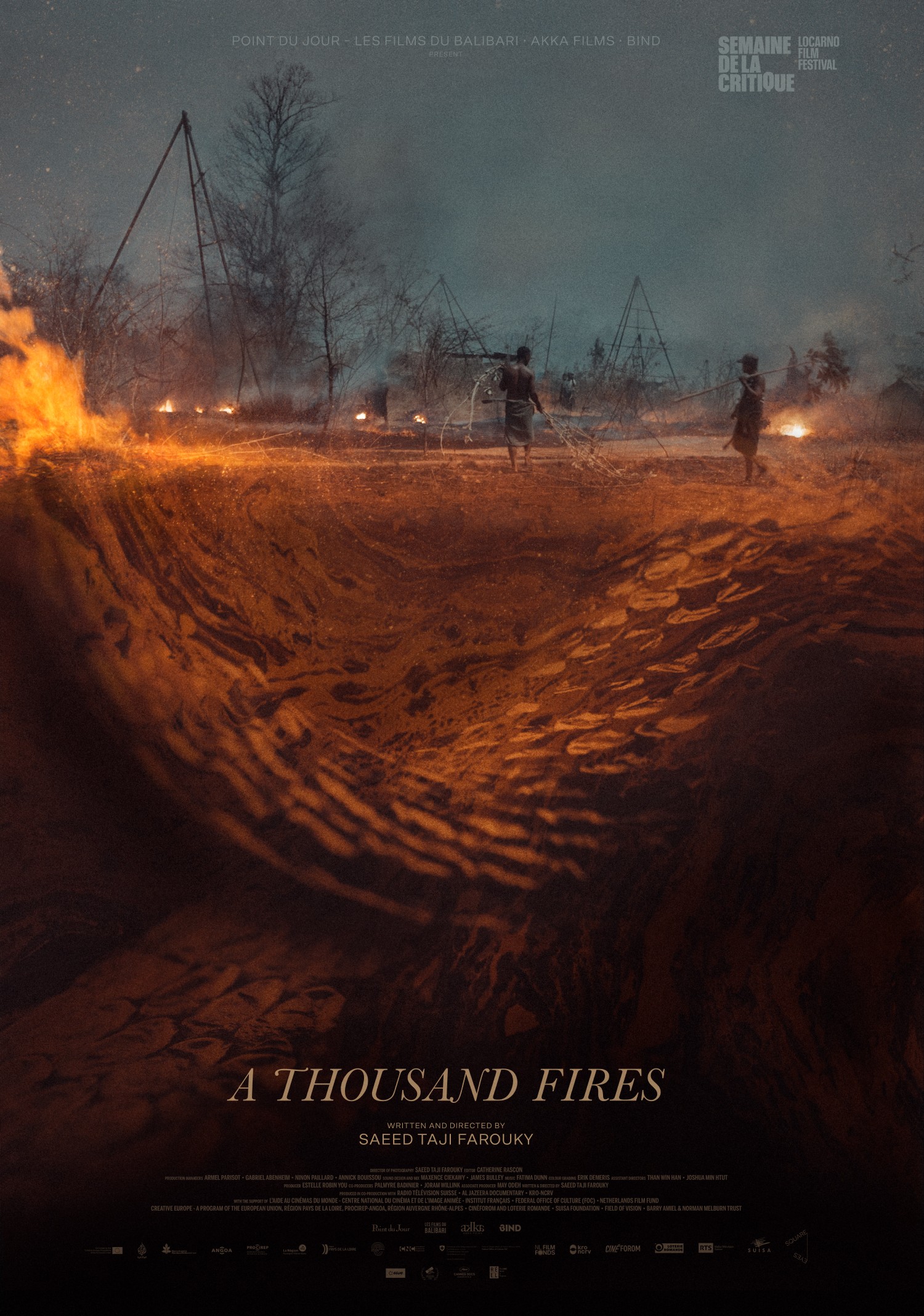
A Thousand Fires (Saeed Taji Farouky, 2021)

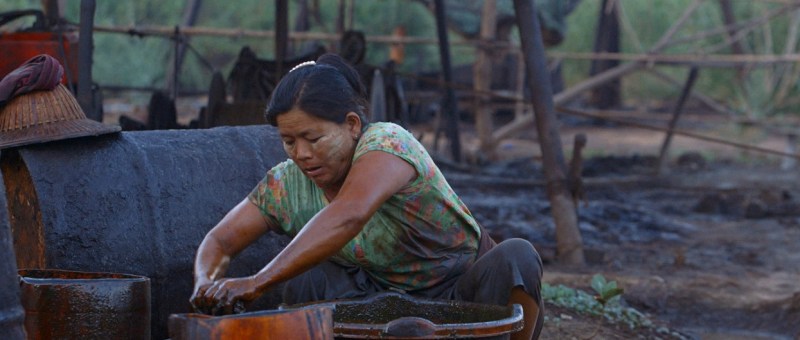
The whole world turns on oil, but most of us give little thought to where it comes from to the extent that we never really think of oil at all aside from that which it powers. Saeed Taji Farouky’s elegantly lensed observational documentary A Thousand Fires follows a small family in Myanmar who support themselves through unregulated oil digging, operating the kind of hand cranked wells one might associate with 19th century prospecting and getting barely a barrel a day but still fetching more than they might be able to get through farming. Yet this intrusion of modernity continues to disrupt their otherwise traditional existence as they ponder better lives for their children that will necessarily take them far away from their parents and their home. 

As they later reveal Thein Shwe and Htwe Tin once made their money through farming but now they only draw oil. You might think it would be a less intensive occupation, but the rigs require constant supervision and the machinery often breaks either needing immediate repair or resulting in a day’s lost work. Yet Thein Shwe is worried most about his oldest son, Zin Ko Aung, who is wilful and rebellious rarely helping his parents out to the extent the he worries if his son would even be able to start the engine for the well if no one were available to do it for him. 

His mother meanwhile makes slightly passive aggressive comments about a young woman his age who finished high school and now has a good job as the manager of a textile factory in the city. It might not be that there is no way out for him, but the parents worry that as he seems to have rejected both education and inheriting the oil wells he will be left with nothing at all. Their daughter, by contrast, is currently staying with them along with their baby granddaughter having married and moved to another town. Perhaps a part of them knows that in order to give their children better lives they must effectively send them away while worrying if they’ll be alright, if their sacrifices will have been worth it and these other lives are indeed better than theirs. 

To quell some of this anxiety we see them consult a fortune teller to find out if Zin Ko Aung will achieve success only to be told that he’d be better off if they changed his name from the one they gave him at birth to the one the fortune teller suggests. Capitalising on his talent for football they send him to the city to apprentice with a youth team for a year with no way of knowing if it’ll pay off and Zin Ko Aung will be able to make it as a sportsman, as his sister jokes becoming the first famous person from their village able to support the family with his newfound riches. The family also take part in several traditional festivals, praying for a “prosperous life” while eerily paying homage to a god of oil by “feeding the dragon” pouring liquid into a greyish swamp which bubbles and snorts as if burping in gratitude. 

Then again another passerby reveals that a Buddhist priest in their area cleared a hole and set fire to it causing an explosion that rocked the mountain. In an ironic touch, we witness a festival in which young children have their heads shaved in preparation for being ordained as monks before cutting directly Zin Ko Aung enjoying his new city life by getting a fancy haircut drenched in a red smock which strangely resembles religious robes. Another fortune teller the couple visit in the city warns Thein Shwe that his lifeline is short and he must be careful to remember his religion, while adding at that no matter one’s good intentions the only place you’ll find an honest man is in a cemetery.  Simultaneously he tells Htwe Tin that she is the leader of her family and admonishes her that women are overly materialistic and simply want too much. In any case all she seems to want is for her son to find his way even if he has to leave his family to do so. Poignantly as the film ends the couple are left alone, their son-in-law arriving to take their daughter home and their son away in the city while all they’re left with is more of the same dredging oil up from beneath soil and feeding the ever hungry dragon of the contemporary society that barely knows of their existence. 


A Thousand Fires screens in New York March 19 as part of Museum of the Moving Image’s First Look 2022

Trailer (English subtitles)