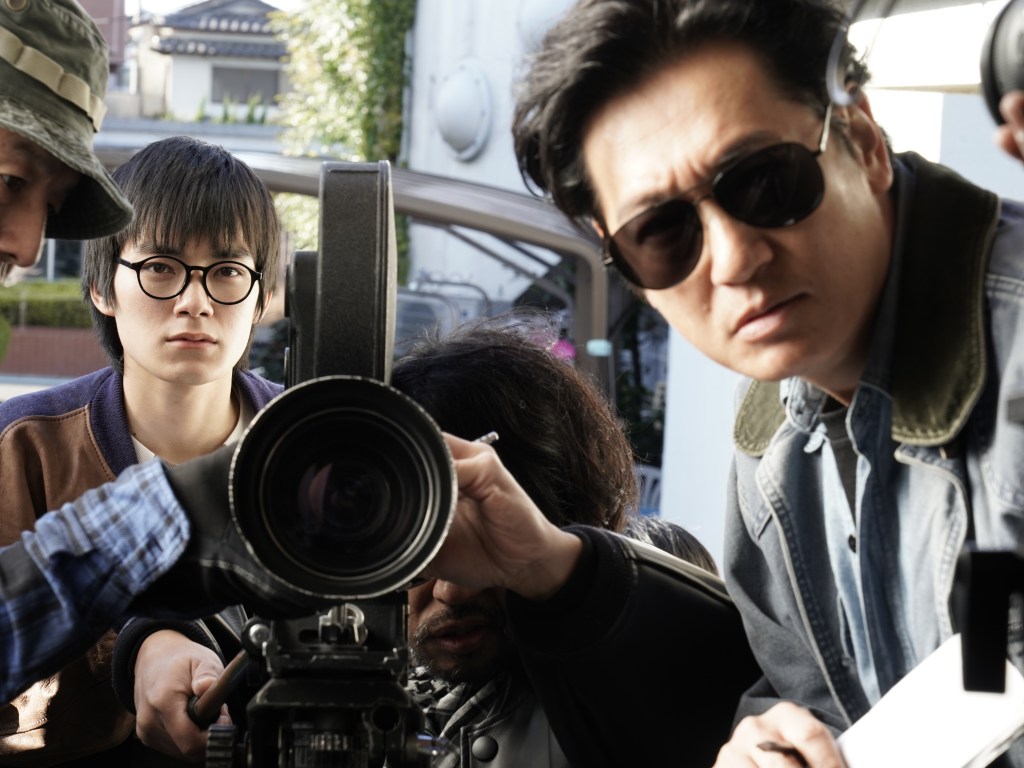
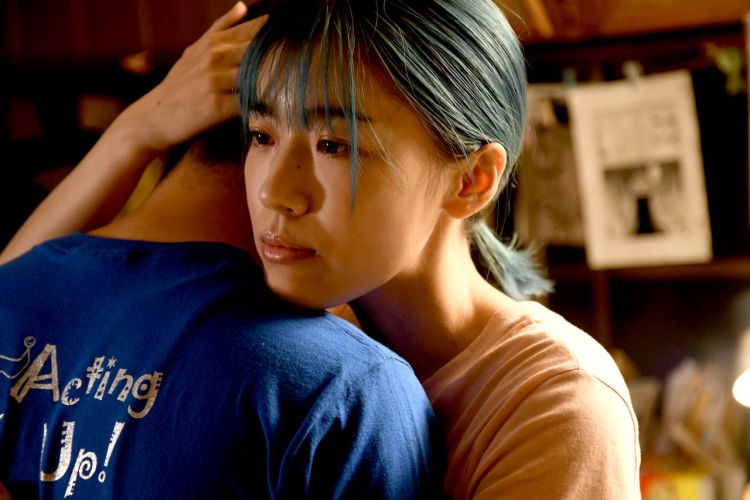
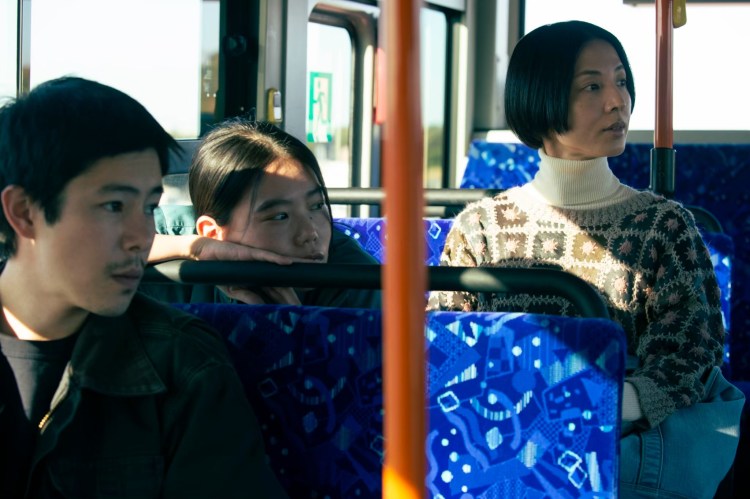
Penalty Loop (ペナルティループ, Shinji Araki, 2024)

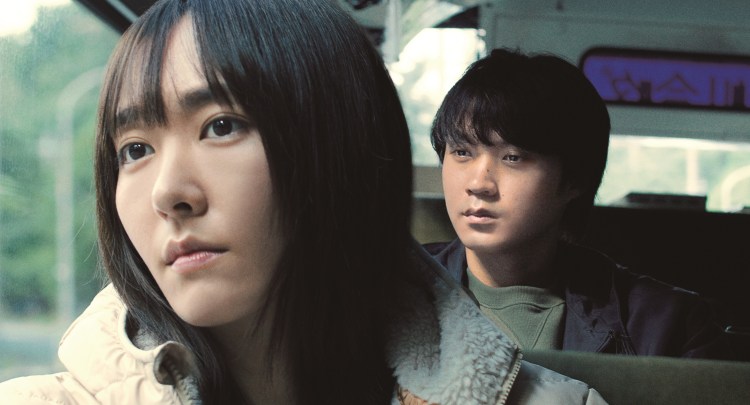
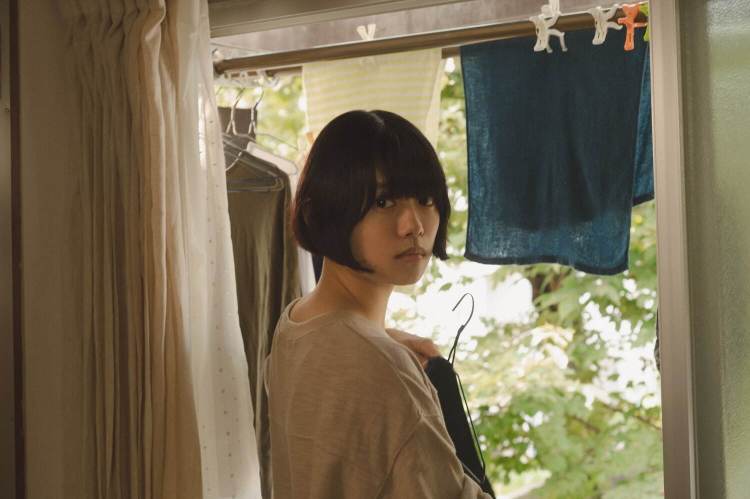
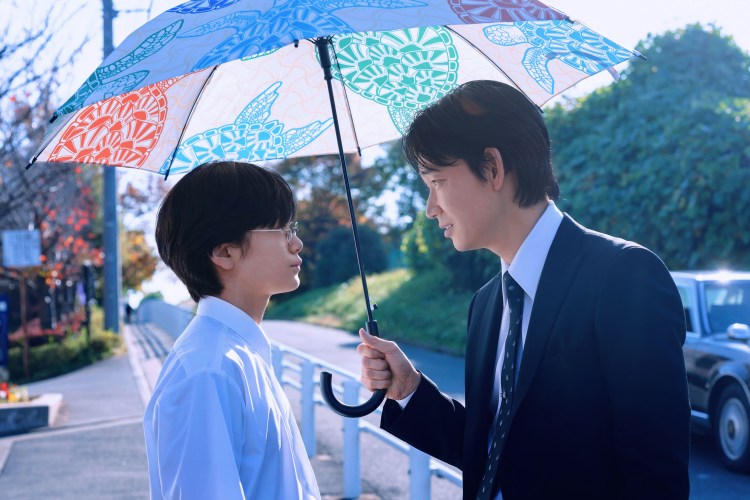
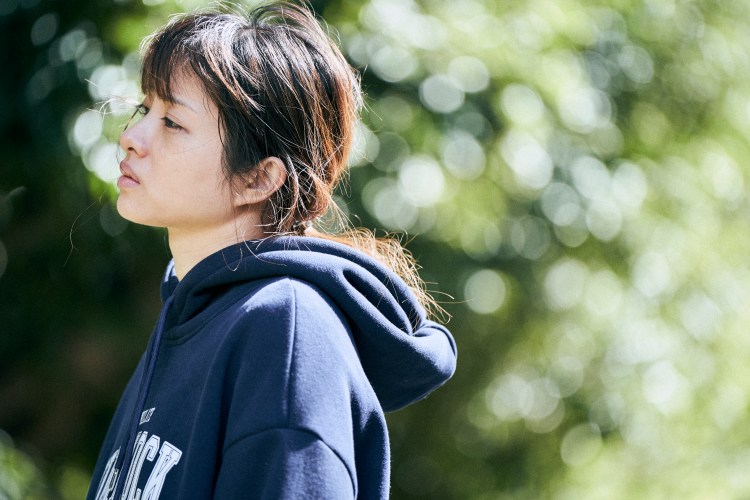
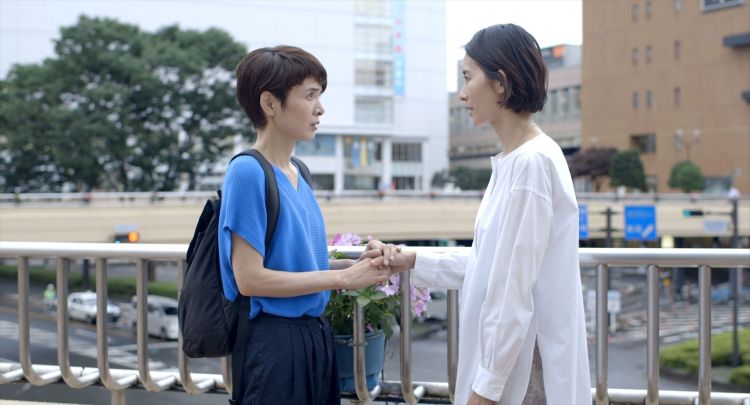
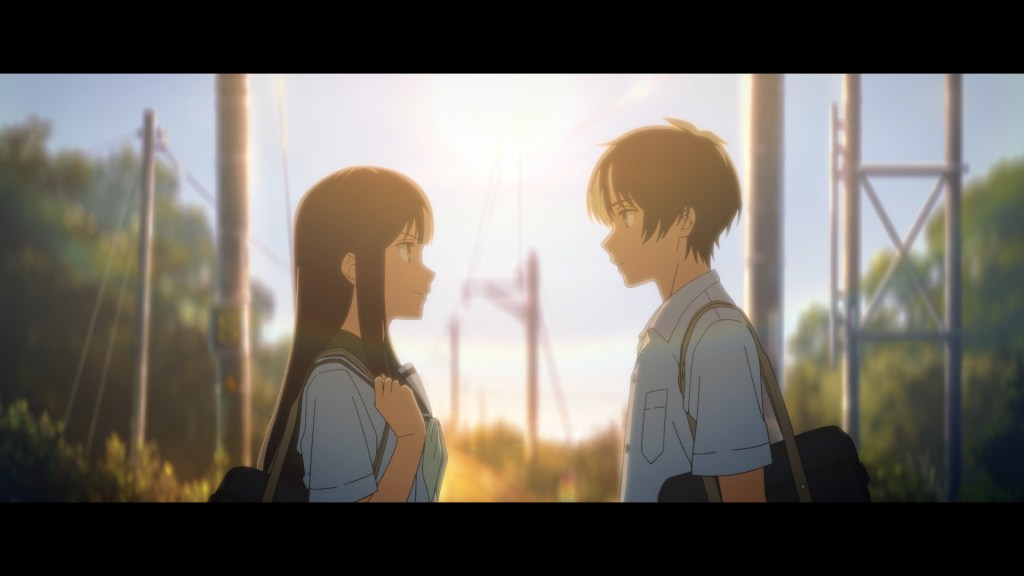
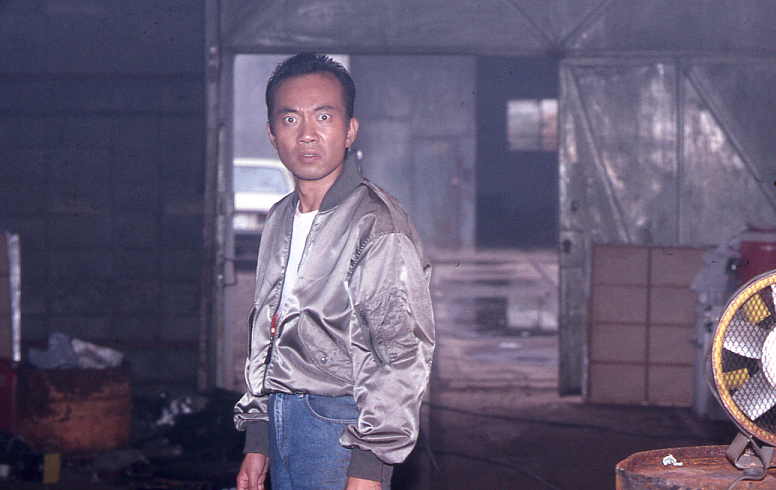
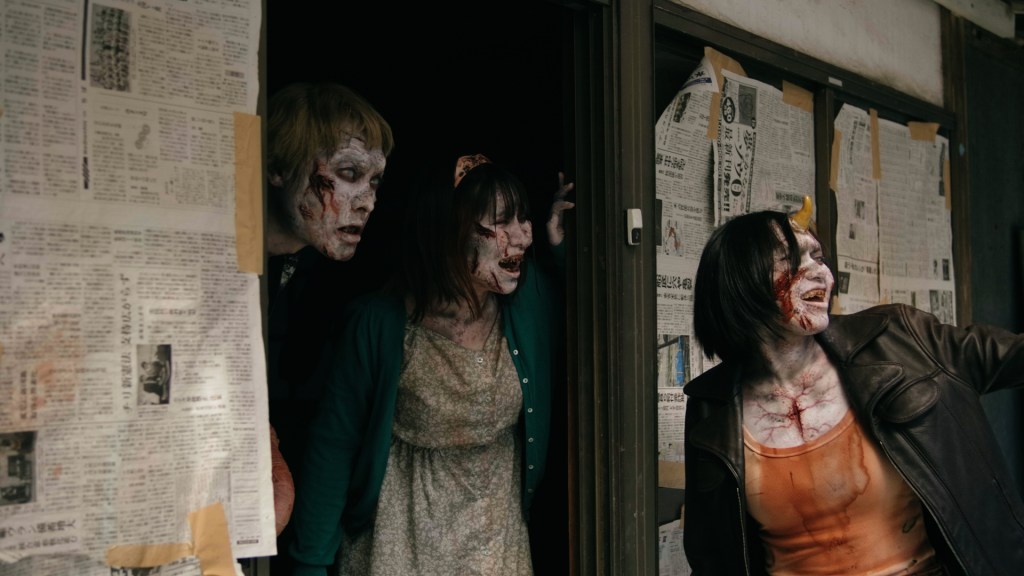
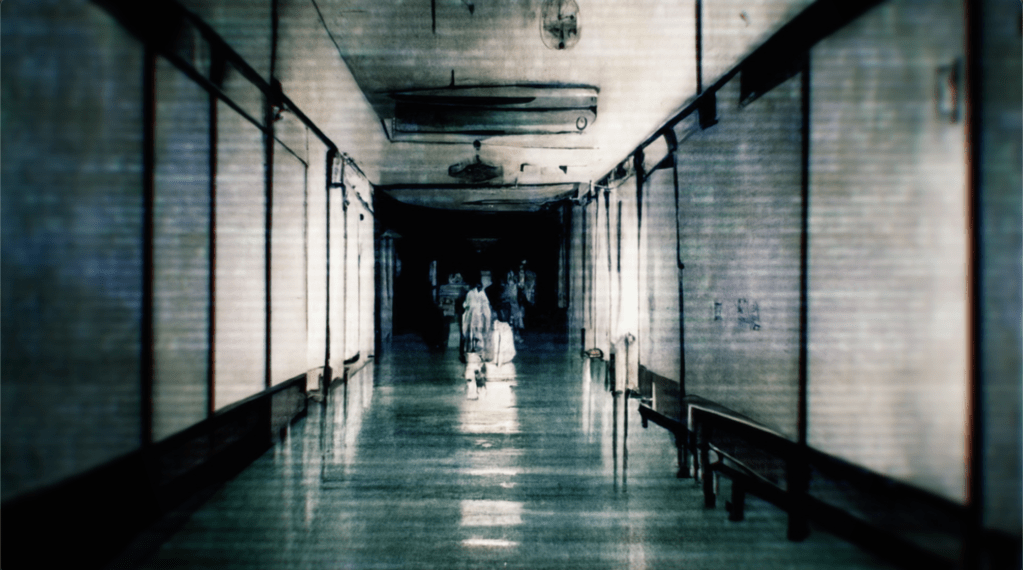
Time loop cinema has made a resurgence in Japan of late, but Shinji Araki’s Penalty Loop (ペナルティループ) is not quite what you’d assume it to be rather a meditation on the grieving process in a constant process of recycling rage and hurt day after day. When his girlfriend is murdered and her body is found dumped in a local lake, Jun becomes obsessed with the idea of revenge and turns up at the killer’s place of work where he poisons his morning coffee and then stabs him to death in his car before poetically dumping his corpse in the same lake where disposed of Yui’s (Rio Yamashita) body.

The weird thing is, that Jun (Ryuya Wakaba) wakes up the next day to discover it’s still 6th June and he has to do the same thing all over again. Rather than switching up his methods, he simply repeats the process but it turns out the Killer (Yusuke Iseya) is also aware they’re trapped in a loop and starts trying to avoid being killed. Before too long, the men have begun to trauma bond over their shared despair of being trapped in this constant cycle of retribution and become almost friends in an absurdist, existential meditation on the fallacies of justice and revenge. The killer and his indirect victim are locked in this cycle together and, the film seems to suggest, can only escape it through a process of healing and forgiveness rather than Jun’s futile attempts at revenge by killing the killer over and over again.

It is though somewhat perplexing that Jun never asks the Killer why he killed Yui and shows no real curiosity in his motives only asking him if he killed a lot of people. Yui also seems to have been mixed up in a concurrent conspiracy which the film does not go into or was in fact locked into her only cycle of despair and futily as the Killer suggests in volunteering that Yui wanted to die anyway, telling him that she had nothing to live for and was filled with emptiness. Of course, perhaps it’s simply the case that a kind of justice has already taken place in the “real” world and that Jun already knows why Yui was killed but simply wants a more personal kind of revenge to satisfy his hurt and anger, or that the Killer would not really be able to tell him much anyway because we can’t be sure he’s “real” or just a character existing for the purpose of Jun’s revenge no different from a dummy punch bag.

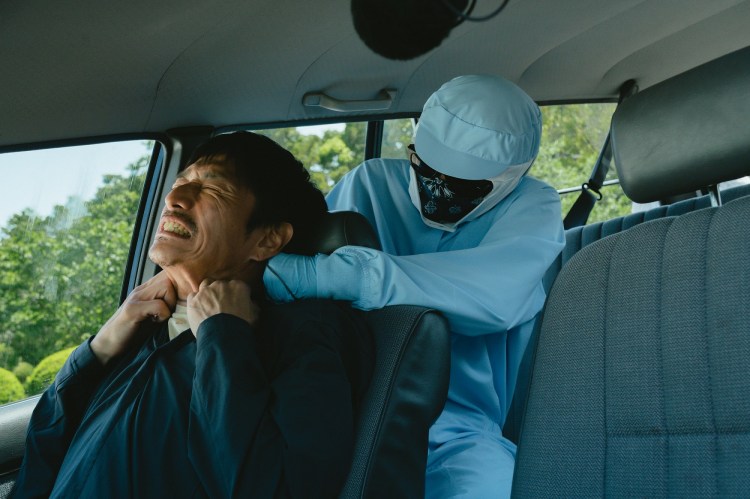
A strange, grinning man (Jin Daeyeon) is often seen observing the two men and later becomes irate on hearing Jun state that he no longer plans to kill the Killer but seems to have befriended him instead. His presence hints at a wider authoritarian presence that feeds off Jun’s negative emotions and forces him to continue vengeance long after he has tired of it. At this point, his killings become less violent. Rather than the poison and a knife, the bloody struggle in the car and the clinical process of bagging the body to be dumped in a lake, Jun uses a gun and the Killer patiently allows himself to be killed so that the cycle can continue. Further revelations suggest that the loop is less cosmic than commercial and Jun is constrained by a contract he signed for something that is supposed to be a kind of therapy the ethics of which would be very debatable, as would the offer of a secondary “rehab” programme on his completion of the process though how he, a man with no apparent income who lives in a room that already resembles a prison where he builds model houses that express the life he might have liked to give Yui, would be able to afford all this.

In any case, it’s true enough that Jun is imprisoned by his grief and powerlessness and his desire for vengeance is an attempt to free himself though in the end he can only do it by abandoning his rage and violence and finding empathy for the killer with whom he is trapped in this hellish cycle of grief and retribution. Araki lends his quest a dystopian air, taking place largely in some kind of hydroponic facility which otherwise exists only for the purposes of Jun’s revenge. Strangely quirky in its absurdist humour and bleak in some of its implications the film otherwise suggests that forgiveness is the only path out of grief for the cycle of vengeance will never really end.


Penalty Loop screened as part of this year’s Nippon Connection

LONESOME VACATION (Atsuro Shimoyashiro, 2023)

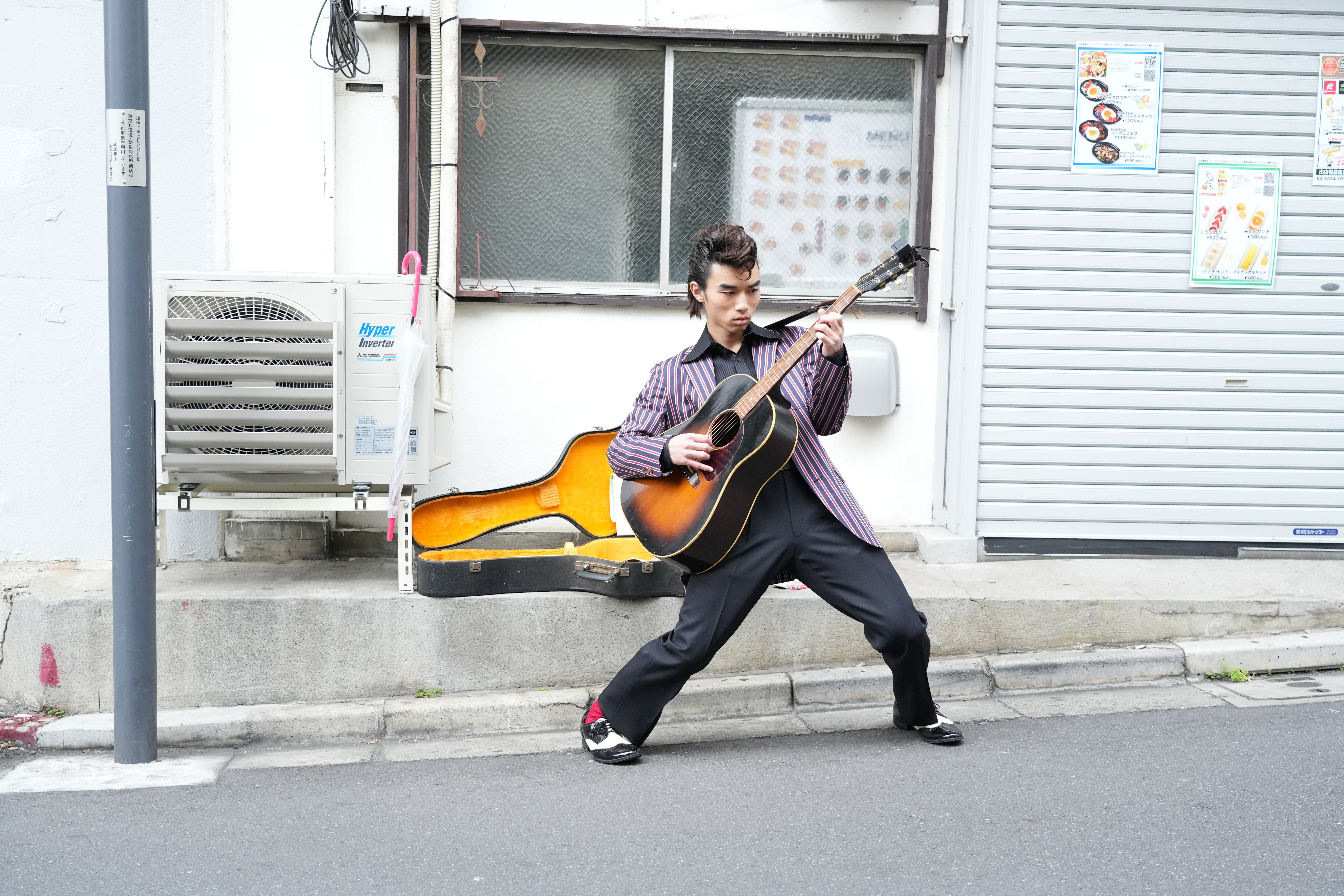
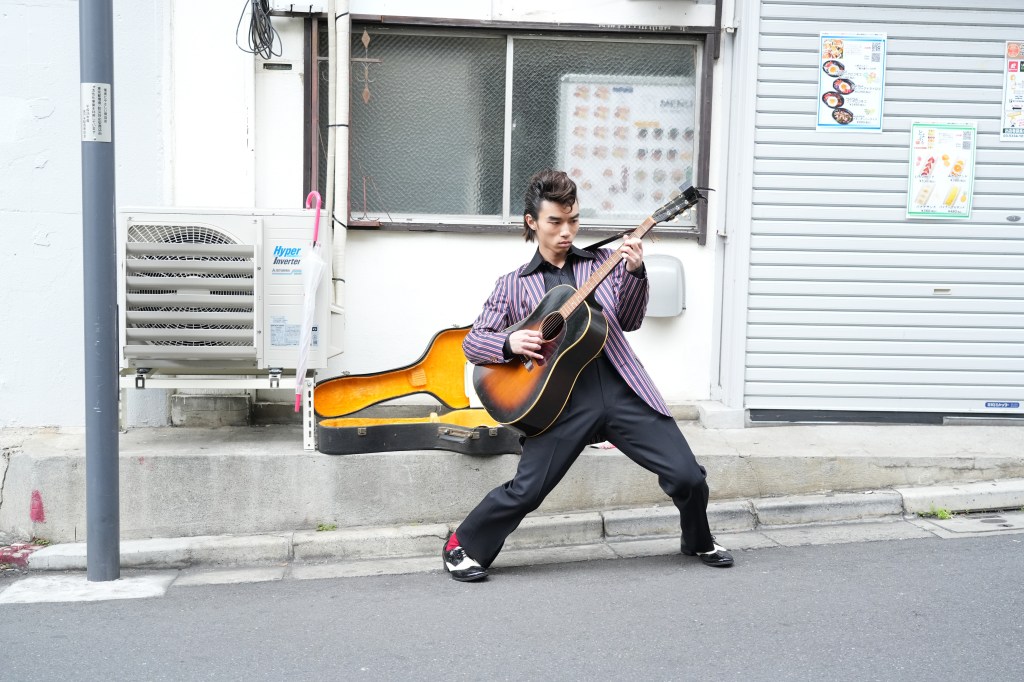
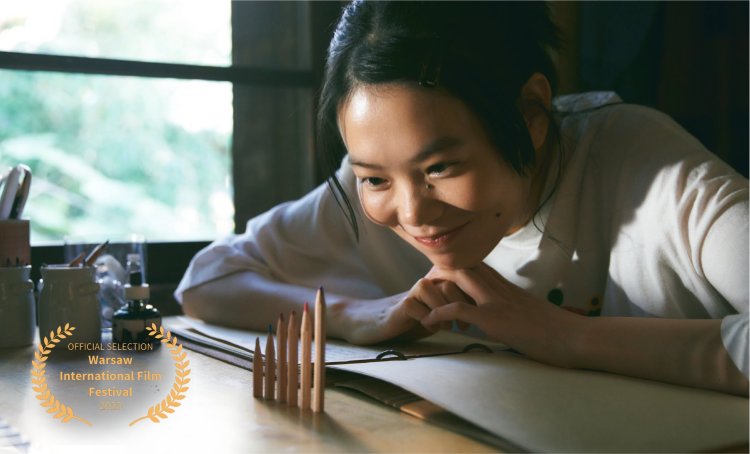
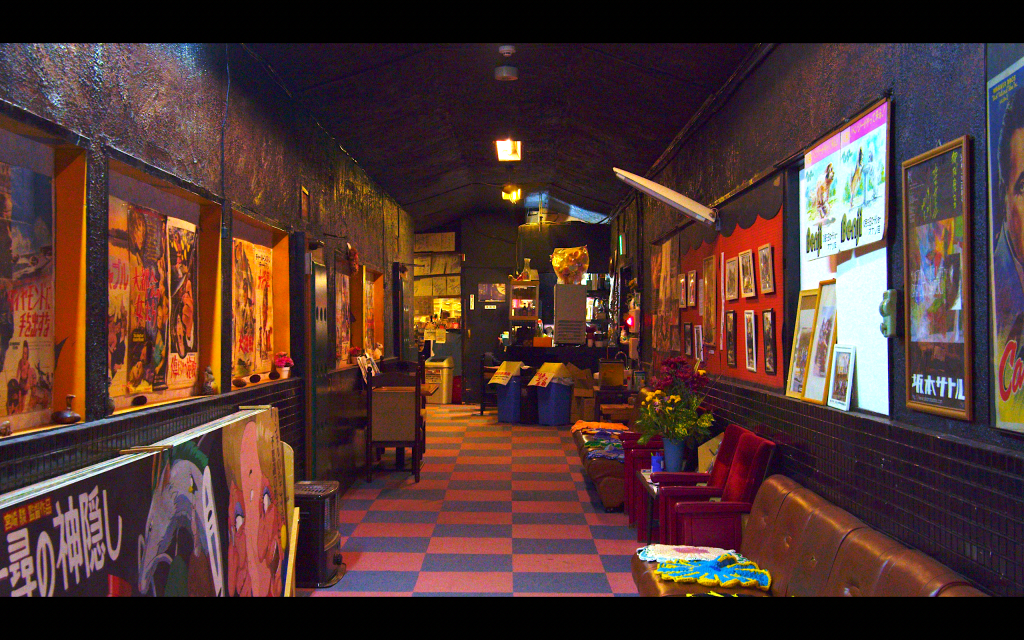
A rockabilly detective starts to realise that the most mysterious part of his case is his client in Atsuro Shimoyashiro’s quirky tale of buried histories and enduring images, Lonesome Vacation. Echoing amore distant past, the film reflects that some things you’re better off not knowing while those around us are often flawed beyond our imaging or else carrying painful secrets of their own they may not wish to share though more for the sake of others than themselves.

You might say that Eichi (Takuma Fujie) stands out with this 1950s quiff and retro get up, but it also allows him to hide in plain sight while carrying out his various jobs chasing cheaters and other kinds of surveillance work. But when he runs into old flame Kyoko (Kyoka Minakami) whom he briefly dated in college, she asks him to investigate a reel of film she deceived in among her late father’s belongings. The film seems to show her father with another woman, Reiko, whom Kyoko is keen to track down. 

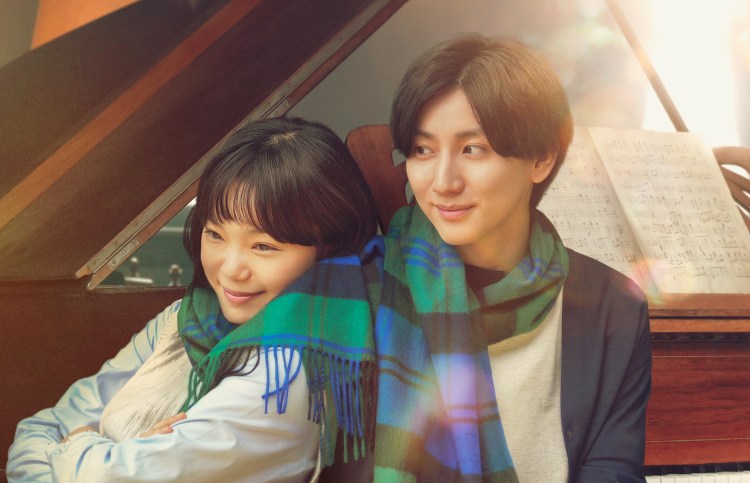
Setting off on a roatrip that is as Eiji later says is almost like a vacation, the pair eventually start to grow closer and perhaps fall in love while trying to solve the mystery of the film. Kyoko’s father Miko, suggests in his voice over that film is a more ephemeral medium than video while simultaneously confessing that he wanted to capture a woman on film, to keep her in the present moment, in the knowledge that film will last longer than us. Miko describes it as a metaphor for life, his own and perhaps generally though it’s lost to us now. Kyoko searches for the answer to a puzzle her father died before telling her how to solve.

Piecing everything together, Eichi starts to realise that Mikio most likely had an affair and Kyoko may have a sibling though neither of them are very sure whether they should reveal themselves not wanting to create further trouble in their lives by announcing that their mother had an affair. Nevertheless, even after it seems like the original case has been resolved, Eichi realises he’s unable to solve the mystery of Kyoko. Having very briefly dated in uni, he doesn’t quite understand why she’s come to him now or really anything about her character or habits. She meanwhile seems to have taken a liking to him through their strange road trip during which everyone seems to regard them as a young couple very much in love.

Ironically enough, Eichi avows that it’s the image that matters but only after comes to understand the import of something he’s seen, little reasoning that sometimes relationships can be different than the image we have of them. Yet as he says, it’s image that’s really important, our thoughts and impressions of something as disctivt from their physical presence along with the absences within them that provoke our imaginations. Kyoko gets some answers if perhaps not the ones she’s was looking for but is also left with unavoidable gaps because those who could have filled them in are no longer able to do so.

Shimoyashiro gets good milage out of the retro quality of Eichi’s outfit and hairstyle along the absurdity of a rockabilly detective but also gives him an almost Kindaichi-esque sense of goodness, too diffident to pursue Kyoko even after beginning to realise that she seems to be flirting with him. Slightly more dejected than he is, Kyoko insists that one day simply follows another but that also kindness is what gives life its meaning. In a way, it’s what gives the image value too in a kind of selflessness that placed no ownership over its subject and was content to let it roam where it chose. Taking place largely in the surprisingly romantic environs of Jogashima, the film has a charmingly old-fashioned quality even in its central slow burn romance along wth a genuine sense of worth and authenticity even if its main subject turns out to be the melancholy echoes of a lost love or at least the image of it enduring long after the lovers themselves have departed,

LONESOME VACATION screened as part of this year’s Nippon Connection

Original trailer (English subtitles)

Ichiko (市子, Akihiro Toda, 2023)

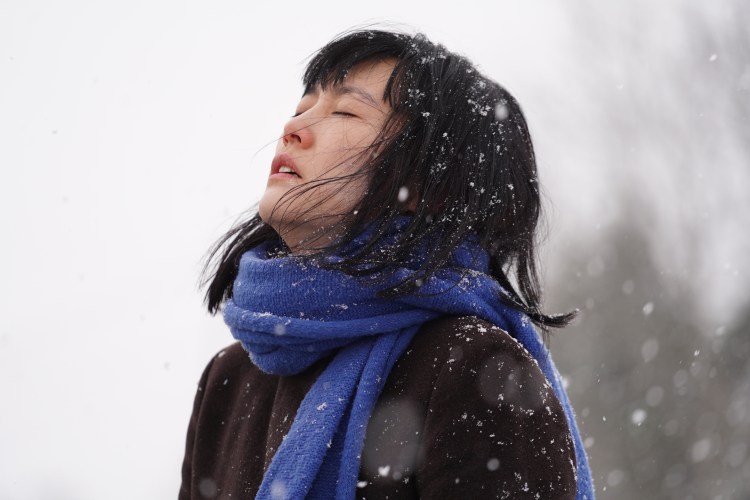
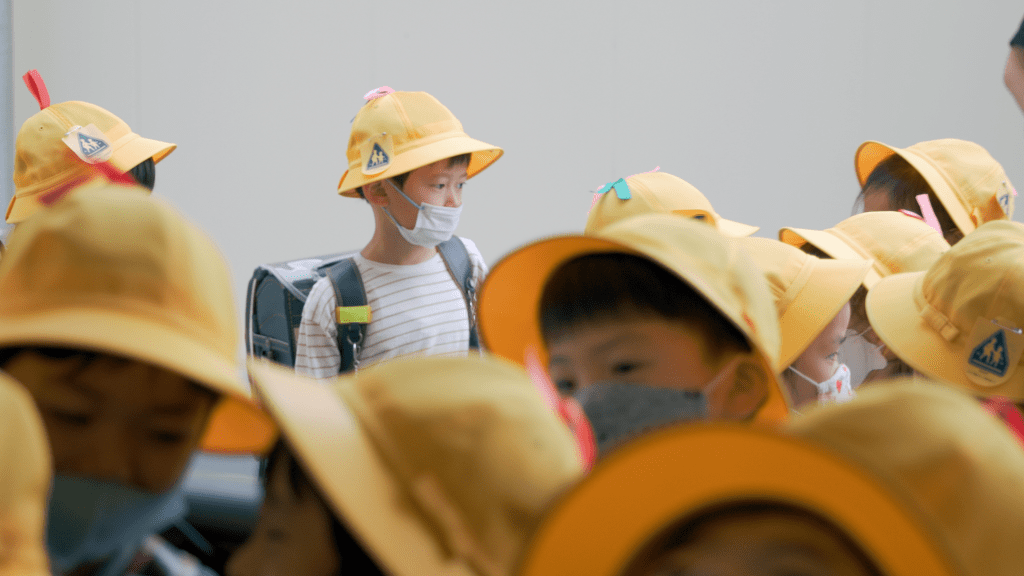
If for some reason your name were taken from you and it became much easier to live by some other person’s name that you were compelled to use, would you be content to be them or be prepared to go to extreme lengths to reclaim your own identity? Based on his own play, Akihiro Toda’s Ichiko (市子) explores similar themes to his 2018 film The Name as the absent heroine fights to reassert herself just as we try to piece her together to a create semblance of the whole being we may never truly understand.

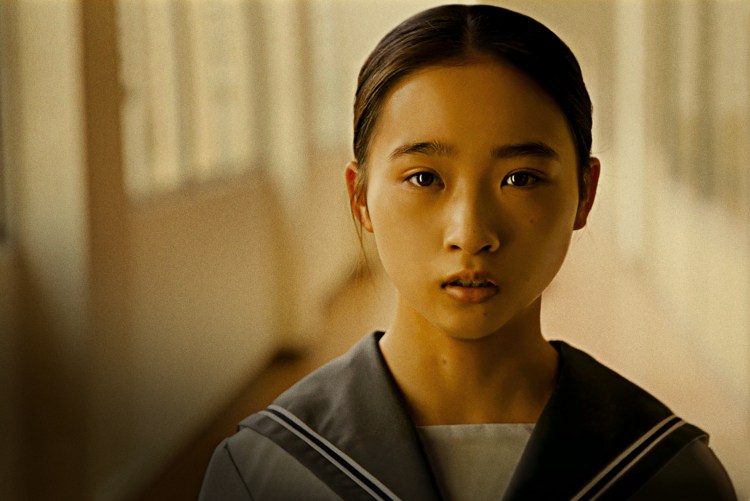
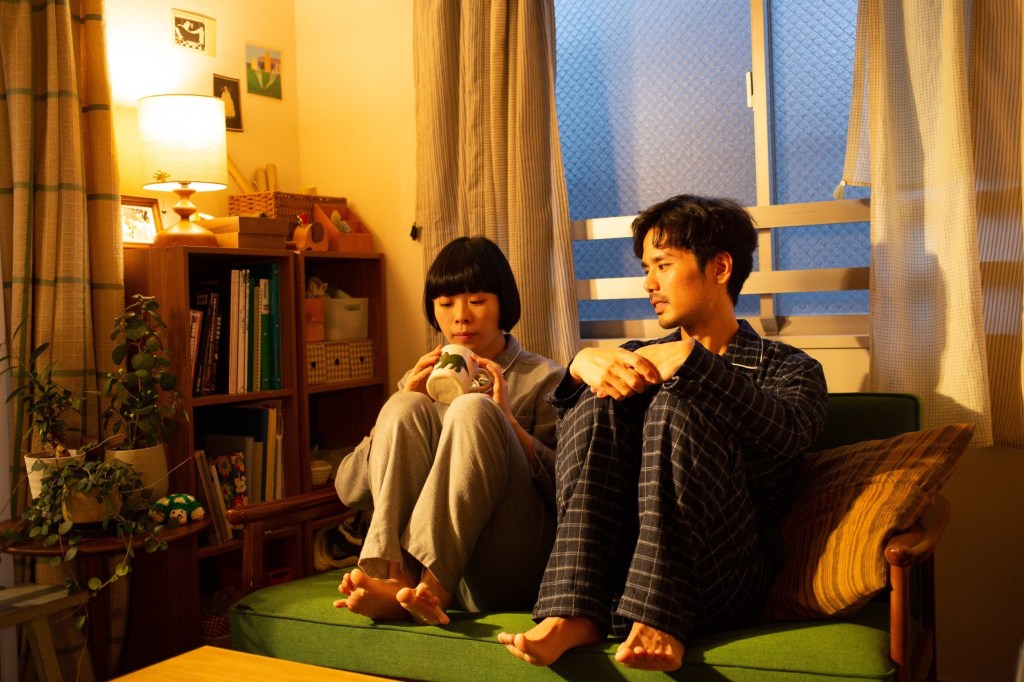
In many ways, it’s absence that defines Ichiko (Hana Sugisaki) who like the mysterious spirit of a fairy tale must be gone as soon as she is seen. Or at least, you could forgive Yoshinori (Ryuya Wakaba) for feeling this way when his girlfriend of three years suddenly disappears soon after he’d presented her with marriage papers. It’s not until he’s visited by a policeman, Goto (Shohei Uno), sometime later that he’s forced to admit he actually knew very little about her. He assumed she’d had a difficult past, and neither of them said too much about themselves so he doesn’t know if her parents are still alive, where she was from, or if she has any family or friends she might have gone to. What shocks him most, however, is that Goto informs him that on paper at least the woman named Ichiko Kawabe does not exist.

Flashing back across several years from Ichiko’s childhood to the present day, we see people call her by another name which she often tries to correct telling them that her name is Ichiko but it isn’t originally clear to us if this is because she’s being forced to live under false name or if she merely dislikes the name she was given and wishes to be “Ichiko” instead. In any case, she appears to have developed a healthy fear of letting anyone in thanks to her incredibly disordered home life. At times, would-be friends attempt to visit, but are either kicked out or merely horrified by what they see there and leave soon afterwards putting an end to the friendship. That might in itself explain why she may wish to be someone else, but in fact what she wants is the right to be herself.

Gradually it becomes clear that because of the way Japanese society works, Ichiko has been forced to live two lives as one and can live neither fully. It’s not quite right to call it a double life or to say that she multiple personalities but more that she cannot quite locate herself within herself and is increasingly distressed in being forced to answer to a name which is not her own and live someone else’s life for them. Later she explains that all she wanted was a “normal” existence though this is the very thing denied her in part because she is denied her rightful identity though there is something quite poignant in her remaining innocence. Her touching description of finding happiness in the scent of miso soup wafting from ordinary houses at dinner time expresses her desire for the comfort and safety of a conventional family she never really had or may perhaps have experienced for a brief moment in early childhood. 

Ironically enough, she exclaims that she likes walking in the rain because it washes everything clean though for her it will spell disaster in quite literally revealing the skeletons buried in her past and with them exposing the precarious web of lies on which her adult life was based in an attempt solely to recapture the authenticity of her essential identity. A further irony may be that the identity she ends up with may not even be her own but that of someone else who decided they no longer wanted theirs, perhaps because the world had also been unkind to them and so they did not understand its worth. As the policeman says, she did what she had to do survive whether that be lying about who she was or otherwise burying her other self literally or metaphorically. Dark and melancholy, Toda’s twisty psychological mystery has its poignant qualities but ultimately asks whether living as your true self is worth the price or it’s better just to accept the name that fate and society have dealt you.


Ichiko screened as part of this year’s Nippon Connection

Original trailer (English subtitles)

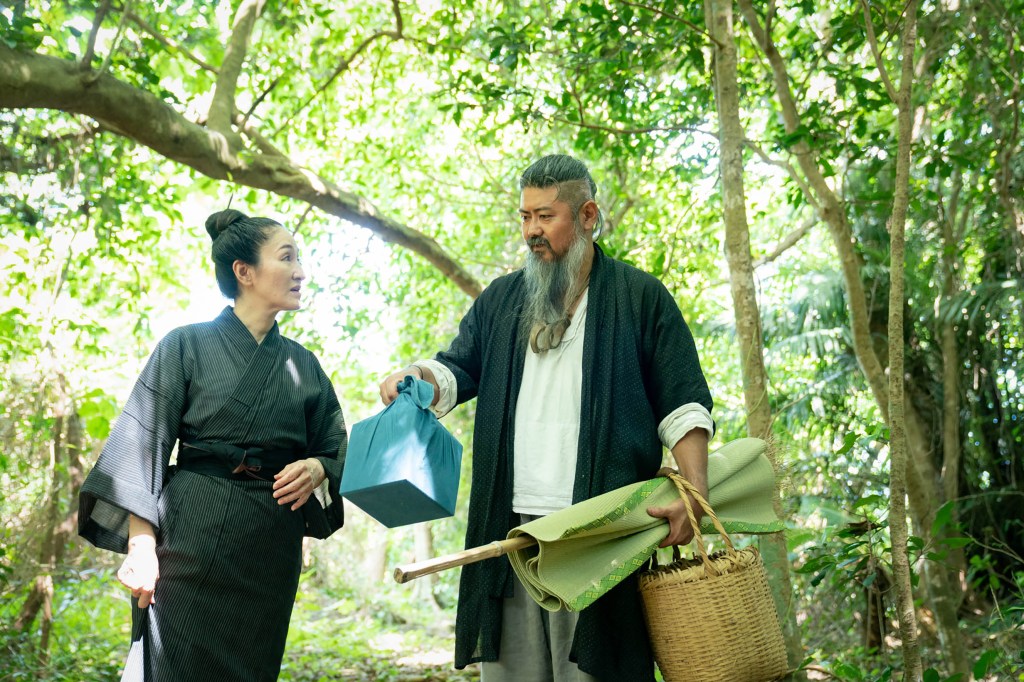
Belonging (とりつくしま, Kahori Higashi, 2024)

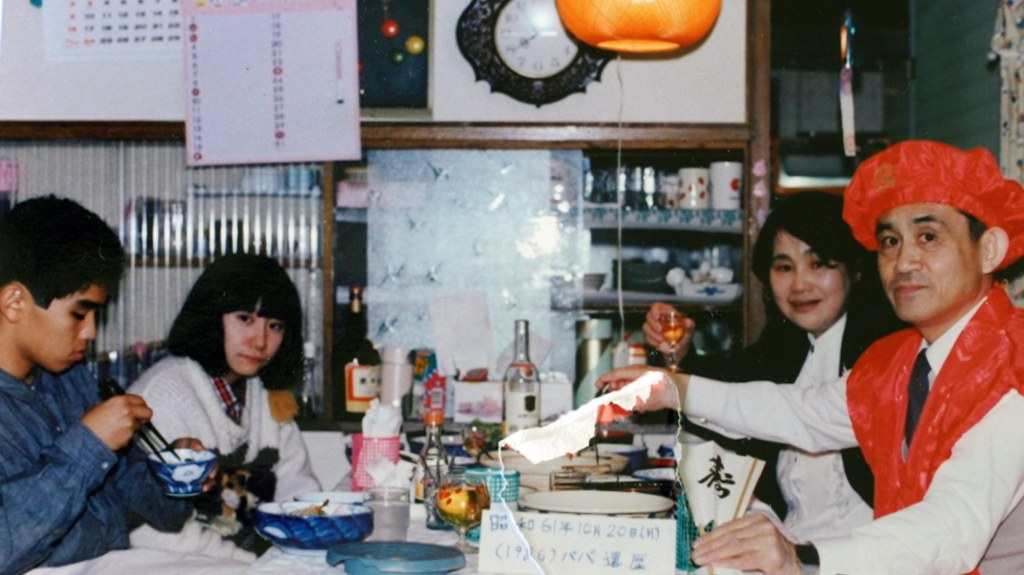
What if you could come back after you died and watch over those close to you while possessing a familiar if inanimate object? Her second film this year, Kahori Higashi’s Belonging (とりつくしま, Toritsukushima) adapts a novel by her mother in which the recently deceased are asked to choose a “belonging” to sink into given that they seemingly still have lingering attachments to this world. Yet simply watching can itself by painful while it might not do to linger too long in a place where everything is moving on except you.

That’s a possibility that comes to mind the second story featuring a little boy who asks to inhabit the blue climbing frame at the park. He wistfully watches other kids he used to play with pass by and later meets a little sister for the first time, but all these other children will grow up while he will not even if other children will their place. The kindly woman (Kyoko Koizumi) sitting in the school room that doubles as Belonging’s office doesn’t mention what happens if the object is destroyed or moved as something like a climbing frame might be though we later discover that depleted objects can no longer hold their charges which are then dragged back to the afterlife. 

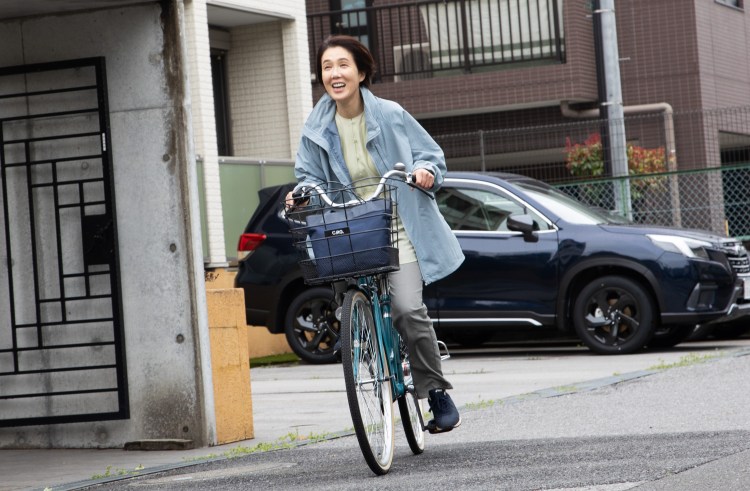
Of course, there’s always the possibility that an object that was precious to you was not so precious to others and may end up being sold or given away as one old woman discovers realising the beloved grandson she hoped to spend eternity with has sold the camera she gave him. The heroine of the first sequence, Koharu, installs herself in a coffee cup featuring a design of a triceratops she and her husband bought on a trip to the museum which he continues to fondle and treasure though Koharu watches him being a tentative relationship with another woman who urges him to buy new mugs as a symbolic moving on from his late wife. 

For Wataru, the coffee cup may already in a sense have been possessed by her spirit though he sees her more in a plant he keeps watering unaware that it’s artificial. Objects can have a kind of presence and carry something of their former owners with them even if not literally possessed but being trapped inside an inanimate object is also frustrating and at times painful. They can no longer act or interact but are mere passive observers at the mercy of their loved ones who may be readier to move than they’d assumed or otherwise dispose of or lose the objects the deceased assumed would be precious to them. 

The heroine of the final sequence might have this right when she chooses to possess an item she knows will only give her a limited time, not even minding when she’s denied the full resolutions of her anxieties in seeing her teenage son win a baseball game while he continues to call her number and recite pleasantries like some kind of mantra. She acknowledges that it might not be good for her or her son to stay too long, she just wants to see he’ll be alright before moving on to the afterlife. The woman from Belonging seems to approve of her choice though her own backstory remains unclear, present both in this world and in the other. 

Making brief detours to introduce us to some strange people in the part such as a female banzai double act and a not-quite-couple, the film is at pains capture both everyday life and the poignancy of loss as the various spirits look for new places to belong while the world around them continues to change and evolve in ways they no longer can. In the park, an old man dances comically much to the dismay of his female companion who is trying to read her book, claiming that he’s going to keep living to the very end which at least expresses a vibrant desire for life in some ways free of the lingering attachments that bind the recently deceased to our world but perhaps also trap them here in solitary museums of past love in which their presence may be felt but also unacknowledged. 


Belonging screened as part of this year’s Nippon Connection

Original trailer (English subtitles)

God Seeks in Return (神は見返りを求める, Keisuke Yoshida, 2022)

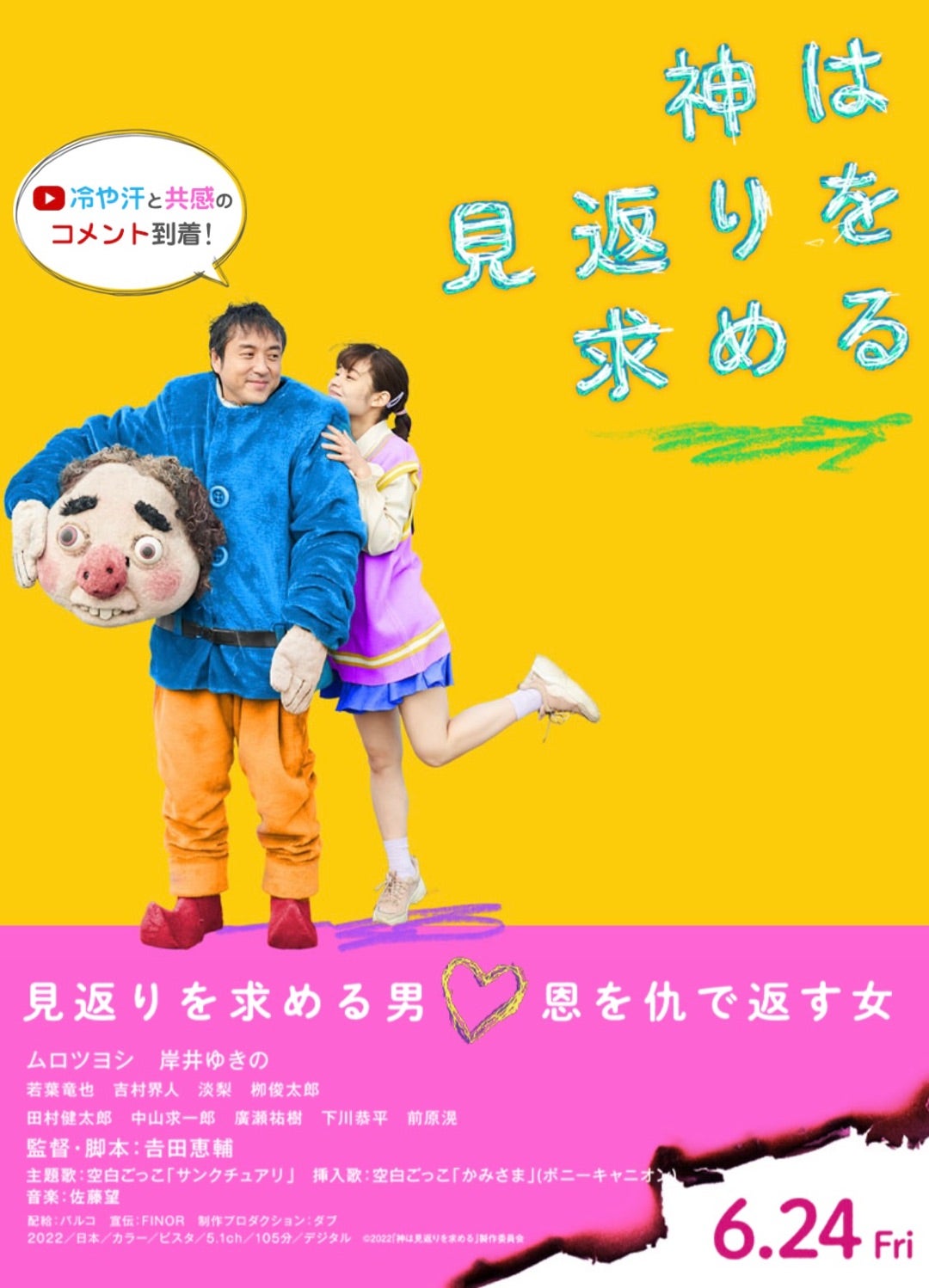
It’s perfectly natural a lot of the time to feel as if you expect nothing in return for helping someone, after all it’s only what you should do as a fellow human being. But really we do expect something even if it’s just acknowledgement and it can be hurtful and upsetting if don’t feel we get it while the sensation that we’re being taken advantage of can leave us feeling silly for having offered in the first place. Keisuke Yoshida’s Good Seeks in Return (神は見返りを求める, Kami wa Mikaeri wo Motomeru) revels in these human paradoxes as a self-confessed nice guy is pushed to breaking point by the fallout from all his attempts to be neighbourly which seem to have backfired exponentially. 

Then again, Tamogami (Tsuyoshi Muro) almost certainly does at least hope for something in return when he agrees to help out struggling YouTuber Yuri (Yukino Kishii) with her moribund channel by enlivening it with his skills in video editing and design. He isn’t helping her in order to engineer a sexual relationship, and in fact turns Yuri down when she suddenly disrobes exclaiming that it’s the only way she can repay him for his kindness, but does appear interested and is additionally irritated when she begins hanging out with a bunch of vlogger cool kids he thinks are just exploiting her naivety. Yuri had already payed him back with homemade beef stew, an offer that was accepted in the interest of friendship, but her constant references to repayment of a favour expose her idea of relationships as essentially transactional which to be fair they well may be. Even so, she appears somewhat guileless, opportunist rather than calculating and desperate for attention.

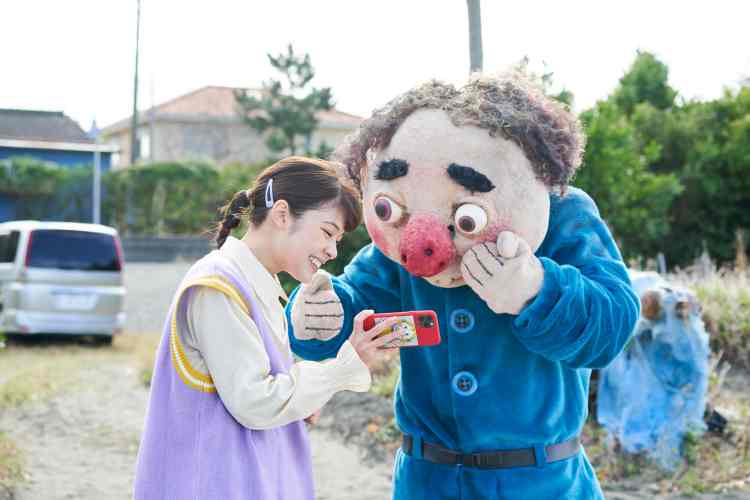
That might be why she can’t see that the reason she became unexpectedly popular after agreeing to a “body paint” stunt with a pair of more established YouTubers is that people wanted to see her naked which is why they’re always requesting more of the same. The first half of the film plays as quirky comedy, an offbeat romance between a nice middle-aged man and a dippy young woman who thinks she’s no good at anything and incapable of being alone. But things soon turn sour when one of Yuri’s stunts seems like it might have serious consequences for a local business owner and Tamogami has to muster all of his PR skills to put this particular fire out. The simple friendship between them that was brokered by a weird ogre-like mascot suit Yuri christens Jacob is disrupted by Yuri’s desire for fame as she undergoes a complete personality transformation after falling in with a group of more successful, media savvy YouTubers who have fancy design skills and marketing teams. She dismisses Tamogami as old-fashioned and joins in when the others make fun of him in rejection of the genuine friendship that had arisen between them.

When a friend he’d helped out financially and even stood guarantor on his debts takes his own life Tamogami is deep in the hole. Finally he wonder’s if he shouldn’t have something in return for all the unpaid labour he’s been doing for Yuri but she predictably brushes him off until he finally embarks on a weird vendetta trying to “expose” her YouTube channel for being founded on lies and exploitation. There may be something in her that’s regretful, wistfully looking at the sweater Tamogami had given her with cute illustrations of her and Jacob on it, while her new “god” Murakami openly mocks him leaving her conflicted about the dark side of their new internet endeavour effectively bullying a guy whose only crime was being nice and bit too dull and middle-aged for her new hipster friends sure to drop her like she’s hot as soon as something goes wrong.

Though not as extreme as some of Yoshida’s other films, God Seeks in Return suggests that nice guys never prosper but also that no one’s really as “nice” as they think they are. We wall want something in return even if it’s just a thank you and not to be belittled or taken advantage of. There can be something paradoxically selfish in niceness in which people do it more for their own gratification or to feel they are better than those they help and conversely the same in those who take advantage of others. In it’s way bleak and melancholy in its vision of human relationships, the film nevertheless holds out a faint hope in the reality of the genuine connection between its mismatched heroes no matter how dark and twisted it may eventually become.


God Seeks in Return screens 1st June as part of this year’s Nippon Connection

International trailer (English subtitles)

Nippon Connection Confirms Full Lineup for 2024

Nippon Connection, the largest showcase for Japanese cinema anywhere in the world, returns with another fantastic selection of new and classic films screening in Frankfurt from 28th May 2nd June. This year’s Nippon Rising Star Award will go to Kotone Furukawa whose films Best Wishes for All, Secret:A Hidden Score, and Wheel of Fortune and Fantasy will also be screening.

NIPPON CINEMA

  • (Ab)normal Desire – drama directed by Yoshiyuki Kishi following those who feel their desires place them at odds with mainstream society.
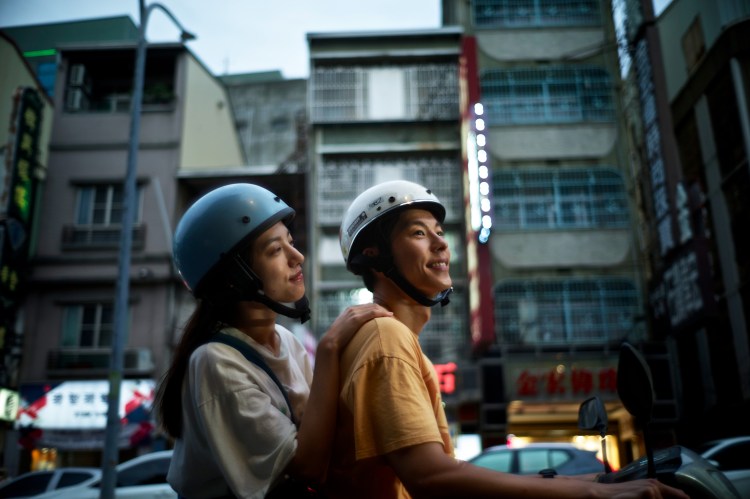
  • 18×2 Beyond Youthful Days – nostalgic drama from Michihito Fujii in which a man travels to Japan from Taiwan in search of the woman he worked with in a karaoke bar 18 years previously.
  • All The Long Nights – gentle drama from Sho Miyake in which a pair of co-workers bond over their respective difficulties in the workplace.
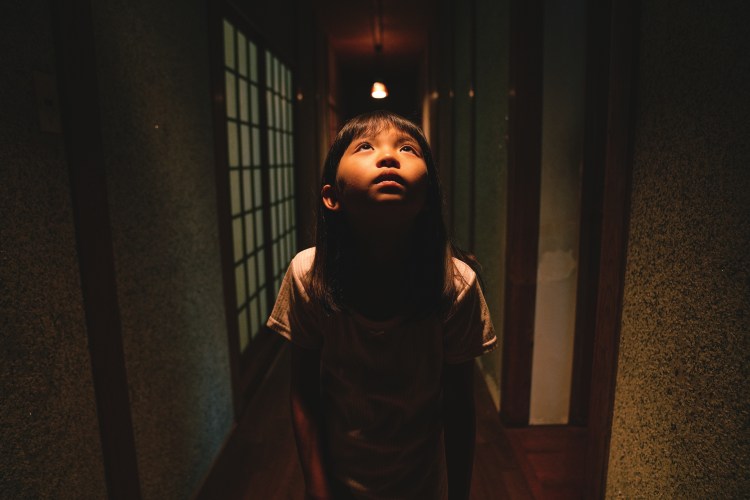
  • Best Wishes To All – a visit to her grandparents’ home forces a young woman to reckon with the price of “happiness” in Yuta Shimotsu’s eerie indie horror. Review.
  • Dreaming In Between – latest from Ryutaro Ninomiya (One Day You Will Reach the Sea) in which a medical issue unknown to those around him causes changes in a teacher’s behaviour.
  • Fly Me To The Saitama -FROM BIWA LAKE WITH LOVE – long-awaited sequel to the surreal 2019 comedy.
  • From The End Of The World – charged with the responsibility of saving the world, a teenage girl wonders if she should in Kazuaki Kiriya’s pre-apocalyptic drama. Review.
  • God Seeks In Return – genre mashup from Keisuke Yoshida in which a YouTuber seeking fame teams up with an events manager.
  • Ichiko – psychological thriller from Akihiro Toda (The Name) revolving around a woman’s absence.
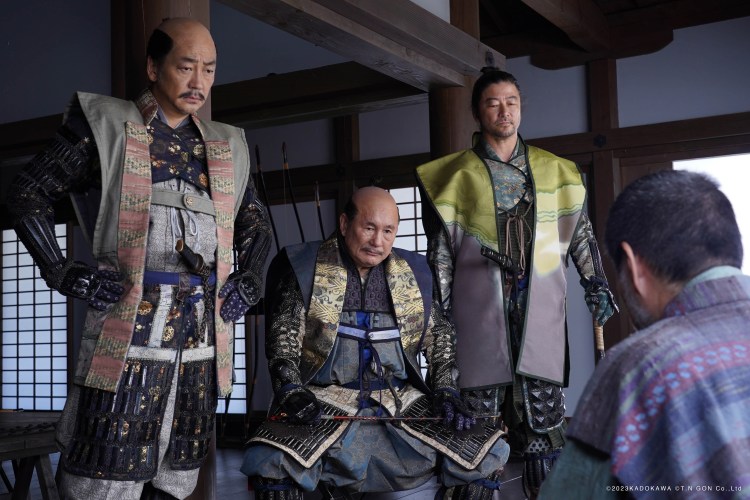
  • KUBI – Nobunaga-themed jidaigeki from Takeshi Kitano.
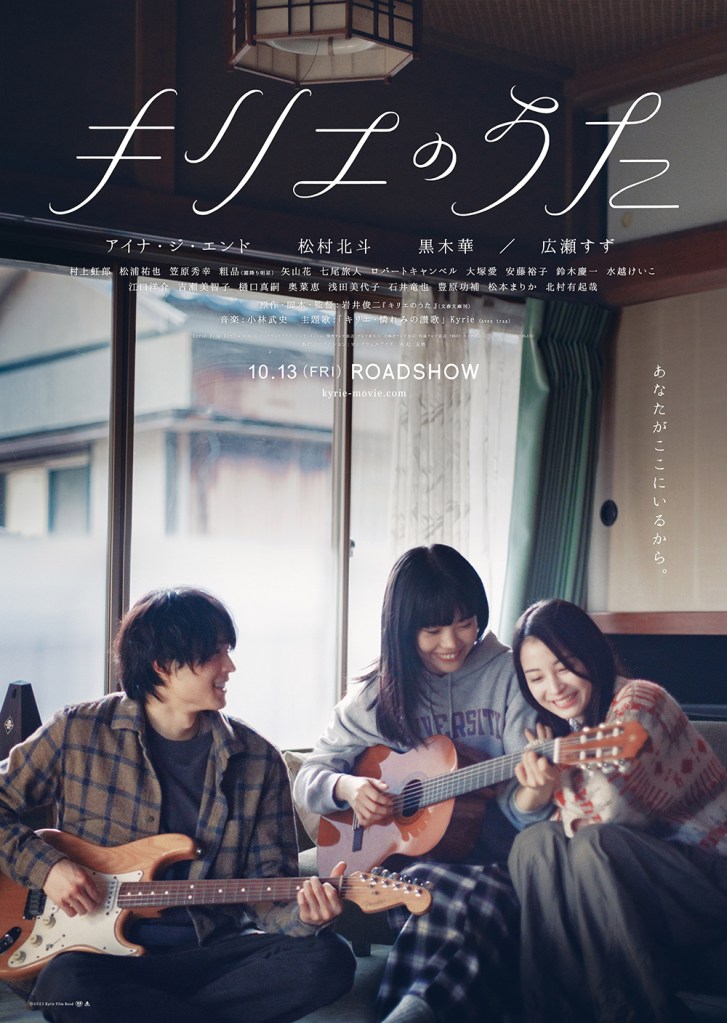
  • Kyrie – musical drama from Shunji Iwai.
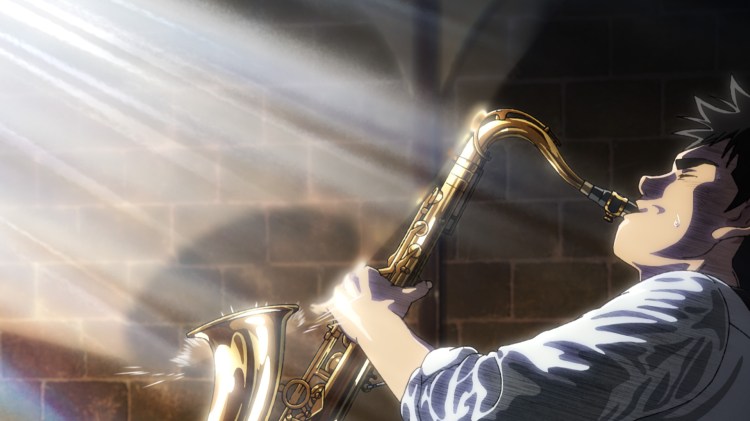
  • Let’s Go Karaoke! – musicial comedy from Nobuhiro Yamashita in which a teenage boy is forced to help a yakuza win a karaoke competition.
  • missing – heartrending drama in which the parents of a missing little girl turn to the media for help.
  • Penalty Loop – sci-fi drama in which a man becomes trapped in a time loop after taking revenge for his girlfriend’s murder.
  • PERFECT DAYS – laidback drama from Wim Wenders revolving around a man who cleans toilets for a living.
  • Ripples – A middle-aged woman becomes a devotee of a strange cult in order to restore order to her life in Naoko Ogigami’s quirky dramedy. Review.
  • Secret: A Hidden Score – remake of the Taiwanese tragic romance.
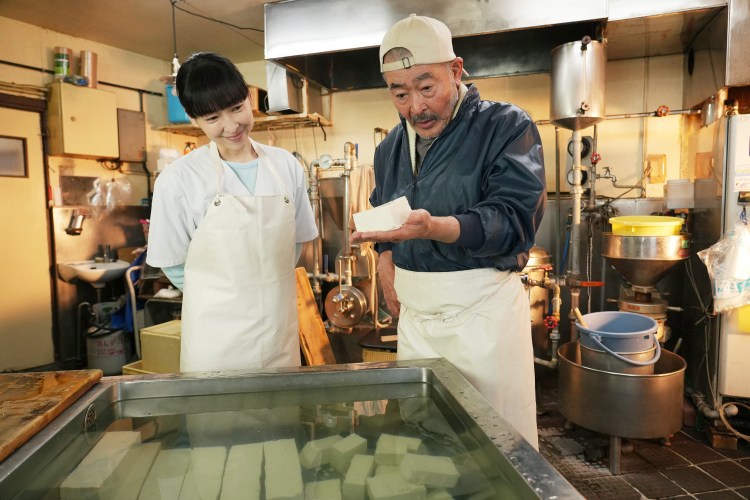
  • Takano Tofu – A sudden brush with mortality convinces an ageing tofu maker to marry off his middle-aged daughter in Mitsuhiro Mihara’s charming dramedy. Review.
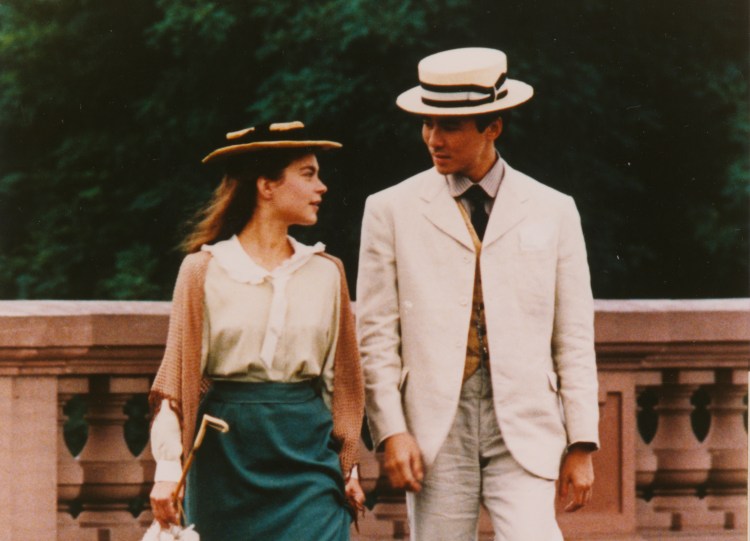
  • Die Tänzerin (The Dancing Girl) – 1989 German-Japanese co-produced adaptation of Mori Ogai’s The Dancing Girl. Screening in original German version.
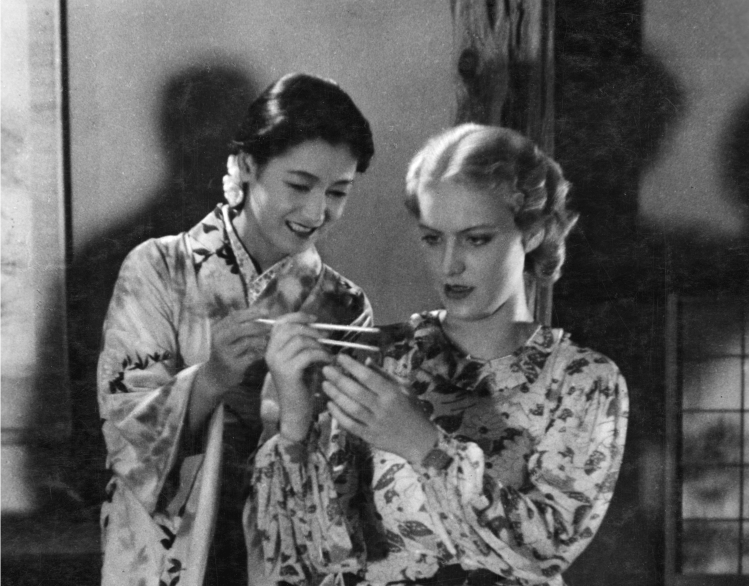
  • Die Tochter des Samurai – 1937 German co-production in which the son of a samurai family returns home changed after studying in Germany.
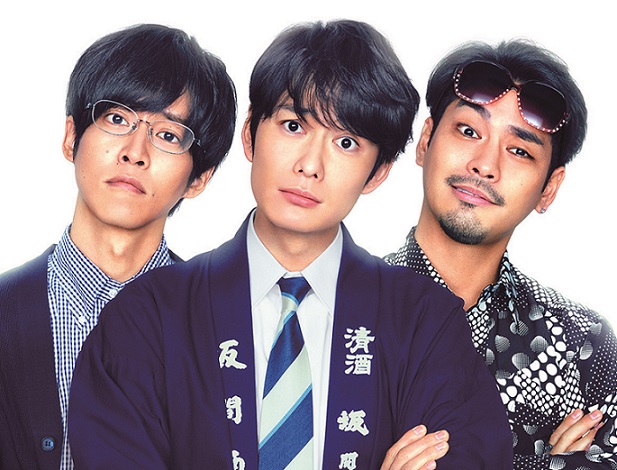
  • We’re Millennials. Got A Problem?: The Movie – comedy from Nobuo Mizuta (The Apology King) in which a slacker son’s family sake business, not to mention his marriage, is on the rocks.
  • Wheel Of Fortune And Fantasy – a series of chance meetings and a healthy dose of fantasy lead a collection of wounded souls towards a kind of liberation in Hamaguchi’s whimsical triptych. Review.
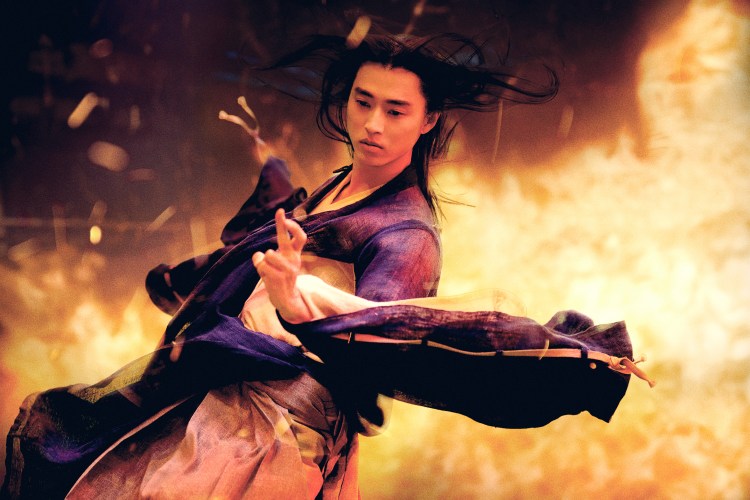
  • The Yin Yang Master Zero – fantasy film set in the Heian era in which a magic student and nobleman team up to investigate a conspiracy.
  • YOKO – an isolated woman begins to rediscover herself while hitchhiking to her estranged father’s funeral in Kazuyoshi Kumakiri’s quietly moving road movie. Review.

NIPPON ANIMATION

NIPPON VISIONS

  • ABYSS – drama from Ren Sudo in which a man develops a relationship with a guy from his brother’s funeral.
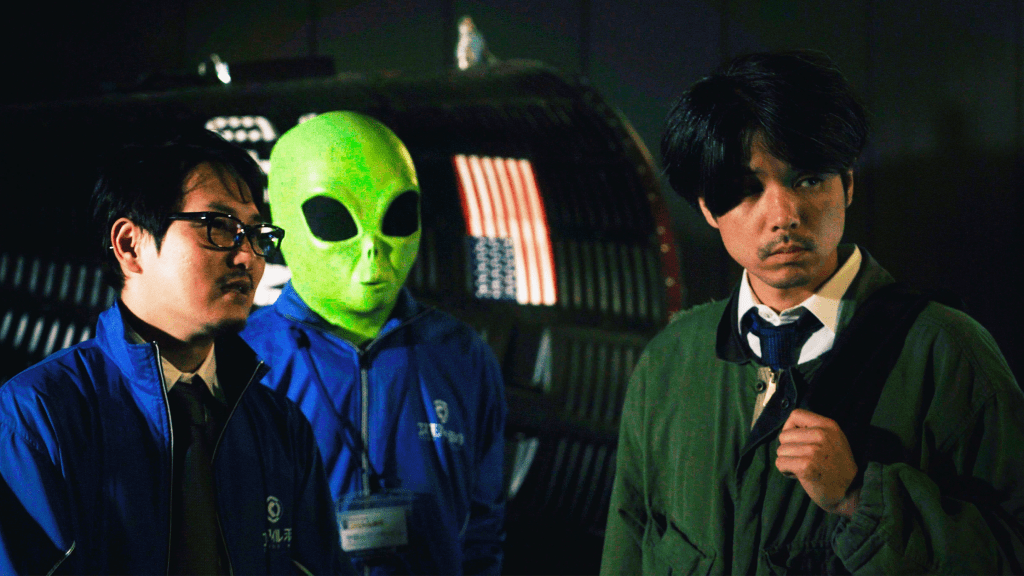
  • Alien’s Daydream – surreal comedy in which a reporter investigates alien abductions in the local area.
  • Belonging – indie drama from Kahori Higashi in which the deceased are reincarnated as inanimate objects.
  • Hijacked Youth – Dare To Stop Us 2 – sequel to the 2018 drama set in Nagoya in 1983 as Koji Wakamatsu decides to open a cinema.
  • HOYAMAN – he tranquil island life of a pair of brothers is interrupted by the arrival of a mysterious woman in Teruaki Shoji’s quirky comedy. Review.
  • Inch Forward – an indie filmmaker experiences various setbacks while trying to complete her latest film in Su Yu-Chun’s cheerful dramedy. Review.
  • LONESOME VACATION – roadtrip drama in which a rockabilly private eye is tasked with investigating his the former lover of his girlfriend’s father.
  • Psychic Vision: Jaganrei – classic horror from 1988 in which it’s discovered the author of a hit pop song has been dead for several years.
  • PushPause – a small hotel becomes a refuge for those “struggling with the everyday” in Ryoma Kosasa’s heartwarming drama. Review.
  • Qualia – bitter family drama in which a chicken farmer’s wife faces constant humiliation.
  • SEPTEMBER 1923 – drama revolving around the pogrom against Koreans in the wake of the 1923 Kanto earthquake.
  • Visitors –Complete Edition– – drama set during the outbreak of a demon plague.

NIPPON DOCS

NIPPON RETRO

  • The Bad Sleep Well – Akira Kurosawa’s 1960 Shakespearean revenge tale. Review.
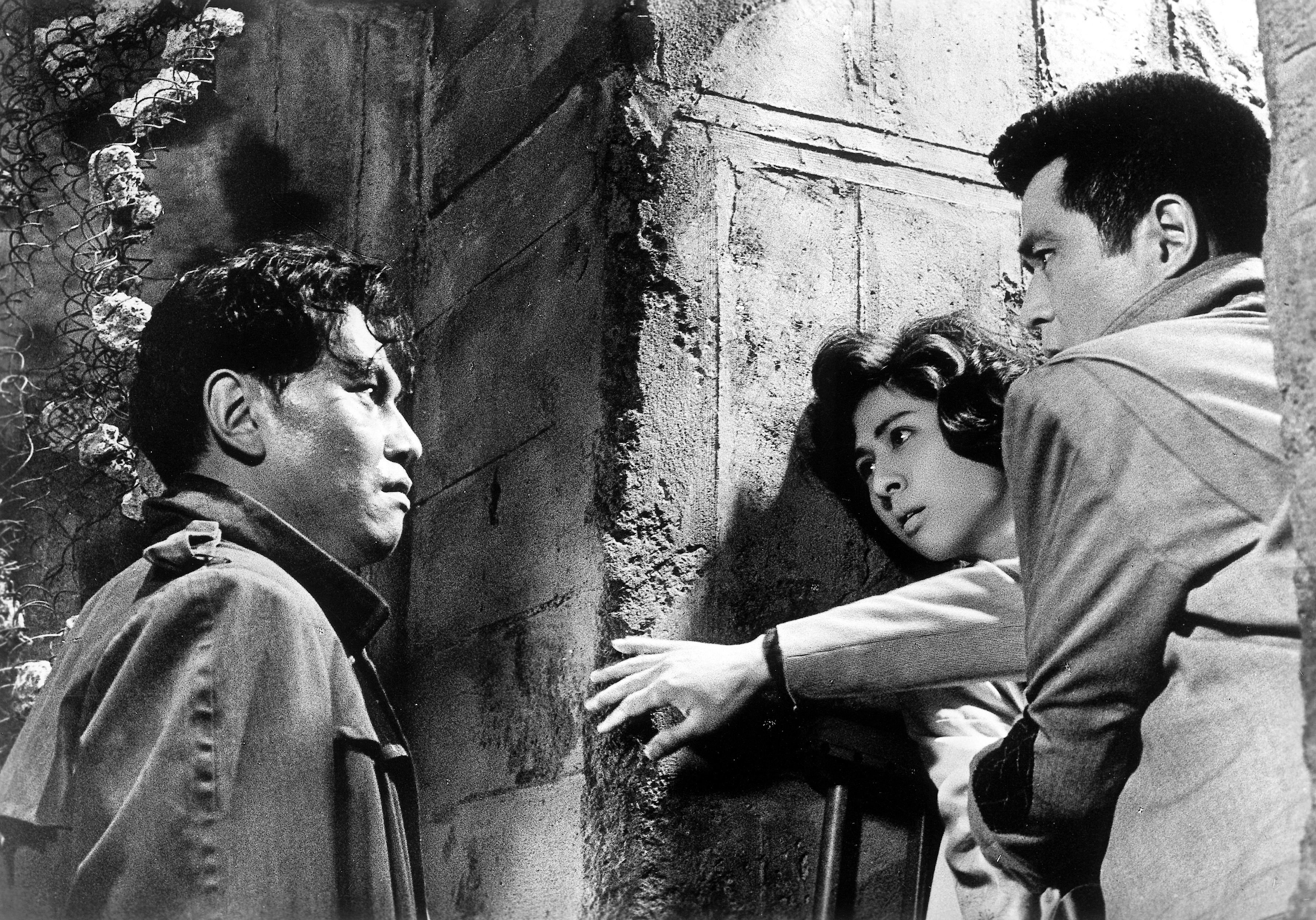
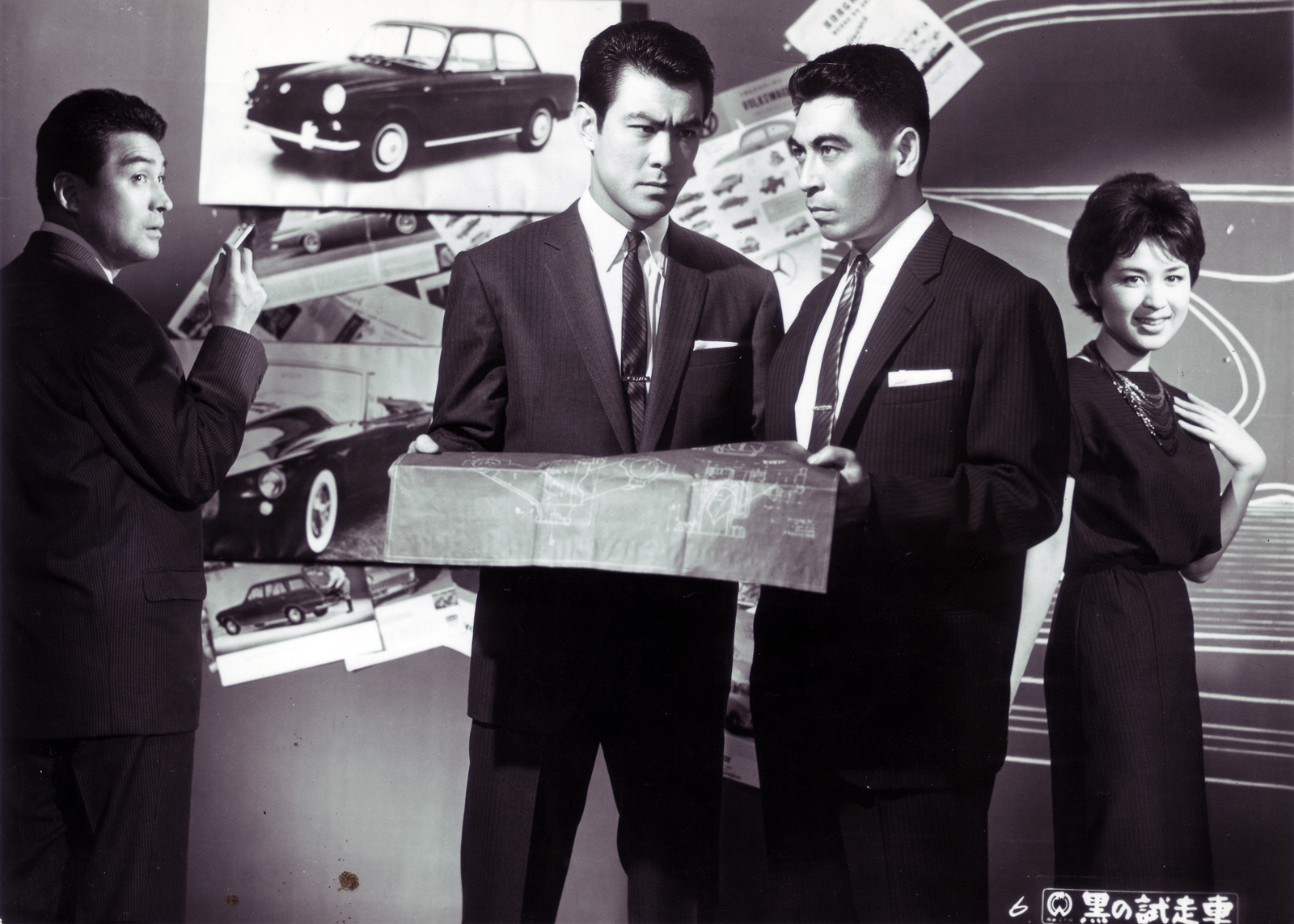
  • The Black Test Car – Yasuzo Masumura’s tale of corporate espionage.
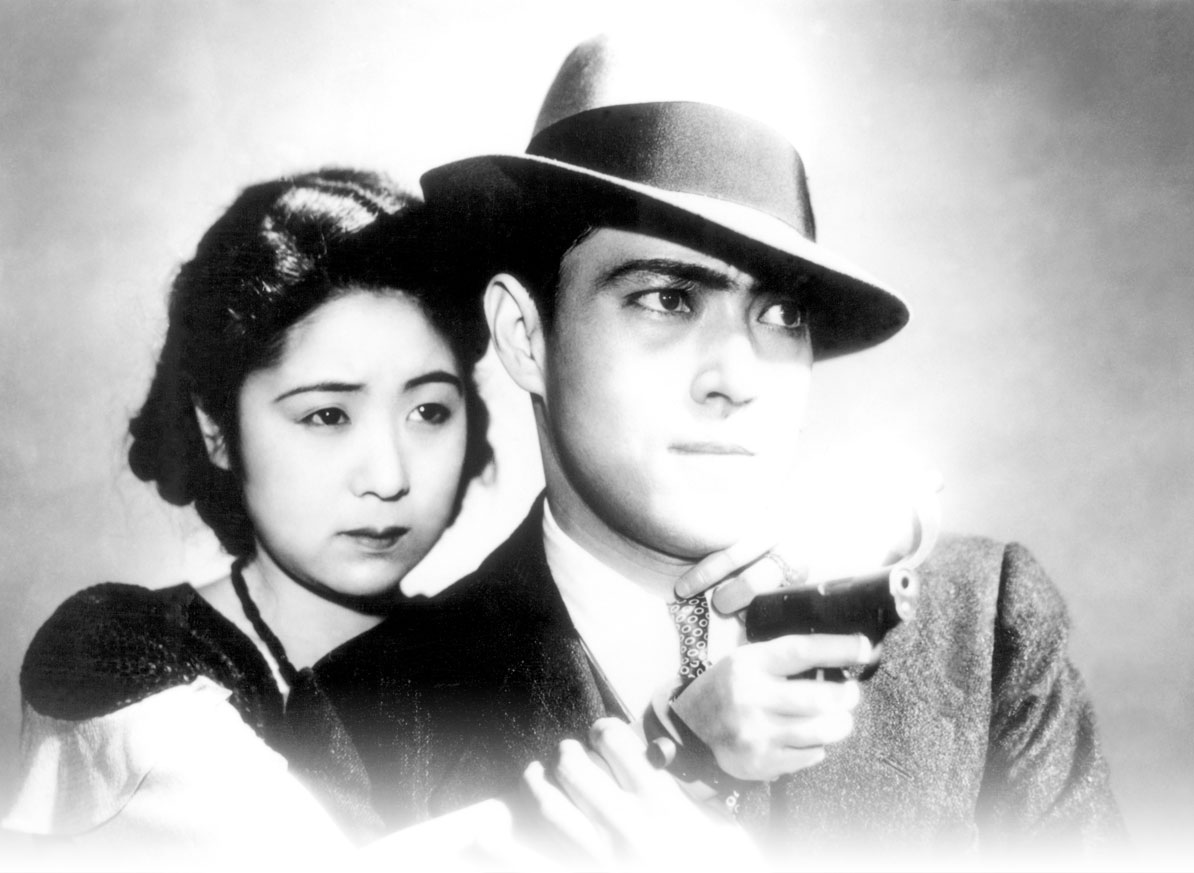
  • Dragnet Girl – classic 1930s crime drama from Yasujiro Ozu.
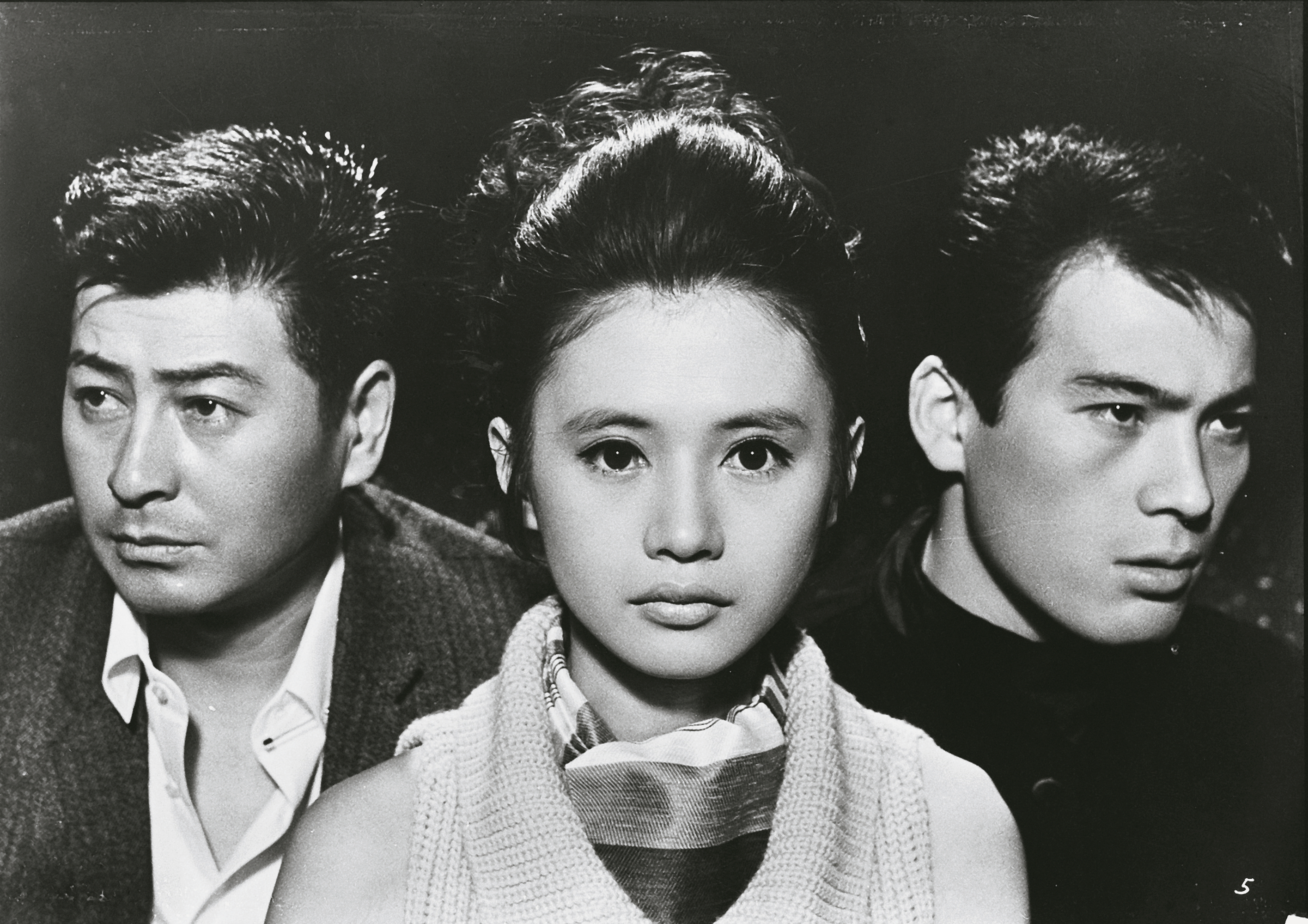
  • Pale Flower – Masahiro Shinoda’s nihilistic New Wave 1964 crime drama.
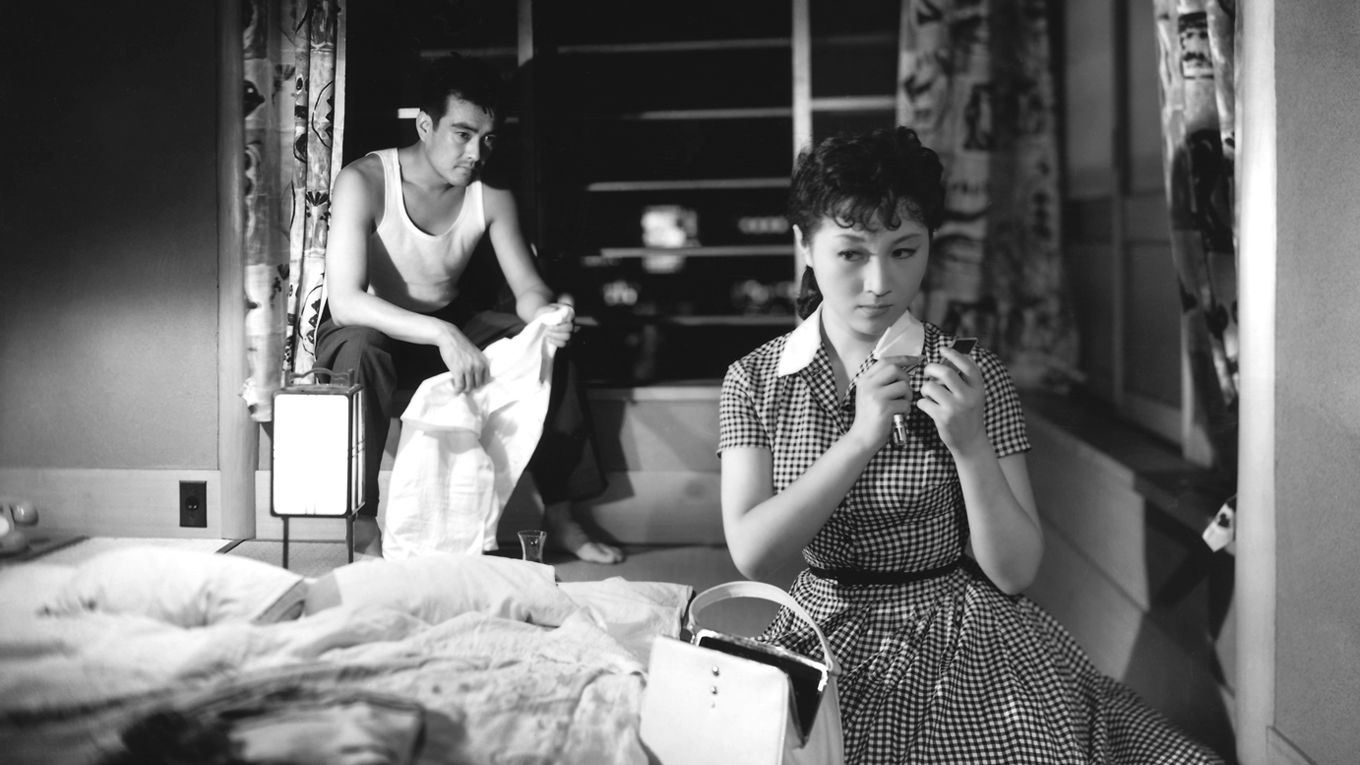
  • Stakeout – Yoshitaro Nomura’s 1958 noir classic in which a policeman’s marital dilemma is played out by the melancholy suspect he is sent to surveil.
  • Take Aim At The Police Van – early Seijun Suzuki film in which a prison warden uncovers a network of corruption.
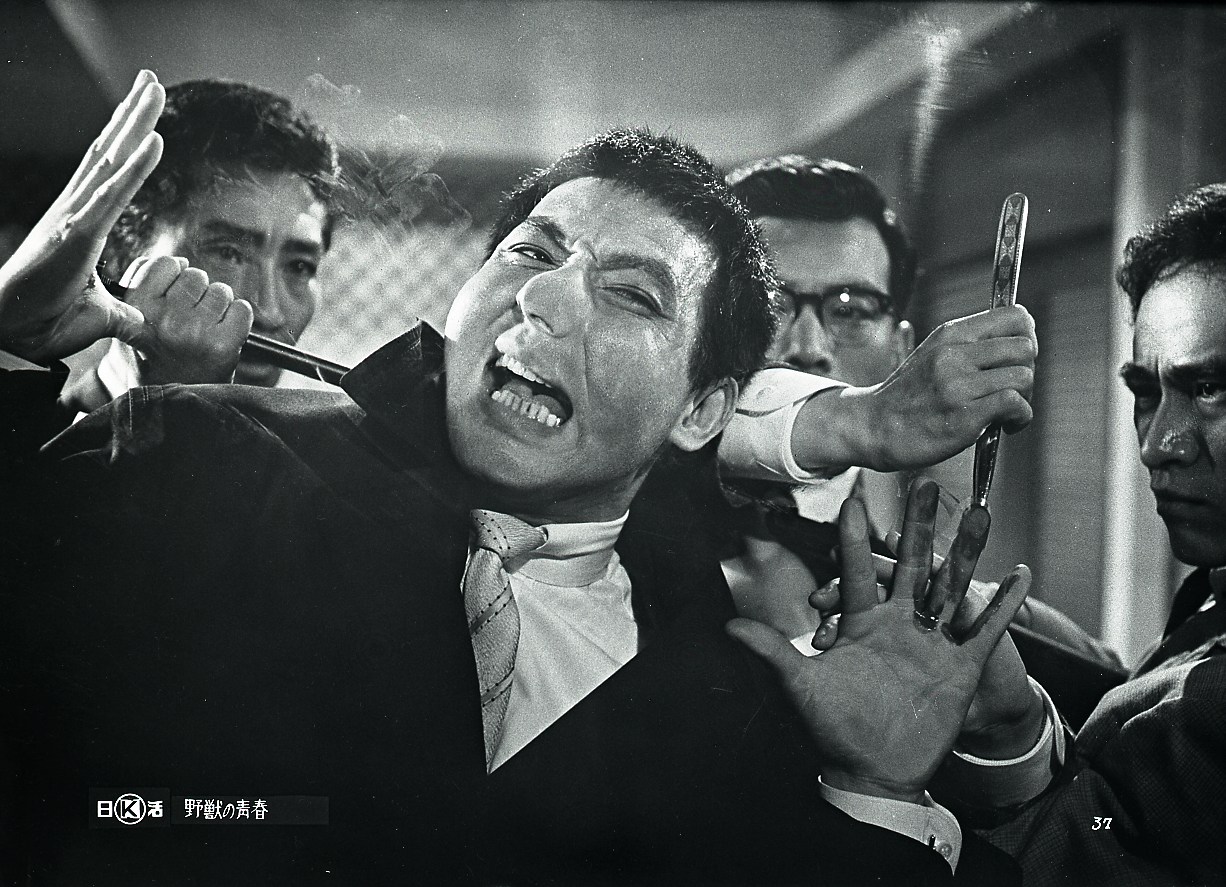
  • Youth Of The Beast – a stranger in town provokes a gang war in Seijun Suzuki’s 1963 crime drama.

Nippon Connection takes place in Frankfurt, Germany from 28th May to 2nd June. Tickets are available now via the official website where you can also find full details on all the films as well as timetabling information. Unless otherwise stated, films screen in Japanese with English subtitles. You can keep up with all the latest information by following the festival on FacebookX (formerly Twitter)YouTubeFlickr, and Instagram.

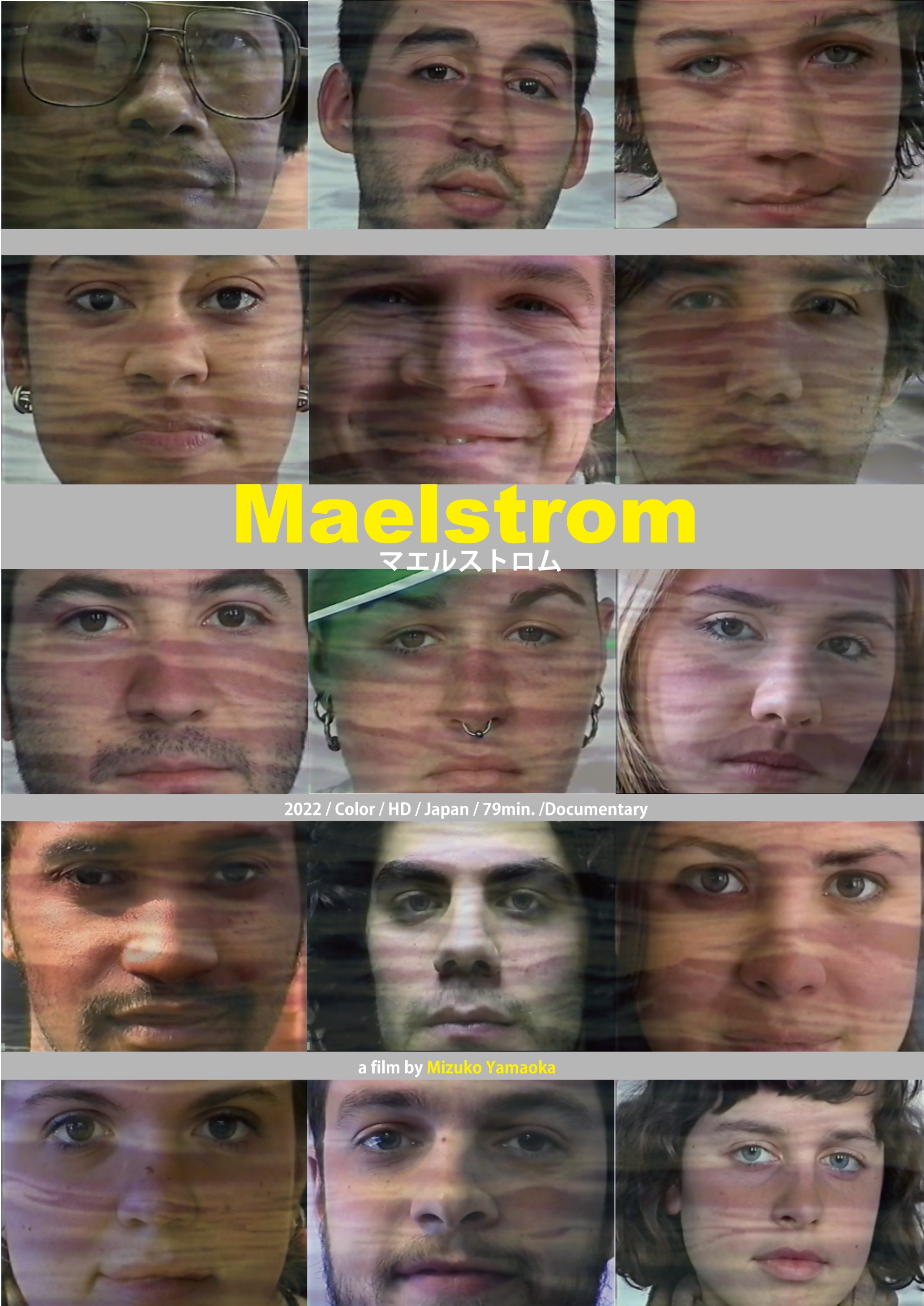
Maelstrom (マエルストロム, Mizuko Yamaoka, 2023)

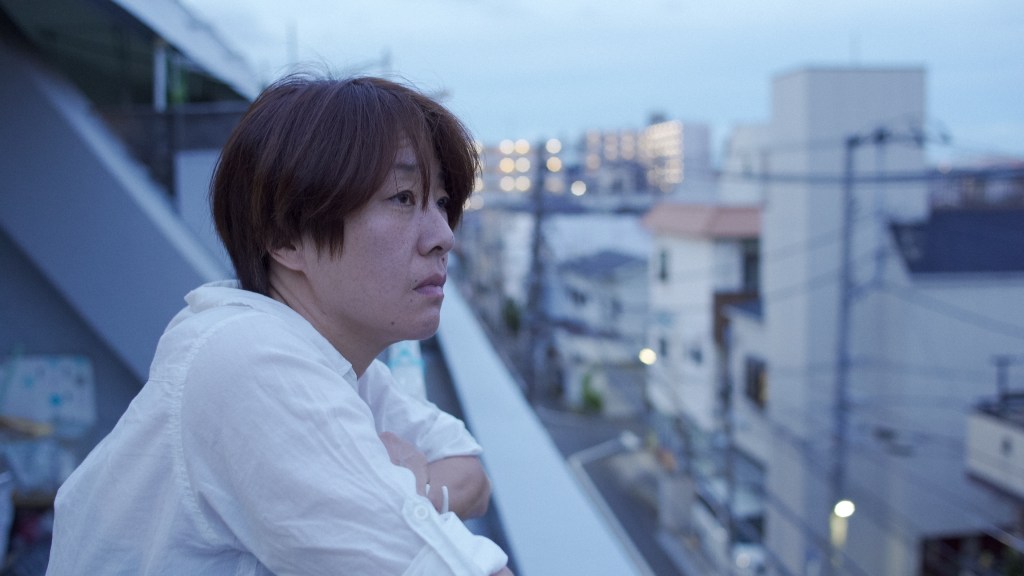
In her personal essay film Maelstrom (マエルストロム), Mizuko Yamaoka meditates on disability and the quest for fulfilment in a society that can be oppressive and unwelcoming. Accompanied by her continuous voiceover, she presents a series of slides and snapshots along with a handful of video captures and interviews to illustrate her life’s journey while simultaneously searching for direction and wondering where it is she is supposed to be or go to fully become herself.

Several times she asks herself if she’ll ever become nostalgic for what was otherwise a time of struggle, and does in fact find that she has a fondness for the childhood home from which she longed to escape and most particularly its flowering dogwood tree so cruelly cut down when the house was demolished in 2013. The destruction of the house at once leaves her painfully rootless but perhaps also free as it seems to have done for her parents. She observes her mother whom she otherwise describes as controlling and lacking in empathy finding a new lease on life living together with the husband with whom she still seems to be very much in love all these years later. 

Paradoxically it’s this kind of relationship that Mizuko describes herself as seeking, lamenting the end of a relationship with a German boyfriend she met while studying abroad which frittered out when he returned home and she stayed in New York. Though Mizuko had longed go to abroad as a way of escaping her family which also in its way represents the conservatism of Japanese society, she had not wanted to go to New York and had ambivalent emotions about accepting her mother’s offer to study there not least in the feeling that she was once again suppressing her own desires to follow her mother’s commands. It was while studying there that she was involved in a traffic accident which broke her neck. Now a wheelchair user she felt she had no option but to return to Japan for longterm treatment and to the home she’d been so desperate to escape. 

Even so, the wheelchair is for her a means of seizing her freedom and she determines to reclaim her independence. The middle section of the film centres on the difficulties of living with disability in the contemporary society. Her parents had had their house adapted for accessibility and provided a separate entrance to give her some privacy, but when her father’s business closes and they have to sell she finds it difficult to find accessible living spaces and has to make a few alterations including a new bathroom in the flat she moves into. Attending a residential programme in Denmark had given her new insights into accessibility which she hoped to bring to Japan while making her own accommodations where she can such as fitting a crane to her accessible car to help her lift her powered wheelchair into the back independently.

Later she remarks on how easy it seemed to be for an able-bodied man to carry the wheelchair she struggled to move for her while insisting that she didn’t want to let stairs become a barrier to her travel. Wanting to visit somewhere new, she goes to a hairdresser’s owned by someone she’d met at a bookshop but has to ask staff to physically carry her down the narrow stairs to the basement salon. She finds that though it requires thorough research and planning, she is able to enjoy international travel arriving safely in Venice by water taxi further boosting her sense of freedom and independence. A temporary sense of equality emerges during the coronavirus pandemic as events go online and accessibility issues decrease even if it doesn’t seem to have much longterm benefits in changing the way society thinks about disability and inclusion. 

There’s no denying that Mizuko’s voiceover is often bleak and rigorously honest in expressing her feelings especially those relating to her complicated family relationships, but is in it’s own way hopeful as she continues to strive to find fulfilment in her life even as she observes others move on and leave her behind. She reflects that the internal issues she’s trying to overcome were present long before her accident and rediscovers release in her art of which this documentary is only a part while beginning to reassess her relationships and realising that independence doesn’t necessarily mean doing everything alone. A poignant meditation on past, future, the floating nature of connection, and an ableist society Yamaoka assembles a kaleidoscopic vision of her life while musing on ambivalent nostalgia and the necessity of moving forward in the midst of the maelstrom of life.


Maelstrom screened as part of this year’s Nippon Connection

Original trailer (English subtitles)

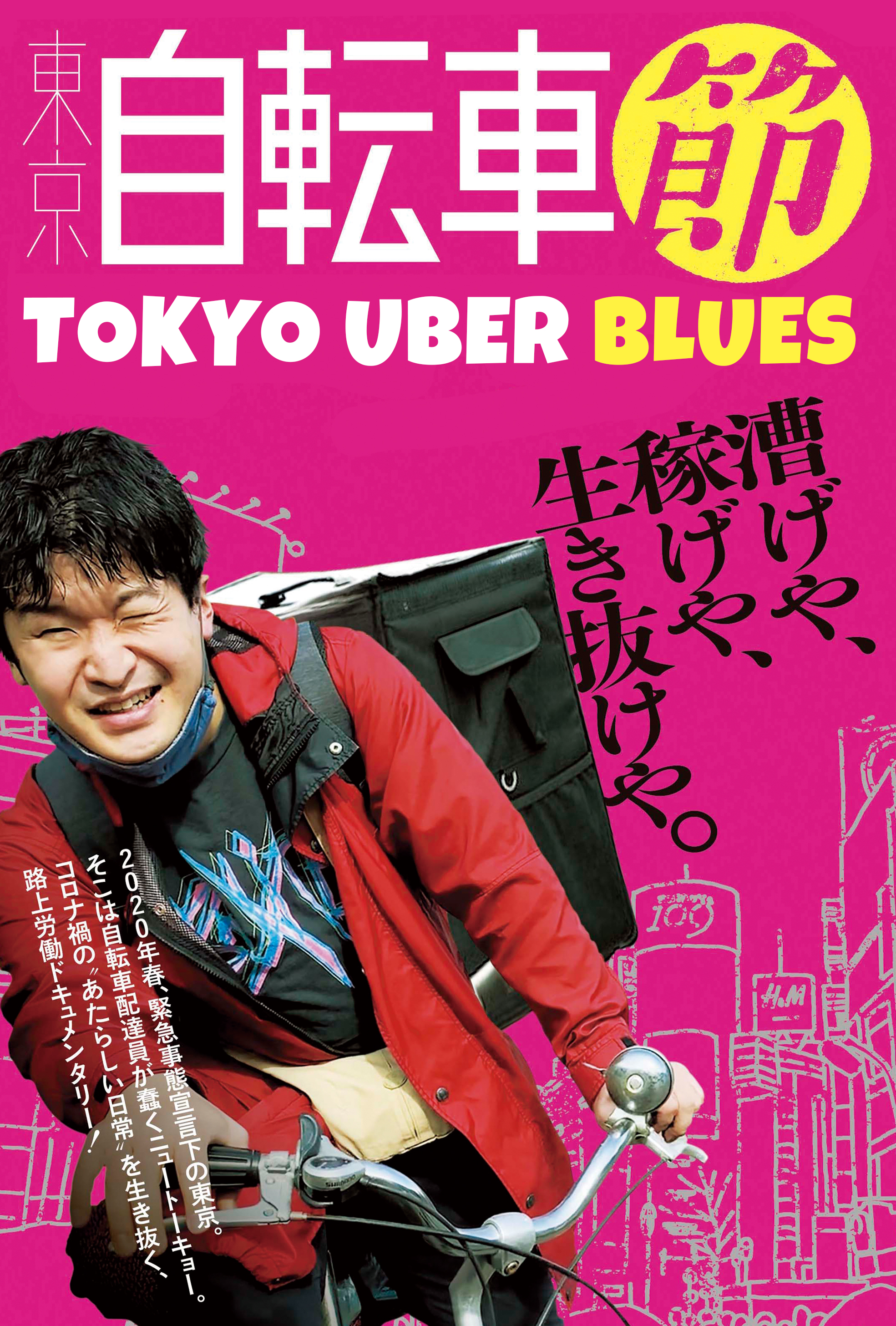
Tokyo Uber Blues (東京自転車節, Taku Aoyagi, 2022)

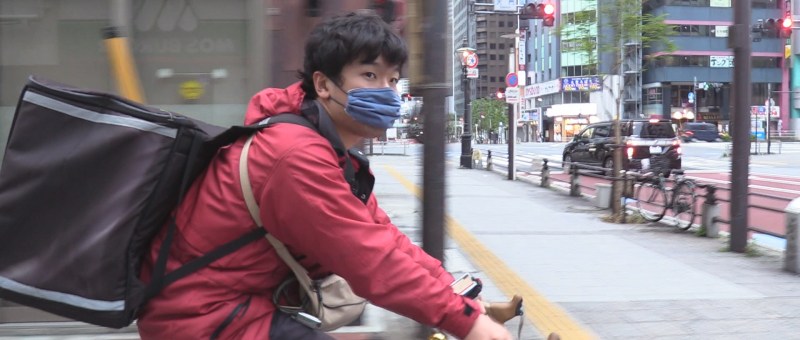
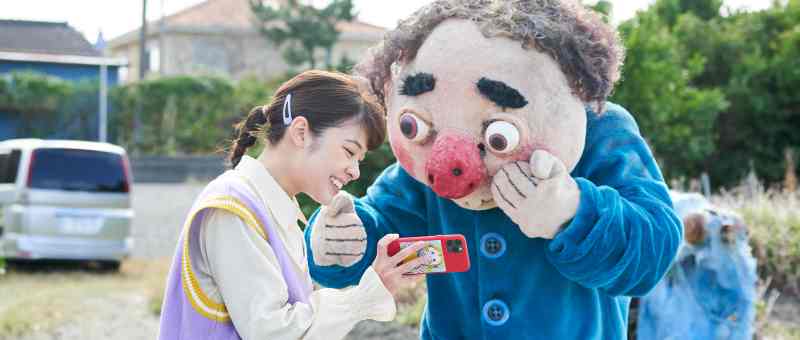
Aspiring filmmaker Taku Aoyagi had been working as a substitute driver, driving people home in their own cars after they’ve had a drink, for a company owned by his uncle in rural Yamanashi when the pandemic hit in early 2020. With bars closed and fewer people going out in general, he soon lost his job while saddled with significant student debts. In Tokyo Uber Blues (東京自転車節, Tokyo Jitensha Bushi), he documents his decision to move to Tokyo and become an Uber Eats delivery agent having heard of big opportunities to earn easy money amid the delivery boom of the pandemic. 

Aoyagi’s capture of himself is not always sympathetic and he often appears relatively naive even while trying to contend with the vagaries of the Covid-era economy. He’s fortunate enough to be invited to stay with a friend but soon finds that the work is much more difficult than he’d been led to believe and a nine-hour shift earns him only around 60 US dollars. Most of the orders he’s carrying seem inordinately small, biking half way across the city just to deliver one burger or a pair of bubble teas meaning of course that he’s only picking up a minimal amount in tips. The work is also physically taxing though obviously becomes less so as he gets used to it and is then able to upgrade to an electric bike. 

The film is much more about Taku’s direct experience as an Uber Eats deliveryman than it is about the gig economy, the precarious working environment, pandemic or life on the margins of a prosperous society at a moment of crisis but nevertheless makes small asides hinting at a disparity between the people who order the deliveries and those who deliver them. Taku reflects that people in high rise condos seem to order an awful lot of stuff and is left with mixed emotions on the one hand recognising that they provide the work for him but also mildly resentful that they seem to spend their money so frivolously when he can barely get by. He swings between considering the implications of Uber’s business model for its workers and fully believing that he is “connecting people” through his work. As time goes on it’s almost as if he’s beginning to lose to mind, rambling about his “quest” to master the system and become the ultimate Uber rider maximising his profits while describing himself and his colleagues as “hyenas” prowling the city ready to pounce on the next opportunity. 

Aoyagi does not go into the reasons he chooses to move out after staying with friends though it may perhaps just have been that he felt bad about imposing on them for so long or simply wanted his own space. An attempt to stay in a cheap hotel does not go as well as hoped and hints at his difficulties managing his money on an unpredictable income. For a while he becomes technically homeless, sleeping on the streets before finding refuge in overnight manga cafes when they eventually reopen. A jobbing actor he meets on the street gives him advice about where to find cheap food while an old classmate helps him out with Uber-related advice such as where to wait to find the prime gigs hinting at the various ways people will still help each other even while similarly desperate or in direct competition. 

Even so, he’s still receiving calls about his overdue loan payments and reflecting on the way the government chooses to spend its money. They tell people to stay at home, but what are you supposed to do if you don’t have one? Taku asks the actor where the homeless people go but he tells him they’ve all been bussed out of the city in preparation for the Olympics. When an air display takes place to celebrate the efforts of frontline workers, Taku briefly explains that he also felt as if they were celebrating his successful mastery over the Uber system only to later reflect that it cost about 30,000 US dollars which might not have been the best use of such a large amount of money. Still wearing grandma’s home made mask, he rides all over the city observing all sorts of people and ways of life but doesn’t seem to have found much of a way forward for himself or decided whether this system represents “freedom” or is inescapably exploitative as he realises that Uber doesn’t cover maintenance or repairs on the equipment he has to supply himself. “What a world this is,” he chuckles to himself riding into a “new normal” none of us quite understand. 


Tokyo Uber Blues screened as part of this year’s Nippon Connection
Original trailer (English subtitles)

Our Huff and Puff Journey (私たちのハァハァ, Daigo Matsui, 2015)

Generally speaking, teenagers aren’t really known for their ability to think things through. If the four high school girls at the centre of Daigo Matsui’s Our Huff and Puff Journey (私たちのハァハァ, Watashitachi no Haa Haa) had stopped to think things through, they’d never have gone on their completely mad, actually quite dangerous, road trip to Tokyo by bicycle but then perhaps adolescence is all about completely mad, actually quite dangerous things a thinking adult would automatically reject. 

Like Matsui’s earlier anthology film, How Selfish I Am!, Our Huff and Puff Journey is essentially a promotional video for the band Creephyp whose music features prominently throughout. The girls are all devoted fans who take band loyalty incredibly seriously and having seen them in concert in their hometown of Fukuoka decide that they need to chase them to the final leg in Tokyo the only problem being they’re teenagers with no money and Fukuoka is a thousand miles away from the capital. Setting off with a great deal of excitement (and total secrecy from their parents), they run out of puff by Hiroshima and end up dumping the bikes to hitchhike the rest of the way. 

It’s after Hiroshima that the novelty and sense of freedom begin to wear off as the cold, hard reality of their plan begins to hit home. Matsui turns the film on its head a little, still proceeding from the point of view of the teenage heroines but revealing how dangerous a place the world can be for a naive high school girl. At one point, they try to get jobs at a hostess bar despite being under age to earn a little money only two of them are deemed not pretty enough and sent home which further strains their already fracturing relationship. Though some of the drivers who give them rides are nice and just want the girls to get where they’re going safely others are not, such as the young man (Sosuke Ikematsu) who transgressively kisses the gang’s leader Settsun for the thrill of trying it on with a high schooler seconds after she gets off the phone with her boyfriend who quite understandably disapproves of the gang’s Tokyo-bound adventure. 

Of course he already knows a lot of what’s going on because the girls keep posting pictures from the trip online including those of them hanging out in clubs and bars. They obviously assume their parents won’t be checking Twitter, but nevertheless soon discover that social media can be a double-edged sword. Though they’d got some interest posting about their mad bicycle trip, an attempt to appeal to netizens for help when they run out of options goes south when they’re widely mocked online as a bunch saddos who’ve taken devotion to their favourite band far too far. It’s this that provokes a major schism when Chie decides to message a band member directly to ask for help with Fumiko left distraught to think that they might have made him worry or feel guilty, aside from hugely embarrassing themselves, only to discover that Chie only came along for a fun trip and doesn’t even really like Creephyp while Fumiko feels she really might die if they don’t make it to the concert. 

Matsui switches between the low-grade handheld of the gang’s video camera and his own his own more abstracted perspective but generally allows the girls to speak for themselves in a manner that feels authentically adolescent and suggests their obsession with Creephyp is at least in part a means of escape from the pressures of their lives with each of them thinking about life after high school. What they discover through their trip maybe a sense of life’s dead ends and disappointments, and that decisions made impulsively rarely work out the way you hoped they would. Looking out at the darkened city Fumiko laments that nothing seems to have changed despite the concert having begun, while later making another impulsive decision that also spectacularly backfires. Even so, Matsui allows them the final thrill of arrival at Shibuya Scramble, four young girls from rural Kyushu taking in the streets of the capital while knowing they will soon have to return to the “reality” of their high school lives and anxiety of what lies ahead. 


Our Huff and Puff Journey screened as part of this year’s Nippon Connection
Original trailer (no subtitles)

My Anniversaries (オレの記念日, Kim Sungwoong, 2022)

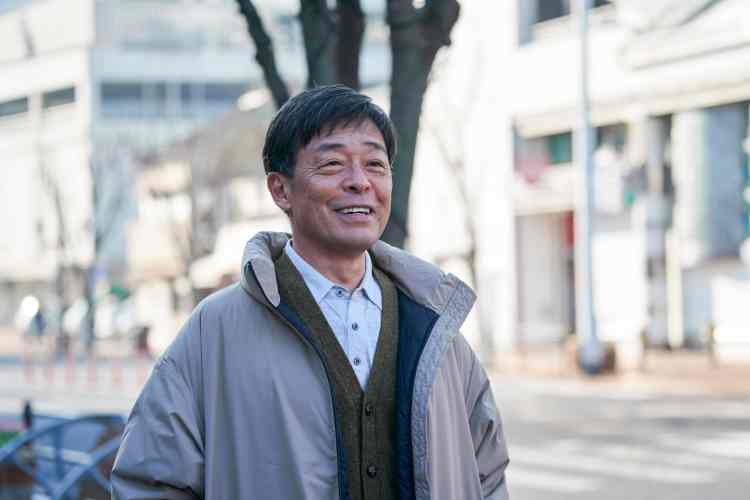
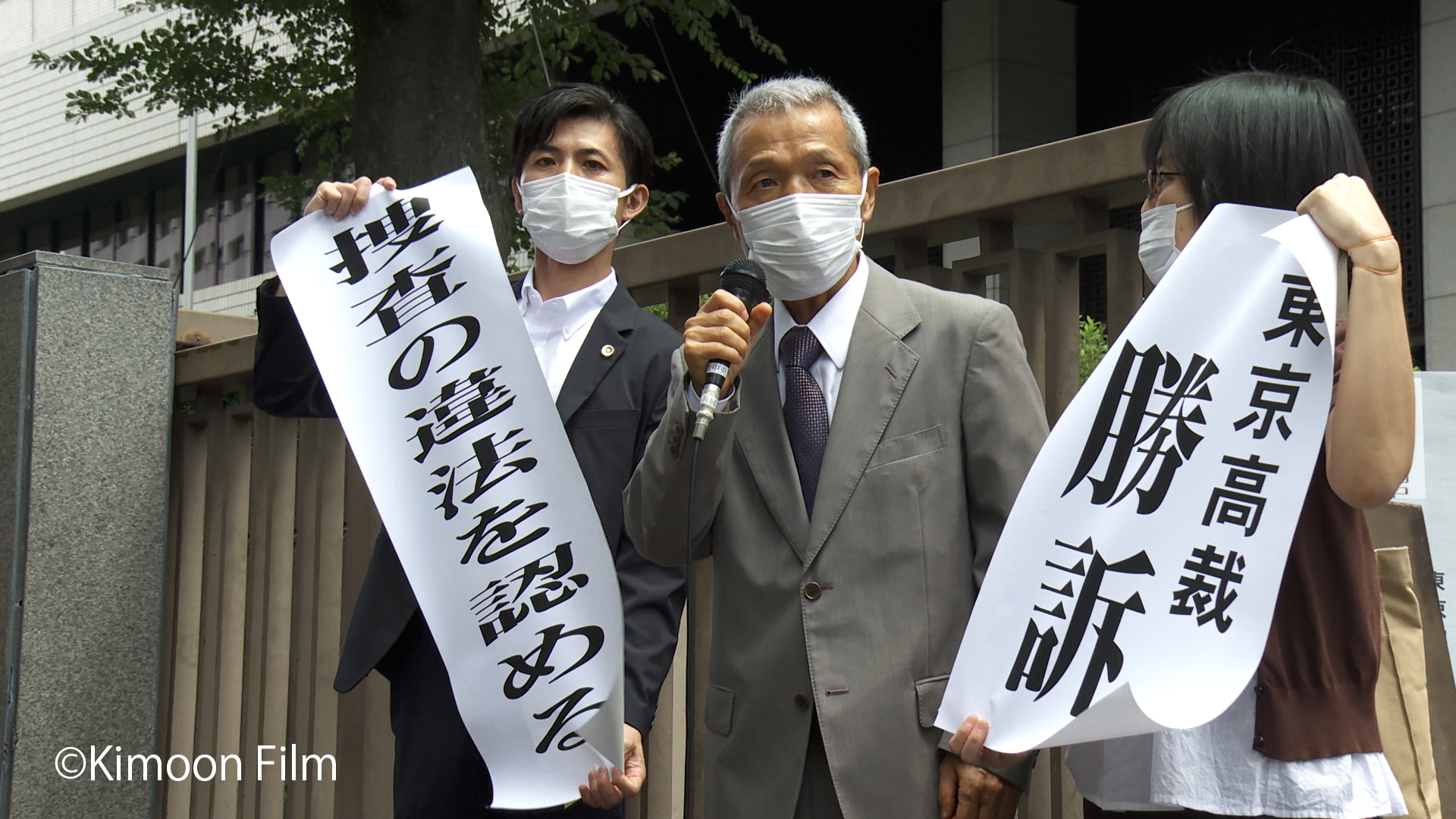
“Life can’t be all good things,” the cheerful hero of Kim Sungwoong’s documentary My Anniversaries (オレの記念日, Ore no Kinenbi) sighs rather incongruously given that he spent 29 years in jail for a crime he didn’t commit. As Shoji remarks walking around the prison where he was once incarcerated he only seems to remember the “fun” things rather than the cold or the low level horror that marked his life inside. What continued to weigh on him was the the injustice he suffered and the stigma of being called a murderer though he was innocent. 

Shoji Sakurai freely admits he was no angel in his youth and part of the reason he was pulled in by the police was because he was a considered a troublemaker they wanted to get rid of anyway. He and a friend, Sugiyama, were picked up together and accused of robbery and the murder of a 62-year-old loanshark. They had actually been together at the time in a completely different part of town but the police refused to listen to their alibi and railroaded each of them into false confessions. After pleading not guilty at trial claiming that their confessions had been forced, both men were sentenced to life in prison and each served 29 years. 20 years old when they went in, they were 49 and 50 and when they eventually came out. 

Yet the incongruous thing about Shoji is just how happy he seems to be. He isn’t particularly embittered by his experience and even at one point thanks the police because it’s because of them that he now gets to live a great life doing what he always wanted to do. Rather than be consumed by the hopelessness of his situation, Shoji decided to make the best of his incarceration by looking to the future and working hard to build a life for himself when he got out. He spent his time writing poems and songs and even though he hated making shoes on the prison production line became the best shoemaker in the place. Together with the director he revisits the prison on what appears to be some kind of open day with former guards running stalls in the courtyard. Shoji makes polite small talk with them as if they had been colleagues rather jailor and prisoner describing most of them as kind and only alluding to one who wasn’t while remarking that it’s usually the latter sort who earn speedy promotions. 

After release from prison both Shoji and Sugiyama continued to campaign for their convictions to be overturned which they finally were after a retrial victory, an incredibly rare event in Japan. Since then, he’s continued to advocate for changes to the judicial system and help others in a similar position to clear their names so that they can try to move on with their lives. In some senses, his sentence didn’t end when he was released because he was still the victim of a false conviction and continued to suffer under its weight, unjustly labeled as a murderer even if he admits he had once been a thief. Shoji met and married his wife Keiko not long after he had come out of prison and she describes him as having been almost glowing with the joy of his newfound freedom, but also recounts that he once tried to jump out of a window because of the hopelessness of his situation. 

His success in overturning his conviction gives hope to others like him who feared they’d spend the rest of their lives in prison labeled as a criminal for something they didn’t do or perhaps never even happened. Relentlessly cheerful, always cracking jokes, he assures them he can win and will continue striving until all the falsely convicted prisoners of Japan (of which there are many given the prevalence of forced confessions) are freed and the laws changed so that all the available evidence has to be presented to the court rather than only that selected by the prosecution. Even after being diagnosed with terminal cancer he continues to travel around the country and exclaims how “blessed” he is to have led such a good life. In many ways it’s the definition of a life well lived by a man who decided to be a cheerful in the face of adversity and did his best to chase happiness in whatever form he found it even in the darkest moments of his life in the knowledge that spring would one day finally arrive. 


My Anniversaries screened as part of this year’s Nippon Connection

International trailer (English subtitles)