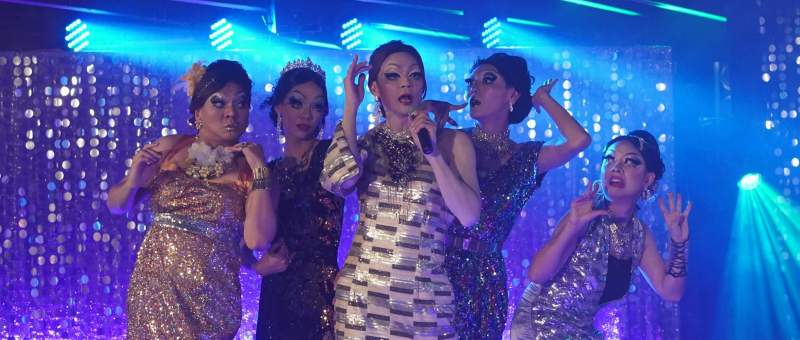
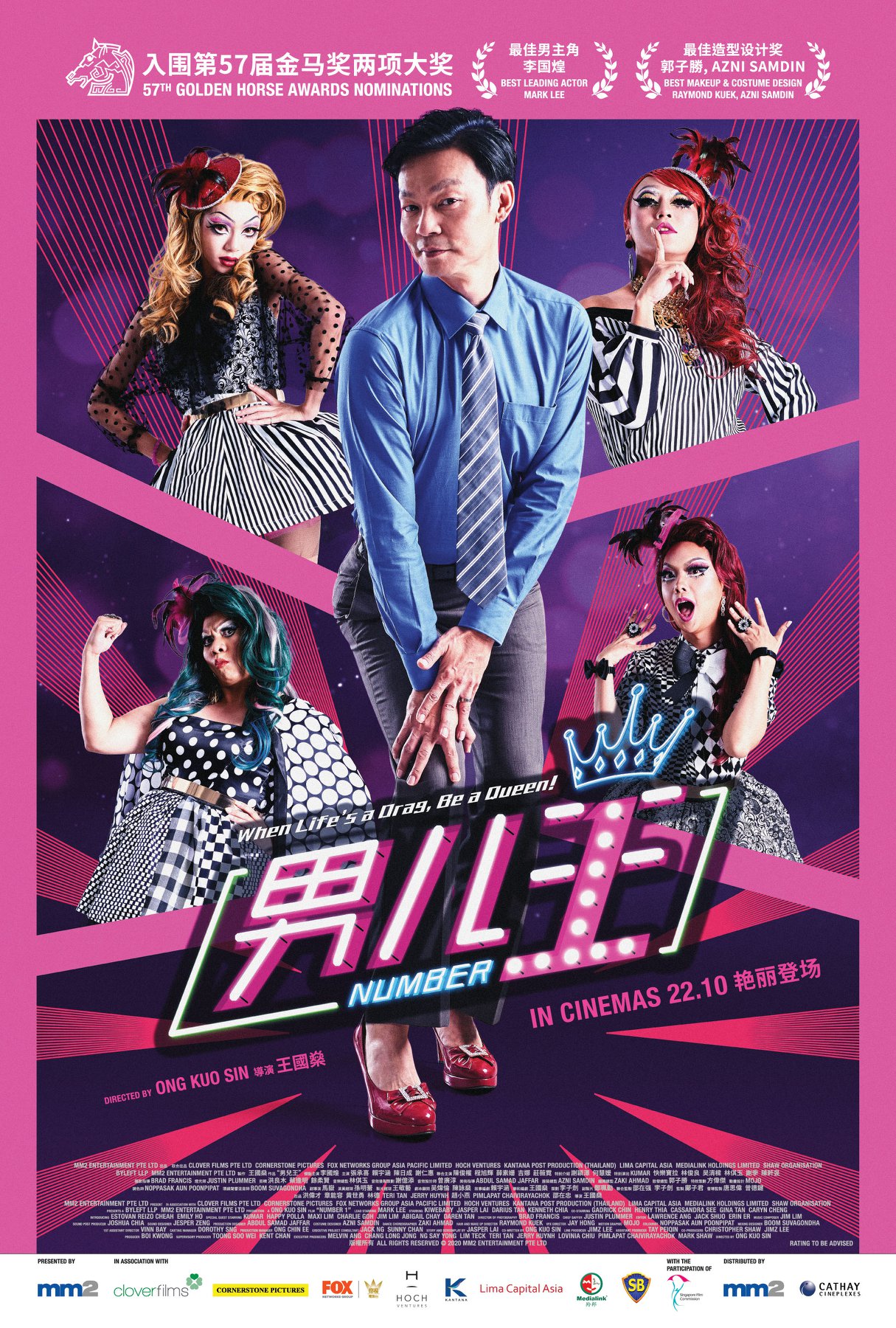
Number 1 (男儿王, Ong Kuo Sin, 2020)

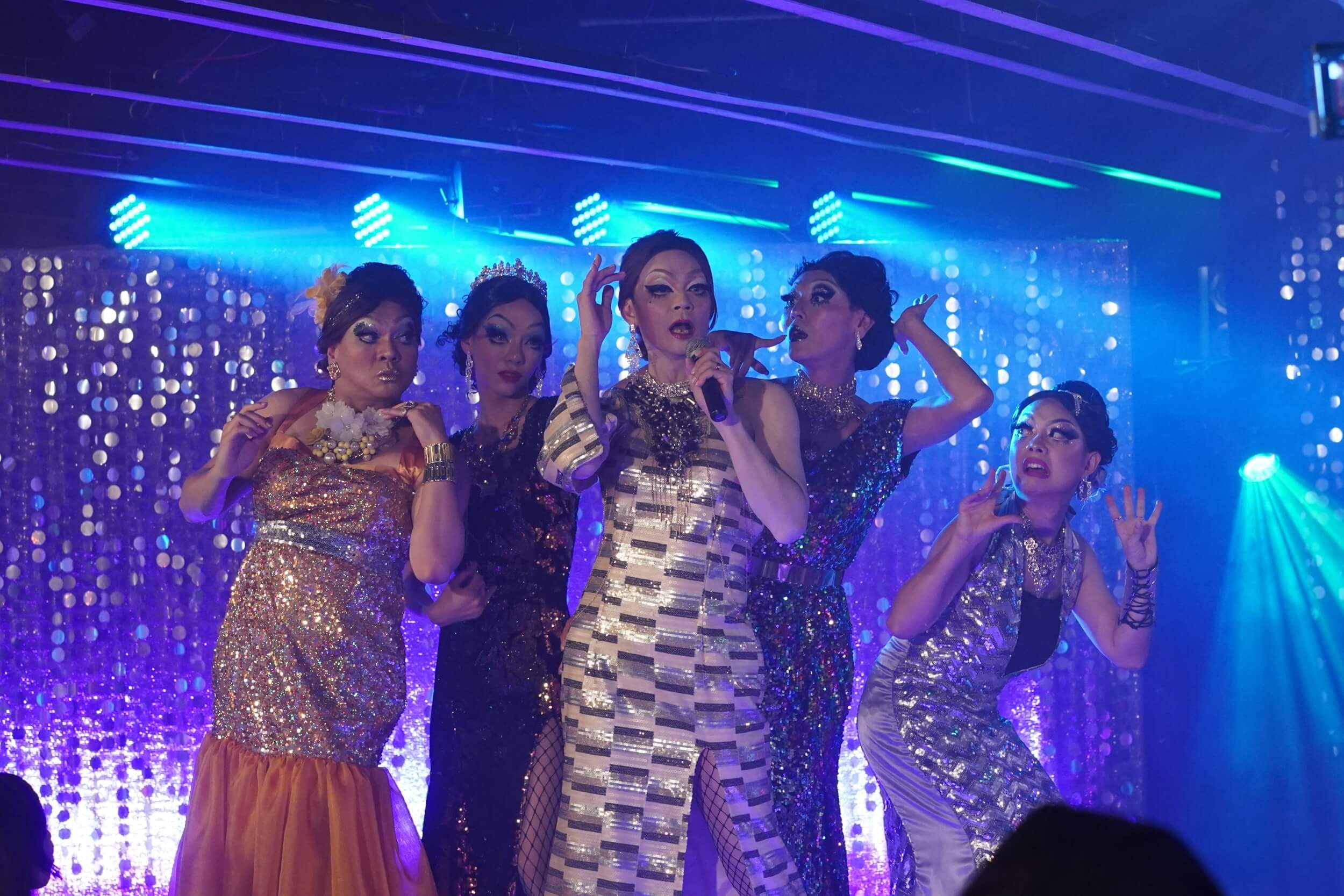
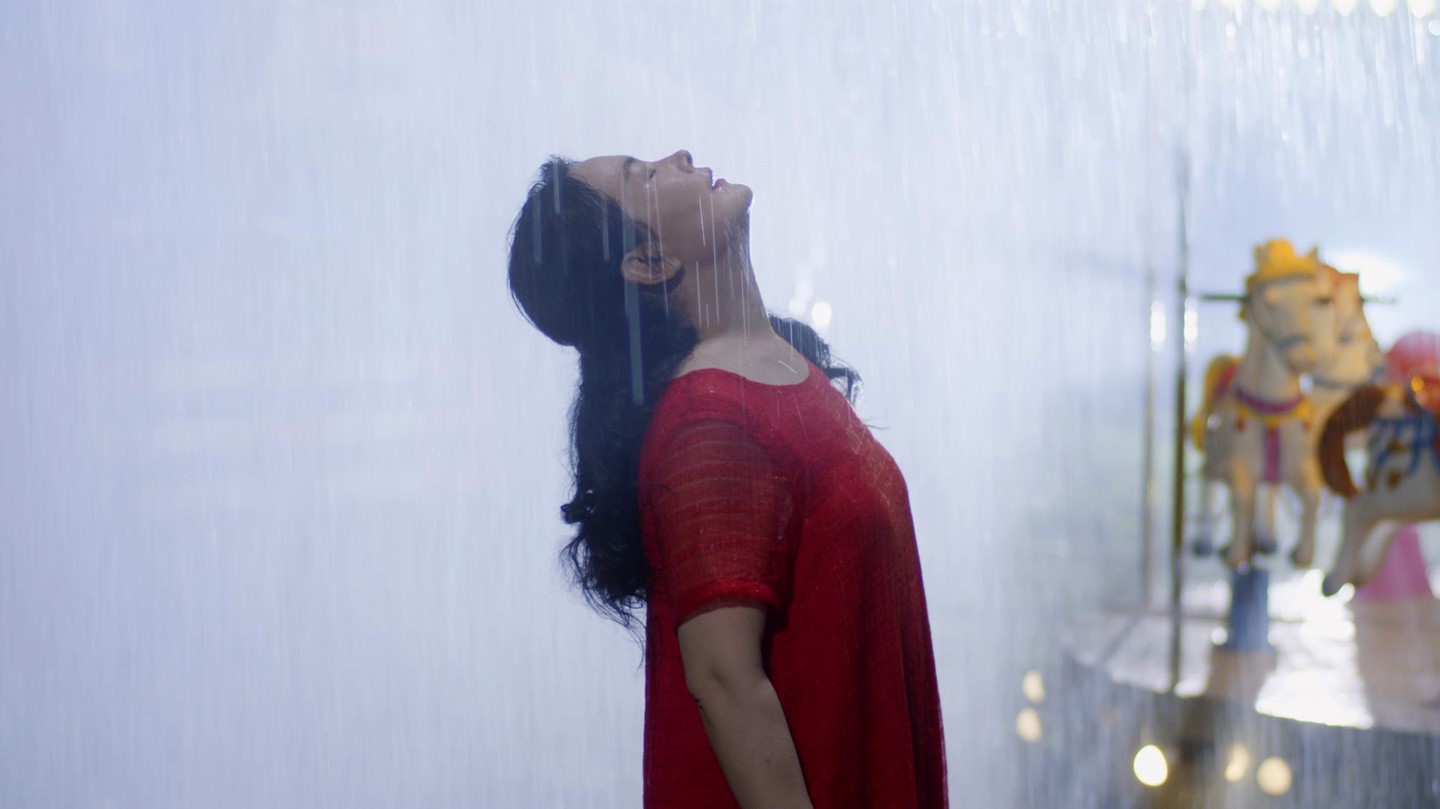
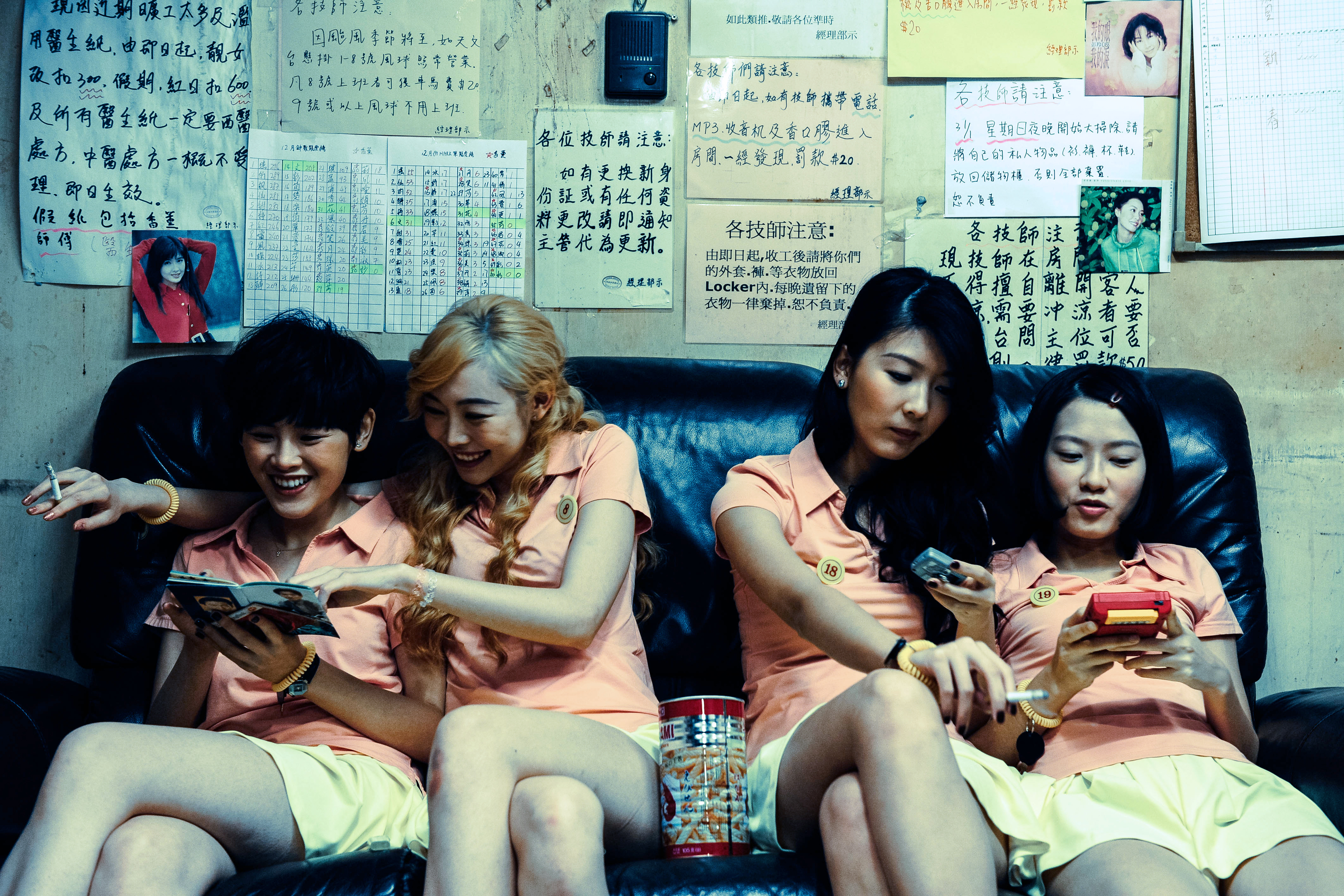
“What I don’t understand is your so-called rules and traditions. Just what good does it do?” a newcomer ironically asks of a veteran drag artist, having perhaps shed but not yet quite acknowledged his original prejudice towards those different from himself. Ong Kuo Sin’s cheerful drag dramedy Number 1 (男儿王, Nán’ér Wàng) examines attitudes to the LGBTQ+ community in the comparatively conservative nation of Singapore where sexual activity between men remains illegal even if the law is not heavily enforced, while subtly undermining oppressive group think as to what constitutes a “successful”, “normal” life. 

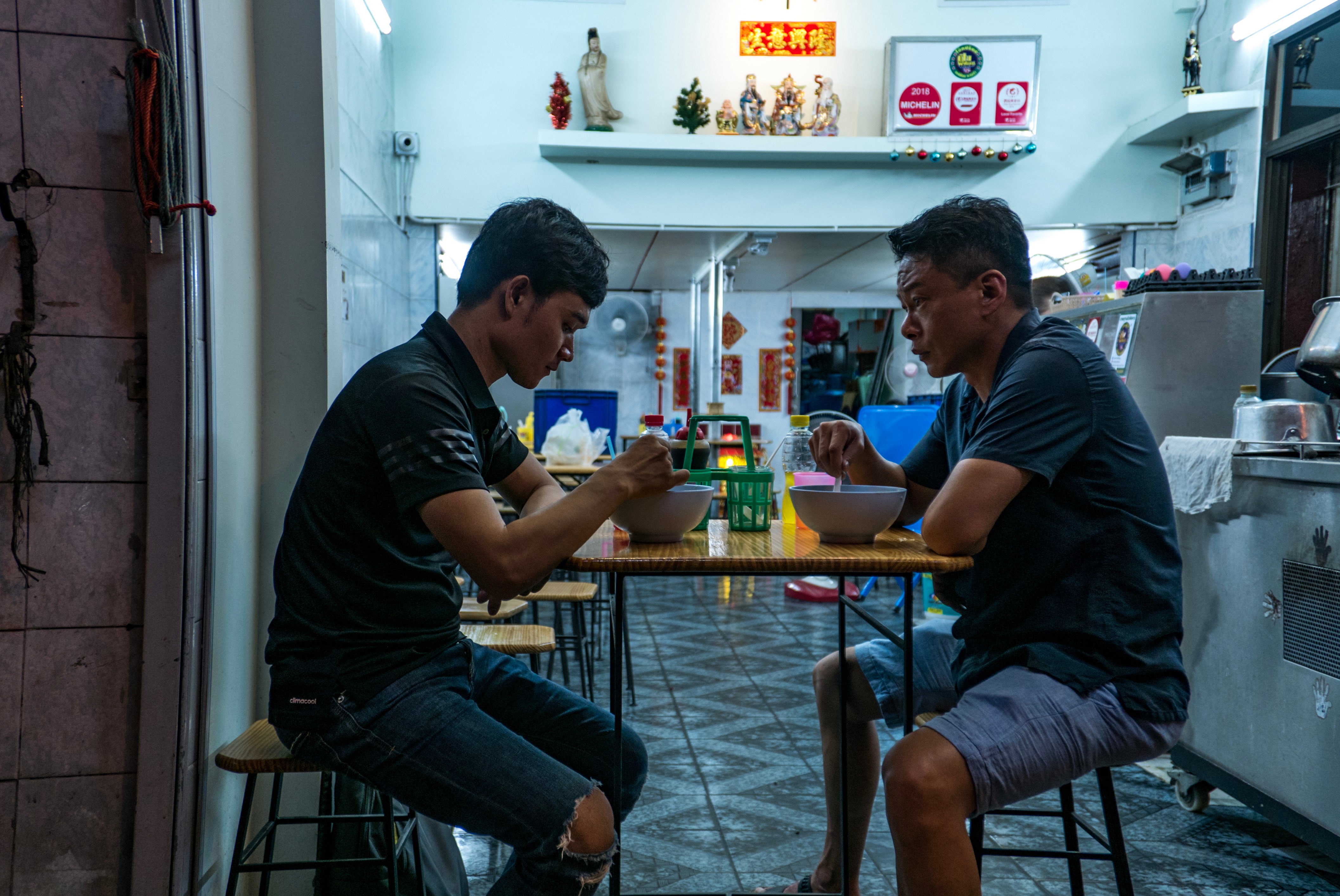
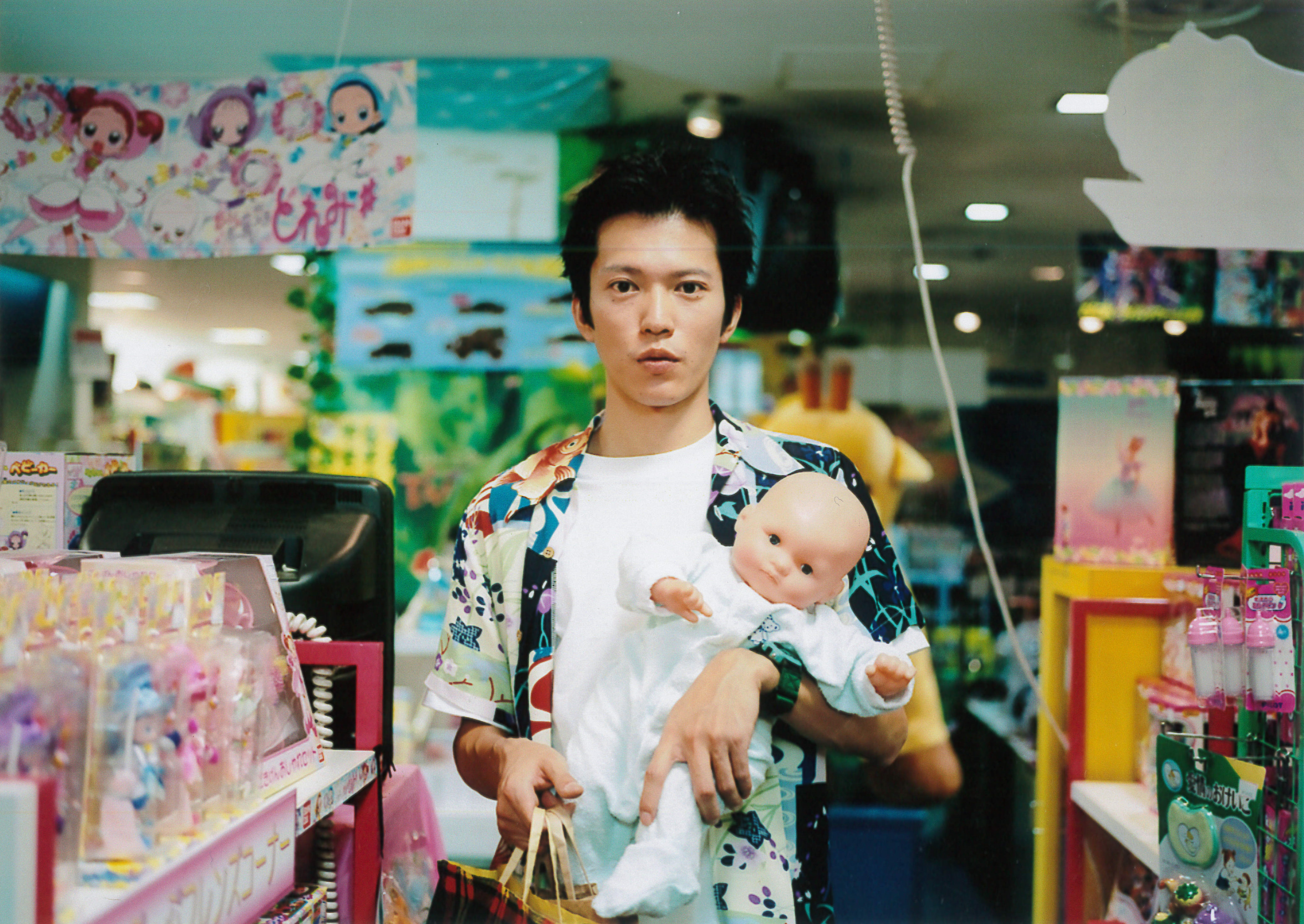
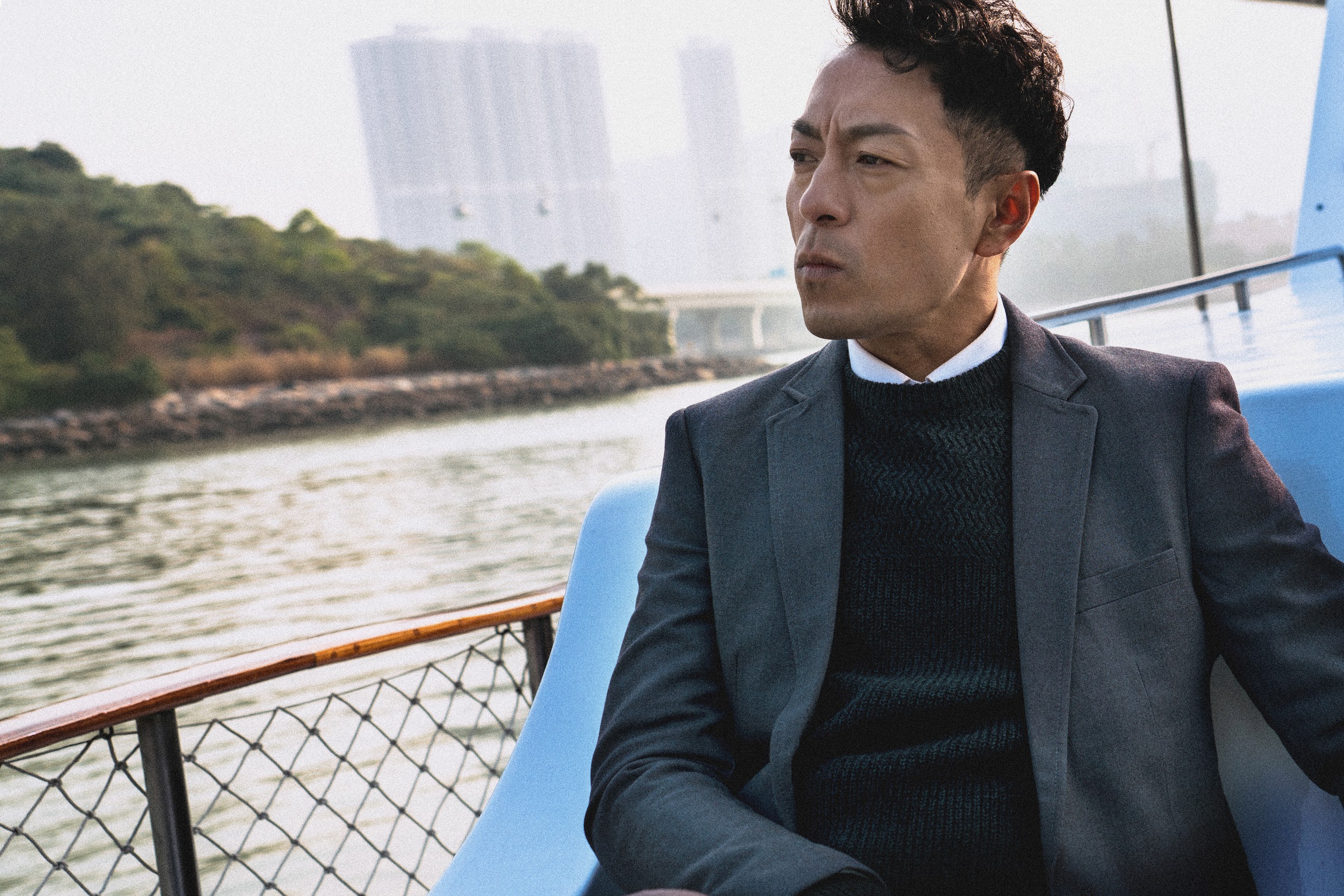
44-year-old Chow Chee Beng (Mark Lee Kok Huang) is a successful general manager at a construction firm where he’s worked for the last 17 years which is the entirety of his working life. It comes as quite a shock to him therefore when he’s unceremoniously let go, passed a letter of termination seconds after entertaining everyone with a song at the office New Year party. Given his experience, he perhaps feels that getting another job won’t be too difficult, but as various employers tell him he’s either “too old” or “too expensive” for the competitive Singapore job market. Faced with the prospect of telling his wife they’ll have to sell their luxury detached home because he can’t make the mortgage payments, Chee Beng is forced to accept the last resort offer from his recruitment advisor which happens to be as an AGM at local drag bar Number 1. 

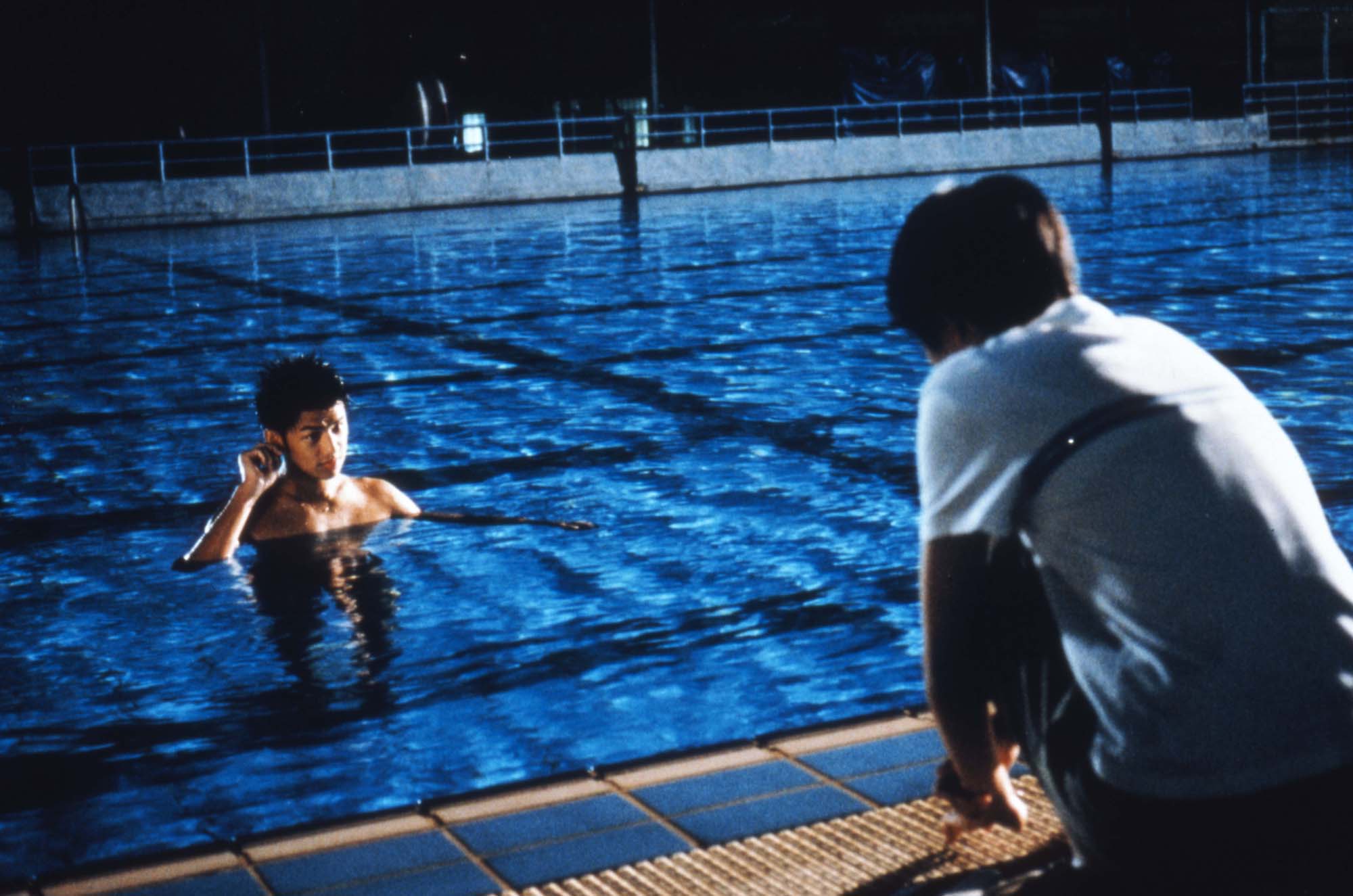
Like many men of his age, Chee Beng has a rather conservative mindset and had been living a very conventional life of suburban, middle-class success. His wife Marie (Gina Tan) even complains to her sister-in-law that their new swimming pool is a little on the small side and she’s thinking of swapping it for a bigger one. Yet as his performance stint at the company party implies, he is perhaps holding a part of himself back thinking that his love of singing is frivolous or even a little taboo given his wife’s mild embarrassment. The drag bar is therefore firmly outside his comfort zone. Not only does he lack experience managing an entertainment venue, but finds it difficult to overcome his sense of discomfort with those living lives so different from his own. When one of the drag artists turns out to be a deserter from the army and is carted off by the military police, Chee Beng finds himself press-ganged into performing and discovers that he is something of a natural though he doesn’t understand why they have to lip-sync to pre-recorded tracks rather than singing live. 

Chee Beng’s point seems to hint at a concern about the ability to completely embody the performance and fully express himself, yet he’s also a straight man wading into a predominantly LGBTQ+ community he knows nothing about and insisting on having his own way. That brings him into an additional conflict with former number one Pearly (Kiwebaby Chang) who dragged him on stage in the first place because with only four performers she wouldn’t be able to stand in the middle. Pearly might feel that lip-syncing completes her performance because she lacks the ability to sing in a feminine register, yet Chee Beng ironically accuses her of mandating a no singing rule in order to mask her own weakness while simultaneously attempting to mandate live singing in order showcase his strength as a performer. 

But even if he’s come to feel at home in the drag community, Chee Beng continues to keep his new life a secret from his socially conservative wife. When a video of him singing at the club goes viral, Chee Beng’s wife and sister-in-law react by taking the children’s phones away as if seeing it is in some way harmful. Later on seeing a poster for the Queens she irritatedly tells Chee Beng they should be banned by the government for giving children “wrong ideas”. Meanwhile their son Mason is conflicted in being a boy asked to play the part of Mulan in the school play, claiming he dislikes the character of Mulan because she “lies” about who she is while his father can only sympathise offering the justification that sometimes people have to lie in order to protect those they love. When Chee Beng’s identity is exposed, little Mason begins receiving vile hate mail online and all his friends stop playing with him. Yet he doesn’t see anything wrong in “wearing a dress” and can’t understand why everyone, including his mother, seems so upset. Marie complains that Chee Beng’s new life is “confusing” for Mason, but he doesn’t seem confused at all because he hasn’t yet had time to absorb the “wrong ideas” from the conservative world around him. 

That conservative world has been a very dark place for some of the Queens, Pearly revealing that she believes her coming out drove her parents in Taiwan into an early grave, while bar owner Fa’s brother took his own life, and the gang experience homophobic harassment from a man who turns out to be the high school bully who made one of their live’s a misery. Nevertheless, the sudden and otherwise unexplained reversal in the attitudes of some seems more than a little contrived for an otherwise uncomplicated happy ending despite Chee Beng’s defiant message that he wants his son to grow up “different” in that he learns early on not to be prejudiced against those different from himself and goes on to be happy with whoever he is rather than blindly following the rules of social conformity. Drag is for everyone, and becoming a member of the supportive drag queen community even helping out fundraising for a local LGBTQ+ friendly nursing home, Chee Beng begins to see a different way life that opens his eyes to the constraints of the way he lived before swapping the trappings of extreme consumerism for personal fulfilment and compassion for others. 


Number 1 screens at London’s Genesis Cinema on 18th September as part of this year’s Queer East.

Original trailer (English subtitles)
Queer East Film Festival Reveals Full 2021 Programme

Queer East returns for 2021 exclusively in cinemas from 15th to 26th September with another handpicked selection of recent and classic East Asian LGBTQ+ movies. Opening with Hajime Tsuda’s Daughters, the festival will feature a 10-film focus on Japanese queer cinema from the 1980s to the present day, as well as a special focus on Taiwan closing with moving family drama Dear Tenant.

Wednesday 15 September

Genesis Cinema

Opening Film: Daughters (UK Premiere) | Dir Hajime Tsuda | Japan | 2020 | 104 min

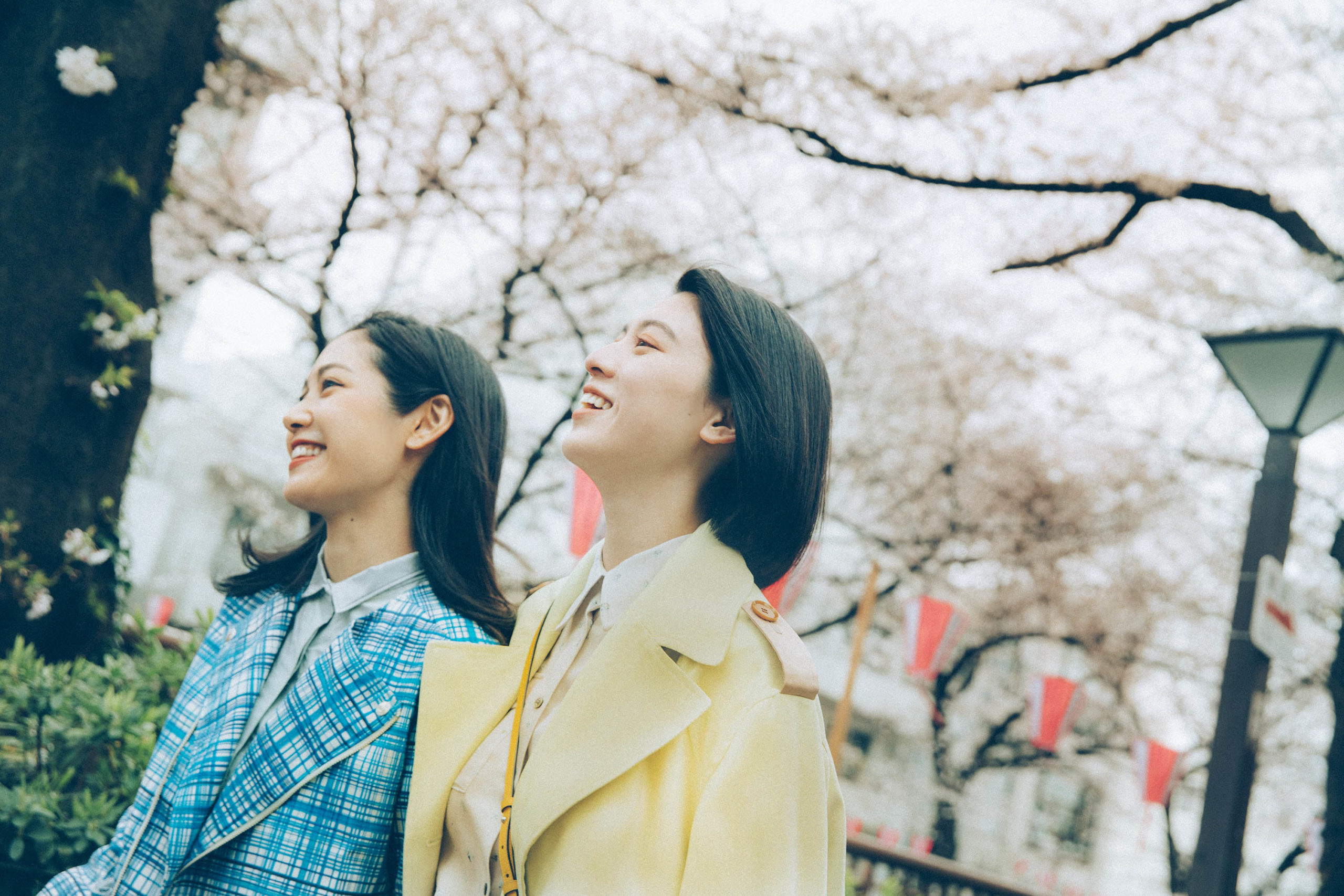
Two young women find themselves reassessing their ideas of womanhood and maternity in the wake of an unexpected pregnancy in Hajime Tsuda’s refreshingly positive new family drama. Review.

Thursday 16 September

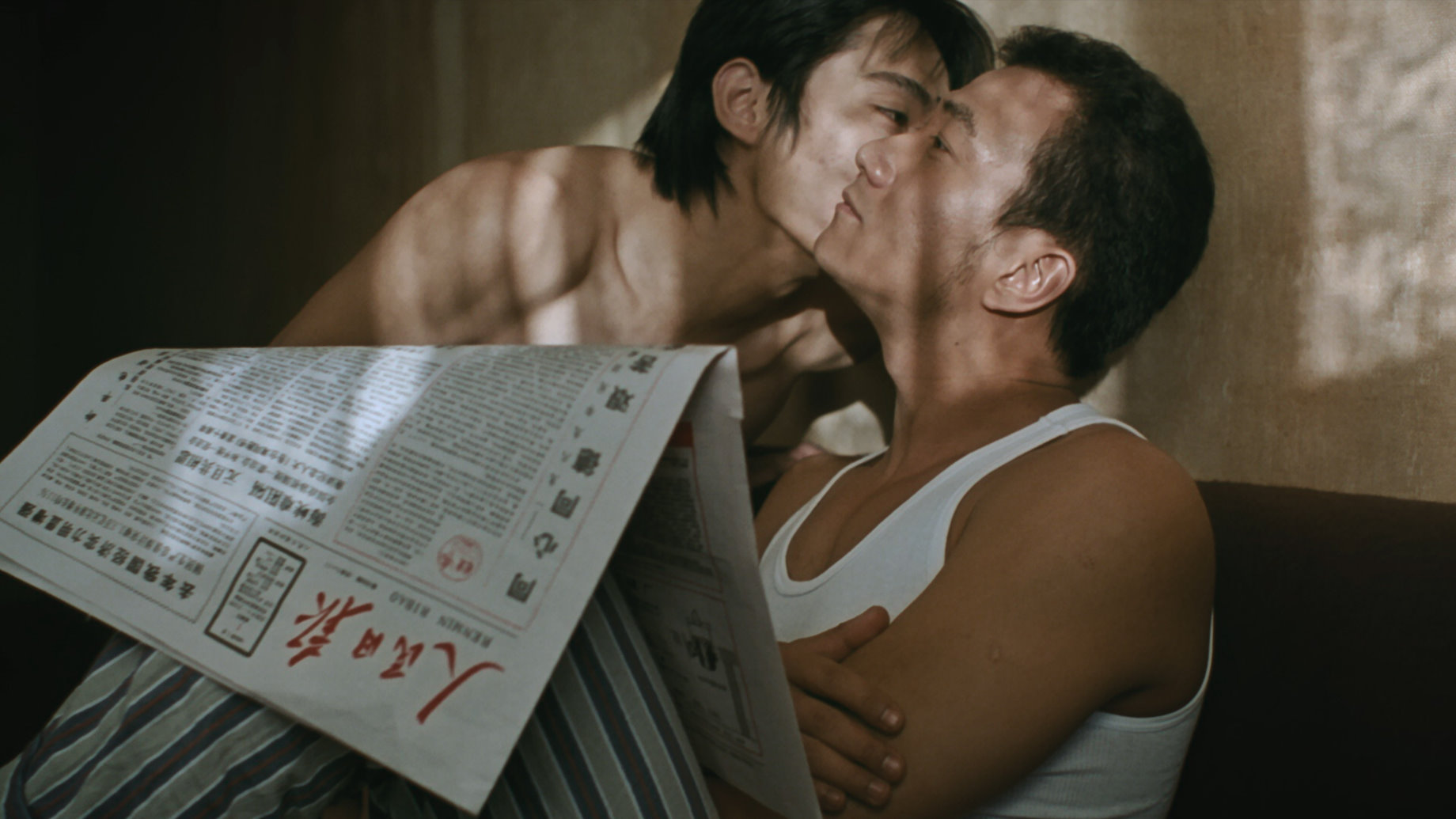
Curzon Soho: Lan Yu (20th Anniversary) | Dir Stanley Kwan | Hong Kong, China | 2001 | 86 min

Recent restoration of Stanley Kwan’s Mainland drama in which a businessman, Han-dong, falls in love with college student Lan Yu against the backdrop of the Tiananmen Square protests.

Saturday 18 September

Curzon Hoxton: My Dear Friend (UK Premiere) | Dir Yang Ping-Dao | China | 2018 | 106 min

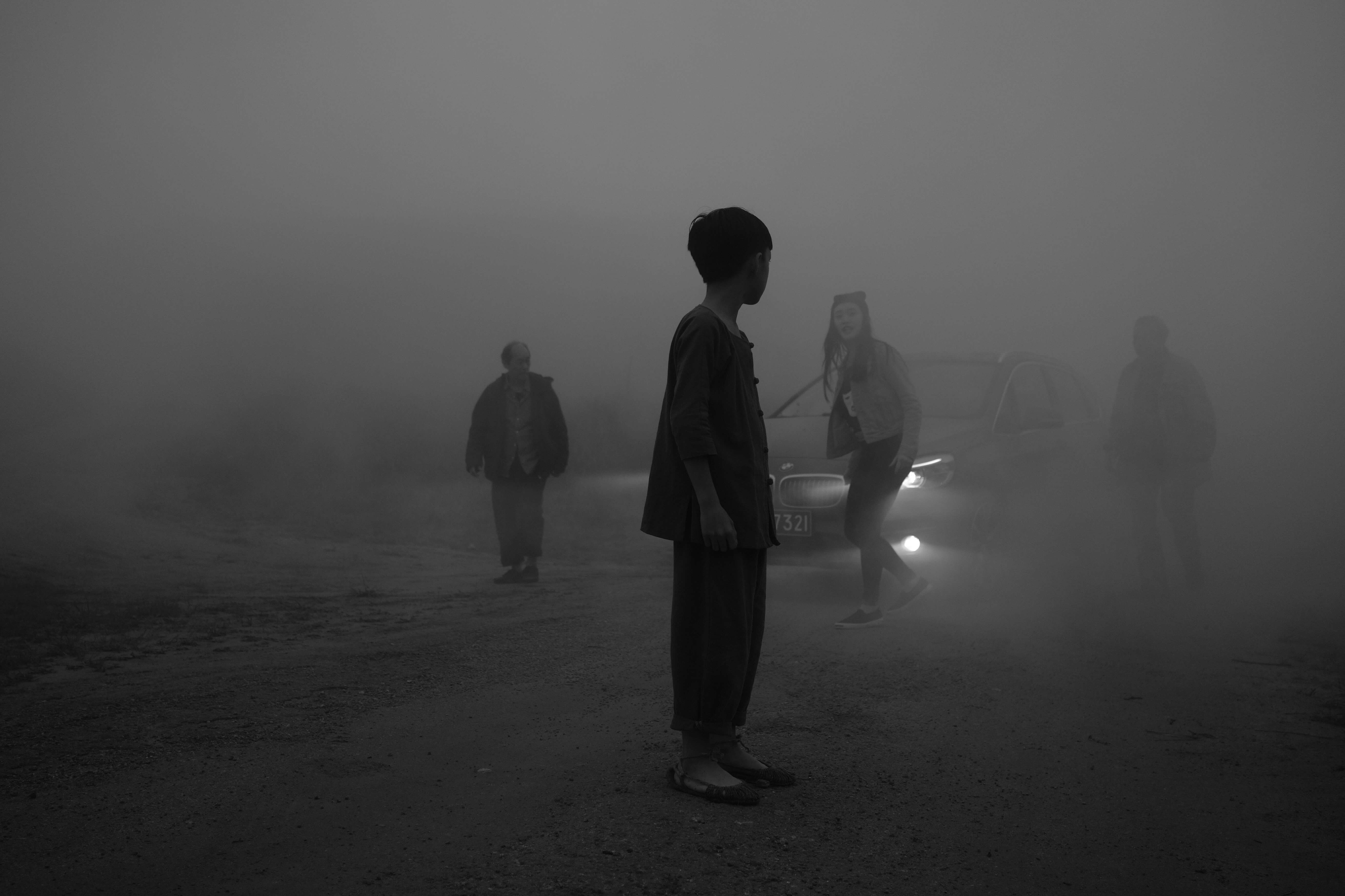
A young woman travels from the city to look for her missing boyfriend in his rural hometown but finds only his grandparents and agrees to help a family friend who’s lost all memories of his childhood regain his identity.

Genesis Cinema: Number 1 (UK Premiere) | Dir Ong Kuo-Sin | Singapore | 2020 | 98 min

Musical comedy in which a married father is made redundant from his regular office job and ends up running a drag bar. Persuaded to take to the stage himself, he proves a natural but is desperate to conceal his new line of work from his family.

Sunday 19 September

Curzon Soho: Days | Dir Tsai Ming-Liang | Taiwan, France | 2020 | 127 min

Tsai Ming-liang meditates on time and loneliness as an older man in pain and a young migrant worker find temporary relief in momentary connection. Review.

Catford Mews: Merry Christmas, Mr. Lawrence | Dir Nagisa Oshima | Japan, UK | 1983 | 123 min

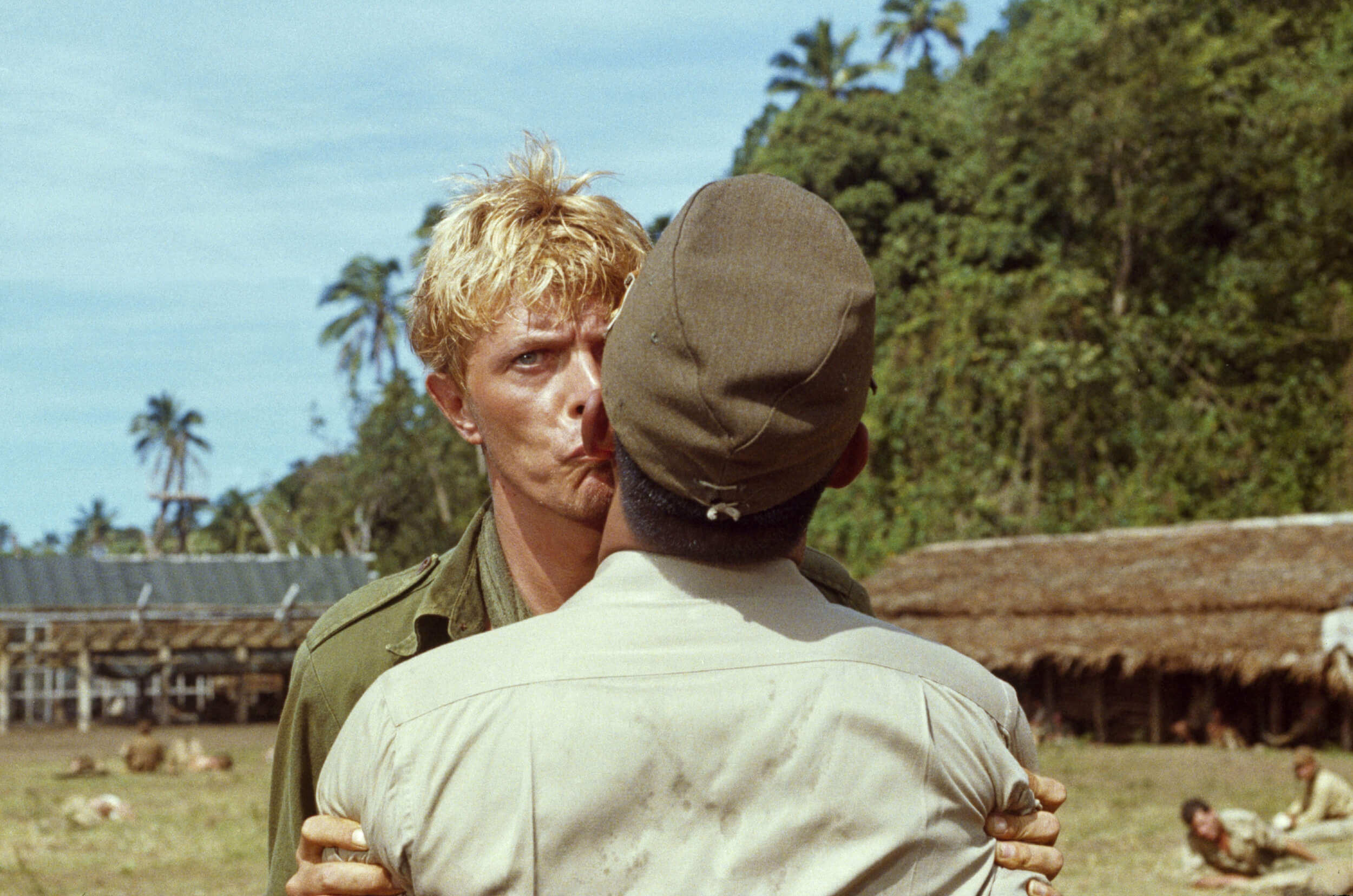
Landmark second world war drama from Nagisa Oshima in which a British prisoner of war (David Bowie) becomes locked in a psychological battle with the authoritarian Japanese officer in charge of the camp (Ryuichi Sakamoto).

Monday 20 September

Curzon Hoxton: Close-Knit | Dir Naoko Ogigami | Japan | 2017 | 127 min

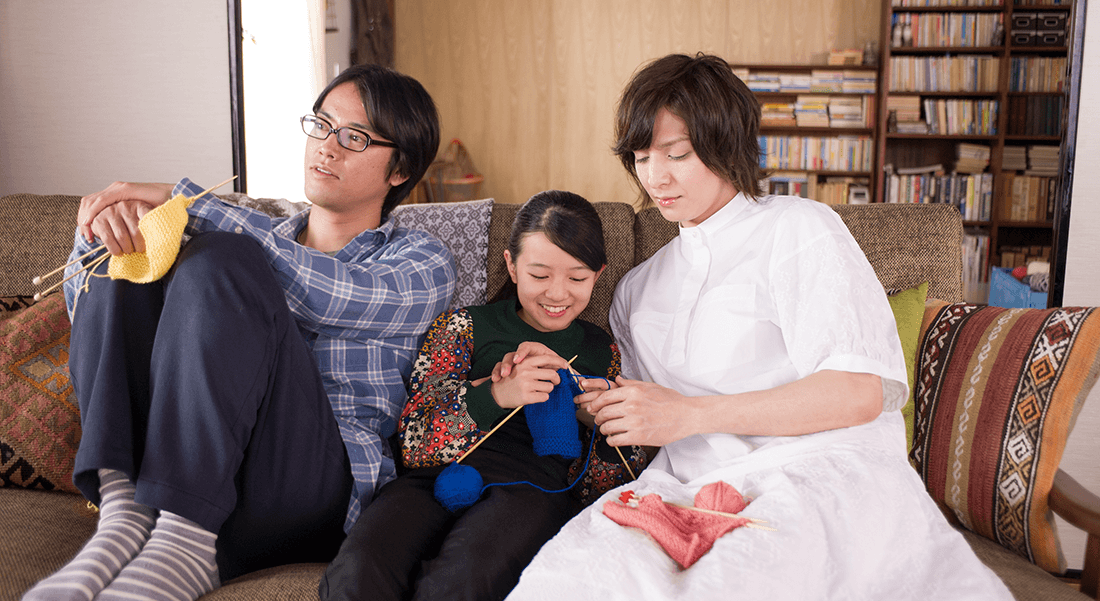
Warmhearted quirky drama from Naoko Ogigami in which a little girl neglected by her mother moves in with her uncle and his transgender girlfriend. Review.

Tuesday 21 September

Genesis Cinema: Hush! (35mm, 20th Anniversary) | Dir Ryosuke Hashiguchi | Japan | 2001 | 135 min

Landmark queer drama from Ryosuke Hashiguchi in which a gay couple with differing views on settling down find themselves agreeing to help a chaotic young woman conceive a child. Review.

The Lexi Cinema: Secrets of 1979 (UK Premiere) | Dir Zero Chou | Taiwan | 2021 | 86 min

Set during Taiwan’s martial law period, Zero Chou’s latest sees two women fall in love while working on a banana plantation only for their relationship to be threatened by their resistance to the military regime.

Wednesday 22 September

Bertha DocHouse: Queer Japan | Dir Graham Kolbeins | US, Japan | 2019 | 100 min

Graham Kolbeins’ documentary exploring LGBTQ+ life in contemporary Japan including contributions from mangaka Gengoroh Tagame (My Brother’s Husband), drag queen Vivienne Sato, and Aya Kamikawa who recounts her path to becoming the first transgender elected official in Japan.

The Prince Charles Cinema: Madame X (10th Anniversary)| Dir Lucky Kuswandi | Indonesia | 2011 | 100 min

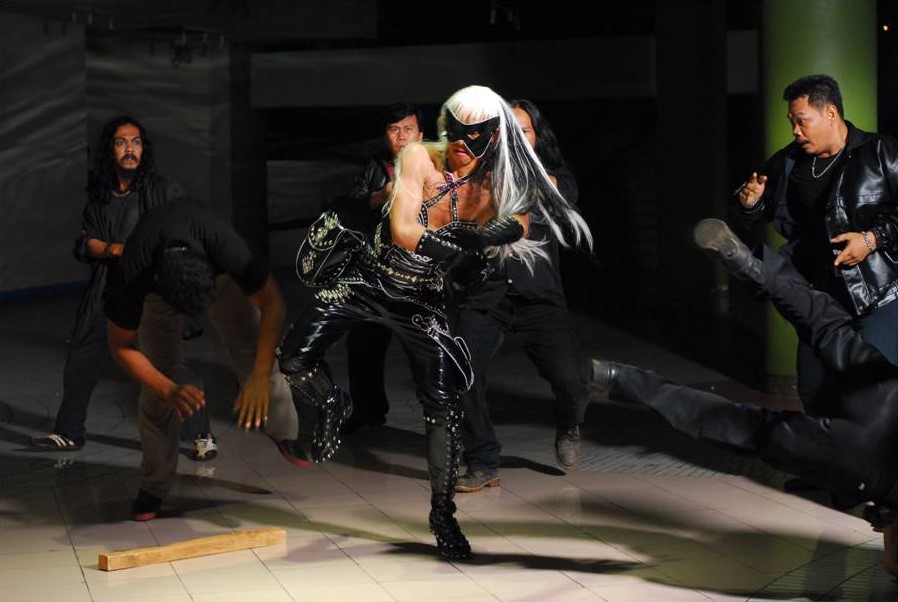
When a homophobic and oppressive political party threaten the nation, hairdresser Adam must embrace his destiny by learning traditional dance to become legendary trans superhero Madam X!

Thursday 23 September

The Horse Hospital: Shinjuku Boys | Dir Kim Longinotto, Jano Williams | UK, Japan | 1995 | 54 min

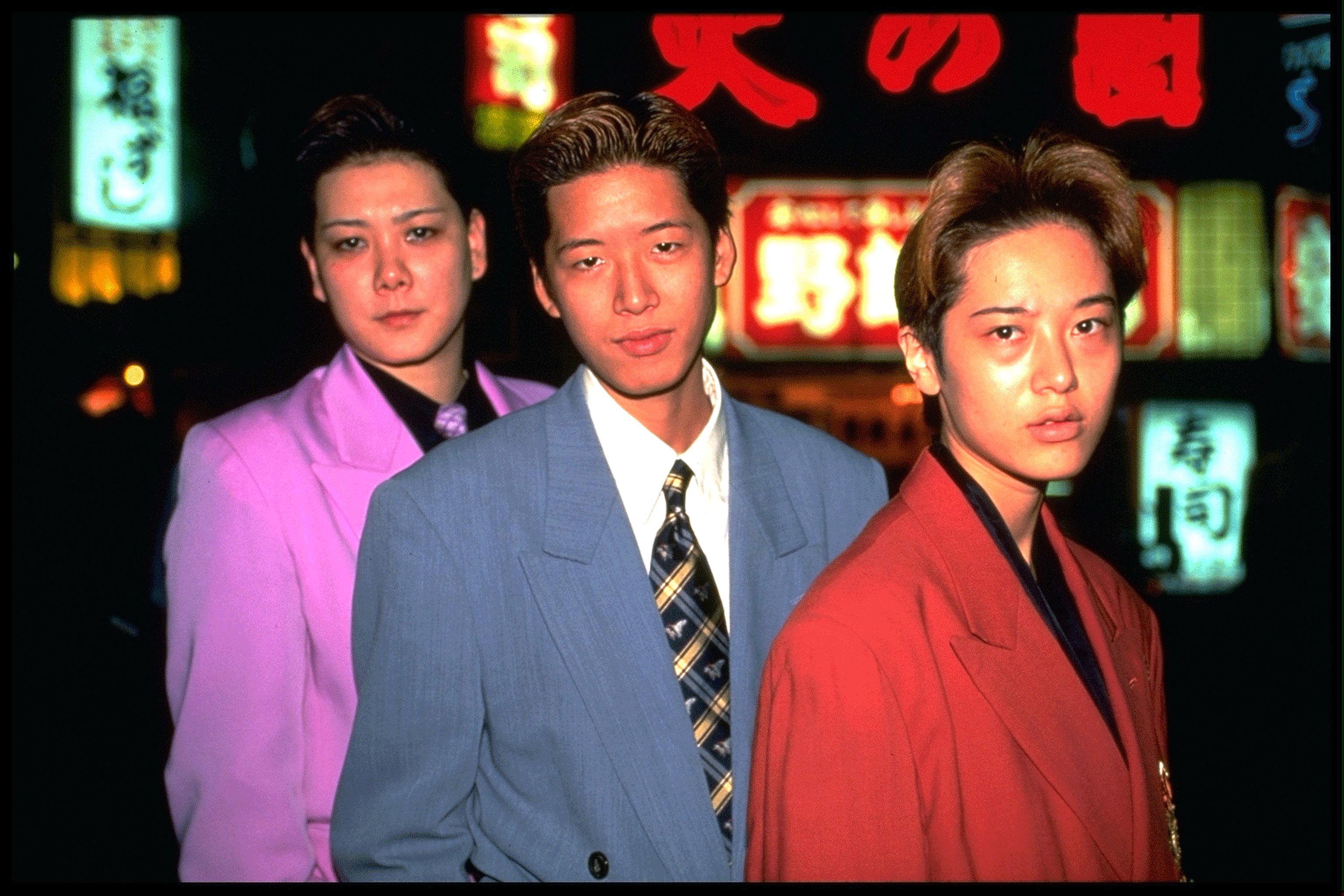
1995 documentary short focussing on the lives of three transmen working as hosts in an “Onabe” host bar.

The Lexi Cinema: Ghost in the Shell | Dir Mamoru Oshii | Japan | 1995 | 82 min

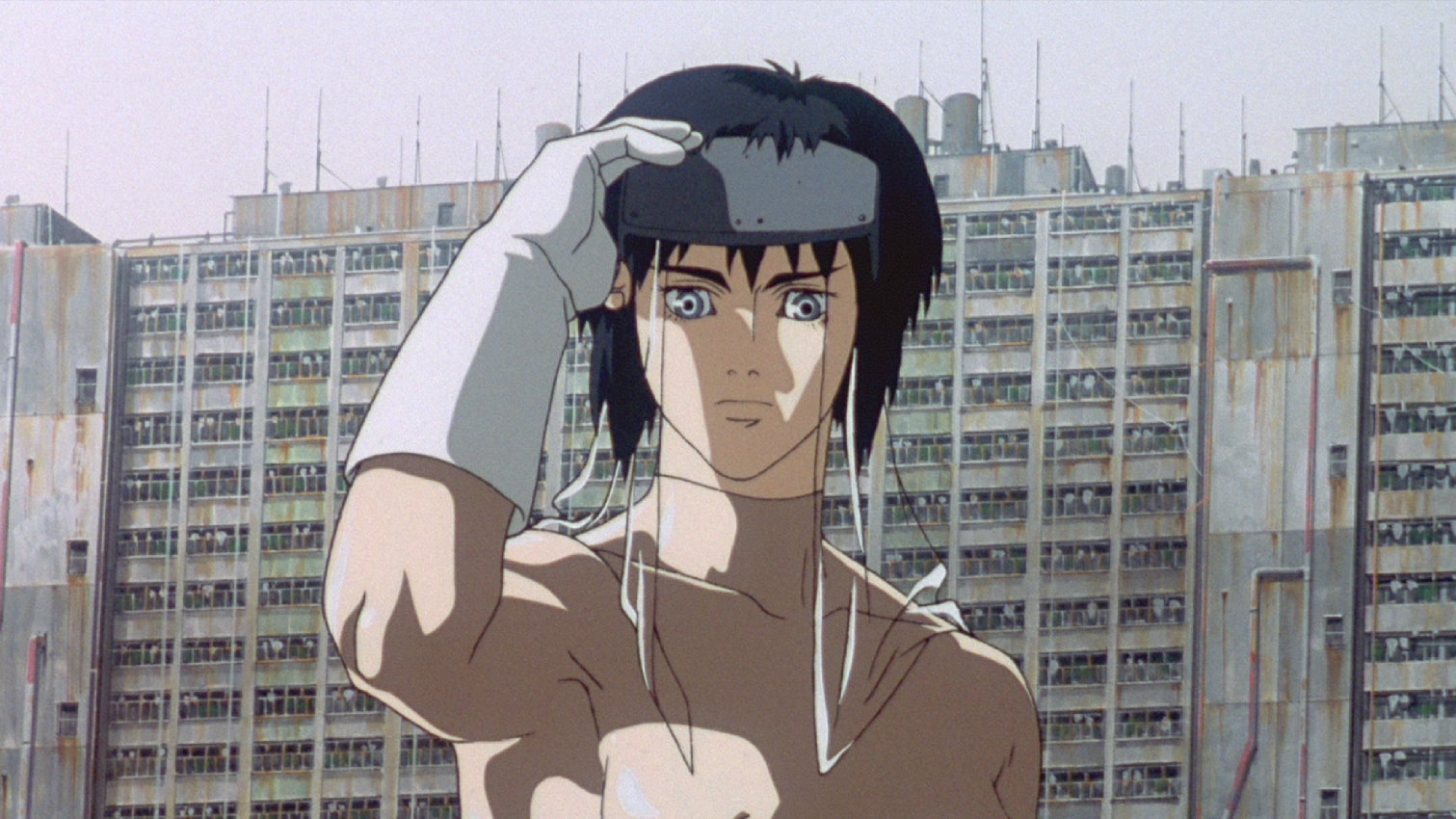
1995 landmark anime adapted from the manga by Masamune Shirow in which cybernetic enhancements have become the norm but have also left humanity vulnerable to brain hacking.

24th September

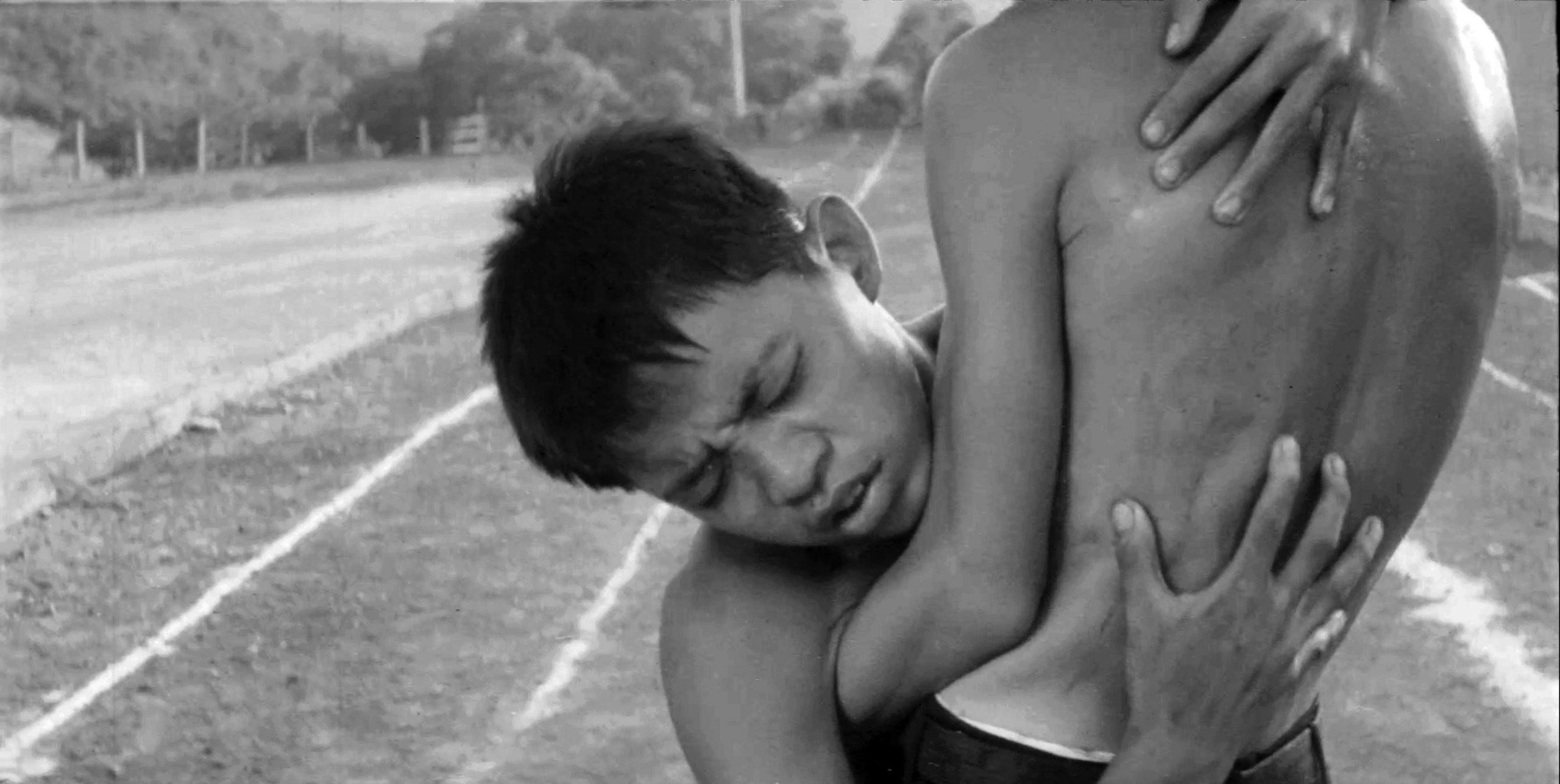
Horse Hospital: The End of the Track | Dir Mou Tun-Fei | Taiwan | 1970 | 90 min

A teenage boy finds himself knocked off course after his best friend suddenly dies in Mou Tun-Fei’s subversive social drama. Review.

Genesis Cinema: Gohatto (35mm) | Dir Nagisa Oshima | Japan | 1999 | 100 min

A beautiful boy proves a disruptive presence within the all male environment of the Shinsengumi in the final film from Nagisa Oshima starring Takeshi Kitano, Tadanobu Asano, and Ryuhei Matsuda.

Genesis Cinema: Miss Andy (UK Premiere) | Dir Teddy Chin | Taiwan, Malaysia | 2020 | 108 min

A collection of marginalised people form a fragile family but find their bonds tested by desperation and despair in Teddy Chin’s melancholy drama. Review.

Sunday 26 September

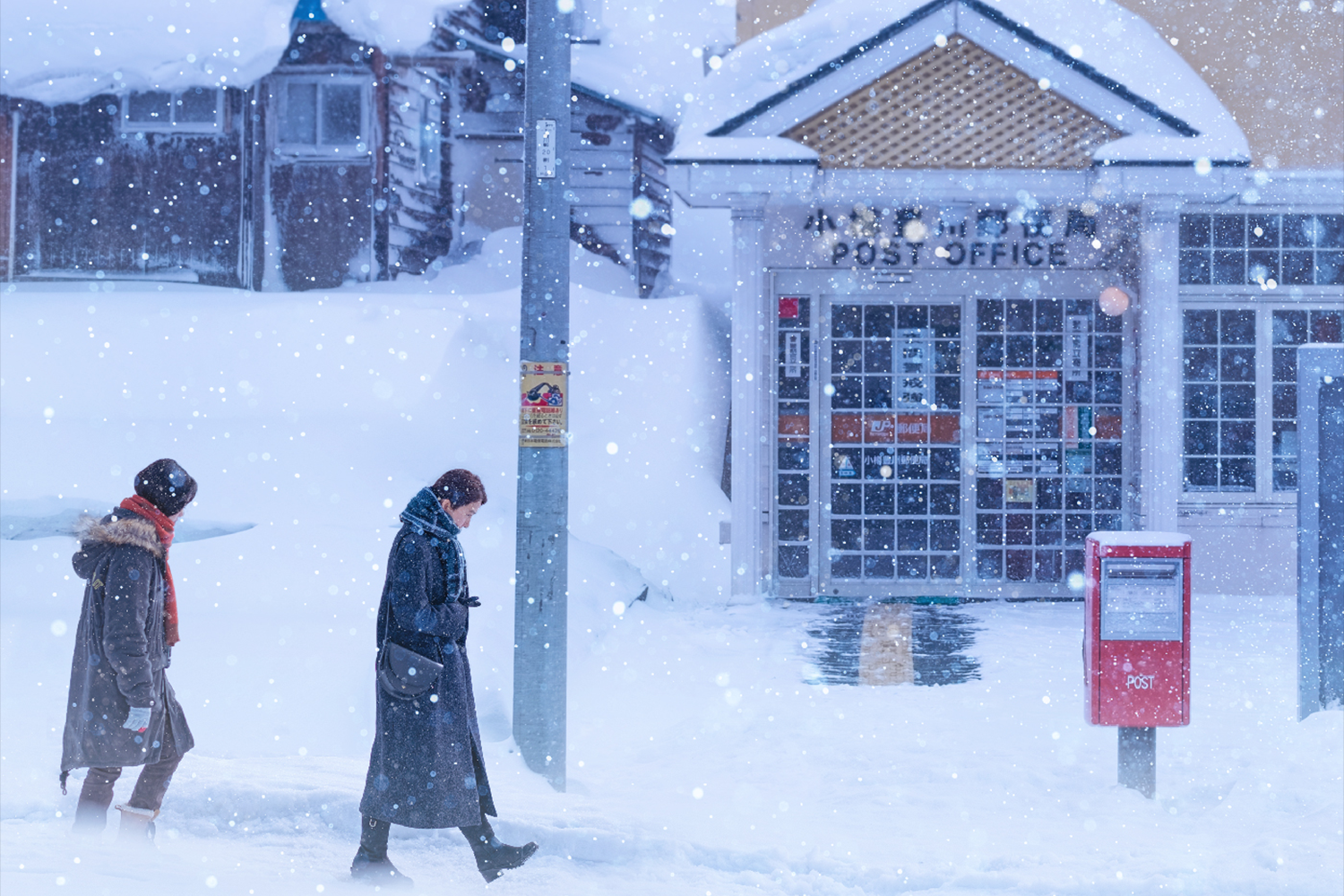
Curzon Hoxton: Moonlit Winter (UK Premiere) | Dir Lim Daehyung | South Korea | 2019 | 106 min

Two middle-aged women embark on a path towards becoming more themselves after a letter never intended to be sent brokers a reconciliation in Lim Dae-hyung’s beautifully subtle drama. Review.

Genesis Cinema

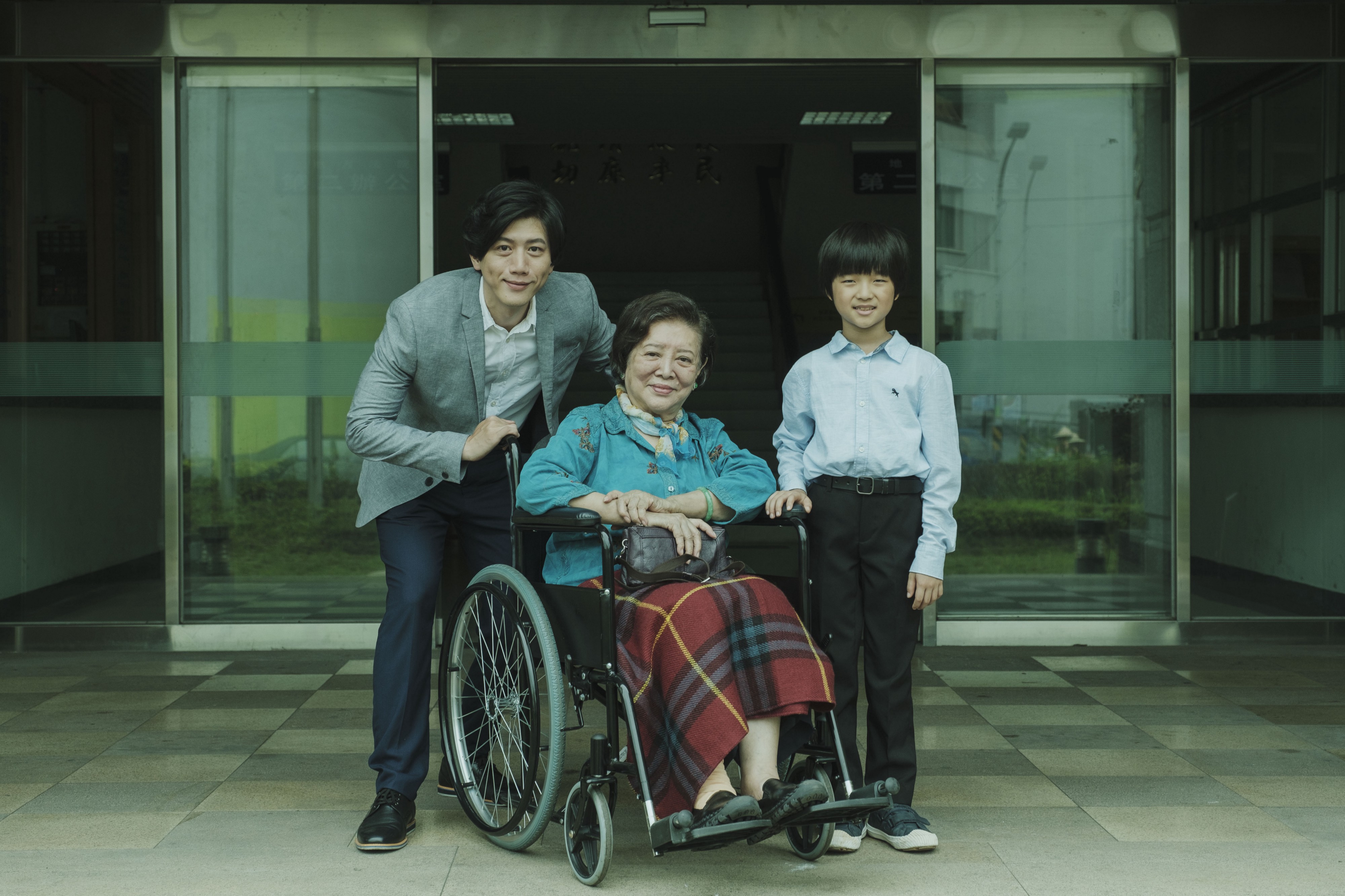
Closing Film: Dear Tenant (UK Premiere) | Dir Cheng Yu-Chieh | Taiwan | 2020 | 112 min

A grief-stricken man lovingly takes care of his late partner’s family but finds himself continually othered in Cheng Yu-chieh’s melancholy familial drama. Review.

Queer East runs 15th to 26th September at venues across Central London with plans to tour to other cities throughout the UK later in the year. Full details for all the films as well as ticketing links can be found on the official website, while you can also keep up with all the latest news by following Queer East on FacebookTwitterInstagram, and YouTube.

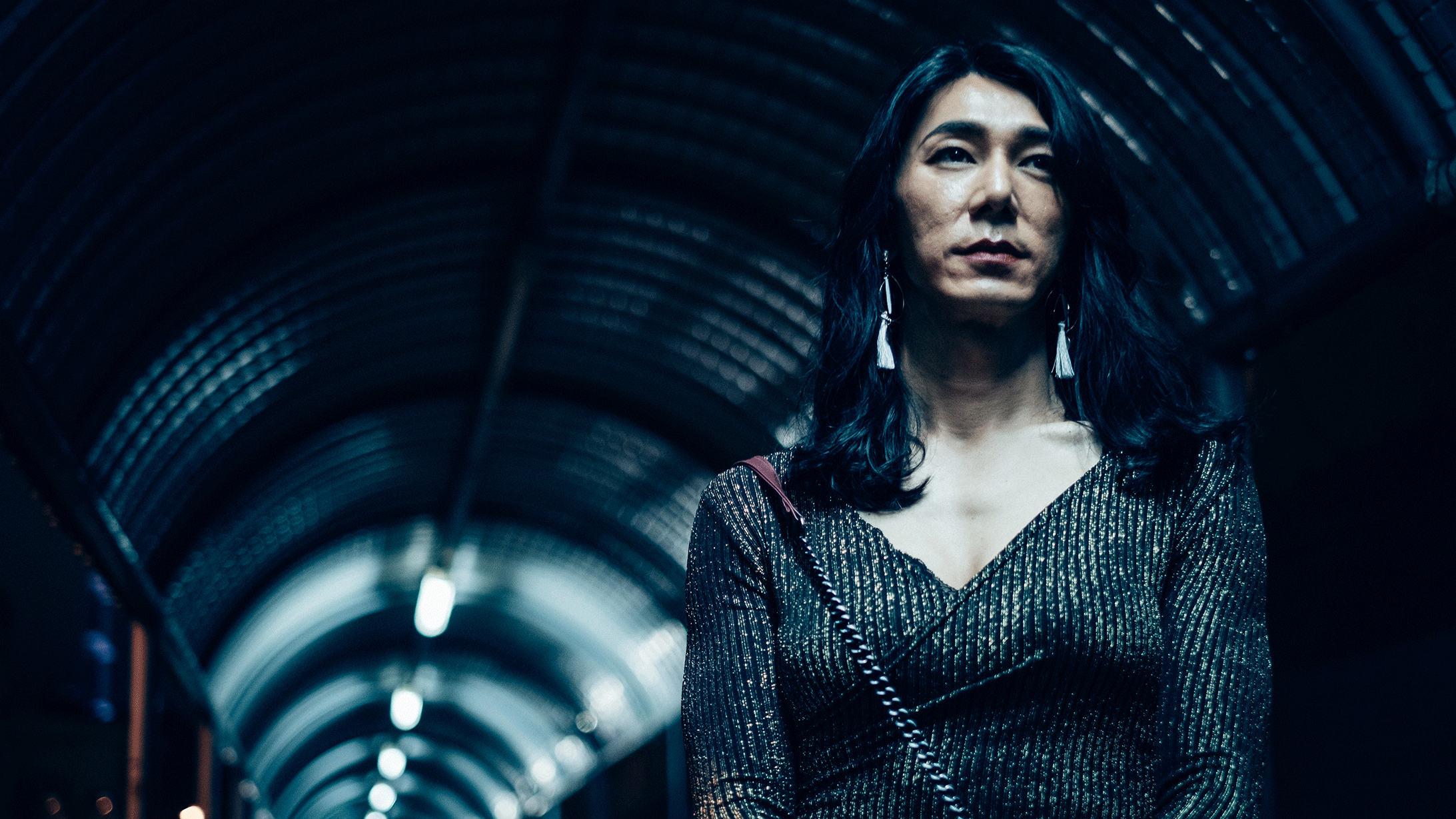
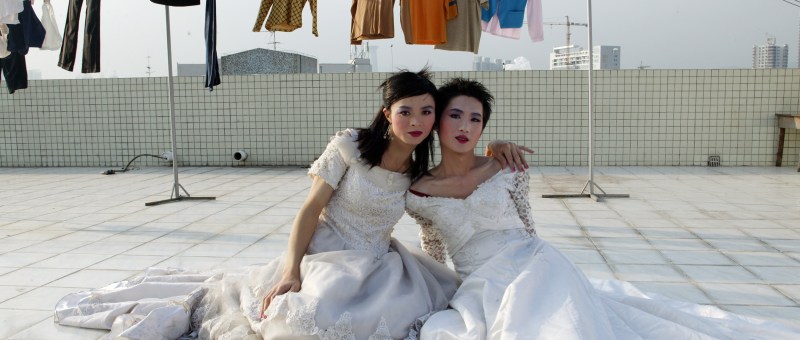
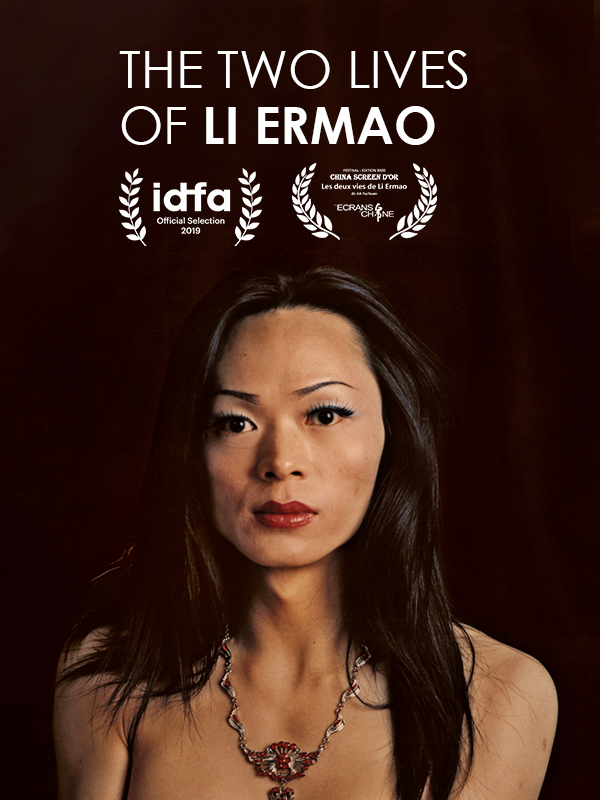
The Two Lives of Li Ermao (他她:李二毛的双重人生, Jia Yuchuan, 2019)

“The only thing I’ve ever wanted is someone with whom to live a normal life” Li Ermao explains thinking she’s found it only to have it slip through her fingers once again. Photographer Jia Yuchuan first met Ermao while working on a project with the LGBT community becoming as she describes it something like a big brother. Following her over 17 years, Jia’s documentary The Two Lives of Li Ermao (他她:李二毛的双重人生, Tā Tā: Lǐ Èrmáo de Shuāngchóng Rénshēng) witnesses her constant search for acceptance in a rigid and conservative society the pressures of which also contribute to her sometimes self-destructive behaviour. 

As Ermao explains in an opening onstage monologue, she is not a man dressing as a woman though once thought of herself as crossdressing before living as a “ladyboy” and now identifying as a transgender woman. Jia begins in a sense with her high point at which she has achieved a degree of success as a cabaret performer despite having no formal training in singing and is in what seems to be a positive and loving relationship with a young man, Jiang. Things start to go wrong when Ermao fails to capitalise on the possibility of recording an album while her self-destructive gambling habit begins to eat away at her relationship with Jiang who eventually leaves her. 

As Jia explains, Ermao would often drop out of contact with him for unexplained periods of time despite describing him as an indispensable big brother. After another self-destructive episode renting out her spare room to randomers from the internet to escape her loneliness, Ermao next calls Jia to introduce him to her new boyfriend, Long, over whom she has apparently just attempted to take her own life prompting him to call the police which ends both with her being evicted by her fed up landlady and arrested for the possession of illegal drugs. 

Worried about her elderly mother, Ermao takes Long with back to her hometown but quickly finds herself conflicted in this even more conservative environment where she’s “Li Guomin’s son”, the villagers by turns bemused and scandalised by her feminine appearance. Ermao ran away to live on the city streets following the death of her father who, we learn, was a notorious people trafficker who kidnapped and sold women and children including Ermao’s younger brother who he sent away to Hainan while rumoured to have eaten the corpse of the stillborn baby who would have been Ermao’s elder. This might go someway to explaining the animosity with which she is held in the village, along with the fact that as she’s been away so long and was not expected to return other farmers have long since colonised her land and are not minded to return it. Stubborn, Ermao pitches a tent and tries to make a living chicken farming on the tiny patch that remains in the hope of funding the completion of her confirmation surgery but is finally forced out by the local mayor who describes her as an “unwelcome stranger” in their community and asks her leave. 

Falling still further, Ermao finds it impossible to gain steady employment as a transgender woman eventually when getting back touch with Jia having made the decision to essentially detransition, preparing to have her implants removed while presenting as male in order to continue working at a factory producing components for iPhones. She fears her coworkers finding out that she is transgender and for good reason as she’s later brutally beaten by a male middle-aged colleague. Despite this she seems in a sense happier to have been reaccepted by her hometown, but soon finds herself rejected once again on learning that she is HIV+ and coming to the conclusion that she is “harmful to others” and should choose self-isolation. 

Despite their long years of friendship, Jia is not always sympathetic to Ermao’s plight nor does he condone her sometimes self-destructive behaviour or tendency to overdramatise while uncomfortably asking where a woman like Ermao belongs in the contemporary society before finding that it may have no real place for her. Rejected in the city and finding no refuge in her hometown, Ermao’s reversion to a male persona cannot help but feel like a defeat, her gradual decline from brassy cabaret star to melancholy recluse a result of her battering at the hands of an unwelcoming society unprepared to accept those who do not conform to its rigid ideas of gender and sexuality.


The Two Lives of Li Ermao screens at Genesis Cinema on 19th July as part of this year’s Chinese Visual Festival in partnership with Queer East.

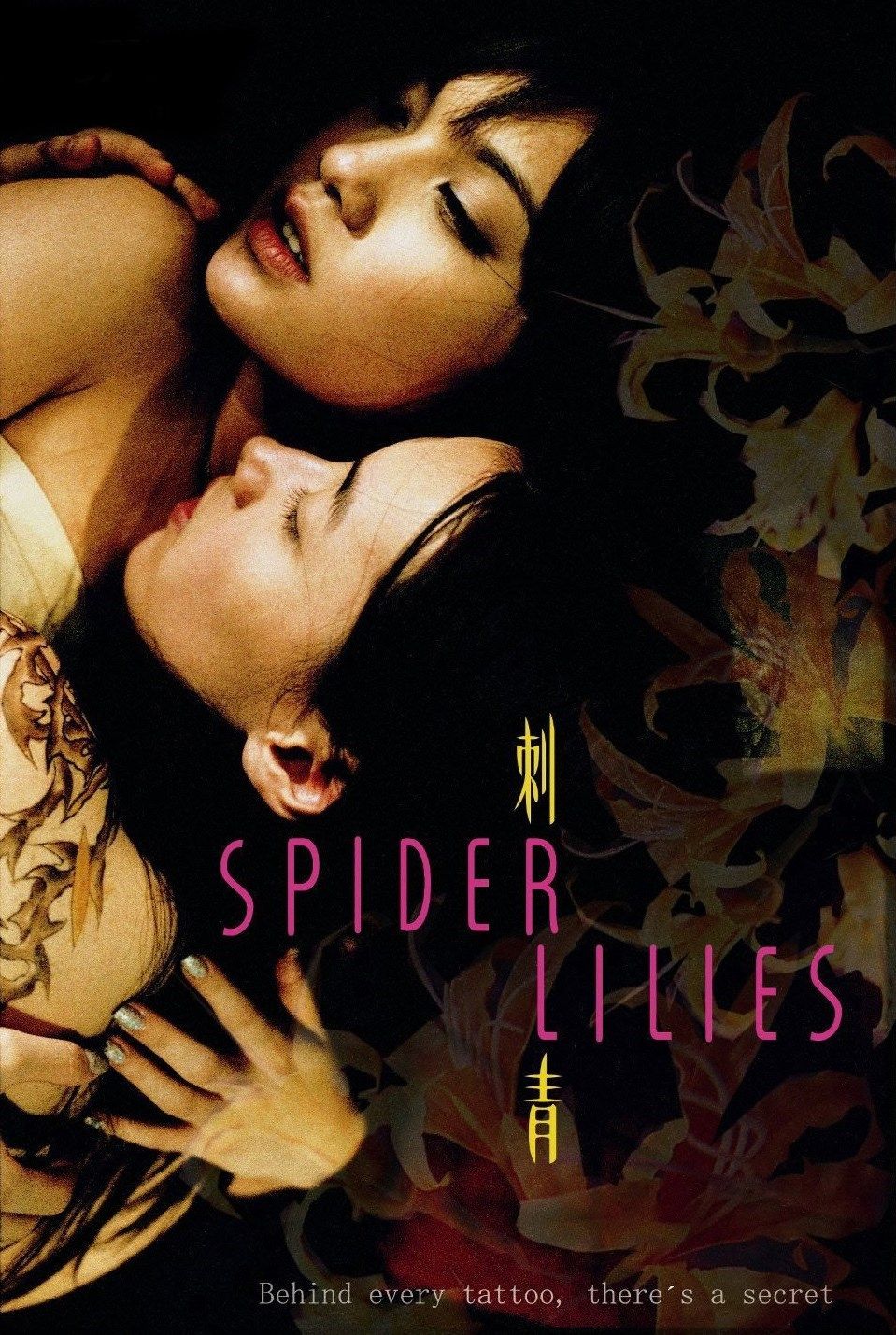
Spider Lilies (刺青, Zero Chou, 2007)

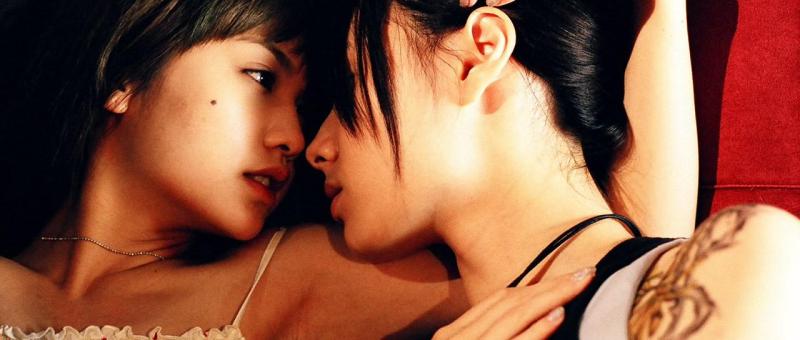
“I have no choice but to live in a virtual world” according to the lovelorn heroine of Zero Chou’s ethereal reflection on love and the legacy of trauma, Spider Lilies (刺青, Cìqīng). Two women connected by childhood tragedy struggle to overcome their respective anxieties in order to progress towards romantic fulfilment, eventually freeing themselves only by destroying the image of that which traps them. 

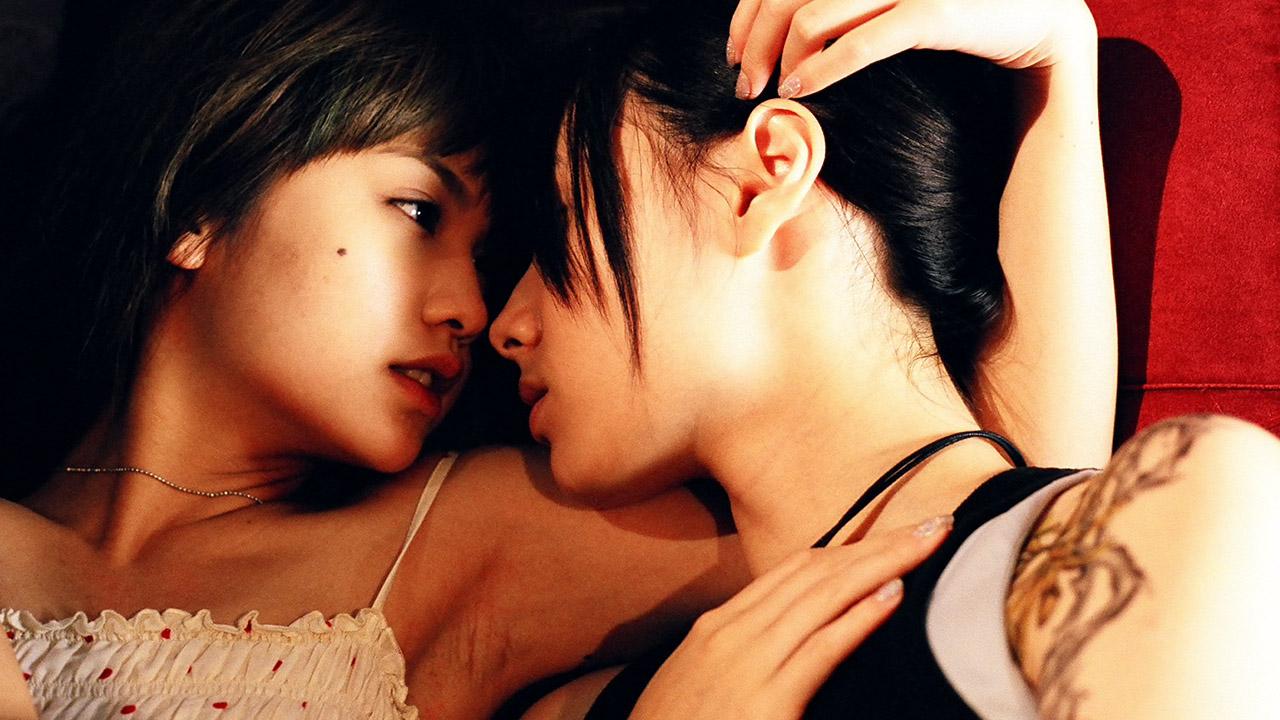
In the present day, Jade (Rainie Yang) is an unsuccessful camgirl with a habit of shutting down her clients on a whim which doesn’t play well with her boss. In an effort to spice up her live show, she decides to get a raunchy tattoo only to realise that the tattooist, Takeko (Isabella Leong), is in fact her long lost first love, a neighbour she took a fancy to at the tender age of nine. For her part, Takeko appears not to remember Jade but cannot deny the presence of her unusual spider lily tattoo, a version of which hangs prominently on her wall. Hoping to maintain contact, Jade decides to get the spider lily tattoo herself but Takeko is reluctant, explaining that the spider lily is a flower that leads only to hell. 

According to Takeko’s master, there is a secret behind every tattoo and the responsibility of the tattooist is to figure out what it is but never reveal it. Thus Takeko crafts bespoke tattoo designs for each of her clients designed to heal whatever wound the tattoo is intended to cover up, such as the ghost head and flaming blades she tattoos on a would-be gangster who secretly desires them in order to feel a strength he does not really have. Her tattoo, however, is intended as a bridge to the past, a literal way of assuming her late father’s legacy in order to maintain connection with her younger brother (Kris Shen) who has learning difficulties and memory loss unable to remember anything past the traumatic death of their father in an earthquake which occurred while she was busy with her own first love, a girl from school. Feeding into her internalised shame, the tattoo is also is a means of masking the guilt that has seen her forswear romance in a mistaken sense of atonement as if her sole transgression really did cause the earth to shake and destroy the foundations of her home. 

Then again, every time Takeko seems to get close to another woman something awful seems to happen. Jade, meanwhile, affected and not by the same earthquake is burdened by the legacy of abandonment and the fear of being forgotten. Living with her grandmother who now has dementia the anxiety of being unremembered has become acute even aside from the absence of the mother who left her behind and the father last seen in jail. “Childhood memories are unreliable” she’s repeatedly told, firstly by Takeko trying to refuse their connection, and secondly by a mysterious online presence she misidentifies as her lost love but is actually a melancholy policeman with a stammer charged with bringing down her illicit camgirl ring. The policeman judgementally instructs her to stop degrading herself, having taken a liking to her because he says he can tell that she seems lonely. 

A kind of illusionary world of its own, Jade’s camgirl existence is an attempt at frustrated connection, necessarily one sided given that her fans are not visible to her and communicate mainly in text. It’s easy for her to project the image of Takeko onto the figure of the mystery messenger because they are both in a sense illusionary, figments of her own creation arising from her “unreliable” memories. Jade wants the tattoo to preserve the memory of love as a bulwark against its corruption, at once a connection to Takeko and a link to the past, but the tattoo she eventually gets is of another flower echoing the melancholy folksong she is often heard singing in which the lovelorn protagonist begs not to be forgotten. 

“I am a phantom in your dream and you too live in mine” Jade’s mystery messenger types, hinting at the ethereality of romance and fantasy of love. Caught somewhere between dream and memory the women struggle to free themselves from the legacy of past trauma and internalised shame, but eventually begin to find their way towards the centre in making peace with the past in a sprit of self-acceptance and mutual forward motion.


Spider Lilies streams in the UK 26th April to 2nd May courtesy of Queer East

Original trailer (English subtitles)

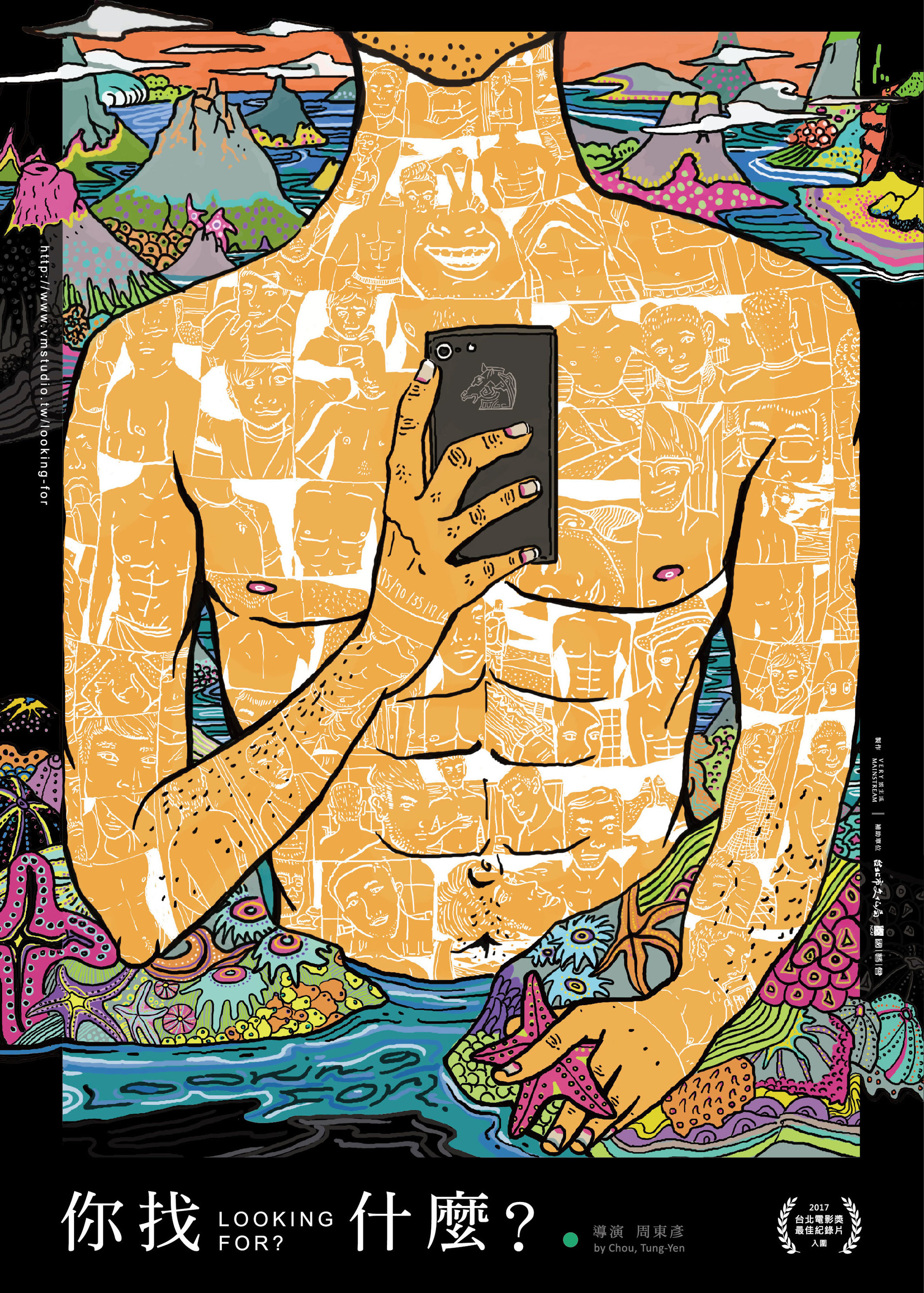
Looking For? (你找什麼?, Chou Tung-yen, 2017)

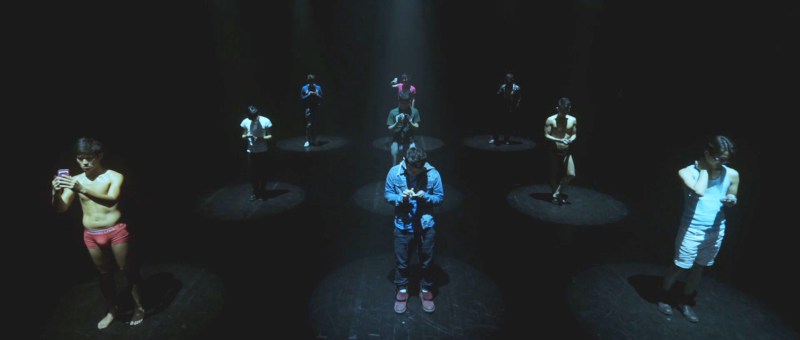
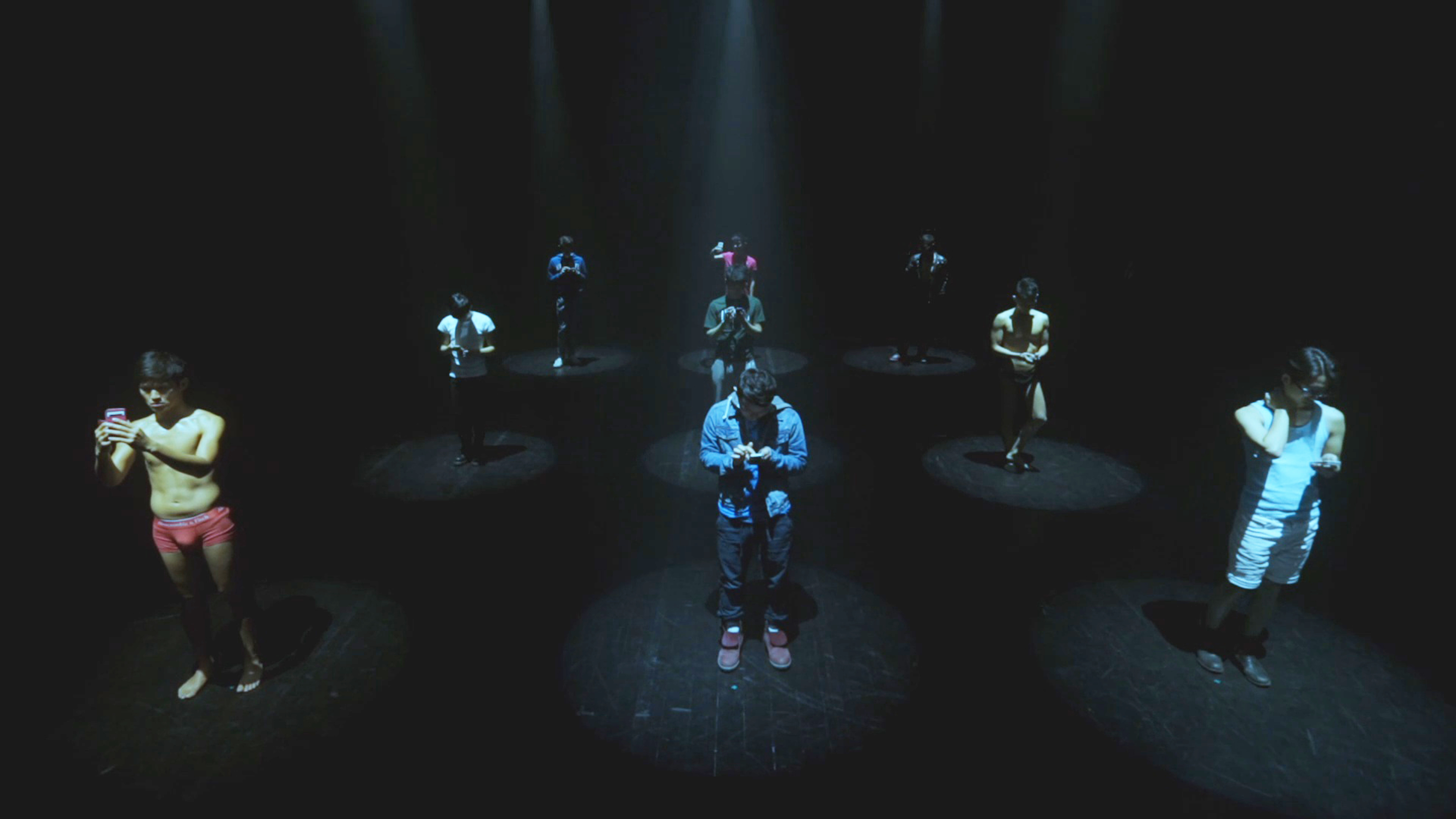
“Looking for?” (你找什麼?, Nǐ Zhǎo Shénme?) is a common enough ice breaker on gay dating apps but when you get right down to it it’s a difficult one to answer. Struggling with the question himself as someone who came to the app scene fairly late, director Chou Tung-yen interviewed 60 men from all around the world to ask them what it is they’ve been looking for, why they use dating apps, and how they really feel about them. 

As might be assumed, many of the men are using the apps for casual hook-ups citing the convenience as a major motivating factor. In the old days you wrote letters and hoped to get a reply to your PO box, or you went to a bathhouse, or invested time in someone at a bar, but now you just exchange messages and get what you need when you need it. One older user even likens the experience to that of a supermarket or even ordering fast food, an entirely disposable satisfaction of needs. He’s not necessarily making a criticism, but others ask if the commodification of the community is really a good thing. Most assume that in a more open society and most especially within your own community there ought to be more freedom to be your authentic self, but the apps are so interested in finding a perfect match that they try to force those who use them inside their narrow lines, tagged as a particular brand with some feeling as if they have to change themselves to be “marketable” or no one is ever going to be interested in them. 

Social media of all kinds can foster feelings of inadequacy, but paradoxically others report that they use dating apps precisely in order to boost their self esteem. They like it when people like their photos and enjoy the feeling of being desirable, counting the messages roll in from various suitors to whom they may or may not choose to reply. Those who’d previously felt themselves unattractive have learned to find their niche and become more comfortable in their bodies able to own their sensuality in all areas of their lives. But then some have run the other way, obsessively working out becoming perhaps dangerously addicted to online praise as they continue to alter their physicality to better conform to an external idea of conventional attractiveness. 

And then there are the other dark sides, the inherent danger and the potential toxicity of a party culture that encourages excessive drug use. One young man who appears only in silhouette, his voice disguised, reveals that he thoughtlessly had unprotected sex while high, while another man explains that he eventually decided to leave rave culture behind after a friend took his own life while under the influence and another died of a short illness caused by longterm drug use during which his friends continued to take him out partying despite knowing that he was seriously ill. 

The man whose face appears in silhouette laments that he no longer thinks it’s possible to find true love online, though there are those for whom that is exactly what they were looking for and some of them seem to have found it. Several couples report that they met through a dating app and then stayed together, even later got married. Others however find that while using the app their desire to find a monogamous partner decreased, they enjoyed the ability to have various experiences instead. Still more are looking for friendship or companionship more than romance, someone just to have dinner or share a deep conservation with. 

Towards the end, one interviewee reveals he no longer uses dating apps because he couldn’t figure out what it was he was looking for. Others drift away from them either because they found a stable relationship, began to age out or lost interest in the scene, whether having figured out what they want(ed) or not. Chou asks each of the respondents what love is, many of them talking wistfully about first love but seemingly jaded about grown-up romance or at least resigned to a cooler kind if perhaps still chasing that first flush of passion. Concentrating mainly on the interview sessions, Chou intersperses brief theatrical dance sequences and shots of himself captured alone at various points of transit in different cities, discovering at least a kind of commonality in the community of dating app users the world over who can understand each other even in the absence of shared language. Chou may not have discovered what it is he’s looking for, but has perhaps learned something else in his voyage through the trials of 21st century dating in that in the end you get out what you put in, which is to say what you’re looking for finds you whether you recognise it or not. 


Looking For? streams in the UK via Rio Player 20th – 26th November as part of this year’s Queer East.

Original trailer (English subtitles)
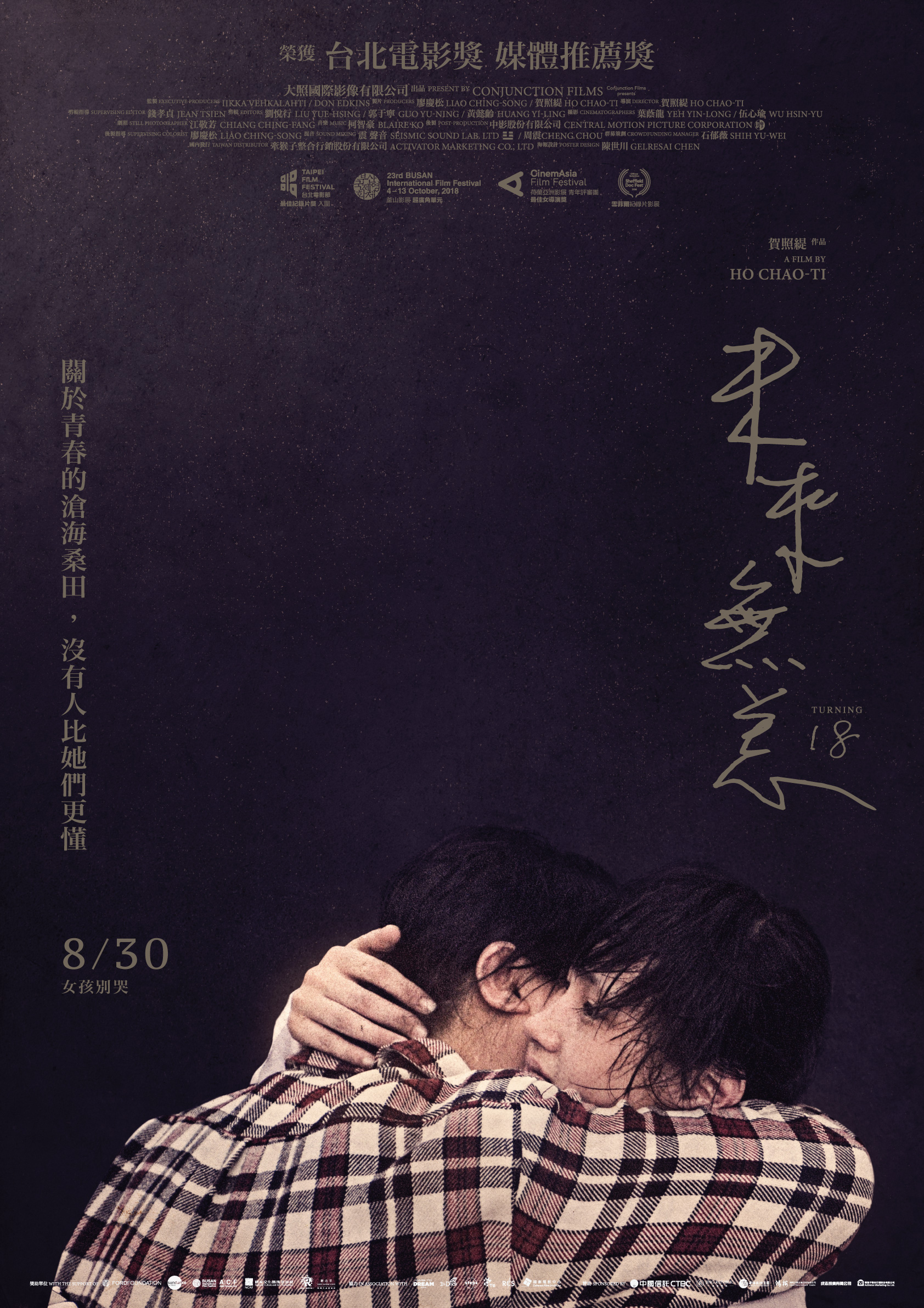
Turning 18 (未來無恙, Ho Chao-ti, 2018)

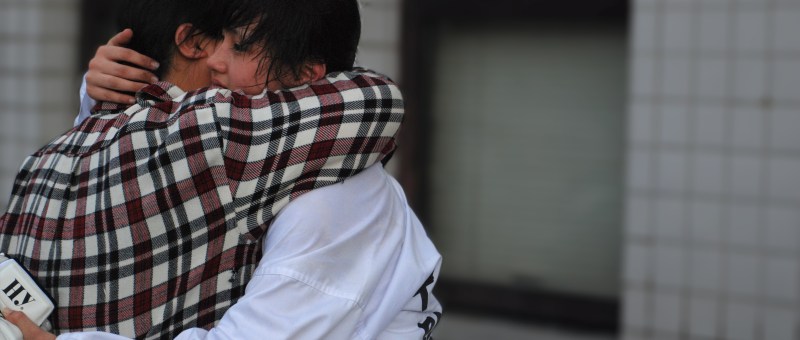
How much do you really owe a family that has failed you? A difficult question at the best of times, it’s one that continues to play on the mind of teenager Chen, one of two young women from indigenous communities at the centre of Ho Chao-ti’s documentary Turning 18 (未來無恙, Wèilái Wúyàng). Following the two girls who each come from challenging family backgrounds from the ages of 15 to 18, Ho perhaps draws a slightly uncomfortable contrast in the differing paths their lives eventually take after they briefly meet during an internship at funeral home but nevertheless presents an all too often ignored perspective on a hidden side of the island nation.  

Forced to grow up far too soon, both young women are children of single parent families in which there has been a history of domestic violence and, as we later discover, in Chen’s case sexual abuse. In response to her difficult family circumstances in which her mother has become an alcoholic and she has become the primary carer for her eight siblings, Chen has grown serious and mature. She intensely resents her mother’s drinking, not least because it plays into a racist stereotype about indigenous people while also trapping them in desperate poverty. Chen has had to take time out of education to look after her siblings and is grateful for the internship opportunity after which she will return to high school. 

Pei, meanwhile, has moved in with her possessive boyfriend, Wei, and his despairing mother. She is slightly less enthused about the internship, but dutifully completes it. Unlike Chen she never returns to school but remains with Wei who later becomes a delinquent and encounters trouble with the law. Pregnant before her 18th birthday, Pei finds herself navigating teenage motherhood and economic instability while the increasingly irresponsible Wei gravitates towards a life on the margins of crime. 

As such, it seems almost as if we’re being pushed towards judgement of the unlucky Pei for, perhaps, making the same mistake as her mother in unwisely depending on an unreliable man though they are both only teenagers, while it is undoubtedly much easier to get behind the earnest Chen who is determined to make something of her life while fiercely defending her family. Nevertheless, their marginalised status as members of an indigenous community is quickly brought home to us. Ho throws in a few snippets from post-war propaganda programs regarding the development of Hualien which describe the local Tayan population alternately as savage and uncivilised and then simple and innocent, apparently grateful for their “civilisation” at the hands of the KMT government which recommends Hualien to industry leaders as a source of cheap labour. 

Both the young women suffer at the hands of a patriarchal social code and fractured economy. Forced to compromise her education, Chen resents her mother for being unable to hold down a job of her own while it seems clear that she has little education herself and that her drinking is in part a response to her despair. Having escaped abusive spouses, the mothers of both girls have been left without effective means to support themselves in the absence of men, Chen’s mother depending on the support of her extended family who, we later learn, were also abusive. When the abuse is brought to light, Chen’s mother encourages her to lie to the court in order to protect her family members afraid perhaps of the shame but equally of the impossibility of surviving without them. 

Yet Chen continues to try to love her mother no matter how much she disappoints her, sorry only that her mother could not learn to love herself enough to save herself and determined never to make the same mistake. Finding an outlet in Taekwondo which she sees as another way to protect her family, Chen discovers another side of herself in dating another girl, at this young stage of her life incongruously insisting on referring to her as a “boyfriend” though the relationship appears to be accepted by her classmates as entirely normal. We never see how Chen’s family feels about her sexual identity save that she later affirms her desire to march in the Pride parade in Taipei precisely because she wants them to understand she loves women and that’s not something that will change, no one has the right to tell her who to love or who to marry. 

In this at least, Chen appears to have broken the cycle in definitively embracing her identities as a queer indigenous woman while also continuing to love and support her problematic family. Pei meanwhile is in a much less advantageous position, having perhaps repeated the same behaviour patterns in being letdown by an unreliable man and left to bring up a baby on her own though little more than a baby herself. Nevertheless, Ho’s camera is never judgemental in capturing this largely hidden side of Taiwanese society in which systemic male failure and entrenched patriarchy contribute to the marginalisation of the indigenous community even in the contemporary era. 


Turning 18 screens at London’s Riverside Studios on 3rd November as part of this year’s Queer East Film Festival.

Original trailer (English subtitles)
The Shepherds (牧者, Elvis Lu, 2018)

Among the most liberal of Asian nations, Taiwan became the first to legalise same-sex marriage in 2019 but that doesn’t mean that it’s always easy to be LGBTQ+ particularly if you come from a religious background and wish to maintain your faith. Elvis Lu’s documentary The Shepherds (牧者, Mùzhě) follows a small group of religious leaders who are or have been involved with a progressive church, Tong-Kwang, which was the first in Taiwan to expressly embrace the LGBTQ+ community on its foundation back in 1996. Unfortunately, however, the pastors have faced significant barriers in their personal and professional lives because of their views on homosexuality which face staunch opposition from mainstream religious organisations. The founder of Tong-Kwang Yang Ya-hui, a heterosexual female pastor, eventually took her own life because of the discrimination she later faced within the religious community which made it impossible for her to continue working and support herself without compromising her beliefs. 

Discrimination is also something which has affected pastor Huang Guo-yao and his wife who now work for Tong-Kwang but began their careers in Hong Kong. Huang was forced to give up his ministry after advocating for LGBTQ+ rights brought him into conflict with the more conservative local Churches, eventually making the decision to migrate to Taiwan while his children remained in Hong Kong. He laments that the situation in which he found himself may have had a negative effect on his now grown-up sons, the younger one he worries having become increasingly withdrawn and unwilling to talk about his feelings. 

Zeng Shu-min, meanwhile, is in a similar position unable to find employment with more conventional churches as an openly gay pastor. While officiating at same sex weddings, he’s had to look for other employment to support himself and generally lives an ascetic existence, dependent on the kindness of friends such as Hsiao-en, a lesbian advocate for LGBTQ+ Christians who was herself ejected from the seminary for her liberal views. Running the Light Up project, she provides a more positive religious presence at rallies where conservative voices loudly protest against the advancement of rights for LGBTQ+ people and the movement for marriage equality. Presenting a united front in their priestly outfits, conservative preachers openly commit to undermining the seats of local politicians sympathetic to LGBTQ+ issues, some advancing that they want to “protect” the LGBTQ+ community who must be living “very painfully”, while they refuse to compromise the “basic values” of their society. 

As part of her outreach, Hsaio-en also liaises with the parents of LGBTQ+ children who often find themselves ostracised from their church community solely because of their children’s sexual orientation. Like Shu-min, she also has to work a regular job to support herself while feeling guilty for not being able to devote herself to activism full time and lamenting that hard as she works it often feels as if she isn’t getting anywhere and her efforts don’t make much difference. Yet Tong-Kwang in itself provides a valuable safe place for LGBTQ+ Christians, running a hotline those in distress can call for relief when experiencing difficulty in their personal or religious lives and affirming that their sexuality need not conflict with their faith nor is it a barrier to God’s love. 

With a mixture of observational footage and talking heads interviews, Lu bookends the film with poetic black and white re-enactment featuring the words of pastor Yang Ya-hui taken directly from her autobiography, positioning her as a kind of martyr for the rights of LGBTQ+ people in Taiwan and particularly for LGBTQ+ Christians. The film ends with the passing of the marriage equality act, but is quick to point out that that does not mean that prejudice and discrimination evaporated overnight, Hsiao-en in particular worried that organisations such as hers will come under greater pressure from conservative religious voices intensifying their opposition. Nevertheless, despite the sometimes great toll on their personal lives and those of their families, each of the shepherds remains committed to defending the rights of LGBTQ+ people not only to occupy an equal place within their society but also within their faith as members of a compassionate and progressive religious community. 


The Shepherds streams in the UK 30th October to 5th November courtesy of Queer East and Taiwan Film Festival Edinburgh.

Original trailer (English subtitles)
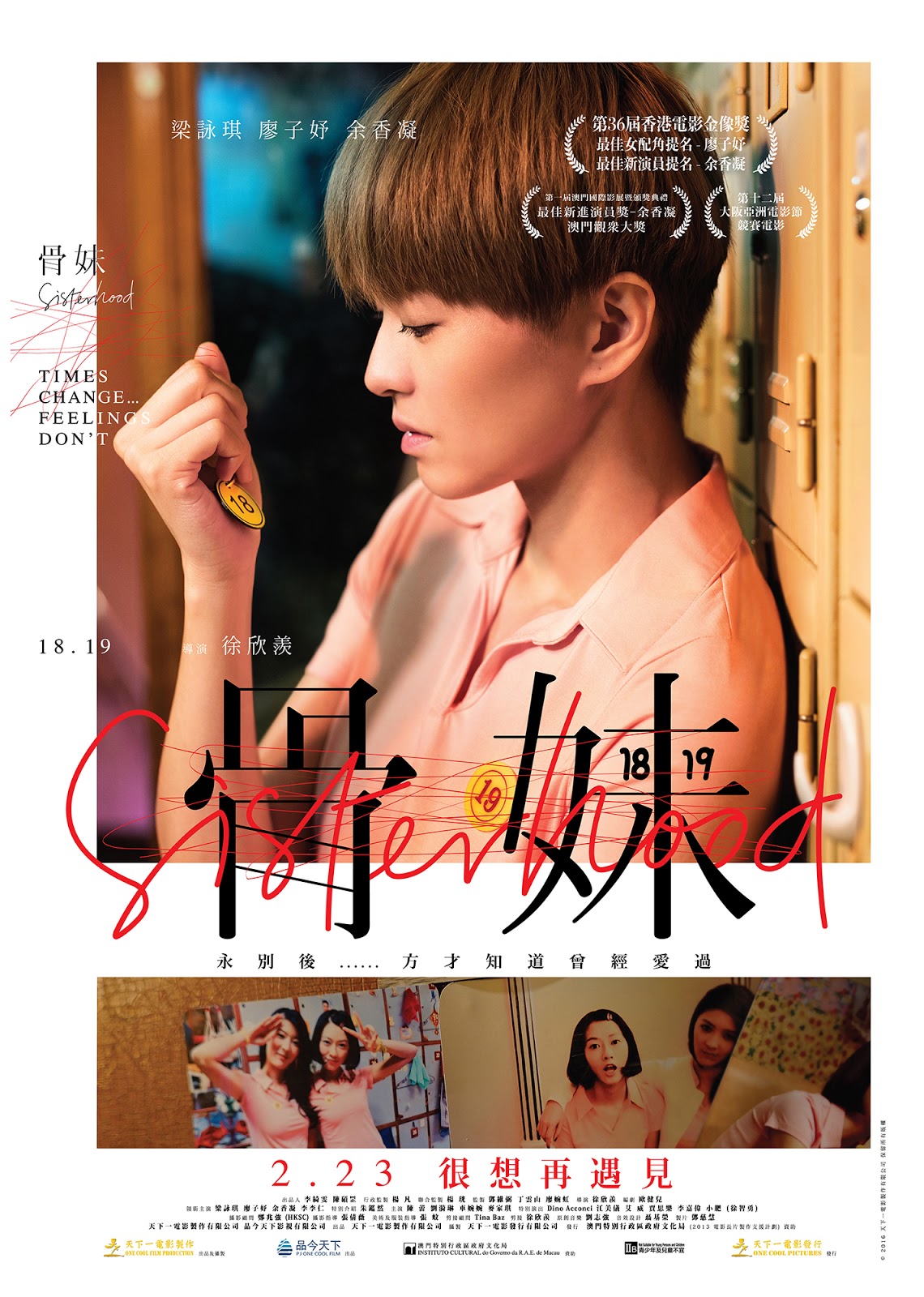
Sisterhood (骨妹, Tracy Choi, 2016)

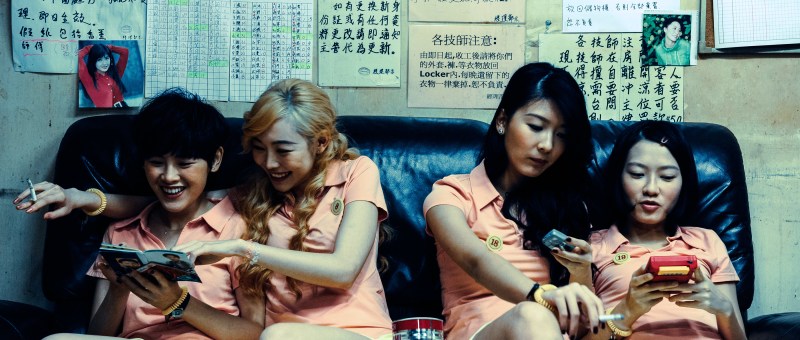
Middle-aged regret and irreconcilable loss bring one lonely woman home from exile in Tracy Choi’s melancholy exploration of impossible love and illusionary futures, Sisterhood (骨妹, Gwat Mui). Moving from present day Taiwan to pre-handover Macao, Choi’s emotionally complex drama is both a chronicle of changing times and not as the collection of women at its centre attempt to protect themselves from a relentlessly patriarchal society through female solidarity only to see their fragile bonds disrupted by a political sea change. 

Choi opens in the present day with a now almost middle-aged Sei (Gigi Leung Wing-kei) visiting a doctor’s surgery after fracturing her wrist, apparently the result of an all too common drunken accident. Now living in Taiwan and running a small inn with her devoted husband who is perhaps overly supportive in his willingness to enable her drinking on the grounds that it keeps her “happy”, Sei appears to be quietly miserable. Spotting an ad in a newspaper telling her that an old friend, Ling (Jennifer Yu Heung-ying), with whom she’d long since lost touch has passed away jolts her out of her inertia, journeying back into the past as she finds herself travelling to a very different Macao to that of her youth in which the young Sei (Fish Liew) worked as a masseuse and was part of a quartet of close friends trying to survive the indignities of life on the margins through shared sisterhood. 

Sei’s “breakup” with Ling occurs on the very day that Macao returns to China, her friends seemingly thereafter scattering as she finds herself agreeing to a rebound marriage with an earnest Taiwanese customer who abruptly proposed on their very first date. We hear Ling tell her that she has found a man willing to marry her, but that her son Lok is an obstacle and so she plans to send him to the Mainland, cruelly ignoring the part that Sei has been playing in their lives as a co-parent even if, as we discover, the relationship between the two women goes largely undefined. Having moved in with her after losing her apartment, it is Sei who is there to support Ling when she becomes unexpectedly pregnant by a casual boyfriend/customer, eventually convincing her to have the baby by assuring her they’ll raise it together, but despite their pledges to stay together always the spectre of heteronormativity hangs over them constantly. Mocked in the street by a couple of old busybodies, Ling reacts with extreme sensitivity to the word “lesbian”, quickly moving her hand away from Sei’s as they push their son together in his pushchair lest conclusions be drawn from their closeness. Sei, by contrast, pays it no mind though this could easily be because she knows it isn’t “true”, at least in any concrete sense. The two women are evidently not lovers, if perhaps in love, but so impossible does their relationship seem to them that they lack the ability to recognise it let alone envisage its future. 

It is perhaps this degree of internalised shame that leads Ling to push Sei away, believing either that she will be “happier” in a heterosexual relationship, that she is in some way preventing her from living a more socially conventional life, or just afraid of her own feelings in assuming they are not returned and that she does not in any case deserve romantic happiness. The irony being that Sei’s married life seems to have been one of miserable emptiness and regret, stubbornly attempting to make the conventional work without quite knowing what the cause of her pain really is. On her return to post-handover Macao, she’s confronted with the failed futures of all her friends, one now a young grandmother owning her own business but forced to work herself to the bone to provide for her family, and the other near destitute and alone, floundering in the casino paradise of the upscale modern city. Meeting the now grown Lok she confides that she’s happy for him because lost as he is he has choices they never had in their young lives in which they did anything they could just to survive. 

The female solidarity which had enabled the four women to navigate a world in which they were encouraged to believe that their only option was to gain access to male economic power has thoroughly broken down in the post-handover society, and so Sei’s return is also a healing in helping to repair the broken bonds between her friends and restore the “sisterhood” which had been ruptured by the passing of an era. She can no longer repair her relationship with Ling and is perhaps left with a sense of longing and regret for an irretrievable past, but in coming to an understanding of her youth, her own feelings and desires, she gains the self-knowledge denied to her during her 15 years of exile, finally in a sense returning “home”. 


Sisterhood is available to stream in the UK 23rd October to 5th November via Barbican on Demand as part of this year’s Queer East Film Festival.

Original trailer (English subtitles)
Queer East Announces Lineup for Hybrid 2020 Edition

Queer East returns for 2020 with a revised hybrid edition online and in cinemas from late October into early 2021! In addition to the previously announced programme much of which remains, the festival will also be teaming up with Taiwan Film Festival Edinburgh for UK premieres of two recent Taiwanese LGBTQ+ movies, as well as Iris Prize Festival, and Barbican On Demand, while there will also be a selection of cinema screenings across the UK.

Blue Gate Crossing (35mm)
22 October | Genesis Cinema

Taiwanese classic from Yee Chih-yen starring Gwei Lun-mei and Chen Bo-lin as high school students pursuing conflicting romantic destinies.

Alifu, the Prince/ss

25 October | Genesis Cinema

Empathetic drama in which a transgender woman from an indigenous community finds herself caught between conflicting cultural mores. Review.

Between the Seasons (UK Premiere)

9 – 31 October 2020| Iris Prize LGBT+ Film Festival | Online

Hae-soo moves to a new city and opens a cafe where high schooler Ye-jin becomes a regular and eventually starts working. The two women draw closer but each have closely guarded secrets. Review.

The Teacher (UK Premiere)

10 – 31 October 2020| Iris Prize LGBT+ Film Festival | Online

A teacher’s personal and professional lives are destabilised by his support for equal marriage and relationship with a closeted, HIV+ older man. Review.

Sisterhood (UK Premiere)

23 October – 5 November 2020 | Barbican Cinema on Demand | Online

A woman returns to Macau after 15 years in Taiwan and begins reconsidering her relationship with her best friend, realising the emotions she felt for her may have been romantic in Tracy Choi’s subtly political melodrama.

Song Lang

23 October – 5 November 2020 | Barbican Cinema on Demand | Online

Beautifully tragic romance set in ’80s Saigon in which a conflicted street punk falls in love with a Cai Luong opera singer. Review.

Turning 18 

Tuesday 3 November 2020 | Riverside Studios

Thursday 26 November 2020 | HOME Manchester

Documentary following the lives of two indigenous Taiwanese girls who meet on a vocational training programme and each experience difficult family circumstances.

Funeral Parade of Roses

6 November | Catford Mews

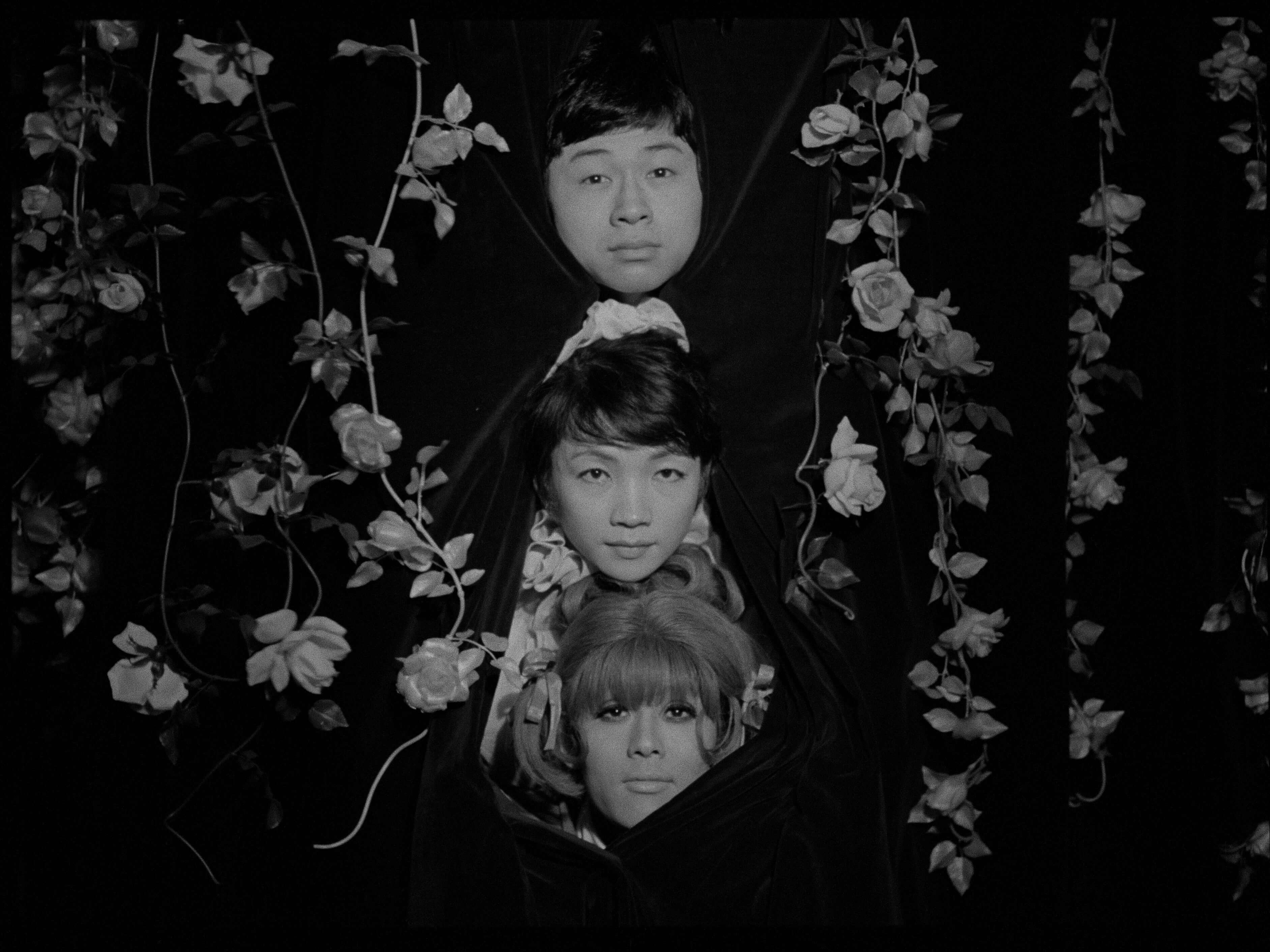
Toshio Matsumoto repurposes Oedipus Rex to explore the impossibilities of true authenticity in an anarchic voyage through late ’60s counterculture Shinjuku. Review.

Looking For? (UK Premiere)

7 November | Catford Mews

Documentary exploring questions of intimacy in contemporary gay life interviewing men from Taipei, Beijing, New York and London to find out what it is they’re looking for.

Tracey

8 November | Riverside Studios

50-something Tai-hung is a married father of two grown-up children living a conventional life in contemporary Hong Kong, but a phone call informing him that a childhood friend has passed away forces him into a reconsideration of his life choices and a long delayed acceptance of a transgender identity in Li Jun’s moving drama. Review.

Memories of My Body (UK Premiere)

23 November 2020 | HOME Manchester

19 January 2021| Barbican Centre

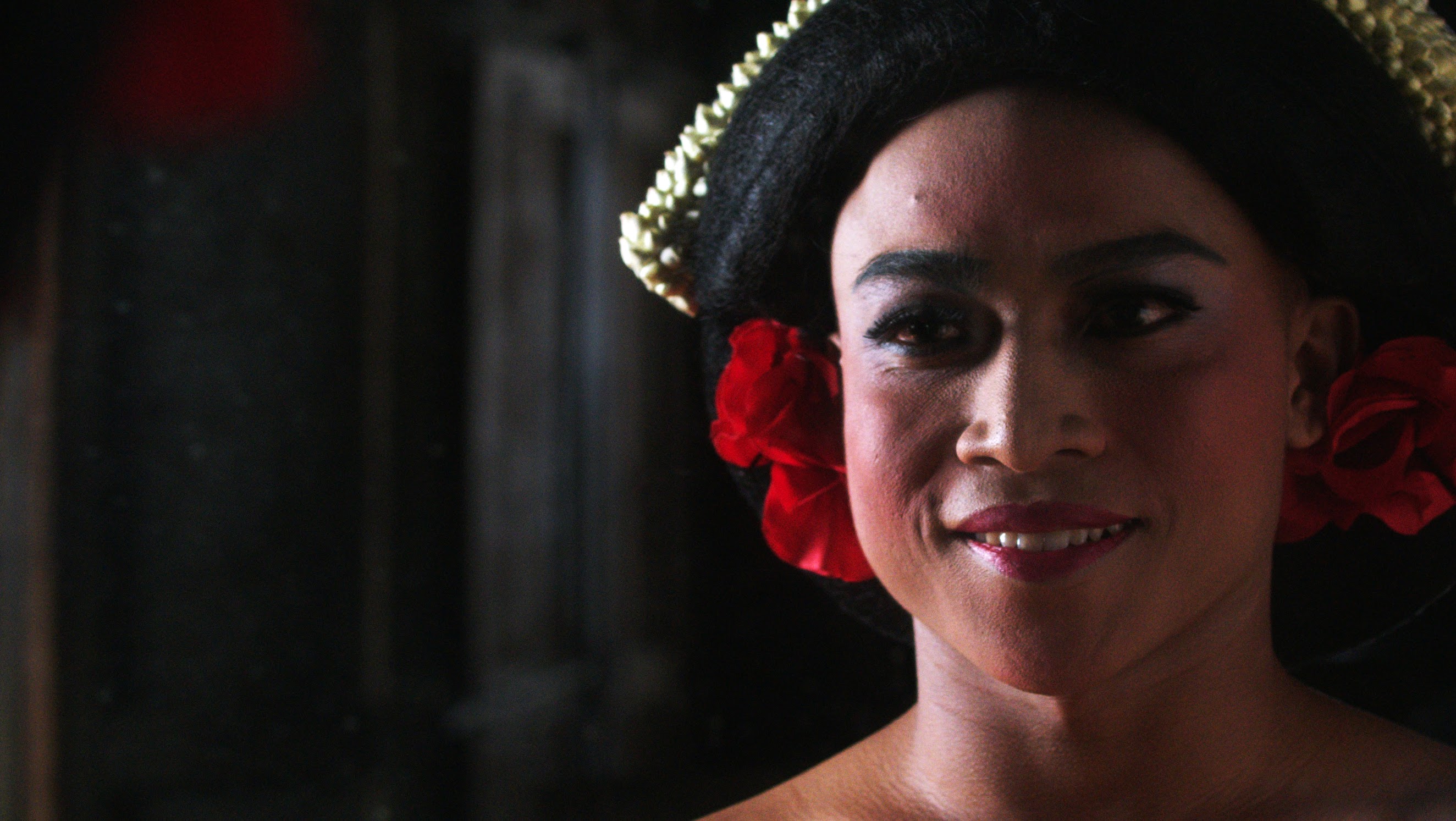
A Lengger dancer looks back on his life as a tale of growing acceptance of sensuality lived against a turbulent political backdrop. Review

A Dog Barking at the Moon

November 2020 (TBC) | Curzon Goldsmiths

An expectant mother is forced to confront the idea of family while staying with her emotionally estranged parents in Xiang Zi’s melancholy indie drama. Review.

The Shepherds (UK Premiere)

30th October to 5th November | Taiwan Film Festival Edinburgh | Online

Documentary focussing on a series of pastors advocating for the rights of LGBTQ+ Christians in Taiwan often at great personal cost.

Nobody (UK Premiere)

30th October to 5th November | Taiwan Film Festival Edinburgh | Online

A lonely teenage girl processing the bourgeois hypocrisies of her upper-class family bonds with a mysterious old man with secrets of his own in Lin Chun-hua’s moving drama. Review.

Queer Japan

November 2020 (TBC)

Graham Kolbeins’ documentary exploring LGBTQ+ life in contemporary Japan including contributions from mangaka Gengoroh Tagame (My Brother’s Husband), drag queen Vivienne Sato, and Aya Kamikawa who recounts her path to becoming the first transgender elected official in Japan.

Girlfriend Boyfriend

November 2020 (TBC)

Yang Ya-che’s modern classic in which the friendship between three young people fighting for democracy at the tail end of the Martial Law era is tested by their conflicting feelings for each other.

Spider Lilies

November 2020 (TBC)

Zero Chou’s lesbian classic in which a web-cam girl visits a tattooist’s studio and becomes obsessed with the spider lily tattoo on her arm. Hoping to get to know her better, she asks her to give her the same tattoo but the experience reawakens memories which threaten to force the two women apart.

The Wedding Banquet

November 2020 (TBC)

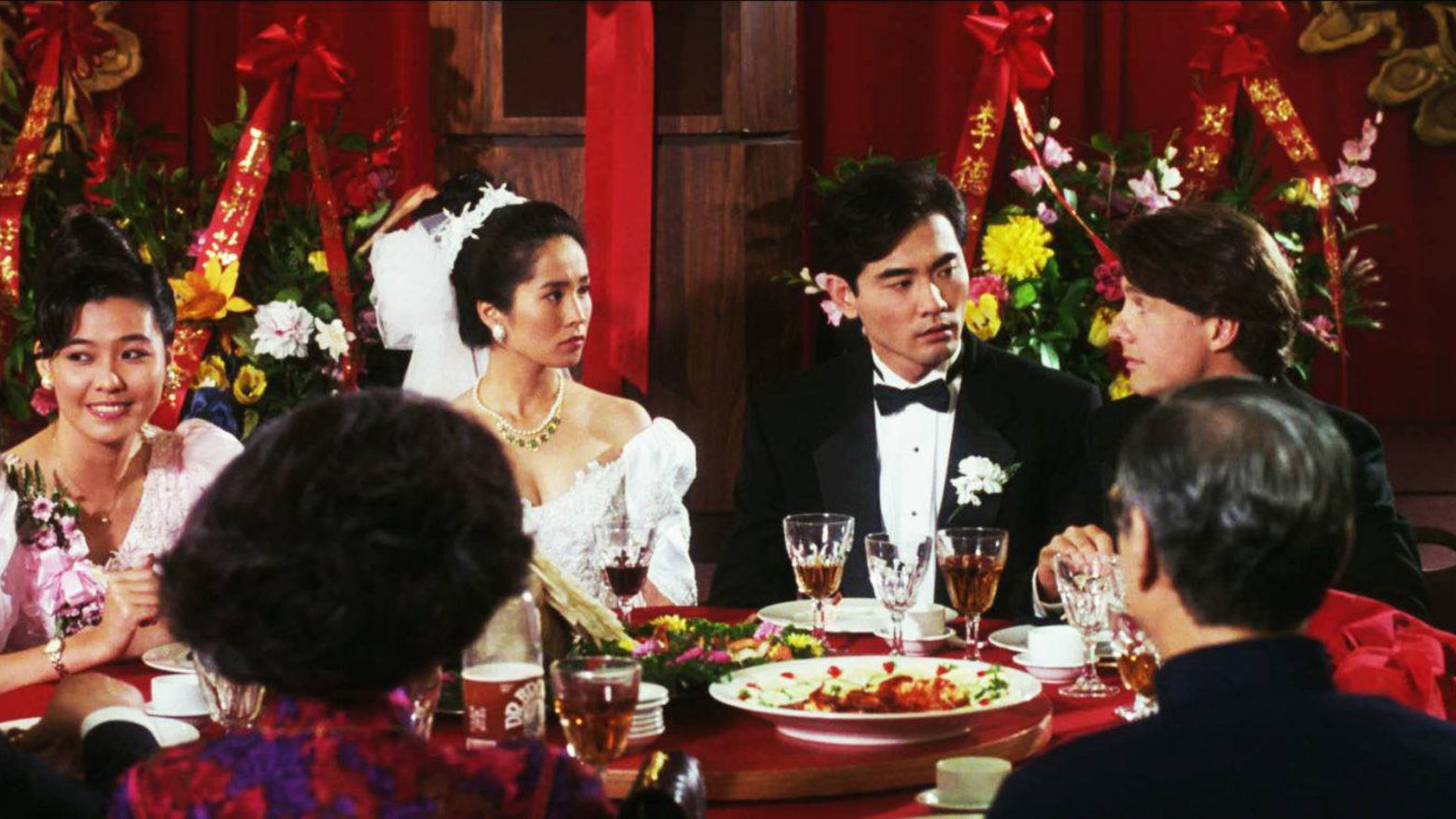
Ang Lee’s 1993 Asian-American classic in which a gay Taiwanese New Yorker agrees to participate in a green card marriage to a Chinese artist to get his nagging parents off his back.

Lilting

Early 2021 (TBC)

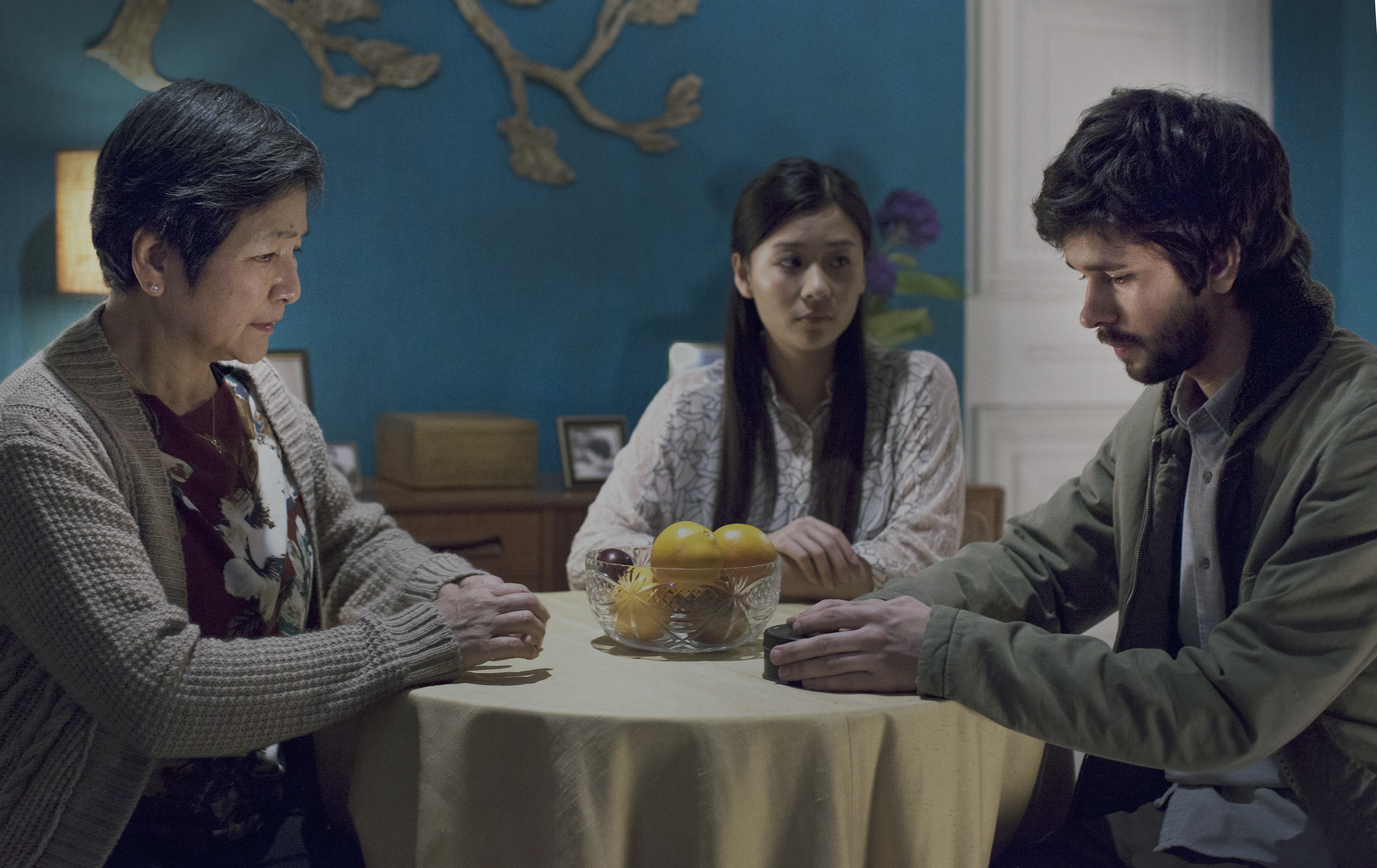
A man tries to connect with the mother of his late partner who speaks only Cambodian-Chinese and remained unaware of her son’s sexuality in Hong Khaou’s deeply moving debut feature.

Malila: The Farewell Flower

Early 2021 (TBC)

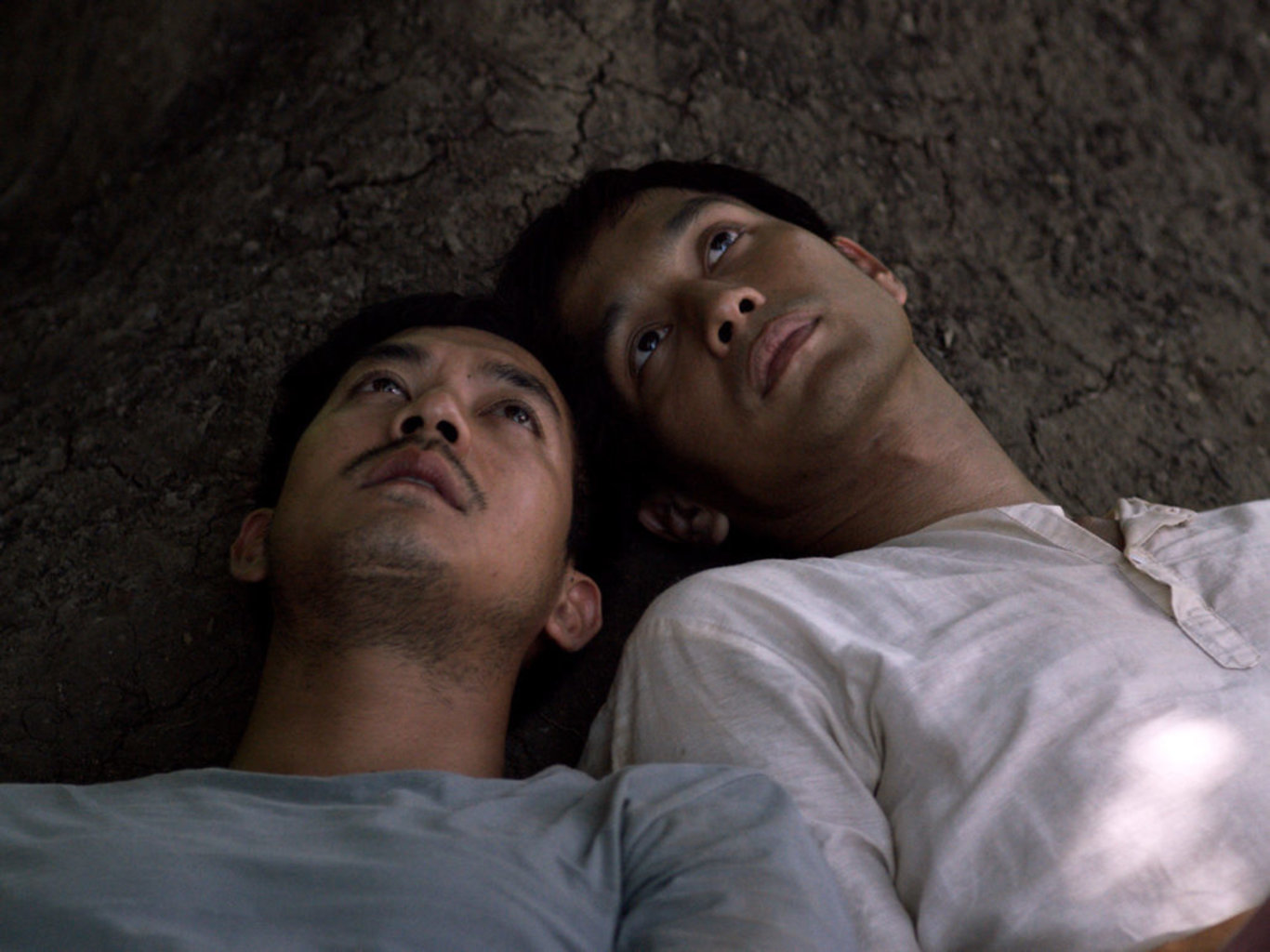
Reeling from tragic loss, a young man reunites with the love of his youth only to discover he has terminal lung cancer and has chosen to forgo all treatment in Anucha Boonyawatana’s melancholy meditation on love, life, and transience. Review.

Queer East 2020 runs online and in cinemas October 2020 to January 2021. Full details for all the films as well as ticketing links can be found on the official website, while you can also keep up with all the latest news by following Queer East on FacebookTwitterInstagram, and YouTube.

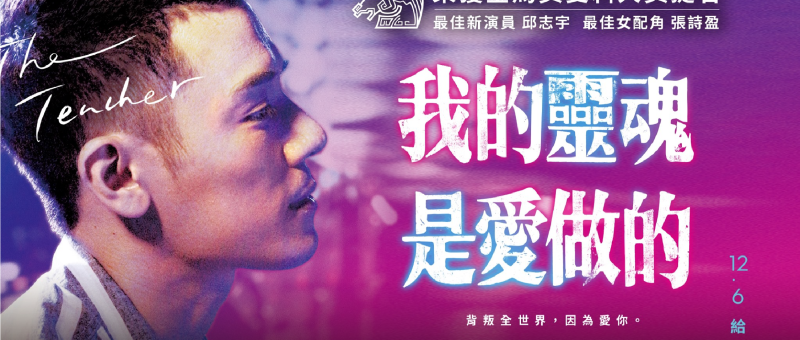
The Teacher (我的靈魂是愛做的, Chen Ming-Lang, 2019)

Taiwan became the first Asian nation to legalise same-sex marriage on 24th May, 2019. That does not however mean that the LGBTQ+ community is universally accepted or that entrenched conservative social attitudes simply evaporated over night. As Chen Ming-Lang’s The Teacher (我的靈魂是愛做的, Wǒ de Línghún Shì Ài Zuo de, AKA My Soul is Made of Love) makes plain, not even those within the community are entirely free of prejudice especially when comes to issues such as HIV and the complicated give and take of what it means to be “out” when personal concerns may conflict with those of an employer or industry. 

Those are perhaps questions that politically engaged civics teacher Kevin (Oscar Chiu) has largely resisted asking. On his off days, he campaigns for marriage equality and for gender equality in education as well as attending pride rallies, but is warned about including LGBTQ+ issues in his teaching programme for fear of offending parents. Director Lin (Lin Chin-Yu), the headmaster, makes offhand comments about Kevin’s perfectly respectable haircut while reminding him that while he works at the school he’s also its representative and he’d prefer it that he keep a low profile to avoid bringing its name into disrepute. Lin is careful to couch his complaints in neutral language, stressing that he personally is fine with Kevin’s sexuality, but is required to be mindful about the reactions of others, deflecting responsibility for at least failing to counter homophobic attitudes in and around the school. Nevertheless, Kevin tries to sidestep him by continuing to include the topics he’d like to talk about by framing them in less problematic terms, for example discussing the upcoming referendum on marriage equality by debating the vote itself, asking if it’s even ethical to give people the option to vote to deny a specific sector of their society the same rights that everyone else has that should be accorded to all without question. 

Kevin’s worldview is challenged, however, when he starts dating a slightly older man, Gao (Chang Chin-hao), whom he met in a gay bathhouse. Kevin tells him that he’s looking for a longterm relationship, wanting to settle down and eventually get married but is currently living with his hairdresser single mother. Moving in with him quite quickly after Gao went temporarily incommunicado following a minor illness, Kevin is later shocked to discover not only that Gao’s relationship with his ex-wife is not quite as over as he implied, but that he is also HIV+. Learning that Gao has HIV exposes Kevin’s rather shallow grasp of his sexual health. Not only does he not know where to go to get tested, but he conflates HIV and AIDS, convinced that he’s been given a death sentence after noticing that his gums are bleeding. 

While beginning to resent Gao for exposing him to the virus, Kevin is also confused by his admittedly complicated family situation. At some point in the past, Gao evidently opted for a heterosexual marriage to please his conservative family who still don’t seem to be aware that the relationship is over or that Gao is gay. At an awkward family gathering, Kevin is invited but introduced as Gao’s friend while his former wife, Wei, sits on the other side of him being quietly needled by her judgemental mother-in-law for failing to provide a grandchild. Gao apparently promised to father a child with Wei through IVF as a condition for dissolving the marriage which is why she’s still overly present in his life and in Kevin’s eyes laying claim to him. Yet Kevin’s major preoccupation isn’t so much with the results of everyone’s choices or how best to support his new partner and his extended family in this unusual situation but with his own reluctance to think of himself as a “home wrecker” the fact that the marriage ended two year’s previously seeming not to occur to him. 

It’s at school, however, where he faces the greatest challenges not only in the homophobic bullying from his immature students with whom he never seems to have much of a rapport, but from his colleagues when he becomes the subject of an internet rumour about a teacher with AIDS. Faced with a dilemma Kevin’s reluctance to confirm his sexuality while insisting that the rumour is false (despite suspecting it might not be) is more personal than political even as his female colleagues attempt to stand up for him by countering a belligerent, older male teacher who wants him sacked that no one should be expected to submit themselves to invasive medical procedures or be denied their right to privacy simply because of a malicious rumour. Lost and afraid, Kevin shuts down, giving in to passivity while succumbing to misplaced rage about his marginalised place in society as he’s denied access to a hospital where he believes Gao has been taken for treatment after an accident assuming they won’t tell him if he’s there because he’s not a legal relative. 

Chen closes with a brief coda explaining that same-sex marriage will be legalised later in the year, Kevin declaring that it will be on his syllabus as if confirming something has changed, yet it’s clear that attitudes may not have shifted as much as hoped while there is still a widespread lack of awareness about HIV issues combined with a social stigma compounded by homophobia. Nevertheless The Teacher presents a complex picture of LGBTQ+ lives at a moment of social transition in which the promise of a coming equality brings with it both anxiety and hope for those who’ve had to accommodate themselves to life on the margins of a now less hostile society. 


The Teacher is available to stream in the UK as part of the Iris Prize Film Festival in collaboration with Queer East.

Original trailer (no subtitles)