The Shepherds (牧者, Elvis Lu, 2018)

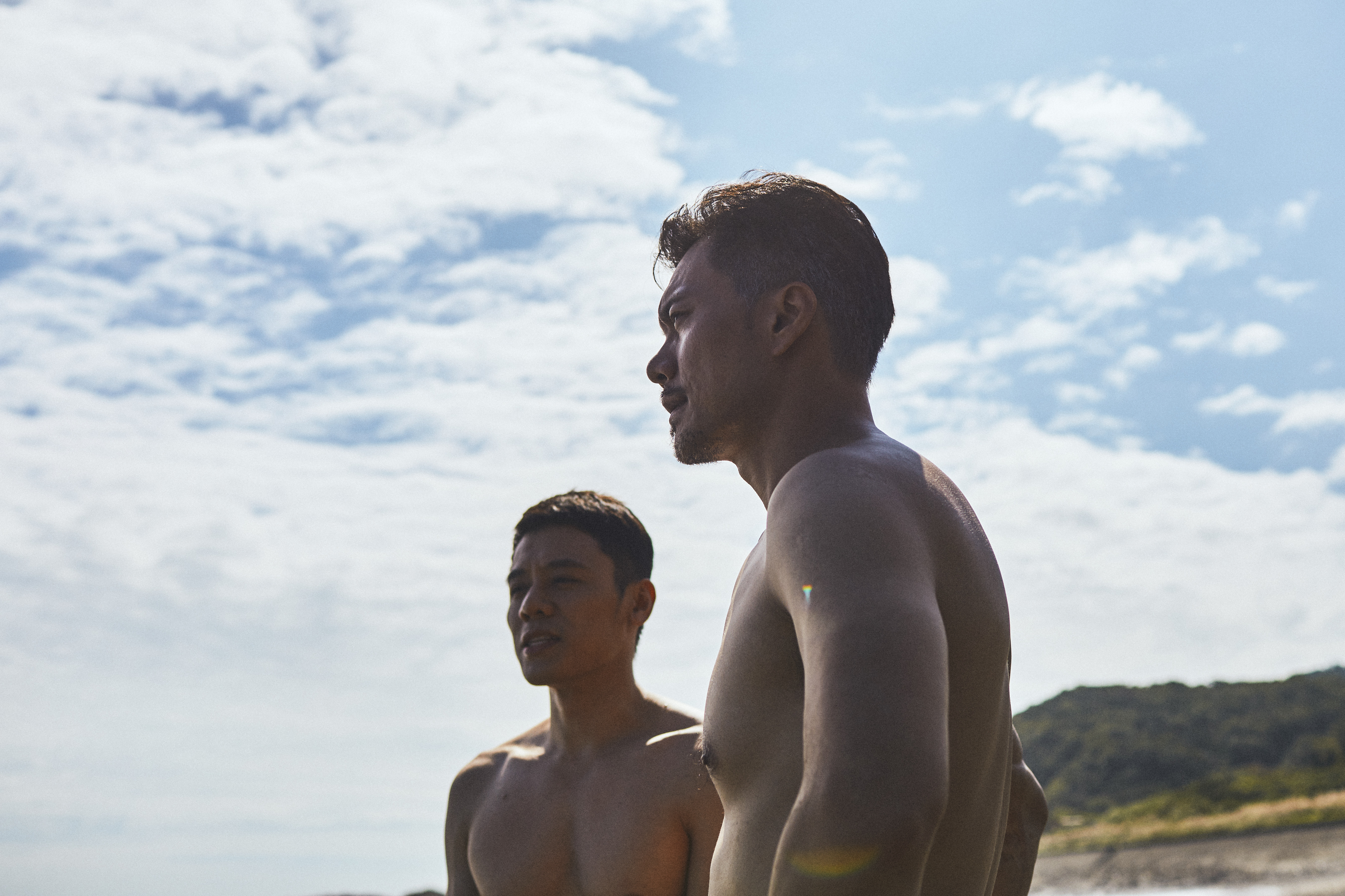
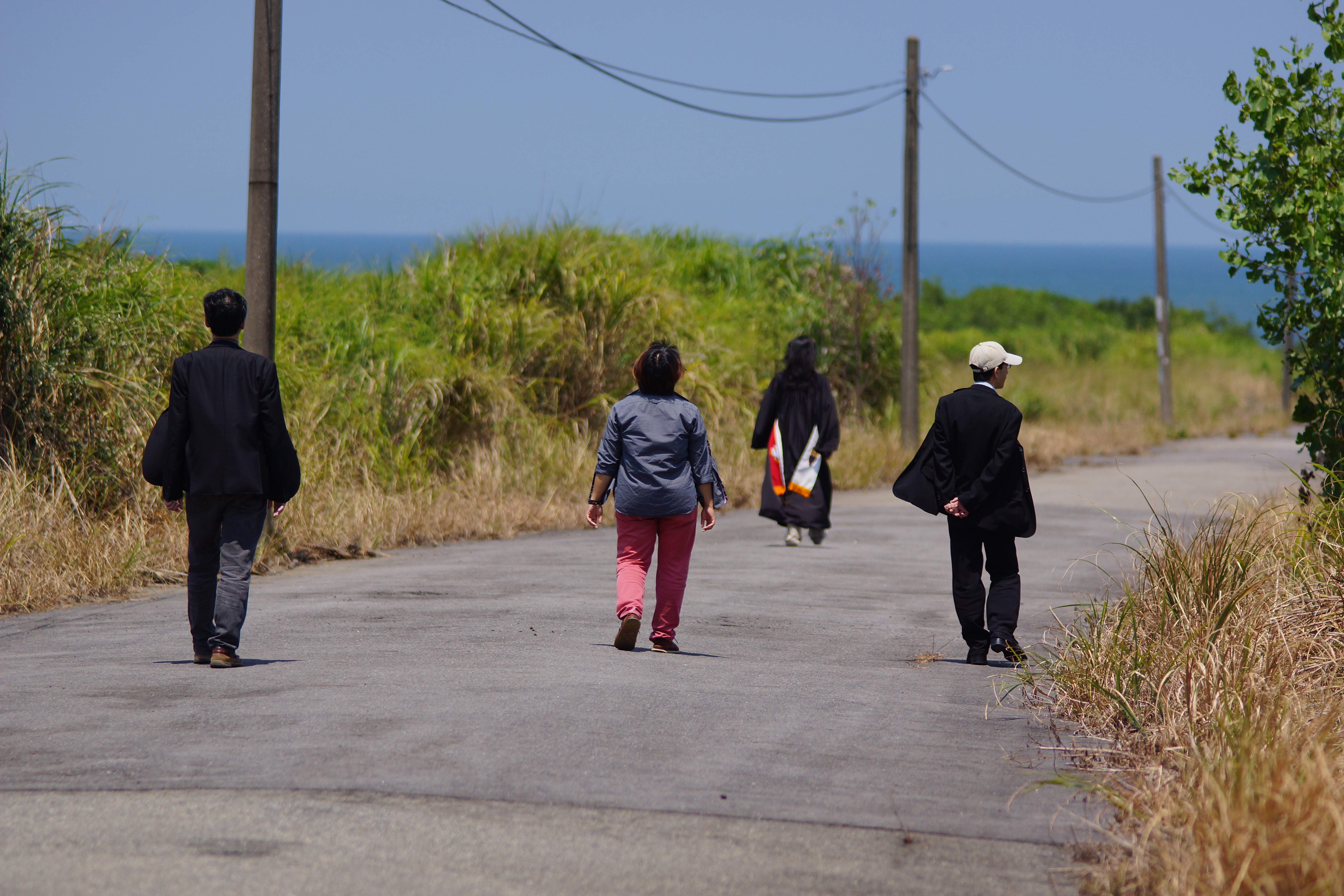
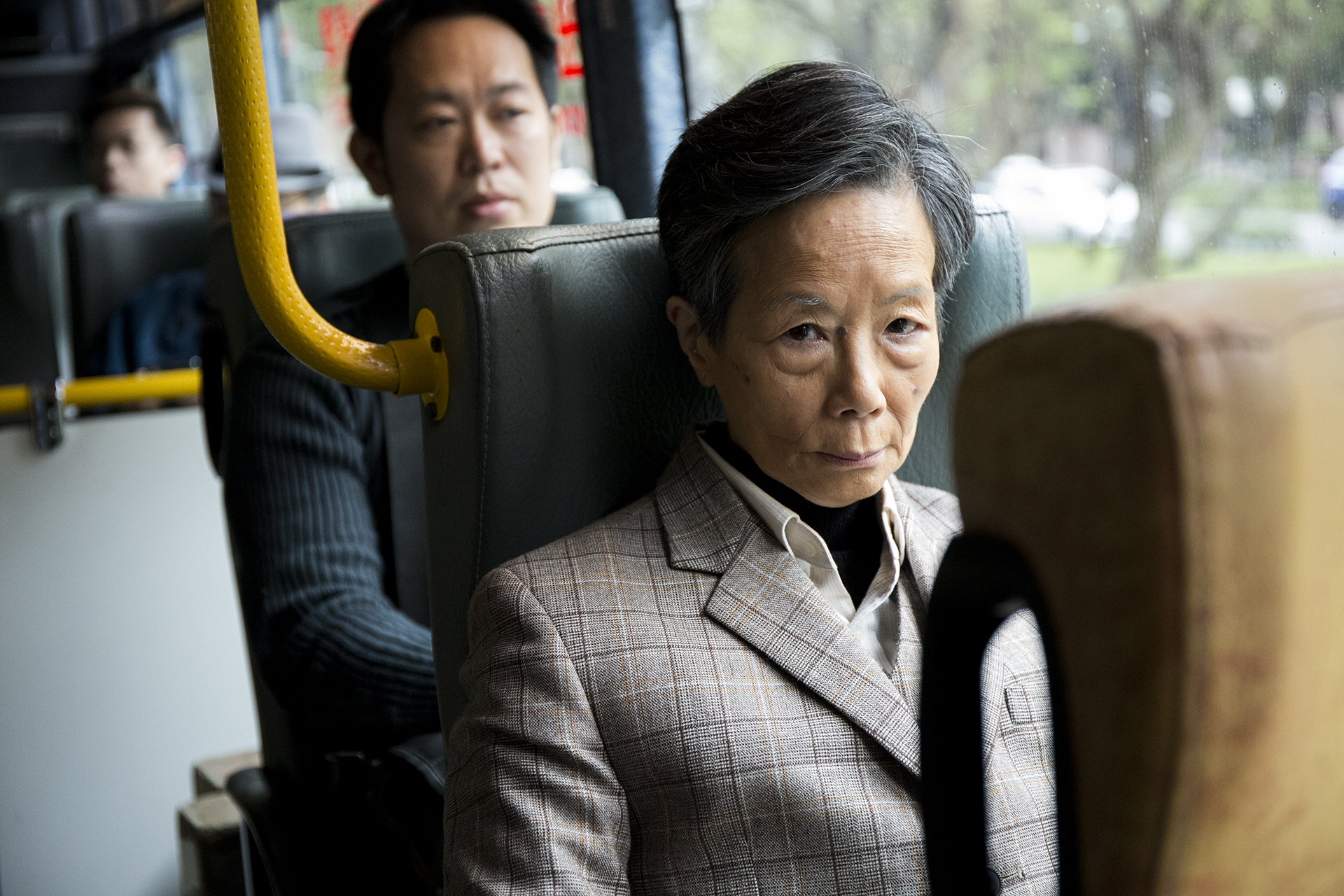
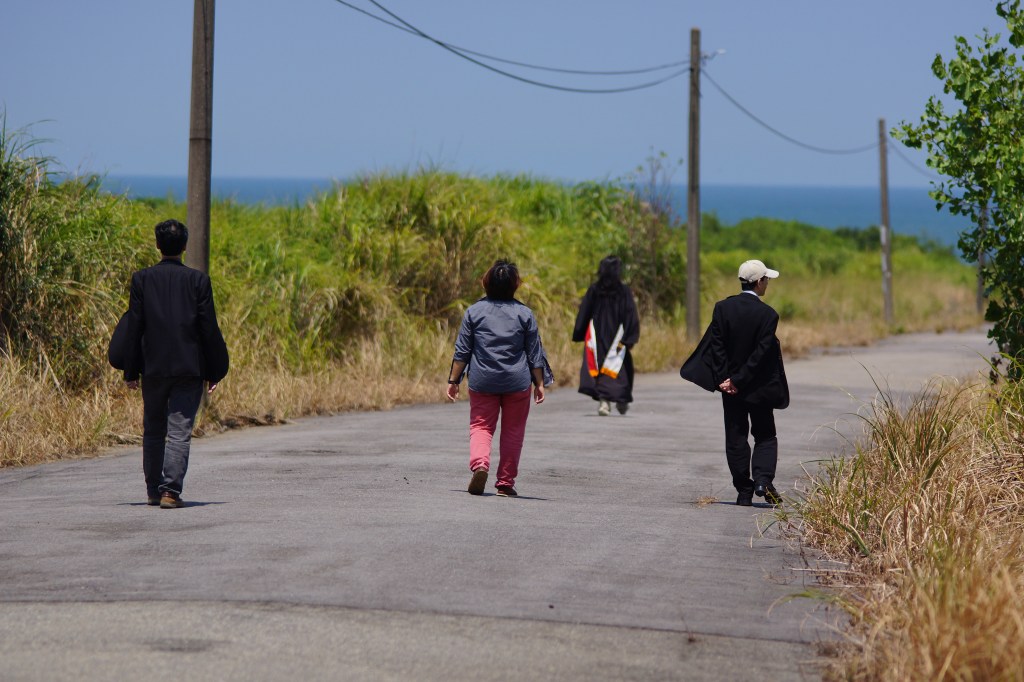
Among the most liberal of Asian nations, Taiwan became the first to legalise same-sex marriage in 2019 but that doesn’t mean that it’s always easy to be LGBTQ+ particularly if you come from a religious background and wish to maintain your faith. Elvis Lu’s documentary The Shepherds (牧者, Mùzhě) follows a small group of religious leaders who are or have been involved with a progressive church, Tong-Kwang, which was the first in Taiwan to expressly embrace the LGBTQ+ community on its foundation back in 1996. Unfortunately, however, the pastors have faced significant barriers in their personal and professional lives because of their views on homosexuality which face staunch opposition from mainstream religious organisations. The founder of Tong-Kwang Yang Ya-hui, a heterosexual female pastor, eventually took her own life because of the discrimination she later faced within the religious community which made it impossible for her to continue working and support herself without compromising her beliefs. 

Discrimination is also something which has affected pastor Huang Guo-yao and his wife who now work for Tong-Kwang but began their careers in Hong Kong. Huang was forced to give up his ministry after advocating for LGBTQ+ rights brought him into conflict with the more conservative local Churches, eventually making the decision to migrate to Taiwan while his children remained in Hong Kong. He laments that the situation in which he found himself may have had a negative effect on his now grown-up sons, the younger one he worries having become increasingly withdrawn and unwilling to talk about his feelings. 

Zeng Shu-min, meanwhile, is in a similar position unable to find employment with more conventional churches as an openly gay pastor. While officiating at same sex weddings, he’s had to look for other employment to support himself and generally lives an ascetic existence, dependent on the kindness of friends such as Hsiao-en, a lesbian advocate for LGBTQ+ Christians who was herself ejected from the seminary for her liberal views. Running the Light Up project, she provides a more positive religious presence at rallies where conservative voices loudly protest against the advancement of rights for LGBTQ+ people and the movement for marriage equality. Presenting a united front in their priestly outfits, conservative preachers openly commit to undermining the seats of local politicians sympathetic to LGBTQ+ issues, some advancing that they want to “protect” the LGBTQ+ community who must be living “very painfully”, while they refuse to compromise the “basic values” of their society. 

As part of her outreach, Hsaio-en also liaises with the parents of LGBTQ+ children who often find themselves ostracised from their church community solely because of their children’s sexual orientation. Like Shu-min, she also has to work a regular job to support herself while feeling guilty for not being able to devote herself to activism full time and lamenting that hard as she works it often feels as if she isn’t getting anywhere and her efforts don’t make much difference. Yet Tong-Kwang in itself provides a valuable safe place for LGBTQ+ Christians, running a hotline those in distress can call for relief when experiencing difficulty in their personal or religious lives and affirming that their sexuality need not conflict with their faith nor is it a barrier to God’s love. 

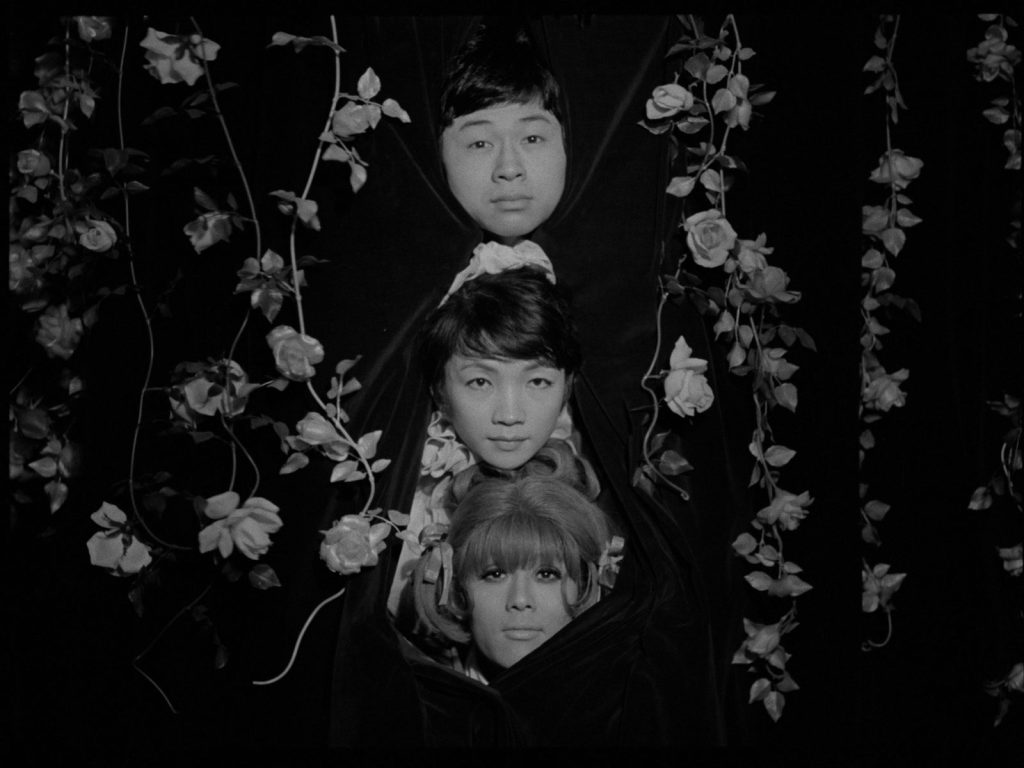
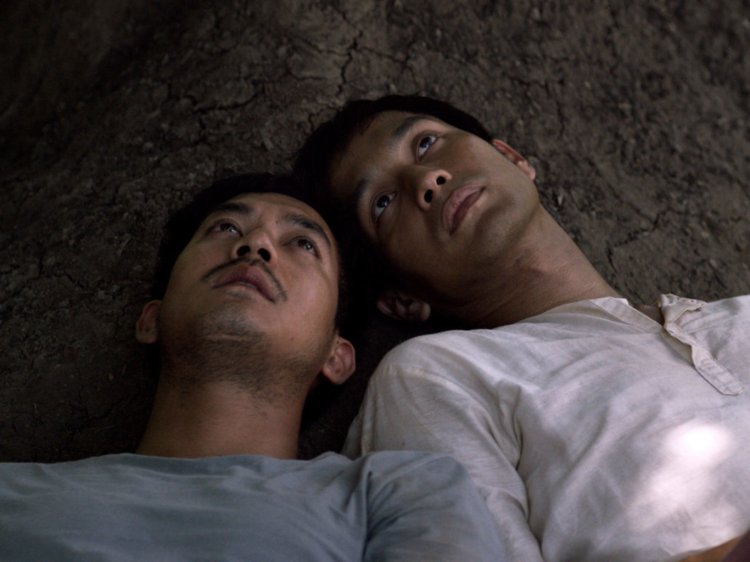
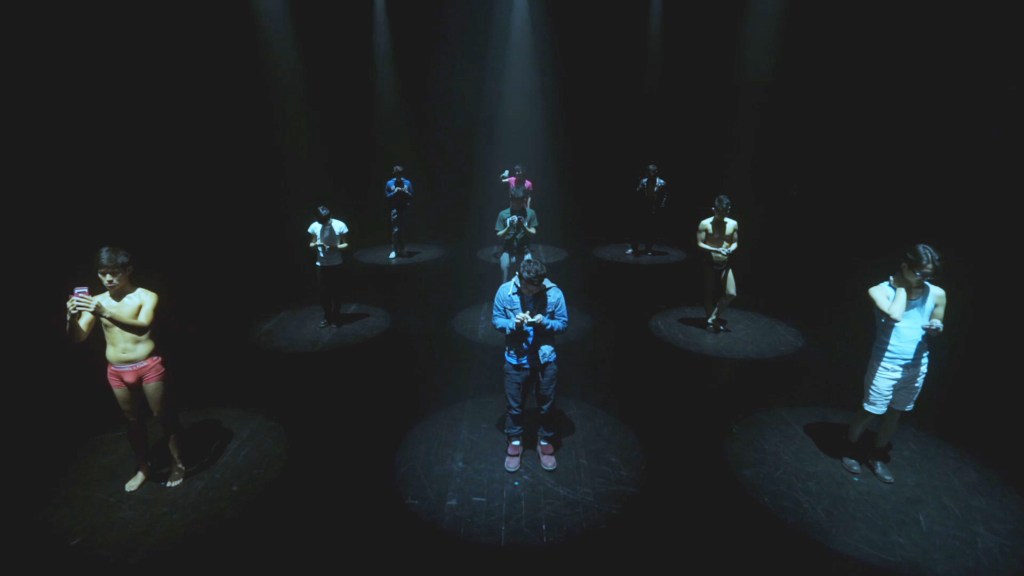
With a mixture of observational footage and talking heads interviews, Lu bookends the film with poetic black and white re-enactment featuring the words of pastor Yang Ya-hui taken directly from her autobiography, positioning her as a kind of martyr for the rights of LGBTQ+ people in Taiwan and particularly for LGBTQ+ Christians. The film ends with the passing of the marriage equality act, but is quick to point out that that does not mean that prejudice and discrimination evaporated overnight, Hsiao-en in particular worried that organisations such as hers will come under greater pressure from conservative religious voices intensifying their opposition. Nevertheless, despite the sometimes great toll on their personal lives and those of their families, each of the shepherds remains committed to defending the rights of LGBTQ+ people not only to occupy an equal place within their society but also within their faith as members of a compassionate and progressive religious community. 


The Shepherds streams in the UK 30th October to 5th November courtesy of Queer East and Taiwan Film Festival Edinburgh.

Original trailer (English subtitles)
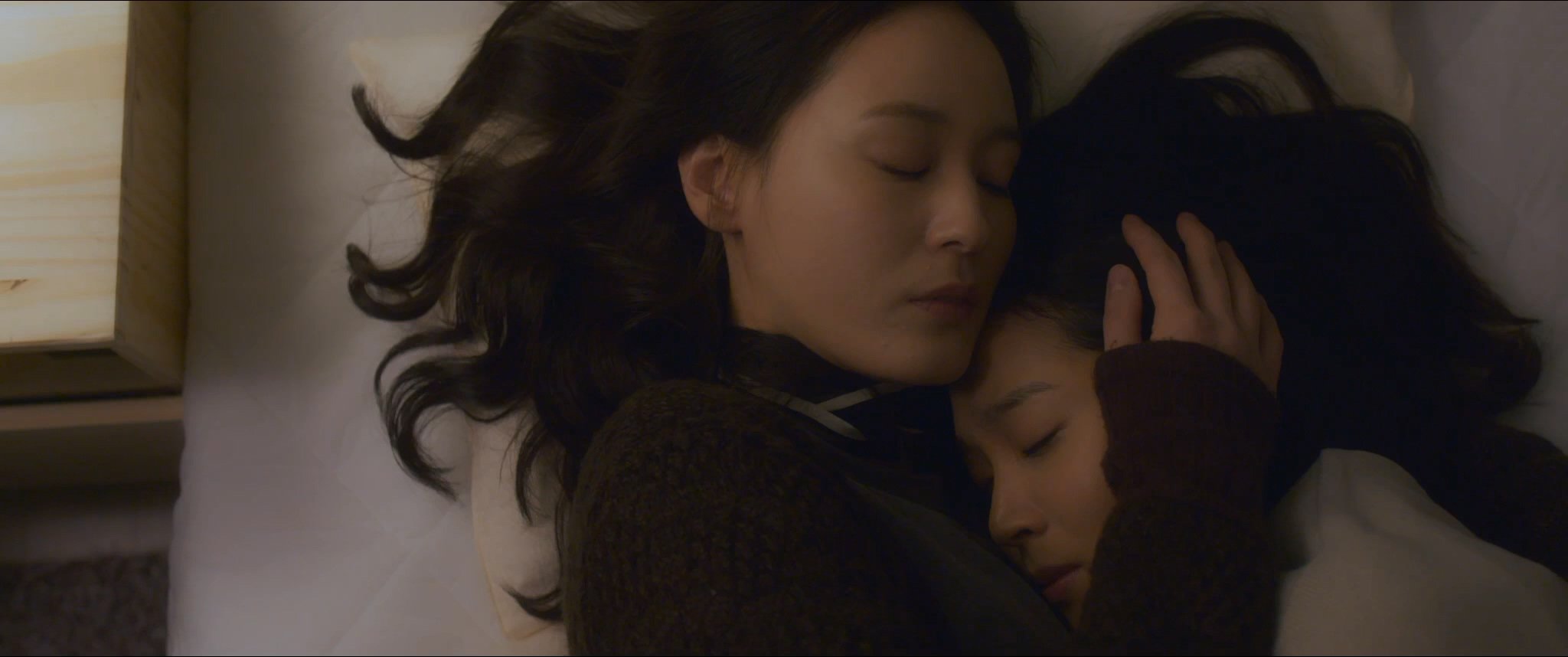
Sisterhood (骨妹, Tracy Choi, 2016)

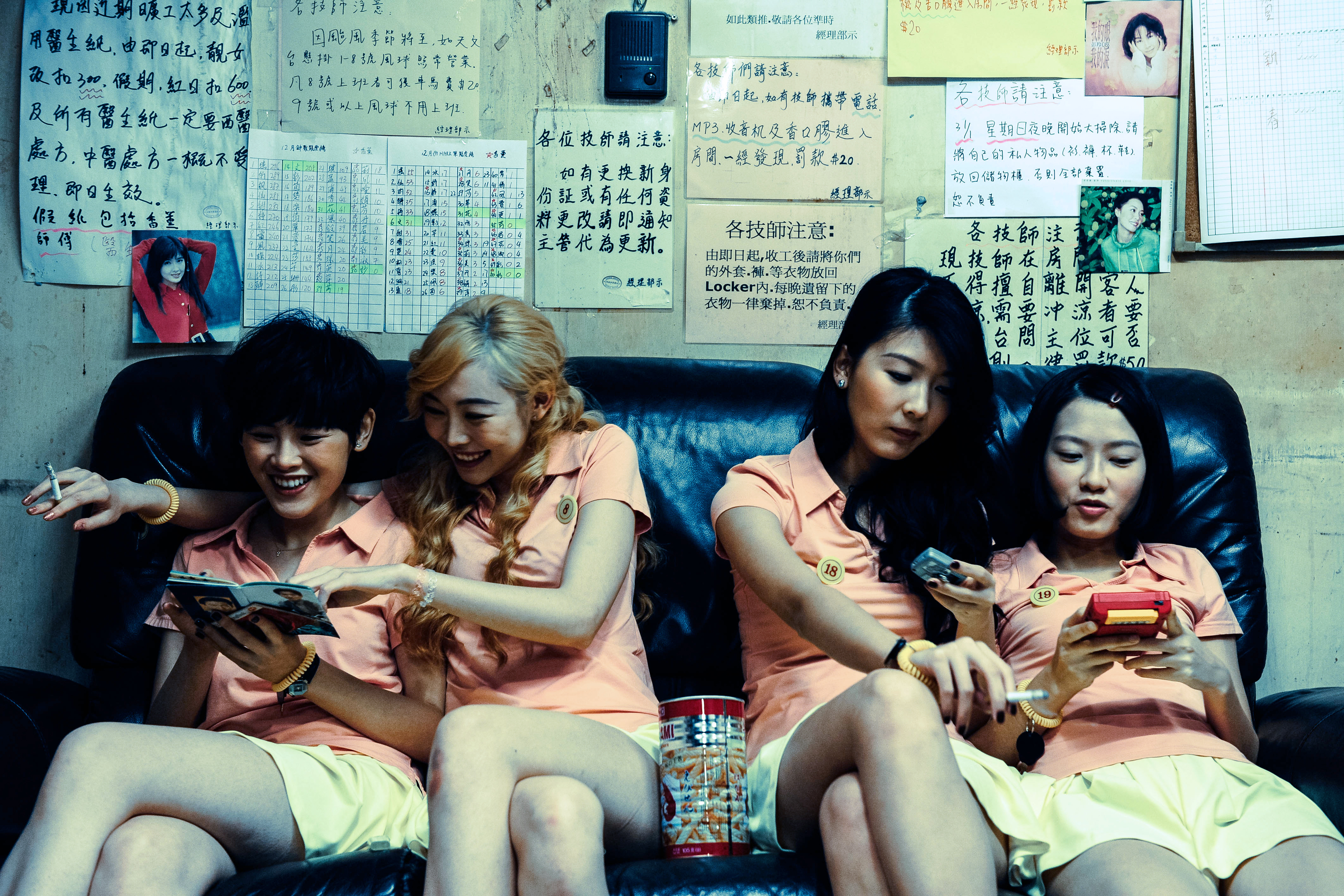
Middle-aged regret and irreconcilable loss bring one lonely woman home from exile in Tracy Choi’s melancholy exploration of impossible love and illusionary futures, Sisterhood (骨妹, Gwat Mui). Moving from present day Taiwan to pre-handover Macao, Choi’s emotionally complex drama is both a chronicle of changing times and not as the collection of women at its centre attempt to protect themselves from a relentlessly patriarchal society through female solidarity only to see their fragile bonds disrupted by a political sea change. 

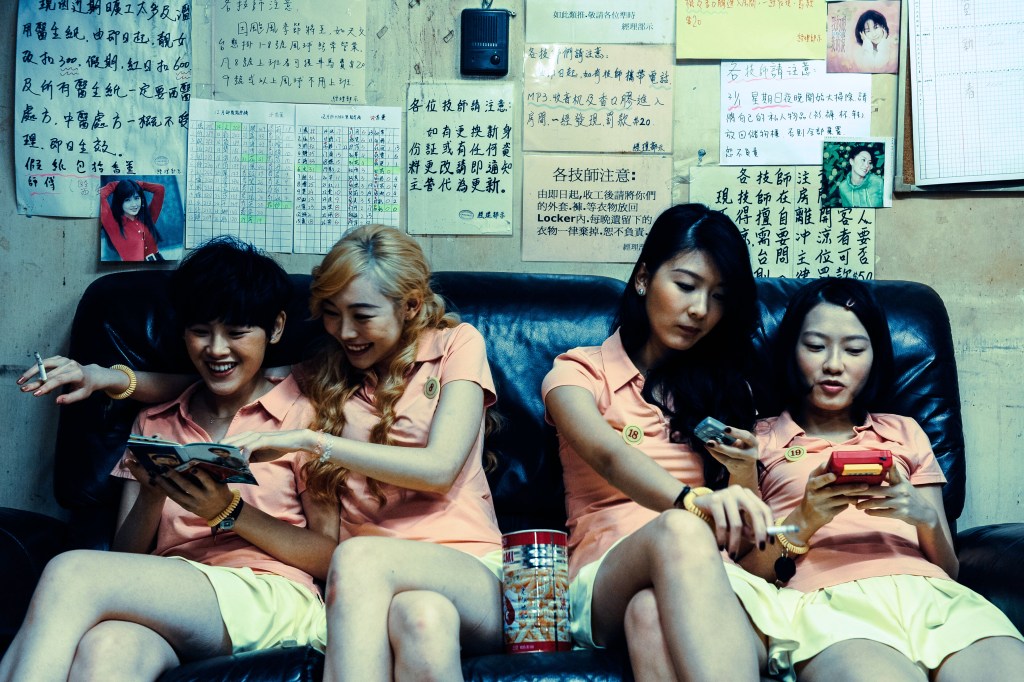
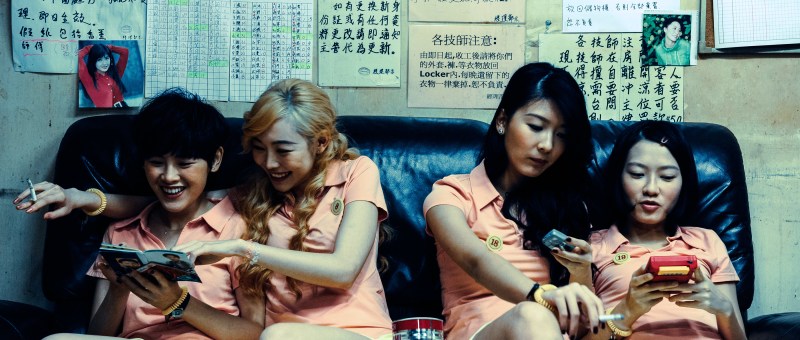
Choi opens in the present day with a now almost middle-aged Sei (Gigi Leung Wing-kei) visiting a doctor’s surgery after fracturing her wrist, apparently the result of an all too common drunken accident. Now living in Taiwan and running a small inn with her devoted husband who is perhaps overly supportive in his willingness to enable her drinking on the grounds that it keeps her “happy”, Sei appears to be quietly miserable. Spotting an ad in a newspaper telling her that an old friend, Ling (Jennifer Yu Heung-ying), with whom she’d long since lost touch has passed away jolts her out of her inertia, journeying back into the past as she finds herself travelling to a very different Macao to that of her youth in which the young Sei (Fish Liew) worked as a masseuse and was part of a quartet of close friends trying to survive the indignities of life on the margins through shared sisterhood. 

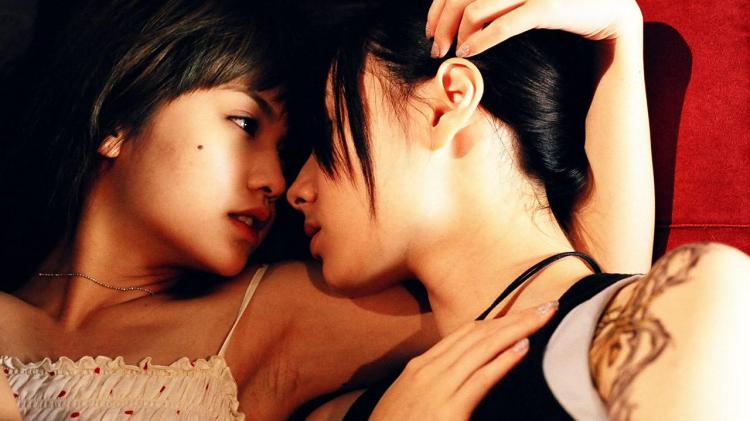
Sei’s “breakup” with Ling occurs on the very day that Macao returns to China, her friends seemingly thereafter scattering as she finds herself agreeing to a rebound marriage with an earnest Taiwanese customer who abruptly proposed on their very first date. We hear Ling tell her that she has found a man willing to marry her, but that her son Lok is an obstacle and so she plans to send him to the Mainland, cruelly ignoring the part that Sei has been playing in their lives as a co-parent even if, as we discover, the relationship between the two women goes largely undefined. Having moved in with her after losing her apartment, it is Sei who is there to support Ling when she becomes unexpectedly pregnant by a casual boyfriend/customer, eventually convincing her to have the baby by assuring her they’ll raise it together, but despite their pledges to stay together always the spectre of heteronormativity hangs over them constantly. Mocked in the street by a couple of old busybodies, Ling reacts with extreme sensitivity to the word “lesbian”, quickly moving her hand away from Sei’s as they push their son together in his pushchair lest conclusions be drawn from their closeness. Sei, by contrast, pays it no mind though this could easily be because she knows it isn’t “true”, at least in any concrete sense. The two women are evidently not lovers, if perhaps in love, but so impossible does their relationship seem to them that they lack the ability to recognise it let alone envisage its future. 

It is perhaps this degree of internalised shame that leads Ling to push Sei away, believing either that she will be “happier” in a heterosexual relationship, that she is in some way preventing her from living a more socially conventional life, or just afraid of her own feelings in assuming they are not returned and that she does not in any case deserve romantic happiness. The irony being that Sei’s married life seems to have been one of miserable emptiness and regret, stubbornly attempting to make the conventional work without quite knowing what the cause of her pain really is. On her return to post-handover Macao, she’s confronted with the failed futures of all her friends, one now a young grandmother owning her own business but forced to work herself to the bone to provide for her family, and the other near destitute and alone, floundering in the casino paradise of the upscale modern city. Meeting the now grown Lok she confides that she’s happy for him because lost as he is he has choices they never had in their young lives in which they did anything they could just to survive. 

The female solidarity which had enabled the four women to navigate a world in which they were encouraged to believe that their only option was to gain access to male economic power has thoroughly broken down in the post-handover society, and so Sei’s return is also a healing in helping to repair the broken bonds between her friends and restore the “sisterhood” which had been ruptured by the passing of an era. She can no longer repair her relationship with Ling and is perhaps left with a sense of longing and regret for an irretrievable past, but in coming to an understanding of her youth, her own feelings and desires, she gains the self-knowledge denied to her during her 15 years of exile, finally in a sense returning “home”. 


Sisterhood is available to stream in the UK 23rd October to 5th November via Barbican on Demand as part of this year’s Queer East Film Festival.

Original trailer (English subtitles)
Queer East Announces Lineup for Hybrid 2020 Edition

Queer East returns for 2020 with a revised hybrid edition online and in cinemas from late October into early 2021! In addition to the previously announced programme much of which remains, the festival will also be teaming up with Taiwan Film Festival Edinburgh for UK premieres of two recent Taiwanese LGBTQ+ movies, as well as Iris Prize Festival, and Barbican On Demand, while there will also be a selection of cinema screenings across the UK.

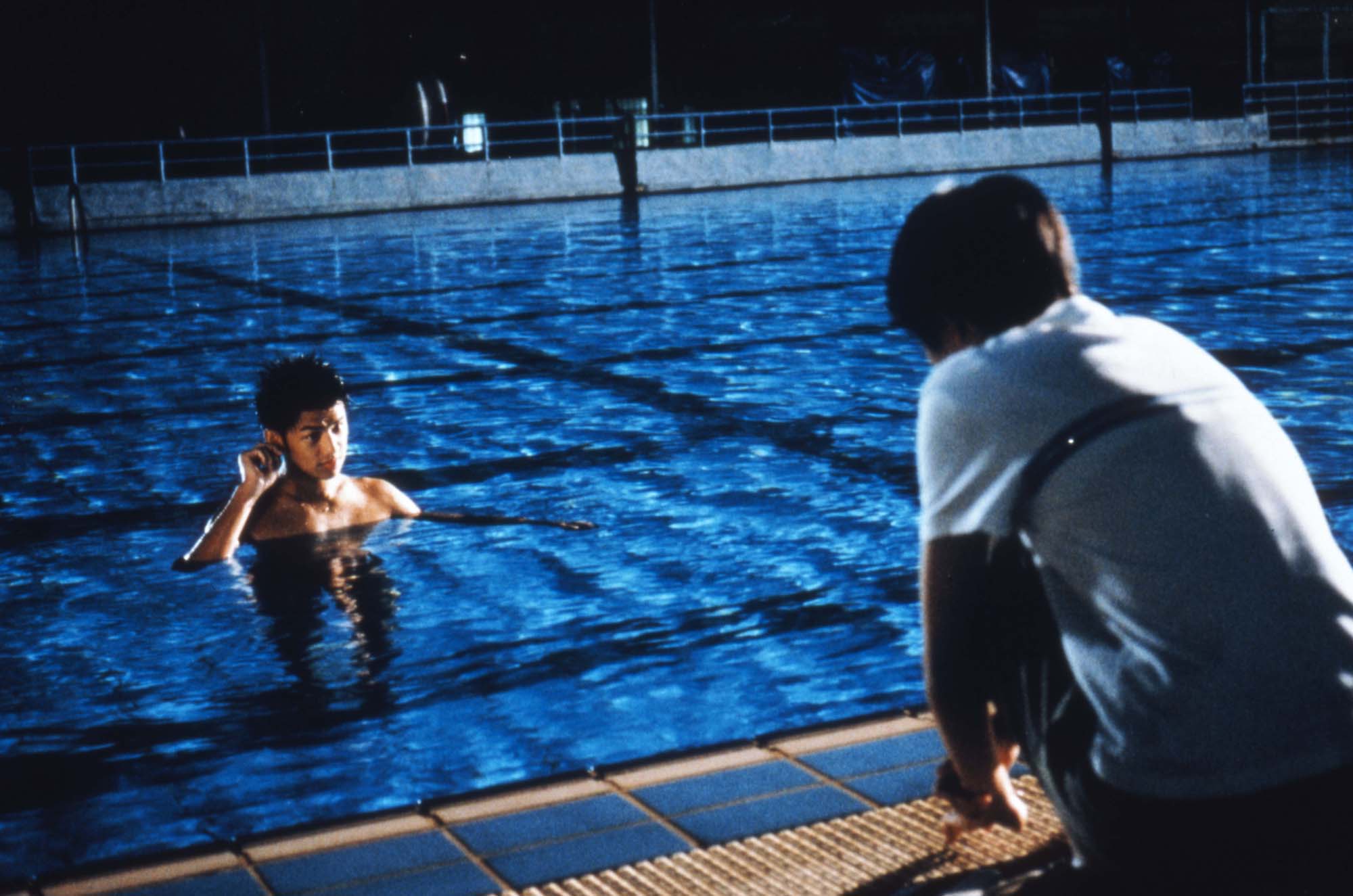
Blue Gate Crossing (35mm)

22 October | Genesis Cinema

Taiwanese classic from Yee Chih-yen starring Gwei Lun-mei and Chen Bo-lin as high school students pursuing conflicting romantic destinies.

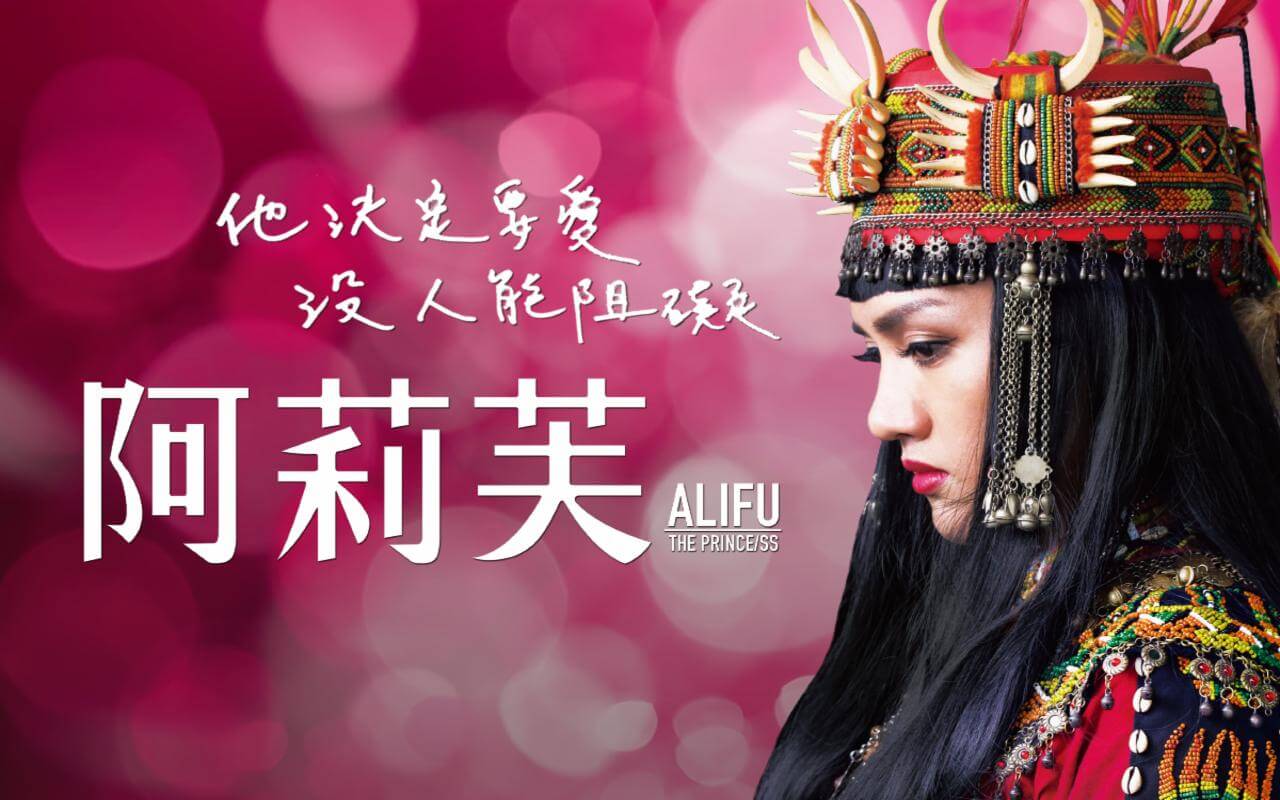
Alifu, the Prince/ss

25 October | Genesis Cinema

Empathetic drama in which a transgender woman from an indigenous community finds herself caught between conflicting cultural mores. Review.

Between the Seasons (UK Premiere)

9 – 31 October 2020| Iris Prize LGBT+ Film Festival | Online

Hae-soo moves to a new city and opens a cafe where high schooler Ye-jin becomes a regular and eventually starts working. The two women draw closer but each have closely guarded secrets. Review.

The Teacher (UK Premiere)

10 – 31 October 2020| Iris Prize LGBT+ Film Festival | Online

A teacher’s personal and professional lives are destabilised by his support for equal marriage and relationship with a closeted, HIV+ older man. Review.

Sisterhood (UK Premiere)

23 October – 5 November 2020 | Barbican Cinema on Demand | Online

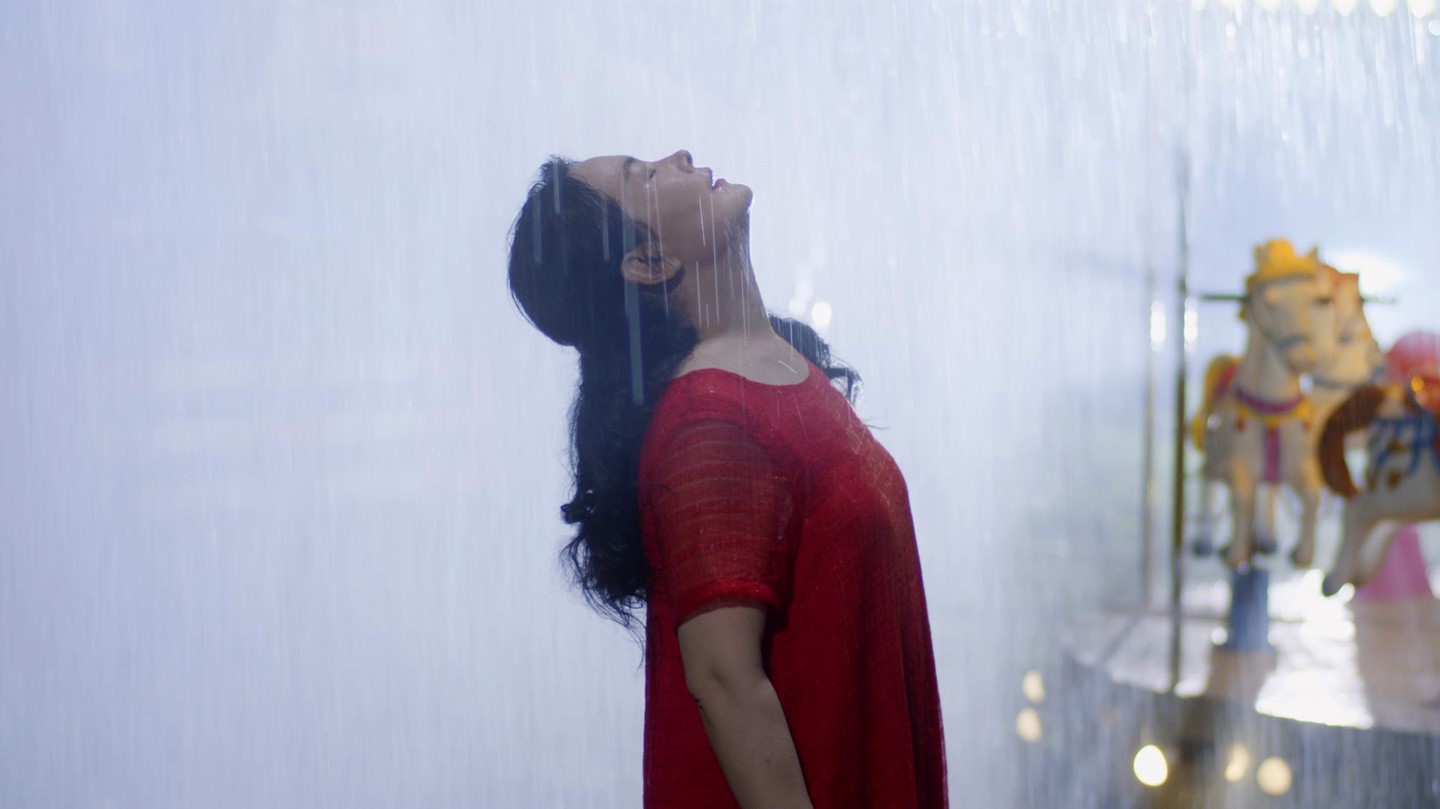
A woman returns to Macau after 15 years in Taiwan and begins reconsidering her relationship with her best friend, realising the emotions she felt for her may have been romantic in Tracy Choi’s subtly political melodrama.

Song Lang

23 October – 5 November 2020 | Barbican Cinema on Demand | Online

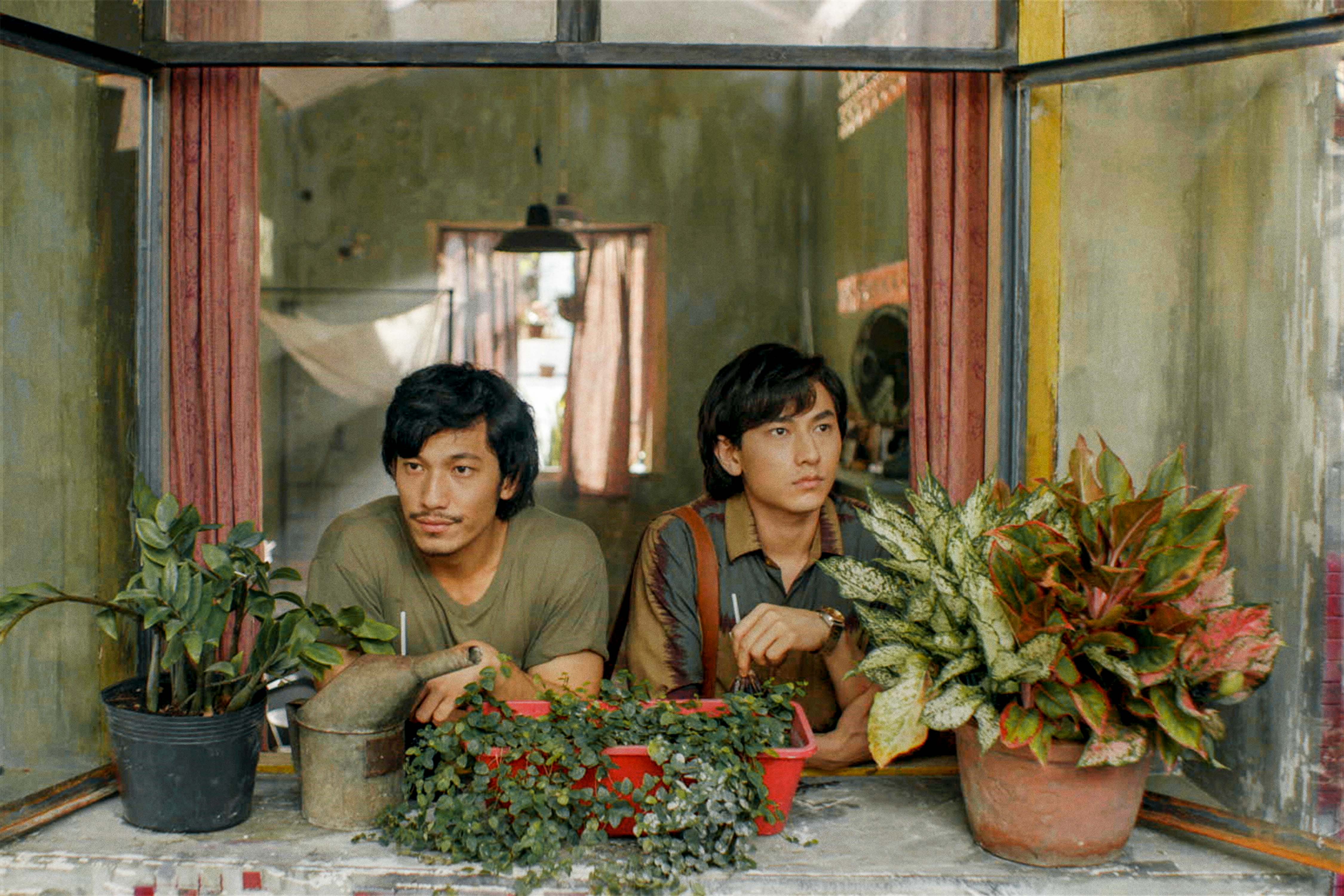
Beautifully tragic romance set in ’80s Saigon in which a conflicted street punk falls in love with a Cai Luong opera singer. Review.

Turning 18 

Tuesday 3 November 2020 | Riverside Studios

Thursday 26 November 2020 | HOME Manchester

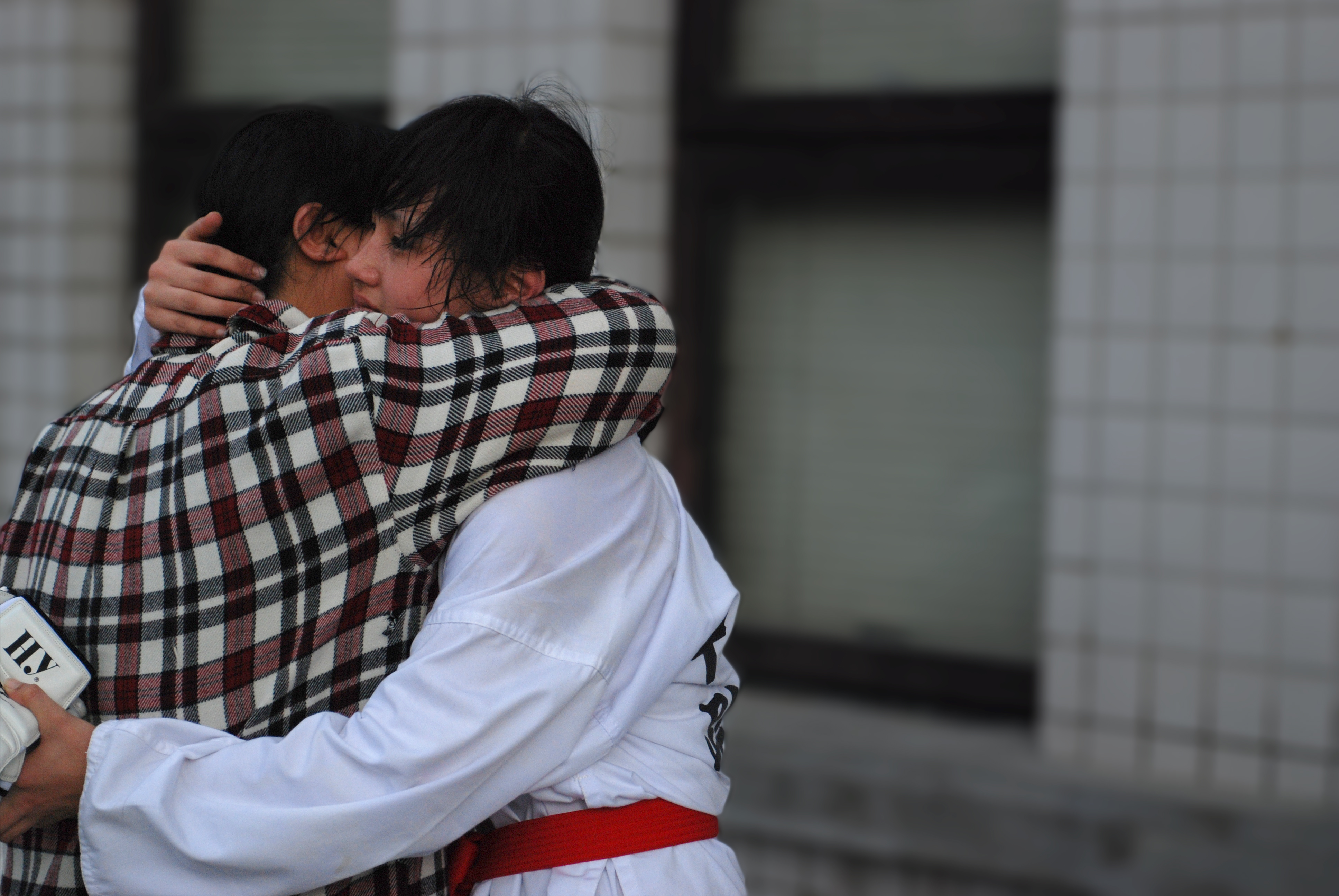
Documentary following the lives of two indigenous Taiwanese girls who meet on a vocational training programme and each experience difficult family circumstances.

Funeral Parade of Roses

6 November | Catford Mews

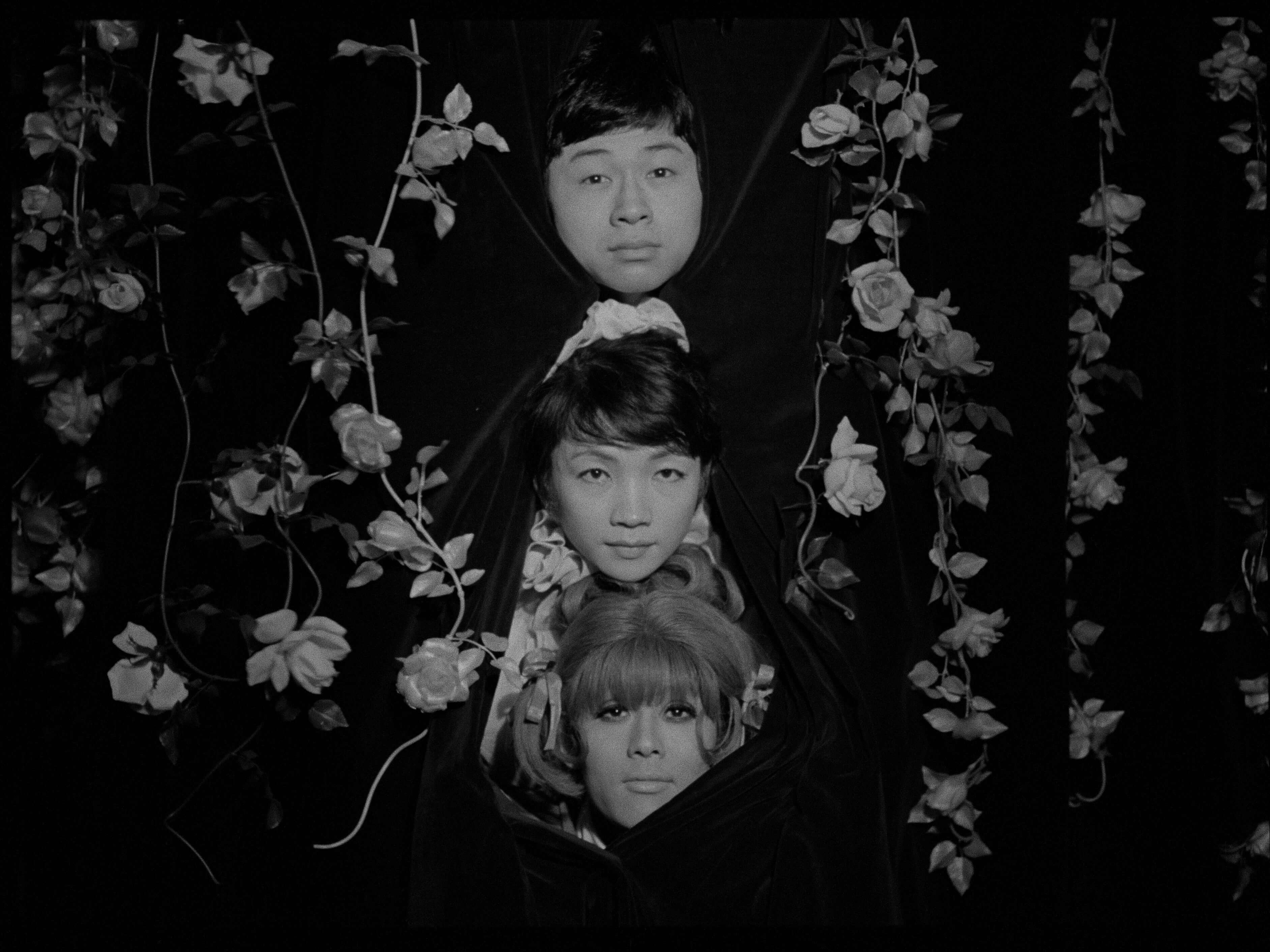
Toshio Matsumoto repurposes Oedipus Rex to explore the impossibilities of true authenticity in an anarchic voyage through late ’60s counterculture Shinjuku. Review.

Looking For? (UK Premiere)

7 November | Catford Mews

Documentary exploring questions of intimacy in contemporary gay life interviewing men from Taipei, Beijing, New York and London to find out what it is they’re looking for.

Tracey

8 November | Riverside Studios

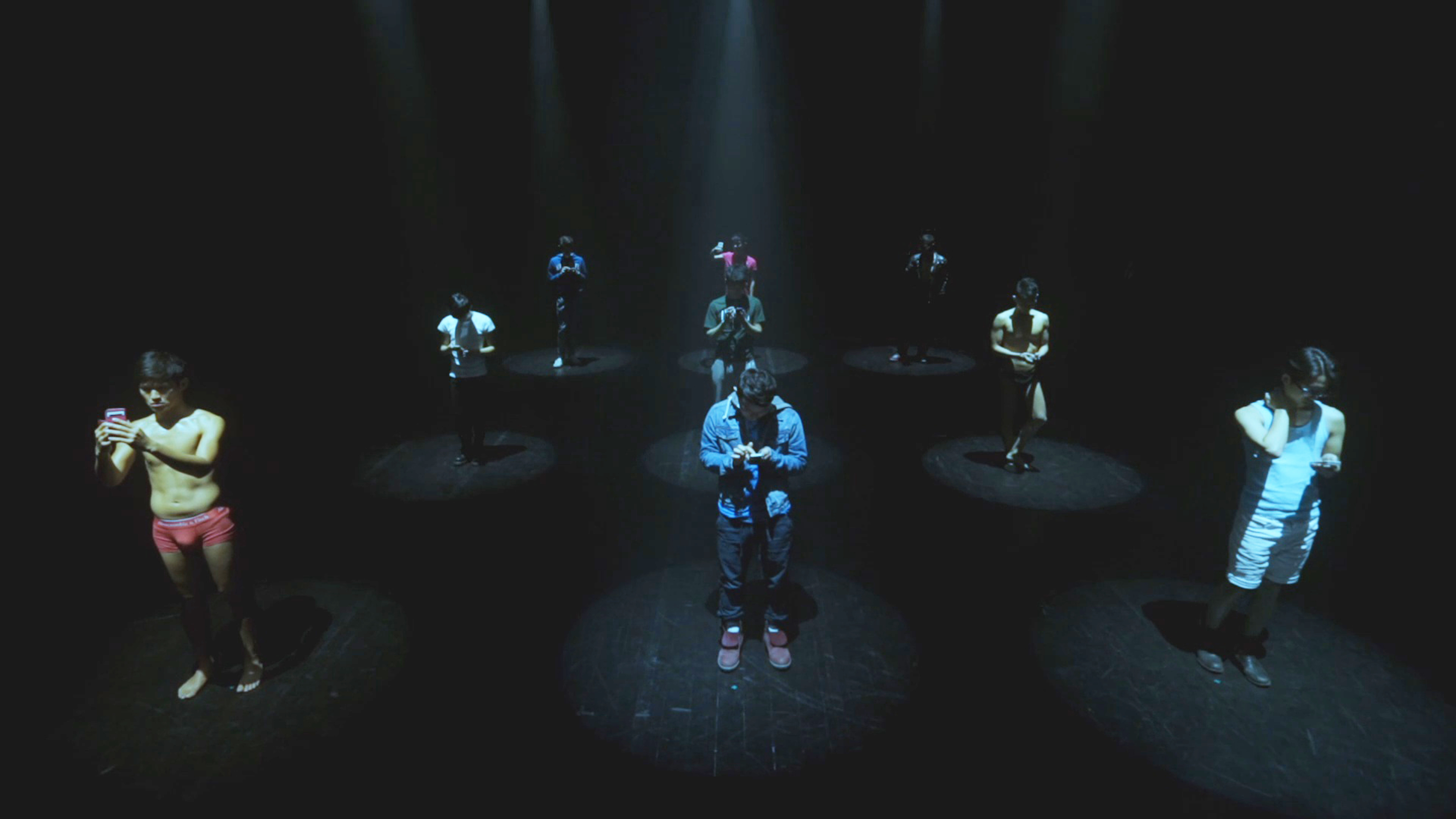
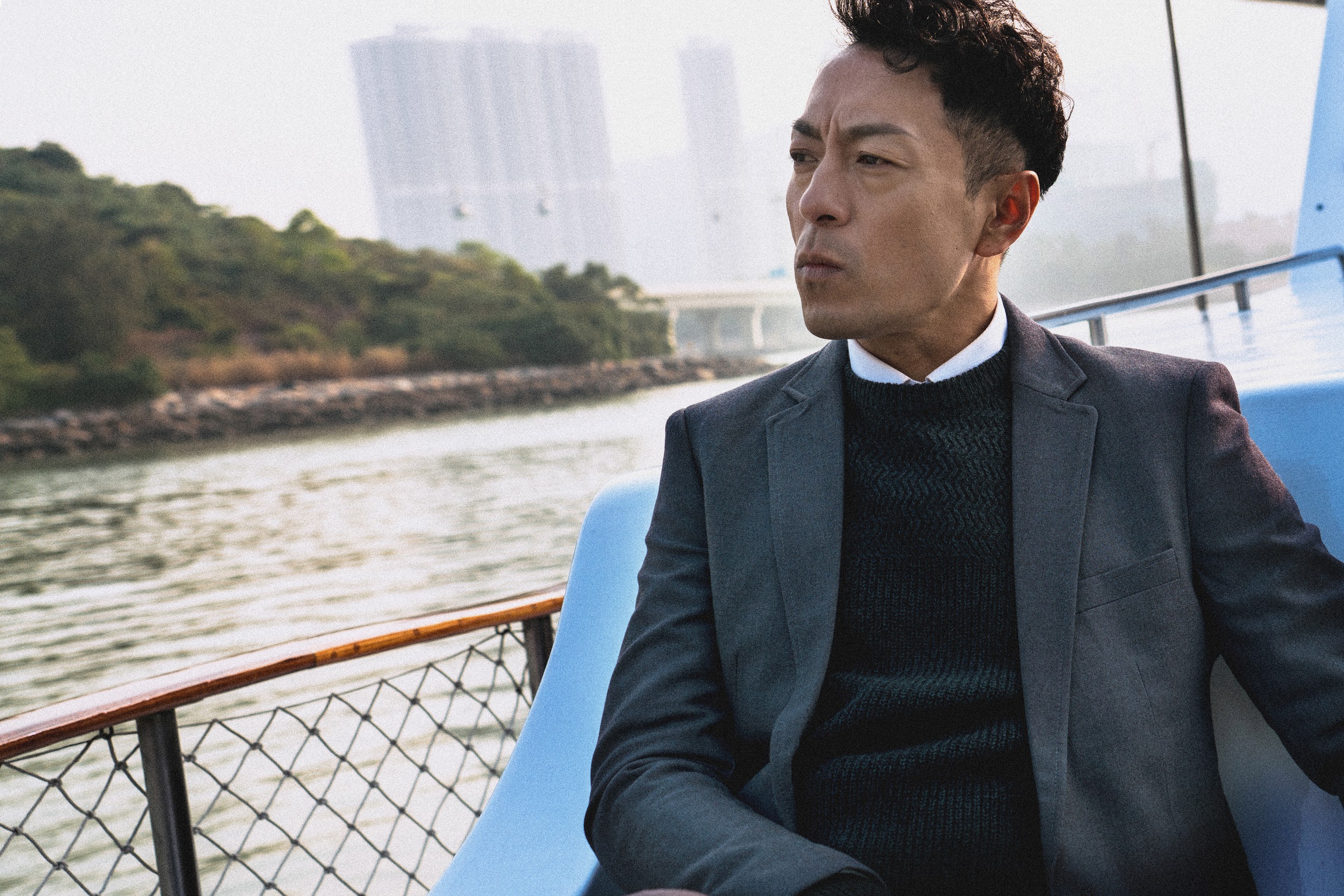
50-something Tai-hung is a married father of two grown-up children living a conventional life in contemporary Hong Kong, but a phone call informing him that a childhood friend has passed away forces him into a reconsideration of his life choices and a long delayed acceptance of a transgender identity in Li Jun’s moving drama. Review.

Memories of My Body (UK Premiere)

23 November 2020 | HOME Manchester

19 January 2021| Barbican Centre

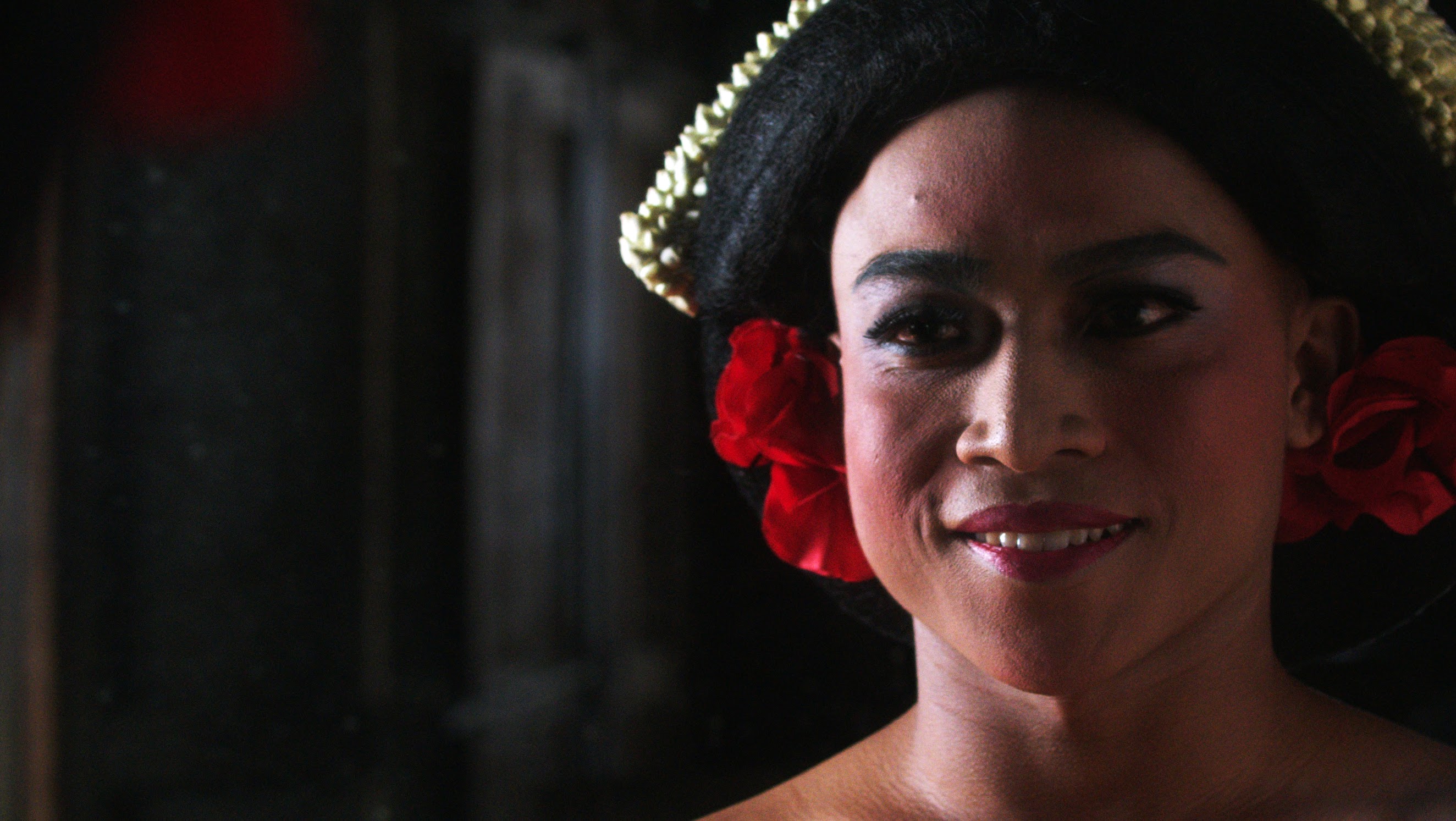
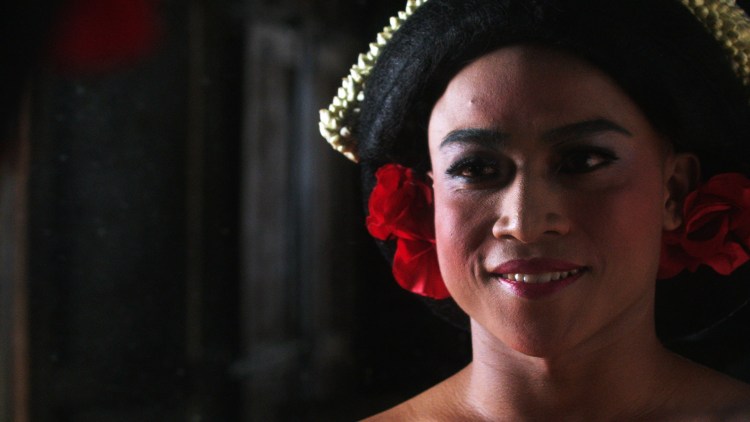
A Lengger dancer looks back on his life as a tale of growing acceptance of sensuality lived against a turbulent political backdrop. Review

A Dog Barking at the Moon

November 2020 (TBC) | Curzon Goldsmiths

An expectant mother is forced to confront the idea of family while staying with her emotionally estranged parents in Xiang Zi’s melancholy indie drama. Review.

The Shepherds (UK Premiere)

30th October to 5th November | Taiwan Film Festival Edinburgh | Online

Documentary focussing on a series of pastors advocating for the rights of LGBTQ+ Christians in Taiwan often at great personal cost.

Nobody (UK Premiere)

30th October to 5th November | Taiwan Film Festival Edinburgh | Online

A lonely teenage girl processing the bourgeois hypocrisies of her upper-class family bonds with a mysterious old man with secrets of his own in Lin Chun-hua’s moving drama. Review.

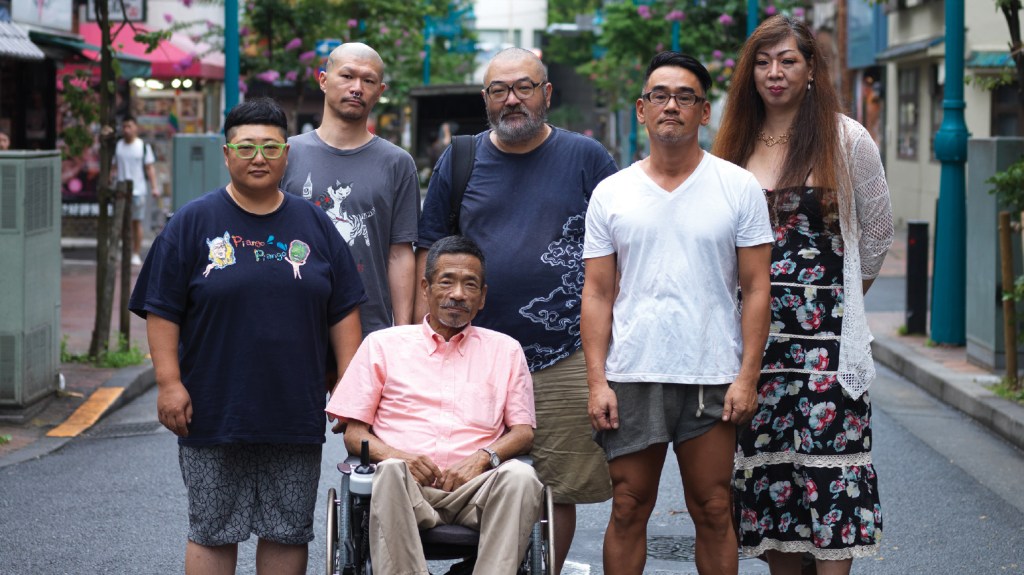
Queer Japan

November 2020 (TBC)

Graham Kolbeins’ documentary exploring LGBTQ+ life in contemporary Japan including contributions from mangaka Gengoroh Tagame (My Brother’s Husband), drag queen Vivienne Sato, and Aya Kamikawa who recounts her path to becoming the first transgender elected official in Japan.

Girlfriend Boyfriend

November 2020 (TBC)

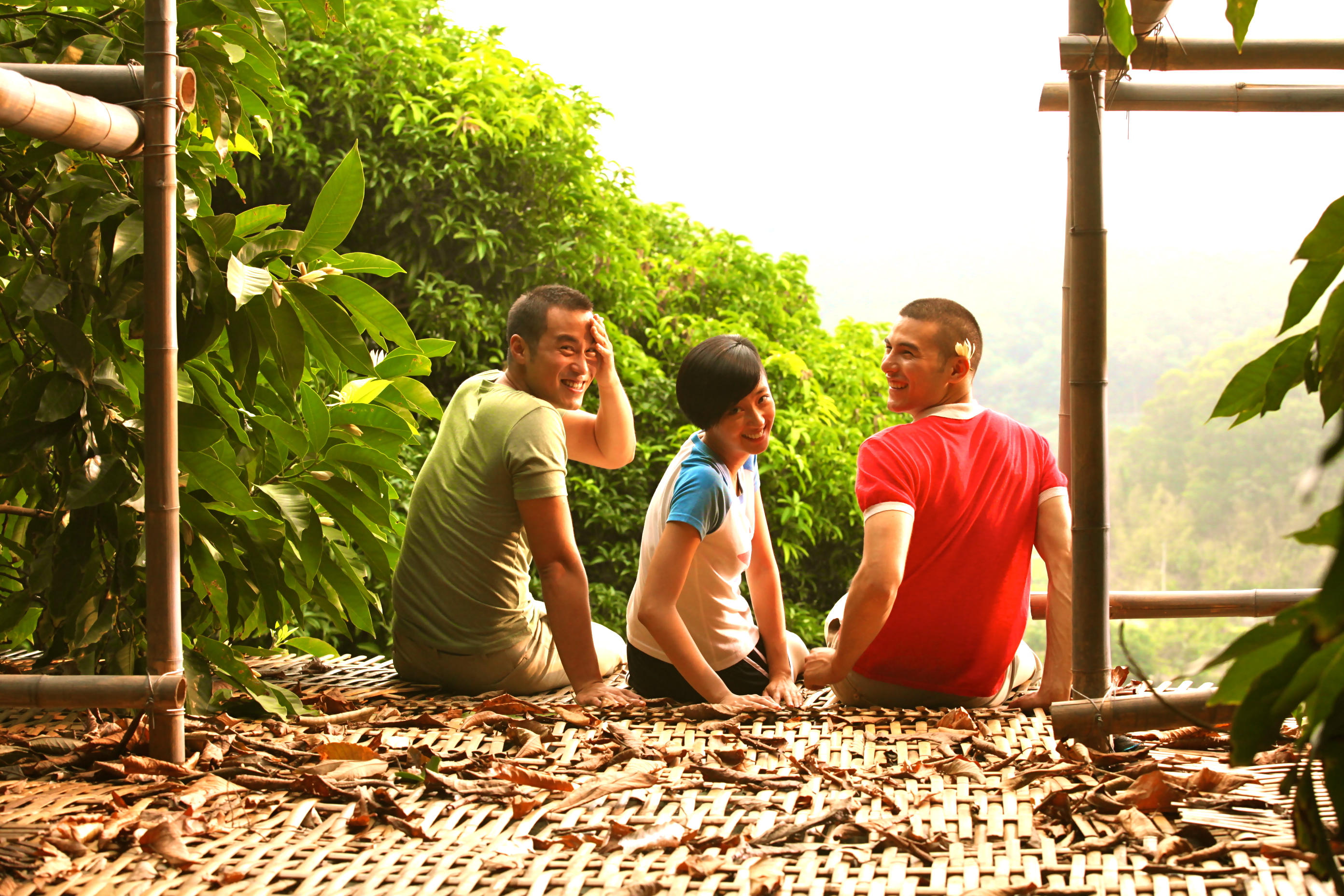
Yang Ya-che’s modern classic in which the friendship between three young people fighting for democracy at the tail end of the Martial Law era is tested by their conflicting feelings for each other.

Spider Lilies

November 2020 (TBC)

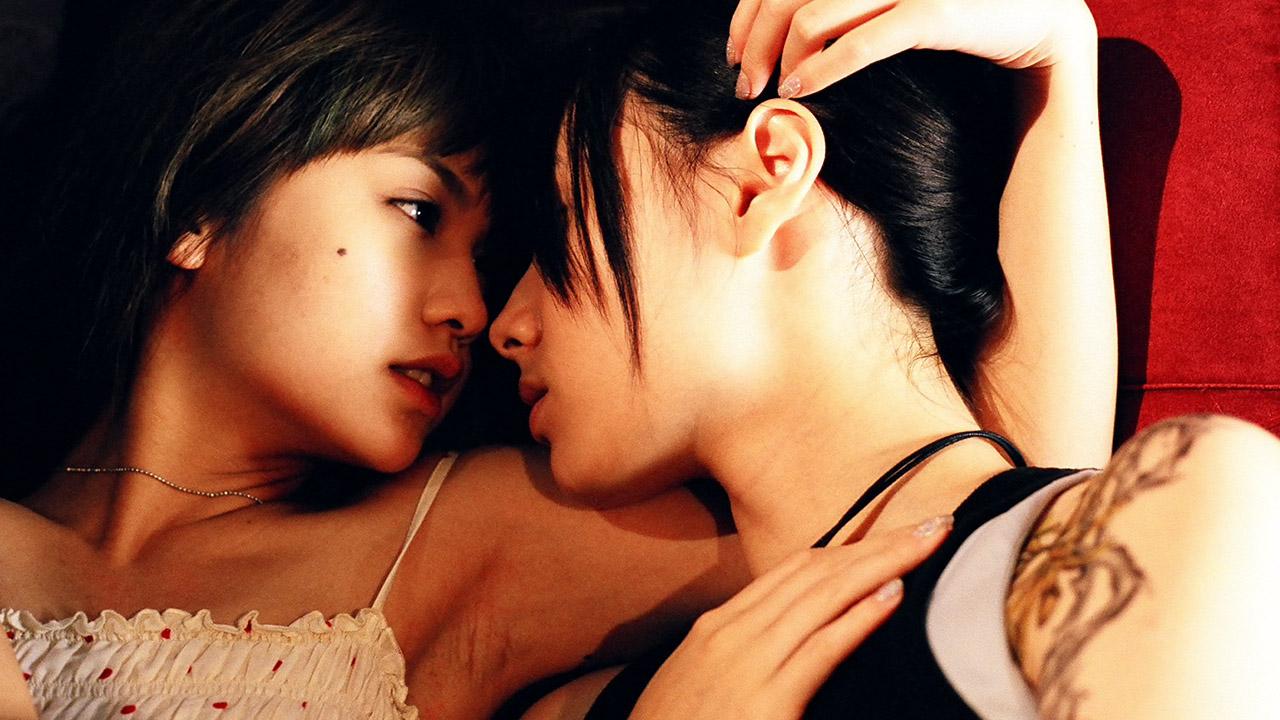
Zero Chou’s lesbian classic in which a web-cam girl visits a tattooist’s studio and becomes obsessed with the spider lily tattoo on her arm. Hoping to get to know her better, she asks her to give her the same tattoo but the experience reawakens memories which threaten to force the two women apart.

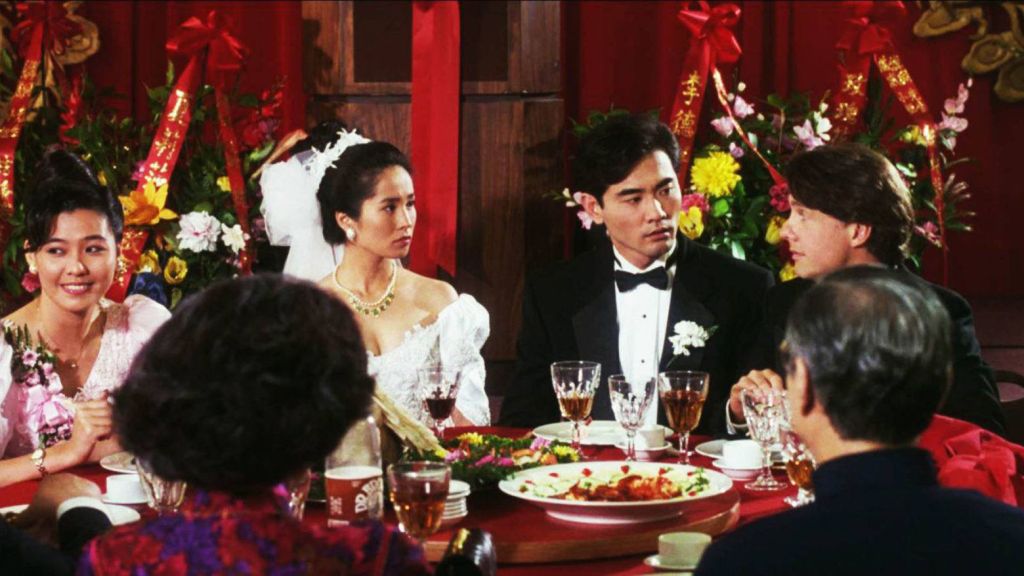
The Wedding Banquet

November 2020 (TBC)

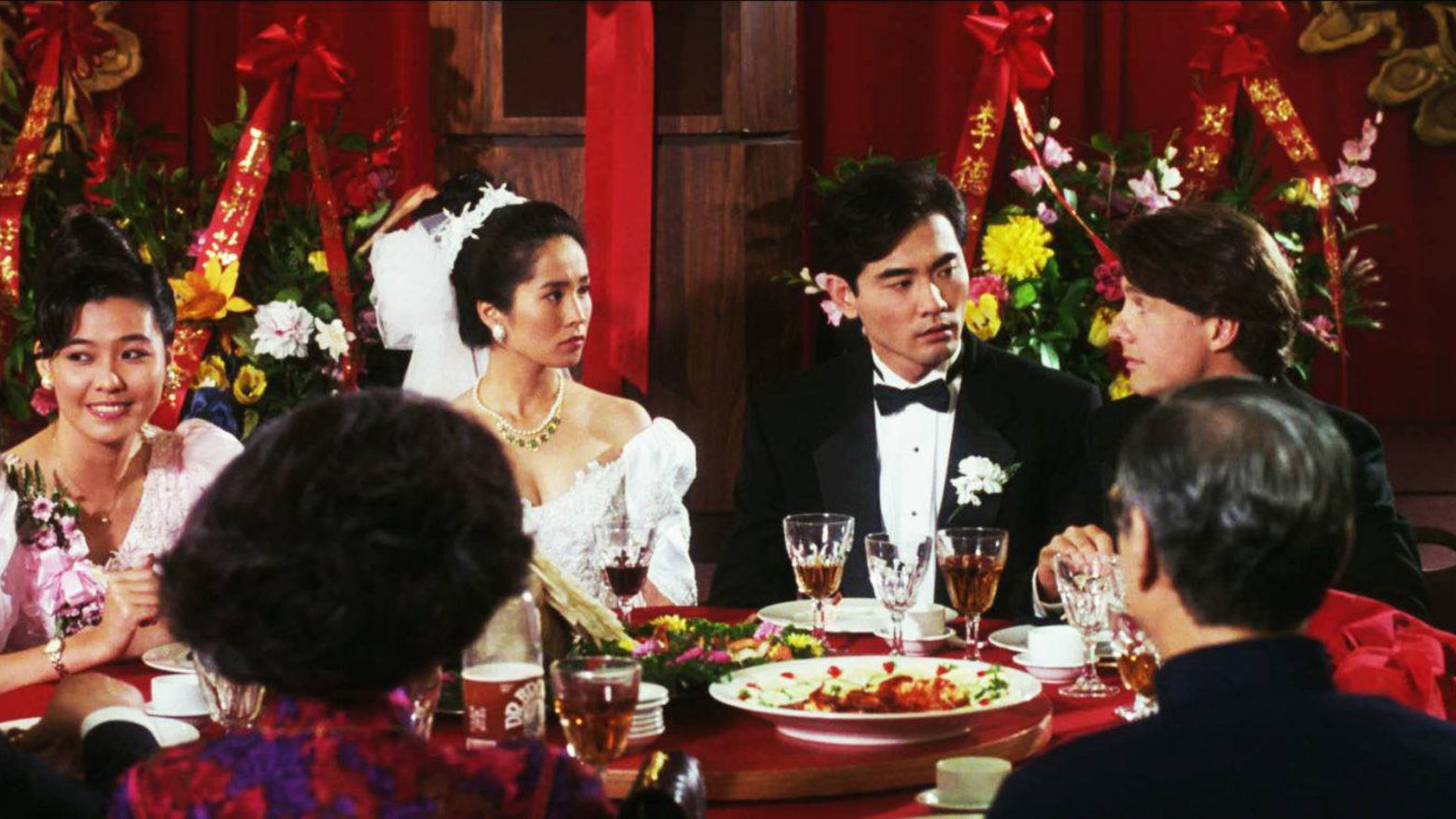
Ang Lee’s 1993 Asian-American classic in which a gay Taiwanese New Yorker agrees to participate in a green card marriage to a Chinese artist to get his nagging parents off his back.

Lilting

Early 2021 (TBC)

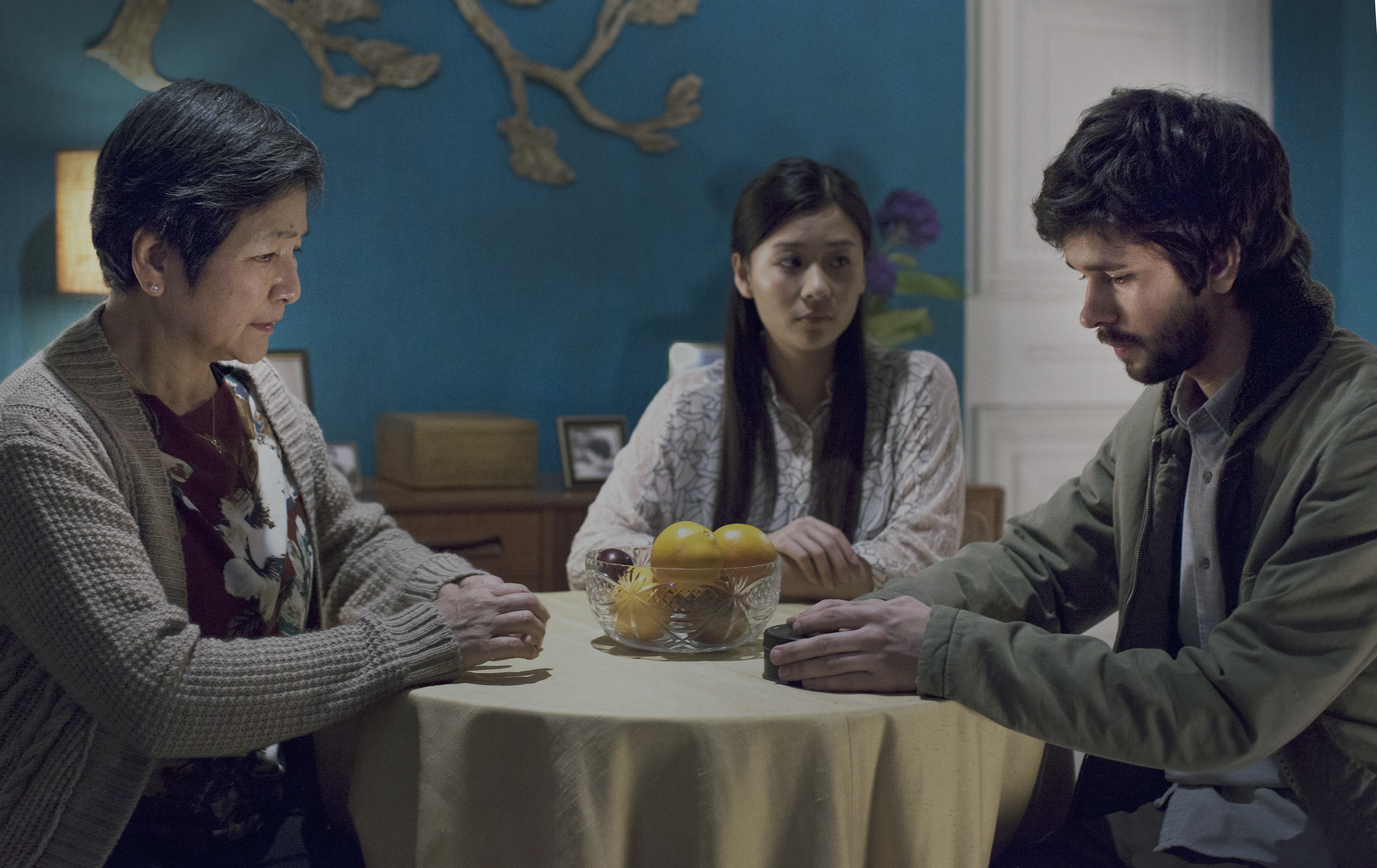
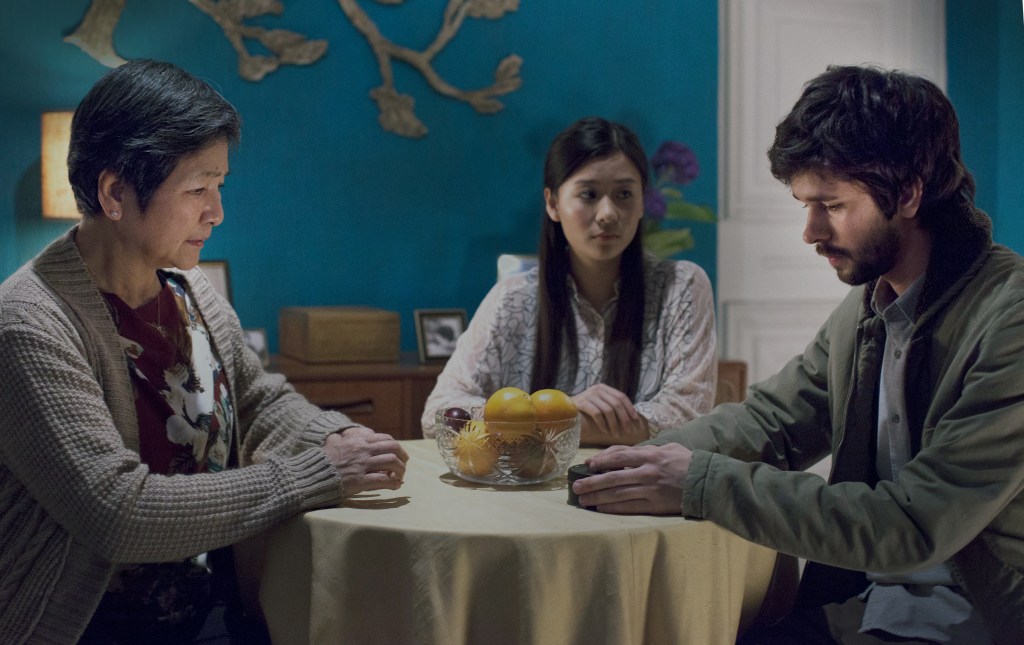
A man tries to connect with the mother of his late partner who speaks only Cambodian-Chinese and remained unaware of her son’s sexuality in Hong Khaou’s deeply moving debut feature.

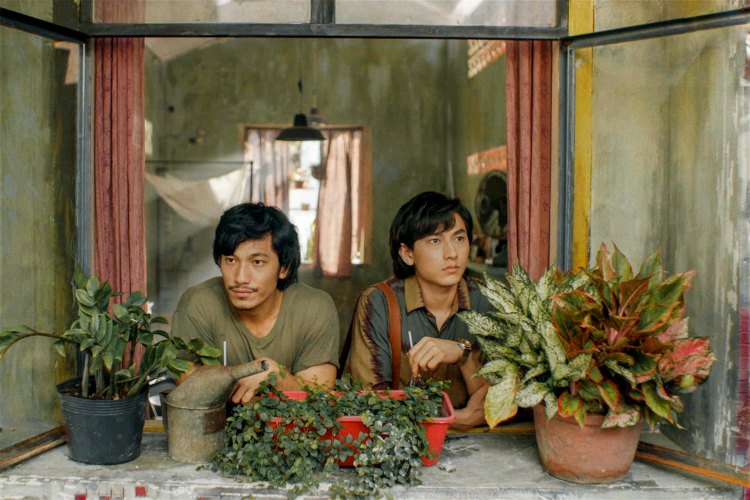
Malila: The Farewell Flower

Early 2021 (TBC)

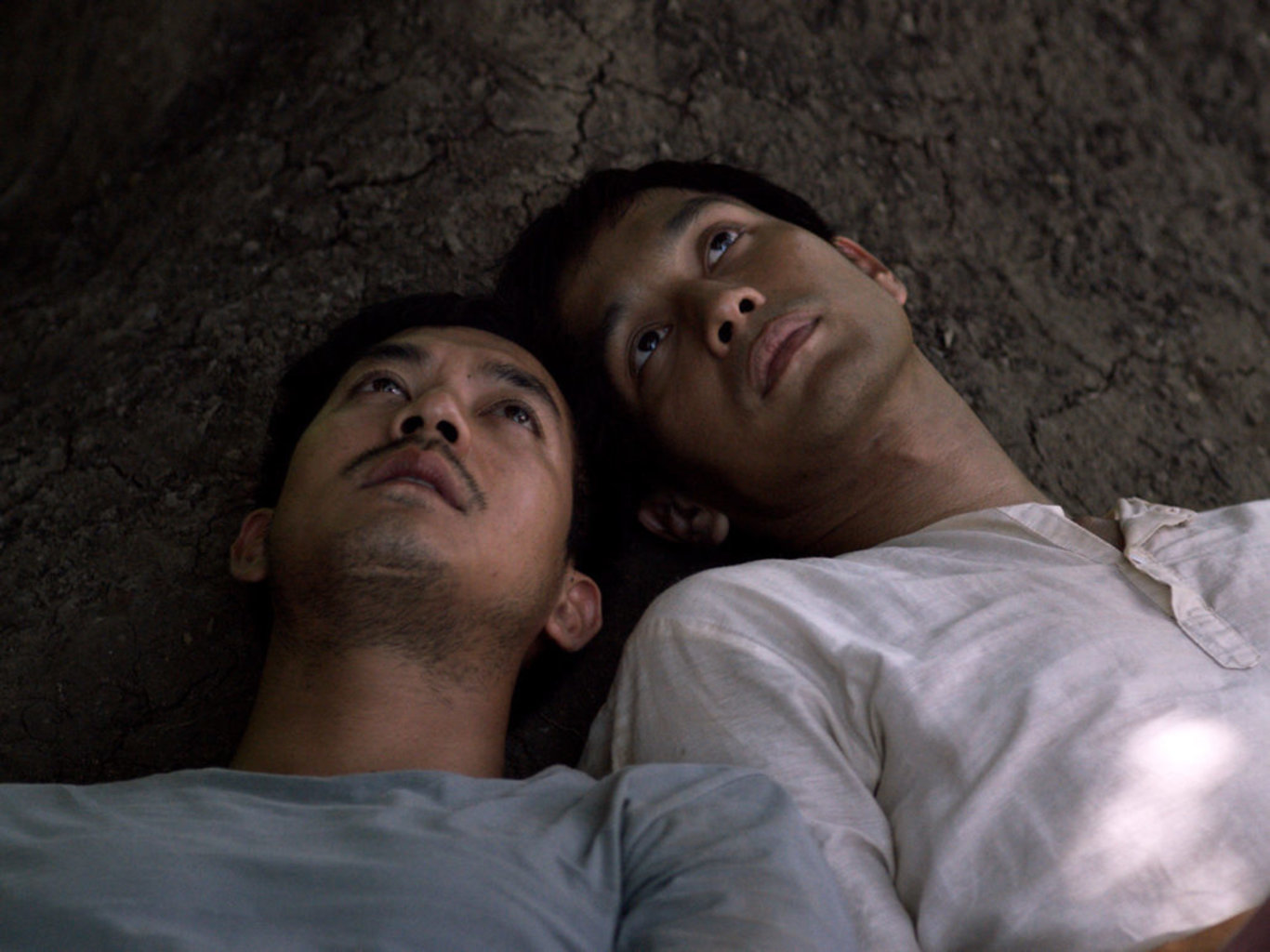
Reeling from tragic loss, a young man reunites with the love of his youth only to discover he has terminal lung cancer and has chosen to forgo all treatment in Anucha Boonyawatana’s melancholy meditation on love, life, and transience. Review.

Queer East 2020 runs online and in cinemas October 2020 to January 2021. Full details for all the films as well as ticketing links can be found on the official website, while you can also keep up with all the latest news by following Queer East on FacebookTwitterInstagram, and YouTube.

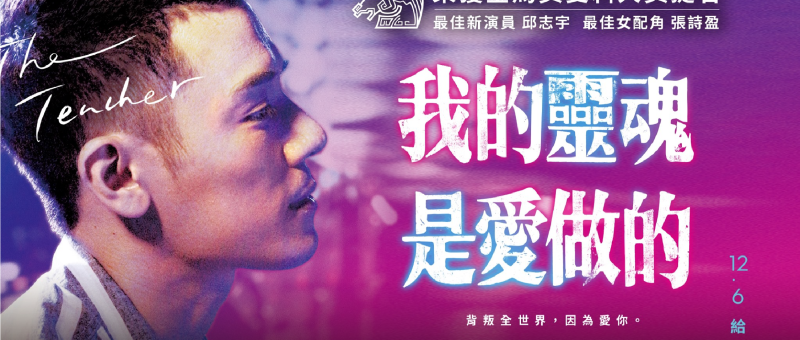
The Teacher (我的靈魂是愛做的, Chen Ming-Lang, 2019)

Taiwan became the first Asian nation to legalise same-sex marriage on 24th May, 2019. That does not however mean that the LGBTQ+ community is universally accepted or that entrenched conservative social attitudes simply evaporated over night. As Chen Ming-Lang’s The Teacher (我的靈魂是愛做的, Wǒ de Línghún Shì Ài Zuo de, AKA My Soul is Made of Love) makes plain, not even those within the community are entirely free of prejudice especially when comes to issues such as HIV and the complicated give and take of what it means to be “out” when personal concerns may conflict with those of an employer or industry. 

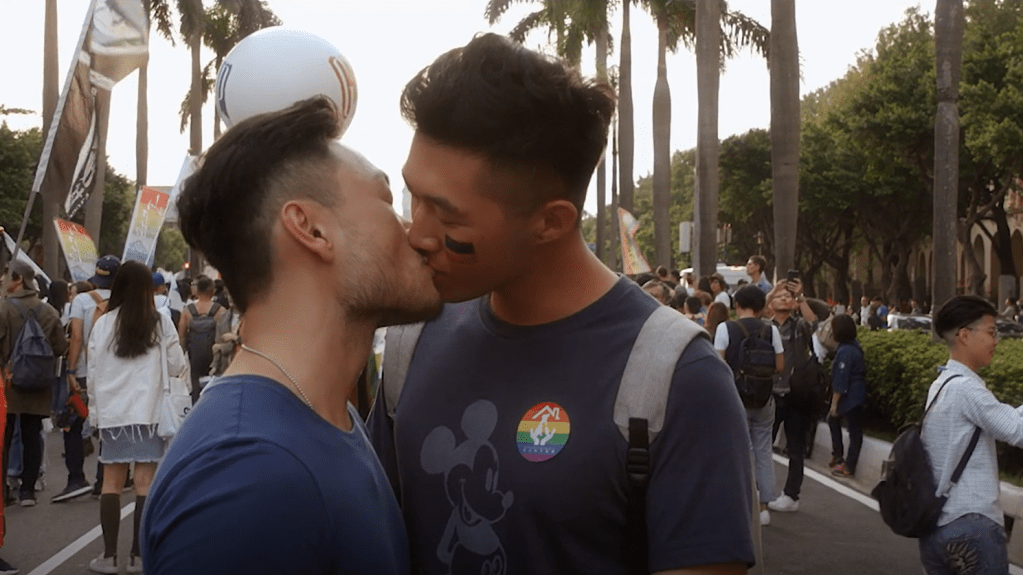
Those are perhaps questions that politically engaged civics teacher Kevin (Oscar Chiu) has largely resisted asking. On his off days, he campaigns for marriage equality and for gender equality in education as well as attending pride rallies, but is warned about including LGBTQ+ issues in his teaching programme for fear of offending parents. Director Lin (Lin Chin-Yu), the headmaster, makes offhand comments about Kevin’s perfectly respectable haircut while reminding him that while he works at the school he’s also its representative and he’d prefer it that he keep a low profile to avoid bringing its name into disrepute. Lin is careful to couch his complaints in neutral language, stressing that he personally is fine with Kevin’s sexuality, but is required to be mindful about the reactions of others, deflecting responsibility for at least failing to counter homophobic attitudes in and around the school. Nevertheless, Kevin tries to sidestep him by continuing to include the topics he’d like to talk about by framing them in less problematic terms, for example discussing the upcoming referendum on marriage equality by debating the vote itself, asking if it’s even ethical to give people the option to vote to deny a specific sector of their society the same rights that everyone else has that should be accorded to all without question. 

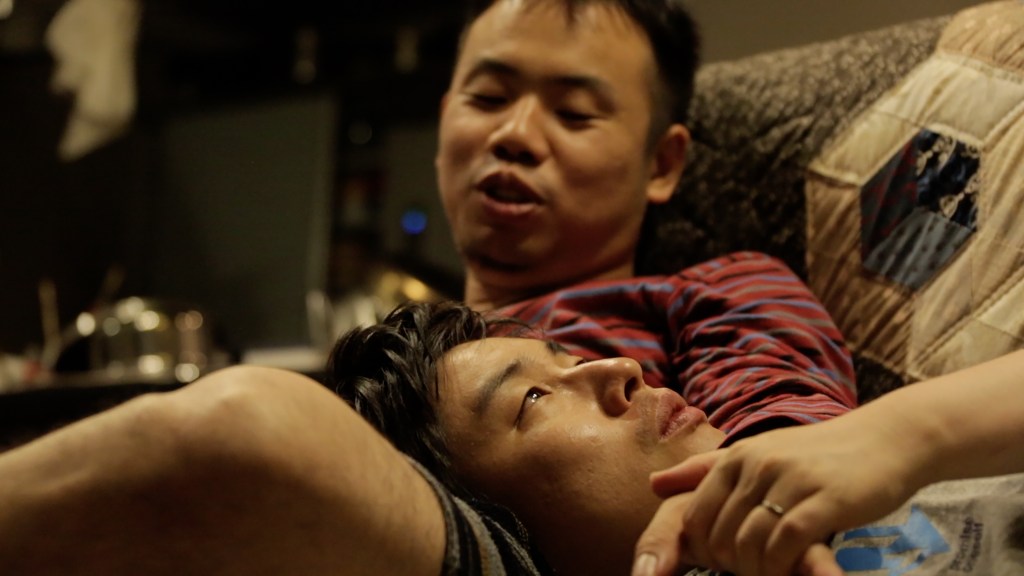
Kevin’s worldview is challenged, however, when he starts dating a slightly older man, Gao (Chang Chin-hao), whom he met in a gay bathhouse. Kevin tells him that he’s looking for a longterm relationship, wanting to settle down and eventually get married but is currently living with his hairdresser single mother. Moving in with him quite quickly after Gao went temporarily incommunicado following a minor illness, Kevin is later shocked to discover not only that Gao’s relationship with his ex-wife is not quite as over as he implied, but that he is also HIV+. Learning that Gao has HIV exposes Kevin’s rather shallow grasp of his sexual health. Not only does he not know where to go to get tested, but he conflates HIV and AIDS, convinced that he’s been given a death sentence after noticing that his gums are bleeding. 

While beginning to resent Gao for exposing him to the virus, Kevin is also confused by his admittedly complicated family situation. At some point in the past, Gao evidently opted for a heterosexual marriage to please his conservative family who still don’t seem to be aware that the relationship is over or that Gao is gay. At an awkward family gathering, Kevin is invited but introduced as Gao’s friend while his former wife, Wei, sits on the other side of him being quietly needled by her judgemental mother-in-law for failing to provide a grandchild. Gao apparently promised to father a child with Wei through IVF as a condition for dissolving the marriage which is why she’s still overly present in his life and in Kevin’s eyes laying claim to him. Yet Kevin’s major preoccupation isn’t so much with the results of everyone’s choices or how best to support his new partner and his extended family in this unusual situation but with his own reluctance to think of himself as a “home wrecker” the fact that the marriage ended two year’s previously seeming not to occur to him. 

It’s at school, however, where he faces the greatest challenges not only in the homophobic bullying from his immature students with whom he never seems to have much of a rapport, but from his colleagues when he becomes the subject of an internet rumour about a teacher with AIDS. Faced with a dilemma Kevin’s reluctance to confirm his sexuality while insisting that the rumour is false (despite suspecting it might not be) is more personal than political even as his female colleagues attempt to stand up for him by countering a belligerent, older male teacher who wants him sacked that no one should be expected to submit themselves to invasive medical procedures or be denied their right to privacy simply because of a malicious rumour. Lost and afraid, Kevin shuts down, giving in to passivity while succumbing to misplaced rage about his marginalised place in society as he’s denied access to a hospital where he believes Gao has been taken for treatment after an accident assuming they won’t tell him if he’s there because he’s not a legal relative. 

Chen closes with a brief coda explaining that same-sex marriage will be legalised later in the year, Kevin declaring that it will be on his syllabus as if confirming something has changed, yet it’s clear that attitudes may not have shifted as much as hoped while there is still a widespread lack of awareness about HIV issues combined with a social stigma compounded by homophobia. Nevertheless The Teacher presents a complex picture of LGBTQ+ lives at a moment of social transition in which the promise of a coming equality brings with it both anxiety and hope for those who’ve had to accommodate themselves to life on the margins of a now less hostile society. 


The Teacher is available to stream in the UK as part of the Iris Prize Film Festival in collaboration with Queer East.

Original trailer (no subtitles)

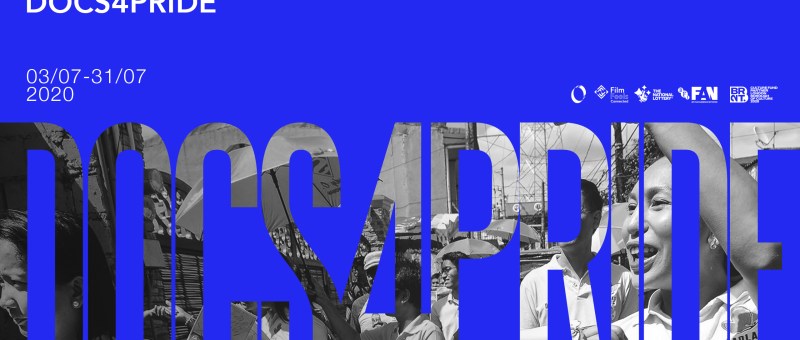
Queer East Announces Docs4Pride Free Streaming Series

Following the success of QE: HomeSexual, Queer East returns with another online streaming series marking this year’s Pride. Four LGBTQ+ docs will stream for free throughout July with all except for Of Love & Law which is restricted to UK & Ireland available worldwide.

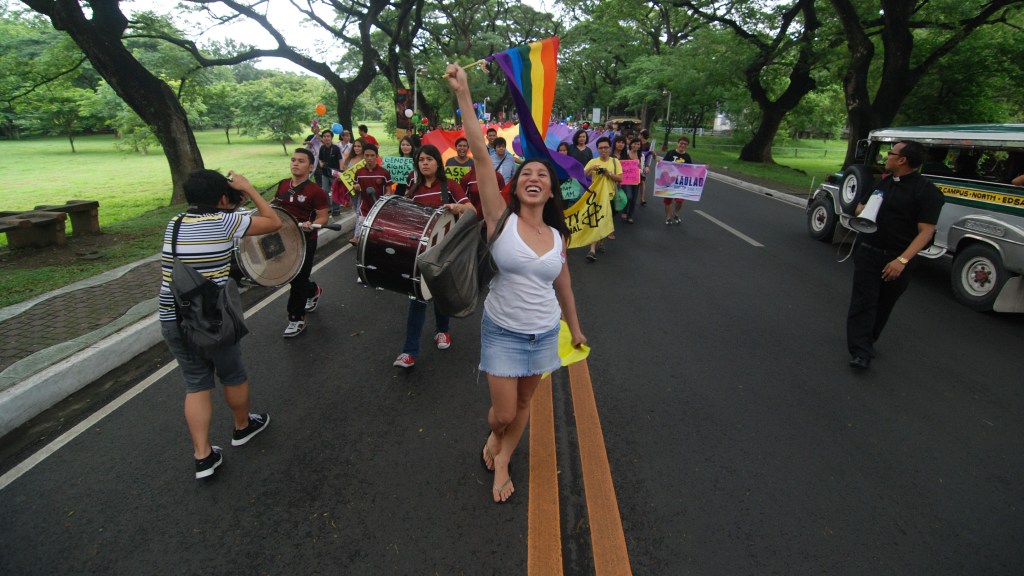
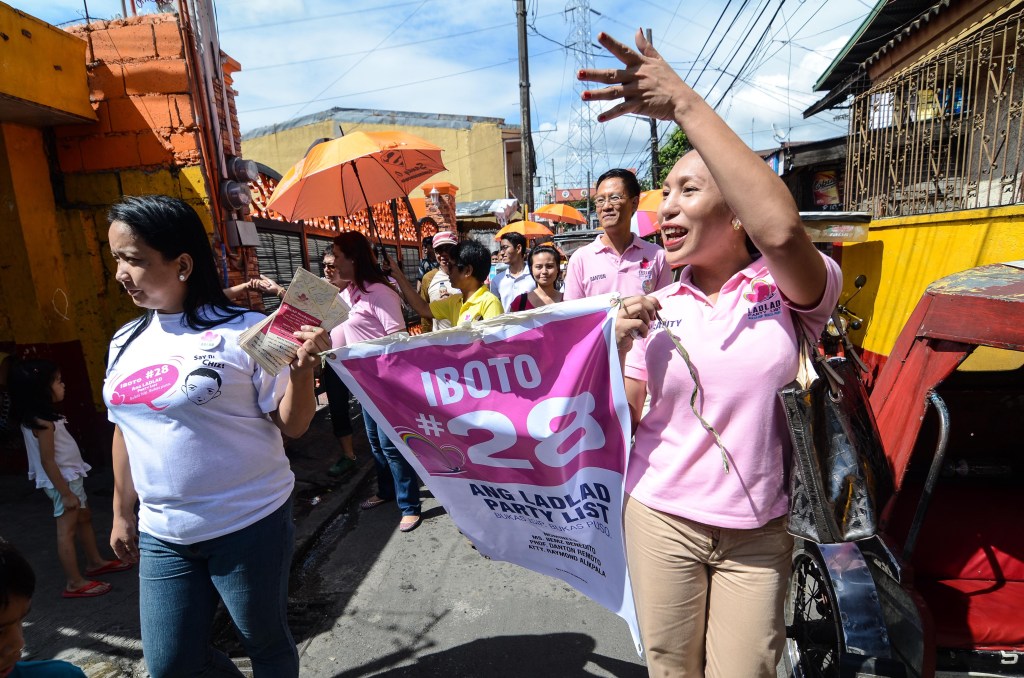
July 3 – 10: Out Run

2016 documentary following Bemz Benedito as she leads Philippine LGBTQ+ political party Ladlad hoping to become the first transwoman to be elected to congress.

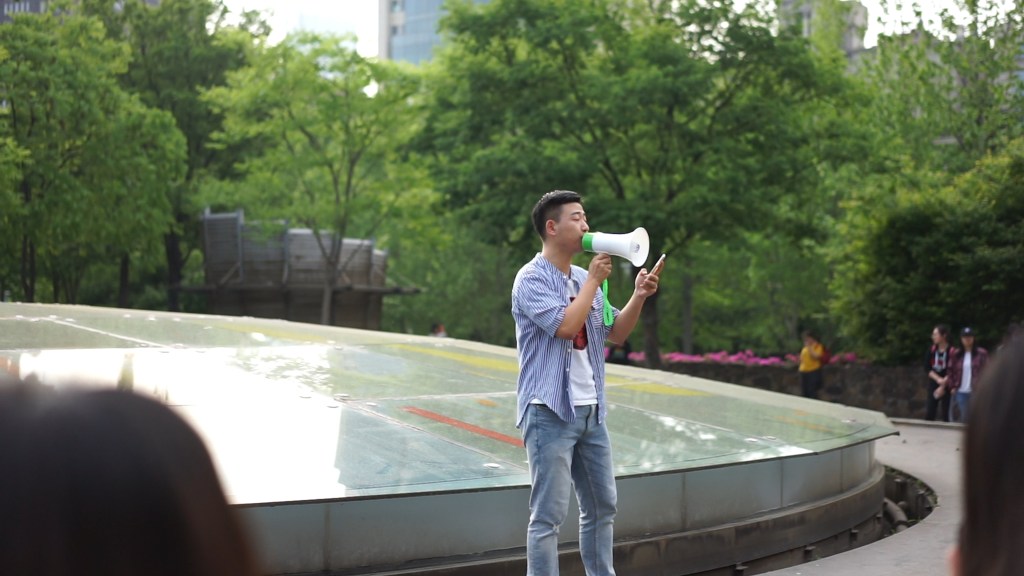
July 10 – 17: Shanghai Queer

Documentary focussing on grassroots activism in Shanghai sharing memories of the LGBTQ+ community from 2003 – 2018 featuring interviews with frontline activists, scholars, and artists.

July 17 – 24: Taipeilove*

Taipeilove* charts the course towards the legalisation of same-sex marriage in Taiwan through interviews with key activists, lawmakers, and ordinary queer people.

July 24 – 31: Of Love & Law (UK & Ireland only)

Hikaru Toda’s infinitely warm documentary following Love Hotel’s Kazu and Fumi who run Japan’s only LGBTQ+ law firm representing the marginalised in a largely conservative, conformist society. Review.

Each of the films will be available to stream for free for one week only via Queer East’s website and Vimeo channel. You can also keep up with all the latest festival news by following Queer East on Facebook,  TwitterInstagram, and YouTube.

Mama Rainbow (彩虹伴我心, Fan Popo, 2012)

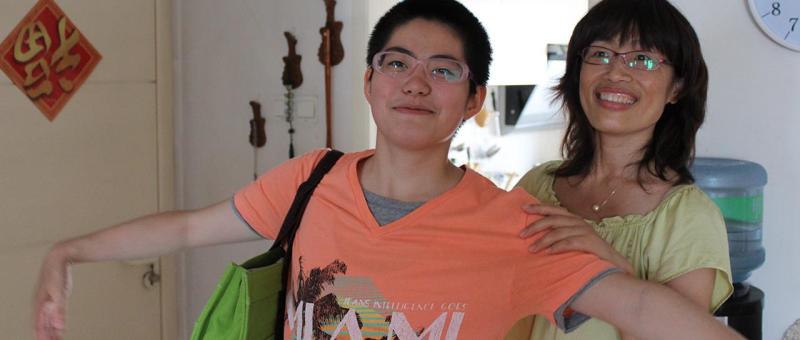
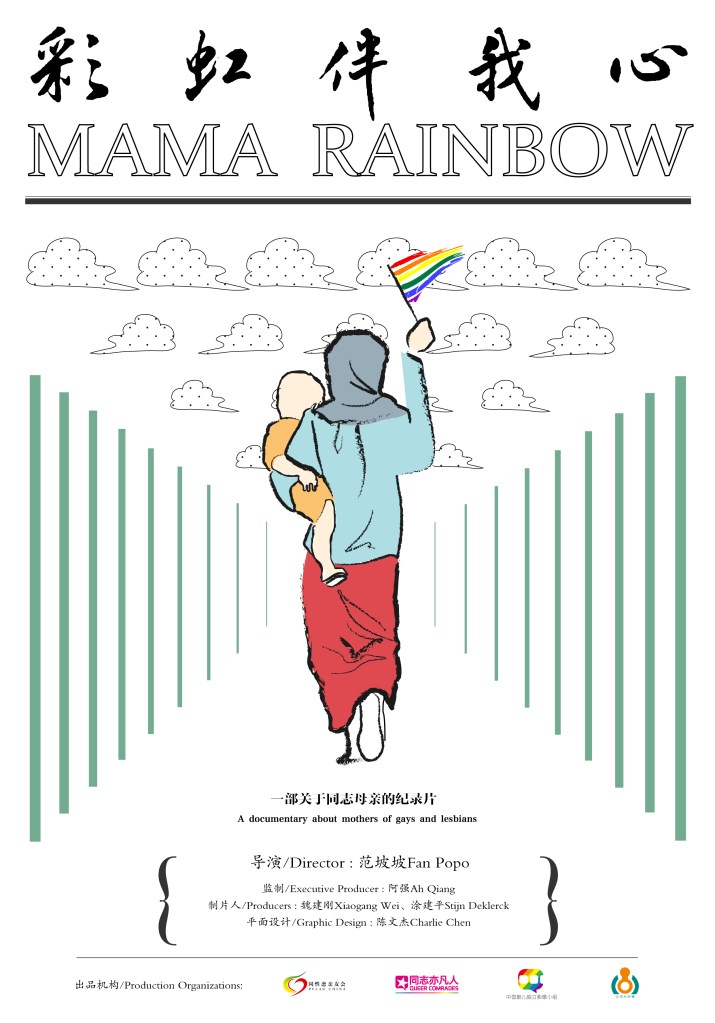
Though homosexuality is not illegal in contemporary China, it is perhaps still taboo. The notoriously strict censorship board is particularly averse to content which features LGBTQ+ themes, though many mainstream filmmakers have been able to get around the regulations with subversive allusions to same sex relationships. Times are perhaps changing. Rather than a gloomy exploration of the issues many young gay men and women face, Fan Popo’s Mama Rainbow (彩虹伴我心, Cǎihóng Bàn Wǒ Xīn) spins a tale of mass acceptance in following six mothers of gay children who, though not always so immediately supportive, have embraced their kids’ sexuality and in fact become activists themselves. 

Fan opens with a vox pop session asking members of the public about their views on homosexuality. The first few answers are predictably depressing with even young people looking embarrassed and either walking off or replying that they find the idea “disgusting”, “very bad”, “abnormal”, or “unacceptable”. Later, a few are found who think the question itself is unnecessary because they have no problem with gay people, but then asked how they’d feel if their child told them they were gay, most immediately say they wouldn’t like it though some concede there’s nothing they could do about it anyway so they’d have to just go with it while others say they’d simply “guide” them back towards the “right” direction so that they’d make “good choices”. 

One of the mothers, Mama Zhao, admits she originally thought the same way. Her son had agreed to marry a girl, but after reading book by another influential Mama decided that he couldn’t, committing himself to living an authentic life as an openly gay man. She tearfully admits that though she has accepted it herself, she is still ashamed to explain to other people, brushing off questions about why her son is still single with dull platitudes rather than simply telling them that he is gay. 

After attending talks by the woman who wrote the book that so affected her son, Mama Wu, Mama Zhao began to understand a little better, realising that the most important thing is that her son is happy which he certainly wouldn’t be if he forced himself to marry a woman to fulfil a social ideal. Education seems to be the key. Meiyi didn’t know much about homosexuality and thought it was something that was popular abroad that people did because it was trendy. When her daughter became close with a high school friend who ended up moving in with them, she began to see things differently and got to know a few other gay kids who she thought were all fantastic. She jokes that her daughter’s girlfriend “brainwashed” her by taking her to LGTBQ+ events, while the other girl’s own mother is also very supportive, actively empathising with her daughter’s choices right down to appreciating her taste in other women. 

Sister Mei and her son, meanwhile, are a cheerful and exuberant double act. She moved into the city to live with him in fear that he might need help locating other gay men (a move which seems like it should be counter productive but probably isn’t given the open nature of their relationship) and has now thrown herself into activism as a member of China’s PFLAG, becoming a surrogate Mama for all those who’ve been rejected by their families or just need to hear a supportive voice. Likewise, Mama Jasmine was as cool as could be when her daughter, after years of bringing female “classmates” over to dinner, finally came out and was supportive in a lowkey way until approached by Ah Qiang, the founder of PFLAG in China, to become a local organiser. 

Mama Wu, the woman who wrote the book that changed the mindset of Mama Zhao’s son and convinced her that his happiness was all that really mattered, speaks to another young man who reveals he hasn’t come out to his mother (assuming she doesn’t see the documentary) because she is in poor health and he worries that she just won’t be able to take the shock. Mama Xuan, who suspected her son was gay but hoped he’d grow out of it, tearfully takes to the stage to reveal that he has suffered violence and discrimination because of his sexuality, beaten up at school but too afraid to get help in case his parents find out why he was attacked, and subsequently blacklisted and expelled leaving him with a blemish on his record when the kids who attacked him had their views reinforced by the tacit approval of the school authorities. There is obviously work still to be done, but there are plenty of people willing to do it, because at the end of the day all they want is for their kids to be safe and happy and enjoying exactly the same rights as everyone else while surrounded by love and acceptance. 


Mama Rainbow is currently available to stream via Vimeo as part of Queer East’s online edition with all proceeds going to support independent cinemas.

Original trailer (English subtitles)
Queer East Film Festival Reveals Full Programme For Inaugural Edition

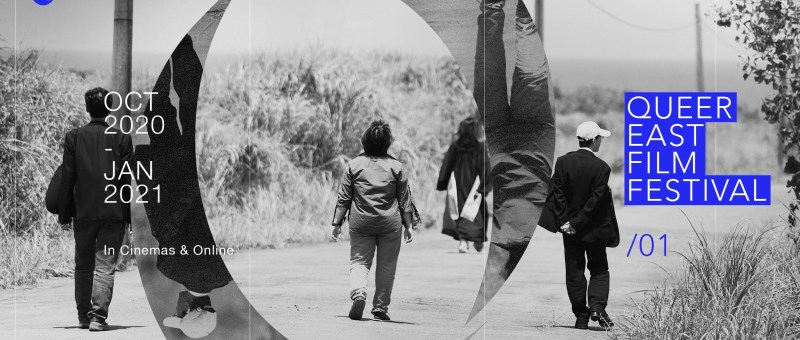
The Queer East Film Festival has announced the complete programme for its inaugural edition running at venues across London from 18th April to 2nd May. This year’s lineup features a diverse selection of films both classic and contemporary exploring LGBTQ+ life in East Asia opening with Hong Kong transgender drama Tracey, and closing with a 35mm screening of landmark Taiwanese teen movie Blue Gate Crossing.

Tracey

18th April, Lexi Cinema Plus Intro by How Wee Ng, University of Westminster

50-something Tai-hung is a married father of two grown-up children living a conventional life in contemporary Hong Kong, but a phone call informing him that a childhood friend has passed away forces him into a reconsideration of his life choices and a long delayed acceptance of a transgender identity in Li Jun’s moving drama. Review.

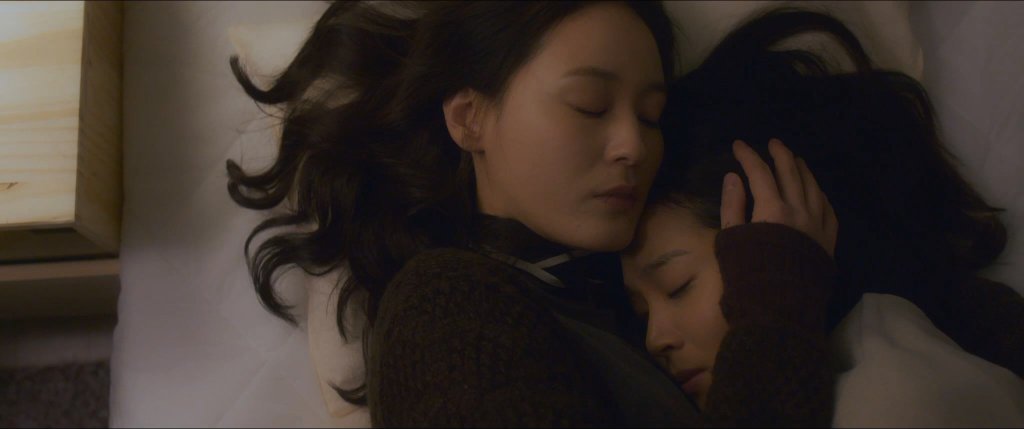
The Shepherds (UK Premiere)
19th April, Lexi Cinema Plus Intro by by Christopher Brown, University of Sussex

Documentary focussing on the lives of LGTBQ+ Christians in Taiwan.

Between the Seasons (UK Premiere)

21st April, Lexi Cinema

Hae-soo moves to a new city and opens a cafe where high schooler Ye-jin becomes a regular and eventually starts working. The two women draw closer but each have closely guarded secrets.

Funeral Parade of Roses

22nd April, Deptford Cinema

Toshio Matsumoto’s avant-garde classic inspired by Oedipus Rex and starring Peter as a bar hostess involved in a complicated love triangle with drag queen Leda and bar owner Gonda.

Memories of My Body (UK Premiere)

22nd April, Barbican plus intro by film critic Eric Sasono

A Lengger dancer looks back on his life as a tale of growing acceptance of sensuality lived against a turbulent political backdrop. Review.

Sisterhood (UK Premiere) + Director Q&A

24th April, Barbican. Followed by a ScreenTalk with director Tracy Choi

A woman returns to Macau after 15 years in Taiwan and begins reconsidering her relationship with her best friend, realising the emotions she felt for her may have been romantic in Tracy Choi’s subtly political melodrama.

Girlfriend Boyfriend – GF*BF

25th April, Lexi Cinema Plus Intro by by Christopher Brown, University of Sussex

Yang Ya-che’s modern classic in which the friendship between three young people fighting for democracy at the tail end of the Martial Law era is tested by their conflicting feelings for each other.

A Dog Barking at the Moon

26th April, Curzon Goldsmiths

A pregnant writer returns home to Beijing to visit her family with her French husband and is struck by the realities of her parents’ unhappy marriage in which her mother has retreated into a bizarre buddhist cult and her father has taken a male lover.

Malila: The Farewell Flower

26th April, Lexi Cinema

Reeling from tragic loss, a young man reunites with the love of his youth only to discover he has terminal lung cancer and has chosen to forgo all treatment in Anucha Boonyawatana’s melancholy mediation of love, life, and transience. Review.

Spider Lilies + Director Q&A

26th April, Genesis

Zero Chou’s lesbian classic in which a web-cam girl visits a tattooist’s studio and becomes obsessed with the spider lily tattoo on her arm. Hoping to get to know her better, she asks her to give her the same tattoo but the experience reawakens memories which threaten to force the two women apart.

Lilting

27th April, Prince Charles Cinema

A man tries to connect with the mother of his late partner who speaks only Cambodian-Chinese and remained unaware of her son’s sexuality in Hong Khaou’s deeply moving debut feature.

Turning 18

27th April, Regent Street Cinema

Documentary following the lives of two indigenous Taiwanese girls who meet on a vocational training programme and each experience difficult family circumstances.

The Wedding Banquet

28th April, Rio Cinema

Ang Lee’s 1993 Asian-American classic in which a gay Taiwanese New Yorker agrees to participate in a green card marriage to a Chinese artist to get his nagging parents off his back.

Queer Japan

29th April, Prince Charles Cinema

Graham Kolbeins’ documentary exploring LGBTQ+ life in contemporary Japan including contributions from mangaka Gengoroh Tagame (My Brother’s Husband), drag queen Vivienne Sato, and Aya Kamikawa who recounts her path to becoming the first transgender elected official in Japan.

Song Lang

30th April, Barbican

Beautifully tragic romance set in ’80s Saigon in which a conflicted street punk falls in love with a Cai Luong opera singer. Review.

The Teacher (UK Premiere)

1st May, Genesis Cinema Plus Intro by Christopher Brown, University of Sussex

A teacher’s personal and professional lives are destabilised by his support for equal marriage and relationship with a closeted, HIV+ older man.

Looking For? (UK Premiere) + Director Q&A

2nd May, Rio Cinema followed by a Q&A with directors Tung-Yen Chou and Popo Fan.

Documentary exploring questions of intimacy in contemporary gay life interviewing men from Taipei, Beijing, New York and London to find out what it is they’re looking for.

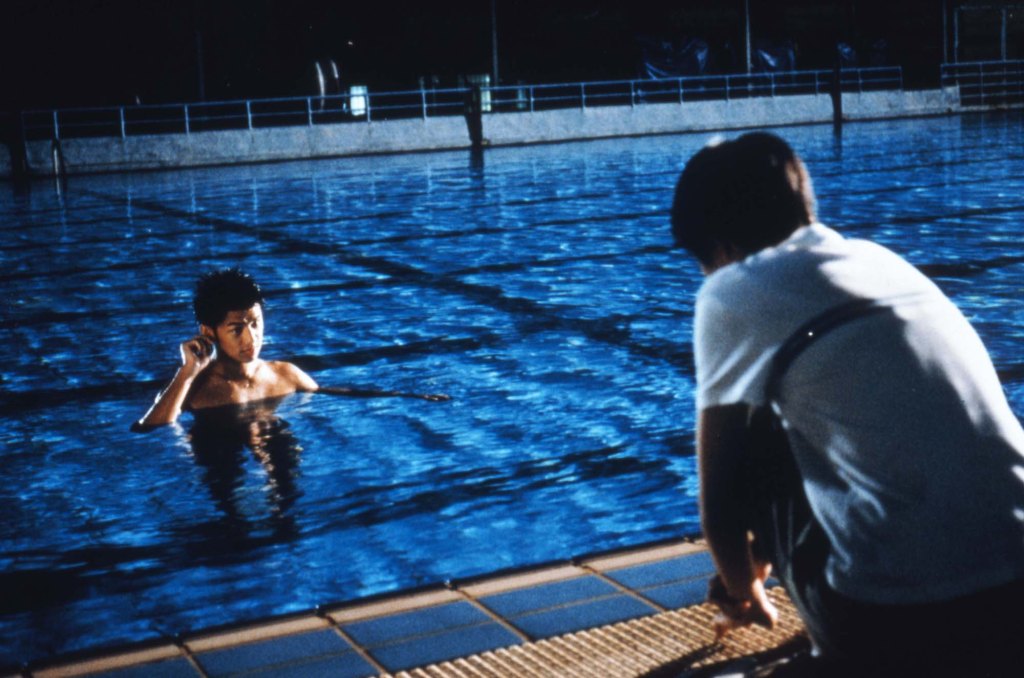
Blue Gate Crossing (35 mm)

2nd May, Genesis Cinema Plus Introduction by Christopher Brown, University of Sussex.

Taiwanese classic from Yee Chih-yen starring Gwei Lun-mei and Chen Bo-lin as high school students pursuing conflicting romantic destinies.

Queer East 2020 runs at venues across London from 18th April to 2nd May. Full details for all the films as well as ticketing links can be found on the official website, while you can also keep up with all the latest news by following Queer East on Facebook, Twitter, Instagram, and YouTube.