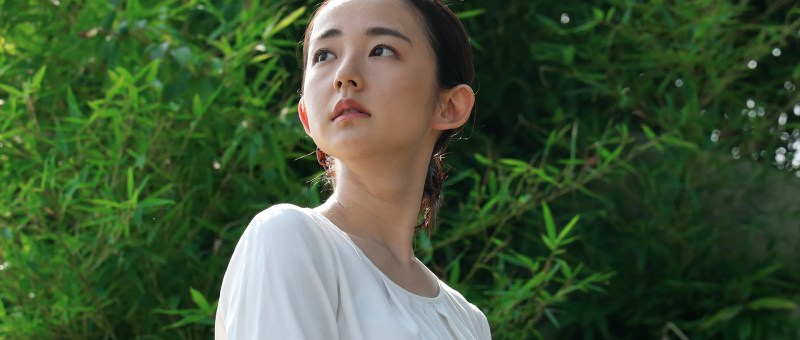
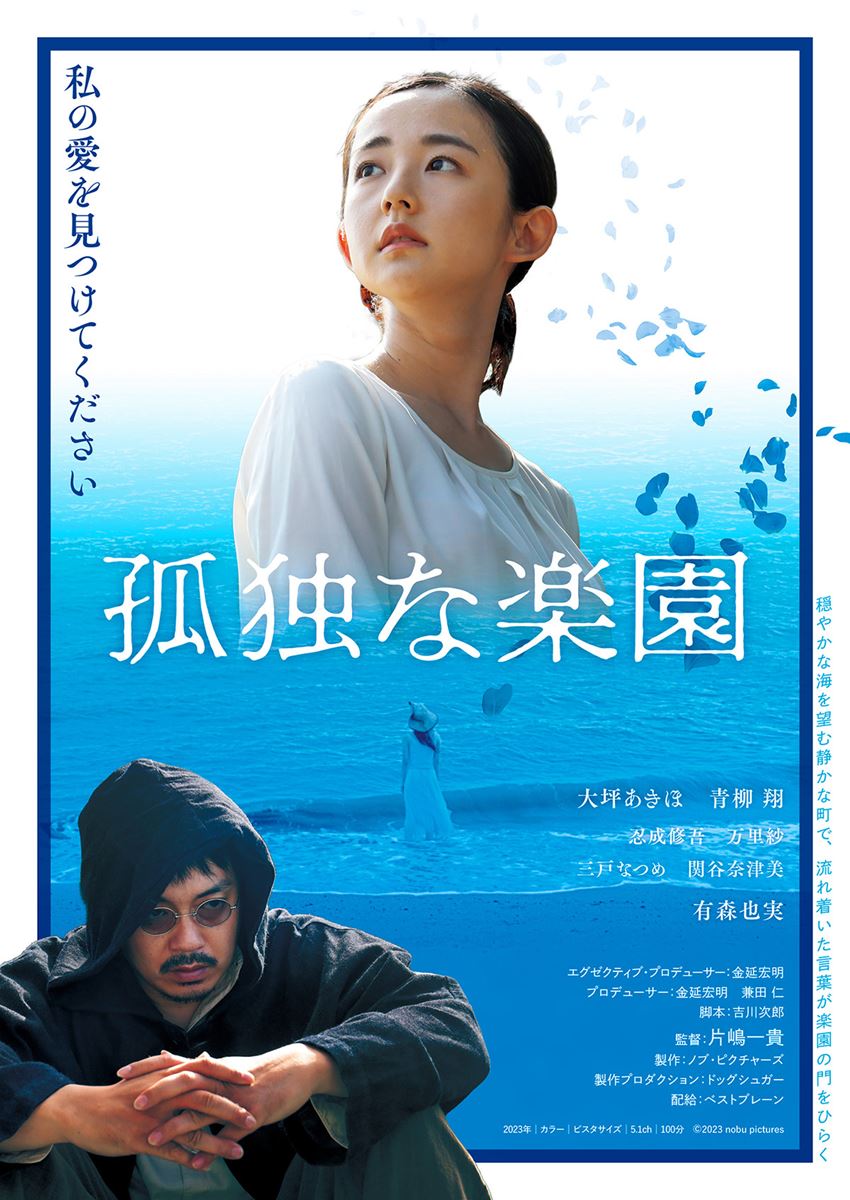
A blocked writer and a introverted young woman discover unexpected connection through accidental epistolary communication in Ikki Katashima’s poetic drama, Paradise of Solitude (孤独な楽園, Kodokuna Rakuen). Each wondering what exactly “paradise” means, the pair of them eventually find new ways to face the past and move on with their lives all while undergoing a vicarious romance with yearning at its centre that may or may not develop into something more “real” or else achieve its power solely through its lack of resolution.
Yu Tsushima (Sho Aoyagi) is a writer struggling to meet his deadlines on a new serialised novel. Suffering with an illness, he’s retreated to his hometown and is now unable to leave because he experiences seizures on boats which understandably leaves him preferring not to get on them. One day, he receives an incredibly poetic love letter from an anonymous address only to notice a link to a porn site at the end of the email like a cruel punch line. Meanwhile, Ayame (Akiho Otsubo) is a nervous and introverted young woman working at a factory on the next island over. To begin with, it seems like she has suffered under the authoritarian rule of her aunt Tsukiko (Narimi Arimori), though as we later discover she may have meant well.
Showing a talent for writing which sees her exploited by the factory boss, Ayame is tasked with writing a love letter on behalf of her friend Elena to a man she’s apparently only seen once yet has fallen hopelessly in love with. There’s something a little strange about this proposition, and not least because it seems like Elena may actually want this letter for herself and has unspoken (in Japanese, at least) feelings for Ayame. Elena is not the only non-Japanese person working at the factory at which it seems there may be some racist attitudes and behaviour among the employees, though there may be other reasons she feels isolated and otherwise drawn to Ayame.
But somehow, the letters find their way to Yu who is then “inspired” to write a new serial basically ripping off the anonymous correspondence but rewriting it in his own way while Ayame, having read his stories in a literary magazine, is not exactly angry yet confused and continues writing in order to complete this literary back and fore in crafting a new story together. Though the letters spin a tale of a lovelorn soul, it’s really the past that Ayame longs to revisit in the resultant trauma of her mother’s unexplained abandonment.
On top of the weird island drama, Katashima builds on the sense of uncanniness with a subplot about a cult-like local church and its own desire to reclaim Ayame thereby preventing her from fully confronting her past. Just as Yu is suffering from a medical condition, Ayame too experiences panic attacks when in contact with the church. Though it’s not always clear what is objectively true and what part of the story Yu is constructing from Ayame’s prose, parallel stories develop in which Ayame’s father hoped to liberate her mother’s soul though she eventually decided to chase paradise somewhere else.
Because of her experiences, Ayame comes to believe that love within her has died, but perhaps begins to regain something of it thanks to her correspondence with Yu who becomes remorseful in learning that his actions may have been additionally unethical in encouraging Ayame to engage with her past trauma and risk dragging it all up again. He, meanwhile, begins to discover his creativity and overcomes the psychological dimensions of his condition by leaving his island and breaking out of his self-imposed isolation. The correspondence is like the message in a bottle discovered by Ayame’s mother which claimed to be from “paradise”, a hand across the ocean promising a better world over the horizon. Whether or not they find each other eventually in a more direct sense may not really matter, for simply having this invisible presence has enabled each of them to move past their internalised inertia and restart their lives. They may be trapped in a paradise of solitude, but on the other hand not quite alone and now a little more open to life’s possibilities rather than bound by its hurts and disappointments too frightened to leave the safety of their isolation in search of a more perfect paradise.
Paradise of Solitude screened as part of this year’s Cinema at Sea.
Trailer (no subtitles)
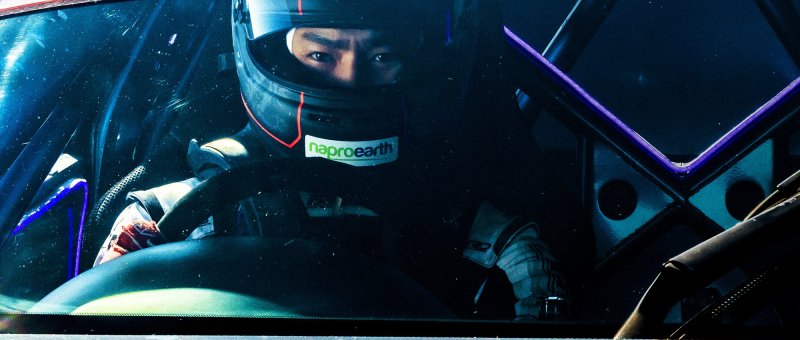

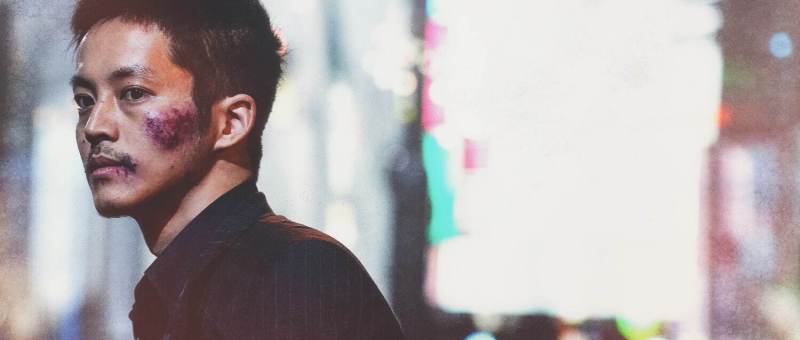

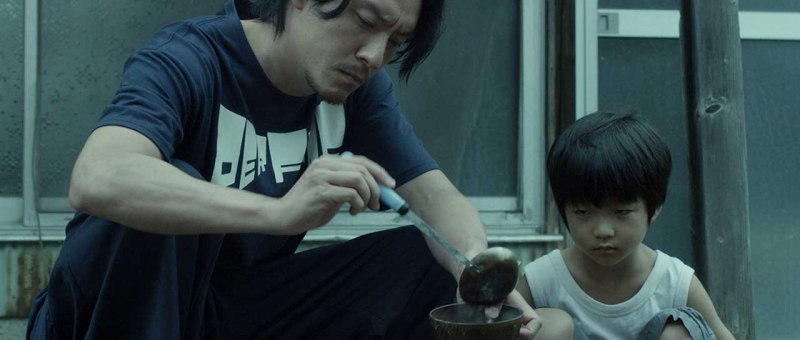
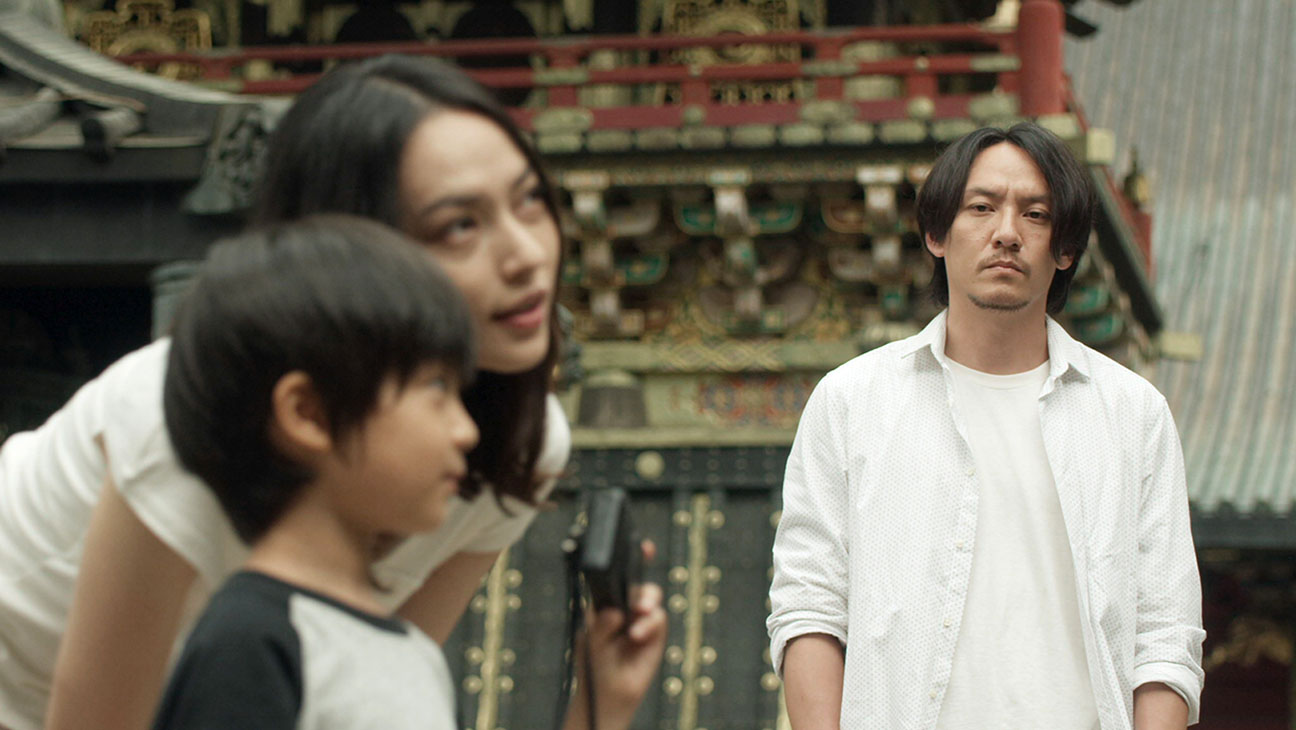 Taiwan and Japan have a complicated history, but in SABU’s latest slice of cross-cultural interplay each place becomes a kind of refuge from the other. Working largely in Mandarin and with Taiwanese star Chang Chen, SABU returns to a familiar story – the lonely hitman tempted by a normal family life filled with peace and simplicity only to have his dreams taken from him by the spectre of his past. Only this time it isn’t just his past but that of others too. Despite the melancholy air, Mr. Long (ミスター・ロン) is a testament to the power of simple human kindness but also a condemnation of underworld cruelty and its vicelike grip on all who enter its grasp.
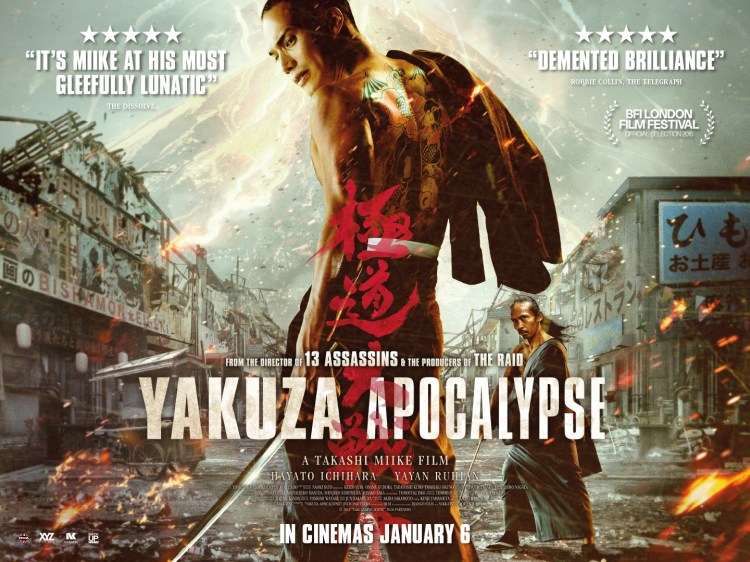 Belated review from the 2015 London Film Festival – Yakuza Apocalypse is released in UK cinemas for one day only on 6th January 2016 courtesy of Manga who will also be releasing on home video at a later date.
 Windows on Worlds