 Written by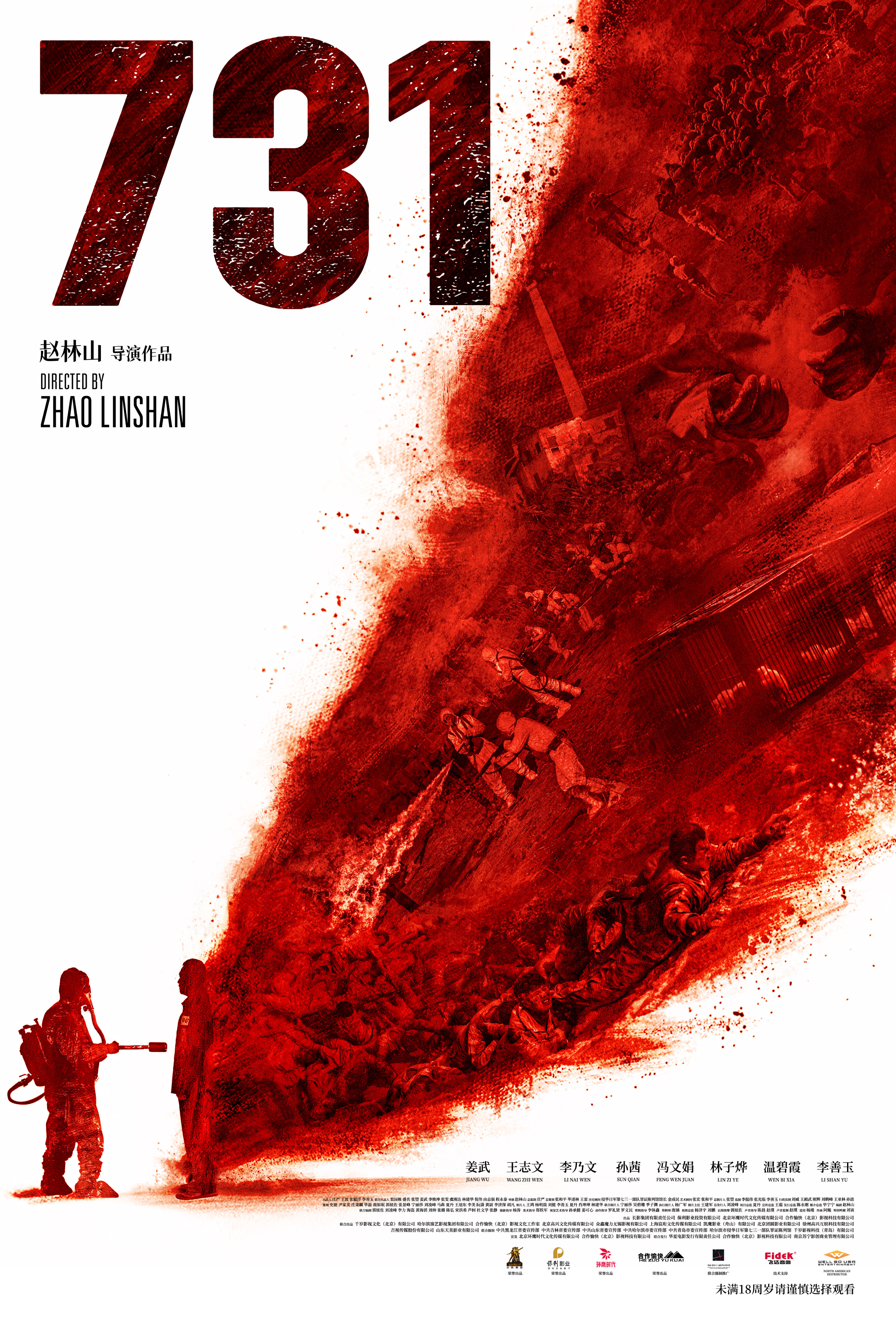
When Dead to Rights was released last year, there was outcry in some quarters that a horrific historical event was being misused for propaganda purposes to fuel hate against the Japanese. These claims were not unfounded, but if the film’s propaganda aims were subtle enough to fly over the heads of those with little knowledge of China and its history, the same cannot be said of 731 which is guilty of every charge levelled at Dead to Rights while simultaneously being a flippant examination of very real and heinous war crimes committed by Japan predominantly against the Chinese, but also Russians and prisoners from other parts of its empire.
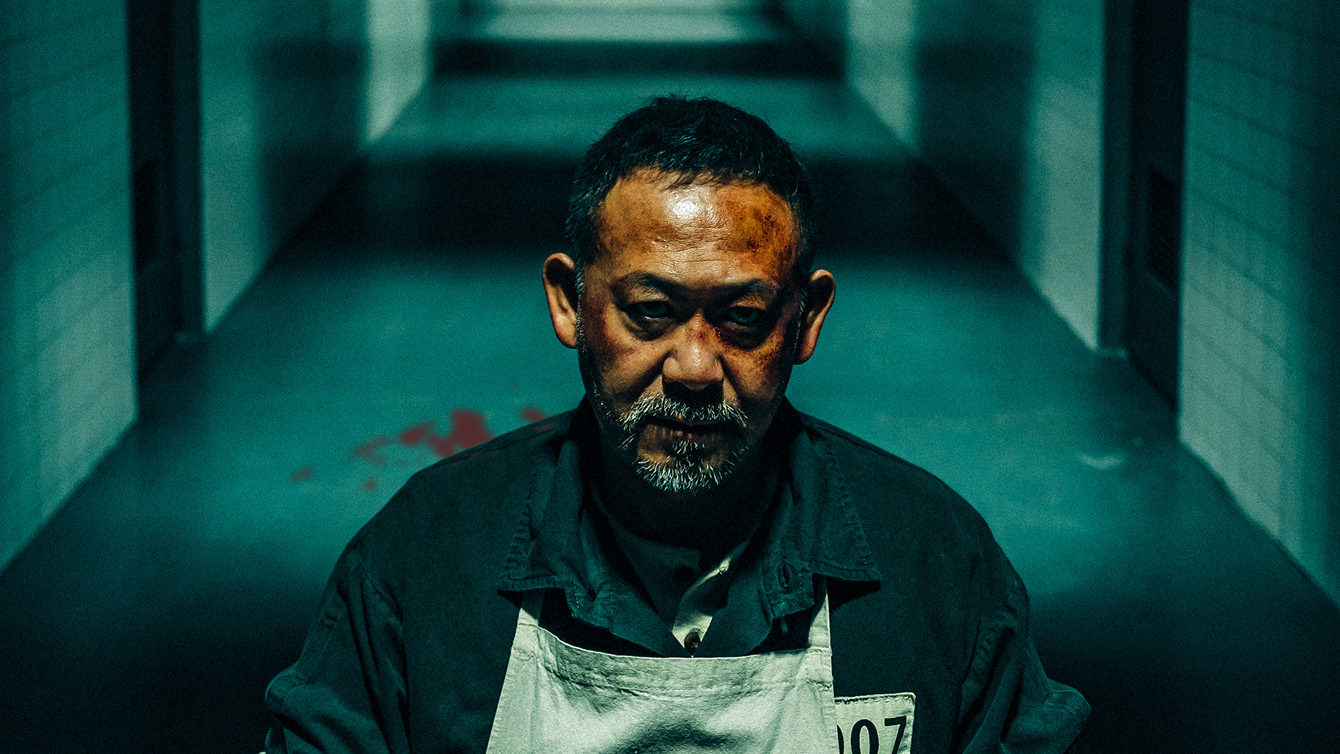
Those familiar with the subject matter may recall that there were no known survivors from Unit 731, a scientific unit conducting inhumane human experimentation such as vivisection, as the Japanese murdered all of the remaining prisoners and destroyed the facilities at the end of the war. The film may be based on reports of an escape attempt in the summer of 1945, but descends into nihilism as the hero is ultimately unable to live up to the reputation of the man from whom he’s stolen his identity. Wang Yongzhang (Jiang Wu) calls himself Wang Zicheng, supposedly responsible for leading another prison revolt and escape in the 1930s and thereafter becoming active in the resistance. Wang is, however, a pragmatic coward and quickly finds himself given the task of delivering food to the other prisoners, apparently because of his talent for languages which includes Russian and Korean as well Japanese and Mandarin, though he is not supposed to talk to any of them aside from repeating slogans. In any case, he’s content to go along with the Japanese guards in order to preserve his life up to the point that he discovers what’s really going on at Unit 731 and realises that his predecessor was the man he first met on his arrival and has now been murdered.
The atmosphere, however, is decidedly odd with its moments of misplaced humour and takes on an almost squid game-esque aesthetic as announcements are made by a little girl stating that the prisoners have been brought here because they are “sick” and will be “free” when they are”cured”. Obviously, the Japanese officers have different definitions of “cured” and “free” than would usually be assumed, just as they refer to the prisoners as “logs” in their records which obviously means that they are fully aware what they are doing is wrong and they’ll have to face the consequences when all this comes to light. Prisoners are bizarrely made to follow an oiran procession to be “freed”, while many of the staff members dress in formal kimonos rather than military uniforms. The building itself is labyrinthine in design and aesthetically well designed, while the insistence on cleanliness, so they can be sure their biological weapons work as opposed to prisoners just dying of concentration camp diseases, ensures everything sparkles with science fiction sheen.
On the other hand, the partial suggestion is that these people are “sick” because they’re culturally Chinese, and need to get better by becoming good Japanese citizens who accept the Emperor’s benevolence which is why they make the children read announcements. But at the same time, no one’s getting out of here anyway, and there’s no real explanation for the children’s strange role in the apothecary. Ahistorically, there’s a female Japanese officer who seems to have a hangup about maternity and sleeps next to a pregnant prisoner. She also speaks incredibly bad Japanese to the extent that another character questions where she’s from, but no further point is made aside from her generalised sadism. That the film is so gory in some places almost ends up giving these very real, heinous crimes a camp quality while focusing not on the people being flayed alive or frozen and having their limbs smashed, but the weird room of foetuses in jars. Ishii, meanwhile, the head of the project, seems very interested in the baby of a Chinese doctor who otherwise embarrassed them by being able to figure out how to cure the plague they were developing as a biological weapon with traditional medicine ingredients.
The whole thing makes very little sense, but is really only leading up to sentences like “how could there be Japanese in heaven?” while the film ends with footage of people attending an exhibition on Japanese war crimes along with a pointed reminder that most of the key personnel involved with Unit 731 were never prosecuted because the Americans granted them immunity in exchange for their research. It seems to be suggesting there is again an existential threat, and that there will be “no survivors” this time either if China does not assert itself. Nevertheless, in doing so, it sells a rather surprising message for a propaganda film in making its hero a failure, a man who in the end could not lead his fellow countrymen to freedom but only to death in direct contrast to the resolution usually found in films like this which is included only in the final title card stating that the Chinese people finally put paid to 14 years of Japanese aggression and scored a win for the global anti-fascist movement, which at least seems a little ironic in the light of contemporary authoritarianism. Completely baffling on several levels, the film seems to undercut itself at every opportunity and lands somewhere in the realms of nihilistic fairytale and bizarre fever dream.
731 is available on Digital in the US courtesy of Well Go USA.
Trailer (English subtitles)
 Windows on Worlds