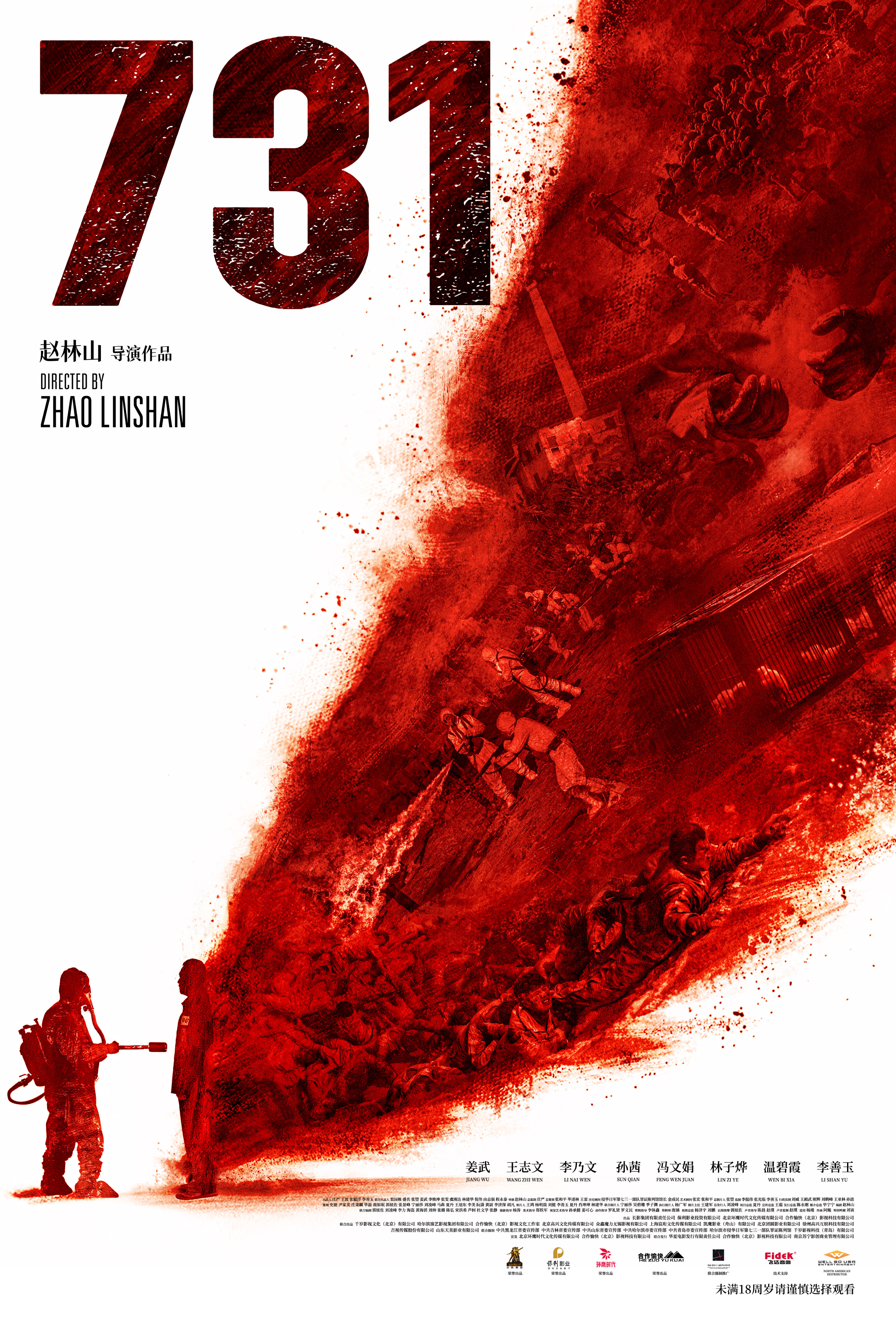
731 (Zhao Linshan, 2025)

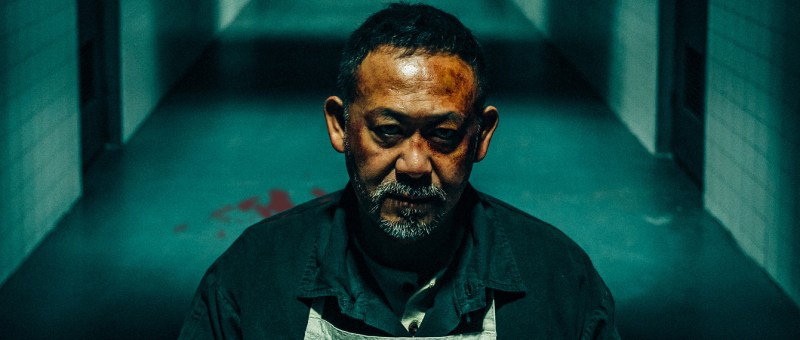
When Dead to Rights was released last year, there was outcry in some quarters that a horrific historical event was being misused for propaganda purposes to fuel hate against the Japanese. These claims were not unfounded, but if the film’s propaganda aims were subtle enough to fly over the heads of those with little knowledge of China and its history, the same cannot be said of 731 which is guilty of every charge levelled at Dead to Rights while simultaneously being a flippant examination of very real and heinous war crimes committed by Japan predominantly against the Chinese, but also Russians and prisoners from other parts of its empire.

Those familiar with the subject matter may recall that there were no known survivors from Unit 731, a scientific unit conducting inhumane human experimentation such as vivisection, as the Japanese murdered all of the remaining prisoners and destroyed the facilities at the end of the war. The film may be based on reports of an escape attempt in the summer of 1945, but descends into nihilism as the hero is ultimately unable to live up to the reputation of the man from whom he’s stolen his identity. Wang Yongzhang (Jiang Wu) calls himself Wang Zicheng, supposedly responsible for leading another prison revolt and escape in the 1930s and thereafter becoming active in the resistance. Wang is, however, a pragmatic coward and quickly finds himself given the task of delivering food to the other prisoners, apparently because of his talent for languages which includes Russian and Korean as well Japanese and Mandarin, though he is not supposed to talk to any of them aside from repeating slogans. In any case, he’s content to go along with the Japanese guards in order to preserve his life up to the point that he discovers what’s really going on at Unit 731 and realises that his predecessor was the man he first met on his arrival and has now been murdered.

The atmosphere, however, is decidedly odd with its moments of misplaced humour and takes on an almost squid game-esque aesthetic as announcements are made by a little girl stating that the prisoners have been brought here because they are “sick” and will be “free” when they are”cured”. Obviously, the Japanese officers have different definitions of “cured” and “free” than would usually be assumed, just as they refer to the prisoners as “logs” in their records which obviously means that they are fully aware what they are doing is wrong and they’ll have to face the consequences when all this comes to light. Prisoners are bizarrely made to follow an oiran procession to be “freed”, while many of the staff members dress in formal kimonos rather than military uniforms. The building itself is labyrinthine in design and aesthetically well designed, while the insistence on cleanliness, so they can be sure their biological weapons work as opposed to prisoners just dying of concentration camp diseases, ensures everything sparkles with science fiction sheen. 

On the other hand, the partial suggestion is that these people are “sick” because they’re culturally Chinese, and need to get better by becoming good Japanese citizens who accept the Emperor’s benevolence which is why they make the children read announcements. But at the same time, no one’s getting out of here anyway, and there’s no real explanation for the children’s strange role in the apothecary. Ahistorically, there’s a female Japanese officer who seems to have a hangup about maternity and sleeps next to a pregnant prisoner. She also speaks incredibly bad Japanese to the extent that another character questions where she’s from, but no further point is made aside from her generalised sadism. That the film is so gory in some places almost ends up giving these very real, heinous crimes a camp quality while focusing not on the people being flayed alive or frozen and having their limbs smashed, but the weird room of foetuses in jars. Ishii, meanwhile, the head of the project, seems very interested in the baby of a Chinese doctor who otherwise embarrassed them by being able to figure out how to cure the plague they were developing as a biological weapon with traditional medicine ingredients.

The whole thing makes very little sense, but is really only leading up to sentences like “how could there be Japanese in heaven?” while the film ends with footage of people attending an exhibition on Japanese war crimes along with a pointed reminder that most of the key personnel involved with Unit 731 were never prosecuted because the Americans granted them immunity in exchange for their research. It seems to be suggesting there is again an existential threat, and that there will be “no survivors” this time either if China does not assert itself. Nevertheless, in doing so, it sells a rather surprising message for a propaganda film in making its hero a failure, a man who in the end could not lead his fellow countrymen to freedom but only to death in direct contrast to the resolution usually found in films like this which is included only in the final title card stating that the Chinese people finally put paid to 14 years of Japanese aggression and scored a win for the global anti-fascist movement, which at least seems a little ironic in the light of contemporary authoritarianism. Completely baffling on several levels, the film seems to undercut itself at every opportunity and lands somewhere in the realms of nihilistic fairytale and bizarre fever dream.


731 is available on Digital in the US courtesy of Well Go USA.

Trailer (English subtitles)
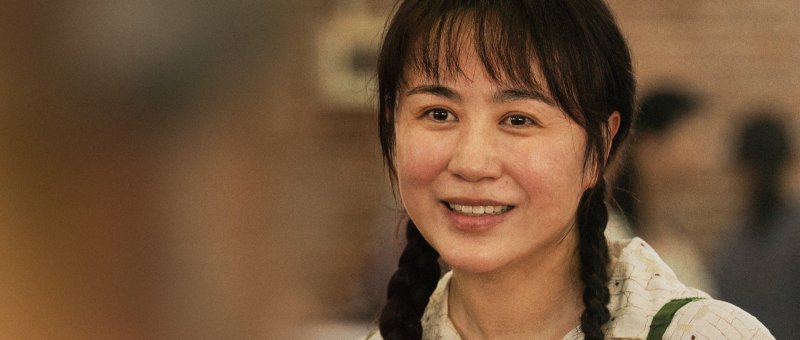
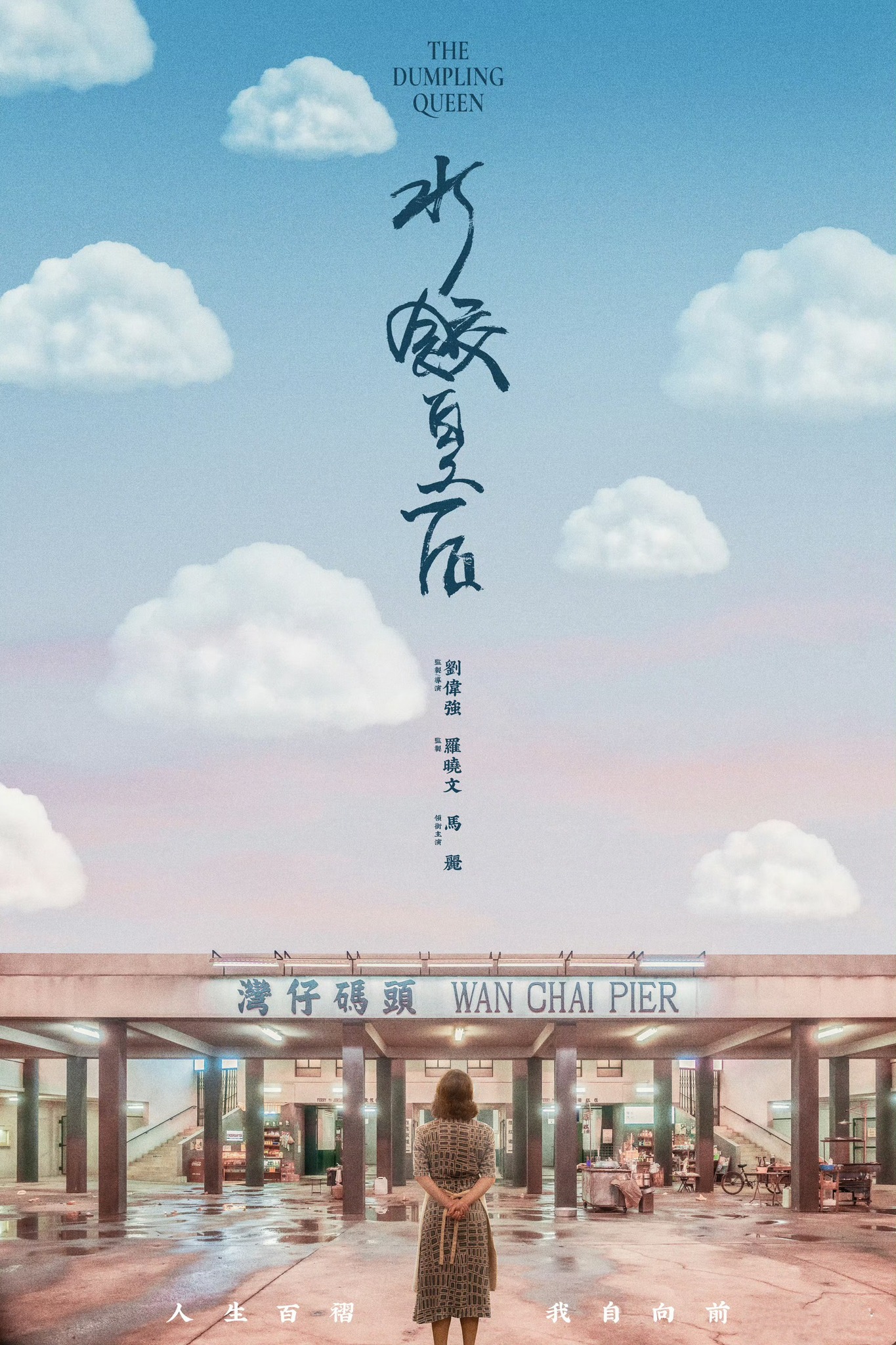
The Dumpling Queen (水饺皇后, Andrew Lau, 2025)

There are a lot of ironies and contradictions at the heart of Andrew Lau’s Dumpling Queen (水饺皇后, shuǐjiǎo huánghòu) inspired by the life of Zang Jianhe who founded the international dumpling empire Wanchai Ferry, but there’s no getting away from the celebratory joy it finds in the heroine’s hard-won transition from jilted spouse to successful entrepreneur. Then again, there might be something uncomfortable in the film’s framing and the repeated claim that Jianhe’s dumplings are about the warmth of familial bonds and reunion. Zong’s desire to kick back at American imperialism as manifested in the ubiquity of hamburgers and US-style delivery pizza by making Chinese dumplings accessible across the world is also an advocation for the One China philosophy in which the greater Chinese diaspora is connected as a family through “the taste of home.”

Beginning in 1977, the film is noticeably quiet about why anyone would be risking their lives to escape from Mainland China to Hong Kong, though this is what Jianhe is doing in her quest to be reunited with her husband, Hanzhou, who has been away for four years. Unfortunately, when she reaches the station at the border, Hanzhou’s mother (Nina Paw Hee-ching) rudely explains that she had him marry another woman in Thailand who has since borne him a son. Branding Jianhe a failure for giving birth to only daughters, she tells her that she can come with them but that she will be the second wife subservient to the mother of the family heir. She repeatedly claims this does not make Hanzhou a bigamist because Thai law supposedly gives him the right to marry more than one woman, though it seems the mother-in-law may not be aware that the pair were legally married in Mainland China as Jianhe’s traditional wedding photos would otherwise suggest. 

The fact that Jianhe is discarded for giving birth to daughters contributes to the film’s feminist undertones and sense of female solidarity as Jianhe strives to pass on the dumpling recipe she learnt from her own mother to the next generation of women and beyond. Jianhe must now find a way to fend for herself, which she eventually does through a combination of hard work, excellent business sense, and the supportive community around her. Though Jianhe and her children face some instances of prejudice against Mainlanders when they first arrive, they are helped by various people including enigmatic landlady Hong Jie (Kara Wai Ying-hung) who makes her a part of her boarding house community and tries not to pressure her about the rent out of consideration for the children,

But times are sometimes hard and Jianhe is directly contrasted with the woman across the way whose husband has a gambling problem and beats her. Having been injured in a workplace accident that leaves her unable to work as she had been before, Jianhe begins to feel hopeless and considers taking her own life only to be saved by her children and a neighbour who sells dessert soups, but the other woman is not as lucky and eventually makes a fateful decision, blaming herself for the man her husband has become. Jianhe is also given another shot at romance with a sympathetic policeman (Zhu Yawen) who comes from the same area of Mainland China and is taken by her dumplings, but he also wants to move abroad and Jianhe has already followed one husband to another country and it didn’t work out so well. It’s not so much that she sacrifices love for career success, the policeman could after all simply chose not to go, but that she no longer needs to compromise herself for marriage because she’s fulfilling herself through her business enterprise.

Just as the film doesn’t mention why Mainlanders came to Hong Kong, it doesn’t really go into why some Hong Kongers choose to leave save for a brief onscreen text mention about the beginning of the negotiations for the Handover though Jianhe is repeatedly keen to emphasise the universal Chineseness of her dumplings. She makes a deal with a Japanese department store, but threatens to walk when they try to make her change her packaging to bring it into line with their house style and thereby erase its cultural identity. She also refuses to allow them a monopoly after they demonstrate their lack of trust in her as a businesswoman, quickly realising she’s better off making deals with every supermarket on the island as well international flour companies. Jianhe is pretty quick to cotton to new technologies such as household refrigerators and the possibilities for frozen foods. But at the end of the day, she’s earnest and hardworking, sharing her success with her many friends who helped her along the way and always repaying kindness when she can. It’s an oddly utopian vision at times in which everyone seems to recognise Jianhe’s greatness and get out of her way, including a triad boss who helps her because she reminded him of his mother when she threatened one of his men with a meat cleaver,) but it also reinforces a sense of the One China family with the dumplings, now refined to suit local tastes, as the glue binding it together in the face of an onslaught of hamburgers and pizzas as harbingers of a cultural apocalypse.


International trailer (Simplified Chinese / English subtitles)

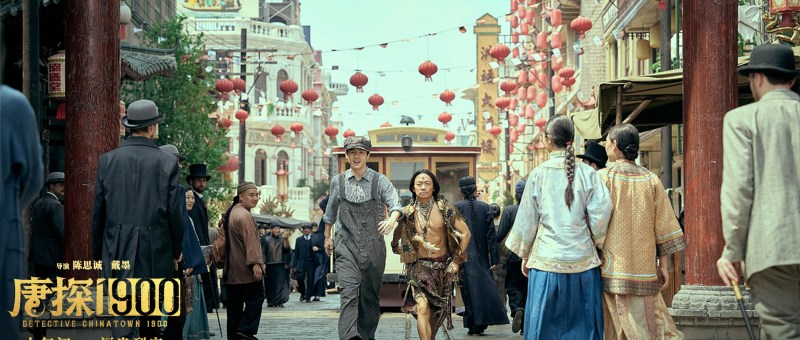
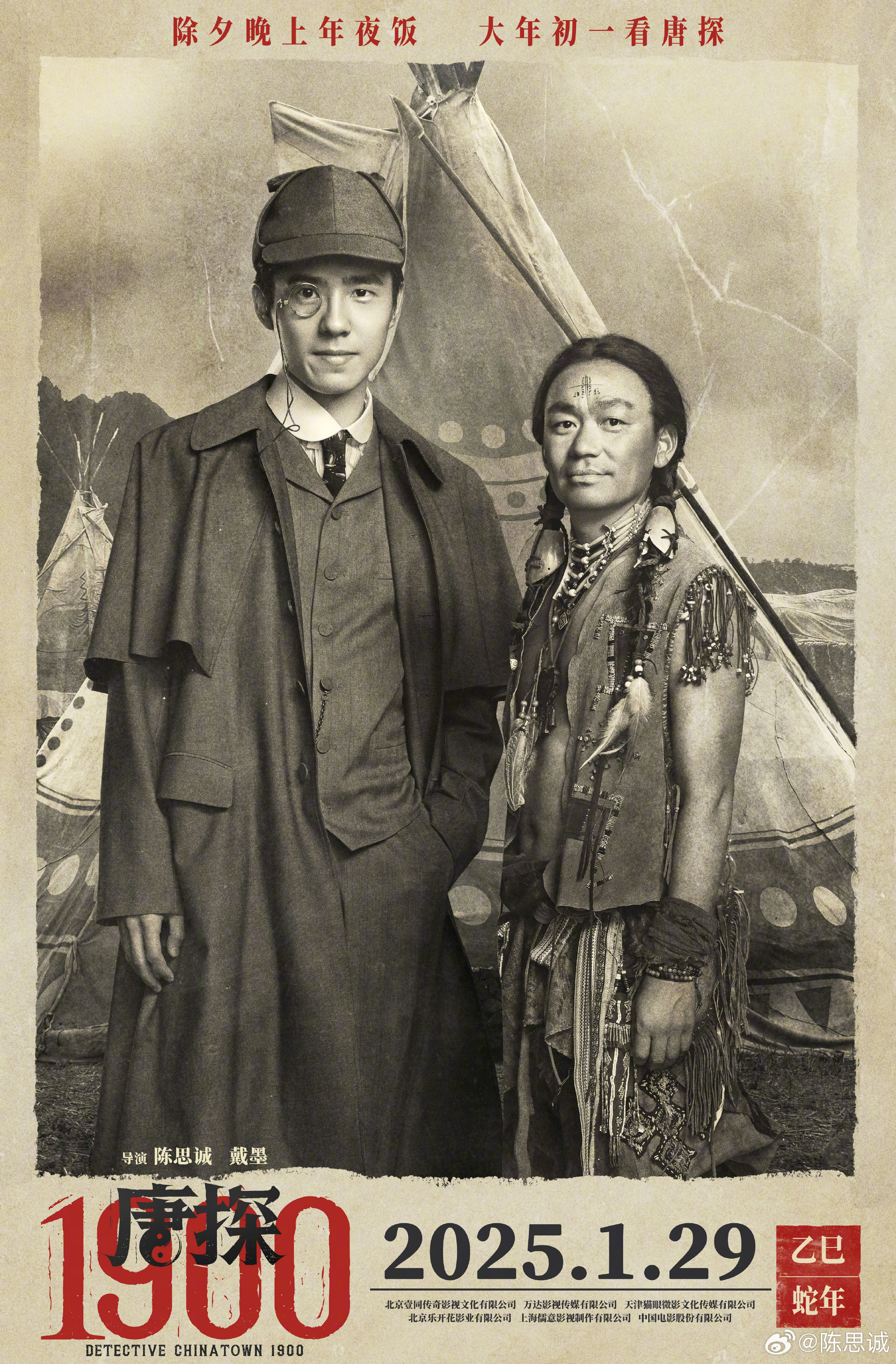
Detective Chinatown 1900 (唐探1900, Chen Sicheng & Dai Mo, 2025)

The Detective Chinatown team head back to turn of the contrary San Francisco in the latest instalment of the mega hit franchise, Detective Chinatown 1900 (唐探1900, Tángtàn 1900). Like many recent mainstream films, its main thrust is that Chinese citizens are only really safe in China, but also implies that diaspora communities exist outside the majority population and therefore can only rely on each other. Nevertheless, there’s something quite uncanny in the film’s ironic prescience as racist politicians wax on about how here rules are made by the people rather than an emperor and plaster “make America strong again” banners on their buses. 

The crime here though is the murder of a young white woman, Alice (Anastasia Shestakova), the daughter of Senator Grant (John Cusack) who is attempting to push the renewal of the Chinese Exclusion Act through government and destroy all the Chinatowns in the United States. An older Native American man was also found dead alongside her. Some have attributed the crime to Jack the Ripper as Alice was mutilated before she died and some of her organs were taken. The son of local gangster Bai (Chow Yun-Fat), Zhenbang (Zhang Xincheng), is quickly arrested for the crime while his father hires Qin Fu (Liu Hairan) to exonerate him believing Qin Fu to be Sherlock Holmes. 

What Qin Fu, an expert in Chinese medicine recently working as an interpreter for the famous consulting detective, finds himself mixed up in is also a slow moving revolution as it turns out Zhenbang is involved with the plot to overthrow the Qing dynasty (which would finally fall in 1912). As the film opens, corrupt courtiers to sell off large golden Buddha statues to American “allies” who are later seen saying that they plan to fleece China and then renege on their promises to protect it. Meanwhile, the Dowager Empress has sent emissaries to San Francisco to take out the revolutionaries in hiding there including Sun Yat-sen.

Of course, in this case, the Qing are the bad guys that were eventually overthrown by brave Communist revolutionaries that paved the way for China of today which is alluded to in the closing scenes when Zhenbang’s exiled friend Shiliang (Bai Ke) says that China will one day become the most powerful country in the world implying that no-one will look down on the Chinese people again. But on the other hand, they are still all Chinese and so the emissary tells Qin Fu to “Save China” as he lays dying having met his own end shortly after hearing that the British have invaded Peking signalling the death blow for the Qing dynasty. 

Nevertheless, there is a degree of irony in the fact that the secondary antagonist is an Irish gang who have signs reading “no dogs, no Chinese,” mimicking those they themselves famously face. The Irish gang is in league with Grant and content to do his dirty work, while Bai is supported by another prominent man who speaks Mandarin and pretends to be a friend to the Chinese but in reality is against the Exclusion Act on the grounds he wants to go on being able to exploit cheap Chinese labour. In this iteration, Ah Gui (Wang Baoqiang) is “Ghost,” a man whose parents were killed building the American railroad and was subsequently taken in and raised by a Native American community. In Bai’s final confrontation with the authorities, he takes them to task for their hypocrisy reminding them how important the Chinese have been in building the society in which they alone are privileged while “equality” does not appear to extend to them.

Through reinforcing these messages of prejudice and exploitation, the film once again encourages Chinese people living abroad to return home. Though set in 1900, the scenes of protest can’t help but echo those we’ve seen in the wake of the Covid-19 pandemic when racist hatred towards Asian communities has become much more open and pronounced. Qin Fu and Ghost do at least succeed in solving the mystery through scientific principles while ironically assisted by an earnest American policeman who says he thinks it’s important to uphold the law even as we can see the head of the golden Buddha sitting behind the victorious politician’s banquet table and realise that in reality taking out Grant has made little difference for the Exclusion Act will still be renewed (it was repealed only in 1943). They may have saved Chinatown, but Bai must sacrifice his American wealth and return to China much the way he left it having reflected on his life in light of the revolutionary course charted by his more earnest son. As Ghost and Qin Fu remark, if things were better there no one would want to come here though they themselves apparently elect to stay, solving more crimes and making sure that their descendants know they were here and where they were from.


International trailer (Simplified Chinese / English subtitles)