 Written by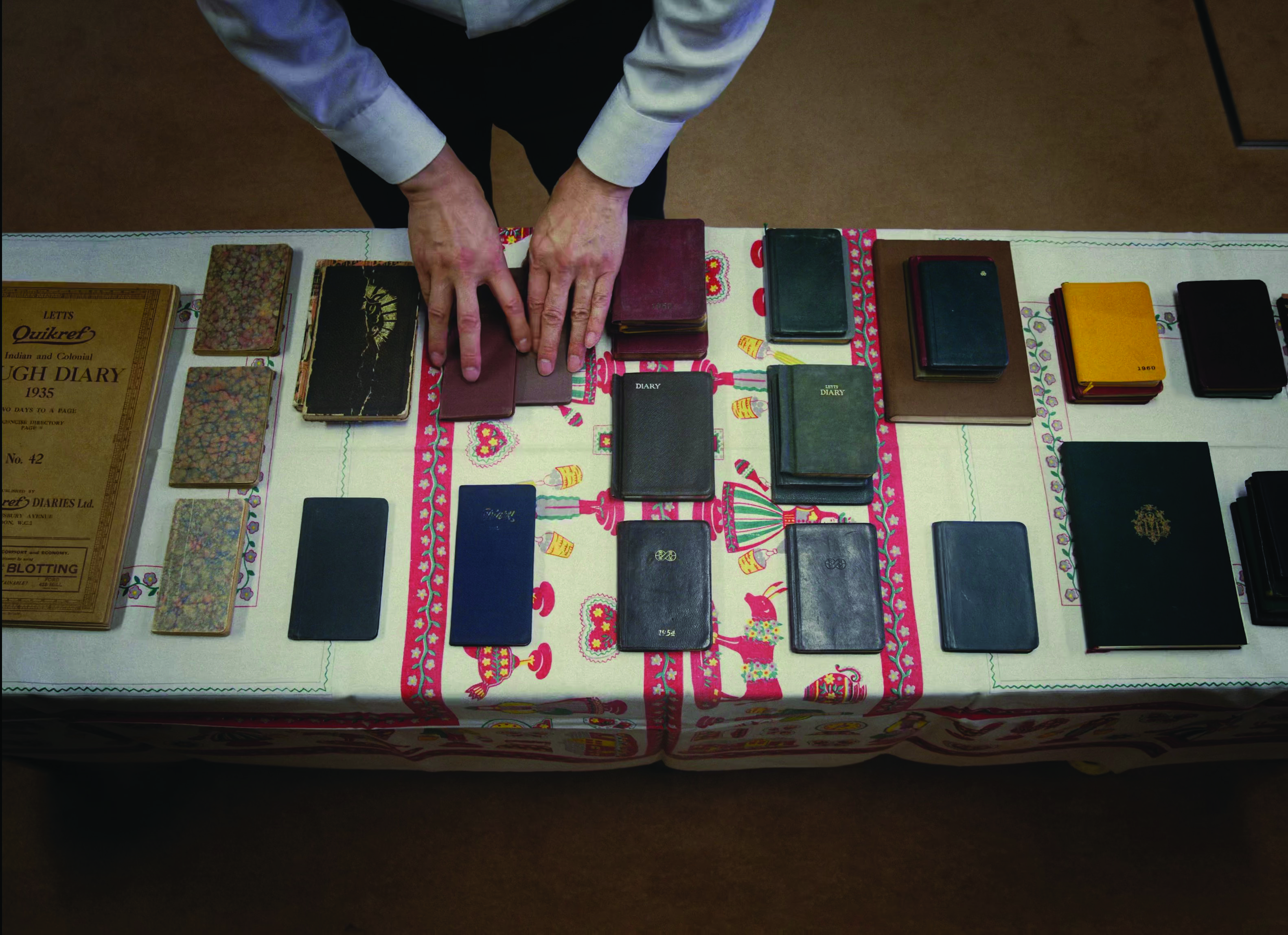
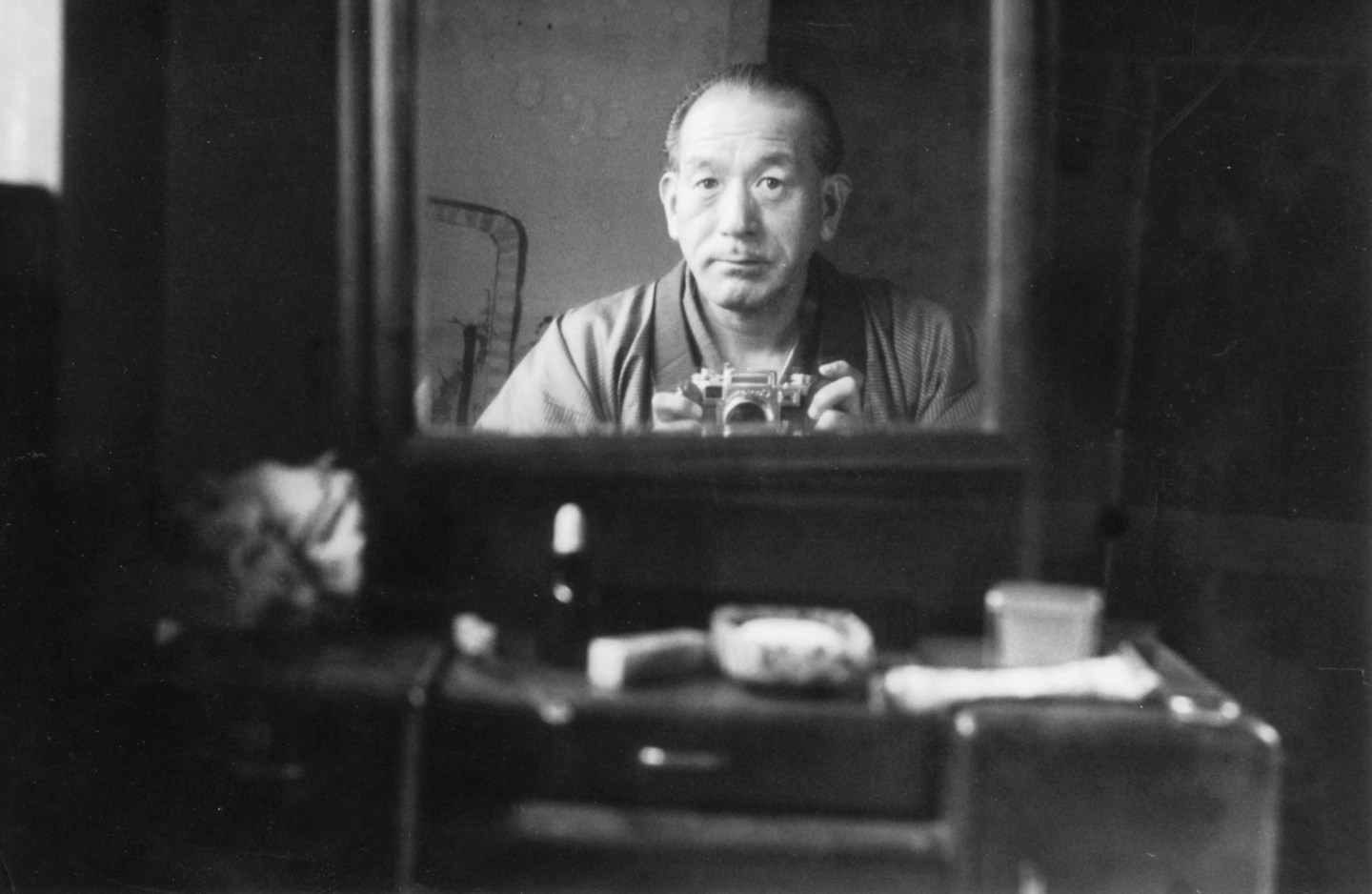
Yasujiro Ozu liked to describe himself as a simple tofu maker. Daniel Raim’s documentary The Ozu Diaries uses the director’s own writings to probe into his professional life and gain a personal insight into his career while interviewing prominent contemporary filmmakers such as Kiyoshi Kurosawa, Tsai Ming-Liang, and Wim Wenders. It is though important to note that it is an edited selection of the diaries that were discovered in the early 90s and skips over other aspects of his life such as the rumours of his homosexuality and wartime service, though Ozu had requested that some of his wartime diaries never be made public.
Nevertheless, much time is given over to his bond with director Sadao Yamanaka. Only three of Yamanaka’s films survive, but he was closely associated with the left-wing tendency film movement and was let go by Shochiku for those reasons, losing his exemption from the draft and consequently being shipped off to Manchuria where he passed away of dysentery. His last words to his friends were “make good films” which is something Ozu seems to have taken to heart and continued filmmaking in part to fulfil Yamanaka’s dream.
The film similarly explores his relationship with screenwriter Kogo Noda and paints Ozu as a larger-than-life figure who liked to drink and have a good time which is, perhaps, slightly at odds with the extreme control involved with his filmmaking. Likewise, recollections from actress Kinuyo Tanaka suggest a deep passion for cinema as she describes feeling as if he really loved her while they were making a film together to the extent that she began to think about marriage, but it was all over once the film was completed.
For his part, Ozu’s diaries also reveal that he was wary of casting Setsuko Hara because the industry wisdom at the time was that she couldn’t act. Yet the subtlety of her performance perfectly suited his aesthetic which is why he went on to cast her in so many films and particularly the Noriko trilogy. He also seems to have been adept at working with children and had a fairly unusual approach of interviewing parents to find out how they naturally behaved at home and then building the performance around that as recounted by a former child actor, now an elderly man himself.
In terms of his filmmaking technique, the films suggests that he held off so long on making a talkie because he wanted to truly master silent films and avoid using sound as a gimmick, while it may also have been a kind of solidarity with the benshi whose place in film exhibition was being destroyed by talking pictures. In Japan, though films also had intertitles, it was common for silent films to be narrated by a storyteller known as a benshi. Benshi could become stars in their own right and in fact be a bigger draw than the film, but still everyone wanted to chase the new with sound.
Other than perhaps in his 30s films, the suggestion is that Ozu was like a tofu maker more interested in perfecting his craft than with constant innovation. The film characterises him as carrying a profound sense of loss not only resulting from his wartime experiences, but from his childhood separation with his father. It’s this sense of loss that lends poignancy to films like Tokyo Story and echoes his preoccupation with the breaking and remaking of families. Archive photos and testimony meanwhile speak of his close relationship with his mother and the childlike way the pair of them used to play together. Ozu’s cinematic philosophy seems to be borne out in a passage about the lotus and the mud, that the post-war reality was muddy and chaotic, but there was still great beauty in it too and it was the artist’s duty to seek out both. The film seems to suggest that this was true for his life too, depicting him as an essentially melancholy man who also liked to drink and have a good time while dedicating himself to perfecting his art.
The Ozu Diaries screened as part of this year’s Nippon Connection.
Trailer

