The Unity of Heroes (黄飞鸿之南北英雄, Lin Zhenzhao, 2018)

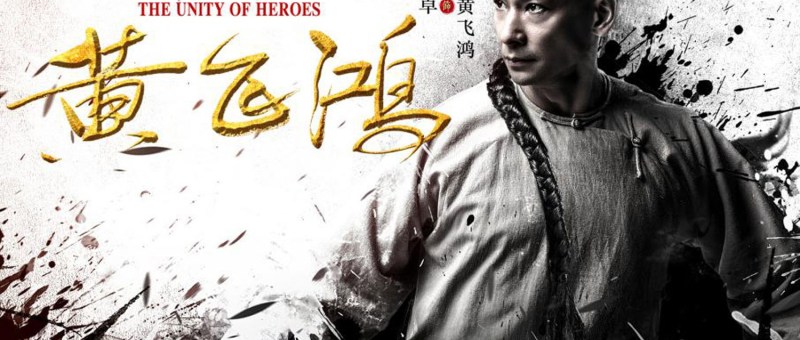
“All Chinese martial artists must stick together” affirms Wong Fei-hung, justifying himself to a dejected disciple for supposedly having appeased a local rival in Lin Zhenzhao’s The Unity of Heroes (黄飞鸿之南北英雄, Huáng Fēihóng zhī Nánběi Yīngxióng). Returning to the role he first took over from Jet Li closing out Tsui Hark’s Once Upon a Time in China series, Vincent Zhao stars in and produces this VOD outing for the legendary folk hero in which he once again valiantly defends the values of traditionalism while contending with an ever changing society. 

Twin arrivals, one expected the other not, spell change for Fei-hung and his trio of assistants, the first being the return of 13th Aunt Shaojun (Wei Na) who had been studying abroad, and the other being a crazed, zombie-like figure who wanders into the temple after escaping from a fire at the docks. If that weren’t enough to contend with, a new master, Wu (Michael Tong Man-Lung), has also arrived in town to teach his brand of martial arts with the Northern Fist Club, immediately entering a conflict with Fei-hung’s guys when Kuan (Li Lu-Bing) comes to the rescue of a mysterious woman who started a fight with them. Meanwhile, Fei-hung is suspicious of a new Western-style hospital which has been set up in order to treat victims of the opium crisis which he feels is ironic as he holds the Westerners responsible for getting the Chinese hooked on opium and then forcing them to pay to be cured of it. Of course, it turns out that the hospital, apparently backed by the British East India Company, is very definitely up to no good, led by the rather vampirically named “Vlad”. 

Finding himself faced with the threat of a superpowered opium which turns those who use it into rage-fulled killing machines, Fei-hung remains preoccupied with the erosion of Chinese traditions in the face of increasing Westernisation. Indeed, Shaojun who has been studying Western medicine in Europe has apparently even forgotten how to use chopsticks and asks for a knife and fork instead which it seems Fei-hung would not have denied her only well-meaning underling Qi decides to bring her something not quite as suitable for the dinner table. Likewise, seeing Fei-hung running a needle over a flame, Shaojun immediately runs for her alcohol bottle only for him to protest that he’s always been taught fire is enough. Nevertheless, he’s not totally against Western learning, eventually conceding that he could not have cured his patient on his own, it took one of Shaojun’s injections to clear his acupuncture points so he could eliminate the “poison” though moxibustion. 

Even so, Fei-hung is at the mercy of the evil Vlad who, as he feared, uses the rivalry between the martial arts masters to divide and conquer, seducing the apparently equally anti-Western henchmen of Wu by hopping them up on his new wonder drug as a means to take out Fei-hung and become the town number one. Allegories abound, but the lines drawn between covert capitalist colonialism and the drugs trade are anything but subtle as Vlad sells his super soldier drugs plan as a remedy to the supposed weakness of the Chinese physique that will allow them to escape subjugation, something which is of particular interest to his conflicted underling Xiaoyue (Wei Xiao-Huan) whose mother was apparently worked to death in a labour camp. “Your lives are worthless” Vlad reveals as the mask slips, “nothing is cheaper than you” justifying his decision to test his drugs on Chinese subjects with vaguely eugenicist overtones. 

All of that aside, however, first time feature director Lin Zhenzhao makes sure to include all the Wong Fei-hung staples from the training montage which opens the film to an innovative set piece involving Fei-hung’s trademark umbrella coupled with his obvious confusion with Shaojun’s “upgraded” European model, its steel spokes, and “improved” opening and closing mechanism. Given the film’s destination for the online streaming market as opposed to cinema screens, production values are surprisingly high with well populated crowd scenes, convincing production design, and nicely choreographed fight sequences including that all important shadowless kick. While not perhaps a return to the Once Upon a Time in China highs, Unity of Heroes nevertheless holds its own as another entertaining entry in the Wong Fei-hung saga.


The Unity of Heroes streams in the US Feb. 12 to 18 as part of Asian Pop-Up Cinema’s “Happy Lunar New Year!”

Original trailer (English subtitles)
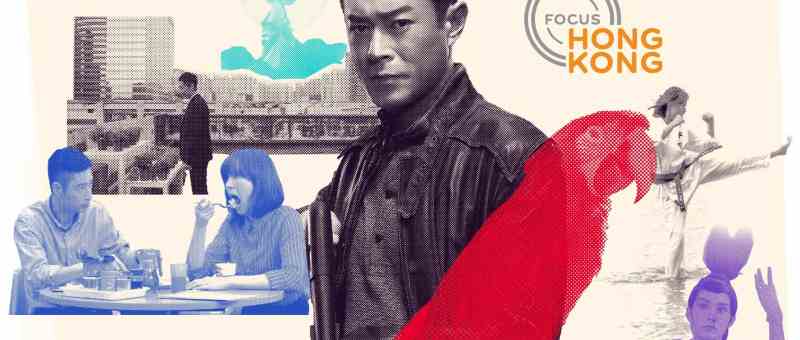
Focus Hong Kong Film Festival to Launch in UK in February 2021

With cinemas closed for the foreseeable future, the team behind Chinese Visual Festival is the latest to head online with a brand new mini film festival dedicated to Hong Kong cinema arriving just in time for Chinese New Year. Focus Hong Kong will stream five features, one classic and four contemporary, as well as a series of Fresh Wave Shorts to homes around the UK from 9th to 15th February.

Zu Warriors from the Magic Mountain

Anarchic wuxia action from Tsui Hark in which a reluctant Tang Dynasty soldier ventures through a crevice and into a supernatural conflict. Released in the wake of Star Wars this zeitgeisty 1983 SFX fest has lost none of its charm.

Memories to Choke On, Drinks to Wash them Down

Leung Ming Kai & Kate Reilly’s omnibus film explores the unique culture of Hong Kong at a moment of crisis through four very different stories. Review.

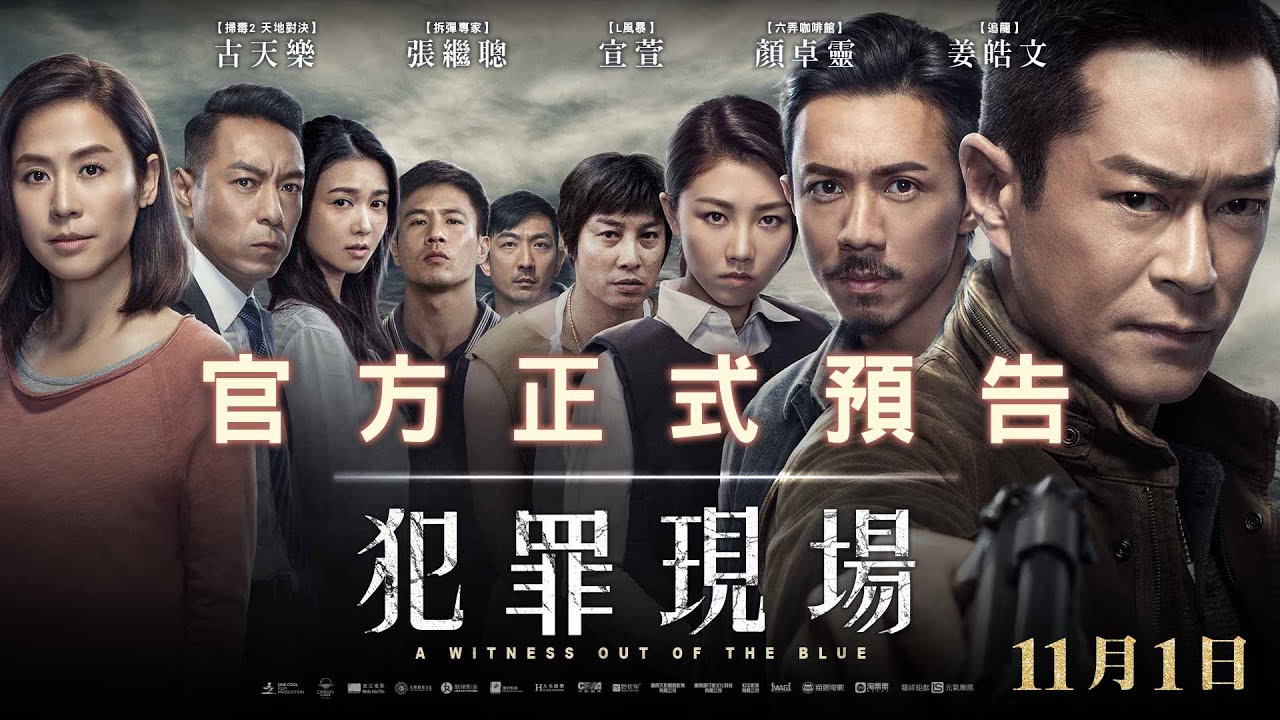
A Witness out of the Blue

An eccentric policeman investigates a murder based on the testimony of the only eyewitness, a parrot, in Andrew Fung Chih-chiang’s absurdist noir thriller. Review.

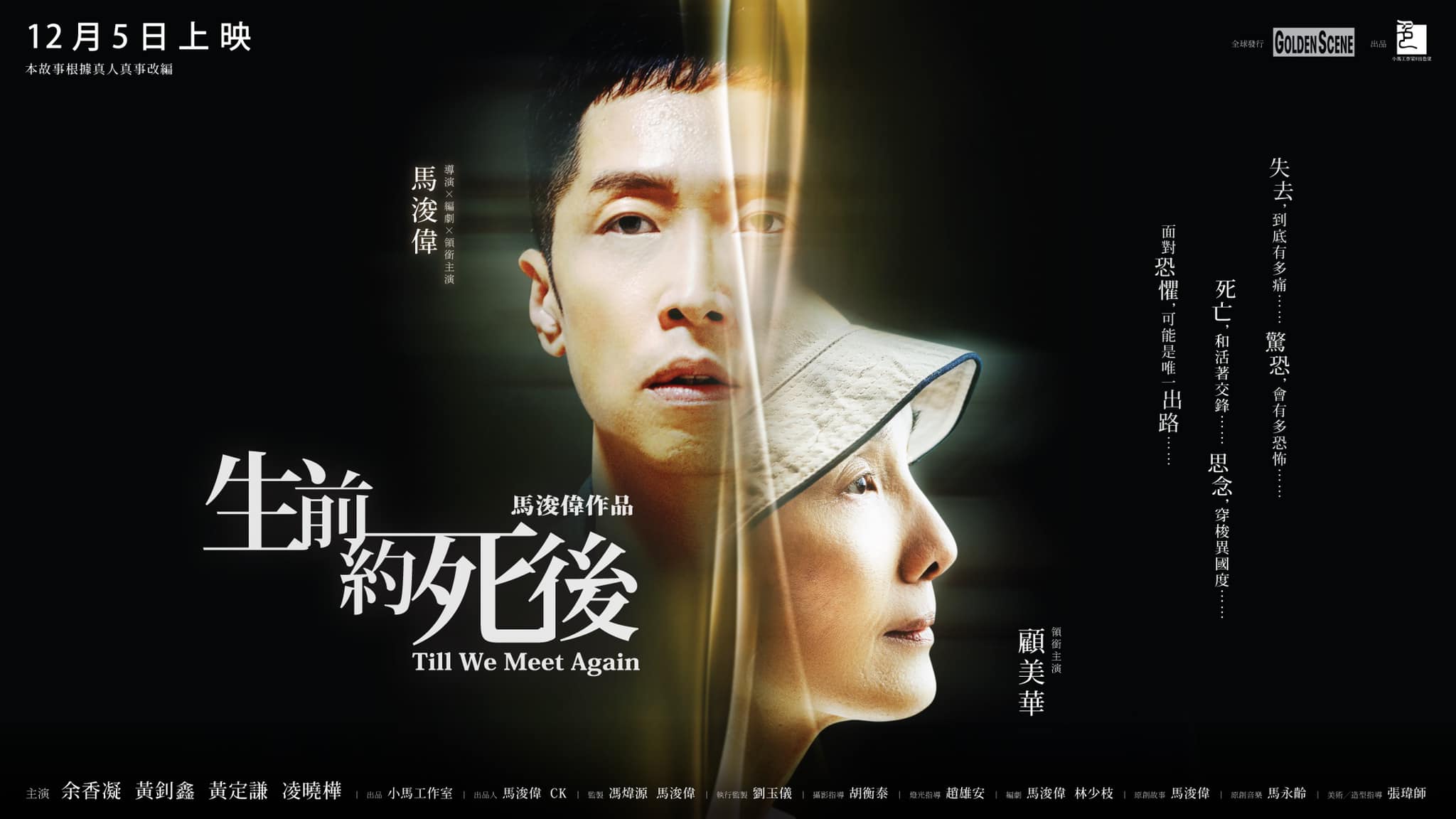
Till We Meet Again

Struggling to come to terms with the death of his mother a decade earlier, a fragile man undergoes a psychological crisis in Steven Ma’s sensitive, semi-autobiographical drama.

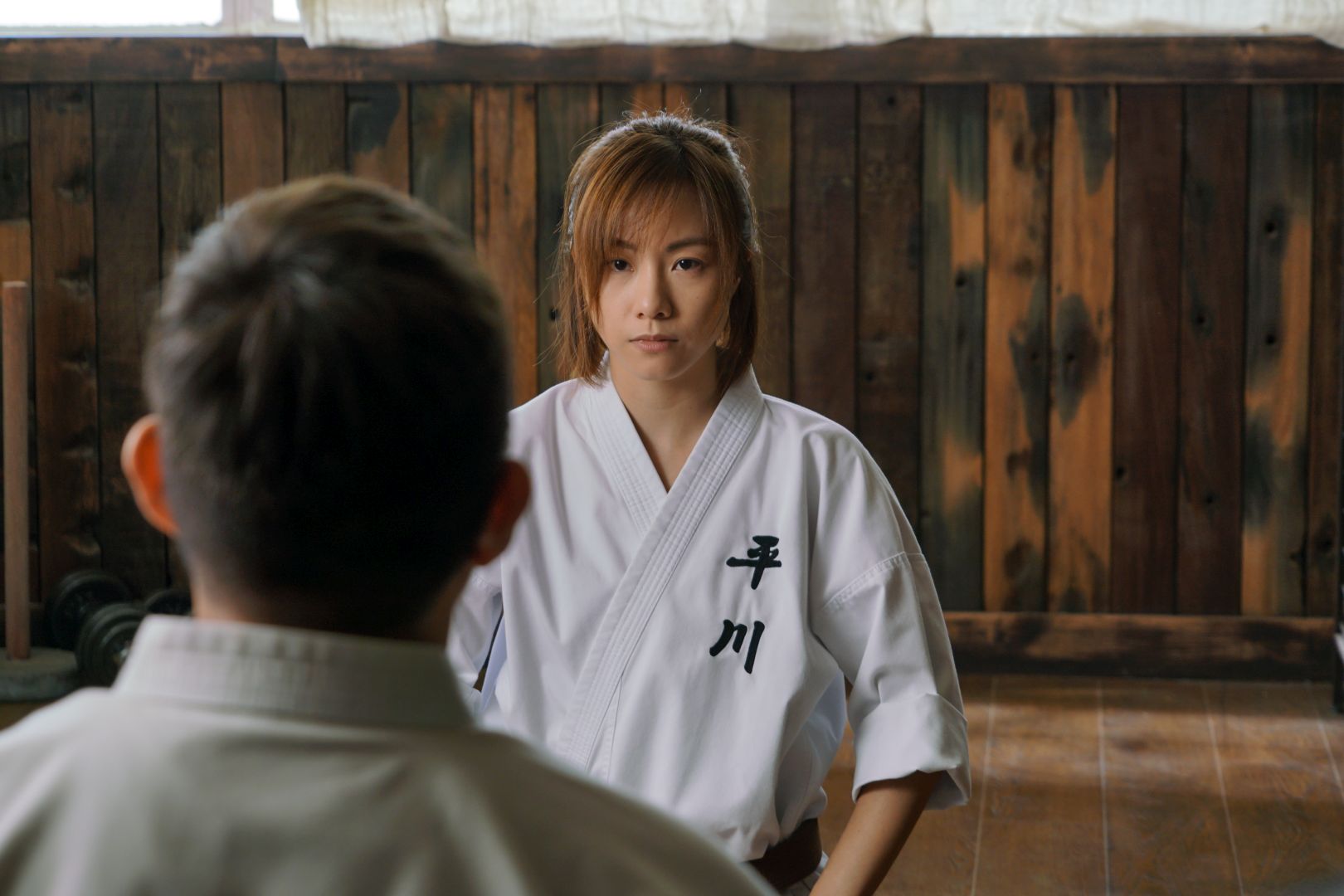
The Empty Hands

A young woman reaches a crisis point when her Japanese father suddenly dies and she discovers he’s left half the dojo (which was also their home) to a former pupil who pledges to sign his share over to her if she can last three rounds in a fight in this unusual character drama directed by and starring Chapman To with a stand out leading performance from Stephy Tang.

“Tickets” are on sale now via the official website for the reasonable price of £2.99 for features while shorts stream for free and you can also pick up an all access pass for £8.99. The festival will be back for another mini fest in March before returning later in the year for its first full edition and you can keep up to date with all the latest news via the official website, Facebook Page, Twitter account, and Instagram channel.

Vanishing Days (漫游, Zhu Xin, 2018)

“Things appear for a while and then they’re gone. One day, if I found out I had missed something I wouldn’t be surprised” according to the author of a mysterious science fiction tale told in intervals throughout Zhu Xin’s Vanishing Days (漫游, Mànyóu). An ethereal meditation on the dreams of childhood and the uncertainty of memory, Vanishing Days locates itself in one idle summer of an adolescent girl recreated through fragmentary images and the strange anxiety of losing your place in the map of the world as you find yourself not quite at home with yourself or others. 

14-year-old Senlin (Jiang Li) is trying to keep herself occupied during the hot summer cheering up boring activities by doing them in roller skates, changing the water for her pet turtle after complaining of a stagnant smell she thought was coming from her father. Her adventures begins when she decides to follow him after he unexpectedly goes out, thereafter absent for the majority of the action. Senlin’s dad hikes into a nearby forest and has a sit down in a cave which we’re later told is pleasant and cool, but it seems as if he visits there often because he immediately starts talking to a boy who refers to him as father and is also named “Senlin”. The male Senlin (Lu Jiahe) mildly rebukes his father for lying to him, the waters are not magical after all and he doesn’t think he will be reincarnated. 

Meanwhile, Senlin arrives home to find her father’s place taken by a visitor, her aunt Qiu (Huang Jing) whom she apparently knew in her infancy but doesn’t remember meeting. A melancholy middle-aged woman. Qiu explains to Senlin’s mother Caiqin (Chen Yan) that her husband Bo (Li Xiaoxing) has passed away after suffering some kind of kidney disease and that she’s decided to sell the remaining cargo boats they used to sail around the rivers of China. 

Confused by her aunt’s presence and unexpected affection, Senlin soaks in her strange tale of rowing out to a deserted island with Bo where she explored a disused used house and he became somehow captivated by the landscape, barely noticing when they were almost struck by lightning after he suggested making off with an abandoned boat. During the journey back Bo went missing, later returning with the excuse that he had lost his shoes, but visiting the island years later after he had died Qiu found out from an old man that Bo had been standing entranced on a mountain as if trapped on another plane. 

The plane is perhaps where Senlin eventually meets him, guided into a strange forest dreamscape where he later refers to her by the name “Hongqi” which means “red flag” just like the one she is always carrying around with her. Senlin begins to wonder if she is really “Senlin”, who the mysterious boy might be, and what her real connection is to the wounded Qiu who is always in someway leaving town. Senlin loses her turtle, but rather than look for it her mother’s advice is to buy another one, Qiu becoming emotional on the way home and suddenly asking Senlin to come and live with her but not to tell her mother about the invitation. 

Like the dream, the science-fiction story is about someone recalling the summer before they got on an airship for two years, apparently not really missing anyone but surprised at the various ways the world has changed on their return. Is “Hongqi” meditating on the continued absence of “Senlin” or are they one and the same, perhaps figments of each other’s imaginations or manifestations of some latent anxiety? Spectres of death and loss linger throughout – funeral wreaths tracking anonymously into the building, a stabbing (of a funeral director), the turtle’s escape, Bo’s illness, the abandoned house on a lonely island, and the continued absence of Senlin’s dad. But Senlin’s strange dream odyssey ends up taking her back “home” rather than away from it, the red flag abandoned on a windowsill while the family is apparently repaired. Senlin may not be able to remember it clearly, but something has begun to shift and a choice made that seems to be to leave the past behind and let the ghosts go where they may, up into an airship sailing far above the rivers of China bound for other futures. 


Original trailer (English subtitles)

Wild Swords (无名狂, Li Yunbo, 2019)

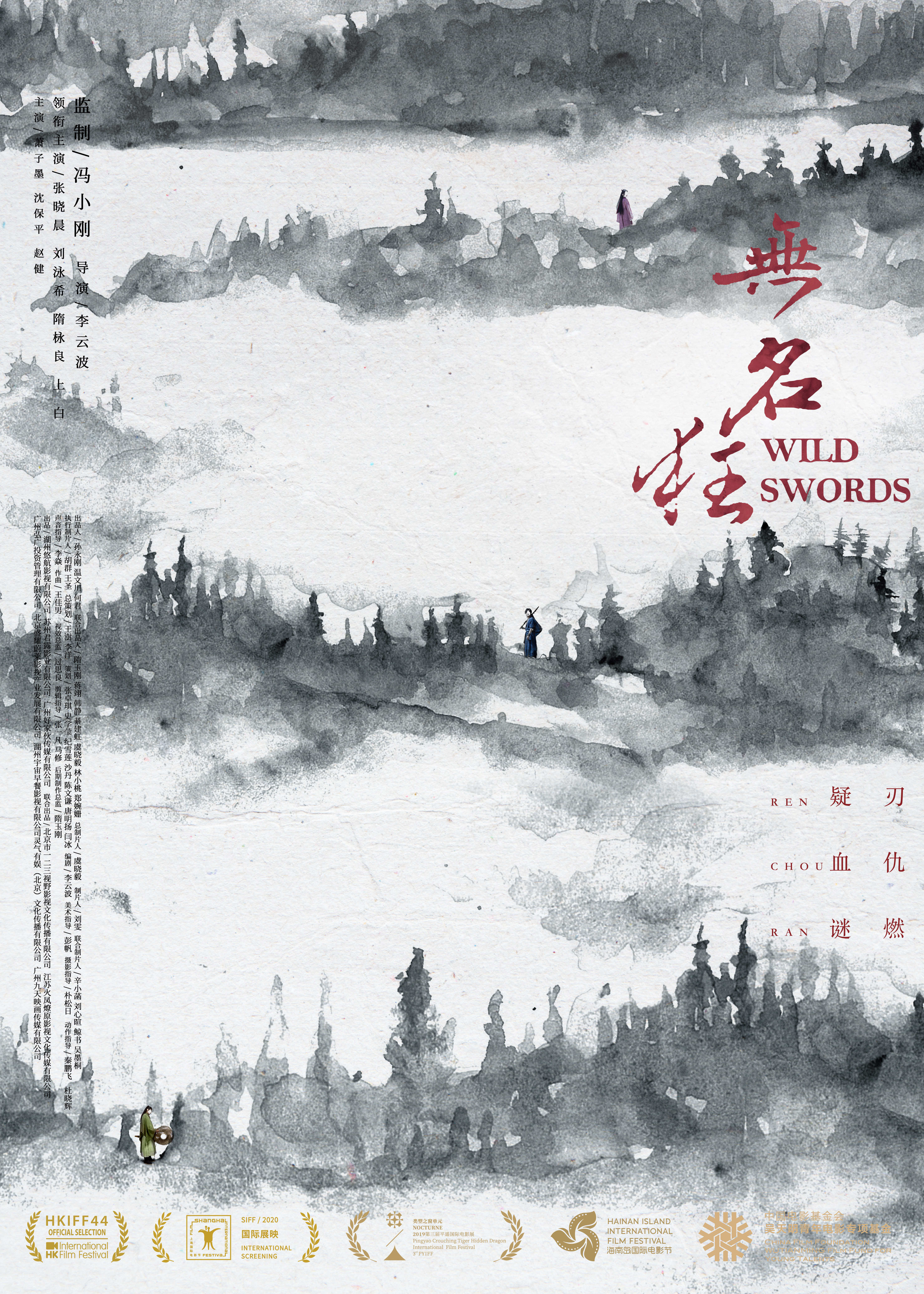
Indie and wuxia might not be words that neatly fit together in the minds of many who perhaps associate the genre with lavish costumes and elaborate sets, but it is in essence one which values simplicity and innovation. Produced by Feng Xiaogang and financed through crowdfunding, Li Yunbo’s Wild Swords (无名狂, Wúmíng Kuáng) is a classic jianghu tale of warring sects, intrigue, and moral ambiguity that makes the most of its shoestring budget through striking cinematography and beautifully choreographed action sequences while spinning a complex tale of misdirected vengeance and fractured identity. 

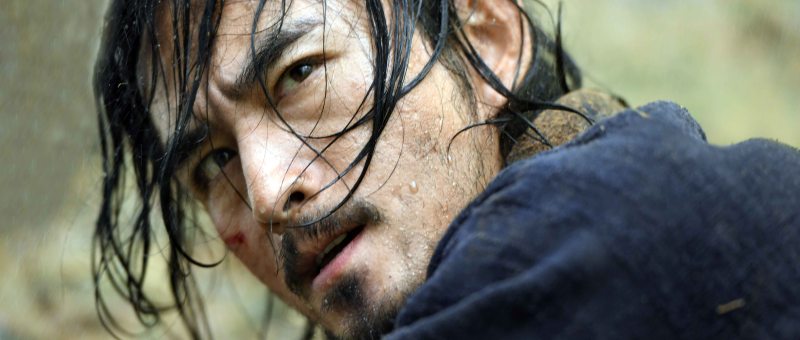
Told largely through a series of Rashomon-esque conflicting flashbacks, the bulk of the action follows bandit Wang Yidao (Zhang Jian) who is made an offer he can’t refuse to escort a valuable prisoner, Kuo Chang-sheng (Zhang Xiao-chen), to an unnamed destination. Yidao didn’t want to take the job because he thinks it’s more trouble than it’s worth, and events will prove him right. The reason Chang-sheng is a wanted man is that he’s connected to the legendary Chang Wei-ren (Shang Bai) whom just about everyone wants to find, not least for his involvement in the death of the heir to the Tang-Men, the rival clan he holds responsible for the destruction by poison of his own Nameless sect. Eventually Yidao becomes aware that his mysterious client is Bai Xiaotian (Sui Yongliang), another former member of the Nameless who is looking for Wei-ren for purposes of revenge.

The Tang-Men are well known as master poisoners, a plot device frequently employed and eventually wreaking psychological havoc on the central three as Xiaotian reveals that the greatest Tang-Men technique allows the user to change their appearance leading him to believe that any one of them, including perhaps himself, could actually be Wei-ren in “disguise”. Meanwhile, he outlines his time among the Nameless, resentful of Wei-ren who rivalled him in swordsmanship and it seems love. Chang-sheng, however, has quite a different version of events apparently relayed to him by Wei-ren whom he now believes to be dead. Yidao knows not who if anyone to believe, but has little time to think about it after becoming swept up in the Tang-Men’s quest to chase down Wei-ren. 

Perhaps slightly subversive, Wei-ren’s version has him both becoming weary of the heartless philosophy of the Nameless while simultaneously painting them as the good guys who refused to lackey for an authoritarian government which ironically requested their assistance in getting rid of “evil factions”. Xiaotian sees his rival as a lazy goofball, his lack of application only fuelling Xiaotian’s resentment towards him, yet Wei-ren sees himself as a sensitive loner who looked to the sect for a family only to find merciless ruthlessness in which all are disposable aside from the chosen one. As he tells Xiaotian, when you climb to the summit of martial arts, all you see is the abyss waiting below and no matter how fast you think you are, there is always someone faster. The ones who die are the ones who hold back.  

Wringing genuine intrigue out of its complex, conspiracy-laden narrative, Wild Swords is careful to make space for the genre essential fight in a teahouse which also introduces us to the pretty boy villain of the Tang-Men, Wuque (Eric Hsiao), as he relentlessly stalks his prey in order to gain revenge for the murder of the Tang heir. Caught up in their identity drama, the three men begin to realise the futility and meaninglessness inherent in the world of jianghu in which there is only the “bitterness of life”. They are each one and the same, sole survivors of a vanquished clan carrying the weight of those they failed to protect. Beautifully lensed and set against the majestic natural scenery, Li Yunbo’s slightly revisionist take on the classic wuxia finds its conflicted heroes at war with themselves pursuing misdirected vengeance against those they blame for their loss while wilfully misunderstanding the cause of all their suffering as they pursue their jianghu destiny to its natural conclusion. 


Wild Swords streamed as part of this year’s San Diego Asian Film Festival.

Teaser trailer (dialogue free)

76 Days (Wu Hao, Chen Weixi & Anonymous, 2020)

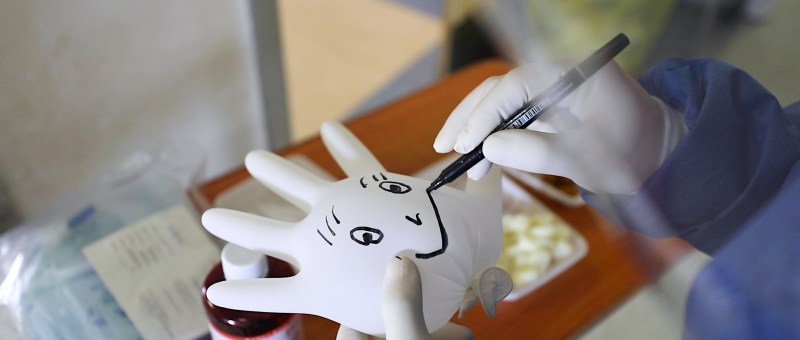
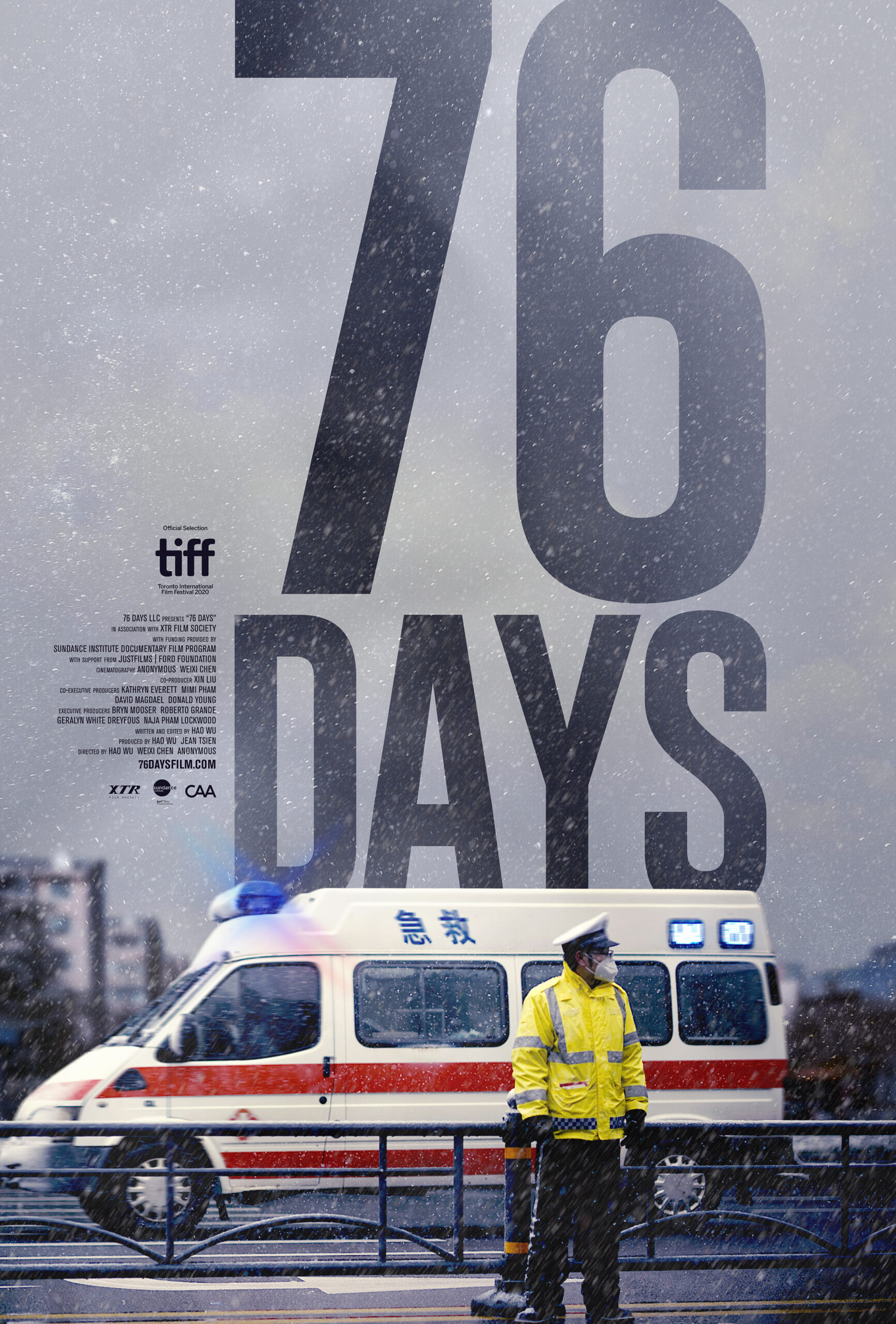
“Don’t worry, so many of us are here for you” a nurse tries to reassure a pregnant woman understandably anxious in being told that her husband cannot be in the room with her while she undergoes an emergency C-section in 76 Days, an observational documentary shot almost entirely within a series of hospitals during the Wuhan lockdown. Co-directed by New York-based director Wu Hao and two on the ground reporters, Chen Weixi and another who has elected to be credited anonymously, 76 Days is testimony to the heroism of the frontline medical personnel who found themselves dealing with a new and mysterious illness, but also a record of a moment as it happened through the eyes of those who were there. 

As such, it opens in chaos with a hospital overrun by those who desperately need help and have nowhere else to turn. “Let’s not panic, OK?” the head nurse adds to the end of her briefing as the team prepare for still more patients, many of them waiting in a small room complaining of the cold. Meanwhile, another healthcare worker in a full hazmat suit breaks down in tears not allowed to attend her own dying father while her colleagues try to offer comfort at the same time as encouraging her to pull herself together because they need her on the ward. She can only watch as he’s taken out of the room in an orange bodybag, two of her colleagues continue to take hold of her at the armpits, less for solidarity it seems than to keep her safe while while she follows the gurney down towards the van which will take his body away. 

Meanwhile, the doctors attempt to help those who’ve come in looking for treatment including one confused older gentleman who keeps insisting he’s not really ill and wants to go home. Making repeated attempts to escape which might be comical if it were not for the gravity of the situation, the old man is obviously frightened and alone alternating between crying on his bed and wandering around in search of company. Later his son rings him to give him a telling off for causing the doctors so much trouble, reminding him that he’s been a Party Member for decades and ought to be acting with a little more dignity while the doctors do their best to be patient with both men, especially when the son later expresses reluctance to have him back in case he’s not really “cured” (the old man will be one of last to leave the hospital). The old man’s anxiety raises another issue in that he’s used to speaking in dialect and so there is an obvious difficulty in communication between some of the patients, particularly those among the older generation, and the hospital staff some of whom are secondments from Shanghai rather than from the local area. Other patients, meanwhile have been looking up their symptoms on the internet which is causing them additional anxiety and headaches for their doctors who then have to re-explain all their treatment decisions. 

We also realise that certain procedures cannot be delayed just because there is so much to do leaving personnel tied up with bureaucracy, often needing to ring grieving relatives to ask them for a copy of their loved ones’ documentation so they can issue a death certificate. Some of the nurses also make a point of rescuing the personal affects of those who’ve died such as bracelets and other items of jewellery so they can be disinfected and returned to family members along with more practical items such as mobile phones and ID cards. At the height of the crisis, there is a large box filled with phones belonging to those who have already passed away some of which are still ringing. 

Keeping in touch becomes a secondary problem as couples come in and are shuffled into separate wards, an old woman making regular requests for updates on her husband and a compassionate nurse going so far as to show her his dinner so she can see that he’s eating. Meanwhile the woman who underwent the C-section is isolating away from her baby, she and her husband later enduring another anxious wait towards the end of the lockdown until they’re told that it’s safe for their little girl come home with them. There are no title cards or explanatory text, like everyone else we have no idea where we are or when this will end save for a few brief glances of the daily roster as we notice that admissions seem to be decreasing, people are beginning to go home, and on the momentary glimpses of the outside traffic seems to be increasing on the streets.  

Yet even when it’s over it’s not really over. A nurse has to sit and go through that box of phones ringing relatives again, some of whom evidently had not been made aware their loved one had died, to ask them what to do with the affects. The bracelet of one old woman is dutifully returned to her daughter who cannot help crying as she receives it, but like everyone else goes out of her way to thank the doctors for doing all they could while the nurse profusely apologies that they weren’t able to save her. A valuable historical document, 76 Days is also strangely imbued with a kind of hope in the selfless dedication of the doctors and medical staff who daily risked their own lives to save those they could, while proving that this will someday if not exactly end then at least stabilise. 


76 Days streamed as part of this year’s San Diego Asian Film Festival.

Clip (English subtitles)

Lost Lotus (未见莲华, Liu Shu, 2019)

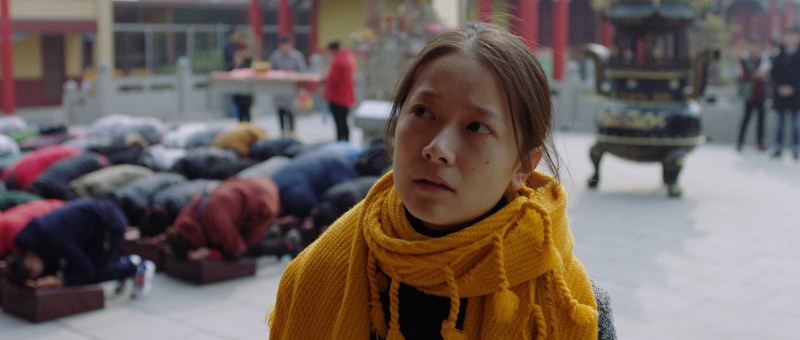
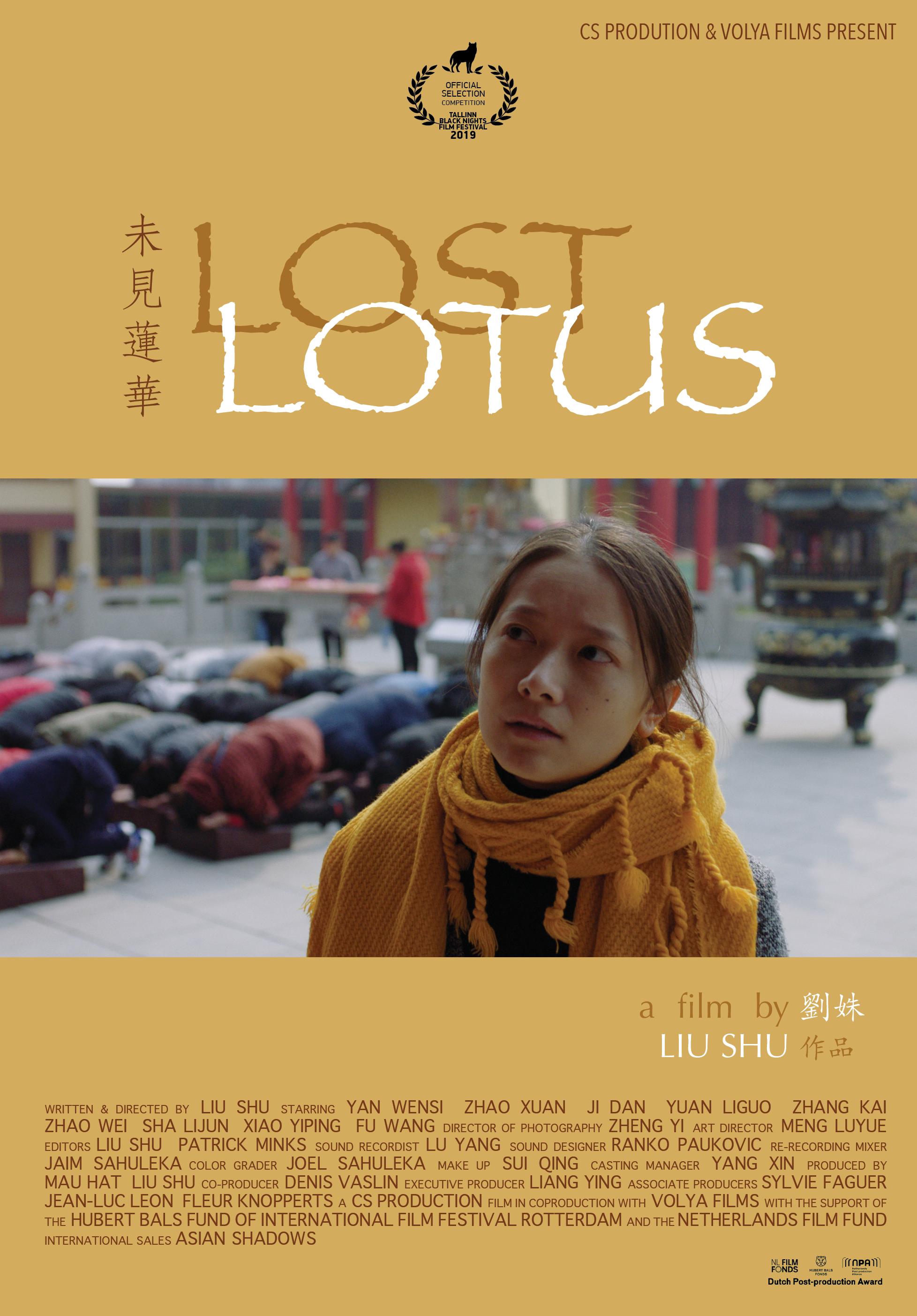
A grieving woman finds herself caught between the tenets of Buddhist thought and the contradictions of the modern China in Liu Shu’s emotionally complex drama, Lost Lotus (未见莲华, wèi jiàn lián huá). The paradoxes of Buddhism are, in a sense, a mirror for those of the contemporary society which has become mercilessly consumerist, obsessed with the material in direct rejection of the spiritual, yet even those who outwardly profess Buddhist values of compassion, goodness, and forgiveness are not perhaps free of the consumerist mindset in which everything has a price and for every transgression there is simply a fine to be paid in the next life rather than this. 

An intellectual teacher, Wu Yu (Yan Wensi) describes herself as irritated by her mother’s (Zhao Wei) devotion to Buddhism, viewing it in a sense as slightly backward and superstitious. Nevertheless when her mother is suddenly killed in a late night hit and run, she finds herself agreeing to hold a traditional Buddhist funeral guided by her mother’s friends at the temple despite having been warned by the police that going ahead with the cremation will obviously make it much more difficult to find the killer. While immersing herself in Buddhist thought helps her reconnect with her mother and deal with her grief, she continues to search for the driver determined to get some kind of Earthly justice in addition to the karmic. 

Increasingly worried and frustrated by Yu’s growing religious mania, her husband (Zhao Xuan) concentrates on finding those responsible in the hope of bringing closure so that they can try to move on with their lives as a couple. A kind and compassionate, modern man (he evidently does all the cooking), Yu’s husband does his best to support his wife in the depths of her grief but is himself conflicted particularly when he discovers that the man driving the car is a member of a rich and powerful elite who believes himself to be above the laws of men. 

Yu’s newfound Buddhism begins to change her outlook, though she struggles to orient herself in a world which is so at odds with its twin contradictory philosophies. Running parallel to her own quest for justice, she finds herself drawn into the struggles of one of her pupils who wanted to quit school because he has to look after his father who was badly beaten by thugs working for developers angry that he had refused relocation. Yu is originally quite unsympathetic, she and her husband blaming the boy’s father for valuing money over his life, cynically believing he must have been angling for a bigger compensation pay out though of course it is probably not so simple. While Yu and her husband are a two-income, professional household, the boy’s family are living in poverty having been evicted from their home, the father bedridden because of his injuries and therefore unable to work. Yu’s quest for justice strains her relationship with her husband and may later have economic consequences as his career prospects are used as a tool to convince them to back off, but her need for retribution affects only herself. The boy’s mother, however, feels terribly guilty knowing her obsessive quest to have the thugs held accountable is endangering her son’s future, but knowing also that she cannot simply give up and let them win. 

This is exactly the dilemma that preoccupies Yu as she weighs up how much of her anger is personal and how much societal. The driver, Chen (Xiao Yiping), offers them sizeable compensation which her husband is minded to accept, not for its monetary value but because taking the money means it’s over. But Yu wants “justice”, she resents the idea that there was a price on her mother’s life or that the culprit can simply pay a fine to assuage his guilt. Even justice, it seems, has been commodified. Yet Chen is also a Buddhist, subverting his beliefs to absolve himself in emphasising that all is fated and Yu’s mother’s death is a result of her karma from a previous life. His sin now pay later philosophy grates with Yu, undermining her new found faith in the Buddhist principles of compassion and goodness as the supposed devotee directly refuses to apologise for his role in the death of her mother. 

As her husband asks her, however, what sort of justice is she looking for? Does she want an apology, a jail sentence, to kill him with her own hands? Yu doesn’t know, lost in a fog of grief and spiritual confusion attempting to parse the contradictions of her mother’s faith and a society that has become selfish and consumerist, founded on elitist inequality which allows the rich and powerful to escape the constraints of conventional morality let alone the laws of men. In the end the only justice she can find is a retributive act of violence that perhaps forces Chen to feel something at least of her pain, paving the way for a kind of catharsis though not perhaps healing. An embittered portrait of the modern China, Lost Lotus suggests there can be no justice in an unjust society and only an eternal purgatory for those who cannot abandon their desire to find it. 


Lost Lotus streamed as part of this year’s San Diego Asian Film Festival.

Kiangnan 1894 (江南, Wu Xiaogang, 2019)

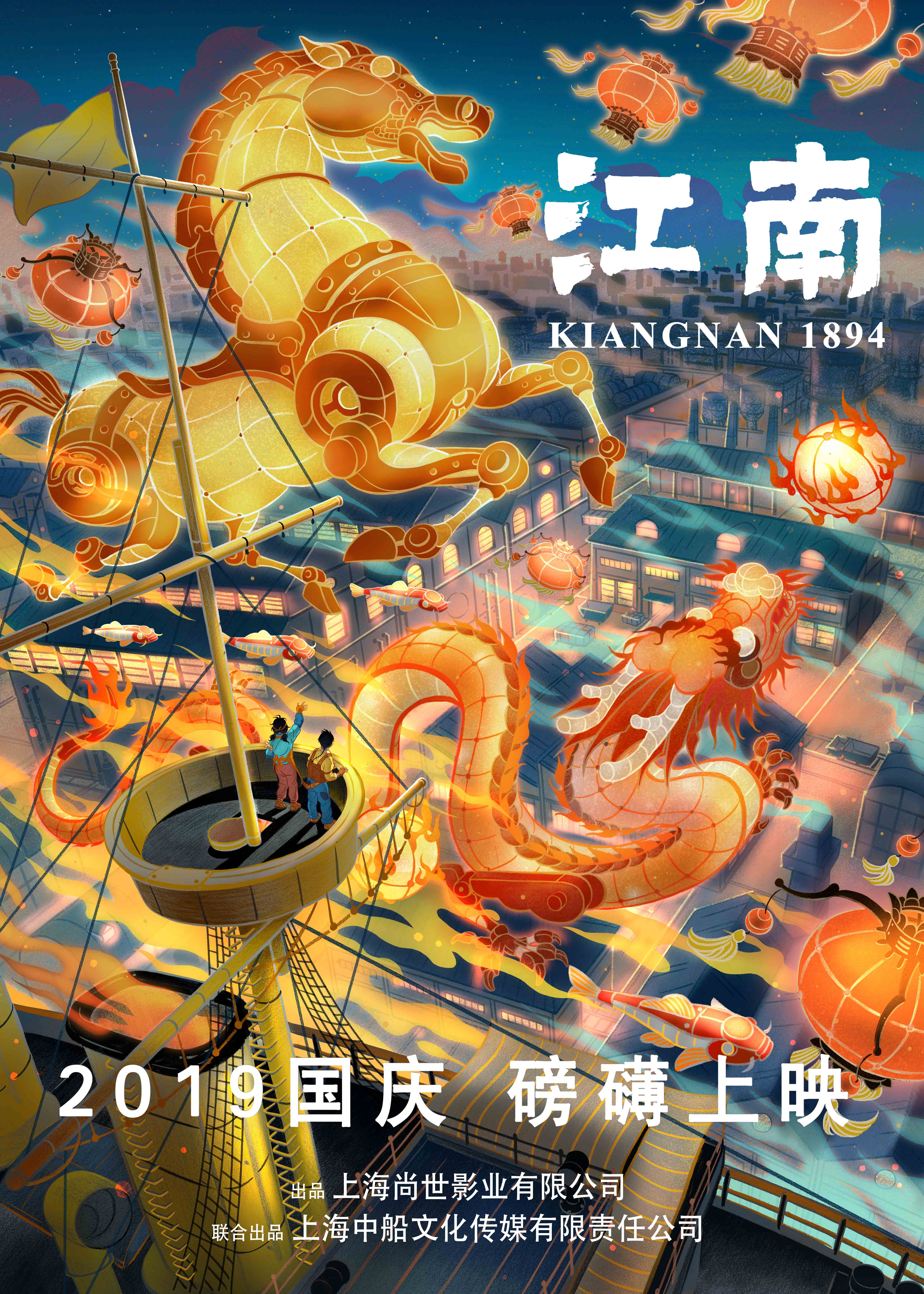
“Remain true to our original aspirations. In honour of China’s military industry” runs the dedication card at the end of the thrilling animated adventure Kiangnan 1984 (江南, Jiāngnán). Sponsored by Shanghai’s Jiangnan Shipyard (Group) Co Ltd, the modern successor of the Kiangnan Arsenal, the film is both an unabashed love letter to the city of Shanghai and a celebration of Chinese engineering that, albeit subtly, reinforces China’s status as a powerful, technologically advanced nation fully prepared to defend itself militarily if threatened. 

Set in the late 19th century at the close of Qing dynasty, the film opens in fantasy as mechanical engineering enthusiast Lang (Ma Yang) dreams himself a king in a steampunk land daringly flying a celestial aircraft above a platoon of walking houses. Of course, he soon wakes up in a less fantastical world but is fascinated by the iron warships in the harbour and gets himself into trouble sneaking into the Manufacturing Bureau to show his friends a cool steamboat he’s found in a warehouse. Challenged by a young girl, Yulan (Zhang Qi), whose dog he ends up accidentally kidnapping as he escapes, Lang knocks over a candle and burns the whole place down, earning himself massive debts for the warehouse’s repair. To help pay them off, Yulan suggests he join the Manufacturing Bureau as an apprentice but the master, Chen (Zhou Yemang), who turns out to be her father, is a hard taskmaster offending Lang’s pride in refusing to take him on as anything other than a lowly assistant. 

All of that is somewhat secondary to the main plot which begins two years later as a cohort of Japanese spies desperately attempt to prevent a set of blueprints for a gatling gun reaching the Manufacturing Bureau. The historical Kiangnan Arsenal was founded as part of the Self Strengthening Movement which aimed to bolster the nation’s defensive capabilities, producing both firearms and warships at the beginning of the first Sino-Japanese war. This Kiangnan is however slightly more fantastical in its steampunk futurism which sees the workers wearing biomechanical aids extending to metallic gloves on their hands. The “Flying Fish” which captured Lang’s imagination was a high tech steamboat unbeknownst to him piloted by Chen’s late son who fell in battle, bravely making use of his experimental technology to serve his country. “Ordinance is essential for the greatness of our nation” Chen avows when agreeing to attempt to build the gun even without the plans, “faced with a great war we should do our best in duty bound”. 

Yet Chen’s grief-stricken rejection of Lang despite realising his genius, along with his rather sexist sidelining of his talented daughter, perhaps undermines his statement in allowing his personal feelings to holdback progress. Lang, meanwhile, patiently hones his craft while continuing to hope that Chen will one day allow him to become a real mechanic as his true apprentice, eventually building on the legacy of the Flying Fish to craft his own high tech steamboat complete with gatling gun and sailing it into the heart of danger carrying fresh supplies. A dreamer, Lang’s vision of a more technologically advanced future is fulfilled in a coda taking place 60 years later in which Communist China launches its first submarine at the Jiangnan Shipyard, the scene then shifting to an image of the modern Shanghai with its distinctive towers and high-rise cityscape. 

Patriotic concerns aside, the film also provides several opportunities for Lang to show off his equally proficient skills in martial arts, sparring with Yulan, fighting off gangsters, and efficiently dispatching the Japanese spies one of whom actually dies by his hand in quite a calculated manner which though not violent or gory is perhaps out of keeping with the family friendly flavour even as it once again demonstrates his cool-headedness, ingenuity, and heroism, while the persistent militarism has an uncomfortable quality given that the target audience is younger children. Nevertheless, such concerns are likely to fly over their heads thanks to the frequently exciting fight scenes and derring-do as Lang and Yulan take on spies and conspirators while working hard to achieve their dreams, “stubbornly” as the closing suggests refusing to give up on their future. Featuring bold steampunk design and painterly backgrounds showcasing major Shanghai landmarks, Kiangnan 1894 is an action-packed historical drama which aside from a slightly unpalatable militaristic fervour is also an impassioned defence of the right to dream as a path towards technological innovation.


Kiangnan 1894 screens at Vue cinemas across the UK from 23rd October courtesy of The Media Pioneers.

UK release trailer (Mandarin with English subtitles)

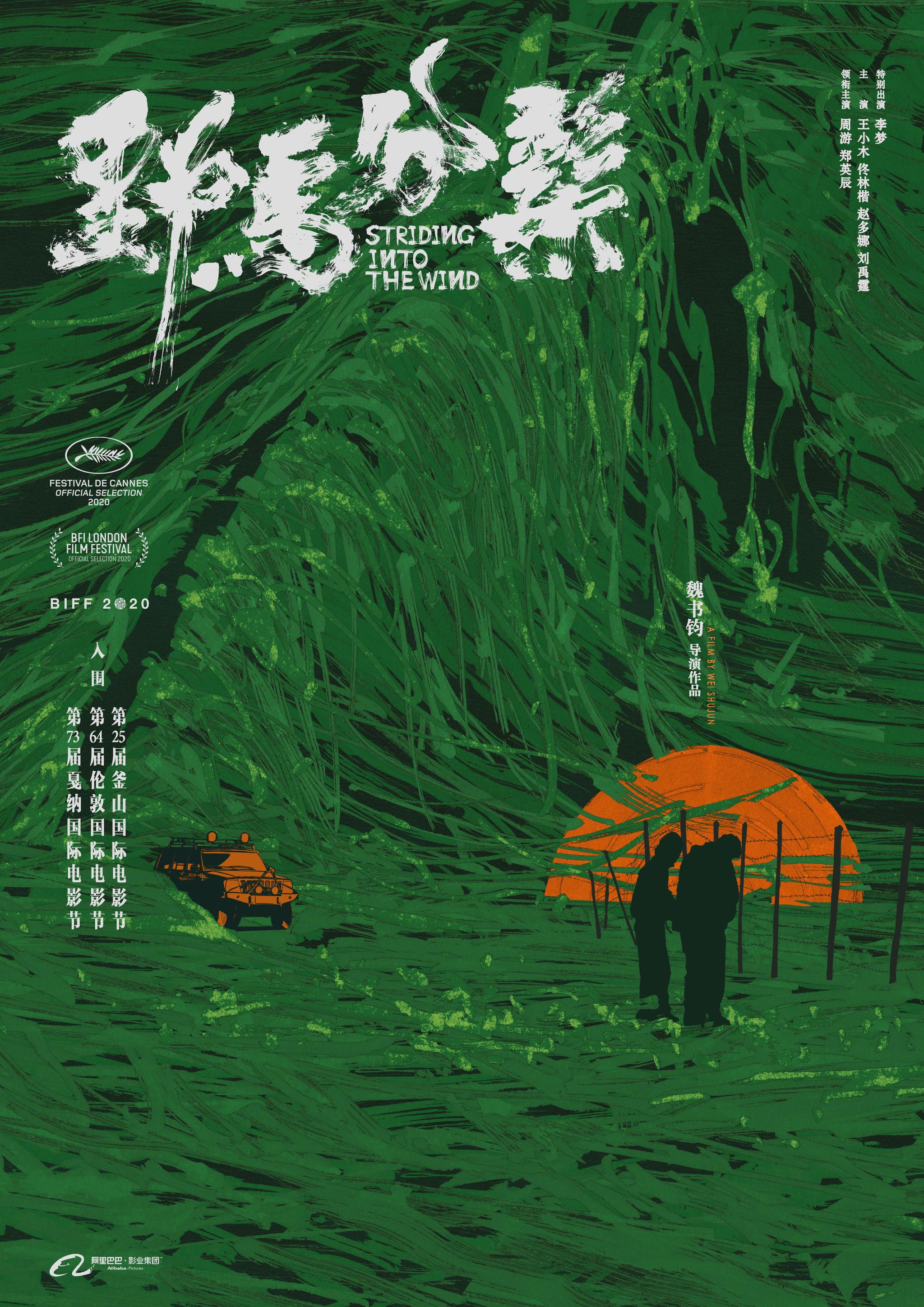
Striding into the Wind (野马分鬃, Wei Shujun, 2020)

“You’ll have a fabulous life too” dejected student Kun is advised, if only he’ll buy a secondhand ’97 Jeep Cherokee sitting forlornly on the lot of an irritated car salesman. If it’s so great why has no one else bought it, he not unfairly asks only for the salesman to reply that it’s because they’re morons who don’t know a good deal when they see one. The directorial debut from Wei Shujun whose graduation short On the Border won the Special Jury Distinction award at the 2018 Cannes Film Festival, Striding into the Wind (野马分鬃, Yěmǎ Fēn Zōng) is in many ways a tale of millennial malaise as the post-90s generation contemplate the relative elusiveness of the Chinese Dream in a society which seems to them much more authoritarian and restrictive than many would imagine.  

A 20-something film student, Kun (Zhou You) is not so much rebellious as founding his resistance in slacker passivity yet it’s his failure either to fully reject the rules of his society or accept his complicity that prevents him moving forward. As the film opens we watch him go rogue during a driving test, literally veering off course in his quest for independence as symbolised in his repeated failure to acquire a licence. So little does he care for the rules of his society that he goes looking for a car anyway, prepared to settle for the cheapest available which is what leads him to the Jeep Cherokee, wilfully mis-sold a vision of the Mongolian Dream by the overconfident salesman. Showing him videos of the wide open grasslands re-invisioned as a new frontier complete with wild horses running free over the horizon, the salesman of course neglects to mention that a vehicle of this age is not going to be particularly reliable, nor cheap to maintain especially if you can’t manage your own mechanics, and will soon be rendered unroadworthy under new emissions guidelines. Kun is being sold a pup. His quest for independence is primed to stall on the highway. It literally cannot take him where he wants to go. 

Meanwhile, he finds himself struggling under the weight of a young man’s ego squeezed on both sides by those who feel he’s not working hard enough at his studies and those who feel his quest to become an indie filmmaker is frivolous and irresponsible. Kun and his friend Tong (Tong Lin Kai) when they go to class at all more or less ignore their professor, at one point firing back at him that he teaches because he cannot do having never actually worked on professional film set. Kun’s attitude is to an extent vindicated in that he does actually seem to have more experience and be ahead of the man who is supposed to be teaching him, but on the other hand if he’d only bit his tongue and played by the rules he’d simply have passed the class and graduated rather than getting himself an instant fail for non-attendance with a side of pissing off the professor. Tong is mystified that, in essence, they’ve paid a lot of money and wasted four years to learn how to press a couple of buttons, but they’re also reminded by the not so subtle father of Kun’s girlfriend Zhi that these days you’re nothing without a PhD. Nervous and chastened, Kun lies that he might become a teacher like his mother as his parents intended, only for Zhi’s father to railroad him into applying for a steady civil service job right there and then, filling the form himself on his own laptop leaving Kun feeling even more emasculated at the hands of the older generation. 

For her part, Zhi is already getting bored with Kun’s irresponsibility. Forced to degrade herself with a part-time job as eye candy at various corporate events, she’s seemingly ready to head into a respectable middle class life while Kun is still dreaming of the grasslands and overly attached to his uncool car. She complains that he’s always saying he’s going somewhere but never actually goes, irritated when he rejects her offer to take him somewhere on her dime. Eventually she advises him to scrap the Jeep, a confrontation that threatens their relationship but Kun is still too attached to an illusionary dream of freedom to consider it. When he eventually gets to Inner Mongolia while working on a friend’s film shoot, he discovers that the “spirit of the grasslands” is largely absent. The banquet they’re invited to an awkward spectacle for tourists, the local culture repurposed and repackaged as a vision of an exoticised otherness that is the flip side of Kun’s equally inauthentic desire for a Chinese wild west. The grasslands appeal because their vast emptiness expresses infinite freedom, but paradoxically precisely because there is nothing there. 

Constantly frustrated by male authority figures from his father who is literally a cop to his resentful professor, quietly sneering girlfriend’s father, and the entire police force, not to mention his unseen mother apparently a well known professor synonymous with educational success, Kun finds himself constrained, longing to run free like the wild horses of the Mongolian plains but unable to shake off the yoke of social responsibility. Forced to give up the Jeep because of his own foolishness in misguidedly trying to evade authority, he becomes a passenger listening to the radio as a man he thought ridiculous and deluded is accorded unexpected success. Kun’s filmmaker friends emulate Wong Kar-wai, Hou Hsiao-Hsien, and Hong Sang-soo, looking beyond the Mainland for a sense of artistic cool but equally seeming to have few truly “independent” ideas of their own. The Chinese indie scene, Wei seems to say, flounders like Kun trapped by his own sense of inertia unable to free himself from an oppressive society, striding into the wind but ill-equipped to counter its resistance. 


Striding into the Wind streams in the UK 16th October, available to start between 6.30 – 7pm as part of this year’s BFI London Film Festival.

Clip (English subtitles)

Women Who Flirt (撒娇女人最好命, Pang Ho-cheung, 2014)

“Love’s not a competition” the heroine of Pang Ho-cheung’s Mainland rom-com Women Who Flirt (撒娇女人最好命, Sājiāo Nǚrén Zuìhǎo Mìng) snaps back, only according to almost everyone else that’s exactly what it is. Maintaining the slick, sophisticated atmosphere of his similarly themed Hong Kong comedies, Pang sheds his trademark salty humour but otherwise adopts the same mix of heartfelt silliness and acute social observation which have made his work so popular, neatly elevating the perhaps overly conventional narrative as two longterm best friends edge towards the realisation that they’ve been in love all along. 

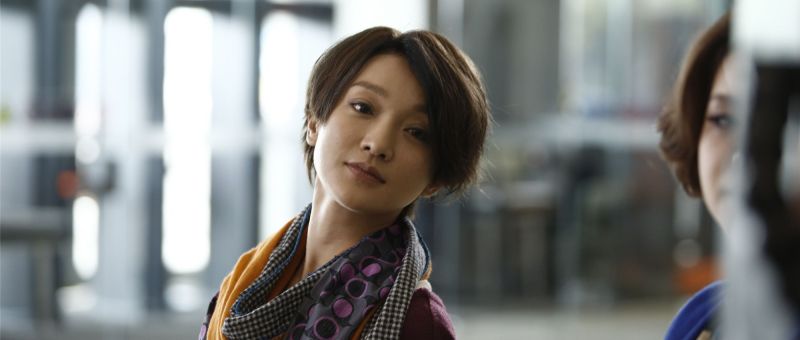
Tomboyish Angie (Zhou Xun) has been carrying a torch for handsome Marco (Huang Xiaoming) since their uni days but owing to personal awkwardness and entrenched social codes feels she can’t make the first move and has been patiently waiting for Marco to get the message. He, however, keeps fobbing her off, claiming that he just wants to focus on his career etc even while she, ironically, keeps encouraging him to get a girlfriend. Angie gave up her dreams of becoming a sculptress to stay close to her man and the pair of them now work together in Shanghai as restaurant consultants, posing as regular guests to give restaurateurs the lowdown on where they’re going wrong with their customer service. Trouble brews when Marco drops the bombshell that he’s met someone, Hailey (Sonia Sui Tang), an extremely irritating airhead he bumped into on an airport transport shuttle during a business trip to Taipei which, to add insult to injury, Angie had actually sent him on. 

As expected, Angie is not happy about this development and turns to her friendship group who dub themselves the “Barbie Army” for help. The Barbie Army are firmly of the opinion that Hailey needs to go, not least so they can prove the superiority of Shanghai women over Taiwanese which they plan to do by showcasing their ability to flirt their way to success. Pang has great fun mocking entrenched societal gender codes, but does perhaps overdo it in the well developed cynicism of the Barbie Army who are all too happy to play along with society’s rules, roundly criticising Angie for her lifelong refusal to do so which is, they suggest, why Marco never got the memo. For his part, Marco reassures Hailey that he has no interest in Angie by referring to her as a “man” who “pees standing up”, later repeating the same logic to his guy friends who, unlike him, seem to be aware of Angie’s decade-long crush. 

With the aid the Barbie Army, Angie tries to play Hailey at her own game by perfecting the art of flirting, neatly flagging up that men are no better in her various dating app suitors who turn out to be either odd (makeup consultants for the recently deceased) or crass and chauvinistic (handsy middle-aged mansplainers). Unwilling to play the game, Angie walks out with a direct “I hate you”, only to be reminded by the Barbie Army that “I hate you” is a powerful tool if you learn to use it like a child. This is something the intensely annoying Hailey seems to have perfected to Marco’s satisfaction, a worrying confirmation that infantilisation is the key to “cute” and that what men want is a fawning fool who is helpless without them. 

Hailey is of course playing the game that Angie didn’t want to deign to play and largely doing it not out of love but of resentment. Marco out of earshot, she drops the cutesy voice and childish helplessness to tell Angie that she’s wasting her time, she can’t possibly win this battle of flirtations, though if Hailey was actually as secure as she made out perhaps she wouldn’t have needed to break cover and take on Angie in the first place. Nevertheless, Angie eventually comes to the conclusion that being a woman who flirts isn’t really for her, maybe she’s missed her chance and wasted too much time on a man who’s never going to notice. Meanwhile, Marco is having a series of parallel epiphanies in realising that women like Hailey are all about the game and she’ll soon enough by bored with him. His final declaration that he is in a way “gay” for Angie might be a little tone deaf not mention awkward in terms of its gender politics, but in its own way sweet as he comes to admit that he actually likes her for the “man” she is, acknowledging that the only reason he thought he wanted a “cute” girl was because he was afraid of real love. 

Completing the gender reversals, it’s Marco who has to change, Angie’s supposed tomboyishness given the seal of approval as she uses the spectre of romantic disappointment to become her true self, pursuing her abandoned dream of becoming a sculptress rather than being forced to conform to an idea of idealised femininity which is perhaps itself mocked in Hailey’s extreme affectation and the willing cynicism of the Barbie Army. Sweet and acutely observed, Women Who Flirt swaps Pang’s salty humour for biting cynicism but in the end comes down on the side of love as the hapless romantics flirt their way towards self-realisation. 


Women Who Flirt streams in the US Oct. 6 to 10 as part of the 11th season of Asian Pop-Up Cinema.

International trailer (English subtitles)
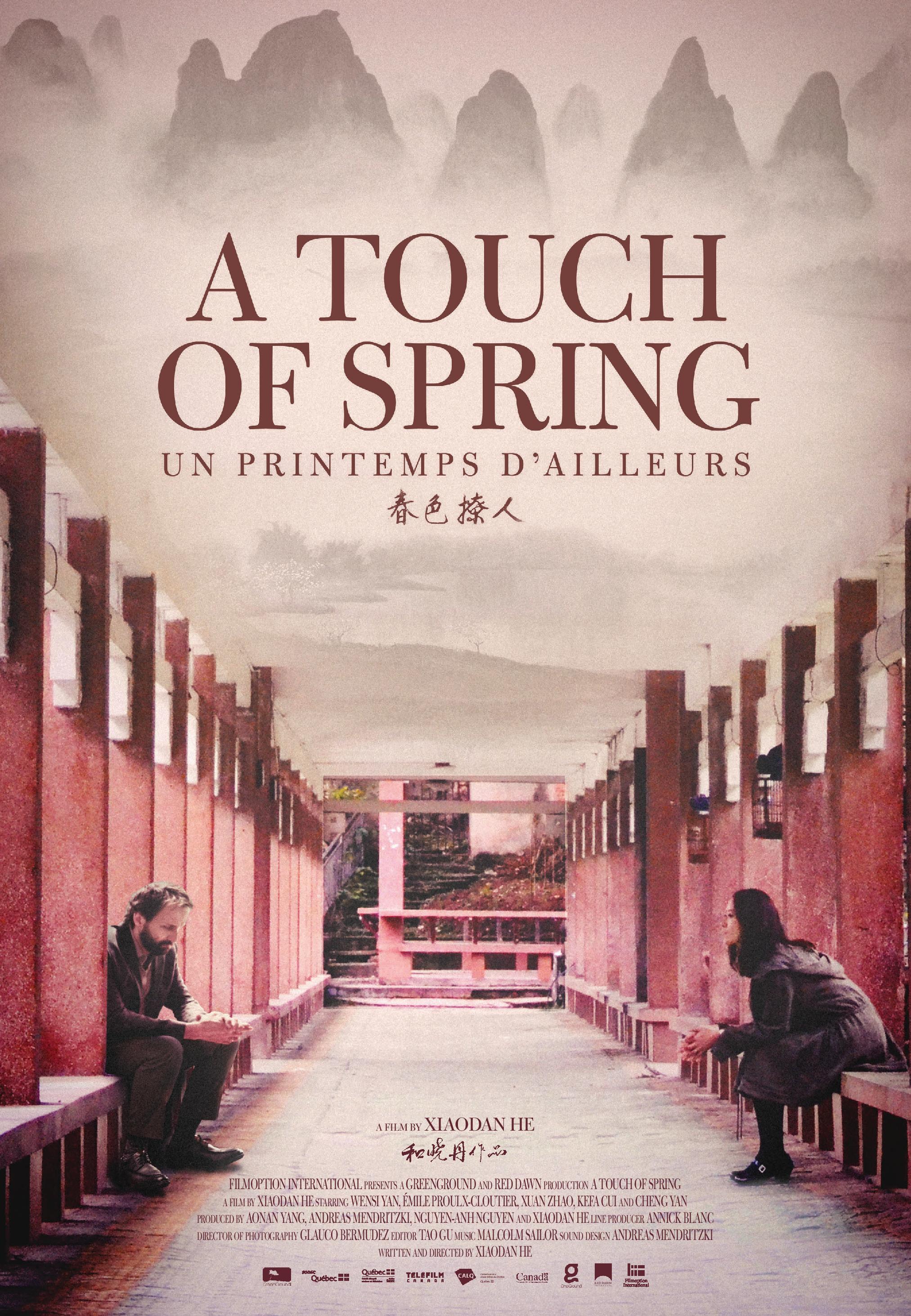
A Touch of Spring (Un printemps d’ailleurs / 春色撩人, He Xiao-Dan, 2017)

When you don’t know what to do, you go home, but what if home doesn’t quite exist for you anymore or trying to go back there only reminds you of all the reasons you chose to leave? Then again, perhaps “home” exists for just that purpose, a place you’re supposed to go to think things through before you ago back out into the world again. The heroine of He Xiao-Dan’s Chinese-Canadian co-production A Touch of Spring (Un printemps d’ailleurs / 春色撩人, Chūnsè Liáorén) is waiting for the thaw, trying to come to terms with the failure of her marriage and the unexpected directions her life may be about to take with or without her consent. 

Fang (Yan Wen-si) has been living in Montreal for the past 10 years, having married a French-Canadian man, Eric (Émile Proulx Cloutier). Her marriage, however, has become distant and she suspects Eric may be having an affair while a considerable strain has also been placed on the relationship because of their inability to conceive a child. When an attempt to confront Eric about his infidelity turns violent and counselling proves no help, it becomes obvious that the only option is divorce. Fang travels back to her hometown in Dazu which she hasn’t visited in the decade since she left and tries to figure things out while staying with her rather gruff grandfather (Cui Kefa). 

Immediately on her arrival, a taxi driver mistakes Fang for a tourist, but even on being told she’s a local quickly realises she’s been away a long time. Her home is not quite her home anymore. Fang’s grandmother has passed away and her grandfather has got married again to a cheerful, warmhearted woman who seems completely odds with the rest of Fang’s sad and grumpy family. The biggest issue is that Fang has not disclosed why she’s come back to China and so everyone is keen to ask about Eric, the lack of children, and her fancy ex-pat life in Canada. 

In fact, Fang is frequently described as the family’s most successful member precisely because she has moved abroad where she owns her own home and, they assume, lives a much higher standard of life. Meaning well, Fang’s new grandmother puts her foot right in it when she tells Fang that the highest success for a woman lies in marrying a good man. More in tune with modern Western values, Fang objects in part to the obvious sexism of her grandparents’ worldview, but it of course also touches a nerve as she finds herself trying to process the failure of her marriage while being too ashamed to admit that her “perfect” life in Canada wasn’t quite so perfect after all. Having separated from Eric, she’s determined to prove that she can make it on her own and doesn’t need a man to get by but is also lonely and feeling lost. Grandma provides some unexpected wisdom when she reveals that she lost her first husband in the Cultural Revolution and came to the same conclusion as Fang resolving never to rely on a man ever again, but is grateful to have met Fang’s grandfather who, despite his gruff appearance, is gentle and caring and has always looked after her. 

Meanwhile, in the therapist’s office, Eric struggled to come up with something good about his relationship with Fang other than that she loved him, supported his work, and took care of their relationship. Eric doesn’t seem to have been a very good husband, self-involved in the extreme, but the therapist is quick to ask somewhat insensitively if it wasn’t Fang’s inability to have children that has destroyed the marriage, a claim Fang rejects because she hasn’t yet accepted that she may be infertile. Despite her rejection of her grandmother’s patriarchal sexism, Fang craves motherhood, bonding with the lonely little girl of her cousin who has “abandoned” her with her parents to work alone in Chongqing. Fang has ambivalent feelings towards Hong who apparently “fell” into a life of drugs and backstreet gambling after a traumatic street attack and the rejection that followed it from her policeman father too embarrassed to report that his own daughter had been the victim of a crime. Something in Fang admires Hong’s subversive independence and wants to help her, especially if it helps her quit gambling, but she also resents that she has given up the thing Fang most wants in deciding not to raise her daughter but leave her with her parents. 

Reconnecting with an old friend who’s become a Buddhist and learned to respect simplicity in life begins to shift her perspective. “How can I stop this endless suffering?” she screams into a ravine. He tells her Buddha has a plan for that, but she might not like it. She repllies that she only believes in the reality right before her eyes. According to grandpa, young people suffer because they think relationships are all romance when the reality is “tolerance”. Grandma, by contrast, tells her that the secret of life is learning to see the beauty in every thing. “It’s good to be alive”, she sighs, “It’s a pity life is so short”. Spring finally comes to Fang’s life as she begins to clear up the literal mess of her failed relationship, no longer feeling like a powerless passenger on the great train of life but finally in charge of its direction. 


A Touch of Spring streams in the US Sept. 29 – Oct. 3 as part of the 11th season of Asian Pop-Up Cinema.

Original trailer (English subtitles)