Asian Pop-Up Cinema Returns for Season 16!

Asian Pop-Up Cinema returns for its 16th season in cinemas across Chicago March 18 to April 16. The season will kick off with a special pre-launch screening of Philip Yung’s highly anticipated 1960s crime drama Where the Wind Blows with lead actor Aaron Kwok scheduled to attend in person. It will then present films from Japan, South Korea, China, Hong Kong, and Taiwan, while a selection of Korean films will also be available to stream in the US and Canada via Eventive along with Vietnamese LGBTQ+ drama Song Lang and gritty Chinese neo-noir Old Town Girls.

Festival Pre-Launch Special Event 

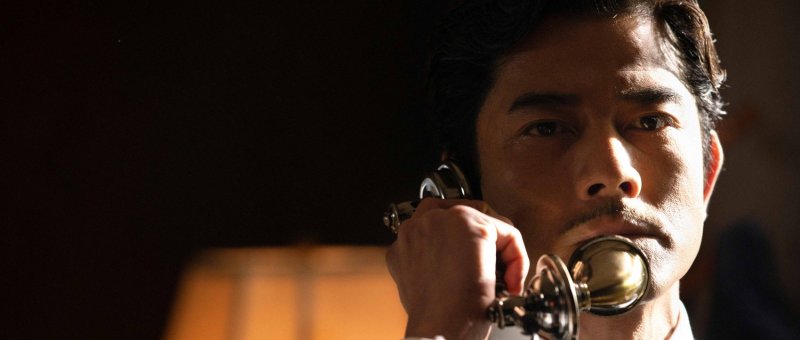
Tuesday, March 14, 7:00 PM: Where the Wind Blows (風再起時, Philip Yung, 2023)

AMC NEWCITY 14 

Lead Actor Aaron Kwok is scheduled to attend for the award ceremony and introduction of the film.  
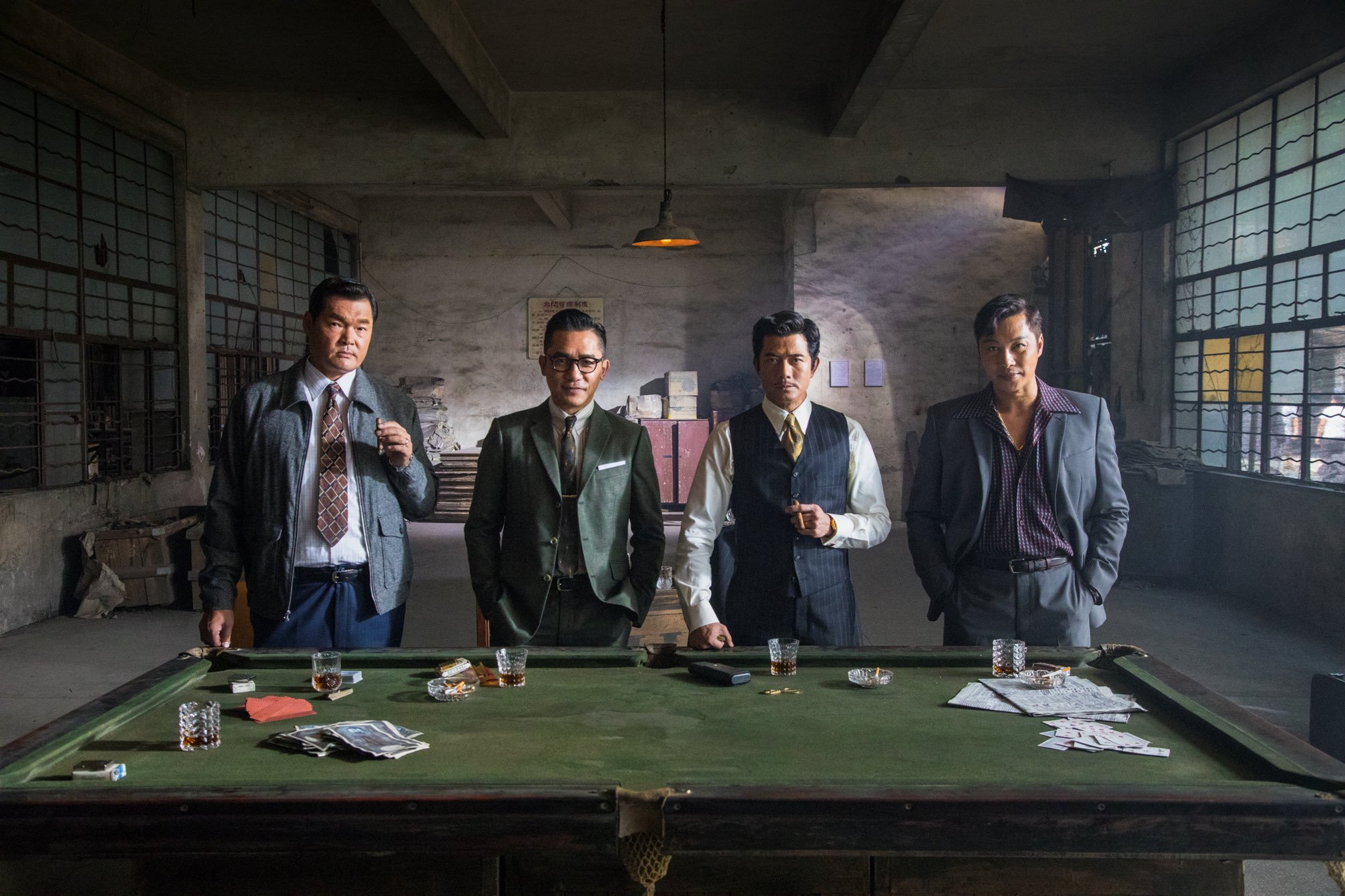
Long-awaited latest film from Port of Call’s Philip Yung starring Aaron Kwok and Tony Leung Chiu-wai as policemen who forge dangerous alliances with organised crime in ’60s Hong Kong.

Japan Week

AMC Evanston 12 (1715 Maple Ave, Evanston, IL)

Opening Film 

Saturday, March 18, 2:30 PM : A Man (ある男, Kei Ishikawa, 2022)

©2022 "A MAN" FILM PARTNERS

The latest film from Kei Ishikawa (Gukoroku: Traces of SinArc), A Man stars Satoshi Tsumabuki as a lawyer who is pulled into a web of intrigue when a former client asks him to investigate her late husband who had been living under an assumed identity.

Saturday, March 18, 5:30 PM: She Is Me, I Am Her (ワタシの中の彼女, Mayu Nakamura, 2022)

Career Achievement Award recipient lead actress Nahana and director Mayu Nakamura are scheduled to attend in person to introduce the film and have a Q&A after the film presentation moderated by Mark Schilling.
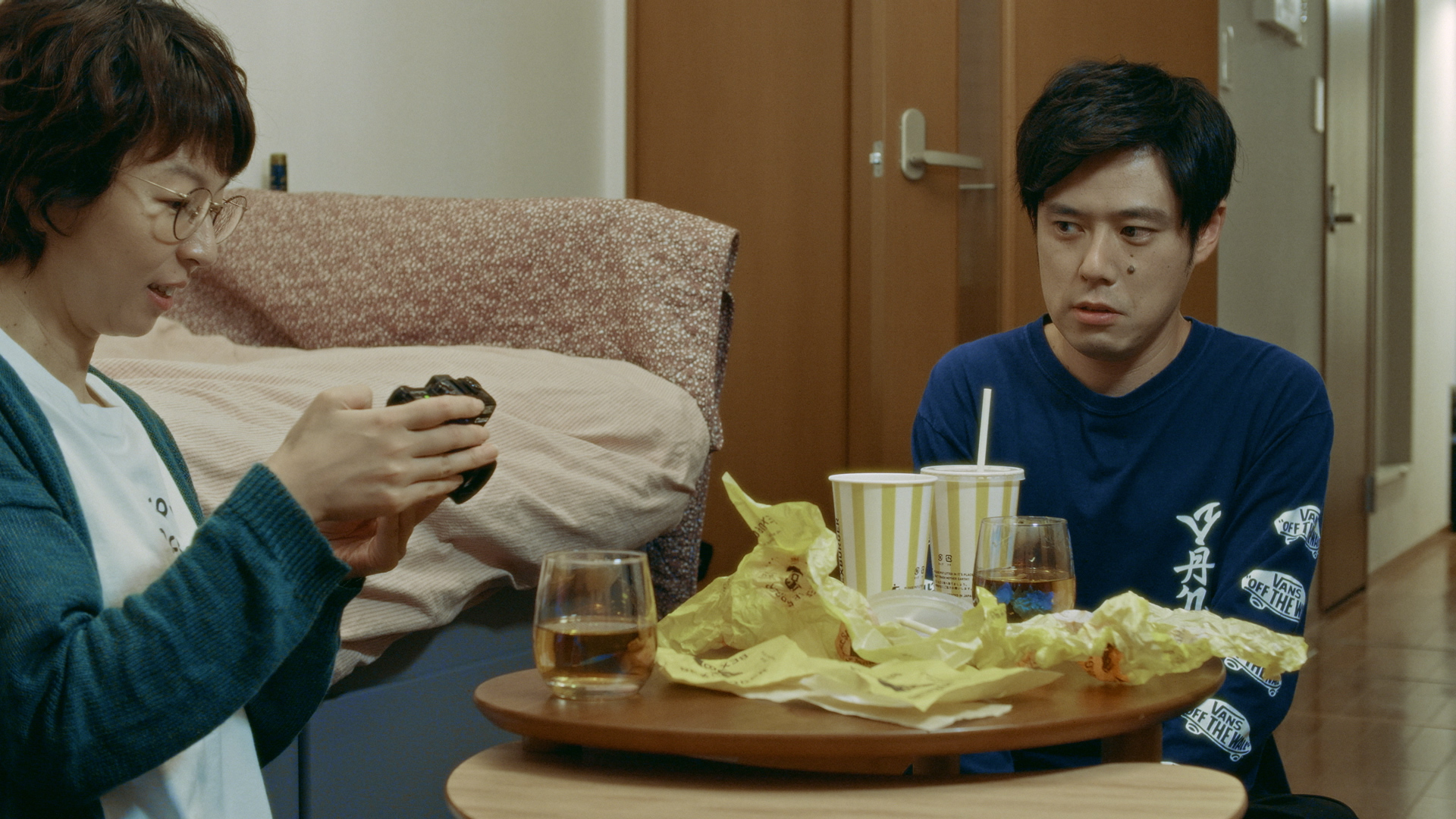
Mayu Nakamura’s anthology film spins four of tales of contemporary loneliness exacerbated by the COVID-19 pandemic each starring actress Nahana as a conflicted housewife meditating on past regret, a lonely woman who takes a liking to a takeaway delivery driver, a sex worker displaced by the pandemic, and a blind woman who offers a hand of salvation to a telephone scammer. Review.

Sunday, March 19, 2:30 PM: Before They Take Us Away (Antonia Grace Glenn, 2022)

Presenter/Producer Evelyn Nakano Glenn and Writer/Director Antonia Grace Glenn are scheduled to attend in person to introduce the film and have a Q&A after the screening moderated by Mark Schilling.
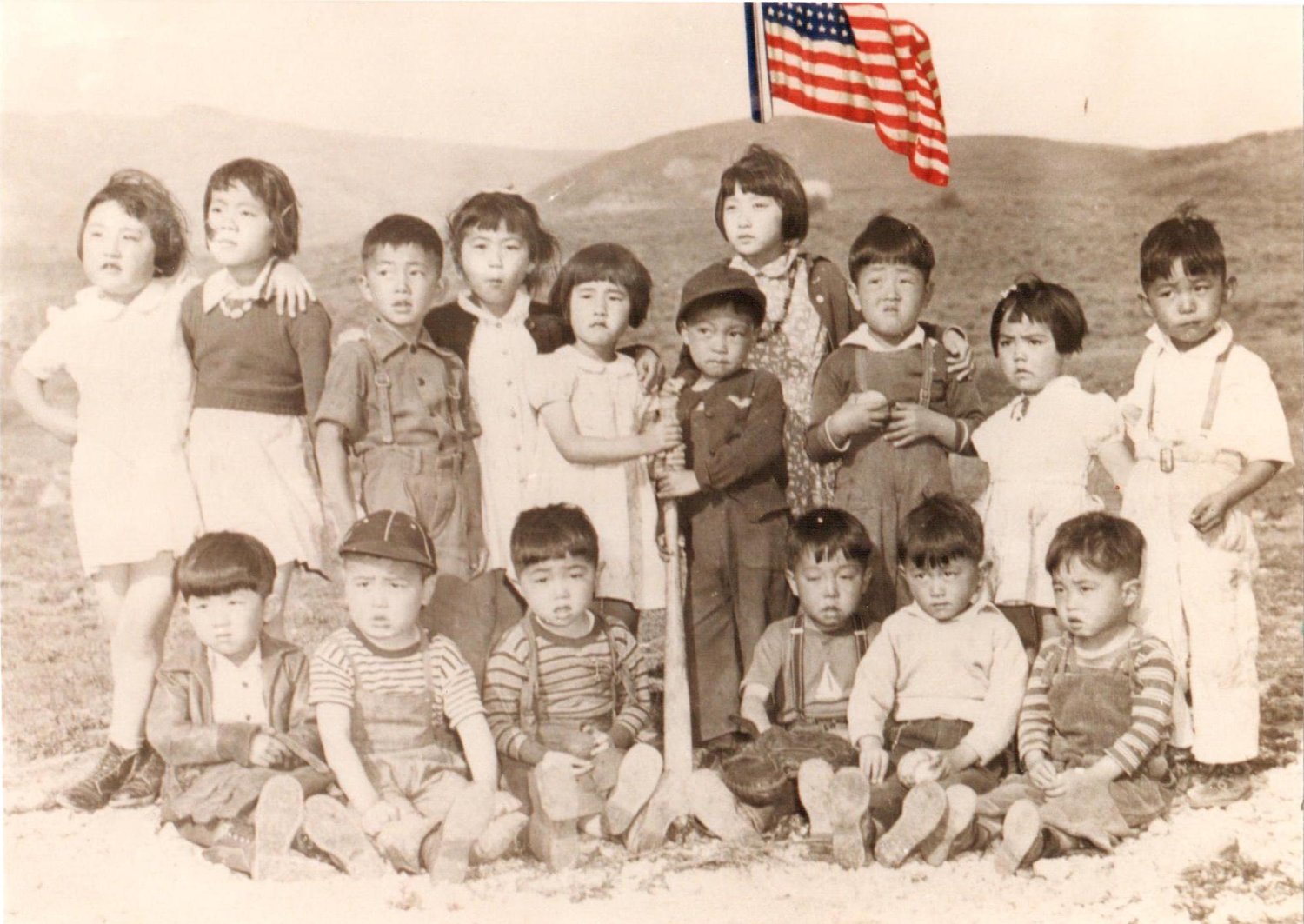
Antonia Grace Glenn’s documentary focuses on the Japanese Americans who evacuated voluntarily in the wake of Executive Order 9066 and avoided entering the internment camps but became refugees in their own country.

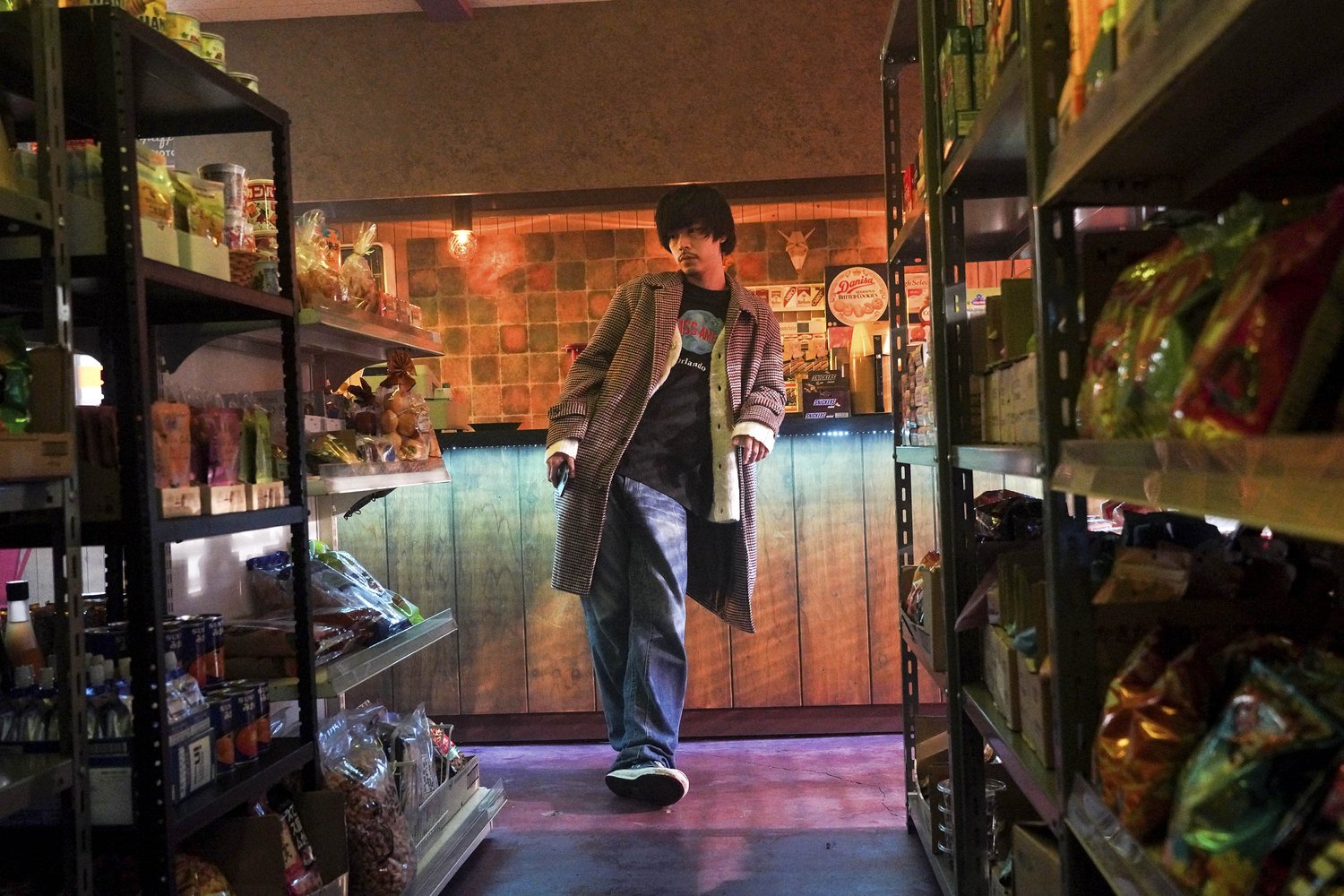
Sunday, March 19, 5:30 PM: Convenience Story (コンビニエンス ストーリー, Satoshi Miki, 2022)
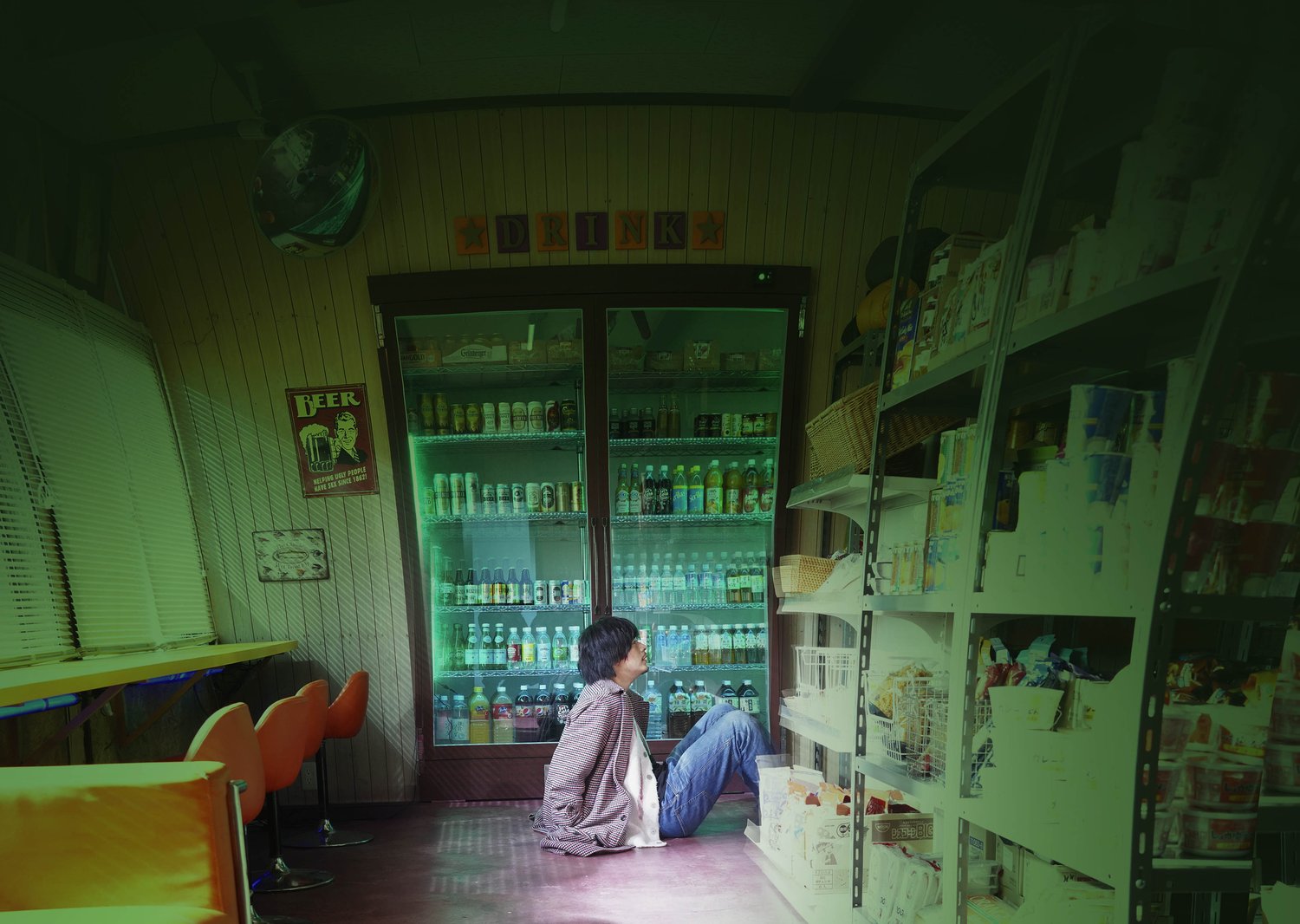
Surreal Lynchian adventure based on a story by film writer Mark Schilling and directed by Satoshi Miki following a blocked writer (Ryo Narita) who becomes trapped in a weird alternate reality after entering a mysterious convenience store. Review.

Wednesday, March 22, 6:30 PM: Umami (Slony Sow, 2022)

Alliance Française de Chicago (54 W Chicago, Chicago, IL 60610) 
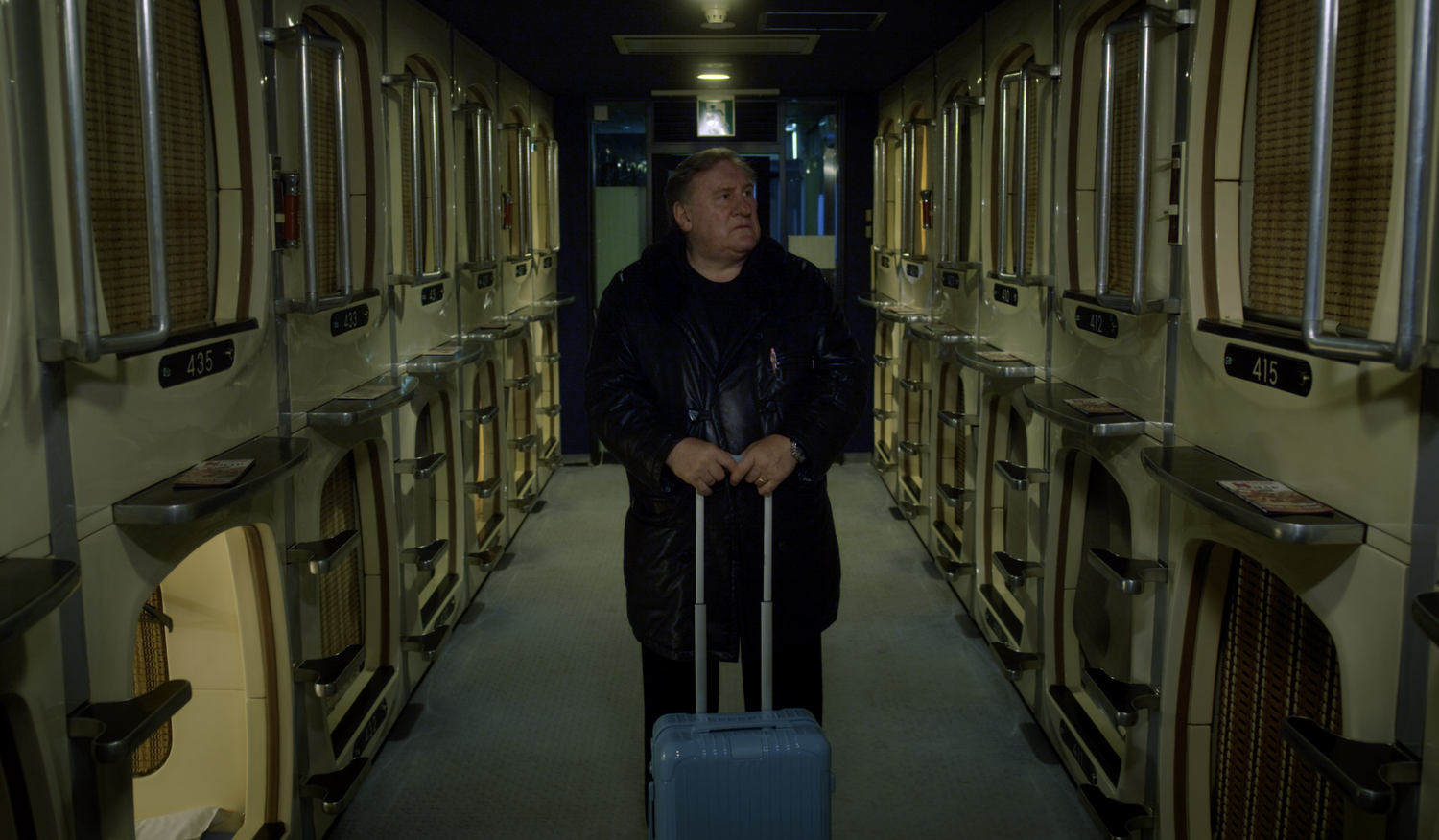
French-Japanese co-production starring Gérard Depardieu as a chef who has a near death experience and embarks on an existential journey to Japan haunted by his defeat in a culinary competition decades earlier at the hands of a Japanese ramen master.

Singapore and China

Michael Paul Galvin Tower, Schulz Auditorium at Illinois Institute of Technology (IIT)  (10 W. 35th St., Chicago) 

Saturday, March 25, 2:30pm: Ajoomma (아줌마, He Shuming, 2022)
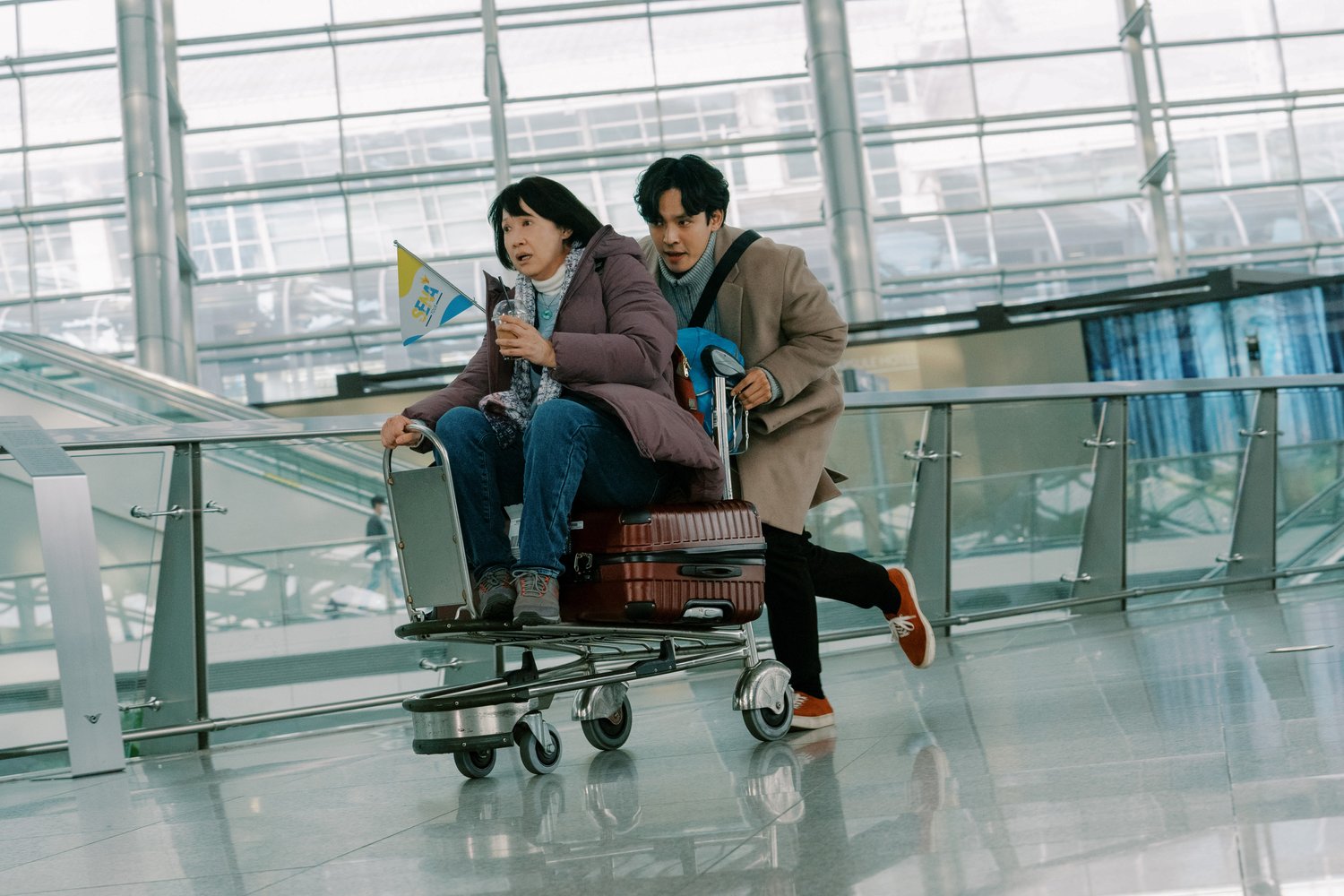
 Drama in which a middle-aged woman from Singapore chases her obsession with Korean TV dramas all the way to Seoul only to become lost and embark on a journey of unexpected self-discovery,

Saturday, March 25, 4:30 PM: Ping Pong: The Triumph (中国乒乓之绝地反击, Deng Chao & Baimei Yu, 2023)   
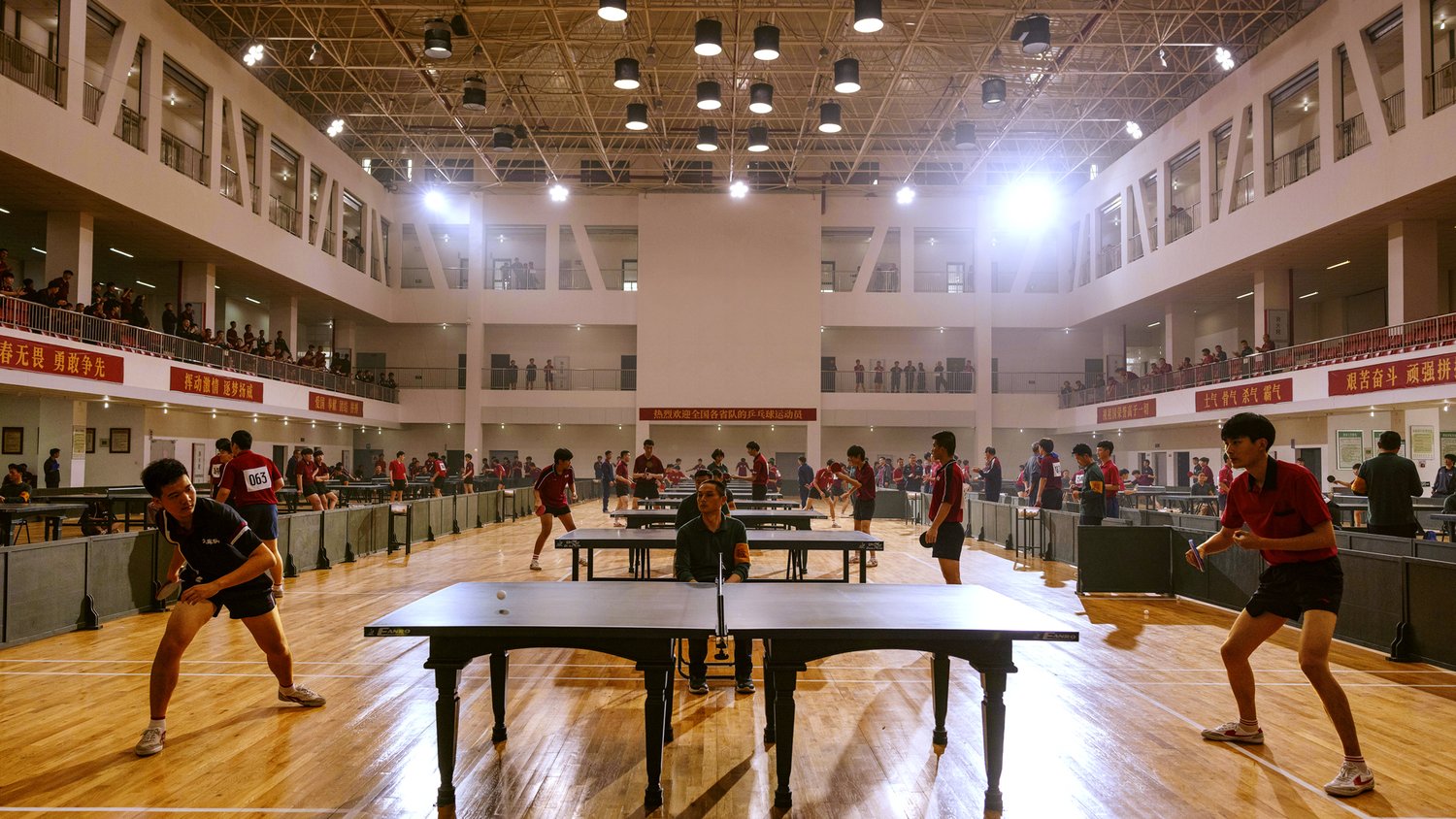
True life sporting drama starring Deng Chao as a table tennis coach tasked with putting together a new national team.

March 25 – 31, 2023: South Korea Streaming Week

Streaming available for U.S./Canada viewers at https://watch.eventive.org/apuc16 

Please Make Me Look Pretty (니얼굴, Seo-Dong-il, 2020)
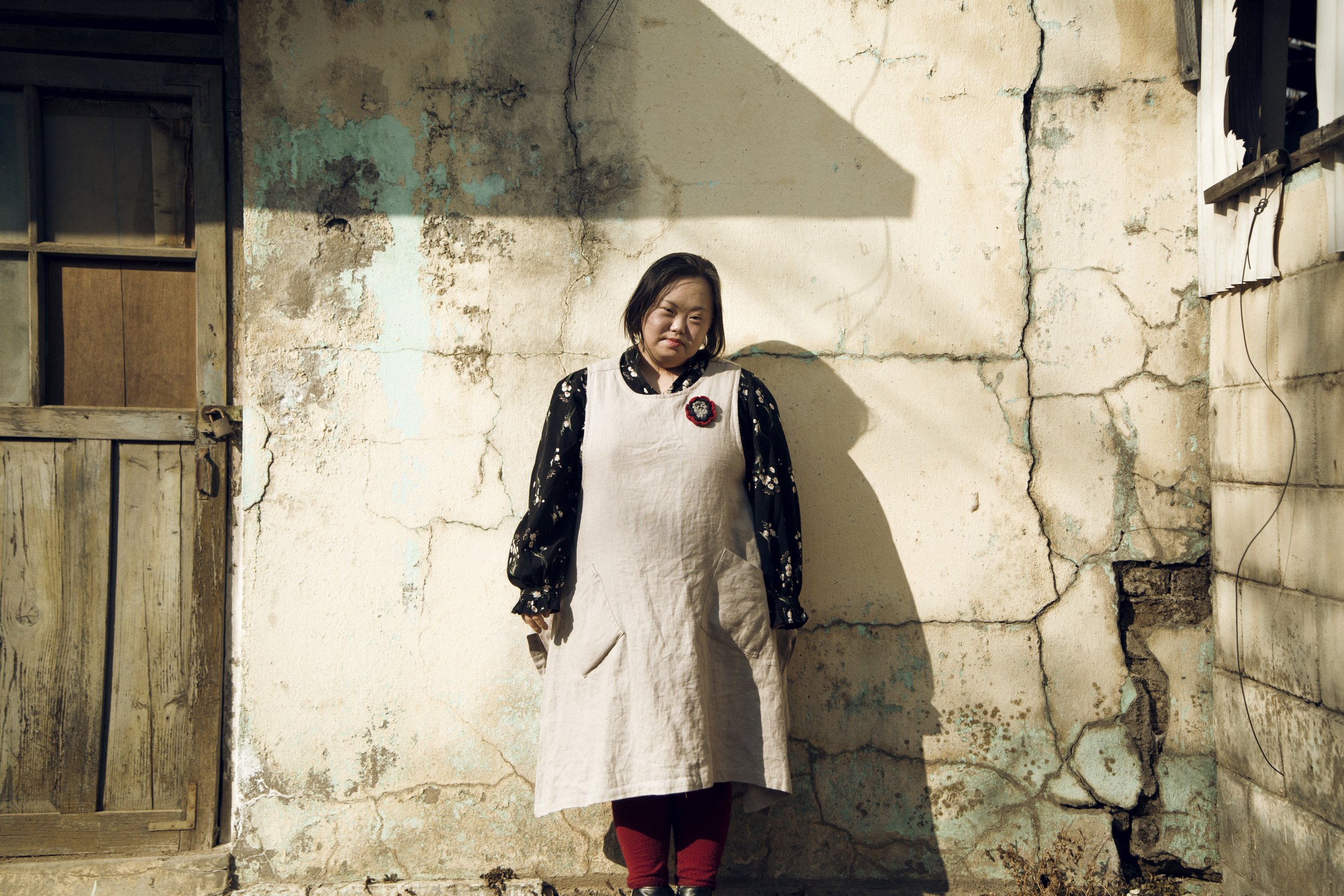
Documentary following a young woman who was born with Down Syndrome and is often on the receiving end of societal prejudice but has found release in drawing portraits of others which express a deep love and respect for all she meets despite not receiving the same in return.

Good Morning (안녕하세요, Cha Bong-ju, 2022)
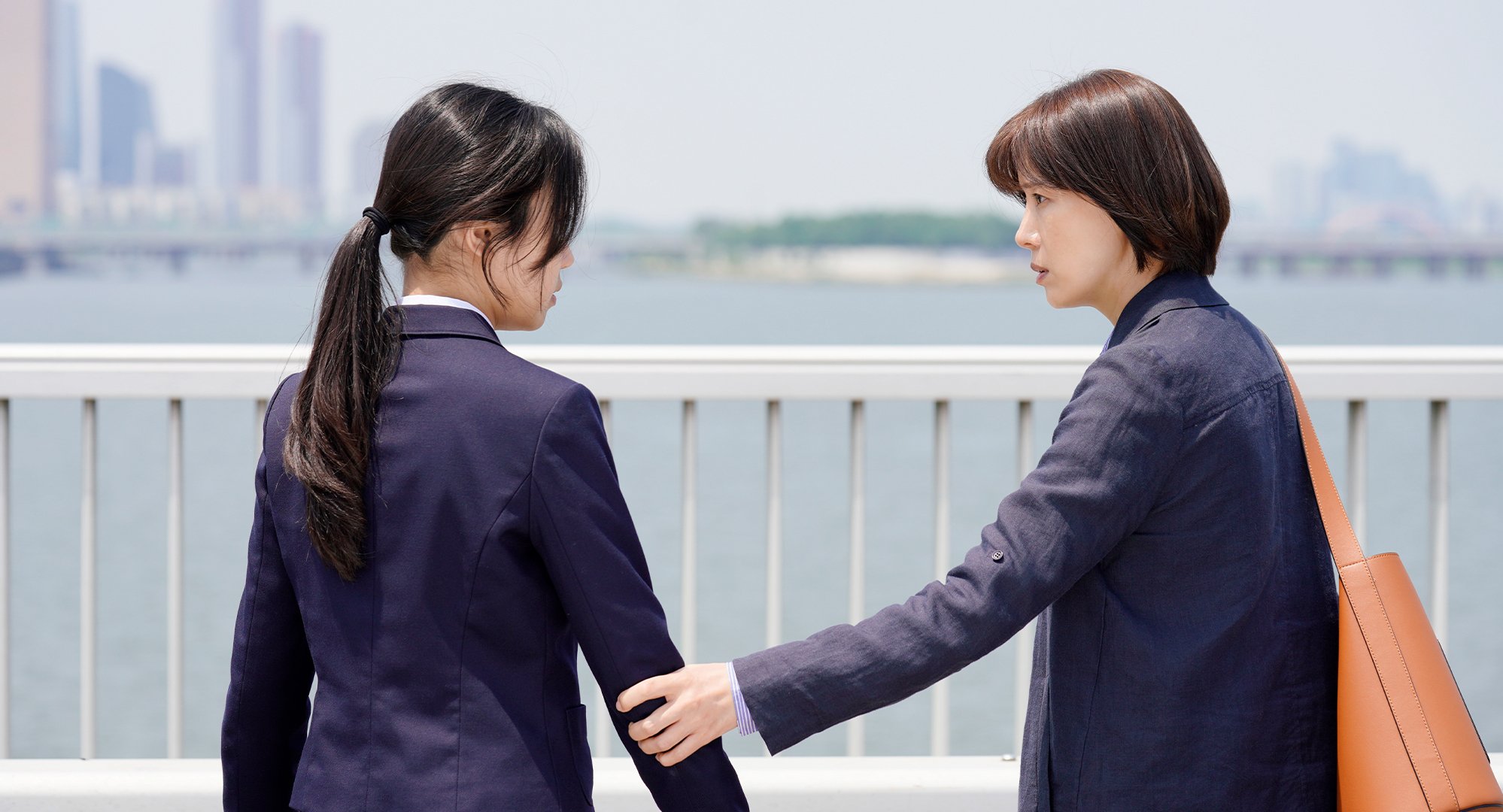
Drama in which a young woman raised in an orphanage considers taking her own life but is prevented by a hospice nurse who paradoxically tells that she will show her how to die.

A Home From Home (아이를 위한 아이, Lee Seung-hwan, 2022)
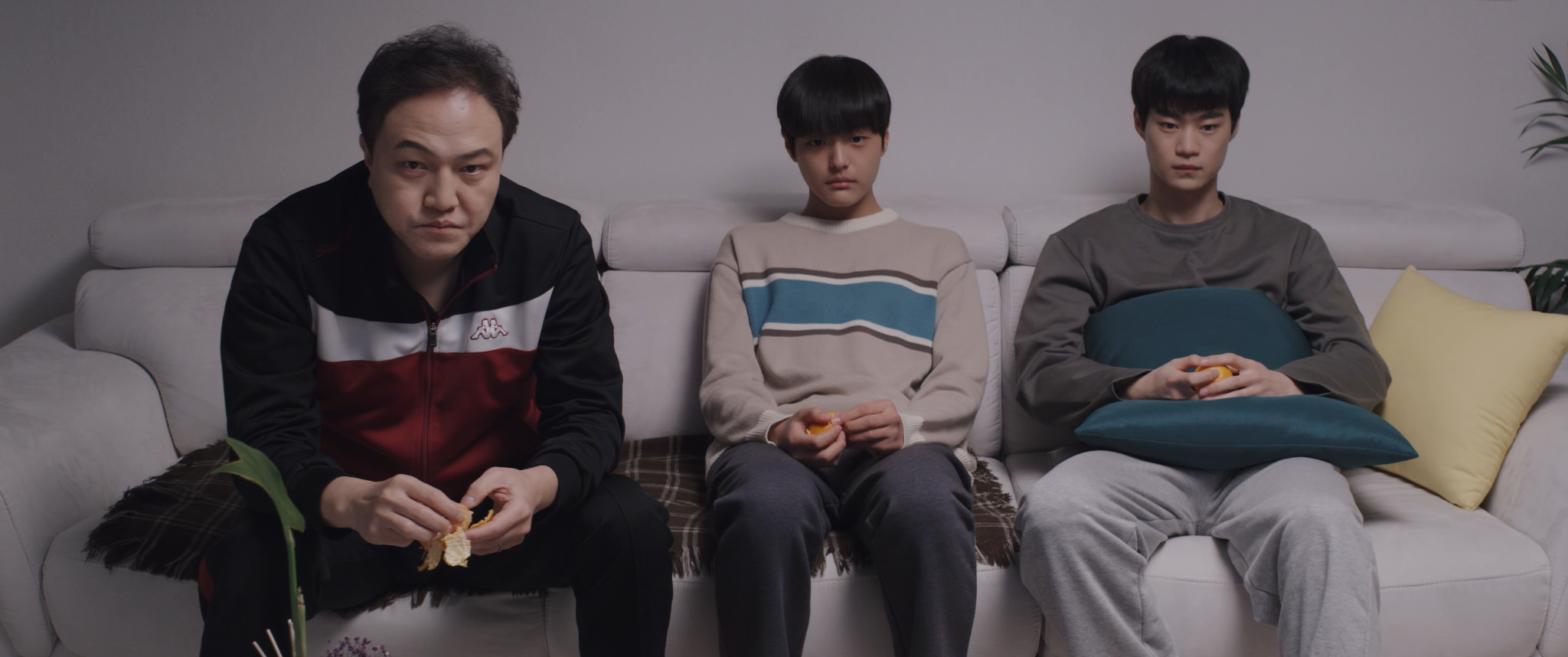
Do-yoon, a young man planning to travel to Australia, reunites with his estranged father and agrees to live with him and his younger brother, Jae-min. When his father dies suddenly, Do-yoon gives up his plans of going abroad to become his brother’s guardian but later discovers an earth-shattering secret.

Rolling (말아, Kwak Min-seung, 2022)
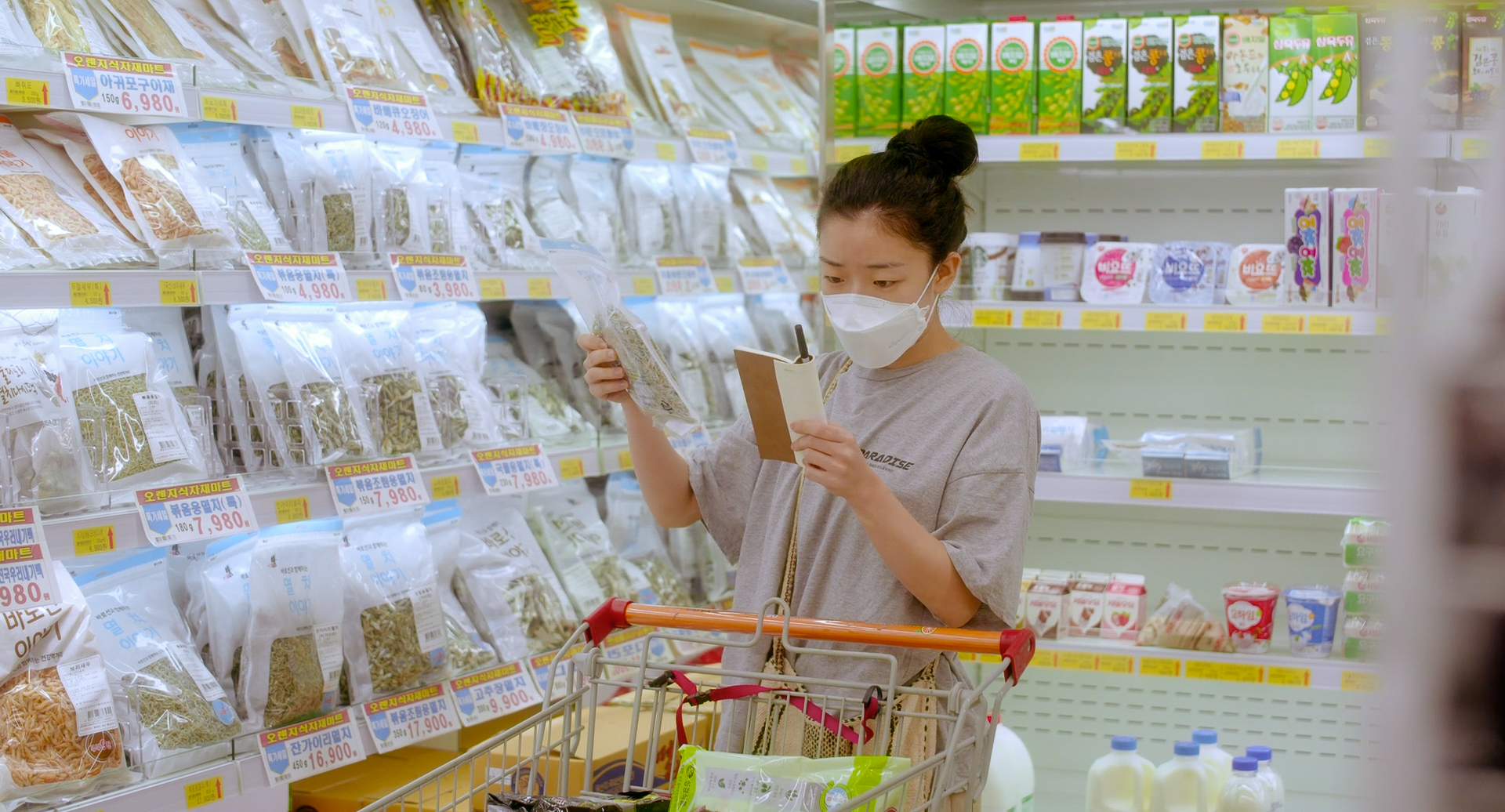
Quirky indie dramedy following 25-year-old drop out Juri who is charged with looking after her mother’s kimbap shop during the pandemic while she travels to care for her own mother in the country. Review.

Hong Kong Week

AMC NEWCITY 14 (1500 N Clybourn Ave, Chicago, IL 60610)

Centerpiece Film

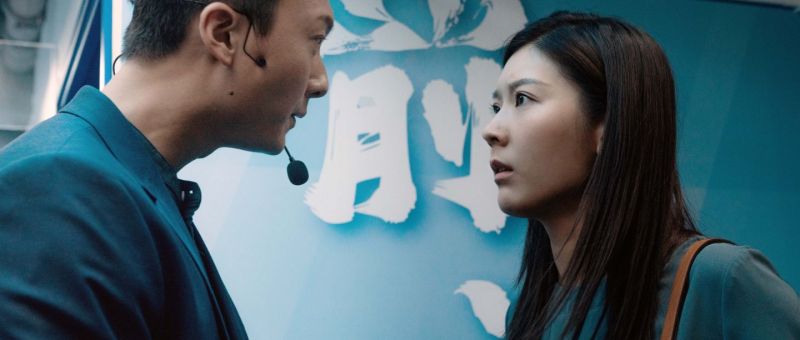
Friday, March 31, 7:00 PM: A Guilty Conscience (毒舌大狀, Jack Ng, 2023)

Bright Star Award recipient Renci Yeung and the director Jack Ng Wai Lun are scheduled to attend the award ceremony and Q&A in person.
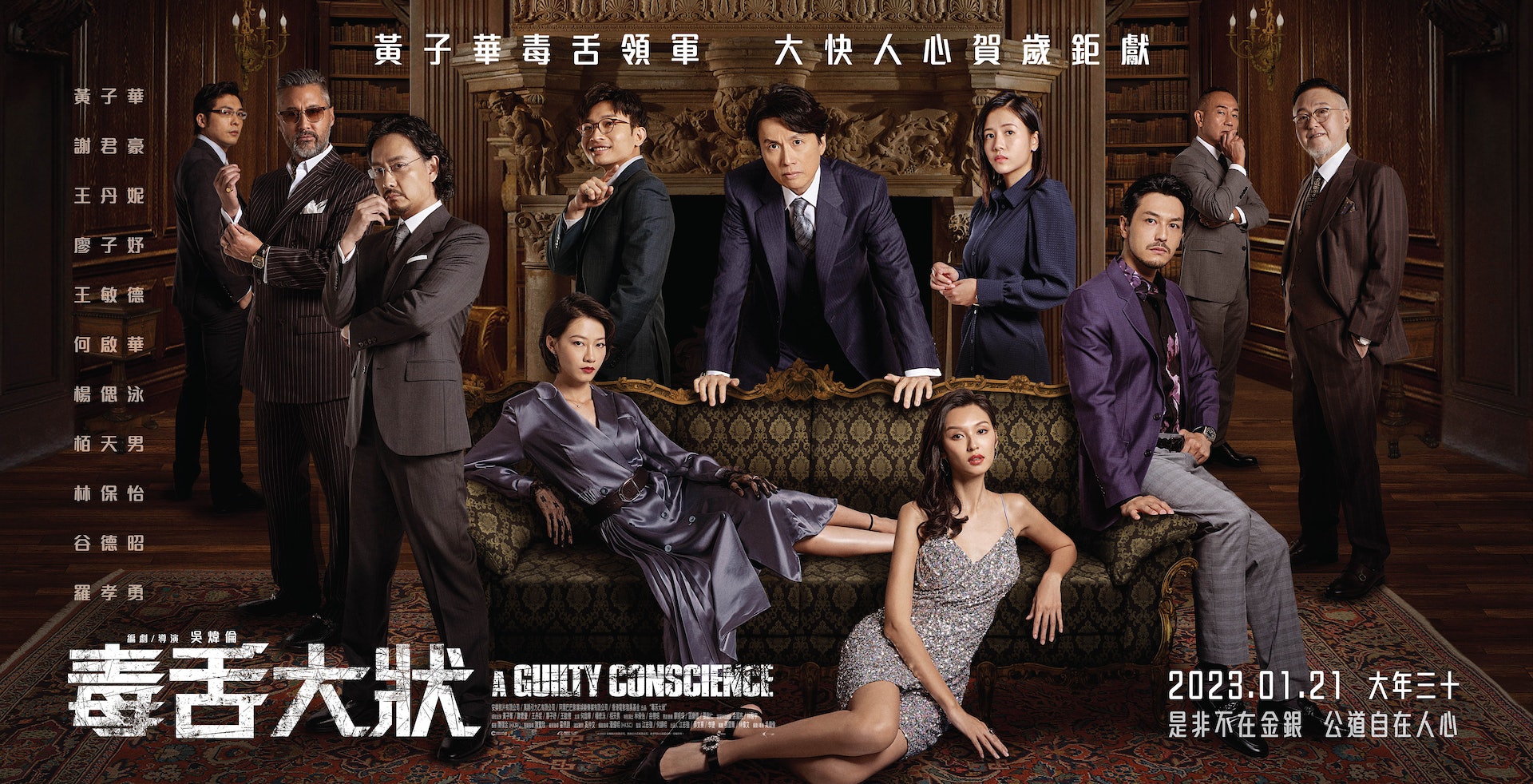
A cynical lawyer’s existence is upended when a case he’d assumed would be easy ends in a bereaved mother being sent to prison for seventeen years for a crime she almost certainly did not commit in this often hilarious courtroom drama which puts social inequality on trial. Review.

Saturday, April 1, 12:00 PM: The Sparring Partner (正義迴廊, Ho Cheuk Tin, 2022)

Incredibly dark true crime courtroom drama inspired by a notorious case from 2013 in which a man murdered his parents with the help of a friend who has learning difficulties and then went on TV to appeal for information on their disappearance. Faced with conflicting testimonies, the jury must examine their own prejudices and the mechanisms of the justice system as they attempt to weigh guilt and innocence. Review.

Saturday, April 1, 5:30 PM: Remember What I Forgot (曾經擁有, Chui Tze Yiu, 2022) 
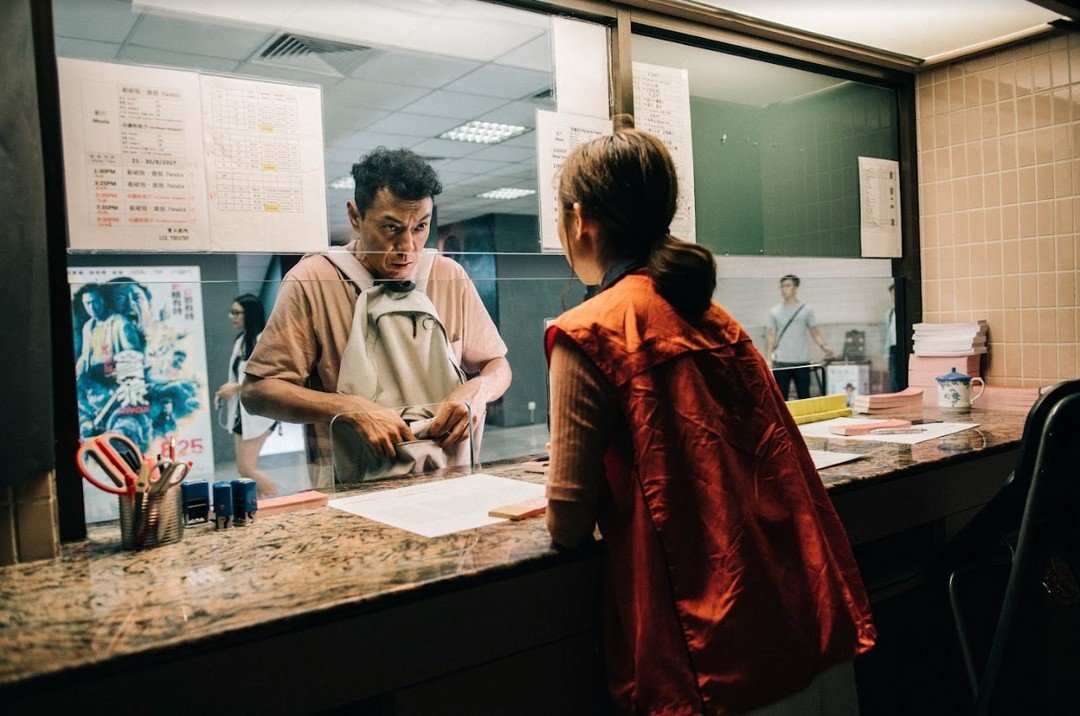
The producer of a reality TV show decides to investigate a local film buff known as Lil’ Kim (Philip Keung) who somehow shows up uninvited on movie sets or crashes premieres and press conferences though nobody seems to know anything about why or where he came from.

Saturday, April 1, 7:30 PM: Port of Call (踏血尋梅, Philip Yung, 2015)
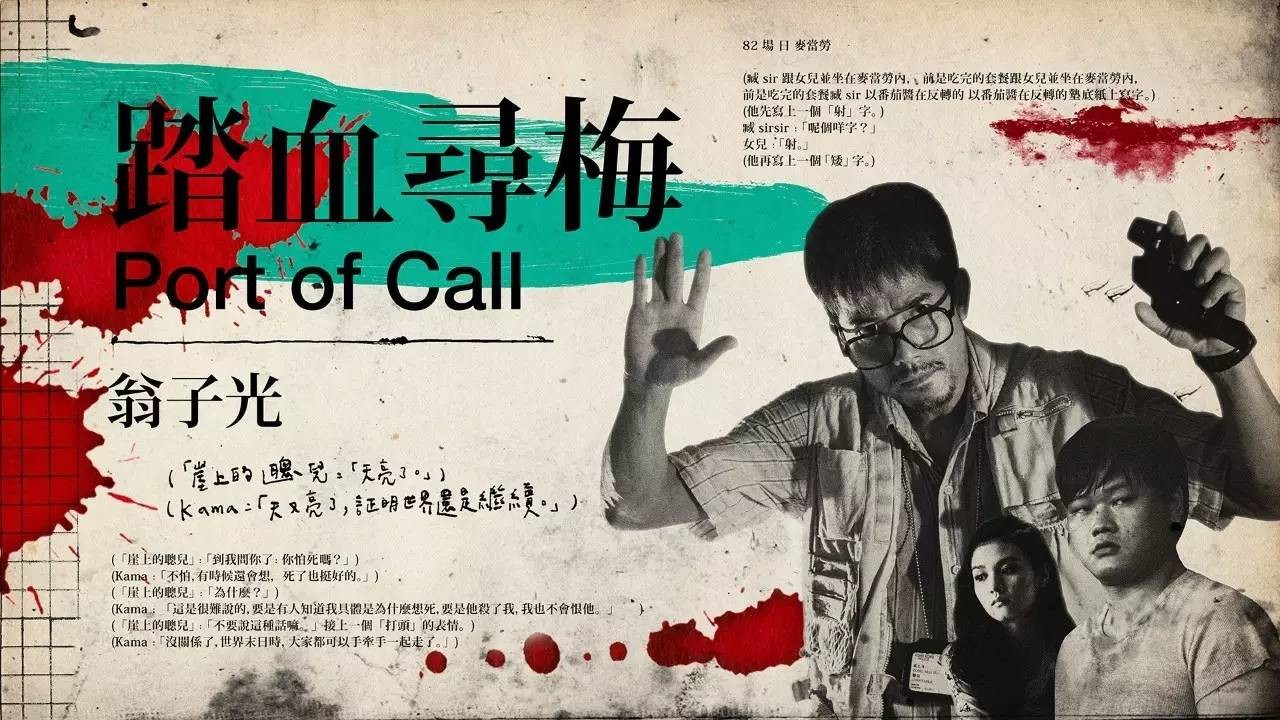
Electric 2015 crime drama/state of the nation address in which a world-weary policeman is charged with investigating the death of a young woman in which the prime suspect has already confessed but claims that he killed her only because she asked him to. Review.

Sunday, April 2, 2:30 PM: Lost Love (流水落花, Ka Sing Fung, 2022)

Director Ka Sing Fung is scheduled to attend for INTRO and Q&A. 
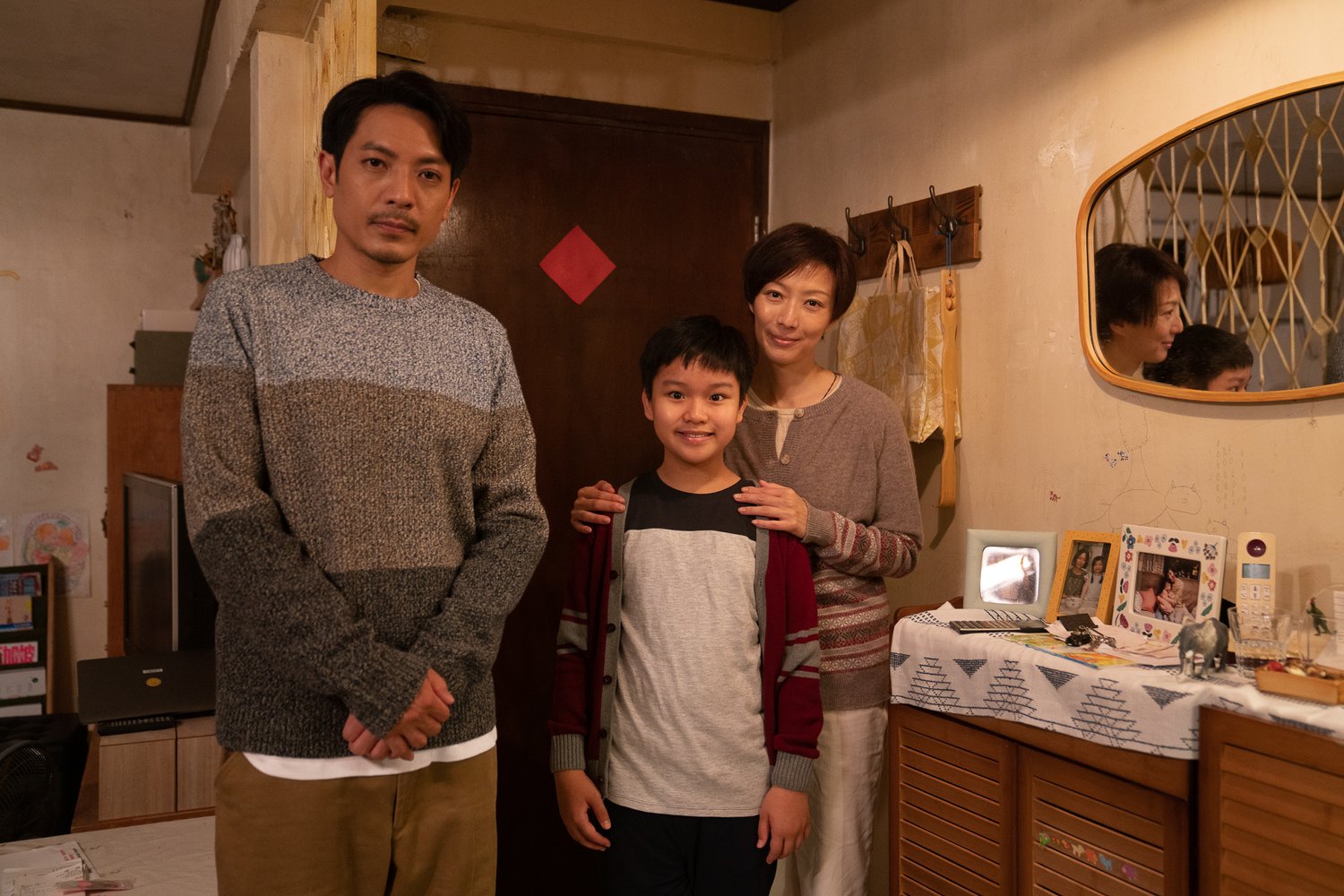
A couple who have recently lost a child decide to foster, but the decision places additional strain on their relationship as the father drifts into an affair feeling pushed out by his wife’s dedication to the children under their care.

April 3 – 9, 2023: Movies You May Have Missed Streaming on Eventive

Streaming available for U.S./Canada views at https://watch.eventive.org/apuc16 

Song Lang (Leon Le, 2018)
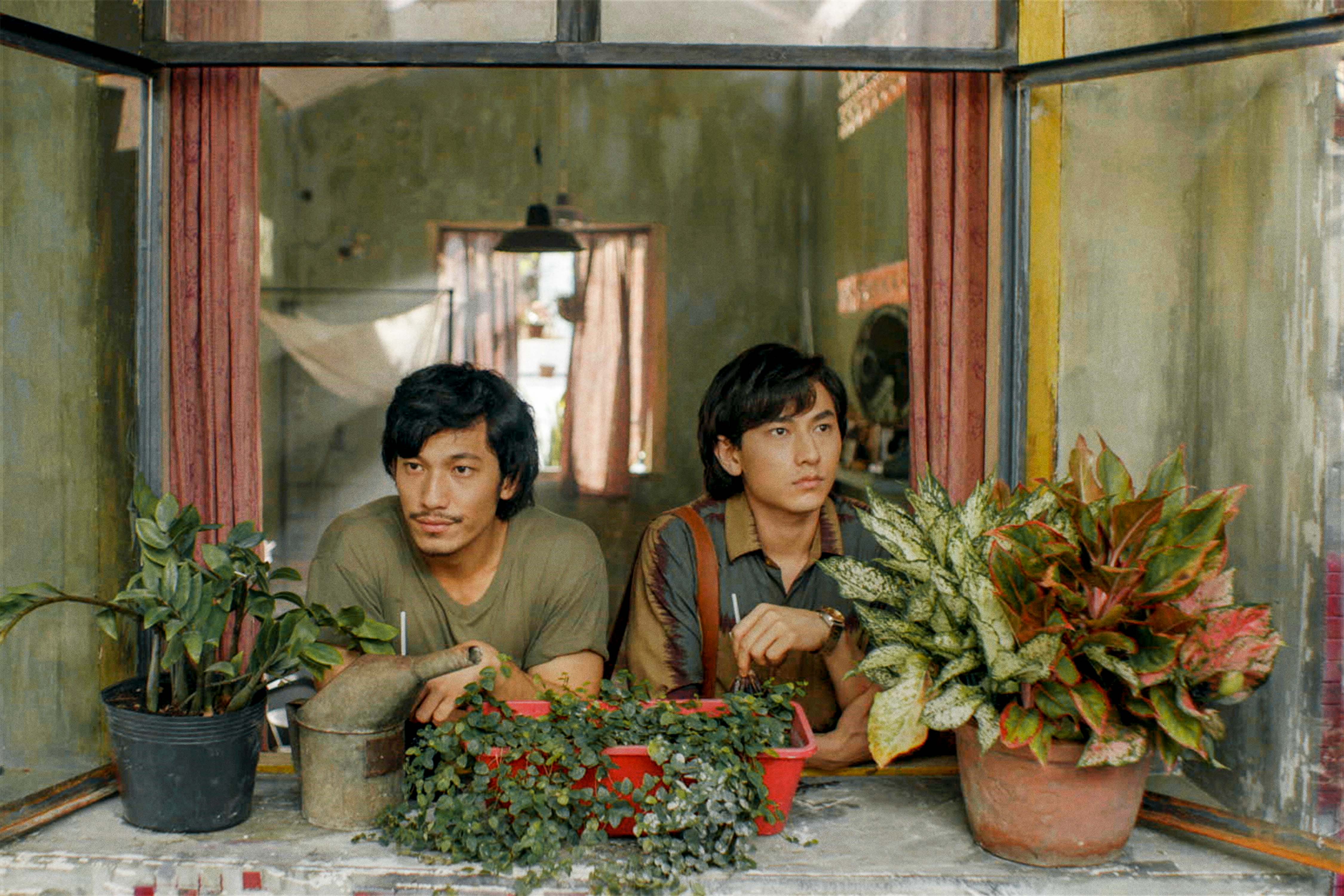
Beautifully tragic romance set in ’80s Saigon in which a conflicted street punk falls in love with a Cai Luong opera singer. Review.

Old Town Girls (兔子暴力, Shen Yu, 2020) 

The left behind children of decaying industrial China find themselves at the mercy of a corrupted parental legacy in Shen Yu’s gritty neo-noir. Review.

April 3 – 9, 2023: Movies You May Have Missed Streaming on MUBI.com

Streaming available for U.S. and Canada viewers at MUBI.com. (Registration is required first to access the free trial link).

Family Romance, LLC (Werner Herzog, 2019)
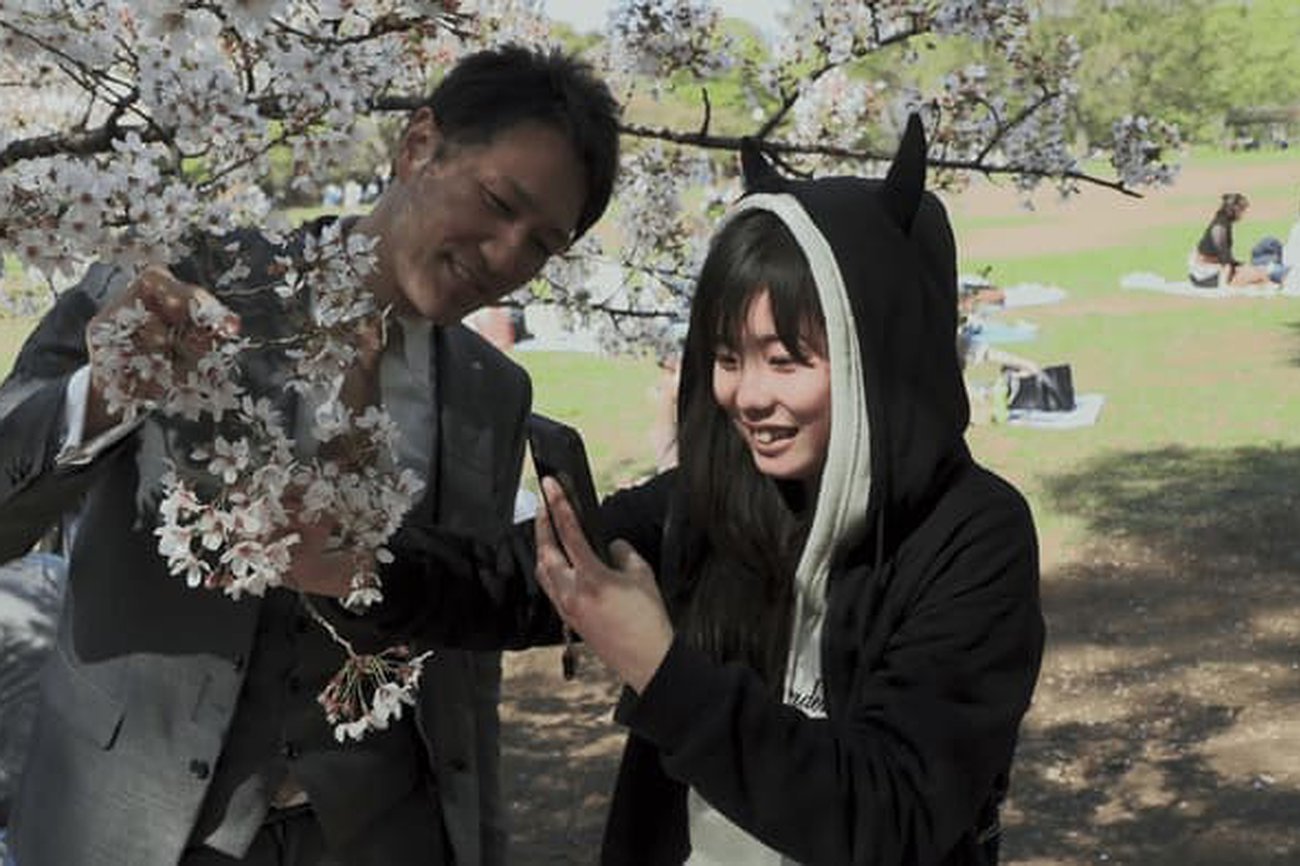
Meta documentary-style drama from Werner Herzog following controversial “rental family” figure Yuichi Ishii as the lines between fantasy and reality begin to blur when he’s tasked with playing father to a lonely little girl.

The Case of Hana and Alice  (花とアリス殺人事件, Shunji Iwai, 2015)
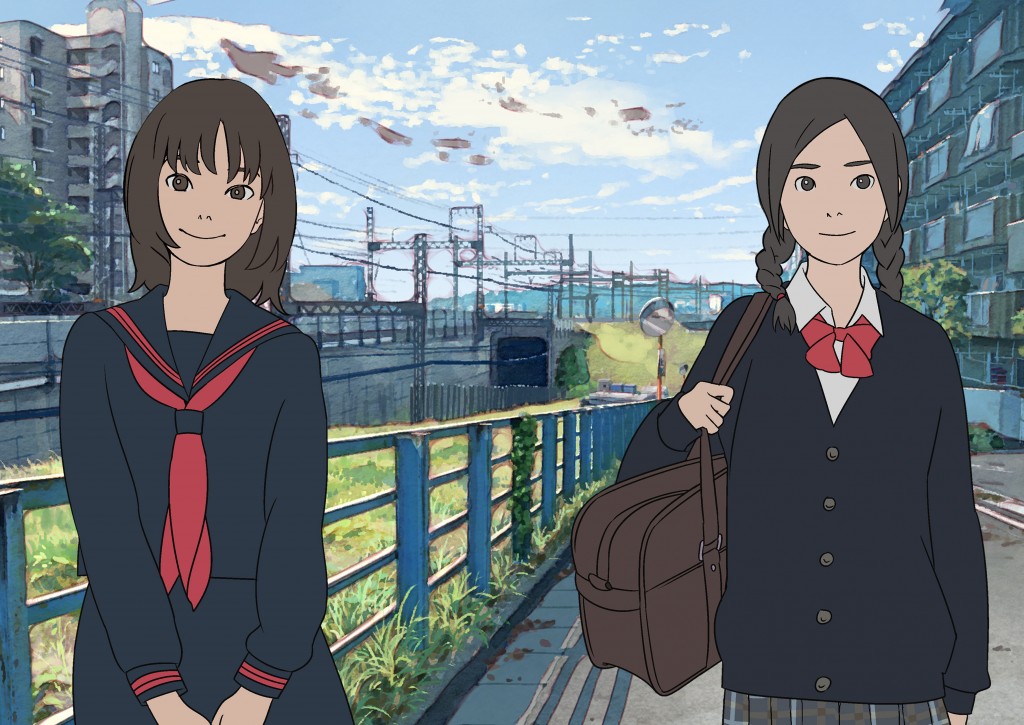
Animated prequel to the much loved Shunji Iwai film Hana and Alice featuring the voices of original actresses Yu Aoi and Anne Suzuki as Alice transfers to a new school and ends up investigating the disappearance of the previous occupant of new friend Hana’s home.

Taiwan Week

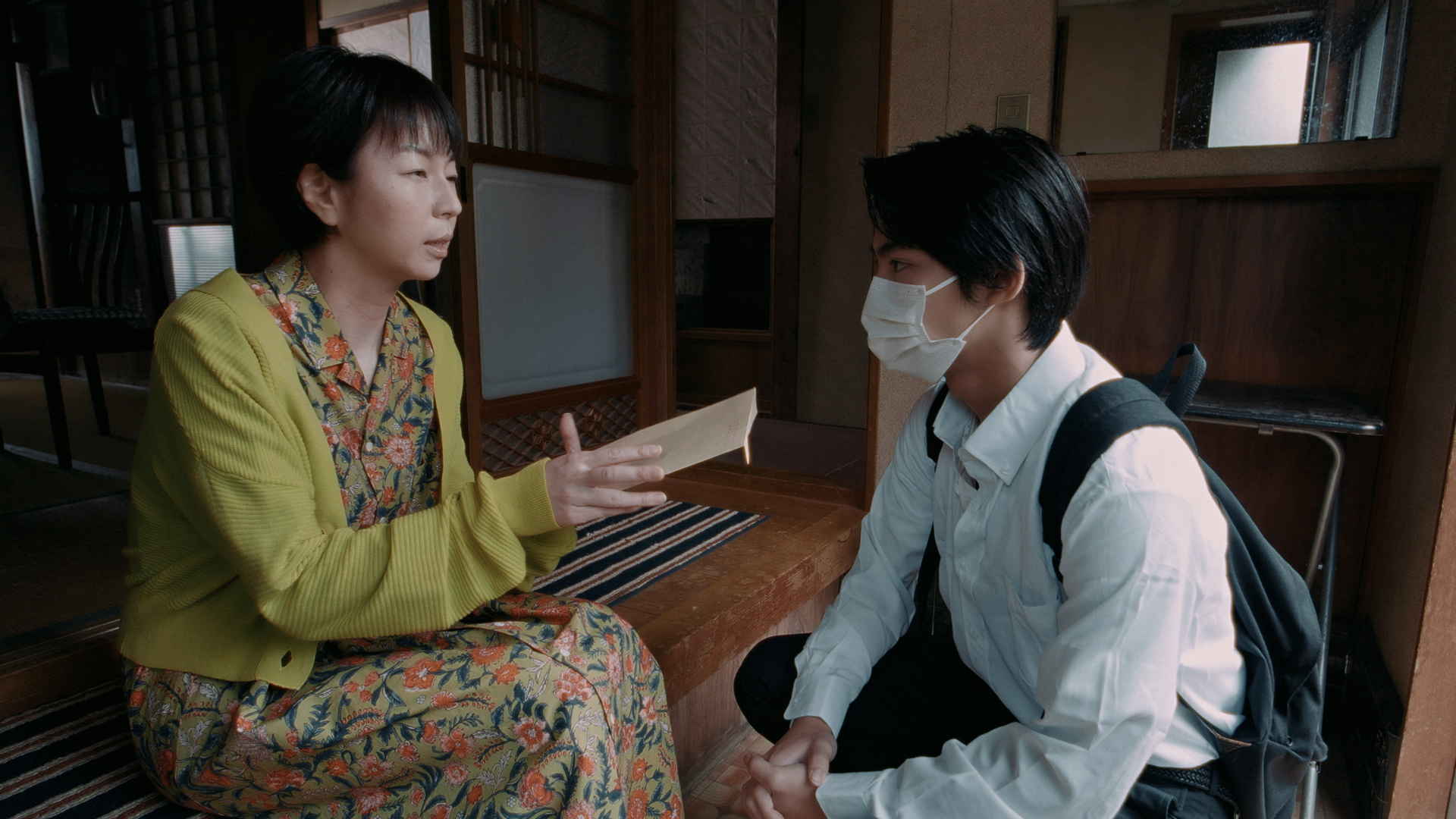
AMC NEWCITY 14 (1500 N Clybourn Ave, Chicago, IL 60610)

Saturday, April 15, 2:30 PM: Day Off (本日公休, Fu Tien-Yu, 2023) 
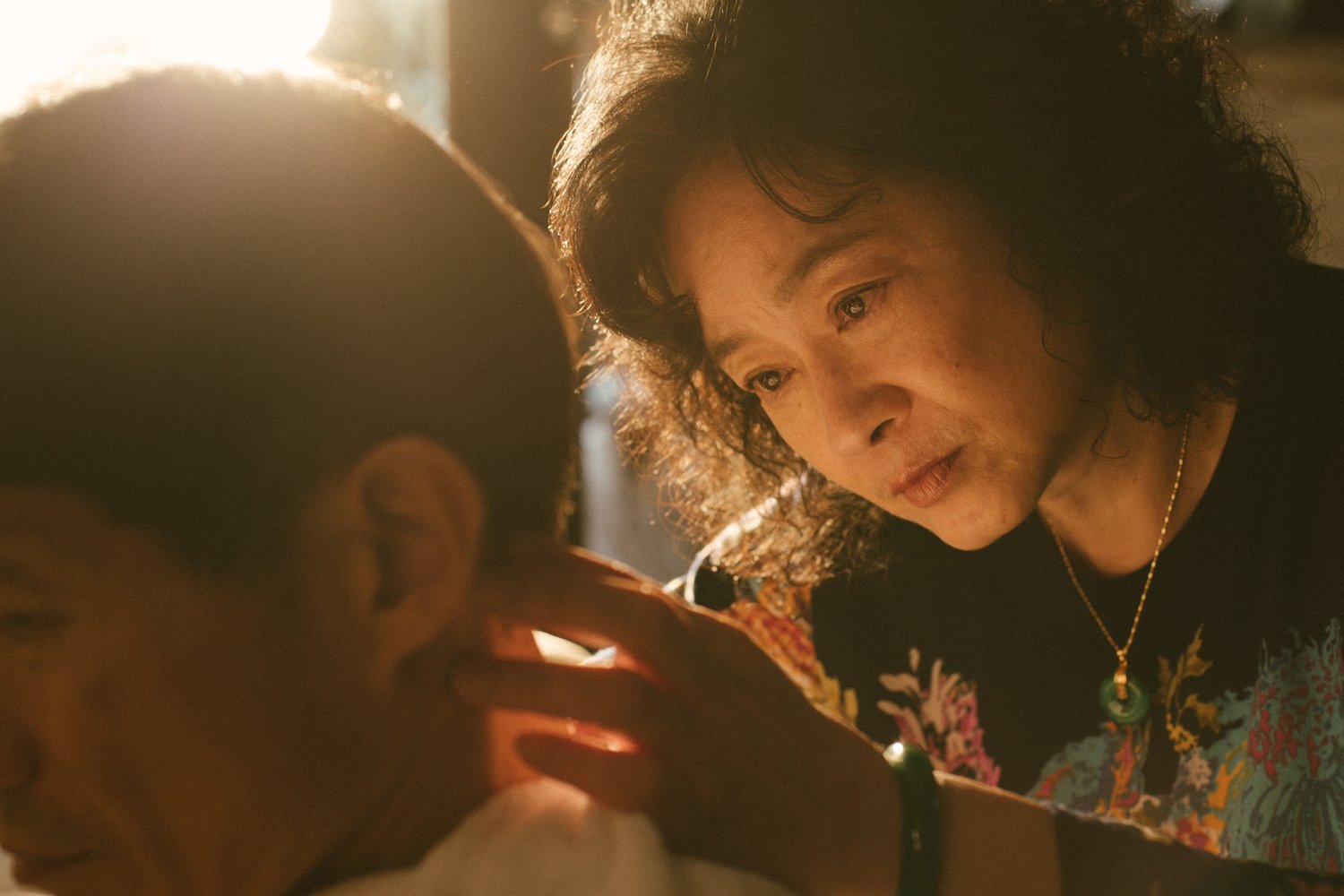
A veteran hairdresser embarks on a road trip when the family of an old client who had moved far away and has since become bedridden ask her to come and cut his hair.

Saturday, April 15, 5:30 PM: Marry My Dead Body (關於我和鬼變成家人的那件事, Cheng Wei Hao, 2022)
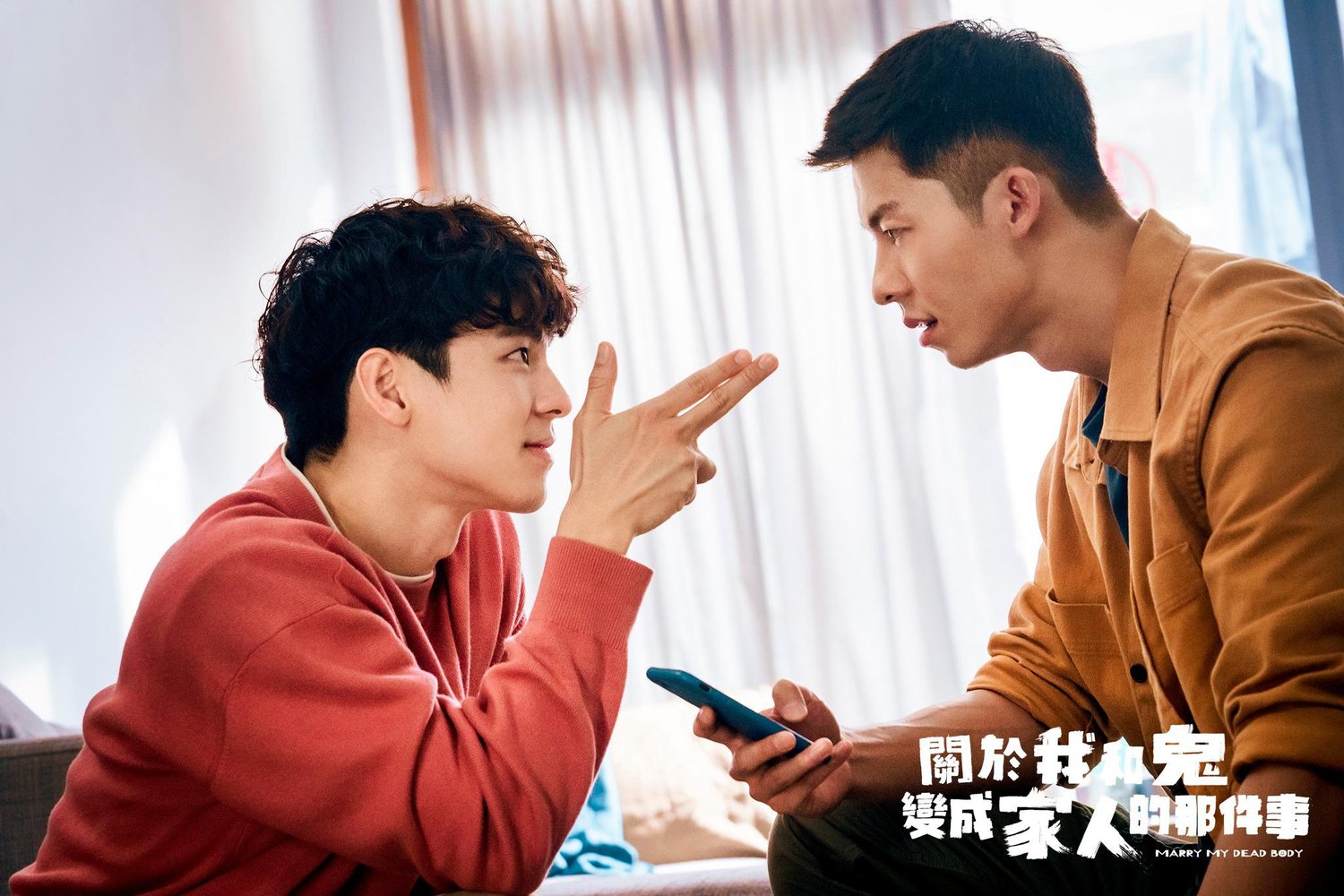
A police officer discovers a red wedding envelope but soon realises the proposal comes from the other side and it is the ghost of a murdered man who wants to marry him!

Sunday, April 16, 2:30 PM: GAGA (哈勇家, Laha Mebow, 2022)

Lighthearted drama in which the lives of an indigenous family are thrown into turmoil when the grandfather passes away suddenly. Review.

Season Finale 

Sunday, April 16, 5:30 PM: Lost in Forest (山中森林, Johnny Chiang, 2022)

Director Johnny Chiang and lead actor Lee Kang Sheng are scheduled to attend to introduce the film and have a Q&A afterwards.   
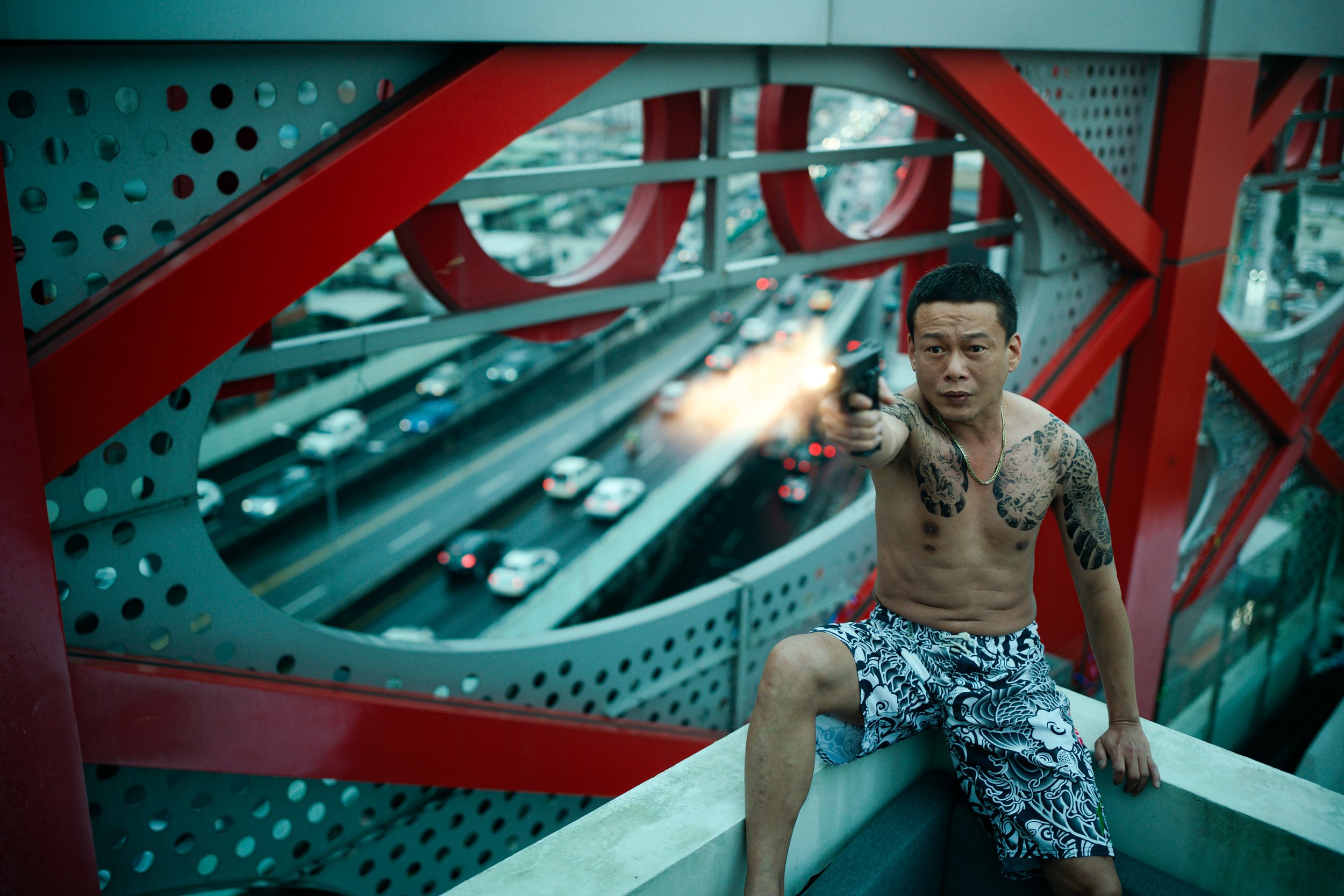
Crime drama starring Lee Kang Sheng as a former gangster who served 12 years in prison after saving his friend who has since become the boss in their former territory. Though he had intended to leave the world of crime behind, he is soon pulled back in when his friend is murdered by a petty footsoldier.

Asian Pop-Up Cinema runs March 18 to April 16 at cinemas across Chicago with select films available to stream online throughout the US and Canada. Further details can be found on the official website where tickets are already on sale and you can also keep up with all the latest news by following Asian Pop-up Cinema on FacebookTwitter,  Instagram, and Vimeo.

Asian Pop-Up Cinema Announces Season 16 Japanese Showcase

Chicago’s Asian Pop-Up Cinema will be returning for its 16th season March 18 to April 16 and has just announced the programme for its opening weekend which will be dedicated to Japanese Cinema. Running March 18 & 19 the Japanese Showcase will open with awards favourite A Man, while French-Japanese co-production Umami will follow March 22.

Saturday, March 18, 2:30 PM: A Man

Guest Host and introduction by Mark Schilling (Japan Times/Variety). A pre-recorded Q&A with Director Kei Ishikawa will be featured after the screening

©2022 "A MAN" FILM PARTNERS

The latest film from Kei Ishikawa (Gukoroku: Traces of SinArc), A Man stars Satoshi Tsumabuki as a lawyer who is pulled into a web of intrigue when a former client asks him to investigate her late husband who had been living under an assumed identity.

Saturday, March 18, 5:30 PM: She Is Me, I Am Her 

Director Mayu Nakamura and lead actress Nahana, who is also the recipient of the Career Achievement Award, will be in attendance for an introduction plus a post-screening Q&A moderated by Mark Schilling.

Mayu Nakamura’s anthology film spins four of tales of contemporary loneliness exacerbated by the COVID-19 pandemic each starring actress Nahana as a conflicted housewife meditating on past regret, a lonely woman who takes a liking to a takeaway delivery driver, a sex worker displaced by the pandemic, and a blind woman who offers a hand of salvation to a telephone scammer. Review.

Sunday, March 19, 2:30 PM: Before They Take Us Away 

Producer Evelyn Nakano Glenn and Director Antonia Grace Glenn are scheduled to attend in person for an introduction plus a post-screening Q&A moderated by Mark Schilling

Antonia Grace Glenn’s documentary focusses on the Japanese Americans who evacuated voluntarily in the wake of Executive Order 9066 and avoided entering the internment camps but became refugees in their own country.

Sunday, March 19, 5:30 PM: Convenience Story

Introduction by Mark Schilling followed by Q&A moderated by Chicago-based writer Michael Foster after the feature presentation.

Surreal Lynchian adventure based on a story by film writer Mark Schilling and directed by Satoshi Miki following a blocked writer (Ryo Narita) who becomes trapped in a weird alternate reality after entering a mysterious convenience store. Review.

Wednesday, March 22, 6:30 PM: Umami

French-Japanese co-production starring Gérard Depardieu as a chef who has a near death experience and embarks on an existential journey to Japan haunted by his defeat in a culinary competition decades earlier at the hands of a Japanese ramen master.

The full lineup for season 16 will be announced Feb. 27. The Japanese Showcase runs at Evanston’s AMC 12 (1715 Maple Ave, Evanston, IL 60201) March 18 & 19 with Umami on following on March 22. Tickets are on sale now priced at $10, Seniors (62+) $8, and free for Students with valid ID & educational email address. Further details can be found on the official website and you can also keep up with all the latest news by following Asian Pop-up Cinema on  FacebookTwitter,  Instagram, and Vimeo.

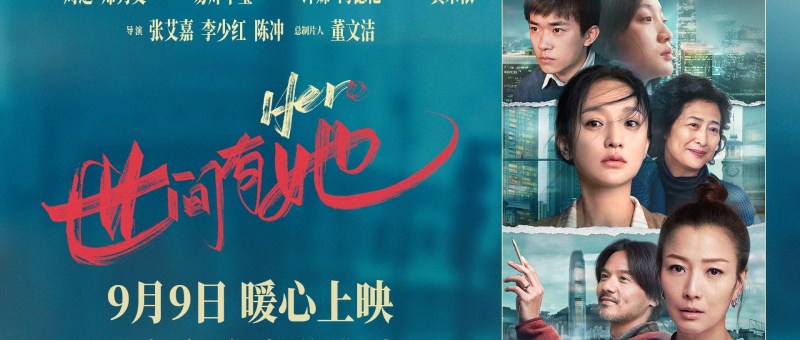
Hero (世间有她, Li Shaohong, Joan Chen, Sylvia Chang, 2022)

The latest addition to the growing sub-genre of Chinese pandemic movies, tripartite anthology film Hero (世间有她, Shìjiān Yǒu Tā, AKA Her Story) is the first to root itself in the lives of contemporary women just as they are disrupted by the arrival of COVID-19. As might be expected, the themes are largely those of love and endurance which draw additional poignancy from a Lunar New Year setting that prioritises family reunion but may also be in their way reactionary in reinforcing patriarchal social codes while implying that it might be the women who need  to give a little and reassess their notion of what’s really important. 

Directed by Li Shaohong, the opening sequence pits 30-something mother Yue (Zhou Xun) against her domineering mother-in-law, Ju (Xu Di), whose love and care for her son and grandson borders on the destructively possessive. Yue is the first to contract the mysterious new form of pneumonia then taking hold in Wuhan, prompting Ju to immediately try and kick her out of her own flat while insisting her son, Kai, and grandson, Dongdong, come back with her to another city further north. When lockdown is declared in Wuhan, the grandmother is trapped with the family but her acrimonious relationship with Yue adds to an already stressful situation. After Ju comes down with COVID too, Kai and Dongdong take refuge in the empty flat of a friend leaving the two women alone but mainly phoning Kai to complain about each other. 

A phone call from Yue’s parents eventually forces Ju into a reconsideration of her corrupted filiality as she remembers that Yue is also someone’s daughter and a mother herself. She accepts that Yue’s criticism of her as overly invested in her son’s life is fair and mostly born of her loneliness rather than an attack on her otherwise conservative values that imply she exists only in service of the men of the family, while realising that by failing to take proper care of herself she accidentally increases the burden on those around her and should instead agree to care and be cared for as a part of a harmonious community. 

This question of interdependence also raises its head in the third chapter directed by Sylvia Chang set in Hong Kong and filmed in Cantonese. Chang’s segment is not really much about the pandemic save for the additional strain it places on the relationship between press photographer Chelsea (Sammi Cheng Sau-man) and her husband Daren (Stephen Fung Tak-lun) with whom she is in the process of separating. When their son develops a fever, they end up in a blazing row discussing the reasons their marriage is falling apart which relate mostly to differing views of contemporary gender roles with Daren apparently reluctant to do his fair share at home while lowkey resentful that Chelsea has not only continued to work but is professionally ambitious especially as, it’s implied, his salary is not really enough to support a family of four on its own. The family also have a Filipina helper who in a rather poignant moment is heard singing happy birthday to her own child back in the Philippines whom she cannot see because she’s earning money taking care of Chelsea’s. Like Yue, Chelsea is also prompted to consider what’s most important, but the implication seems to be that she’s the one in the wrong and should learn to prioritise her family while her husband is more or less vindicated rather than encouraged to change. 

Only the middle section, directed by Joan Chen, attempts to deal with the gaping losses of the pandemic era as a young woman, Xiaolu (Huang Miyi), tries to gather the courage to tell her parents, who are still hoping she’s going to hook up with a now successful childhood friend, that she’s going to marry her uni boyfriend, Zhaohua (Jackson Yee), who’s stayed behind in Wuhan to look after their cat while she returns to Beijing for Lunar New Year. Xiaolu keeps in regular contact by phone but soon discovers that Zhaohua has become ill with a mysterious illness. She immediately decides to return to Wuhan but he warns her not to because it isn’t safe and shortly thereafter the city is locked down while she and her family are placed under quarantine in Beijing. Shot in a washed out black and white only the various FaceTime conversations between the young couple are in colour hinting at the greyness that now surrounds Xiaolu’s existence and the distance between herself and the happy life in Wuhan which has now been taken away from her. 

The film’s Chinese title more literally means “the world has her” or maybe more simply implies that she is in the world, more of an everywoman contending with the extraordinary than the “hero” of the title though the survival of the three women is in its own way also of course “heroic”. This concept of heroism may however be somewhat problematic in its emphasis on patriarchal social codes which insist that their first and only duty is to the family even if the message of holding your friends and relatives closer in the wake of disaster is universally understandable. Nevertheless, it does perhaps pay tribute to the women’s perseverance and determination to seek kindness and love even in the most difficult of times. 


Hero streams for free in the US and Canada until Feb. 5 as part of Asian Pop-Up Cinema’s Lunar New Year celebration.

Original trailer (English subtitles)

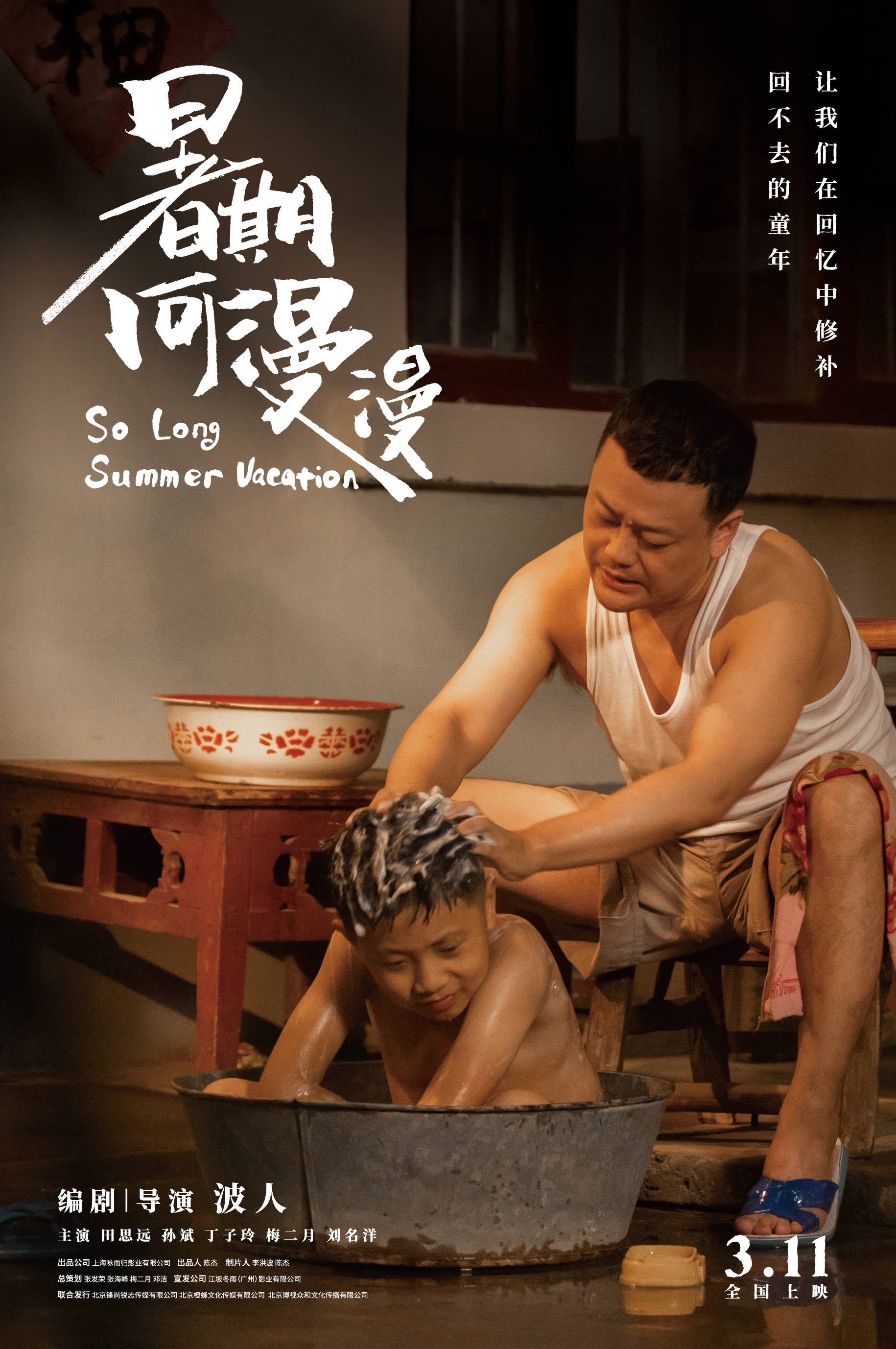
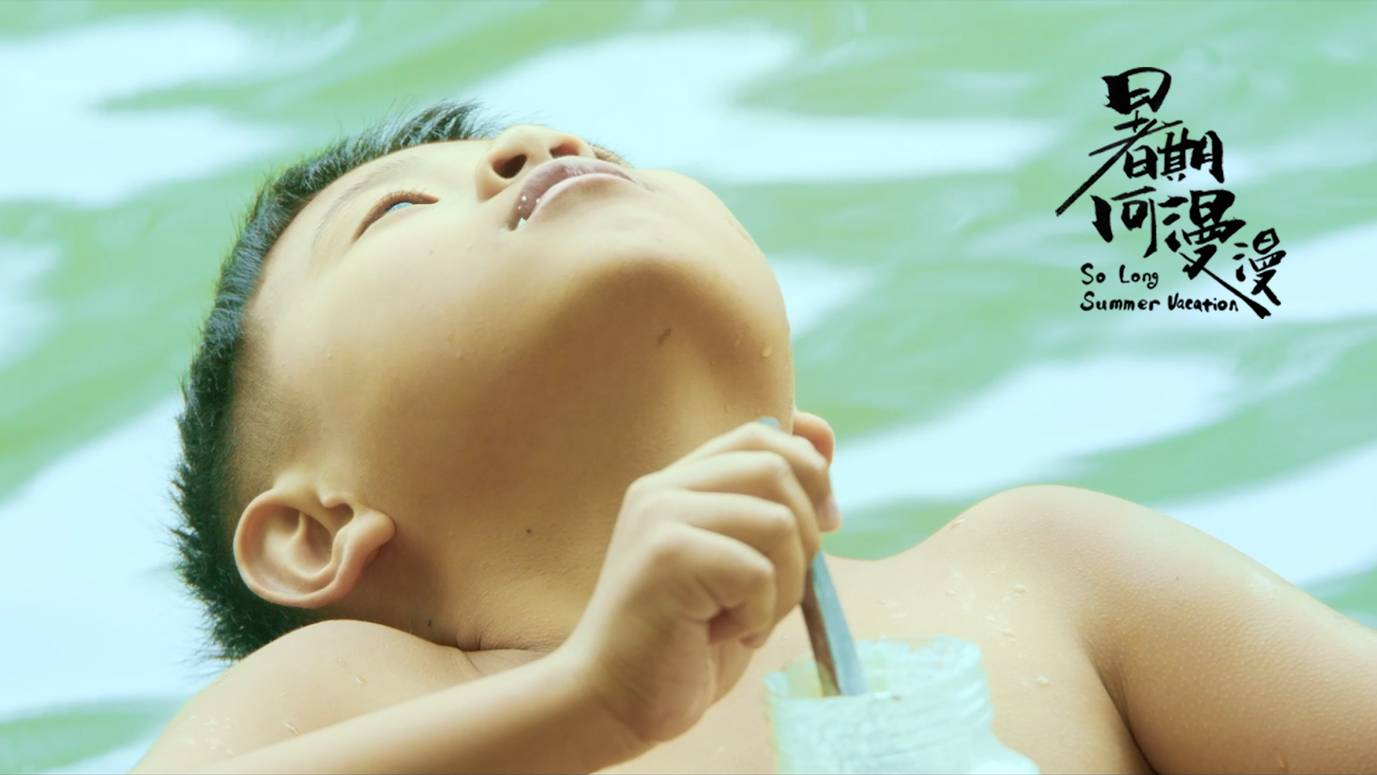
So Long Summer Vacation (暑期何漫漫, Bo Ren, 2021)

A small boy tries to work out what to do with a seemingly endless and infinitely boring summer in early ‘90s rural China in Bo Ren’s nostalgic childhood dramedy, So Long Summer Vacation (暑期何漫漫, shǔqī hé mànmàn). Told largely from the boy’s point of view, the film meditates on a China in the midst of transition along with the effects of the pre-reform work system on the family, the One Child Policy, sexism and conservatism all while the hero watches and learns.

All Xiaojin (Tian Siyuan) really wants for this summer is to learn to swim in the river, but his parents have banned him from going near it for the understandable reason that it’s dangerous. Usually, his father’s (Sun Bin) parents would be around to look after him, but they’ve decided to spend the summer with their other son while his father objects to his mother’s (Ding Ji Ling) idea of sending him to stay with his maternal grandma further out into the country because he thinks she’s too indulgent and last time he got into trouble for digging up the neighbours’ radishes. As Xiaojin is already 12 years old, they decide to let him stay home alone, but they also lock the front gate and tell him to spend his time studying though there’s not much else to do and he’s evidently bored and lonely as a child of the One Child Policy stuck in the house all day on his own. 

His problem is compounded by the fact that most of his friends have also gone away for the summer, the boy from next-door despatched to Shenzhen to spend time with his absent father. But while Weidong is away, Xiaojin begins to understand the hidden sadness of his mother, auntie Fengying (Mei Eryue), who has taken to having presents sent to herself to pick up at the local post office pretending that they are from the husband who otherwise seems to have abandoned her. As she tells Xiaojin, aside from the office job that affords her a slighter higher status than her factory worker neighbours, she has nothing to fill her time other than a little gardening. As no one else has much to do either, her life also becomes fodder for one of the few available activities, gossip, with the other neighbourhood ladies making scandalous allusions to her many “affairs” which are sadly unfounded. Pushed to the brink by the hopeless of her life, she even begins to consider suicide.

Xiaojin’s parents, meanwhile, are mainly consumed by their role as workers and left with little time to look after him. His father is preoccupied by the factory’s 100-day labour competition, seemingly less excited about the prospect of winning a significant prize than being “busy with work” and showing off his dedication through his productivity, while his mother is a seamstress who sometimes works unsociable hours. Little Xiaojin is pretty self-sufficient and as he is fond of saying has figured out how to do things like light a stove or cook a meal simply through having observed his mother and grandmother doing the same, but is obviously lonely at one point agreeing to swap one of his father’s valuable stamps with another boy on the condition that he comes to play with him for only three days. The other boy, Bin, hadn’t really wanted to because there’s “nothing to do” at Xiaojin’s house whereas his family has a TV set which still seems to be a rarity in the local area. 

When Bin takes Xiaojin to the river and they end up getting into trouble, one could argue that it wouldn’t have happened if only his parents had taught him to swim whether in the river or in a modern pool as his father suggested doing but never followed through. But their response is to tie him to a bench and beat him so badly that auntie Fengying and the other neighbours bang on their door and tell them to stop. Even grandma from the country who’s somehow ended up finding out about it comes straight over to tell them off, basically sending them to their room to think about what they’ve done while she looks after Xiaojin and asks the ancestors for their forgiveness. Part of his Xiaojin’s anxiety had rested on the fact that, because of the One Child Policy, she has only one son and has the twin pressures of needing to get it right with Xiaojin so that he grows up into a responsible member of society and living in constant fear that something will happen to him and they’ll be left alone in their old age. A short coda featuring Xiaojin in the present day as a father raising a son of his own suggests he’s doing things a little differently but still reflecting on that one very boring summer when the highlight of his day was ripping a page off the calendar and the only thing he wanted was to be able to swim in the river.


So Long Summer Vacation streams for free in the US and Canada until Feb. 5 as part of Asian Pop-Up Cinema’s Lunar New Year celebration.

Trailer (Simplified Chinese / English subtitles)

Lighting Up the Stars (人生大事, Liu Jiangjiang, 2022)

An immature young man recently released from prison for assaulting his girlfriend’s lover finally begins to grow up when unexpectedly saddled with looking after a grumpy little girl otherwise unwanted by her remaining family members in Liu Jiangjian’s feel good tearjerker, Lighting Up the Stars (人生大事, Rénshēng Dàshì). As much a tale of finding an accommodation with death and learning to move on as it is of the joys of forged families and unexpected connections, Liu’s drama is as the Chinese title suggests very much about the big things and what it takes to realise what they are. 

At this point in his life, San (Zhu Yilong) hasn’t been giving much thought towards the big things largely because he is consumed by resentment and a sense of inadequacy. He’s keen on getting back together with old girlfriend Xi (Janice Wu Qian) but sends her worryingly controlling voice notes and later becomes violent when she tries to break up with him before discovering that she is pregnant and plans to marry the guy he went to prison for beating up. “I can’t see you becoming a good father” she explains, regarding him as too immature to support the family she is keen to start. San is stung by the suggestion, as he is by his elderly father’s constant needling and refusal to hand the family funeral business over to him, but also has to concede she has a point. 

Nevertheless, there is a kind of tenderness to him as seen in his gentle washing of the body of an elderly woman still lying on the bed where she died while her son and his incredibly callous wife try to organise an express funeral so they can take their spoilt son to Beijing to participate in an academic competition. Meanwhile, little Xiaowen (Yang Enyou) watches while hiding in a cupboard before bursting out and demanding to know what they’ve done with her grandma. It seems that no one has taken the time to explain to Xiaowen exactly what’s happened or what’s going to happen to her now seeing as her grandmother had been raising her. Charging around like Nezha pointing her spear at everyone she meets, Xiaowen sets off to rescue grandma by chasing San’s van and eventually ending up at the funeral parlour which she then refuses to leave. Her uncle comes to fetch her but shockingly decides to leave her there with San and his two friends, asking them to look after her until they get back despite having absolutely no idea if they are suitable people to be looking after a little girl. 

These tears in the fabric of the traditional family are in some ways a result of a contemporary society. Xiaowen’s aunt point blank refuses to have her, insisting that she doesn’t want to expend resources on someone else’s child while blaming her husband for paying too much attention to his niece and not enough to their bratty son who lets them all down by humiliatingly failing the Beijing exam. Her hyperfocus is a reflection of the One Child Policy and rising consumerism as she seeks to express her status as a mother through her son’s success while simultaneously ruining their familial relationships with her constant nagging and hard-nosed practicality. Xiaowen’s henpecked uncle simply goes along with it for a quiet life, obviously very upset by his mother’s death but unable to defy his wife. San meanwhile is at odds with his father and sister who think he’s no good, will never be able to settle down and live a conventional life, and is incapable of accepting the responsibility of the family business. San may think some of this too, living with a sense of inadequacy feeling as if he doesn’t measure up to his absent elder brother, while seemingly floundering in his attempts to make something of himself. 

Through his relationship with Xiaowen he finally begins to come into his own in accepting the responsibility of fatherhood, caring for her both physically and emotionally while repairing his fracturing relationship with his own father and coming to terms with the past. He teaches Xiaowen about death and how to accept it, but also reminds her that her grandmother’s never really gone and will always be with her. Finally, San begins to think about the big things but about the small things too, planting stars in the sky as Xiaowen puts it as they prepare to get on with the business of living even in the presence of death.


Lighting Up the Stars streams for free in the US and Canada Jan. 22 to Feb. 5 as part of Asian Pop-Up Cinema’s Lunar New Year celebration.

International trailer (Simplified Chinese, English subitles)

Asian Pop-Up Cinema Celebrates Lunar New Year with Free Streaming Series

Asian Pop-Up Cinema will be celebrating the Year of the Rabbit with a series of films streaming for free in the US and Canada from Jan. 22 to Feb. 5.

Lighting Up The Stars

Streaming via Eventive

Recently released from prison, a jaded young man expected to take over the family funeral business gains a new perspective when he’s suddenly charged with looking after a little girl after her grandmother passes away.

So Long Summer Vacation

Streaming via Eventive.

A little boy tries to stave off loneliness while largely left to his own devices during a particularly dull summer in this nostalgic coming of age film.

GG Bond Ocean Diary

Streaming via Smartcinemausa.com 

Latest in the long-running series of children’s animated movies following humanoid pig and secret agent GG Bond. This time he’s on a mission in search of a dangerous weapon hidden somewhere in the ocean.

Hero

Streaming via Eventive

Three-part anthology film with segments directed by Li Shao Hong (Wuhan Story), Joan Chen (Beijing story), Sylvia Chang (Hong Kong story) each of which focus on the lives and loves of women in the contemporary society.

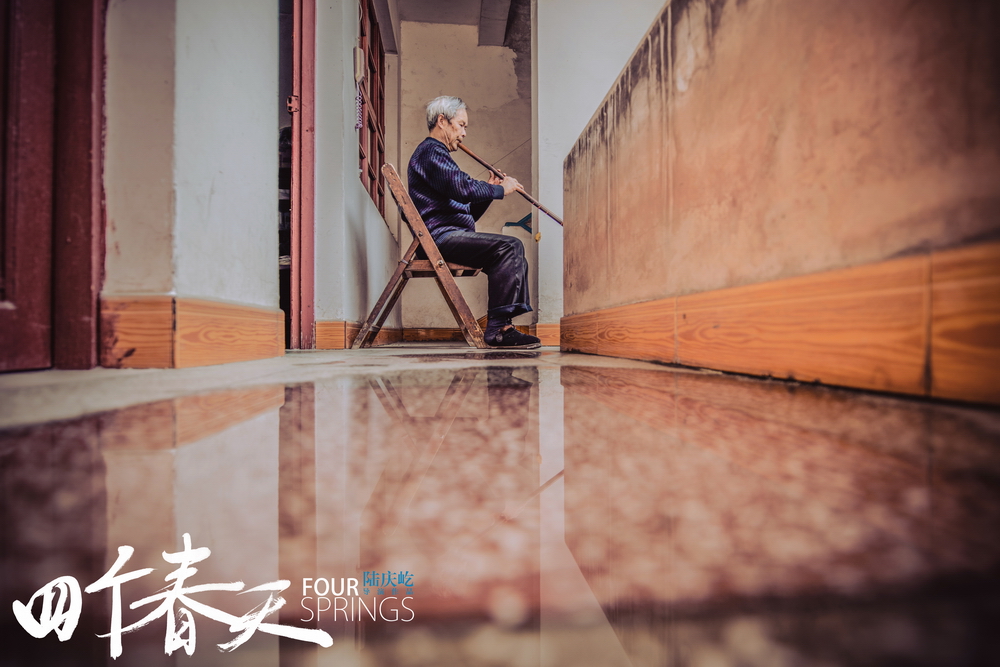
Four Springs

Streaming via Eventive.

Director Lu Qingyi’s beautiful documentary follows his own family through four celebrations of New Year bringing with them both joy and sorrow. Review.

Each of the films is available to stream for free in the US and Canada Jan. 22 to Feb. 5. Simply register via the links above to receive a streaming link. You can find further information for all the films on Asian Pop-Up Cinema’s official website and you can also keep up with all the latest news by following the festival on FacebookTwitter, and Instagram.

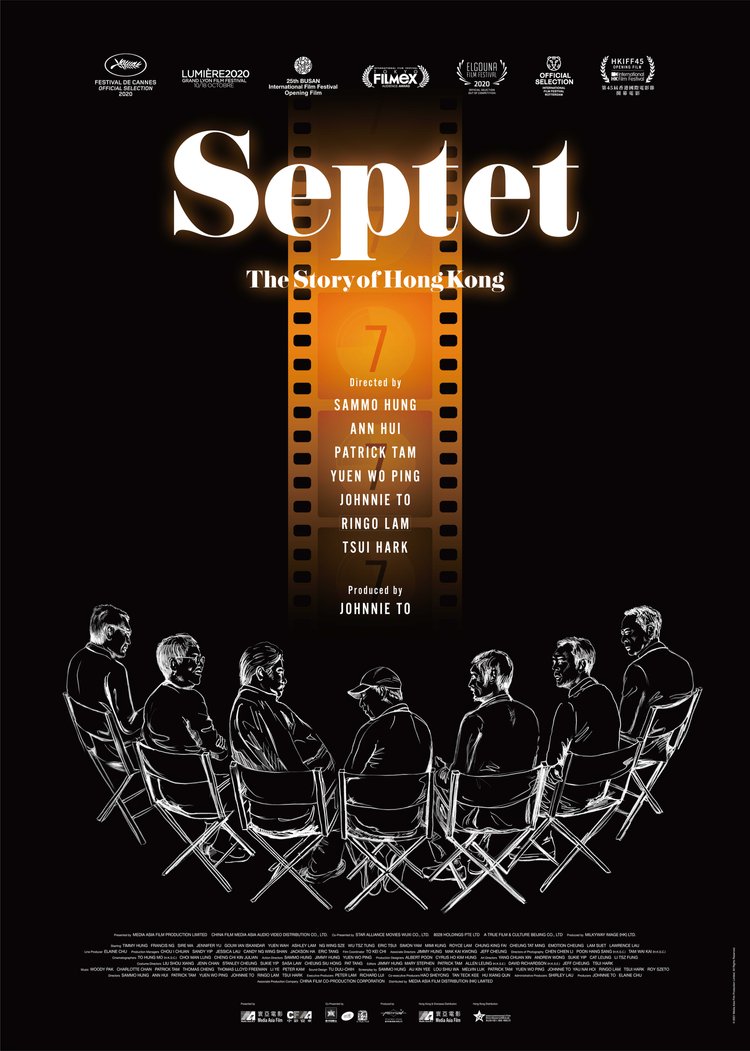
Septet: The Story of Hong Kong (七人樂隊, Sammo Hung, Ann Hui, Patrick Tam, Yuen Wo Ping, Johnnie To, the late Ringo Lam, Tsui Hark, 2022)

Seven of Hong Kong’s most prominent directors come together for a collection of personal tales of Hong Kong past and present in the seven-part anthology film, Septet: The Story of Hong Kong (七人樂隊). Produced by Johnnie To’s Milky Way, the film was first announced several years ago and originally titled Eight & a Half though director John Woo sadly had to leave the project due to his wife’s ill health which explains why there is no short set in the 1970s.

Each of the segments reflects the director’s personal nostalgia for a particular moment in time and there is certainly a divide between the 1950s and 60s sequences directed by Sammo Hung and Ann Hui respectively and those of the 80s and 90s which are imbued with a sense of Handover anxiety along with the closing meditation on the various ways the city has or has not changed. In any case, Sammo Hung’s opener Exercise is a slice of personal nostalgia which looks back to the heyday of Hong Kong kung fu as the young Sammo learns to buckle down and train with discipline under the guidance of his authoritarian teacher played by his own son, Timmy Hung. Similarly education-themed, Hui’s Headmaster echoes the documentary aesthetic seen in the later stages of Our Time Will Come in her naturalistic capture of a primary school reunion taking place in 2001 before flashing back to the early ‘60s as the headmaster and the children reminisce about a kind and idealistic young teacher who sadly passed away at 39 from a longterm illness exacerbated by misapplied traditional medicine. Essentially a tale of old-fashioned reserve in the unrealised desires of the headmaster and the teacher who elected not to marry because of her illness in the knowledge she would die young, Hui’s gentle melodrama harks back to a subtler age. 

Patrick Tam’s 80s segment, Tender is the Night, perhaps does the opposite in its incredibly theatrical tale of love thwarted by political realities as a lovelorn middle-aged man looks back on the failure of his first, and last, love for the teenage girlfriend who like so many of that time emigrated with her parents to escape Handover anxiety. Rich in period detail and imbued with the overwhelming quality of adolescent emotion, Tam’s maximalist romance is a tale of love in the age of excess but also of middle-aged nostalgia and personal myth making which nevertheless positions the looming Handover as a point of youthful transition. 

The 1997 sequence itself, Homecoming directed by Yuen Wo-ping, is in someways subversive in again presenting a young woman who firmly believes her future lies abroad rather than in post-Handover Hong Kong and placing her at playful odds with her traditionalist grandfather, a former martial arts champion who spends his days watching old Wong Fei-Hung movies. The eventual resolution that the girl, who insists on going by her Western name Samantha, returns to Hong Kong a few years later to care for the grandfather who has aged quite rapidly undercuts the sense of anxiety, yet there is something in the cultural and generational conflict that exists between them eased by mutual exchange as she teaches him basic English and he teaches her kungfu that hints less that the traditional is better than the modern than that there’s room for both hamburgers and rice rolls. 

Moving into the 2000s, Johnnie To’s Bonanza then takes aim at the increasingly consumerist mindset of the contemporary society in picking up a theme from Life Without Principle as three young Hong Konger’s become obsessed with getting rich quick through financial investment beginning with the dot-com bubble and shifting into property profiteering during the SARS epidemic. The trio fail every time before hitting the jackpot with some shares they bought by mistake during the 2008 financial crisis suggesting that it all just luck after all. One of the guys comically switches business opportunities in line with each of the crises/opportunities, firstly getting into mobile phones, then peddling healthcare products, and finally investing in self-storage in an echo of his society’s scrappy entrepreneurial spirit. 

The final film from Ringo Lam who completed his segment Astray shortly before passing away 2018 continues the theme in meditating on the modern city as its hero is literally killed by a sense of cultural dislocation after getting lost in a very changed Hong Kong having emigrated to the UK and returned with his family for a New Year holiday. While ironically remembering his own father complaining that times had changed, he finds himself bewildered by the absence of familiar landmarks and adrift in his home city. He dreams another life for himself in the countryside in which his son decides to emigrate to America while his wife would prefer he find a job in Hong Kong but his final message to him that it’s not difficult to live happily perhaps frees him of the sense of nostalgia which has led to his father’s death.

The best and final episode, however, Tsui Hark’s Conversation is set at no particular time and my in fact take place in the future as a mental patient, who might actually be a doctor pretending to be a mental patient, suddenly gives his name as Ann Hui followed by Maggie Cheung and a string of Hong Kong directors from Ringo Lan to Jonnie To and John Woo and challenges the doctor, who might be a mental patient, as he struggles to keep up with him. Tsui and Hui make reflective cameo’s at the segment’s conclusion perhaps hinting that this has been a deep conversation with the history not only of Hong Kong but its cinema through the eyes of those who helped to make it what it is.


Septet: The Story of Hong Kong screens in Chicago on Nov.6 as part of the 15th season of Asian Pop-Up Cinema.

Original trailer (English subtitles)

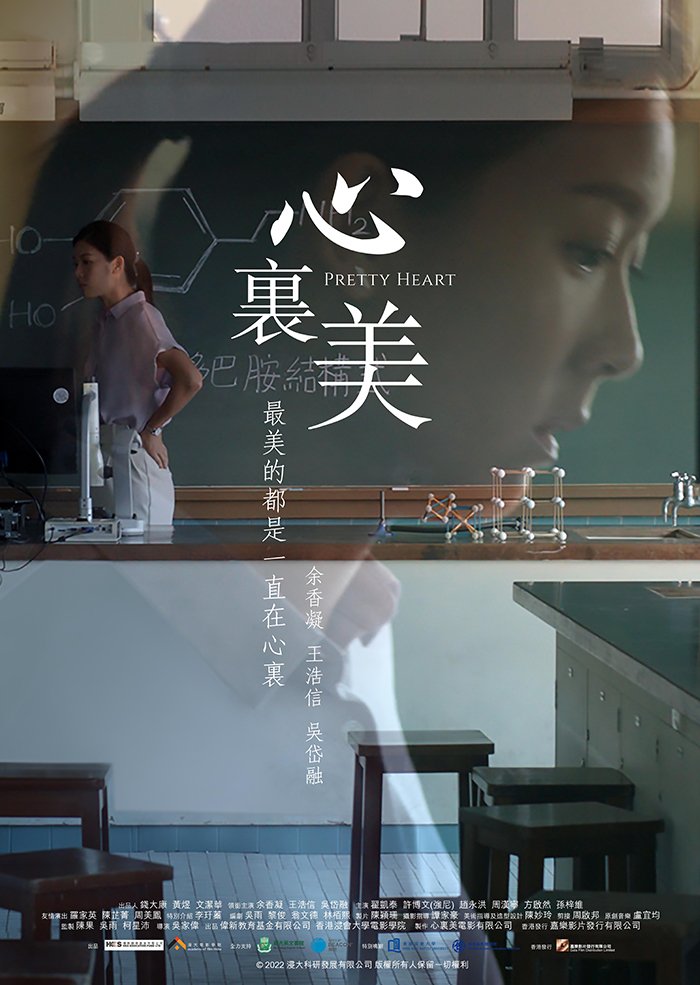
Pretty Heart (心裏美, Terry Ng Ka-wai, 2022)

An idealistic teacher finds herself questioning her views on education while confronting her traumatic past in Terry Ng Ka-wai’s gentle drama, Pretty Heart (心裏美). Partly a contemplation of the nature of education, the film has some serious questions to ask about the contemporary school system and in its inbuilt inequalities along with the complicated relationships between parents and children while ultimately opting for a kind of balance in which there is room for many kinds of learning. 

For Chloe (Jennifer Yu Heung Ying) education shouldn’t just be about passing tests but learning about how to live life, gaining the ability to think critically and enriching one’s existence. But at her school, which is funded by both public and private means, she’s regarded as something of a troublemaker by Mrs. Tsang, the wealthy head of the board who seems to have the headmaster well under her thumb. Mrs. Tsang is so hands on because her son Chi Kit is a pupil though a somewhat indifferent one sure that his money and connections will engineer his success. A small fight breaks out when a young girl, Shu Ting, who comes from an impoverished single parent family, tries to hand out tickets for video lectures by top cram school teacher K.K. Ho with Chi Kit insisting that only the elite who have the means to pay deserve a place in the room. 

The incident at once lays bare the fallacy that education is a levelling force enabling social mobility under in meritocracy when kids like Chi Kit will always be able to game the system in ways that those like Shu Ting cannot even if, as Mr. Ho tells another pupil, at the end of the day it’s the effort you put in that counts. What annoys Chloe about the elite cram school with its good-looking teachers and flashy showmanship is its devaluing of education in giving kids tips on how pass exams while telling them that they can safely ignore half of the syllabus to focus on the bits that are most likely appear to on the test paper without actually needing to understand much of what they’re memorising. Defending himself, Ho eventually argues that he merely provides a complementary service intended to run in concert with the kind of education Chole offers which is less geared towards test scores than comprehensive learning. 

Yet he also takes Chloe to task for her lack of connection with the kids and image of herself as a teacher pointing out that she has never really bothered to learn much about their lives outside of the classroom. Much of her animosity towards the cram school stems from the fact is it is run by her estranged father whom she assumes to be cynical and unfeeling yet has generated a fatherly relationship with Shu Ting and is doing his best to support her while she contends with difficult family circumstances trying to balance her need to support herself and her mother financially with her education. 

Witnessing Ho’s innate kindness to those around him forces Chloe to rethink her preconceptions while accepting that her reserve has sometimes interfered with her intentions as an educator. Re-encountering her father also causes her to revisit longstanding childhood trauma which may in part have been born of a childish misunderstanding she may be better placed to process as an adult woman. As her father says, the most important thing to learn may be the art of forgiveness and it seems that she has been poisoning herself with hate and resentment as manifested in her literal heart problems. 

The conclusion that the film comes to is that it’s not all so black and white and perhaps the good comes with the bad. Having begun to deal with her emotional trauma, Chloe seems to have become a better and more engaging teacher committed to helping her students in all aspects of her lives. It may not solve the problems of social inequality in the school system or fix the commodification of education symbolised in the existence of the cram school but does at least seem to generate a shift in the general environment which sees even a relieved Mrs Tsang step back from her elitism. Admittedly a little contrived in its melodramatic narrative, the film nevertheless has its heart in the right place as the melancholy heroine learns a few lessons of her own in dealing with the traumatic past.


Pretty Heart screens in Chicago on Nov.6 as part of the 15th season of Asian Pop-Up Cinema where actress Jennifer Yu Heung Ying will be in attendance to collect her Bright Star Award.

Original trailer (English subtitles)

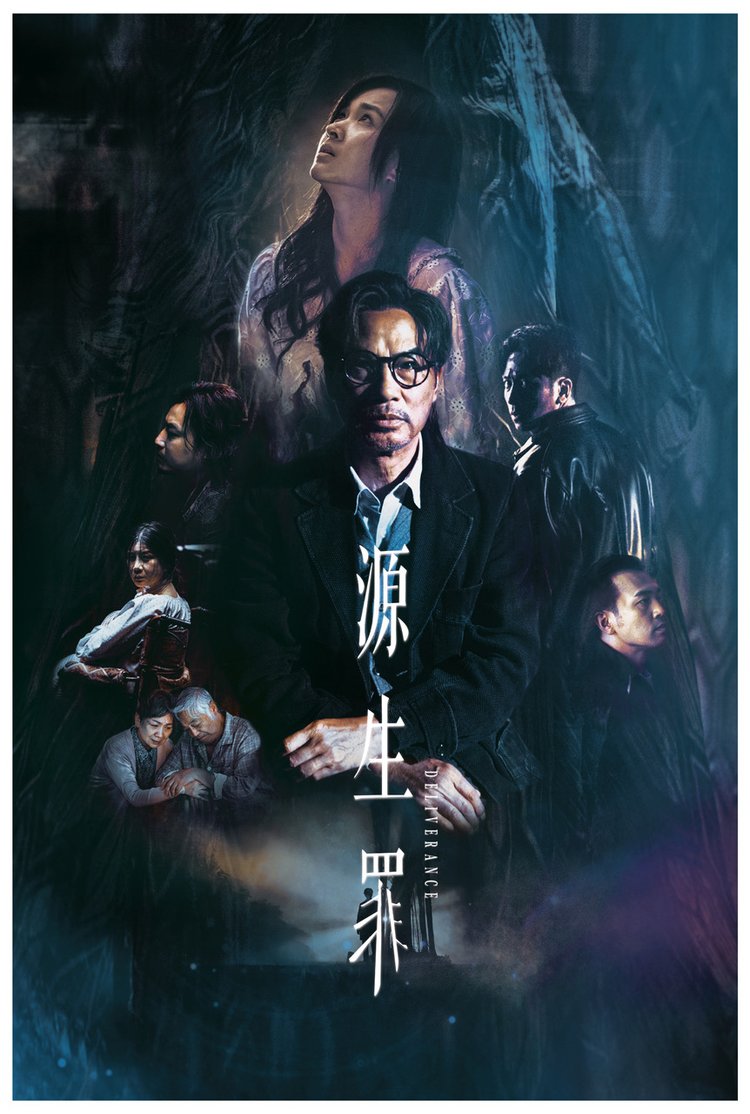
Deliverance (源生罪, Kelvin Shum, 2022)

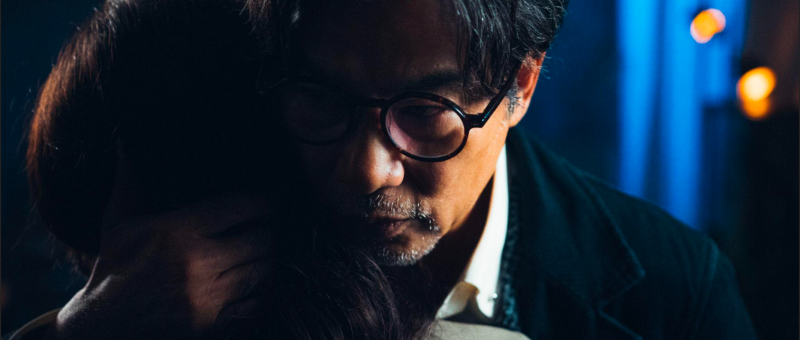
A young woman haunted by the buried memories of repressed trauma discovers that sometimes it really is better not to know but also comes to a new appreciation of familial love in Kelvin Shum’s visually striking psychological chiller, Deliverance (源生罪). Meaning something more like original sin the Chinese title hints at the reconsideration of the traditional family which lies under the central mystery and prompts the heroine, long separated from her siblings, to question the nature of her familial bonds and whether she can really say that those closest to her have her best interests at heart. 

After living abroad for 15 years, Nicole (Summer Chan) has married and returned home to Hong Kong with her husband but is haunted by a shadowy figure that reminds her of her childhood trauma in being unable to remember anything about the night her mother passed away after a long illness. Back in a familiar environment and reconnecting with her siblings, old memories begin to surface particularly after a few sessions with her famous hypnotist brother, Joseph (Simon Yam). Gradually she begins to suspect that her mother may not have died of her illness as she was led to believe but may have been murdered and possibly by a member of her immediate family which was then under intense pressure from loansharks due to debts run up by her absent father who ran away and abandoned the family to their fate. 

The theme of abandonment continues to resonate, Nicole insecure in her familial relationships as her brothers sent her abroad to study shortly after their mother’s death. She can’t escape the idea that they are keeping something from her, and is quite literally haunted by her inability to remember what happened on the night her mother died. But as Joseph had said during one of his lectures, memory is a treacherous thing and if you don’t remember something perhaps that’s because it’s better not to. Then again as her brother Will adds, it’s impossible to escape your past and someday you will be expected to answer for it whether you remember it or not. 

Nicole’s insistence on knowing the truth may partly be motivated by the fact that she is shortly to become a mother herself, though Joseph tries to convince her that her eerie visions and increasing paranoia are side effects of her pregnancy. Trust is the foundation of relationships, and Nicole is beginning to feel as if she can’t trust anyone anymore, but nor can she trust her memories many of which are influenced by her brother’s hypnotism. Working as a doctor she is touched by the relationship between an elderly couple who remain devoted to each other as the husband (Kenneth Tsang) contends with terminal cancer, but is also struck by the discord between their children who argue loudly in the corridor about the responsibilities of care and the financial burden of their father’s medical treatment. 

The understanding she begins to come to is that all of these reactions can in fact come from a place of love even if it doesn’t really seem like it on the surface. Whatever happened to her mother it may be no different, and if her family are indeed keeping something from her it may be out of a desire to protect her from the truth however misguided a desire that may be. As Joseph had said in his speech, emotions can take lives but they can also save them, though it appears the pain of not knowing is eating away at Nicole’s soul and only the truth can set her free. Mr Lam, the terminal cancer patient, cheerfully explains that all of life is a journey towards death but only to emphasise that it’s how you use the time that’s important so obsessing over the past might not serve you so well in the end. In any case, the journey into her own psyche may be uncomfortable and reveal truths that are painful but allows Nicole to begin overcoming her trauma while repairing her existing familial bonds before beginning new ones. Shot with noirish visual flair featuring high contrast colour and a dreamlike eeriness in Nicole’s ever present haunting, Shum’s psychological mystery suggests orphaned files must be brought back into the fold and that there can be no healing without truth but also that the expression of love can take many forms not all of which are easily understood. 


Deliverance had its World Premiere as part of the 15th season of Asian Pop-Up Cinema.

Trailer (dialogue free)

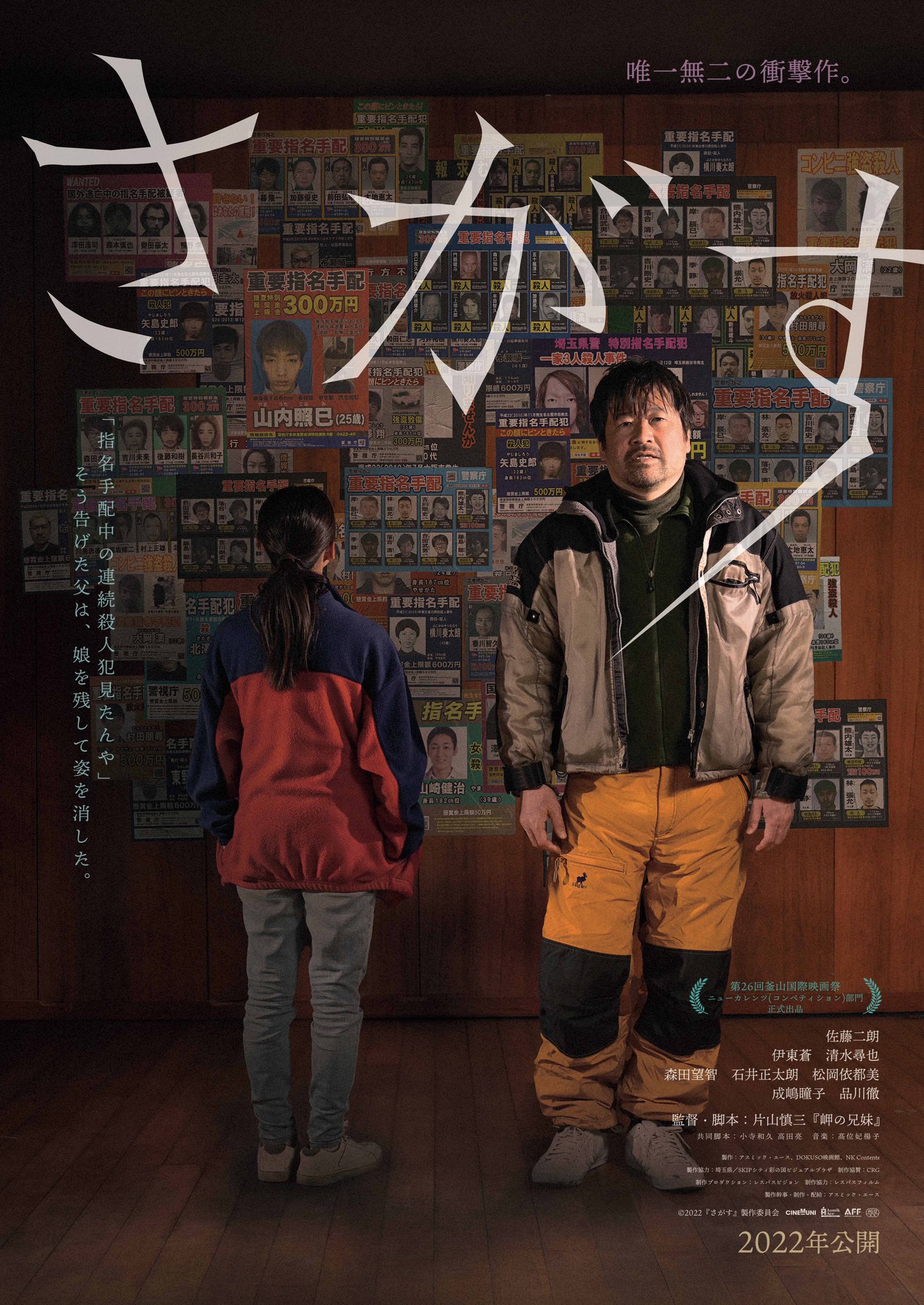
Missing (さがす, Shinzo Katayama, 2021)

“None of us are needed” claims the nihilistic serial killer at the centre of Shinzo Katayama’s dark mystery drama, Missing (さがす, Sagasu). That he’s wrong is an obvious point, but also one reinforced by the teenage heroine’s determination to find her father not just literally and physically, but spiritually and emotionally as she struggles to reorient herself and find direction in her life in the midst of grief and despair. Drawing inspiration from the so-called “Twitter Killer” case of 2017 Katayama asks some difficult questions about the ethics of life and death and how seemingly ordinary people can be pulled towards the dark side by a mixture of greed and misplaced compassion. 

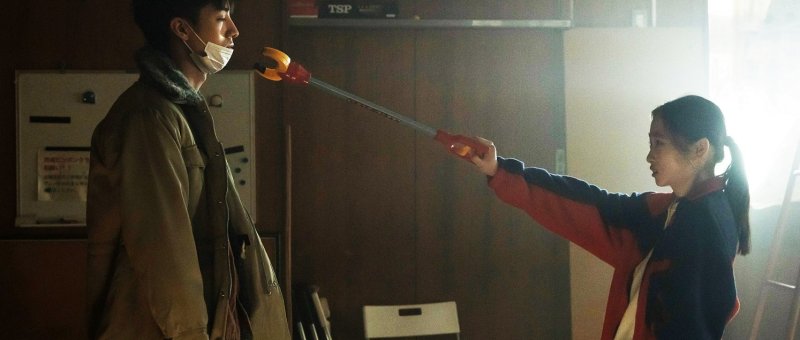
As the film opens, young Kaede (Aoi Ito) is running through the backstreets of Osaka looking for her dad (Harada). What occurs is something of a role reversal as she arrives, breathless, at a convenience store and is forced to apologise because her father has been caught shoplifting having been short the paltry sum of 20 yen which she then has to pay to smooth things over so he won’t actually be arrested. It’s at this point that Satoshi tells her about his big get rich quick scheme which involves claiming the reward for catching a fugitive serial killer, Terumi Yamauchi (Hiroya Shimizu), known as “No Name”, whom he believes to have seen in the local area. Kaede does not take her father seriously, but then Satoshi suddenly disappears. She can’t help but wonder if he was telling the truth and that something untoward has happened to him. 

What she quickly discovers, however, is that no one except herself is very interested in her father’s disappearance. Her teacher tries to help by taking her to the police, but it’s clear that they do not consider Satoshi to be a person worth looking for suggesting that whatever’s happened to him is most likely his own fault for being an imperfect person, implying that he drinks and has debts so most likely has gone missing on purpose. The teacher later comes to the same conclusion, getting a nun from a local orphanage to come and fetch Kaede believing her father has no intention of returning. Probably meaning well, the nun also tells her that her father has abandoned her and there’s no point waiting for him. But even if everyone else thinks that Satoshi is an “unnecessary” person, he is important to her and so she will not stop until she finds him even if that puts her in similar danger hot on the heels of a serial murderer. 

Like the Twitter Killer, Yamauchi disingenuously claims to be helping people, offering “salvation” to those who want to die but cannot bring themselves to end their own lives. By his logic, there are some who are only clinging on to life out of guilt for those who will be left behind while simultaneously blaming themselves that they are “unneeded” and nothing more than a burden to the few who do care about them. His claims are however nothing more than sociopathic justification designed to convince others that what he’s doing is in some way compassionate rather than a sickening attempt to satisfy his own dark desires. As he finally concedes with a repeat customer, in the end none of the people he killed wanted to die but were looking for something else which obviously was not what he wanted to give them. 

Perhaps Satoshi was looking for something too though whether he found it or not only he could say. Katayama hints at the grimness of everyday life in Satoshi’s unsatisfying existence of casual labour, guilt, and loss. When Kaede tries to check whether or not he’s been going to work, no one recognises his picture and it turns out that someone else has been working under his name. A migrant worker urges her to be careful, that the man calling himself Satoshi Harada has bad vibes of the kind he claims you often find “in places like this”. All Satoshi wanted to was to reopen the ping pong parlour he was forced to close in order to care for his wife during a longterm illness which left him with financial debts along with the emotional. It is quite literally a back and fore between father and daughter, a ping pong ball flying across a table until finally hitting its mark as Kaede reveals that she has found the answers she was looking for even if not quite the ones she wanted. Lightened by moments of dark humour, Katayama’s strange procedural grimly suggests that none of us is really so far away from acts of desperate brutality but equally that none of us is ever unneeded no matter how lonely it might feel. 


Missing screens in Chicago on Oct. 30 as part of the 15th season of Asian Pop-Up Cinema. It will also be released in the US on Nov. 18 courtesy of Dark Star Pictures.

US release trailer (English subtitles)