Plastic (Daisuke Miyazaki, 2023)

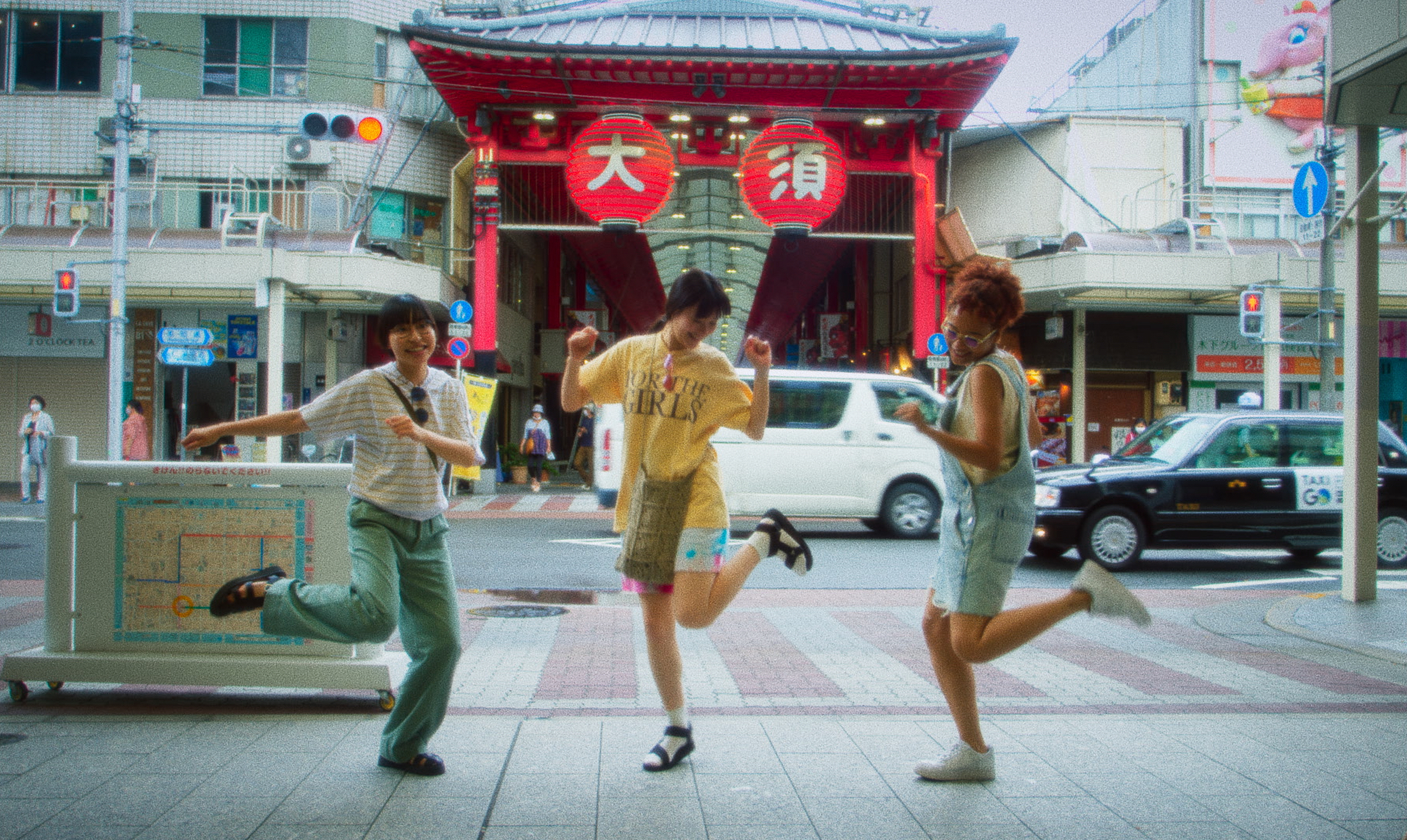
A young couple bond over their shared love of an obscure 70s glam rock band, but soon find their youthful romance eroded by the realities of impending adulthood in Daisuke Miyazaki’s warmhearted coming-of-age tale, Plastic. Emotional distance becomes a persistent theme as mediated through a message into space that might take light years to arrive not to mention the reply, which seems to echo the couple’s inability to communicate despite their star-crossed connection.

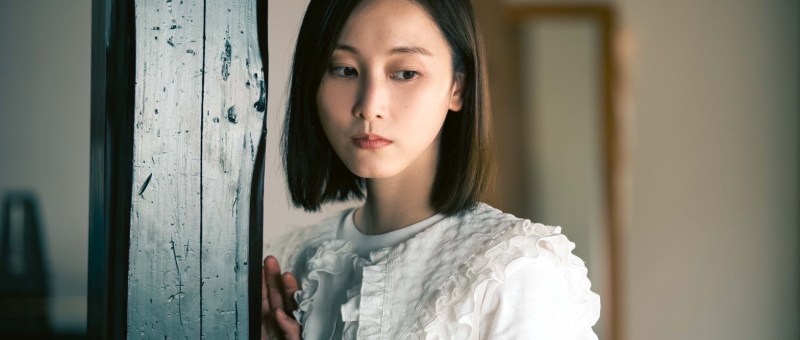
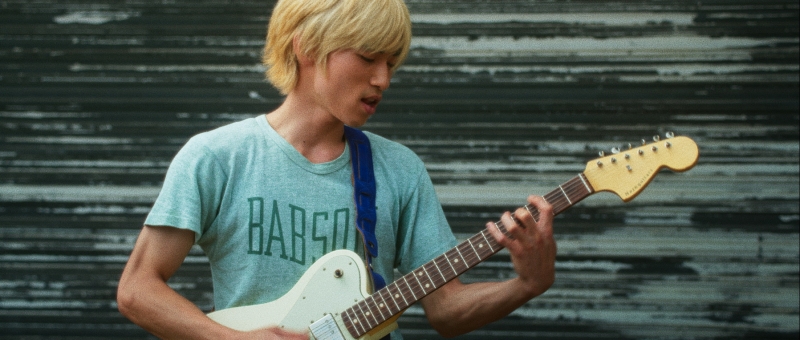
Jun (Takuma Fujie) and Ibuki (An Ogawa) bond after realising they are both fans of 70s band Exne Kedy, talking for hours at a small cafe only leaving when the place closes. Having recently relocated to Nagoya from Tokyo, Jun enrols at Ibuki’s high school and joins her after school club much to the chagrin of her two friends. The pair eventually become a couple going on a series of wholesome dates including a trip to watch Sad Vacation in a cinema and are apparently very much in love but a year later the novelty has begun to wear off. Ibuki is studying for university exams and bound for a top institution in Tokyo while Jun is planning to drop out and pursue music full-time. 

Perhaps slightly more conventional, Ibuki berates Jun for his impracticality asking how likely it is he’ll be able to support himself with the kind of music he makes. Later she has some kind of flash forward in which she imagines herself supporting him financially while he’s not even playing guitar anymore and they’re arguing about responsibilities for rent and living costs. She breaks up with him in the carpark of a convenience store but perhaps regrets it, keeping up a half-hearted friendship while he remains lost and lovelorn pursuing music on the side while working part-time. “Plastic” becomes a kind of metaphor for their relationship, something which should have lasted forever but has been subtly undermined by the microorganisms of conventionality and contemporary capitalism until it eventually broke apart. 

The distance between them is likened to that of the space radio broadcast which might not reach its target for 25,000 light years. The message was sent the same year that Exne Kedy broke up, and may well be delivered a little more than 50 years later at their reunion concert only as the narratorial voice over explains, that’s largely up to chance. Swapping notes on studying in the same way Jun’s mother and grandfather had talked about seeing Exne Kedy in concert, Ibuki’s parents had compared their flashcards to modern apps and joked that maybe someday education would all be online as in fact happened during the pandemic. Having swapped her rural home for the bright lights of Tokyo, all her classes are online which ironically gives her more time to spend with her friends but also leaves her exhausted and distant. 

When Jun wonders if his music is like the broadcast, destined not to arrive for thousands of years so he’ll never know who got it. Another school friend, Ayumu, asks him if he’s sure he hasn’t just missed a reply 25,000 years in the making which is sort of ironic because he’s clearly missed that she’s been trying to answer his message only he’s too hung up on his ex to notice. Later she asks him to move in with her, pointing out that she’s right there not 25,000 light years away like Ibuki who is now living with a DJ who doesn’t even know who Exne Kedy are. The two of them are far apart but somehow still connected, not least by their love for the band which may eventually reunite them. 

Exne Kedy is modern day creation by Ide Kensuke who had previously released the album Kensuke Ide With His Mothership ― Contact From Exne Kedy and the Poltergeists and makes a self-cameo in the film in a surreal scene featuring the band whom Ibuki and Jun unexpectedly run into doing an impromptu performance in the middle of a forest singing a song that echoes the state of the couple’s relationship in which a lighthouse no longer illuminates and cannot light the way. Yet there is always a sense of the couple as a pair of flashing beacons waiting to pass close enough to each other to be able to convey a message. Featuring cameo appearances from (former pop star) Kyoko Koizumi and Machiko Ono, Miyazaki’s strangely charming youth movie is surprisingly sincere in its romanticism but equally in its critique of the world that frustrates it while suggesting that music may once again save the day.


Plastic screened as part of this year’s JAPAN CUTS.

Original trailer (no subtitles)
Asian Pop-Up Cinema Reveals Season 17 Sneak Peek

Chicago’s Asian Pop-Up Cinema has revealed a sneak peek at its upcoming 17th season which will take place mainly at AMC NEWCITY 14 in Lincoln Park, Sept. 8 to Oct. 7 with three Chinese films also screening at the Illinois Institute of Technology and Chicago Cultural Center’s Claudia Cassidy Theater. Season 17 will open with bathhouse dramedy Yudo with Mongolian drama Harvest Moon as the Centrepiece film. Veteran Hong Kong actor Ben Yuen will receive this season’s Pinnacle Career Achievement award. The full programme will be announced Aug. 28.

Yudo

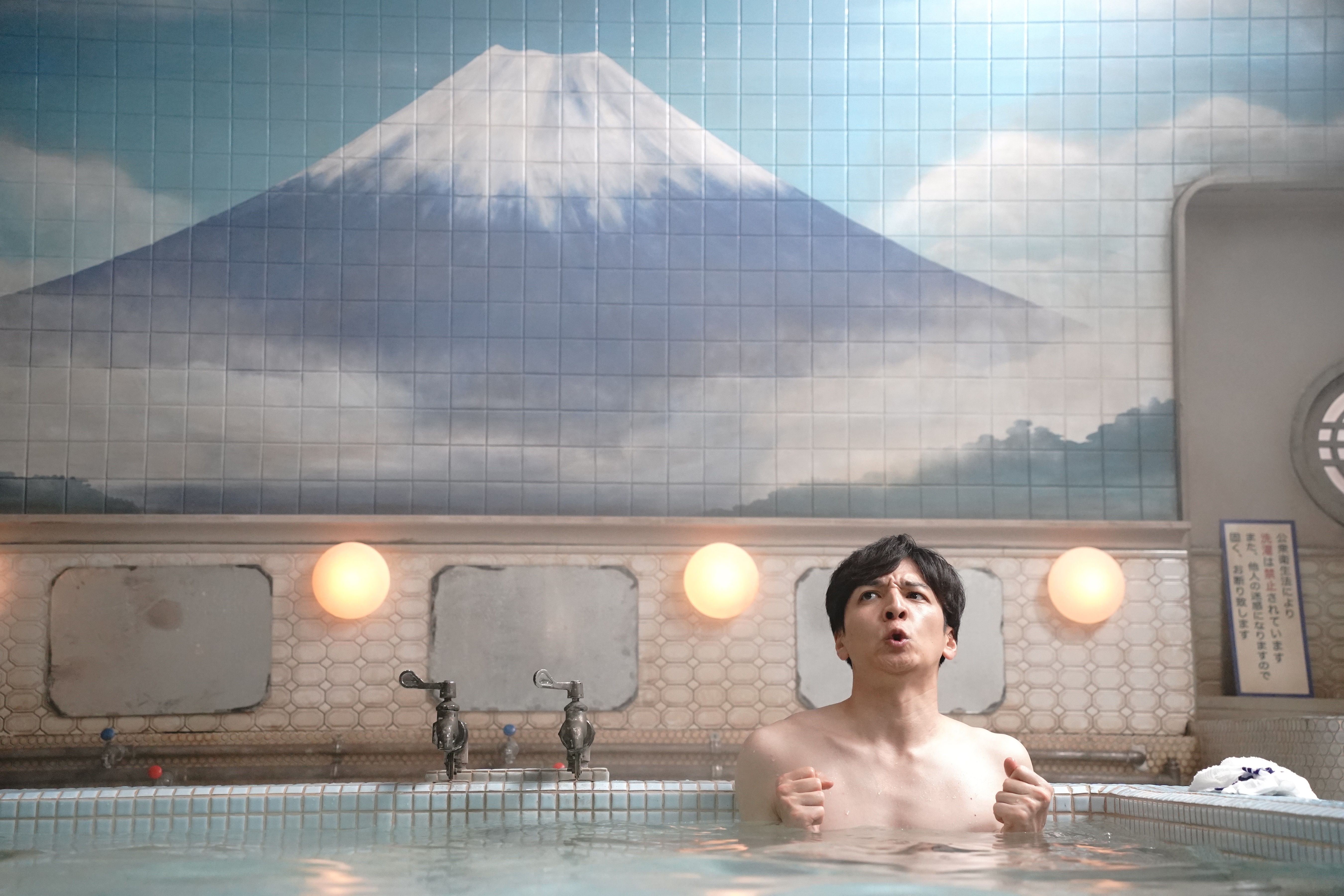
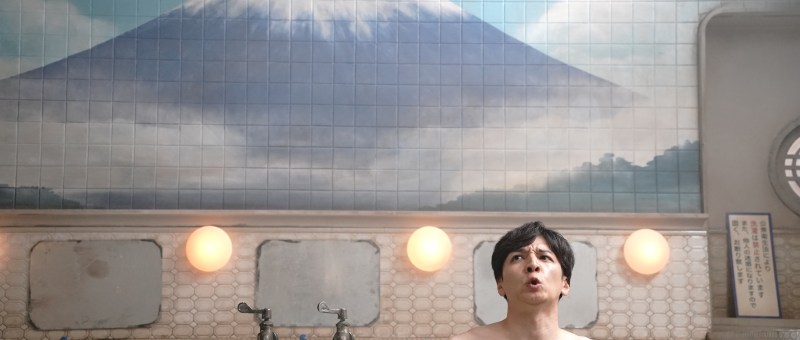
Toma Ikuta stars as a failed Tokyo architect returning to his home town with the intention of getting control of the family bathhouse currently run by his brother (Gaku Hamada) to tear it down and build an apartment block in this warmhearted celebration of traditional bathhouse culture.

Harvest Moon

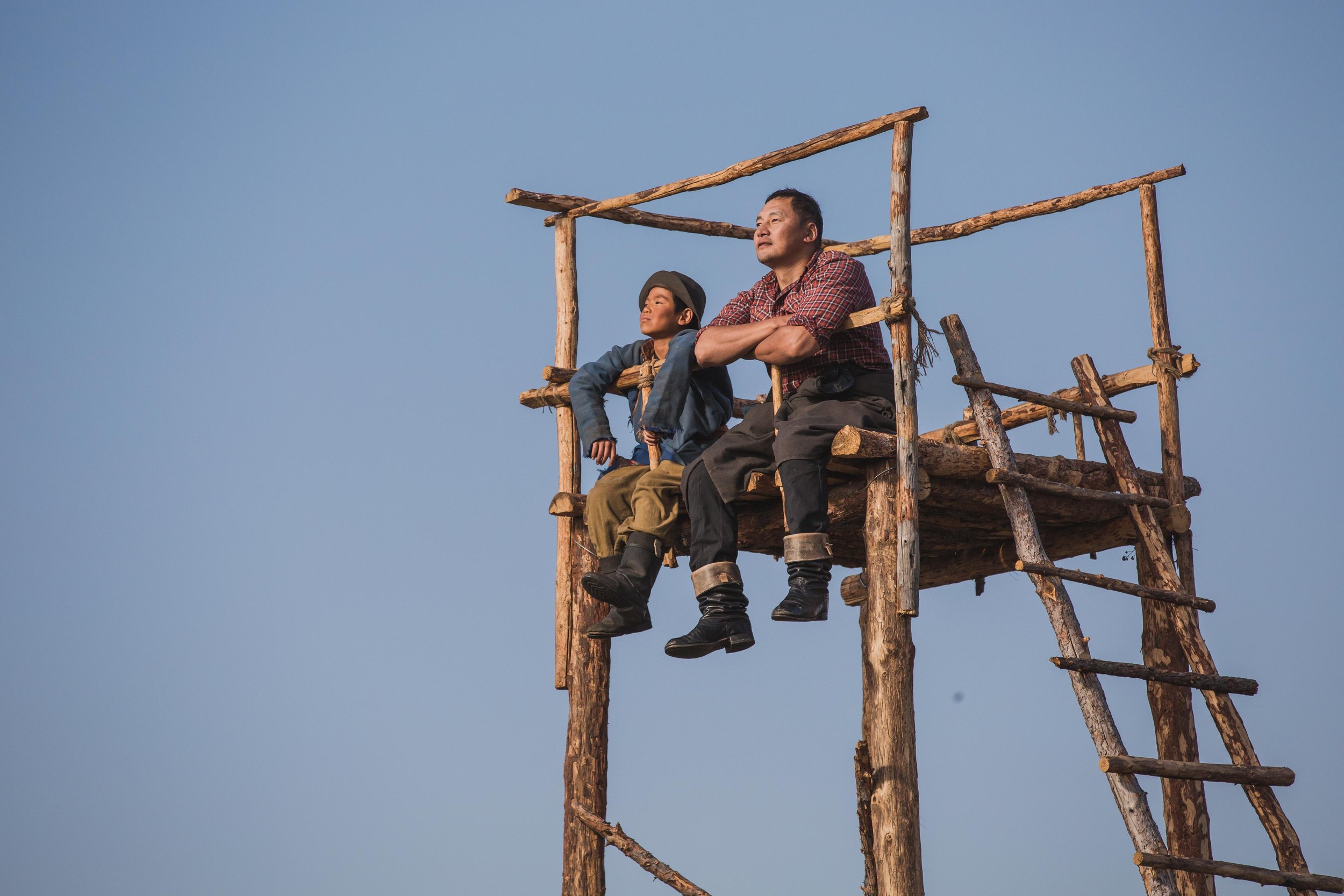
Debut directorial feature from Mongolian actor Amarsaikhan Baljinnyam adapted from a novel by T. Bum-Erden in which a chef must return from the city to take care of the harvest after his father dies.

Stand Up Story

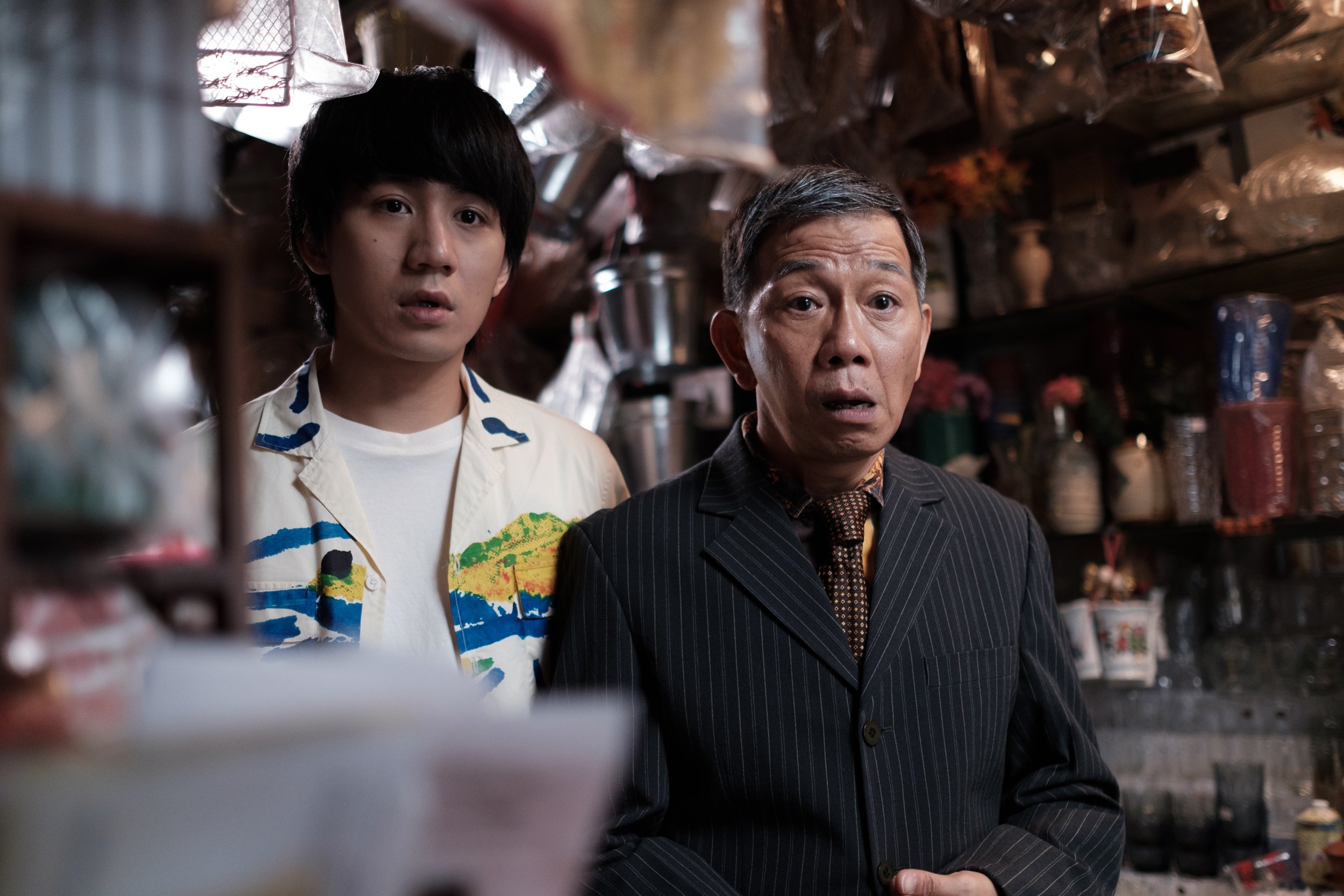
Veteran Hong Kong actor Ben Yuen, who will also be receiving this season’s Pinnacle Career Achievement Award, stars as an intellectually disabled father.

Like a Fish on the Moon

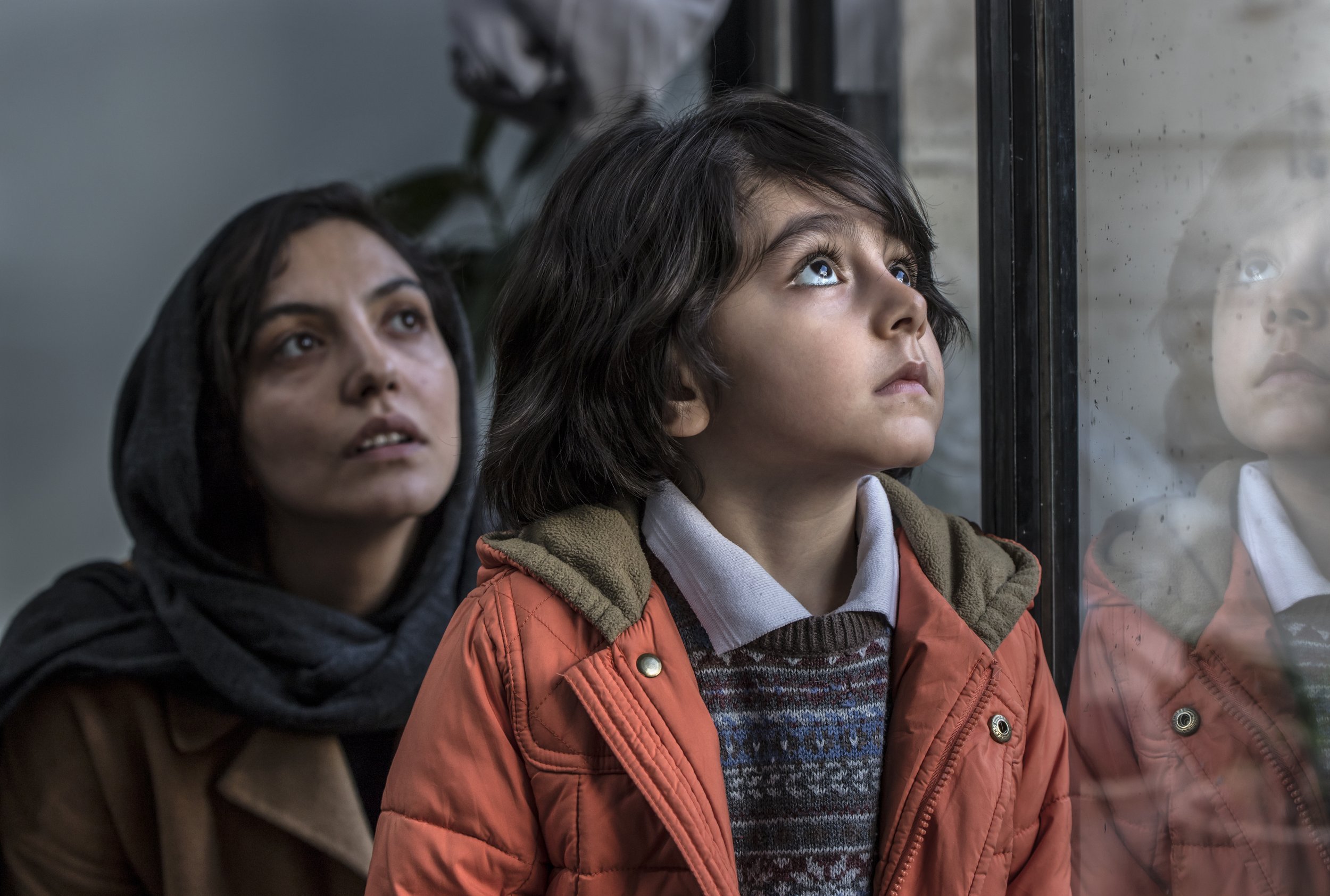
Iranian drama in which parents search for answers when their four-year-old son stops speaking.

A Letter to the President

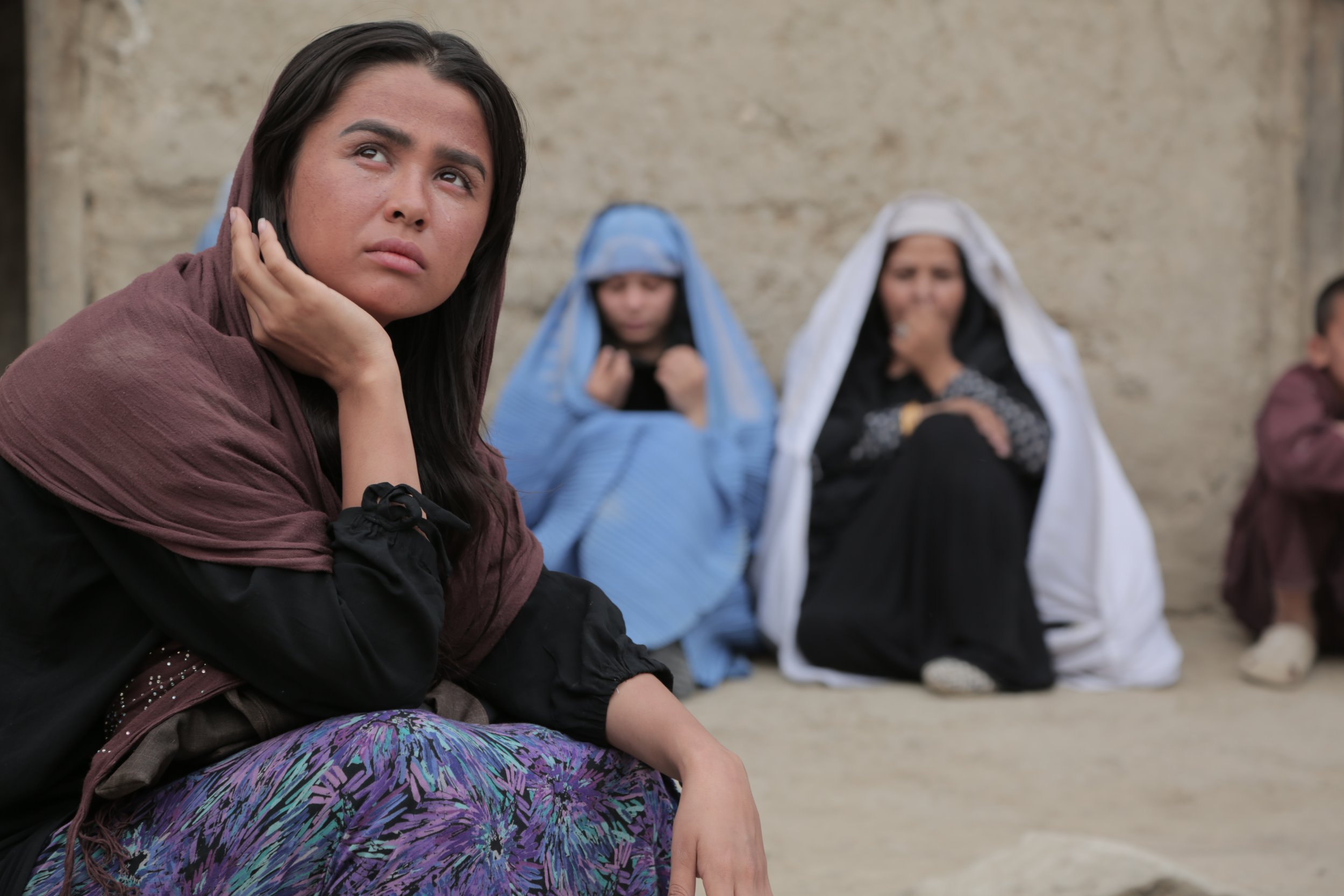
Drama from Afghanistan following a public official who is arrested and put on death row after defending a woman accused of adultery.

The Best is Yet to Come

Screening at the Illinois Institute of Technology in collaboration with their Office of Community Affairs

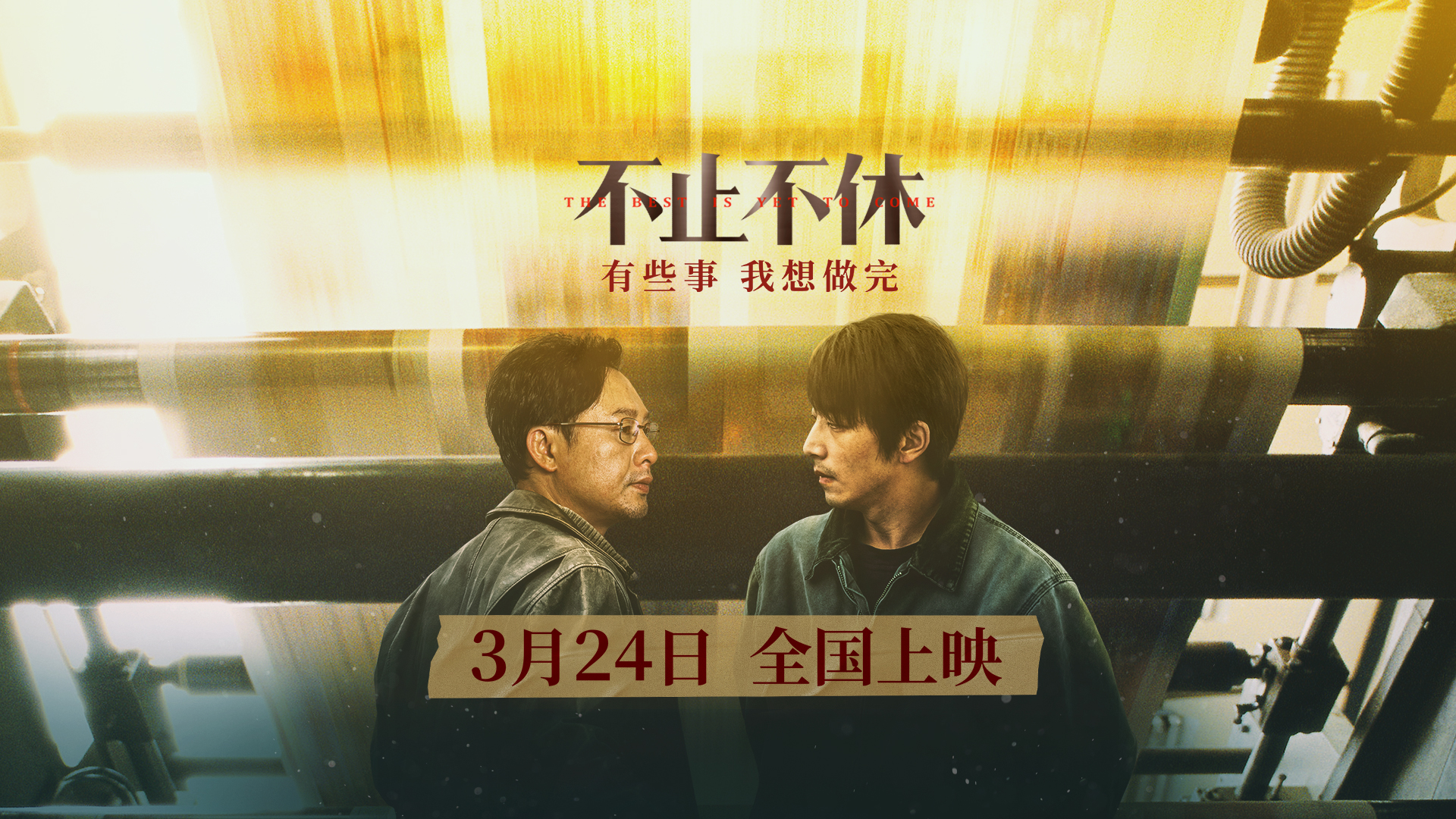
Social drama based on the life of journalist Han Fudong who exposed the stigma against people with Hepatitis B in China.

Ripples of Life

Screening at the Illinois Institute of Technology in collaboration with their Office of Community Affairs

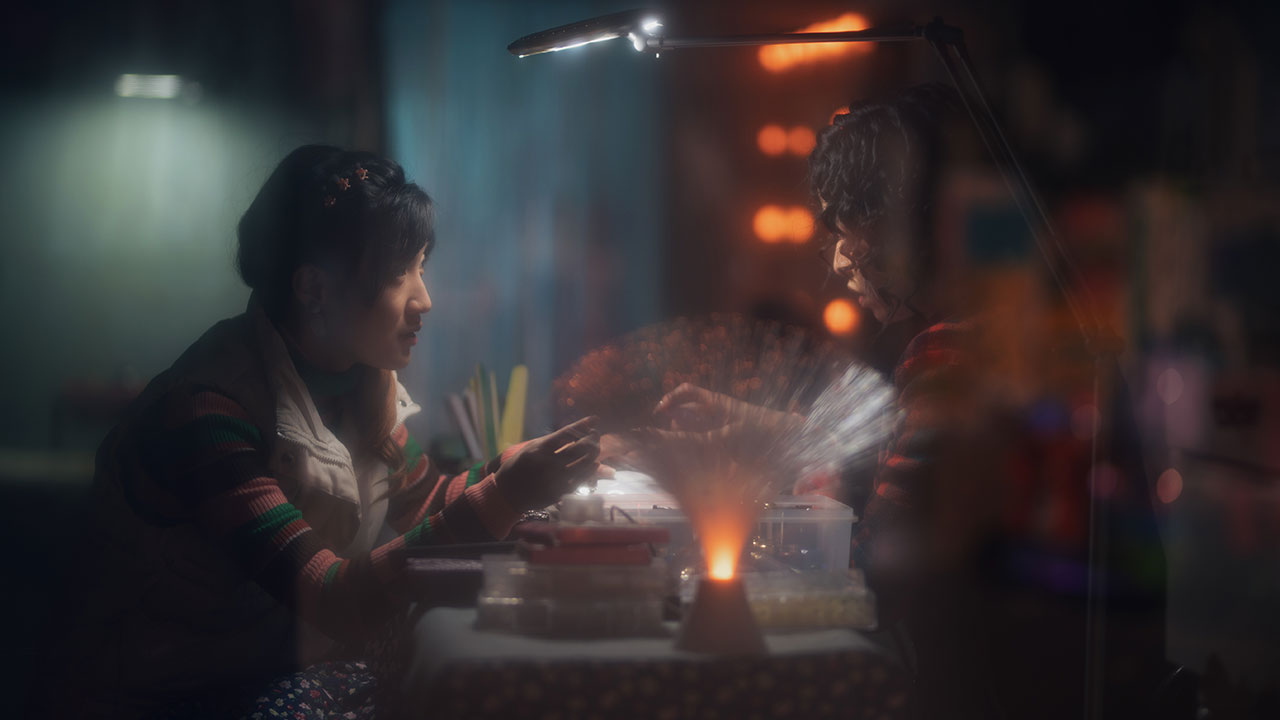
Wei Shujun’s meta odyssey follows a Beijing film crew to a small town in rural China where everyone it seems is longing for escape. Review.

Hachiko

Screening at Chicago Cultural Center’s Claudia Cassidy Theater

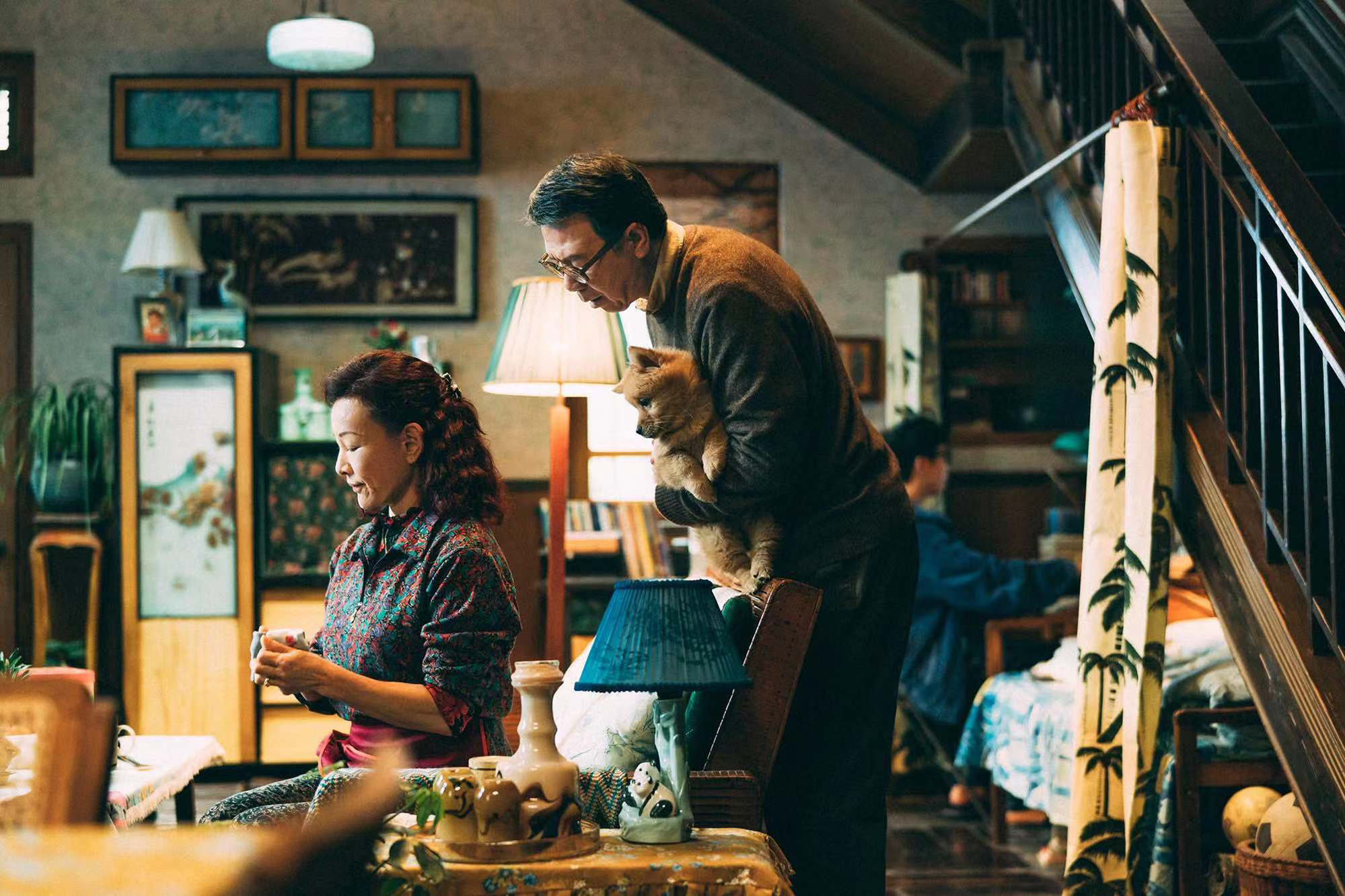
The heartrending tale of a faithful dog who continued to wait for his owner at a cable car station becomes a poignant symbol for a left behind China in Xu’s Ang’s reimagining of the 1987 Japanese film. Review.

Asian Pop-Up Cinema Season 17 runs in Chicago Sept. 8 to Oct. 7. The full lineup will be announced Aug. 28. Further details will soon be available via the official website and you can also keep up with all the latest news by following Asian Pop-up Cinema on FacebookX (formerly known as Twitter),  Instagram, and Vimeo.

Rebound (리바운드, Jang Hang-jun, 2023)

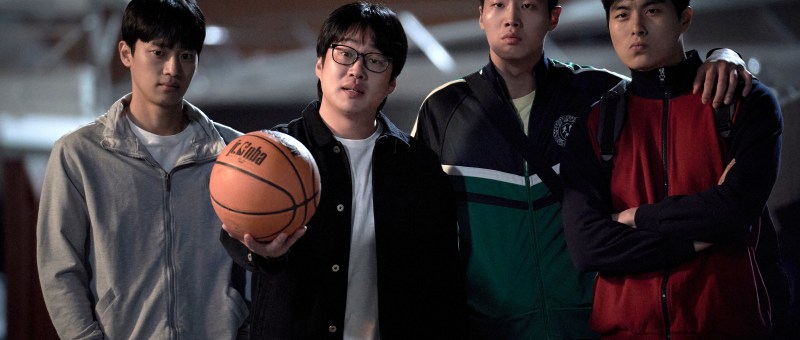
A collection of underdog teens learn a few valuable lessons in perseverance and determination while taking their moribund high school basketball team all the way to the national championships in Jang Hang-jun’s sporting drama, Rebound (리바운드). Inspired by the real life tale of Busan Jungang High School’s meteoric rise from obscurity to top rated team, the film quietly touches on inter-city rivalry and social inequality while otherwise spinning an inspirational tale of the power of solidarity and a never say die spirit. 

They are all in their way rebounding from something, and not least the team itself which is threatened with closure after being judged a bad investment by the penny pinching headmaster given its “embarrassing” series of total losses across a series of years. The team is given a brief reprieve but only as a token of its former reputation, the plan being to have one just for show but not actually enter any competitions while the school let it gradually fall into obscurity. Accordingly, they begins looking for “cheap” coaches who might be prepared to manage a phantom team and eventually land on 25-year-old social worker Kang Yang-hyun (Ahn Jae-hong) who is a former minor leaguer and alumnus of the school looking to reclaim his own failed hoop dreams vicariously through a new generation of new players. 

There are however only four left on the team, two of whom immediately quit leaving Kang scrambling around the city looking for tall boys who might be good with a ball and can be convinced to switch schools. The problem they have is that talented players are quickly snapped up by more prestigious institutions in Seoul which can after all offer more opportunities to ambitious youngsters aware that they probably won’t be playing basketball for the rest of their lives. No one really envisages a future for themselves in Busan which remains a kind of underdog in itself as it struggles against the the allure of Seoul as place of greater sophistication and possibility. Keen basketballer Ki-bum (Ahn Jae-hong) turns down Kang’s offer for just this reason insisting that his career is dead if he stays in Busban even while his parents seems to be turning down good offers on his behalf. He only agrees to join the team on learning that ace player Jun-yung (Lee Dae-hee) will be playing for them. 

Jun-yung is valued mainly for his height which sort of runs against the messages of the game in that it’s not something the players can control and no matter how hard they train they will always be at a disadvantage to those who are simply bigger. Kang’s first mistake is that he builds everything around the pillar of Jun-yung, barely letting the other players play while instructing them to pass every ball to him so he can shoot. In any case, Jun-yung too is eventually poached by a better team apparently forced to betray his teammates by his ambitious parents who are after all merely making what they see as a smart decision on his behalf. A disastrous fight between two players with unfinished business from middle school also results in a lengthy suspension ending the team’s hopes of competition success for the current season. 

But as Kang later says, it’s only really a “fake failure” in that it gave him a rebound he could use to realise his mistakes and start over prioritising their shared love of the game over his own insecurity now more willing to take a risk while concentrating on making the team as good as it can be rather than the external validation of championship wins. As he later tells them in an inspirational locker room speech, not all of your shots go in but that’s OK because they come back to you on the rebound and what matters is what you do with them then. Whatever happens, life goes on and fear of failure is not a reason to give up on something you love.

Jang does his best to avoid underdog sports movie cliches while subtly hinting at the pressures of social inequality as moody player Gang-ho (Jung Gun-joo) struggles with an old injury he couldn’t afford to have treated properly while trying to make extra cash betting on basketball games with other wayward neighbourhood kids. Capturing a real sense of energy in the various basketball games along with a wholesome sense of possibility as the team begin to bond and “improve” each other, Jang is careful not to be blinded by a false narrative of inspirational success but rather doubles down on the rebound mentality of seizing opportunities as they come and continuing to chase your dreams in your own way no matter how hopeless they may seem. 


Rebound screened as part of this year’s New York Asian Film Festival.

International trailer (English subtitles)

Images: ⓒ 2023 NEXON Korea Corporation, B.A. ENTERTAINMENT, WALKHOUSECOMPANY ALL RIGHTS RESERVED

As Long As We Both Shall Live (わたしの幸せな結婚, Ayuko Tsukahara, 2023) [Fantasia 2023]

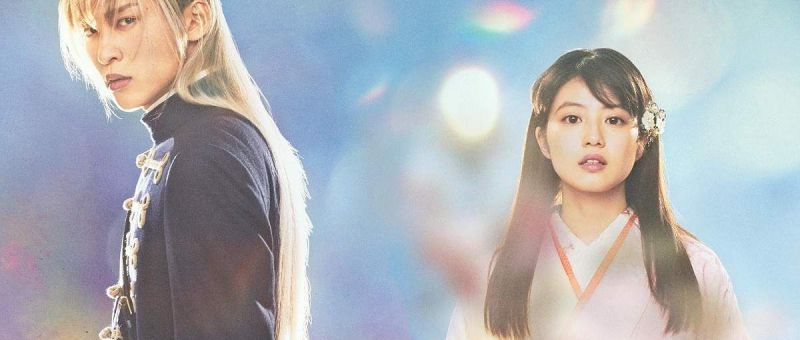
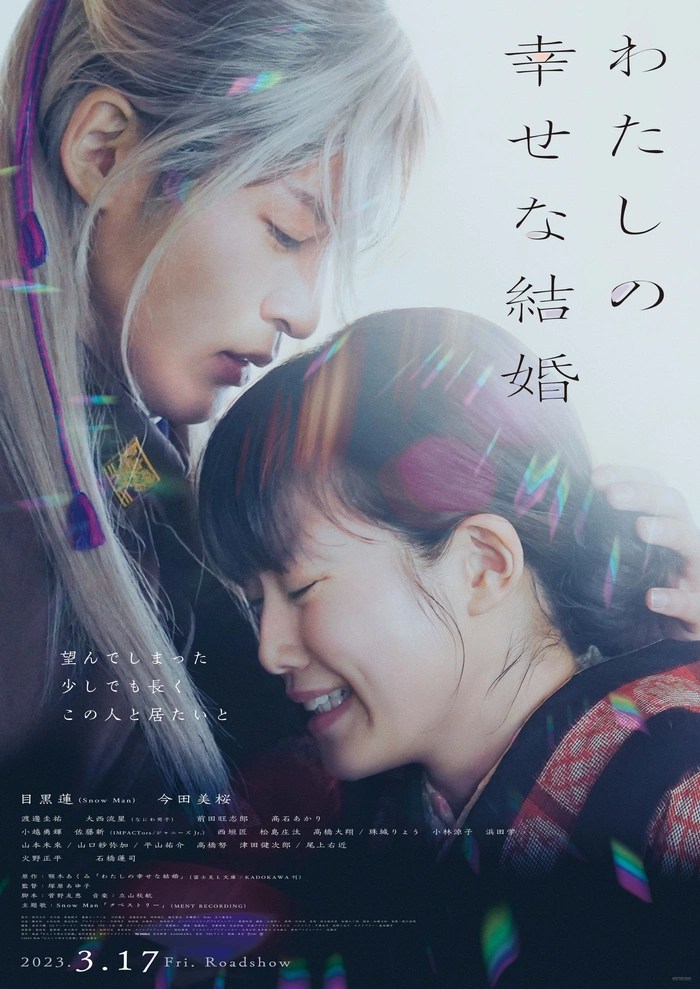
A young woman with chronically low self-esteem learns to love herself after bonding with a taciturn nobleman in Ayuko Tsukahara’s adaptation of the fantasy romance light novel series by Akumi Agitogi, As Long As We Both Shall Live (わたしの幸せな結婚, Watashi no Shiawasena Kekkon). Set in an alternate version of the late 19th/early 20th century in which the nation is ruled by an emperor who has the ability to foresee the future and leads a series of prominent clans of superpowered soldiers against “aberrations” who wreak havoc in the lives ordinary people, the film is effectively a kind of Cinderella story only the fairy godmothers are a kindly housekeeper a shady underground sect with the power to manipulate people’s minds. 

In any case, Miyo (Mio Imada) was born into a noble house the members of which have the ability to manipulate the wind though sadly she appears to have been born “powerless” and is bullied by her step-mother and step-sister who treat her as a servant. At 19, she learns she’s to be married off and is excited about finally escaping her abusive family home but also wary that it might not make much difference because her potential husband, Kiyoka Kudo (Ren Meguro), is said to be cruel and violent. All three of his matches have fled the house in under three days though being so used to mistreatment Miyo is sure that it will just be a matter of adjusting to her new circumstances. 

What she discovers is that Kiyoka doesn’t seem all that bad just a bit aloof and direct in his manner of speech. Nevertheless, she continues to believe that she isn’t good enough to marry him because she doesn’t have any magical powers and is convinced he will call off the engagement when he finds out. Meanwhile, she bonds with housekeeper Yurie (Mirai Yamamoto) after breaking protocol by helping out around the house for something to do though it is perhaps a bit odd that someone from such an apparently wealthy family has only one servant and seems to lead an incredibly simple life devoted to his role as a soldier helping to keep the aberrations in check especially now that the emperor is dying and someone has apparently released the pent up souls of fellow aberration fighters who died horribly and are filled with dangerous resentment.

Many of Miyo’s self-esteem issues are down to the way she was treated by her family and having lost her mother at two years old though there is obviously parallel in her literal “powerlessness” and the lack of agency that is afforded to her in having been kept a prisoner in the family estate only to be traded off in marriage by a father apparently out for whatever he can get for such a “mistake” of a daughter. It’s perhaps a slight failing in the narrative that she turns out to have powers after all rather than simply beginning to accept herself in the comparatively warmer environment of Kiyoka’s home even if it might also be a little awkward that her self-love is born of feeling loved by Kiyoka and to a lesser extent Yurie and immediately has her pledging to give her life for him if only he should ask it. 

For his part, Kiyoka is also undergoing something of a transformation in that it turns out he also felt estranged from his mother and is actually kind at heart just incredibly awkward and taciturn. The reason he didn’t bond with any of his previous suitors seems to be that he objected to their insincerity and the nonsense that goes along with being a member of the aristocracy like the concept of arranged marriage in itself, later taking Miyo’s family to task for their treatment of her claiming that he doesn’t really care about her social status or whether or not she has any powers. In any case, it’s love that helps her overcome her “powerlessness” even if she uses her newfound inner strength for someone else rather than herself, taking control over and her life regaining self-confidence as someone worthy of love, respect, and basic human decency not to mention happiness. A post-credits trail hints at a potential sequel or even series expanding on the franchise’s rich world building but for now at least it seems as if Miyo has found her happy ending, finally able to embrace life on her own terms rather than feeling as if she needs to make a mends for her existence.


As Long As We Both Shall Live screened as part of this year’s Fantasia International Film Festival.

Original trailer (no subtitles)

The Childe (귀공자, Park Hoon-jung, 2023) [Fantasia 2023]

“Isn’t money great? Everything is solvable with it” according to a lawyer working for an ailing chaebol CEO, but for the man he’s talking to money is at the root of all his problems because he doesn’t have any and is therefore powerless not least to save his equally ailing mother who needs an expensive operation to survive. The latest action drama from Park Hoon-jung, The Childe (귀공자, Gwigongja) implies an apparent focus switch in that the korean title, Nobleman, is also that of its absurdly cheerful assassin. “Childe” in its medieval spelling may simply be an attempt to lend a eerie mythical quality similar to the way the word “witch” is used in Park’s previous films, but in its original meaning also hints at the ostensible protagonist’s liminal status as a “nobleman” who has not yet come of age. 

That’s in part because Marco (Kang Tae-joo) has no idea of his parentage, only that his father was Korean and returned home alone leaving him and his mother behind in the Philippines. Referred to by a derogatory term for children fathered by Korean men as a result of sex tourism, Marco is an embittered young man filled with resentment and little hope for the future whose literal fatherlessness is an allusion to his cultural orphanhood. His mother sent him to Korean schools and raised him only to speak English and Korean, either feeling some affection for his absent father or more practically deciding he might have a better life as a Korean even if in the end neither culture fully accepts him. He would never have attempted to look for his father were it not for his mother’s illness hoping in some way to make him accept responsibility for his actions and the family he abandoned. 

In essence, Park uses the ailing chaebol patriarch’s familial irresponsibility as a wider metaphor for corporatising colonialism and exploitation while emphasising the corrupting influence of chaebol culture in which money really can solve pretty much everything even, it’s implied, imminent death. Picked up by a slick lawyer, Marco is told his father is looking for him too because, ironically enough, he is also ill and near death so simply wants to see the son he abandoned. Chairman Han will fly him to Korea and also cover his mother’s medical bills if he agrees to come but once he arrives Marco realises he’s in a very precarious position caught in the middle of a succession battle between his two half-siblings who each see him only as a pawn and ultimately want him dead. A mysterious assassin billed as The Nobleman (Kim Seon-ho) but introducing himself only as a “friend”, possibly the last you’ll ever make, is hot on his tail though his motivations remain unclear. 

As in some of his other films, Park hints at a mysterious shadow world filled with conspiracy and dominated by chaebol interests though in this case the figure of the corrupted patriarch takes on a poignant sensibility in which he too has become little more than a pawn. It appears he may disapprove of his children’s actions and actually has a genuine interest in meeting the son he abandoned who is like the hero of a fairytale the most just, deprived of his birthright by the greedy machinations of others. The abiding mystery may be why the chairman is kept alive though it seems that oldest son Yi-sa (Kim Kang-woo) is otherwise unable to maintain control of the corporate empire without recourse to his father’s identity for he has little power of his own. 

That might go some way to explaining the absurdity of his sociopathic violence, wandering around in a bathrobe carrying a shot gun and executing newspaper editors who’ve tried to expose their dodgy dealings in the midst of a vast estate bordered by forests. Even the school girl half-sister roams around with a pistol taking pot shots at Marco and The Nobleman but interestingly not at Yi-sa or the Chairman which hints at an odd kind of familial solidarity even in this incredibly dysfunctional and corrupt environment along with a wilful determination to deprive Marco of what may be his birthright. As with his previous films, Park loads up on gore delivered with more than a little absurdity in a series of high impact action scenes, but finally returns again to an unconventional friendship and unexpected brotherhood between the powerless and dispossessed in a sense at least reclaiming something that was theirs by right with the only means at their disposal. 


The Childe screened as part of this year’s Fantasia International Film Festival and is released in the US courtesy of Well Go USA.

International trailer (English subtitles)

Sanka: Nomads of the Mountain (山歌, Ryohei Sasatani, 2022)

A young man finds himself caught between the new Japan and the old while befriending the last remnants of a nomadic people in Ryohei Sasatani’s poetic drama, Sanka: Nomads of the Mountain (山歌, Sanka). Set in the mid-1960s the film harks back to something older and more mystical that seems at odds with the Japan of the bullet train and economic miracle but equally sees its hero reckon with the more recent past in his father’s authoritarianism born of his militarist upbringing and wartime service.

Norio (Rairu Sugita) does seem to be a more sensitive boy. Bullied at school he comes home with a bruised face and is berated by his father Sakaguchi (Kisuke Iida) for his lack of manliness while struggling to come to terms with the death of his mother on the mountain two years previously. That’s one reason he ends up bonding with Shozo (Kiyohiko Shibakawa), one of the last remaining members of the Kenshi people who live a nomadic lifestyle migrating across the mountain throughout the year to take advantage of the terrain. Becoming a kind of father figure, Shozo teaches him how to fish and live on the mountain while Norio also develops a fondness for his daughter Hana (Naru Komukai) who appears to be around the same age as he is. 

The contrast between the two men could not be more stark. People in the town still refer to Sakaguchi as “the sergeant” and fiercely respect him for his wartime service. Norio finds a picture of his father in uniform along with a gun wrapped up in the back of drawer as if reminding him of the oppressive authority that hangs over the house. The townspeople are also grateful to Sakaguchi because he’s planning to build a golf course, a symbol of a newly prosperous society with a growing middle class, that will bring a lot of jobs to the area which is struggling economically with the decline of the agricultural industry. To build the golf course, Sakaguchi plans to get to rid of the mountain which will force Shozo and his family off the land and sever their connections with the forest and earth. 

To the townspeople the presence of the Kenshi is something taboo that embarrasses them. People accuse them of thievery and try to shoo them away. A policeman even stops Shozo and forces him to throw the fish he was trying to sell back to the river claiming that he’s frightening people just in his presence. Norio experiences an additional layer of shunning solely because of his association with the Kenshi and is later berated by his father for causing him embarrassment by associating with them. He reminds him to be mindful of his “status” and describes the Kenshi as “trespassers” as if denying them the right to exist. 

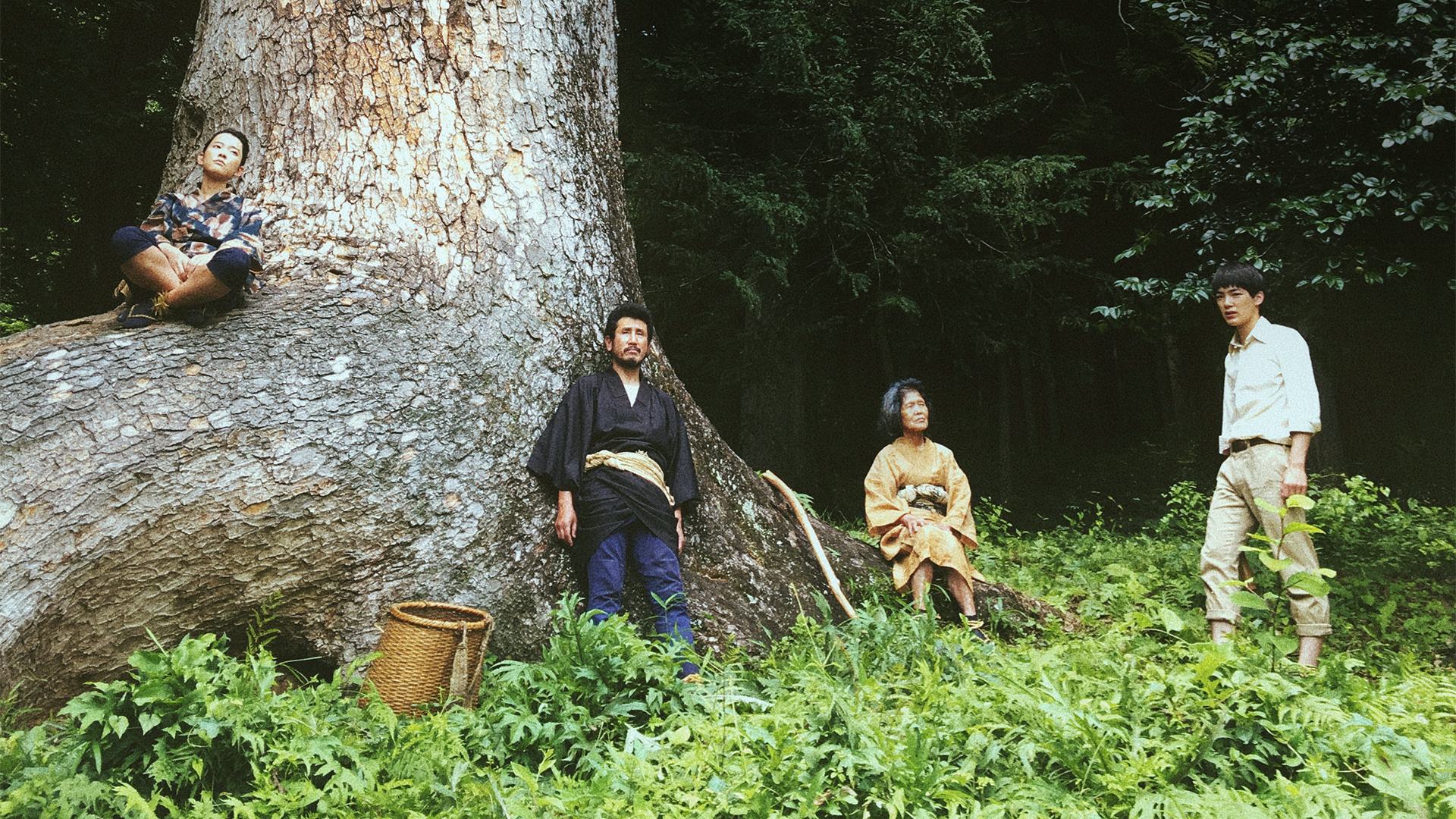
Norio obviously disagrees and is quickly seduced by the mountain’s serenity explaining that it helps him forget about the troubles of his life. But for Hana the situation is more complicated. Her friend Yoshi and her family went town from the mountain two years previously and she enviously looks on as she gossips with her school friends torn between her loyalty to her Kenshi roots and the desire for modernity in which she could live a comfortable life and get an education. If she stays on the mountain, she’ll be the last of her kind yet she struggles to reconcile herself with the idea of moving on just as Norio struggles with his own future in a rapidly changing Japan and seeks refuge in the mountains and a world beyond invisible to humans. 

Filled with a gentle poetry as Hana dances amid a rainstorm and voices echo through woods along with the sound of feet clad in woven sandals, the film is a kind of lament for an older, mystical Japan eventually eroded by a quickening modernity along with a critique of the lingering militarist authoritarianism which has simply transformed into corporate capitalism as symbolised by Norio’s cruelly conservative father. Yet as Hana had said, they’ll be Kenshi wherever they go, implying perhaps that her culture will not necessarily disappear so much as be carried forward even as the mountain itself becomes a casualty of a society in danger of forgetting its roots in a headlong dash towards a prosperous modernity.


Sanka: Nomads of the Mountain screened as part of this year’s JAPAN CUTS.

Original trailer (no subtitles)

Back Home (七月返歸, Nate Tse Ka-ki, 2023)

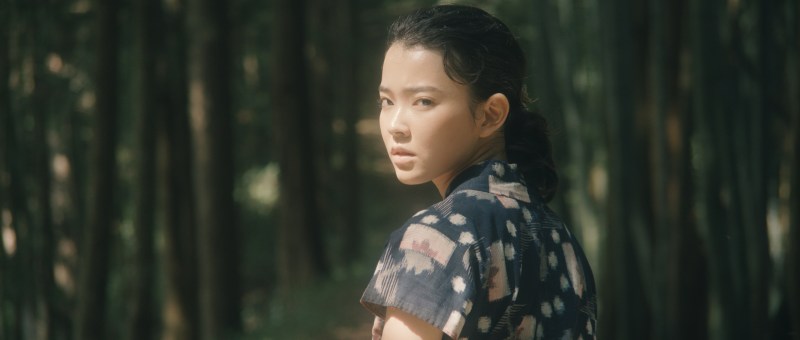
“This place is cursed” according to an exasperated policeman dealing with yet another suicide at a rundown public housing estate in Hong Kong in Nate Tse Ka-Ki’s gripping supernatural thriller, Back Home (七月返歸). It’s true enough that this seems to be a fairly haunted land in which it has become quite difficult to tell the living from the dead, “they seem so real, I can’t tell the difference” a little boy admits while unfairly burdened by the ability to see things that others don’t or at least have become adept in not seeing. 

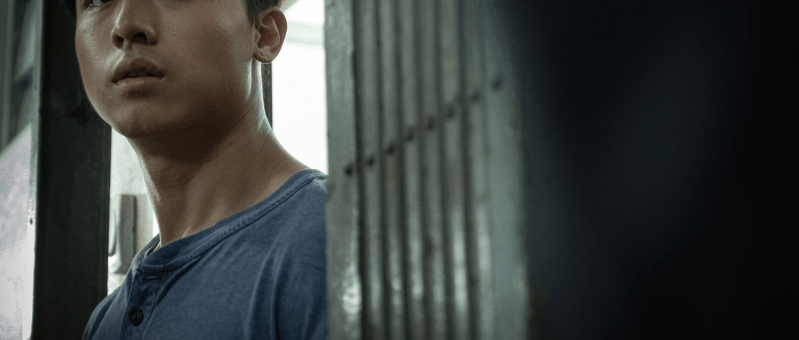
Wing (Anson Kong Ip-sang) too once had the ability to see ghosts, but apparently grew out of it after moving to Canada to live with his uncle a decade previously. All this place holds for him now is horror, he admits on being called home following his estranged mother’s attempt to take her own life. Now stable but in a coma, a doctor suggests it’s like her soul has gone wandering and they’ll have to wait to see if it ever comes back. Staying in his childhood home, Wing finds himself assaulted by painful memories of the past along with more literal ghosts he can’t really be sure aren’t manifestations of his trauma or symptoms of a fracturing mind. 

Then again, there is something very weird about this particular block. The people who remember Wing remember him as “spooky”, a boy who was rejected by the community around him after claiming to see ghosts. His embarrassed mother regularly railed at him, accusing him of lying and blaming him for his father leaving the family while seemingly suffering from mental health issues that have also seen her reduced to a figure of fun by the local kids. She tries all sorts of Taoist rituals including having him beaten with a burning stick to close his third eye all which understandably results in Wing deciding to remain silent and speak no more of ghosts while otherwise unseeing them in effort that must place extreme strain his own mental health. His plight is essentially one of repression in which he is haunted in more ways than one while forced to deny his authentic self because of a social taboo.

Even so, it’s a taboo others would quite like to break. In some ways we can’t quite tell if it isn’t Wing who’s dead and haunting his childhood home or if everyone else is actually a ghost. The ominous Uncle Chung who sells paper sacrifices hints as much when he unironically offers to make some for Wing while his overly cheerful wife’s constant offers of her special soup seem as if they may have some kind of ulterior motive. Complaining that there’s definitely something rotten in this apartment block, Wing discovers that there have been other victims besides his mother and hears from a little boy, Yu, that anyone who visits the forbidden seventh floor meets a sticky end. What’s waiting for Wing up there is a Lynchian world of repressed memory eager to confront him with his traumatic past and either set him free or trap him there forever. 

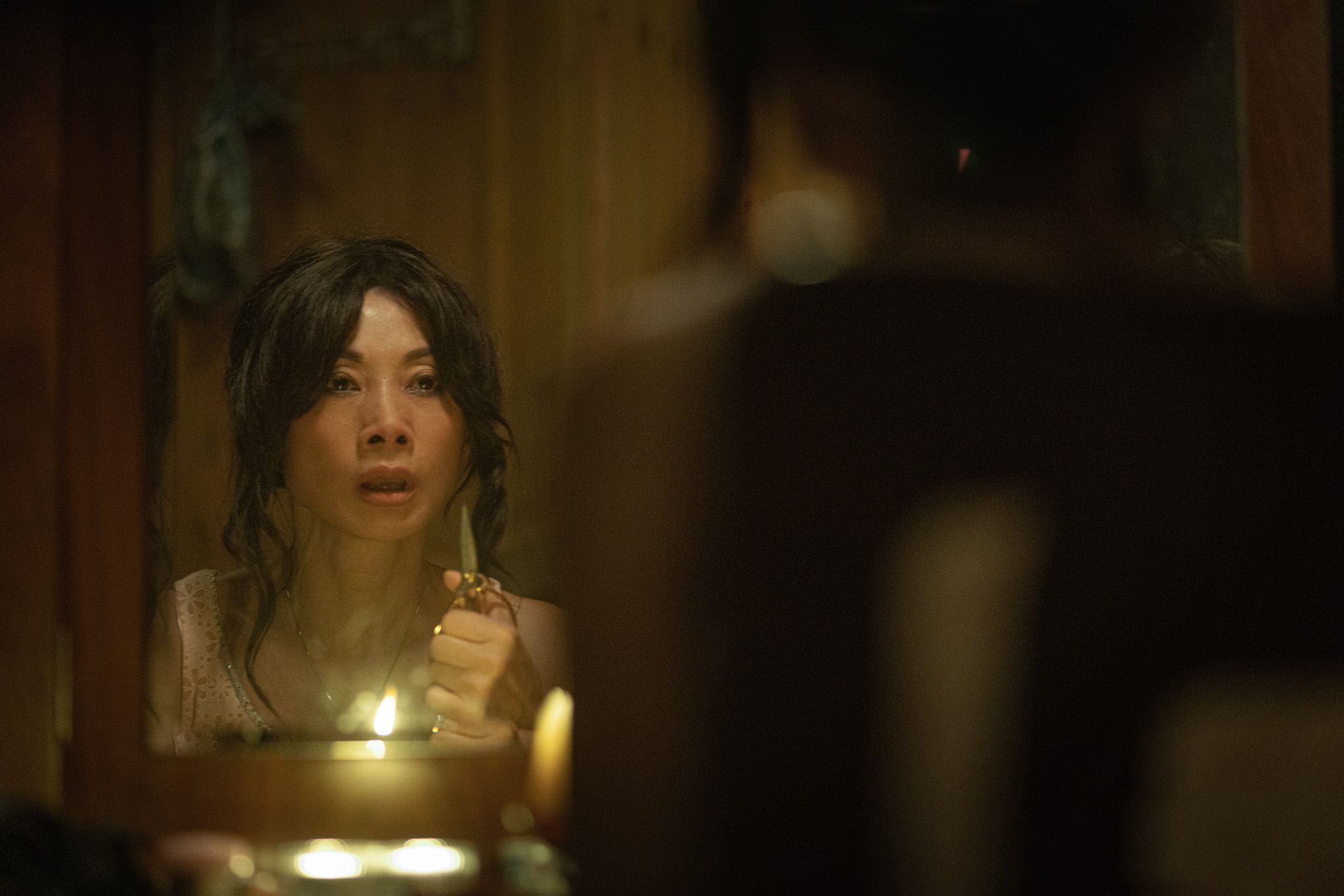
Bonding with Yu who is after all much like himself, a lonely little boy rejected by his peers while constantly “bothered” by wandering spirits, Wing starts to suspect there’s something more sinister going on. Director Nate Tse Ka-ki drops in repeated visual clues such as the distinctive pairs of scissors that seem to turn up in odd places while otherwise blurring the lines between the world of the living and the dead and alluding to other kinds of exile such as Wing’s life in Canada and estrangement from his family. On his return “back home”, he feels conflicted and resentful almost as if his mother had called him back and was refusing to let him go while grandma Chung ominously offers to look after Wing’s offspring when he eventually has one now that he’s where he’s supposed to be she assumes for good. It’s difficult not to read something sinister in her speeches about engineering a better future to “bring peace to this place” even before it becomes clear that it isn’t so much the lifting of a curse she’s interested in as its fulfilment. Some viewers may also detect something familiar in her delivery. In any case, in embracing a younger version of himself Wing may finally be able to escape his haunting even if it leaves him with a difficult choice between comforting fantasy and an objectively horrific “reality”.


Back Home screened as part of this year’s New York Asian Film Festival.

Original trailer (Traditional Chinese / English subtitles)

Images: ©️mm2 Studios Hong Kong

Mother Land (엄마의 땅: 그리샤와 숲의 주인, Park Jae-beom, 2022) [Fantasia 2023]

A little girl becomes the spiritual defender of her traditional culture in her quest to cure her mother’s mysterious illness in Park Jae-beom’s stop motion fairytale, Mother Land (엄마의 땅: 그리샤와 숲의 주인, Eommaui Ttang: Geulisyawa Sup-ui Ju-in). Taking place seemingly in mid-20th century Siberia, the film focusses on the Yates people, nomads who live on the tundra raising reindeer in much the say way they have for centuries even as their existence is threatened by the militant modernity of Soviet Russia.

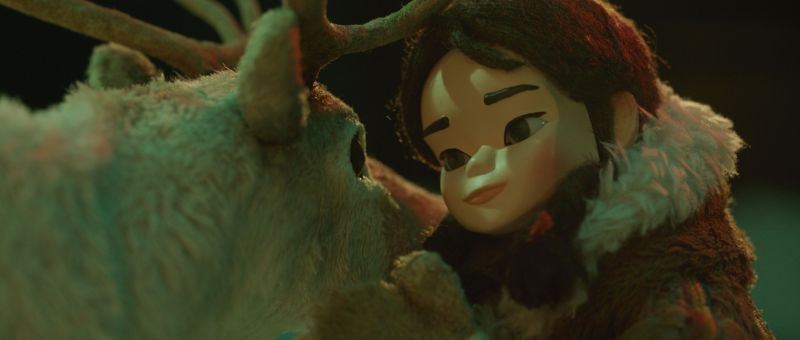
Krisha is a young woman who has begun having strange dreams believing she can see a huge red bear with shining eyes. Distracted, she is almost hurt when wind threatens to blow their half-built yurt down during a move but is saved by her mother, Shura. Shortly after they are visited by Captain Vladimir and Bazak, a member of the Yates who has betrayed his people to team up with the government in an effort to kill the “Master of the Forest” in order to claim the tundra and bring it into a fully modern society. When Krisha’s father Tokcha tells him it’s not a good idea and he’ll be punished for desecrating their sacred land, Vladimir counters that they too should join the collective farm threatening the very survival of their traditional culture. After insisting that the tundra is their home and they won’t leave it, Shura is taken ill with a mystery condition a shamaness says she has only seen in a Western village which no longer exists. 

It could be said that Shura’s sickness is born of the threat that modernity poses though her family is faced with a choice over what to do about it. The shamaness says she knows no cure and their only hope lies in visiting The Master of Forest to ask for his help but Tokcha balks that no one’s ever seen him and he’s not convinced that he exists let alone that he could help. While Krisha wants to follows the Shamaness’ advice, her father instead decides to ride into the city in search of modern Western medicine. Once he’s gone she secretly steals away with her little brother Kolya and their trusty reindeer steed Serodeto to look for the Master of the Forest whom she thinks may be the big red bear that’s been haunting her dreams. 

When she eventually finds him, the bear tells her that it is not his place to save her mother though he has been waiting for her for he believes she has come to save him. Bazak, who is in search of vengeance for his wife and daughter, asks what the point is of a god who only watches while others suffer but Krisha comes to see him as a manifestation of the healing power of the land he tells her is being lost because of its mistreatment by those like Captain Vladimir who describes Tokcha as an “arrogant barbarian” and has no respect for his culture or even for nature itself. 

Vladimir isn’t wrong when he calls the tundra the hope of the country though obviously not in the way that he means it. Krisha’s quest to save her mother is also a quest to save her land, the bear and her mother becoming symbolically linked while Krisha develops a maternal sense of herself as a guardian of her culture insisting that she will remain on the tundra practicing what she’s learnt as a link between heaven and earth. 

Even so, Park captures a sense of nature red in tooth and claw in the opening scenes in which a deer is butchered and some of its blood returned to the land in a ritual of gratitude to mark its sacrifice. The icy emptiness of the tundra is broken only by the appearance of Vladimir’s military van spewing black smoke into the otherwise pure landscape, while Park’s designs have a kind of warmth in their tactile quality from the powdery snow to the fabric covering the yurt and the tunic made for Krisha by her mother out of deer pelt and fur. Impressive scenes of wolves running are tempered by quiet moments of self-reflection as Krisha goes about her quest and begins to accept her destiny as a guardian of her culture. A quietly powerful fable, the film mediates on gods and nature along with the costs of modernity but ends on a note of comfort and relief in a longed for reunion and a restoration of normality.


Mother Land screened as part of this year’s Fantasia International Film Festival.

International trailer (English subtitles)

Miss Shampoo (請問,還有哪裡需要加強, Giddens Ko, 2023)

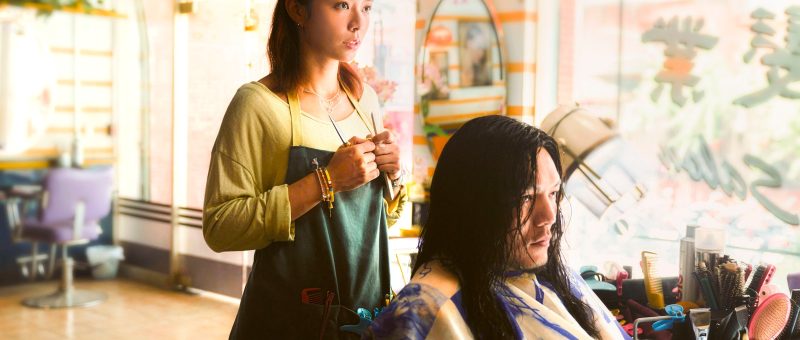
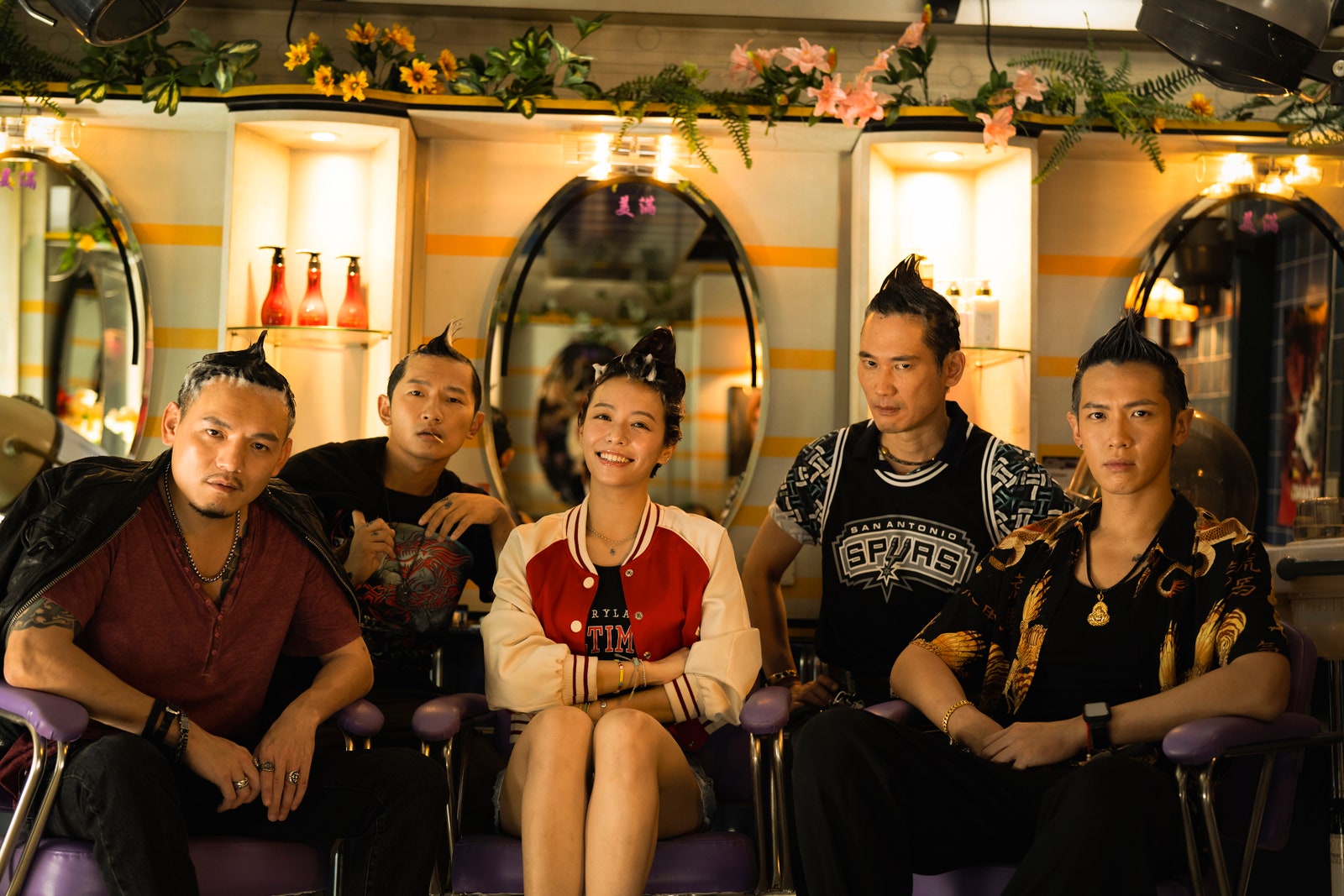
A ruthless gangster’s quest for vengeance is put on hold when he falls for a cutesy hairdresser who hides him from the bad guys who knifed his treacherous boss in Giddens Ko’s adaptation of his own short story Miss Shampoo (請問,還有哪裡需要加強, qǐngwèn, háiyǒu nǎlǐ xūyào jiāqiáng). Part gangland drama part zany Taiwanese rom-com, the film nevertheless hints at institutionalised corruption in local politics while simultaneously mocking the awkward positioning of the “gangster” in the contemporary imagination as both a romanticised outlaw and despised member of society. 

Bruiser Tai becomes the head of his gang when his boss, Hsing, is murdered by Thai assassins presumably hired by one of the other local bosses in a dispute over urban development contracts that may also threaten an upcoming election. Tai doesn’t seem to know a lot about that or how seriously he should take advice from one of the other bosses that he should look inside his own organisation when considering who might have wanted Hsing dead. In any case, at the present time all he can think about is innocent hairdresser, Fen (Vivian Sung), who hid him in the back of the salon when he was trying to escape the assassins. It’s not long before he’s deciding that he needs a haircut, as do several of his men who more or less take the salon over as the gangsters’ coiffeur of choice. 

Fen is not actually a fully trained hairdresser and had been mainly handling the shampoo which might explain some of her more avantgarde efforts even if she later seems to find a groove in giving the gangsters the kind of hairstyles they wanted but didn’t know how to ask for. The effect may be short lived leaving Tai with ridiculous blond dreadlocks for the rest of the film but perhaps nothing says love more than being willing to look like a complete idiot to avoid hurting your crush’s feelings. A baseball obsessive, Fen is herself somewhat on the margins and currently dating a graduate student who looks down on her and doesn’t take the relationship seriously. Even her mother tells her he’s too good for her, suggesting they should continue placating him because he’s “better” than they are while she remains unable to stand up for herself. 

Perhaps surprisingly, the family are later family acceptive of Tai’s attempts at courtship despite knowing that he’s a “gangster” with only the worry that he may turn into a “scary ex” if Fen eventually decides to break up with him. But the relationship does however place a strain on the gang with some members frustrated by Tai’s lovelorn indifference to the gangster code as he continues to neglect avenging the boss’ death in favour of pursuing a romance with Fen. While his friend flirts (almost literally) with betrayal in chasing a new cryptocurrency future with a similarly fed up underling from a rival gang, Tai starts to wonder if he’ll have to make a choice between his life an underworld high roller and his love for the civilian Fen while slowly coming to the conclusion that being the boss might not be all it’s cracked up to be. 

A recurrent baseball subplot hints at another kind of justice built on teamwork and mutual feeling that eventually comes to the rescue both romantically and physically as Tai deals with his gangster drama and Fen with her romantic doubt after realising that Tai is a gangster after all and underworld betting is destroying the game she loves so much, while otherwise playing into the message of new beginnings as Fen continues to support her longtime baseball idol as he prepares to transfer to a Japanese team at the comparatively late age of 30. Ko plays with meta humour in the final assurances that this is a New Year Movie (though it wasn’t) so must have a happy ending while otherwise indulging in zany gags like invisible guns as a repeated gimmick to get names out of people who didn’t want to give them, aside from all the ridiculous hairstyles Fen accidentally gives her customers while trying to capture their true essence. Nevertheless, the sleazy atmosphere and vulgarity often sit uncomfortably with the sweetness of the central love story in what is otherwise an ironic take on the quirky rom-com.


Miss Shampoo screened as part of this year’s New York Asian Film Festival.

Original trailer (Traditional Chinese / English subtitles)

Saga Saga (緑のざわめき-Saga Saga-, Aimi Natsuto, 2023)

Three women contending with a legacy of patriarchal failure and male violence circle around each other in the picturesque hot springs resort of Ureshino in Aimi Natsuto’s etherial drama, Saga Saga (緑のざわめき, Midori no Zawameki – Saga Saga –). Less playful than Natsuto’s previous film Jeux de plage, the oscillating action takes on a poetic, mystical direction as the forces which bind the three women together eventually become clear while each in their own way tries to overcome a lingering sense of displacement and loneliness. 

The first of them, Kyoko (Rena Matsui), left Ureshino to become an actress in Tokyo but has given up performing and resettled in nearby Fukuoka where she runs into an old hometown boyfriend, Sotaro, who is currently sort of dating Eri, a woman he met on a dating app. Despite telling Kyoko he can’t stay long after reconnecting because he has a date with someone who is “not quite” his girlfriend, Sotaro ends up going to a love hotel with another woman, Naoko (Sae Okazaki), who frequents the bookstore where he works. Though it originally appears that Naoko is jealous of Kyoko and fears she’s missed her chance with Sotaro, we soon realise that she is in fact semi-stalking her for unclear reasons but actually wants to get in touch with someone else and eventually forms a telephone connection with Anna (Sara Kurashima), a high school girl currently living in Ureshino with her aunt, Fumiko (Asuka Kurosawa). 

In a way, they are all looking for something that seems to be missing in their lives. For Kyoko it seems to be something like the concept of home as she struggles with a series of sudden changes from the death of her mother two years previously to a brush with cancer in the form of an ovarian tumour she has recently had removed. Fumiko, who was a friend of her mother’s, tells her that she’s on a journey of self-reconciliation and there is indeed something in that as she works over the mysteries of her past while looking for new directions in her future. 

Meanwhile, she is plagued by strange dreams of being lost in a forest later telling a friend that she was once sexually assaulted in the woods when she was in high school and has the feeling the person who is chasing in her in her dream may be her father who left the family when she was a child. When she was receiving treatment for the tumour on her ovary, she began to ask herself why she had been born a woman forever subject to threat and patriarchal oppression. On her return to Fukuoka, she undergoes a very strange job interview in which she’s repeatedly assured that “being a woman” she won’t be asked to do anything “difficult” while it seems that being “attractive” is enough to get by in the beginning. Also they warn her that they don’t offer “great maternity leave or anything like that”. 

The lives of each of the women have been in one way or another overshadowed by male violence, but it’s Anna’s would-be-boyfriend Toru who is eventually victimised when he’s assaulted by a woman who wanted to bring back a problematic local festival cancelled because of a sexual assault. Toru had been in the forest to consult with some kind of mystic man trying to get him to conduct a ritual to get Anna to like him only to be told it doesn’t really work like that and you wouldn’t want it to anyway. After the assault it’s Toru’s life which spirals out of control when he’s blackmailed into acts of petty crime by the witch-like woman who forced herself on him, while Fumiko too is later forced to pay the price for having kept her secrets and for compassionate reasons attempted to hide the truth from those who most wanted to know.

Finally brought together on solving their individual mysteries, the three women settle on creating a home they can each return to, anchoring themselves as a family as a means of finding stability in a world which is so often in flux in defiance of the destructive forces which connect them. Even Eri admits that in reality she may have been looking for self-affirmation in her desire to find a dating app soulmate as her friends reflect on their terrible romantic experiences which, ironically, include being stalked. In the depths of its mysticism and eeriness, the film nevertheless ends on a note of serenity and the promise of moving forward if paradoxically by making a return. 


Saga Saga screened as part of this year’s JAPAN CUTS.

Original trailer (no subtitles)