Between Goodbyes (Jota Mun, 2024)

There’s a small irony at the centre of Jota Mun’s documentary Between Goodbyes in that she often cuts back to  contemporary stock footage of television items covering the subject of adoptions in Korea. Pundits are full of panic about the rapidly expanding baby boom of the post-war era and concerned about a growing lack of resources to care for them. Fast-forward 50 years and the problem has reversed as the news items are full of panic about the ageing population and record low birth rate. Still, it’s clear that the nation has not yet fully reckoned with its history of international adoptions which employed dubious practices to separate parents from children and essentially sold babies abroad in a business model more akin to human trafficking. 

Mieke’s mother Okgyun is wracked with guilt about the decision she made to give her up, which was motivated mostly by her poverty, but also a series of social stigmas including that towards large families. With three children already, they simply couldn’t afford another and Okgyun had planned on an abortion though was talked out of it and advised to put the baby up for adoption on the promise that it would have a much better quality of life in America. Of course, the reality was not always so rosy and Okgyun and her husband have spent every moment of their lives since thinking about their missing daughter. Twenty years later, Mieke’s father became determined to find her and eventually discovered she had been sent to the Netherlands. 

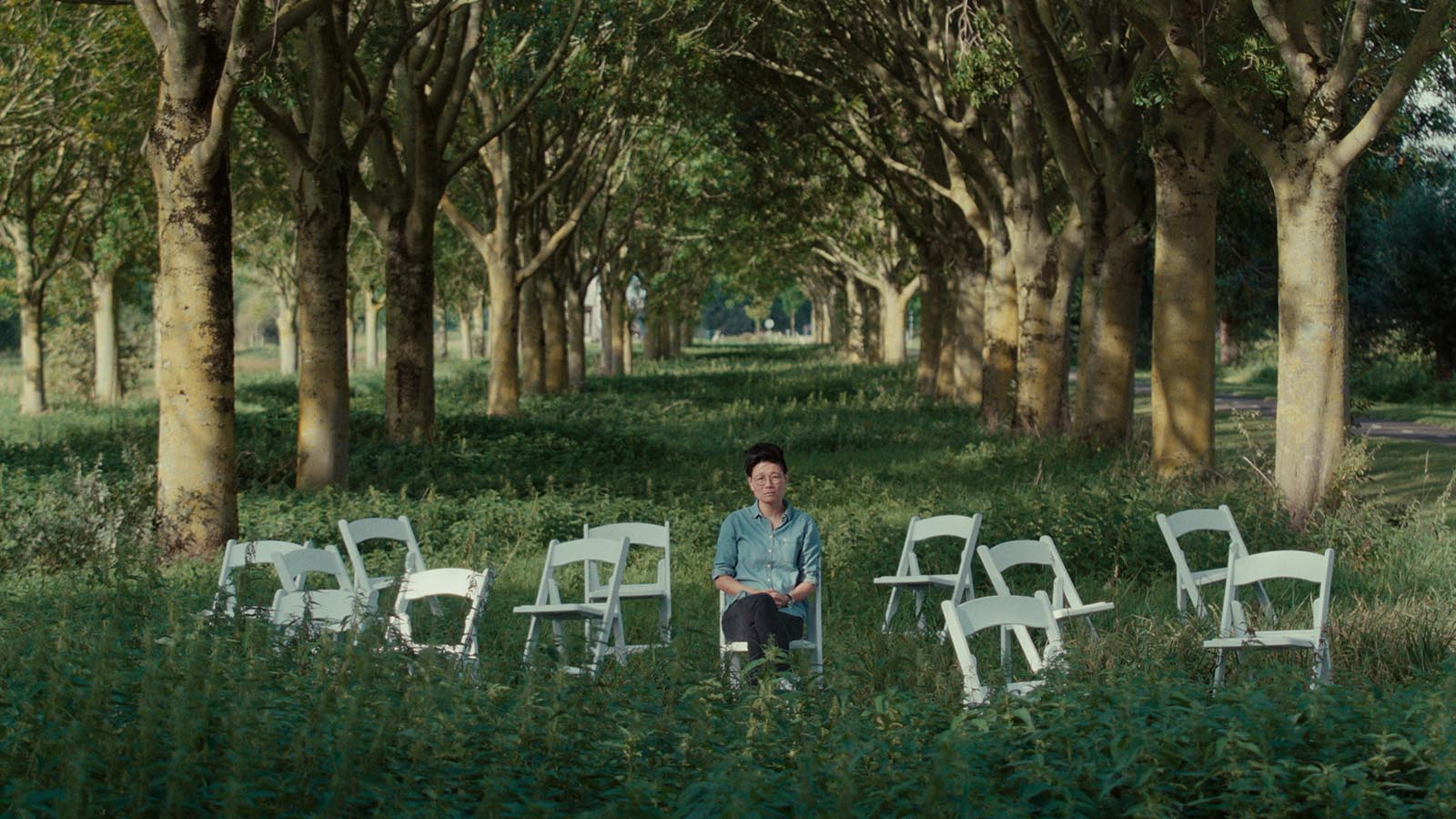
For Mieke, the knowledge that her parents had wanted to find her was a source of comfort but also awkward and as she puts it “overwhelming”. Though to them she was their long-lost daughter, to her they were strangers and as she had been raised abroad, she could not even speak their language. Mieke had also experienced a series of other losses including that of her adoptive parents. An uncle and aunt had taken her in, but it didn’t work out leading to a further sense of rejection and abandonment. She describes finding a surrogate family in community but also hints at a constant sense of displacement, never quite feeling at home anywhere.

For these reasons, she found it difficult to relate to her birth parents when they first approached her and struggled to accept the intensity of their emotion. Later, her partner along with the film’s director, ask Mieke if she isn’t afraid of losing them too, as if she’s trying to stave off another abandonment by keeping them at arms’ length while also struggling to balance her own sense of identity caught between an interest in her Korean heritage and sense of belonging, and her Dutch upbringing and life in the Netherlands. There’s an also an additional sense of poignancy in that had Mieke been raised by her birth parents in Korea, she may not have been as free to live as her authentic self in a much more conservative social culture. A secondary reason that she’d avoided keeping in touch with her parents when they first contacted her was that she knew she would have to come out to them and was unsure as to how they’d react. 

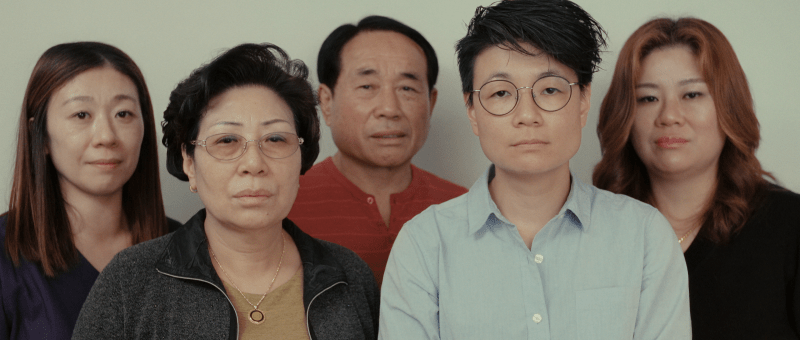
Her birth family have, however, fully accepted her wife Marit, and though some of them may say they don’t quite understand, are fully supportive and just happy that she’s happy. On the other hand, it’s true enough that every reunion entails another goodbye with a concurrent sense of abandonment on each side. Another woman from a society supporting parents who gave their children up for adoption remarks that it’s only really with the reunion that the grieving process begins with the intense sense of loss for all missing years, the time and memories that have been stolen for each of them. Incomplete family portraits coloured by a sense of absence symbolise the longing for something that cannot be restored, while Mieke and her mother seem to be divided by an invisible wall. Still in overcoming the language barrier and learning to communicate in a much more direct way, the relationship begins to reforge itself. Perhaps as Okgyun says, there’s no such thing as complete happiness, but there is perhaps warmth and forgiveness and new beginnings that might not quite make up for lost time but do perhaps have the potential to become something else.


Between Goodbyes screens May 1 as part of this year’s San Diego Asian Film Festival Spring Showcase.

Trailer
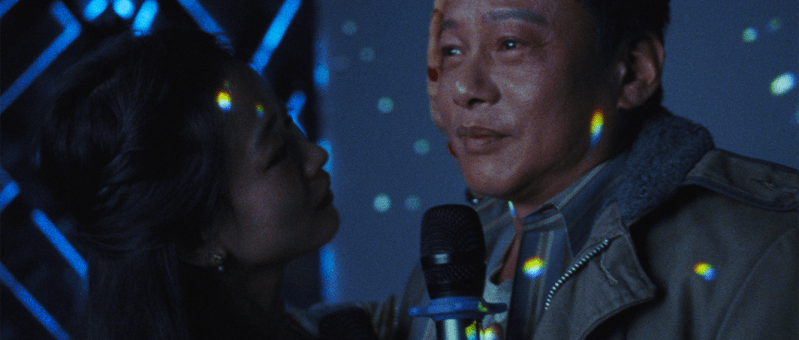
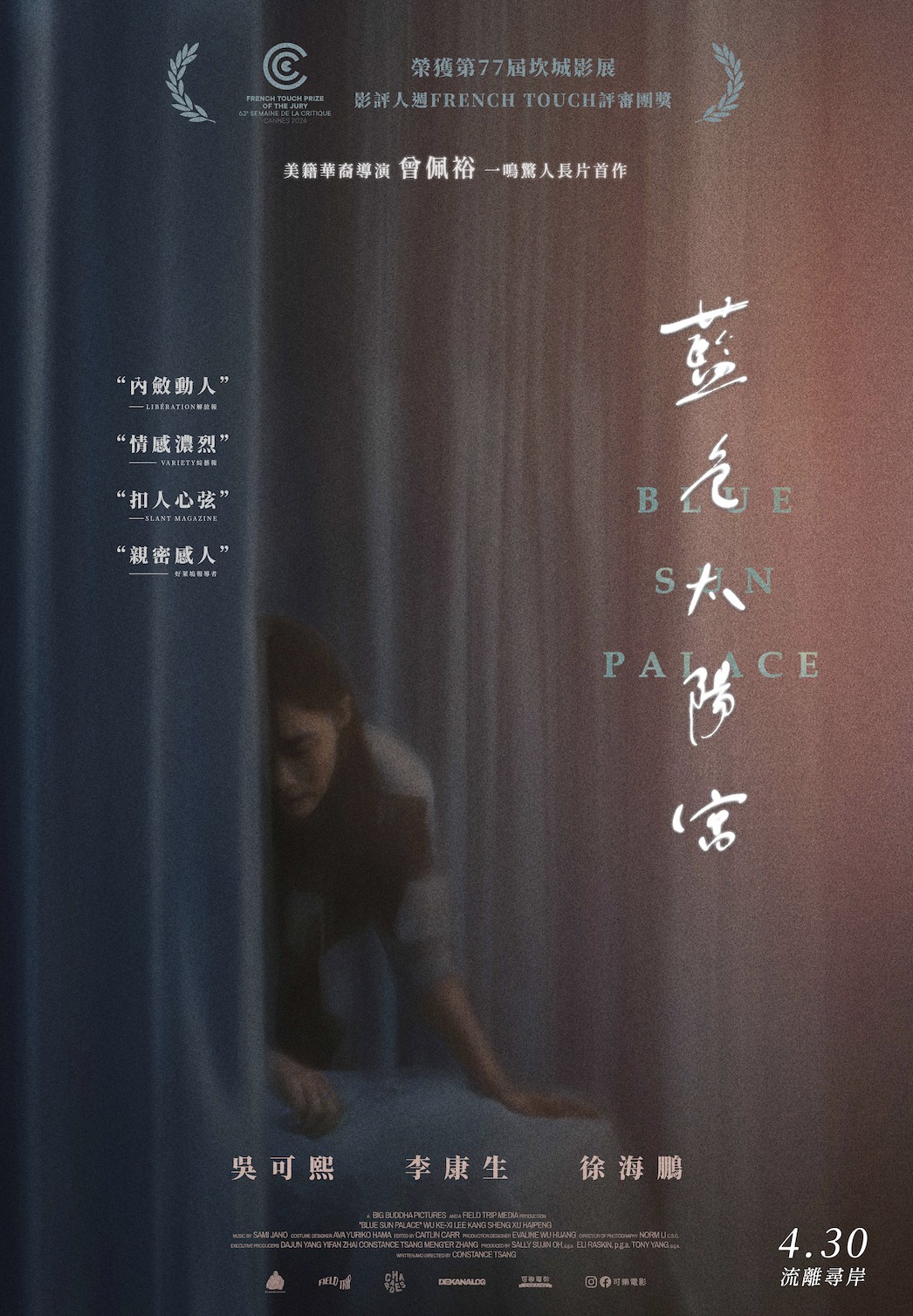
Blue Sun Palace (藍色太陽宮, Constance Tsang, 2024)

“It’s funny how  quickly people you love become strangers,” a middle-aged man muses while talking about more than one thing at the same time. Those at the centre of Constance Tsang’s New York-set drama Blue Sun Palace (藍色太陽宮, lánsè tàiyang gōng) are all in a sense displaced and some of them by several levels while they try to accommodate themselves with the lives they’re living now along with their hopes and expectations for the future.

Didi (Xu Haipeng) and Amy (Wu Ke-xi) are old friends working in a massage parlour which has a large sign on the door stating that they do not provide sexual services. The two women huddle on a stairway, finding a private space of isolation that reduces the world to them alone. Didi and her sort of boyfriend Cheung (Lee Kang-sheng) do something similar as they dine in a restaurant and then retreat to a karaoke booth before Didi takes him back to the massage parlour where Amy absents herself to give them some room until awkwardly spotting Cheung leaving in the morning. It’s clear that the massage parlour is itself an isolated world where Mandarin is the only spoken language inhabited only by the female staff members who are all migrants from China. Didi appears to be the lynchpin of this community, keeping the parlour running and looking after the other women while they all seem to look to her for dependability and solidarity. 

Yet there’s a hovering tension between Didi and Amy who seems wary of Cheung, or perhaps merely jealous in an unspoken attachment to her friend, and also reminds her that they’re not supposed to have guests in their room. The exclusively male clients who are mainly though not exclusively non-Chinese men are also intruders in this space and as Didi tries to warn Amy pose a latent threat to them. A very tall man shortchanges them, but Didi stops Amy when she tries to chase after him. She tells her that it’s not worth it and she’ll just make the money up herself. It’s better to be safe, though it’s advice she doesn’t quite take to heart or perhaps lets her guard down at the wrong moment. The men treat them with thinly veiled contempt, perhaps believing they don’t really deserve to be paid in full or to be treated as fully human beings. A customer of Amy’s bullies her into giving him a happy ending and then refuses to pay, becoming violent when challenged but then apologising before running from the room. 

As an escape from the grimness of the Blue Sun massage parlour, Didi has a dream of moving to Baltimore to open a restaurant with Amy and be closer to her daughter who is currently being raised by her aunt. Cheung hadn’t known about the daughter when he idly fantasised about living in a little house by the sea with Didi and a big dog, though she knew about the wife and daughter who have now become strangers to Cheung. In any case, their fantasy was just that and so perhaps it didn’t really matter if neither of them was telling the whole truth. Baltimore seems to have taken on a mythical quality for each of them as a kind of longed for but unreachable paradise in which they might find happiness if only they could get there. 

But in the end, even these bonds are fragile and the community fractured by tragedy and economic realities. In Didi’s absence, Amy and Cheung develop a surrogate bond in their shared grief and loneliness but also remain at odds with each other, ultimately heading in opposing directions in which it seems as if Amy may be able to find new directions while Cheung is bound only for the blue sun of a shoreline in winter and a solitary cigarette. He says he doesn’t want to go back to Taiwan because he wouldn’t know who to be, though as Amy points out none of them know who they are here either. She at least may have found an answer, or if not, reaccommodated herself to a new reality but for others there’s only sadness and inertia along with the cold comfort of lost love and impossible dreams in a world of constant displacement.


Blue Sun Palace screens April 28 as part of this year’s San Diego Asian Film Festival Spring Showcase.

Trailer (English subtitles)
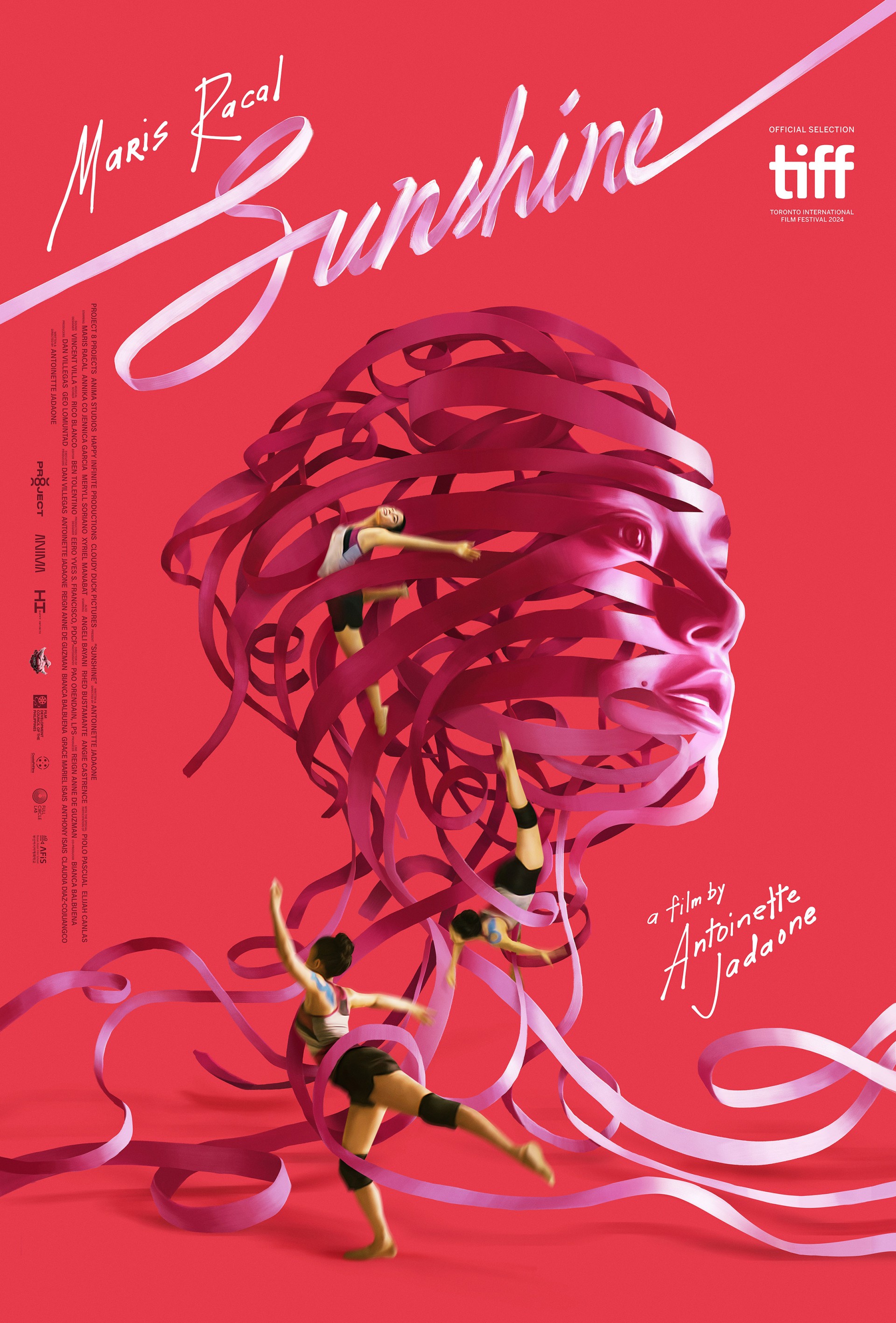
Sunshine (Antoinette Jadaone, 2024)

“Don’t drag me into this,” a boy says after hearing that his girlfriend is pregnant, having already questioned if the baby’s really his. Miggy signals his lack of responsibility by directly asking Sunshine what “her” plan is, making it plain that she’s on her own and he does not see himself playing an active role in a predicament he essentially sees as nothing to do with him. Aside from Miggy’s father Jaime, who happens to be a protestant pastor, men are largely absent from Antoinette Jadaone’s Sunshine and even when they appear rigid figures of patriarchal control. 

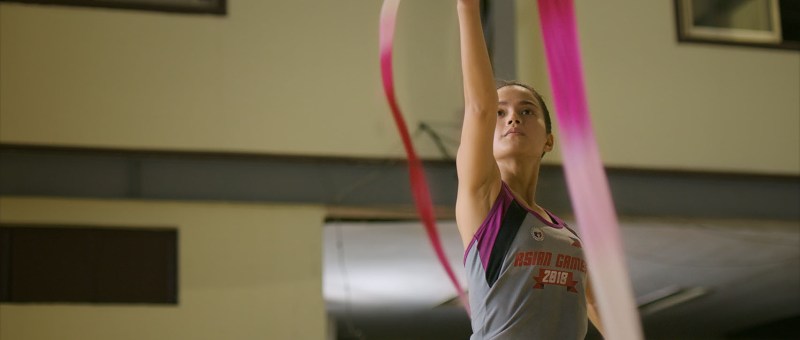
Sunshine implies that she’s only in this mess because Miggy pressured her into unprotected sex, but she’s left to deal with the fallout on her own. Still in school, she’s about to take her last shot at getting onto the Olympic rhythmic gymnastic team but risks losing everything she’s worked so hard for if her pregnancy is discovered. Even when she goes to buy a pregnancy test, she’s asked for ID and judged by the woman behind the counter while it’s otherwise true that abortion is illegal in all circumstances in the Philippines, meaning Sunshine’s only options are finding and paying a wise woman for medicine to provoke a miscarriage. 

It’s the reactions of other women that Sunshine most fears from her otherwise supportive coach, whose ambitions also rest on her performance, to her best friend who does in fact shun her on her mother’s insistence, and her older sister who is caring for the whole family and seems to be a single mother herself having had a baby at a young age. Like a grim siren, Sunshine’s niece won’t stop crying as if echoing the alarm of her impending maternity and her own discomfort with it. It’s a network of women that she turns to for solutions if not for advice. There’s no one Sunshine can ask for that, because what she’s looking for is illegal. All she can do is stand outside the church and pray that God take mercy on her by allowing her to wake up from this nightmare. There’s something quite ironic when she’s told to ask forgiveness from God “the father” by a religious and judgemental female doctor as if laying bare the patriarchal and oppressive underpinnings of the entire society. 

Yet cast onto a surreal odyssey through Manila in search of solutions, Sunshine finds herself becoming the supportive presence she herself doesn’t have. While pursued by a very judgmental little girl who echoes her inner confusion by branding her a “murderer” and questions her decision making, Sunshine is approached by another little girl who appears to be heavily pregnant and is begging for money to see a faith healer whom she hopes will help her end her pregnancy. Despite her own experience, Sunshine asks her why she doesn’t ask her boyfriend for help but the girl explains that he’s not her boyfriend, he’s her uncle, so she’s even more powerless and alone than Sunshine is. No one’s going to do anything about the Uncle Bobots of the world, but they’re only too happy to criminalise and abandon a little with no one else to turn to. 

Realising that the girl was trying to abort her child, the male doctor at the hospital refuses to treat her knowing full well there is a possibility she may die. Only a sympathetic female doctor is later willing to help. Sunshine too almost dies after her first attempt at taking an abortion pill which she does all alone at a love hotel where the woman on the counter didn’t want to give her a room because people who go to hotels on their own are a high risk for suicide. When she does eventually find out, Sunshine’s sister is actually sympathetic and stands up to Jaime on her behalf when he makes a bid to take over her life and force her into maternity by getting Miggy to apologise and unconvincingly insist that he actually loves her and their baby while leveraging his wealth and privilege against her by recommending that she be cared for by his family doctor and the best hospitals at his expense. It does however provoke a degree of clarity in Sunshine’s insistence that she doesn’t want to be a mother and has no intention of becoming one while rediscovering herself in rhythmic gymnastics and making peace with her younger self. A sometimes bleak picture of young womanhood in the contemporary Philippines, the film nevertheless finds relief in pockets of female solidarity and the conviction that it doesn’t have to be this way for the younger generation who should be free to pursue their dreams and make their own choices about what they do with their bodies.


Sunshine screens April 26 & 30 as part of this year’s San Diego Asian Film Festival Spring Showcase.