Steel Rain, Night Bus Bookend 20th Udine Far East Film Festival

27352385278_5690a7d84e_oThe Udine Far East Film Festival returns for its 20th edition in just over a week’s time. As usual, the festival has brought together some of the most highly anticipated East Asian cinema releases in its 81 film programme which also includes a retrospective dedicated to veteran actress Brigitte Lin who will be receiving the festival’s coveted Golden Mulberry Award. The festival will open with Netflix Original Steel Rain making its Festival Premiere, while Emil Heradi’s Indonesian thriller Night Bus will close the festival on 28th April.

Full programme:

China
better tomorrow horizontal

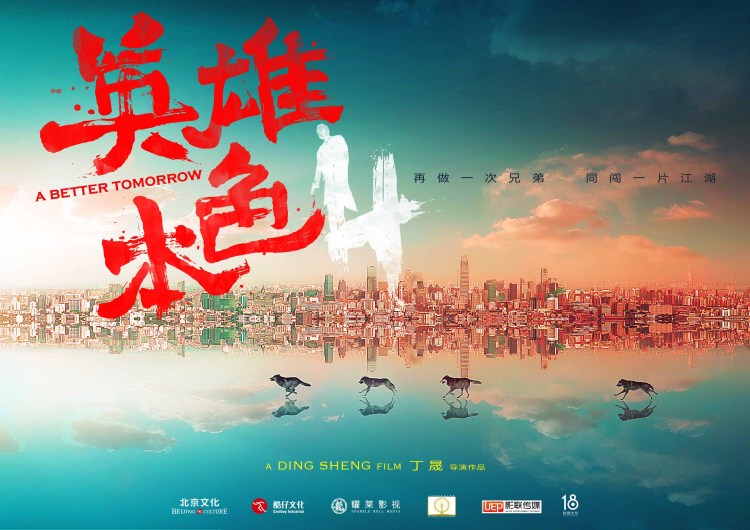
  • A Better Tomorrow 2018 – Ding Sheng’s remake of the ’80s John Woo classic in which two brothers find themselves on opposite sides of the law.
  • Brotherhood of Blades II: The Infernal Battlefield – Lu Yang’s prequel to the 2014 original follows Shen Lian as he searches for clues to expose a conspiracy.
  • The Legend of the Demon Cat – Chen Kaige adapts a Japanese novel by Yoneyama Mineo in which a poet and a monk follow a cat to track down a murderer. Features Chinese/Japanese cast including Shota Sometani, Huang Xuan, Hiroshi Abe, Qin Hao, and Keiko Matsuzaka.
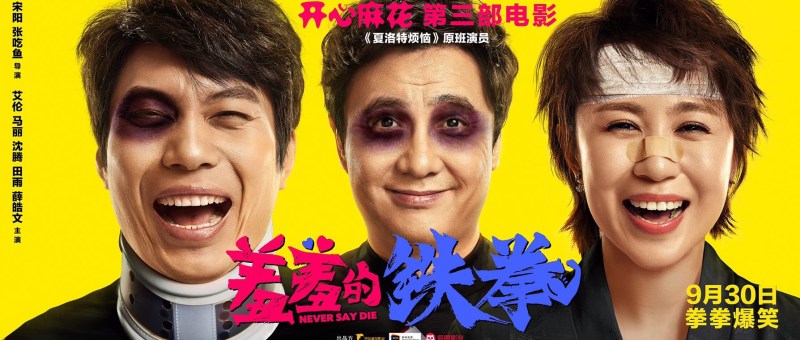
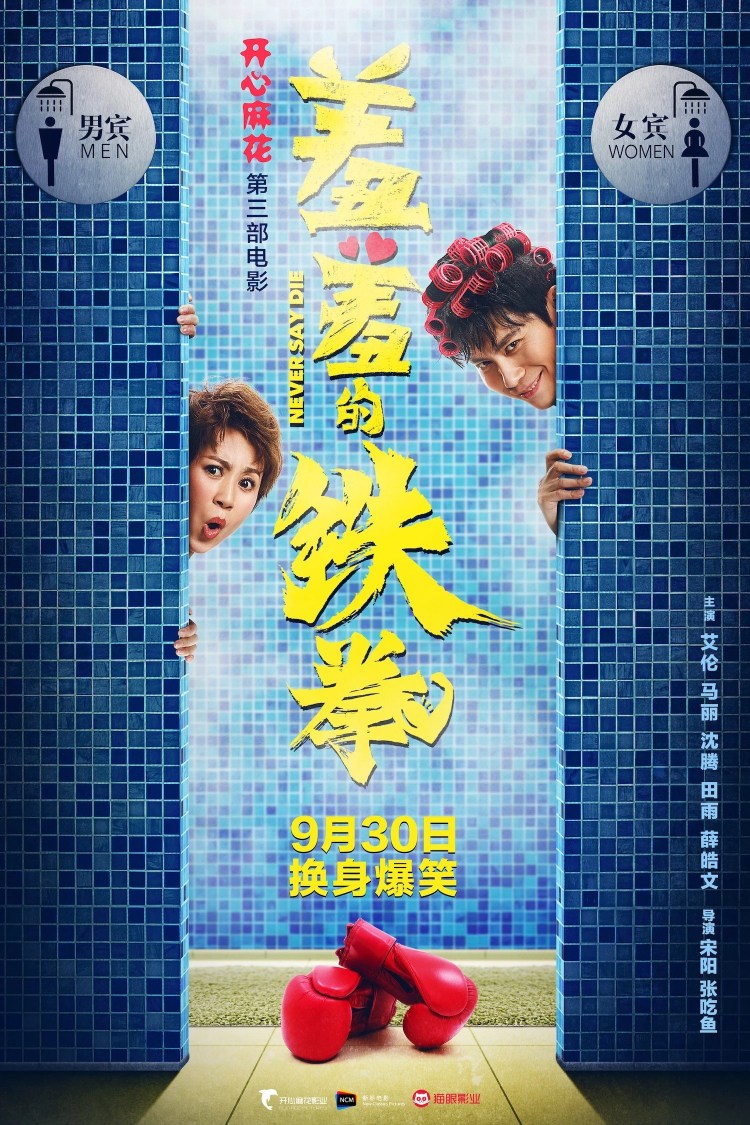
  • Never Say Die – hilarious Chinese body swap comedy! Review.
  • Love Education – Sylvia Chang’s latest explores the impact of China’s feudal legacy as two women fight for the remains of a polygamous man.
  • Transcendent – existential science fiction thriller.
  • Wolf Warrior II – Wu Jing’s gung-ho action sequel in which Leng Feng takes the fight to Africa.
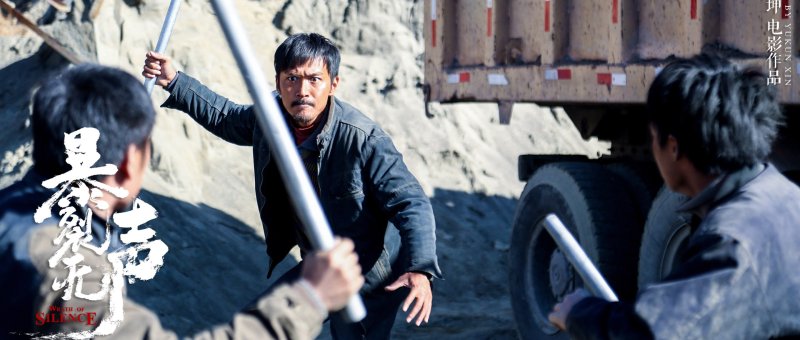
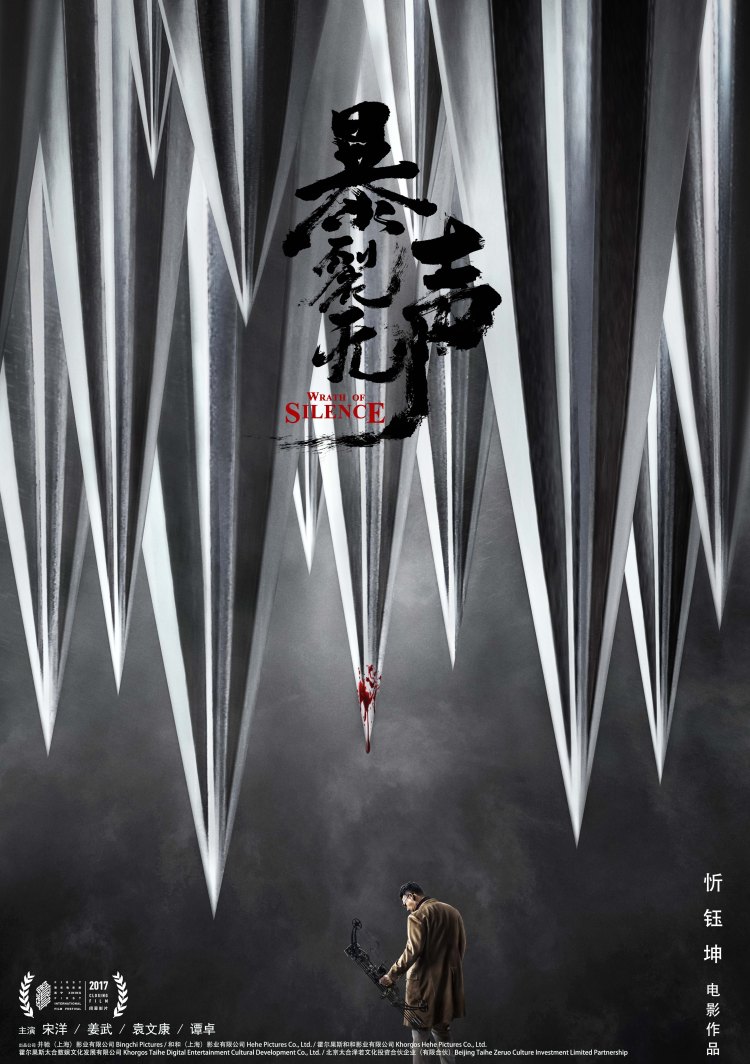
  • Wrath of Silence – a mute father searches for clues regarding the disappearance of his son in Xin Yukun’s probing crime drama. Review.
  • Youth – Feng Xiaogang looks back at the Cultural Revolution through the story of the Revolutionary Ballet corps. Review.

Hong Kong/China
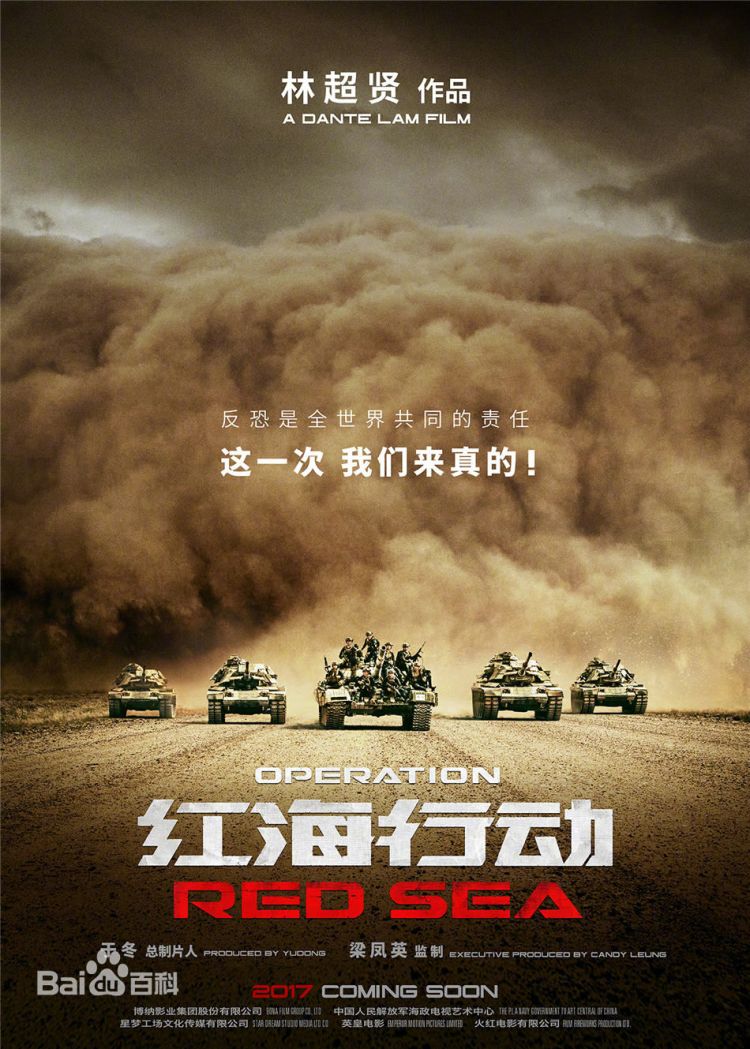
Operation Red Sea

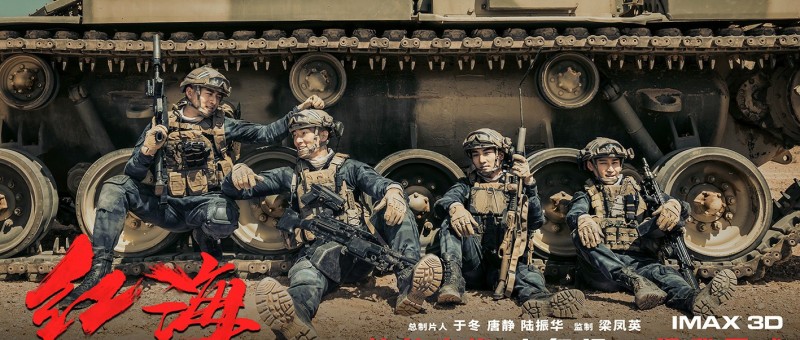
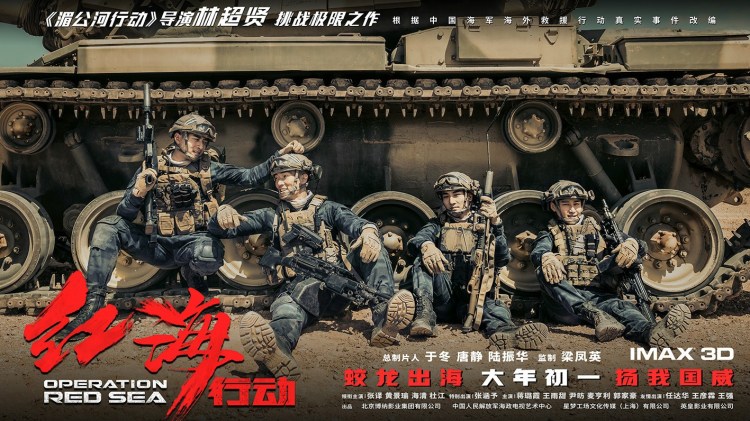
  • Operation Red Sea – Dante Lam’s Operation Mekong sequel finds elite Chinese military forces evacuating diplomatic staff after war breaks out in the Middle East. Review.
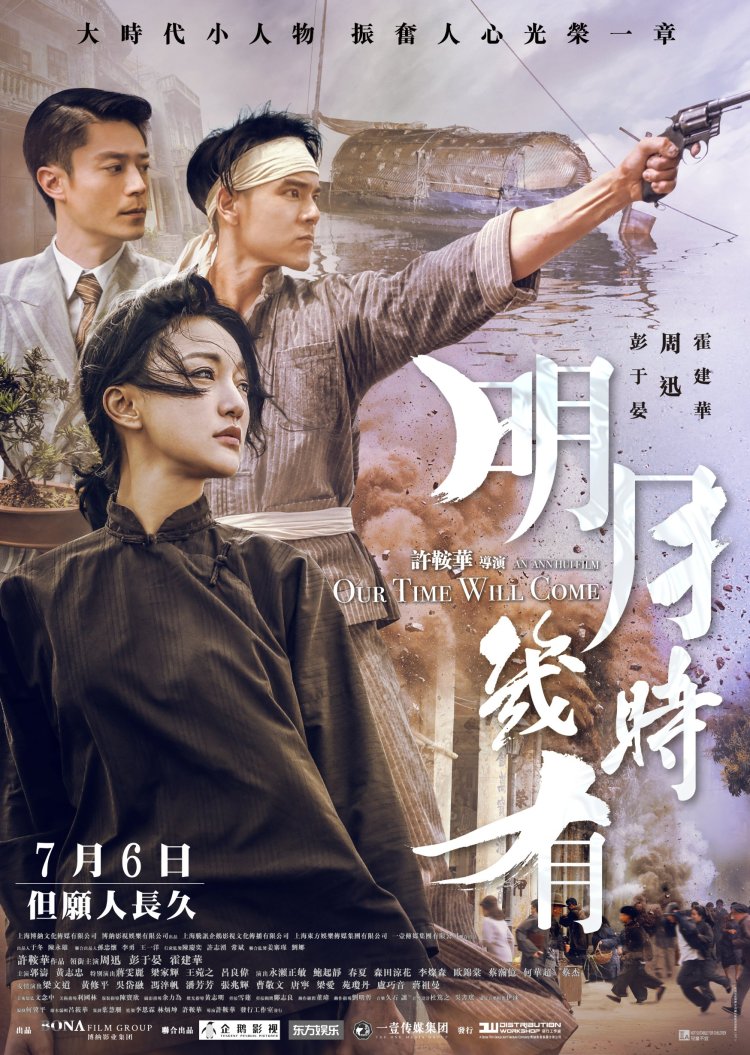
  • Our Time Will Come – Ann Hui tells the story of the resistance movement in World War II HK. Review.

Hong Kong
empty hands still 1

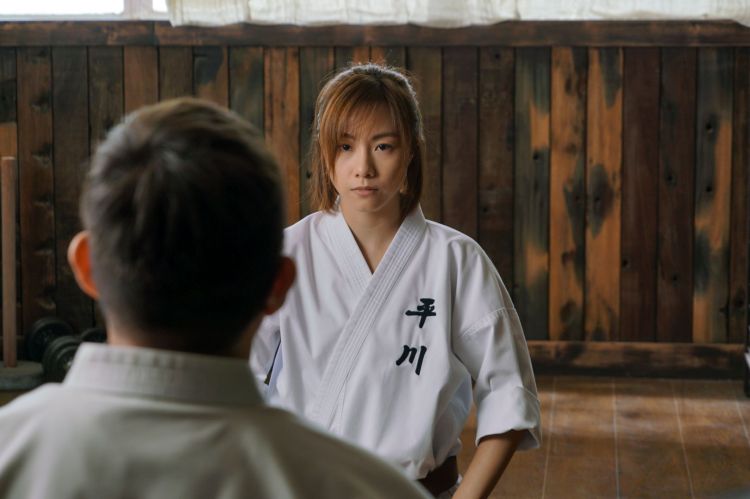
  • The Empty Hands – comedy from Chapman To in which a half-Japanese Hong Kong woman’s dreams of freedom from her father’s martial arts legacy are dashed when he leaves 51% of his dojo to another pupil who challenges her to a match for the right to win his controlling share.
  • No. 1 Chung Ying Street – drama contrasting 1967 pro-China demonstrations against the British Government, and the Umbrella democratisation movement in present day Hong Kong.
  • The Bride with White Hair – Ronny Yu’s classic wu xia. Brigitte Lin retrospective.
  • Chungking Express – Wong Kar-Wai’s HK classic. Brigitte Lin retrospective.
  • Dragon Inn – 1992 wuxia classic from Raymond Lee. Brigitte Lin retrospective.
  • Red Dust – 1990 melodrama in which a novelist falls in love with a Japanese collaborator during World War II. Brigitte Lin retrospective.
  • My Heart Is That Eternal Rose – Patrick Tam’s 1989 romantic crime drama.
  • Throw Down – premiere of the new restoration of Johnnie To’s 2004 martial arts drama starring Louis Koo and Aaron Kwok.

Indonesia
night bus horizontal

  • My Generation – teen movie affectionately satirising Indonesian millennials.
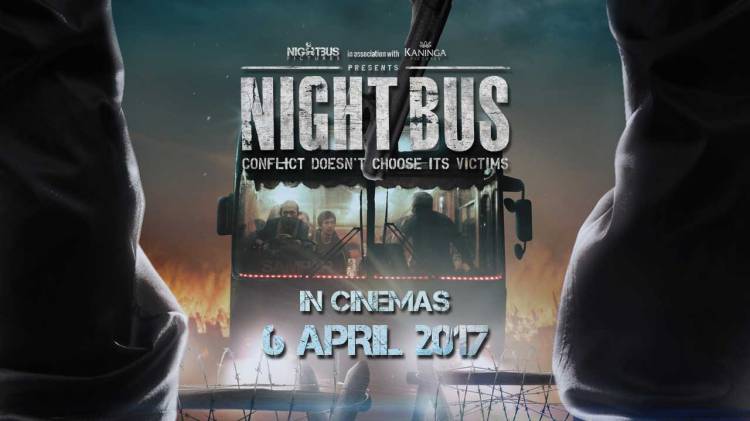
  • Night Bus – civilians catch a bus to Sampar – a town rich in natural resources but heavily guarded by the army who are keen to defend against rebel militias. Closing night gala.
  • Satan’s Slaves – Joko Anwar remakes the 1980 classic horror movie in which a mother rises from the dead to collect her children.

Japan
yocho still 1

  • The 8-Year Engagement – romantic tearjerker starring Takeru Satoh and Tao Tsuchiya.
  • The Blood of Wolves – Koji Yakusho plays a possibly dodgy cop investigating a missing persons case in Kazuya Shirashi’s ’80s crime drama.
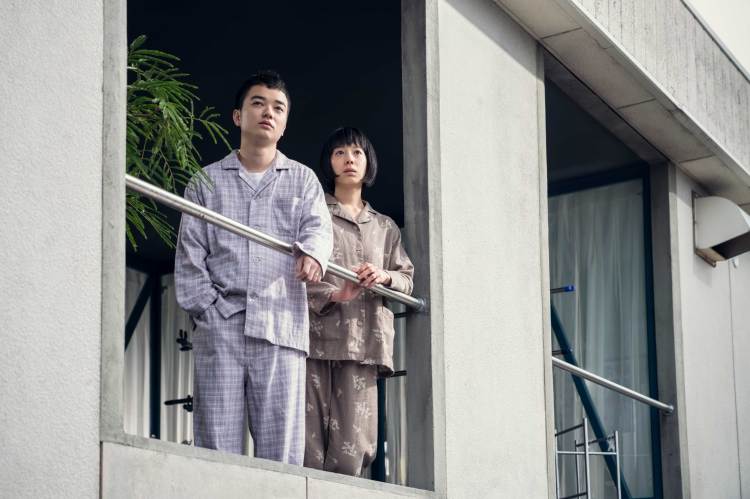
  • Yocho (Foreboding) – the theatrical cutdown of Kiyoshi Kurosawa’s TV companion piece to Before we Vanish.
  • Inuyashiki – Shinsuke Sato adapts Hiroya Oku’s science-fiction manga in which an old man gets superpowers and decides to use them to do good, meanwhile a young man has the opposite reaction.
  • Mori, The Artist’s Habitat – the latest from Shuichi Okita stars Kirin Kiki and Tsutomu Yamazaki in the story of an elderly artist and his wife of 52 years.
  • The Name – bankrupt businessman Masao discovers a new side to himself after encountering mysterious high school girl Emiko.
  • One Cut of the Dead – experimental zombie fun from Shinichiro Ueda.
  • The Scythian Lamb – Ryuhei Matsuda stars in Daihachi Yoshida’s adaptation of Tatsuhiko Yamagami and Mikio Igarashi’s manga in which prisoners are released from jail on the condition that they help repopulate declining rural towns.
  • Tremble All You Want – an office lady experiences a number of romantic difficulties in this off-kilter love comedy.
  • Ramen Heads – documentary following “Ramen King” Osamu Tomita.
  • Ryuichi Sakamoto: CODA – documentary following the legendary composer.
  • SUKITA: The Shoot Must Go On – David Bowie x photographer Masayoshi Sukita documentary.
  • Blue Film Woman – premiere of a new restoration of the classic 1969 pink film by Ken Mukai.
  • Women Hell Song – premiere of a new restoration of the classic 1970 pink film by Mamoru Watanabe.
  • Tampopo – Juzo Itami’s classic “ramen western”. Review.

Malaysia
L1110037

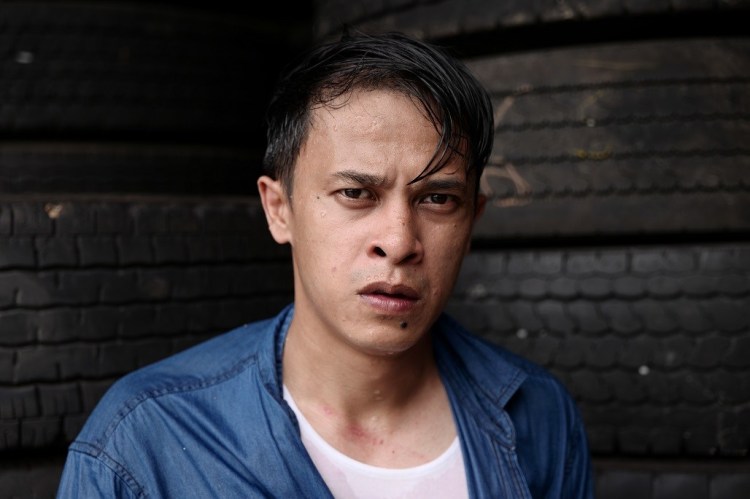
  • Crossroads:One Two Jaga –  gritty migrant worker drama from Nam Ron.

South Korea
Steel Rain banner

  • 1987: When the Day Comes – democracy movement drama from Jang Joon-hwan.
  • The Battleship Island: Director’s Cut – extended cut of Ryoo Seung-wan’s wartime drama in which a musician and his daughter are conscripted for offshore forced labour. Review of the theatrical edition.
  • Be with You – remake of the 2004 jun-ai classic in which a bereaved husband and son discover a woman who looks like their lost wife and mother wandering in the forest.
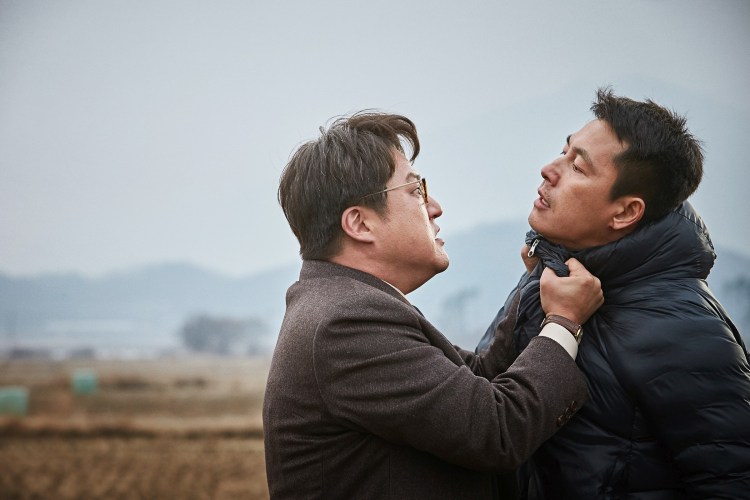
  • The Chase – a retired policeman teams up with a landowner to solve a 30-year-old cold case.
  • Forgotten – a nervous young man begins to doubt his surroundings after his brother is kidnapped. Review.
  • Gonjiam: Haunted Asylum – a TV crew travel to an abandoned asylum with a notorious past and get a lot more than they bargained for.
  • Last Child – powerful drama in which a grieving couple warm to the child their son died saving.
  • Little Forest – remake of the Japanese foody drama starring Kim Tae-ri
  • Midnight Runners – two police trainees decide to pursue justice alone in this hugely enjoyable buddy cop action comedy. Review.
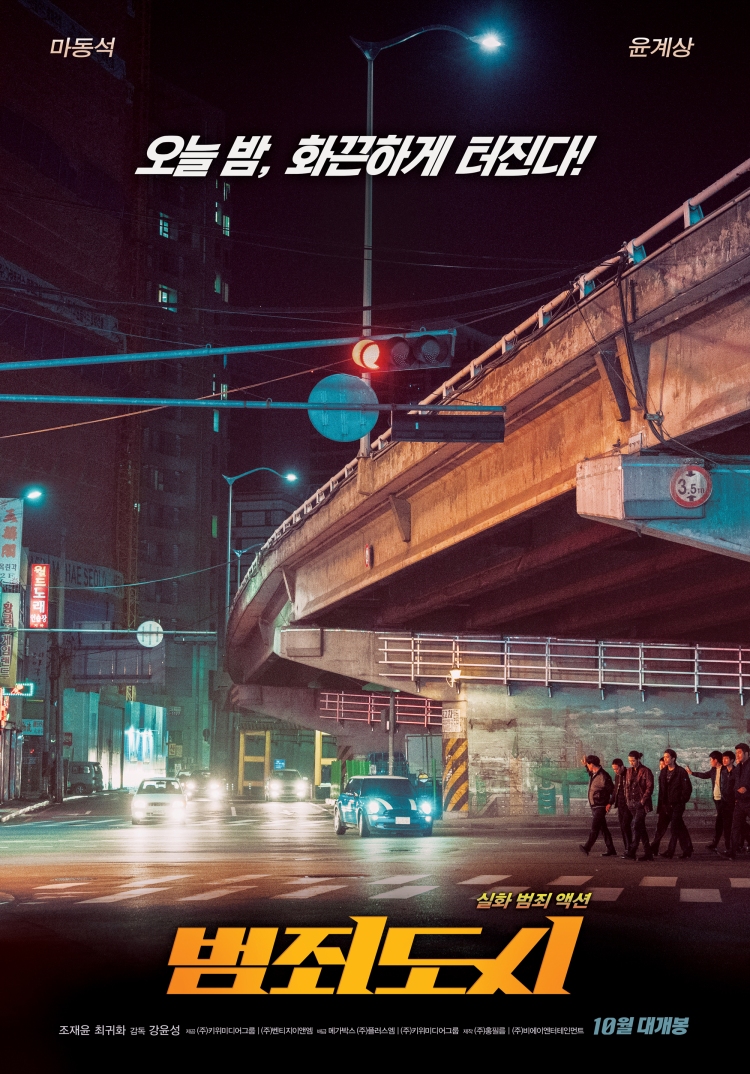
  • The Outlaws – Ma Dong-seok stars in an anarchic crime drama. Review.
  • The Running Actress – actress Moon So-ri writes, directs, and stars in this feature length compilation of three shorts.
  • A Special Lady – Kim Hye-soo stars as the second in command of a corporate gangster outfit in this noirish thriller.
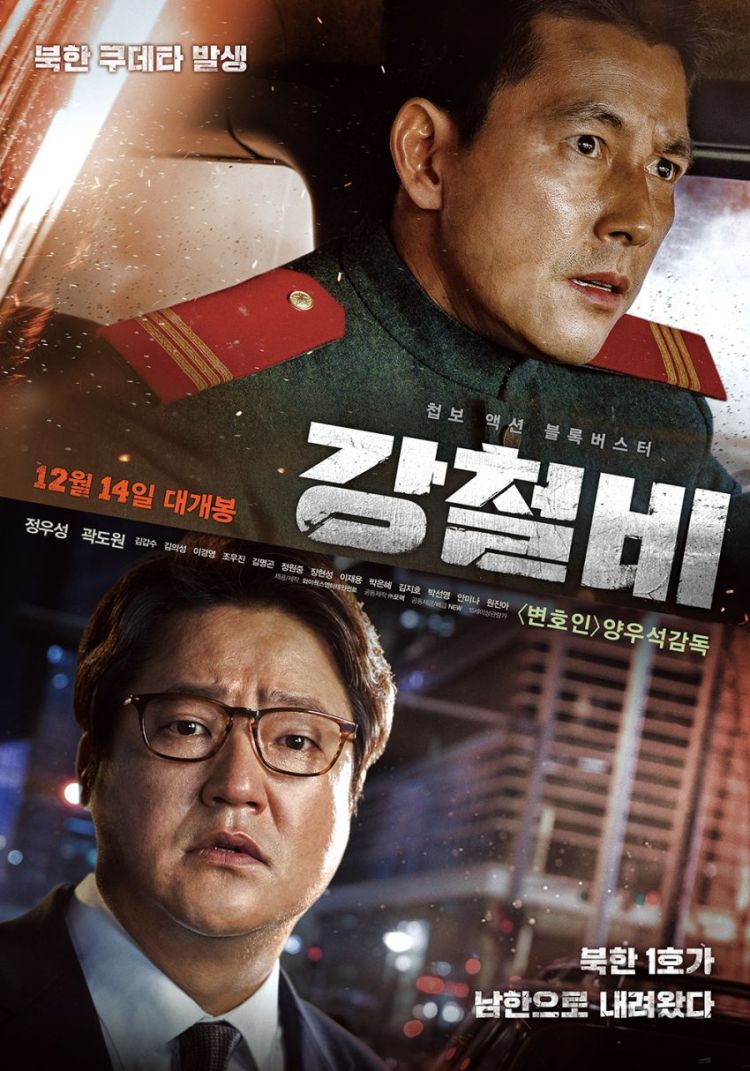
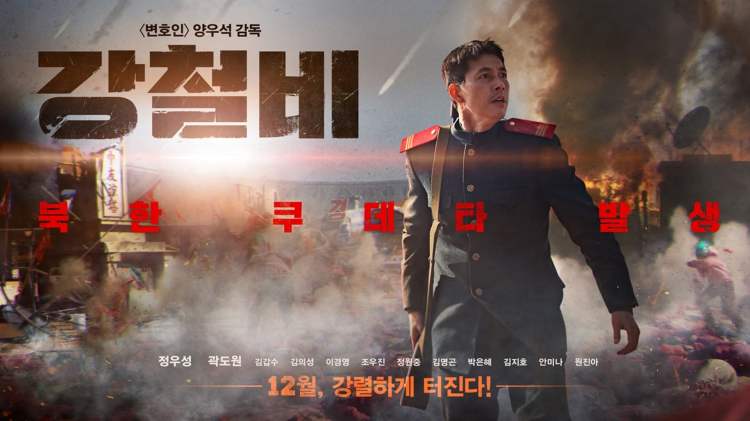
  • Steel Rain – A North Korean operative brings the wounded leader to the South to escape a coup and then must cooperate with an intelligence officer to prevent a nuclear war. Opening night gala. Review.
  • Courtesy to the Nation – Kwon Gyeong-won’s documentary focuses on democracy activist Chang Ki-hoon who became the centre of the Fake Will Scandal.
  • Veteran – Ryoo Seung-wan’s 2015 action drama. Review.

Philippines 
26353419607_79416c2262_o

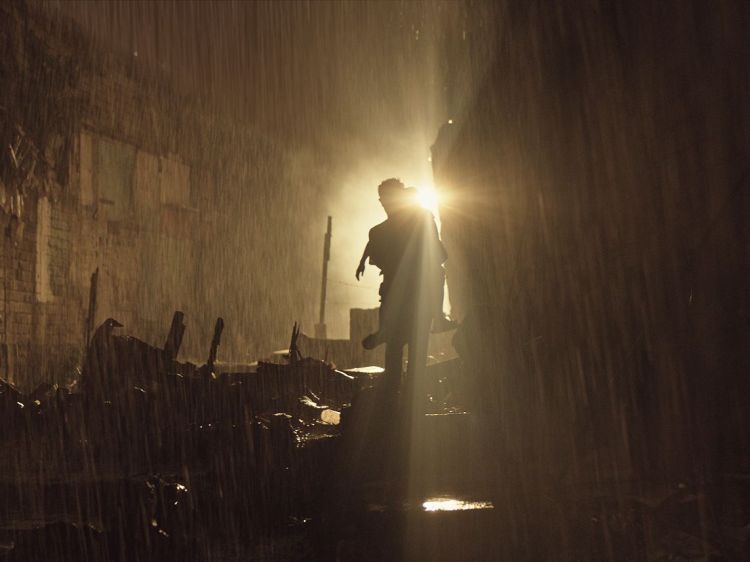
  • Chedeng and Apple – two old ladies set off on a quest to discover lost love with a severed head in a handbag along for the ride.
  • The Portrait – musical World War 2 drama.
  • Smaller and Smaller Circles – Raya Martin adapts the novel by F. H. Batacan in which two priests investigate murders of small boys in a Manila slum.
  • Himala– 1982 religious drama from Ishmael Bernal.
  • Moral – classic 1982 youth drama from Marilou Diaz-Abaya.

Singapore
wonder boy still 1

  • Diamond Dogs – a terminal cancer patient enters an underground social experiment.
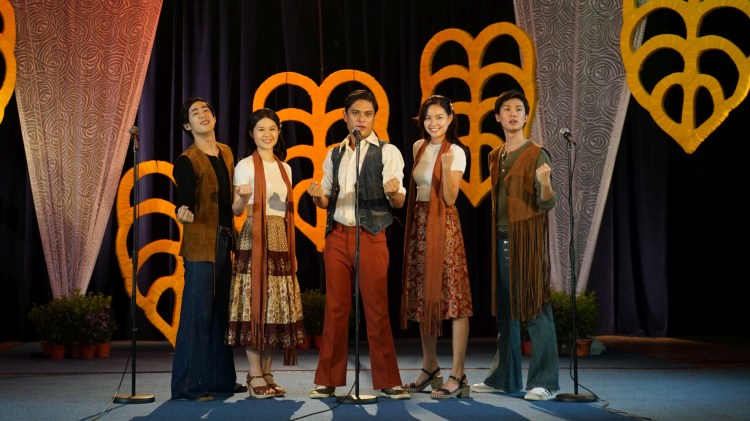
  • Wonder Boy – ’70s musical biopic.

Taiwan

41181664032_c03a278a38_o

  • All Because of Love – teen romance.
  • Dear Ex – family drama
  • Gatao 2: Rise of the King – sequel to the gangster drama.
  • On Happiness Road –  charming animation in which a woman returns to her childhood home.
  • Take Me to the Moon – timeslip comedy in which a young man attempts to save his friend from a life decision that will eventually lead to both their deaths.
  • Cloud of Romance – restored melodrama from 1977. Brigitte Lin retrospective.
  • Outside the Window – 1973 Taiwanese age-gap romantic melodrama. Brigitte Lin retrospective.

Thailand

bad genius still

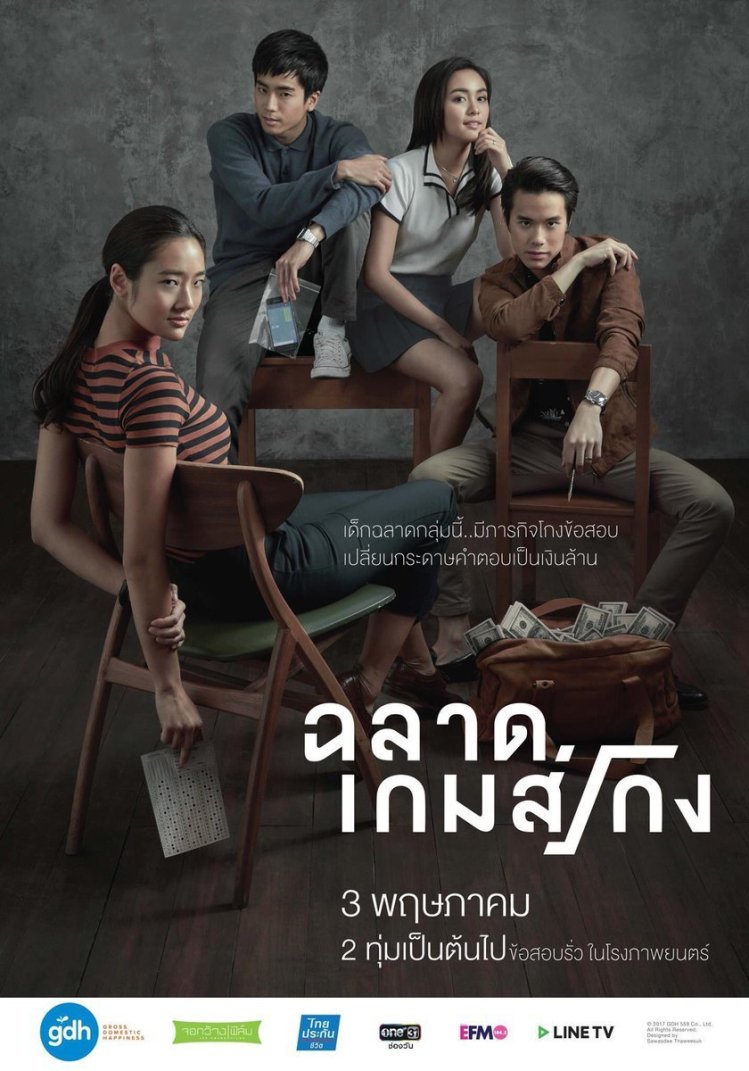
  • Bad Genius – a high school girl hatches a plan to cheat the exams system. Review.
  • The Promise – two women pledge to commit suicide together but when one backs out the other returns 20 years later to haunt her!
  • Sad Beauty – two female friends get mixed up in a murder.

Vietnam
the tailor poster

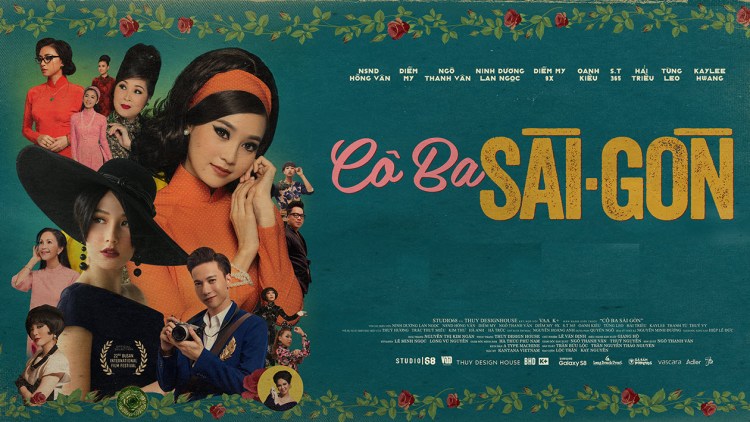
  • The Tailor – a tale of dressmaking and family in ’60s Vietnam.

Full details for each of the films will be shortly available via the official website where you can also find the daily screening schedule. Screenings take place both at the Teatro Nuovo, and the Visionario cinema. You can keep up with all the latest festival news via the festival’s Facebook Page, Instagram and YouTube channels, Twitter account, and Tumblr.

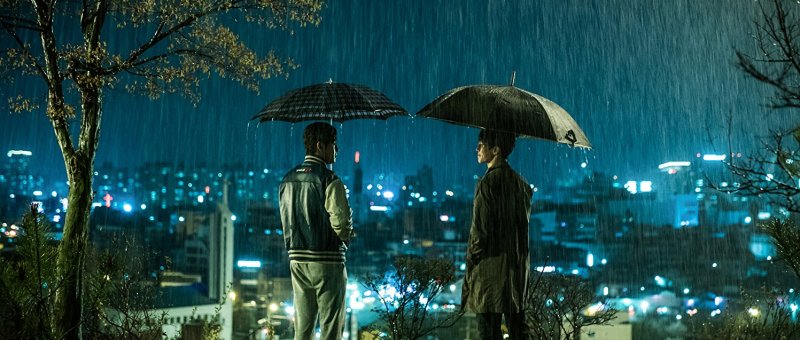
Steel Rain (강철비, Yang Woo-suk, 2017)

Steel Rain posterA little way in to Steel Rain (강철비, Gangchulbi), one of its heroes – a Blue House official, gives a pointed lecture on Korea’s past to some students of Geopolitical History. Fiercely critical of Korea’s previous subjugation by Japan, he laments that his nation was not able to free itself from the Japanese yoke and was awarded its freedom with the end of a wider political conflict which saw the Japanese “empire” collapse. According to Kwak Cheol-u, Korea has never quite lost its cultural admiration for its former colonisers which is why its most prominent corporations – Samsung, Haeundae etc, are all direct competitors with similar Japanese firms (and are only now pushing past them in terms of global market penetration and technological innovation).

Switching tack, he wonders why it is that Japan lost a war and Korea got cut in two by two new “colonising” forces. In his oft observed mantra, Kwak (Kwak Do-won) insists that the citizens of a divided nation suffer more from those who seek to manipulate the division for their own ends than they do from the division itself, which is where we find ourselves in the contemporary era of my button’s bigger than his button in which “capitalist pig dogs” face off against “dirty commies”. Adapting his own webcomic, Yang’s action thriller is among the most recent in a long line of North/South buddy movies and even if its cold-war paranoia feels distinctly old hat, it just goes to prove that everything old is new again.

Eom Cheol-u (Jung Woo-sung), a former North Korean special forces agent, is called back into the fold by his old commander for a very special mission. Tensions are about to boil over in the perpetually precarious state and the Dear Leader’s life is under threat from a suspected coup. Eom is to silence one of the conspirators in return for which he will be given elite status and his family will be well looked after. Unfortunately, the mission does not go to plan and Eom ends up witnessing a missile strike on a welcome meeting at a Chinese managed factory in which the (mostly young and female) employees are murdered in cold blood. Managing to escape with the Dear Leader himself who is seriously wounded, Eom travels over the border along with two young girls. From this point on he’s in conspiracy thriller territory trying to work out just what’s going on and who he can really trust.

The symbolism is rammed home by the fact that our two heroes, Kwak and Eom, have the same first name – Cheol-u, only one uses the characters for “strong friendship” and the other “bright world”. Taken together they paint a pretty picture, brothers in arms despite the political difficulties which place them on differing sides of an arbitrary line drawn up by a foreign power without much consideration for those divided by it. As in many North/South buddy movies of recent times, the North Korean agent displays the best qualities of his nation in his essential “goodness” – a caring husband and father, he executes his mission with maximum efficiency but bears no ill will towards those outside of it and is keen to protect the people of North Korea from almost certain doom should a nuclear war break out between the two peoples. Kwak, by contrast, is more of a schemer whose moral universe is much less black and white. A fluent Mandarin speaker he’s in tight with a North Korean official who keeps trying to talk him into taking a research post at a Chinese university while his family life is somewhat complicated thanks to a divorce from his plastic surgeon wife.

Meanwhile, the film is at pains to point out that Korea became the focus point of the first East/West proxy war and, in Kwak’s view at least, remains insufficiently important in the eyes of its “allies” to merit much direct consideration. Thus our boardroom squabbles are often reduced to the looming face of the American President “advising” the Korean officials on the best course of action while others worry about what Japan is going to think and wonder if the US secretly values the opinion of the Japanese more than the Koreans on the ground. The situation is further complicated by the fact that the government is in a transitionary phase in which a new president has been elected but not sworn in. The crisis may well play out entirely within the old president’s final hours which means that diplomatically he has little to lose and as he is a conservative, might as well milk the situation for all it’s worth. In short, he’s as keen to ruffle diplomatic feathers and bring the situation to a head as everyone else is and war looks more likely than not. The central message is that, as Kwak is fond of implying, governments care little for their people or that millions may die when idea of division is so easily manipulated, especially if it’s not “their” people who will be doing the dying.

Not for nothing is the new president seen reading copy of Willy Brandt’s book on successful reunification, even if he begs his outgoing predecessor to consider the economic impact of any possible change in relations with a Northern neighbour. The North Korean official also warns that China is not keen on the idea of a war seeing as that will necessarily mean an influx of North Korean refugees no one wants to take responsibility for. The cold war may be about to turn hot, but the heroics that cool it down turn out to be of a much less gung-ho nature than might be expected, relying on personal sacrifice and a perhaps outdated code of honour. Nevertheless, the crisis is averted not through macho posturing but through “diplomatic channels” and a careful balancing of powers. Perhaps not so farfetched after all.


Streaming worldwide via Netflix.

Steel Rain will also receive its international festival premiere as the opening night gala of the Udine Far East Film Festival on 20th April.

Far East Film Festival trailer (no subtitles)

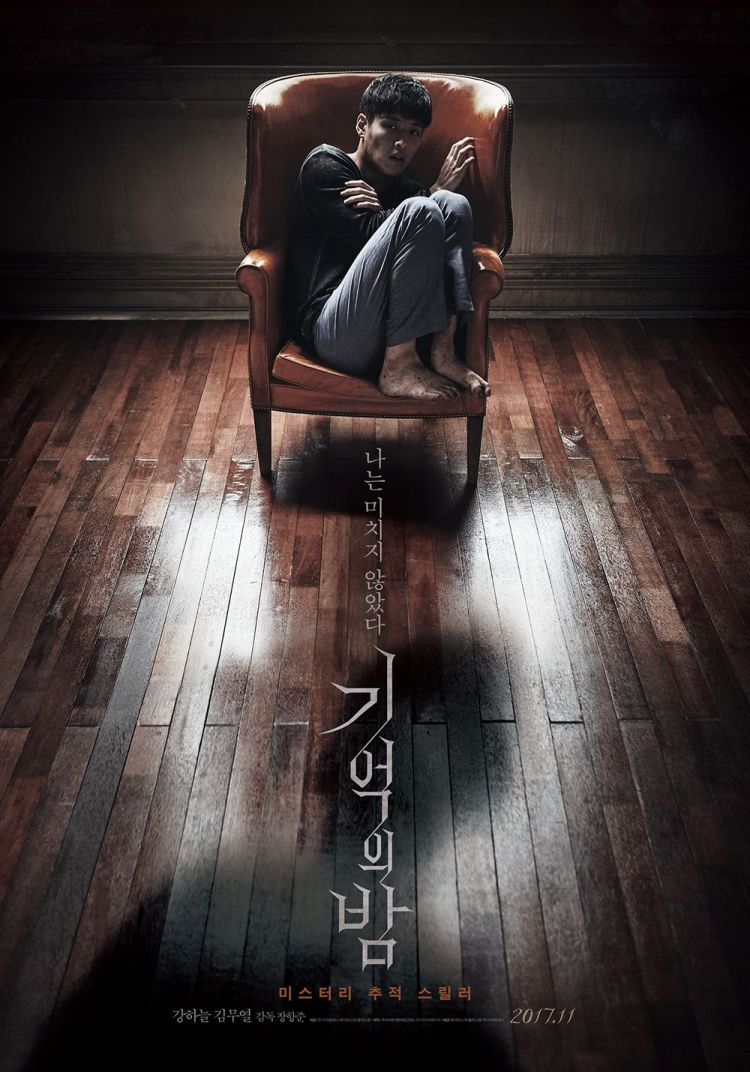
Forgotten (기억의 밤, Jang Hang-jun, 2017)

forgotten posterEver wondered if you’re living in a simulacrum? Strangely, the thought isn’t one which occurs to the hero of Jang Hang-jun’s Forgotten (기억의 밤, Gieokui Bam) despite his sense of déjà vu and the uncanny eeriness of his world. Then again, perhaps that’s because he is wilfully complicit in his own life lie, afraid to open the door and confront the ghosts trapped inside his psyche seemingly desperate get out. A tense psychological thriller, Forgotten is also a symbolist drama in which Jin-seok, a man literally trapped in the past, is forced to free himself from a locked room mystery only to discover his own dark truths.

Following some distressed sounds from someone who claims not to be able to remember whatever it is they’re being interrogated about, we find a young man, Jin-seok (Kang Ha-neul), peacefully asleep on his mother’s shoulder as his family drive to their new home. Jin-seok is an anxious young man under a lot of stress studying to retake university exams while his brother, Yoo-seok (Kim Mu-yeol), is the archetypal good Korean son. He is handsome (if a little geeky looking), clever, good at sports, patient and kind. In short Yoo-seok is everyone’s hero, not least his little brother’s, while Jin-seok is a nervous wreck who rarely leaves the house and makes sure to have his discman with him when he does to block out the noise and fury of city life. According to the prominently displayed calendar, it is May 1997.

Things start to go awry when Jin-seok finds out that the house’s previous owner has left some property in the upstairs room which he will collect at a later date. The family aren’t supposed to go in there ’til he does and so the brothers will be sharing a room. Jin-seok is however fascinated by the locked door and the strange noises he thinks he can hear coming from upstairs. Things go from bad to worse when Jin-seok witnesses Yoo-seok being kidnapped in the street only to return 19 days later with no memory of where he’s been. Little by little, Jin-seok comes to doubt that the man who has returned is really his brother, but if he isn’t, then who is he and why is any of this happening?

Like all good gothic mysteries, the first problem is Jin-seok’s supposedly fragile mental state. His family repeatedly check he’s taking his medication and take care to ensure his life is as stress free as possible, apparently afraid that he will relapse into some kind of breakdown the cause of which may be partly the reason that the family has moved to a quieter area. Thus neither he nor we can be sure if everything he experiences is real, a product of his strained mind, or a problem with his medication.

Wedded to this story is the coded past of Korea in 1997 struck by the Asian economic crisis which, the film seems to say, provoked a kind of paranoid madness generalised across society. In this difficult climate in which jobs were scarce and even those in professional occupations faced a significant drop in living standards, extreme solutions began to seem attractive. A young woman and her daughter are murdered and the killer never caught, a little boy orphaned and abandoned by his relatives who keep his family’s money for themselves, a young man resolves to commit a terrible transgression in the hope of saving a loved one, and all because of a tragic accident and some random numbers on a screen. 

Jang Hang-jun turns the relatively low budget to his advantage in creating a world of intense uncanniness, somehow realer than real but never quite right. Gradually peeling back the layers of Jin-seok’s existence to expose the wires below, Jang’s artistry becomes apparent as the world comes into focus albeit presenting a different kind of mystery. Anchored by the impressive performance of a deglammed Kang Ha-neul, Forgotten is as bleak a tragedy as they come. The truth may set one free, but not quite in the way the saying implies and there are some things with which is it impossible to live. The unseen legacy of a traumatic era sends its invisible shockwaves through the present and out into the future, and perhaps the only way to survive them is to avoid opening the door.


Streaming worldwide via Netflix.

Original trailer (no subtitles)

Operation Red Sea (红海行动, Dante Lam, 2018)

Operation Red Sea posterDante Lam, a Hong Kong action icon, is one of many to have begun looking North, tempted by the bigger budgets and audience potential of the Mainland. Following 2016’s Operation Mekong, Lam is back on manoeuvres with a second in what may develop into a series, Operation Red Sea (红海行动, Hónghǎi Xíngdòng). Red Sea is not connected to Mekong in terms of narrative and only features a cameo by the earlier film’s star, Zhang Hanyu, who remains firmly ensconced on the bridge of the all powerful Chinese warship while an elite troop of special forces handles the rapidly deteriorating situation on the ground, but it is once again “inspired” by a true story and perfectly positioned to show the Chinese security services in a more than favourable light.

The action begins in 2015 when the Chinese navy wades in to defend a merchant ship attacked by Somali pirates, managing to apprehend the “bad guys” with a minimum of bloodshed before they escape Chinese waters. Having suffered a casualty, the squad are then dispatched to rescue Chinese citizens caught up in an Middle Eastern coup. Their mission is helped and hindered by intrepid Chinese-French journalist, Xia Nan (Hai Qing), who has discovered evidence that a dodgy “businessman” caught up in the attack is in possession of a consignment of “yellowcake” along with a deadly dirty bomb formula which he plans to sell on to the terrorists currently waging war on the city.

Though Operation Red Sea is, perhaps, no more jingoistic than any British or American war film, its focus is more definitively centred on home concerns than an attempt to police the world. The Chinese military exists to defend Chinese citizens, even if those citizens are increasingly scattered throughout an unstable world. This presents a point of conflict between idealistic, and occasionally reckless, journalist Xia Nan whose mission is to stop the terrorists and rescue her friends, and the soldiers whose primary mission is to evacuate Chinese citizens though they hope to be able to provide assistance to citizens of other nations too if their mission parameters allow.

The Jiaolong, elite Chinese special forces, are indeed an impressive fighting force who proceed with military precision but are not without compassion. Informed by a local soldier that the terrorists often force civilians to become suicide bombers, the team’s bomb disposal officer puts himself at great risk to defuse a device and free a man destined to become a car bomb, rather than simply neutralising the threat. Protecting Chinese in peril is the official goal, but on a human level the soldiers are overcome with sorrow and anger for the local population, lamenting that they may have saved some lives but many have lost their homes and they will simply leave them behind to deal with the situation alone when they succeed in their mission of evacuating stranded Chinese diplomatic personnel.

Despite the overtly propagandistic elements which paint the Chinese military as a force for good, fighting bravely for their countrymen overseas, the landscape of war Lam paints is a hellish one full of blood, guts, and scattered body parts. Much of the film plays as a two hour recruiting video for the Chinese navy – it’s almost a surprise there aren’t people waiting with clipboards outside the theatre, but it’s difficult to believe anyone would be in a big hurry to sign up after witnessing the pure human carnage of a foreign battlefield and the very real threats the soldiers subject themselves to all while stoically pursuing their mission, committed to the protection of their nation and people.

Nevertheless Lam’s spectacle is impressive and action choreography unsurpassed. Working on a huge scale with everything from snipers to tank battles, Lam keeps the tension high as the team attempt to adapt to a situation which is rapidly deteriorating leaving them all but stranded behind enemy lines where each and every one of them faces a very real threat of death or serious injury. Despite an overuse of CGI slow motion bullet vision, Operation Red Sea largely earns its bombast with relentless fury, leaving its propaganda aims to dangle the background until the final coda which seeks to remind us that China rules the waves and will protect its citizens and territory wherever they may be.


Currently on limited release in UK cinemas courtesy of China Lion.

Original trailer (English subtitles)

Youth (芳华, Feng Xiaogang, 2017)

youth posterOn the surface of things, one might be forgiven for thinking that Feng Xiaogang, “China’s Spielberg” – the director of such fluffy hits as If You Are the One and the prestige picture The Banquet, might not be the one to look to for nuanced takes on the state of his nation but, as he proved with the irony filled I am Not Madame Bovary, there has always been a persistent resistance in his superficially crowd-pleasing filmography. The exact nature and extent of that resistance is however harder to assess. Youth (芳华, Fāng huá), Feng’s latest historically probing epic, made headlines when its mainland release was blocked at short notice immediately before its international premiere at the Toronto International Film Festival and in some respects it’s easy to see why it may have raised an eyebrow or two at the censor’s board. A literal story of “youth” and the various ways that the concept becomes romanticised even when one’s own coming of age took place in otherwise difficult times, Feng’s film is also the story of modern China, baptised in the fire of the Cultural Revolution only to finally succumb to the consumerist one 15 years later.

Narrated by bystander Suizi (Zhong Chuxi), later a successful author apparently looking back on her own “youth” with a writerly eye, the tale begins in the early 1970s with two pillars of the arts division of the People’s Liberation Army. Suizi informs us the the protagonists of this story are Lui Feng (Huang Xuan) – a model soldier, and Xiaoping (Miao Miao) – a poor girl mercilessly tormented by everyone throughout her entire life. Xiaoping’s birth father has long been languishing in a re-education camp but as she’s taken her step-father’s name, Liu Feng assures her that he’s kept her bad class background off her record and will make sure no one else knows about it.

Performing propaganda ballets, the arts division is at its zenith at the height of the Cultural Revolution. The troop as a whole enjoys extreme privilege – they are well fed and cared for, evade the dangerous front line work many other members of the armed forces are subject to, and receive the respect due to them as the embodiment of a revolutionary ideal. They are, however, still guilty of the various hypocrisies coded into the system. Though many of the dancers have family members with “bad class backgrounds”, undergoing re-education or otherwise better not mentioned, the top guys and girls are the ones with parents high up in the party who use their untouchable status to paper over cracks in their own development with inherited superiority.

Lui Feng is perhaps an aberration. Nicknamed “Lei Feng” – a mythical figure created for propaganda purposes to embody the “ideal” revolutionary soldier in his selfless dedication to his comrades and communist virtues, Lui Feng is indeed a model party member whose goodness and kindness know no bounds. Unlike Lei Feng, however, he is a real man of flesh and blood not some far off and untouchable god. Having sanctified him in this way, the collective has effectively raised Lui Feng up to an unfair and unattainable ideal and is then “betrayed” on realising that Lui Feng is a man with a man’s hopes and desires. Lui Feng’s transgression is inappropriate to be sure but also somehow innocent in its naivety and his counter betrayal by the system to which he has dedicated his life all the more difficult to bear because of the unfair deification his better qualities have earned him.

Xiaoping meanwhile, who expected only betrayal, betrays the system through passive resistance in resentment of the way it has treated her friend. “Abandoned” by the collective which is the arts troop, Xiaoping exiles herself from a society she thinks has little need of her yet she then continues to serve it fully as a frontline nurse. The “youthful” idealism of Lui Feng and Xiaoping is tested as they find themselves caught up in a far off war while their former comrades dance around with wooden swords on a painted stage. Wounded in body and mind, the pair continue onwards even as their nation conspires to leave them behind.

Shifting into the ‘90s and then the 21st century, Feng’s messages become muddier and harder to grasp. In one sense what is celebrated is “youth” itself which, in this case, happened to take place against the backdrop of terrible events (albeit it ones from which many of the protagonists save Lui Feng and Xiaoping were largely shielded) enabling the growth of a generational family destroyed by a change in the political wind. It is however hard not to infer that everything was better during the turbulent ‘70s in which the delusion of innocence, if not its actual existence, was easier to bear than the soulless march into the future of Coca-Cola signs, Transformers toys and fathers who never come home because they’re too busy making money. Feng’s heroes are the ones who exiled themselves from the reality of China as a modern economic superpower, holding fast to their innate senses of honour and justice, yet in this Feng does to them exactly what he criticises his society for doing – he makes them martyrs, mythologises them as embodiments of revolutionary ideals, a pair of real life Lei Fengs all over again. In telling a story of how the revolution betrays and is betrayed, Feng makes the heroes emerge damaged but unbroken, chaste children trapped by the “innocence” of the pre-capitalist age, but whether their survival is victory or defeat remains unclear. 


Youth is currently screening at selected cinemas across the UK courtesy of CineAsia.

UK release trailer (English subtitles)

The Outlaws (범죄도시, Kang Yoon-sung, 2017)

The outlaws posterBack in 2004, a hero cop made the headlines by cleaning up Chinatown when he took into custody 32 known gang members in Seoul’s Garibong district. Based on the real life case, The Outlaws (범죄도시, BumJoedoshi, AKA Crime City), is the debut feature from Kang Yoon-sung in which Ma Dong-seok adds goodhearted yet compromised policeman to his list of increasingly impressive leading performances. Truth be told the role does little to stretch his current range but fits comfortably into Ma’s well worn persona of noble bruiser as he plays fatherly commander to his fiercely loyal team and avuncular mentor to a brave boy in the district who wants to help free the area from the dangerous gang violence which leaves not just businesses but lives under threat.

Ma Seok-do (Ma Dong-seok) is the only force stopping Garibong from descending into a hellish war zone of gang violence and destruction. A local resident, Ma is well respected in the area and knows the territory well enough to navigate its various challenges. Rather than take on the gangs wholesale he attempts to placate them, brokering an uneasy equilibrium which keeps the violence contained and helps to protect ordinary people from its effects. All of that goes out the window when a new threat arrives in the form of vicious gangster Jang Chen (Yoon Kye-sang) and his two minions whose methods are unsubtle in the extreme, ending with rival gang bosses chopped up and placed inside suitcases over nothing more than a trifling gambling debt.

Jang is a new and terrifying threat because he sees no need to play by the “rules”. A peace cannot be brokered with him and he cannot be reasoned with. Ma knows the time has come for action but even with police resources behind him is ill equipped to become, in effect, Garibong’s latest gang leader. To this end he makes a surprising decision – asking the residents for help. The residents, however, remain terrified. How can he ask them to inform on gangsters to whom they’re still paying protection money? Ma’s promise is a big one – to do what no one thought could be done in neutralising the organised crime threat by conducting a mass arrest of foot soldiers from across the gangland spectrum.

Ma Dong-seok makes fantastic use of his trademark sarcasm as the regular neighbourhood guy who also happens to be a top cop. Kang mixes a fair amount of humour into an otherwise dark and violent tale such as the recurrent presence of two lowly pamphleteers who are eventually pressed into more serious service for Ma, his trickery and manipulation of a suspect (which is also a way to save him from a death sentence on being sent back to China), and Ma’s love of drunken karaoke and lamb skewers with the boys. Ma thinks nothing of arming a gangster with a stab vest, setting up another in a public bath, or playing gangland politics for all they’re worth, but when it really counts he’s as straight as they come, protecting the residents of Garibong like the lone sheriff of some outpost town, equal parts officer of the law and disappointed dad.

The incongruously comical tone harks back to the ‘70s maverick cop golden age in which the lines between law breaker and law enforcer were always blurred but you knew who the good guys were because they had all the best lines. If Kang is aiming for this branded mix of grit and humour he doesn’t quite find it and the comedy sometimes undercuts his more serious intentions but it is undeniably good fun all the same. Ma Dong-seok’s warmhearted maverick is quite rightly the star of the show, but his rivalry with Yoon Kye-chang’s Jang Chen fails to ignite with Chen never quite seeming as menacing as intended. Nevertheless even if Kang’s gangland action comedy has little to add to an already crowded arena, it does at least provide a fitting showcase for Ma’s talents in its sarcastic, world weary policeman who may have one foot on the wrong side of the law but always acts in the name of justice.


Screened at the London Korean Film Festival 2017.

Original trailer (English subtitles)


Bad Genius (ฉลาดเกมส์โกง, Nattawut Poonpiriya, 2017)

Bad GeniusesThe world over, education is held up as the best path out of poverty but it is also true that the cards are stacked against those who come from disadvantaged backgrounds when it comes to academic success. Nattawut Poonpiriya’s Bad Genius (ฉลาดเกมส์โกง, Chalard Games Goeng) is part exam-set heist movie, morality play, coming of age tale, and attack on social inequality. Bright kids study hard for scholarships that will send them to foreign universities and then onto a secure middle-class life, but while they work themselves to the bone the less able rich kids get there first thanks to the resources and connections their wealth brings them. When locked out of a system, attacking it from underneath seems like a good idea, but then again there are always hidden dangers even the finest mind fails to see.

Lynn (Chutimon Chuengcharoensukying) is an extremely bright girl. Her father (Thaneth Warakulnukroh), a schoolteacher, wants to send her to an exclusive high school which has a reputation for sending graduates to foreign universities. Lynn’s achievements are impeccable and there’s very little chance the school won’t want her but her interview starts to go south when she wavers on the question of whether she actually wants to go there. Showing off her maths skills, Lynn proves that her dad will be paying a lot more in additional costs on top of the fees and she’s not sure it’s worth it.

This piece of honesty coupled with her swift mental arithmetic gets her offered a scholarship but Lynn finds it hard to settle in to her new “elite environment” until she ends up bonding with the less bright but cheerful and bubbly Grace (Eisaya Hosuwan). Things begin to come unstuck when Lynn ends up helping Grace cheat on a test so that she can achieve her dream of acting in the school play. Grace has a big mouth and so her boyfriend, Pat (Teeradon Supapunpinyo), also wants in on the action. Pat is not Lynn’s friend and she’s not keen but when he offers her a substantial amount of money Lynn can’t help but be swayed. Soon enough it’s not just Pat and Grace but half the school and Lynn finds herself plotting a complex conspiracy of examination fraud which involves international travel and extreme feats of memorisation.

The saddest part is, all of this starts as a mistaken attempt at friendship. Lynn’s first mistake was helping Grace cheat when became clear she’d never get the grades. She did this to help her friend who was worrying about being kicked out of the school play just because her maths is bad. Likewise she doesn’t want to help Pat, but doesn’t want to let Grace down and can’t deny the money is helpful. Little by little, Lynn is seduced by all the adoration she’s getting from these rich kids who wouldn’t give her a second look ordinarily but are now entirely dependent on her in their academic lives. Her finely tuned, systematising mind loves solving the puzzle of the perfect scam while her loneliness leaves her basking in her newfound popularity.

Lynn’s seduction into the world of cheating is partly born of a kind of class rage but it comes from a surprising direction. Grace, a blabbermouth, lets slip that the school charges its fees at a very uneven rate. The less able students like Grace and Pat are paying a kind of idiot tax. Not having met the academic requirements, they’ve bought their way in through paying higher fees and making donations to the school. Even Lynn’s father has payed a significant amount in “tea money” despite her scholarship. This knowledge provokes a kind of outrage in Lynn, disappointed with the school’s lack of integrity. Cheating gains an additional attraction in getting back at the “corrupt” school system, but Lynn hasn’t thought it through. She thinks this is a victimless crime – the dim rich kids get their grades and please their parents, she gets rich, everyone is happy. Lynn hasn’t considered how taking the rich kids’ money makes her an enabler of the very system she rails against in allowing them to continue using their privilege to get ahead at the expense of genuinely talented students like herself and her friend/rival Bank (Chanon Santinatornkul).

Smart as she is, Lynn is not so much of a people person and consequently it takes her quite a long time to realise she is being exploited. She’s drawn to Bank because, like her, he also comes from an impoverished background and reminds her of her father in his absentminded goodness. Lynn breaks her own heart when she realises that all her scheming has destroyed the thing she loved as Bank’s pure soul becomes corrupted by cynicism in realising it will never matter how many exams you pass, the rich kids will always have everything zipped up tight. Rather than join the rat race, there might be a better way for smart people to earn money fast by exploiting the obvious weaknesses of the elite’s spoiled children rather than expending time and energy playing by the rules.

Shot with rigorous attention to detail, Bad Genius is both tense exam room thriller and humorous teen drama which lays bare the negative effects of pressurised education and social inequality on the hopes and dreams of young people. Lynn’s passage from isolated smart kid to criminal mastermind is heartbreaking in its quietly devastating conclusion in which she realises honesty and integrity have their own value but also that the choice has always been hers and she has the power to own her own story rather than allow someone else to claim it for her.


Screened at the BFI London Film Festival 2017.

International trailer (English subtitles)

Our Time Will Come (明月幾時有, Ann Hui, 2017)

our time will come posterFor Ann Hui, the personal has always been political, but in the war torn Hong Kong of the mid-1940s, it has never been more true. Our Time Will Come (明月幾時有, Míng Yuè Jǐ Shí Yǒu) was pulled from its opening slot at the Shanghai film festival though it was permitted a screening at a later date. At first glance it might be hard to see what might be objectionable in the story of the resistance movement against the Japanese, but given that this year marks the 20th anniversary of Hong Kong’s handover from British colonial rule to mainland China, there is an obvious subtext. Yet, at heart, Hui’s film is one of resilience and longing in which “see you after the victory” becomes a kind of talisman, both prayer and pleasantry, as the weary warriors prepare for a better future they themselves do not expect to see.

In 1942, school teacher “Miss Fong” Lan (Zhou Xun) lives with her mother (Deanie Ip), a landlady who rents out her upstairs room to none other than Lan’s favourite poet, Mao Dun (Guo Tao). Lan also has a boyfriend, Gam-wing (Wallace Huo), who proposes marriage to her and then announces his intention to leave town. Not really interested in marrying someone who is already leaving her, Lan ends things on a slightly sour note but her refusal is more than just practicality – she wants something more out of life than being an absent man’s wife. Mrs. Fong is an expert in finding out things she isn’t supposed to know (a true landlady skill) and so has figured out that her lodgers are looking to move on. Mao Dun is supposed to make contact with notorious rebel Blackie Lau (Eddie Peng) who will guarantee passage out of Hong Kong for himself and his wife. Unfortunately, he is a little late and a Japanese spy turns up just at the wrong time. Luckily, Lau arrives and solves the problem but a sudden curfew means he can’t complete his mission – which is where Lan comes in. Lau entrusts the group of intellectuals to Lan, instructing her to guide them to a typhoon shelter where another contact will meet them.

This first brush with the business of rebellion provides the kind of excitement Lan has been looking for. Impressed with her handling of the mission, Lau returns and offers Lan a permanent place in his movement as part of a new urban cohort. Her life will be dangerous and difficult, but Lan does not need to think about it for very long. Her mother, ever vigilant, frets and worries, reminding her that this kind of work is “best left to men” but Lan is undeterred. Ironically enough, Lan has never felt more free than when resisting Japanese oppression with its nightly crawls accompanied by noisy drumming looking for the area’s vulnerable young girls. Mrs. Fong blows out the candles and moves away from the windows, but Lan can’t help leaning out for a closer look.

Hui keeps the acts of oppression largely off screen – the late night crawls are heard through the Fongs’ windows with Mrs. Fong’s worried but resigned reaction very much in focus. The schools have been closed and rationing is in full force, but most people are just trying to keep their heads down and survive. The local Japanese commander, Yamaguchi (Masatoshi Nagase), is a figure of conflicted nobility who quotes Japanese poetry and has a rather world weary attitude to his difficult position but when he discovers he’s been betrayed by someone he regarded as a friend, the pain is personal, not political.

Yamaguchi tries and fails to generate an easy camaraderie with his colleague, but the atmosphere among the rebels is noticeably warm. Lan becomes a gifted soldier and strategist but she never loses her humanity – embracing wounded comrades and caring for the children who often carry their messages. When Lan discovers that someone close to her has been captured and is being held by the Japanese she enlists the help of Lau who is willing to do everything he can for her, but coming to the conclusion the mission is impossible Lan’s pain is palpable as she wrestles with the correct strategic decision of leaving her friends behind rather than compromise the entire operation. What exists between Lan and Lau is not exactly a “romance”, the times don’t quite permit it, but a deferred connection between two people with deep respect for each other and a knowledge that their mission is long and their lives short.

Hui bookends the film with a black and white framing sequence in which she also features interviewing survivors of the resistance movement including an elderly version of the young boy, Ben, who is still driving a taxi to get by even at his advanced age. Ben is a symbol of hidden everyday heroes from the pharmacists who treated wounded soldiers, and the old ladies who cooked and provided shelter, to the resistance fighters who risked their lives in more overt ways, who then went back to living ordinary lives “after the victory”. The film’s final images seem to imply that Hong Kong’s time has come, that perhaps the eras of being passed, mute, from one master to another may be nearing an end but the time is not yet at hand, all that remains is to resist.


Screened at the BFI London Film Festival 2017.

International trailer (English subtitles/captions)

Wrath of Silence (暴裂无声, Xin Yukun, 2017)

wrath of silence posterNature red in tooth and claw – life in the arid Northlands of modern China is surprisingly bloody in Xin Yukun’s The Coffin in the Mountain followup, Wrath of Silence (暴裂无声, Bào Liè Wúshēng). The film’s Chinese release has, apparently, been indefinitely delayed for unclear reasons but it’s easy to see what might have given the censors occasion for pause in this tale of missing children, corrupt businessmen, and the relentless lusty greed of the new middle classes. A voiceless everyman forced away from his family by a series of unfortunate events, returns to look for his missing son but finds only a malevolent darkness invading the corners of his once peaceful rural mountain town.

In the winter of 2004, a small boy watches his sheep whilst building a small rock tower and drinking from his Ultraman flask. A short while later, his dad, Baomin (Song Yang), is pulled away from a fistfight at the bottom of a coal mine by a phone call from his wife informing him that their son has gone missing. Baomin drops everything and goes home but he’s still persona non grata in the small mountain village after stabbing the local chef in the eye with a lamb bone during a fight over Baomin’s refusal to sign over his land to developers hoping to open a coal mine.

Baomin’s path crosses with that of two other men, gangster-like mining magnate Chang (Jiang Wu) who has recently been “acquitted” of running illegal operations, and Chang’s lawyer, Xu (Yuan Wenkang), a conflicted single parent. Baomin and Xu are at opposite ends of China’s recently born class system – one educated, successful, and inhabiting the new pristine cities, the other literally rendered voiceless by an act of violence, poor, and living an antiquated rural life in a desert wasteland. Chang exists in the no man’s land between them as an example of the new elite – his life is one of Westernised elegance in his smart study and wood panelled drawing room with its deer heads on the walls. Yet it’s not business acumen which underpins his success but thuggery and a thorough disrespect for conventional morality.

There is a double irony in Baomin’s life in that his original objection to the coal mine has sent him straight into one. Owing vast compensation to the chef whose eye he ruined as well as needing money to pay for his sickly wife’s medical treatment, Baomin has little choice but to leave his farm and travel to a distant city where he can earn the money he needs to pay for his various responsibilities. Not only are the coal mines ripping up the landscape, they’re destroying families firstly through forced absences and secondarily through disease born of industrial pollution.

This veniality is all too plain in Chang’s ostentatious display of needless slaughter as he sits at a large dining table entirely covered in plates of raw meat ready to be sizzled in Chang’s favourite hot pots while a finely tuned slicer runs in the background churning out an endless supply of repurposed flesh. Chang’s overwhelming need for consumption is less about hunger than conquest as his hunting hobby proves but the trophies on his walls are as fake as the hairpieces which cover his receding hairline. The force which drives him is not so much need as vanity, fear, and insecurity. Desperate to be hunter and not hunted, he has abandoned all morality and will stop at nothing to ensure his place at the table is secure.

Baomin will stop at nothing until he finds his son. The film’s title, ironically enough, includes a slight pun in its first two characters which are pronounced “Bao” and “Lie” (the name of Baomin’s son) but mean “violence” and “spilt” while the characters of Baomin’s name (保民) mean protect and citizenry. Baomin is a violent man. According to his wife he was always fond of a fight even before rendering himself mute, but it has to be said that violence is, in his voiceless state, his most efficient method of communication. Flashing pictures everywhere he goes, Baomin chases visions of his son, haunted by small boys in Ultraman masks, fighting monsters far more real than the tokusatsu hero’s usual foes.

Fable-like in execution, the final revelations are heavily foreshadowed though dual meanings are plentiful as in a small boy’s innocent assumption of a classic Ultraman pose which looks eerily like something else to those with a guilty conscience, planting the seed of doubt as to whether it really was quite that innocent after all. Xin shoots with Lynchian surrealism as darkness seems to creep idly into the frame and then hover there, threatening something terrible, like the manifestation of willingly unseen truths. The rapid pace of social change has brought with it a loss of morality that endangers the foundation of society itself, sacrificing the young on the altar of greed while the state turns a blind eye to systemic corruption and cowards save their own skins rather than ease the suffering of others. Filled with a quiet rage mediated through melancholy poetry, Wrath of Silence takes a long, hard look into that creeping darkness but finds the darkness looking back with accusing eyes.


Screened at BFI London Film Festival 2017.

Original trailer (dialogue free, no subtitles)


Never Say Die (羞羞的铁拳, Song Yang & Zhang Chiyu, 2017)

Never say die posterBody swapping drama seems to have come back in style of late, though they’ve rarely been as funny as the surprisingly laugh out loud Chinese comedy Never Say Die (羞羞的铁拳, Xiūxiū de Tiěquán). Based on a stage play by the Chinese theatre company Mahua whose last effort Goodbye Mr. Loser did something similar only with time travel, Never Say Die is a story of never giving up, always getting even, and learning to understand yourself through someone else’s eyes.

Edison (Ai Lun) was once an MMA champion, but a scandal three years previously has left him disgraced and reduced to taking dives for his shady boss, Dong (Tian Yu). Edison has a reputation for being good at taking dives because he can make them look so “realistic”, and believes his special talent ought to earn him a few more dollars. Seconds after dramatically hitting the mat, Edison gets a call reminding him he’s late for a weigh-in at a “real” fight. When he gets there he’s confronted by a bulldog reporter, Xiao (Ma Li), who questions him about his history of taking bribes. Reacting angrily, Edison soon realises Xiao’s boyfriend is none other than top MMA fighter and arch-rival Wu Liang (Haowen Xue).

Just to make things more complicated, Xiao is also the daughter of Edison’s manager, Dong, whom she hates and is determined to expose for his corrupt dealings. Edison chases after Xiao when he and Dong discover her recording a very compromising conversation but after ignoring a warning sign the pair end up on a rooftop during a thunderstorm. Edison bumps into Xiao, kissing her by mistake and pushing her into the pool in which they then both get struck by lightning. Waking up in hospital, each of them discovers they’ve come back a little different than they remembered.

This being China with its relatively stringent censorship laws, the body gags are kept to a minimum with Xiao suddenly dropping her reporter’s poise for “manly” roughness and Edison becoming subtly effeminate. Both are horrified by the sudden colonisation of their own bodies and resentful that in order to look after it properly someone they intensely dislike is going to have to be very aware of their most intimate features. This is especially true of Edison who reacts to his new found femininity in the predictable way by fondling his own breasts and then having a fantastic time in a ladies’ only bathhouse (an extended set piece ironically set to YMCA).

The gag is simple enough but actors Ai Lun and Ma Li commit so totally to their new roles that the increasingly absurd situations ring true right up until the trio end up learning Kung Fu from a possibly gay, resentful deputy chief monk (Teng Shen) at a mountain retreat. Veering off from the standard rom-com route, Never Say Die makes a brief sojourn in revenge genre after Xiao finds out some unpleasant facts about Wu Liang (through being Edison) and decides she needs to get her own back by humiliating him in the MMA ring. Edison may have been a champ, but despite his physical training, Xiao is still an elegant female reporter who’s not exactly used to being in the middle of a fight.

Never Say Die does not manage to escape the inherently sexist bias of the gender swap movie, but it does its best to mitigate it. It is problematic, in one sense, that Xiao needs to “man up” to get revenge on her dreadful boyfriend and then is sidelined when it comes time for Edison finish the job for her, but on the other hand she is the more capable and pragmatic of the pair who teaches Edison how to get himself together whilst playing a supporting rather than leading role. Perhaps betraying its comedy stage show routes, the script may appear episodic and meandering but it’s all brought together in grand fashion at the end with nary a gag wasted. The lesson is that eventually you have to get off your high horse and really look at yourself and others whilst resolutely refusing to back down to dishonest bullies if you really want to earn the right to be happy in yourself. Hilarious and emotionally satisfying in equal measure, Never Say Die is an unexpected comic delight which proves surprisingly subversive even in its superficial innocence.


Currently on limited release in UK cinemas courtesy of Chopflix.

Original trailer (Mandarin, no subtitles)