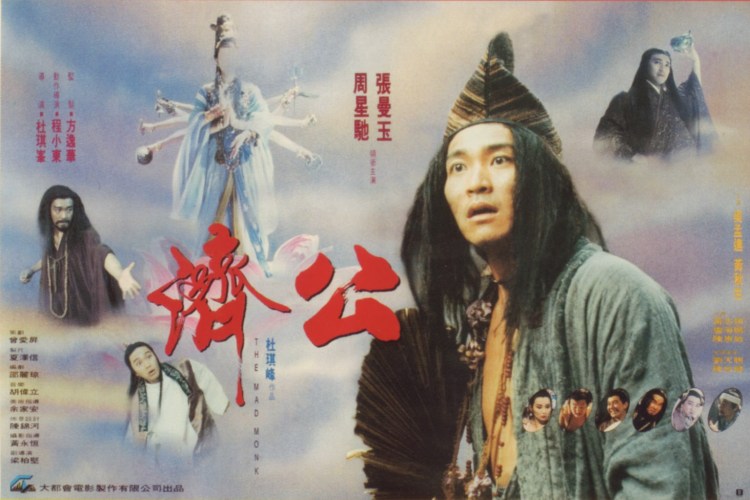
 “The Mad Monk” sounds like a great name for a creepy ghost, emerging robed and chanting from the shadows to make you fear for your mortal soul. Sadly, The Mad Monk (濟公, Jì Gōng) features only one “ghost”, but it might just be the cutest in cinema history. The second of Johnnie To’s Shaw Brothers collaborations with comedy star Stephen Chow is another wisecracking romp in which Chow revels in his smart alec superiority, settling bets made in heaven and eventually vowing to spread peace and love across the whole world.
Dragon Fighter Lo Han (Stephen Chow) has a low opinion of his fellow celestial beings. He thinks they ought to be taking more of an interest rather than blindly following the rules. Consequently, Lo Has been making all kinds of mischief and the other gods are very annoyed. They’ve appealed to their high arbitrator – the goddess of mercy (Anita Mui). Wisecraking Lo Han first tries to fob the gods off by sending his friend, Tiger Fighter (Ng Man-tat), instead but can’t resist offering a few more words of smugness in his own defence. Nevertheless, the goddess sees something in Lo Han’s argument and, rather than condemn him to a life as an animal, sets him a challenge – go to Earth and change the fates of three people whose destinies are set to remain the same for the next nine lives. Lo Han agrees and the “Mad Monk” is born.
Like Justice, My Foot, Mad Monk is an opportunity for Chow to show off his verbal dexterity with occasional forays into martial arts. Sadly much of the fast and furious dialogue does not translate though Chow’s spirited performance helps to breathe life into the comedy. Slightly less forgivably, To and Chow repeat jokes from the earlier film including one odd, very much of its time sequence in which Chow walks in on two gay men enjoying a banana in the privacy of their own room. Other attempts at long running jokes include Tiger’s metamorphosis into a giant baby which soon becomes tiring but is eventually forgotten.
Lo Han’s mission is to “reform” a prostitute (Maggie Cheung) who enjoys her work too much, a beggar (Anthony Wong ) with social anxiety and low self esteem, and a stone hearted villain (Kirk Wong) intent on inflicting as much evil as possible on the Mad Monk and his cohorts. Whilst living as a mortal, Lo Han is not allowed to use any of his celestial magic, but is given a magic fan which can be used three times a day. The goddess of mercy instructs Lo Han that he is to use his sincerity to convert these dyed in the wool sinners, which he does – descending to Earth in an oddly Christlike fashion, determined to save these lost souls even if he’s doing it for the pleasure of winning a bet more than an altruistic desire to help “troubled” people back onto what he sees as “the right path”.
Like many Shaw Brothers comedies, Mad Monk’s narrative is its least important element. The nonsensical plot races from one random incident to another, glued together with over the top slapstick and the occasional martial arts showdown. By the end, Lo Han has wound up in a monster movie as he tries to stop a giant marauding spirit from destroying the city even though he is running out of time for his personal quest and currently has other pressing concerns. Lo Han’s “sincere” attempts to manipulate his targets into changing their ways may seem as if they fail, but even if the effects will be felt in the next life rather than this one, Lo Han has made difference in the mortal world, albeit not quite the one he expected. Seemingly out of nowhere, Lo Han’s mission seems to have changed him too as he begins extolling the virtues of compassion and insisting on building another paradise to spread peace and love through the world. Like the film itself, it’s a noble cause but one that sadly never hits its mark.
Celestial Pictures trailer (Cantonese with English subtitles)
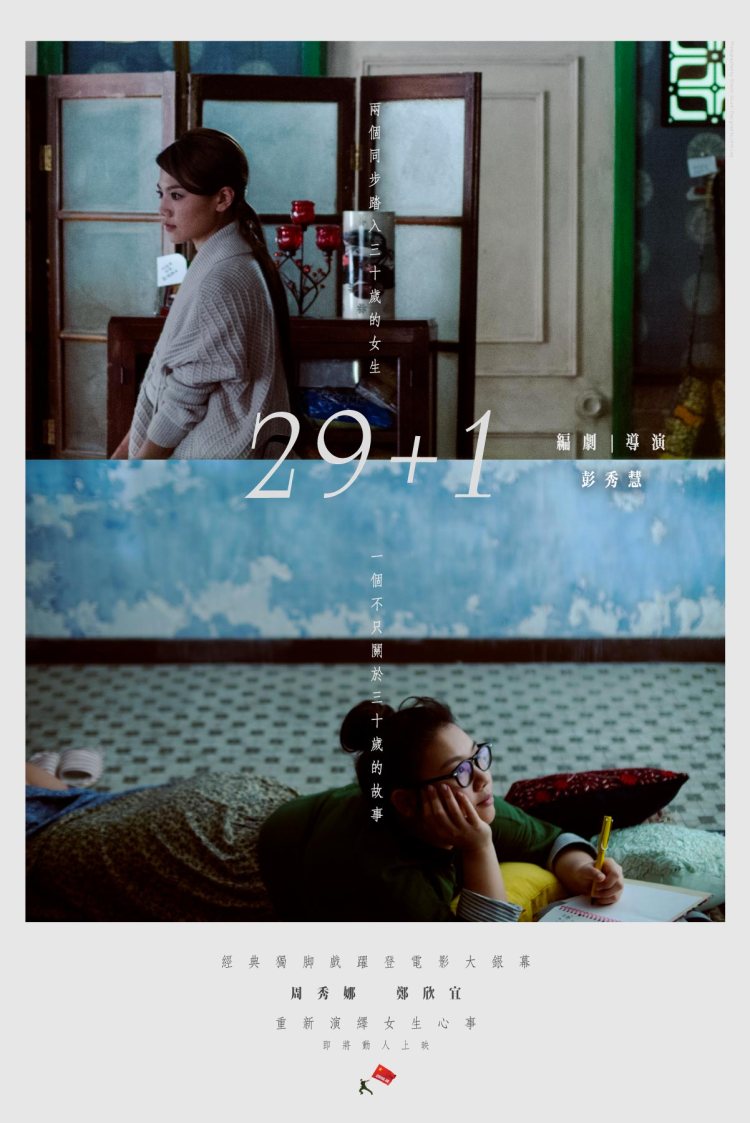 You know what they call women over 25 in China? “Christmas cake” – no one wants you after the 25th, so you’re condemned to sit on the shelf for all eternity like a piece of overproduced seasonal confectionary (a silly analogy because Christmas cakes, at least English ones, may outlive us all). Christy Lam lives in Hong Kong, not mainland China, and so her worries are a little less intense but still the dreaded 30 is causing its own share of panic and confusion in her otherwise orderly, tightly controlled life. In 29+1 Kearen Pang adapts her own enormously successful 2005 stage play about the intertwined lives of two very different women who happen to share a birthday and are each approaching the end of their 20s in very different ways. By turns melancholy and hopeful, 29+1 finds both women at a natural crossroads but rather than casting them into a bottomless pit of despair, allows each of them to rediscover themselves through a kind of second adolescence in which they finally figure out what it is they want out of life.
 Jimmy and Cherie, against all the odds, are still together and in a happy longterm relationship in the third addition to Pang Ho-cheung’s series of charming romantic comedies, Love off the Cuff (春嬌救志明). Following the dramatic declaration at the end of
  2010’s
 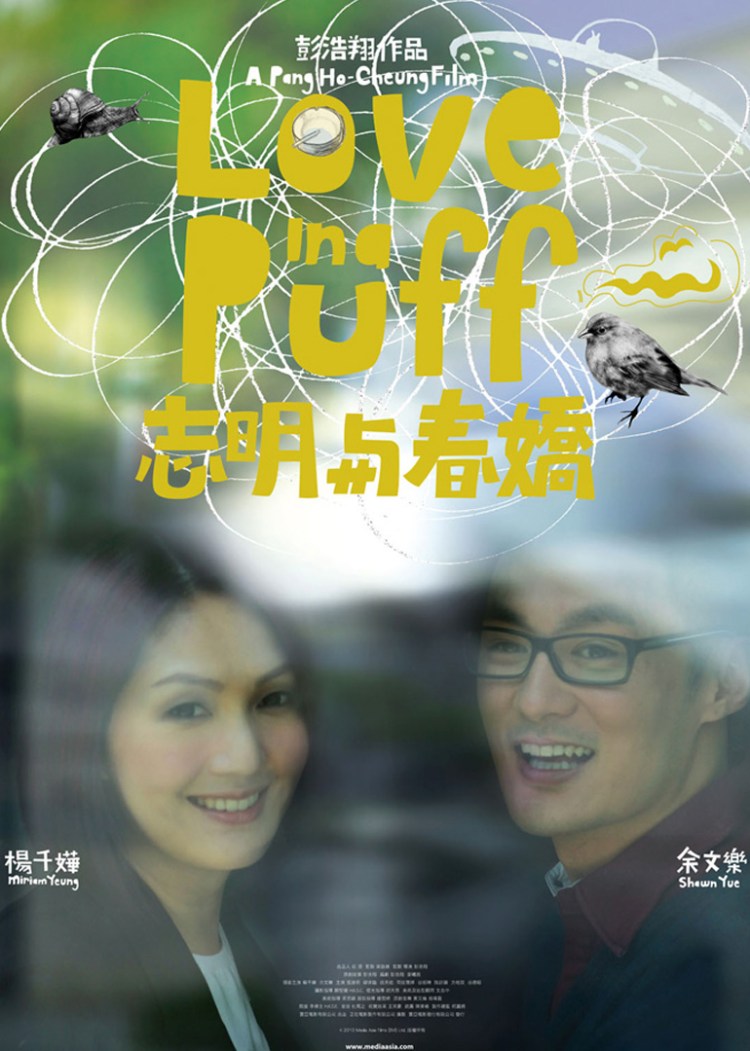 Smokers. Is there a more maligned, ostracised group in the modern world? Considering the rapid pace at which their “harmless” pastime has become unacceptable, you can understand why they might feel particularly put out – literally, as they find themselves taking refuge in designated smoking areas or perhaps back allies where it seems no one’s looking. For all the nostalgia about how easy it was to strike up a friendship with a stranger just by asking for a light, it is also important to remember that smoking is not so “harmless” after all and there are reasons why smokers are asked to keep their activities amongst those who’ve also decided to ignore the warnings. The Smoking Ordinance, oddly enough, may have accidentally boosted the social potential of a smoke as those eager for a puff are given additional reasons to spend time together in an enclosed space, building a sense of community through nicotine addiction.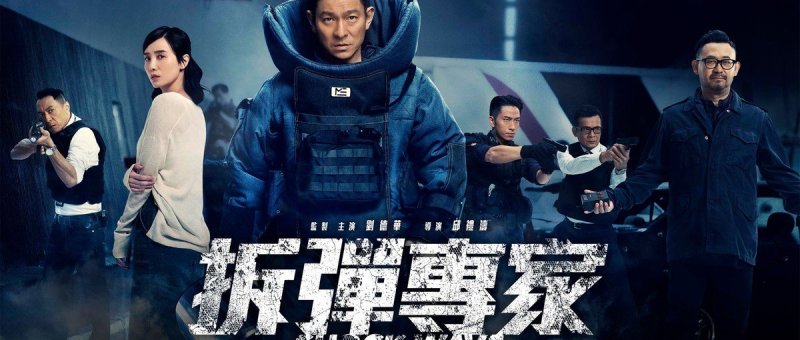
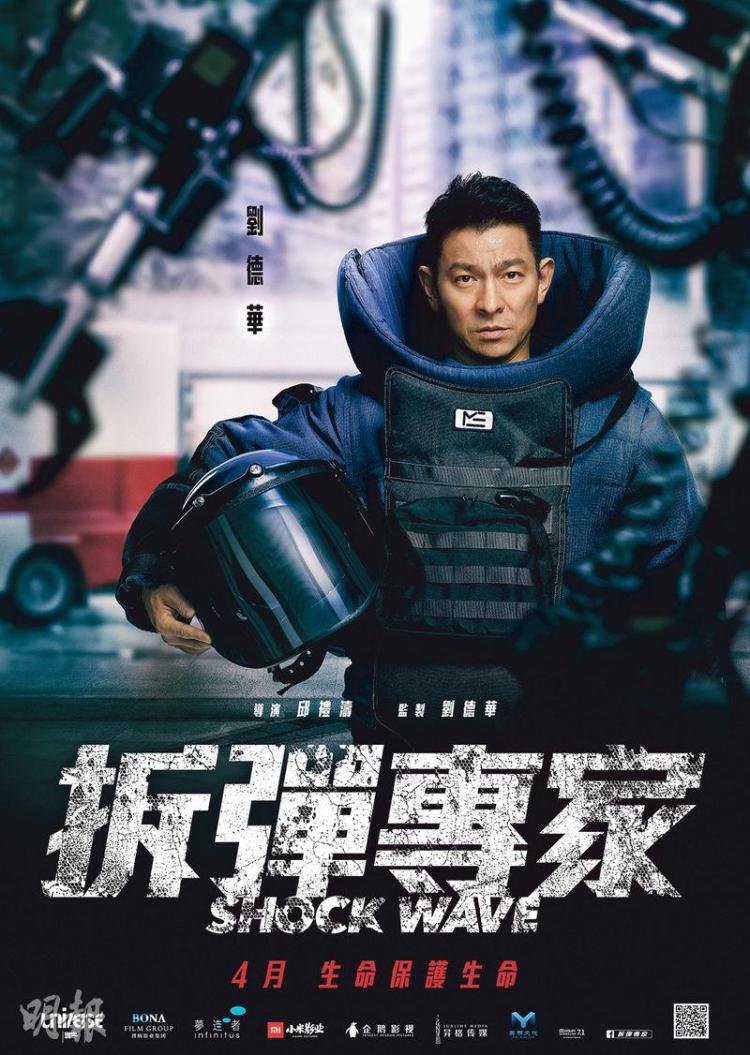 Recent Hong Kong action cinema has not exactly been known for its hero cops. Most often, one brave and valiant officer stands up for justice when all around him are corrupt or acting in self interest rather than for the good of the people. Shock Wave (拆彈專家) sees Herman Yau reteam with veteran actor Andy Lau turning in another fine action performance at 55 years of age as a dedicated, highly skilled and righteous bomb disposal officer who becomes the target of a mad bomber after blowing his cover in an undercover operation. These are universally good cops fighting an insane terrorist whose intense desire for revenge and familial reunion is primed to reduce Hong Kong’s central infrastructure to a smoking mess.
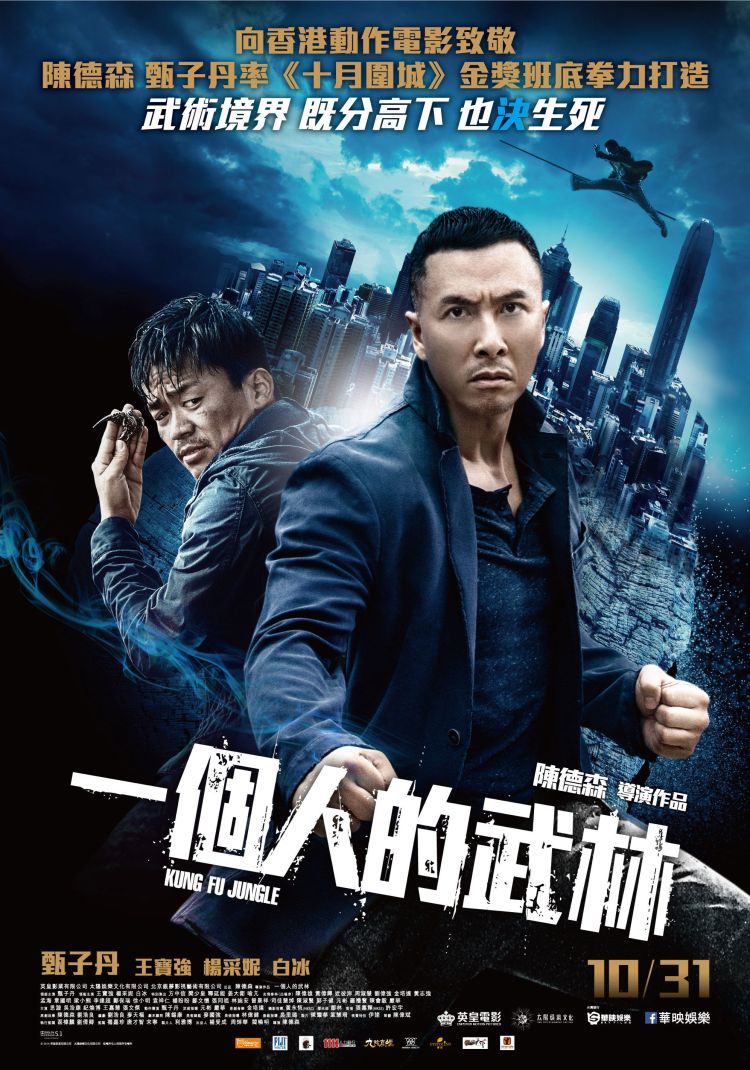 Kung fu movies – they don’t make ‘em like they used to, except when they do. Kung Fu Killer (一個人的武林, AKA Kung Fu Jungle) is equal parts homage and farewell as its ageing star, Donnie Yen, prepares to graduate to the role of master rather than rebellious pupil. What it also is, is a battle for the soul of kung fu. Just how “martial” should a martial art be? Is it, as our antagonist tells us, worthless with no death involved or will our hero prove the spiritual and mental benefits which come with its rigorous training and inner centring transcend its original purpose? Of course most of this is just posturing in the background of a lovingly old fashioned fight fest complete with a non-sensical plot structure motivated by increasingly elaborate set pieces.
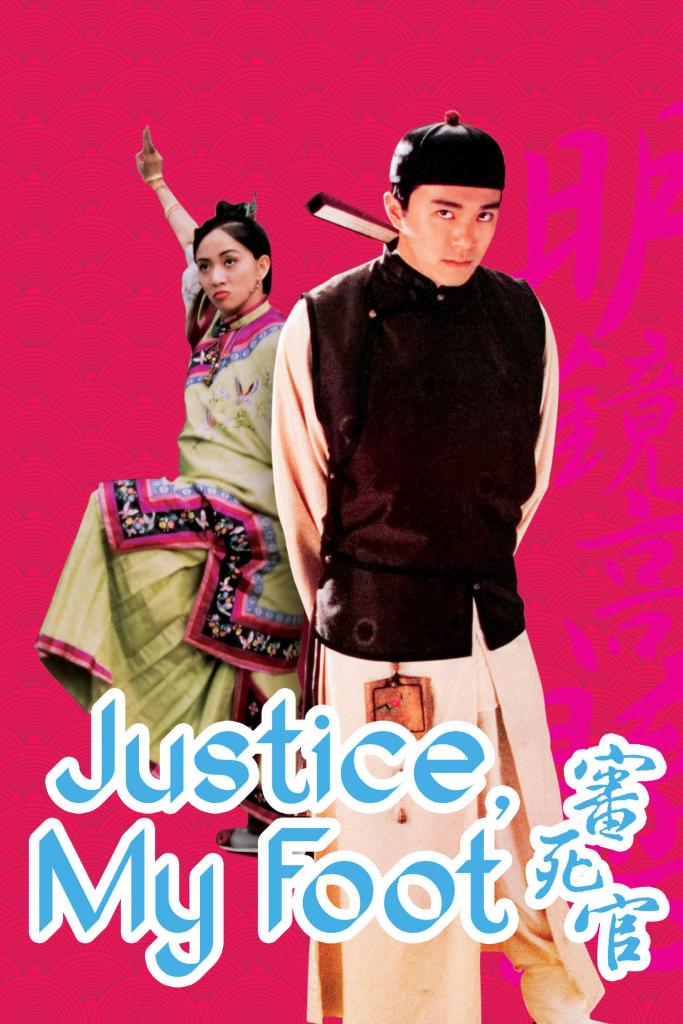 Stephen Chow has always been a force of nature but even before making his name as a director in the mid-90s, he contributed his madcap energy to some of the highest grossing movies of the era. Justice, My Foot! (審死官) is very much of the “makes no sense” comedy genre and, directed by Johnnie To for Shaw Brothers, makes great use of the collective propensity for whimsy on offer. Even if not quite managing to keep the momentum going until the closing scenes, Justice, My Foot! succeeds in delivering quick fire (often untranslatable) jokes and period martial arts action sure to keep genre fans happy.
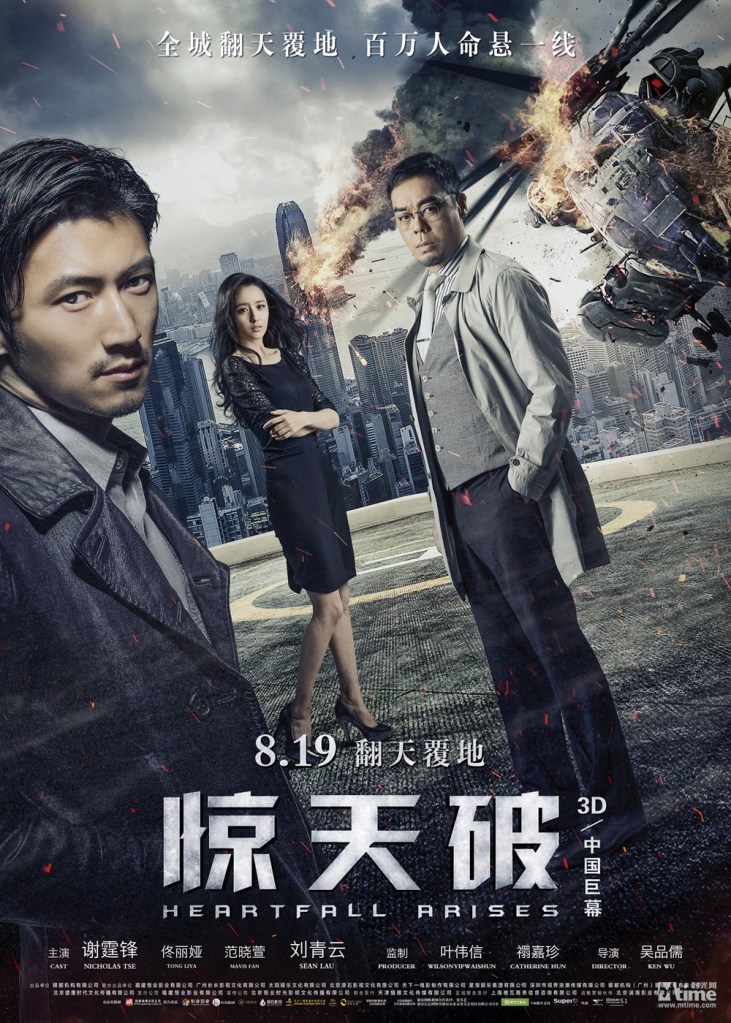 Sean Lau Ching-wan and Nicholas Tse are together again after being denied the opportunity to reteam for a sequel to the acclaimed
  Raymond Yip Wai-man’s Cook up a Storm (决战食神, Juézhàn Shíshén) was scheduled to open at Chinese New Year but eventually found itself delayed and awkwardly repositioned as a Valentine’s Day date movie. Something of a rarity, there is no real romance in Cook up a Storm though it may inspire a post-movie visit to the nearest Chinese restaurant with its deeply felt tribute to classic Chinese cuisine and the raucous social gathering that often goes with it. Yip does his best to throw in as many themes as possible from the familiar tradition vs modernity to fathers and sons and the undue influence to China’s new ruling class who possess extreme wealth but (apparently) no taste. Most of these get somewhat lost in the meandering script which eventually falls into a conventional tournament narrative as two very different chefs face off in the kitchen before realising they have more in common than not.
 Windows on Worlds