Please Make Me Look Pretty (니얼굴, Seo Dong-il, 2020)

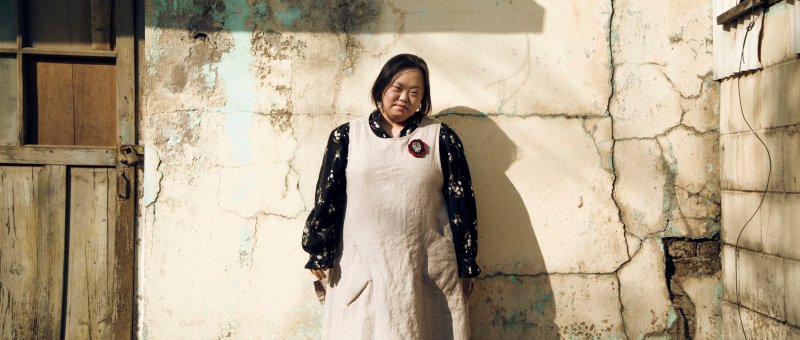
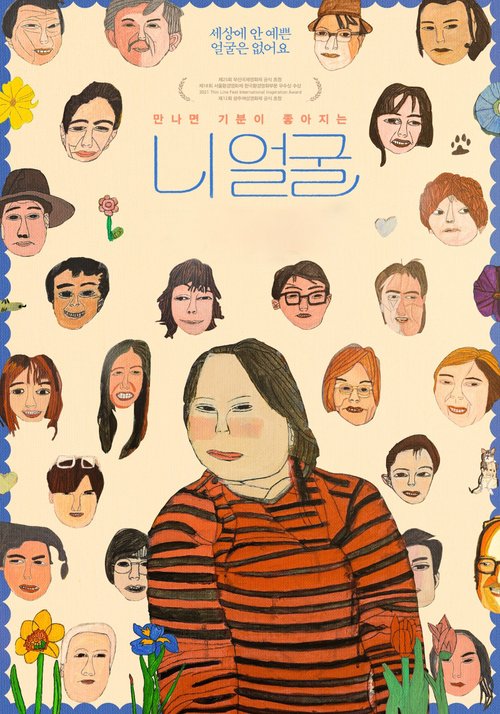
“We all have different ways of looking at the world” according to a customer to Jung Eun-hye’s caricature stand at a local market explaining that she’s told all her friends to come and check her out because she wants them to see the world from Eun-hye’s perspective. A short time later, however, the same woman seems to attempt taking advantage of her in pleading for a little more change back than she’s actually owed because she’s handed over her bus fare home. The exchange in some sense characterises Eun-hye’s existence in her persistent battle to show others the world the way she sees it, responding to her customers’ pleas to make them look pretty that they are pretty already, while often experiencing discrimination on the grounds of her disability,

Directed by Eun-hye’s stepfather documentary filmmaker Seo Dong-il, Please Make Me Look Pretty (니얼굴, Nieolgul), follows Eun-hye over a period of three years as she develops a career as an illustrator that eventually leads to a solo exhibition and a residency at a centre promoting the work of disabled artists. Eun-hye was born with down syndrome and at 27 had been unable to secure a job, left at home all day with nothing to do but knit. Helping out at her mother’s art school she developed a desire to draw herself and adopted an unconventional style that is all her own. Her mother says that if she attempted to teach her conventional art theory, Eun-hye simply nodded and then went back to drawing instinctively. Originally with her mother’s help, she began drawing carictures at a local crafts markets and soon gained a steady stream of customers. 

Though in the beginning some may have complained and even asked for their money back, people came to love Eun-hye’s unique vision in which as she says she draws what she sees. She is clear that they are “caricatures” and not “portraits”, though looking at her compositional style they bare a strong resemblance to traditional portrait paintings from the feudal era with a comparatively large empty space at the top and the subject looking directly ahead. Her mother occasionally offers advice, telling her she should have started higher up on the paper, or that she’s made one of the people too big in comparison to the other but Eun-hye draws things the way she sees them and quickly becomes irritated with her mother hovering over her until she concedes to let Eun-hye draw in peace.

It is however quite tiring, especially in the heat of summer or in the freezing cold, and it occasionally seems like it might be too much for her but Eun-hye resolves to soldier on and eventually runs the stall all on her own even if struggling a little when it comes to figuring out the right change and dealing with confusing customers. In her spare time she writes song lyrics in a notebook that poignantly describe her loneliness and feelings of isolation as a disabled person often locked out of mainstream society, but clearly enjoys interacting with the other vendors at the market and participating in its community atmosphere. After saving money from her work, she is able to host a solo exhibition and is also invited to illustrate a book on business etiquette aimed at the disabled community as well as taking up a residency at a centre dedicated to promoting the work of disabled artists. 

What’s most evident is how happy drawing seems to make Eun-hye, giving her both an outlet and means of expressing herself while expressing her love for others in drawing caricatures which truly make their subjects feel seen as if Eun-hye has captured how pretty they are on the inside as well as out. Since the documentary was completed, she’s also gone on to become an actress playing an artist with down syndrome in the popular TV drama Our Blues and continuing to raise awareness of the lives of disabled people in a society which can often be hostile and unaccommodating. In any case, she continues to draw the world as she sees it, a place where everyone is pretty and deserving of love even if they don’t always see her the same way.


Please Make Me Look Pretty streams in the US until March 31st as part of Asian Pop-Up Cinema Season 16.

Original trailer (English subtitles)

Code of the Assassins (青面修罗, Daniel Lee Yan-Kong, 2022)

“Assassinate for peace” runs a series of characters along a wall in the secret den of a shady society known as Ghost Valley in Daniel Lee’s fantasy wuxia, Code of the Assassins (青面修罗, qīng miàn xiūluó). It may seem somewhat paradoxical, but the Ghost Valley philosophy is that they can one day help the world turn away from vengeance and hatred towards a more settled humanity by carrying out assassinations in “an age in which assassins are used to solve problems”. 

Yet everyone in Ghost Valley is out for revenge, not least the hero Junyuan (Feng Shaofeng) whose entire clan was wiped out after a mysterious man asked his dad to carve a copper treasure map. The map and its hidden riches continue to destabilise the political equilibrium in a series of neighbouring clans with ambitious retainer Prince Rui approaching Ghost Valley to get him the map and bump off his rival, head of the Imperial Guard Zhao (Hu Jun), in the process. Golden Mask, the mysterious leader of Ghost Valley tells Junyuan’s mentor Grim Ghost to keep him out of it, but Junyuan obviously doesn’t listen because learning the truth behind the map and his parents’ death is his life’s mission. 

That’s how he gets himself mixed up in intrigue, framed as a traitor to Ghost Valley and hunted by a series of enforcers while falling for enigmatic female assassin Shengsheng (Gina Jin Chen). Dualities seem to abound in the ironic juxtaposition of peace and assassination along with that of vengeance and righteousness in the ongoing battle against hate and darkness. Junyuan vows he will walk out of Ghost Valley once his vengeance has been achieved, but has to ask himself if his time there has changed him and if he can ever leave this shady world of mercenary violence. Golden Mask explains to him that you can’t change anything with a weapon but a plot can change an era, while Lady Hua, who has become a Buddhist, adds that assassinations don’t change anything either. 

Yet the plotters’ revolution fails in part because they have changed since they set their plot in motion and are no longer the right people for the right time. Junyuan grows suspicious of his masked society, certain that mask on or off he is the same Junyuan but now mistrustful of the effects the mask can have on others along with the power they confer. Power can make one hunger for more, contravening the laws of Ghost Valley to embrace greed in taking vengeance against a world that denies them what they want. Then again, hegemony may also in its way bring about “peace” at least for a time.

The eerie austerity of the snowbound Ghost Valley hideout echoes its emotional coldness in the sacrifices that have been made in the pursuit of plotting, romantic not least among them in the melancholy of Lady Hua filled with past regrets and a longing for lost love knowing that the long years of waiting have corrupted the innocent romance of her youth. Junyuan continues to grow closer to Shengsheng though suspicious of her dualistic qualities as top assassin and damsel in distress while himself unwilling to pursue romance in this continually uncertain world. 

Despite his claims to use no weapons, Golden Mask, like Junyuan who has a steampunk prosthetic arm, hides angel wings beneath his armour, while sometime enemy Black Judge has an umbrella that fires nails from its spokes. Lee conjures an anachronistic world of industrialised fantasy echoed in the factory-like design of Ghost Valley and the secret underground mailroom beneath the palace where the authoritarian lord has been secretly reading the private correspondence of his men including Zhao’s frequent letters to his wife which he then uses against him as a veiled threat. Lee introduces the Ghost Valley assassins with their own intro video showcasing their weaponry and techniques along with their mask and lends a touch of wizardry to impressive large scale action sequences with the quasi-magical quality of the equipment and its intricate metalworking. The video game aesthetic and heavy metal end credits also lend a cool if perhaps now retro sensibility injecting a punk spirit in direct contrast to the genre’s usual classicism as Junyuan commits the ultimate act of rebellion in maintaining his integrity in a world of masked intrigue.


Code of the Assassins is available to stream in the US via Hi-YAH! and released on Digital, blu-ray, and DVD courtesy of Well Go USA on March 28.

US release trailer (Mandarin with English subtitles)

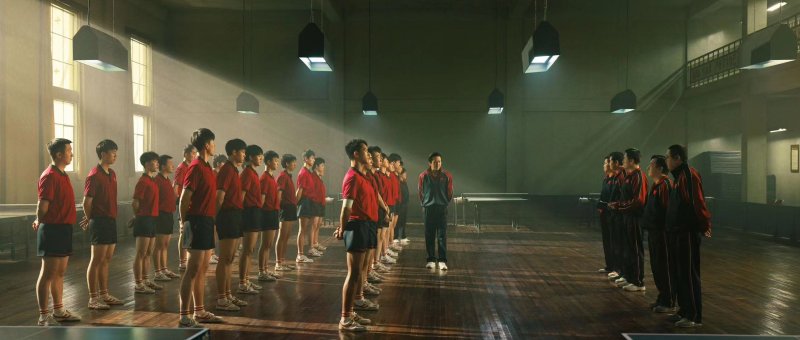
Ping Pong: The Triumph (中国乒乓之绝地反击, Deng Chao & Yu Baimei, 2023)

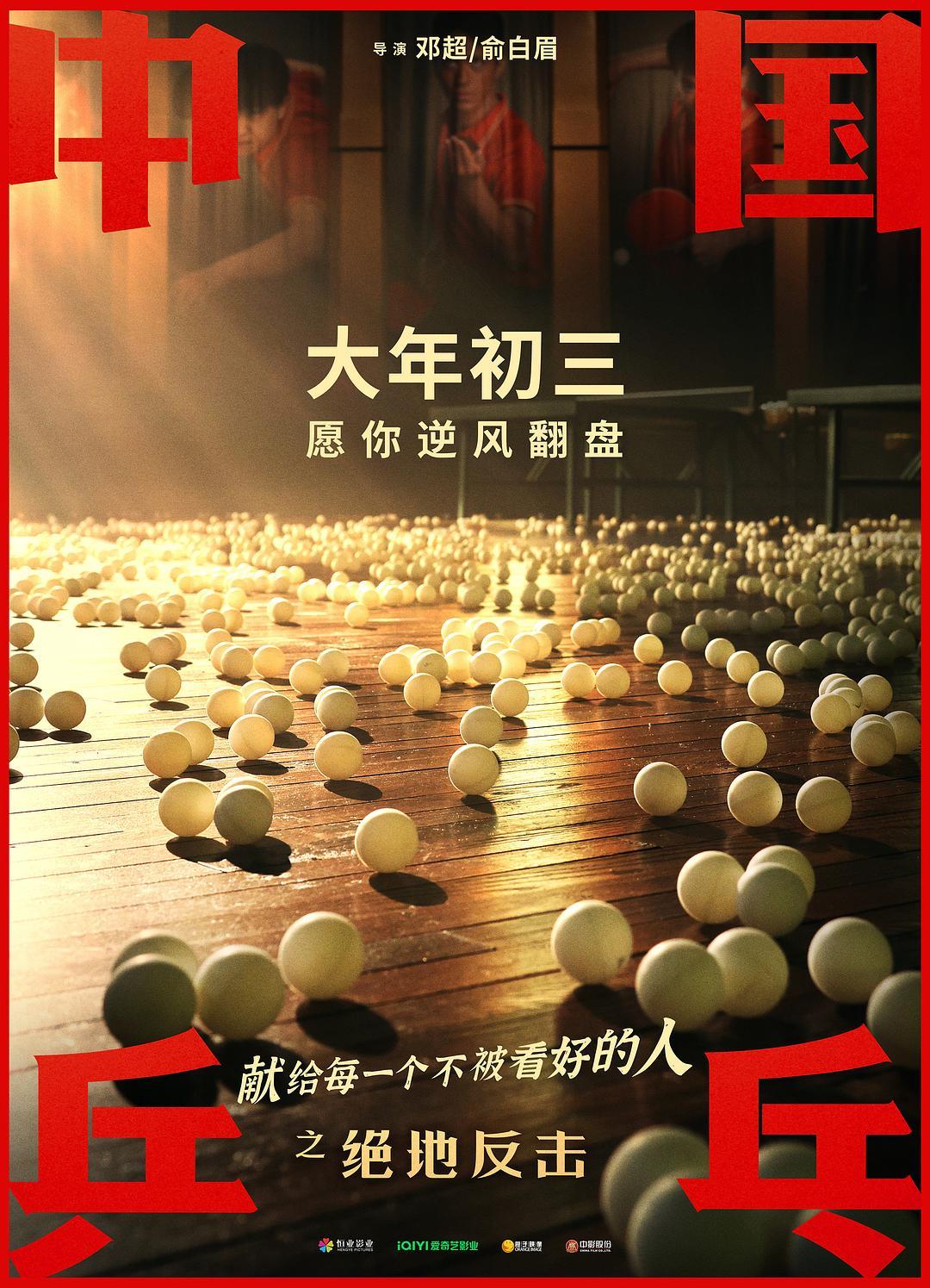
A changing China tries to recapture its sense of possibility by regaining its reputation as a ping pong powerhouse in Deng Chao and Yu Baimei’s rousing table tennis drama, Ping Pong: The Triumph (中国乒乓之绝地反击, Zhōngguó Pīngpāng zhī Juédì Fǎnjī). China can lose at any other sport, but not ping pong according to one aggrieved player making a dramatic return to the national team and echoing a sense of resurgent energy even as embattled coach Dai (Deng Chao) struggles to convince those around him that China can prevail. 

As the film begins, Dai is an exile living in Rome and training the Italian national team. He has fully acclimatised to the comparatively relaxed Italian society, is dressed in a stylish tailored suit and wool overcoat, and has a fashionable European haircut. But to some, including it seems an institutionally racist police force, he’ll always be an other as he discovers on trying to report a mugging but ending up getting arrested himself and questioned by a cop who doesn’t like it that he’s wearing an expensive watch. With his wife heavily pregnant, Dai decides to return home to China but is offered only an assistant coaching job and given a pokey flat that doesn’t even have its own bathroom in contrast to the spacious house the family were living in in Rome while the Chinese national team flounders in an ongoing decline. 

Dai’s fortunes in Italy play into the persistent message of contemporary mainstream Chinese cinema that there are no safe places for the Chinese citizen outside of China and that the only solution is to return home as soon as possible, while it’s also clear that his Westernisation is portrayed as a kind of bourgeois decadence that must eventually be corrected. On return to China, Dai continues to dress in his Italian suit rather than the team tracksuits worn by the other coaches until he’s fully reassimilated into the team and he’s even at one point criticised for spending too much time on his hair that could better be spent on training. Nevertheless, as he later points out they’re being beaten by European teams who are often trained by Chinese coaches who like him decided to chase their fortunes abroad in the confusions of early ‘90s China. 

A lengthy sequence near the film’s beginning suggests that the Chinese players feel the game has been taken away from them unfairly, that though they did not invent ping pong, it has become so integral to the Chinese identity that its loss strikes at the heart of the nation’s vision of itself. Afraid of China’s success, international nations conspired to effect the restriction in trade of a special kind of glue China used for paddles while modifying the rules so that they were more in favour of taller European players rather than small and speedy Chinese sportsmen whose techniques are no longer a fit for the contemporary game. Dai’s battle is partly to force change among traditionalists and convince them that China needs to up its game to meet international competition if it is to reclaim its sporting crown. 

It’s tempting to read the film as an allegory for China’s current economic ambitions if also a look back to a time of defeat in which the nation righted itself and became champions once again through unity, hard work, and faith in the future. The message is rammed home in the final pep talk Dai gives to a nervous player whose wealthy family disapprove of his choices and regard him as an embarrassment, reminding him that while their Swedish rivals took time out for holidays, sleeping, and eating breakfast they trained every minute of every day and he should learn to trust in that when faced with the seemingly insurmountable mountain of the European champion. Another player is told that he could lose the use of his arm if he continues playing but does so anyway (and is later fine), while it’s clear that Dai has made sacrifices which have strained his familial relationships in spending so much time away from his wife and young son. 

There’s also a subtle current of less palatable national unity in Dai’s wife’s claim that their son is slow to speak not only because his father is away so often but that he’s surrounded by too many different dialects and it’s impeding his development, making an uncomfortable argument for the primacy of standard Beijing-accented Mandarin. Nevertheless, the message is fairly clear in the frequent cut backs to young children watching the games and once again seeing China on the world stage, gaining a new sense of possibility for their own lives in the vicarious success of sporting championship. Deng and Yu shoot the matches with breathless intensity and an unexpected immediacy as the ball seems to barrel through the camera, and at one point takes the place of the star on the Chinese flag. “Chinese are the most diligent” Dai reminds his player, certain that they will get there in the end through sheer force of will, hard work, personal sacrifice for the national good, and above all togetherness as they battle seemingly insurmountable odds to reclaim their sporting crown and with it a national identity.


Ping-Pong: The Triumph screens in Chicago March 25 as part of the 16th season of Asian Pop-Up Cinema.

Original trailer (Simplified Chinese / English subtitles)

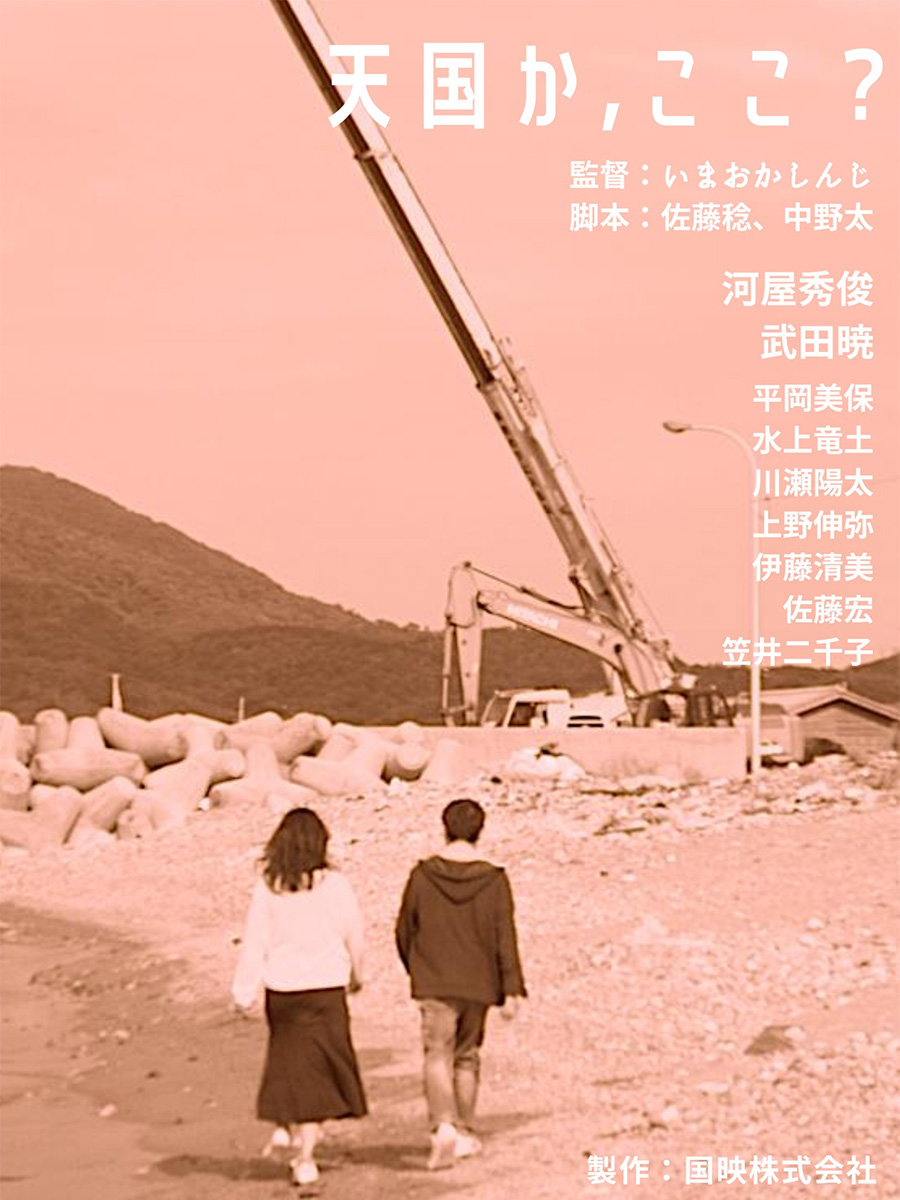
Is This Heaven? (天国か、ここ?, Shinji Imaoka, 2023)

A middle-aged couple ponder loss and regret on a surreal odyssey into the afterlife , or something like it at least, in Shinji Imaoka’s cheerfully absurdist dramedy Is This Heaven? (天国か、ここ?, Tenkokuka, Koko?). Reuniting with several actors who starred in Imaoka’s previous film Reiko and the Dolphin, the film addresses several of the same themes in its exploration of grief and the inability of moving on but perhaps paradoxically sees its central couple arrive at a happier destination having begun to repair a marital rift. 

How they end up in “Heaven” isn’t exactly clear. Nobuo (Hidetoshi Kawaya), a middle-aged man who likes a drink, dances along a highway with half a can of chuhai in his hand and suddenly finds a flier with the word “Heaven” written on it. Everyone he meets seems to be doing an odd dance, even his wife Mayuko (Aki Takeda) who soon snaps out of her trance to tell him off for drinking in public again. While wandering around wondering where they are and how to get back because stationery stores don’t run themselves, the couple run into an old friend, Ueno, which is nice but also weird because Ueno died a week ago having hanged himself in shame over the failure of his business. 

Like everyone else in this strange place, Ueno is irrepressibly cheerful and seems to know nothing of his suicide. “When we die, we go to Earth, right?” he asks perplexed while Nobuo begins to wonder what it might mean if he’s really in Heaven, if he’s alive or dead or something in-between. Gradually we come to understand that there is tension in the marriage, much of it born of Nobuo’s insecurity. He fears that Mayuko only married him out of lonely desperation following the death of her first husband Takeshi (Yohta Kawase) whom she may never have got over, and that absolutely anyone would have done it just happened to be him. He resents Mayuko pointing out they’ll be in trouble if they close the stationery store because he’s never had a proper a job and his drinking problem won’t allow him to get one. 

It may be drinking that’s brought him on this strange odyssey. The film is divided into four chapters each bearing the title of a progressively harder drink as things get ever stranger while Nobuo wanders around meeting various other strange people including one who may have appeared in one of Imaoka’s previous films along a with a young woman obsessed with shogi and sex. Nobuo later describes them as people he’ll never meet again, standing this time on the other shore of life and death shouting back at the void in a defiant memorial of all he’s lost. Yet his weird journey to the other side has perhaps helped both he and Mayuko deal with the unresolved past and with it the cracks in their marriage.

In a strange way it may be that “Heaven” really is “here” as the couple rediscover an appreciation for all that they have now in the shadow of past and future loss. Indeed, one of the things that convinces Nobuo that he’s not really “dead” is the fact that he can still get drunk and is at least able to feel something while experiencing the sensations of life in taste and touch that the dead can no longer enjoy. “It’s such a miraculous thing” Mayuko sadly tells the younger woman of meeting and falling in love, reminding her not to waste the gift she’s been given. 

Then again, Nobuo’s conception of Heaven is very much that of a middle-aged man with its drinking and hostess clubs even if Mayuko opts for the more wholesome option of a trip to the onsen while the young woman rebels against her unwholesome life by embracing the comparatively respectable game of shogi. The strangely dreamlike, elliptical quality of the other world Nobuo and Mayuko find themselves in has its qualities of whimsy in the weird dancing, the death god wine, random cake, and underwater voice effects but also a deep melancholy and a kind yearning for something, well, more Earthy that the pair may eventually rediscover at the end of their journey.


Is This Heaven? had its World Premiere as part of this year’s Osaka Asian Film Festival.

Original trailer (no subtitles)

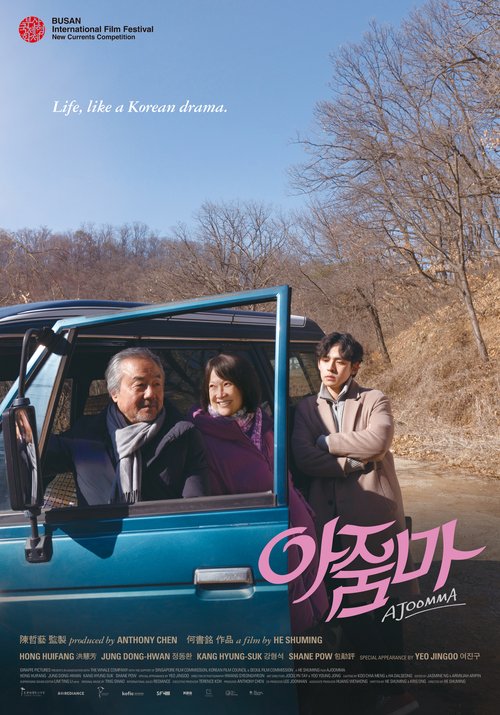
Ajoomma (아줌마, He Shuming, 2022)

A middle-aged Singaporean woman begins to rediscover her sense of self after making an unexpected solo trip to Korea in He Shuming’s heartwarming dramedy, Ajoomma (아줌마). “Ajoomma” is the generic term for an older woman in Korean, and even in her native Singapore, the heroine Bee Hwa (Hong Hui Fang) is known largely as “Auntie” no longer possessing much of a name or identity and obsessed with Korean TV dramas in thrall to their larger than life emotions just hoping to feel something again in the midst of her loneliness. 

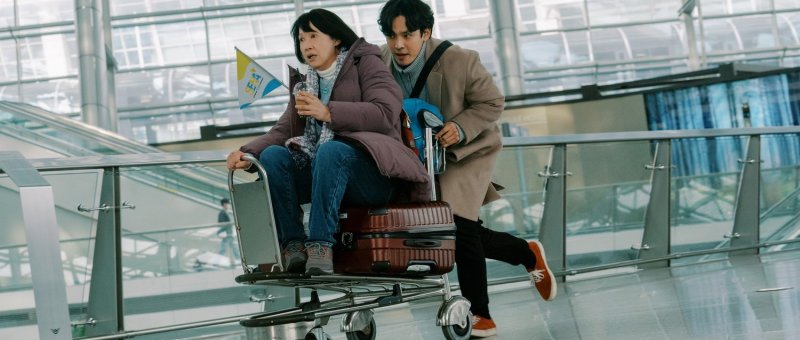
Bee Hwa has a grown-up son, Sam (Shane Pow), but he remains somewhat distant towards her. “He never shares anything with me” she later complains to a mother and daughter duo on the Korean tour together after a few drinks. Sam was supposed to come on the trip with her, but he got an interview for a big job in America and tried to get her to cancel. Bee Hwa would rather Sam didn’t go abroad, but her sense of loneliness is only deepened with the dawning realisation that Sam may be gay and has chosen not to share that part of himself with her. When she realises the tour is not refundable as Sam said it would be, she makes a bold decision to go on her own despite never having travelled alone before. Her confusion at the airport is palpable as she’s suddenly confronted with unexpected bureaucracy, trying to fill in landing cards and find her way to the tour group which turns out to be led by a handsome man with the look of a K-drama star but a defeated and cynical air unsuited to his role as a tour guide. 

Just as Bee Hwa longs for a closer relationship with her son, Kwon-woo (Kang Hyung-seok) is desperately trying to win back his wife and daughter who have moved in with his disapproving mother-in-law following his difficulties with employment and subsequent debts to loansharks. Kwon-woo wants to show them that he can be a responsible husband and father by holding on to his tour guide job and making enough to pay off the debts so they can get an apartment of their own, but is also his own worst enemy and prone to making mistakes not least the one leaving Bee Hwa behind after failing to make sure everyone was back on the bus before it left. 

It’s only thanks to sympathetic security guard Jung Su (Jung Dong-hwan), himself a lonely widower whose sons live far away, that Bee Hwa doesn’t freeze to death in the middle of Seoul. Just like Bee Hwa, he’s lonely even with his beloved pet dog Dookie and mainly bides his time carving figures of animals out of wood. He helps her because he doesn’t know what else to do and despite the language barrier, Bee Hwa only understands the kind of words that come up a lot in Korean drama and he doesn’t know Mandarin or much English, the pair quickly find a sense of mutual solidarity bonding in their shared sense of loss mixed with mild disappointment in life’s ordinariness. Kwon-woo asks Bee Hwa if she regrets the choices that she made that left her little room for herself, and she says she doesn’t but does perhaps hanker for something more in her life than just being a faceless ajoomma who likes Korean dramas but has lost sight of herself. 

The trip to Korea reminds her that she can do things on her own and doesn’t necessarily need Sam there to help her, finally buying something nice just for herself rather than getting it someone else. As she dances in the snow she realises that she can still have new experiences and feel childlike joy, even if she is “an auntie” she has plenty of time in front of her to do whatever she wants with no longer subject to social expectations, patriarchal husbands, or judgemental sons. Billed as the first co-production between Singapore and South Korea, He’s heartwarming drama celebrates not only the simple power of human kindness but the resilience of women like Bee Hwa seizing the freedom of age and resolving to live the rest of her life on her own terms.


Ajoomma screens in Chicago March 25 as part of the 16th season of Asian Pop-Up Cinema.

Original trailer (English subtitles)

A Holy Family (神人之家, Elvis Lu, 2022)

“Do you think the gods ever helped our family? Or, should I say, do the gods exist?” asks documentary filmmaker Elvis Lu of his brother, a spiritual medium who stayed behind with their devoutly Taoist parents while Lu left for the city 20 years previously and never returned. Lu admits that he likely never would have come back had his mother not contacted him with an ominous message about sorting out her funeral plans, but while filming seems to come to a new accommodation with his familial relationships guilty that he stayed away so long no longer a resentful young man but one beginning to consider the encroachment of mortality.

Lu’s mother confesses that she had pretended to herself that he didn’t exist, hurt that he rarely answered her calls and never visited home even as he points out that she never came to visit him him Taipei either. She feels she “achieved nothing as a parent” and is most regretful that she could not nurture Lu’s talent because she was forced to work long hours to support the family while also taking care of the household. In the opening conversation Lu had coldly answered the phone assuming his mother had called to ask for money, and the hollowness at the centre of the family is largely caused by Lu’s father’s longterm gambling problem which saw him fritter away most of the family’s property and savings leaving the couple financially dependent on their sons for support. Lu’s brother also feels a degree of resentment towards their near silent father, revealing that he does not want to do to his son what his father’s done to them in leaving them nothing but debt and disappointment. That’s one reason he’s always looking for new ways to support the family and has recently begun farming.

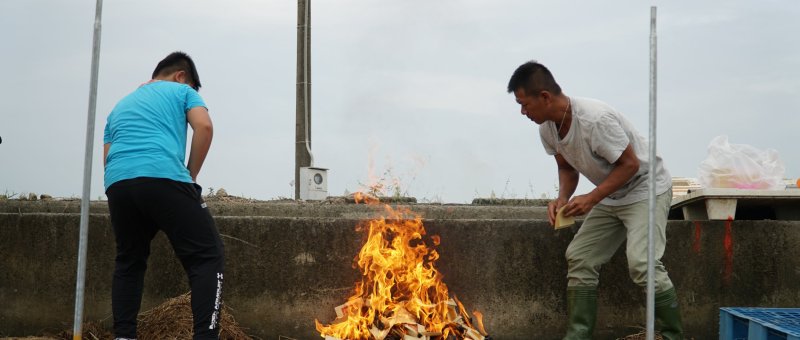
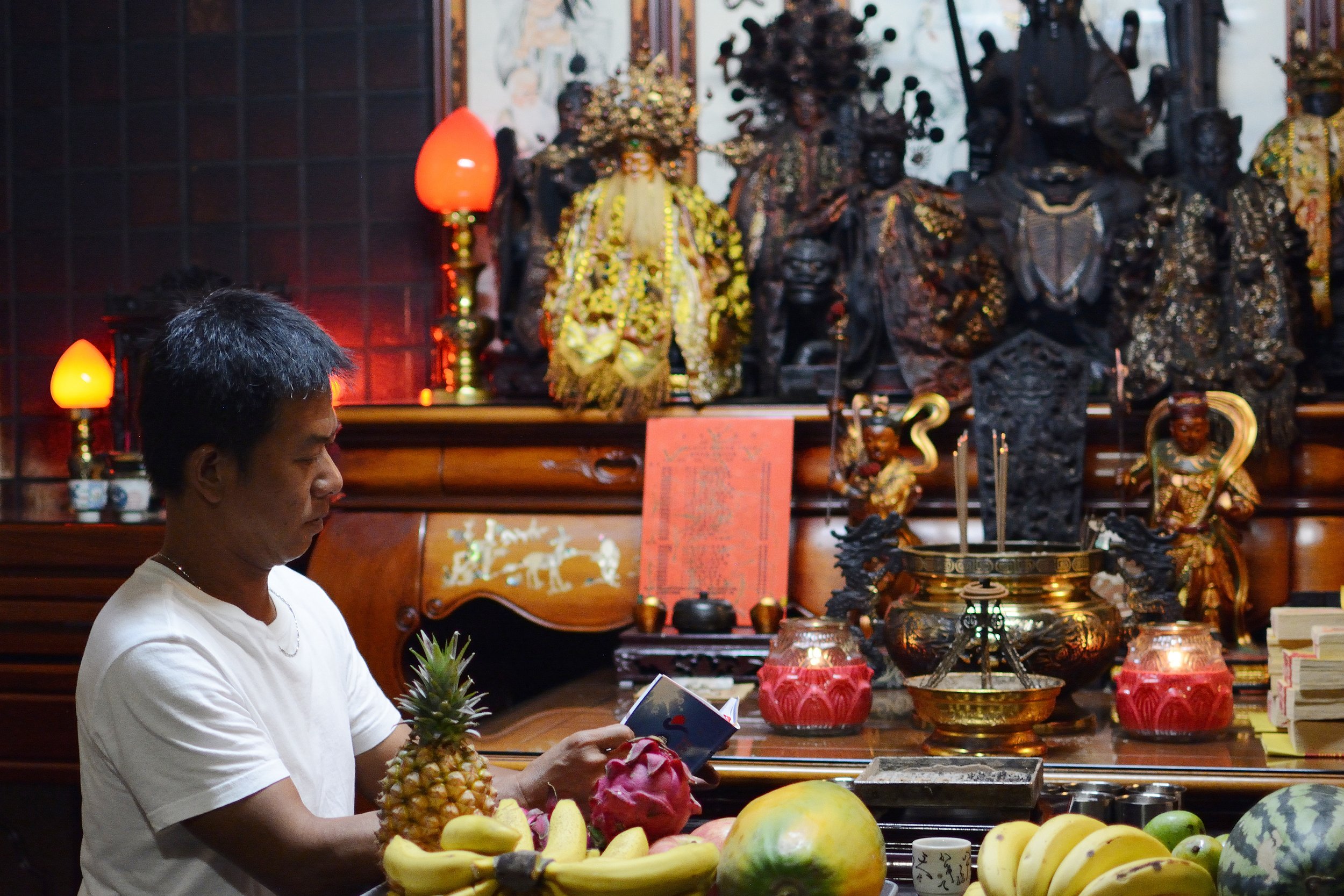
The obvious question when his tomato crop is destroyed by floods is why didn’t he ask the gods for guidance first, only it turns out that he did. As Lu points out, the family has endured long years of suffering despite their piety, if his brother is really so close to them why didn’t they help? It’s a question he obviously doesn’t have an answer for, nor does he have one when his son pleads with him to ask the gods for advice as to what to next with the ruined tomato field. His brother’s pained expression hints that he might have doubts despite being able to talk to the gods in his job as a spirit medium handing out advice on investments and other more Earthly worries for a small donation. The family’s upper floor is home to a large altar with several statues of the gods his mother describes as her only friends during the time that both her sons and husband were absent from the family home. Lu’s mother is tiny and now somewhat advanced in age. The stairs appear difficult for her, yet she climbs them every day to pay obsevance to the gods. 

After 20 years in the city all of this religiosity seems even more bizarre to the now adult Lu, but he also also captures ceremonies in the community in which people pray to the gods for health and prosperity suggesting that it’s not so odd after all and that the sense of community may be more important that the rituals themselves. Even so, it’s also true that this almost transactional view of spirituality feeds directly back in to his father’s gambling addiction in which he constantly looks for signs of lucky numbers to place bets or buy lottery tickets. After being diagnosed with glandular cancer and too ill to do much else, Lu’s father still picks up the phone to lay a sizeable bet even while his exasperated wife tries to control her resentment that if only he hadn’t lost his job he’d have had a pension, they’d have kept more of their property, and would all have happier, more comfortable lives. 

In any case, through adopting a more neutral position as a filmmaker Lu is able to better interrogate the realities of his family and his own relationship with it. As the documentary progresses, he sometimes appears on screen holding a large camera on a tripod while someone else films him from another angle. What began with frosty resentment slowly gives way to warmth and reconciliation even while underpinned by a melancholy practicality as Lu helps his parents choose pictures to use at their funeral underlining a sense of oncoming loss as Lu finally takes his mother to see the sea and gently tracks her as she walks along the shore, slowly moving away from him.


A Holy Family screens in London 24th March and in Edinburgh 25th March as part of this year’s Hong Kong Film Festival UK.

Original trailer (English subtitles)
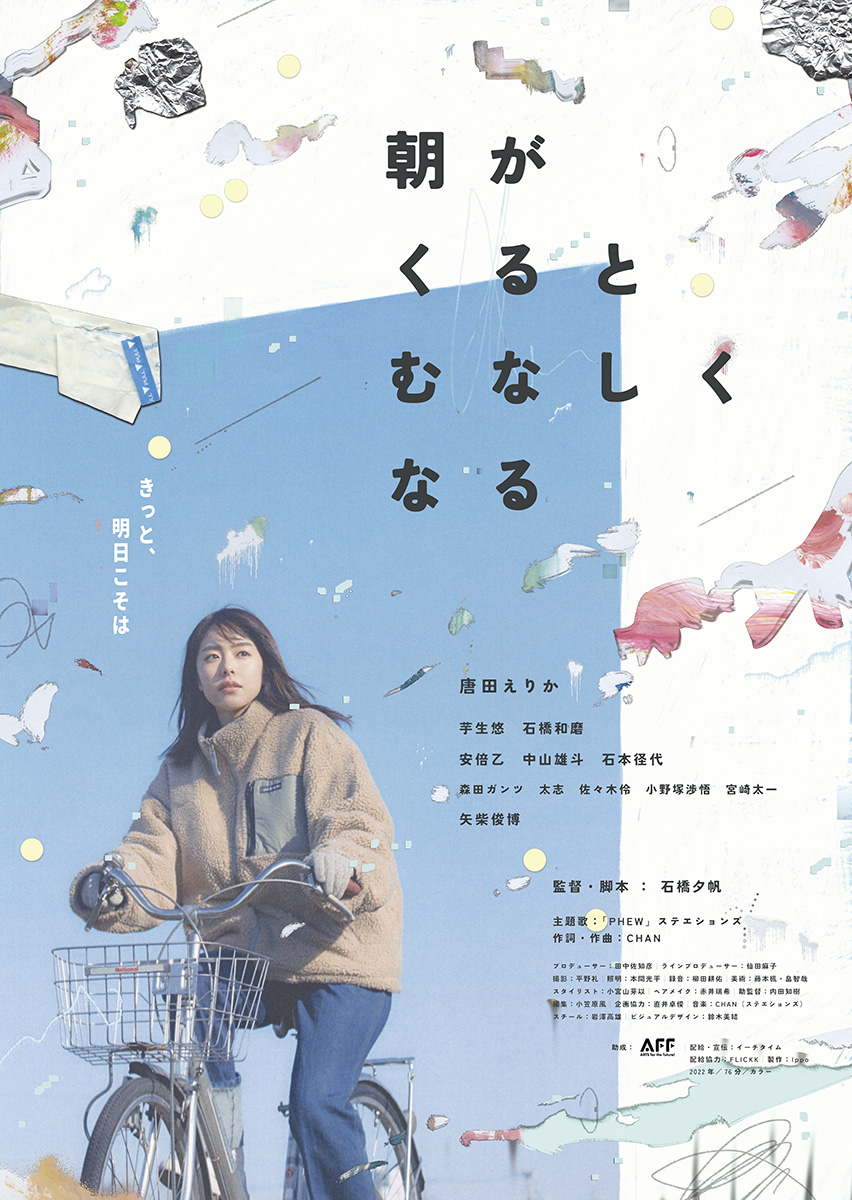
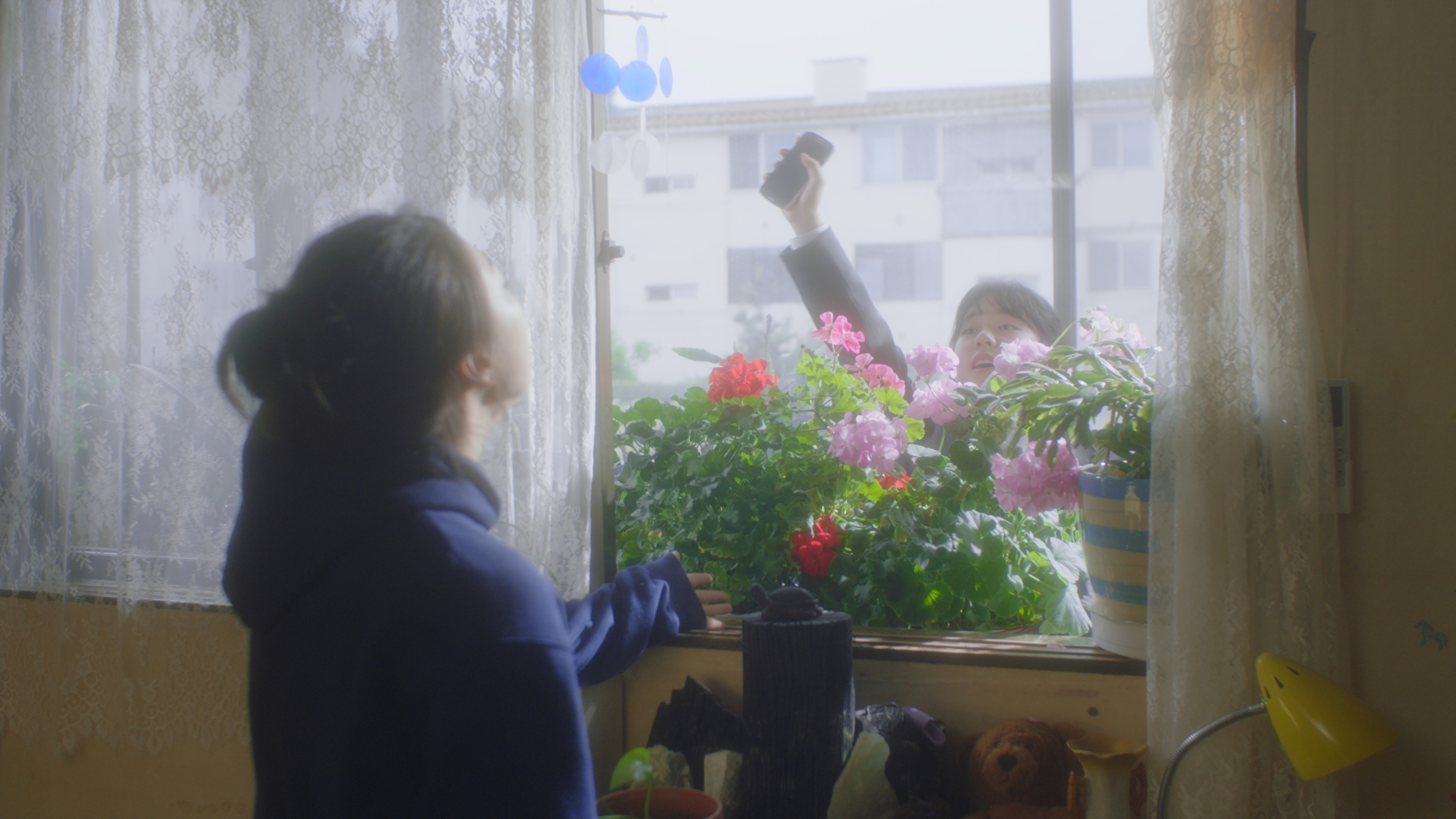
When Morning Comes, I Feel Empty (朝がくるとむなしくなる, Yuho Ishibashi, 2022)

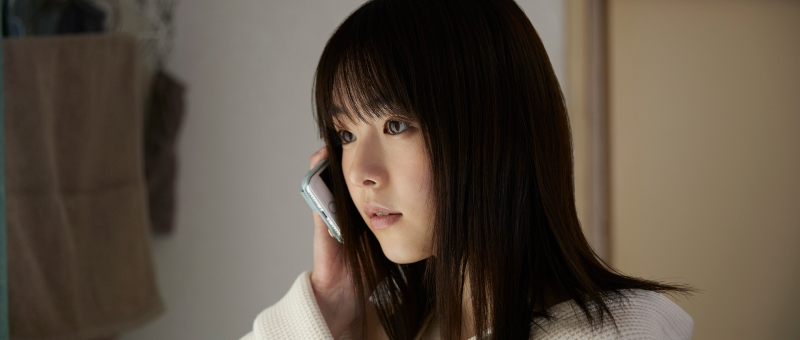
A young woman finds herself dealing with feelings of inadequacy and worthlessness after giving up on the corporate life in Yuho Ishibashi’s zeitgeisty indie drama When Morning Comes, I Feel Empty (朝がくるとむなしくなる, Asa ga Kuru to Munashiku Naru). Set against the backdrop of a society in which death from overwork is not uncommon and there have been countless reports of young people taking their own lives because of workplace exploitation, the film seems to ask if there isn’t another choice and if one can really be forgiven for rejecting the conventional path in an intensely conformist society. 

Nozomi (Erika Karata) quit her job at an ad agency six months previously and is currently working part-time in a convenience store not far from where she lives. So ashamed is she of her failure to live up to the demands of corporate life that she can’t bring herself to tell her parents that she no longer works in an office. Her co-workers at the store seem to know, but when they ask questions she tells them that she quit because of too much overtime which is ironic as her boss is forever asking her to work an additional late shift because of poor staffing levels and she always meekly agrees though never seems all too happy about it despite the extra money. 

Then again, she doesn’t seem too happy about anything. In a repeated motif, her mother sends her fresh vegetables from back home but she never has the energy to cook for herself and is usually seen eating bento from the store or slurping cup ramen. The fact her life is out of kilter is brought home to her when one side of the curtain rail in her room suddenly collapses in a bid for freedom from its imprisonment on the wall. Barely speaking and aloof from her colleagues, she seems to carry a deep-seated sense of shame that she “failed” to settle in to company life, later telling an old friend she’s unexpectedly reconnected with that she couldn’t cope with the intense overtime that often meant she’d miss the last train and have to overnight in a manga cafe or fork out for a taxi. Her boss always yelled at her, but she felt like everyone else seemed to be managing so the fault must be with her. She regards her decision to leave as a defeat and not a victory even as she recounts feelings of despair and hopelessness crossing the bridge every day to work with only a sense of emptiness in the hollowness of the salaryman dream. 

But then the film takes it title from a reflection something her younger colleague said about earnestly feeling that it was wonderful just to get up every day and come to work. Ayano doesn’t mean it as some kind of cultish devotion to the combini life or a toxic commitment to an unreasonable worth ethic, but more that she manages to find joy in the seemingly mundane even as she jokes about her nerdy college boyfriend who wears glasses, and sheepishly reveals that she’s been saving money with the intention of studying abroad. Nozomi’s only in her mid-20s, but perhaps it is a little different for these contemporary college kids who have bigger dreams and don’t feel the need to throw themselves into the corporate straightjacket just so they can feel like legitimate “members of society”. Their relative youth and sense of possibility may fuel Nozomi’s sense of failure, that she’s back doing a college kid’s part-time job at 24 and surrounded by students as if accidentally arrested in adolescence, but perhaps also shows her that there are other options and making a different choice doesn’t necessarily equate to failure. 

More than anything, it’s an accidentally encounter with a former middle school classmate (Haruka Imo) that finally allows her to make peace with herself and feel like a human being again, someone worthy of love and respect and with new hope for the future. Evoking a sense of disillusionment with the salaryman dream and the emptiness of corporate success that is devoid of human connection, Ishibashi shoots with a laidback ease that on one level reflects the heroine’s malaise but soon gives way to a comforting breeziness as Nozomi discovers a new home for herself in the wholesome pleasures of friendship and mutual acceptance as a bulwark against the vagaries of a capitalistic society. 


When Morning Comes, I Feel Empty screened as part of this year’s Osaka Asian Film Festival.

Images: (C)Ippo

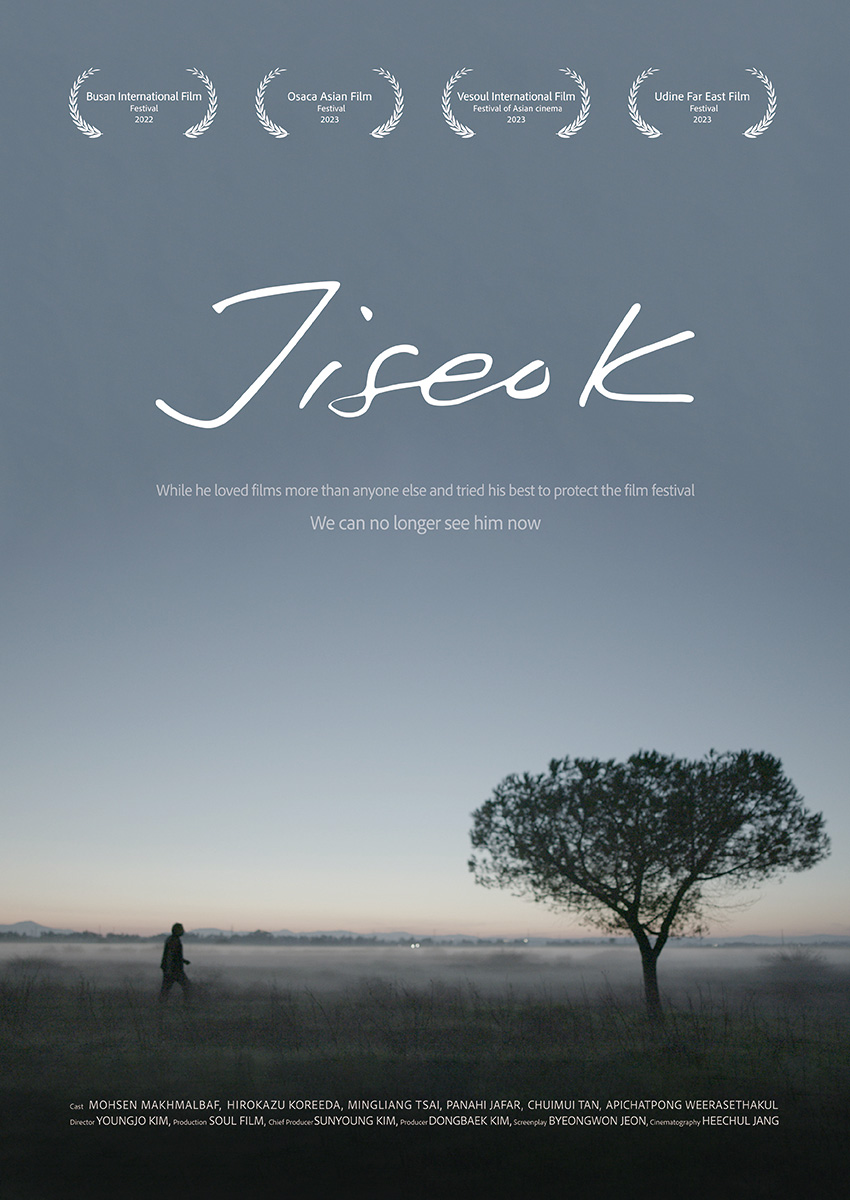
Jiseok (지석, Kim Young-jo, 2022)

When Kim Jiseok, co-founder and head programmer of the Busan International Film Festival, passed away suddenly at Cannes in 2017 of a heart attack at the young age of 57, it sent shockwaves through the cinema industry. Kim had been a key figure in the promotion of Asian cinema which he founded the festival to showcase, but had also become mired in controversy following the decision to go ahead with a screening of a documentary about the Sewol Ferry disaster that the municipal authorities had tried to pressure the festival to cancel because it reflected badly on the government. 

Kim Young-jo’s documentary Jiseok (지석) makes no secret of suggesting that the stress of dealing with the government’s attempts to overrule the festival’s autonomy was a direct cause of his death. In a poignant clip from a 2012 interview included close the documentary’s conclusion, Jiseok is asked why BIFF has managed to survive when so many other festivals have not and answers that there has always been such a tight bond between its team members which has not so far been strained by conflict or controversy and he doubts that it ever will be. 

But this is in fact thought what happened as the organisers split into factions with differing views as to how the festival should proceed after it was targeted by the government, some feeling they should cancel all together and others wanting to go ahead. Jiseok felt himself pressed into a corner caught between opposing forces and torn between loyalty to his old friends and the desire to preserve the film festival. Industry friends also privately recall that he was personally very affected by the Sewol Ferry Disaster in which a large number of school children were killed when the ferry they were travelling on as part of a school trip capsized due to mismanagement and lax safety procedures. 

Still, Jiseok was regarded by some as a traitor for continuing to work with the festival and taking over the duties of Lee Yong-kwan who had made the decision to go ahead with the screening but was forced to resign under government pressure and later accused of embezzlement after a government audit carried out in retaliation. In subsequent years, many Korean industry figures decided to boycott the festival entirely while a question mark hung over its autonomy and artistic freedom. Most of the interviewees are able to acknowledge that Jiseok found himself in a difficult position and do not necessarily hold his decision to continue working at BIFF against him but do suggest that it was the fragmentation of these relationships, some of which went back over 30 years, that caused him additional strain and damaged his health. 

What’s most clear is that Jiseok was very well loved and is much missed not only by his wife who also appears in the documentary but by the international industry at large. Some of the biggest names in East Asian cinema such as Hirokazu Koreeda, whom Jiseok had asked to become the dean of the Asian Film Academy, and Apichatpong Weerasethakul appear on camera offering their memories of Jiseok while it’s clear that he also enjoyed warm and close relationships with filmmakers at both ends of their career. Malaysian director and actress Tan Chui Mui (Barbarian Invasion) makes a particularly poignant statement recalling the bubbling frog bath toy Jiseok had gifted her infant son who will now only know his “Korean Uncle” only from photographs and her stories of him. Other South Eastern filmmakers also pay tribute to his warm support of underrepresented national cinemas and encouragement of new cinematic voices.

Kim’s documentary may in some ways find itself caught between competing visions on the one hand keen to examine the fallout from the tightening censorship regime of the Park Geun-hye era which eventually led to the blacklisting of artists who were critical of the regime including internationally renowned names such as Park Chan-wook and Bong Joon-ho, while on the other offering a simple memorial of the man himself in an act of catharsis for those who knew him with the consequence that little else of him is revealed aside from his warmth, cheerfulness, and affability along with his passionate love of film. In any case, many of the interviewees appear close to tears as they attempt to bid Jiseok goodbye, testament to good he left behind not just in terms of cinema but as a human being.


Jiseok screened as part of this year’s Osaka Asian Film Festival.

Original trailer (English subtitles)
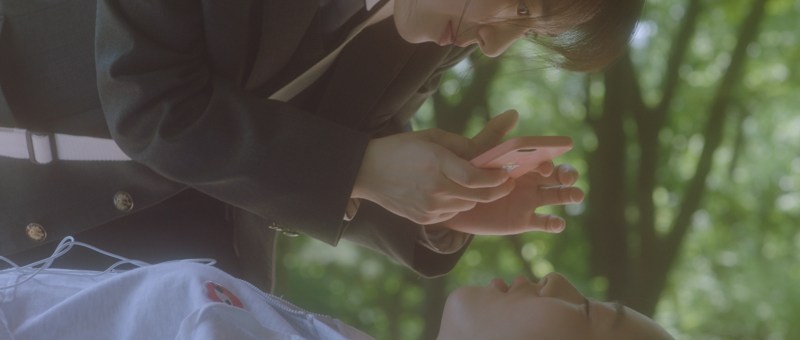
The Dream Songs (너와 나, Cho Hyun-chul, 2022)

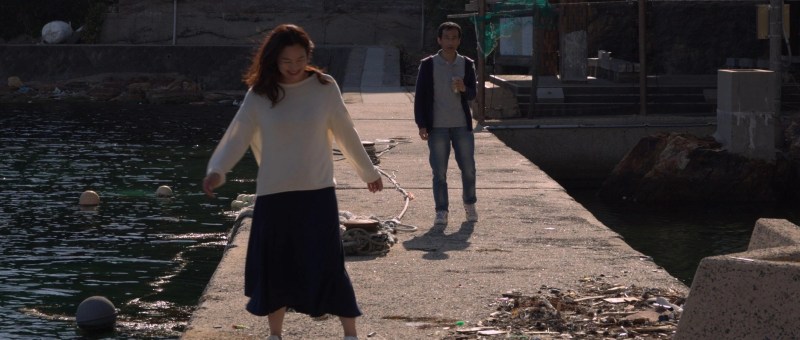
Teenage friends wrestle with a sense of mortality, frustrated longing, and future anxiety in the etherial feature debut from actor Cho Hyun-chul, The Dream Songs (너와 나, Neo wa Na). Set shortly before the 2014 Sewol ferry disaster and shot in a washed out soft focus with a hazy nostalgic quality, the oneiric drama finds its conflicted heroine coming to an appreciation of the solipsistic qualities of obsessive love while preparing to cross the line between adolescence and adulthood in fearing she may not return from her upcoming trip or that the her that returns will not be same and the world will have moved on without her. 

The trip is only four days, but for Sam (Park Hye-su) it represents the end of her adolescence and the beginning of adulthood. As the film opens, she wakes up in her classroom after having a disturbing dream that something bad is going to happen to her best friend Ha-eun (Kim Si-eun) who is currently in the hospital though only for broken leg after being hit by pedal bike on a zebra crossing. So upset is she, that Sam manages to convince her teacher to let her leave early to verify that Ha-eun is OK with her own eyes and try to convince her to come on the school trip to Jeju with her, broken leg and all, so that whatever happens happens to them together. 

In the repeated dream imagery, it’s being left on her own that Sam seems to fear. She doesn’t want to be the only one who survives or the only one who dies and leaves her friend behind though as she confesses there was something that felt peaceful in her dream on looking at a corpse that might have been her own. The school trip to Jeju is one that many teenagers take in a quite literal rite of passage, but it’s also tinged with additional anxiety in the painful reminders of the 2014 Sewol Ferry disaster, directly referenced via a radio broadcast, in which many school children taking the trip from the area where the film takes place lost their lives. Sam’s impending sense of foreboding causes her to reevaluate her relationships and especially that with her best friend Ha-eun for whom she has developed romantic feelings she is unsure can be returned. Afraid to leave without saying anything but also worried she may be rejected and end up imploding the friendship too, Sam’s internalised conflict ironically blinds to her Ha-eun’s individual suffering in having recently lost her pet dog as well as her disappointment on missing out on the trip while recovering from her accident. 

Cho frequently lands on the image of clocks, often stopped, which hint at time running out while there are frequent allusions to death and drowning from the bird Sam finds on the ground by the school to the girls’ final parting seemingly taking place in front of a stranger’s funeral with mourners talking outside while people carry funeral wreaths directly past them. While the lines between dream and reality continue to blur, Sam sees images of herself in the two little girls playing together in the park and another with her grandmother who “saves” a toy dinosaur from drowning in an environment in which it is unable to survive. She and Ha-eun chase a lost dog and eventually end up on opposite sides of a fence which is the outcome Sam most feared, but are eventually reunited and able to have a more emotionally honest conversation now that Sam has come to an understanding of the self-involved qualities of her romantic obsession. 

Even so, for the first part of the film it isn’t entirely clear if Sam’s feelings are indeed romantic or if it’s more a case of intense teenage friendship that causes her to be jealous of others that might be spending time with Ha-eun while preoccupied with the identity of the mysterious “Humbaba” whom Ha-eun apparently wanted to kiss in a diary entry Sam was presumably not intended to read. Sam’s feelings are made clear in a letter she doesn’t have the courage to send while she seems to fear that time may slip away from her and Ha-eun won’t be there when she returns from her trip. Yet what she ends up awakening to is more like self love, or at least no longer fearing “Joy” will fly away from her when she’s not looking. Cho’s hazy, poetic coming-of-age drama excels in capturing the joyful quality of teenage female friendship and diffidence of first love if tinged with a note of melancholy nostalgia in the wake of a devastating loss.


The Dream Songs screened as part of BFI Flare 2023

Original trailer (English subtitles)
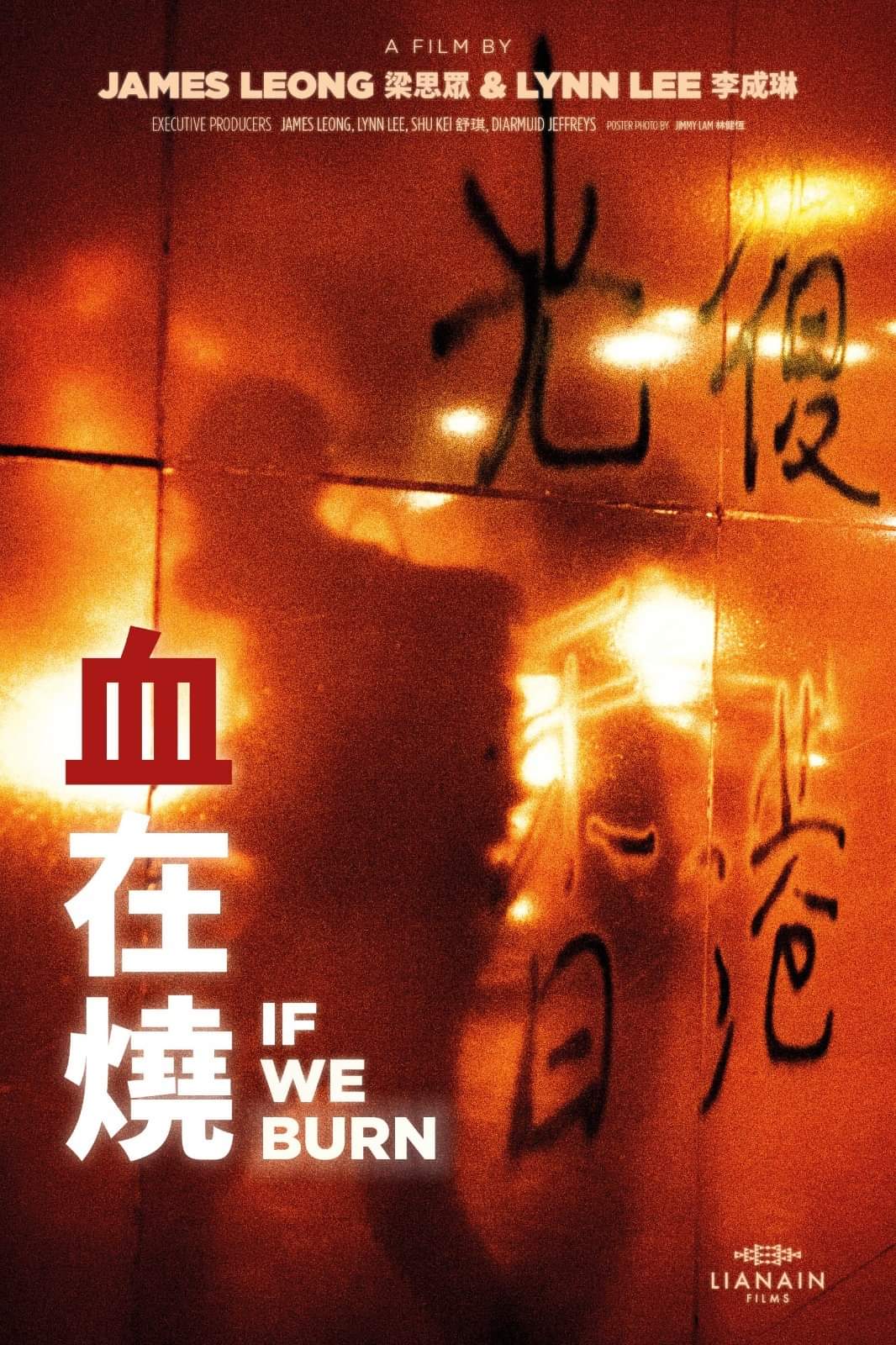
If We Burn (血在燒, James Leong & Lynn Lee, 2023)

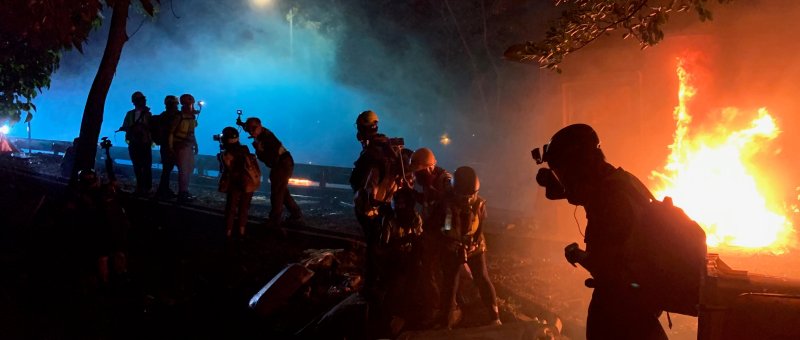
Clocking in at over four hours James Leong & Lynn Lee’s If We Burn (血在燒) provides the most comprehensive overview of the Anti-Extradition Law Amendment Bill Movement of any of the recent documentaries focussing on the events leading up to the passing of the Security Law in June 2020. Utilising professionally shot footage of the protests along with that captured by protestors via mobile phone, the film presents a tale of gradually escalating tensions provoked by increasing police violence and an expanding sense of hopeless desperation. 

Focussing largely on a series of climactic events such as the storming of the Legislature, the Yuen Long and Prince Edward Station attacks, and the sieges of the Chinese University and Hong Kong Polytechnic University, the film posits police brutality as a deliberate tactic that developed into state terrorism designed to intimidate society into submission. In the talking heads segments which occupy the first half of the film, the filmmakers interview a journalist who was present at the Yuen Long attack and was herself beaten by the mysterious vigilantes who raided the station. In this and the attack at the Prince Edward station which followed, it was clear that the target was not solely protestors but the people of Hong Kong who were simply attempting to catch a train in order to go about their ordinary business and became victims of, in the case of the Prince Edward MTR passengers, state violence in an unwarranted police intervention. As the journalist explains, given such a threat to their safety it is not surprising that many were radicalised and that some who had previously been committed to peaceful protest resolved to fight fire with fire. 

Some also regard the police action as a deliberate tactic, that in escalating violence the authorities attempt to provoke those protesting in order to justify even harder crackdowns. It’s also later revealed that police officers infiltrated the movement, dressing as protestors but suddenly attacking those around them giving rise to mistrust and paranoia. A lengthy sequence in which a mob at the airport protest catch a man they believe to be a Mainland police spy hints at the moral ambiguity of the protest movement as they argue with each other what to do with him while the man himself becomes a stand-in for the entirety of the violence inflicted so far. As tensions rise and duplicitous actions of the authorities increase, protestors begin to lose their sense of righteousness agreeing that there no longer is any line they will not cross to secure the freedom of Hong Kong. 

It’s clear that this period of instability has greatly affected the mental health particularly of younger protestors with many thrown into despondency and despair. During the university sieges, many state their intention to die and become martyrs while others talk of suicide and the toll the deaths of friends have already taken on them. During a rally in which older people offer thanks and support to the student protestors a young musician tearfully talks of how the the protest movement’s lack of success has exacerbated his depression and left him feeling hopeless with the only the solidarity of the people around him keeping him going. 

What had begun as a simple request to reject the Extradition Law Amendment Bill soon turns into a series of five demands and finally towards a desire for independence among the more hardline of the protestors who are now so mistrustful of Mainland authoritarianism that they can never consent to living under it. The documentary ends with alarm bells still ringing and a post-apocalyptic vision of battlefield destruction in the quad of the Polytechnic University peppered with small fires and piles of rubble while police drag protestors away from the scene. Talking heads who still appear in masks and goggles with disguised voices look back on the effects of the protests and the various ways they are changing Hong Kong while a piece of onscreen text coldly explains that the Security Law was passed and many have since been arrested or fled into exile. Still, as the alarm bells ring over the closing scene featuring the graffiti that gives the film its title, the documentary seems to suggest that all not yet lost while flame of resistance continues unextinguished.


If We Burn screens at London’s Genesis Cinema 18th March as the Opening Gala of this year’s Hong Kong Film Festival UK.