The Geisha (陽暉楼, Hideo Gosha, 1983)

The coming of the railroad spells doom for one of the most prestigious geisha houses in Japan in Hideo Gosha’s adaptation of the Tomiko Miyao novel, The Geisha (陽暉楼, Yokiro). Miyao’s novels had often provided the inspiration for Gosha’s films and she had herself been the daughter of a “flesh broker” in pre-war Kochi though later escaping to another town to be a substitute teacher. Though the English title may focus more on plight of the the individual geisha at its centre, the Japanese hints more at the destructive cycle of the Yokiro itself in the persistent legacy of exploitation.

Then again as he later points out, if you’re looking for a villain in this story then the responsibility lies largely with Daikatsu (Ken Ogata) himself. In a prologue set in 1913, Daikatsu has eloped with geisha Otsuru but the pair are discovered by gangsters sent after them by the Yokiro. Daikatsu kills all of their assailants and assures Otsuru that they are finally “free” but it appears to be too late. Holding their baby daughter in one arm, Otsuru collapses into his other and presumably dies either then or shortly after while Daikatsu is later sent to prison for 10 years. 20 years later in 1933, the daughter, Fusako (Kimiko Ikegami), has become the number one geisha at the Yokiro under the name Momowaka though her career flounders because she is regarded as too emotionally distant to keep a patron. 

Daikatsu is also himself in Kochi at this point and working as a procurer brokering the sale of young women to the Yokiro and other geisha houses and brothels. When a school teacher comes to him to sell his wife, he taps her teeth to check for malnutrition much as one would examine a horse before running a hand underneath her kimono to check everything is at is should be before offering a valuation. Her husband only looks at him anxiously enquiring if a body such as hers which has as he later reveals born three children will fetch a good price. Daikatsu lets them go so the woman, Masae, can spend a final night with her family explaining that he cannot force someone to work if they do not want to do so and is well aware they will likely take his money and never be seen again which is what almost what happens. As it turns out the husband is killed in a fight and the woman ends up becoming a geisha anyway, only in the pay of prominent Osaka yakuza led by Inaso. 

Inaso (Mikio Narita) and buddies want in on the construction of the railroad that will shortly be coming to Kochi, but need to take over the town first which means getting around the mistress of the Yokiro, Osode (Mitsuko Baisho), who is apparently running every game town. The entire local economy is underpinned by female exploitation and facilitated by a woman, a former geisha, seizing the only power that is available to her. Isano later uses Masae as a kind of spy, getting her to initiate a relationship with Osode’s weak willed husband in an attempt to humiliate her which largely backfires as Osode boldly reclaims her man through a violent brawl in a hot spring though it does not appear that she is especially fond of him so much as he serves a particular purpose.

The brawl emphases the way in which women are pitted against each other by the nature of a patriarchal society along with the ways in which they are forced to mediate their power through men. Fusako also gets into an intense physical fight with Tamako (Atsuko Asano), a surrogate daughter of Daikatsu’s and emblem of a coming modernity, who insists on becoming a sex worker at the area’s most prominent brothel. In a strange moment of confrontation, both the geishas of the Yokiro dressed in their traditional regalia, and the sex workers of Tamamizu, arrive at a modern club where the heir to a banking empire courted by the Yokiro, Saganoi, dances the Charleston he learned while studying abroad in America. The geisha who dances with him struggles to pick up the moves, Saganoi lamenting that the dance is just not suited to a woman wearing a heavy kimono, elaborate wig, and clumsy geta. Tamako immediately gets up from her table and kicks off her shoes, gathering the hem of her own kimono to free her legs for the high level kicks of the modern dance. 

Fusako reclaims her authority by interrupting the dance immediately before its conclusion and insisting on retrieving their guest. Tamako appears to resent Fusako, perhaps frustrated in her relationship with Daisuke who does not appear to have had much contact with the daughter he sold at 12 years old. They too end up in an elaborate brawl in which Tamako rips off Fusako’s wig and splits her lip, symbolically freeing her to transcend the constraints of her “geisha” persona. Meeting Saganoi at Western-style bar, she boldly dances on the counter and sleeps with him of her own volition. But in doing so she conceives a child and leaves herself in a difficult position. She has betrayed her patron, and though she could simply have kept the fact from him and allowed him to think the baby was his, Fusako does not want to bring her child up in lies while simultaneously hanging on to a naive dream that Saganoi will one day return to her despite being made aware he has left for Europe. 

“All men are enemies of women,” she writhes in childbirth while swearing that no one will take her child from her, but she is still an indentured woman and her daughter is by rights the property of Osode. Her illness, presumably consumption, began long before her pregnancy and seems to an echo of the suffering she has been forced to endure as a geisha. As her health weakens, so the Yokiro declines. First it is ravaged by a literal storm, but also under threat from the Osaka gangsters desperate to take over Kochi to gain access to the lucrative construction contracts extending in its direction. Even so, as Daikatsu admits much of the fault lies with him. He chose to elope with Otsuru and was unable to protect either her or their daughter whom he allowed meet the same fate by entering the geisha world. He continued to earn his money by selling women into what is essentially slavery, and cannot escape his part in their continued exploitation while his entanglement with gangsters later disrupts the more settled life Tamako has begun to build for herself. 

“Wait all you want, the train’s not coming,” Tamako is later told, as if signalling that there really is no way out of this destructive and disappointing existence. Truly epic in scope, Gosha’s pre-war drama draws together patriarchal exploitation and societal corruption to critique a burgeoning modernity, but ends exactly as it started among the vibrant cherry blossoms only this time undercutting the melancholy of the oft repeated song with a more cheerful scene hinting at least symbolically at a long-awaited reunion. 


Original trailer (English subtitles)
12.12: The Day (서울의 봄, Kim Sung-soo, 2023)

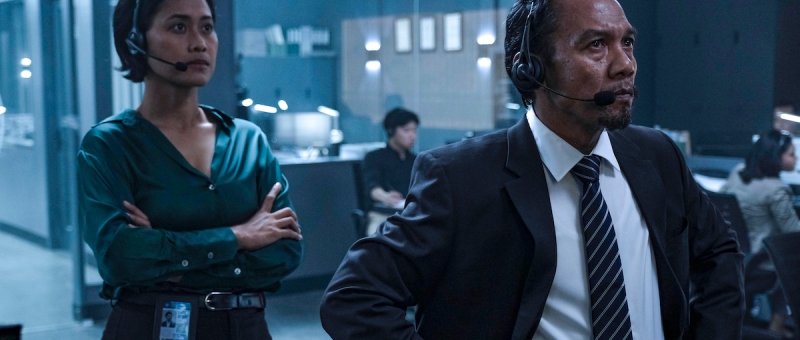
Sometimes, the bad guys win. Kim Sung-soo’s long-awaited return after superb underworld drama Asura, 12.12: The Day (서울의 봄, Seoul-ui Bom) explores one of the darkest hours of recent Korean history as all hopes for democracy and freedom are dashed by a 1979 coup by General Chun Doo-hwan whose reign turned out to be far worse than that of his predecessor, Park Chung-hee who had been assassinated by a member of his own security team some months previously.

Yet Kim is less concerned with the coup itself than why so few people tried to stop it. Though everything appears to be going very badly for Chun (Hwang Jung-min), he eventually succeeds in taking Seoul by force while opposed by a solo general who is the lone guardian of justice and righteousness. Lee Tae-shin (Jung Woo-sung) first turns down a promotion to command the Seoul garrison and accepts it only when it’s explained to him that Jeong (Lee Sung-min), the army chief of staff, hopes to use him as a bulwark against Chun whom he fears is indeed preparing for an insurrection. Sure enough, Jeong is eventually abducted by Chun’s minions, who run the security division, on a trumped up charge of being involved with Park’s murder while Chun desperately needs the duly elected president of a democratising Korea to sign his arrest warrant so his blatant power grab will be legitimised rather than branded a “coup”.

Only the president doesn’t play along. He insists on following proper protocol and getting the approval of the defence minister all of which is vexing for Chun who is left humiliatingly standing in his office while the president holds his ground. The defence minister has, as it turns out, fled to the American embassy in his pyjamas where he finds little sympathy while the film subtly implies that the Americans advise him to return and back Chun who is doubtless considered much more useful to them politically.

Though Tae-shin and another officer at HQ try to warn of a brewing coup, their orders are often overruled by superiors either because they do not take the situation seriously or are actively siding with Chun whose “Hanahoe” faction has taken over a significantly large proportion of the military. Kim zooms in on militarism as the fatal flaw in this botched defence system as it seems no one can act without first receiving an order from above nor are they equipped to make critical decisions on a personal level as to whether or not an order should be obeyed. Tae-shin calls on countless devisions for backup but finds them either actively allying with Chun or refusing to get involved believing it is a hopeless battle. Tae-shin asks what the army is for if it refuses to fight at the crucial moment and abandons its responsibility to protect the interests of its citizens in simply allowing Chun to seize power but receives no real answer. 

Chun has already aroused suspicion for his handling of the investigation into Park’s death, reportedly bringing in countless people with no obvious connection to the case and torturing them. The men who support him want to continue Park’s “glorious revolution” which was in itself a repackaging of Colonial-era Japanese militarism, and fiercely resist the idea of “democracy” advocating totalitarian views that the ordinary person longs for a strong hand at the wheel and to be absolved of the responsibility of choice which ironically fits perfectly with hierarchal structure of the Army. The film paints Chun, slight, small, and bald, as a man with a chip on his shoulder apparently resentful of military elites and the wealthy. He craves power because of his own insecurity and a desire to get one over on righteous men like Tae-shin which might be why his line about Chun being unworthy of the uniform of a Korean solider seems to get to him. 

Using the film language of the 1970s such as heavy grain and split screens, Kim keeps the tension on a knife edge even though the conclusion is all too inevitable. Tae-shin cuts a heroic figure, standing alone on a bridge and forcing back the advancing tanks solely with his imperious righteousness but in the end it’s not enough, there are too few like him and too many like Chun whose maniacal laughter is intercut with scenes of Tae-shin in the torture facility which lies beneath the facade of government. Bleak, but also angry, Kim’s extraordinarily controlled political thriller is damning in its condemnations of a militarising culture and the ever present threat which accompanies it.


International trailer (English subtitles)
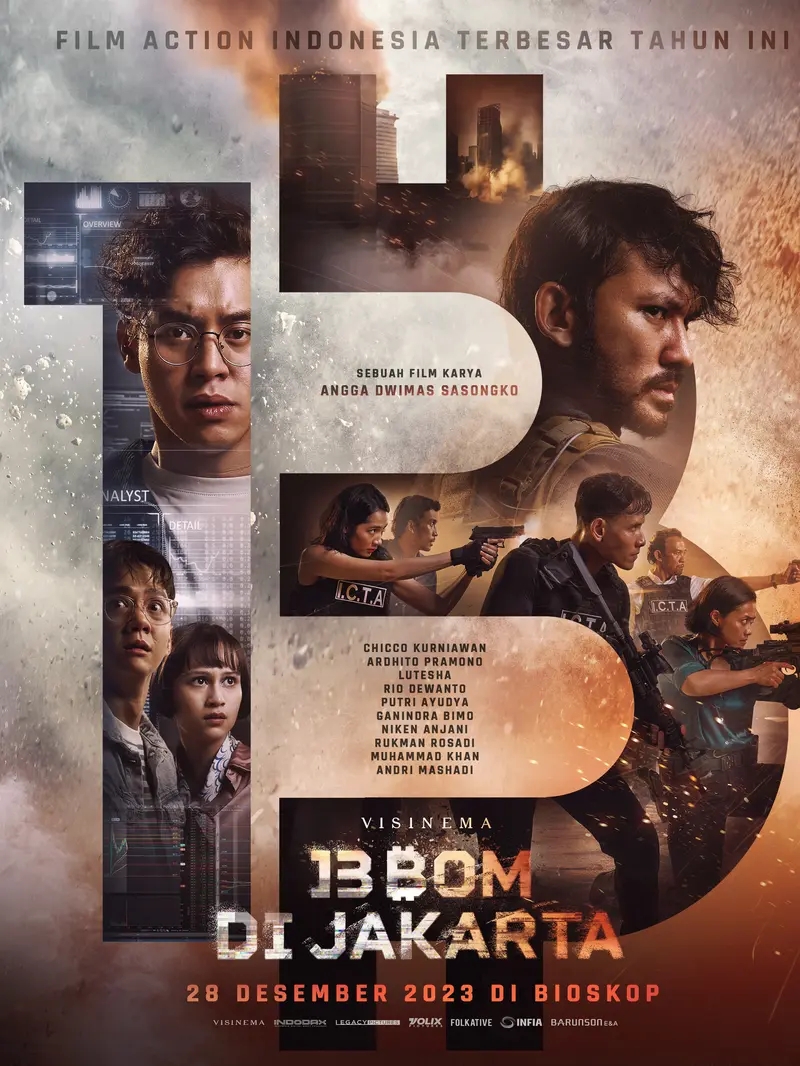
The White Storm 3: Heaven or Hell (掃毒3︰人在天涯, Herman Yau, 2023)

Who is the most foolish, the arch criminal who didn’t realise his two best buddies were undercover cops, or the cops that killed or took bullets for him? The latest in the White Storm series of standalone action thrillers with starry casts thematically dealing with drugs and organised crime, White Storm 3: Heaven or Hell (掃毒3︰人在天涯) like its immediate predecessor casts the net a little wider than just Hong Kong and is keen to stress the real victims of the international drug trade are the economically disadvantaged farmers who are left with no other option than to turn their fields to poppies. 

Back in Hong Kong, meanwhile, the film opens with local drug lord Suchat (Sean Lau Ching-Wan) retrieving a huge haul of drugs dropped in the ocean by helicopter only to be interrupted by the police who were watching all along. Suchat’s righthand man Yuen (Louis Koo Tin-Lok) blows his cover by pulling a gun to convince him to surrender, but Suchat chooses not to and in the firefight that ensues his other buddy, Hang (Aaron Kwok Fu-Sing), who is also an undercover cop and in fact very good friends with Yuen, is seriously wounded. In a show of loyalty, Suchat rescues Hang and manages to flee to Thailand where he sets up in his home village soon coming to the attention of the warlord who controls the local drug trade.

Describing the gang as the “rising stars of the Golden Triangle”, Suchat eventually cuts a deal with the general to provide security for his logistical operation in which drugs, mostly ice but also heroin, are transported inside fruit and other foodstuffs to be moved through the local market. Suchat had originally tried to set up his own operation only to fall foul of the general but also concedes that the margins in this game are fairly thin, no one in this area has any money to spend on drugs and there’s no point trying to produce them with the general in town so his only option is to provide a different service at another point in the chain. Hang becomes fond of the young woman who nurses him back to health, Noon, who explains that the only crop anyone is interested in is opium so aside from the food they grow for themselves it’s all they can produce to support themselves. There may a particular implication in her reply when Hang asks her if she’s ever considered moving that this even if this place is not a “home” because she has no remaining family members (her grandfather in fact seems to die of opium poisoning) it is still her hometown and why should she have to leave it. 

Before being taken to Thailand, Hang’s boss had worried that he might have spent too long undercover to successfully come back and it’s true enough that he seems to have become conflicted not only in his feelings for Noon but reflecting on the genuine brotherhood that exists between himself and Suchat whom he will eventually have to betray. Hang almost died for him, and Suchat repaid the favour by refusing to leave him behind. But on the other hand, there’s also a degree of homoerotic tension between himself and Yuen who rushes straight over to Thailand to rescue him once he’s able to make contact only to be frustrated when Hang tells him he has to go back to the village to save Noon who, as she’s already told him, does not actually want to leave despite the danger of constant violence from drug gangs and army raids. 

The film ends with the razing of the village of the Thai authorities who evidently decide the loss of life is justified in the necessity of stopping the general though it’s the ordinary farmers who lose their lives, families, homes and livelihoods because of their proximity to the trade in drugs. “I miss Hong Kong” Hang finally exclaims as if longing to shake off his undercover persona and recommitting himself to his role as a policeman but also perhaps hinting at a more subversive meaning as Yau ends on the clouds parting to reveal the famous city skyline amid picturesque terrain. Filled with a series of incredibly elaborate action sequences culminating in the all out warfare of the village raid, Yau’s heroic bloodshed subversion has its share of absurdity in the complicated relationships between its central trio and the ambivalent justice of its final resolution.


Original trailer (Traditional Chinese / English subtitles)

An Osaka Story (大阪物語, Kozaburo Yoshimura, 1957)

A man who tries to escape his poverty ends up imprisoning himself in Kozaburo Yoshimura’s tragicomedy An Osaka Story (大阪物語, Osaka Monogatari). Inspired by the work of Saikaku Ihara, Kenji Mizoguchi had intended to direct but sadly passed away before shooting started with Yoshimura appointed to take over. The broadly comic overtones may be at odds with Mizoguchi’s signature style but ultimately lend weight to the film’s ironic conclusion in which the hero finds himself essentially oppressed by his own wealth in being entirely unable to relate to other people or see the world in ways undefined by money. 

It may be possible to understand Omiya’s (Ganjiro Nakamura) mania as a reflection of his intense fear of poverty, that he is so terrified of possible destitution that he can never really have enough or allow himself to enjoy what he has in case there is no more to come in the future. Even as so his daughter later says, wealth changes him. As the film opens, Omiya is a peasant farmer with a bad harvest who can’t pay the onerous taxes demanded by his exploitative lord. He decides to flee to Osaka with his family but is soon rebuffed by the man he’s gone to see who has just become a samurai and wants nothing to do with him. Wandering around the city, the kids eventually discover a thin layer of discarded rice at a storage area they manage to sweep up giving Omiya a new idea of how to save their family. 

In some ways, his fate is foreshadowed when he alone is unable to slip through the fence while his wife and children mop up grains from the floor. The image of him on one side of the bars is repeated in the closing scene, while his loyalty to the family he tried so hard to save is weakened by the influence of money. Yoshimura shows us a world founded on exploitation. “Those who worked so hard to grow it won’t see a single grain,” Omiya bitterly laments watching workmen unload vast quantities of rice while the peasants starve. When the rest of the family have finished sweeping up what others so casually discarded, Omiya does not use the rice to feed them but sells it to a broker and gives them millet instead. His life is then ruled by the doctrine of good enough, living in painful, penny-pinching austerity even after becoming wealthy as a dodgy tea merchant/loan shark. 

Omiya is one of those people who know the price of everything but the value of nothing. Back at their farm, he’d firmly rejected his wife’s offer to sell herself into sex work to save the family, asking “How could I carry on happily knowing you were suffering for it?”, but this is exactly what he proceeds to do. Omiya no longer cares about his family’s feelings and thinks only abut money but simultaneously refuses to spend any of it. One has to wonder what the point of the money is when he’s living a life not all that different from a peasant farmer save being free of the anxiety of immediate starvation. The only person he has any kind of respect for is a widow much like himself who is equally obsessed with penny-pinching and maximising profits. 

The pair bond in their parsimonious natures, but the mutual desire to get a good deal necessarily comes between them especially when Omiya decides to marry off his daughter (Kyoko Kagawa) to Mrs. Abumiya’s foppish playboy son Ichinosuke (Shintaro Katsu) who has been secretly spending money in the red light district without her knowledge. He too is being exploited, in his case by a geisha who manipulates him into getting the money to buy out her contract by threatening suicide. Meanwhile, Omiya’s meanness means he’s never actually taught his son much about handling money. His invitation to the pleasure quarters by Innosuke eventually provokes his rebellion as he starts to question his father’s philosophy and what money is for if you still can’t live a comfortable life. 

HIs daughter Onatsu asks him something similar, pleading with him to learn to understand other people’s feelings before leaving the shop to be with a kindhearted clerk, Chunzaburo (Raizo Ichikawa), with whom she has fallen in love. So little does he care for people that Omiya doesn’t even bother to live up to the image of a wealthy man. The man who turned him away after becoming a samurai eventually racks up large debts and loses his title allowing Omiya to buy his house as an act of revenge despite his wife and daughter’s protestations that they already have “enough” and did not need more. He refuses contracts the previous owners had set up, throws out a hairdresser who comes to give the ladies a more class-appropriate haircut, and refuses a loan to the daimyo in incredibly rude fashion not to mention embarrassing just about everyone by refusing to serve any food at a wake. 

After ruining all of his personal relationships (except that with Mrs. Abumiya), Omiya experiences a kind of mental breakdown throwing himself over the chests of money in his vault and locking himself inside raving that everyone’s out to get their hands on his wealth. He’s just as much of a prisoner of this system as he was as a peasant farmer and has now imprisoned himself within a destructive delusion of capitalistic wealth. “Do what you have to do for a comfortable life,” Omiya’s son Kichitaro (Narutoshi Hayashi) had advised his sister, but this is what Omiya was trying to do too only for it massively backfire no matter what your personal definition of a “comfortable life” may be. Mrs. Abumiya tearfully wonders who’s going to inherit her money if not for her feckless son, but all Omiya can do is cackle wildly one like one possessed insisting that the money is his and his alone and not even death shall part him from it. In part a humorous take down of the contemporary society’s economic obsessions in a bid for ceaseless acquisition, the film is also a tragic tale of a man laid low by his addiction to money and the illusionary sense of comfort it provides him. 


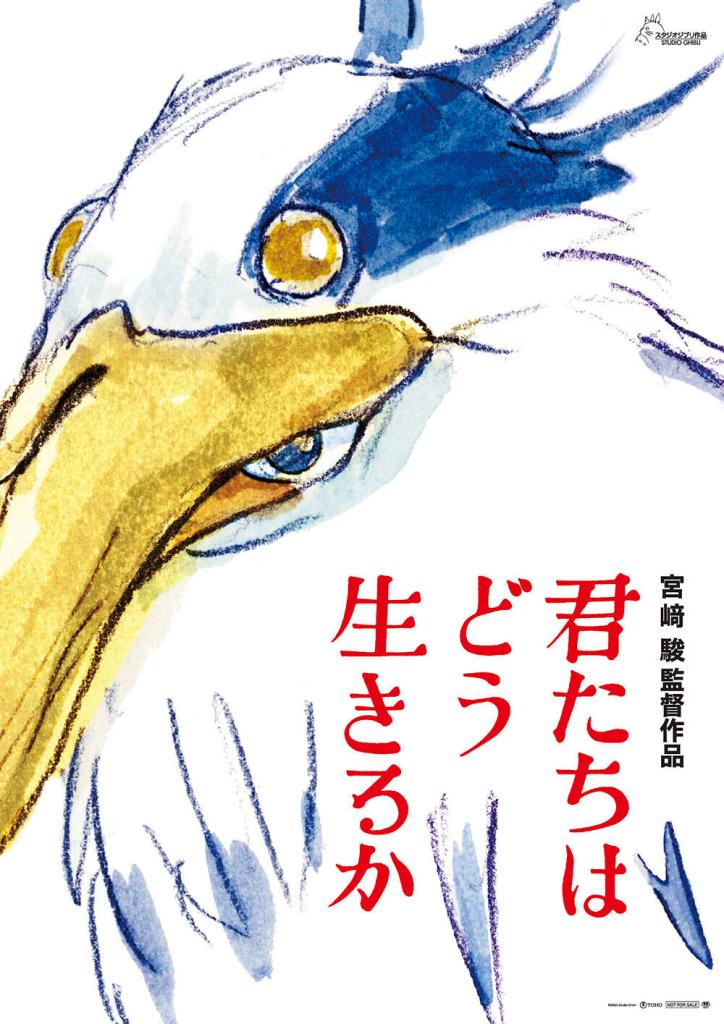
The Boy and the Heron (君たちはどう生きるか, Hayao Miyazaki, 2023)

Sales of Genzaburo Yoshino’s 1937 novel How Do You Live? (君たちはどう生きるか, Kimitachi wa Do Ikiru ka? went through the roof when it was announced that the no longer retired Hayao Miyazaki would be directing a new film with the same title. Predictably, Miyazaki’s film turned out not to be an adaptation at all, or at least not a literal sense, but was intensely interested in the question not so much how do you live but how will you? Will you allow the past to make you bitter and live in a world of pain and resentment, or will you choose to live in a world of peace and beauty free of human malice?

These are of course the questions faced by a post-war generation, the children of Miyazaki’s own era who came of age in a time of fear and suffering. Mahito (Soma Santoki), the hero, loses his mother in the firebombing of Tokyo. He runs through a world of shadows to save her from the flames but of course, he cannot. A year later everything has changed. His father has remarried, taking his mother’s younger sister Natsuko (Yoshino Kimura) as his new wife. Natsuko is now pregnant which suggests the relationship began some time ago though Mahito knew nothing of it and had no recollection of ever having met Natsuko before being sent to live in her giant mansion in the country more or less untouched by the war. 

It’s here that Mahito’s own malice rises. He is polite, if sullen, but cannot warm to his new stepmother and resents his father’s relationship with her. Perpetually bothered by a grey heron (Masaki Suda) his first thought is to kill it, crafting a bow and arrow from bamboo and one of the heron’s own feathers. Shunned as the new boy at school he hits himself on the head with a rock while his father, Shoichi (Takuya Kimura), comically vows revenge and lets him stay home. As he points out, there’s not much “education” going on anyway with most of the students pulled away from their studies for “voluntary” labour in service of the war effort in this case agricultural. 

Shoichi has moved to the country to open a factory which it seems produces canopies for fighter planes which is all to say that he is profiting from the business of war, though transgressively referencing the failure in Saipan over breakfast with the mild implication that it might work out alright for him. There is after all a grim reason they’ll be in need of large numbers of aircraft parts in the near future. Mahito’s dark impulses are directly linked to those of militarism and the folly of war. When he finally enters the tower of madness apparently constructed by a great-uncle who went insane through reading too many books, he discovers that his enemies are an ever expanding clan of fascistic, man-eating parakeets led by a Mussolini-like despotic leader attempting to manipulate the Master of the tower. 

Inside the tower is a land out of time, a place for those already dead or in essence an eternal past. It’s here that Mahito is presented with a choice, how will he live? Will he choose malice and destruction, or will he choose to leave and build a new world of beauty and peace above? In many ways, the important point is that the choice is his as it is ours, that we are free to decide and that our choices create the world in which we live. Through his adventures in the tower, Mahito begins to come to terms with his situation and resolves to accept Natsuko as a mother and make friends of those he once considered enemies. When the tower itself crumbles, it takes with it the last vestiges of authoritarianism and tyranny.

Prompting his epiphany, Mahito discovers a copy of How Do You Live? in his room, a present from his late mother inscribed to the grown-up Mahito. He is surrounded by the world’s ugliness, forced into a surprisingly graphic fish gutting session that leaves him wiping away blood, recalling his profusely bleeding head injury and the scar it will forever mark him with. Pelicans imprisoned in the other world meanwhile tell him that they have no choice but to behave as they do for the Master of the Tower neglected to put enough fish in the rivers intending them to destroy rather nurture new life while their young too learn all the wrong lessons. Yet there is beauty and strangeness here too, along with kindness and humanity. Boundlessly inventive, Miyazaki couples surrealist visions of murderous birds and the hellish scenes of a city on fire with Mahito the only figure visible in his pale blue school uniform darting through the soot and the shadows. A vivid symphony of life, the film may in its way be about grief and the pain of moving on but finally discovers a kind of serenity in an accommodation with the present and the eternally unfinished question of how you yourself will live. 


The Boy and the Heron screened as part of this year’s BFI London Film Festival.

The Man with Three Coffins (나그네는 길에서도 쉬지 않는다, Lee Jang-ho, 1987)

“What a piteous soul who wanders around with sorrow.” The echoes of a funeral song haunt the melancholy hero of Lee Jang-ho’s Division Film, The Man With Three Coffins (나그네는 길에서도 쉬지 않는다, Nageuneneun kileseodo swiji anhneunda). Adapting a novel by Lee Je-ha, Lee Jang-ho positions the divided nation as a more literal kind of limbo filled with wandering ghosts and souls who no longer have a home to return to in which the echoes of shamanism ring with fatalistic intensity.

In Lee’s elliptical screenplay, moments replay and reverberate in a stream of memory that echoes the protagonist’s fractured state of being. What eventually becomes apparent is that he is on a quest to return his wife’s ashes to her hometown, the problem is that she was one of many displaced by the Korean War. She became separated from her parents and no longer knew where her hometown was except somewhere in the North. The man who is being discussed in the opening sequence, Mr Kim, is also on a quest to return to his hometown but like that of Sun-seok’s wife (Lee Bo-hee) it lies in the North and it is unlikely he can reach it. The old man tightly grips a photograph of his family before the war, finally releasing it only when some henchman working for his son who only sees the South as his home come to retrieve him and destroy his hopes of dying in the place where he was born.

During his journey, Sun-seok (Kim Myung-gon) passes a sign which reads “Road to Reunification” but the bridge alongside it has been removed with only the supports remaining like thorns embedded in the landscape. Another sign reads “Restricted Area” marking the line beyond which Sun-seok cannot pass, like the man in the funeral song unable to pass through mountain or water. As he nears his destination, Sun-seok’s paths are blocked by snow preventing him from moving on or from returning to his ordinary life in Seoul. He is in more ways than one a purgatorial figure, a man already dead but trapped in the mortal realm even as the shamans attempt to guide him towards his rightful direction, a direction which Sun-seok may finally realise only on witnessing a woman with whom he may have fallen in love join in with the shamanistic dance though she two had been as soulless as he was and it may be impossible to say which of them is bound for the land of the dead. 

Mrs. Choi (Lee Bo-hee), the only woman given a name, remarks that a shaman had told her that at 30 she would meet a man by a river who was carrying three coffins and that this man was her husband in a previous life. This might explain why all of Sun-seok’s women are played by the same actress, as if they are all echoes of the same soul though equally it could reflect Sun-seok’s myopic view in which there is only ever really one woman. In any case, their connection seems both fated and frustrated because in this divided world there are only ever partings. Unable to reach his destination, Sun-seok scatters his wife’s ashes in the closest town to the DMZ, the same town where Mrs Choi and Mr Kim are also prevented from moving forward though in this case pulled back towards the soulless capitalism of the contemporary South as symbolised by Mr Kim’s son and his political ambitions. 

The implication is that is the division itself which caused the death of Sun-seok’s wife, ultimately unable to reconcile the division within herself and eventually consumed by it. Her death is echoed in that of a sex worker who dies gripping her throat and foaming at the mouth shortly after an encounter with Sun-seok, while a sex worker he meets in another town suffers a similar fate as if he were somehow spreading death along his way bringing him to his three coffins, which are in a way one and also four including perhaps his own. The washed out red of Lee’s distinctive colour palate lends the dusty land a hellish glow while the unusual camera techniques, a copulating couple superimposed on Sun-seok’s playing cards and a giant hand suddenly appearing in the sky for example, add a sense of ominous dread enhanced by the constant intrusions of shamanic ritual. It seems that as the song says, a funeral lament for a boy who disappeared feared drowned but also for Sun-seok himself, he really can’t go anywhere and is condemned to wander, a lost soul in a divided land who cannot any longer return to his home.


One More Chance (別叫我”賭神, Anthony Pun Yiu-Ming, 2023)

A feckless gambler gets a final shot at redemption when he’s suddenly asked to take care of an autistic son he never knew he had in Anthony Pun Yiu-Ming’s nostalgic drama, One More Chance (別叫我”賭神). Previously titled “Be Water, My Friend”, the film has had a troubled production history only reaching cinema screen four years after filming concluded in March 2019 and has been retitled in the Chinese “Don’t Call Me the God of Gamblers” which seems to be a blatant attempt to cash in the audience’s fond memories of similarly pitched Chow Yun-fat vehicles from the ’80s and ’90s such as All About Ah Long.

In truth, Chow is probably a little old for the role he’s cast to play as the middle-aged barber Water who’s long since fled to Macao in an attempt to escape problems with loansharks caused by his gambling addition. Of course, Macao is one of the worst places someone with a gambling problem could go and so Water is already up to his neck in debt and a familiar face at the local casino. That’s one reason he ends up going along with the proposal of old flame Lee Xi (Anita Yuen Wing-Yee) to look after her grownup son, Yeung (Will Or Wai-Lam), who is autistic, for a month in return for 50,000 HK dollars up front and another 50,000 at the end assuming all goes well. She claims that Water is Yeung’s father and even provides forms for him to send off for a DNA test if he doesn’t believe her, but at this point all Water is interested in is the cash. 

To begin with, he pretty much thinks of Yeung as cash cow, descending on a Rain Man-esque path of using him to up his gambling game but otherwise frustrated by his needs and ill-equipped to care for an autistic person whom he makes little attempt to understand. For his part, Yeung adapts well enough and tries to make the best of his new circumstances but obviously misses his mother and struggles when Water selfishly disrupts his routines. For all that, however, it’s largely Yeung who is looking after Water, tidying the apartment and bringing a kind of order into his life while forcing him to reckon with the self-destructive way he’s been living. 

Picking up a casino chip in the opening sequence, Water describes it as a “chance” in an echo of the way he’s been gambling his life just as he decides to gamble on taking in Yeung. At one point, he wins big on the horses but takes his winnings straight to the casino where he’s wiped out after staking everything on a single bet only to realise he’s been played by another grifter at the table. It seems that Xi left him because of his gambling problem and the resultant change in his lifestyle that had made it impossible for her to stay or raise a child with him, causing Water to become even more embittered and cynical. Where once he provided a refuge for wayward young men trying to get back on the straight and narrow, now he’s hassled by petty gangsters over his massive debts.

Nevertheless, it’s re-embracing his paternity that begins to turn his life around as he bonds with Yeung and begins to have genuine feelings for him rather than just fixating on the money while simultaneously recognising that Yeung is already a man and able to care for himself in many more ways than others may assume. One could say that he gambles on the boy, staking his life on him rather than endless rolls of the dice to fill an emotional void but also rediscovering a sense of himself and who he might have been if he had not developed a gambling problem and left it up to chance to solve all his problems. Unabashedly sentimental, the film flirts with nostalgia in the presence of Chow and Anita Yuen and largely looks back the Hong Kong classics of the 80s and 90s if with half an eye on the Mainland censors board, Bruce Lee shrine not withstanding, but nevertheless presents a heartwarming tale of father and son bonding and paternal redemption as Water crosses the desert and finally reclaims himself from his life of dissipation. 


Original trailer (English subtitles)
Criminal Woman: Killing Melody (前科おんな殺し節, Atsushi Mihori, 1973)

“Five women like us could take on the whole world!” a woman exclaims after a very successful mission of revenge in which they didn’t have to do very much at all except play on male pride and yakuza honour. Criminal Woman: Killing Melody (前科おんな殺し節, Zenka onna: Koroshi-bushi) stars the two main players of Toei’s pinky violence line, Reiko Ike and Miki Sugimoto, and plays with their star rivalry by casting them as a pair of women eventually divided by the conflicting loyalties presented by the heroine’s desire for revenge. 

Ike stars as Maki, an intense young woman first seen hiding behind a door in the classic club scene that opens the film. Eventually she darts inside and slashes some yakuza with a knife, but her assassination attempt is very unsuccessful landing her in prison for a number of years where she largely spends her time glaring at the bars and plotting her revenge. Nevertheless, it’s the solidarity she finds with her cellmates that eventually allows her to carry out her plan. On her arrival, she first clashes with cell boss Masayo (Miki Sugimoto), a former yakuza moll inside for slashing some guys with a razor after they caught her cheating at hanafuda, but eventually wins her respect after a prison test of strength in which each woman is armed with a glass shard and grips a rope between their teeth until the loser gives in and lets go. Maki is not a skilled fighter and easily wounded by Masayo but refuses to surrender, getting right back up again every time Masayo knocks her down until Masayo finally concedes defeat.

The early prison fight is repeated at the end of the film only without the rope and with real knives, drugs replacing the white chalk that clouded around them as they fought in the prison yard. This time they are more evenly matched. Maki is no good with a knife, but more than able to hold her own and the fight is more about settling a score than it is about revenge so neither really wants to harm the other anyway. Though they found themselves temporarily on opposing sides, inevitably it turns out that Masayo is the woman of the yakuza Maki is trying to bring down, the sense of solidarity between them as women eventually wins out and though Masayo is unable to betray Oba (Ryoji Hayama) she cannot betray Maki either and ends up helping in her in quest for revenge if in a round about way.

It’s this sense of solidarity that brings the other cell mates back to the prison when Maki is released already having decided to help her get her revenge on the yakuza who forced her father to traffic drugs and then had him killed. Maki first refuses their help, as she had the opportunity of getting legal justice by telling the police everything that had happened including her own gang rape at the hands of the same yakuza, because it’s important that she’s the one who takes down Oba but later accepts their gesture and forms a tightly knit gang of her own fronted out of former sex worker Kaoru’s (Yumiko Katayama) bar. To fund the mission, Maki goes on a two week sex work spree mostly bedding American servicemen with whom she later makes a deal to buy a large number of guns and grenades she eventually sells to hotheaded yakuza son Tetsu (Takeo Chii) who is already resentful towards Oba for having stolen his father’s turf.

All Maki has to do to is light the touch paper on a simmering gang war between old school yakuza and the amoral corporatising Oba. She antagonises him by expertly offing one of his guys in a rain drenched assassination scene and getting one of the other girls to strongly hint it was Tetsu’s doing, then pretending to come to Tetsu’s rescue with the guns only to further provoke Oba. The girls even joke they’re doing a public service by cleaning up the town in taking out the corrupt politician who was propping up Oba for his own financial gain. It’s all expertly planned by Maki who appears in a series of quite stunning power suits and sporting giant hair, battling yakuza with killer style and an expert understanding of the way their brains work. But the reason the plan succeeds is the shared sense of solidarity between the women, Masayo included, as they strike back together against an oppressive and patriarchal society.


Noryang: Deadly Sea (노량: 죽음의 바다, Kim Han-min, 2023)

The strange thing about Noryang: The Deadly Sea (노량: 죽음의 바다, Noryang: Jugeumui Bada), the third and final instalment in Kim Han-min’s trilogy about 16th century admiral Yi Sun-sin is that everyone wants to end the war but they all want to end it definitively and so are unable to simply let it run its course. Then again, there is a little more complexity involved in the depiction of Yi in asking whether his desire to repel the Japanese once and for all is really about the national good or personal vengeance for the death of one of his sons at the hands of Japanese raiders.

The opening scenes taking place in 1598 witness the death of Toyotomi Hideyoshi who had launched two invasions of Korea in the previous decade which were in themselves precursors to an invasion of Ming China in an attempt to disrupt the Chinese Tributary System that prevented Japan from trading with China without agreeing to pay them taxes and recognise their political superiority. In the film at least, his deathbed order is to withdraw troops from Korea where they had been unsuccessfully fighting for the previous year. The leader of the Japanese forces, Konishi Yukinaga (Lee Kyu-hyung), is however prevented from leaving by a naval blockade placed by Admiral Yi around their fort on Suncheon Island. With Hideyoshi dead, Yukinaga is keen to return to Japan as quickly as possible in order to defend Hideyoshi’s young son, Hideyori, from Tokugawa Ieyasu who makes a very sinister appearance at Hideyoshi’s deathbed.

One might wonder why Yi does not allow Yukinaga to simply leave and return to Japan now that the war is technically over yet he insists that without a full surrender nothing is guaranteed and the Japanese may simply regroup and return as they had done before. Then again, he’s haunted by nightmares of his son’s death in which he witnesses him cut down by Japanese pirates while unable to intervene dragged back by shadowy figures rising from the water. Yi also later makes clear that his motivation is coloured by a desire for revenge to the extent that he is willing to sacrifice his life for it, which is one thing but it also necessarily means he’s willing to risk the lives of his men over what is partly a personal vendetta. 

Yukinaga, meanwhile, and the Japanese in general are depicted as cruel, ruthless, and cowardly. Shimazu (Baek Yoon-sik), the admiral leading the reinforcements sent to help spring Yukinaga, wilfully fires on his own men in order to cut his way through to the enemy and then threatens to execute sailors who tried to desert. In the end Yukinaga breaks his promise and declines to come to the assistance of Shimazu’s fleet as arranged, turning away and sailing back to Japan (he is subsequently beheaded after being on the losing side of the battle of Sekigahara as he was unable to commit ritual suicide because he was a Christian). They had originally been let down by a Chinese general they’d bribed to assist them but had decided not to turn up given the war was already over, making a secondary agreement with Admiral Chen (Jung Jae-young) who also desires a peaceful end to the disruption but vacillates between each side while not really wanting to get involved before making a fairly disastrous intervention in the final battle. 

There is something a little a uncomfortable in the film’s framing and most particularly in its post-credits scene which reinforces Yi’s conviction that the war isn’t really over without a complete surrender from Japan. In any case, Yi becomes a literal beating heart of the battle banging the drums of war to encourage weary fighters that it isn’t over yet and to keep going to the last man buoyed by the spirits who appear to him of his son and allies who lost their lives fighting similar battles in the previous films. That aside, Deadly Sea is mostly standalone though some knowledge of Japanese and Korean history in the late 16th century is undoubtedly helpful. Kim devotes the second half of the film to a lengthy series of naval battles as Yi tries to lure Shimazu to a vulnerable position, eventually shooting a harrowing long take from the perspective of an ordinary sailor trying to cut his way through after boarding a series of enemy boats. The senseless futility of the violence is the point, but it’s one that’s continually lost on Yi who continues to insist that this war will never really be over until they chase the invaders all the way back to their own islands and into total capitulation even as his quarry sails away towards his own unhappy destiny in an equally turbulent Japan.


International trailer (English subtitles)
Blue Ribbon Awards Announces Nominations for 66th Edition

Presented by the Association of Tokyo Film Journalists, the Blue Ribbon Awards has announced its nominations for the 66th edition honouring films released in 2023. This year’s front runners are Yuya Ishii’s The Moon and Daishi Matsunaga’s Egoist which each pick up five nominations while Ishii also scores four for Masked Hearts.

Best Film 

  • Masked Hearts – raucous comedy from Yuya Ishii in which a struggling film director returns home.
  • Ichiko – stage play adaptation starring Hana Sugisaki as a mysterious woman who suddenly disappears.
  • Egoist – a fashion editor reflects on the nature of love after falling for a personal trainer in Daishi Matsunaga’s deeply moving romantic drama.
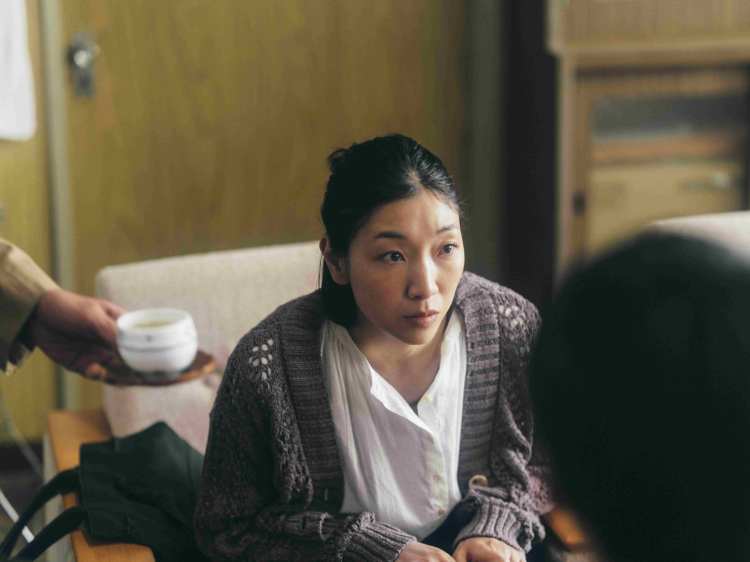
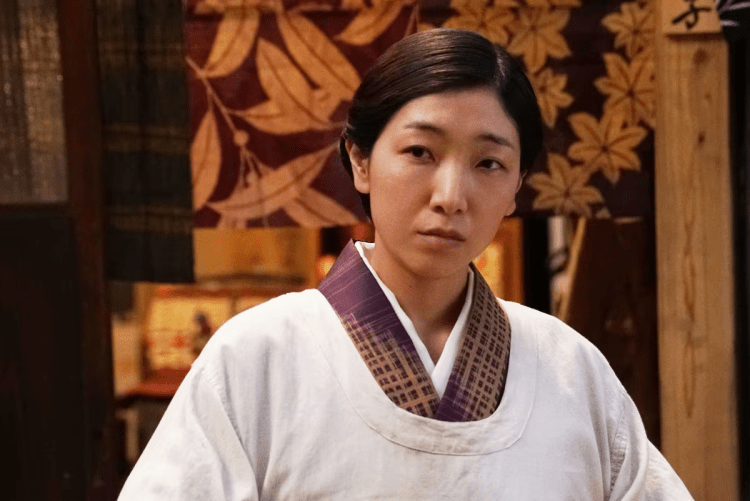
  • Monster – latest from Hirokazu Koreeda starring Sakura Ando as a mother who confronts a teacher after noticing changes in her son’s behaviour.
  • The Dry Spell – a literal drought becomes a metaphor for bureaucratic heartlessness in Masaya Takahashi’s empathetic social drama.
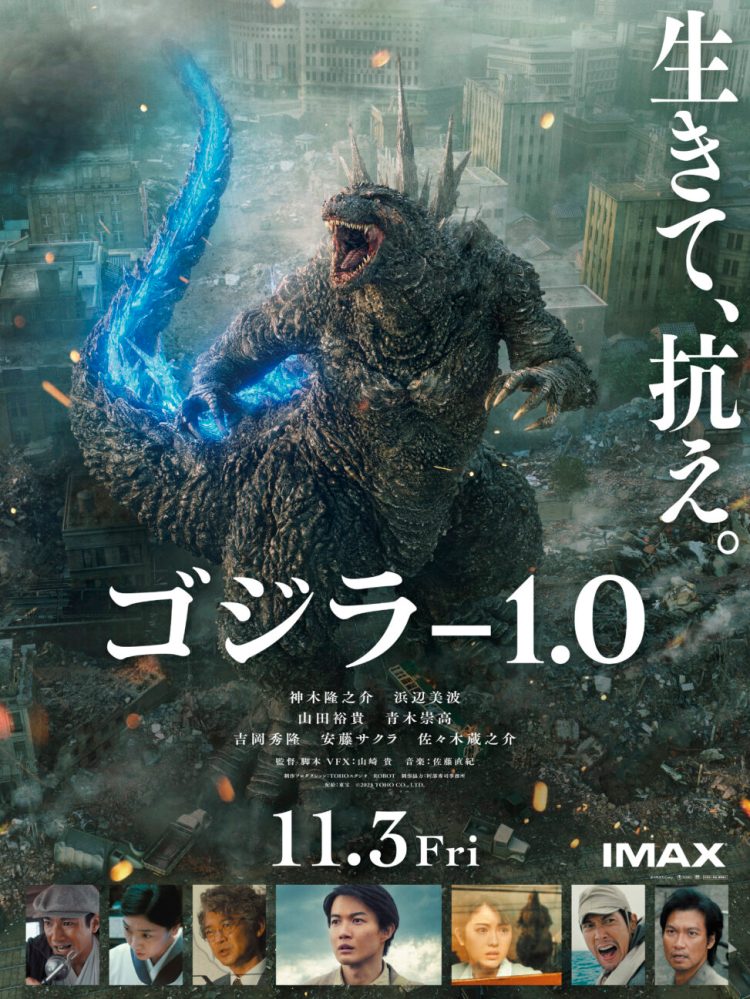
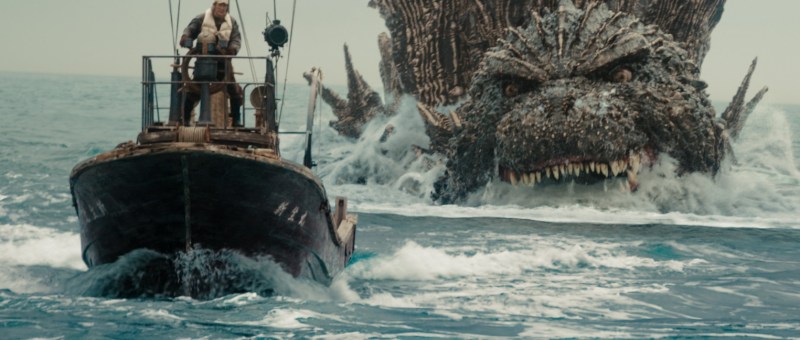
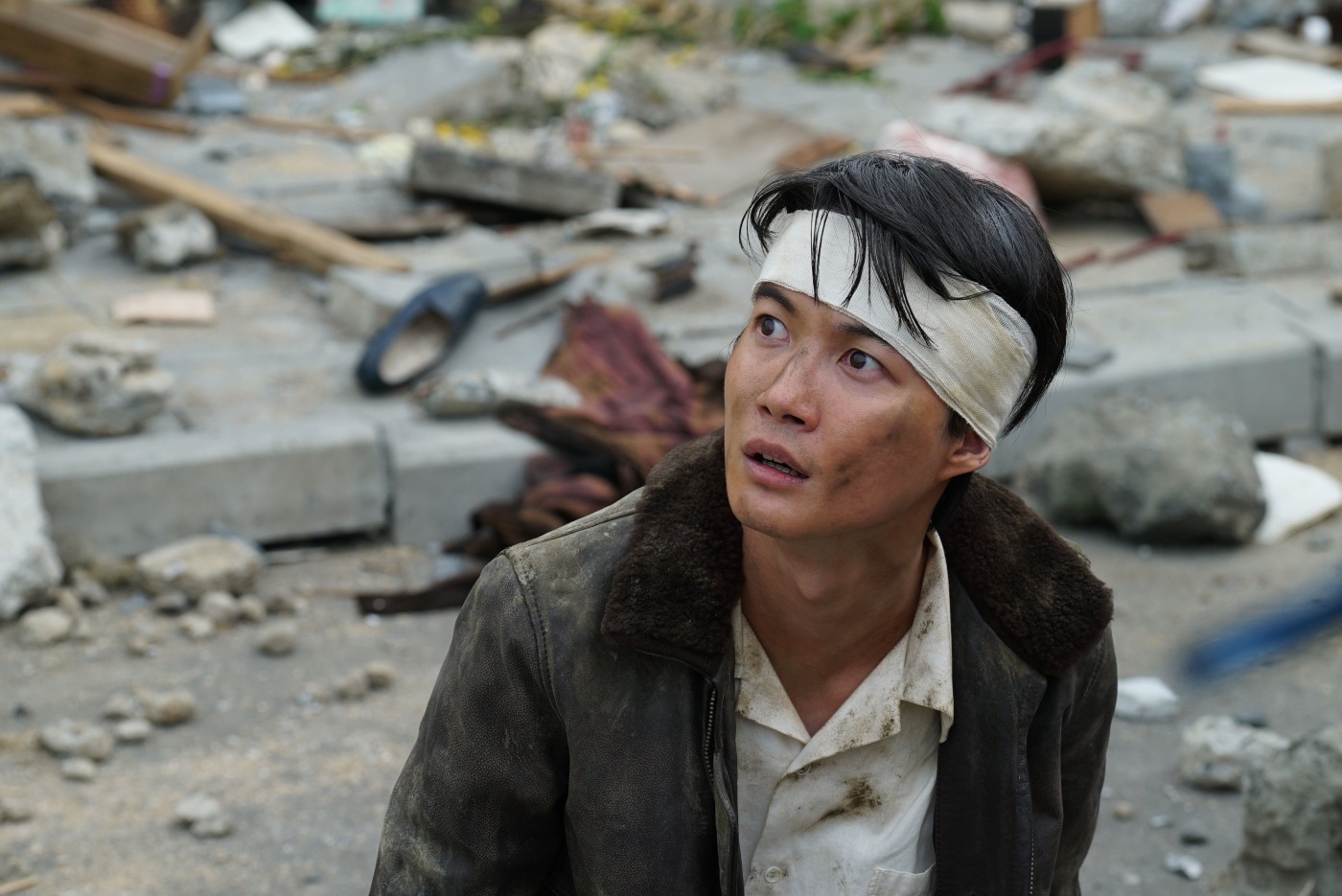
  • Godzilla Minus One – a kamikaze pilot finds himself haunted by the manifestation of his war trauma in Takashi Yamazaki’s entry into the classic franchise.
  • Mom, Is That You?! – touching drama from Yoji Yamada starring Sayuri Yoshinaga and Yo Oizumi as mother and son.
  • (Ab)normal Desire – Yoshiyuki Kishi’s adaptation of the novel by Asai Ryo starring Goro Inagaki and Yui Aragaki which explores the effects of a fetish on the lives of two former classmates.
  • The Moon – drama from Yuya Ishii starring Rie Miyazawa as a formerly successful writer who begins working at a facility for the severely disabled.
  • One Last Bloom – boxing drama in which a former contender who lost a match to due to an unfair decision begins training a man who suffered something similar.
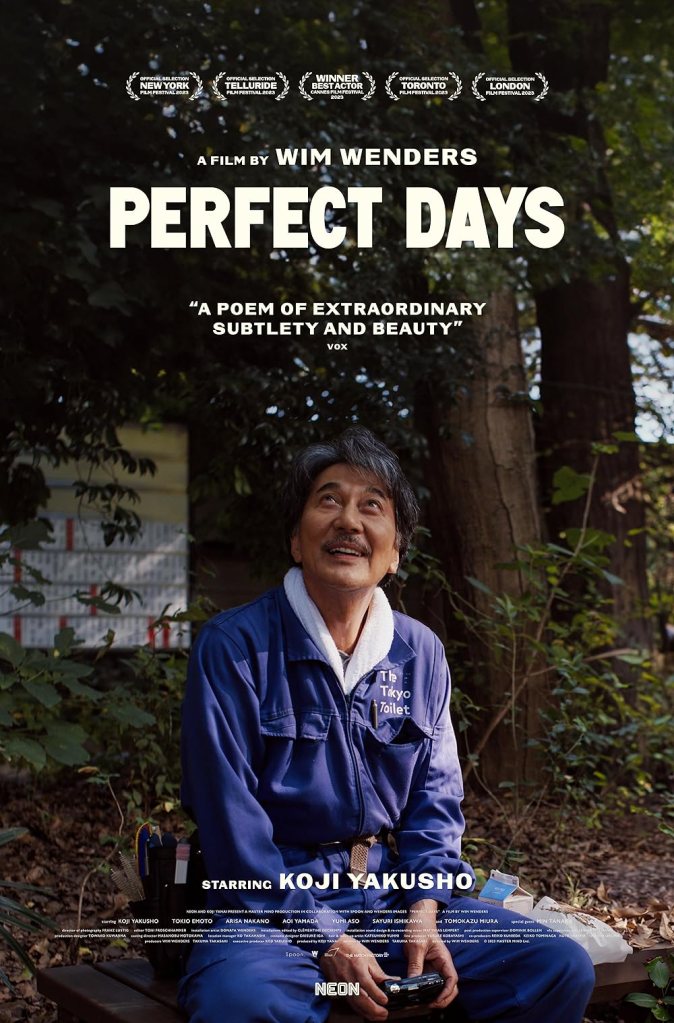
  • Perfect Days – a man in late middle-age quite obviously living in the past begins to wake up to the possibilities of change in Wim Wenders’ Tokyo-set drama.
  • Bad Lands – fast paced crime thriller from Masato Harada starring Sakura Ando as a conwoman in over her head.
  • September 2023 – drama depicting the pogroms against Koreans which took place after the 1923 Kanto earthquake.
  • Do Unto Others – mystery thriller directed by Tetsu Maeda in which a caregiver becomes prime suspect in a series of unexplained deaths.
  • As Long as We Both Shall Live – a young woman with chronically low self-esteem learns to love herself after bonding with a taciturn nobleman in Ayuko Tsukahara’s adaptation of the light novel series.

Best Director

  • Yuya Ishii (The Moon, Masked Hearts)
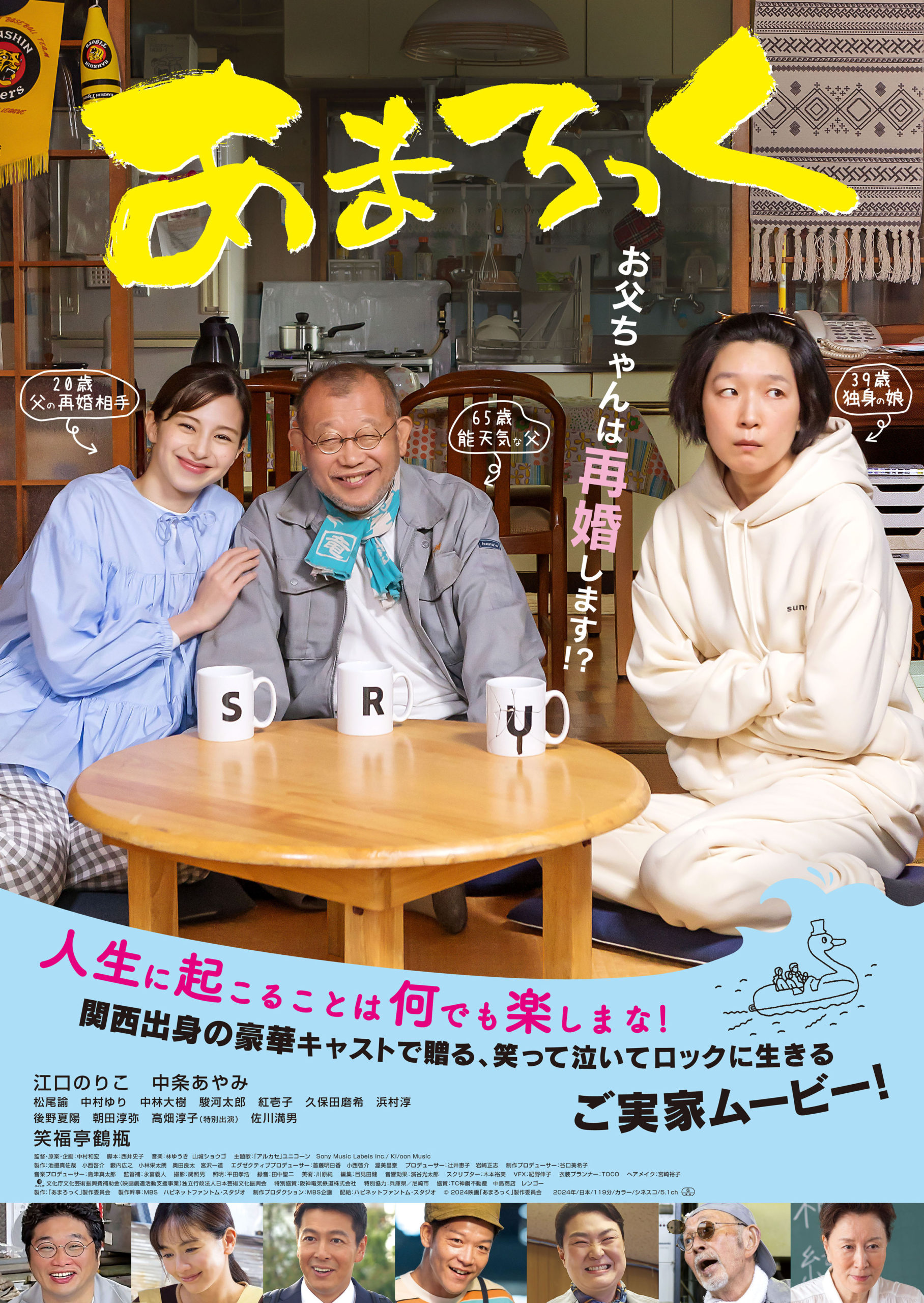
  • Hirokazu Koreeda (Monster)
  • Daishi Matsunaga (Egoist)
  • Takashi Yamazaki (Godzilla Minus One)
  • Yoji Yamada (Mom, Is That You?!)

Best Actor

  • Goro Inagaki ((Ab)normal Desire)
  • Ryunosuke Kamiki (Godzilla Minus One, We’re Broke, My Lord!)
  • Ryohei Suzuki (Egoist, Tokyo MER: Mobile Emergency Room)
  • Masahiro Higashide (Winny, The Flower in the Sky, Trapped Balloon)
  • Kenichi Matsuyama (Do Unto Others)
  • Koji Yakusho (Perfect Days, Father of the Milky Way Railroad, Familia)
  • Ryusei Yokohama (One Last Bloom, The Village)

Best Actress

  • Haruka Ayase (Revolver Lily)
  • Sakura Ando (Bad Lands)
  • Mayu Matsuoka (Masked Hearts)
  • Rie Miyazawa (The Moon)
  • Sayuri Yoshinaga (Mom, Is That You?!)

Best Supporting Actor

  • Hayato Isomura (The Moon, The Dry Spell, Ripples, Hard Days)
  • Yo Oizumi (Mom, Is That You?!)
  • Jo Odagiri (The Moon, Yoko)
  • Masataka Kubota (One Last Bloom, Yudo: The Way of the Bath)
  • Koichi Sato (Masked Hearts, Okiku and the World, We’re Broke, My Lord!, Familia, etc)
  • Hio Miyazawa (Egoist, The Legend & Butterfly)

Best Supporting Actress

  • Sawako Agawa (Egoist)
  • Haru Kuroki (Ichikei’s Crow: The Movie, The Village, Okiku and the World, Fly On, Kyrie)
  • Yuko Tanaka (Monster)
  • Fumi Nikaido (The Moon)
  • Kanna Hashimoto (One Last Bloom)
  • Minami Hamabe (Godzilla Minus One, Shin Kamen Rider)
  • Haru (Analog)
  • Suzu Hirose (Kyrie)

Best Newcomer

Best Foreign Film

  • Living
  • Air
  • Everything Everywhere All at Once
  • A Man Called Otto 
  • Gran Turismo
  • The Super Mario Bros. Movie
  • Tar
  • Napoleon
  • Barbie
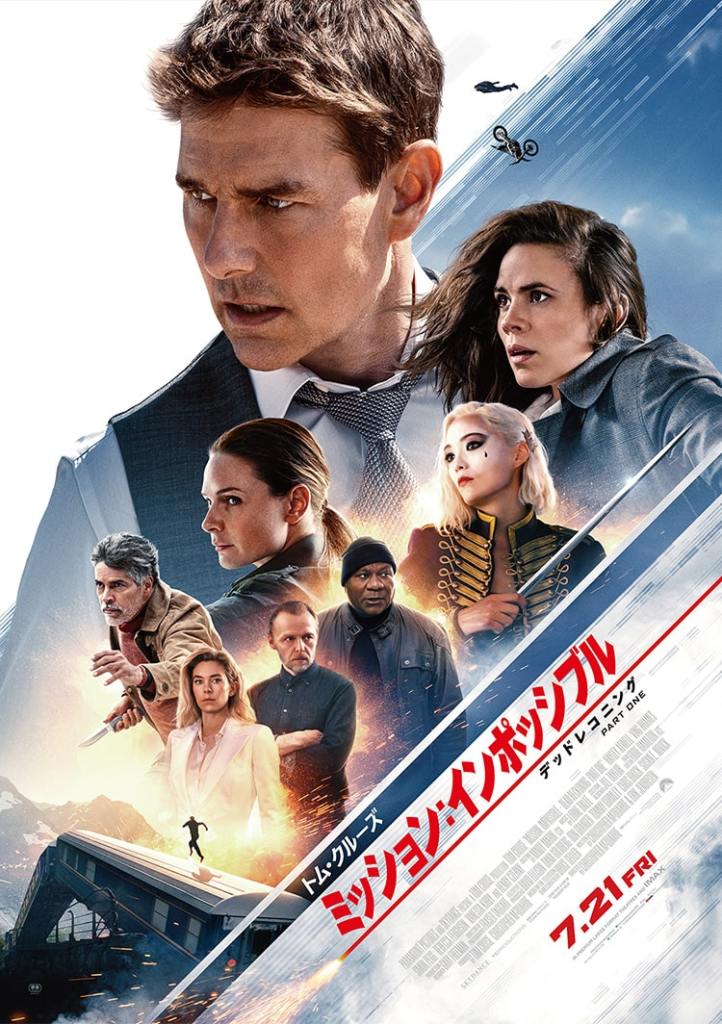
  • Mission: Impossible – Dead Reckoning Part One

Source: Sponichi