Trans (트랜스, Do Naeri, 2021)

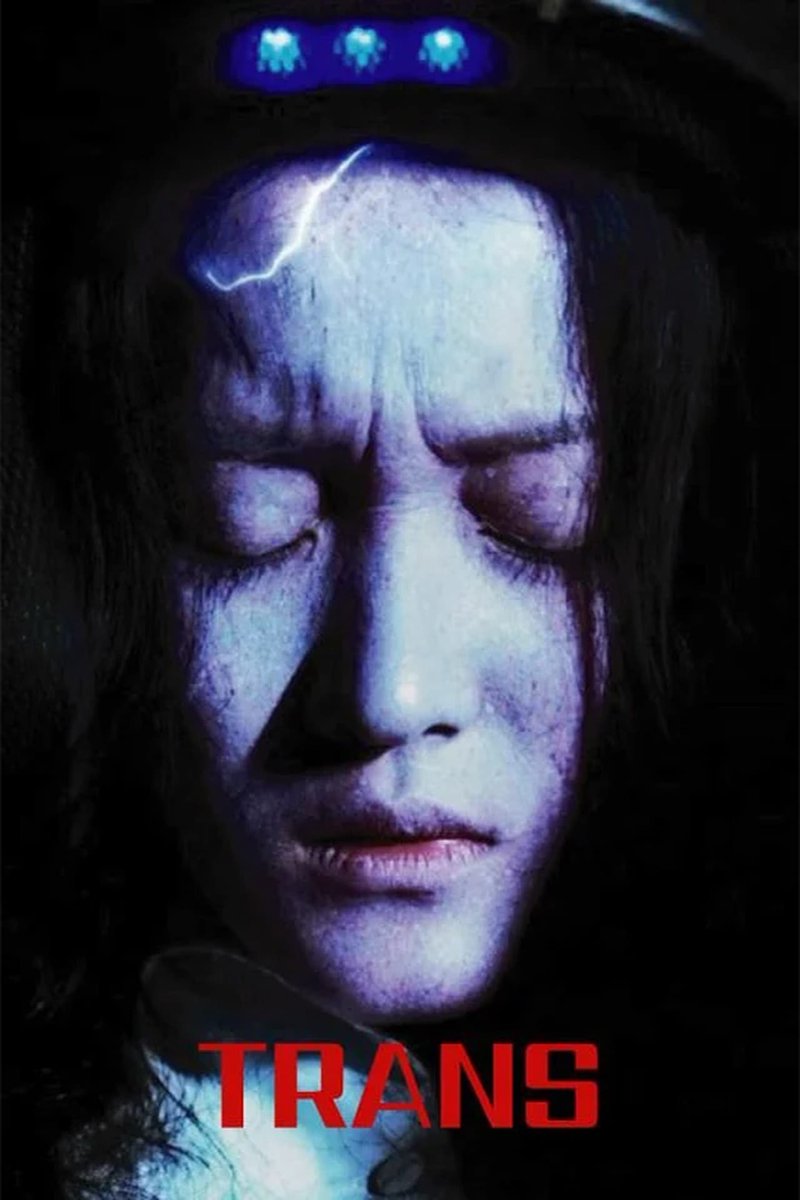
The troubled heroine of Do Naeri’s sci-fi psychodrama Trans (트랜스) finds herself quite literally “stuck in a deep loop” while attempting to transcend herself and escape her teenage angst. Playing with new religion imagery, Do’s elliptical drama sends the young woman on a quest for self-apotheosis through physical transformation, a literal obliteration of the self in order to be reborn as something more than human, yet internally conflicted in the costs and implications of such a “rebirth” even while her consciousness seemingly fractures under the weight of its demands. 

Then again, perhaps all of this is just fantasy returning us repeatedly to the opening scenes in which high schooler Minyoung is awoken from her reverie by a woman’s scream that might in some sense be her own. A classmate’s body has been spotted draped over a tree, his face and torso marked with what seem to be electrical burns. According to the police, Minyoung was the last person to be in contact with Taeyong which in itself seems odd as we’re immediately shown flashbacks of him bullying her because of her bulimia, attempting to shove junk food into her face. On one such occasion she’s rescued by fellow student Itae, wearing a mask and firing some sort of laser gun. Itae later takes her to his secret lab where he researches the concept of transhumanism believing that the next step in human evolution lies in hacking the brain, enhancing human physicality with technological augmentation such as the chip he has implanted on his chest apparently given to him to “cure” his OCD. 

Taeyong’s quasi-fascist ramblings take on the language of new religion, talking of electrical “baptism”, death and resurrection, eventually directing a mystical prayer to the sky as if requesting divine blessing for his transcendence of the human form. Such language may be perfectly tailored to Minyoung whose only other interaction we see is with a dubious online church in which she questions her mentor on the nature of evil, asking why God could not have just made humanity “perfect” to begin with only for her mentor to suggest that evil is a choice that proves free will ensuring that humans are not just mindless robots following divine orders. Mindless robots is however what Taeyong believes humanity to be, his quest for transcendence apparently also one of revolution hoping to obliterate humanity as it is once and for all. He may in some sense reflect Minyoung’s alienation, a desire for revenge against a society by which she feels rejected, while fellow classmate Nochul perhaps reflects her concurrent anxiety. 

Yet there is something dangerous in Itae’s insistence that Minyoung is merely “stuck in a loop” and that certain behaviours or aspects of personality regarded as “disorders” are all the fault of faulty wiring and can simply be “fixed” by rebooting the system through electronic shock without ever considering the reasons those feelings or behaviours may have come to exist. He prays on Minyoung’s desire for control and dangles the promise of empowerment while merely using her in his plan to bring about the destruction of humanity while implying she may have already entered a state of “trans” which is why her world keeps repeating itself with details slightly altered until finally reaching the source of her trauma and uncovering the “truth” of her reality as defined by her own consciousness.  

This may all indeed be in her head to one extent or another as she looks for a way to transcend herself, her sense of alienation, dysphoria with her surroundings, and spiritual despair led astray by some worryingly fascististic philosophy advanced by a teenage mad scientist hellbent on the destruction of “low class robots” and the creation of a new superman through engineered evolution apparently using little more than a MacBook Air and a series of TV screens, his chief piece of equipment a modified motorcycle helmet. Careering through transhumanism to teleportation, invisibility, parallel universes, and time travel there is much that makes little literal sense as Minyoung constructs and deconstructs identities while repeatedly remaking her world if not quite to her liking then at least to her satisfaction only perhaps to wish she could return to a state of ignorance, human once again. 


Trailer (English subtitles)
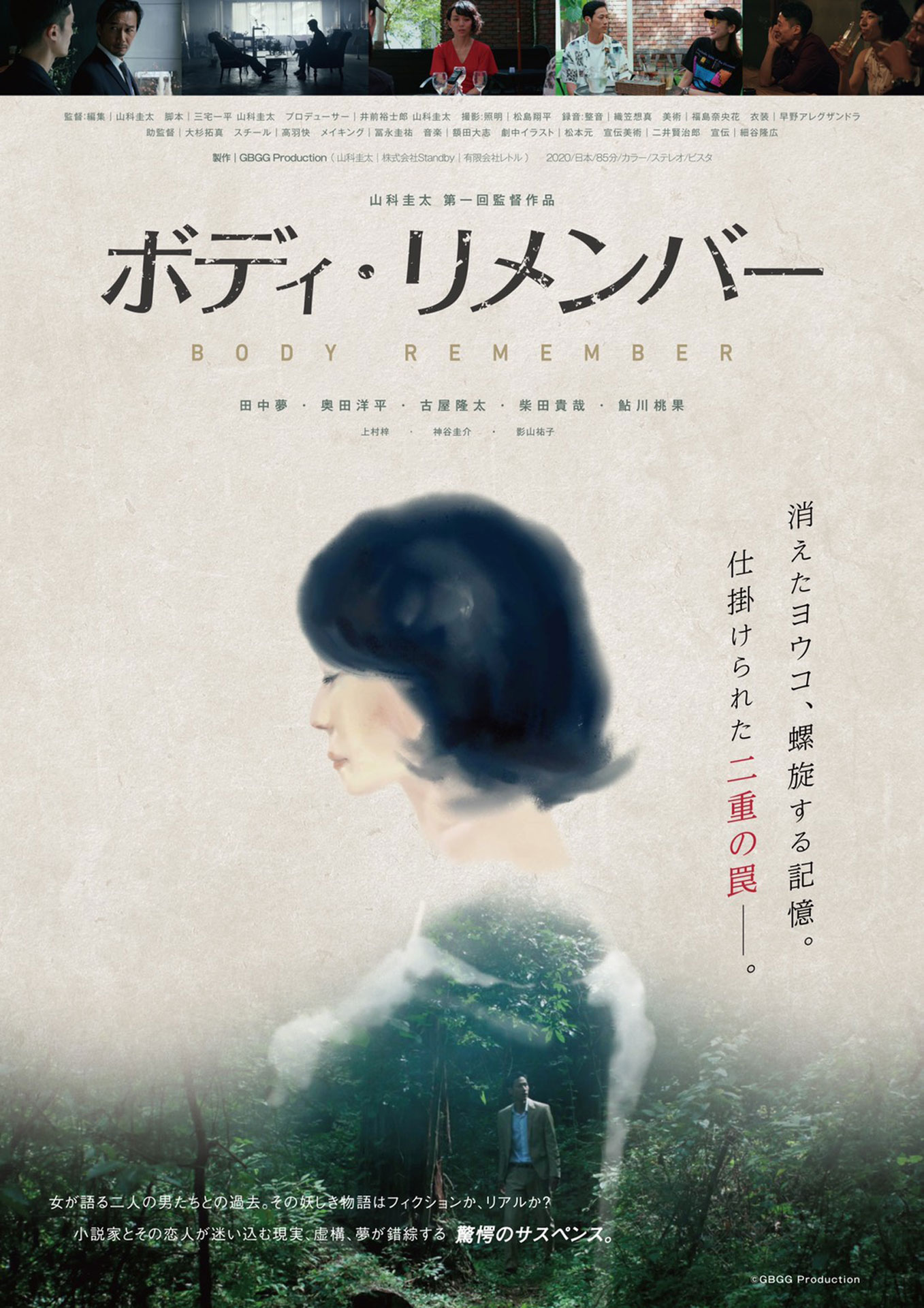
Body Remember (ボディ・リメンバー, Keita Yamashina, 2021)

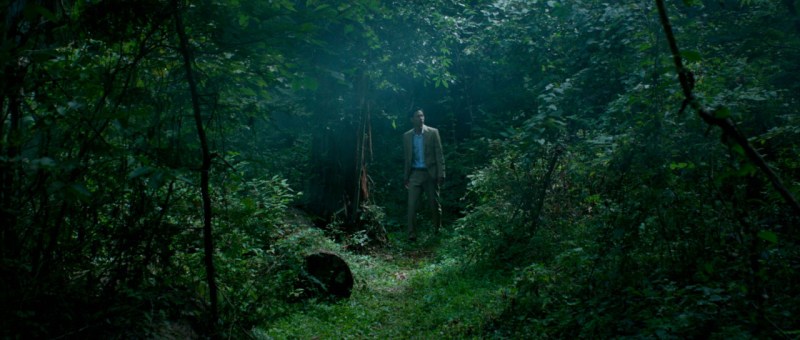
“It’s hard to tell what’s true and what’s not.” according to the hero of Keita Yamashina’s twisty take on meta noir, Body Remember (ボディ・リメンバー). For him, the superficial, literal truth is perhaps less important than that which it conceals, hoping to expose the buried reality hidden between the lines in the novel he is attempting to write inspired by a story narrated by his infinitely unreliable femme fatale cousin Yoko (Yume Tanaka). Shifting between an apparently concrete “reality” that is perhaps exposed as anything but by the final scene, dreams, memories, and the act of creation, Yamashina hints at collective fantasies and the essential truth of sensation as his artist hero attempts to turn an enigma into art. 

An unsettling presence, Yoko strides into a cafe dressed in a vibrant red and proceeds to explain to novelist Haruhiko (Takaya Shibata) and his artist girlfriend Ririko (Momoka Ayukawa) that she has long found it difficult to distinguish reality from dream, believing in a sense that the “truth” is irrelevant. Her story seems to be a rather ordinary if tawdry one of finding herself at the centre of a love triangle but also feeling like a third wheel as if she were a puzzle piece hovering over empty spaces unsure where to land while the men are comfortably installed in their rightful places. When lawyer Jiro (Ryuta Furuya) turns up at the bar she has been running with husband Akira (Yohei Okuda) and mournfully explains he suspects his wife is having an affair, the trio reassume an intimacy from their uni days which is later broken by a passionate embrace between Jiro and Yoko accidentally witnessed by the betrayed Akira. 

Playing with images of sex and death, Yoko also recounts that seeing Jiro loosen his tie provoked in her a powerful urge to strangle him with it. Yoko apologises for scaring Haruhiko, but on the contrary he seems to find it arousing later openly telling Ririko that he too is captivated by Yoko while she complains that Jiro and Akira, now (or perhaps always) characters in a novel, are underwritten foils who exist only for Yoko. Haruhiko in a sense agrees, but also pulls focus and makes his potential story, in fact the story we have been watching, about the two men, foreseeing a conclusion which is all manliness and honour tinged with a frisson of homoeroticism that joins them both in the inevitable death foreshadowed in the opening scene. 

Yet Ririko wants to know the truth of it, investigating the bar where Yoko claimed to work and discovering that no such establishment ever existed though the location was recently used by a shady cult. Perhaps jealous, she dreams of an intimate encounter between the smitten Haruhiko and his “sexy” cousin, yet later reflects on her own tendency to run away from reality in flights of fancy. Her revelations perhaps provoke a deeper intimacy with her conflicted boyfriend who finds himself attempting to construct an “authentic” narrative from unreliable testimony, but then again we can’t be sure everything we see is real as the couple engage in a surreal game of beach volleyball with two men resembling Akira and Jiro whose behaviour is strange and childlike if displaying a similar intimacy to that which they appear to share in Haruhiko’s nascent “novel”. 

Challenged by Ririko, Haruhiko merely disappears his heroine, avowing that in the end she was never important in his story about the ambiguous relationship between two men turning her into a mythical femme fatale while Ririko continues to sketch her rival in an attempt to figure her out. Yoko herself tells us that she sees no real distinction between dream and reality that one is no more true or important than the other while insisting that while her mind may forget the facts, the sensation is recorded in her body which will always “remember” if indistinctly. 

Using a cast of mostly theatre actors, Yamashina crafts an unsettling atmosphere founded on tactile sensuality that belies the frequent unreliability of verbal communication while the jazz score and shadowy photography contribute to the sense of noirish dread complete with wafting cigarette smoke and a fatalistic, morally ambivalent conclusion. Further disrupting our sense of reality with a final self cameo, Body Remembers nevertheless reminds us that the truth is less important than our perception of it just as it returns us to where we started even less certain than before. 


Original trailer (English subtitles)

Elisa’s Day (遺愛, Alan Fung Chi-hang, 2021)

The legacy of abandonment visits itself on a trio of displaced Hong Kongers in Alan Fung Chi-hang’s melancholy crime drama, Elisa’s Day (遺愛). Set over 20 years from the Handover to the contemporary era, Fung draws inspiration from a real life crime while casting his ambivalent policeman, himself an orphan, as an ironic hero whose single act of compassion ends in a tragedy for which he feels he may not even have the right to atone. 

Fung begins, however, in the present day as Inspector Fai (Ronald Cheng Chung-Kei) prepares to collect his daughter who is shortly to be released from prison. Flashing back, we’re introduced to Daisy (Carol To Hei-Ling), a pale and distant young woman picked up for suspected drug trafficking while momentarily captivated by a familiar song and carrying a bunch of roses. From there we head further back, all the way to 1996 when 15-year-old Elisa (Hanna Chan Hon-Na) discovers she is pregnant by her bad boy boyfriend Man-Wai (Tony Wu Tsz-Tung). Each abandoned by their parents, the pair decide to run away together and find solace in a family of three, but as expected economic impossibility disrupts their search for happiness. Man-Wai joins the triads and eventually agrees to become a hitman, temporarily separated from Elisa and their daughter while lying low in Thailand. A then Sergeant Fai remains hot on his trail, keeping tabs on Elisa who unwittingly brings her young baby to the cinema where his adoptive mother Auntie Bo (Anna Ng Yuen-Yee) runs the box office, the pair of them becoming surrogate parents to the lonely little girl while Elisa is forced to turn to sex work when Man-Wai’s triad bosses fail to uphold their end of the bargain. 

“Everyone’s gone leaving only me behind” Elisa laments, learning that her estranged mother plans to move to the UK with her second family abandoning her once again in another, more complete sense. Trapped behind in a rundown area of the city, she finds herself caught between conflicting realities. Man-Wai pledges to stay with her forever but is soon gone eventually returning with promises of taking her to Thailand their dream of a better life symbolised by the red roses he brings with him that he claims reminded him of her. Man-Wai meanwhile is constantly told by his triad bosses that the future lies in Mainland China, a place he is originally so reluctant to travel that that he thinks killing is a better option only to later submit himself once again leaving Elisa alone in Hong Kong with no money and only a dwindling hope of ever achieving the familial bliss she longed for when she decided to run away with Man-Wai. 

For his part, Fai is also an orphan though his fate his was different in that he was found by Auntie Bo who gave him a loving home. Even so he has his share of guilt, feeling responsible for Auntie Bo’s spinsterhood fearing that she never married or had children of her own because taking him in made it impossible in the more conservative Hong Kong of 70s and 80s. Ironically enough they become a surrogate family for the infant Daisy, but it’s Fai’s sense of empathy that eventually provokes tragedy in his decision not to arrest Man-Wai on his return seeing how much he loves his family and wanting to give him a chance to put things right rather than take a little girl’s father away from her. Unable to forgive himself, he abandons his responsibilities only to be reminded of them later finally ending the cycle by being willing to accept the responsibility which has been left for him. 

Transitioning through the Hong Kong Handover, Fung evokes a sense of continual displacement, Elisa’s life destroyed firstly through abandonment and then through conflicted desires torn between a potential Thailand paradise and Mainland reality while longing only for a stable home(land). Daisy is offered something similar, her drug trafficker boyfriend to promising to take her to Thailand on their next run, the drugs ironically concealed in a bouquet of red roses just like those her father once brought for her mother. Her only salvation lies in the arms of Fai, a literal authority figure, reassuming his paternal responsibility and thereby restoring a sense of familial and political stability. Told in fragmentary, non-linear fashion, Fung’s melancholy tale of the legacies of abandonment and an innocent love eroded by economic and social realities eventually finds hope in familial repair and the remaking of a home in self-defined family.


Original trailer (English / Traditional Chinese subtitles)

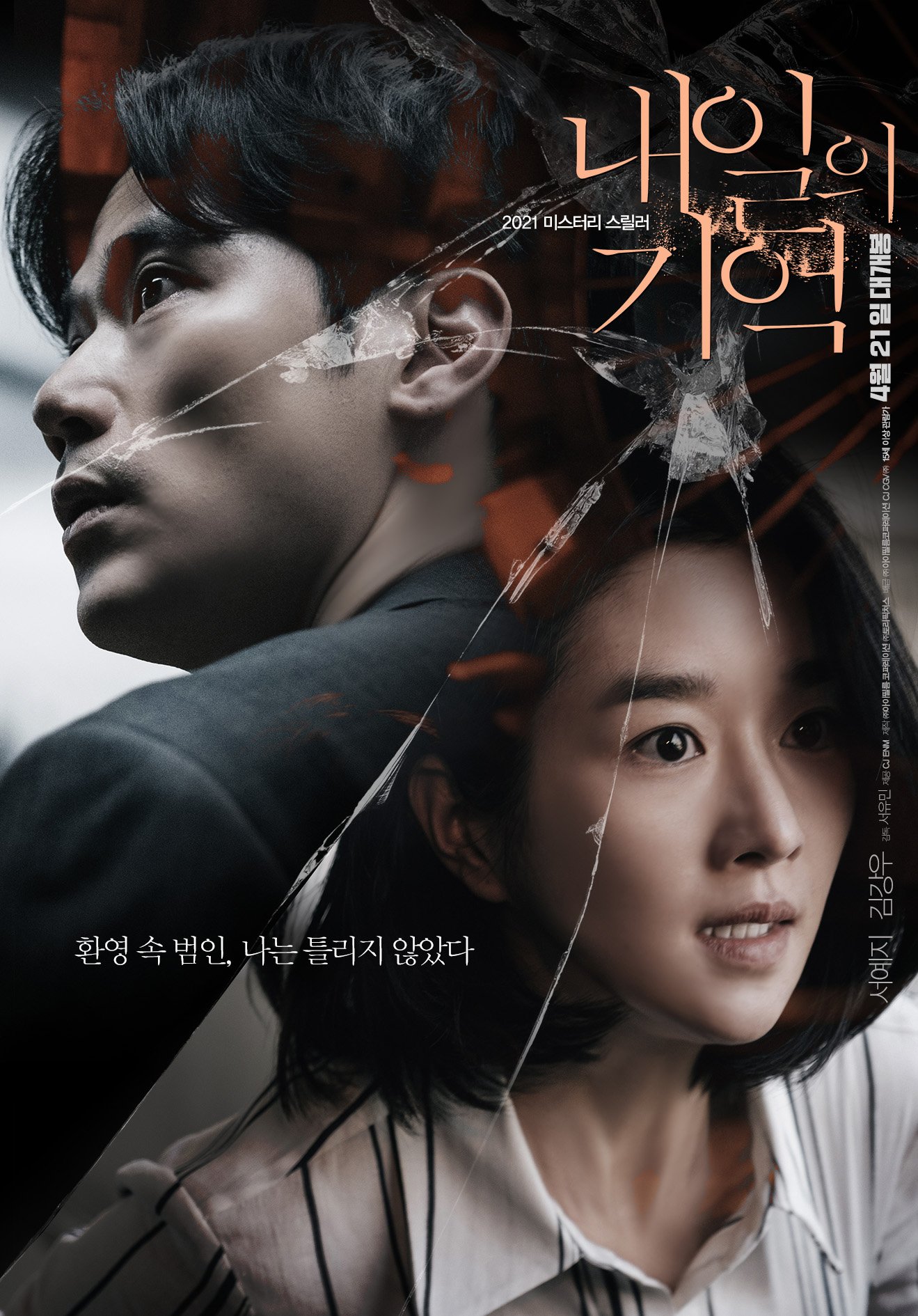
Recalled (내일의 기억, Seo Yu-min, 2021)

A traumatised woman finds herself trapped in an uncertain reality in Seo Yu-min’s puzzle box neo noir, Recalled (내일의 기억, Naeileui Gieok). Situating itself in a world of future ruins, Seo’s tragic tragic tale of existential mistrust is as its sci-fi-inflected Korean title “Memories of Tomorrow” might imply also a paradoxical exploration of the importance of dreams and the belief that other lives are possible while the heroine struggles to piece together the shards of her fractured identity only to realise there are some truths it may be better never to learn. 

30-something Soo-Jin (Seo Yea-ji) wakes up in hospital after an accident she has no memory of to realise that she has no idea who the extremely upset man at her bedside could be, or who she herself is for that matter. The nurses ask her if she recognises her husband, Ji-hoon (Kim Kang-woo), which she doesn’t but evidently does feel some degree of closeness to him as he continues to care for her with the utmost devotion. On leaving the hospital, he takes her home to a well-appointed flat in an affluent area and though she tries to restart her life from zero she can’t escape her sense of anxiety and begins having what she regards as premonitions of impending disaster centring on two other apartments one with two small children and the other a teenage girl and an intense middle-age man. Her doctor tells her that she is most likely hallucinating because of her brain injury, while even Ji-Hoon snaps at her that she’s obviously unwell and ought to take things easy. Nevertheless, Soo-Jin can’t simply ignore the increasing uncanniness of the world around her especially when she begins to discover discrepancies in the backstory she’s been fed by Ji-Hoon and the evidence presenting itself about her former life. 

Perceptive policeman Ki-sang (Park Sang-wook) himself hints that there might be something not quite right with Soo-jin’s life in remarking that her apartment looks like a model home seconds after walking in and then noticing a few other details that set off alarm bells in his admittedly suspicious mind. Meanwhile, he’s investigating the theft of materials from a nearby abandoned building site for a never completed block of luxury condos suggestively titled “Dream Town”, a project cancelled when the architecture firm Ji-hoon worked for went bust. The foreman who reported the theft remarks that the apartments pre-sold like hotcakes, but even in the building where Soo-jin lives a banner outside advertises a “big sale on unsold units” hinting at a kind of economic hubris or perhaps suggesting that the “dream” they’re offering of luxury living is either unrealisable for most or simply undesirable. According to Ji-hoon, Soo-jin wanted to emigrate to Canada for a quiet life surrounded by nature hoping to escape the unsatisfying present for an ironic return to the pastoral past. 

Soo-jin meanwhile struggles to orient herself having only Ji-hoon as an arbiter of truth but unable to trust him, doubting not just his identity but her own, while burdened by prophetic visions which may be less missives from the future than intrusions from the traumatic past. As she later puts it, her Canadian dream became a memory which sustained, both beacon of hope and escapist fantasy in its promise of idyllic peace and happiness. There is however a cruel irony in the suggestion that good and bad all this is happening to her because of love and its competing desires for salvation and destruction, while she only blames herself consumed with misplaced guilt and confused by an imperfect grip on objective reality. “Our memories await us there” she’s ironically advised of her Canadian dream, urged to abandon this failing reality for a new one exchanging her traumatic memories for those not yet made which in a sense already exist and have only to be attained. The final revelations may therefore be somewhat cruel as Soo-jin gathers the shards of her broken past to come to a long delayed understanding of herself, but Seo’s finely crafted puzzle box mystery does at least afford her the opportunity of reclaiming her identity while resolving the multi-layered trauma of her life in a patriarchal society ruled by personal greed. 


Original trailer (no subtitles)

Detective Chinatown 3 (唐人街探案3, Chen Sicheng, 2021)

Cerebral sleuth Qin Feng (Liu Haoran) and his larger than life uncle Tang Ren (Wang Baoqiang) are back on the case in the third instalment in the Detective Chinatown franchise (唐人街探案3, Tángrénjiē tàn àn 3) picking up as promised in Tokyo as the duo take on another locked room mystery on the invitation of dandyish local investigator Hiroshi Noda (Satoshi Tsumabuki). This time around, the mystery is only tangentially connected to a Chinatown though the solution in itself does indeed lead back towards the Mainland and the complicated relations between China and Japan, while Qin in particular finds himself confronting the idea that oligarchy is in fact the “perfect crime”. 

Hired by a yakuza boss, Watanabe (Tomokazu Miura), accused of offing a Thai rival, Su Chaiwit, following a dispute over development rights in the local Chinatown, Qin and Tang Ren quickly find themselves hamstrung by their own discovery of evidence which further implicates their client and brings them to the attention of top cop Tanaka (Tadanobu Asano) who wastes no time telling them to mind their own business. Meanwhile they are also being pursued by muscly Thai detective Jaa (Tony Jaa) working for the other side. In a new high tech motif, the guys are each handed a simultaneous translation earbud which allows the Japanese and Chinese guys to converse with each other in their own languages though Hiroshi often chooses to speak directly in Mandarin instead while the Thai contingent exclusively use English. Unlike previous instalments the duo do not venture into the local Chinese community and Chinatown itself is merely territory contested by Japanese yakuza and South East Asian gangsters. 

Even so Qin and Tang Ren find themselves at a nexus of cross-cultural conflict caught between the cops, yakuza, and Thai gangsters each looking not so much for the truth but some kind of advantage for their side all of which culminates in a hilarious series of mixups at a morgue. Once again, Tang Ren falls in love with a local woman, in this case Su Chaiwit’s secretary Anna Kobayashi (Masami Nagasawa) who is certain Watanabe is guilty and later apparently kidnapped by a crazed serial killer (Shota Sometani) just by coincidence. Of course, all this cycles back towards the franchise’s growing mythology, Qin pursued and manipulated by the mysterious entity known only as “Q” which, as we learn, is as obsessed with the idea of the perfect crime as Qin largely in that they think they’ve perfected it in the stranglehold placed over civilisation by a shady elite. 

In this, the film may be taking aim at hidden oligarchy and the immorality of growing social inequality, but in its Japanese setting Chen is also freer to take potshots at contemporary Chinese society such as in Tang Ren’s confusion that they can’t simply bribe the police to get Qin out of jail when he is wrongfully arrested. “Justice and equality require sacrifices” Qin explains after solving a grim riddle only to be asked some difficult questions about the nature of justice and his own role within it by a manipulative villain, but in a classically censor-friendly move ends the movie with a brief monologue declaring that “justice always prevails and light overcomes darkness”, he and his team recommitting themselves to fighting “vices”, and presumably the shady elitism fostered by Q, wherever they arise. 

Like Detective Chinatown 2’s New York setting, the vision of Japan on display is deliberately stereotypical from an Akihabara cosplay carnival to tasks involving masked kendo fighters and a sumo wrestler, not to mention bumbling comedy yakuza forever threatening to cut off their fingers, the Shibuya Scramble set piece, or a playful homage to Phoenix Wright: Ace Attorney. Meanwhile, Chen continues his taste for huge ensemble action such as the complex slapstick routine that opens the film and now traditional end credits sequence featuring the cast dancing to theme tune “Welcome to Tokyo” dressed in the classic green detective mac worn by Qin. Truth be told, the solution to the central mystery is heavily signposted and slightly unsatisfying though Chen’s visualisations of Qin’s deductions are expertly rendered even as the hero’s growing confidence as a crimefighter unbalances his relationship with the increasingly silly if goodhearted Tang Ren. Boasting a host of A-list Japanese acting talent, the film also makes space for an unexpected cameo from one of the most recognisable faces in Sinophone cinema before teasing a further instalment to take place in London, home to the greatest consulting detective of them all. 


Detective Chinatown 3 is available to stream in the UK via iTunes, Google Play, Amazon Prime, Microsoft, Sky, and Virgin Media courtesy of Cine Asia.

Original trailer (English / Simplified Chinese subtitles)

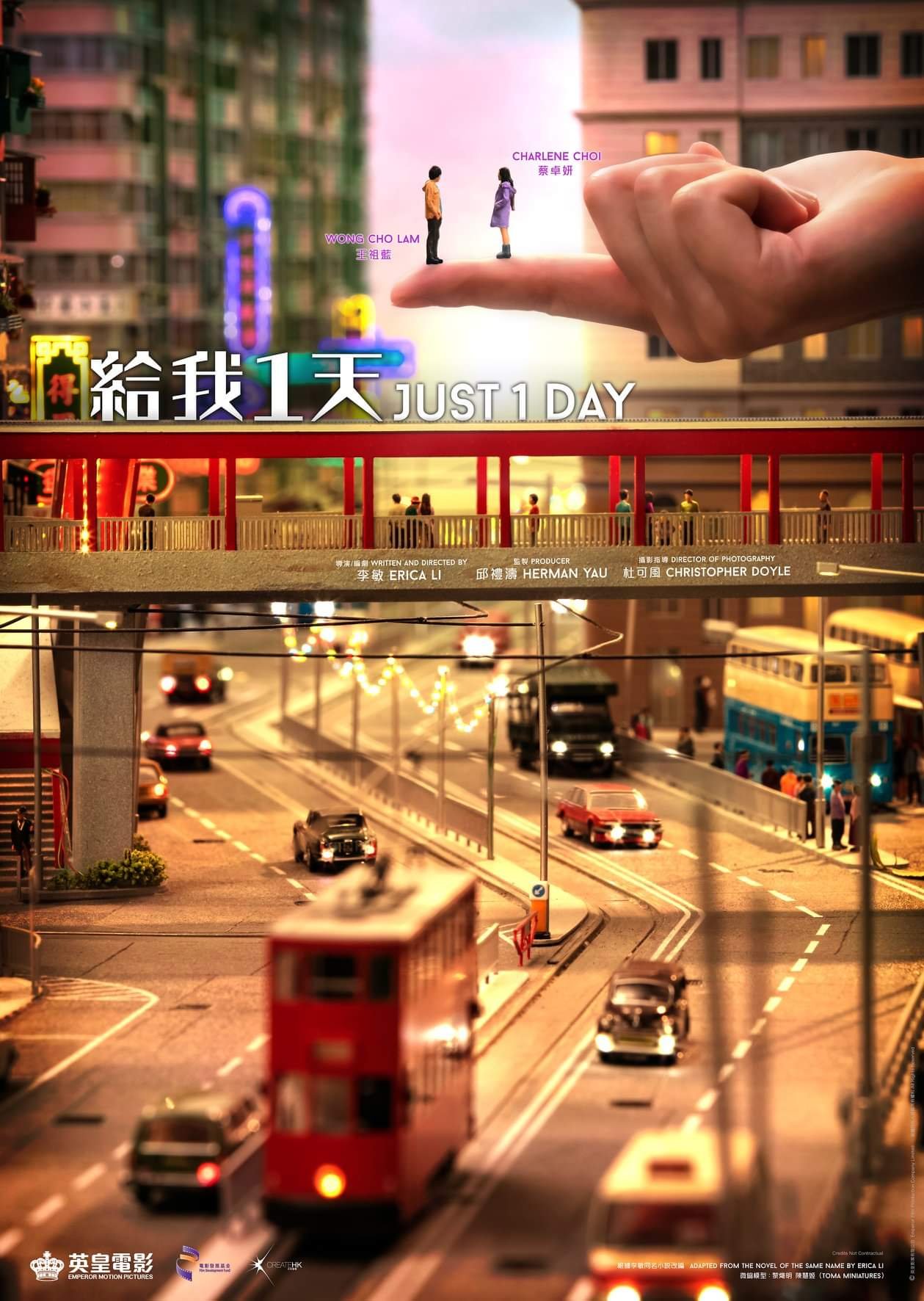
Just 1 Day (給我1天, Erica Li, 2021)

“Who has time for nostalgia with all the novelties out there?” asks the heroine of screenwriter Erica Li’s directorial debut Just 1 Day (給我1天), an adaptation of her own novel. She does, as it turns out, in fact that’s all she may eventually have time for in this tale of romantic transience as she, in a sense, learns to seize her future by living in the past through reconnecting with a childhood friend. 

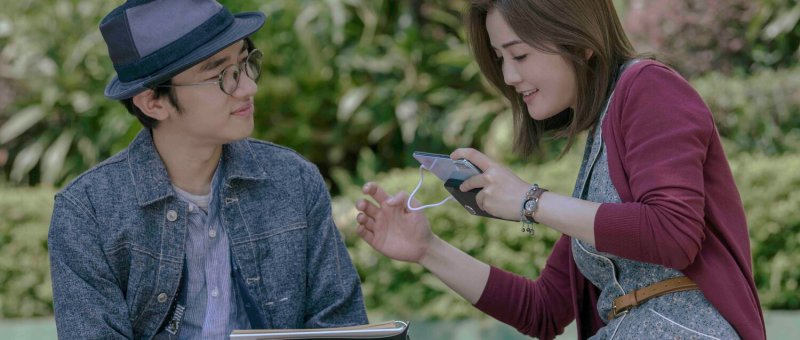
Now in her early 30s, bank clerk Angelfish (Charlene Choi Cheuk-Yin) is an unfulfilled career woman who enjoys her job chiefly for the ability to be of service to others. Meanwhile, she’s trapped in a potentially dead end relationship with a man who she’s recently discovered has a longterm girlfriend in Canada he never gets round to breaking up with. Attending a primary school reunion marking the institution’s imminent relocation, Angelfish runs into a long lost childhood friend, Mosaic (Wong Cho-lam), now a sketch artist with a sizeable online following. Unbeknownst to her, Mosaic has long been carrying a torch but never had the courage to say anything partly because of a hangup about his short stature. As we later discover, however, he’s running out of time. Paying a visit to the bank where Angelfish works to enquire about insurance he reveals he’s suffering from the same condition that killed his father, ALS, and potentially has only a few more years to live. Shooting his shot, he asks Angelfish to spend just one day with him as his “girlfriend” to cross it off his list. Provided there’s no funny stuff, she agrees but of course discovers something far more profound than a fleeting connection. 

This being Angelfish’s story, Mosaic’s illness is more or less treated as a plot device intended to confront her with her own sense of mortality so that she reassesses her life choices in order seek true happiness. Mosaic in fact teaches her this when explaining the concept of a vanishing line so that she might learn to fix her eyes on the horizon and see the rest of the world in relation to it. Meanwhile, the fact that ALS is a degenerative condition is also aligned with the idea of a world slowly disappearing, the eventual message paradoxically amounting to the notion that nothing ever really disappears because it continues to exist in the hearts and minds of everyone that remembers it. In order to preserve this sense of “nostalgia”, Mosaic meticulously sketches the old Hong Kong before its inevitable destruction while Angelfish finds her vocation in recreating it through miniature diorama. 

The conflict is brought home to her in the opposing natures of her two men, boyfriend Ken chuckling at her distress over the destruction of a local landmark by claiming that the old has to go to make way for the new, but later finding himself unable to break up with his longterm girlfriend out of a sense of expectation and obligation. One might say he is similarly trapped by “nostalgia”, or at least an emotional coward either too afraid to take a risk on new love or unwilling to abandon the security of the familiar. Her female friends, meanwhile, present two opposing paths, one a free spirited flight attendant and the other a conventional housewife whose dreams of the perfect family are eventually dashed on discovering her husband’s infidelity. To that extent, what Angelfish chooses is a kind of independence in wedding herself to a memory while paradoxically living in the moment in the knowledge that her love has its own vanishing point. 

Though boasting cinematography by Christopher Doyle, Just 1 Day is fairly conventional in shooting style akin to many other contemporary Hong Kong dramas save its brief segues into the past and eventual transition into an artificial world of nostalgic memory. Nevertheless as much a love letter to a disappearing Hong Kong as a tearjerking romantic dramedy or inspirational tale of a soon to be middle-aged woman finding fulfilment in following her heart, Just 1 Day effortlessly sells its central messages of living life to the full while making and preserving memories that will, it assures, sustain you when all else is gone. 


Teaser trailer (English subtitles)

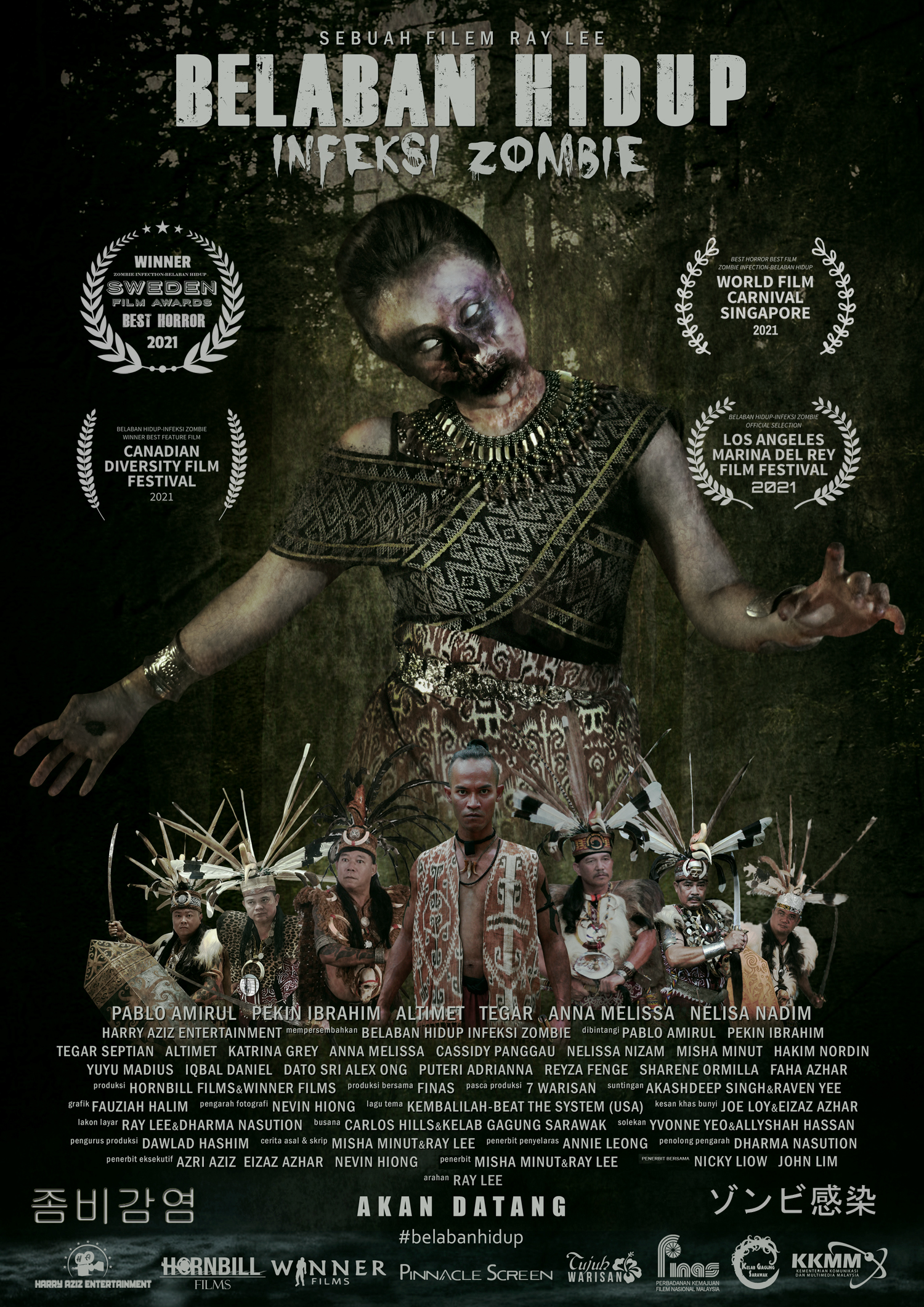
Zombie Infection (Belaban Hidup: Infeksi Zombie, Ray Lee Voon Leong, 2021)

An indigenous village finds itself under threat thanks to concurrent waves of colonialism in Ray Lee Voon Leong’s indie undead drama, Zombie Infection (Belaban Hidup: Infeksi Zombie). “Don’t concern yourself with outsiders. Our longhouse should be our only concern” advises the village head, yet as the heroes will shortly discover nowhere is really as isolated as it might at first seem and the consequences of exploitation and abuse will eventually reach even the deepest of forests.

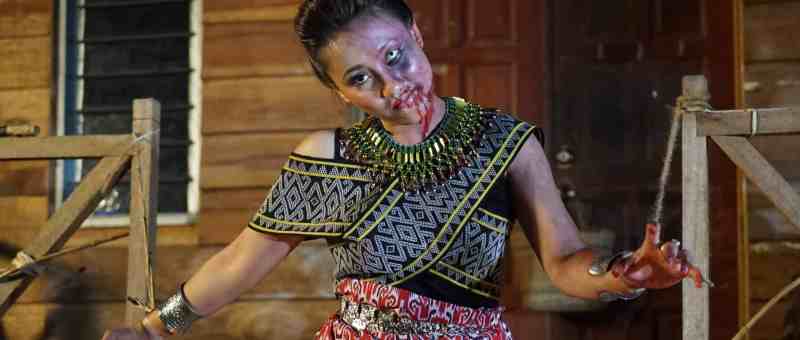
As detailed in the opening voiceover animation, evil Russian mad scientist Dr George (Weeam Shawaheen) has fled to Borneo after creating chaos elsewhere and is currently conducting his nefarious experiments on the marginalised taking villagers off the streets and tricking orphans with the promise of free medical care in return for participating in “clinical trials”. Unfortunately, Dr George’s marvellous medicine turns people into zombies which becomes a problem when a bunch of them escape along with a handful of orphans fleeing their captivity at the hands of the exploitative physician. After searching a nearby mall looking for a missing sister and picking up a little boy orphaned by his zombified mother, the gang make their way into the forest assuming that the rough terrain will make it harder for the zombies to follow them but unfortunately they are not quite correct in their assumption. 

Meanwhile, an indigenous village is going about its normal life hunting in the forest little knowing they are already under threat despite the persistent nightmares plaguing village head’s son, Gadang (Pablo Amirul). Gadang is soon to become a father for the second time but his relationship with his young daughter Suna is beginning to fray, his wife Jawai (Anna Melissa) cautioning him that he can’t keep making promises only to disappoint her later as he agrees to take her swimming in lieu of allowing her to accompany him into the forest. His father patiently sharpens knives, insisting that it’s best to be ready for any eventuality though village life seems to be happy and as far as they know there is no reason to feel unsafe. Nevertheless, the infection soon catches up with them even if they are slow to believe claims of an undead invasion coming from “outsiders” later blamed for bringing evil into the forest. 

Only, it wasn’t the orphans who brought it, one of whom has indigenous tattoos on his shoulders and speaks the same language as the other villagers, but arguably two of their own who had sold out their people to collaborate with Dr George in return for riches. Realising the scale of the problem on his hands, Dr George determines to look for an antidote but there’s nothing he can really do to put right the chain reaction his immoral greed has caused in his exploitative misuse of the marginalised members of a small South East Asian nation. 

“What has happened is indeed alarming” according to one of the villagers in what might be the understatement of several centuries, but isolation is no longer enough to protect their longhouse from the ravages of colonialism as they find themselves assaulted by hordes of man-eating monsters created by the greed and amorality of the infinitely corrupt Dr. George. Gadang is forced to face his nightmares, anxious in assuming his father’s responsibility to protect the village while mindful that he has perhaps in a sense neglected his duties as a husband and father while playing the big man in the forest. It’s just as well his dad sharpened all those knives, because they are its seems their last defence even as they’re forced deeper into the forest in search of a safety that may no longer exist. 

At its best when exploring the lives of the indigenous community, Zombie Infection reaches its stride only when arriving at the forest even while its attempt to shift focus from the fleeing orphans to the villagers is only partially successful. Nevertheless, the film makes the best of its meagre budget with some impressive prosthetics and zombie choreography as the villagers go after the undead threat with indigenous weapons and wearing traditional dress. Yet as the film’s melancholy conclusion perhaps implies, the legacy of colonialism can’t be overcome so easily leaving the survivors in the middle of a battle seemingly far from its end. 


Zombie Infection streamed as part of Yubari International Fantastic Film Festival 2021.

Original trailer (no subtitles)

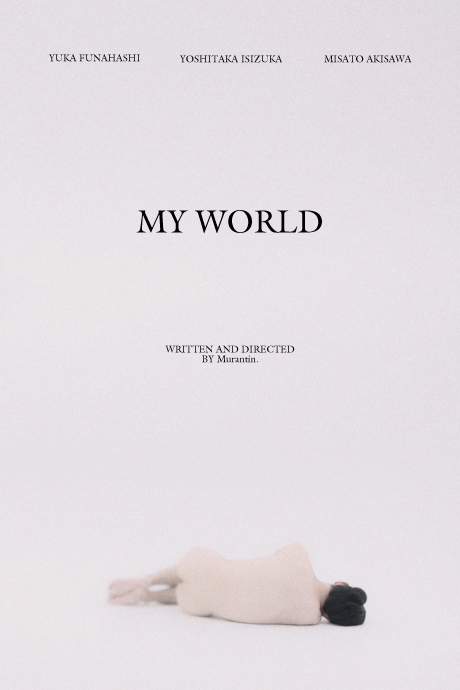
My World (Murantin, 2021)

Perhaps we’ve all had that lonely feeling recently, walking around eerily empty streets as if somehow the world had ended while we were asleep and now we’re all alone, but the hero of theatre actor Murantin’s feature debut My World is about to discover that he really is (almost) the last of his kind as he struggles to reconstruct his history, identity, and sense of self while encountering only two other women one young and one more his own age but each with strange and unclear motives. 

A man wakes up naked in a park, almost rebirthed in a sense, and rises in confusion. Finding a grey tracksuit abandoned a little way away he wanders through a town he doesn’t recognise where all the stores are closed and there are no people nor any traffic on the streets. With no sign of life to be found he’s drawn towards a library but finds little in terms of illumination before leaving and noticing a second Earth hanging in the sky where the moon ought to be. Returning to the park he sleeps, but is woken in the morning by an apparently concerned high school girl who later offers him a place in her home where she is currently living alone as her siblings are away and her parents abroad. A kind gesture, but perhaps not very sensible given her circumstances. In any case, she tells the man not to go out, buying him some nicer clothes and cooking dinner every night.

With no memories of his own, the man remains confused. The high school girl appears to be living normally. She leaves every day to attend class which suggests there are other people around though he never sees any and the strangely old-fashioned TV in the living room only displays static. One day she informs him her boyfriend wants to come over so he’ll have to make himself scarce, later escorting him to the basement where she handcuffs him to a water pipe. Why would a regular high school girl own a pair of sparkly handcuffs with fairytale-esque little blue keys? Why is he not supposed to look into any of the other bedrooms? What secrets is this world hiding from him? The plot begins to thicken when he decides to break the rule and follow the high school girl to see where she goes, only to find himself at the library again where he encounters a middle-aged woman in what appears to be her negligee. 

The man is in a sense imprisoned within the house, the handcuffs a literal extension of his mental constraint in a world which may be of his own making in wilful self-exile from a traumatic past. His strange dreams hint at another life, possibly on the other Earth, in which there are flashes of potential violence. Before long he begins encountering other versions of himself, fracturing under the weight of his internal confusion when directly confronted. The high school girl tells him he’s creating too much “disorder” and the only way to repair it is to go back to his own world, but the man doesn’t want to. Describing it as painful, he insists there’s no need to return if he can stay with the high school girl but in the end he will have to face himself and the traumatic past from which he seems to be in mental flight. 

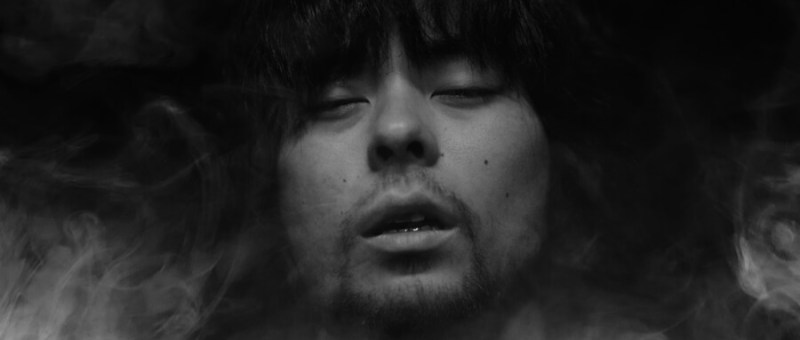
Dreamlike in its uncanniness, Murantin’s camera chases a man on the run from himself as he walks through a world already dead, a still place with no past or future. He does not know himself, and no one else does either or at least that’s what they claim. The world is quite literally his, a place which he has unwittingly created in refuge from his trauma but he is no god only a man imprisoning himself, a wilful exile from a world he couldn’t accept. A tale of guilt and loneliness, My World offers its hero a chance at redemption through facing his past, accepting his responsibility, and learning the truth about himself but nevertheless concludes that there may be only one path to freedom while atoning for his transgressions in a world suddenly more alive and once more in motion. 


My World streamed as part of Yubari International Fantastic Film Festival 2021.

Trailer (English subtitles)
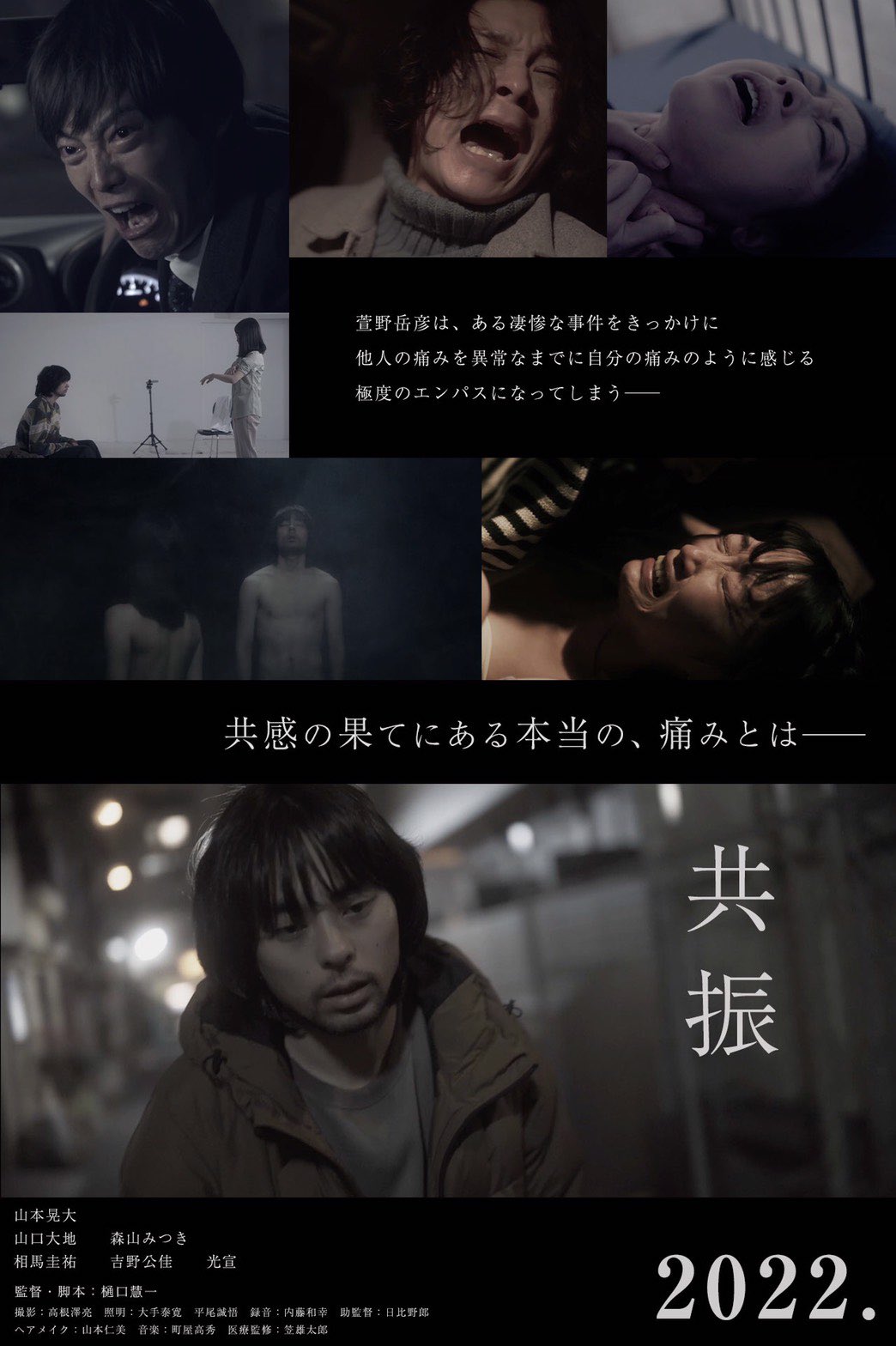
Kyoshin (共振, Keiichi Higuchi, 2021)

In modern society we often criticise others, but not always ourselves, for a perceived lack of empathy but what would it be like to truly empathise with everyone, all of the time, with no control over our own feelings? The hero of Keiichi Higuchi’s psychological drama Kyoshin (共振) finds himself with just this problem after a traumatic incident leaves him with both intense PTSD and the unwelcome side effect of being forced to feel the pain of others as his own. 

26-year-old Takehiko (Akihiro Yamamoto) thought of himself as perhaps a little over sensitive, feeling obvious discomfort sat opposite two salarymen arguing loudly in a crowded restaurant while also somewhat disconnected from his partner in a moment of supposed intimacy. It’s one evening on the beach, however, when everything goes into overdrive. Spotting two guys manhandling a screaming woman into a van he and his friend Gin (Keisuke Sohma) intervene but aren’t much of a match for two the young thugs and find themselves tied up and stunned in the back while the woman is forced to provide oral sex to the driver. Taking advantage of a momentary lapse from the other man who was busy interrogating Gin and Takehiko, the woman takes drastic action of her own in a bid to escape. Gin tries to help her, but seeing what’s befallen the driver Takehiko is plunged into fugue state able to do nothing other than scream in pain as if it were he that had suffered the catastrophic injury. 

A year on, Takehiko is a broken shell of a man unable to venture outside owing to the intense assault of other people’s pain. Ignoring calls from Gin, he’s cared for by his older brother Yuya (Daichi Yamaguchi) who ferries him to various doctor’s appointments, jeopardising his own employment in the process. Sick of medical professionals unwilling to admit they don’t know how to help him and obsessed with the curse of 27, Takehiko decides he’ll take his own life if there’s no improvement in his condition by his next birthday but then discovers potential salvation in an experimental programme run by a lesbian couple in which he will receive treatment from a woman who once experienced something very similar to himself but claims to have learned to live with it. 

The irony is that Takehiko’s condition is caused by extreme empathy in that he cannot avoid feeling other people’s physical pain as his own, yet he continues to treat those around him badly blind to the emotional toll caring for him is taking on them. His brother, feeling a parental responsibility as their parents passed away young, drops everything to help him but his boorish boss, ironically, has a fundamental lack of empathy. Annoyed that Yuya takes so much time off, he openly mocks him making the rather irrelevant point that Takehiko is 26 not six and therefore shouldn’t need so much care virtually accusing him of mollycoddling as if the problem were Yuya’s anxiety rather than his brother’s precarious mental health. 

Yet the experimental programme Takehiko finds himself involved with raises its own collection of ethical questions as the psychiatrist pushes him into a series of erotic situations arguing that if he learns to empathise across the emotional spectrum to experience other people’s pleasure as well as their pain he’ll be able to turn it off much more easily or at least flatten it out. She implies that similar therapies are what has enabled her to live a relatively normal life, but fails to disclose that she is also carrying a similar trauma which the treatment ironically recalls while largely failing to deal with the obvious possibility of transference in the potentially inappropriate lack of boundaries between patient and doctor. 

It might not be appropriate to ask how much empathy is too much empathy, but Takehiko’s path to recovery ironically enough lies only in secondary shock and a brush with death that allows him to reconnect with his friend Gin, suffering alone in their shared trauma, while empathising emotionally with his brother’s obvious care for him. It isn’t so much that Takehiko needs to disengage with those around him, but learn how to process effectively so that he can better help and understand rather solipsistically internalising external suffering. Shot with a sense of uneasy eeriness and a sci-fi twist in the manifestation of Takehiko’s descent into an oppressive empathy bubble, Higuchi’s provocative drama advocates for caring a little more about the pain of others but not so much that it stops you seeing where it hurts. 


Kyoshin streamed as part of Yubari International Fantastic Film Festival 2021.

Original trailer (no subtitles)

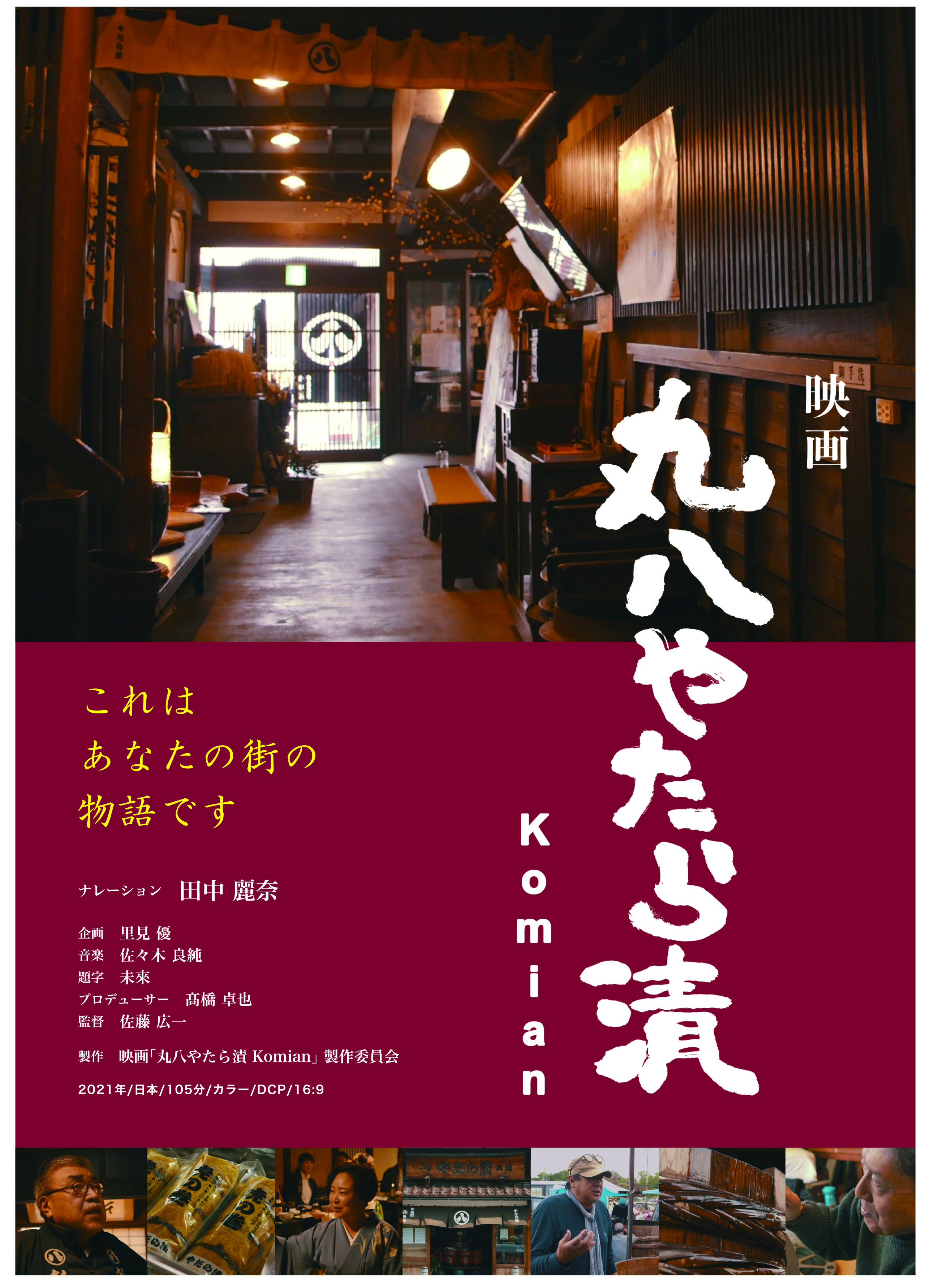
Pickles and Komian Club (丸八やたら漬け, Koichi Sato, 2021)

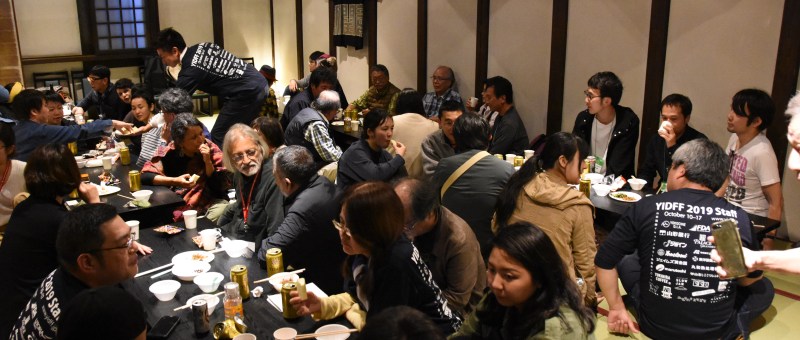
For years the Komian Club had been a familial haunt for visitors to the Yamagata International Documentary Film Festival becoming almost an artificial hub where filmmakers and spectators could meet on equal terms. However, the 135-year-old family-run pickle store was left with little choice other than to close given the decline in demand for pickles among younger consumers and the additional strains placed on their business by the conoravirus pandemic. 

Pickles and Komian Club (丸八やたら漬け, Maruhachi yatarazuke Komian) is as much about the film festival and the wider Yamagata community as it about the building at its centre. The loss of the store leaves many feeling quite literally displaced, not only lacking a new place to gather and mourning the atmosphere of the traditional building, but reflecting on the absence of these kinds of structures in the urban environment which places value only in the land on which new structures more profitable to the modern economy may be built. We’re told that the pickle store had been approved as an intangible cultural asset because of its luxurious interior, but this does not apparently provide much protection under Japanese property laws. The store’s owner Yoshinori mentions the possibilities of someone buying his storehouse and moving it to a new location preserving all of its period features but is eventually forced to sell to developers who plan to knock it down to build build yet another generic apartment block. 

As he explains, in Japan property depreciates over time and the value that it has is essentially sentimental rather than financial. Few people are interested in preserving these traditional buildings along with their classical architectural styles because there is no real financial incentive to do so. The best that can be done is to salvage what one can that could be re-used or incorporated in another structure such as the heavy wooden beams and ornate friezes. Yoshinori sells one of his giant wooden pickling vats to an old friend who runs a traditional Japanese inn which is then repurposed as a bath. His friend worries what the decline of traditional culture might mean for his business, inns largely being the repository of the traditional in the modern society. But the repurposing of the vat which in essence turns something used for industry into something used for leisure is an example of one way to bring something of the past into the present finding new uses for old technology. 

While the pickle store could not be saved, other owners of similar properties have been able to breathe new life into old spaces, turning a small outside guesthouse into a cinema which the local community can enjoy or renting out part of the premises for local events taking full advantage of the calming atmosphere such traditional buildings can offer. Though as an architecture student later makes plain what’s needed is further action at the legislative level to ensure that older buildings are better protected and less likely to be torn down because of an economic imperative that has no interest in tangible history. Seeing the buildings stripped of their assets then roughly broken apart is a heartrending sight as is the giant empty space they leave behind robbing the area of its unique atmosphere in favour of the generically urban. 

One interviewee makes the point that in choosing to focus on documentary film the festival in a sense made an investment in its future by choosing the unique over the flashy, building a friendly atmosphere of openness and equality rather than the red carpets and VIP areas which can often define some other events. In a sense it’s this loss of traditional spaces which damages the fabric of the community in further distancing one person from another while robbing it of the architectural history that gives it its sense of place.  Even so the presence of the festival providing a place in which filmmakers and film lovers from all over the world can gather is a potent symbol of alternative community bolstering the local, while the young are also busying themselves finding new ways to incorporate the traditional into their modern lives or breathing life back into that which had been thought old-fashioned but might now be reappreciated for its quality of serenity in an ever changing society.


Pickles and Komian Club Storytellers streams worldwide (excl. Japan) via DAFilms until Feb. 6 as part of Made in Japan, Yamagata 1989 – 2021 (films stream free until Jan. 24)

Trailer (no subtitles)