John Denver Trending (Arden Rod Condez, 2019)

We like to think that we live in a more enlightened age in which we’re able to react with compassion and understanding, striving to see both sides of every story rather than rushing to judgement. The truth is, however, that we’re often just as malicious and mean-spirited as we ever were. Social media has turned us all into thoughtless curtain twitchers, hungry for the next scandal and willing to take any hint of salacious gossip at face value. The online world has no place for fairness, and when everyone agrees on a collective “truth” facts are no defence in the court of public opinion. 

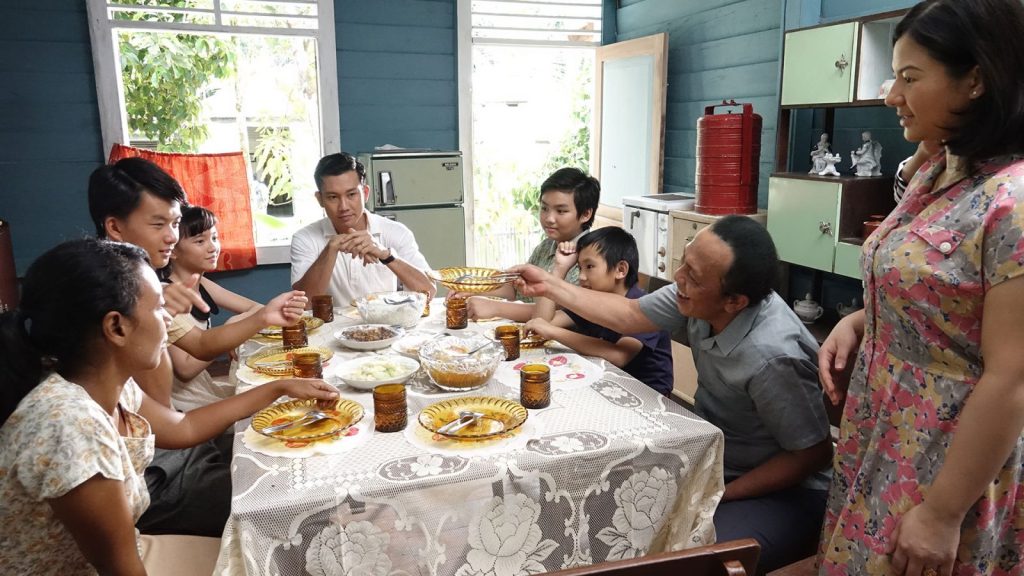
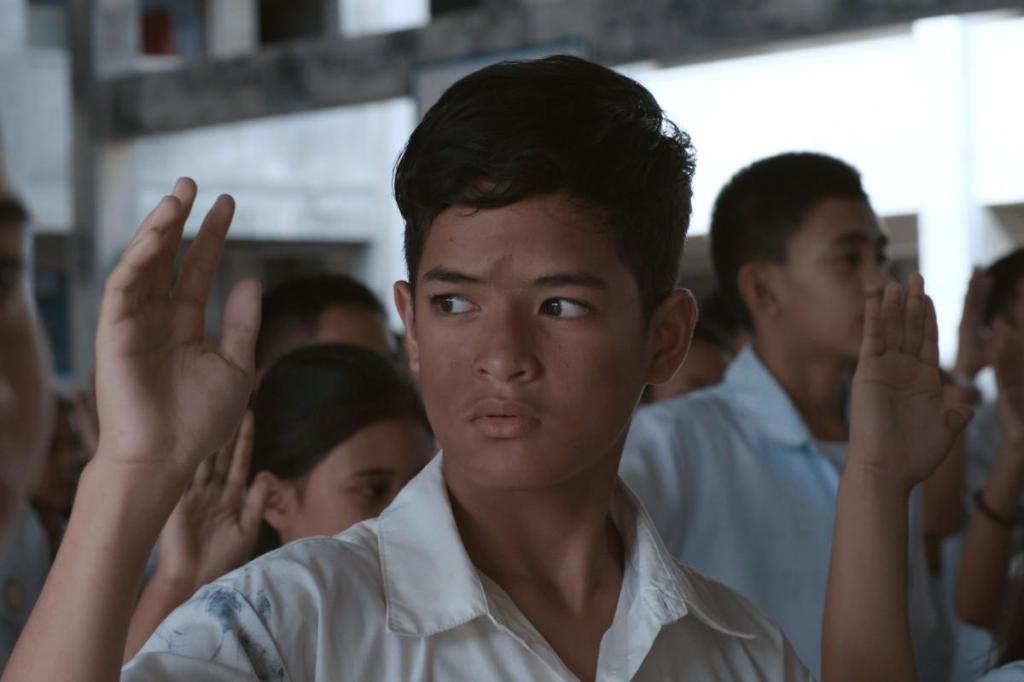
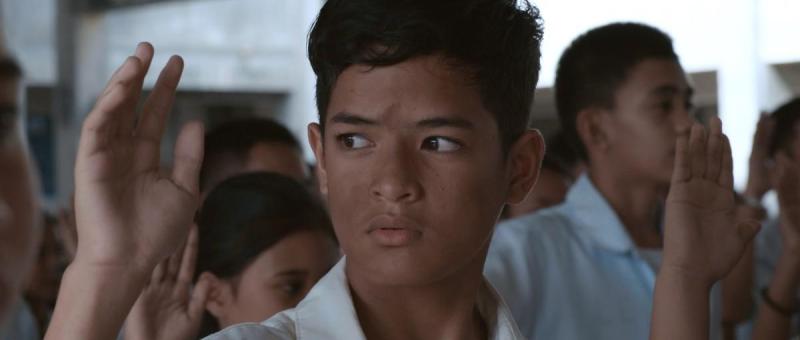
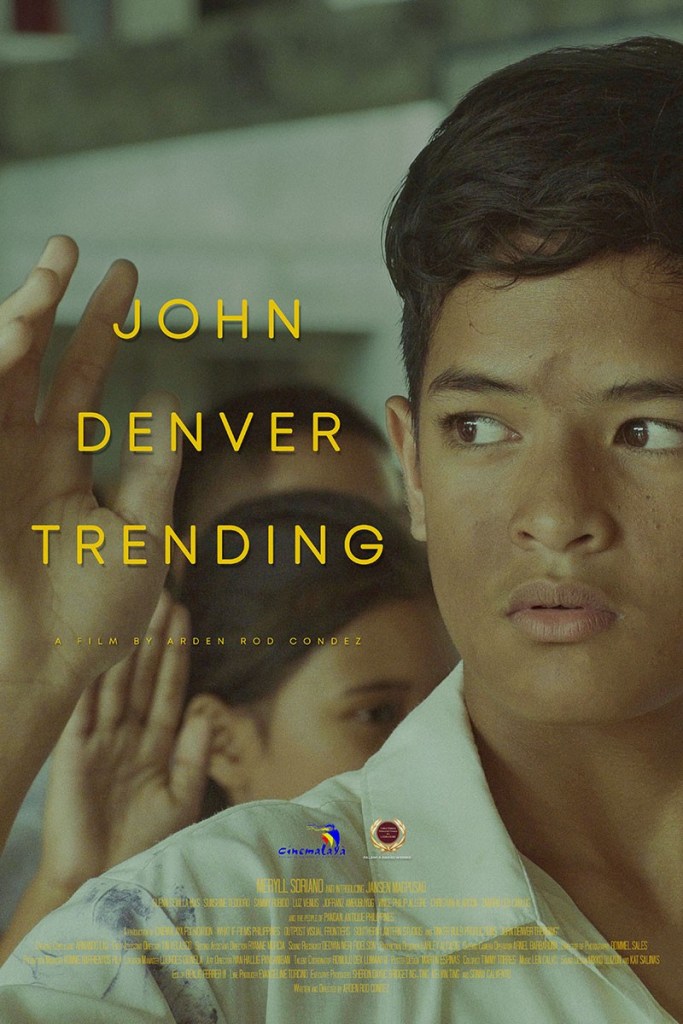
14-year-old John Denver Cabungcal (Jansen Magpusa) is the oldest son of a poor family. His father was in the military and has apparently passed away, while his mother, Marites (Meryll Soriano), now makes ends meet weaving bags and baskets while the family lives in a traditional village way out of town. A slight, angry boy John Denver is classically unlucky, mercilessly bullied just for being poor and getting punished when he dares to fight back. So it is when he’s humiliated during a dance rehearsal by having his trousers pulled down by another boy live on Facebook, after which they all laugh at him because his boxers are full of holes. When the rehearsal is over, one of the other boys accuses him of stealing his iPad, a situation compounded by the fact John Denver has apparently stolen before. The boy, Makoy (Vince Philip Alegre), snatches John Denver’s bag and demands to look inside. John Denver is innocent, but resents being forced to prove it and so refuses to let them see. He chases Makoy to the roof and wrestles the bag away from him, viciously beating him as he does so while another boy, Carlos, smirks from the sidelines as he records everything on his phone. Smug in the extreme, Carlos uploads the video to his Facebook with a hateful caption claiming to expose the “real” John Denver for the thieving little thug he is. 

The first of John Denver’s many problems is that he doesn’t have access to data on his phone and only limited connection to wi-fi while passing through his aunt’s place to pick up his siblings, so it’s hours before he knows anything’s wrong and then there’s nothing much he can do about it. He tries to ring Carlos, but he doesn’t answer. We don’t know who took the iPad, or even if it was stolen at all. Perhaps Makoy lost or broke it himself and needed someone to blame, or this is all an elaborate setup for cyberbullying, but events soon spiral out of control. John Denver tries to explain, he didn’t take the iPad and he was only defending himself after Makoy picked a fight, but the grownups don’t believe him. Everyone already seems to think John Denver is a bad boy, and nothing he says is going to change that. 

Trapped in this kafka-esque cycle of repeatedly stating his innocence, John Denver becomes the subject of a witch-hunt, a cursed figure despised by all. The village in which he lives is a hotbed of gossip and superstition where people still turn to the Village Chief for arbitration and the Shaman for advice. Even John Denver himself mutters a curse under his breath as he’s passed by a strange old woman (Estela Patino), herself the subject of local gossip for supposedly being a witch and having murdered a young man. Social media has, perhaps, merely turned us all into the gossiping old biddies in the square but amplified their nonsense tenfold and given it more weight through the authenticity of print. 

Soon enough, more witnesses start turning up to blacken John Denver’s name – a boy he hit with a stone during a fight, a girl he apparently stole food from. He denies neither of these crimes, but they now have new colour and intensity as the storm around him quickens. Meanwhile, a wealthier neighbour who seems to have a beef with his mother has been extorting money from them for supposedly causing the death of his water buffalo. He creates two versions of an online video. In the first he tells the truth with a mean-spirited spin, explaining that he’d seen John Denver looking for odd jobs in the market to make extra money to pay him compensation, once again using his poverty and “bad character” against him, while in the second he lies and says he saw him sell the iPad.

There is not, and perhaps has never been, any clear way to discern truth from fiction, supposition from malicious gossip. Everyone decides John Denver is guilty because John Denver is not liked. Makoy’s mother ropes in her neighbour, a policeman, who too insists John Denver is to blame and is being stubborn and unreasonable in refusing to conform to the majority view. The policeman takes his gun from his holster and hovers his hand over it on the desk, not quite pointing it but the effect is much the same. John Denver must accept his guilt, the mob must be appeased, the authorities have to be seen to act. The “truth” no longer matters, the semblance of it is all that counts. John Denver resists, he refuses to own a crime that is not his, but finds that innocence is an under appreciated quality when society itself refuses to admit its hate-fuelled hypocrisy. 


John Denver Trending screens in Amsterdam on March 5/6 as part of this year’s CinemAsia Film Festival.

Original trailer (English subtitles)

Moonlit Winter (윤희에게, Lim Dae-hyung, 2019)

It goes without saying that the world is very different now than it was 20 years ago, but change happens slowly and primarily benefits those who come later rather than those trying to live as it’s happening. The two women at the centre of Lim Dae-hyung’s Moonlit Winter (윤희에게, Yoon-hee-ege) are a case in point, painfully separated and forced into self-isolation born of internalised shame while perhaps filled with unspeakable longing. In a sense, they each live within that moonlit winter, a cold and lonely place yet not without its beauty. 

In Japan, an older woman, Masako (Hana Kino), mails a letter she finds lying around in her niece’s room, unsure if she’s doing the right thing but perhaps hoping for a kind of shift. Presumably, Masako cannot read the contents of the letter as they’re written in Korean (though later read to us in Japanese), and addressed to a “Yoon-hee”. It’s Yoon-hee’s daughter Sae-bom (Kim So-hye), however, who first picks it up and begins to realise, perhaps for the first time, that her rather distant, lonely mother is a woman too with a painful past she knows nothing of. Written with a kind of melancholy finality and the sincerity of a letter never quite intended to be sent, the heartfelt words hint at a past heartbreak in which the author, Jun (Yuko Nakamura), hopes that she won’t make the recipient uncomfortable but felt that she had to write to let her know that she still thinks and dreams of her after all this time. 

Finally receiving the letter, Yoon-hee (Kim Hee-ae) is not “uncomfortable” or at least in the way that Jun had feared she might be. Recently divorced after years of unhappy marriage to a drunken policeman (Yoo Jae-myung), Yoon-hee has a job in a canteen at a factory and lives alone with her teenage daughter who is in the last year of high school and preparing to head off to university in Seoul. Intrigued by the letter, Sae-bom begins to become curious about why her mother is the way she is. She tries asking her uncle, but he’s fantastically unhelpful, and then questioning her father but he only tells her that her mother is the kind of woman who makes others feel lonely. That strikes Sae-bom as ironic because she chose to stay with her mother after her parents’ divorce precisely because she thought she seemed the lonelier.

Jun, meanwhile, is a lonely figure too but perhaps wilfully so. She tells her aunt Masako with whom she’s been living all this time that she chose to come to Japan with her father after her parents split up because he didn’t care about her (hence why she’s always lived with the unmarried aunt), while she was all her mother ever cared about. In retrospect, it sounds as if, as she said in the letter, she ran away, afraid that her mother would notice something in her she did not want to be noticed. Perhaps Masako has noticed something too which is why she sent the letter, though she’d never bring it up directly. A well-meaning though tone deaf and entirely insensitive relative (Sho Yakumaru) tries to use the occasion of her father’s funeral to talk Jun into a blind date with his Korean friend, an offer she flatly refuses but he keeps badgering her anyway. Eventually she stops the car and insists on walking home at which point he realises you probably shouldn’t be matchmaking at a funeral but she cuts him off again, telling him that’s not the reason for her intense annoyance but stopping short of explaining what is. 

Jun has one of those faces, slightly mysterious, pensive as if she’s about to say something important but never actually does. Another woman (Kumi Takiuchi) thinks she recognises that quality in her and edges towards a kind of confession but Jun shuts her down, brutally telling her that the only secret she’s keeping is being half-Korean, advising that if she too has a “secret” she’d best keep it to herself. Even more than Yoon-hee, Jun has lived a life of isolation, too afraid to be her real self and terrified of being seen. 

But for the younger generation things are perhaps different. Sae-bom is at a romantic crossroads of her own, acknowledging that her high school romance may be about to end seeing as nice but bland boyfriend Kyung-soo (Sung Yoo-bin) is not exactly her intellectual equal and cannot accompany her to a university in Seoul. After realising that the sender of the letter is female, Sae-bom seems unfazed, still curious about this hidden part of her mother’s life and rooting for her to find a kind of happiness. In the habit of taking photos (using a camera which turns out to have been a present given to Yoon-hee as an apology from her mother for the family’s belief that there was no point in sending a girl to university) Sae-bom declares that she only photographs beautiful things rather than people, but takes photos of her mother all the time, capturing her at her most mysterious but rarely smiling. Railroaded into a life of conventional success that eventually failed, Yoon-hee has become an empty, directionless shell unable to live her own life while filled with an internalised sense of shame that leaves her feeling guarded and worthless.

Yet through the arrival of the letter she begins to reconnect with her younger self, her repressed desires, and impossible longing for Jun. With the gentle support of a daughter and aunt respectively, the two women begin to rediscover the courage to live, not necessarily in embracing romance, but accepting themselves for who they are and rejecting the sense of shame that has defined each of their lives. The winter may at last be ending and they may not yet have it in them to ask for the stars, but they’ll always have the moon. 


Moonlit Winter screens in Amsterdam on March 6/8 as part of this year’s CinemAsia Film Festival.

Original trailer (English subtitles)

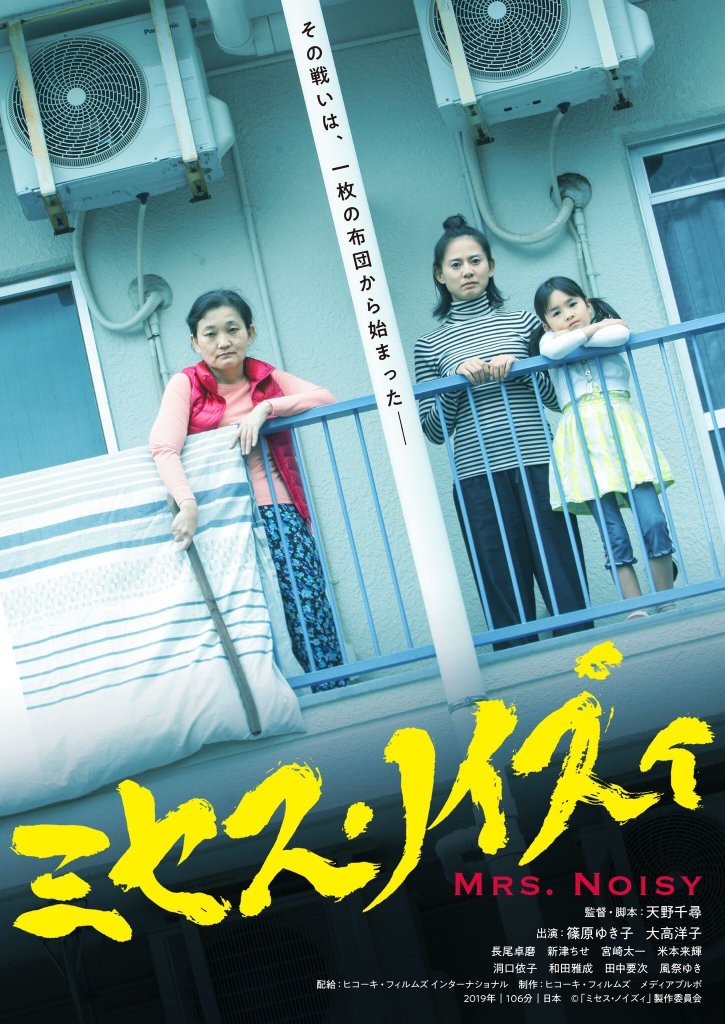
Mrs. Noisy (ミセス・ノイズィ, Chihiro Amano, 2019)

“Cases involving two parties must be viewed from differing angles” according to a lawyer trying to point out why a case that was cast iron days before is now a non-starter. Most of us know it’s a bad idea to judge people on appearances, but few of us have made the leap to acknowledging that it’s wrong to judge people at all, especially when you don’t and can’t know what’s happening in other people’s lives. Being self-involved is hardly a crime, but if it’s a bad quality in a human being it’s an unforgivable sin in a writer, which is why the heroine of Chihiro Amano’s Mrs. Noisy (ミセス・ノイズィ), apparently inspired by an early viral video phenomenon, is struggling to overcome a nasty case of writer’s block. 

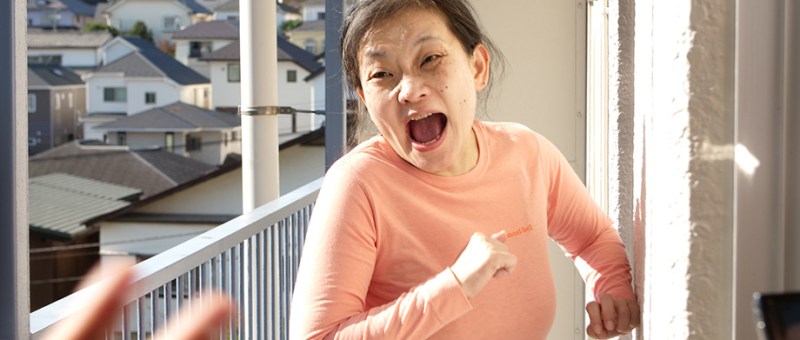
Some years ago, under a pen name, novelist Maki (Yukiko Shinohara) made a name for herself with an award-winning book. After giving birth to her daughter, Nako (Chise Niitsu), she swore motherhood wouldn’t slow her down but six years later she’s published nothing of note. After moving to a new apartment with her freelance musician husband Yuichi (Takuma Nagao), Maki hopes to kick her writing career back into gear but an immediate spanner is thrown in the works by a strange noise early in the morning that turns out to be the old woman next-door furiously beating her futon. Maki asks her to stop, but her impatience only gets her neighbour’s back up and starts an ongoing conflict that only worsens after Nako, feeling neglected by her mother’s dedication to her work, wanders off and the neighbour, Miwako (Yoko Ootaka), accompanies her to the park. 

Later, we’re shown things from Miwako’s point of view and realise that when she said there were “reasons” she was out beating a futon at 6am she was telling the truth. Not only that, she tried to explain but was abruptly cut off by an impatient Maki who was not in the mood to listen. It doesn’t help that the Japanese word for “bugs” also means “ignore”, but many of the upcoming problems could have been resolved with a little more patience and politeness, which is something Maki decided she didn’t need to bother with in deciding not to go around introducing herself to her new neighbours as is the usual custom.  

Likewise, when Yuichi abruptly announces he can’t watch Nako the following day as planned, it’s easy enough to think he’s being unreasonable, letting his wife down and implying his career’s more important than hers, but that rather ignores the fact that his explanation is perfectly reasonable in that freelancers cannot (in contrary to popular opinion) dictate when and where they work, and that he offers to keep Nako occupied that evening instead so Maki can meet her deadline. As time wears on, we start to doubt Maki’s sense of subjectivity, realising that she’s begun to blame all of her problems on the old woman next door whom she doesn’t even really know. 

Of course, there are other conflicts, social and generational differences. To a woman of Miwako’s age, it seems “common sense” for an older woman to look after a little girl who seems lonely, in the same way it seems “common sense” that’s it’s wasteful to throw out perfectly good food just because it’s slightly misshapen, but then the world is not as accepting of “common sense” as it likes to think it is. To Maki, a younger woman not used to living in a tight knit community, it seems inappropriate to take someone else’s child to the park without checking with them first. Admittedly, Nako’s claim that Miwako’s husband (Taiichi Miyazaki) gave her a bath (not quite what happened) also sets alarm bells ringing, as perhaps it should, but again could have been settled with much less acrimony if it weren’t for an unfortunate personality clash between the two women in which Miwako offers some “common sense” advice that Maki herself is to blame for her daughter wandering off, touching a nerve in Maki’s conflicted sense of maternity that sees her cruelly firing back and drawing something of a battle line. 

Perhaps unpredictably, Yuichi sides with Miwako, pointing out that whatever Maki says, the fact remains that Nako wandered off because she felt neglected. Maki’s mother (Yuki Kazamatsuri) tells her that she needs to pay more attention to her husband and family, be more of a “wife” and make an effort with the housework, which sounds like old-fashioned sexism and perhaps it is but there’s also truth in it in that Maki really is only thinking about herself. Her editor too tries to guide her to a self-realisation that will reinvigorate her writing career, but she remains blinkered and obtuse. Maki decides Miwako is a batty old woman, and takes bad advice from her get rich quick cousin (Masanari Wada) to use her as a model for a story which becomes a big hit with a new, younger editor who selects it as a serialised column in a magazine for young people where its snarky mean-spiritedness finds a natural audience. Her cousin even uploads a video of the two women comically fighting on the balcony which goes viral and sends sales through the roof. But the meanness of the new, online world is something which cannot be controlled and can have terrible, unforeseen consequences when ordinary people become the focus of malicious rumour and painful ridicule. 

Even so, Maki takes a long time to see the light. She bristles when her editor tells her that her work is shallow, but fails to understand that the cause of its shallowness is her own unwillingness to engage with the world around her. “Following the surface of things is pointless” he tells her, only by taking the time to understand others can she write with true authenticity. Maki assumed Miwako was a horrible old woman after seeing her swipe offerings from a roadside shrine, only to later realise that she in fact replaces them every day (and perhaps it was her who put those cute little clothes on the statues to keep them warm). You can’t know what’s going on in other people’s lives, but if you don’t take an interest eventually people will stop taking an interest in you. 


Mrs. Noisy screens as the Opening Night movie of this year’s CinemAsia Film Festival on 4th March where the director Chihiro Amano will be in attendance to present the film.

CinemAsia Announces Complete Programme for 2020

CinemAsia returns to Amsterdam from 4th to 8th March for its 13th edition bringing with it another fantastic selection of recent East Asian cinema. This year’s festival opens with the European premiere of Japanese indie Mrs Noisy, and closes with heartwarming Taiwanese drama Heavy Craving, both of which are directed by female filmmakers.

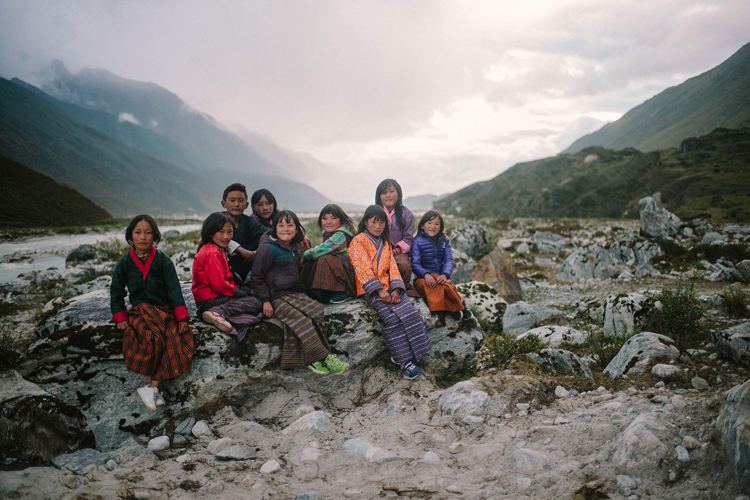
Bhutan

China

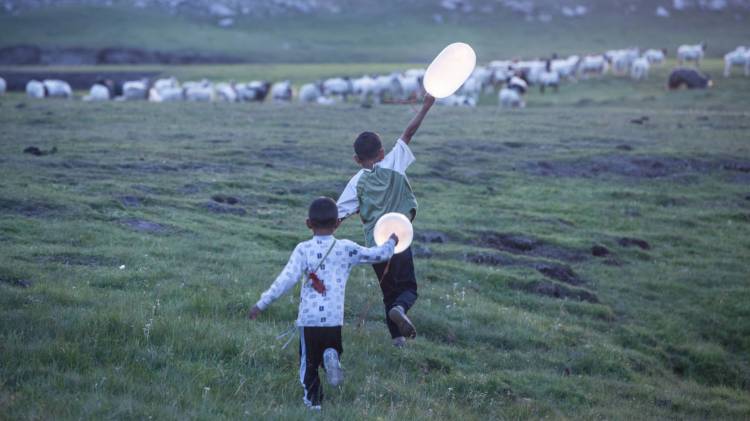
  • Balloon – Tibetan-language drama from Pema Tseden (Jinpa) following a sheep farming family facing a crisis thanks to the recently instituted One Child Policy. Review.
  • Saturday Fiction – Gong Li stars as an actress returning to Shanghai after a long absence to star in a play directed by an old flame but may have ulterior motives in the latest from Lou Ye.
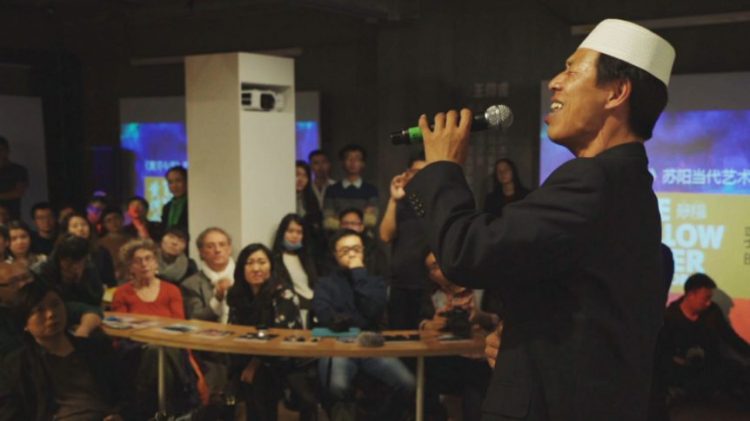
  • The River in Me – documentary exploring traditional folksong in modern China
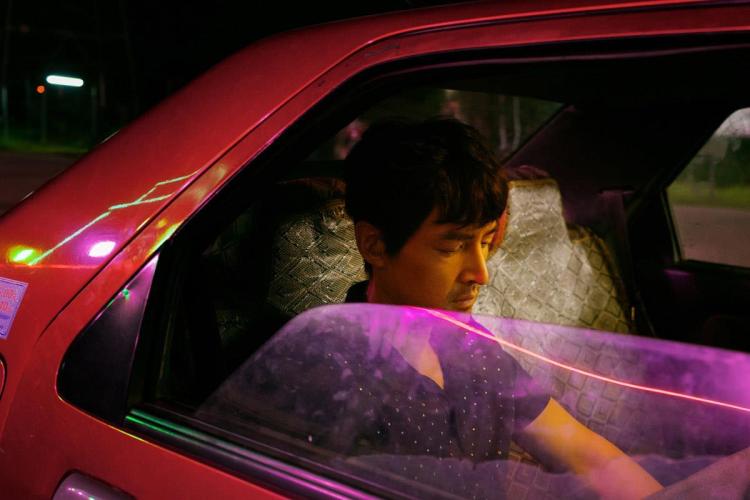
  • The Wild Goose Lake – Black Coal, Thin Ice’s Diao Yinan returns with another neo noir in which a smalltime mob boss tries to survive after he kills a policeman by mistake.

Hong Kong

  • Fagara – a young woman discovers the existence of two half-sisters, one from Taiwan and the other mainland China, following the death of her estranged father. Review.
  • Little Q – touching drama following the life of a guide dog who is assigned to a grumpy pastry chef. Review.
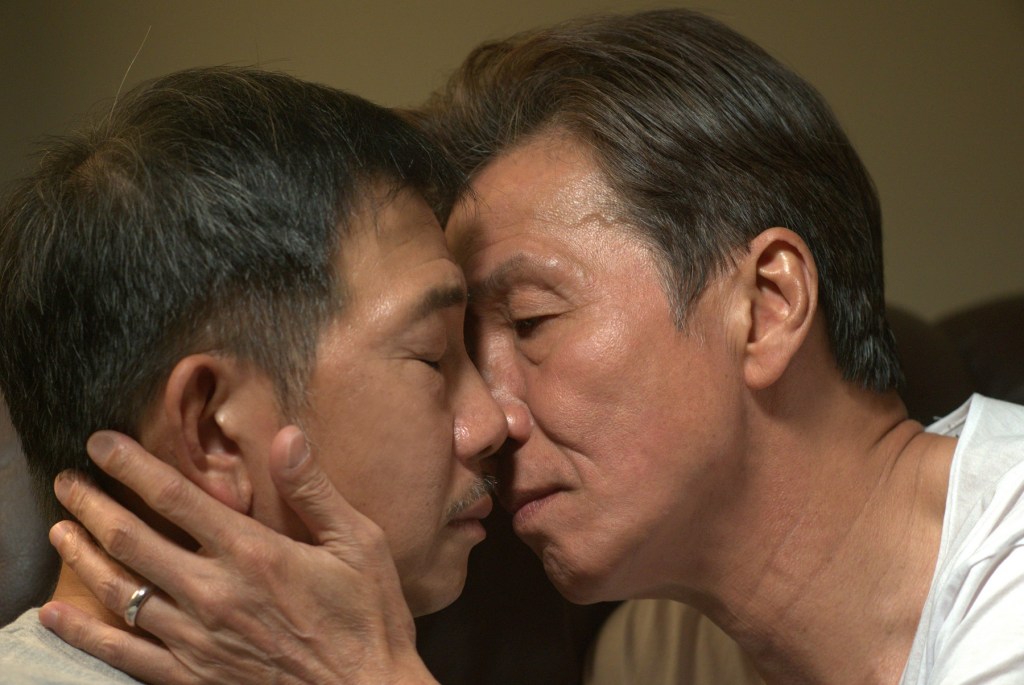
  • Suk Suk – voted the best HK film of 2019 by the Hong Kong Film Critics Society, Suk Suk follows two older men who meet by chance and fall in love after decades of keeping their true identities secret.

Indonesia

  • A Man Called Ahok – biopic of controversial political figure Basuki Tjahaja Purnama.
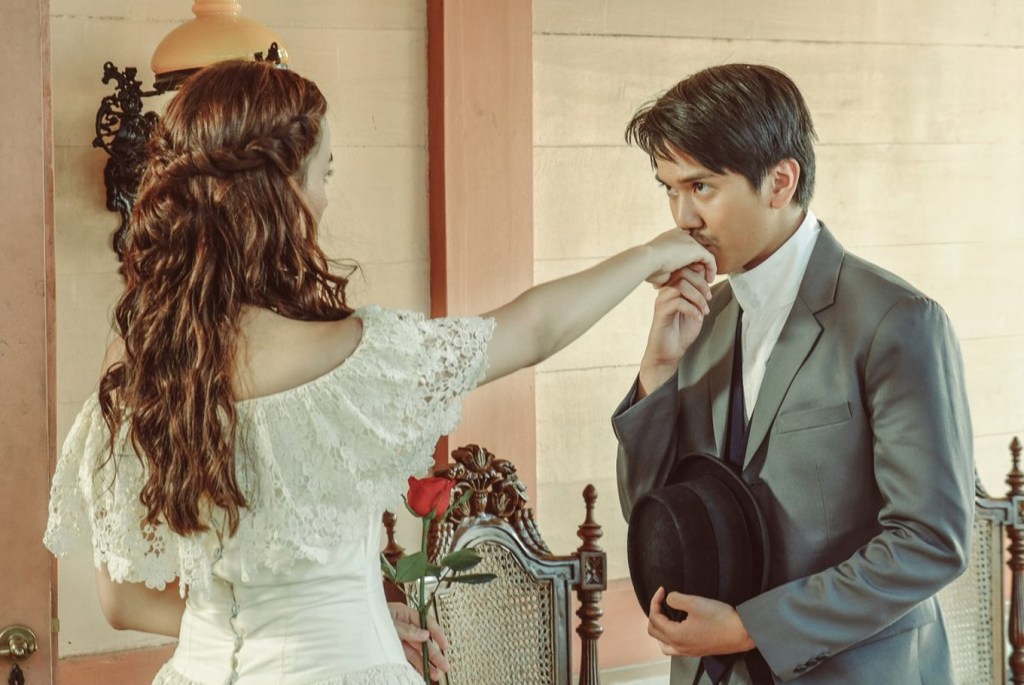
  • Bumi Manusia – period romance adapted from the novel by Pramoedya Ananta Toer in which a member of the Javanese royal family falls for a girl who is half-Dutch.
  • Gundala – superhero action from Joko Anwar
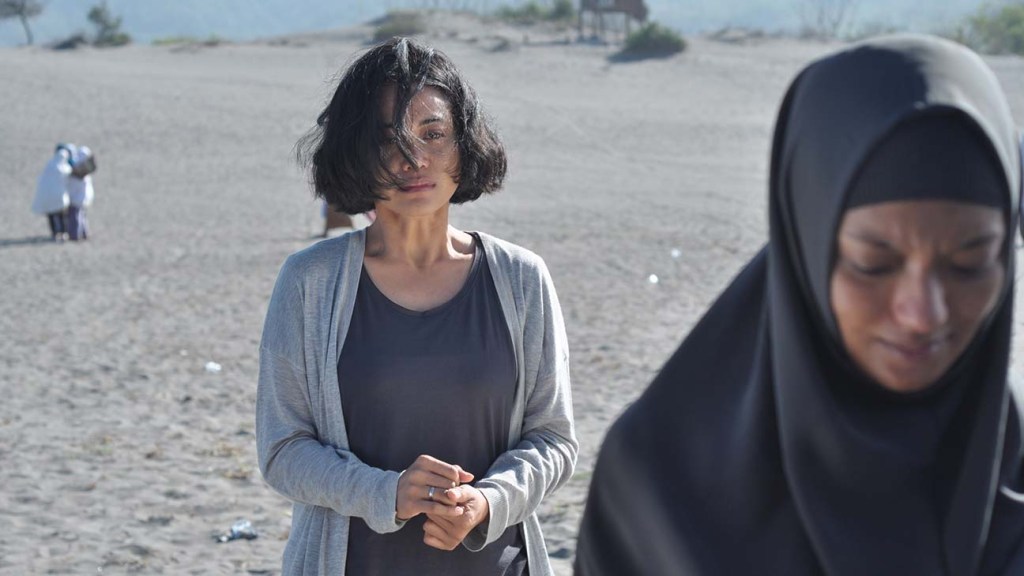
  • Homecoming – a couple get into an accident on the way to spend Eid with family bringing them into contact with the mysterious Santi.

Japan

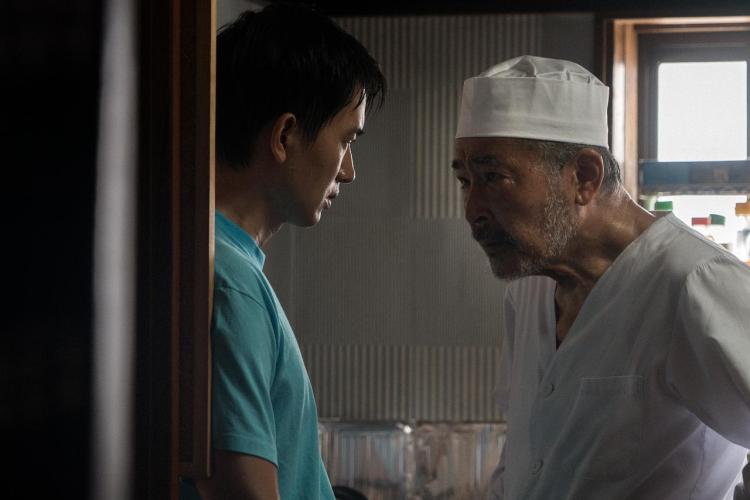
  • Complicity – an undocumented man from China embraces his cover identity and takes a job in a soba restaurant but struggles to maintain his sense of self in Chikaura’s sensitive drama. Review.
  • Mrs Noisy – a writer struggling to come up with new material after winning a major award is distracted by a vendetta with her noisy neighbour.
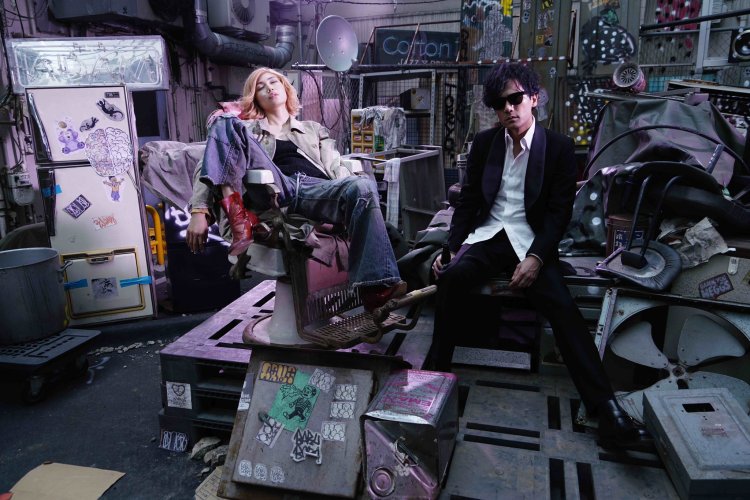
  • Tezuka’s Barbara – Macoto Tezka adapts the manga by his famous father in which a novelist (Goro Inagaki) becomes obsessed with a woman he picks up off the street (Fumi Nikaido).

Korea

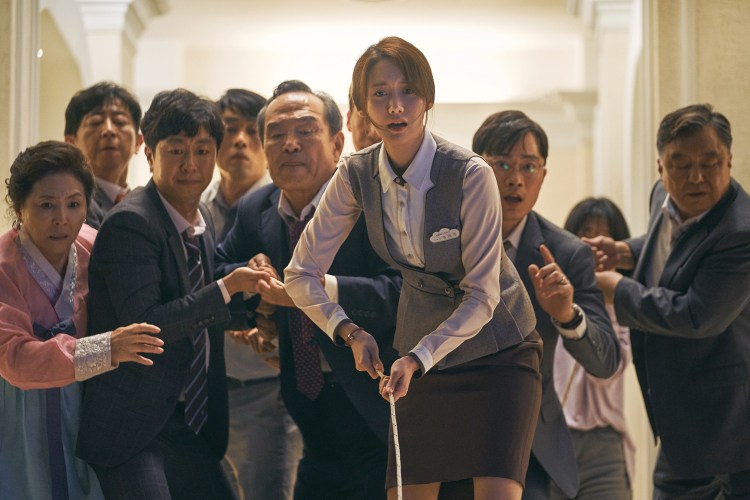
  • Exit – an unemployed rock climbing enthusiast finds himself in his element when his family is trapped by a mysterious white mist in a high rise restaurant he booked for his mother’s 70th birthday only because an old flame works there. Review.
  • Moonlit Winter – drama in which a teenage girl finds a love letter addressed to her recently divorced mother and determines to identify the sender, little knowing the secret her mother has been keeping.
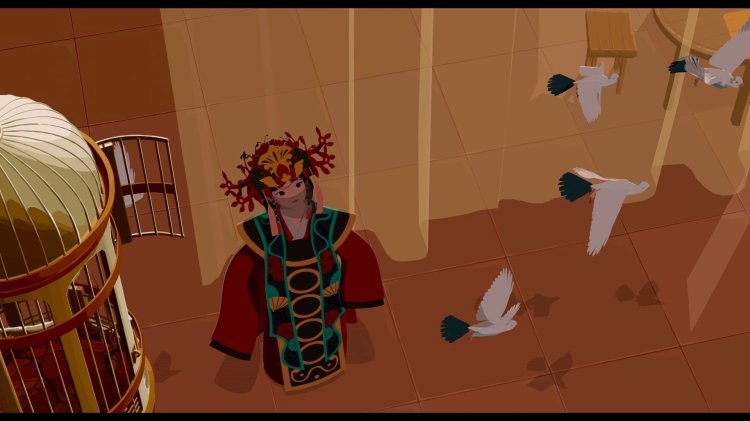
  • Princess Aya – a princess with the power to turn into an animal marries an enemy prince to broker peace but finds herself beset by new threats in this charming animation.
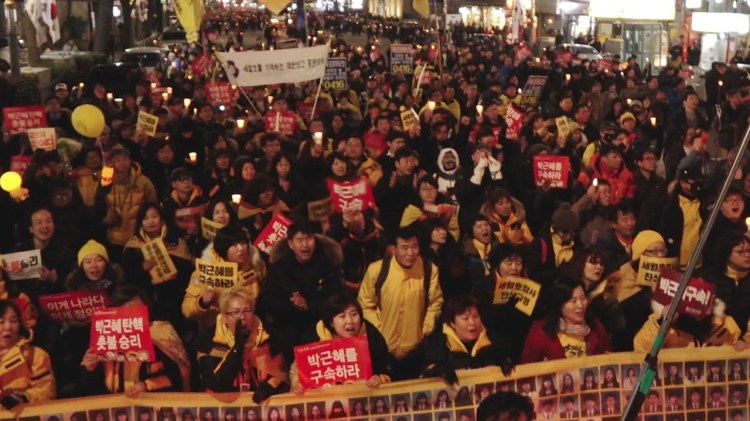
  • Yellow Ribbon – Ju Hyun-sook’s documentary focussing on the aftermath of the Sewol ferry disaster.

Malaysia

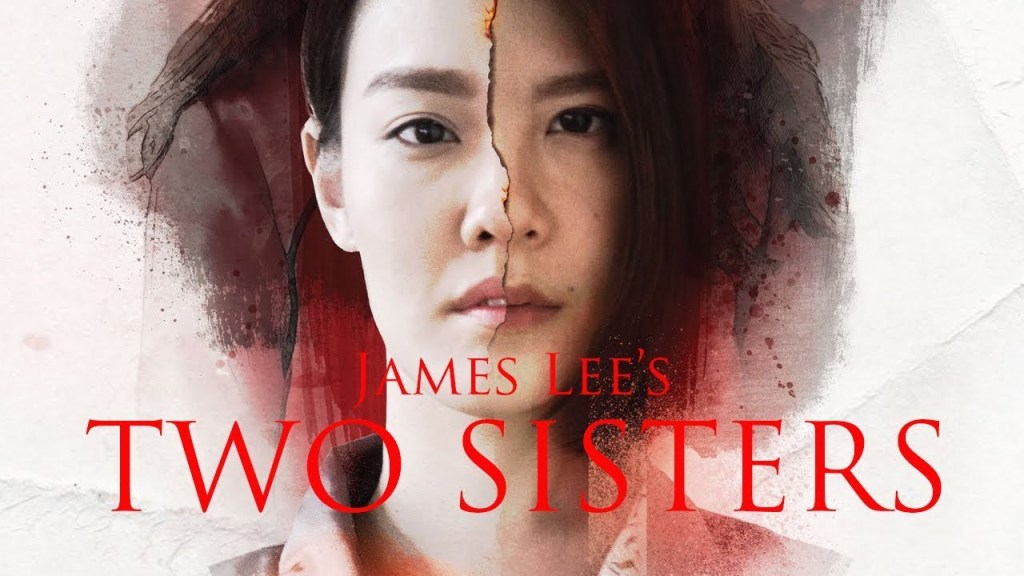
  • Two Sisters – horror in which a young woman is discharged from a psychiatric hospital into the care of her novelist sister only to discover a new threat lurking in the family home.

Philippines

  • John Denver Trending – youth drama based on a true story in which a farm boy’s life is turned upside down when a video of him beating up a classmate goes viral.
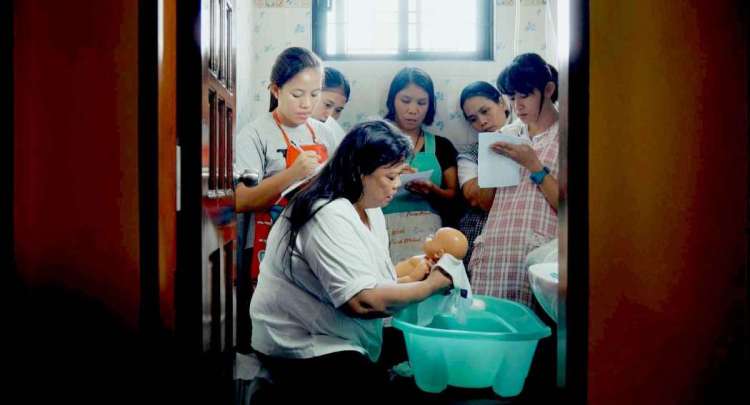
  • Overseas – documentary following those training to become overseas domestic helpers.
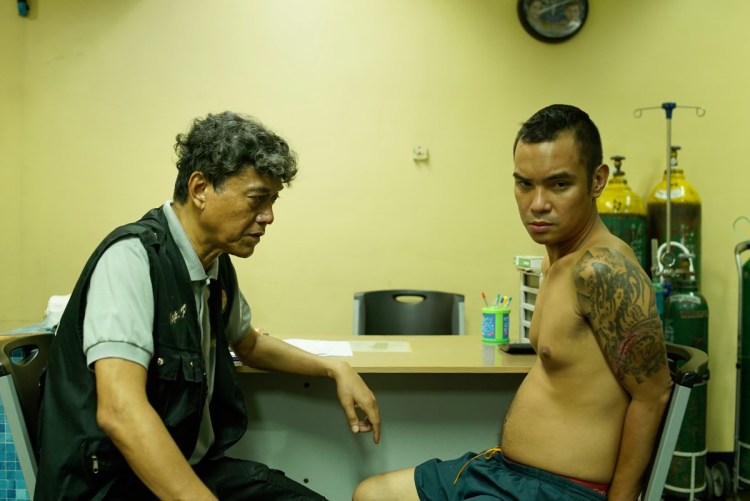
  • Verdict – a woman suffering domestic abuse tries to get help after her drunken husband hurts their child but struggles to find justice in a patriarchal society.

Taiwan

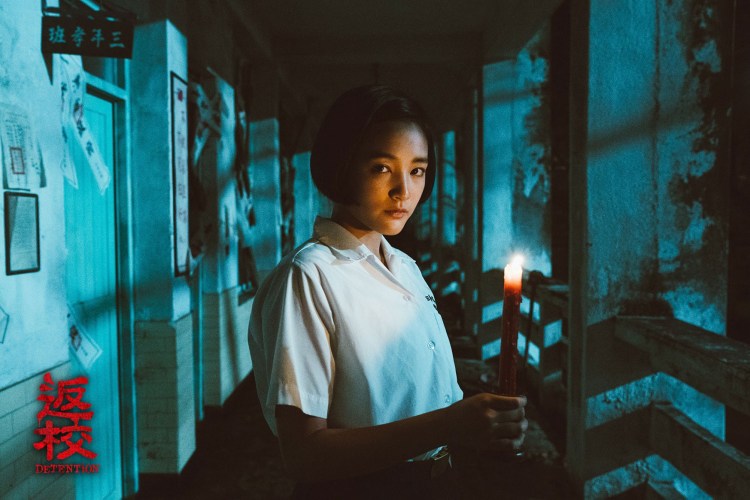
  • Detention – Lonely high schooler Fang falls for guidance councillor Zhang who alone seems to understand her. She joins his secret study group to read banned books, but Zhang soon “disappears” while only Fang and another student seem to remember him in this gothic horror set during Taiwan’s repressive martial law period.
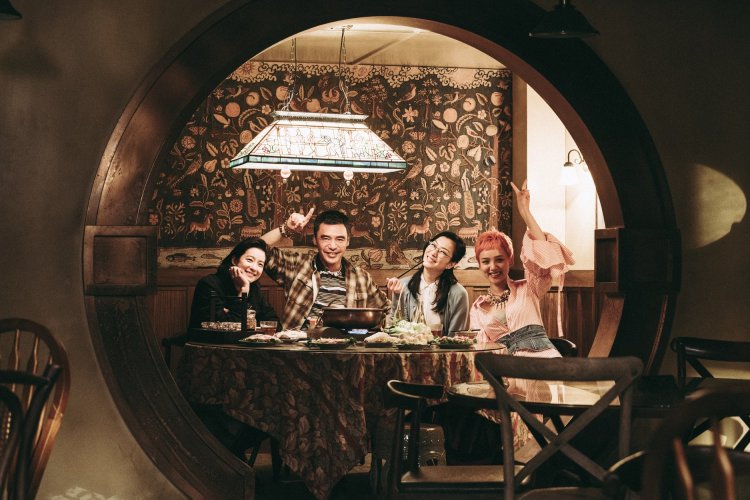
  • Heavy Craving – a lunch lady hoping to lose weight strikes up unexpected friendships with a deliveryman and a cross-dressing student. Review.

CinemAsia takes place in Amsterdam from 4th to 8th March, 2020. Full details for all the films can be found on the official website where tickets are already on sale, and you can keep up with all the latest news by following the festival on Facebook, Twitter, Instagram, and YouTube.