Revolver (리볼버, Oh Seung-uk, 2024)

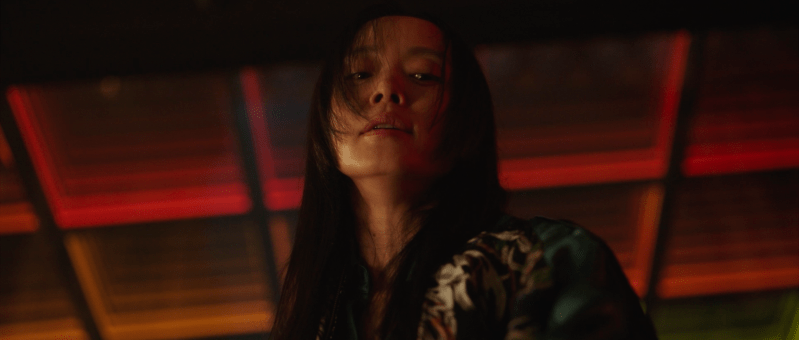
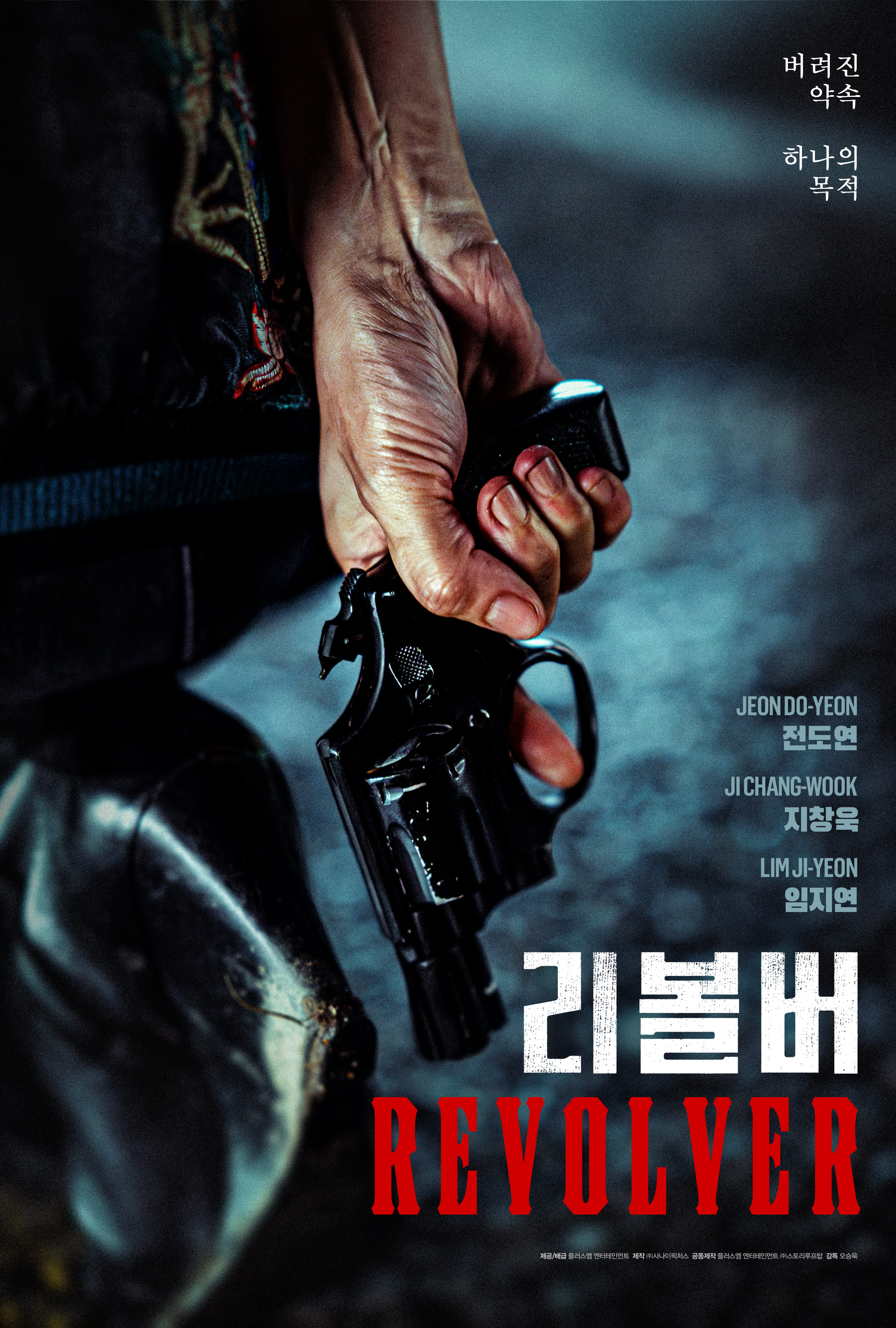
Everyone is always making promises to Su-yeong, but promises don’t count for very much in this world of infinite duplicity. Reuniting director Oh Seung-uk with The Shameless star Jeon Do-yeon, Revolver (리볼버) takes place in a world of corrupt cops and criminal gangs where no one can be trusted and every relationship is transactional. Like the barrel of a revolver, allegiances shift and rotate as Su-yeong attempts to navigate these turbulent waters while well aware that she is completely alone and has only her quest for vengeance and justice to sustain.

It’s by a broken promise that’s she’s been betrayed. After having become lowkey involved in police corruption to help her lover Captain Lim (Lee Jung-jae), former policewoman Su-yeong agreed to take the fall for the squad. They promised her that she’d only lose her job rather than go to prison and that she’d be allowed to keep the apartment she’d just bought, get a 700,000-dollar payout, and a new job working for Eastern Promises security division. Only in the police station does she realise she’s been tricked as they slap a drug trafficking charge on her and hand down a two-year sentence. Predictably, once she gets out, no one’s there to meet her except a gloating prosecutor and a random woman she’s never met before, Yoon-sun (Lim Ji-yeon), who says she was a friend of Lim’s. He’s since been found dead in a suspected suicide, though that matters less to Su-yeong than the fact he gifted her apartment to someone else and has since died in mysterious circumstances. 

The funny thing is that Yoon-sun, who is working both with corrupt cop Dong-ho (Kim Jun-han) and the gang led by Grace (Jeon Hye-jin), actually has some sympathy with Su-yeong and disproves of the way she’s been treated. After all, they could have just paid her her money like they said they would. Well used to navigating these waters, Yoon-sun appears to be playing her own game and keeping her options open yet it seems genuine when she tries to help Su-yeong which isn’t to say she wouldn’t betray her if she absolutely had to but right now she doesn’t. There is something quite poignant about the sense of female solidarity that arises between them, even though they are romantic rivals, as women who’ve both been let down by this patriarchal society. Su-yeong is rightly fed up with it and she’s going to get her money and her apartment no matter what if only to make sure they don’t win. Yoon-sun has chosen complicity as her chosen means of survival, but may be silently rooting for Su-yeon to break the both of them out of this repressive system.

To that extent it’s ironic that the former detective’s main weapon is a retractable baton, as if she were trying to enact justice though she herself is a compromised figure having at least been on the fringes of the corruption if perhaps not at the heart of it. Then again, all of the police appear to be corrupt so perhaps it’s more that she’s no better than the world that surrounds her and well aware that promises mean nothing and no one can be trusted. Lim seemingly broke a number of promises to her but may have tried to make it right in the end, while she’s also the victim of a vendetta by grudge-bearing cop Dong-ho (Kim Jun-han) whose romantic overtures she once turned down leaving him with a desire to destroy her completely. Top bad guy Andy (Andy) also appears to be a figure of compromised masculinity, playing the rabid dog but having no other backing than his ambiguous relationship with Grace who may have offed a female rival to solidify her grasp over the criminal enterprise. Violently beaten by Su-yeong, he too vows revenge to reclaim his masculinity but is ill equipped to achieve it. 

Despite being disregarded as not a proper detective, Su-yeong patiently follows all the clues and plays a long game to track down the source of all her misery while really her dreams had been small, owning a nice apartment and sharing it with Lim. On her release from prison, she tells the guard that her parents are dead and she has no friends or relatives signalling her aloneness in a vast world of betrayal but also her resilience and refusal to back down in her ironic fight for “justice” which is simply making sure those who’ve wronged her honour their promises and she gets what she’s owed. The occasional bouts of dark humour such as the absurdity of the final confrontation scene lend a touch of surreality to Oh’s purgatorial world of constant mistrust. “Live as if you were already dead,” a defeated Andy ineffectually screams as he vows vengeance and insists Su-yeong hasn’t heard the last of this. But Su-yeong has been living like she’s dead all along and now, finally, might be alive once again. 


Revolver is available digitally in the US courtesy of Well Go USA.

International trailer (English subtitles)
Noryang: Deadly Sea (노량: 죽음의 바다, Kim Han-min, 2023)

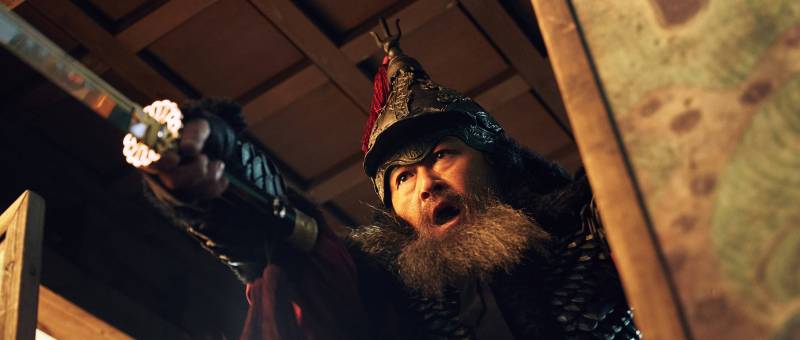
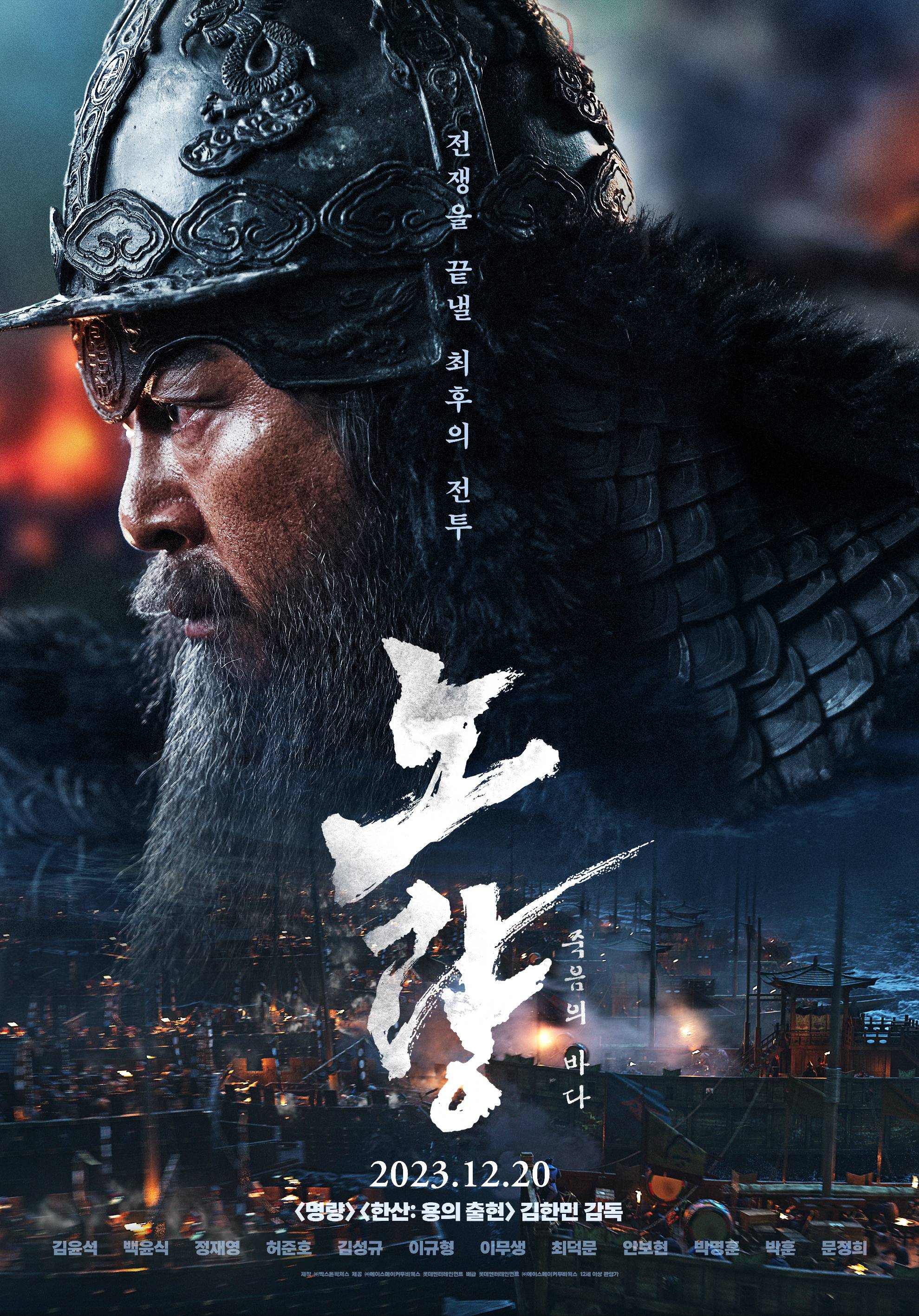
The strange thing about Noryang: The Deadly Sea (노량: 죽음의 바다, Noryang: Jugeumui Bada), the third and final instalment in Kim Han-min’s trilogy about 16th century admiral Yi Sun-sin is that everyone wants to end the war but they all want to end it definitively and so are unable to simply let it run its course. Then again, there is a little more complexity involved in the depiction of Yi in asking whether his desire to repel the Japanese once and for all is really about the national good or personal vengeance for the death of one of his sons at the hands of Japanese raiders.

The opening scenes taking place in 1598 witness the death of Toyotomi Hideyoshi who had launched two invasions of Korea in the previous decade which were in themselves precursors to an invasion of Ming China in an attempt to disrupt the Chinese Tributary System that prevented Japan from trading with China without agreeing to pay them taxes and recognise their political superiority. In the film at least, his deathbed order is to withdraw troops from Korea where they had been unsuccessfully fighting for the previous year. The leader of the Japanese forces, Konishi Yukinaga (Lee Kyu-hyung), is however prevented from leaving by a naval blockade placed by Admiral Yi around their fort on Suncheon Island. With Hideyoshi dead, Yukinaga is keen to return to Japan as quickly as possible in order to defend Hideyoshi’s young son, Hideyori, from Tokugawa Ieyasu who makes a very sinister appearance at Hideyoshi’s deathbed.

One might wonder why Yi does not allow Yukinaga to simply leave and return to Japan now that the war is technically over yet he insists that without a full surrender nothing is guaranteed and the Japanese may simply regroup and return as they had done before. Then again, he’s haunted by nightmares of his son’s death in which he witnesses him cut down by Japanese pirates while unable to intervene dragged back by shadowy figures rising from the water. Yi also later makes clear that his motivation is coloured by a desire for revenge to the extent that he is willing to sacrifice his life for it, which is one thing but it also necessarily means he’s willing to risk the lives of his men over what is partly a personal vendetta. 

Yukinaga, meanwhile, and the Japanese in general are depicted as cruel, ruthless, and cowardly. Shimazu (Baek Yoon-sik), the admiral leading the reinforcements sent to help spring Yukinaga, wilfully fires on his own men in order to cut his way through to the enemy and then threatens to execute sailors who tried to desert. In the end Yukinaga breaks his promise and declines to come to the assistance of Shimazu’s fleet as arranged, turning away and sailing back to Japan (he is subsequently beheaded after being on the losing side of the battle of Sekigahara as he was unable to commit ritual suicide because he was a Christian). They had originally been let down by a Chinese general they’d bribed to assist them but had decided not to turn up given the war was already over, making a secondary agreement with Admiral Chen (Jung Jae-young) who also desires a peaceful end to the disruption but vacillates between each side while not really wanting to get involved before making a fairly disastrous intervention in the final battle. 

There is something a little a uncomfortable in the film’s framing and most particularly in its post-credits scene which reinforces Yi’s conviction that the war isn’t really over without a complete surrender from Japan. In any case, Yi becomes a literal beating heart of the battle banging the drums of war to encourage weary fighters that it isn’t over yet and to keep going to the last man buoyed by the spirits who appear to him of his son and allies who lost their lives fighting similar battles in the previous films. That aside, Deadly Sea is mostly standalone though some knowledge of Japanese and Korean history in the late 16th century is undoubtedly helpful. Kim devotes the second half of the film to a lengthy series of naval battles as Yi tries to lure Shimazu to a vulnerable position, eventually shooting a harrowing long take from the perspective of an ordinary sailor trying to cut his way through after boarding a series of enemy boats. The senseless futility of the violence is the point, but it’s one that’s continually lost on Yi who continues to insist that this war will never really be over until they chase the invaders all the way back to their own islands and into total capitulation even as his quarry sails away towards his own unhappy destiny in an equally turbulent Japan.


International trailer (English subtitles)
The Odd Family: Zombie On Sale (기묘한 가족, Lee Min-jae, 2019)

The odd family poster 2It takes a special sort of mind to see a zombie and think “business opportunity”, but that’s exactly the kind of out of the box thinking you’ll find with the the Parks – a very strange family living way out in the countryside. Korean cinema is having a bit of a zombie moment, but they’ve rarely been as amusing as this. The debut feature from Lee Min-jae, The Odd Family: Zombie On Sale (기묘한 가족, Gimyohan Gajok) is a surreal satire of changing family values, the stereotypical strangeness of farm country, and the growing suspicion of underhanded practices in the pharmaceuticals trade.

As an opening voiceover informs us, there have long been rumours of diabetes drug manufacturer Human Bio kidnapping innocent members of the public to test their NoInsulin wonder drug. One day, a young man (Jung Ga-ram) manages to crawl out of a hole in the ground and shuffles zombie-like into the nearest village where he encounters the patriarch of the Park family (Park In-hwan), eventually biting him on the head. The Parks once owned the local petrol station, but with things as they are the business is all dried up and so now they mainly make their living by engineering road traffic “accidents” they can later charge exorbitant fees to fix seeing as they are literally the only place in town. When Mr. Park realises that after getting bitten on the head he’s regained his youthful virility, the family become less afraid of the fairly docile lad and decide to take him in partly with the idea of pimping him out to the other sad old men in town who long for nothing more than to regain their glory days.

Only middle son and recently returned failed salaryman Min-gul (Kim Nam-gil) wonders if there’s something not quite right about the new member of their family, showing the others a brief clip from Train to Busan to get his point across, but even he is temporarily won over by the money making opportunity. Tellingly, no one really stops to wonder if it’s OK to lock a young man up in the shed and make him do your bidding for no remuneration, but then where really is the harm if biting people on the arm makes them feel better about themselves? The harm is he’s a zombie which will eventually become quite a big problem.

Meanwhile, the strange Park family continues to fray at the seams. Youngest daughter Hae-gul (Lee Soo-kyung), an ethereal girl in dungarees with a fondness for pet rabbits she can’t seem to keep alive much longer than a month, takes to the zombie instantly. Naming him “Jong-bi” in a pun on his being a zombie and in keeping with the naming system for her rabbits, she installs him on a mattress right next to the hutch and proceeds to feed him cabbages for which he develops an intense fondness (along with ketchup which is Hae-gul’s personal favourite). Meanwhile oldest son Joon-gul (Jung Jae-young) does his best to keep out of the way while his heavily pregnant wife Nam-joo (Uhm Ji-won) keeps an iron grip on the family finances and the house in general. When everyone starts to wonder if dad is going to turn zombie, filial piety goes out the window but all Mr. Park wants is to jet off to Hawaii and leave the family to deal with the mess on their own.

With the patriarch out of the picture and a new little brother to play with (plus quite a lot of money to buy a new start), the Parks begin to repair themselves and make the “family” anew but the cracks are still there as Min-gul turns out to be more like his dad than he seemed in always looking for the best angle and opportunity to make some money no matter the risks or ethical concerns. Nevertheless, the zombie apocalypse does its best to remind them what’s really important as they find themselves having to work together to come up with a plan for survival. Riffing strongly off wholesome ‘50s Americana and kitschy pop-culture cues, The Odd Family is a charmingly surreal ode to family values in which one family’s money grubbing entrepreneurship almost leads to the end of the world only to paradoxically become its salvation as they prove that there’s nothing so potent as togetherness in combatting existential threat.


The Odd Family: Zombie On Sale was screened as part of the 2019 Udine Far East Film Festival.

International trailer (English subtitles)

Confession of Murder (내가 살인범이다, Jung Byung-gil, 2012)

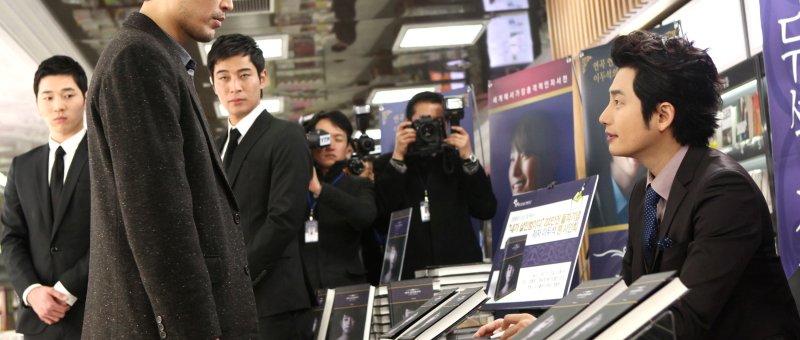
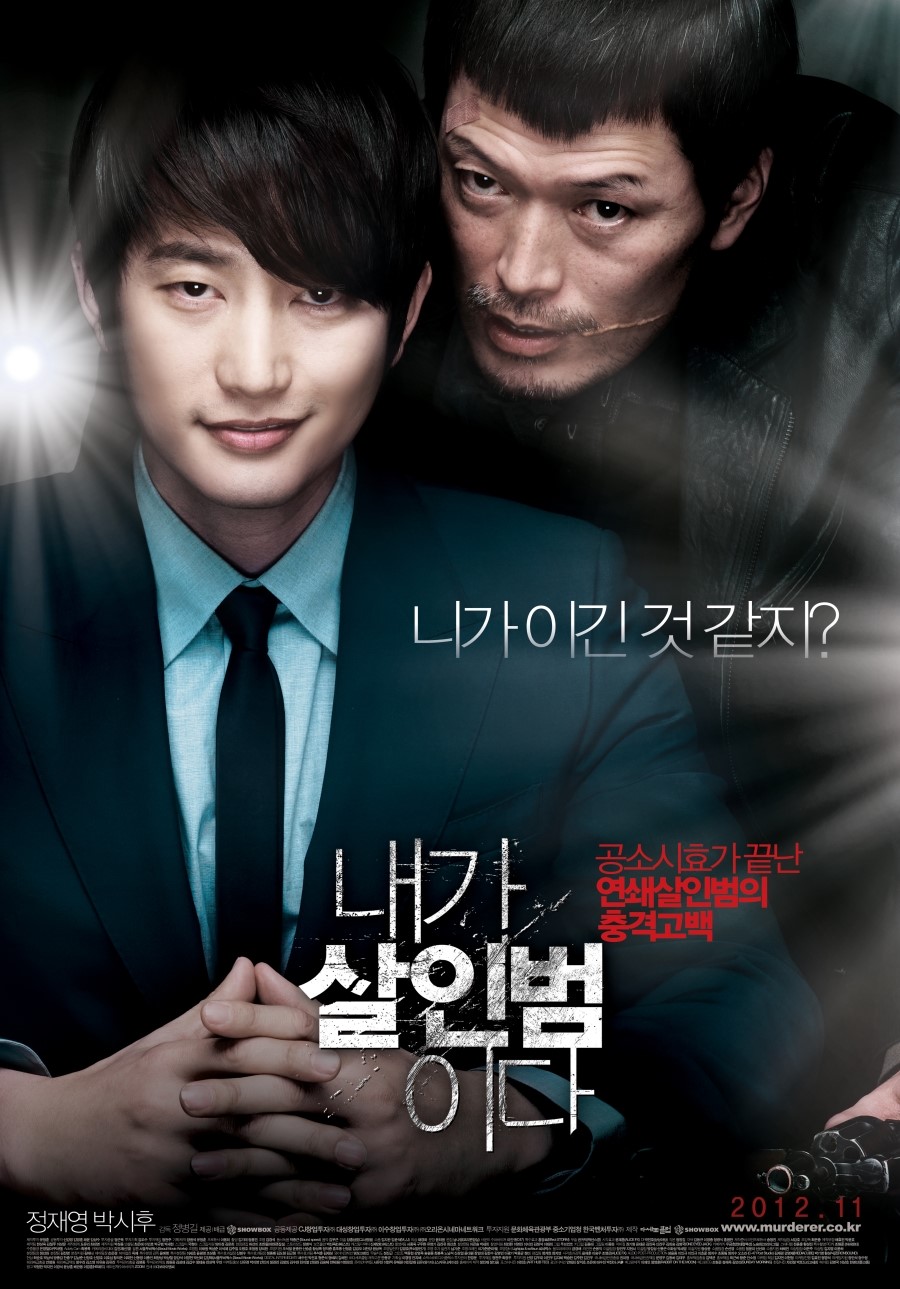
Confession of murder posterThe UK does not have a statute of limitations for criminal cases, only for civil ones, so if you want to be certain you’ve got away with murder you’ll need to wait until the very end and offer only a deathbed confession. In Korea, however, the statute of limitations on murder is (or was, at least, in 2012) 15 years so after that time you can even go on TV and tell everyone you’re a serial killer and all that will happen is that you’ll suddenly become a media darling beloved by a hundred giddy schools. Such is the premise behind Jung Byung-gil’s complicated mystery thriller Confession of Murder (내가 살인범이다, Naega Salinbeomida) in which a grizzled detective and the bereaved relatives try to cope with their guilt and desire for revenge by enacting their own kind of justice on a self-confessed serial killer.

15 years ago, Detective Choi (Jung Jae-young) let a serial killer get away with only a scar on his cheek and the killer’s promise of reunion to show for it. 10 women are dead and Choi’s own fiancée missing presumed among the victims, and with the statute of limitations about to expire it appears that the killer will get away with his heinous crimes having successfully outlived justice. On the day the killer is officially off the hook, one of the victim’s sons commits suicide, further adding to Choi’s sense of inadequacy in being unable to bring the killer to justice within the time limit.

Two years on from the limitation passing, a handsome young man steps into the limelight with a book called “Confession of Murder” which claims to be an exposé on his reign of killing. Lee (Park Si-hoo) with his pop idol good looks and suave manner quickly becomes a media sensation despite the discomfort of some that he is profiting from the deaths of his innocent victims whom he has also robbed of justice even if he claims to be remorseful and to have reformed. Detective Choi has his doubts about the killer’s account and particularly about the possible 11th victim whose body has never been found.

Aside from the intrigue surrounding the true identity of the killer (or killers), Confession of Murder has a few difficult questions to ask about the nature of fame and the cult of celebrity. Lee has just confessed to a brutal series of unsolved killings of women, but thanks to his boy band good looks and impressive media marketing campaign he’s already amassed a fan club of adoring young girls including three rowdy high schoolers we first meet in Choi’s prison cells. Having escaped justice, Lee feels secure enough in his legal protections to crow not only about his crimes but in having gotten away with them so skilfully. His book becomes a best seller and his TV appearances hotly anticipated even if the fascination behind them maybe more ghoulish than intellectual or steeped in admiration.

What Lee exposes is a set of judicial double standards in which a man who has not paid for crimes he freely admits committing can be allowed to remain free and even use those same crimes to build a new life for himself by exploiting them for financial and social gains. The families of the bereaved, denied justice, seek their own – as does Choi even if he does it as a serving law enforcement officer. The lines between justice and revenge become ever blurred as the killer subverts the protections of the law as weapons against those who would seek to see that his crimes are properly served by it.

Meanwhile, Jung veers wildly between taught psychological thriller and absurd action drama in which an attempt to kidnap the killer is made by throwing poisonous snakes at him and then stealing him away in a fake ambulance which soon gives way to a lengthy motorway chase. The action sequences, often unexpected, are brilliantly choreographed set pieces of frenzied attack and retreat in which the outcome is perpetually uncertain. Uncertainty is certainly something Jung is adept at using as his narrative becomes ever more convoluted and intentions increasingly cloudy.

As much fun as it all is, Confession of Murder also has its degrees of poignancy in insisting on a need to deal with the unresolved past head on. Buried truths begin to fester and no amount of wilful forgetting will cure them, only the truth will do. Detective Choi faces a serious dilemma when faced with the limitations of a system to which he has devoted his life and which has already taken so much from him. If he transgresses, he will be judged by that same system but the judgement itself will also be a kind of affirmation that justice has finally been done and the case firmly closed.


Original trailer (English subtitles)
Die Bad (죽거나 혹은 나쁘거나, Ryoo Seung-wan, 2000)

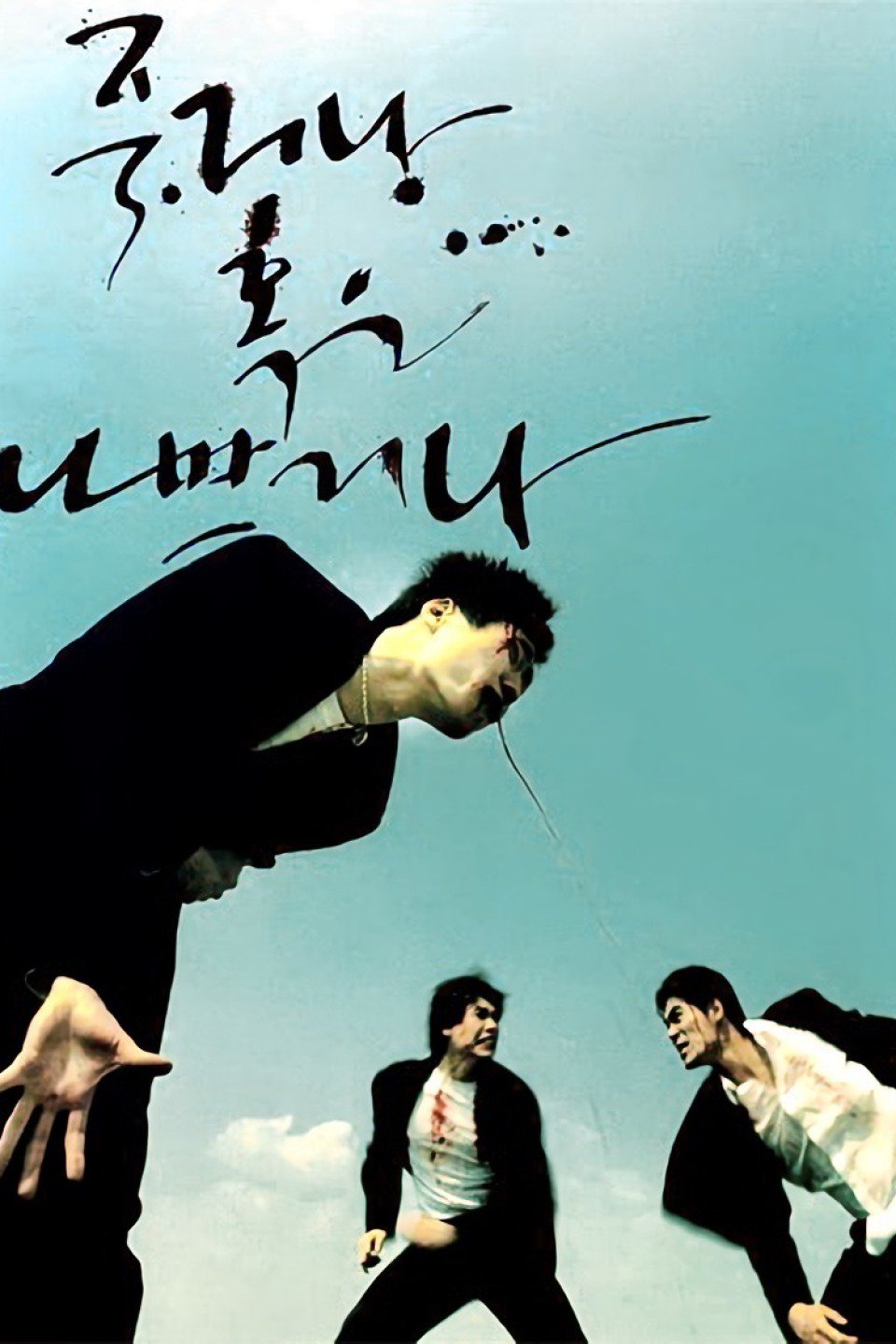
die bad posterRyoo Seung-wan is now one of Korea’s top directors with such high profile box office hits as Berlin File, Veteran, and Battleship Island to his name. Back in 2000, he was just a young punk trying to make his mark in the film industry. Die Bad (죽거나 혹은 나쁘거나, Jukgeona Hokeun Nabbeugeona), Ryoo’s feature debut is, in reality, a series of four connected shorts (some of which were screened individually) telling an all too familiar story of a life ruined in adolescence giving way to a gangland nightmare and a nihilistic struggle for survival. Shot on grainy, low budget 16mm, Ryoo’s aesthetic is clearly influenced by the cinema of Sogo Ishii and perhaps Shinya Tsukamoto in its intensely kinetic, punk rock rhythms but he brings to it a youthful, angry fatalism so often seen in Korean youth drama.

Told in four chapters each of which is filmed with a different conceit, Die Bad is the story of Sung-bin (Park Sung-bin), a young man whose future is derailed after he kills a boy by accident in a pool room scuffle. When he gets out of jail, his father doesn’t want to know him and his friends have moved on but his brother gets him a job in a garage and it seems as if he’s finding his feet. When he comes across a guy getting beaten up in the street, he’s hesitant to get involved – literally seeing the ghost of the boy he killed in amongst the aggressors. Eventually he intercedes and rescues the guy who turns out to be a well connected mobster.

Meanwhile, while Sung-bin was inside, his friend who started the fight that fateful night, Seok-hwan (Ryoo Seung-wan), has become a policeman. Seok-hwan’s little brother, Sang-hwan, is getting involved in the same typically teenage punk violence which defined the adolescence of Sung-bin and Seok-hwan. A police round up engineers a fateful reunion between Seok-hwan and Sung-bin who discovers a way of getting back at the “friend” he feels destroyed his life though targeting the impressionable little brother with big time gangster dreams.

Given the unusual production circumstances behind Die Bad – the decision to incorporate two existing short films and combine them with two new ones to create a single feature, it’s no surprise that it can feel disjointed. The first segment, The Rumble, is pure punk spectacle. Set to a ferocious beat, the camera becomes a protagonist as Ryoo mixes frequent POV shots careering down narrow streets with more abstract sequences of the boys fighting the camera, extreme close-ups and artful contemplations of the awful beauty of violence.

Nightmare continues in more or less the same vein but “grows up” along with Sung-bin, dropping the frenetic, testosterone fuelled pace for a slower kind of melancholy as Sung-bin tries to find his feet as an ex-con in an unforgiving society. The Rumble was an indictment on the hopeless situation of young men without prospects – unlikely to escape through academic success, Sung-bin and Seok-hwan exorcised their feelings of impotence and impossibility through violence, but The Nightmare is its inescapable aftermath in which Sung-bin, having paid for his crimes, is unable to come to terms with his guilt and is haunted by the face of the boy he killed by accident. Given no real hope for a positive future, Sung-bin gives in to the lure of violence and eventually pursues gangland success rather than a life on the straight and narrow.

The ironically titled Modern Men rams this point home in its deliberate contrasting of Sung-bin and Seok-hwan – the gangster and the cop. Ryu moves away from the naturalism of the earlier scenes for a docudrama conceit as both Seok-hwan and Sung-bin’s mentor Tae-hoon give direct to camera interviews talking about their respective careers. Tae-hoon wound up a gangster for similar reasons to Sung-bin, he was a regular punk teen with no prospects who was handy with his fists so he joined a gang where his talents could be of the most use. Seok-hwan joined the police but his job involves a lot of tussling with thugs and there are times he’s not even sure if he’s a policeman or state sponsored gangster. He no longer has hopes or dreams and his only desire is to work hard without encountering any hassle. Both men define themselves through violence, they dress for the fight and chart their success through defeats and conquests. Yet both also claim that their violence is in the name of “maintaining order” even as they create chaos in facing each other.

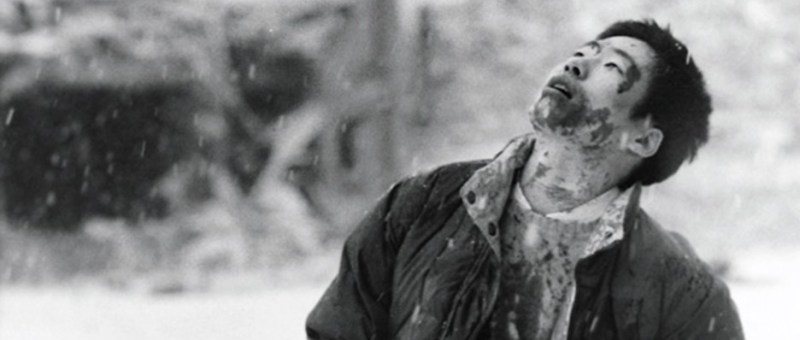
For the final segment, Die Bad, Ryoo shifts to black and white as the stories of Seok-hwan and Sung-bin reunite. Times have changed, but not all that much. Sang-hwan, Seok-hwan’s little brother, hangs around in arcades with his buddies but Streetfighter soon gives way to Streefighting as the boys determine to work out their youthful frustrations through violence. Sang-hwan, brought up on an image of violence as masculinity is eager to prove himself, and dreams of the glamorous gangster life. Sung-bin, the jaded, reluctant veteran, makes cynical use of Sang-hwan’s desperation to get revenge on his brother for ruining his life by engineering the fight that cost both Sung-bin and his victim their lives. Cop or thug, there are no winners in Ryoo’s violent world in which the disenfranchised masses are encouraged to scrap to the death for the mere crumbs thrown to them. Fiercely kinetic and filled with the fire of youth Ryoo’s debut is an extraordinary meditation on the fatalism of violence as the most intimate, or perhaps the only, means of communication between men.


Screened at London Korean Film Festival 2017.

On the Beach at Night Alone (밤의 해변에서 혼자, Hong Sang-soo, 2017)

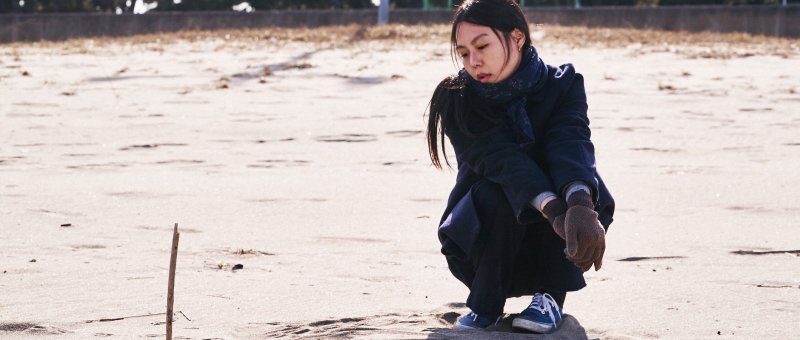
on the beach at night alone posterIt might be unkind to suggest that Hong Sang-soo has essentially been remaking the same film for much of his career, but then again his most characteristic approach is one of re-examination, taking one event and turning it around to see how things might have played out differently if fate had only been kinder. On the Beach at Night Alone (밤의 해변에서 혼자, Bamui Haebyunaeseo Honja) eschews Hong’s usual repetitions, but zooms in deeper on its protagonist’s agonising emotional crisis as she attempts to deal with the fallout from a passionate yet inadvisable affair with a married director which threatens to destroy not only her personal life but also the professional in conservative Korean society. The elephant in the room is, of course, that lead actress Kim Min-hee and the film’s director Hong Sang-soo were themselves involved in a messy affair which scandalised their home nation, forcing the lovers abroad and away from media speculation but perhaps not from the uncomfortable questions surrounding their relationship.

Divided into two parts shot by different cinematographers, the film begins in Hamburg where well known actress Young-hee (Kim Min-hee) has travelled to visit a friend, Jee-young (Seo Young-hwa), to clear her head and get away from all the fuss at home. Jee-young has been living in the city for a few years since her own marriage ended – like Young-hee she came to visit a friend and subsequently decided to stay. Young-hee thinks perhaps she could do the same but is surprised when her friend reacts negatively to the idea of her moving in. The two women chat and try to talk out Young-hee’s ongoing indecision and emotional turmoil while she waits to see if her married film director lover will really come to Hamburg to meet her as he says he will or lose his nerve at the last moment.

The second half picks up some time later with Young-hee (presumably the same Young-hee or at least a woman with a very similar backstory) in a cinema watching a film. She’s gone home to Korea and to her tiny seaside hometown rather than the harsh streets of Seoul. Whilst there she runs into a series of old friends, many of whom have also boomeranged back from the big city, finding it relentless and unforgiving in its unrealistic expectations of their desire for success. Young-hee is just as mixed-up as she was in Hamburg, but her collection of friends prove less reliable sounding boards than the world weary yet perceptive Jee-young.

Hong’s films have often revolved around self-centred, neurotic men who treat women badly while the women remain exasperated yet resigned and only occasionally hurt. Digging deep, Hong makes an effort to look at something from the other side in painting a picture of the real emotional damage done by the kinds of affairs his usual protagonist may engage in (though to be fair most of protagonists are eventually rebuffed by their objects of affection). Kim’s nuanced performance is raw and painful. Hurt and brokenhearted, Young-hee is angry with her former lover but still, she misses him, wonders how he is, hopes he’ll be alright but also, in a way, that he won’t.

Young-hee is a mess of contradictions – she says she won’t wait and then she waits, she says she won’t drink and then she does (to excess), she says she’s overly direct yet she consistently avoids speaking directly, she says harasses people and messes everything up but all she seems to do is isolate herself and avoid connection, she goes to Hamburg to escape and then feels trapped. Jee-young, a little older, seems to have pinned herself down but says she feels somewhat jealous of Young-hee’s youth, her confidence and capacity for desire. There is a melancholy quality to Jee-young’s conviction that she is “the kind of person who lives alone”, but she harbours no resentment towards her former husband, only a mild sense of regret in having wasted his time. Young-hee may be filled with desire, but has no idea what for.

On the Beach at Night Alone shares its title with a poem by Walt Whitman which, like many of Whitman’s poems, is essentially about the interconnectedness of all things and overwhelming sensation of suddenly feeling a part of a great confluence of existence. It is in that sense ironic as Young-hee and many of her friends continue to feel isolated and alone, playing it safe and avoiding the risk of true connection only to find settling for the sure thing more painful than the emotional implosion of Young-hee’s daringly bold affair of the heart. A night on a beach alone affords her the opportunity of sorting things out, if only in her head, finally learning to stand up and walk away towards an uncertain, but hopefully self-determined, future.


Screened at the BFI London Film Festival 2017.

Trailer (English subtitles)