
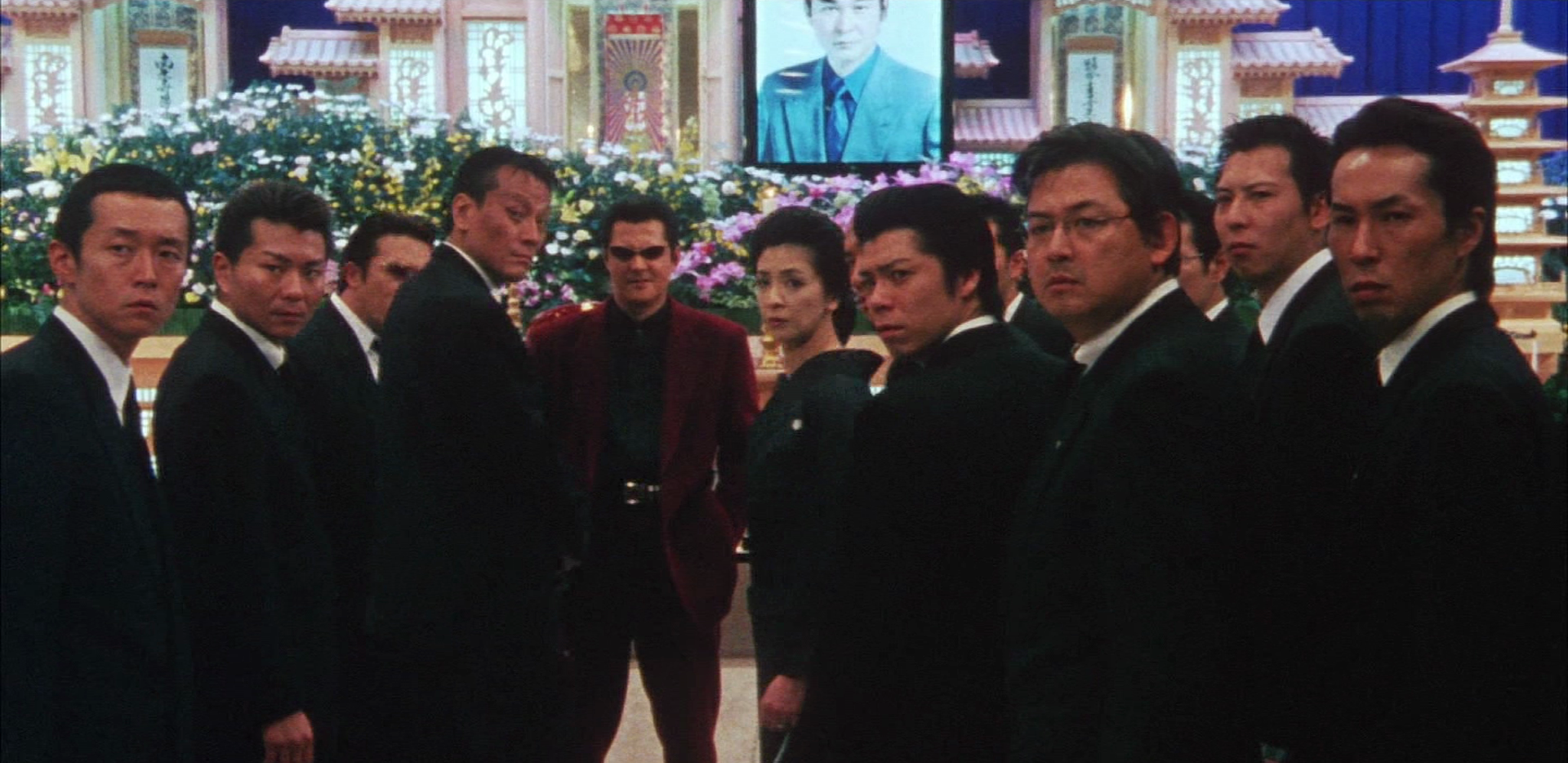
More than twenty years after the first instalment, Ginjiro Manda (Riki Takeuchi) is still collecting debts in Minami and busier than ever as a stagnant economy and increasingly amoral form of capitalism begins to take hold on the area. Manda likes to think of himself as an ethical loan shark, though he too charges obscene mounts of interest and is not above using threats and manipulation to get his money back even if he stops short of actual violence.
Hoping to get restaurant owner Sugawara to pay up at least the interest on his loan, Manda’s associate Shin (Kenta Kiritani) goes to the trouble of hiring a hearse to scare him into honouring his debts, while Manda suggests he kill himself and pay them back with the life insurance money. Once again, Sugawara’s woes appear to be caused by what Manda sees as personal failings such as a gambling addiction and inability to knuckle down and focus on honest work. Nizato, meanwhile, is more a victim of circumstance if also his own poor business acumen and what Manda may see as a weak character in his tendency to continue taking out one loan just to pay another in the mistaken conviction that his business will magically turn around.
Manda advises him to get a divorce because he married into his wife’s family to take over the factory and could apply for more legitimate business loans under his birth name. Spinelessly, he considers it, until his wife shuts him down. The problem is that both he and Sugawara have is that they can’t look past the present and will do anything just to get the money without thinking about the consequences. That’s one way they’re suckered in by a new network of yakuza-backed loan sharks run by moody gangster Domoto (Daisuke Ryu) who is in a permanent bad mood because ever since his boss died, his widow, Yukino, has been running the show rather than appointing him as the new leader.
Annoyingly for him, Yukino is actually quite good at leading a yakuza clan and is well respected by the other men with only Domoto complaining. His attitude towards her bears out the misogyny of the surrounding society in which it is assumed women always have ways of making money. Another of Manda’s clients, bar hostess Mayumi, is having trouble paying him back because her clients welch out on their debts. Manda and Shin tell her to do sex work instead because it pays faster, in a tactic not dissimilar from the hearse they hired for Sugawara. Despite agreeing to pay the interest, Mayumi eventually dodges the debt because her yakuza boyfriend Kawatani starts throwing his weight around forcing a confrontation between Manda and the yakuza encroaching on his turf.
Though he may not be actually all that much better, Manda is at least more principled Domoto who is only using his debt collecting business to fuel his illegal organ transplant trade. Scamming desperate people by encouraging them to take out impossible loans and then saddling them with even more through nefarious guarantor schemes, he traps them in debt then forces them to use their organs as collateral. A minor subplot explores the precarious position of organ transplantation in Japan due to cultural notions to do with the nature of death and a fear of exploitation which make such procedures much more difficult than in other areas of the world. Yukino, the defender of old-school yakuza values, doesn’t approve of Domoto’s actions, either aligning her with Manda as a guardian of a down-to-earth working-class Minami rather than those like Domoto who think only of money and their own position.
Then again, Ginjiro does otherwise take on a kind of supernatural quality in his insistence that a debt must always be repaid and he will reclaim his money come hell or high water. Though his primary reason for saving Sugawara and Nizato is that they can’t pay him back if they’re dead, he’s not entirely indifferent to their fate and does try to give sensible financial advice such as it being inadvisable to take out one of his high-interest loans especially if you have several existing debts already. He is, however, still a part of this system and wilfully taking advantage of people’s weakness in the pursuit of riches even if he does have, as he says, a code and his own brand of righteousness no matter how compromised it might otherwise seem to be.


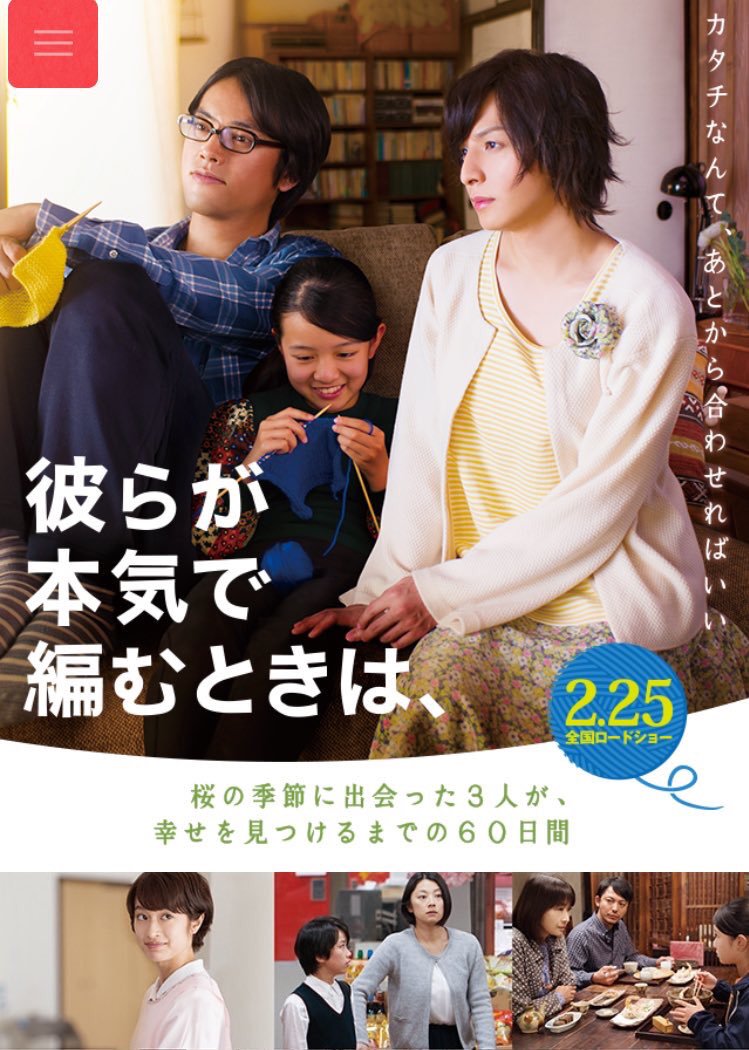 While studying in the US, director Naoko Ogigami encountered people from all walks of life but on her return to Japan was immediately struck by the invisibility of the LGBT community and particularly that of transgender people. Close-Knit (彼らが本気で編むときは, Karera ga Honki de Amu Toki wa) is her response to a still prevalent social conservatism which sometimes gives rise to fear, discrimination and prejudice. Moving away from the quirkier sides of her previous work, Ogigami nevertheless opts for a gentle, warm approach to this potentially heavy subject matter, preferring to focus on positivity rather than dwell on suffering.
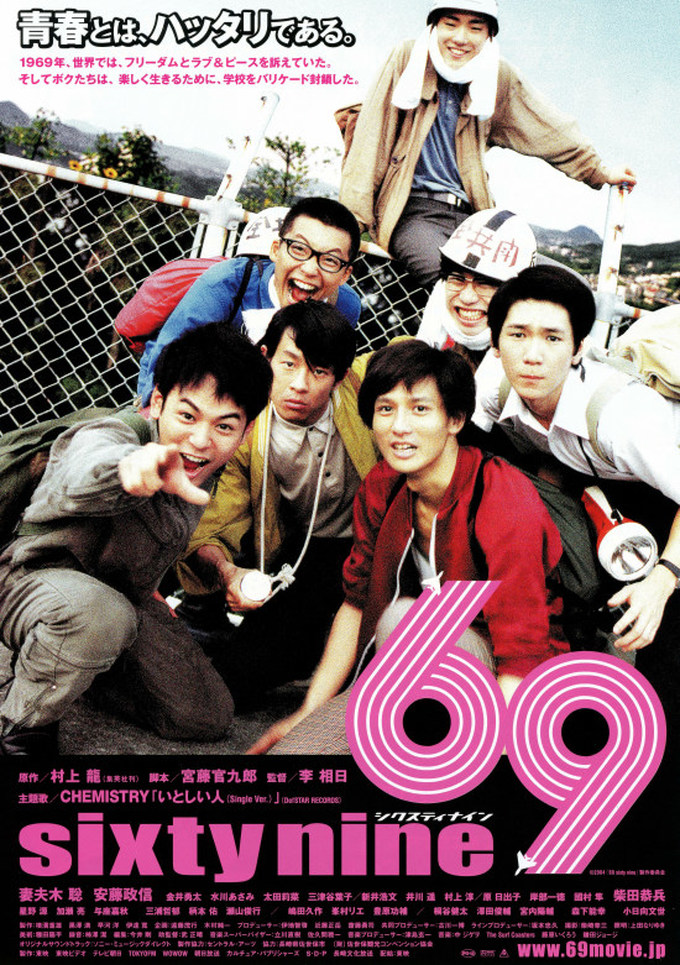 Ryu Murakami is often thought of as the foremost proponent of Japanese extreme literature with his bloody psychological thriller/horrifying love story
  Windows on Worlds