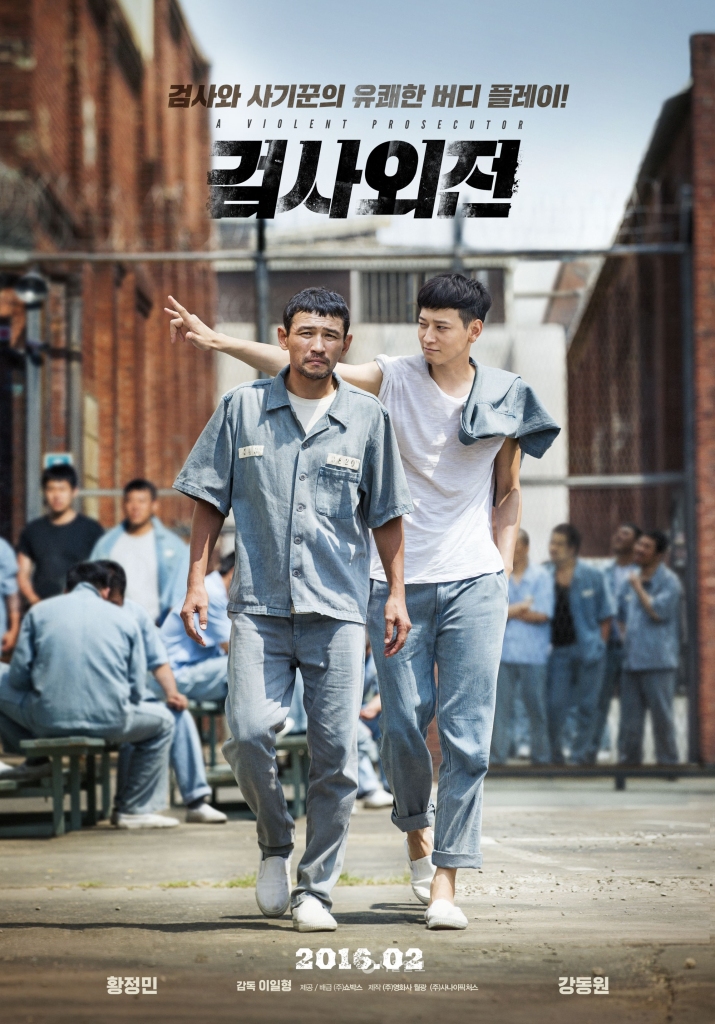
 Review of Lee Il-hyeong’s A Violent Prosecutor first published by UK Anime Network.
Police brutality is something of a hot button issue at the moment, so it’s a little disconcerting to see a film like A Violent Prosecutor (검사외전, Geomsawejeon) casting a rogue cop with a penchant for forced confessions as its hero. Then again, the theme plays into the obvious retro charm on offer and the film does, at least, make it plain that violence should have no place in law enforcement. The debut feature from director Lee Il-Hyeong, A Violent Prosecutor has a distinctly ‘70s vibe from its quirky credits sequence to the carefully managed tone which manages to be both serious and not at the same time.
Hwang Jung-min plays hardline prosecutor Byun Jae-wook, feared more than respected because of his willingness (or perhaps eagerness?) to indulge in physical violence in the name of justice. Already known as a trouble maker, Byun’s maverick status is an exploitable weakness and so when he kicks up a fuss trying to expose an obvious cover up, he’s framed for wrongful death after a witness dies in police custody.
Sent to prison among many of the men he helped to put there, Byun quickly finds his feet by providing free legal advice to the guards. Five years later, Byun has become the one of the prison’s top dogs but he’s still intent on clearing his name and nailing the guys who did this to him. Enter suave conman Chi-won (Gang Dong-won) and Byun sees an opening…
Aside from Byun’s problematic approach to his work, he’s definitely one of the good guys as justice, politics, and business have all come together in a whirlwind of mutually beneficial corruption. The whole mess begins during an environmental protest against an industrial complex which is about to be built right next to a bird sanctuary. The evil corporate bozos don’t want any delays so they pay a bunch of gangsters to infiltrate the protest and start a riot to make the environmentalists look like crazed, violent, loonies. Unsurprisingly, public opinion about the development improves following the unpleasant actions of the protestors. The police were just supposed to go along with this (police in Korean films never seem very interested in solving crimes after all), but Byun is different, he smells a rat and he’s not going to roll over and let powerful corporations abuse justice.
Unfortunately, his dedication is not matched by his colleagues who are more interested in their own careers than abstract concepts like truth or justice. Receiving pressure from above and realising Byun can’t be talked down, they decide to take drastic action. One of Byun’s bosses, Kang (Kim Eung-soo), later decides to move into politics, having solidified support through this alliance with the money guys, and is then interested in nothing other than his own success – lying, cheating, and smiling his way to the top. Corruption stemming from the power of monied corporations has become a constant theme in recent Korean cinema and A Violent Prosecutor makes good use of its cinematic background even if treating the subject matter in a necessarily light way.
Essentially, A Violent Prosecutor is a buddy comedy in which the two guys at the centre are kept apart for much of the film. Byun uses his hard won legal knowledge to fight his way out of prison by playing by the book, learning the error of his ways in the process. More often than not, he’s the straight man to Chi-won’s constant scamming as the charming conman comes up with one zany scheme after another trying to keep himself out of trouble whilst also helping Byun enact his plan of revenge. Actor Gang Dong-won is on fine form as the slippery but somehow loveable Chi-won whose main line of work is scamming chaebol daughters out of their inheritances by convincing them he’s a Korean-American Penn State business school graduate, peppering his speech with Americanisms but clueless when challenged on his English. He also deserves bonus points for subverting the “escape from prison dressed as a guard” trope by trying to escape from a corridor full of thugs by blending in with the very men sent to capture him.
Ending in a spectacular, if ridiculous, courtroom finale in which Byun defends himself by forcing a confession in a new, more acceptable way, A Violent Prosecutor delivers the necessary “justice” to all who seek it. Byun learns the error of his ways and accepts that his own violence was at least partly to blame for the way the situation developed, but also ensures that he gets justice for everyone else so that the rich and powerful can’t be allowed to ride roughshod over the people with no one to defend them. A smart buddy comedy, A Violent Prosecutor isn’t exactly the exploitative action fest the title seems to promise but is undoubtedly influenced by the bad cop movies of the ‘70s and excels at finding humour even in the strangest of places.
Reviewed at the 2016 London Korean Film Festival.
Original trailer (English Subtitles)
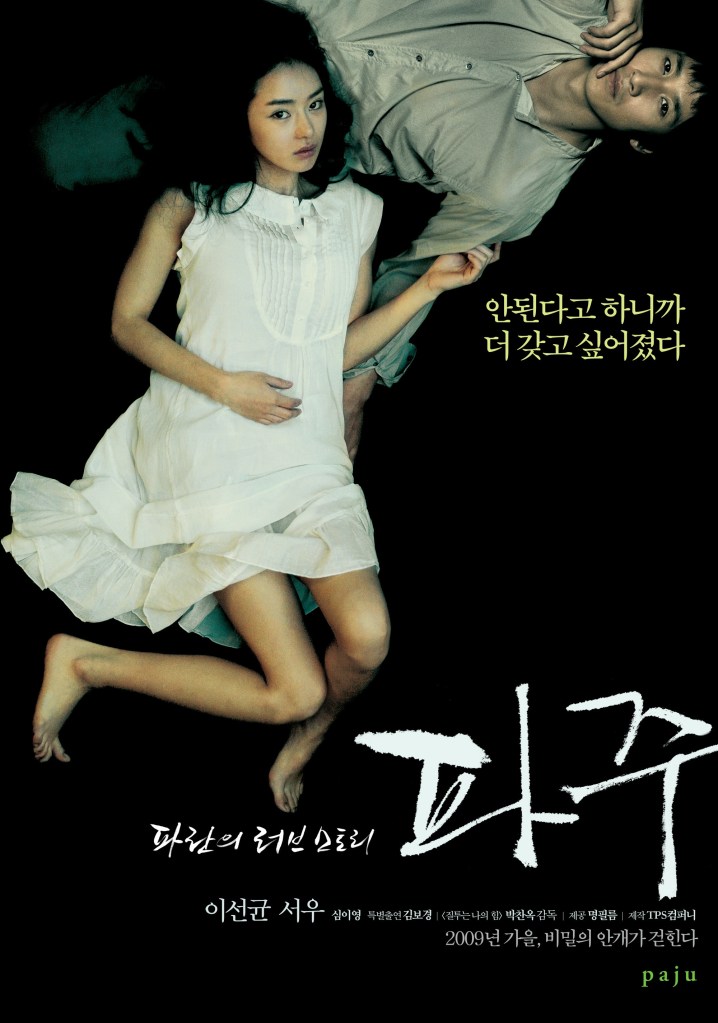 Paju (파주) is the name of a city in the far north of Korea, not far from “the” North, to be precise. Like the characters who inhabit it, Paju is a in a state of flux. Recently invaded by gangsters in the pay of developers, the old landscape is in ruins, awaiting the arrival of the future but fearing an uncertain dawn. Told across four time periods, Paju begins with Eun-mo’s (Seo Woo) return from a self imposed three year exile in India, trying to atone for something she does not understand. Much of this has to do with her brother-in-law, Joong-shik (Lee Sun-kyun), an local activist and school teacher with a troubled past. Love lands unwelcomely at the feet of two people each unable to make us of it in this melancholy coming of age tale shot through with tragic irony.
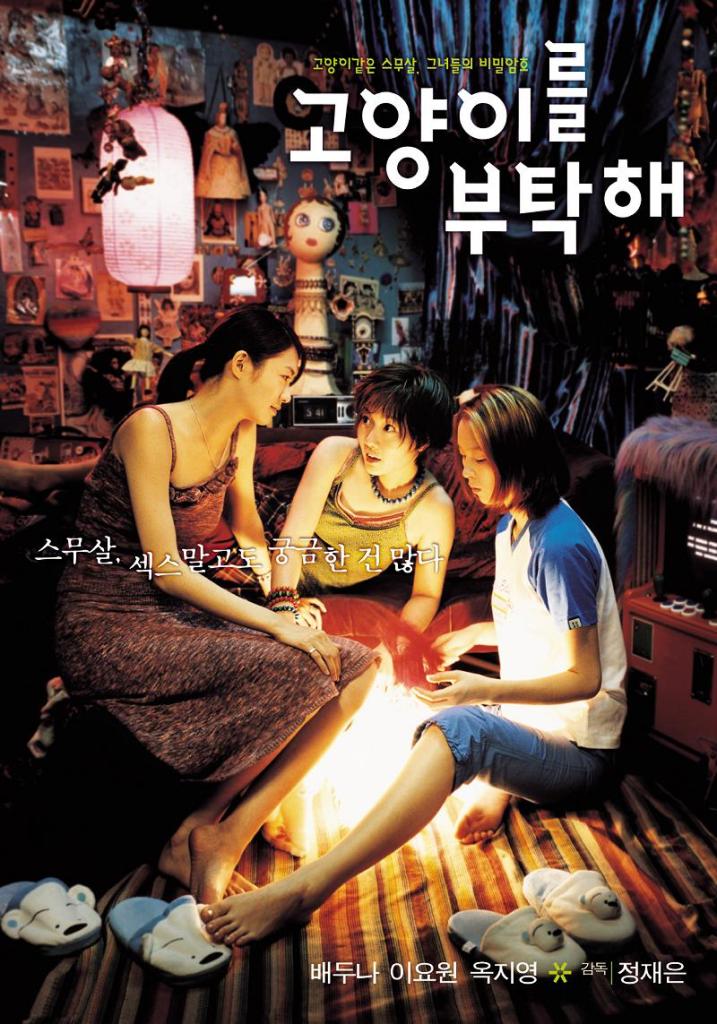 The time after high school is often destabilising as even once close groups of friends find themselves being pulled in all kinds of different directions. So it is for the group of five young women at the centre of Jeong Jae-eun’s debut feature, Take Care of My Cat (고양이를 부탁해, Goyangileul Butaghae). All at or around 20, the age of majority in Korea, the girls were a tightly banded unit during high school but have all sought different paths on leaving. Lynchpin Tae-hee (Bae Doo-na) is responsible for trying to keep the gang together through organising regular meet ups but it’s getting harder to get everyone in the same place and minor differences which hardly mattered during school grow ever wider as adulthood sets in.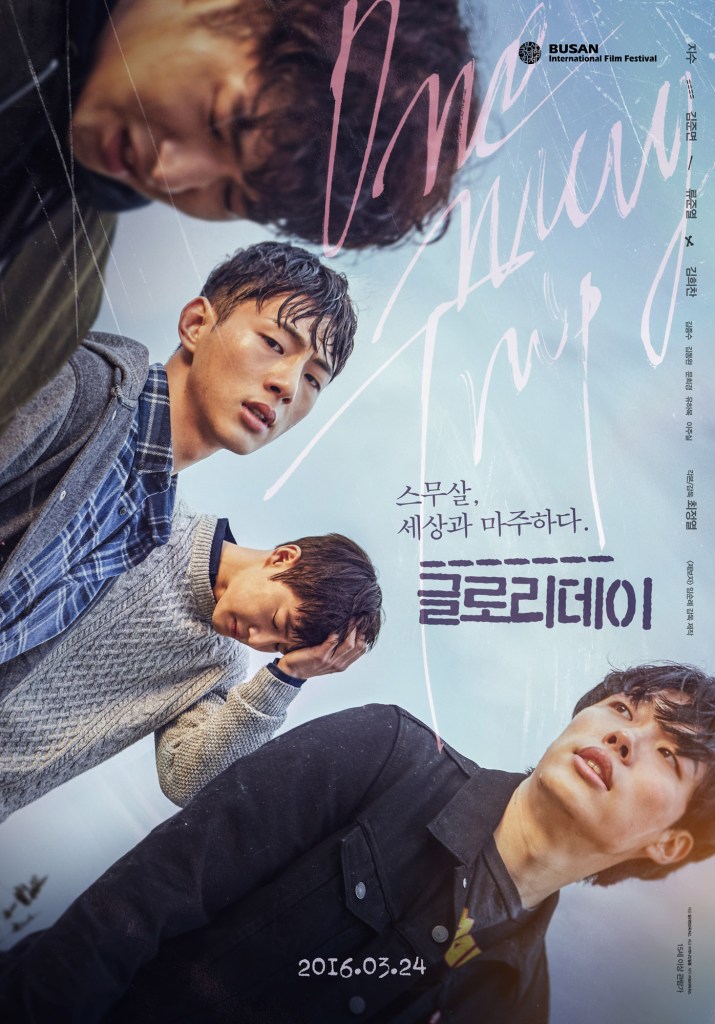

 Politics in South Korea has never been exactly drama-free, though recent times have seen a multitude of storms engulf its top brass running from the national to the personal. Frequent Park Chan-wook collaborator Lee Kyoung-mi’s followup to her acclaimed 2008 debut Crush and Blush, The Truth Beneath (비밀은 없다, Bimileun Eobda) begins as if it’s going fit into the ‘70s dark political thriller mould but gradually shifts gear to present both a bleak family drama and the story of one woman’s descent into the near madness of grief as she attempts to uncover the true circumstances behind her private tragedy even as it plays out on a national stage.
 Windows on Worlds