Dong (东, Jia Zhangke, 2006)

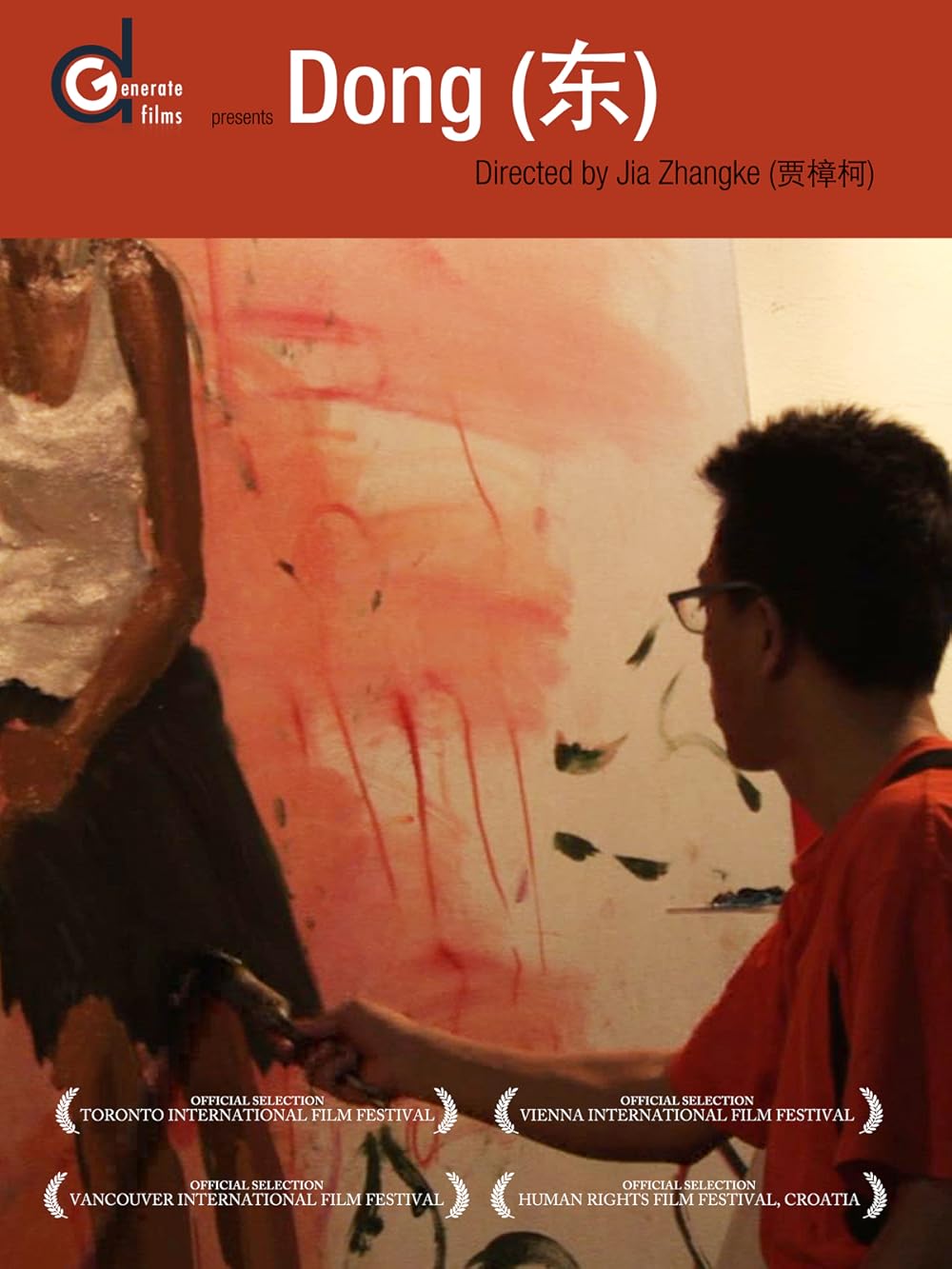
“It’s all pointless anyway, so let’s just do whatever we feel up to,” according to the sometime protagonist of Dong (东), the first in what would become Jia Zhangke’s artist trilogy. Shot alongside Still Life, Jia’s profile of artist Liu Xiaodong takes him from the soon-to-be drowned world of the Three Gorges to the floating Bangkok in a seeming inversion of his artistic pursuits but also perhaps contemplating his role and significance as an artist in the face both of great change and immutable legacy. 

Liu’s primary project in the Three Gorges is to document the existence of the labourers working to dismantle the town of Fengjie prior to its drowning by means of one of his five-part paintings. He tells us that he likes to be able to see his subjects from far away to gain greater “distance and precision”, looking down on them from above as if he were standing on a wall. He is, in a sense, already elevating himself, adopting a somewhat elitist view as an all-seeing artist even as he is careful to redraw reality through advanced theatrical staging which sees the men dressed only in a pair of blue trunks as they “relax” on a rooftop with the mountains behind them. Yet we also see him as a tiny figure roaming the increasingly ruined landscape of Fengjie, lost amid its emptiness or dwarfed by the endless majesty of the Gorges. His insignificance is perhaps brought home to him when he makes a difficult journey obstructed by flooding to the home of one of his subjects who recently passed away in an accident, bringing with him fancy toys for the children and photographs for the adults but equally out of place in this man’s home, an intruder on their grief and accidental narcissist scene stealing at a funeral. 

It is perhaps this sense of displacement that sends him to Thailand where he admits he understands nothing and can only “comprehend the human face, the girls’ scantily clad bodies”. Taking his subject as a collection of local sex workers, he has not chosen a natural background for the paintings as he usually would but can only “focus on the body in its elemental form”. Yet in contrast to his depiction of the labourers, his female models are in fact not particularly scantily clad at all even as they’re painted with a detached melancholy in opposition to the cheerful camaraderie of the workers relaxing on the roof. Indeed, Liu seems to have a preference for the vigour and vitality of the male form, making a rather unexpected remark on the magnificence of one young man’s penis before launching into an explanation of his practice of martial arts as a means of self-defence against a flawed legal system. 

“If you attempt to change anything with art, it would be laughable,” he later tells us, explaining that the most he can do is try to express himself, admitting in a sense that he too exploits his subjects in turning them into art which is intended to critique their exploitation. “I wish I could give them something through my art. It’s the dignity intrinsic to all people,” he somewhat pompously adds, as if he thought them robbed of their dignity before and that it was something in his power alone to bestow before going on to lament that he resents the primacy of the Western tradition, revealing that he’s begun to admire the “visual impact of historical relics” of ancient Chinese art which has led him to value the ruined and incomplete. But then he adds, it’s all pointless anyway, you might as well do what you feel, later voicing his anxiety as an artist operating in relative freedom with no real way to assess his achievements outside of his own satisfaction. 

Even Jia perhaps loses patience with his subject’s eccentric philosophising, peeling off to follow one of the Thai models on her bus journey home where on turning on her TV set she learns of flooding in her village, neatly mirroring the villagers near Fengjie. Liu tells us that sad things are closer to reality, but Jia paradoxically returns to us to a kind of joy despite the obvious irritation of the model as waiters randomly dance in small cafes before undercutting it with complexity as a pair of blind musicians busk in a busy marketplace, trailing their song with a portable karaoke machine less for the love of it or the art or even the desire to be heard than the desire to be fed. 


Left-Handed Girl (左撇子女孩, Tsou Shih-Ching, 2025)

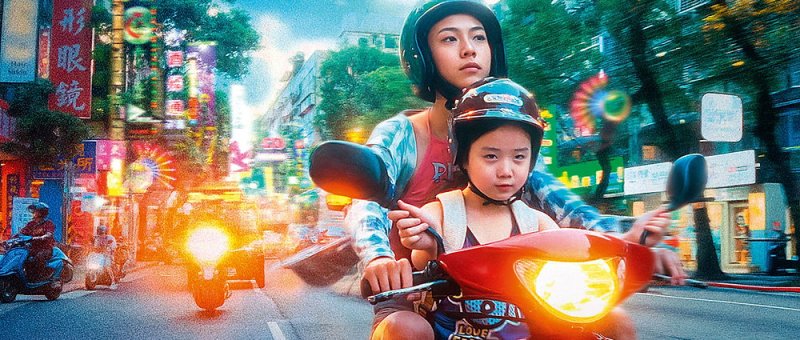
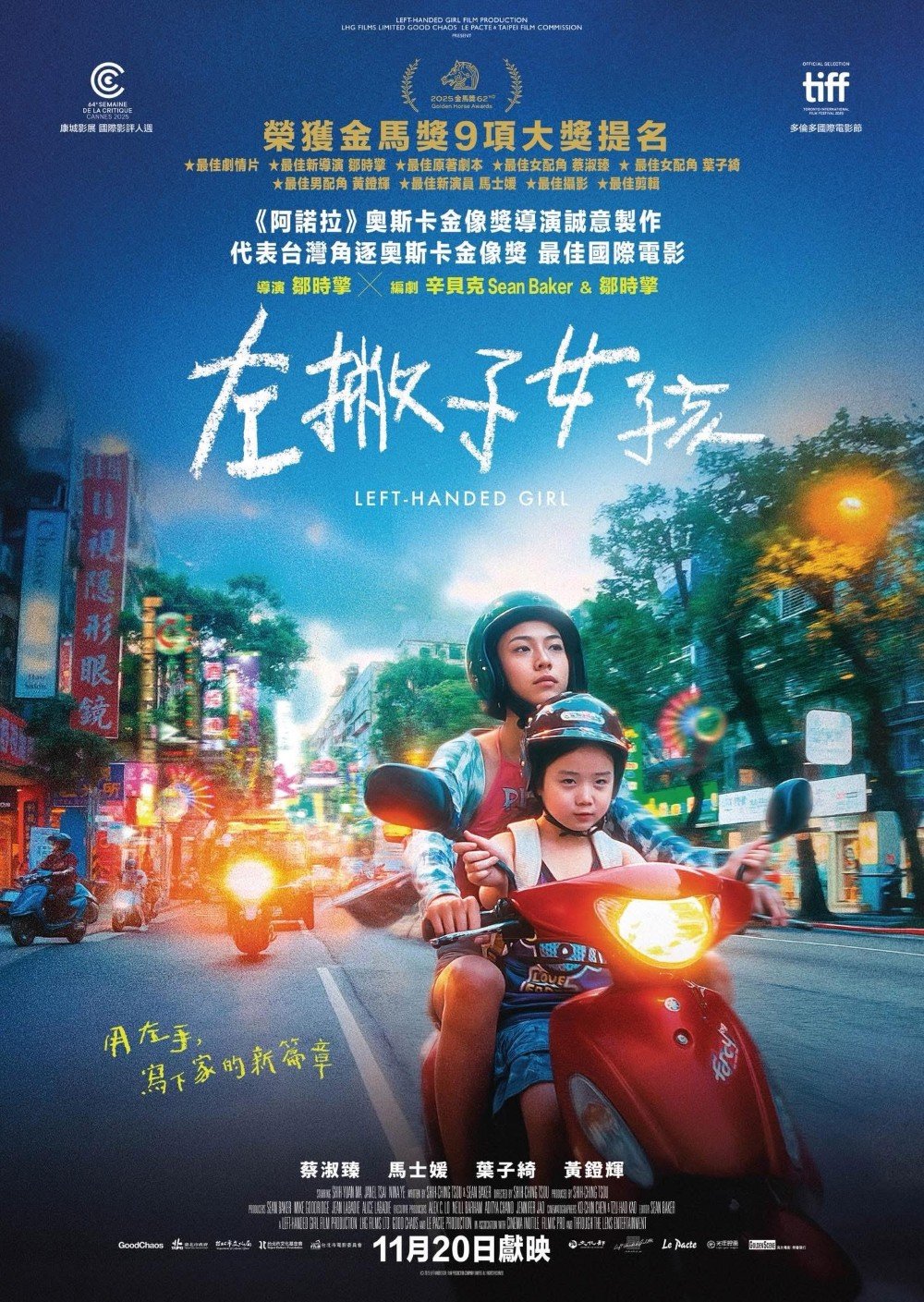
A small family’s attempt to start over by moving to Taipei is frustrated by the baggage they take with them and that which was already there in Tsou Shih-Ching’s whimsical family drama, Left-Handed Girl (左撇子女孩, zuǒpiězi nǚhái). As women alone, they must contend with a patriarchal society and harsh economic environment along with a conservative culture that is often unforgiving of difference and reluctant to grant second chances to those it believes have transgressed its boundaries.

The titular left-handed girl, I-Jing (Nina Ye) describes the city as seeming like a magical place, though it’s certainly noisy and indifferent to her presence. Her mother Shu-Fen (Janel Tsai) laments that their apartment is smaller than it looked in the photo, as if signalling a sense of disappointment even before their new life has started. Oldest sister I-Ann (Ma Shih-Yuan) never finished high school and has got at a job at betel nut stand where the boss explains to a new recruit that her job is to create a sexual fantasy for the customer. I-Ann’s grandmother chastises her for her revealing outfit, warning her about “perverts and psychos” and that it’s dangerous to dress like that in the big city.

The grandparents are representative of a generation who grew up under an authoritarian regime and are fiercely traditional. Though the grandmother tells him to let it go, I-Jing’s grandfather is outraged and offended by her left-handedness. He tells her that it’s the Devil’s Hand meant only for doing the Devil’s work and bans her from using it in his home. I-Jing takes him a little literally and comes to believe that her left hand is an evil entity, but rather than being afraid, sees it as somewhat liberating in allowing her to do morally questionable things such as shoplifting. Only when an action habitually conducted with her left hand while forcing herself to draw with her right has unforeseen and tragic consequences does she begin to believe that her hand is a liability and consider cutting it off.

While her grandmother appears to be involved with some kind of human trafficking gang to make extra money, she’s reluctant to supply any more financial aid to Shu-Fen partly because of complaints from her siblings and particularly her sister. Though the grandmother had said the apartment would be left to the three of them equally, Shu-Fen knows she’s planning to leave everything to their brother whom she continues to idolise, though he’s long since moved to Shanghai and rarely visits. Awkwardly turning down another gig from her handler, she tells him her son has organised a lavish celebration for her 60th birthday. In reality, the daughters have planned everything with the son only arriving to mop up the glory. That it’s other women who perpetuate these outdated, patriarchal social codes is fully rammed home by the arrival of the wife of I-Ann’s boss with whom she has been having an affair. On learning that I-Ann is pregnant, she demands that I-Ann give the baby to them to raise if it’s a boy as they only have three girls. 

Shu-Fen, meanwhile, finds herself returning to care for her estranged husband who is dying of terminal cancer despite his abandonment and ill-treatment of her. Her decision doesn’t seem to be motivated by compassion or lingering affection so much as obligation. She feels she has to do this for him because he has no other family and she is still technically his next of kin. I-Ann in particular, along with the rest of her family, does not approve and is irritated that she’s once again allowing herself to be dragged down by a man. After he passes away, Shu-Fen is liable not only for all his medical fees but his funeral too, leaving her unable to meet her current expenses such as the rent for her pitch at a local hawker site where she supports the family with a noodle stand.

Her family also don’t seem to take to Johnny (Brando Huang), a man who seems nice and supportive, but also works as a market trader. The family appear to look down on him and implicitly on Shu-Fen for being engaged in what they see as a lowly occupation in much the same way that I-Ann becomes a figure of fun on bumping into some people from high school who are all now in university, though she left with no qualifications. Because of her betel nut store occupation, the boys treat her like a sex worker, while the boss, whom she did not know was already married, evidently never took their relationship very seriously. A desire to avoid reputational damage results in a series of destructive secrets that are abruptly blown open during the emotionally tense 60th anniversary party, but it does perhaps clear the air allowing the three women to reinforce their bond and finally begin living their own lives.


Trailer (English subtitles)
Gezhi Town (得闲谨制, Kong Sheng, 2025)

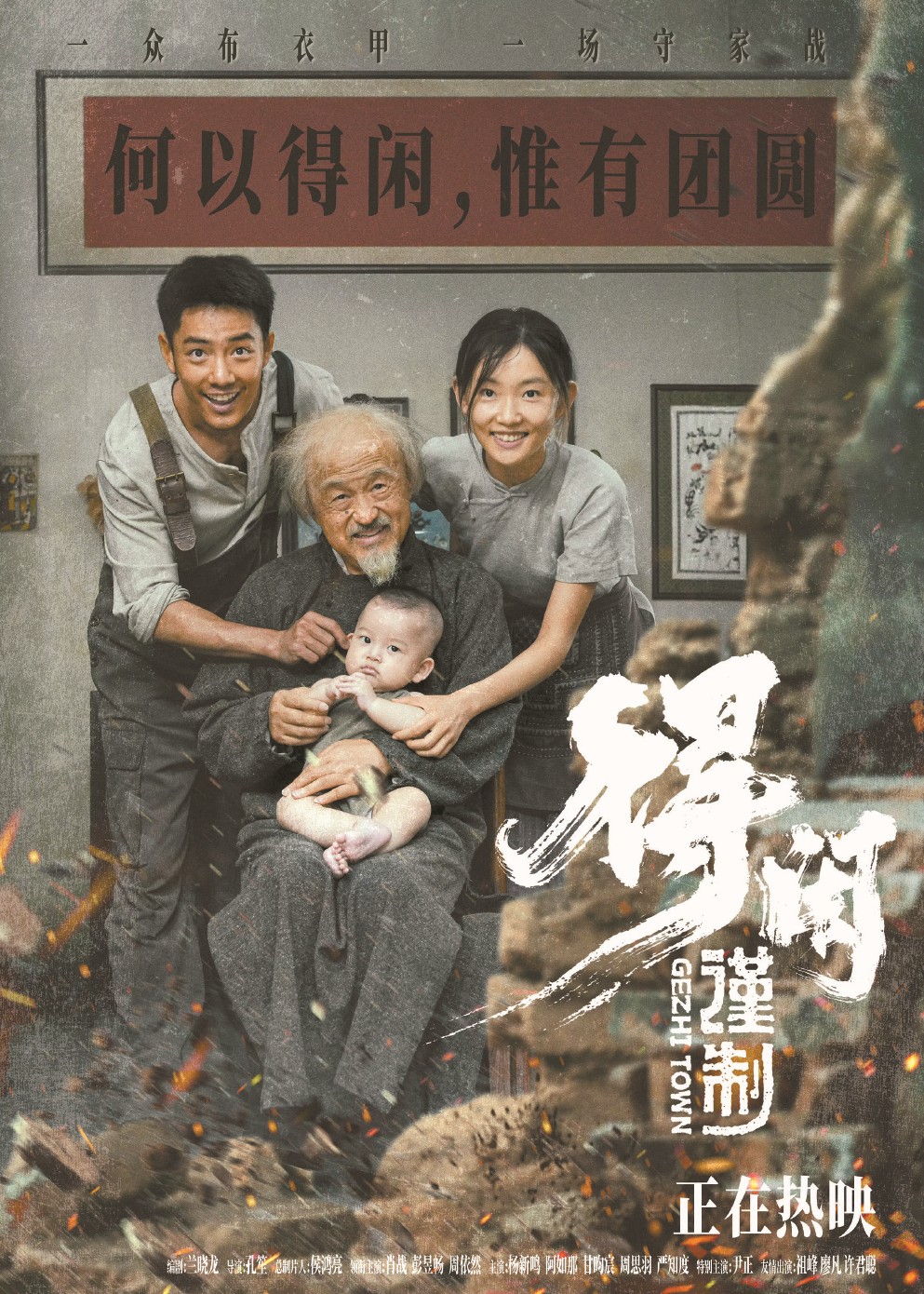
Fleeing the Japanese, a collection of former munitions factory workers and displaced soldiers take refuge in an abandoned village in Kong Sheng’s wartime action drama Gezhi Town (得闲谨制, dé xián jǐn zhì). Another in a series of films released to mark the 80th anniversary of the Chinese People’s War of Resistance Against Japanese Aggression and the World Anti-Fascist War alongside Dongji Rescue and Dead to Rights, the film is much more overtly propagandistic and an old-fashioned patriotism epic in which the hero’s quest to defend his home against the Japanese is quite obviously intended as a declaration that the modern China too will defend itself from incursion.

Indeed, Dexian (Xiao Zhan) says as much when risking his life to fire the artillery gun at a Japanese tank insisting that his resistance is not just for his own wife and child but for the future generations of the Chinese people. Getting in a few digs at Chiang Kai-Shek and the KMT, the film finds the heroes on the run implicitly denied their homeland in being forced into constant retreat. “I don’t want to die, I just want to go home,” the soldiers are fond of exclaiming, though already traumatised by their experiences, they’re effectively hiding from the war while attempting to create a new homeland in Gezhi Town after deciding to settle there rather than carry on along the road.  

Captain Xiao (Peng Yuchang) might actually be the worst artillery officer in history and has a habit of making exactly the wrong decisions that put all his men in danger while fiercely defending an artillery gun he doesn’t really know how to use and has little intention of doing so anyway. A former munitions worker, Denxian was press-ganged into accompanying them to do maintenance on the guns, but Xiao has only been paying him in IOUs. Like everyone else, he just wants a home and is wary of being made “homeless” again if the Japanese turn up, so has been sharpening many of his tools and his wife’s domestic implements into makeshift weapons, much to her chagrin. Xia Cheng (Zhou Yiran) objects in part because she thinks it’s dangerous for their young son Dengxian who seems to have hearing loss as a direct result of his exposure to warfare when they were on the road.

But the problem is that when the Japanese actually arrive, the villagers are largely clueless. One challenges a Japanese soldier with a bakeshop bayonet but drops it and grins when the soldier lowers his weapon slightly. The soldier then bayonets him. Others run directly into the Japanese soldiers’s blades, while Xiao’s men randomly shoot all their bullets in one go then realise that they have no idea what to do now they’re essentially unarmed even though there are only three Japanese men in the village at this point. Only Denxian, the plucky civilian, knows what to do though even he originally gives the sensible advice to hide and wait for the Japanese soldiers to go away because they won’t have time to do an intensive search of every house.

Then again, the Japanese are quite stupid too and arrogant rather than cruel as they were in Dead to Rights even if constant references are made to Nanjing. Despite the grittiness of its storyline, the film is essentially a comedy filled with goofy humour along with Denxian’s winning hero antics as he resolves to do whatever he can to save his wife and son even if it costs his own life. When the Japanese first arrive, a kind of defeatism sweeps across the village that is only eventually broken by Denxian’s realisation that they don’t have to give in to their fate but might as well go out fighting. The film paints him as a kind of folk hero, echoed in the closing song recounting his exploits while the final title card says that he went on to use his skills in the resistance against American imperialism and the assistance of Korea. Xia Cheng fares a little less well. Despite singing a song about the new women, her role is limited to motherhood while Denxian’s love of his family is a metaphor for love of the nation as he desperately tries to reclaim a home in the wake of constant incursions. Nevertheless, the use of silent-film style intertitles and flashback scenes shot in the style of pathé news sequences add a degree of poignancy to this boy’s own adventure story.


Trailer (Simplified Chinese / English subtitles)

The 36 Deadly Styles (迷拳三十六招, Joseph Kuo, 1979)

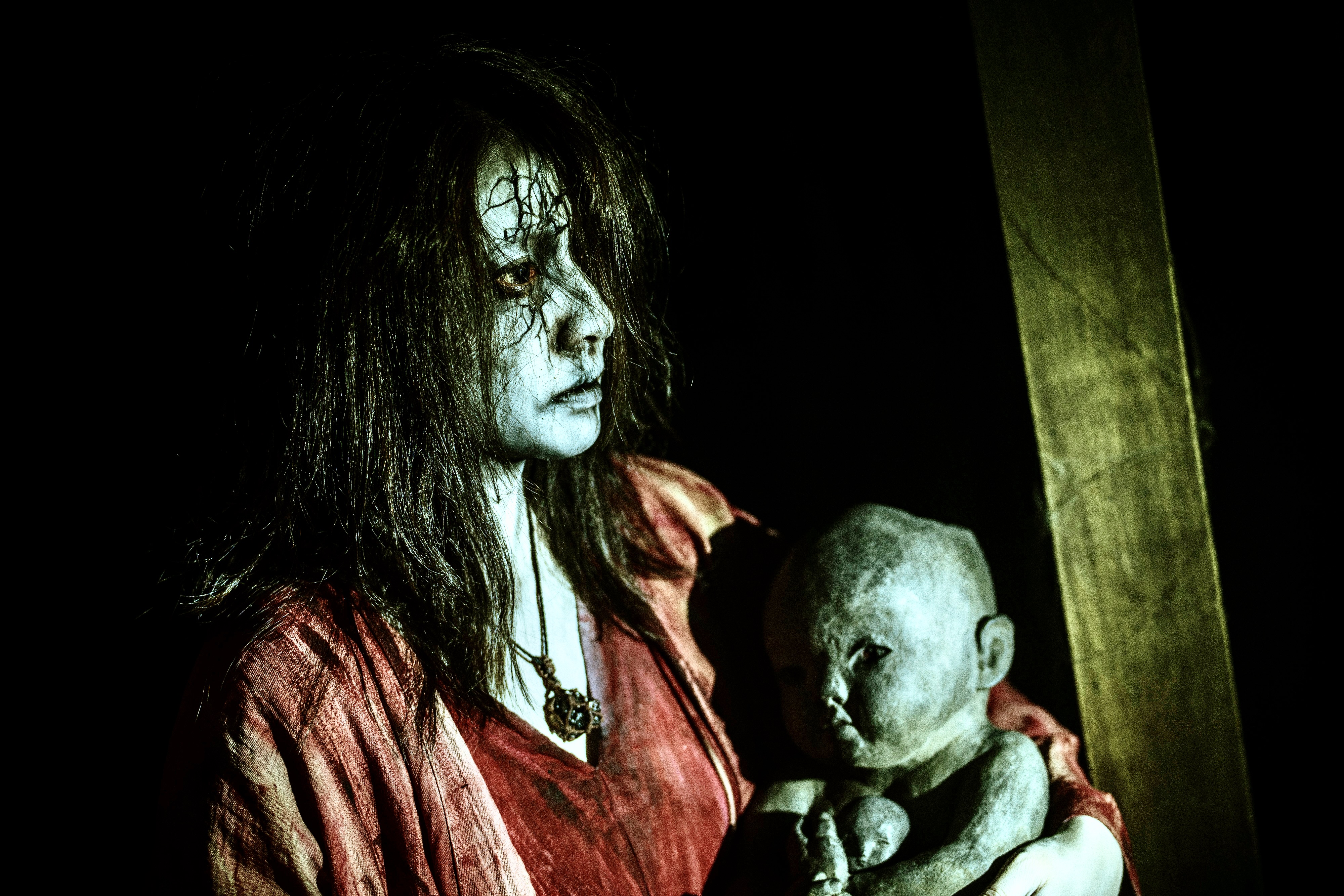
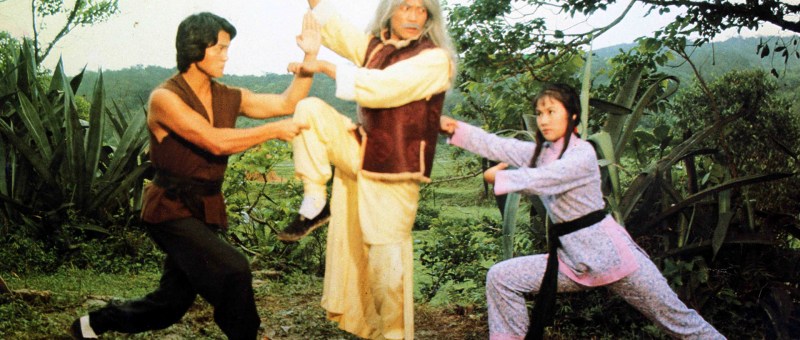
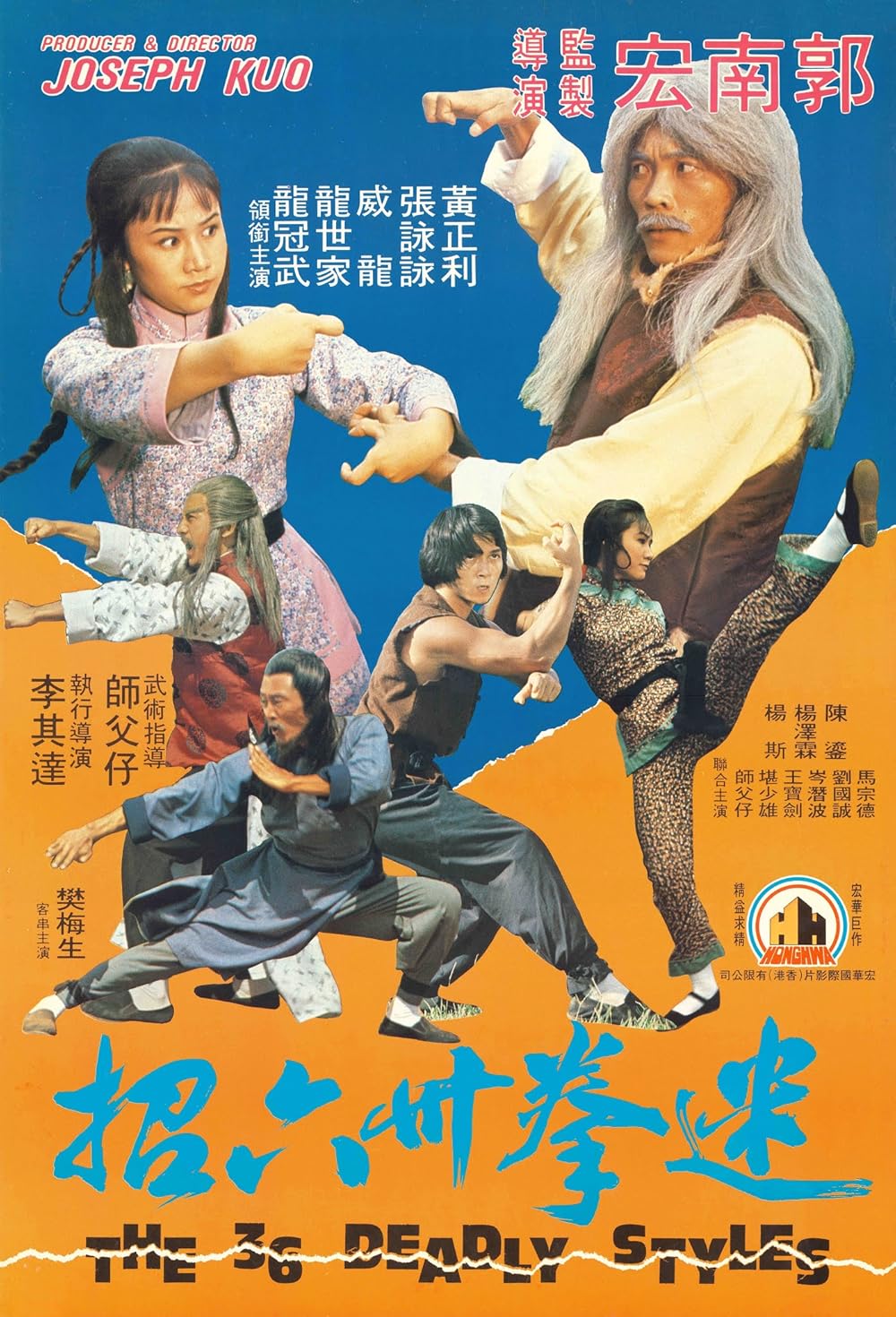
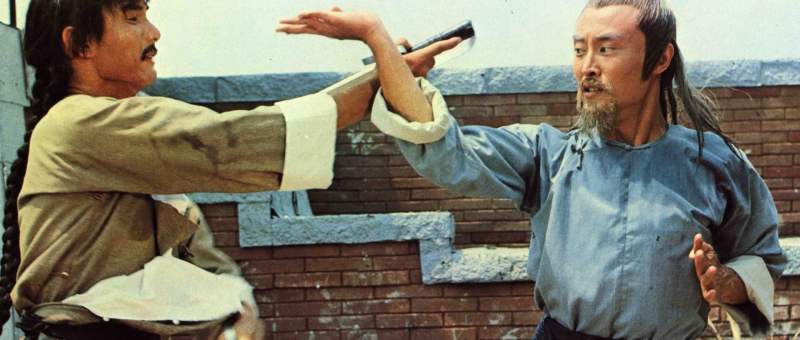
First you and your uncle are forced to flee for your life after getting attacked in a forest, then your uncle dies, you wake up in a monastery where you’re not a monk but the head monk keeps making you do all the chores anyway, and you still have no real idea of what is going on. That’s what happens to poor Wah-jee (Nick Cheung Lik) in Joseph Kuo’s wilfully confusing kung fu drama The 36 Deadly Styles (迷拳三十六招) which leaves us as much in the dark as the hero as he finds himself inexplicably pursued by a man with a red nose and his brothers who are each for some unexplained reason wearing ridiculous wigs. 

As much as we can gather, Wah-jee is on the run because the brother of a man his late father apparently killed by accident after messing up a kung fu move seeks vengeance against his entire family, leaving his uncles scattered and apparently unknown to him. As a young man, however, he is less than impressed with life in the monastery and often displays a comically cocky attitude, though if his torment of two of the lesser monks is intended to be comedic, it often comes off as cruel and bullying rather than just silly banter. Meanwhile, he remains clueless as to how to complete basic tasks familiar to the monks and even manages to get himself into a fight when sent to buy soy milk after forgetting he’d need to pay for it..

While all of this is going on, Kuo switches back and forth between a secondary plot strand concerning another man searching for the book of the 36 Deadly Styles before tracking down the man who’s supposed to have it only to be told he burnt the book ages ago without even reading it because it caused too much trouble in the martial arts world. It’s unclear how or if these two plot strands are intended to be connected, but they do perhaps hint at the confusing nature of personal vendettas and ironically destructive quests for full mastery over a particular style. Tsui-jee’s father (Fan Mei-Sheng) effectively splits his knowledge between Wah-jee and his daughter as a complementary pair of offence/defence partners. 

Meanwhile, Huang (Yeung Chak-Lam) and Tsui-jee’s father are also afflicted by pangs to the heart as a result of their previous battles, which can only be eased with strange medicine and herbal wine. Huang is a Buddhist monk but is seen early on skinning a live snake in order to make such a concoction. These are presumably symbolic of a bodily corruption caused by violence and the slow poisoning of the unresolved past. Wah-jee, a child at the time of his father’s transgression, is also forced to inherit this chaos of which he has little understanding and no real stake save vengeance for his familial disruption and a vindication for his father and brothers. If there is any kind of moral it seems to be in the ridiculous futility of vengeance as dictated by the codes of the martial arts world which demands that honour be satisfied even when it has lost all objective meaning. 

In any case, the narrative is largely unimportant merely connecting (or not) the various action scenes each well choreographed and expertly performed. Wah-jee undergoes a series of training sequences both at the monastery and after uniting with his second uncle who has some idiosyncratic teaching practices of his own that require Wah-jee to humble himself in order to learn. Then again, there are enough strange details to leave us wondering what is exactly is really going on such as Tsu-men suddenly turning up dressed as a woman looking for someone other than Wah-jee, eventually used for another bit of awkward comic relief as he struggles to write a letter and has to use drawings to make his point because he can’t remember the right characters. None of this makes any sense, but perhaps it never does when you live for the fight alone. 

The 7 Grandmasters (虎豹龍蛇鷹, Joseph Kuo, 1977)

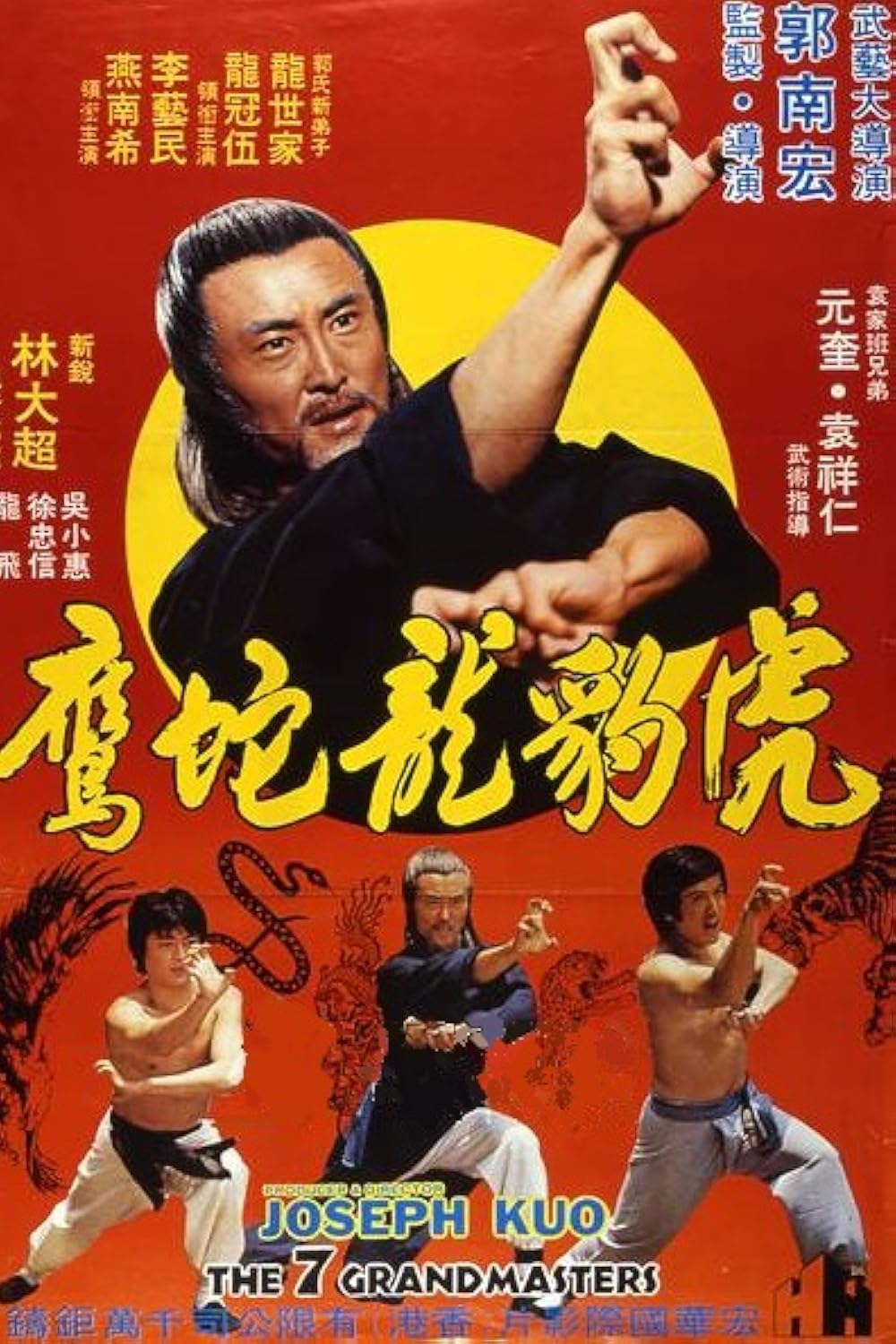
“The way of kung fu, no one is invincible. A fighter shouldn’t be arrogant and bully others,” according to one of the mini lessons given by the ageing champion at the centre of Joseph Kuo’s 7 Grandmasters (虎豹龍蛇鷹), though it has to be said there is a fair amount of cockiness in play while bullying does seem to be a part of his training programme. Arrogance is in fact what he has himself been accused of at the ceremony at which he has been honoured by the emperor and after which he planned to retire if he had not received a rude note telling him he is not a real champion and shouldn’t lay claim to the title until he’s defeated all of the other regional champions in each of their signature fighting styles. 

A 30-year veteran of the local martial arts scene, Zhang Shenguang (Jack Long) is tired and ready to pass his school on to the next generation but feels he cannot retire until he’s proved once and for all that he is the greatest kung fu master. Setting out with his daughter and three pupils, he roams around the land easily defeating his rivals and teaching them a lesson to boot. Unfortunately, however, his first target, Sha (Wong Fei-lung), ends up dying while he’s also being followed around by an over-earnest boy, Shao Ying (Li Yi Min), who insists on becoming his pupil, though Zhang is unwilling to take him on because his own master was betrayed by a bad faith student who stole the final three pages of the book he’d been given to safeguard outlining the 12 Bai Mei strikes.

Zhang is definitely all about righteousness, constantly reminding everyone about the responsibilities that come with kung fu but his own students are fairly merciless to Shao Ying firstly mocking him as he trails along behind them like a stray puppy and then continuing to bully him until he finally surpasses their own abilities. They are all also supremely confident and often resort to cocky banter during fights which it has to be admitted they usually win. The film is structured around Zhang’s quest abruptly shifting from one expertly choreographed fight sequence to another, each showing off a different style and the ways in which Zhang can overcome it while some of his opponents accept defeat gracefully and others not. In one town they are ambushed by goons working for the local master who wanted to avoid potentially losing his title by underhandedly taking Zhang out first but as Zhang puts it losing his good name instead. The final challenger meanwhile refuses to Zhang directly because he can see Zhang is already ill and it wouldn’t be fair so has their students square off instead. 

Nevertheless, Zhang is not permitted to exit the world of kung fu until dealing with the left over baggage of the three missing strikes of Bai Mei, Shao Ying eventually becoming its inheritor after a twist of fate connects him with Zhang’s past while causing him a paradoxical dilemma in temporarily becoming Zhang’s enemy in order to avenge the death of his father as his code dictates. Like Zhang however he is perhaps only trying to make a point, never intending to harm his former mentor, at least physically, but only to close the cycle through symbolic revenge, later returning to Zhang’s side on realising he’s been used and deceived. 

Featuring top choreography from Hong Kong’s Yuen Kwai and Yuen Cheung Yan, Kuo’s low budget indie kung fu drama is pure fight fest less interested in the emotional conflicts between the men than the physical which might explain its incredibly abrupt conclusion which largely implodes the moment of catharsis achieved in the villain’s defeat. Even so, it succeeds in showcasing a series of fighting styles as Zhang continues with his quest to prove himself the ultimate grandmaster so he can finally retire while throwing in some comic relief thanks to Shao Ying’s dogged determination to become one of the gang before finally proving himself the most talented of all the students, not least because of his perseverance and willingness to learn. Shooting mainly in the open air to avoid the expense of sets, Kuo’s approach is unfussy but to the point of removing all distractions in order to showcase the immense abilities of his performers in an otherwise generic tale of rivalry and revenge. 


Useless (无用, Jia Zhangke, 2007)

Perhaps in no other medium does the relationship of art and utility present itself quite so much as in fashion. As the primary subject of Jia Zhang-ke’s Useless (无用, wúyòng), second in a trilogy of films examining Chinese artists, points out China is the world’s largest manufacturer of textiles. Yet until she took it upon herself to found one, it had no fashion label to call its own. Travelling from the garment factories of Guangdong, to the artisan studio of Ma Ke, and bright lights of Paris Fashion Week, before arriving firmly back in Jia’s hometown of Fenyang with its independent tailors and the miners who frequent them for repairs and alterations, Jia zooms in to the modern China probing the divides of art and industry in an increasingly consumerist society. 

Jia begins with a lengthy pan across a strangely silent factory floor, seemingly a relic of a previous era. The workers dine in a quiet cafeteria they have to squeeze through a gate which remains locked to enter, and have access to an on-site doctor. They get on with their work quietly without overseers breathing down their necks and do not seem unhappy, oppressed, or exploited, at least as far as the camera is permitted to see. The camera hovers over the label of a just-completed garment which belongs to Exception, the fashion store launched Ma Ke in the mid-90s, ironically she says as a reaction against mass-produced, disposable fashion. 

Nevertheless, as she points out, you can’t be free to experiment when you’re a recognisable brand with a clear place in the market, which is why she started an artisan side label, “Wu Yong” meaning “useless”, hinting at her desire to find a purer artistic expression within the realms of fashion design. For the camera at least, Ma Ke casts an eye over her atelier like a factory foreman, though her studio space is a million miles away from the Guangdong factory, though borrowing the aesthetics of the early industrial revolution. Her employees weave by hand using antique looms, Ma Ke reflecting on the differing relationships we might have to something made by hand which necessarily carries with it the thoughts and emotions of the maker, and that made “anonymously” in a factory. Yet these designs are crafted with concerns other than the practical in mind, Ma Ke travelling to Paris to exhibit them in a living art exhibition that, in some senses, repackages the concept of Chinese industry for a Western palate. 

It’s Ma Ke, however, who guides Jia back towards Fenyang, explaining that she likes to travel to forgotten, small-town China where she describes familiarising herself with these other ways of life as akin to regaining a memory. In the dusty mining town he follows a man taking a pair of trousers to a tailor to be repaired, perhaps something unthinkable in the consumerist culture of the cities where clothing is a disposable commodity to be discarded and replaced once damaged. Jia spends the majority of the sequence in the shop of a pregnant seamstress who loses her temper with her feckless, drunken husband while seemingly supporting herself with this intensely practical art. Yet it’s in her shop that he encounters another woman also after alterations who explains to him that her husband was once also a tailor but found his business unviable and subsequently became a miner instead. Like Ma Ke he laments the effect of mass production on the market, knowing that a lone tailor cannot hope to compete with off-the-peg for cost and convenience. As we watch the miners shower, washing the soot from their flesh, we cannot help but recall Ma Ke’s avant-garde installation with its faceless, blackened figures, nor perhaps the workers at the factory visiting the doctor with their various industrial illnesses. 

Objects carry memories according to Ma Ke, they have and are history. The clothes tell a story, every stitch a new line, but they also speak of the contradictions of the modern China in the push and pull between labour and exploitation, art and industry, tradition and modernity, value and consumerism. Yet Jia leaves us with the figure of the artisan, patiently pursuing his small, functional art even as they threaten to demolish his studio around him. 


A Writer’s Odyssey 2 (刺杀小说家2, Lu Yang, 2025)

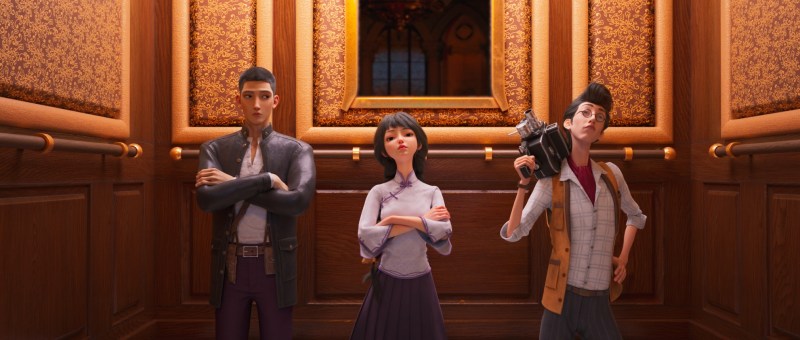
Arriving four whole years after the previous instalment, A Writer’s Odyssey 2 (刺杀小说家2, cìshā xiǎoshuōjiā 2) is in many ways a very different film. While its predecessor was a fairly serious affair tackling some of the issues of the modern China such as child trafficking, machinations of the oligarch class, and generalised capitalistic oppression, the sequel is a typically mainstream fantasy blockbuster complete with some fairly goofy humour and the ultimate message that despotism is bad and people should work for the good of others rather than just themselves.

In that regard at least, it’s another pointed attack on authoritarians and corporate bullies like Aladdin’s Li Mu. The entire Aladdin plot is, however, jettisoned, which seems like a missed opportunity, especially as it means that Yang Mi does not reprise her role and we don’t get any answers about who the boy was with Tangerine at the end of the previous film nor whether the “death” of Redmane led to the death of Li Mu in the real world as he feared it would. In truth, even Guan Ning (Lei Jiayin) is somewhat sidelined. Six years later, he, Tangerine (Wang Shendi), and Kongwen (Dong Zijian) are living as a family running a restaurant. Though Kongwen finished his Godslayer novel, it was stolen by an influencer, Cicada (Deng Chao), who accused him of plagiarism which got Kongwen blacklisted in the publishing industry and unable to earn any money through writing. As he’d said in the previous film, it was writing that gave his life meaning so now he’s started to become hopeless and depressed. 

Meanwhile, he’s begun to dream of Ranliang and the return of Redmane who has survived but as a mortal rather than as a god and is determined to get back everything he’s lost. This means, in meta terms, that he wants to challenge “god”, or really Kongwen, whom he sees as the architect of his fate. On the one level, it seems as if he’s trying to insist on his own free will and is sick of being controlled by unseen forces, but in reality he just wants the powers of a god for himself so he can oppress people properly. Nevertheless, this means he has to come to our world in order to square off against Kongwen, the writer.

It has to be said the vision of the real world on offer this time is much glossier and devoid of the kind of darkness that haunted Guan Ning. Though they’re worried because the restaurant’s not doing so well, the trio seem to have pretty nice lives with relatively few other problems outside of Cicada who is now aligned with Redmane in place of Li Mu standing in for a venal class of confluencers. Kongwen is then fighting a war on two fronts as Redmane taunts him to come over to the dark side and turn his fantasy story of good defeating evil into one of nihilistic despair echoing the way that Kongwen feels in his life.

The meta drama of the writer pursued by his characters is resolved in a fairly unexpected way with Kongwen effectively giving up his godlike powers and allowing his characters to save themselves through “mortal courage” rather divine intervention. Though Renliang had been plunged into chaos as the power vacuum Redmane left behind saw his former allies effectively become warlords reenacting the warring states period, in the end it’s solidarity that saves them as they agree to band together to oppose Redmane while offering the possibility of forgiveness if only Redmane can give up his quest for domination and agree to work for the common good. 

Kongwen learns something similar, remembering his writing isn’t solely an economic activity, and not only about himself but giving something back to the world. Torn between the anarchic ambition of Redmane and the righteousness of Jutian (Chang Chen), modelled after his own absent father, he struggles to find meaning amid the injustices of the modern China having been unfairly cancelled by netizens after being falsely accused of plagiarism by the man who stole his story and asks himself if it’s worth sacrificing his friends in a last ditch attempt to save them through teaming up with the forces of darkness. Nevertheless, Lu frames his tale in a much more lighthearted fashion as symbolised by demonic armour Darkshade’s sudden merging with a lettuce to become unexpectedly adorable. As such, it feels like something of a missed opportunity in choosing not to build on the foundations of the first film but sidestep them completely. Even so in upping its production values and the quality of its visual effects, the sequel embraces a new sense of fun which is definitely different but possessed of its own charm.


Trailer (English subtitles)
A Writer’s Odyssey (刺杀小说家, Lu Yang, 2021)

“As long as I keep writing, my existence has meaning,” according to the titular writer at the centre of Lu Yang’s action fantasy, A Writer’s Odyssey (刺杀小说家, cìshā xiǎoshuōjiā). His art, though derided as trivial, is it seems the best form of resistance to the feudalistic capitalism that has overtaken the authoritarianism of the communist past. Broken father Guan Ning (Lei Jiayin) desperately searches for his daughter Tangerine who has been missing six years, assumed to have been swallowed by China’s child trafficking network, only to find himself plagued by bizarre dreams of a fantasy city.

The city is, it seems, that of Kongwen’s (Dong Zijian) fantasy novel series which he live streams over the internet. Whenever something bad happens to the evil despot at the story’s centre, Lord Redmane, it’s visited on the CEO of vast corporation Aladdin (read: Alibaba), Li Mu (Yu Hewei), which has just launched the Lamp App which will they claim “resculpt time” so that time and distance are no longer an issue. Li Mu is panicked because Kongwen has said he’s going to end the series in three days and it doesn’t look good for Lord Redmane, so he’s fearful for his life. Noticing that Guan Ning has some sort of super power in which he can hurl rocks with unusual accuracy, he leverages Tangerine’s disappearance to convince him to knock off Kongwen in exchange for his daughter’s location.

Of course, the fantasy world and the “real” are connected in more ways than one with Ranliang conjuring visions of the Cultural Revolution in which the despotic leader is literally protected by hordes of mindless “Red Guards” while pitting one district against another and seemingly destroying all art. Li Mu, meanwhile, is destroying human innovation with his apps and treats the lives of others with callous disregard. His right-hand woman Tu Ling (Yang Mi), originally resentful of Guan Ning in blaming him for losing his child having been abandoned by her own parents, becomes disillusioned with his tactics on realising that he lied to Guan Ning and the candidates he picked for Tangerine are five random girls none which is likely to be her. Figuring out that she’s probably next after Li Mu knocks off Kongwen, who is also the son of his former business rival that he seemingly betrayed to take control of the company, and gets rid of Guan Ning for good measure, her allegiances begin to change creating a kind of parallel with Tangerine and the mysterious boy hanging around with her.

Meanwhile, in the fantasy world, Kongwen teams up with a demonic suit of armour that feeds on his blood but is also a near unbeatable killing machine that may or may not be evil. Guan Ning comes to believe that the fantasy world may be the only place he can find Tangerine and switches side from agreeing to kill Kongwen to deciding to protect him so that he can finish the story and possibly write a better ending for his fantasy character who as yet remains undefined. He’s later revealed to be a member of the brainwashed Red Guard, which may be appropriate as his former job was a banker which is to say a soldier of capitalism. Only art can break his programming in the form of Tangerine’s flute playing which reawakens his humanity and memory. 

The implication seems to be that China cannot escape either its communist past or capitalist future except through the liberation that comes with artistic endeavour. When Guan Ning is tasked with killing Kongwen, he follows him about town and hears his neighbours run him down as a “parasite”, a man of almost 30 with no real job and no income who is still being financially supported by his mother. This information might be offered to make it seem less bad to kill him, as if in this hyper-capitalistic society his life is worth nothing because that’s what he contributes. Kongwen feels this a little himself and has suicidal thoughts, but also insists that his life has meaning precisely because he writes and expresses all of this frustration with the contemporary society along with his buried resentment towards Li Mu for the death of his father and theft of his birthright. Shot like a video game, the film’s sprawling fantasy-esque world hints at still more adventures to come in this David and Goliath competition in which Kongwen and Guan Ning attempt to overthrow this cruel and corrupt order to find a way to free themselves from its authoritarian cruelties if only in their minds.


Trailer (English subtitles)
Living the Land (生息之地, Huo Meng, 2025)

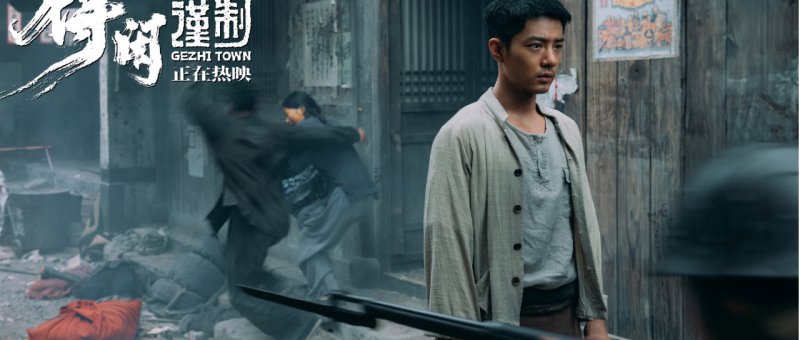
When a way of life has gone on unchanged for centuries, the idea that it might soon disappear seems unthinkable, but change is indeed coming to the village in Huo Meng’s elegiac drama, Living the Land (生息之地, shēngxī zhī dì). Set concretely in 1991, the economic reforms and impact of the One Child Policy are beginning to make themselves felt, while incoming mechanisation begins to destabilise the rural environment. Farmers will always have to work the land, one utters in exasperation as a local man employs a large American tractor he says is capable of doing the work of a hundred villagers, while other young men decide it’s time to go south and seek their fortunes in the factories of a new era.

Even so, the film opens with a literal digging up of the past. 10-year-old Chuang’s (Wang Shang) great aunt has died, and his uncle and grandfather want to exhume his great uncle from the makeshift grave he was placed in after getting on the wrong side of the authorities so they can be buried together. Villagers talk cryptically about those who didn’t make it through the Cultural Revolution and Great Leap Forward, but otherwise continue living their traditional lives in harmony with the landscape. The irony is that Chuang is a left behind child whose parents are working away in the city, but the reason he’s not with them is because he’s a secret. He’s their third child and they can’t afford to pay the fine for violating the One Child Policy while his father works for the government and would probably be fired if they found out.

And so, Chuang is living with his maternal grandparents while his siblings are with their parents. The fact he keeps wetting the bed at a comparatively late age is likely down to this sense of rootless anxiety. He doesn’t know if he should say this is his home village because he has a different surname to the people he’s living with. While his grandfather plots out burial spaces for the rest of the family, he leaves Chuang out, and when the boy asks why, he says he doesn’t belong here because his name isn’t Li. He’s mainly been cared for by his aunt, Xiuying (Zhang Yanrong) but she soon comes under pressure to marry, especially when a wealthy local man takes a liking to her and her tentative romance with the local school teacher falls flat when he too goes south without her. 

Xiuying attends the regular pregnancy screenings on her aunt’s behalf to hide the fact that she is pregnant with an unauthorised third child, which is one way in which the village attempts to get around these restrictions imposed from outside which threaten their way of life and livelihoods. They need more children to help work the land, while they’re finding it increasingly difficult to make ends meet selling wheat and bricks. Half of their wheat crops are destroyed when oil prospectors arrive with some in the village excited about the prospect of any being found, believing they’ll all be rich or that factories will open offering new jobs so the young won’t leave the community. But the prospecting leads to tragic consequences and seems unlikely to prove rewarding for the locals. 

When Chuang’s great-grandmother is interviewed by the authorities, she tells them that she doesn’t actually have a name. Before her marriage, she was just “third sister” and after that someone’s wife, mother, grandmother. The authorities don’t like that, and someone suggests calling her “Mrs Li Wang”, but there are a few of those already so she ends up becoming “Third Mrs Li Wang”, which doesn’t seem like a tremendous improvement. The lives women are continually devalued in the traditional, patriarchal community in which they are still chiefly valued for the ability to give birth, which they now can’t do because of the One Child Policy. Xiuying is bullied into marrying a man she doesn’t like, and then is mistreated by him because she didn’t bleed on their wedding night so he doesn’t believe she was a virgin likely because of the rough treatment she received during the pregnancy exam when they suddenly began to suspect she wasn’t a married mother of two. Chuang gets left behind again as the village slowly depletes and mechanisation forever disrupts this very traditional way of life, though the elegiac music suggests that even those who went south didn’t fare all that much better in amid the economic instability of the 90s reforms which destroyed not only communities and ways of life our very relationship with the land itself.


Living the Land screens as part of this year’s San Diego Asian Film Festival.

Blind Love (失明, Julian Chou, 2025)

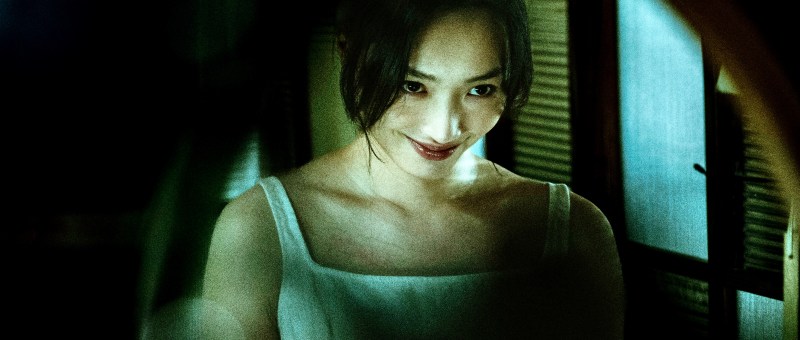
There’s none so blind as those who refuse to see, as the old saying would have it. Though in Julian Chou’s Blind Love (失明, shīmíng) the problem is often more an obsession with the gaze of others that prevents its lonely protagonists from looking within and coming to an acceptance of themselves along with what it is they really want out of life. Set before Taiwan’s legalisation of same sex marriage, the film positions patriarchal heteronormativity as the cage in which the heroine willingly imprisons herself in fear and shame.

It’s telling that on being discovered with her girlfriend Xue-jin (Wu Ke-xi) when they were university students, Shu-yi (Ariel Lin) immediately jumps to the shame she feels in having done this to her mother. When the two women are together, it’s a bubble of perfect happiness, but on gazing at herself from the outside, Shu-yi feels only disgust in her feelings for Xue-jin and at some point evidently chose “properness” and conformity. Years later, when her mother has lost her sight and is living in a nursing home, she snaps at the nurse not to call her daughter because she’s married to a doctor and therefore very busy. Though it’s an odd moment, she says this with pride as if her own life were fulfilled by her daughter’s “successful” transition to wife to a professional man and mother to his sons. But it also seems as if this continual unseeing as manifested in her mother’s literal blindness is what later leads her to take her own life when forced to look inside herself while otherwise rendered dependent on Shu-yi and her unsympathetic husband Feng (Frederick Lee).

Feng is a selfish and unkind man who rules his home with an authoritarian iron fist. When Shu-yi tentatively hints that it might be better for her mother to live with them, he doesn’t answer but then immediately needles her, asking if she’s put on weight and whether the dress she’s supposed to wear to an important dinner will still fit. The domestic environment is rendered as a prison in which there is no natural light. The furnishings are cold and grey, as if there were no love or warmth here, and Shu-yi is under constant observation to ensure she plays her roles effectively. Feng sees his family only as tools or extensions of himself. He paints the picture of a perfect family to smooth his path to career success by ingratiating himself with the influential Doctor Gu and though Mrs Gu later sees through Shu-yi and is aware of the cracks within her marriage, chooses to unsee them and encourages Shu-yi to do the same by reaccepting her duty to dissolve herself within her husband’s ambitions even if her heart lies elsewhere. 

Feng exerts the same pressures on his teenage son, Han (Jimmy Liu Jing), by insisting that he study medicine though Han is now too old to submit himself to his father’s authority. You can’t let others decide for you, he tells a friend, and is told the same by Xue-jin whom he meets by chance and unwittingly falls for not knowing that she is his mother’s long-lost love. Xue-jin might seem like a more liberated soul having divorced her husband and accepted her sexuality while pursing her art as a photographer, which is of course the art of seeing, but her drink problem also hints at her loneliness and unresolved longing for Shu-yi. “You think what we do is wrong,” she tells Shu-yix with frustration, but Shu-yi can only answer, “How could be right?” before returning to her conformist life with all of its misery.

When she tells her younger son Rui that all that matters is how other people view you and asks him why he can’t just be “normal”, it’s as if she’s talking to herself. As the three of them pass through the pride parade and Rui asks what’s going on, Feng tells him that there are two kinds of people, the “normal” and the “abnormal” and that the people parading want to be seen as “normal” though they are not. Shu-yi pushes hard on the accelerator in anger and frustration, but it’s a divide she’s internalised within herself and remains unable to see that her love for Xue-jin is normal and natural. A woman in the bathroom at Feng’s dinner suggestively offers her her lipstick, explaining that it’s “the best form of camouflage for people like us,” before kissing her and leaving having rewakened Shu-yi’s latent desire. Hiding within this world of traditional femininity is the way Shu-yi has chosen to sublimate her desires and the concurrent self-loathing, but is also, in its way, an act of self-harm and means of punishing herself that amounts to a kind of suicide.

Only while making love with Xue-jin does she become fully herself before the self-recrimination finally kicks back in. Their connection is raw and honest, filled with tenderness and yearning, yet Shu-yi struggles to embrace happiness or accept her authentic self by escaping from the patriarchal superstructure represented by her mother and her husband’s authoritarianism. Chou ends on an ambiguous note in which Shu-yi is perhaps learning to see the truth of herself, but her world still appears cold and grey as if suggesting that, in the end, this kind of happiness and fulfilment is still not permitted to her even if she has finally accepted what kind of life it is that she wants.


Blind Love screens as part of this year’s San Diego Asian Film Festival.

Trailer (no subtitles)