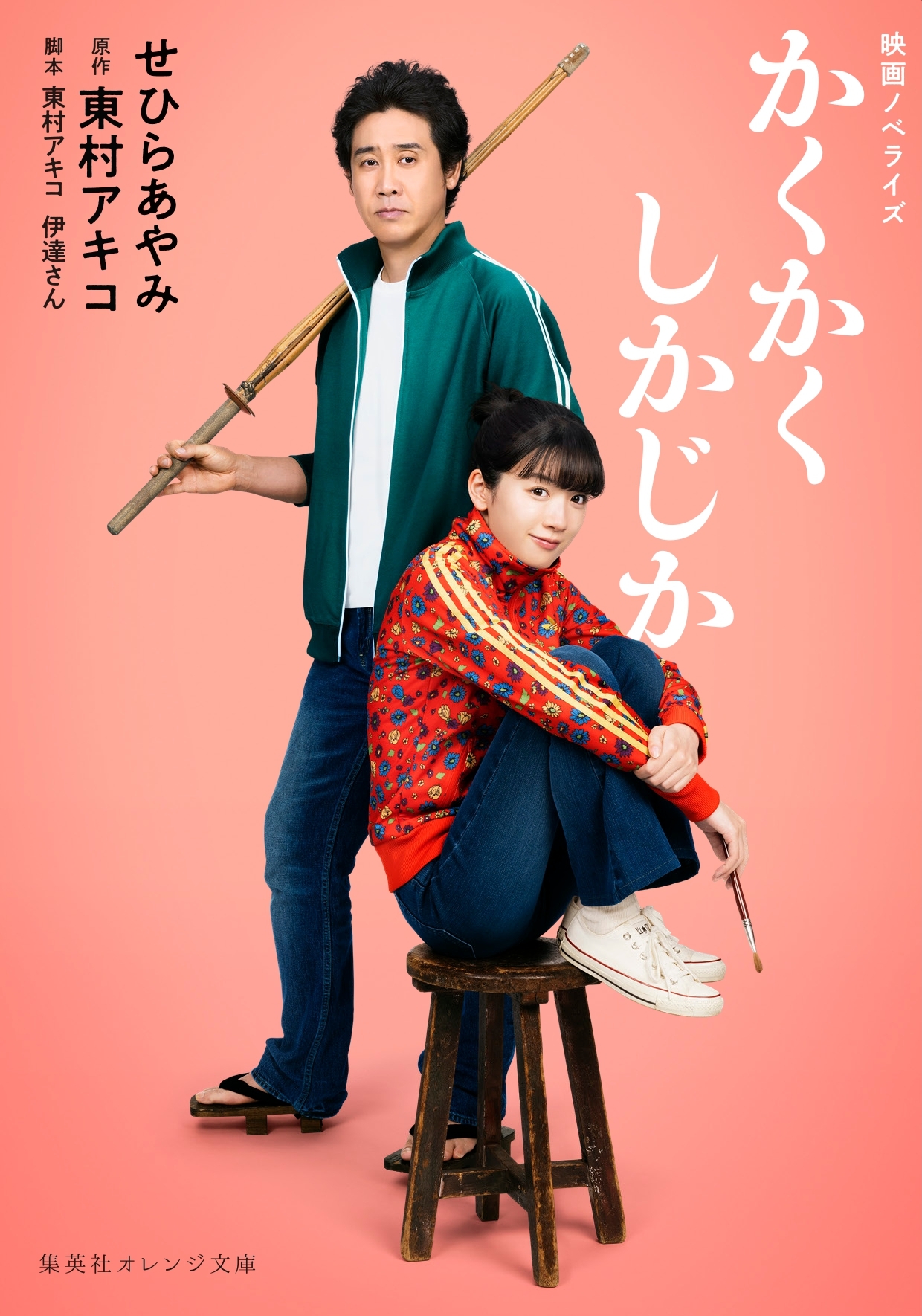
Blank Canvas: My So-Called Artist’s Journey (かくかくしかじか, Kazuaki Seki, 2025) [Fantasia 2025]

“Just draw,” Akiko’s (Mei Nagano) eccentric, hardline yet tenderhearted mentor Hidaka (Yo Oizumi) is fond of yelling at her as if telling Akiko to get over herself and stop both over and under thinking her approach to art. Though he may lament that his teaching methods don’t have much of an effect on his pupils because they need “more encouragement,” the older Akiko can see how well he taught her and also that she may have failed him, if understandably, in her single-minded pursuit of her dream of becoming a mangaka.

Of course, we know that she eventually achieved it and has become a prize-winning manga artist, though she describes herself as being far from the upstanding and talented figure others may assume her to be. Nevertheless, it’s one of Hidaka’s principles that becomes her guiding light as he constantly reminds her to “just draw” and that her skills rust while she slacks off. Slacking off maybe something the teenage Akiko was used was to doing. Committed to her dream, Akiko sees no need to study and is always reading manga even in class. She’s been led to believe that she’s talented, so sees no need to work at anything and has an inflated sense of her own importance. While her overly supportive parents and school art teacher tell her she’s a genius, only Hidaka is willing to pull her up and yell at her to do better. Though his manner may be harsh, what Akiko comes to understand is that he genuinely cares about his pupils and is only trying to help them fulfil their potential. 

To that extent, it’s really Akiko who a “blank canvas”. Though she thought she had a goal she was moving towards, the truth was that she wasn’t moving at all, while an overconfidence in her abilities has caused them to become stagnant. Hidaka goes on the attack, waving around a bamboo sword and roundly telling her that her work isn’t good enough. But he does so because he knows she has real potentional that she isn’t tapping. Despite her seeming smugness, she lacks the clarity and conviction to push herself and is contented with being “good enough” without really thinking things through like the fact she’ll also need good academic grades to go to art school no matter how good an artist she may be. 

But on the other hand, Hidaka is also a little old-fashioned and is convinced that Akiko’s dream is to become a classical painter like him. He keeps pushing her paint every day, while she feels afraid to tell him that her dream is really manga in case he runs it down as a vulgar art. He does indeed do something similar by approving of her career as a sideline that will pay the bills so she has more time to paint in the assumption that’s her ultimate goal. She may have a point when she accuses him of pushing his own dream on his pupils, but it’s really more like he is so devoted to painting that he can’t imagine why someone with Akiko’s talent wouldn’t want to be painting every second of every day. 

As he said, there are things that last through time. He’s learned to see the beauty in everything, while Akiko is still bound up with the superficial. She finds herself torn by the practical. Her well-meaning parents force her to get a regular job in a call centre which she hates though it spurs her on to kick start her manga career so he’ll have a justification for quitting it. Her school friend points out to her that she’s spreading herself too thin. She can’t carry on with her office job and the school and still have time for manga, so perhaps it’s time she made a choice and finally concentrate on what it is she really wants to do. But that also means betraying Hidaka and to an extent abandoning him even if it’s in the interests of her own personal and professional growth. Meanwhile, she meets another similar mentor figure in her manga editor who, ironically, gives her much the same advice to keep on drawing because, at the end of the day, it’s basic technique that sets a true artist apart from a talented amateur. You have to know the rules before you can break them, but at the same time if you don’t paint, the canvas will remain forever blank. This is really Hidaka’s final lesson. Just draw. The rest will take care of itself.


Blank Canvas: My So-Called Artist’s Journey screened as part of this year’s Fantasia International Film Festival.

Trailer (no subtitles)

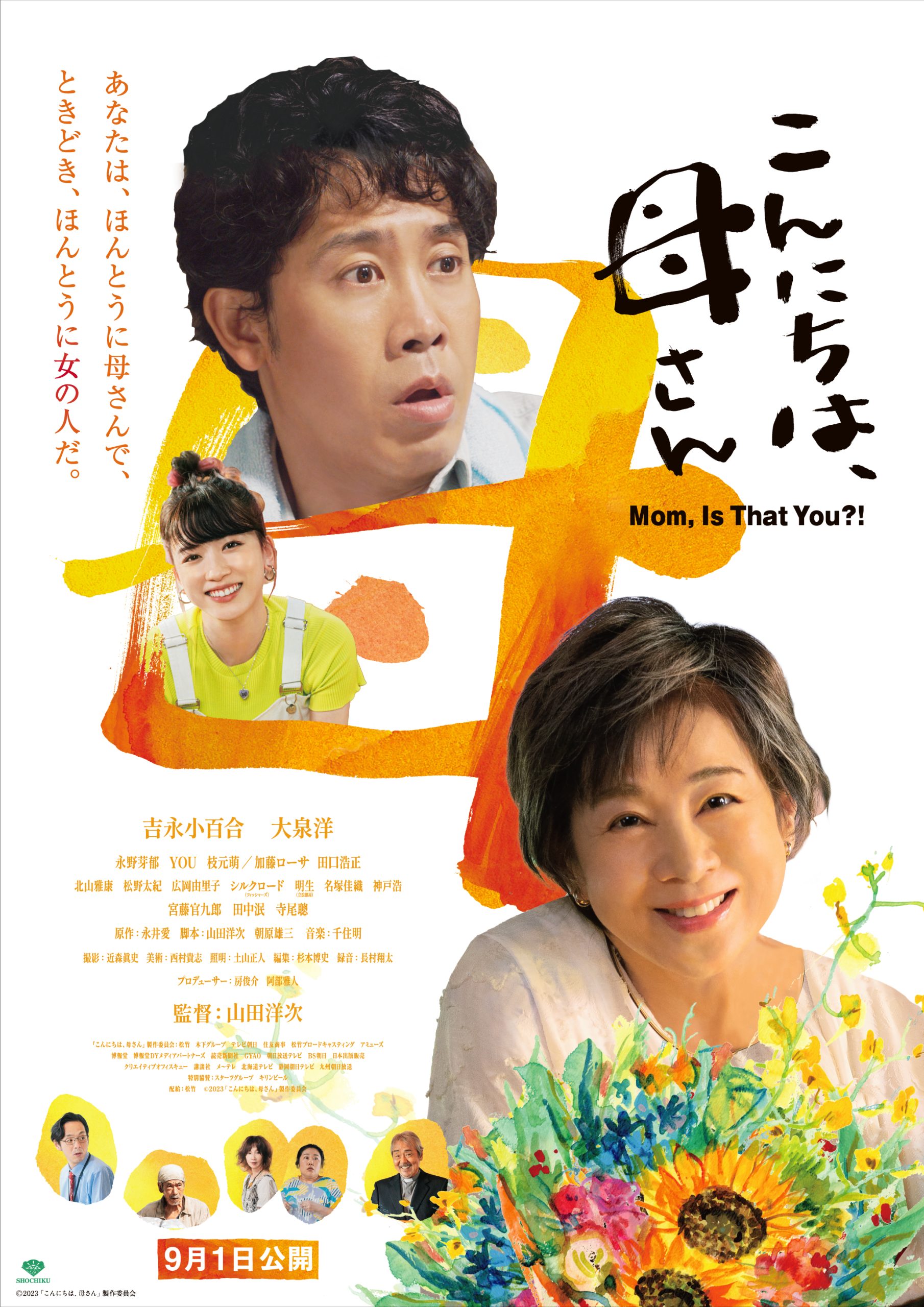
Mom, Is That You?! (こんにちは、母さん, Yoji Yamada, 2023)

“People of my generation can’t throw anything away,” an older woman admits on her hearing her daughter-in-law has just been featured in a TV series about decluttering. Inspired by Ai Nagai’s 2001 play, the latest from veteran director Yoji Yamada Mom, Is that You? (こんにちは、母さん, Konichiwa, Okasan) seems to hint at a series of circular generational divides while suggesting that the children of the Bubble-era in particular are too quick to get rid of things they don’t think they don’t need anymore.

That’s the irony of soon-to-be 50-year-old Akio’s (Yo Oizumi) salaryman job in HR. It’s his job to cut dead wood from the company and this current round of polite requests to employees of a certain level to take early retirement includes his uni friend Kibe (Kankuro Kudo) who doesn’t take kindly to what he sees as a personal betrayal. Unlike Akio who is beginning to tire of the salaryman dream, Kibe fiercely fights for his position and identity as an executive at a big company even when faced with banishment room treatment and disciplinary dismissal after an altercation with the boss.

But what Kibe doesn’t know is that Akio is already facing a series of crises. His marriage has collapsed and his university student daughter Mai (Mei Nagano) is having a crisis of her own. Fresh from her tidying success, her mother has told her that all she can do is get good grades followed by a boring salaryman job like her dad’s which doesn’t seem to be what she wants which is why she’s run off to stay with her grandmother Fukue (Sayuri Yoshinaga) who runs a traditional shop selling tabi socks near the Sumida River. Fukue has a kindly, laid-back attitude remiscent of the shitamachi spirit found in other Yamada films in contrast to the stressed out uptightness of Akio who hasn’t told her about his impending divorce nor work troubles but finds himself paying a visit home in an attempt to sort himself out only to find Fukue keeping herself busy with a local charity group and nascent relationship with a church pastor. 

Fukue’s charity work is emblematic of a waste not want not philosophy that has otherwise disappeared from the modern society as they pick up the things other people don’t want and donate them to the needy even if it sometimes seems a little simplistic or patronising. Biting into some reject crackers from the local rice cracker shop, Akio reflects that they’re something that’s made to console people and it’s work that has meaning unlike his soulless corporate job that gives him nothing other than stress and money. At the time the play was written, the fallacy of the salaryman dream was clear for all to see in the post-Bubble society but to a man like Akio getting a company job was a big deal and his success is still the talk of his mother’s friends even he starts to wonder if he still has time to start again and discover a more meaningful way of living.

Some of these ideas, and the timescales involved, make much more sense for the play’s millennial setting rather than the film’s apparent present day given the references to the firebombing of Tokyo which would require the older protagonists to be their late 80s to even remember. Akio dismisses his mother’s charity work and insists that the homeless are only those who opted out of the competitive society he too has come to doubt or else were excluded from it, while he’s resentful of her attachment to the pastor in contrast to Mai who is excited by the prospect of her grandmother’s love affair and enduring possibilities of age while Fukue is beginning to fear not death but dependency if her health should suddenly decline. 

It’s in the midst of her heartbreak that the film affords Fukue a new beginning if in coming full circle, Akio choosing to make a clean break with the unhappiness in his life and Mai embracing her youth while falling for the old world charms of her grandmother’s tabi sock shop almost exclusively catering to sumo wrestlers, who as someone points out never waste anything, and people trying ceremony for the first time at 60. Like most of Yamada’s work, the film has a gentle humanity and melancholy poignancy but also a sense of hope and continuity that run contrary to an overly corporatised society in which young and old are already losing faith.


Mom, Is That You?! screened as part of this year’s Toronto Japanese Film Festival.

Original trailer (No subitles)

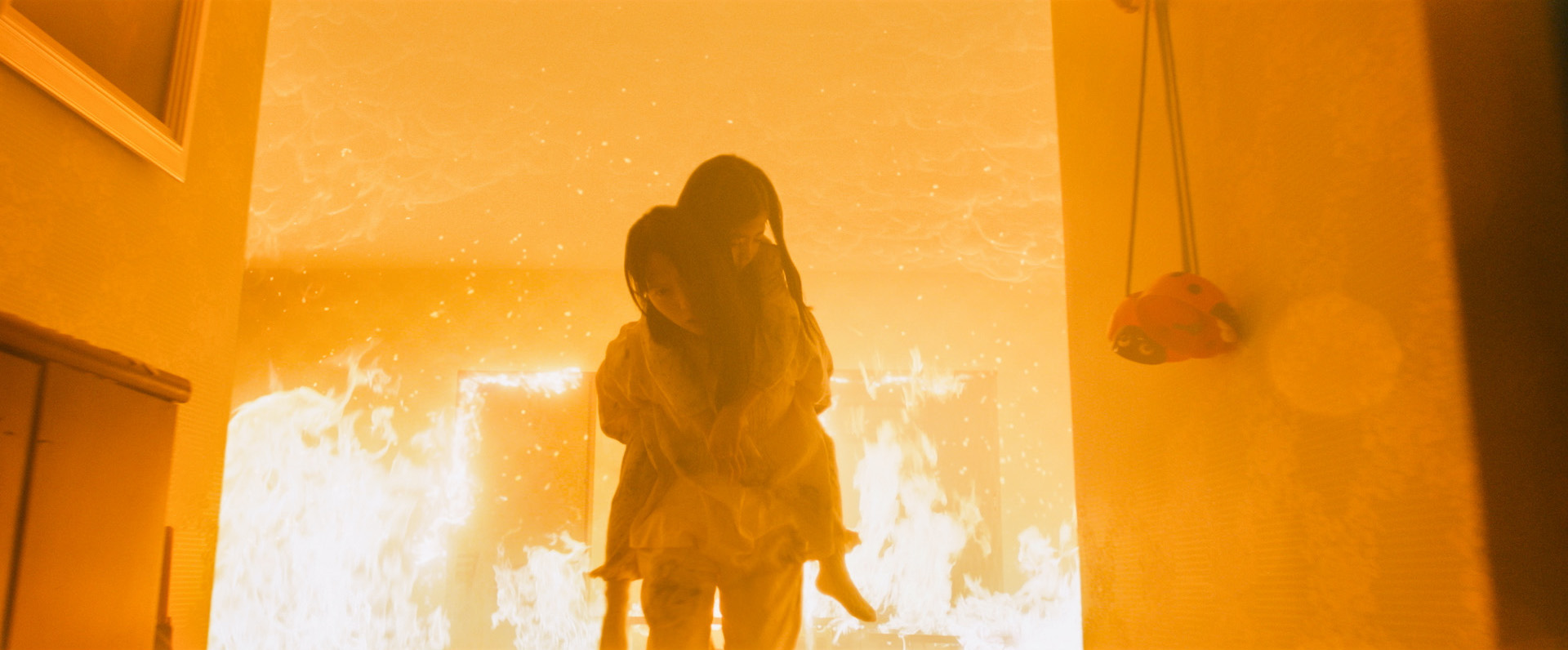
Motherhood (母性, Ryuichi Hiroki, 2022)

Is love ever really unconditional or are we all just chasing a sense of parental approval even after we become parents ourselves? According to a reporter late into Ryuichi Hiroki’s adaptation of the Kanae Minato novel Motherhood (母性, Bosei), there are only two types of women, mothers and daughters, and it is in some ways a confusion of roles that frustrates the relationship between two women who are never fully able to form a maternal connection. 

Asked by a colleague if she felt her parents loved her, the reporter answers that they were the kind who made her wear a frilly blouse with a big collar for the school play and got her new shoes for Sports Day suggesting that their love was in its way performative and they cared more about how other parents would judge them than they did about her feelings seeing as she actively hated filly blouses with big collars. Alternatively, it may have been another kind of misunderstanding in they got her these things because they thought they should make her happy and took her rejection of them as resistance. 

The little girl at the film’s centre, Sayaka whose name is only spoken in the film’s closing scenes, encounters something similar when she asks her grandmother for a Hello Kitty bag having been presented with one featuring a beautifully embroidered bird. Her mother, Rumiko (Erika Toda), finds this highly offensive thinking that Sayaka has rejected her grandmother’s lovingly handmade gift in asking for something shop bought featuring a popular character, but Sayaka treasured her grandmother’s embroidery and just wanted her to sew Hello Kitty instead. 

In her voiceover, Rumiko implies that her annoyance is also born of shame in that Sayaka has forgotten everything she taught her about consideration for the feelings of others, while in her own the pain in Sayaka’s eyes is clear. She feels slighted, almost threatened by her mother’s hushed reaction advising her that it’s better to stick with birds because then people will realise that’s what she likes and go out of their way to give her bird-themed presents. The irony is that, at least in the way Rumiko tells it, her mother Hanae (Mao Daichi) believed they were such a happy family because she accepted their love “straightforwardly” when really it was anything but. Fixated on Hanae, Rumiko lives her entire life to make her mother happy even down to her choice of husband despite warnings from all sides that they are otherwise not particularly well suited. 

The reporter makes a point of commenting on another diner’s poor table manners in a restaurant with the result that he gets up and leaves, feeling uncomfortable in the wake of her rude intrusion. She explains that she was brought up to feel as if she always had to get everything right as if being loved depended on being good much as Rumiko had felt. Little Sayaka is more or less the same, constantly chasing maternal affection though receiving little in return as Rumiko struggles to transition from the role of daughter to mother and continues to fixate on Hanae caring little for anything else. When the family are forced to vacate their cute forest cabin of a home to move in with father Satoshi’s (Masaki Miura) harridan of a mother (Atsuko Takahata), Rumiko tries the same tactic believing that if she can become “good” in her mother-in-law’s eyes then she will eventually accept her little realising that she is simply a difficult woman who will never be like her own mother and only finally embraces her as a daughter as she lovingly mothers her long after she has become bedridden and appears to be suffering from dementia. 

Then again, perhaps the constant nagging, a tendency to run people down and push them away, are also frustrated ways of showing love and ironically what the mother-in-law might have wanted was someone to fight back as Sayaka tried to do much to Rumiko’s chagrin as she accused her of ruining her attempt to curry favour. Sayaka finds a diary belonging to her father, Satoshi, which recounts memories of domestic violence which he rebelled against indirectly through taking part in the student protests little caring about the cause only channeling his rage and disillusionment into something that didn’t really matter to him so would make no difference if it failed. She calls him a weak man who hides behind women, forcing Rumiko to take care of his mother while otherwise unwilling to stand up for himself or take responsibility for his family. 

Perhaps men are only fathers or sons too and this one had little idea what to do with a daughter. Naively proposing on the third date, he said he wanted to build a “beautiful home” presumably to escape the one he grew up in attracted as much the genial atmosphere of Hanae’s upper middle class mansion as to Rumiko herself. Hiroki paints the forest-bound “dream home” in nostalgic shades of pastel, lending it almost an uncanny sense of fairytale bliss that the family can never live up to despite Rumiko’s Stepford-esque attempts to become the perfect housewife by essentially becoming her mother. Offering her version of events mainly through a confession to a priest, it’s clear that Rumiko has not been entirely honest before God, but neither of our narrators are really all that reliable even if relating how they felt something happened at the time leaving us less with one concrete version of the truth than a tragic tale of love frustrated by the codified roles of mother and daughter along with maternal jealously and anxiety. 

Nevertheless, they are united by a maternal legacy and the act of ensuring the line will continue connecting all of them to the future through the chain of motherhood. The reporter’s thinking may have a degree of internalised misogyny as she remarks on the societal prejudice that regards an unmotherly woman as hardly a woman at all while giving no recognition to women who are neither mother nor daughter in her contemplation of the maternal instinct which she otherwise regards as learned rather than innate. Asking for definitions, she comes up with the need to protect one’s child which is perhaps something her mother may have lacked when it counted but did not necessarily mean she had no love for her at all despite her fits of resentment. Shot with a degree of eeriness that dissipates in favour of a darkening realism in the later stages, Hiroki’s heightened drama nevertheless suggests that an equilibrium can be found in the maternal relationship even if it is painfully won.


Motherhood screened as part of this year’s New York Asian Film Festival

Original trailer (English subtitles)

Images: ©2022 “MOTHERHOOD” FILM PARTNERS

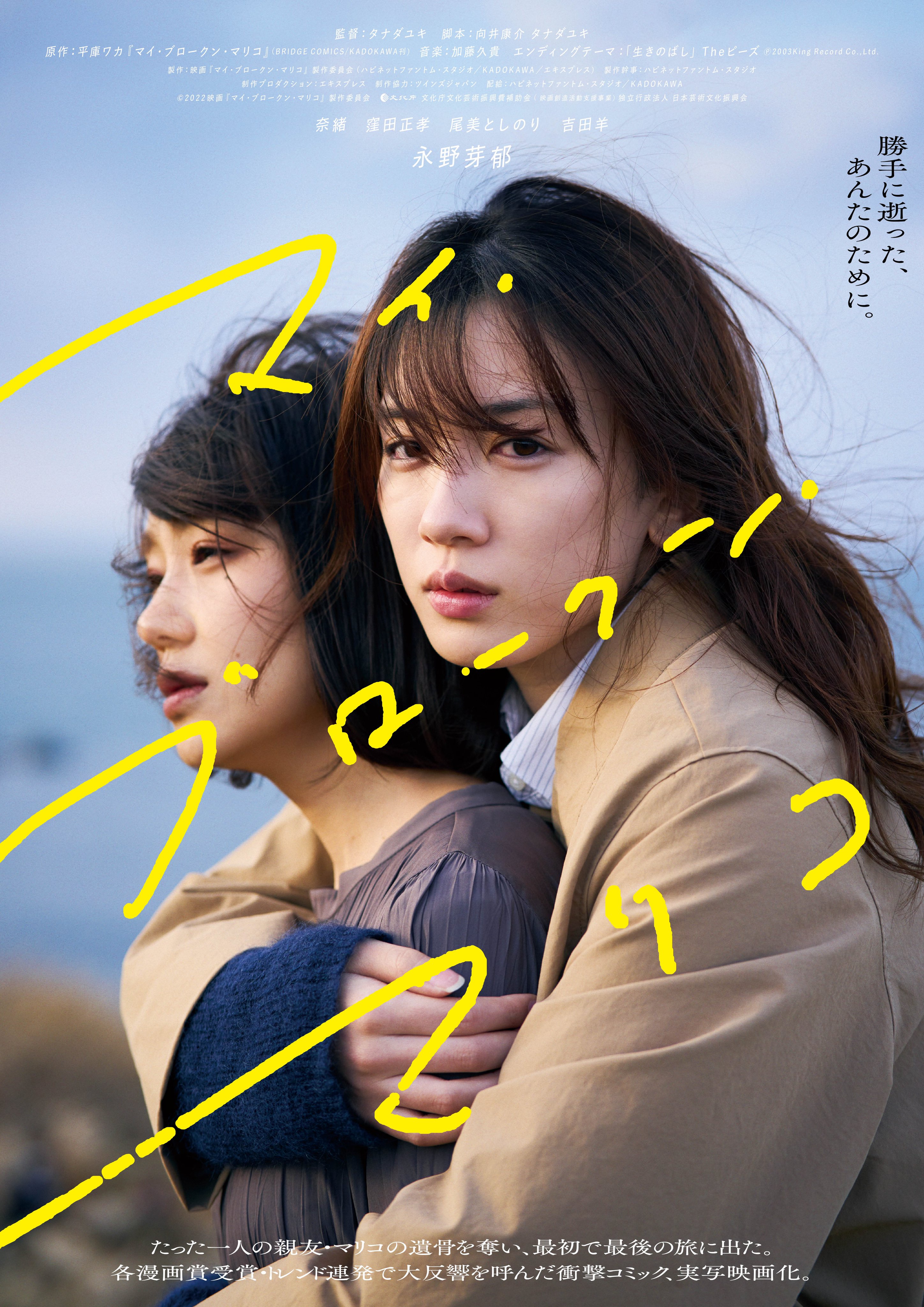
My Broken Mariko (マイ・ブロークン・マリコ, Yuki Tanada, 2022) [Fantasia 2022]

“The only thing you can do for a person who’s gone, is to live” according to a kindly soul at a train station attempting to comfort the heroine of Yuki Tanada’s adaptation of the manga by Hiroko Waka, My Broken Mariko (マイ・ブロークン・マリコ). It is in many ways, however, Shiino (Mei Nagano) who is trying to put herself back together after earth-shattering loss, attempting to reclaim her friend’s memory while struggling to reorient her life in the wake of her absence. Yet what she comes to realise is that all she can do for Mariko (Nao) now is to try to live.

At a cafe one ordinary day, Shiino hears the news announce the death of a woman presumed to have taken her own life who has the same name as her childhood friend. Overcome with anxiety, she tries to call Mariko on the phone but gets no answer nor reply to her messages. Dropping by her apartment, she realises the worst is true. Mariko is gone and she didn’t even say goodbye. Her apartment has already been cleared and her parents apparently opted for a “direct” cremation not even bothering to hold a funeral. It’s almost as if Mariko never existed at all. 

Consumed by grief and guilt that she didn’t see her friend’s death coming or in some way failed to save her, Shiino makes up her mind to rescue her unable to bear it that the father who beat and abused her all her life is allowed to keep her in death. After making a dramatic raid on their apartment, she kidnaps Mariko’s funerary urn and hits the road searching for new directions while on one last road trip looking for a safe place to let her friend rest. 

This was certainly an intense friendship or on Shiino’s side at least something more, she is clearly coded as queer in her masculine speech and attire, yet Mariko seems to have looked to her as a sisterly or maternal figure at one point exclaiming that she would have liked it if Shiino had given birth to her. As high school girls they’d idly looked at flats for rent, vowing to stay together until they were old and most importantly with a pet cat but even though Mariko had threatened suicide if Shiino were to get a boyfriend she eventually drifted away into a series of abusive relationships for which she continued to blame herself. Shiino can’t forgive herself that as much as she tried to show her she cared, she was never able to reach her or to restore Mariko’s sense of self worth. Now that she’s gone she finds herself still searching for her, struggling to remember not only the bad things or the good things but everything she was.

Through her random road trip, Shiino is forced to let Mariko go little by little firstly with the loss of her childhood letters to the unlikely appearance of a bag snatching biker in small-town rural Japan and secondly in ironically using the funerary urn to save another woman from abuse. The ghost of Mariko seems to hover around her, a street lamp flickering in comfort as she breaks down in tears in the street reading a letter in which the young Mariko told her she was no longer afraid to walk in the dark after hearing that Shiino used to go walking at night and she might bump into her at any time, while she is at one point almost possessed by her spirit when reclaiming her memory from the abusive father Shiino blames for causing her death in slow motion. In setting Mariko free she liberates herself not least from her all consuming friendship in which she admits that she had nothing and nobody else. 

“So this is how we get back to our ordinary lives” she reflects, lamenting that to the rest of the world Mariko’s death is an irrelevance and her absence barely felt, a realisation that can’t help but leave her feeling small and insignificant as do the offhand remarks from Mariko’s landlord that it’s a good thing she didn’t die in the apartment and her exploitative boss’ insistence that the death of a close friend isn’t a good enough excuse to take time off work. Replete with a quirky sense of humour despite the deep melancholy of Shiino’s overwhelming grief, Tanada’s empathetic drama finally allows its heroine to put herself back together again living quite literally in memory of her friend. 


My Broken Mariko screened as part of this year’s Fantasia International Film Festival.

Original trailer (English subtitles)

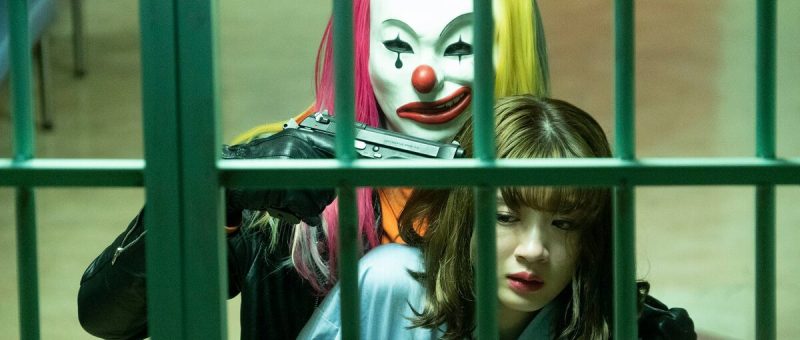
Masked Ward (仮面病棟, Hisashi Kimura, 2020)

“This hospital is…abnormal” according to locum doctor Hayami (Kentaro Sakaguchi) as he begins to discover dark goings on while trapped in a former psychiatric home after being taken hostage by a man in a clown mask. Based on the medical mystery novel by Mikito Chinen, Masked Ward (仮面病棟, Kamen Byoto) is partly a meditation on guilt and grief and partly an attack on backroom eugenics in an often judgemental and potentially corrupt society, if wrapped up in a wilfully silly B-movie crime thriller. 

Still on a temporary sabbatical following a bereavement, Dr. Hayami is recruited by an old friend, Kosakai (Ryohei Ohtani), to cover a night shift at a long term care hospital mostly catering to patients living with dementia. It has to be said the hospital itself has an instantly creepy aura, the police who later arrive describing it as looking like a prison which is apt because no one ever thought to remove the bars from the interior intended to keep “dangerous” patients from escaping. Even so, Hayami is repeatedly assured that nothing ever happens here and most likely he won’t need to come out of his room. Unfortunately that proves to be bad advice because not long after he settles in, a man in a clown mask turns up with a young woman he apparently himself shot but now wants patched up thereafter taking everyone present hostage while hiding out from police who have instituted a manhunt after he robbed a convenience store at gunpoint. 

You’d have to admit it looks a bit suspicious that all of this happened the very night that Hayami is in charge, especially as it’s suggested he may bear a grudge towards head doctor Tadokoro (Masanobu Takashima) as he was the one who refused to admit Hayami’s late girlfriend Yoko (Izumi Fujimoto) who was killed in a car accident in which Hayami was driving. Then again, as Hayami says, what would be the point in that? Suffering frequent flashbacks he subconsciously links the young woman, Hitomi (Mei Nagano), with Yoko determined in a sense to save her instead while trying to figure out what exactly is going on in this very weird medical institution and what the clown is trying to achieve with his random siege. 

The creepiness of the hospital is already well established with its former psychiatric institution vibes, something only enhanced on the discovery of an apparently disused operating theatre which is no grimy basement filled with rusty equipment but appears to have been refurbished recently and is sparklingly clean. It doesn’t really take a genius to figure out what’s been going on in there or why evil head doctor Tadokoro doesn’t want to call the police, but it does call into question not just his own ethics but those of the wider medical profession as he advances a series of eugenicist justifications for his decisions insisting that some lives are not worth saving while those of the elite who “can’t bear to wait” obviously are. Many of those in their beds have no names, taking those only of the area in which they were found supposedly with no identification, and are receiving only basic care otherwise forgotten by an indifferent society while hypocritical politicians offer platitudes about equality, superficially insisting that every citizen should have the right to live, to be protected, and to have a future.  

Even so Kimura can’t quite decide how seriously he wants to treat the darkness at the film’s centre, embracing the outlandishness of the material through a series of B-movie cliches from eerie handheld photography in the creepiness of the of the empty hospital corridors to literal lightning effects and foreshadowing so heavy it almost feels ironic. Yet the tone is at the same time earnest and slightly naive, the police apparently minded to cover the whole thing up due to pressure from above while Hayami is otherwise free to blow the whistle by getting the media involved with a press conference beamed directly onto a big inner-city screen in the middle of a presidential campaign speech all of which seems faintly unlikely given how far they were prepared to go keep the conspiracy secret while one wonders if he’d really be able to get so much attention so quickly even having recovered the secret documents proving his claims are true. In any case, his speech is only really intended for an audience of one as he says pretty much the same thing as the duplicitous politician only he really means it while urging those who’ve been irreparably harmed to give up their hate and try to move on sharing feelings and hopes rather than anger and resentment which is a nice message but perhaps also not especially helpful in holding those who’ve misused their power to account. 


Masked Ward streams until 27th February in several territories as part of Japanese Film Festival Online 2022.

Original trailer (English sutbtitles)

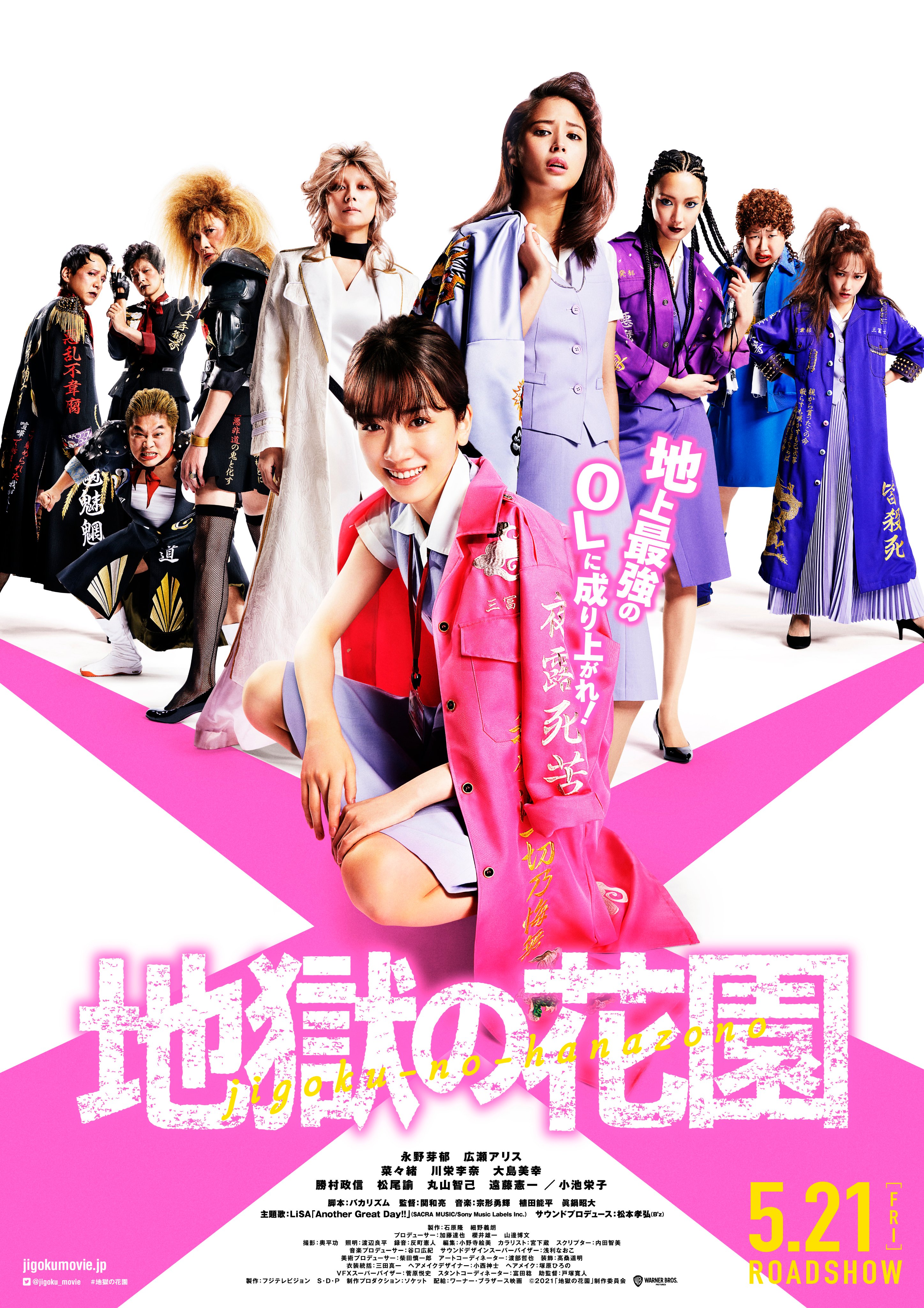
Jigoku-no-Hanazono: Office Royale (地獄の花園, Kazuaki Seki, 2021) [Fantasia 2021]

The OL, or “office lady” occupies a peculiar place in Japanese pop culture if not the society itself. The evolution of the typing pool, the OL exists to one side of office life, treated as domestic staff in the corporate environment and in many ways expected to be invisible. As such, an OL performs stereotypically feminine tasks in the office such as keeping the place clean and their male bosses looked after in addition to handling often dull and pointless admin work. It goes without saying that in general being an OL is a young woman’s job with the expectation that most will either find a way to transition onto a more viable career track or simply leave the world of work behind to marry and become a regular housewife. 

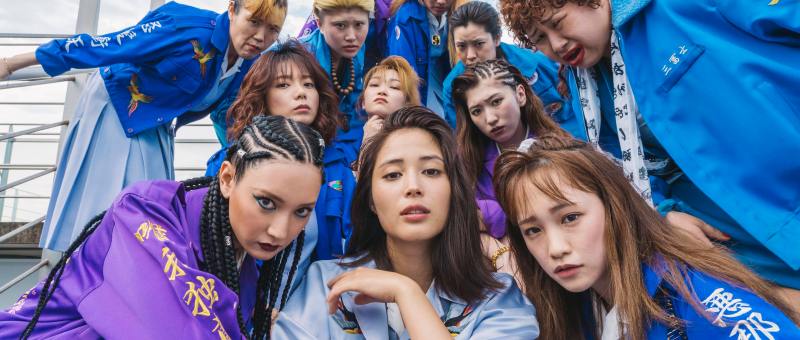
It’s this image of the OL as the embodiment of bland geniality that is at the centre of Kazuaki Seki’s zany comedy Jigoku-no-Hanazono: Office Royale (地獄の花園, Jigoku no Hanazono), a repurposing of “yankee” high school delinquent manga for the world of the office lady scripted by comedian Bakarhythm. A devotee of yankee manga, 26-year-old OL Naoko (Mei Nagano) explains that even office ladies have their warring factions outlining the tripartite fault lines at play in even her small company where the head OLs from Sales, R&D, and Manufacturing constantly vie for hegemony through physical dominance. She however merely observes from the sidelines defiantly living her “ordinary” office lady life. That is until new hire Ran Hojo (Alice Hirose) arrives to upset the precarious workplace power balance. 

Naoko first catches sight of Ran after she challenges some of the OLs from her company as they harass a timid male employee in the street though they don’t become best friends until after Ran spots a salaryman trying to upskirt her at a bus stop and decides to teach him a lesson. Despite being a yankee, it seems that Ran is also trying to live a normal OL life, bonding with Naoko over their shared love of a TV drama, but is not exactly good at the job and regards fighting as her one and only skill. Perhaps speaking to an inner insecurity born of being a woman in a conformist and patriarchal society, each of the women struggle to see themselves as protagonists in their own lives rather than mere supporting players unwittingly both playing the role of the ditzy best friend to the competent hero. 

In one of her many meta quips commenting on the action and how it would play out if she were a character in a yankee manga, Naoko laments her status as the “comic book hero’s boring friend” which is extremely ironic seeing as she is certainly the heroine of this movie given that it’s her voiceover we’re hearing and her POV we generally adopt. Yet Seki sometimes undercuts her by shifting to a rival voiceover offered by Ran herself doubtful of her proper place in the narrative and eventually descending into an existential crisis after an unexpected setback shatters her sense of self. 

Nevertheless, even if as the de facto leader of her company’s OLs Ran advocates for equality insisting there are no bosses and no underlings only women standing together, Office Royale generally embraces rather than attacks societal sexism particularly in its somewhat unexpected conclusion which ends in ironic romance rather than female solidarity. Even so, it’s interesting that the OLs lose interest in delinquency once the hierarchy of fists has been fairly decided, acknowledging the superior skills of a better fighter and thereafter living peacefully rather than continuing the internecine determination to sit at the top of the pyramid which is the hallmark of the high school yankee manga. 

While the final arc strays into some potentially problematic territory with the uncomfortable humour of four male actors playing the top fighters of a rival gang of OLs from another company, Office Royale offers a series of surprisingly well choreographed fight scenes even if eventually descending into manga-esque cartoonish violence while much of the humour stems from Naoko’s adorably nerdy voiceover musing on what would happen next if this were a yankee manga. In the end, however, it’s less a tale of office lady infighting than of a pair of young women coming to a better understanding of themselves even if they do so through the potentially destructive medium of pugilism. 


Jigoku-no-Hanazono: Office Royale streamed as part of this year’s Fantasia International Film Festival

Original trailer (English subtitles)

Parks (PARKS パークス, Natsuki Seta, 2017)

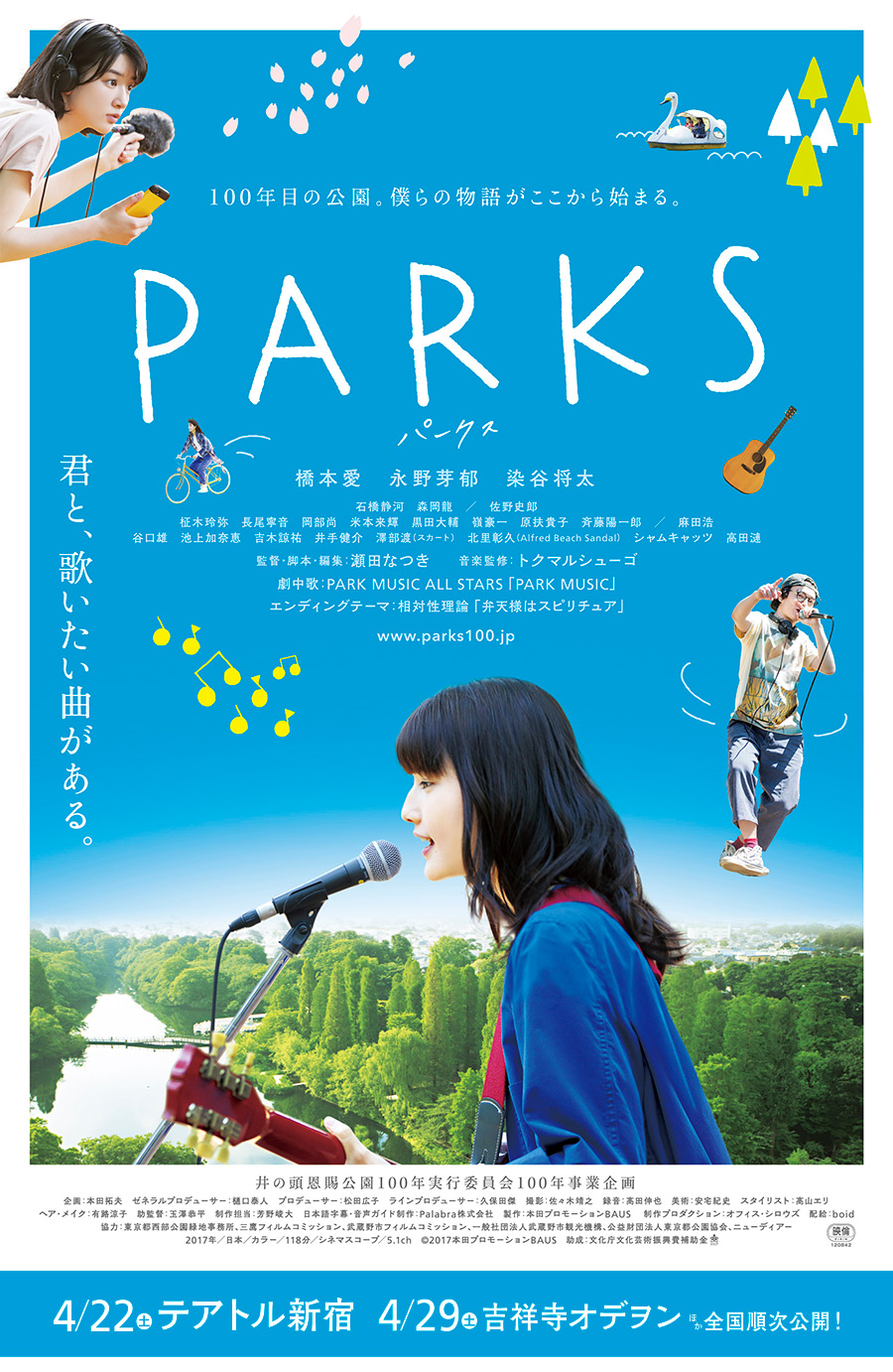
parks posterParks are a common feature of modern city life – a stretch of green among the grey, but it’s important to remember that there has not always been such beautiful shared space set aside for public use. Natsuki Seta’s light and breezy youth comedy, Parks (PARKS パークス), was commissioned in celebration of the centenary of the Tokyo park where the majority of the action takes place, Inokashira. Mixing early Godardian whimsy with new wave voice over and the kind of innocent adventure not seen since the Kadokawa idol days, Parks is a sometimes melancholy, wistful tribute to a place where chance meetings can define lifetimes as well as to brief yet memorable summers spent with gone but not forgotten friends doing something which seems important but which in retrospect may be trivial.
Student Jun (Ai Hashimoto) begins the story with a meta voiceover declaring her intention to begin among the cherry blossoms – letting us know right away that this will be an ephemeral sort of tale. She’s young, in love, and carefree – too carefree, actually, she’s already got a job lined up for after uni but has forgotten to do any of the work needed to graduate. Then, disaster strikes. Dumped by her boyfriend, Jun finds a letter from the university reminding her that she’s way behind and in a lot of trouble (the letter is dated six months previously).

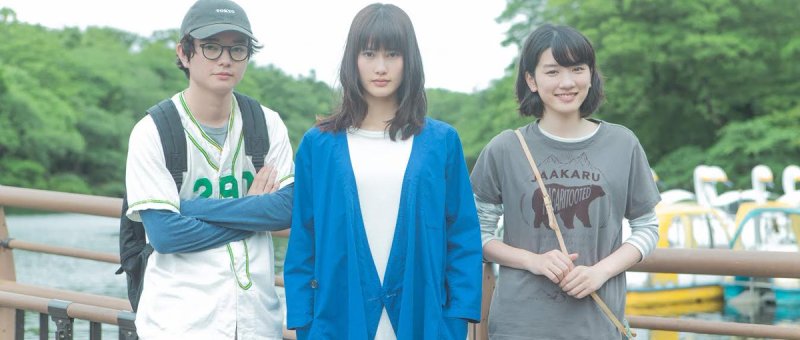
On top of all of this, she bumps into the strange and dreamlike Haru (Mei Nagano) who barges into her apartment which apparently was once home to the lost love of her late father in the 1960s (he was evidently quite an aged dad). Chasing the leads they find in a collection of love letters and photographs the girls track down some of the pair’s old friends and eventually the grandson of the woman in question, Tokio (Shota Sometani), who discovers a reel-to-reel tape among his late grandmother’s effects which contains the remnants of the love song Haru’s father and Tokio’s grandmother were creating together. Seeing as the tape is damaged the trio decide to finish the song which will also form a part of the thesis Jun is supposed to be writing to graduate university.

Light, bright, and breezy like a spring day in a beautiful park, Parks is necessarily slight but filled with all the whimsical nostalgia of the no longer young. Celebrating the park’s 100th birthday, Seta apparently wanted create something which tied the various ages together – hence the 1960s focus, though her 1960s is much more French New Wave and postmodern silliness than it is student protests or economic anxiety. Romance is in the air as lovers meet in the park vowing never to part, only they do for reasons which Haru is desperate to know even if no one else particularly cares about the background to their ongoing project.

The interplay between the three accidental friends is the heart of the drama as they find themselves pulled in various different directions. Shota Sometani’s oddly spirited Tokio with his city boy accent and nerdy attempt at cool wants more Twitter followers and has his eyes set on musical fame where as poor Jun just wants to be left alone to finish Uni while Haru is swept up in the romantic love story of her much missed father.

Or is she? Seta throws in a few meta gags leaving us unsure of who or what Haru really is or if any of this is real. Taking a decidedly Lynchian detour with strange and surreal scenes focussing on a mysterious door, she lends this world an odd sort of charm through, like her New Wave inspiration, often refuses to follow the trail to its conclusion. Flitting between past and future, allowing the two to mingle and overlap and Haru to become a friend of her father as a young man, Parks is a sweet summer daydream filled with gentle music and warm air fit to blow away on the breeze.

The song itself, a characteristically whimsical composition by Tokumaru Shugo (who also has a brief cameo in the film), is a beautifully innocent ‘60s folktune which is then corrupted by the conflicting modern dreams of the easily swayed realists Tokio and Jun while the idealistically romantic Haru listens in horror before Jun finally remembers what all of this was about and tries to fix things before they get any more broken. Some songs are intended to float away on the breeze, like summer adventures and casual friendships and Parks is such a one, though a pleasant way to dream away a warm afternoon.


Parks was screened at the 17th Nippon Connection Japanese Film Festival.

Original trailer (English subtitles available by clicking subtitle button)

Teiichi: Battle of Supreme High (帝一の國, Akira Nagai, 2017)

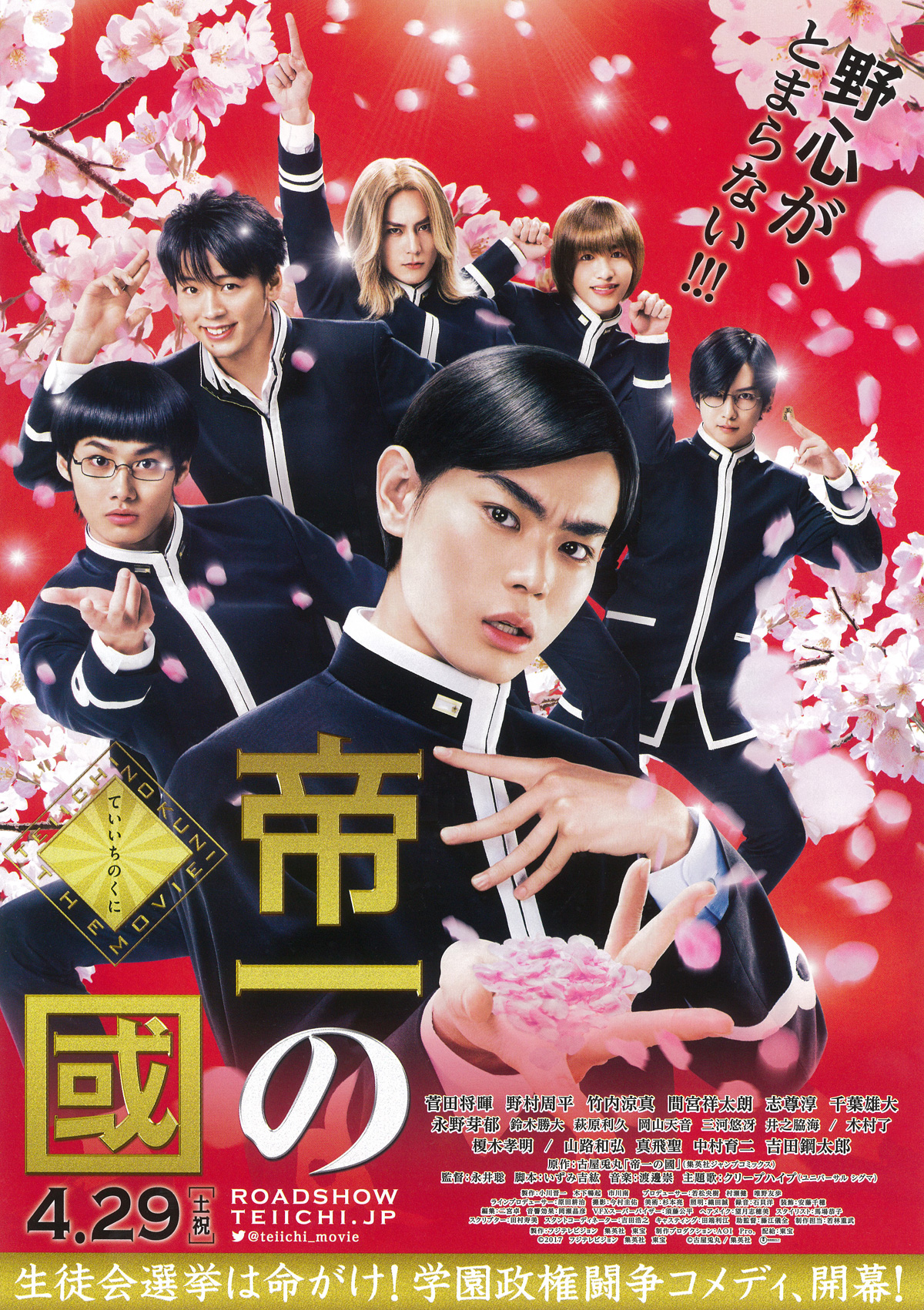
teiichiBack in the real world, politics has never felt so unfunny. This latest slice of unlikely political satire from Japan may feel a little close to home, at least to those of us who hail from nations where it seems perfectly normal that the older men who make up the political elite all attended the same school and fully expected to grow up and walk directly into high office, never needing to worry about anything so ordinary as a career. Taking this idea to its extreme, elite teenager Teiichi is not only determined to take over Japan by becoming its Prime Minister, but to start his very own nation. In Teiichi: Battle of Supreme High (帝一の國, Teiichi no Kuni) teenage flirtations with fascism, homoeroticism, factionalism, extremism – in fact just about every “ism” you can think of (aside from altruism) vie for the top spot among the boys at Supreme High but who, or what, will finally win out in Teiichi’s fledging, mental little nation?
Taking after his mother rather than his austere father, little Teiichi (Masaki Suda) wanted nothing more than to become a top concert pianist. Sadly, his father finds music frivolous and forces his son towards the path he failed to follow in becoming a member of the country’s political elite. Thus Teiichi has found himself at Supreme High where attendance is more or less a guaranteed path to Japan’s political centre. If one wants to be the PM, one needs to become student council president at Supreme High and Teiichi is forging his path early by building alliances with the most likely candidates for this year’s top spot. The contest is evenly split between left and right. Okuto Morizono (Yudai Chiba) – a nerdy, bespectacled shogi champ proposes democratic reforms to the school’s political system which will benefit all but those currently enjoying an unfair advantage. Rorando Himuro (Shotaro Mamiya), by contrast, is the classically alluring hero of the right with his good looks, long blond hair and descent from a long line of previous winners.

Teiichi follows his “natual” inclinations and sides with Rorando but a new challenger threatens to change everything. Dan Otaka (Ryoma Takeuchi) is not your usual Supreme High student. A scholarship boy, Dan comes from a single parent family where he helps out at home taking care of his numerous younger siblings. From another world entirely, Dan is a good natured sort who isn’t particularly interested in politics or in the increasingly tribal atmosphere of Supreme High. What he cares about is his friends and family. Principled, he will do what seems right and just at the expense of the most politically useful.

For all of its posturing and petty fascist satire, there’s something quite refreshing about the way Battle of Supreme High posits genuine niceness as an unlikely victor. Teiichi, a politician through and through, has few real principles and is willing to do or say whatever it takes to play each and every situation for its maximum gain. Finding Morizono’s old fashioned socialism naive and wishy washy, he gravitates towards Rorando’s obviously charismatic cult of personality but Dan’s straightforward goodness eventually starts to scratch away at Teiichi’s attempt to put up a front of amorality.

The fascist overtones, however, run deep from the naval school uniforms to the enthusiastic singing of the school song and highly militarised atmosphere. Played for laughs as it is, the school’s defining characteristic is one of intense homoerotism as pretty boys in shiny uniforms flirt with each other in increasingly over the top ways. Teiichi does have a girlfriend (of sorts) who protects, defends, and comforts him even while able to see through his megalomaniacal posturing to the little boy who just wanted to play piano but he’s not above exploiting the obvious attraction his underling, Komei (Jun Shison), feels for him as part of his grand plan.

Teiichi has its silliness, but its satire is all too convincing as these posh boys vie for the top spots, reliving the petty conflicts of their fathers and grandfathers as they do so. No one one has much of a plan or desire to change the world, this is all a grand game where the winner gets to sit on the throne feeling smug, but then Teiichi’s nimble machinations hopping from one front runner to the next rarely pay off even if he generally manages to keep himself out of the line of fire. Rather than cold and calculating politics, the force most likely to succeed becomes simple sincerity and the unexpected warmth of a “natural” leader.


Teiichi: Battle of Supreme High was screened at the 19th Udine Far East Film Festival.

Original trailer (no subtitles)

My Love Story!! (俺物語!!, Hayato Kawai, 2015)

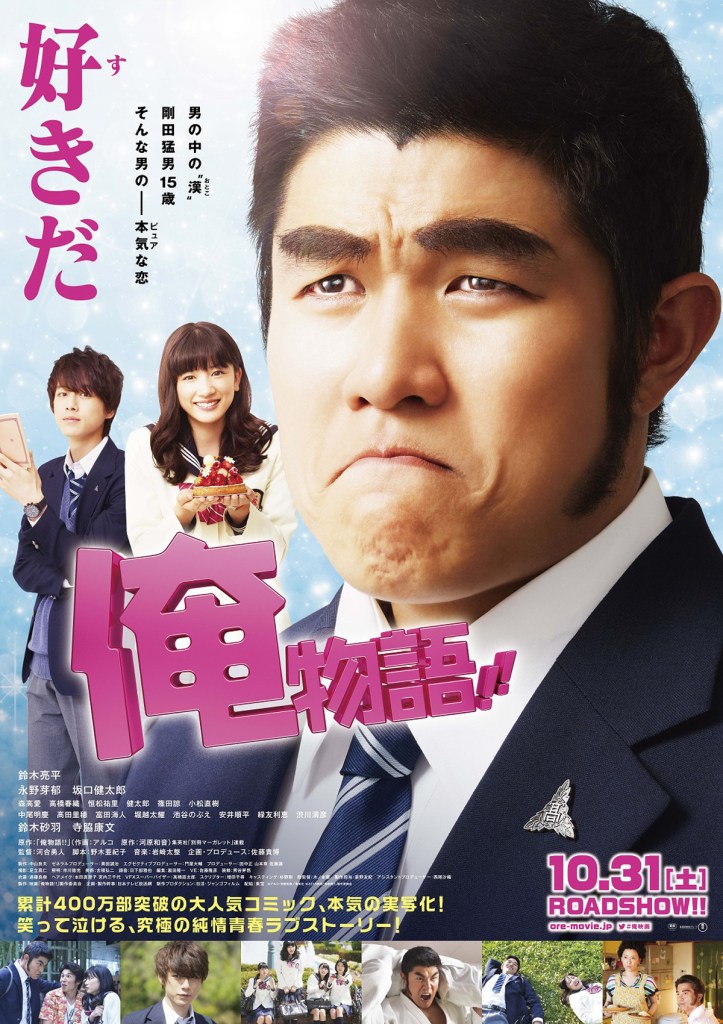
my-love-storyThey say the way to a man’s heart is through his stomach, but for some guys you’ll have to do a whole lot of baking. Based on the popular manga which was also recently adapted into a hit anime (as is the current trend) My Love Story!! (俺物語!!, Ore Monogatari!!) is the classic tale of innocent young love between a pretty young girl and her strapping suitor only both of them are too reticent and have too many issues to be able to come round to the idea that their feelings may actually be requited after all. This is going to be a long courtship but faint heart never won fair maiden.

Takeo (Ryohei Suzuki) has been best friends with next-door neighbour Suna (Kentaro Sakaguchi) ever since they were small and he made a point of becoming his defender when Suna was the new kid in town and the other boys made fun of him. However, Taeko is a big lug of a guy, adored by the his male classmates for his off the charts level of coolness, but often shunned by the ladies thanks to his impulsive nature and booming voice. Suna, by contrast, is massively popular and finds himself surrounded by swooning girls everywhere he goes. Being the big hearted guy he is, when Takeo notices his middle school crush confessing her love to Suna on graduation day, he makes sure Suna lets her down gentle and chooses to break his own heart instead.

You see, being the big guy is not exactly easy. A little slow on the uptake but also extremely sensitive, Takeo has been hearing gorilla jokes his whole life and so has internalised an intense feeling of being completely unloveable. Despite this, he remains an extremely good person who just wants everyone else to be happy even if he’s convinced himself he’s not allowed to be. Thus when he saves timid high school girl Rinko (Mei Nagano) from a persistent street harasser and falls in love at first sight, it doesn’t really occur to him that the same thing might have happened to her. Mistaking Rinko’s attempts to get his attention for a backhanded way to get to his more conventionally handsome friend, Takeo resolves to get the two together no matter what!

It would be difficult to find a romance quite as innocent as My Love Story!! which (successfully) strings out one wilful misunderstanding for around two hours. There are no great scenes of jealous exes or sudden arranged marriages to contend with, just two people entirely incapable of speaking plainly. Takeo is so invested in the idea of his own ugliness that it just doesn’t make sense to him that anyone would choose him over the conventionally handsome Suna. Likewise Rinko is quite a timid girl, bowled over by the cool way Takeo dealt with her street harasser and subsequent acts of heroism throughout the film. Though her friends may crack gorilla jokes behind her back, Rinko can see straight through to Takeo’s giant heart and is always ready to defend him, even if her own diffidence means she can’t just tell Takeo how she really feels in a way he understands.

Meanwhile, Suna is very bored by all of these missed messages as his well meaning buddy tries to foist the girl he himself loves on his obviously disinterested friend. As for why Suna is so disinterested, the film is also a somewhat coy. A little shy and awkward himself, Suna is uncomfortable with all the attention his ridiculous good looks bring him, as well as additional resentment from the other guys and often needing to deflect praise for Takeo’s heroism which people often seem to attribute to him. It may just be that Suna is over the superficial and is waiting for someone to see past his pretty boy face but his refusal to talk about the kind of girl he likes aside from going for “big and strong” perhaps hints at an altogether different reason. In any case, Suna getting fed up with being persistantly gooseberried becomes the final catalyst for finally explaining to Takeo what exactly has been going on these past few months.

Before you know it, enough baked goods to feed a small army have been consumed but Takeo is still having trouble realising that they each had a secret ingredient – love! Sometimes nice guys do get the girl, even if it involves shielding them from a falling coffin in a haunted house that’s on fire which is not as good of a metaphor as you’d think but it’ll do for now. Old fashioned and innocent, My Love Story isn’t going to set the world on fire, but it might just light a flame in your heart.


Original trailer (no subtitles)

https://www.youtube.com/watch?v=iRRlwzgOArY