
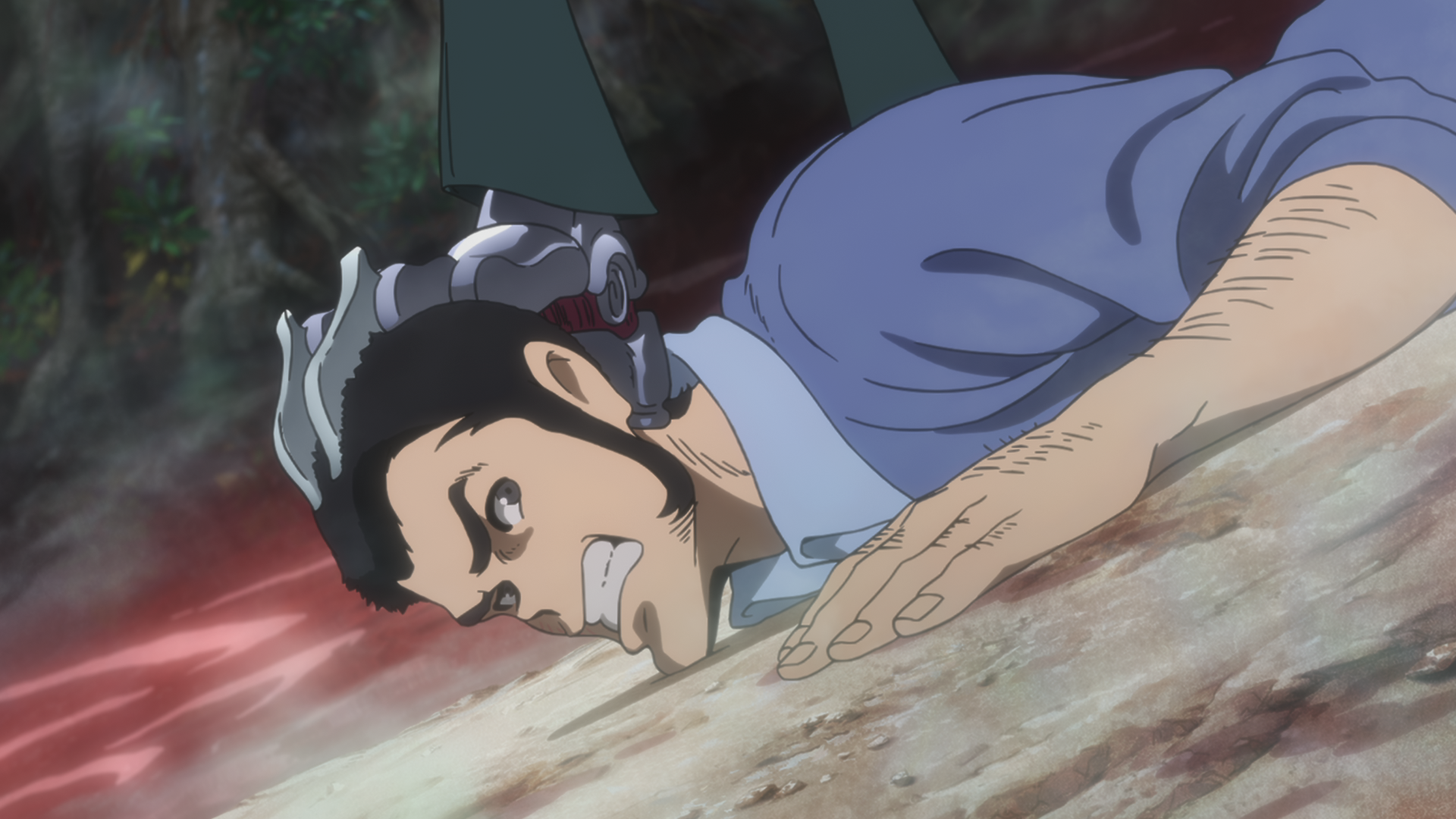
Lupin and the gang find themselves in a race against time after being lured to a mysterious private island in Takeshi Koike’s latest instalment in the classic franchise, LUPIN THE IIIRD: The Movie – The Immortal Bloodline (LUPIN THE IIIRD THE MOVIE 不死身の血族, Fujimi no Ketsuzoku). A sequel to a series of specials, the film opens with a lengthy recap explaining that each member of Lupin’s team has been targeted for assassination and seen off their adversaries using their own particular skills. Now Lupin’s home has been destroyed taking most of his loot with it, so he too is in hot pursuit looking for answers about who might be trying to kill them and why, along with some treasure, of course.
What he discovers, however, is that the island is a kind of graveyard for the unwanted. The place is full of mindless men in masks, the hitmen who didn’t make it reduced to animalistic predation. Disused military equipment scatters the landscape as if in reminder of mankind’s folly. But Lupin (voiced by Kanichi Kurita) is here because according to apparent mastermind Muom (Kataoka Ainosuke VI), he’s trash too and doesn’t belong in the new world Muom is trying to create by making the earth immortal. The air on the island is toxic to people like Lupin and unless he and his friends find a way off it within the next 24 hours, they’re destined to become zombie-like masked men too or else fade away into oblivion leaving not even a legacy behind them.
The war is then against a notion of obsolescence or the idea that a person can become somehow unnecessary. The gang were followed to the island by Zenigata (Koichi Yamadera) who is still trying to catch Lupin but ends up becoming trapped too. Lupin is obviously very necessary to Zenigata as without him he doesn’t really have a reason to exist. That’s one reason he ends up ironically teaming up with him, protecting Fujiko Mine (Miyuki Sawashiro) and breaking his own code to shoot some bad guys in an attempt to keep Lupin alive to face justice.
But as it turns out, Interpol might not be the best place to turn for back up as there’s some sort of blackout code on all things related to the island which is marked on no maps. Zenigata’s contact describes it as “sacred” and rather than sending the helicopter he asked for, explains everyone who sets foot on it will have to die because they know too much. As weird as Muom’s plans to make the earth immortal sound, it appears it’s locked into something bigger. All of which is quite good for Lupin who starts to realise there might not be much treasure here after all, but he’s found something more precious in a lead on even greater riches just waiting to be plundered.
This might be his way out of the purgatorial space of the island, the “hell for those burdened by karma” as Goemon (Daisuke Namikawa) describes it, in kicking back against Muom’s plans by identifying his nature and, quite literally, heading straight to the heart of the matter while reclaiming his identity as the gentleman thief from those who think he’s an unwelcome presence. Returning to the lair, he burns the history of himself and declares that life is a fiction to be enjoyed while immortality is a worthless gift that robs existence of its meaning. Separated on the island, the team must face their personal traumas alone before reuniting to try and figure out how to defeat their seemingly immortal captor and fight their way off the island before being consumed by its toxic gases.
The last in Koike’s Lupin cycle, the film is, in some ways, intended as a prequel to Mystery of Mamo, the very first Lupin anime released in 1978. As such it continues the style Koike has established in the series so far complete with kinetic action sequences and retro jazz score. Though this may seem like the end of the line for the gentleman thief, it is really just another beginning in returning the franchise to its point of origin. Lupin is, in a sense, reborn to steal back everything that was taken from him, with Zenigata hot on his heels and the world set to rights again, saved by his very particular brand of chaos.
LUPIN THE IIIRD: The Movie – The Immortal Bloodline opens in UK cinemas 21st February courtesy of Anime Limited.
International trailer (English subtitles)
Images: © MP / T


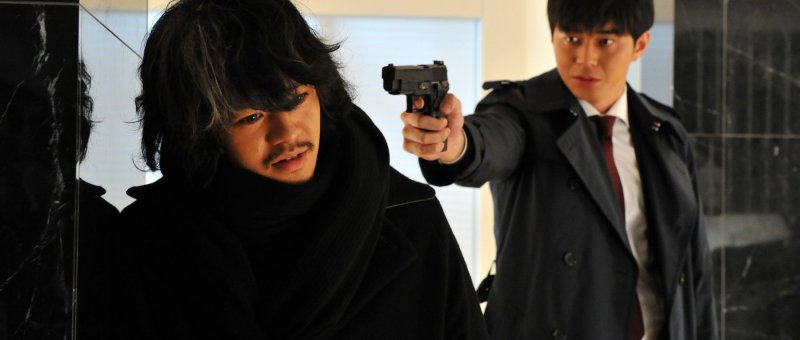
 Tsugumi Ohba and Takashi Obata’s Death Note manga has already spawned three live action films, an acclaimed TV anime, live action TV drama, musical, and various other forms of media becoming a worldwide phenomenon in the process. A return to cinema screens was therefore inevitable – Death Note: Light up the NEW World (デスノート Light up the NEW World) positions itself as the first in a possible new strand of the ongoing franchise, casting its net wider to embrace a new, global world. Directed by Shinsuke Sato – one of the foremost blockbuster directors in Japan responsible for Gantz,
  The Japan of 2116 is a peaceful place. Crime is at an all time low thanks to the Sybil system which monitors the nation’s citizens issuing them a “Crime Coefficient” rating assessing how likely they are to commit a crime. When a potential criminal’s Psycho-Pass reaches an unacceptable level, the Public Safety Bureau are called in to hopefully put a stop to any criminal activity before it has the chance to occur.
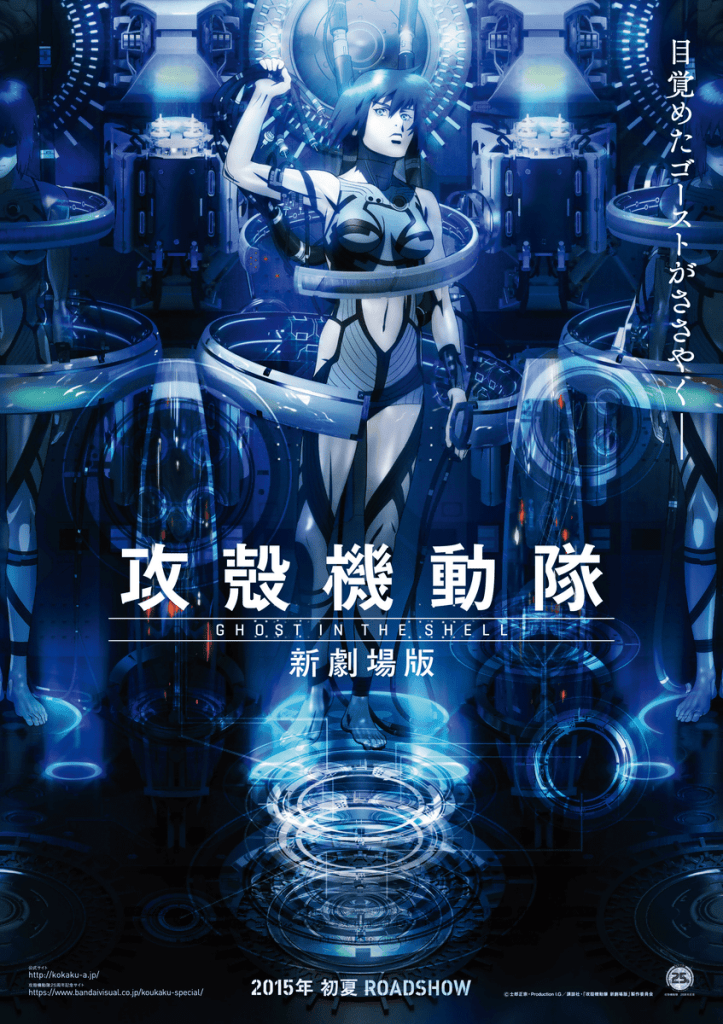 Masamune Shirow’s cyberpunk manga Ghost in the Shell burst onto the scene in 1989 and instantly became a genre classic. Mamoru Oshii then adapted the manga into a much lauded anime movie in 1995 which almost came to define cyberpunk animation even if it emerged towards the end of the genre’s heyday. A sequel, Ghost in the Shell: Innocence followed in 2004 as well as a TV anime spin-off Ghost in the Shell: Stand Alone Complex. Now with the 20th anniversary of the original animated movie, the series has yet again been adapted into a series of entirely new anime OVAs under the name of Ghost in the Shell: Arise. Ghost in the Shell: The New Movie (攻殻機動隊 新劇場版, Kokaku Kidotai – Shin Gekijoban) is the big screen outing of this latest incarnation scripted by Tow Ubukata who also produced the very GITS influenced Mardock Scramble.
 Harmony – the word itself sounds peaceful. A coalescence of sympathetic sounds, the feeling of wholeness and happiness. However, if given the choice, would you like to live in a world of peace and plenty in which your body is almost government property and your personal freedom is limited in favour of ensuring the survival of the species, or would you rather take your chances with the world as it is complete with its violence, sadness and pain if it meant you could be free to live in which ever way you see fit? Michael Arias’ adaptation of the Project Itoh novel addresses just this question in all its complexity as utopia turns out to have a heavy entrance fee.
 Windows on Worlds