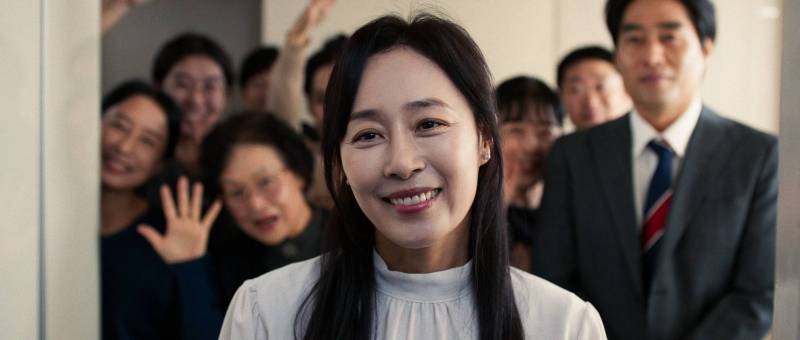
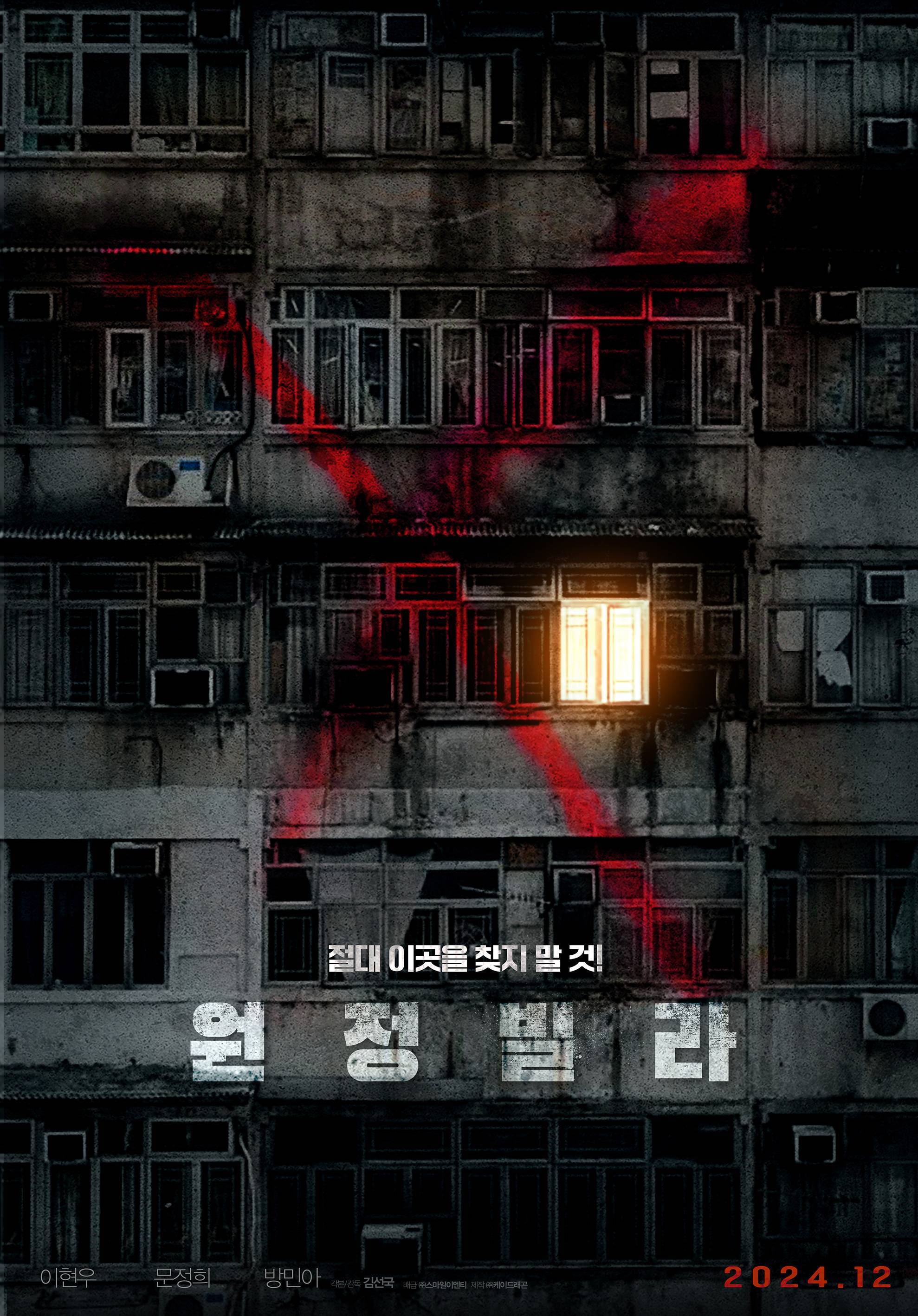
After discovering that all of his neighbours have become members of a religious cult, one young man tries to hold fast to his independence but finds himself confronted by the forces of conformity and mass hysteria in Kim Seon-kuk’s paranoid horror thriller, The Unrighteous (원정빌라, Wonjeong Villa). The film’s English title maybe somewhat misleading, though if anyone is unrighteous, it is the cult themselves rather than non-believer Ju-hyun (Lee Hyun-woo), while it’s also true that he lives in an unrighteous society obsessed with property values and social status.
It begins, however, with apartment complex horror as Ju-hyun gets into a vendetta with his upstairs neighbour Shin-hye (Moon Jeong-Hee) who first tries to bully him out of parking in “her” parking space which she is trying to hold for her husband who “always” parks there. Hearing strange sounds from above, Ju-hyun tries to complain about the noise, but Shin-hye ignores him and ironically insists that “neighbours should be more understanding” as if suggesting that Ju-hyun is being selfish and unreasonable and should rather make allowances for her son who is suffering from a serious illness. Ju-hyun had asked for quiet because his mother is recovering from recent surgery.
The real problems start shortly after when it becomes apparent that Shin-hye has got religion after joining a Christian-leaning organisation that Ju-hyun has been warned is a cult that targets people with bogus surveys in order to recruit them. Though she had looked tired and took little interest in her appearance, Shin-hye is now nicely turned out with stereotypically middle-class housewife outfits, styled hair, and makeup. Grinning eerily, she seems to be intent on converting her neighbours. Ju-yhyun immediately earns her ire once again when he complains about her inviting the pastor to their residents committee meeting without prior notice. He’s not the only one who objects to being subjected to a religious lecture without his consent, though Shin-hye homes in on the neighbours’ various anxieties from job precarity to loneliness to win them over to her cause.
There seems to be a direct correlation between the literal cult Shin-hye is propagating and that of property ownership in that she often repeats that they are now all “homeowners” as opposed to tenants and “true owners of this land”. Ju-hyun is a property owner too, having paid off his mortgage at a comparatively young age, and himself hopes that the redevelopment project takes place so that he can move to a nicer apartment and have a better quality of life. Everyone is obsessed with how much more profit they might be able to make if the house prices rise in the area which is something the cult is also promising them happen. Ju-hyun isn’t disinterested in that, but also wants to see the town come back to life again and is heartened that so many people are moving to the area to take advantage of the currently lower than average prices.
Studying to become an estate agent, he seems to have an interest in finding people happy homes which might on some level be because of his own disordered familial background. Vague allusions are made to Ju-hyun’s long lost father being in some way abusive to the extent that Ju-hyun can’t forget the look in his eyes and is reluctant to let him back into their lives after he contact his mother to say he wants to apologise and make amends. It’s no surprise that he too has joined the cult, though the way that Ju-hyun reacts makes him something of a complicated hero and unrighteous in his actions. He justifies himself that he’s trying to keep his family safe and ensure the home he’s worked so hard to provide for them won’d be taken away, but his mother also has a point in resenting his bossiness and condescension as he repeatedly instructs her not to have anything to do with the cult or open the door to strangers. When he has an opportunity to save his neighbours, he wonders whether he should bother given how mean to him they’ve all been through this whole ordeal.
In a sinister manner, the cult begins to encircle him as his employer and the leader of the redevelopment project turn out to be cult members. He’s fired from his job for refusing to join the cult, while the police seem to be in on it too and react to his attempts to explain with exasperation as if he were just a delusional conspiracy theorist. Only the local pharmacist with a side line in investigating cults is willing to help to help him. Nevertheless, the escalating darkness from trance-like religious mania to human sacrifice is quite steep even intended as satire that people would willingly sacrifice the lives of others in the name of house prices, even if they’re tricked into handing over the deeds to their properties to the cult become “the true owners of land”. Ju-hyun, however, resolutely refuses to drink the cool aid, in some ways quite literally, looking on with disdain as his neighbours dance in the street on receiving the news that the long awaited redevelopment project will indeed be happening as if it were a miracle fallen to them from some higher powers.
Trailer (English subtitles)
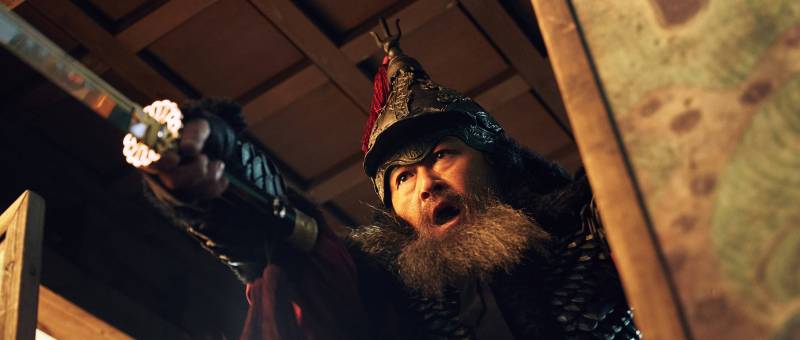

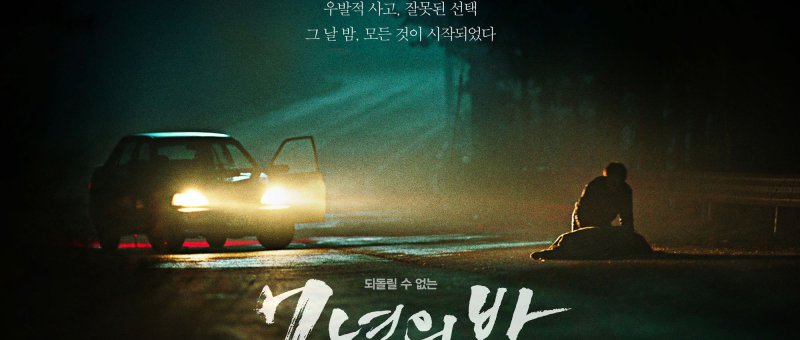
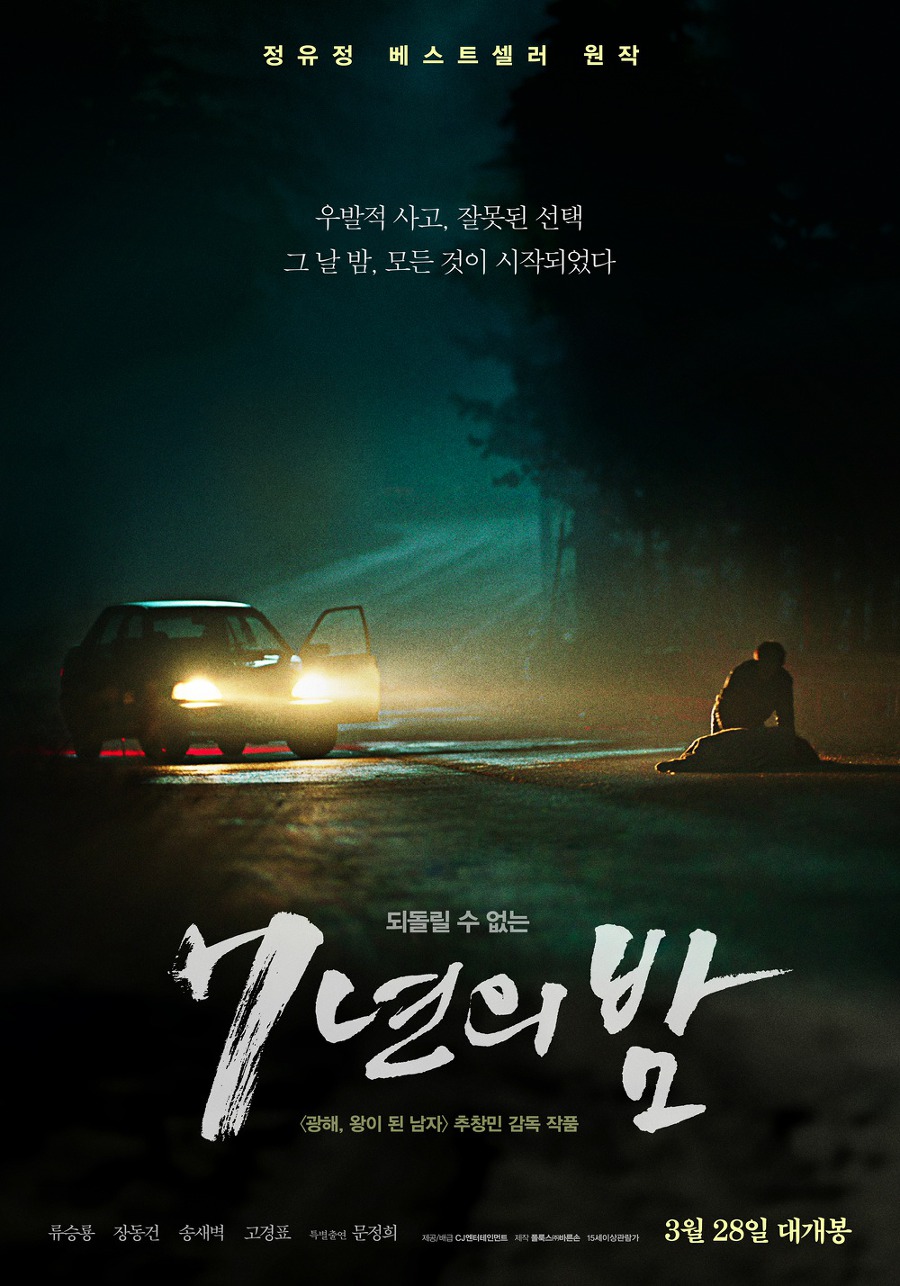
 In a time of crisis, the populace looks to the government to take action and save the innocent from danger. A government, however, is often forced to consider the problem from a different angle – not simply saving lives but how their success or failure, decision-making process, and ability to handle the situation will be viewed by the electorate the next time they are asked who best deserves their faith and respect. Pandora (판도라) arrives at a time of particularly strained relations between the state and its people during which faith in the ruling elite is at an all time low following a tragic disaster badly mishandled and seemingly aided by the government’s failure to ensure public safety. Faced with an encroaching nuclear disaster to which their own failure to heed the warnings has played no small part, Pandora’s officials are left in a difficult position tasked with the dilemma of sacrificing a small town to save a nation or accepting their responsibility to their citizens as named individuals. Unsurprisingly, they are far from united in their final decision.
 Up until very recently, many of us lucky enough to live in nations with entrenched labour laws have had the luxury of taking them for granted. Mandated breaks, holidays, sick pay, strictly regulated working hours and overtime directives – we know our rights, and when we feel they’re being infringed we can go to our union representatives or a government ombudsman to get our grievances heard. If they won’t listen, we have the right to strike. Anyone who’s been paying attention to recent Korean cinema will know that this is not the case everywhere and even trying to join a union can not only lead to charges of communism and loss of employment but effective blacklisting too. Cart (카트), inspired by real events, is the story of one group of women’s attempt to fight back against an absurdly arbitrary and cruel system which forces them to accept constant mistreatment only to treat their contractual agreements with cavalier contempt.
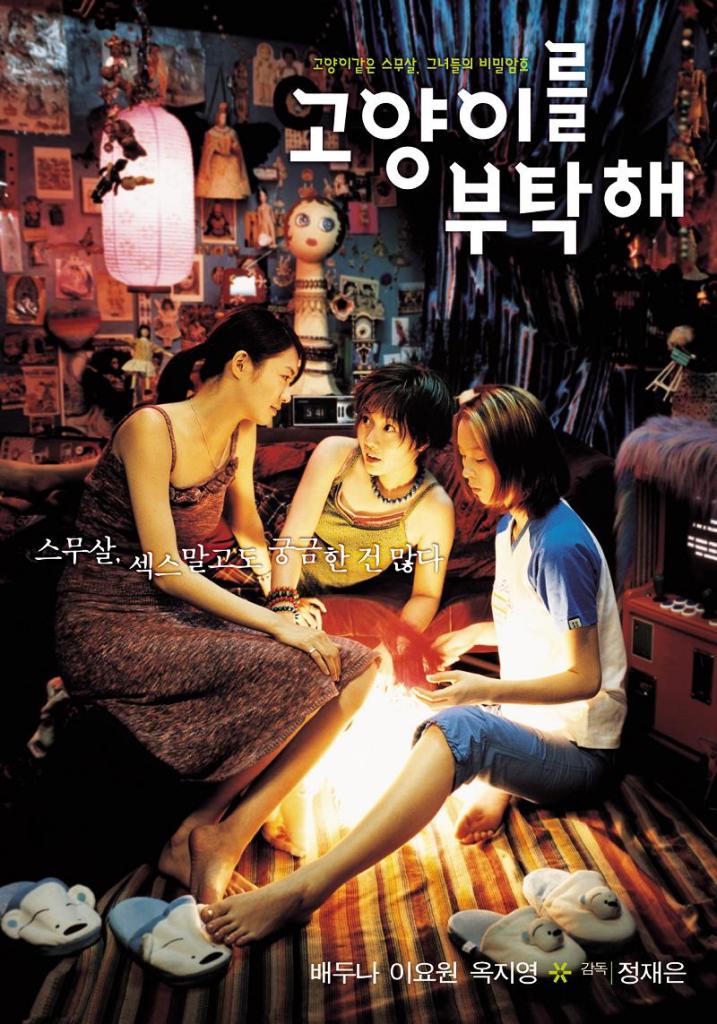 The time after high school is often destabilising as even once close groups of friends find themselves being pulled in all kinds of different directions. So it is for the group of five young women at the centre of Jeong Jae-eun’s debut feature, Take Care of My Cat (고양이를 부탁해, Goyangileul Butaghae). All at or around 20, the age of majority in Korea, the girls were a tightly banded unit during high school but have all sought different paths on leaving. Lynchpin Tae-hee (Bae Doo-na) is responsible for trying to keep the gang together through organising regular meet ups but it’s getting harder to get everyone in the same place and minor differences which hardly mattered during school grow ever wider as adulthood sets in.
 Windows on Worlds