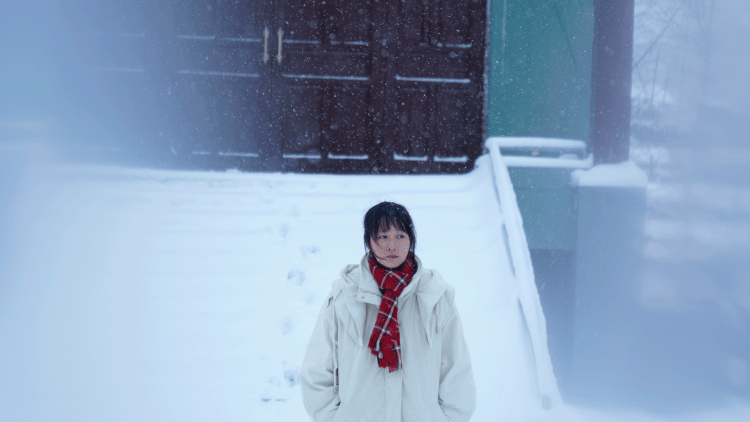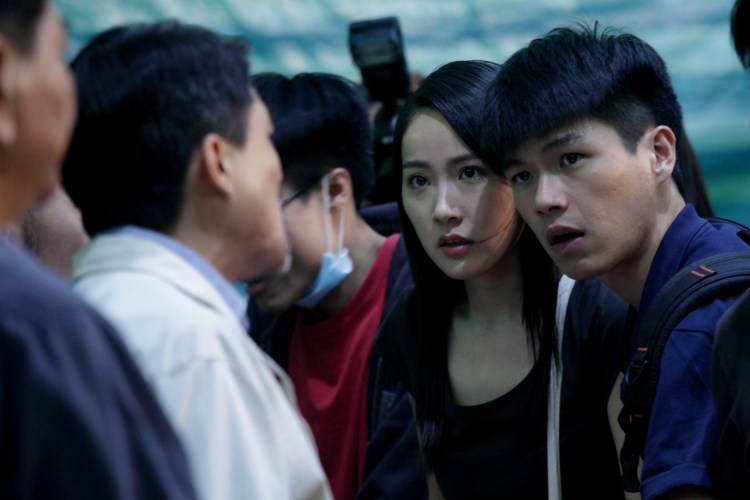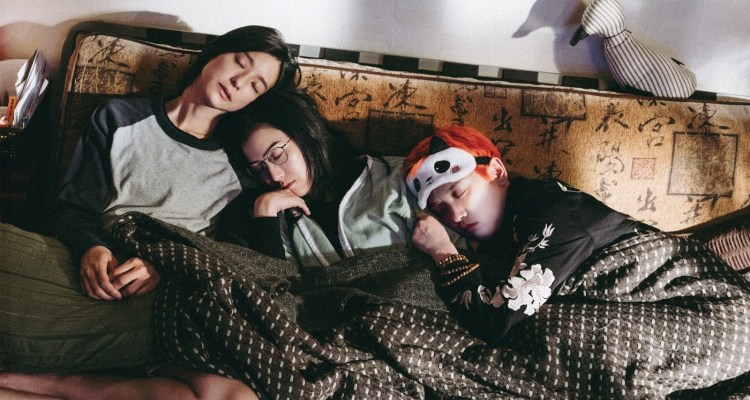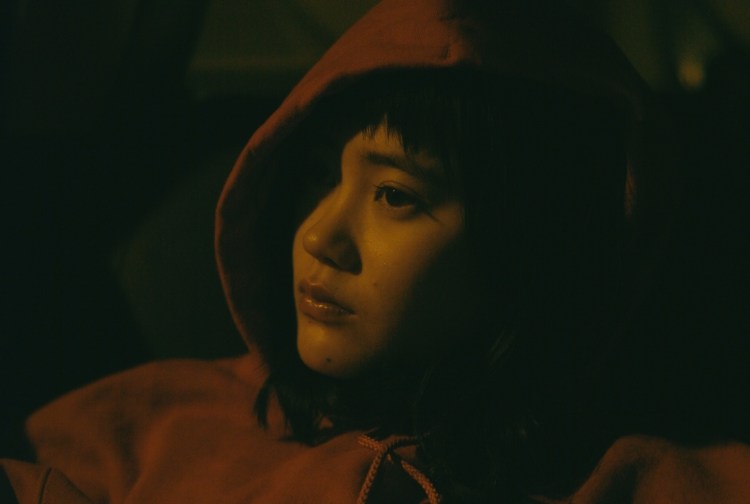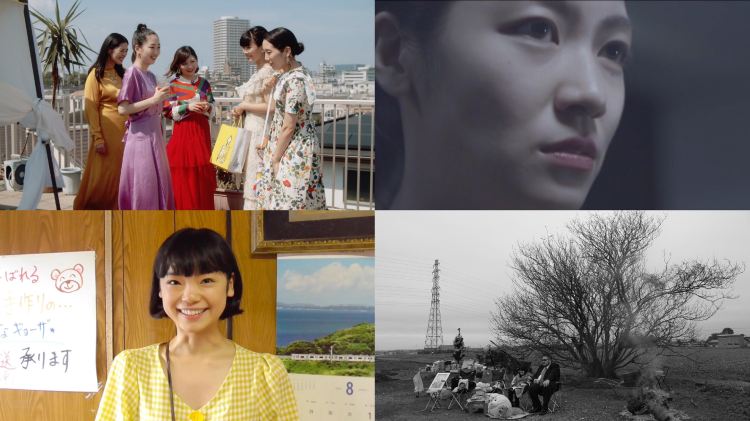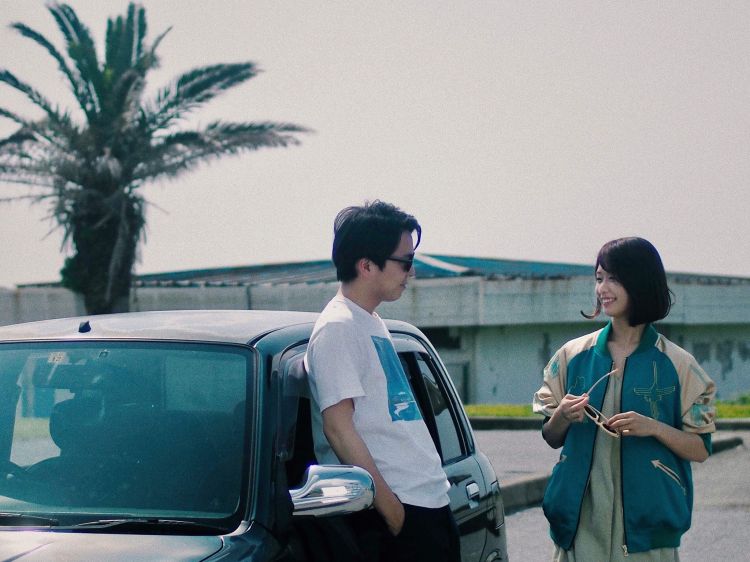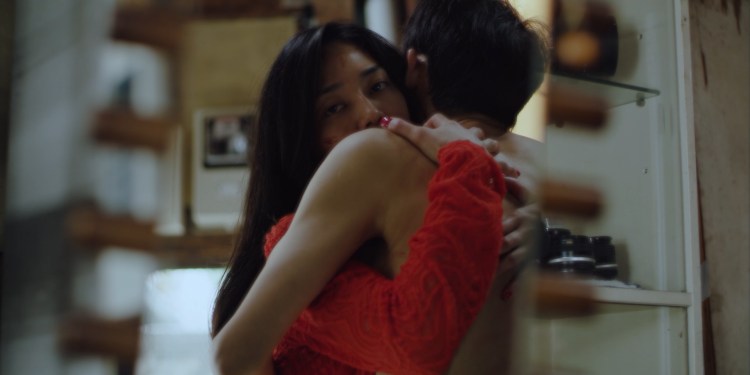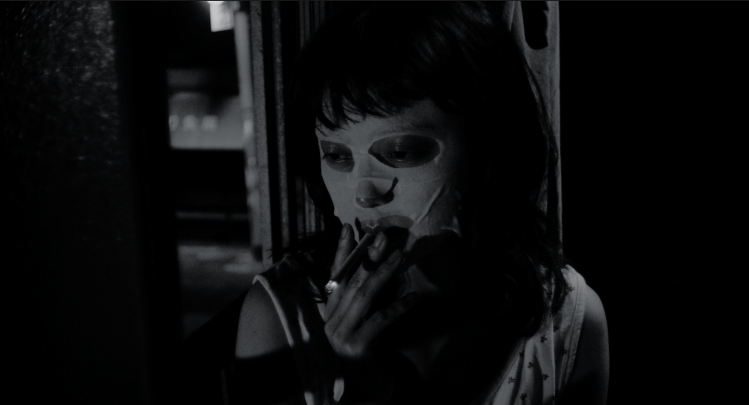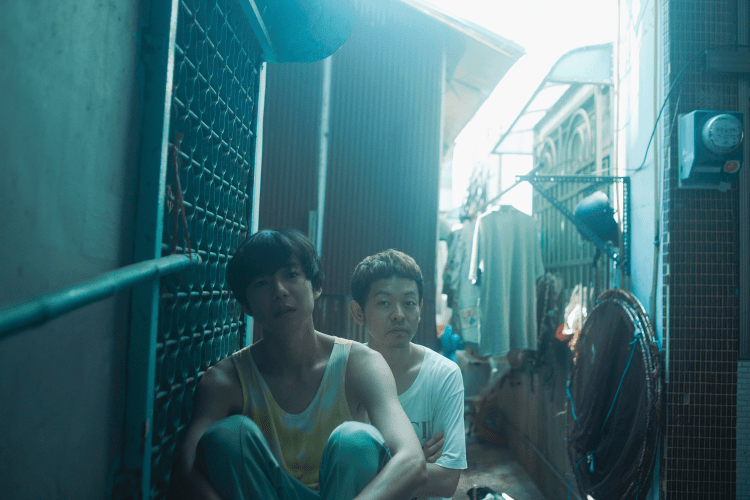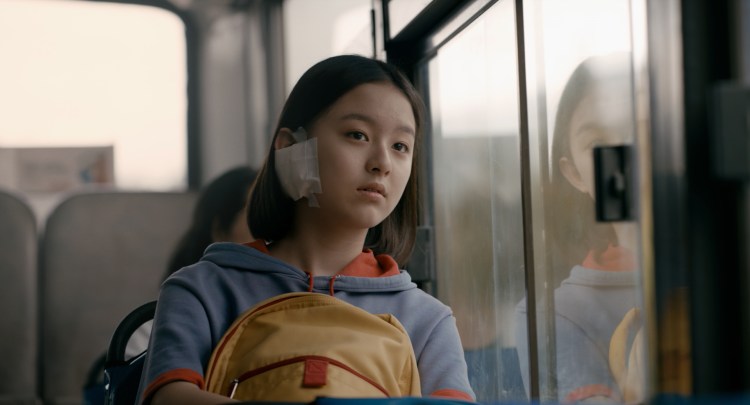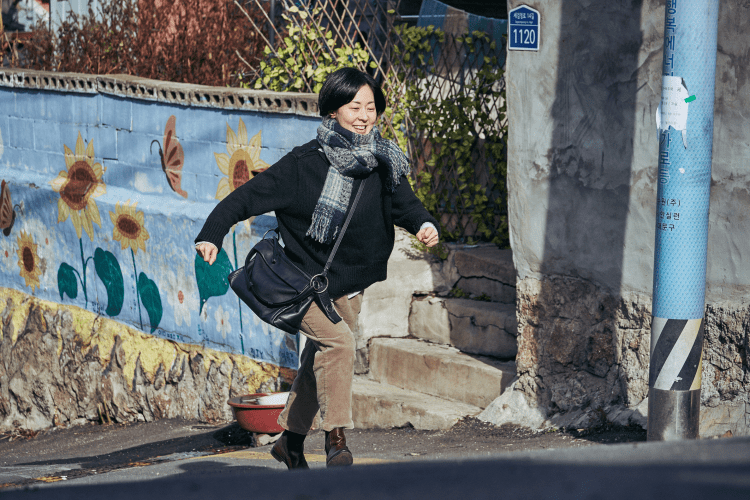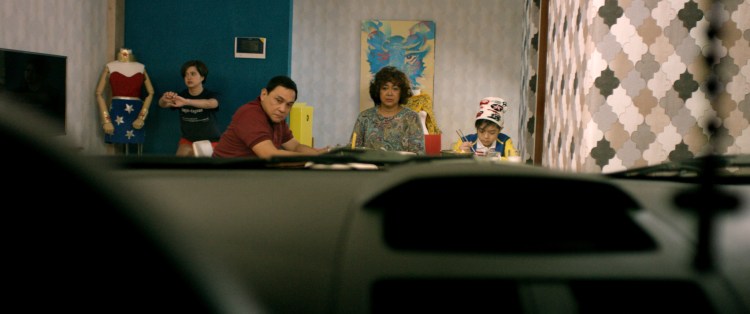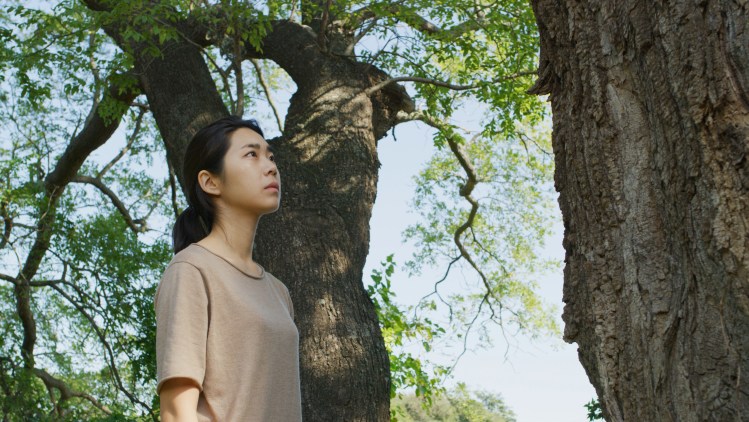
Write About Love (Crisanto Aquino, 2019)

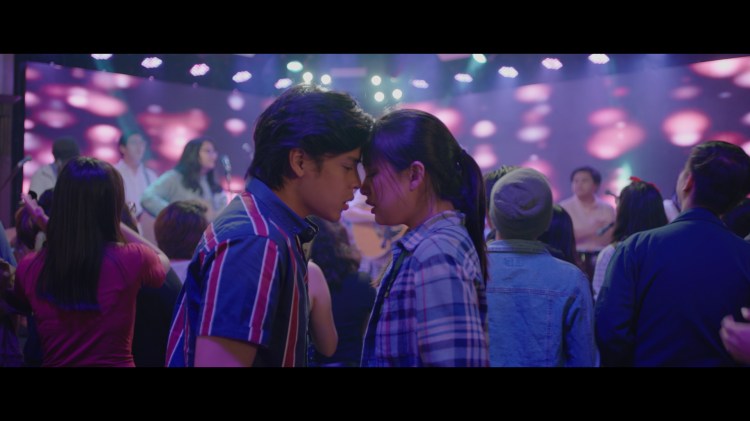
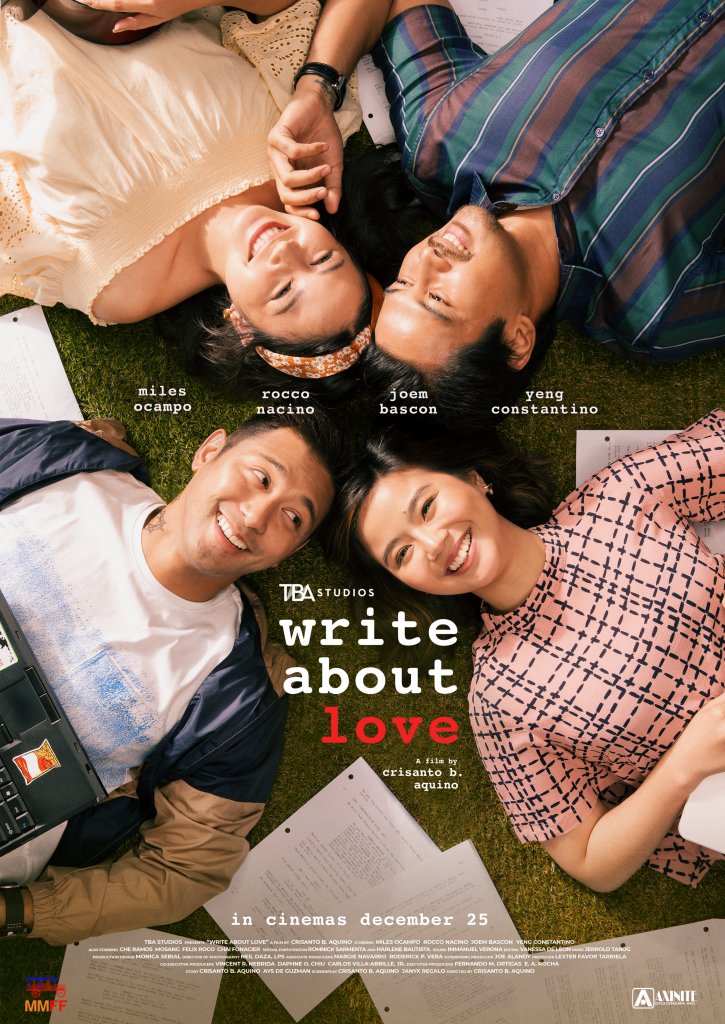
Write what you know, the old adage goes, but can you really write about love if you’ve never been in it? The debut feature from Crisanto Aquino, Write About Love concerns itself not only with romance but with love in a wider sense as mediated through the act of creativity. Two writers are forced into an awkward collaboration working in some senses at cross purposes but eventually find common ground as their shared endeavour pushes them towards acts of self interrogation as they attempt to write a sincere romance with an ending that satisfies all. 

Credited only as “female writer” (Miles Ocampo), a young woman obsessed with rom-coms successfully pitches one of her own titled “Just Us” to a major studio. Though they like her ideas, the suits call her back in a few days later and express concern that her scenario is too similar to an upcoming movie from a rival studio. Rather than a traditional meet-cute rom-com, they want her to focus on what came next, not the story of how they got together but a serious relationship drama about all the boring bits of being in love. To help her out, they’ve decided to team her up with an experienced “indie” screenwriter (Rocco Nacino), and have given the pair one month to thrash out a first draft. 

Of course, things get off to a bumpy start. She’s very “mainstream”, He’s quite cynical, which might make for an interesting dynamic if they weren’t constantly clashing on a personal level. He pushes his experience, She pushes her earnestness. Still, they begin to become closer writing the story of Joyce (Yeng Constantino) and Marco (Joem Bascon), an aspiring musician and a company man who meet and fall in love but find that life gets in the way of their grand romance. The pair decide to structure their drama around various anniversaries – 100 days, 200 days, a year etc, during which Joyce and Marco grow apart, discover that they have different priorities, and eventually break up after an intense argument that lays bare Marco’s insecurity and ongoing abandonment issues which lead him to put his foot down over Joyce’s career ambitions in Korea. 

Meanwhile, the real lives of the writers begin to influence the drama as they hover on the sidelines observing their fictional romantics and plotting out where they might go next. Despite their intention not to write a “mainstream” romance, they are perfectly happy to play with standard melodrama plot devices like job offers from overseas and terminal illnesses as they try to tell the story of Joyce and Marco, but, it seems, those “plot devices” also come from their lives. He had a longterm relationship end because his lover went abroad and met someone else, while she is romantically naive and still hung up on the failure of her parents’ relationship. In fact, her parents’ meet cute inspired the one in Just Us though she hoped to rewrite their story with a happier ending where her dad didn’t eventually leave them to go back to an old girlfriend. 

He asks her if she’s never been in love because she’s afraid of getting hurt, She tells him she’s just not interested, but is eventually forced to deal with her sense of insecurity through accepting the fact that her family is never getting back together. He actually doesn’t tell her much of anything, but is later forced to accept that love is a choice he may have failed to make. We expect that the writers will eventually fall in love while writing the saga of Joyce and Marco, but first they have to discover a few things about themselves, about love, and about suffering. Questioning her mother, She finds out that love is great motivator, prompting you to make decisions good and bad, while He realises that just as in real life you can’t manipulate your characters to force them to do what you want because feelings must be earned to be sincere. Love and pain are inextricable, but love is also an energy which cannot be created or destroyed and endures even after death, according to Her, coming to the conclusion that you need two for a love story and creation is a collaborative effort. Maybe you can’t write yourself out of heartbreak, or give yourself a better ending than life saw fit to give you, but if you’re going to write about love you have to be honest and honest is never easy. 


 Write About Love was screened as part of this year’s Osaka Asian Film Festival.

Original trailer (English subtitles)

Good-bye (グッドバイ, Aya Miyazaki, 2020)

“The things you learn as a child stay with you” admits a melancholy nursery teacher, lamenting that perhaps her life would have turned out differently if only her parents hadn’t been so easy going. Most people probably wind up wondering something similar, who they might have been if their parents had or hadn’t made the choices that they made on their behalf, but sooner or later you have to leave childhood behind and take responsibility for yourself. 

That’s the part that the heroine of Aya Miyazaki’s Good-bye (グッドバイ), 20-something Sakura (Mayuko Fukuda), is currently having trouble with, struggling to find a way forward largely because in one sense everything comes too easy for her and life is no kind of challenge. Privately, however, she’s caught in an adolescent dilemma pining for the father who, it seems, has been largely absent from her life since leaving the family when she was small. 

The crunch comes when Sakura abruptly quits yet another boring office job just because it didn’t light her fire. Her mystified friend who can’t really believe someone would just quit their job on a whim in Japan’s competitive employment environment just because it was dull (let alone make a habit of it), suggests she fill in at a daycare centre that another friend has just vacated leaving them in the lurch and with a temporary contract available. Sakura is unconvinced seeing as she has no childcare qualifications, but is persuaded on hearing the facility is “unlicensed” and therefore not fussy. She doesn’t exactly take to it right away, but beginning to bond with the children reminds her of her more innocent self, especially once she encounters the father of one little girl, Ai, who is often the last to get picked up. 

Sakura is taken with Mr. Shindo (Kohei Ikeue) because he looks a little like her dad and also smells of the same brand of cherry-scented cigars that he used to smoke. It also doesn’t help that his family situation closely resembles a mildly traumatic incident from her own childhood in that Ai’s mum seems to be temporarily absent from the family home for unclear reasons. Sakura finds herself playing mother, brushing Ai’s hair and tying it up in pigtails the way her father couldn’t quite master on his own. Running into the pair in the street, she even finds herself cooking dinner for them, giving Ai a few lessons in peeling carrots, while accidentally stepping into the space vacated by another woman and perhaps crossing a line with the extremely awkward Mr. Shindo. 

The encounter does, however, prompt her into a long delayed conversation with her sympathetic mother (Asako Kobayashi) who offers no explanation for why she did what she did, or sees any need to apologise, but is perhaps touched by some of her words which convince her that her daughter needs a final push to help find her place in the world. Prompted by the other teacher at the nursery, Sakura asks her mother why she sent her to all those after school clubs etc, only to be told that she did it because she wanted Sakura to find her passion but though she was good at everything, Sakura always quit after only a few weeks. Her mother wonders if that’s because when everything is easy for you you have no incentive to stick with it and never get the opportunity to become invested. 

That has perhaps been Sakura’s problem, she says goodbye too early before there’s any possibility of getting attached. Bonding with the kids reminds her of the little girl she once was, processing the sudden absence of her mother and the possibility of her familiar world ending. Her mother eventually returned, but perhaps gave her an incomplete sense of security in the feeling that she would never leave her or the house, while her father is of the opinion that the family photo was something best left behind in the family home which was no longer his. In learning to say “good-bye” to Ai, Sakura learns to bid farewell to the little girl she once was, insecure and afraid of rejection. As her mum tries to hint, it’s time for her to find a place of her own, no longer so afraid to stick around past the part where everything seems too easy.


Good-bye screened as part of this year’s Osaka Asian Film Festival.

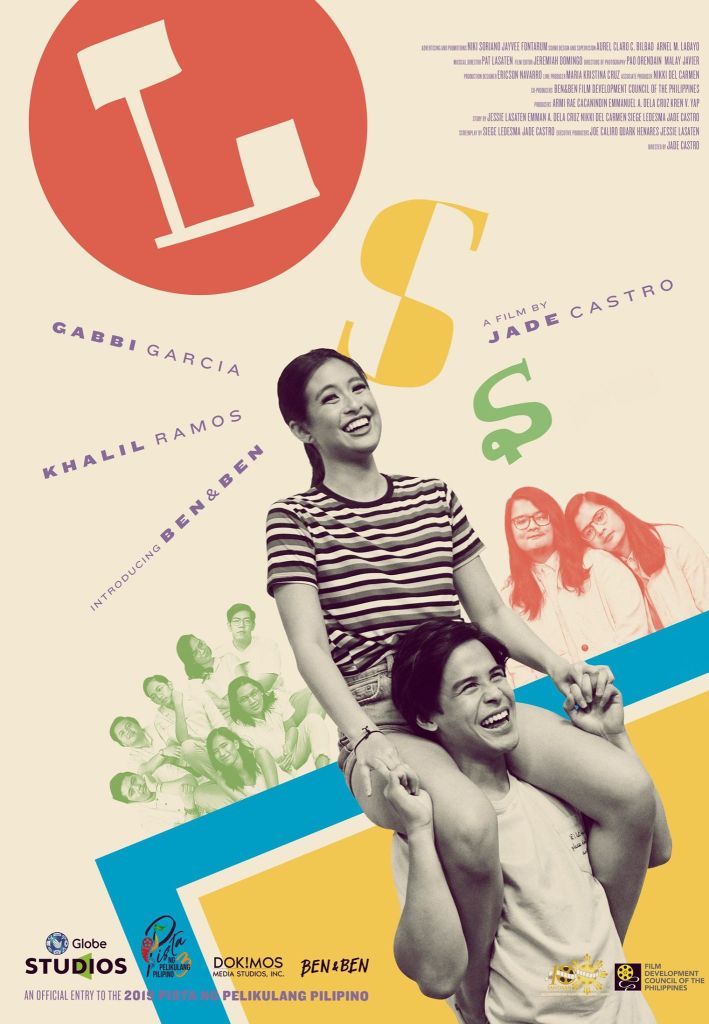
LSS (Last Song Syndrome) (Jade Castro, 2019)

“This is Love!” exclaims the heroine somewhat excitedly, though her romantic declaration turns out to be a tongue in cheek reference to the PJ Harvey song rather than a heartfelt confession. LSS (Last Song Syndrome) finds its lovelorn millennials chasing their romantic dreams but seemingly stuck in a relatable loop of heartbreaks and disappointments. They meet and then part only to brush past each other sometimes knowingly sometimes not, but somehow give each other strength as they battle the sense that their dreams are not destined to come true, yet love is less a goal in its own right than the freedom it offers to be all of who you are.

Sarah (Gabbi Garcia), a struggling singer-songwriter working a host of part-time jobs to put her younger brother through college, meets Zack (Khalil Ramos), a graphic designer, on a bus after he nervously switches seats to avoid a man with an obvious cold. Unbeknownst to Zack, Sarah had already spotted him in the queue because he was singing along to a song she likes by up and coming indie band Ben&Ben. She strikes up a conversation about music and they have a good laugh that they’re called Zack and Sarah like the Ben Folds song, eventually sharing their anxieties as they bond over a shared taste in indie pop. Sarah reveals that she doesn’t really like Ben&Ben, or she does but feels conflicted because she took part in the same newcomers workshop they did and now they’re superstars and she’s struggling to get ahead, while Zack tells her that he’s on his way to see his “best friend” with whom he’s been secretly in love for the last five years and is hoping tonight might be the night. Even so, Zack is evidently smitten and a connection has been made, but they each get off the bus and head in different directions without swapping contact details, thinking it’s one of those crazy one time encounters. 

Meanwhile, we watch them both remain in sync battling twin heartbreaks as each of their dreams goes in for a series of batterings. Zack shows up at Cha’s (Iana Bernardez) apartment and discovers she’s started dating someone else, a girl, earlier that day and realises he’s missed his chance again. Sarah gets fired from her part-time job and breaks up with her annoyingly conservative boyfriend Elmer (Eian Rances) who tells her that her dreams of becoming a musician are unrealistic while planning to open some kind of “networking” business selling dodgy cosmetics. Elmer’s words get to Sarah, but because of her meeting with Zack who told her that he believed in her dream because she has great taste in music, she has the strength to tell him where to go and double down on getting into the music industry.

That means, for a time at least, coming at it from the other side. Sarah swallows her pride and asks Ben&Ben for a job as a roadie. They aren’t very supportive (perhaps oddly seeing as the band play themselves in this movie that heavily features their music and is all about how they save love), but their manager remembers her and gives her a job when she applies for an assistant’s position through the regular channels. Zack, meanwhile, is still listening to Ben&Ben and hoping to run into Sarah at a concert someday while secretly planning to meet up with his estranged father behind the back of his kind of amazing taxi driver mum (Tuesday Vargas) who keeps needling him about his lack of romantic success (in the most playful of ways). 

Zack’s first sense of heartbreak is romantic, realising that Cha just doesn’t see him that way and that isn’t going to change. His second is familial in realising he can’t change the way the people he loves feel, and that has to be OK. Sarah’s heartbreaks, meanwhile, are largely professional as she struggles to convince those around her that she has what it takes to make it while seeing others pull ahead as she languishes backstage. Castro brings the pair together at their lowest point, allows their love to let them blossom, but then sets them apart again in the most amicable of ways. “Go chase your dreams, Sarah”, Zack tells her, supporting from the sidelines as he always has. Love is not the dream, but it is a bridge to one. You might have to let it wander for a while, but it’ll come back round eventually when it’s ready, better and stronger for having figured itself out on its own. And until then, you’ll always have Ben&Ben. 


LSS (Last Song Syndrome) screened part of this year’s Osaka Asian Film Festival.

Original trailer (no subtitles)

Ben&Ben’s official website.

Music video for Ben&Ben’s Araw Araw featuring actors Gabbi Garcia and Khalil Ramos

Kontora (コントラ, Anshul Chauhan, 2019)

Copyright © 2020 Kowatanda Films

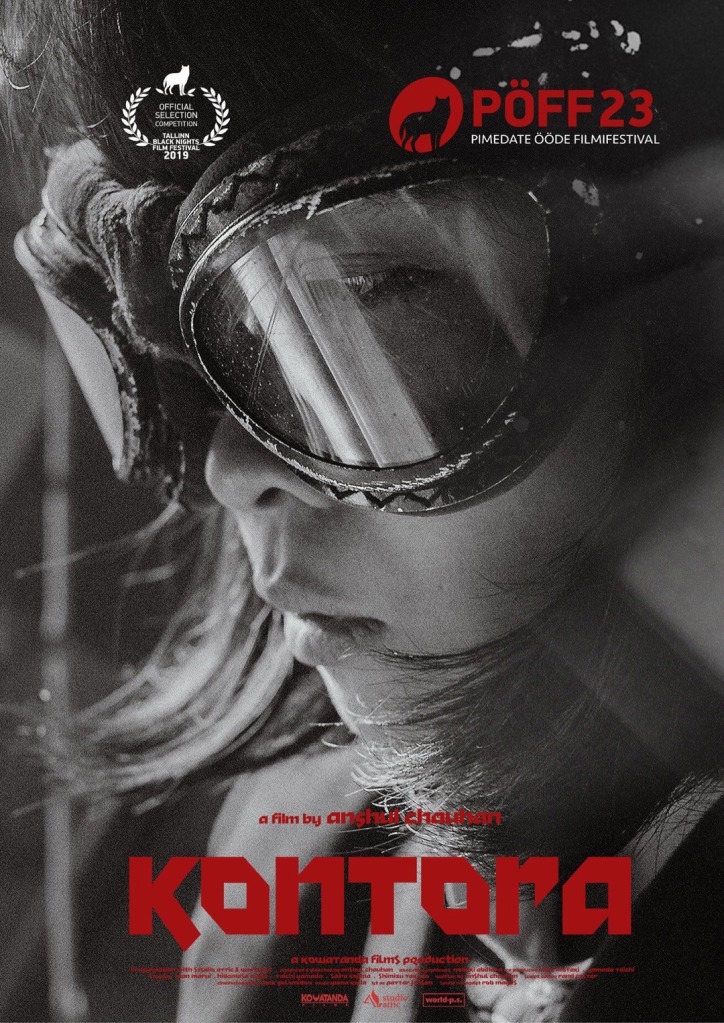
Life is a series of oppositions, the past conflicting with the future, the young with the old, selfishness with altruism, but without conflict there can be no sense of forward motion. That’s largely where the heroine of Anshul Chauhan’s second feature Kontora (コントラ) has found herself, stuck in a “one horse” town with no sense of excitement, longing for the bright lights of Tokyo while fiercely rejecting her distant father in favour of gentle companionship with her compassionate grandad. It’s not until after he passes away, however, that she begins to realise there were things in his life that he was never able to tell her. 

Teenager Sora (Wan Marui), in her final year of high school, discovers this on finding her grandfather’s body. Understandably panicked she looks over the box of World War Two mementos he appeared to have been poring over just before died and hurriedly hides them so her father (Takuzo Shimizu) won’t see. After the funeral she finds herself fondling his old pilot’s helmet and goggles while reading his war diary, filled with beautifully drawn illustrations and terrible memories of torture and privation. Writing such a diary must have been quite a risk, seeing as Sora’s grandfather recounts only fear and dissatisfaction, envious of the young men who failed the draft and got to continue with their student lives while he is lonely and desperate but claims no longer to be able to understand love. For Sora, however, the most important thing is that her grandfather mentions burying his “metal arm” in the forest. She commits herself to finding it, bunking off school to go digging on a nearby mountain. 

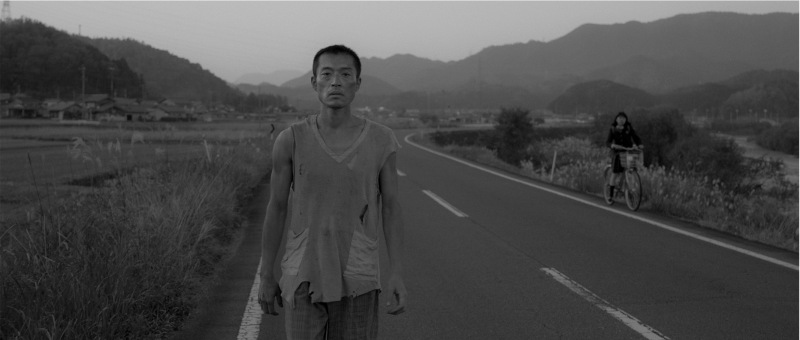
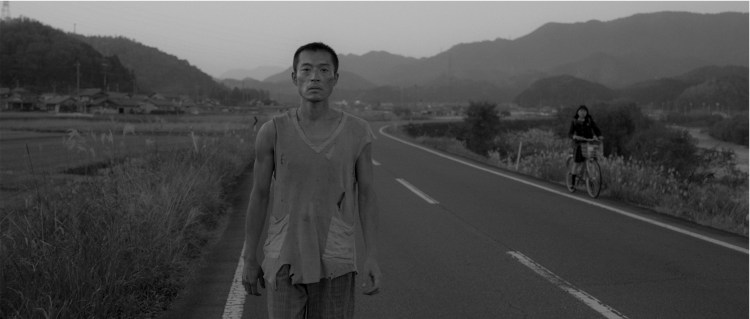
Meanwhile, she also begins spotting a strange young man (Hidemasa Mase) around town who is dressed in rags and seemingly can only walk backwards. The man enters her life in a more concrete sense when he literally collides with her father’s car while the pair are returning from a fairly disastrous family dinner over which her father’s cousin Yoshiji (Takuzo Shimizu) had made an inappropriate bid to get him to sell the family home so he could use it to house workers at his factory, even offering to give Sora a job to make sure she’s looked after. Questioned about her future plans, Sora had mentioned hoping to go to Tokyo, which comes as a shock to her dad and is abruptly shutdown by Yoshiji who can’t see what the point in that would be. His own daughter, Haru (Seira Kojima), went to Tokyo to become a dancer but seems to have returned somewhat chastened and now works in his factory, as if proving his point that there is no future for girls like Sora other than shifting straight into small-town life seconds after graduating high school. 

Sora’s dad leaves the gathering drunk and angry, which is why his first thought is abandoning the injured man on the roadside so he won’t have to deal with a drunk driving charge. Sora, however, refuses to abnegate her responsibly and insists on making sure the man is OK, leading to a compromise in which they take him home to monitor overnight. Still unconvinced, Sora’s dad kicks him out in the morning, but Sora chases him down and brings him back, dressing him in grandad’s clothes and stunned when she hears him singing one of grandad’s songs. 

The man’s presence highlights a key difference between Sora and her distant father. Sora is intrigued and unafraid, she tries to talk to the man and is very interested to find out why he only walks backwards but is also accepting of his silence. Her father meanwhile sees only danger. His first thoughts are only to expel the man by whatever means possible, eventually jumping to conclusions born of prejudice that he may have somehow harmed Sora. Sora, meanwhile, jealously keeps the diary to herself, never sharing her newfound quest with her father until forced into the open at which point she tells him that the diary had given her life a sense of purpose that she was reluctant to share with anyone else. Secrets revealed, the rift between father and daughter begins to heal while the mysterious man looks on in silence, perhaps knowing that grandad had other messages to give that are still waiting to be uncovered. 

Strangely, no one seems to stop to consider that grandad may have buried his “metal arm” for good reason, and that it should perhaps stay that way (especially if a heartless arch capitalist like Yoshiji ends up getting his hands on it). Nevertheless, unearthing the buried past begins to solve the mystery of grandad and enable a kind of healing. The man keeps walking round and round in circles, backwards as if walking against the future, caught on a treadmill of repetitive anxieties and unable to move forward. Sora may be at that point herself, stuck in a moment of adolescent confusion unable to step into adulthood and having lost her only guide and confidant. It may be, in some ways, troubling that she finds her direction through embracing a violent past, but there is indeed a moment of healing in two eras meeting which allows time to reassume its proper flow. Ethereal and mysterious, Kontora is both coming-of-age tale and a melancholy fable of griefs both national and personal in which forward motion is possible but only in facing the past head on and waving it goodbye as you turn around to walk towards a more positive future.


Kontora screens on March 12/13 as part of this year’s Osaka Asian Film Festival.

Original trailer (English subtitles)

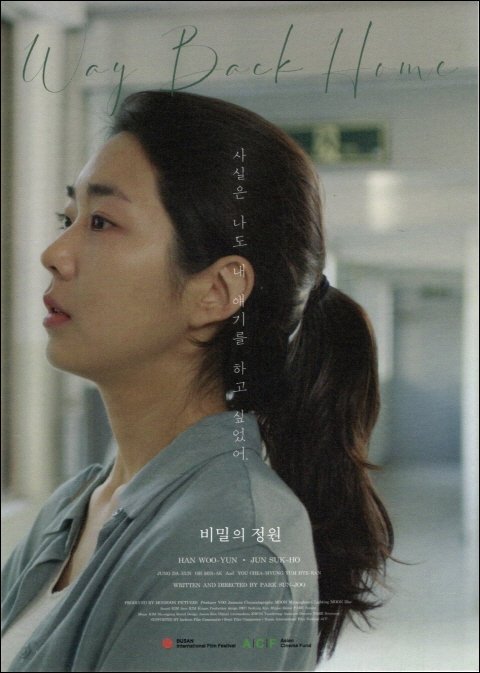
Way Back Home (비밀의 정원, Park Sun-joo, 2019)

Can you ever really “move on” from trauma, or do you simply have to learn to live with it? The heroine of Park Sun-joo’s Way Back Home (비밀의 정원, Bimil-eui Jeong-won) thought she’d made peace with the past by trying her best to forget it, but an unwelcome intrusion reminds her that it’s not only the echoes of something terrible that happened to her when she was very young that shaped her life, but everything that happened afterwards. Now preparing to move into a new phase, she realises that in order to start a new family she’ll have to repair her fractured relations with the old. 

As a high school student, Jeong-won (Han Woo-yun) was abducted and raped by a stranger who was never caught. 10 years later, she’s in her mid-20s and is preparing to move into a family home with her husband, Sang-u (Jun Suk-ho), a carpenter who works with her uncle (Yoo Jae-myung) and aunt (Yum Hye-ran) in their studio while she also has a job as a swimming instructor. The couple are currently trying for a baby, but Jeong-won recently had a miscarriage and fears that the assault may have affected her ability to bear a child despite the doctor’s assurances that there is nothing medically wrong. Then, she gets an unexpected phone call from a detective in her hometown informing her that they’ve had a hit on the DNA from her case and think they’ve caught the man who raped her but need her to come in and verify a few details. 

Not really wanting to revisit the past she’d convinced herself she’d moved on from, Jeong-won ignores the policeman’s calls but after he contacts her mother (Oh Min-ae) and turns up at her door, alerting Sang-u, she has no choice but to face the matter head on. Sang-u is understandably blindsided, not quite sure how to deal with this very sensitive new information, wanting to be there for his wife but frustrated that she doesn’t seem to want him involved. He tries to talk to her about it, but she flatly explains that it’s not something she’s prepared to discuss with him. 

Intellectually understanding that his wife needs space, Sang-u can’t help but feel shut out, hurt that Jeong-won doesn’t feel comfortable allowing him into this extremely vulnerable space. Jeong-won begins to pull away, pretending that everything’s fine, getting on with packing for their move as if nothing had happened. Meanwhile, he begins to piece things together, realising that her past trauma must have something to do with her strained relationships with her mother and So-hui (Jung Da-eun), the younger sister she always seems to be reluctant to see. 

The traumatic event in itself is not the central source of Jeong-won’s suffering but the sense of rejection she felt from her family along with an internalised shame. Jeong-won’s mother sent her to live with her uncle and aunt because she thought it might be easier to move on in a different environment, but all Jeong-won felt was that her family no longer wanted her around. Jeong-won’s aunt thinks the reason she doesn’t want to see So-hui, who is around 10 years younger and therefore around the age she was at the time of the attack, is resentment in feeling that her mother sent her away to protect her younger sister from the social stigma of being involved with a case of sexual assault, but as might be expected the situation is far more emotionally complex than anyone is able to intuitively understand. 

So-hui, meanwhile, is also hurt, travelling to the city on her own to make sure her sister is alright because she isn’t answering her calls. Fearing rejection, Jeong-won distances herself from Sang-u, mourning the relationship she had with him which was founded partly on the fact he didn’t know and therefore existed in world in which the assault had never happened. She resents being worried over because other people’s concern only reminds her of her victimhood. During his summing up at the trial, the prosecution lawyer argues that Jeong-won’s life stopped in 2008 while her attacker went on living guilt free, leaving her to suffer alone. Jeong-won might not quite agree with that assessment, she thought she’d moved on and lived an otherwise happy, normal life despite the terrible thing which happened to her, but if she wants to move forward she will indeed have to face not only the source of her trauma but the familial fracturing which followed it, finding the way back home through emotional openness and understanding along with a willingness to be vulnerable in a place of safety.


Way Back Home screens on March 11/15 as part of this year’s Osaka Asian Film Festival.

Original trailer (English subtitles)
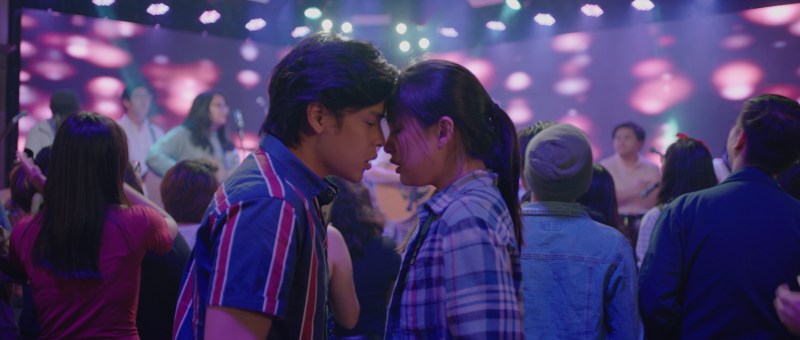
Introduction to the film by director Park Sun-joo from the Busan International Film Festival (activate English subtitles from the subtitle button)

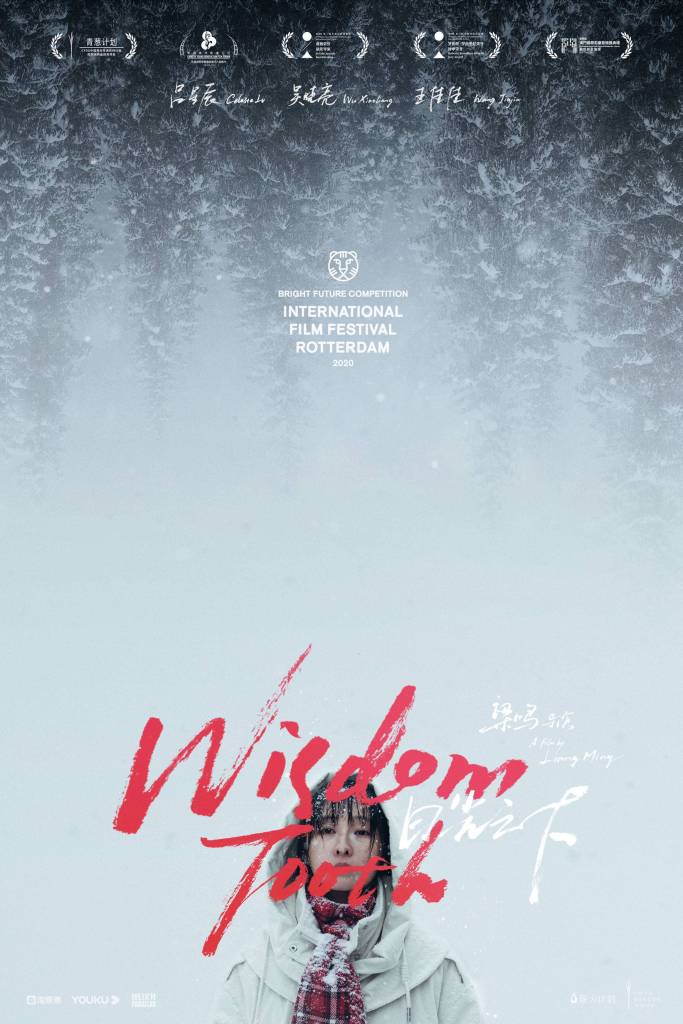
Wisdom Tooth (日光之下, Liang Ming, 2019)

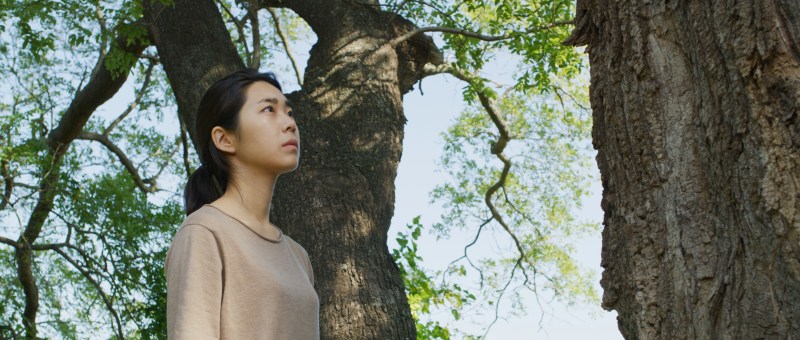
A young woman rides the waves of changing times in Liang Ming’s Wisdom Tooth (日光之下, Rìguāng Zhīxià). Perhaps innocence is something slightly painful you’re better off without, but awakening to life’s light and shade can be a difficult process. Gu Xi (Celeste Lv) is suffering with a dull ache in her jaw and the solution is, apparently, merely pain killers but you can only numb yourself so long before you have to make a choice of whether to go on living with the pain, or free yourself from it. 

A young, if slightly immature woman, Gu Xi has a job in a local hotel and lives alone with her half-brother, Gu Liang (Wu Xiaoliang), who, until recently, has eked out a living as a fisherman. A recent oil spill revealed to have occurred some time ago but covered up by the authorities has put paid to that, while Xi also finds her job under threat because she has an undocumented status and there is shortly to be some kind of inspection. Having grown up without a mother and entirely ignorant of who her father might have been, Xi feels acutely anxious about her circumstances and is dependent on Liang for a sense of security. It is therefore unsettling for her when he develops an interest in the sophisticated Qingchang (Wang Jiajia), daughter of local mob boss Zhou (Chen Yongzhong) and a recent returnee from South Korea where she had been living with her mother. 

A mirror image of Xi, Qingchang is everything she she’s not. Xi is well known for wearing her brother’s clothes, dressing like a tomboy for reasons that are a combination of poverty and affection, where Qingchang has wardrobes full of the latest fashions brought back with her from overseas including a beautifully crafted Hanbok featuring an elaborate embroidered design. As much as she’s resentful and intimidated, Xi can’t help admiring the slightly older woman, captivated by her sense of self assuredness, and eventually develops a sisterly bond with her even while fearing that she may steal her brother away. 

A further intrusion, however, disrupts their tentative familial bonding. A fisherman found dead and floating on the sea hints at a burgeoning turf war between local bosses Zhou, Qingchang’s father and Liang’s employer now that he’s taken a job as a security guard at the docks, and Jiang (Tao Hai), a melancholy Christian who owns the hotel where Xi had been working. Though warned by others that Jiang seemed “creepy”, Xi feels indebted to him because her job at the hotel was saved after she approached him to intervene. Her habit of recording the conversations around her to listen to later presents her with a problem when she discovers that Zhou may have bumped off the fisherman himself and is planning to frame Jiang for the crime. Jiang, it seems is also receiving protection money to ensure the fishermen’s safety, apparently a promise he wasn’t able to keep. Xi is pulled three ways. She loses confidence in Qingchang who is now both tainted by association and a figure of mild discomfort, while fearful that if she reveals what she knows, serves justice and repays a debt by clearing Jiang, she will ruin her brother’s happiness and risk his rejection. 

Trapped in he realms of childhood, what she most wants is to preserve her status quo. Liang is everything to her – brother, father, and somewhat uncomfortably a figure of romantic impossibility. Her feelings towards Qingchang are mired in complexity, a nascent attraction perhaps underlying her sense of jealousy either misdirected through her complicated feelings for her brother or simply finding its anchor for the first time. An angry speech at her brother’s birthday party during which she inappropriately reads out a semi-explicit passage from a lesbian novel hints at an attempt to resolve an attraction she feels is taboo, though it is unclear for whom it is directed. As with most young people, she must come to an accommodation with the fact that her world is changing. A childhood promise that she and her brother would never marry, preserving their family of two forevermore, was always unrealistic but she struggles to let go of the idea of permanence in a childish sense of familial security. Like the oil polluting the seas, her world is coloured by uncertainties but like anyone else she discovers that her agency is limited and whatever choice she makes others will make their choices too. That dull ache in her jaw is a reflection of the ills of the world around her, an inconvenient tooth that needs to be plucked out and discarded leaving only the cold comfort of adult wisdom behind in its place. 


Wisdom Tooth screens on March 11/14 as part of this year’s Osaka Asian Film Festival.

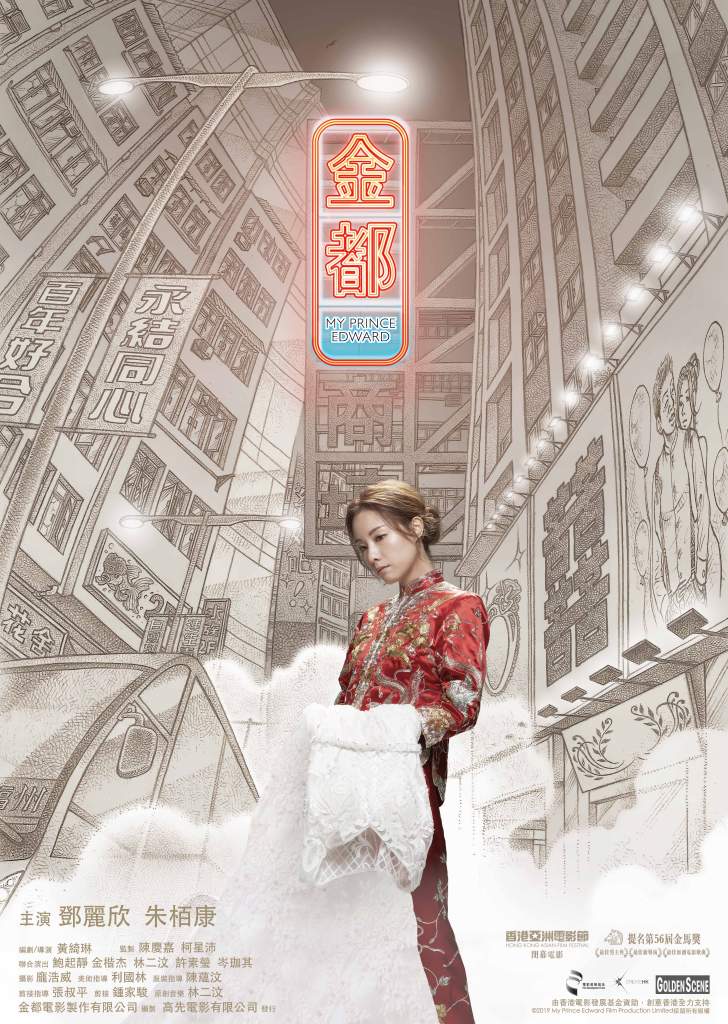
My Prince Edward (金都, Norris Wong Yee Lam, 2019)

(C)My Prince Edward Film Production Limited

“Why do you all think that marriage means happily ever after?” A conflicted young woman asks the man attempting to railroad her into a life of conventional respectability. “It doesn’t mean that” he explains, “But there’s no happiness if you don’t get married”. In 21st century Hong Kong can it still really be that a woman’s success or failure is measured by her age at marriage? The debut film from Norris Wong Yee Lam, My Prince Edward finds its heroine asking if there isn’t more to life than marrying a man you don’t love because it’s what everyone seems to expect. 

31-year-old Fong (Stephy Tang Lai-yan) has been in a committed relationship with wedding photographer Edward (Chu Pak Hong) for the last seven years, but she’s been keeping a secret from him. 10 years previously, she and her friend Yee (Eman Lam Yee-man) underwent sham marriages to Mainlanders in return for cash so they could rent a flat with a third friend, Mabel. Fong believed that the agency would deal with her “husband” on their own, arranging his Hong Kong residency permit and thereafter a divorce but although Yee’s “marriage” went off without a hitch, Fong’s hit a snag in that the agent was arrested so her husband never got his ID card and she never got her divorce. The reason she’s worried now is that she overheard Edward tell his assistant to photoshop his client’s marriage certificate to redact any mention that he’s been married before to avoid potential embarrassment at the ceremony.

The fact is, Edward is a strangely conservative, patriarchal sort of man and she knows he might not be very understanding even if she sits him down and explains that she’s technically still married to someone else. Everything might have carried on as normal if Edward had not taken it upon himself to make an ostentatious public proposal that Fong could hardly have refused even if she’d wanted to. The public proposal is perhaps another manifestation of Edward’s manipulative tendencies, but is also mostly undertaken to please his conservative and equally possessive mother (Nina Paw Hee-ching) with whom he still shares a joint bank account at the age of 31. Too afraid to face the potential consequences of the pair finding out, Fong attempts to track down her “husband”, Yang Shuwei (Jin Kaijie), to convince him to co-sign the divorce papers so they can come through before her mother-in-law’s preferred wedding date in a few months’ time. 

The grand irony is that Fong only did the sham marriage because she felt trapped by her conservative parents who objected to a teenage romance. She moved out to find freedom, but now feels trapped within the claustrophobic district of Prince Edward and most particularly the Golden Plaza shopping centre which houses her apartment and the bridal shop where she works which is next-door to Edward’s photography studio. She wanted to move into a swanky new flat, but Edward’s mother is dead set on buying the place where they currently live so Edward won’t have to move, an arrangement which suits him fine. Edward, meanwhile, is prone to jealous rages and Fong can hardly leave the apartment without getting 30 messages asking where she is and when she’ll be back. 

It turns out that “freedom” was what Shuwei was looking for too. He wanted a Hong Kong ID card as a stepping stone to going to America, hoping to make worldwide travel easier than with a PRC passport. Ironically, he can’t understand why Fong puts up with Edward’s prehistoric attitude and encourages her to reconsider marrying a man who’s already borderline abusive. Fong doesn’t quite want to admit it to herself but she feels the same, only she doesn’t have the courage to resist. She’s been successfully keeping Edward at arm’s length all these years, but now that the subject of marriage has been raised she’ll have to make a firm a decision. 

Working in the bridal shop she sees enough stressed out, unhappy couples going through the motions to realise that it’s not all sunshine and flowers, while it sounds like her family life was not exactly a bed of roses growing up. What she can’t seem to do, however, is to give herself permission not to marry. Unexpectedly getting his wings clipped, Shuwei asks her what it is she wanted to do and where she wanted to go, questions that no one else has really asked and Fong doesn’t know the answers to. If she stays with Edward, she might never find out. Like the flipped over turtle she tried to rescue from a pet shop, Fong runs the risk of swapping one tank for another, ending up trapped inside the Golden Plaza for the rest of her life being bossed around by her mother-in-law and walking on egg shells around the fragile Edward which seems like a heavy price to pay simply to be accounted respectable. “You don’t know what freedom is” Shuwei scolds her, confused that she chooses to stay when she has the choice to be anywhere she wants. The real Prince Edward gave up his throne for love, choosing one kind of freedom at least or perhaps just swapping one tank for another. Fong doesn’t know where she wants to go, but is beginning to realise that she has a choice and choosing herself is no bad thing. 


My Prince Edward screens on March 8/12 as part of this year’s Osaka Asian Film Festival.

Original trailer (English / Traditional Chinese subtitles)
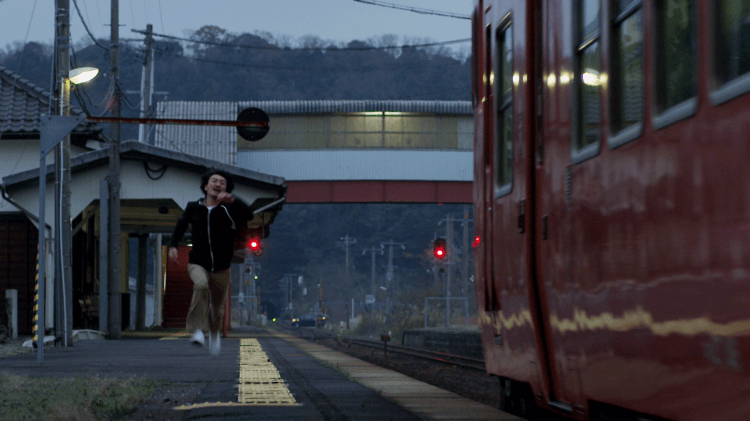
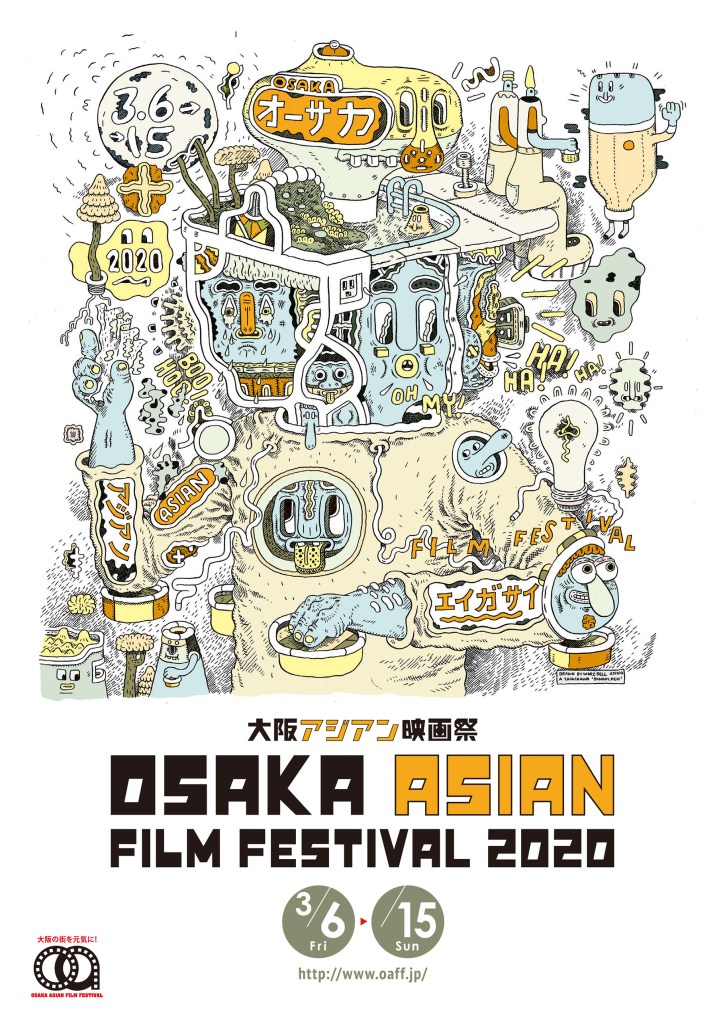
Osaka Asian Film Festival 2020 Announces Complete Lineup

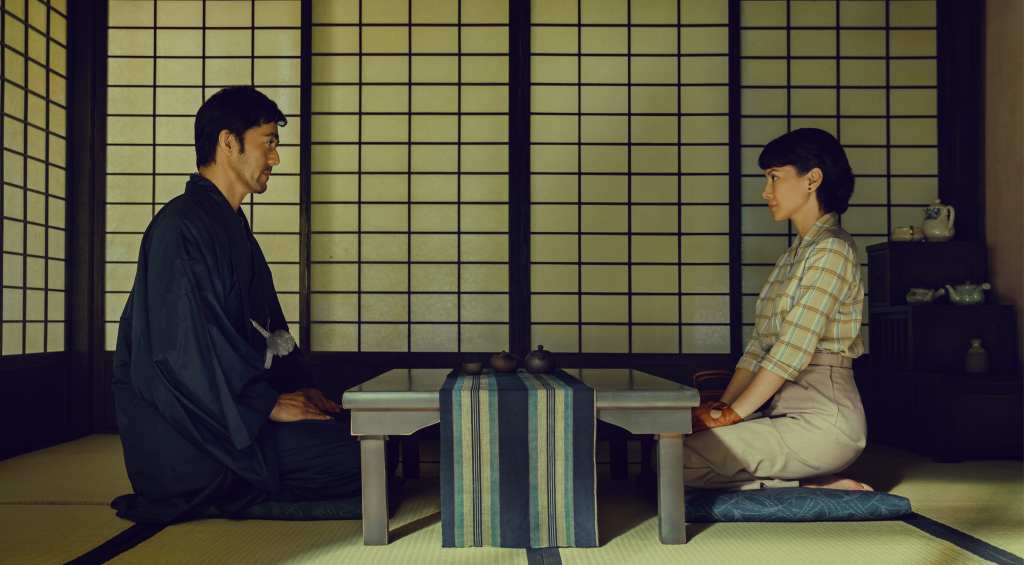
The Osaka Asian Film Festival returns for its 15th edition from 6th to 15th March bringing with it some of the best in recent East Asian Cinema. This year’s edition will open with the Malaysian film The Garden of Evening Mists starring Hiroshi Abe as a reclusive Japanese gardener, and close with the anthology movie Kamata Prelude featuring four segments helmed by Japanese indie directors Ryutaro Nakagawa, Mayu Akiyama, Yuka Yasukawa, and Hirobumi Watanabe.

China

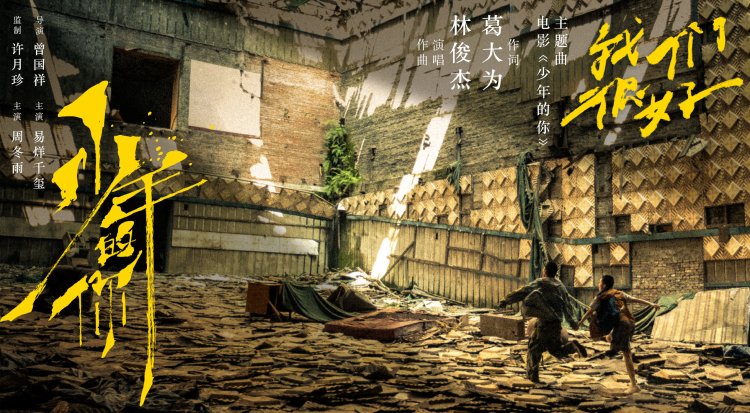
  • Better Days – Derek Tsang’s Soul Mate followup stars Zhou Dongyu as a bullied young woman bonding with a bad boy played by boyband superstar Jackson Yee. Review.
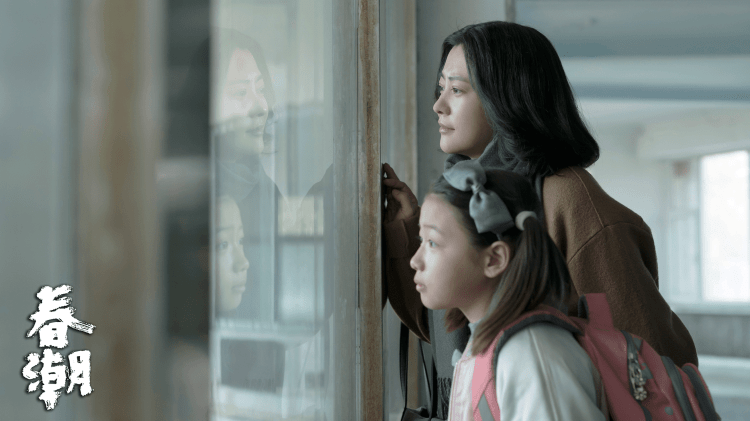
  • Spring Tide – a repressed journalist is caught between her old school loyal to the party mother and cheerful daughter Yang Lina’s familial drama.
  • Wisdom Tooth – the close relationship between a brother and sister is threatened by his new girlfriend, her undocumented status, and a suspicious death at sea.

Hong Kong

  • Apart – melancholy student activist drama running from the Umbrella Movement to the Anti-Extradition Law Amendment Bill protests.
  • Fagara – a young woman discovers the existence of two half-sisters, one from Taiwan and the other mainland China, following the death of her estranged father. Review.
  • The Fallen – the daughter of a drug kingpin comes home with revenge on her mind in Lee Cheuk-pan’s G Affairs followup.
  • My Prince Edward – a woman working at a bridal shop has met her Prince Charming and wants to get married, the only problem being the sham marriage she was paid to take part in several years previously.

Indonesia

(C)PT Screenplay Sinema Film
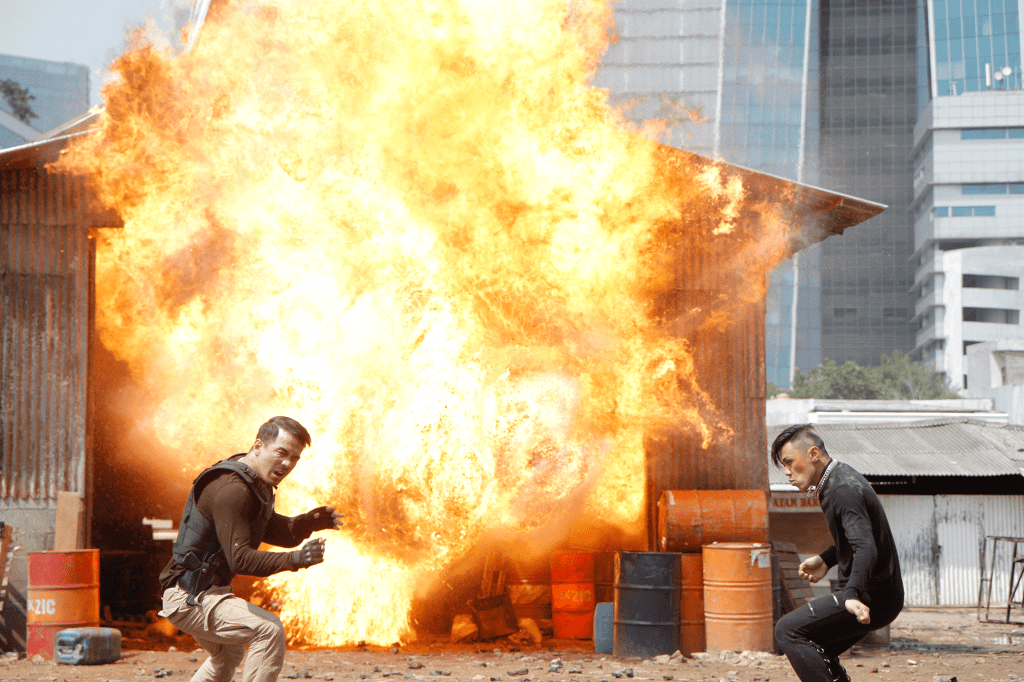
  • Hit & Run – action comedy in which a celebrity policeman reality TV star is teamed up with a conman to catch a drug kingpin who has recently escaped from prison.

Japan

  • Good-bye – a young woman quits her job to work part-time in a nursery and bonds with the father of one of the kids.
  • For Rei – an introverted young woman dreams of meeting her absent father.
  • Kamata Prelude – Four-part anthology film directed by Ryutaro Nakagawa, Mayu Akiyama, Yuka Yasukawa, and Hirobumi Watanabe.
  • Kontora – a young woman uses her grandfather’s wartime diary to look for buried treasure in Ansul Chauhan’s Bad Poetry Tokyo followup.
  • The Modern Lovers – a married salaryman with a baby on the way reconnects with an ex.
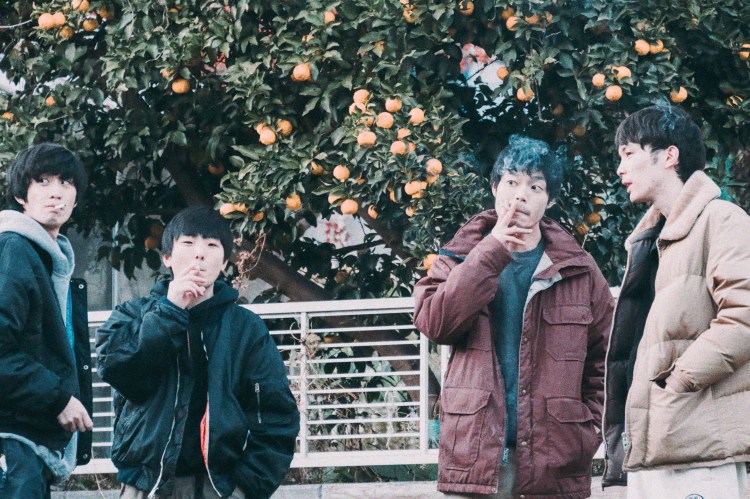
  • The Murders of Oiso – the everyday lives of four construction workers in a small town are thrown into disarray by the murder of their former teacher.
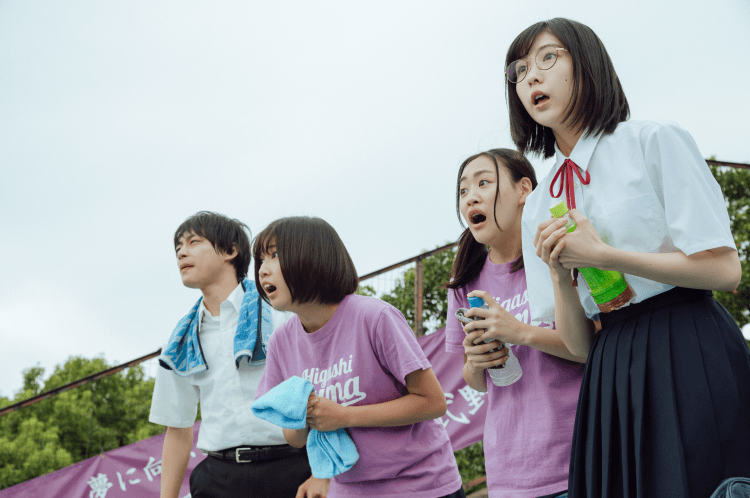
  • On the Edge of Their Seats – high school drama adapted from a stage play set on the bleachers of a baseball game.
  • Naked Uncle – a failed actor returns to his hometown and tries to reconnect with his resentful brother.
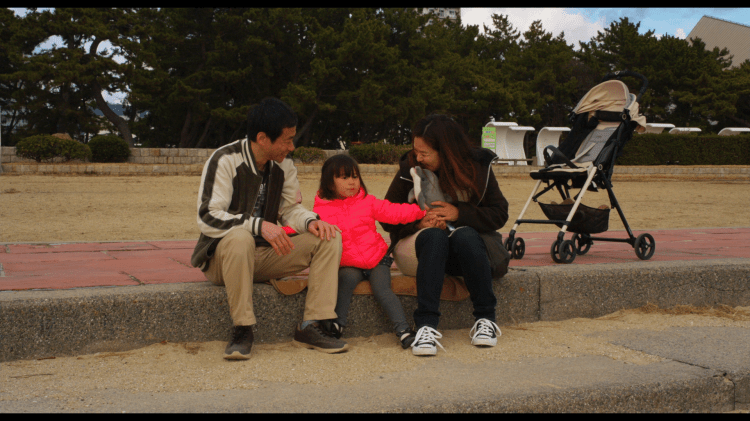
  • Reiko and the Dolphin – family drama from pink director Shinji Imaoka in which a young couple try to come to terms with the loss of their daughter in the devastating earthquake which struck Kobe in 1995.
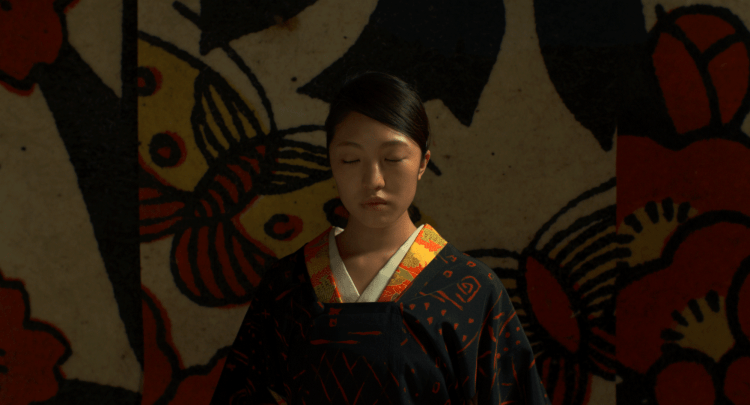
  • setsuko – continuation of the fantasy drama series from Zon Pilone which imagines a pre-war love triangle between actress Setsuko Hara and legendary directors Sadao Nakajima and Yasujiro Ozu.
  • Woman of the Photographs – a model with a disfiguring scar asks a photographer to retouch her photos but begins to feel conflicted about misrepresenting herself.
  • VIDEOPHOBIA – latest from Daisuke Miyazaki in which a young woman discovers that she has become the victim of revenge porn.
  • Yan – a young man is compelled to take a message to his estranged older brother in Taiwan whom he hasn’t seen since the end of their parents’ marriage.

Korea

  • Birthday – powerful drama following a family bereaved by the Sewol ferry tragedy. Review. (screening with Japanese subtitles only)
  • Children Gone to Poland – documentary exploring the little known story of children evacuated to Poland during the Korean War.
  • House of Hummingbird – a young girl’s perspective widens when she connects with her enigmatic Chinese teacher. Review. (screening with Japanese subtitles only)
  • Lucky Chan-sil – film producer Chan-sil finds herself unemployed after the director she’d been working with suddenly dies, taking a job as a cleaning lady for an actress and bonding with a handsome French teacher.
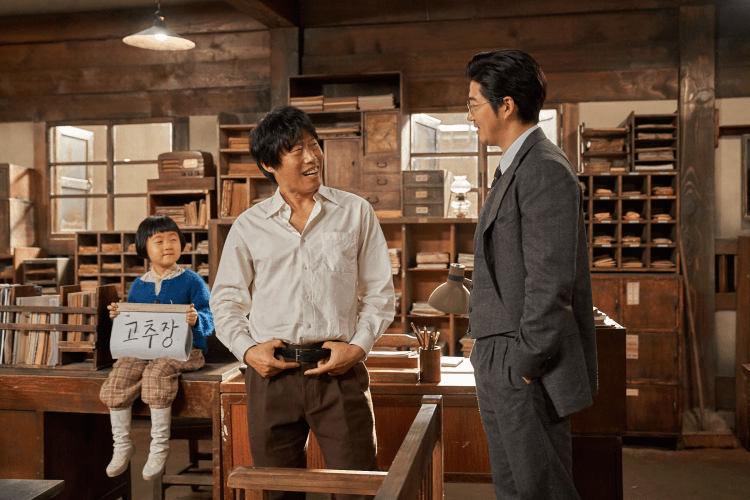
  • Malmoe The Secret Mission – an illiterate crook teams up with a man from a wealthy, pro-Japanese family to compile a Korean dictionary during the Colonial era in which the Korean language was banned. (screening with Japanese subtitles only)
  • Sunshine Family – a Filipino family living in Korea finds itself in a difficult situation after the father knocks someone over in a hit and run.
  • Way Back Home – a woman’s peaceful family life is threatened when she receives a call to say the man who raped her ten years previously has been apprehended.

Malaysia

(c)2019 ASTRO SHAW, HBO ASIA, FINAS, CJ ENTERTAINMENT ALL RIGHTS RESERVED
  • The Garden of Evening Mists – a young Malayasian woman travels to meet a reclusive Japanese gardener to ask him to design a memorial for her sister but ends up becoming his apprentice.

Philippines

  • Babae at Baril (The Girl with the Gun) – a saleswoman finds a gun on her doorstep and decides to use it to take revenge on a patriarchal society.
  • LSS(Last Song Syndrome) – two young people are repeatedly brought together by the music of Ben and Ben in this indie romance.
  • Metamorphosis – drama exploring the lives of intersex people.
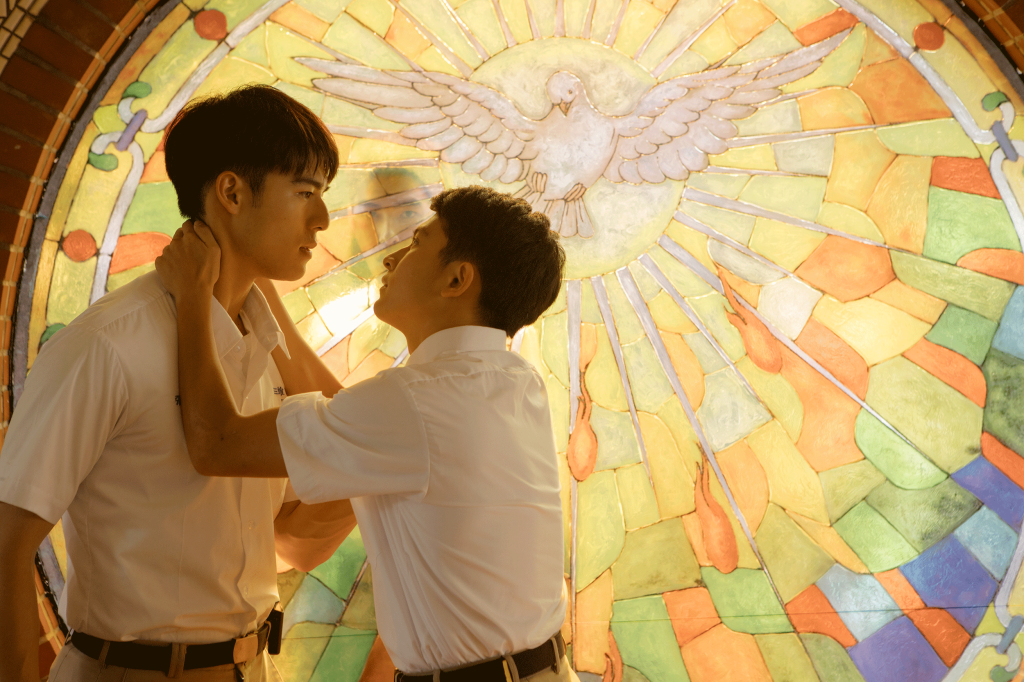
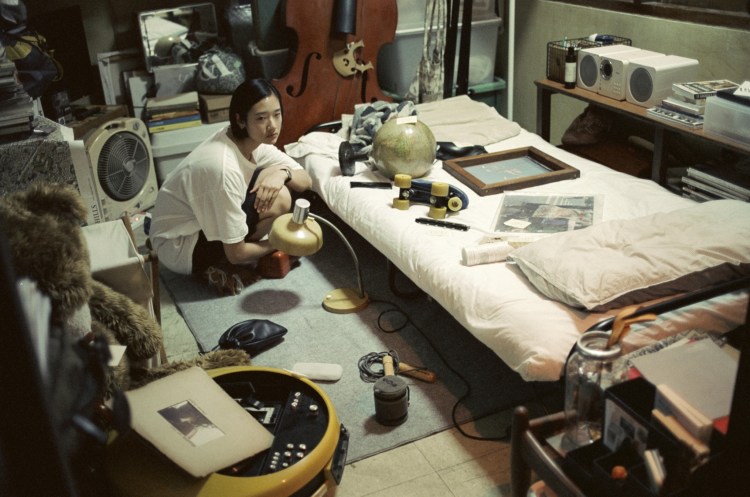
  • Write about Love – rom-com in which an aspiring female screenwriter gets her screenplay greenlit but only on the condition she teams up with a male veteran to “improve” it.

Taiwan

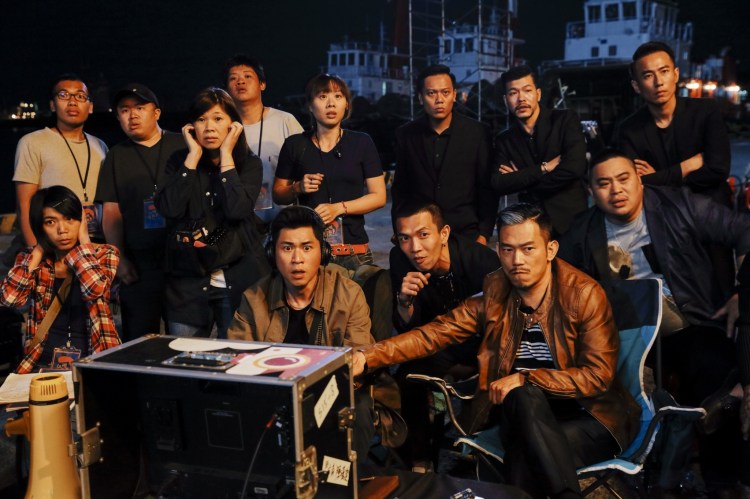
  • The Gangs, the Oscars, and the Walking Dead – madcap comedy in which two aspiring filmmakers end up making a zombie film with a gangster who insists that his wife play the leading role.
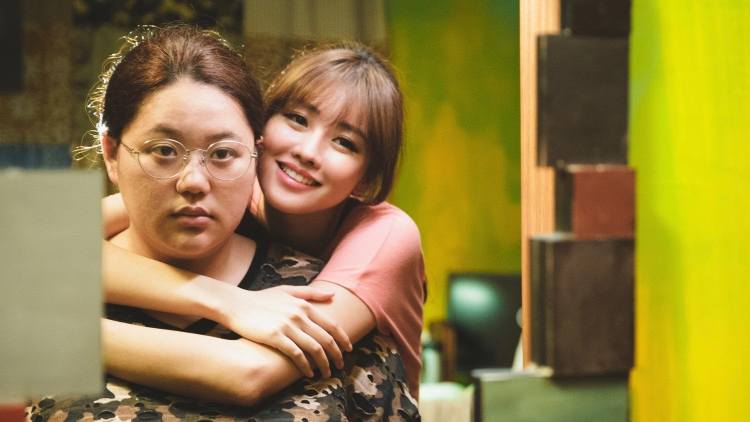
  • Heavy Craving – a lunch lady hoping to lose weight strikes up unexpected friendships with a deliveryman and cross-dressing student. Review.
  • Miss Andy – a transgender woman takes in a woman and her child after they escape from an abusive relationship.
  • Nobody – a grumpy old man bonds with a teenage girl after she breaks into his apartment to spy on her dad whom she suspects is having an affair.
  • Your Name Engraved Herein – drama set in 1988 in which two boys fall in love but struggle to find acceptance in a changing society.

Thailand

(C)2019 GDH 559 Co., Ltd.
  • Happy Old Year – a young woman’s conflicted feelings about the end of her relationship are revived while attempting to have a clean out in the latest from Nawapol Thamrongrattanarit.

The Osaka Asian Film Festival runs from 6th to 15th March at venues across the city. Full details for all the films as well as ticketing links are available via the official website. You can also keep up with all the latest details by following the festival on Facebook, Twitter, Instagram, and YouTube.