
OMG! Oh My Girl (รักจังวะ..ผิดจังหวะ, Thitipong Kerdtongtawee, 2022)

The course of true love never did run smooth. For the lovelorn hero of Thitipong Kerdtongtawee’s OMG! Oh My Girl (รักจังวะ..ผิดจังหวะ), it’s a path filled with misunderstandings, bad timing, and diffidence on his part that all leave him out in the cold watching the object of his affection get swept off her feet by other guys while little realising she likes him too but thinks he’s only interested in friendship because of his cool and aloof demeanour. 

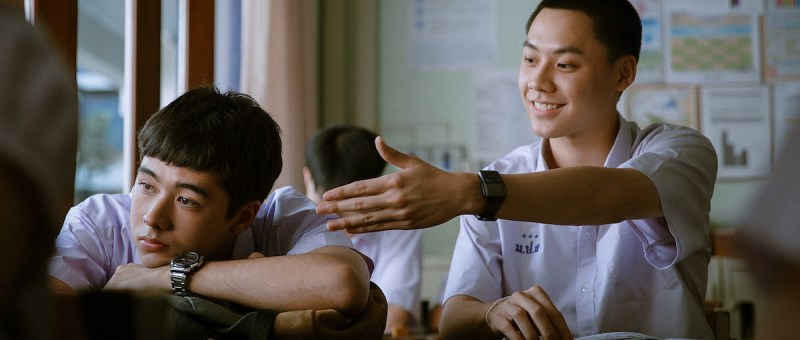
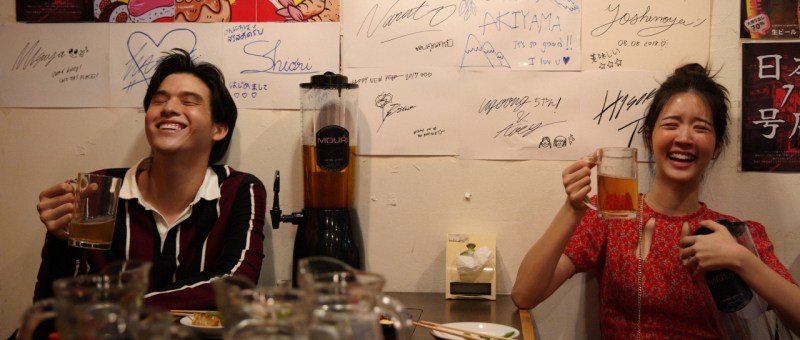
The hero has the amusingly generic name of “Guy” (Wongravee Nateetorn) making him an accidental everyman in this tale of romantic confusion. He first meets June (Plearnpichaya Komalarajun) in university where she is so popular with guys on campus that it’s impeded her ability to make friends with other women. After a serendipitous meet-cute and bumping into each other several times the pair become friends but, in a motif which will be repeated, Guy finds himself giving advice to his friend Phing (Michael Pugh) about how best to ask her out and ironically tells him to send a text message reading “I like you, June” while standing directly in front of her never thinking Phing would actually do it let alone that it would work. June and Phing have a rather tempestuous relationship and are always breaking up every five minutes only to get back together again leaving Guy nervous to make his move. 

In effect, this happens several times. Guy is too diffident to shoot his shot and ends up missing out, while everything he does to try and win June’s heart ends up backfiring as if fate were conspiring against him. Then again, perhaps there’s a danger in over romanticising romantic destiny. It’s true that the pair experienced a “meet-cute” but June also had a meet-cute with another guy, Pete (Pachara Chirathivat), whom she later ends up dating. Who’s to say Pete’s meet cute is any less meaningful than Guy’s? Often, we attach meaning to these minor events after the fact to solidify a grasp on the present, never really lending much thought to what might have been with someone we tipped coffee over or lent a few coins to at a parking metre. 

Then again, the real advice Guy had tried to give to Phing is that confessions of love don’t often go anywhere. People usually just hang out together a lot and then come to a mutual realisation that they’re already “dating”, only that never quite happens for Guy and June who seem to actively avoid progressing towards romance unlike Guy’s zany friend Tah (Siwat Sirichai) who is eventually able to enter a romantic relationship with June’s cool roommate Lex (Wasu Pluemsakulthai) through getting to know her socially. After his own attempt at a love confession backfires, it’s Guy whose romantic vision edges towards the toxic in his inability to let go of his obsession with June and accept that she is in a stable long-term relationship with Pete and that is now inappropriate for him to continue pursuing her romantically. 

The problem is that Pete is a nice guy who loves June and takes extremely good care of her leaving Guy little justification for his desire to implode their relationship even if it also seems June may have niggling doubts and unfinished business with her unresolved feelings for Guy. For most of its runtime, OMG! Oh My Girl is a sweet and gentle post-modern rom-com but makes a huge misstep in final moments allowing Guy to make a catastrophic mistake amounting to a huge breach of trust after which it becomes impossible to root for his romantic success given that after he does it neither June nor any of his friends should really want to have much more to do with him. Given that he’s just seen how destructive what he’s about to do could be in the implosion of his sister’s marriage, it’s really difficult to see how he could have thought doing such a thing himself would have a good outcome or make June any more likely to leave her stable relationship for a half-baked attraction to the uni best friend she hasn’t seen in five years.

Even so, the conclusion does have a neatly feminist subtext that undercuts Guy’s vision of June as something like a prize to be won as she fights for a sense of security in independence knowing that she can take care of herself and doesn’t necessarily need to be with anyone to be happy and fulfilled. Filled with the kind of deadpan zany humour familiar from similarly themed Thai comedies of recent years, OMG Oh My Girl would be a surefire classic were it not for its tacit condoning of the hero’s toxic behaviour and wilful indifference to the feelings of others ruining an otherwise charming tale of romantic misconnection. 


International trailer (English subtitles)
How to Make Millions Before Grandma Dies (หลานม่า, Pat Boonnitipat, 2024)

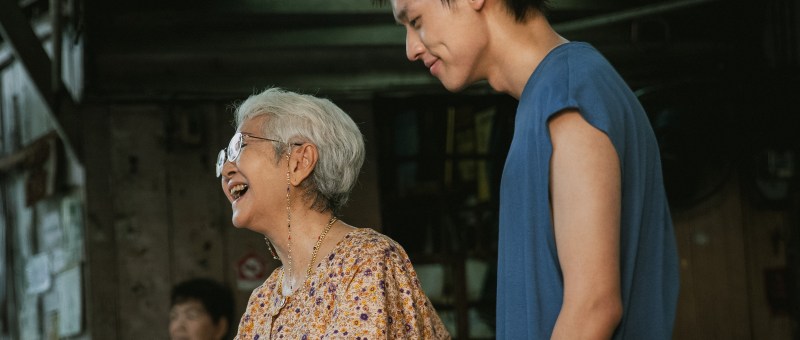
How is love quantified? Are all relationships essentially transactional, or is there also a love that is purer and transcends material reward? The hero of How to Make Millions Before Grandma Dies (หลานม่า) seems unable to look beyond literal acts of compensation when it comes to his familial relations, but is eventually awaked to a deeper, less selfish kind of love when looking after his grandmother after she is diagnosed with stage four cancer. 

M only really does this because he has a friend who inherited a fortune from her grandfather after becoming his carer when no one else would. The question of elder care is perhaps increasingly relevant and speaks to a break down in notions of familial responsibility with youngsters unwilling to care for their elderly relatives while simultaneously hinting at their own despair and frustration in feeling unable to acquire such wealth for themselves leaving them dependent on the generosity of the older generation. M originally asks for money in exchange for visiting his grandmother, Amah, and rarely attended family events though later becomes obsessed with familial hierarchy forever asking Amah who her number one family member is hoping that she will say him.

Later Amah says she doesn’t know who she loves the most, but it’s her daughter she most wants to be with. M’s mother is the most involved in Amah’s life of all the siblings but is never really in running for the inheritance, nor does she really think about it. As she tells Amah, “sons inherit assets, daughters inherit cancer,” both making a joke about the heredity nature of the disease and the fact that care is almost exclusively performed by women. Amah too has suffered all her life under oppressively patriarchal social codes. She pays a visit to an older brother who has become very wealthy thanks to property investments built on the back of his inheritance and asks for her fair share of her parents’ money but is told where to go. Her brother treats her with contempt and defends the practice of leaving money only to sons on the basis that Amah’s share would have gone to her husband, which is to say leaving the family, though as Amah points out her marriage was arranged so if her brother disapproves of him it their parents’ fault.

M’s oldest uncle Kiang makes a similar complaint, that he feels they think of his wife as a member the family while crassly asking about Amah’s house deeds while she’s still in hospital. Yet to M, her love seems obscure. Her can’t figure out wh she’s so forgiving of her younger Soei who seems to have made a mess of his life and actively steals from her. One Sunday, the day when the siblings would all come for lunch, grandma sits and waits but later concedes that she likes it better when Soei doesn’t visit because that must mean he’s doing okay. On a day trip to a temple that is really mini battle between M and Kiang who wants Amah to come live with him so he’ll get the inheritance, no one thinks to make a wish for her. M then writes that he hopes she wins the lottery which is ironically also selfish as he’s hoping to inherit her estate.

When Amah leaves the house to someone else, M is annoyed and abandons his position as a caretaker complaining that it doesn’t seem fair that the person who has done the most for her has not been rewarded. But later he perhaps comes to understand Amah’s reasoning and that that isn’t how it works. She tells him that all jobs are equal if you do them well and buys him a white shirt to help him get one, a shirt he eventually wears on a different occasion, hoping that he’ll make something of himself and find a sense purpose. Eventually, he forgets about the financial gain and realises that Amah was trying to give each of them what they most needed, displaying a more selfless kind of love in the way that she continued to care for those who seemingly gave her little thought or of what she most wanted which was simply time. Deeply moving, the film has a rare warmth along an essential melancholy for things only understood long after they have passed. 


How to Make Millions Before Grandma Dies screened as part of this year’s New York Asian Film Festival.

International trailer (English subtitles)
The Cursed Land (แดนสาป, Panu Aree & Kong Rithdee, 2024)

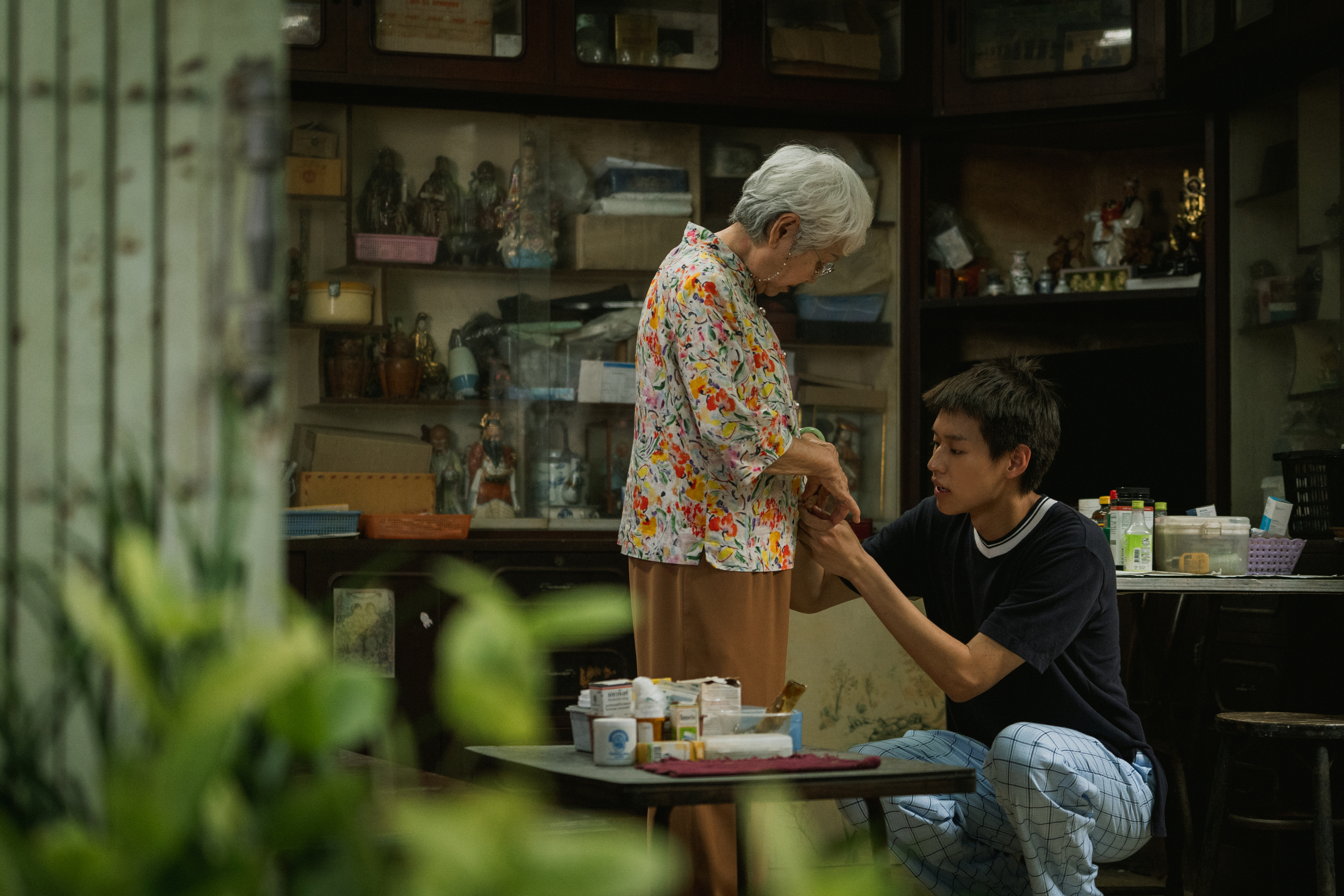
The architecture professor teaching a young woman in Panu Aree and Kong Rithdee’s The Cursed Land (แดนสาป) says that a house is like a machine with a person inside, but what’s inside the house at the film’s centre is not quite human at all but a supernatural creature who like the house itself seems straddle a divide both cultural and spiritual while standing itself at the nexus of the many layered historical curses which have given it its dark legacy.

It’s in part a rejection of this difference and lack of respect for culture that creates a series of problems for Mit (Ananda Everingham), a middle-aged engineer moving into this rural backwater on the outskirts of Bangkok. Despite receiving a very serious warning to get rid of anything that’s in the house, he tears off a series of talismans thereby releasing some very dark energy and destabilising his new environment. Mit is also suspicious of those around him and does not really make much of an attempt to make friends with the local community who are largely Muslim. Though he may not think so, it is Mit who is the intruder here, an outsider walking into a traditional environment and finding himself isolated despite the ostensible friendliness of some of the locals to whom Mit takes offence after being told not to leave his dog outside because some of the Muslim community dislike them. 

But then again, Mit also seems to be a compromised figure apparently still suffering from shock and confusion some time after a car accident that killed his wife. He complains that his medication has been misplaced due to the move while seemingly increasingly paranoid and unreasonable. We also get hints that Mit’s previous life may not have been plain sailing either and part of his stress is down to a need to prove himself in his new job. He is in his way haunted by the car accident and struggling to overcome his guilt and regret. A shamaness later describes him as “weak-minded” and therefore a prime target for an evil spirit. 

This also seems to be implicitly reflected of an internal absence of the spiritual as Mit has renounced Buddhism and seems suspicious of Islam. His daughter May (Jennis Oprasert) eventually calls in a Brahmin to exorcise the house, installing Buddhist shrines and other talismans as if overwriting the those of the local muslim community though this only causes more problems. Later, May consults a Buddhist priest but is told that he can’t help because the problem is on a different system though she’s also told something similar by other members of the community. Running underneath the conflict between Buddhist and Muslim culture is echo of a much older spirituality in the references to “black magic” and shamans. 

What May learns is that this land has been cursed and counter cursed many times over, though they do perhaps manage to exorcise one particularly problematic spirit in literally digging up the past to learn the history of the house and that of the entities who seem to inhabit it but there are many other curses yet to be undone on this patch of scorched land that exists in a nexus between cultures, part of both and neither. What emerges is a kind of co-existence and a crossing of the streams as they must in the end marshal all of the spiritual powers to counter the  danger presented by this extremely disgruntled spirit. 

Panu Aree and Kong Rithdee conjure an atmosphere of intense eeriness rooted in a classic haunted house movie aided by the gothic environment of the Western-style home itself standing alone and isolated, not really part of a community yet not totally independent. What emerges is a kind of integration, the house as a machine with people inside it creating a home through diverse community and entrenched support systems that allow even the “weak-minded” Wit to shakes off some of his demons and begin to move forward with his life. Perhaps the key really is not to throw anything away, because everything belongs in the house and the house belongs to everything. Attempts at exclusion only invite fear and acrimony that cannot but eat away the foundations of a home built on cursed land.


The Cursed Land screened as part of this year’s New York Asian Film Festival.

Original trailer (English subtitles)

Not Friends (เพื่อน (ไม่) สนิท, Atta Hemwadee, 2023)

There’s a gentle sense of loss that runs through Atta Hemwadee’s quirky Thai dramedy Not Friends (เพื่อน (ไม่) สนิท), not only for those who are now absent and exist only in our memories but for missed opportunities and things left unsaid. Then again, its hero, Pae (Anthony Buisseret), takes a while to warm up to the benefits of friendship, like many teenage boys resentful and alienated, unable to accept the hand extended to him by his infinitely cheerful new deskmate, Joe (Pisitpol Ekaphongpisit), who walks around with a beatific smile permanently plastered across his face. 

Before he can make amends, however, Joe is hit by a car after returning from a school trip sending the school into a period of shocked mourning that for some reason includes a talent contest. After hearing of a competition that offers entrance to film school as a prize, Pae decides to enter and to make his late “best friend” Joe the focus of the film only to immediately be caught out in his duplicity by Joe’s former best friend Bokeh (Thitiya Jirapornsilp) who resents his intention to exploit Joe’s death for his own ends. 

It has to be said, that Pae does not come out of this well though his predicament does highlight a social stigma towards working class boys in his intense desire to escape having to take over his dad’s flour mill having been teased by his former classmates about his “stinky shirt” because he has to air dry his clothes in an area adjacent to the factory. A similar sense of lonely alienation is found in a short story Joe had submitted to a story contest which is about a boy who feels hopelessly ordinary and looks up to the stars thinking about all the other versions of himself on other planets who are “special”, top athletes or super spies or dim but loved by those around him. The boy wants his other selves to see him and know that he is special too, but seems not to feel it himself. 

Coming late to the idea, Pae slowly realises that Joe is special because “Joe is our friend” though he’d mostly ignored his attempts at friendship while he was alive. In any case, he doesn’t really notice the friendships he’s making with Bokeh or the others working on the film either but remains focussed on his own goal of winning the contest and escaping the flour mill. In the end the film he’s making ends up becoming less about Joe himself and more of an ode to absent friends, something echoed in Bokeh’s valedictory speech in which she bids goodbye to her “best not friends” and hopes that though they may not meet, they’ll miss each other every now and then. 

It comes down to a question of what friendship really is and whether Pae can be persuaded to abandon his sense of self interest to defend it. He realises that Joe had a lot of dreams too, ones he never got to fulfil and a couple that could be fulfilled for him if not in reality than in fantasy imagining how their lives might have turned out if Pae had been less self-involved and Joe had lived. Still, on finding out something unexpected he’s forced to confront the idea that perhaps you don’t really know anyone. Everyone knows a slightly different version of the same person but friendship is really about shared intimacy and a willingness to be open and vulnerable while simultaneously respecting the boundaries of others.

To that extent it really is about the friends we make along the way. Pae slowly comes to realise that he’s accidentally become friends with the crew on the film and lets go of some of his resentment becoming less self-centred and more willing to interact with others even warming to his father and family business he’d previously been ashamed of while also gaining the courage to pursue his dream of a career in film. Cineliterate, Atta Hemwadee breaks the action with a filmmaking rap and makes frequent references to popular film but invests the high school movie with a wistful sense of loss and nostalgia for the absent friends of youth whom we miss once in a while but are in another sense always with us. 


 Not Friends screened as part of this year’s Osaka Asian Film Festival.

Trailer (English subtitles)

Cemetery of Splendour (รักที่ขอนแก่น, Apichatpong Weerasethakul, 2015)

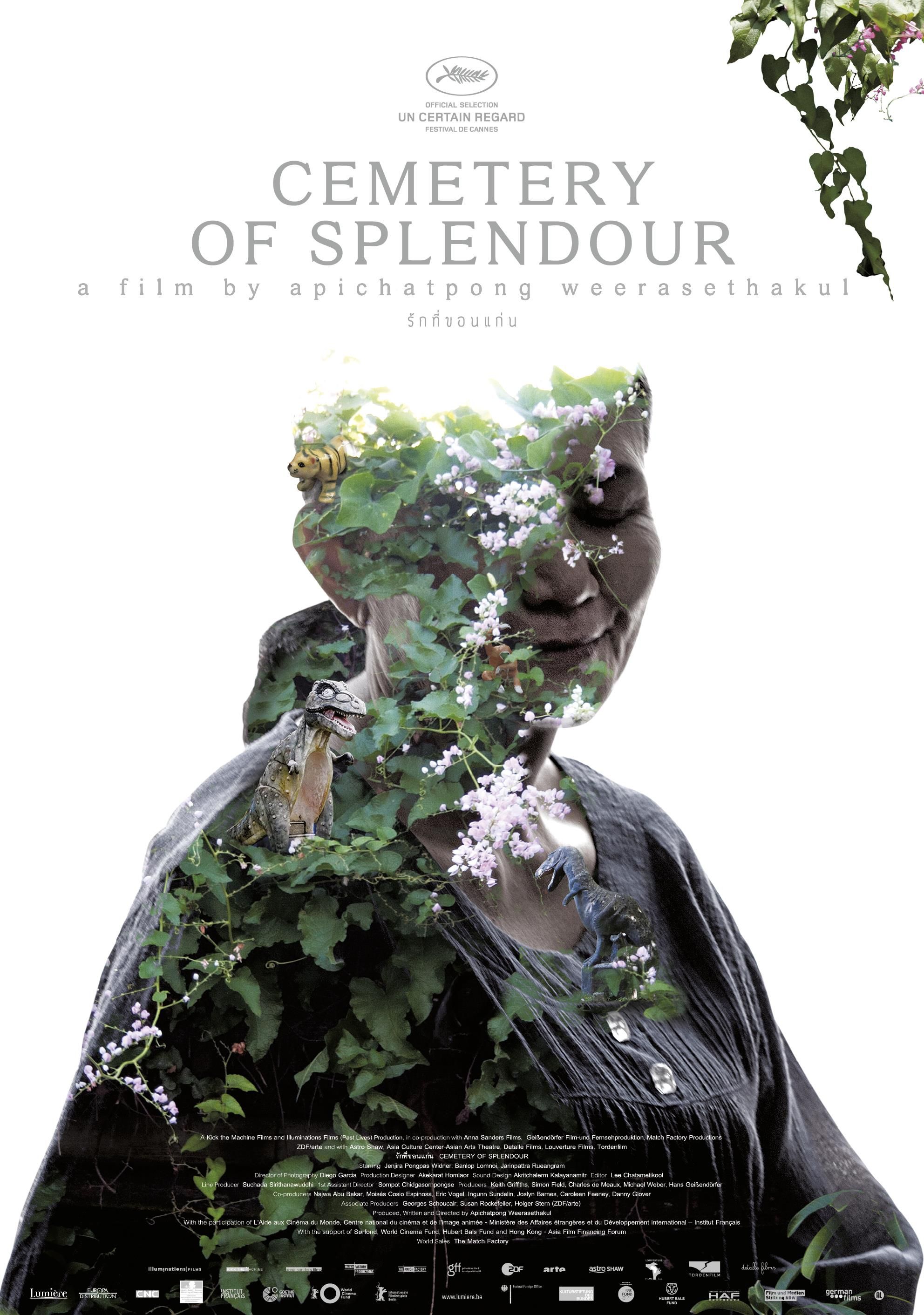
There’s a question that raises its head in the title of Apichatpong Weerasethakul’s Cemetery of Splendour (รักที่ขอนแก่น), is this a splendiferous resting place or the graveyard of splendour itself? The melancholy atmosphere might imply the latter, but as it turns out the place that holds a series of sleeping soldiers is built atop an ancient palace in which, an old woman is told by two young goddesses, kings continue their petty conflicts thousands of years after leaving our world.

It’s an apt enough allegory for the destructive qualities of a legacy of warfare and conflict. The old woman, Jen (Jenjira Pongpas), later exposes a lengthy and painful series of scars running from hip to knee that explain why one of her legs is much shorter than the other and the reasons she walks with a cane are much greater than simple old age. The old kings quite literally sap the spirits of the young soldiers to the extent that it has provoked a kind of sleeping sickness among them in which they must fight ancient wars in their dreams while otherwise rendered powerless to resist or change the present society.

The old woman is given a tour of the other world by a younger woman, Keng (Jarinpattra Rueangram), who has allowed herself to be possessed by the spirit of Itt, a young solider for whom she has begun to care after learning that he had no family to visit. The sleeping Itt, through the body of Keng, guides her through the splendid castle of his dreams but she sees only the present reality, a forest filled with detritus and trite signs bearing greeting card-esque messages of inspiration. Perhaps it’s hard not to mourn this kind of splendour that seems so absent from the world Jen now inhabits which seems to be defined by empty consumerism and loneliness. The soldiers are being cared for in an old school house, a nurse explaining the hospitals had no room for them, which carries with it a sense of melancholy nostalgia not least for Jen who was once a pupil there occupying the spot where Itt (Banlop Lomnoi) now sleeps.

But then we can’t be sure isn’t Jen who dreaming and Itt wide awake. When we see her later her eyes are open and staring as the children play on mounds of earth dredged up by an ominous digger employed by some mysterious government project. Is she awake, now more aware of the sickness in her society, or fast asleep trapped within an unending nightmare? Perhaps it’s the same either way, but the border between this world and another, if it were ever there at all, has grown thin. After making an offering at a temple, Jen is greeted by two very beautiful yet mysterious women who talk in an odd, archaic fashion. They then explain that they wanted to thank her for her gifts, but unfortunately neither Itt nor any of the other soldiers will ever recover.

This news shatters Jen’s newfound sense of connection and hope for the future. Her loneliness is palpable, yet it seems that we can connect with each other only indirectly through dreams and messengers. On waking, Itt wants to contact his family but cannot find a charger for his phone nor remember their number. He wants to quit the army to sell Taiwanese moon cakes at gas stations and claims that his senses are heightened by his experiences, that he can smell the flowers in his dreams and even now pick out the distinct fragrances at an outdoor foodcourt yet he’s still caught between this world and another suddenly and without warning falling asleep and returned to the other world. 

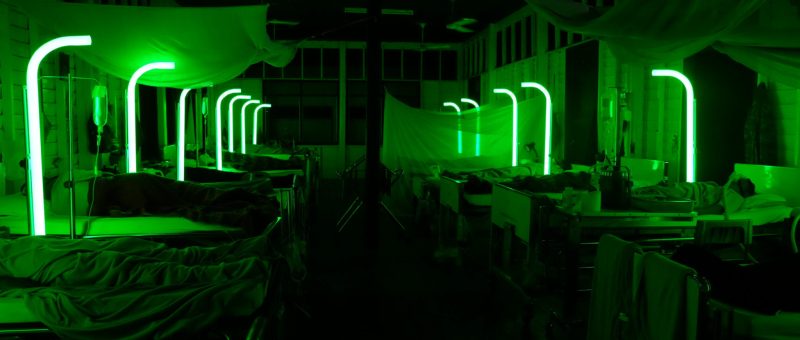
Someone describes the lamps of an experimental treatment first used by the Americans to help heal nightmares born of war trauma as like lanterns used for a funeral and in some ways these men are both dead and alive, like the kings of old and the goddesses. The lanterns begin to fade hypnotically from one colour to the next, ordinary scenes of shopping mall escalators dissolving into the hospital as if we too were falling asleep or perhaps waking up. What are the diggers reaching for, unearthing the long buried past or building for us our own cemetery of splendour in which we’ll sleep, comfortably, but in loneliness and melancholy with no rest from our rest? Perhaps this is why Jen’s eyes are fixed in a permanent state of vacant openness neither awake nor asleep but something painfully in-between.


Cemetery of Splendour screens at New York’s Metrograph Feb. 24 as part of Part of Fire Over Water: Films of Transcendence

Trailer (English subtitles

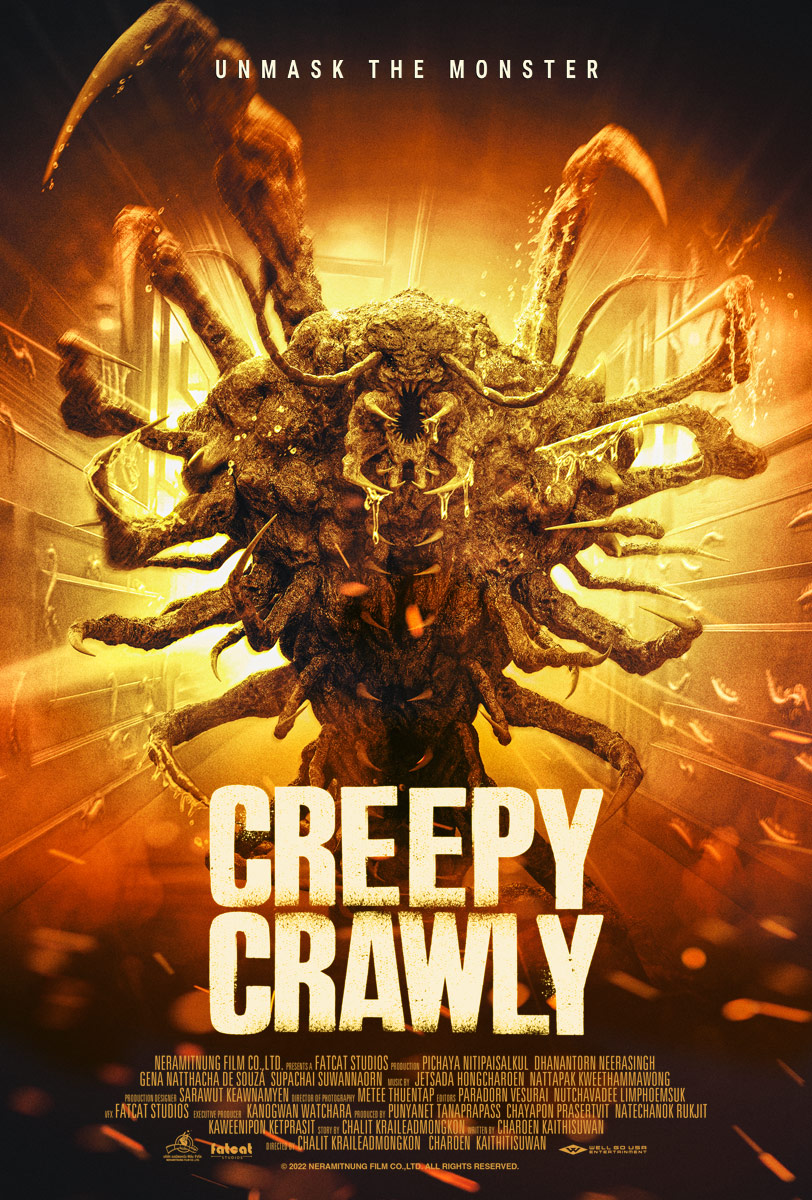
Creepy Crawly (๑๐๐ ร้อยขา, Pakphum Wongjinda & Chalit Krileadmongkon, 2022)

While everyone’s busy thinking about a high profile threat of infection, an unexpected aggressor raises its ugly head in Pakphum Wongjinda and Chalit Krileadmongkon’s insectile horror Creepy Crawly (๑๐๐ ร้อยขา). Centipedes in themselves are little creepy given the undulating motion of their many legs and tendency to crawl out from places where you’d least expect them, but this particular bug seems to have undergone a mammoth evolution to become a bloodsucking parasite capable of threatening the human race!

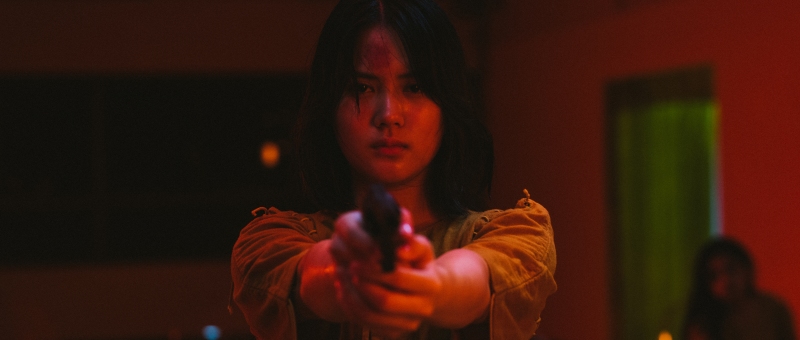
The film opens with a naive vlogger getting lost in the Thai countryside and deciding to pitch a tent in the middle of nowhere while unable to locate her campsite despite having encountered an elderly person bleeding profusely from the mouth whom she does nothing to help. During the night she’s bothered by giant centipedes and then has some kind of altercation with the elderly person. Some months later, an emergency order has been placed on the country due to the arrival of the coronavirus pandemic. Another YouTuber, Fame, who is well known for uploading videos criticising hotel accommodation, arrives at a hotel which has been turned into a quarantine facility along with her brother, Fiew, and a family of three, adult Taekwondo champion Leo, his naive sister Lena, and their father who is deaf. 

Obviously, the centipede, which is later described as a Tablongplum which can possess a human body and feast on its blood, has somehow made its way to the hotel and is particularly interested in Fame because she suffers from a rare disease which means that her blood would enable the Tablongplum to live a very long life. However, the bugs aren’t the only threat in the hotel even if they’re first discovered by the only remaining maid, Pond, feasting on a dead rat in a vacant room. The sleazy manager, Wit, is paranoid about the fortunes of his hotel during the pandemic considering it has already been dealt a reputational blow after being identified as the source of a covid cluster. It’s implied that he’s only got permission to re-open as a quarantine facility thanks to a dodgy deal with an important person who has also turned up, ironically belittling Wit for wearing a mask while describing covid as a “just a cold”, for a completely free and very discreet overnight stay with his mistress. 

Those are just a few of the reasons that Wit refuses to listen when Fame and Leo discover a body at the end of a blood trail, accusing them of being in cahoots doing a bit for the YouTube channel to further discredit his hotel which even on the surface of things seems not to be particularly well run. With the hotel technically in lockdown and patrolled by an armed guard, the tension begins to increase once it’s realised that the Tablongplum can possess and take on the form of any of the guests meaning no one can trusted and the bug could be anywhere. Somewhat improbably, not only is it able to fully understand human language even independent of its human hosts but also seems to have some knowledge of culture and is aware of how various things work rather than just being a giant blood sucking parasite apparently able to control vast armies of much smaller but admittedly nasty bugs especially when they appear in large numbers. 

The solution seems to be “kill it with fire”, though just the pandemic the bugs prove hard to stamp out with the infection seemingly continuing even after the big bad is supposedly eliminated as the centipedes continue to dominate human society. The film seems to be making a minor point about silly YouTubers who endanger themselves or thoughtlessly ruin the lives of others for clicks while also laying the blame on sleazy managers like Wit along with the political corruption that enables a health hazard to continue long after it should. Meanwhile, tiny bugs eat away at the surface, undermining the foundations as they go. Seeing an entire hotel covered in horrible insects is undoubtedly creepy though perhaps there was something rotten there all along. In any case, it seems there’s no escape from nature’s revenge or its bloodsucking tendrils. 


Creepy Crawly is released in the US on Digital, blu-ray, and DVD on Oct. 3 courtesy of Well Go USA.

International trailer (English subtitles)
Faces of Anne (แอน, Kongdej Jaturanrasmee & Rasiguet Sookkarn, 2022)

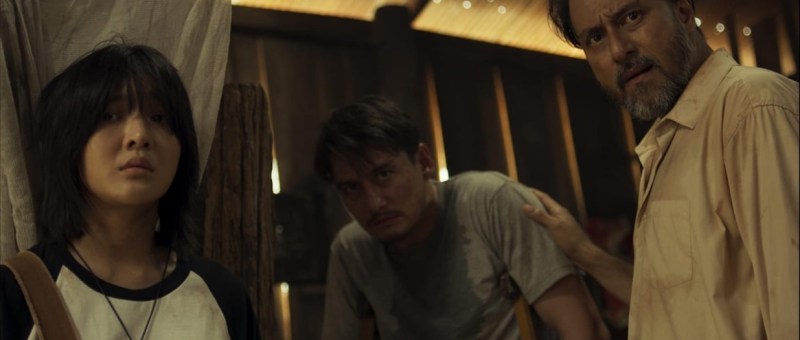
A young woman wakes up in a grimy hotel room with floral wallpaper marked by damp stains. She discovers that the window is frosted over and won’t open while she has no idea of how she got there or who she is but otherwise instinctively knows that the face she sees in the mirror does not belong to her. She tries to call out and hears a voice from an adjacent room telling her to be quiet and that her name is “Anne”. Anne asks her how she knows if she can’t see her, but the voice just tells her that she knows her name is Anne with no further explanation. 

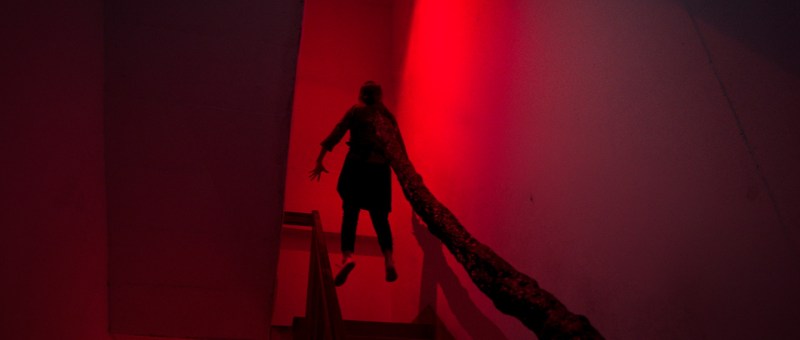
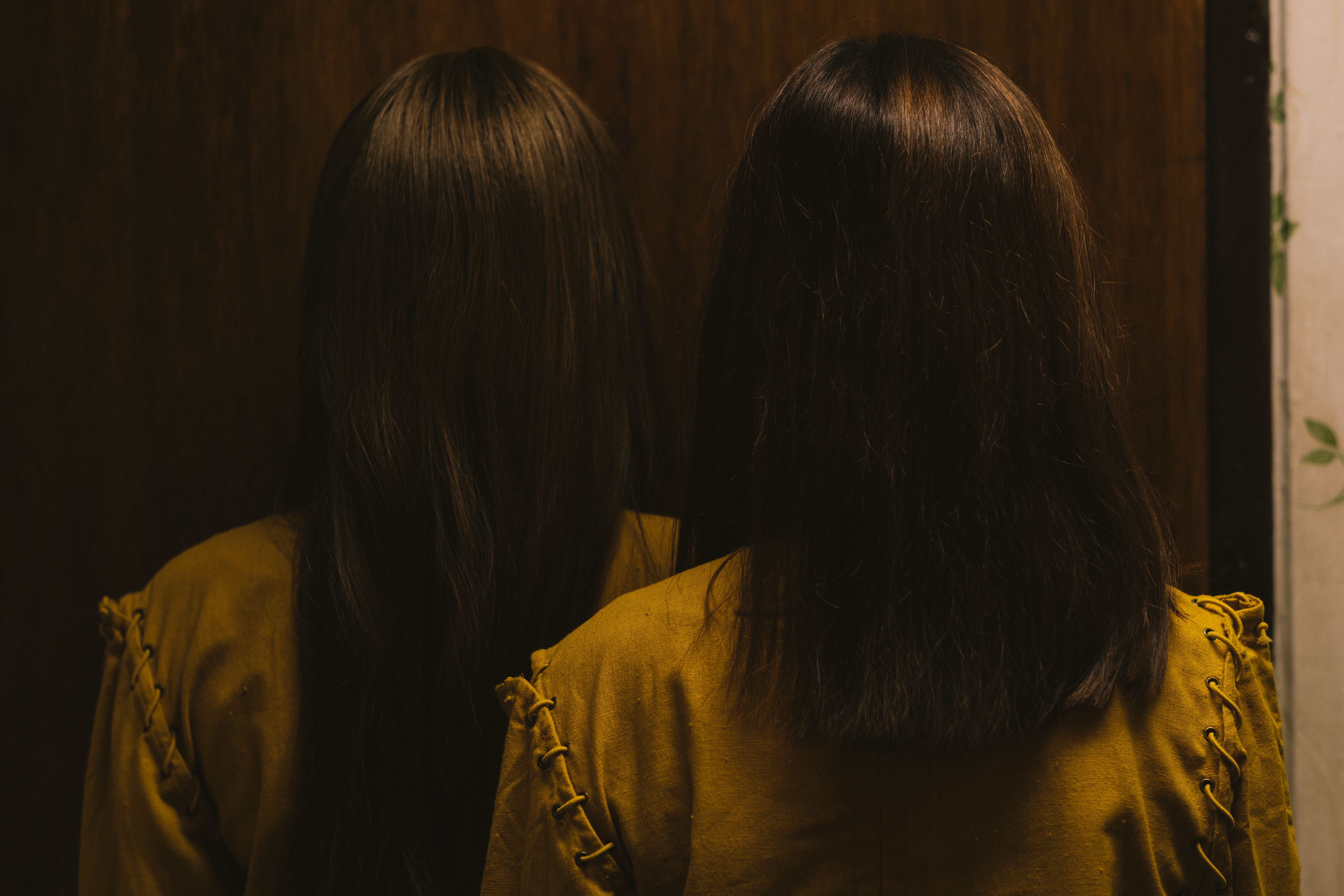
As it turns out in Kongdej Jaturanrasmee & Rasiguet Sookkarn’s Faces of Anne (แอน) every girl in the place has the same name and as gradually becomes apparent are all reflections of a single personality. The key Anne discovers that her face seems to change seemingly at random leaving her uncertain even within the bounds of her fractured identity. A psychiatrist tells her that a name is “not as important as who you are” while encouraging her to learn to accept the face she sees as her own, but she remains confused, abstracted from herself, and unable to reconcile her selfhood with its reflection. Meanwhile, she is stalked by a violent demon in the guise of a deer name Vitigo who wanders the hospital corridors taking out any Annes that it finds. 

What seems to be going on is an attempt to reintegrate the shards of a fractured personality into a coherent whole only it’s manifesting as a massacre of the self as the demon bumps off each of the multiple Annes insisting that only one, the “real” Anne, can be allowed to leave. But then no one is really only one person but presents a series of personas to the outside world all of whom can be said to be “real” even if otherwise inauthentic. In an illuminating flashback, high school girl Anne chats with another couple of girls about fake online profiles where they can share their “real” selves each of which of course have a completely different profile photo much as the serial Annes have a different face. What we can assume to be the key Anne expresses that she just wants to find a place where she can be completely herself and thinks she has one in a relationship with a boyfriend whose face we never see but had shades both of a man who might be her father and the hero of a video game the atmosphere of which seems to have coloured the aesthestics of her eerie mindscape. 

Some might find it easy to dismiss her identity crisis as teenage angst or to suggest that what she’s suffering from is a broken heart though Kongdej Jaturanrasmee & Rasiguet Sookkarn also make reference to a number of problems faced by young people in contemporary Thailand such as online harassment and bullying, sexual harrassment at school and the bad student movement protesting an oppressive educational environment laying bare the pressures on key Anne’s mind that might cause her to become estranged from herself. Asking probing questions about identity, the film wonders if Anne can learn to find herself as distinct from all of these images or if in the end identity and image are inextricably linked to the extent that they can no longer exist distinctly and Anne has no power to identify herself but must rely on the identification of others. Then again, the voice from the other room knows she is Anne without seeing her precisely as she is also Anne, identifying herself in the absence of image. 

Eerie and filled with a Lynchian dread in its hellish lightning and grimy hotel room setting, the film turns Anne’s psychodrama into an existential slasher in which she awaits the arrival of the Final Girl. Retracing her steps, she seeks escape in a pattern of trial and error unwittingly at war with herself even as tussles over identity and authenticity while trying to reconstruct a shattered identity by reclaiming the images of the past or perhaps as simply as the psychiatrist had put it learning to accept the face she now wears as her own. Haunting and empathetic, the film has only sympathy for the wandering ghosts of a fractured mind and the vague hope that together they can put Anne together again. 


Faces of Anne screened as part of this year’s New York Asian Film Festival

Original trailer (English subtitles)

Images: © M Pictures Entertainment Public Company Limited.

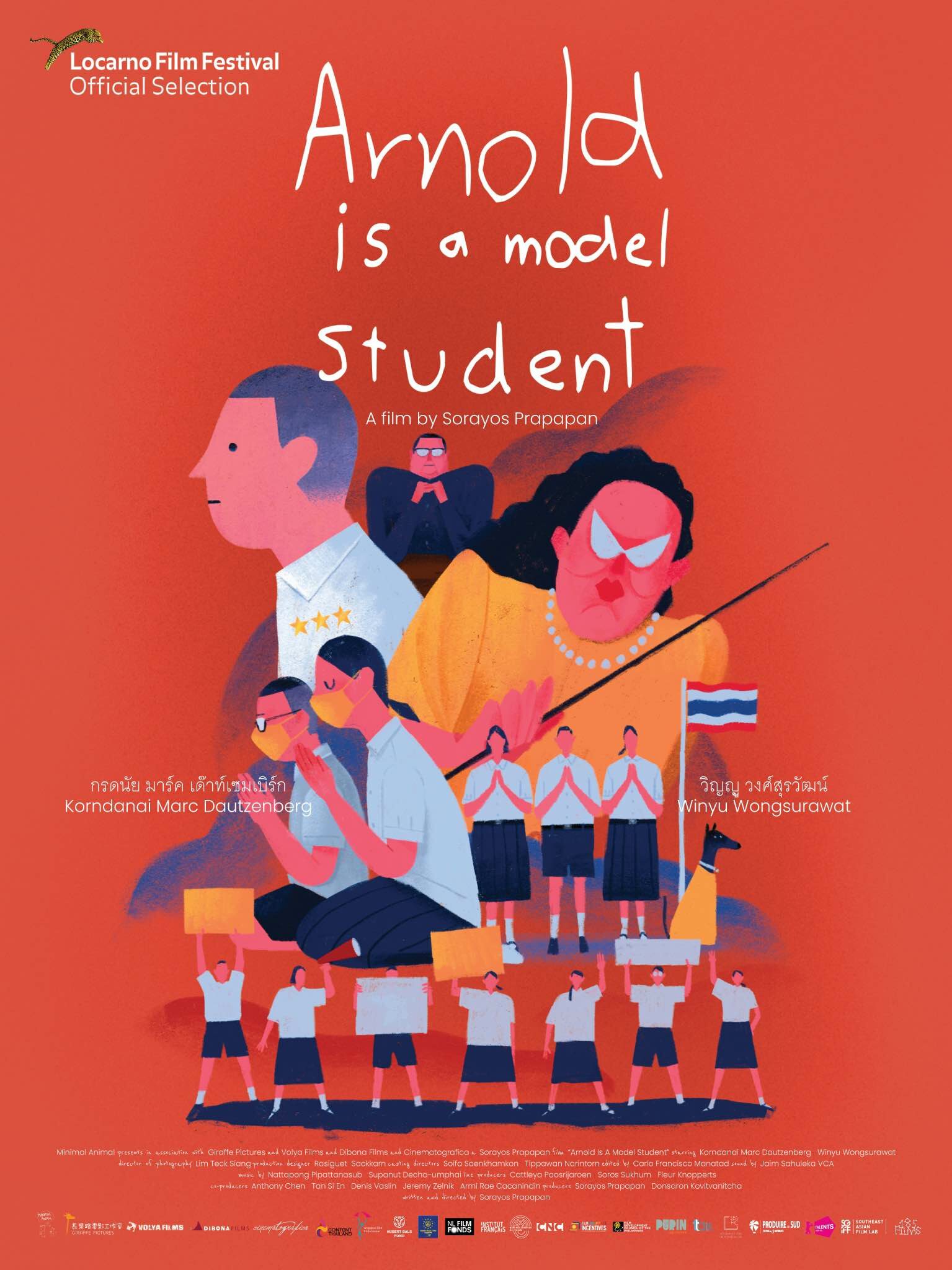
Arnold Is a Model Student (อานนเป็นนักเรียนตัวอย่าง, Sorayos Prapapan, 2022)

“School is our first dictatorship” a collection of students exclaims in Sorayos Prapapan’s absurdist satire Arnold is a Model Student (อานนเป็นนักเรียนตัวอย่าง). Drawing inspiration from the Bad Student movement, the film positions the educational system as a microcosm of the whole as the students find themselves trying of petty authoritarian oppressions and the infinite corruption of the very mechanism they are told allows them to take control over their futures even as it denies them the right to self-expression or individual freedom. 

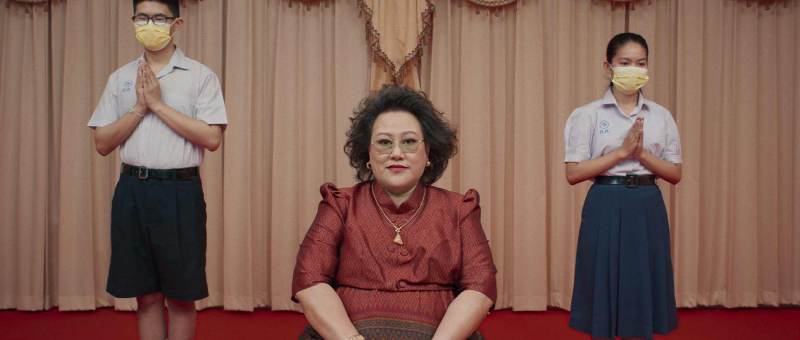
In his last year of high school, Arnold (Korndanai Marc Dautzenberg) has brought great praise to his institution after winning a gold medal in the maths Olympiad. Arnold is, however, far from a model student. Low-key rebellious he ignores all rules and does as he pleases but is largely allowed to get away with it because of his value to the school as a symbol of their own success especially as they are currently in the running for an award from the Ministry of Education. Then again this lack of censure seems to tug at Arnold’s sense of conscience wondering what the point of the rules is if they simply don’t apply to him in the same way they apply to others. Mrs. Wanee (Niramon Busapavanich), the school’s most authoritarian disciplinarian, is fond of saying that the rules are necessary for a harmonious society but even the students can see they’re mostly about preserving her own power and status.

In some way perhaps Mrs. Wanee isn’t so different from authoritarian teachers anywhere else in the world if a little more extreme in literally snipping students’ hair if she judges it to be an inappropriate length on her morning inspections. A trio of girls giggle about a man with mental health problems who was hiding in the bathrooms at a shopping mall to snip women’s hair for his wig shop and only then realise that it’s not really all that different to what Mrs Wanee is doing to them in restricting their rights to free expression over the way they look and dress. What seems to her proper discipline seems to them absurd and oppressive and even worse inculcating in them a tolerance for authoritarianism that enables the survival of corrupt dictatorship. 

In essence this is an elite school but as proud as it is of kids like Arnold, who appears to come from a wealthy family, it’s also true that most of its pupils have got in through thinly concealed bribery as parents agree to make “donations” in return for the headmaster finding a place for their less able children. Yet Arnold’s privilege only contributes to his rootlessness and lack of purpose. He doesn’t know what to do with his life in part because he has no real impetus to make a decision and few constraints on his choices. When other students ask him to join the protest movement he refuses stating that he doesn’t see the point, they’ll be finished with school in a few months anyway, thinking solely of himself and making the calculation that the smart thing to do is nothing.

He finds himself similarly conflicted when taken under the wing of dodgy cram school teacher (Winyu Wongsurawat) who runs a scam operation getting talented students to help weaker ones cheat in exams as a fast track path to stable government jobs. Arnold is disadvantaging himself twice over, taking the money but increasing his competition while remaining complicit with corruption, fostering poor government in allowing those without the proper skills to prosper and hold on to their unearned privilege. Resentful that his father, a French citizen, was deported for criticising the government, what Arnold wants is to go abroad but in doing so he’d also be leaving those unable to protect themselves behind simply harnessing his own privilege to remove himself from the system rather than actively resist it. 

Perhaps it’s no surprise that the resistance is largely led by the female students who eventually tell the headmaster that they no longer care if he expels them because there will always be students coming behind them who also will resist and expelling them all would be entirely counterproductive. Sorayos Prapapan’s deadpan approach signals the absurdity of the culture in the schools system in which pupils are given pointless lessons in citizenship which are little more than nationalist propaganda while forced to learn proper “manners” which is also only another way to bow to authority. The director even inserts a scene of a boy with his own name who has to kneel before a teacher and recite his times tables, while the school’s downfall comes about through the new medium of youth resistance TikTok as Sorayos Prapapan includes what appears to be real footage of students receiving corporal punishment in this contemporary era. Ironically the lesson that students learn is that authoritarianism must be challenged at its roots and that only by standing together can they hope to defeat it. Quirky yet clear eyed and heartfelt Sorayos Prapapan’s gentle satire is at least somewhat hopeful in the determination of the young people not to fall for the promise of superficial success in a corrupt system but to fight hard for the freedom they know to be rightfully theirs.


Arnold Is a Model Student screened as part of this year’s Five Flavours Film Festival and is available to stream in Poland until 4th December.

Original trailer (dialogue free)

Fast & Feel Love (เร็วโหด..เหมือนโกรธเธอ, Nawapol Thamrongrattanarit, 2022) [Fantasia 2022]

A 30-something couple find themselves pulled in different directions by their conflicting desires in Nawapol Thamrongrattanarit’s post-modern comedy, Fast & Feel Love (เร็วโหด..เหมือนโกรธเธอ). As the title implies, the self-involved hero is eventually forced to accept that his success is founded on the support of those around him while belatedly stepping in to adulthood in undergoing a baptism of fire learning basic life skills along with the confidence to look after himself in a new world of grownup responsibilities. 

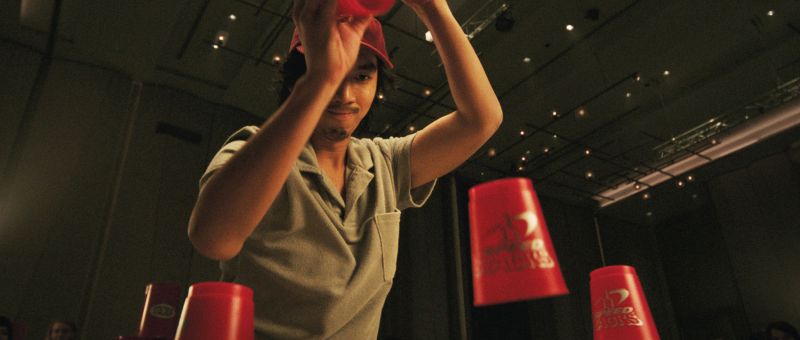
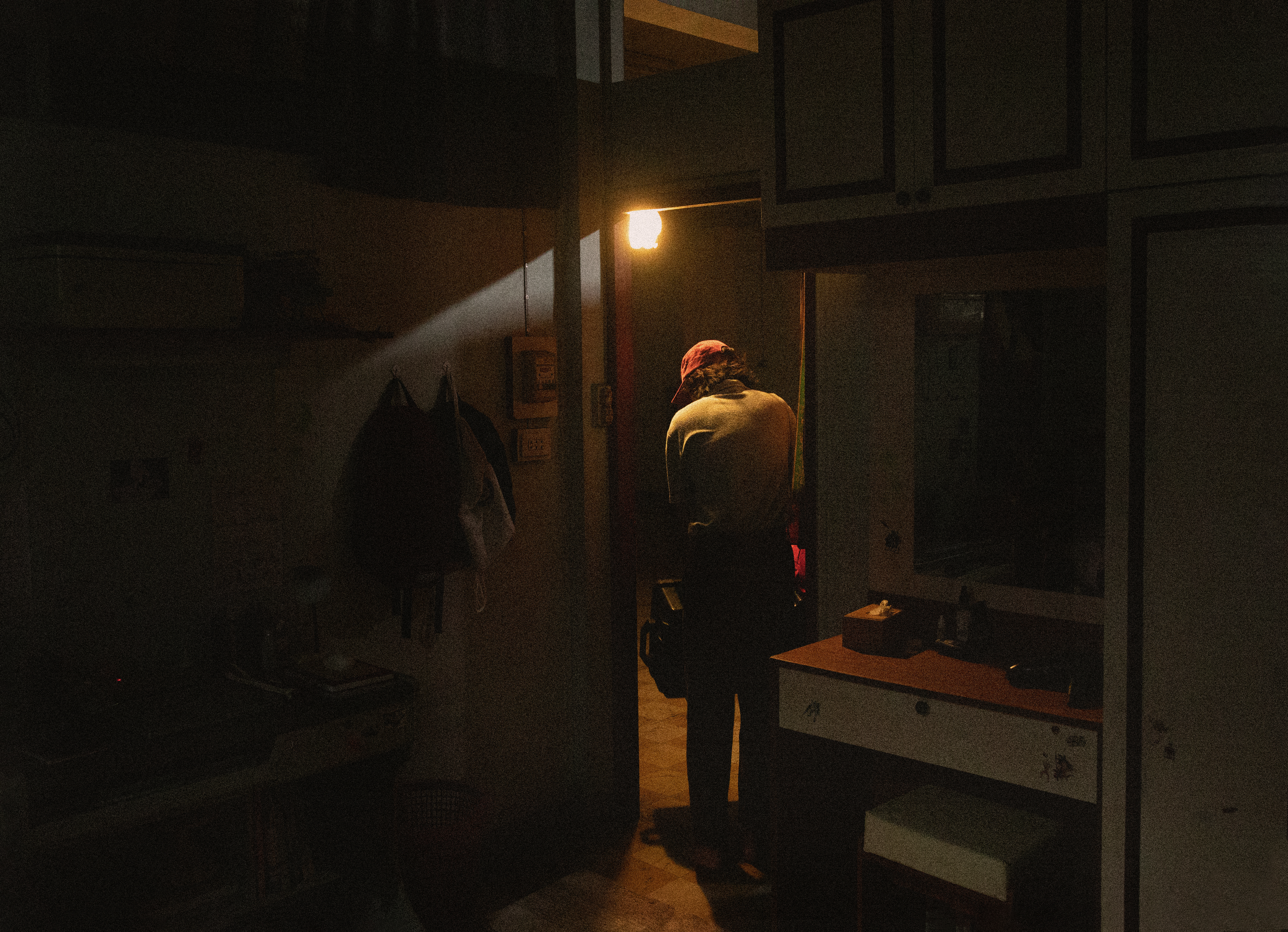
Jay (Urassaya Sperbund) and Kao (Nat Kitcharit) met as outsiders in high school, she excelling in English but not much else aside from her love of plants, and Kao obsessed with the art of sport stacking and dreaming of becoming a champion. 10 years later the pair are still a couple, kind of, living in a well-appointed home which they technically co-own though its clear Jay is shouldering the mortgage along with all the other domestic responsibilities. Kao is technically arrested in childhood, spending all of his time shut up in his room practicing sport stacking oblivious that others in his life have sacrificed themselves on his behalf. Jay used to think that it was all worth it as long as Kao achieved his sport stacking dreams but now she’s reached a crisis point realising that for everything she’s done for Kao she’s got very little back and if she waits much longer her own small dream of becoming a mother and having a conventional family life may pass her by. 

There is something of an irony in the fact that all of Kao’s major challengers are young children though as he points out sport stacking is an egalitarian sport in which things like age, gender, and nationality are irrelevant. Having successfully broken a record, Kao begins receiving creepy phone calls from a new rival, Edward, a little boy in Colombia who complains to his mother asking why people can’t go on stacking forever only for her to point out that adults have other things in their lives they have to attend to though Edward simply doesn’t understand. To begin with, Kao doesn’t either because he’s been lucky enough to be surrounded by people who supported his dream and went out of their way to make it easy for him by relieving him of basic tasks so that he could devote himself entirely to sport stacking. Because it had always been this way, it never really occurred to Kao that he needed to grow up and begin taking some responsibility for himself or at least acknowledge the sacrifices others were making on his behalf. 

When Jay eventually leaves him fearful that she’s wasted too much time and he’s never going to change, Kao is suddenly confronted by the frightening world of adulthood in which he must finally learn to look after himself while simultaneously accepting that it’s alright to ask for and receive help while helping others in return. What appealed to him about sport stacking was that it could be done alone, yet he failed to use the sport to block out everything else but was perpetually bothered by the intrusions of ordinary life his concentration ruined by the slightest noise. What he learns is that he cannot, and does not want to, win alone but only thanks to the support he receives from those around him while accepting that perhaps it’s time to move on from competitive sport stacking. 

Nawapol Thamrongrattanarit throws in plenty of meta references as Kao breaks the fourth wall or laments that he thought this was supposed to be an action movie but he’s hardly done any stacking at all and people might be disappointed. An extended running gag directly references Bong Joon-ho’s Parasite, while one of the kids Kao teaches at the sport stacking club talks like a gangster because she’s apparently watched too much John Wick. Even so, the relationship between Jay and Kao is drawn with a poignant naturalism rather than rom-com superficiality that allows Kao to accept that it’s time for them both to do what makes them happy even if that means they may not be able to stay together while little Edward seems to come to the same conclusion, ahead of the game in realising that a prize you don’t really want may not be worth winning. 


Fast & Feel Love screened as part of this year’s Fantasia International Film Festival.

International trailer (English subtitles)

Images: ©2022 GDH 559 Co., Ltd.

Yes or No (Yes or No อยากรัก ก็รักเลย, Saratswadee Wongsomphet, 2010)

An uptight girl from a wealthy conservative family finds herself conflicted on falling for her tomboyish farmer’s daughter roommate in Saratswadee Wongsomphet’s romantic dramedy, Yes or No (Yes or No อยากรัก ก็รักเลย, Yak Rak Ko Rak Loei). Yes or no is in some ways the question each of the heroines find themselves asking struggling not only with their feelings for each other but their respective identities along with stereotypical visions of homosexuality wondering if it’s your appearance that defines you or something less visible deeper inside. 

That’s something doubly true for Pie (Sucharat Manaying), who exasperatedly exclaims that she “ran away from a lesbian” and “ended up with a tom”. As the film opens we see her switching rooms in her uni dorm explaining to her mother on the phone that her previous roommate, Jane (Arisara Tongborisuth), was perfectly nice but had a lot of problems notably her heartbroken sobbing on being dumped by her latest suitor who happened to be a butch lesbian. Pie leaves that bit out in talking with her mother, later revealing that her mum hates anything gay or even androgynous and finds tomboyish women disturbing.That’s one reason why she immediately tries to switch rooms again only to run into Kim (Suppanad Jittaleela) on coming out of the shower. 

For her part, Kim largely rejects the “tom” label and repeatedly reminds Pie she is a girl who happens to have short hair and is dressed in a comfortable fashion. Nevertheless, she continues to experience a degree of hostility based on her appearance, a gang of sexist boys giving up on their cheesy pickup lines while taunting her as she walks past. “She’s more handsome than me” one of them jokes as Kim ignores them with Pie looking on from an upper balcony. Kim isn’t particularly aware of her sexuality either, seeing herself as inherently different from those like Jane who readily identify themselves as lesbians while confused on two levels seeming to simultaneously believe both that Pie cannot be a lesbian because lesbians look the way she herself does and that she is not a lesbian and should not be assumed to be one simply because of her appearance in which she obviously has a point. 

Pie’s animosity towards Kim is originally so extreme that, on being unable to switch yet again, she simply runs red tape down the centre of the room though she has also brought with her much more stuff than simple farmer’s daughter Kim. The resentment only really eases once she comes to appreciate that Kim has unexpected skills such as the ability to run up delicious meals in only a rice cooker. In a running gag, the supposedly masculine Kim is often afraid of childish things such as cockroaches and thunder storms, while Pie declares herself fearless but is actually deeply afraid and carrying a degree of internalised shame while confused by her changing feelings for Kim. Though they continue to grow closer, not only pulling up the tape but pushing their beds together, each continue to hold back Kim trying to figure out her identity and Pie preoccupied with her mother’s homophobia. While Pie is jealous of Jane who is also in love with Kim, Kim contends with Pie’s family friend, Waen (Soranut Yupanun), her mother’s chosen suitor and the symbol of the lingering heteronormativity that overshadows their relationship, 

Then again, there may be an uncomfortable emphasis placed on traditional gender roles in which the tomboyish Kim is cast as the man, eventually trying to cement her relationship with Pie by approaching her mother for permission to date her despite knowing of her animosity to what she labels “abnormal sexuality” having taken one look at Kim on campus and exclaimed “good thing you aren’t like that or I’d be dead by now”. Kim’s farmer father and his male best friend (?) meanwhile, are far more understanding instantly welcoming Pie when she, essentially, tries to do the same thing seeking Kim’s forgiveness for having faltered in the moment and failed to stand up to her mother. While there might also be an unpleasant stereotype in Jane’s emotional instability which later leads her to the point of self harm in the depths of her unrequited love, and the gang’s gay male friend is depicted rather shallowly little more than as sassy and effeminate, Yes or No nevertheless does its best to navigate the difficult path on which the women find themselves figuring out their feelings for each other and perhaps discovering the only important question is is this love, yes or no. 


Yes or No screened as part of this year’s Queer East. It is also available to stream in many territories via GagaOOLala.

Original trailer (English subtitles)