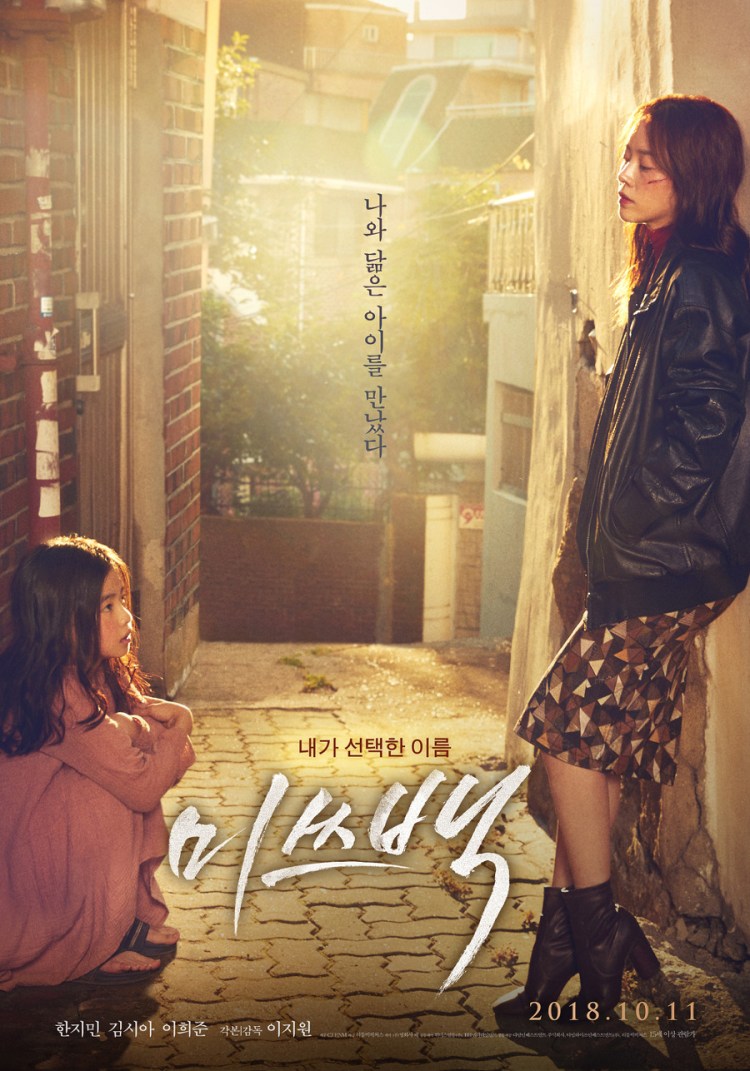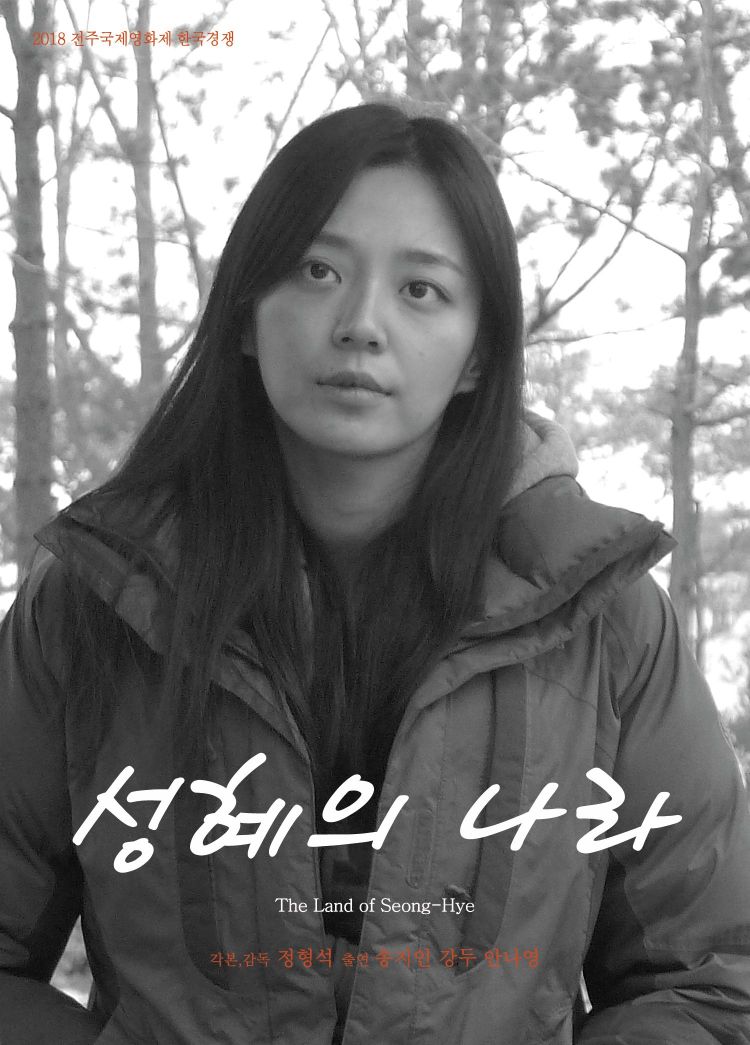
The Land of Seonghye (성혜의 나라, Jung Hyung-suk, 2018)

Land of Seonghye posterA rapidly developing economy dangles the promise of social mobility, but like a hamster turning endlessly inside an empty wheel, the prize is often unattainable. The young men and women at the centre of Jung Hyung-suk’s The Land of Seonghye (성혜의 나라, Seonghyeui Nara) are caught in an endless struggle of bureaucratic trials, perpetually stepping over each other trying to get one more foot on the ladder to corporate success only for something to catch them by the ankles and pull them back down again. For the unlucky youth of modern Korean society, there may be no way out of its relentless demands other than to retire from the game entirely.

29-year-old Seonghye (Song Ji-in) lives a hand to mouth existence working two part-time jobs – one in a convenience store and the other delivering newspapers. Too tired to sleep, she knocks herself out with tranquillisers and mostly subsists on expired produce from her convenience store job. Meanwhile, she’s taking classes at cram school, trying to improve her TOEIC score, and chasing interviews at corporations in the hope of scoring a permanent position. A health scare underlines the fact that things can’t go on as they are, but there are only two other choices open to Seonghye – give up and go home to work in her parents’ restaurant, or marry her similarly troubled boyfriend Sanghwan (Kang Doo) which necessarily means he gives up on his civil service dreams and gets a regular job somewhere else.

When we first meet Seonghye, she’s sitting alone in a park watching the surreal action of the other visitors rocking back and forth on the exercise swings. Motion without direction seems to accurately sum up Seonghye’s way of life. At 29, she’s facing the facing the prospect that it’s already too late. On the old side for an entry level position, she’s been struggling to secure key interviews but she thinks there’s another reason she isn’t being selected. Some years previously, she’d achieved her dreams with an internship at a major company but she quit before it ended. The reason she left was familiar enough – sexual harassment at the hands of the boss. She reported it. It was ignored. She went to the police and they did nothing. None of the other women backed her up and the working environment became so uncomfortable that she was forced to resign. Working in the convenience store, Songhye runs into an old colleague who reveals that her lecherous boss got a big promotion and is well on the way to mainstream success. Such is life.

Seonghye’s former colleague seems happy enough with her corporate existence, perhaps a little self absorbed and insensitive, not spotting just how uncomfortable Seonghye is with being exposed at her “humiliating” part-time job. Seonghye lies out of embarrassment and tells her former officemate that this is her family’s store and she’s just helping out while she prepares to study abroad. She tells the doctor that she’s a graduate student, too ashamed to admit she’s drowning in the seas of “hell Joseon” all while her solicitous parents remind her she can always come home though doing so feels like accepting defeat from which she might never recover.

Seonghye is far from alone in her troubles. Many of her university friends are in a similar situation, mostly unemployed or in continuous cycles of unpaid “opportunities” which never pay off. Suicide hovers on the horizon as a prideful solution to the impossibility of their lives while others embrace the cruel individualism of the capitalist society, accepting that you will need to betray your friends if you’re going to get ahead. Seonghye doesn’t want that. She doesn’t want to get ahead by throwing bodies to the wolves but the world keeps conspiring against her and soon not even this sort of no life existence will be viable.

Later, Seonghye gets an unexpected windfall for the most terrible of reasons. She has no idea what to do with the money – it is a significant amount, it might be enough to live on frugally (and alone) for a number of years. Should she invest her money wisely and live simply for the rest of her days or keep on running herself into the ground trying to attain corporate success and the social status that goes with it? Seonghye makes her decision. Suddenly her motion has direction once again. She smiles for the first time in a long while, shrugging off the burdens of an oppressive society and embracing her own freedom in the face of its relentless drive.


The Land of Seonghye was screened as part of the 2018 London Korean Film Festival.

Original trailer (English subtitles)

The Princess and the Matchmaker (궁합, Hong Chang-pyo, 2018)

Princess and the Matchmaker posterLove – is it an act of fate or of free will? For the women of 18th century Korea, romance is a girlish affectation which must be outgrown in order to fulfil one’s proper obligations to a new family and the old by becoming the ideal wife to a man not of one’s own choosing. Love, in this world, would be more than an inconvenience. It would be a threat to the social order. In Hong Chang-pyo’s The Princess and the Matchmaker (궁합, Gunghab), each and every decision is dictated by birth, but as our soothsayer reminds us, serendipitous meetings can change all that’s gone before.

A severe drought is plaguing the subjects of Joseon, and their eyes are on their king to sort it out. For complicated reasons, many assume the pause in the rains is down to the gods’ wrath over the aborted wedding of problematic princess Songhwa (Shim Eun-kyung) some three years previously. Even before her failed marriage made her a flawed woman, Songhwa had always been tainted with an aura of ill fortune seeing as her mother died in childbirth. A reading of her astrological charts implied her presence was bad for the king (Kim Sang-kyung) and so she was sent away only to be called back when another reading revealed her presence may be essential to the king’s recovery from illness. She’s been at the court ever since but the taboo of her supposed bad luck has never left her. The king determines he’ll have to marry Songhwa off to improve the public mood but with her reputation who will they be able to find for a husband? With names thin on the ground, the king decides on a series of open auditions with the royal astrologer announcing the “winner” after a thorough examination of their birth charts.

It goes without saying that no one is especially interested in Songhwa’s opinion. Still naive and innocent, Songhwa is quite looking forward to finally getting married though a frank conversation with a recently hitched friend perhaps helps to lower her expectations. Still, she’d at least like to see the face of the man she’ll be spending the rest of her life with and so she sneaks out of the palace and goes investigating. Her first ventures outside of the walls which have protected her all her life are marked by a sense of magical freedom, though what she sees there later shocks her. Her subjects starve, and blame her for their starving. Lamenting the poor nobleman who will be taking one for the team in marrying the notoriously ugly and difficult Princess Songhwa, they pray for her wedding day and the rain they fully expect to fall.

Given all of this ill feeling towards the princess, it doesn’t take much to guess what sort of men are prepared to toss their hats into the ring. The suitors may look attractive on the surface, as Songhwa discovers, but each has faults not visible in his stars. One is a child, another a womanising playboy. It comes to something when the worst possible match isn’t the murderous psycho posing a philanthropist but the ambitious social climber who will stop at nothing to advance his cause.

Some might say the sacred art of divination is a bulwark against court intrigue, but this like anything else is open to manipulation. The king’s old astronomer has been taking bribes for years – something brought to light by ace investigator with a talent for divination Seo Do-yoon (Lee Seung-gi) with help from shady street corner soothsayer Gae-shi (Jo Bok-rae). Appointed to the position himself, Seo unwittingly holds the keys to Songhwa’s future though that isn’t something he’d given particular consideration to. His job was just to read the charts before everything started getting needlessly complicated. When his list of candidates goes missing he has no choice but to start visiting the ones he can remember in person which is how he ends up repeatedly running into Songhwa in disguise and, despite himself, beginning to fall in love with her.

Songhwa, trapped in a golden cage, longs to live a life of her own free from the patriarchal demands of a hierarchical society. She bucks palace authority by sneaking out on her own, but never seriously attempts to avoid her miserable fate or resist the tyranny of an arranged marriage, only to be allowed foreknowledge of the kind of life for which she has been destined. Nevertheless, determining her own future later becomes something within her grasp once the corruption has been uncovered and the art of prophecy exposed for what it is. Destiny is more malleable than it first seems and as Seo advises the king, when compassion reigns the heavens will open. True harmony is not born of a rigid adherence to facts and figures assigned by the arbitrary conditions of birth, but by a careful consideration of the feelings of others. A life without love is as starved as one without rain and the truly harmonious kingdom is the one in which all are free to feel it fall where it may.


The Princess and the Matchmaker was screened as part of the 2018 London Korean Film Festival.

International teaser trailer (English subtitles)

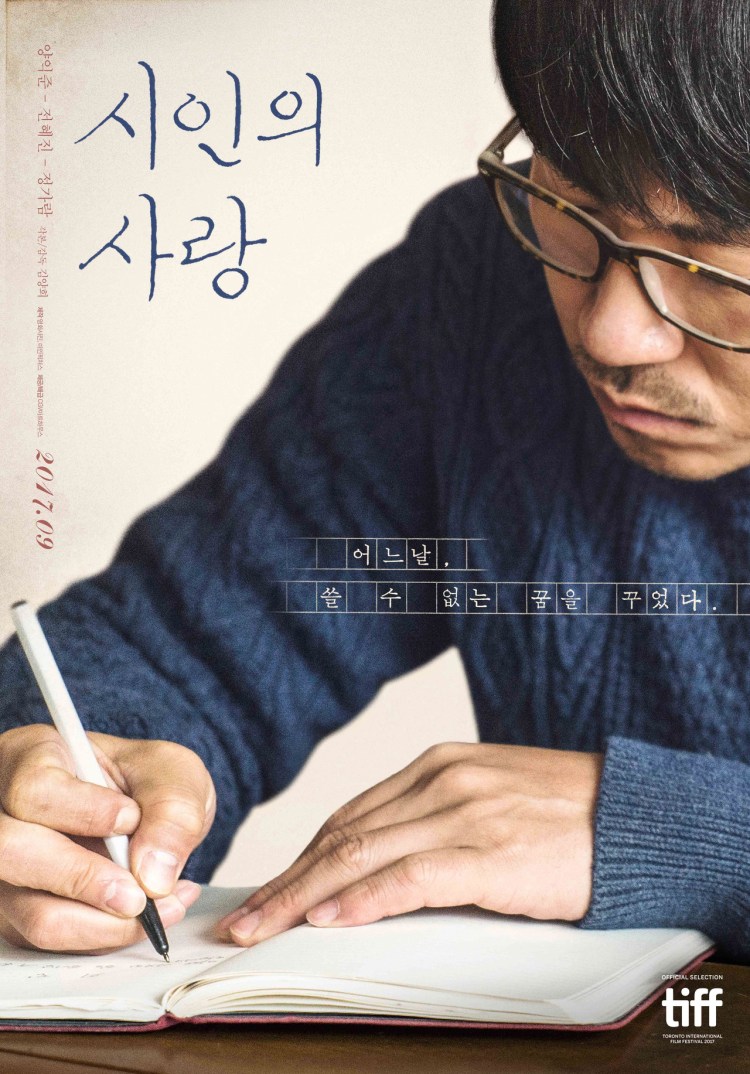
The Poet and the Boy (시인의 사랑, Kim Yang-hee, 2017)

Poet and the Boy posterA poet cries for the sorrow of the world, according to the hero of Kim Yang-hee’s melancholy drama, The Poet and the Boy (시인의 사랑, Sienui Sarang). Unfortunately for him, he lives in his own poet’s world, lonely and disconnected but never knowing the true depth of sadness which would give his verse meaning. Until, that is, he falls in love. Beauty turns out to be a doubled edged sword for a mild mannered yet emotionally brave artist struggling to comprehend his place in the world but discovering that some of it, at least, has already been decided for him.

Hyon Taek-gi (Yang Ik-june) is a 30-something aspiring poet married to a feisty shopkeeper. The couple have been married several years and though they are happy enough together, theirs is a marriage born more of convenience than passion. Having married “late” each has settled in to making the best of things, sure that a greater love will one day blossom between them. Mrs. Hyon (Jeon Hye-jin), feeling an absence in the family home, has been longing for a baby but Taek-gi has never been especially interested in that side of things and isn’t really keen on the idea of becoming a father.

Meanwhile, a brand new donut shop has just opened up in town which is good news for Taek-gi because donuts are one of his favourite things. Unsure whether it’s just his status as a purveyor of sweet goods, Taek-gi develops a fascination with the beautiful boy at the bakery (Jung Ga-ram) which is further inflamed when he accidentally catches sight of him in amorous moment with a female customer. To his mild surprise, Taek-gi finds himself captivated with the male physical form, experiencing feelings and desires he had not even known existed.

As his wife later puts it, a poet’s world is different. Taek-gi stops to appreciate the flowers, watches the children play, and makes a round about detour to a fast food restaurant to observe human life but he doesn’t quite live in the world he inhabits or allow himself to truly experience its beauty. As we first meet him, Taek-gi is writing a poem to open the map of his heart but quickly finds himself lost and wandering, unable to settle on a clear direction and ending up at a disappointingly familiar destination. The poem is interesting but imperfect, somehow hollow and inauthentic.

Taek-gi’s creative block is also an emotional one. What begins with a single moment of captivating beauty expands into something deeper and warmer as the poet gets to know the boy on a more intimate level. Seyun is a troubled young man from an impoverished family caring for his bedridden father while resenting his coldhearted mother. What he sees in Taek-gi is something between friend and father, both wary of and delighting in unsolicited kindness from a virtual stranger. Taek-gi’s wife teases him about his attraction to Seyun, probing him about the nature of their own strange relationship. She wonders if it’s really “love” without intense physical desire – something he has made repeatedly clear that he does not feel for her. Taek-gi insists that it is, citing another romanticised love which remained chaste as further evidence only for his wife to fire back that perhaps all he really wanted was the sadness of unfulfilled longing to complete his poetic world view.

Taek-gi later takes his words back, insisting that what he feels for his wife is not “love” and that their relationship was always doomed to fail. Yet it’s not carnal desire which brings him to this realisation so much a greater motion towards connection. Taek-gi who was always ill-equipped for life and never able to take care of himself, begins to look after the younger man both physically and emotionally asking for nothing in return other than his continued company. Despite his otherworldliness and alienation, there is something uniquely brave in Taek-gi’s willingness to tug on the thread of an unfamiliar feeling, uncertain what it is or might be but determined to find out. Disregarding the conservative values of his society which have led him to embrace conventionality in marrying “late”, supposedly “grateful” that someone allowed him the opportunity to marry at all, Taek-gi moves forward if cautiously, aware that his desires may not be accepted and may present a danger to those around him.

Then again, Taek-gi is a middle-aged man with a series of choices already behind him, many of which entail consequences and responsibilities it would be selfish and irresponsible to break even in the pursuit of individual happiness and fulfilment. Perhaps all he really wants is the grand failed romance that will open the map of his heart through breaking its spine, craving “sadness” to feed his art over “love” to feed his soul. True enough, sorrow does wonders for Taek-gi’s art even if he feels himself trapped by his previous choices and the restrictive social codes of his community but there is also something inescapably poetic in his magnanimity as he prepares to set the thing he loves free in a way he never was and believes he never can be.


The Poet and the Boy was screened as part of the 2018 London Korean Film Festival.

International trailer (English subtitles)

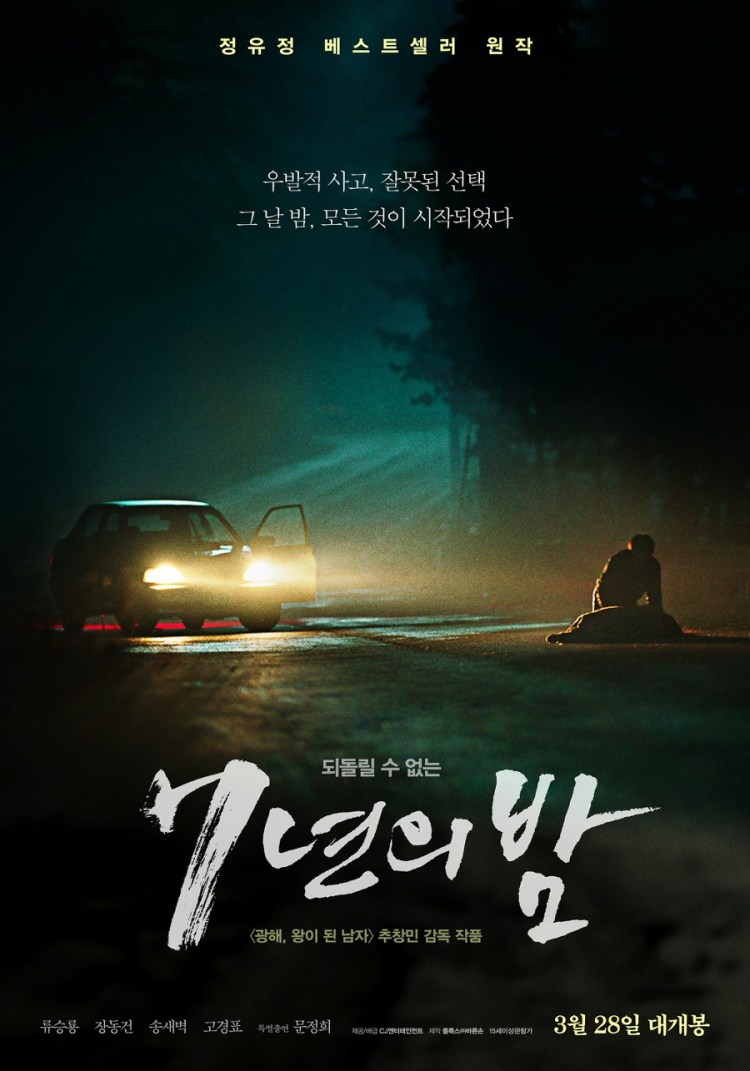
Seven Years of Night (7년의 밤, Choo Chang-min, 2018)

Seven Years of Night posterThe sins of the father are visited upon the son. Cycles of abuse and fatalistic retribution are a persistent theme in Korean cinema but Choo Chang-min plunges them to new depths of tragic inevitability in his adaptation of the best selling novel by Jeong You-jeong. The biblically titled Seven Years of Night (7년의 밤, 7 Nyeonui Bam) pits two visions of failed fatherhood against each other as two broken men attempt to restore order to their lives but damn their children in the process through their own refusal to engage with past trauma.

In 2004, security guard Hyun-su (Ryu Seung-ryong) buys an apartment he can’t afford in order to placate his wife who is in constant worry over their precarious financial circumstances. Hyun-su can’t really manage the interest payments on the mortgage so the family will be renting out the fancy apartment and moving to a remote house provided by his new employers at a hydroelectric dam. On the day that he was supposed to go and check over his new accommodation, Hyun-su partied hard with his former colleagues and set off drunk, getting into an altercation with another driver on the way. Lost in a thick fog and fuzzy from the drink, he hits a little girl who ran out in the middle of the road, panics and hides her body, planning to forget any of this ever really happened.

Forgetting is not, however, something anyone is permitted to do in Choo’s world of elemental retribution in which the buried past is always destined to make its way to the surface sooner or later. The lake around the dam was once home to a village which was sunk, intact, to make way for its construction. Locals fear the water with superstitious dread, believing the lake sucks the souls of men and is polluted with something darker and older than industrial corruption. Attempting to drown the inconvenient may have its appeal, but nothing stays underwater for long and the harder you try to push it down, the faster it will rise.

Unfortunately for Hyun-su, the father of the girl he has killed, known to all as Dr. Oh (Jang Dong-gun), is not a man to be messed with. Dr. Oh, apparently an upscale dentist in the city, rules over all with a tyrannical authority and, as he owns almost all the land around here, enjoys a near feudal level of deference from the villagers. Violent and controlling, Oh’s wife, who describes him as the Devil incarnate, has recently escaped and gone into hiding leaving their small daughter Se-ryung (whose name is coincidentally the same as that of the sunken village) alone to face his wrath. Doubtless, Dr. Oh was raised with an authoritarian father of his own and is unable to see beyond himself and understand that his reign of terror prevents him from achieving the very thing he craves – the love of his wife and daughter.

Desperate for revenge, needing to prove that this is all someone else’s fault to avoid admitting that his own violence drove his wife from him and his daughter into the path of another violent man, Dr. Oh vows poetic retribution by targeting the life of Hyun-su’s innocent son, Seo-won (Go Kyung-pyo). Increasingly disturbed by his crime, Hyun-su dreams of his own father – a violent drunk with PTSD from a pointless war whose death he longed for and who he swore never to become, only to be confronted with a vision of himself as a small boy in the face of his own son watching his father strike his mother in anger. Hyun-su sees. He sees what his father passed to him and what he fears he will pass to his own son. He wants to break the curse, but doesn’t know how. 

Still, Hyun-su would drown the world to save his son even if he hates him for it. Seo-won, left with a series of dubious legacies, struggles to emerge from the shadow of his father’s crimes, is disowned by his family as the son of a murderer and cast out from regular society as one polluted by murderous blood but eventually saves himself through skills learned from a second father, himself hoping to atone for a selfish decision that led only to tragedy. Deliberately disjointed and self-reflexive, Seven Years of Night is a dark tale of supernatural dread masking a horror all too real in the impossible task of exorcising the living ghost of defeated male pride.


Seven Years of Night was screened as part of the 2018 London Korean Film Festival.

International teaser trailer (English subtitles)

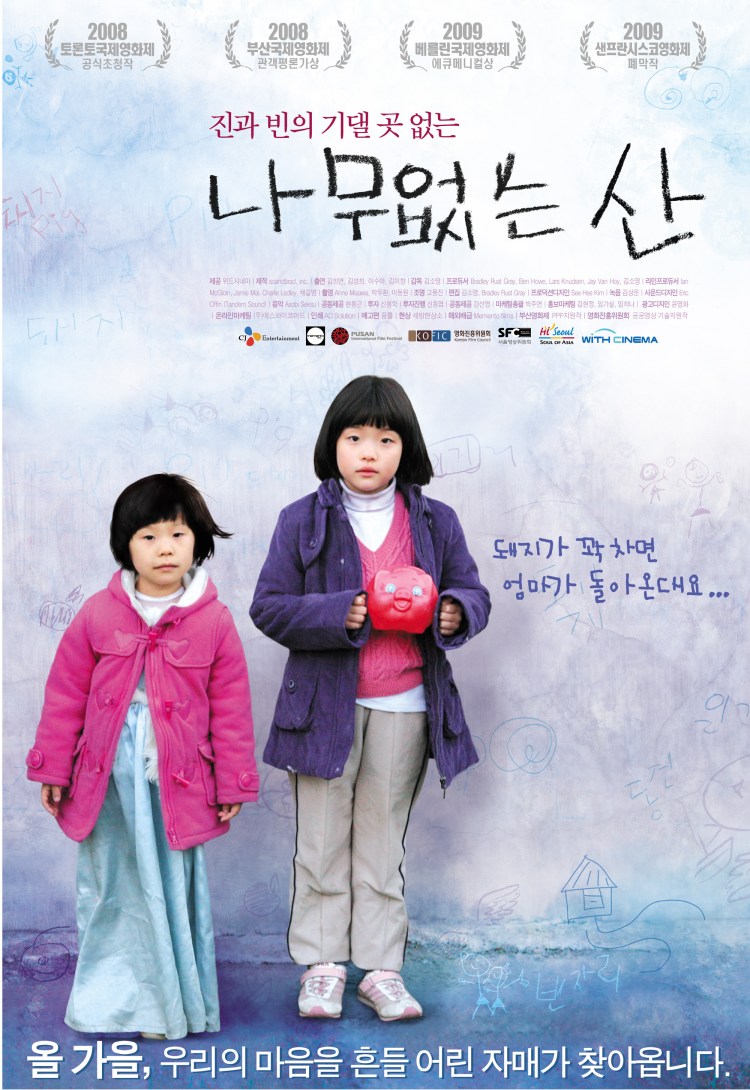
Treeless Mountain (나무없는 산, Kim So Yong, 2009)

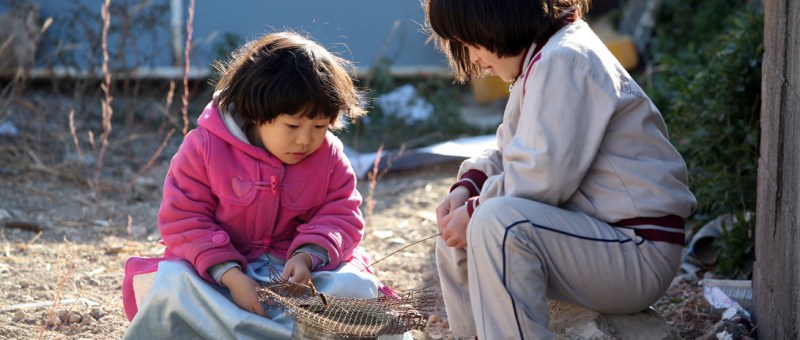
Treeless mountain posterThe thing that parents are supposed to do for their children is create a world that’s safe where they will always be loved, accepted, and taken care of while also teaching them how to survive in a sometimes hostile environment. Sometimes, however, that safe space is punctured and a child becomes separated from their guardian. Kim So Yong’s Treeless Mountain (나무없는 산, Namueobsneun San) is the story of one little girl’s painful journey towards an early acceptance of rootless independence as she and her sister try to come to terms with the abrupt exit of their mother and the loss of the world they’d known.

Jin (Kim Hee-yeon) and her younger sister Bin (Kim Song-hee) live in a cramped Seoul apartment in a run down part of town. Their father having abandoned the family, the girls’ mother (Lee Soo-ah) works during the day while a neighbour looks after Bin until Jin gets out of school and the girls look after each other until mum comes home. Though the girls’ mother is kind and patient, she is also exhausted and has little time for anything other than a hasty dinner and trying to get the sisters to bed in good time. However, the morning after an awkward conversation with the landlady that her mother didn’t want to talk about, Jin gets back from school to find removal men already dismantling her home and is bundled onto a bus out of the city. She and her sister will be staying with Big Aunt (Kim Mi-hyang) in the country while her mother takes off to look for their long absent dad in the hope that she can convince him to reassume his responsibilities.

Jin’s mother does not have a particularly good support network or other people to rely on and has been forced to leave her daughters with Big Aunt, her absent husband’s older sister, whom she barely knows. If she did know her, she’d know Big Aunt is not a good person to leave children with. Though not actively abusive, Big Aunt is a severe, embittered older woman who does nothing but complain and make it clear to the sisters just how inconvenient she feels their existence to be. Big Aunt used to have her own business but it’s gone bust and now she spends her days soaked in soju and regret. She makes Jin and Bin do odd jobs around the house (one of which is clearing away the worrying number of empty soju bottles in the property) and berates them each time something is not to her liking. Jin, an anxious child, often wets the bed. When it happened at home her mother patiently cleaned her up and told her not to worry, but Big Aunt is furious and Jin lets Bin take the blame rather face her wrath directly.

When she left, Jin’s mother gave her a plastic red piggy bank and told the girls that their aunt would give them a coin everyday and that when the piggy was full she’d return. Facing their aunt’s ongoing neglect, the girls convince themselves that the piggy bank is magic and that if they can fill it up on their own their mother will come back. They start their own business selling grilled grasshoppers that a local boy showed them how catch and cook, and then hatch on the revelatory idea that they can turn their big coins into lots of smaller coins to fill the bank up faster but, of course, their mother still doesn’t appear and it’s merely another illusion shattered in their rapidly maturing minds. The girls find temporary relief at the home of another local woman whose son has Down’s Syndrome and is also lonely because the other kids don’t seem to play with him, but mostly they’re on their own, waiting for their mother to come back so everything will go back to normal but becoming increasingly worried that it never will.

Eventually, Big Aunt shuffles them onto their elderly grandparents who were not exactly keen to take them in either, but once they’re there it’s not so bad. Grandma is a nice woman who shows them much more affection than Big Aunt and invites rather than forces them to help her with various tasks around the farm. City kids, the children are fascinated by the natural world and begin to enjoy spending time with grandma who shares with them her knowledge while the girls begin to understand that grandma is suffering too by catching sight of her ruined shoes echoing the painful too-smallness of Jin’s own as her heels poke out from the back of her trainers. Jin, who was often lonely and resentful, constantly told she had to look after her sister all while no one was looking after her, begins to cede ground to others in accepting that perhaps her mother won’t come back but maintaining the fantasy for Bin even as she begins to find a place for herself on grandma’s farm independent of adult care or control.


Treeless Mountain screens at the Pheonix on 3rd November, 1pm as part of the 2018 London Korean Film Festival.

International trailer (English Subtitles)

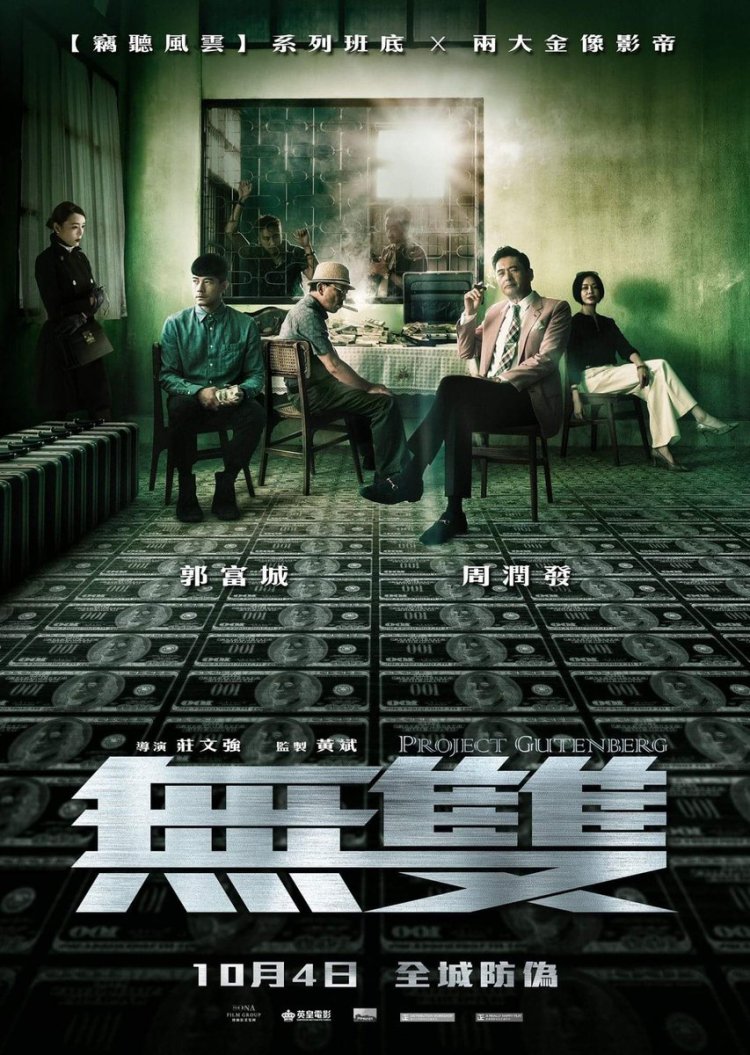
Project Gutenberg (無雙, Felix Chong, 2018)

Project Gutenburg poster“Sometimes a fake can be better than the real thing” intones mild mannered counterfeiter Lee Man in Felix Chong’s cineliterate thriller Project Gutenberg (無雙) . At first glance, Project Gutenberg would seem to have nothing at all in common with the archival programme from which it takes its name but perhaps there is something in its continual questioning of whether a facsimile can replace an original. Chong plays with perception, narrative, and a human need for authenticity but most of all with the legacy of heroic bloodshed as a melancholy young man attempts to rewrite his own history with himself in the lead.

In the late ‘90s, Lee Man (Aaron Kwok) is languishing in a Thai jail from which he manages to get himself rescued by scraping blue powder off the walls and creating an expert forgery of a postage stamp to send a letter of help. Soon after he gets himself picked up by the Hong Kong police who want his help tracking down a notorious counterfeit currency trafficker known only as “Painter” (Chow Yun-fat). Lee is scared witless because Painter has a habit of ruthlessly hunting down associates who talk – something which is well known to HK police inspector Ho (Catherine Chau) who is after him because he killed her Canadian policeman boyfriend. Painter also murdered the fiancé of Lee’s old flame Yuen (Zhang Jingchu) who is the woman he sent the letter to and who has come to his rescue. Which is to say, the situation is much more emotionally complicated than one might expect.

Through flashback, Lee elaborates on how he came to get mixed up with crime. He and Yuen were living on love in 80s Vancouver trying to make it in the art world. While Yuen’s work began to gain traction, Lee’s was going nowhere. Technically proficient, his paintings were thought soulless and derivative but his talent for mimicry soon brings him to the attention of master forgers and thence to Painter who needs someone with expert skills for his next project – forging the US $100 bill.

Lee tells his tale with melancholy relish, dwelling on his days of youthful abandon with Yuen to the extent that Ho interrupts to declare herself disinterested, advising he skip the prologue and get to the bit where Painter shows up. Painter, a suave yet unpredictable criminal type, determines to help Lee become “the leading man” he knows he can be, but to be fair all anyone is ever interested in is the intensely charismatic Painter. As it turns out, there are more reasons for that than it might at first seem, but in the end Lee’s internalised feelings of inadequacy are still the fuel to his fire. Unable to find artistic success, forgery offers Lee the life of a skilful craftsman and he feels himself to have found his niche but in betraying his artistic integrity he also risks forever losing the woman he loves.

Painter has a weird obsession with Lee’s love life, assuring him that once the deal is done he will help him win back Yuen. “A man who gives up on love is destined to fail at everything” Painter tells him. Lee, however, repeatedly gives up on love. He refuses to fight, embraces his own sense of inferiority, and resolves to live on in misery falling ever deeper into Painter’s world of surrealist crime. Leaving aside Painter’s strangely homoerotic relationship with his protege, Lee’s life gets still more complicated when he becomes involved with a woman, Sau-ching (Joyce Feng), who falls in love with him in Thailand and, for complicated reasons, ends up with Yuen’s face thanks to plastic surgery and name thanks to a fake passport. Painter taunts him with a facsimile of his love but berates him for settling for a substitute while Sau-ching resents getting the Vertigo treatment from a man who refuses to let a failed love fade.

Almost offended by her betrayal of true love, Inspector Ho probes Yuen about her fiancé, asking if he was merely a “substitute” for Lee. Yuen asks if the next man Ho will fall in love with will merely be a “substitute” for her fallen colleague to which Ho fires back that there will never be anyone else because her love is “irreplaceable”. Yuen scoffs at her strangely naive romanticism and Ho does indeed appear to meet an echo of her former love in someone new carried once again on noirish cigarette smoke. If you can’t be with the one you love, love the one you’re with the old adage goes but it turns out that inauthentic romance is the hardest kind to bear.

Chong lets Lee’s retelling of his history play out like a heroic bloodshed movie in which Chow re-inhabits the classic characters of his youth. An unreliable narrator, the movie in Lee’s mind is one of honour and glory in which he still cannot allow himself to take the lead. Chong over eggs the pudding with a series of twists and reversals, undercutting all that’s gone before and muddying his message in the process but there’s no arguing with his high stakes style as he turns a simple crime story into an interrogation of authenticity and the power of personal myth making.


Screened as part of the 2018 London East Asia Film Festival.

Original trailer (English subtitles)

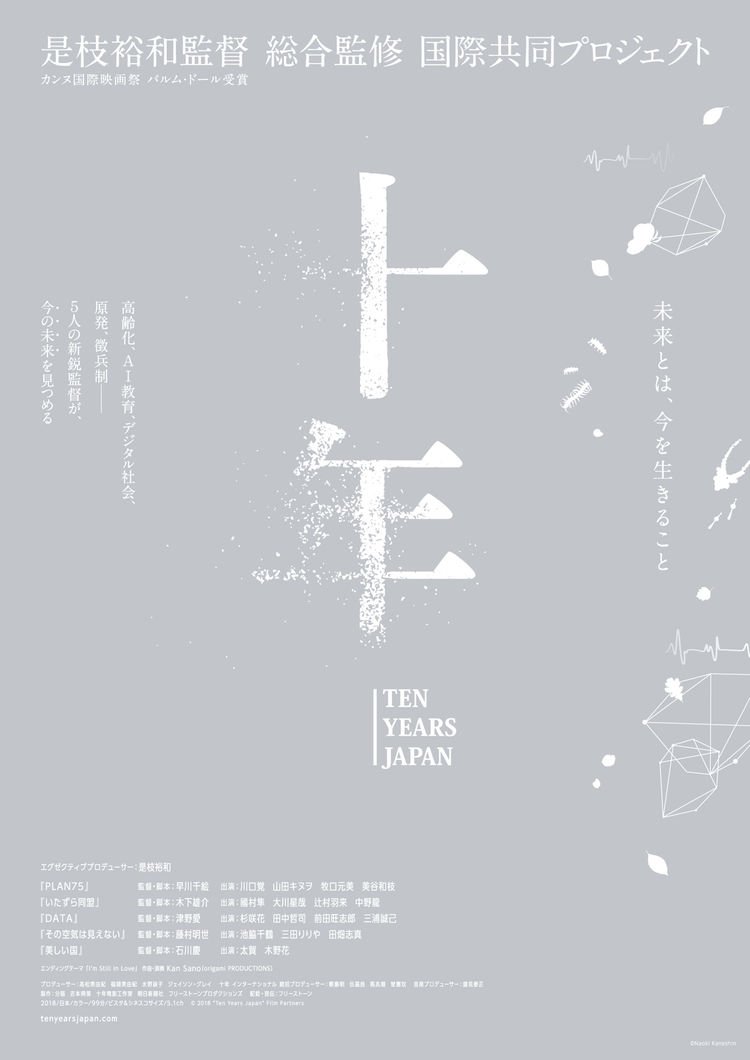
Ten Years Japan (十年 Ten Years Japan, Chie Hayakawa, Yusuke Kinoshita, Megumi Tsuno, Akiyo Fujimura, Kei Ishikawa, 2018)

Ten Years Japan posterBack in 2015, five aspiring Hong Kong filmmakers came together to present a collection of shorts speculating on the fate of their nation in 10 years’ time. Coinciding with if not directly inspired by the Umbrella Movement, Ten Years was a deliberately political project which tapped into the nation’s unique preoccupations almost 20 years on from the end of British rule and a little more than 30 before One Country, Two Systems expires. The film proved an unexpected box office hit and has gone on to become an unconventional franchise with a host of other Asian nations creating their own omnibus movies musing on what may or may not have occurred in a decade’s time.

Unlike the original Hong Kong edition, Japan’s vision (十年 Ten Years Japan) is decidedly less political, perhaps reflecting a greater level of stability. Nevertheless, taken as a whole there are a number of recurrent themes running through each of the segments from the ageing population to the increasing power of the state and the dark possibilities of technology.

In Chie Hayakawa’s Plan 75, the first and darkest of the shorts, a conflicted salaryman (Satoru Kawaguchi) makes his living selling the titular “retirement” plans to those who have reached the age of 75 and decided enough is enough. Japan’s population is ageing faster than any other and caring for the elderly has placed a significant strain on the young. The old and infirm are therefore encouraged to think of themselves as burdensome, that they should do the decent thing and relieve the pressure on their loved ones by going gracefully at the right time. So far so Ballad of Narayama, but age isn’t quite the issue – the rich are excluded because they’re still spending their money and therefore economically useful. The government would rather roll out the invitations to the “unproductive”.

Ironically enough, a little girl who wants to be a vet in Yusuke Kinoshita’s Mischievous Alliance is advised to become a doctor instead and specialise in elder care which is in fact a growth industry. Unlike the elderly in Plan 75, the kids of Mischievous Alliance are not quite so willing to sit back and conform despite being fitted with invasive headsets connected to a monitoring program which “corrects” their bad behaviour whenever they try to break the rules. The hero rejects his oppressive schooling by self identifying with a stabled horse previously used for medical experimentation, longing to run free if only for a few moments.

If the “promise” system at the centre of Mischievous Alliance presented a vision of a future in which privacy and individual agency have all but disappeared, Data asks us if we have the right to reconstruct someone’s identity after they’ve gone by examining their digital footprint. A high school girl (Hana Sugisaki) tries to adjust to the idea of her widowed father’s (Tetsushi Tanaka) new girlfriend by opening up her mother’s “digital inheritance” but learns more than her mother might have wanted her to know. High school videos and pictures of old boyfriends jostle with beautiful flowers and private anxieties, but when it comes right down to it the organic memories are the only ones that count and the only things to make sense of the cluttered imagery in an uncurated personal museum of random digital moments.

Youth’s desire for knowledge and freedom is also at the heart of Akiyo Fujimura’s The Air We Can’t See which is the only one of the shorts to address nuclear anxiety in the post-Fukushima world. After some kind of event has made the surface uninhabitable, humanity has survived underground. A curious little girl, however, is fascinated by the idea of the outside. Longing to hear the birds and feel the rain, she imagines herself an exterior world but also comes to wonder if her home is a kind of prison born of fear and maybe it’s all alright up top if only you have the courage to look.

Meanwhile the apocalypse is still a little way off in Kei Ishikawa’s For Our Beautiful Country which hints obliquely at the growing threat of North Korea as missiles fly overhead with increasing frequency. The references, however, are older. A cynical ad man (Taiga) oversees a campaign promoting Japan’s remilitarisation but is later charged with letting the elderly, eccentric graphic designer (Hana Kino) know her poster is being “substituted” with something more “powerful”. After spending the day with her and coming to understand the subtle act of rebellion which has made her poster unusable for its propaganda purposes, the ad man gets a new a mission. It’s all up to the young now who have both an opportunity and a duty to ensure their country does not fall into the same kind of ugliness that sent young men off to die in the name of beauty.

Bookending the piece, Hayakawa and Ishikawa present the bleakest visions in which the descent into cruel authoritarianism may have already passed the point of no return. The children, however, seem to disagree and universally turn away from oppressive social codes, preferring to find their own truths and committed to exploring their own freedoms. Ten Years Japan may shed the overtly political overtones of its Hong Kong inspiration but finds brief rays of hope in the midst of despair in a child’s ability to break the programming and strive for a better, fairer world free of adult duplicity.


Screened as part of the 2018 London East Asia Film Festival.

Original trailer (no subtitles)

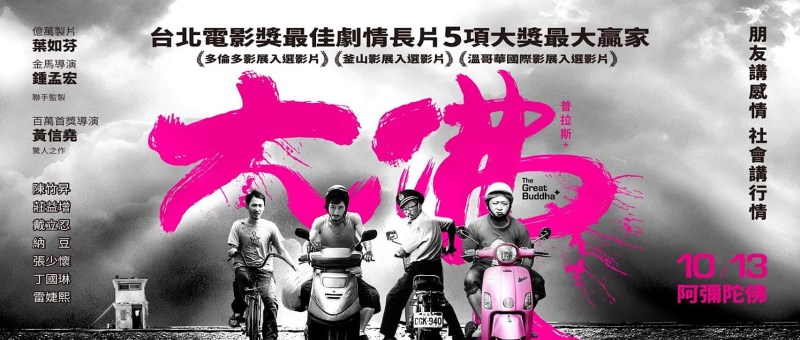
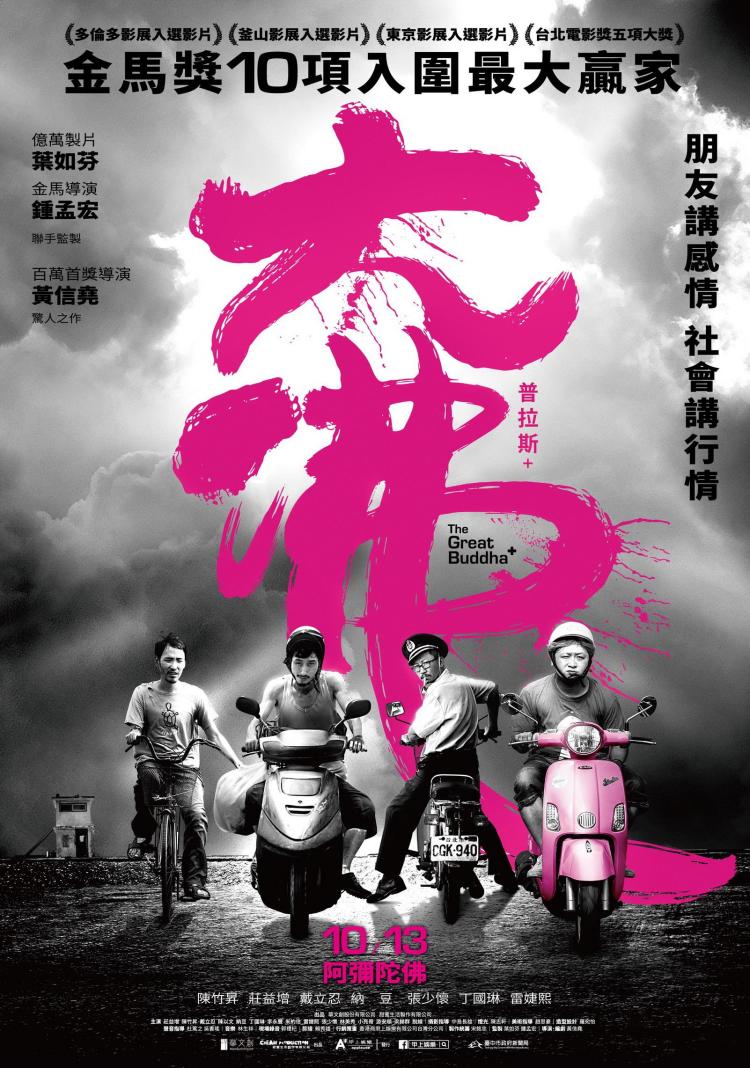
The Great Buddha+ (大佛普拉斯, Huang Hsin-yao, 2017)

Great Buddha + posterFor some, the good life always seems a little out of reach, as if they showed up late to the great buffet of life and now all that’s left is a few soggy pastries and the salad someone’s aunt brings every year that no one really likes. Still, even if you know this is all there is, it doesn’t have to be so bad so long as you have good friends and something to do every day. The “heroes” of documentarian Huang Hsin-yao’s fiction feature debut The Great Buddha+ (大佛普拉斯, Dà fó pǔ lā sī) are exactly this sort – men in late middle age who’ve never quite grown up but have eased into a perpetual boyhood safe in the knowledge that there’s nowhere left for them to grow up to.

“Pickle” (Cres Chuang) is something of a holy fool. His major preoccupation in life is his elderly mother whose increasing medical bills he is continually worrying about paying. He’s taken to banging a drum in a local marching band with a big line in funerals for extra money at which he is terrible but seeing as there’s no one else his job is probably safe for the minute. His “occupation” is nightwatchman at a factory owned by “Kevin” (Leon Dai) – a renowned sculptor working on a giant Buddha statue. Nothing ever happens at the factory at night so no one is very bothered what Pickle does there, which is mostly being “entertained” by his “best friend” Belly Button (Bamboo Chen). Belly Button doesn’t really have a job but earns money through collecting recyclables and selling them on. Looking for a new source of vicarious fun, Belly Button talks Pickle into stealing the SD card from the dash cam on Kevin’s fancy car so they can enjoy riding along with him in their very own private sim. This turns out to be more fun than expected because Kevin is also a womaniser with a thing for car sex even if the cam only captures the audio of his exploits. Nevertheless, the guys inevitably end up seeing something they shouldn’t.

Huang shoots in black and white but switches to vibrant colour for the dash cam footage, somehow implying that nothing is quite so real to guys like Pickle and Belly Button as a fantasy vision of someone else’s glamorous life. After all, if it’s not online it didn’t really happen. Trapped in the gutter of small town life, both men have either failed to move on from or wilfully regressed into a perpetual adolescence in which they waste their days idly on pointless pursuits – leafing through ancient porn mags, gossiping, and eating half frozen curries from half-filled Tupperware boxes. A mild mannered man, Pickle is so innocent that he never quite understands Belly Button’s lewd jokes while Belly Button, who is picked on and belittled by everyone else in town, takes delight in being able to boss him around.

Together the pair of them can only marvel at a man like Kevin with his wealth and talent which allows him to gain the thing they want the most – female company. Kevin, however, is not quite as marvellous as they might assume him to be even if they remain in awe of his caddish treatment of women while perhaps feeling sorry for those unfortunate enough to fall in love with him. In tight with the local bigwigs, Kevin is simply one link in a long chain of bureaucratic corruption in which business is done in the bathhouse surrounded by floozies. Kevin never explicitly lets on whether he knows that Pickle and Belly Button have stumbled on his secret, but their lives begin to change all the same. Their easy nights in the security cabin have gone for good and they feel themselves under threat in a chilling reminder of how easily a little guy can disappear or fall victim to an accident after asking too many questions about a vain and powerful man with money.

Meanwhile, Pickle is left worrying what’ll happen to his mum if he falls out with Kevin. Even if he wanted to speak out about a great injustice, he’d be putting his mother in the firing line. Then again, after a brief visit to Belly Button’s home in which he cocoons himself inside a mini UFO filled with the prizes he’s won from UFO grabber games (he says it’s like “therapy”), Pickle is forced to wonder how well he even knew him – his only friend. As Huang puts it in his melancholy voice over, we might have put men on the moon, but we’ll never be able to explore the universe of other peoples’ hearts.

Huang’s deadpan commentary is among the film’s strongest assets with its New Wave associations and determination to wring wry humour out of the increasingly hopeless world inhabited by Pickle, Belly Button, and their similarly disenfranchised friends. Filled with meta humour and a deep sadness masked by resignation to the futility of life, The Great Buddha+ is a beautifully lensed lament for the little guy just trying to survive in a land of hollow Buddhas and venial charlatans.


Screened as part of the 2018 London East Asia Film Festival.

Original trailer (English subtitles)
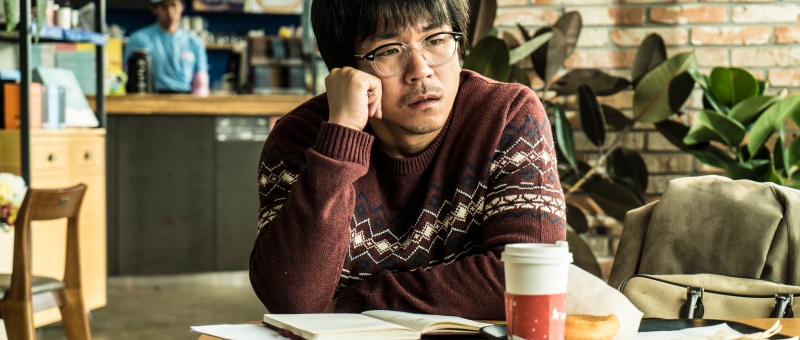
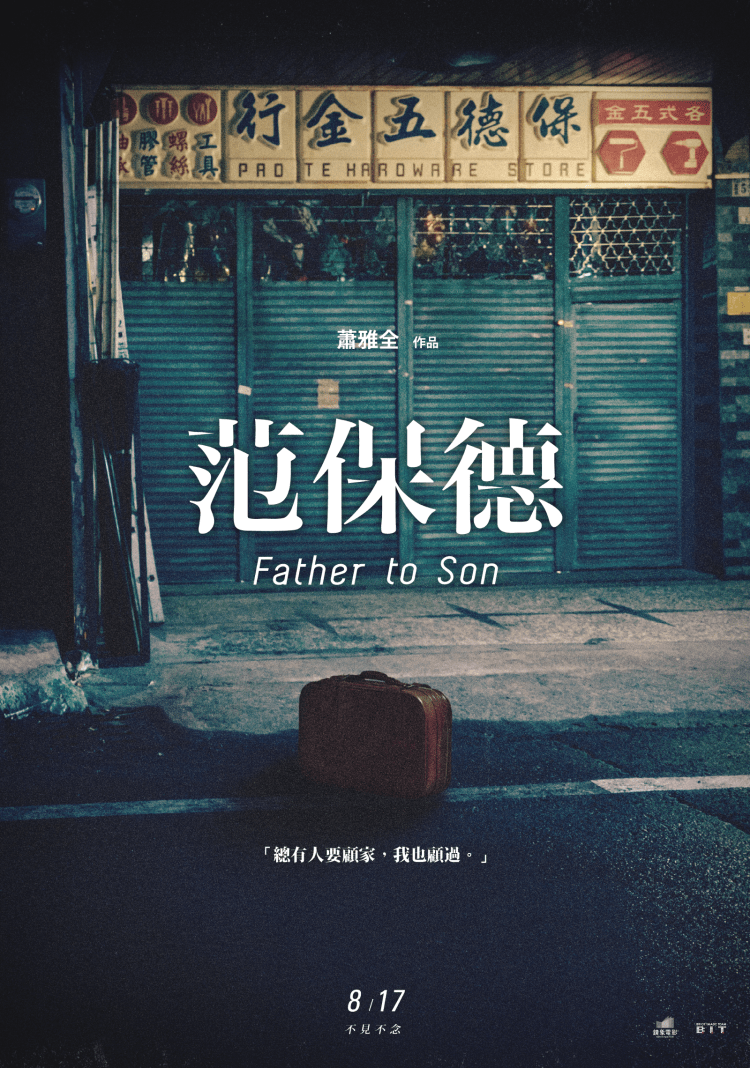
Father to Son (范保德, Hsiao Ya-Chuan, 2018)

Father to Son posterEvery son kills his father, but echoes of the past prove hard to escape in Hsiao Ya-Chuan’s Father to Son (范保德, Van Pao-te). Legacies national and personal conspire to frustrate the dreams of the young while the old are left with nothing more than enduring mystery after a lifetime of disappointment. Faint notions of mortality send an old man on a quest to understand himself by making peace with his long absent father and taking his own son along for the ride, but perhaps there really are no answers to the questions you most want to ask, or to put it another way perhaps it’s better to answer them yourself.

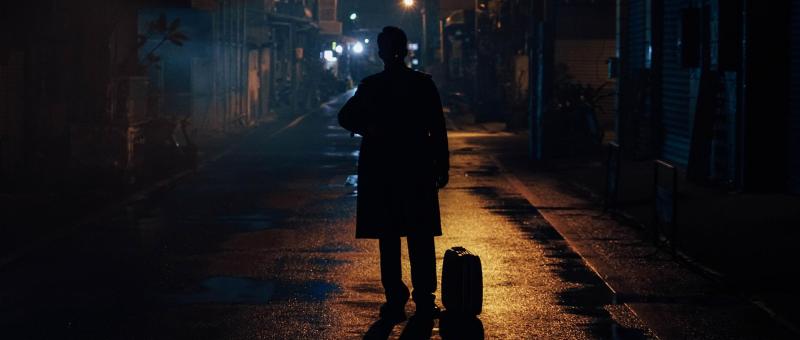
60-year-old Van Pao-te (Michael Jq Huang) is feeling his age. He’s taking longer in the bathroom and he’s no longer as agile as he was. A handyman with a hardware store, Van is also something of an “inventor” and has several patents in his name but cannot escape the feeling of being unfulfilled, as if something in his life has always been missing. A twinge fixing a pipe for a doctor friend provokes a fuller examination as a result of which Van is told he may have a serious pancreatic illness and is advised to see a specialist in Taipei, but Van hates doctors and so he puts the decision off. Meanwhile, he goes to the city on other business. Honoured for his contribution to Taiwan’s intellectual economy thanks to his inventions, Van is also presented with an unexpected opportunity to do business with a Japanese company. Rather than deal with his medical problem, Van visits an old friend for an address he was first offered 30 years ago and decides to look for his long lost father who abandoned the family when Van was 10 in order to try his luck in the burgeoning Japanese post-war economy.

History repeats itself eerily. Van dreams of the night his father left in anger and resolves never to become the kind of man that he was but finds himself falling into his father’s footsteps. His own son, Ta-Chi (Fu Meng-Po), is a man much like him – which is to say, he is torn between duty to family and a desire to follow his dreams. Ta-Chi works in the hardware store, but his talent is for coding and he’s already a mildly successful app builder. Van thinks he should go to the city and make something of himself, but is worried that he won’t because he can’t leave his ageing parents behind alone.

Meanwhile, trouble is brewing because the beautiful niece of the woman who runs the dry cleaners has just blown in from Taipei to cover the shop while her aunt goes to the city for cancer treatment. A splash of excitement in this tiny town, she has created quite a stir among Ta-Chi and his friends which is exactly the same thing that happened thirty year’s previously when the current hotel owner first arrived in town. At select moments we also get voice over narration from Kuo Yu-Chin (Aria Wang) who, as she tells a friend, caused some “trouble” back in 1987 only to leave and then return again later. She and Van seem to share a painful history and mutual resentment over a future that never was. Yu-Chin wonders if the stories of the past that you want to hear are hidden in the future or if it’s the other way round, but if their background music choices are to be believed there seems to be a part of them always stuck in 1987 and waiting for an excuse to leave.

Like his father, Van considered leaving his family to chase a dream but he couldn’t do it. As Ta-Chi later puts it, he wasn’t “heartless” enough. Van learns enough about his father’s later life to confirm what he suspected, that his dad was no good and best forgotten, but that only leaves him with a lingering sense of resentment and inferiority in wondering if he wasted his life sticking around his hometown to make a point about a man who never gave him a second thought. He doesn’t want the same thing for his son, but hasn’t figured out the best way to push him out of the nest without breaking his heart.

While Van is caught in a web of existential confusion attempting to break free once and for all from the destructive memory of his father, Taiwan too finds itself pulled between conflicting colonial echoes while striving to embrace an identity all of its own. Hsiao paints a melancholy picture of inescapable tragedies and generational miscommunications, eventually advancing that a father’s love for his son is often buried in silent sacrifice, but does so with warmth and sympathy, resigned to the cruel ironies of time.


Screened as part of the 2018 London East Asia Film Festival.

International trailer (English subtitles)
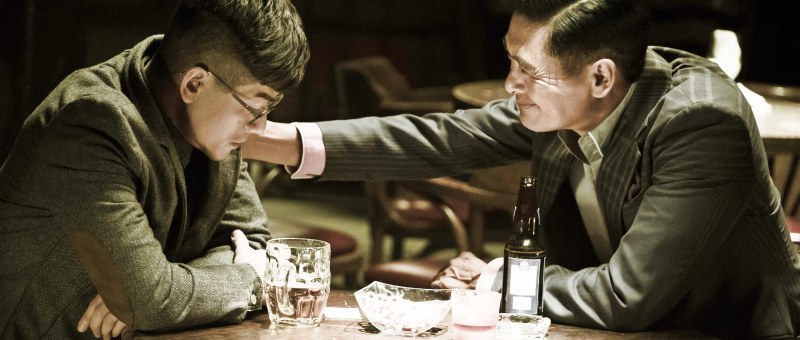
Miss Baek (미쓰백, Lee Ji-won, 2018)

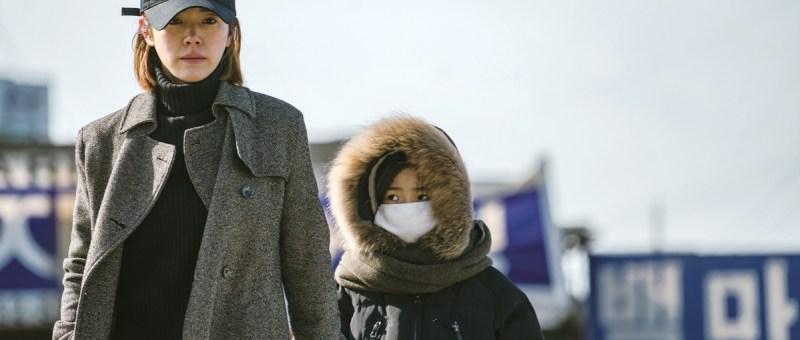
Miss baek posterIn one sense we’ve never been more connected to one another, but our tendency to remain inside our own solipsistic bubbles has never been higher. We ignore those in need, confident that “someone” will do something, that it isn’t our responsibility. Then again perhaps we don’t even notice. It’s freezing cold in director Lee Ji-won’s debut feature Miss Baek (미쓰백) and a little girl is sitting outside in her nightie. No one takes very much interest her even though it’s far too late for a child to be out alone. That is, until the titular Miss Baek (Han Ji-min) overcomes her own sense of alienation and decides to look back.

Now in her mid-30s, Baek Sang-ah is an aloof, near silent woman who ekes out a living through a series of casual jobs from car washing to massage. She is in a kind of relationship with a kindly policeman, Jang-sub (Lee Hee-joon), who wants to marry her, but Sang-ah has long ago ruled out the idea of marriage and family. She never wanted to be someone’s wife or mother. Sang-ah says this not (entirely) because she values her independence, but because of a legacy of trauma and abandonment born of the physical abuse she suffered at the hands of her mother who fell into depression and alcoholism following the loss of her husband. Fearing becoming another link in a long chain of abuse passed from parent to child, Sang-ha has kept herself isolated, avoiding all intimate relationships and vowing to continue on alone causing harm to no one.

One winter day, however, she can’t walk past the girl in the nightie anymore. Taking her to a nearby food stall, Sang-ha finds out the girl’s name is Ji-eun (Kim Si-a) and she’s nine years old. Just as Sang-ha is beginning to ask about the cuts and bruises on Ji-eun’s hands and feet, a well dressed woman who turns out to be her father’s girlfriend arrives and whisks the girl away. Sang-ha tries to forget about her and go on with her life, but she can’t seem to do it. Buying Ji-eun some proper winter wear, she resolves to try and help the girl the way that no one tried to help her.

There is something particularly insidious in the continuous stream of injustice and mistreatment Sang-ha and Ji-eun find themselves subject to precisely because of their lack of social power. Children, most obviously, have no mechanism to defend themselves besides their parents and should they try to speak out against them, they may not be listened to. Managing to escape, Ji-eun tried to tell the police what her parents were doing to her but they sent her home with only a mild warning to her smirking step-mother that she’d best ease back on the “discipline”. Understandably, Ji-eun doesn’t have much faith in the authorities as a source of salvation. Sang-ha experienced much the same but her oppression continued on into adulthood when she was arrested for violently defending herself against a would-be-rapist who happened to be the son of a wealthy and connected man who used his status to do as he pleased while Sang-ah went to jail. Sang-ha’s prison record comes back to bite her again when she tries to talk to the police on Ji-eun’s behalf only for them to lay into her when they eventually run her file.

Meanwhile, Ji-eun’s step-mother Mi-kyung (Kwon So-hyun) is well turned out and scrupulously polite. She has a plausible answer for everything and a talent for middle-class respectability, even crying during church services. Her father Il-gon (Baek Soo-jang), by contrast, is addicted to video games and rarely leaves the house while little Ji-eun is often locked in the bathroom where she cowers under the sink, or cast out onto the balcony in the mild hope that she’ll freeze to death. The only reason Mi-kyung has been keeping her around is the welfare payments, but they’re about to stop. Both “parents” project all of their personal resentments onto the face of a nine year old girl whom they beat, starve, and torture for no discernible reason other than they don’t know any other way to behave.

Ji-eun’s father was also beaten as a child. He wonders where the police were then and what sort of life they think Ji-eun is going to have when she too grew up like this. Sang-ah’s desire to save Ji-eun is also a desire to save herself as she contemplates maternity from both sides in revisiting the complicated relationship with her own mother while wondering if she is a fit person to care for a child with such poor models to follow. She doubts she can break the chain and free Ji-eun from a seemingly inescapable system of abuse and violence but through her deepening attachment to the little girl Sang-ha begins to find a way through her inertia and fear of intimacy to a deeper and more positive connection. A gritty yet always open and empathetic look at an all too often hidden social problem, Miss Baek is a promising and important debut from Lee Ji-won which refuses to look away from the dark and unpalatable but finds hope in the power of simple human kindness against cruelty and indifference.


Screened as part of the 2018 London East Asia Film Festival.

Original trailer (no subtitles)