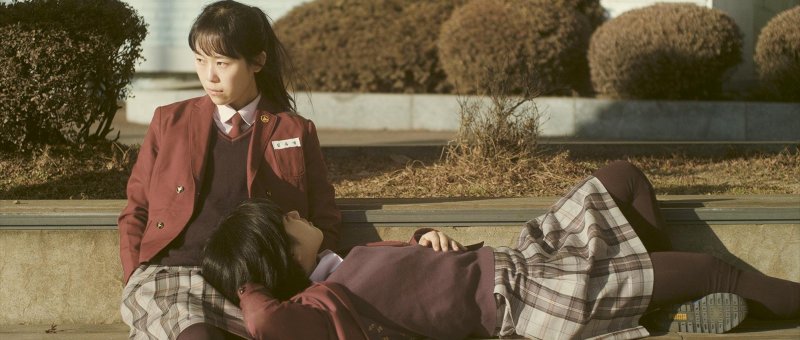
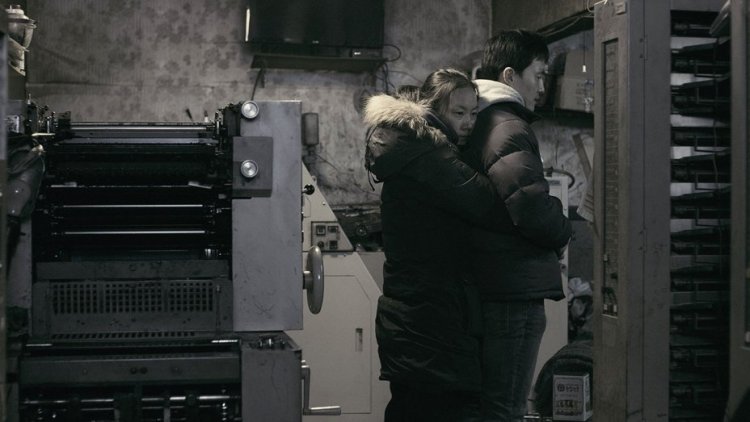
 Have you ever met someone for the first time but felt as if you’ve been friends all your lives? Maybe you’ve been depressed and lonely enough to knock on a stranger’s door wishing you had that kind of friendship because there’s very little else in your life, but you probably didn’t find anyone quite as willing to play along as the increasingly fragile Mihee (Lee Sanghee) does when she marches up to Sungsook’s (Hong Seungyi) home and announces herself as a long lost childhood friend. From that description alone Jamsil (누에치던 방, Nuechideon Bang) sounds as if it could be a dark tale of stolen identity and mental disturbance, but first time feature director Lee Wanmin’s intentions are not so severe. Defying rational explanation and looping back through past traumas and regrets, Jamsil is a tale of female friendship in all of its complexity but also of its immediacy and warmth.
30-something Mihee has taken the bar exam several times, unsuccessfully. Wondering if now is the time to give up on a legal career but afraid she’s left it too late to get any other kind of job, Mihee wanders aimlessly, not really doing much of anything at all. Growing tired of having no money and of having the moping, listless Mihee to contend with, Mihee’s graduate student boyfriend throws her out and ends the relationship. Faced with her lack of money, Mihee can only afford a run down apartment in a dodgy part of town with a strange and invasive landlady. Mihee, going quietly mad through loneliness and feelings of failure, makes the strange decision to knock on a stranger’s door, stating that she and the woman on the other side were once best friends at high school.
This seems improbable as the woman, Sungsook, seems to be around ten year’s older than Mihee, but even so Sungsook lets her in and tries to comfort the obviously distressed woman as best she can. Sungsook’s live-in partner, her childhood sweetheart Ikju (Lim Hyongkook), does not like Sungsook’s habit of letting strangers into their home and sets out to investigate Mihee only to begin having an affair with her whilst keeping his relationship to Sungsook secret. Meanwhile, Sungsook develops an attraction for a younger reporter who wrote something nice about an avant-garde theatre show in which she performed.
Though Mihee and Sungsook have obviously never met before they seem to share an immediate connection and soon become firm friends. Both women are thrown back to the trials and traumas of their teenage years, confronting choices they did and didn’t make or which were made for them. A ghost from Sungsook’s past has literally followed her all the way into the future as the spectre of absent friends continues to mar her relationship with Ikju. Mihee was guided to Sungsook by a teenage girl with the same name as Sungsook’s real teenage best friend, who for some reason reminded her of her younger self, but Mihee’s decision to track down her own high school confidant does not go well as she leaves repeated messages on her voicemail which are never returned before making a final, drastic bid for recognition.
Both Mihee and Sungsook are in some way, stalled, unable to reconcile what it is they want with what they’re supposed to be. Perhaps they, like the silkworms which give their name to this particular part of town, must leave something of themselves behind in order to move forward, but then perhaps those memories can be spun into something finer and softer to the touch than the jagged scars they currently seem to be. Lee’s shooting style leans towards indie naturalism, but mixes in a little avant-garde theatricality with her “actors” and their discussions of political terminology or brief snippets of philosophical musings on the wider nature of existence. Never quite earning its two hour plus running time, Jamsil is nevertheless a deep and fascinating exploration of romanticised pasts and depressed futures in which female friendship is both salvation and destruction but always a strong and abiding connection spun in the larval stage.
Screened at London Korean Film Festival 2017.
Subtitled clip
Interview with director Lee Wanmin conducted at Busan International Film Festival 2016.
 Wales’s premier horror festival,
  Another addition to the Meatball Machine universe, Kodoku follows a debt collector recently diagnosed with terminal cancer who realises his condition makes him immune to the mind control of invading alien Necroborgs. More splatter action from Yoshihiro Nishimura.
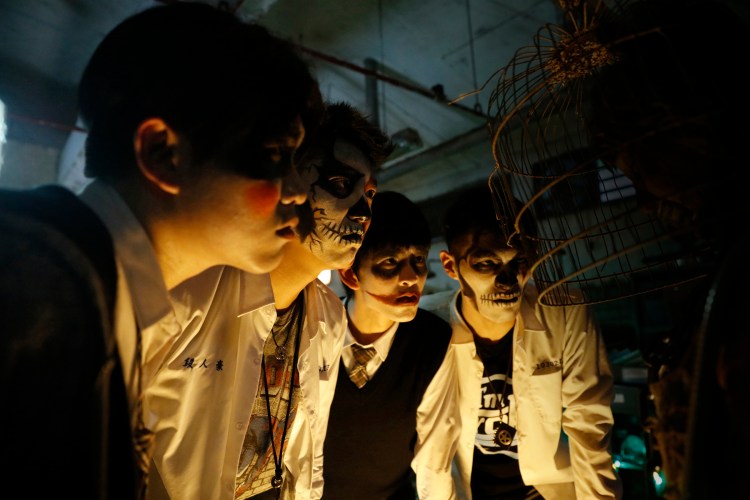 A group of horrible kids capture a strange creature and then mercilessly torture it in Giddens Ko’s surprising foray into the world of teen horror.
 Set in 1953,
 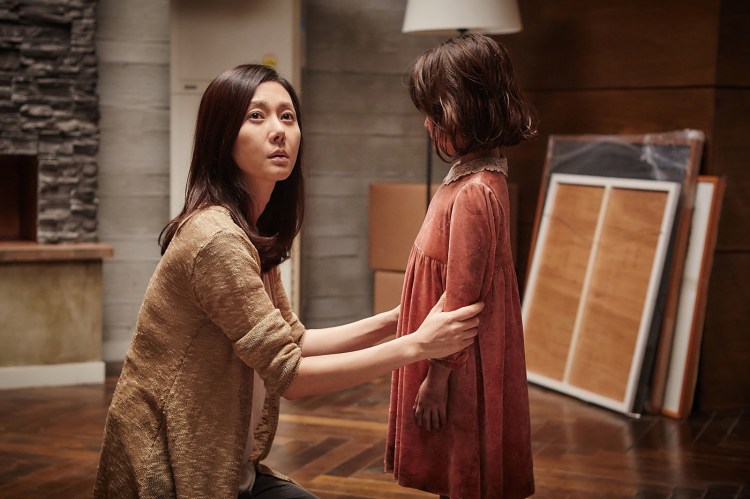 Hee-yeon moves to a small village near Mt. Jang with her husband after their son goes missing. Bonding with a little girl who seems to be lost herself, Hee-yeon soon becomes embroiled in the strange events occurring around the mountain.
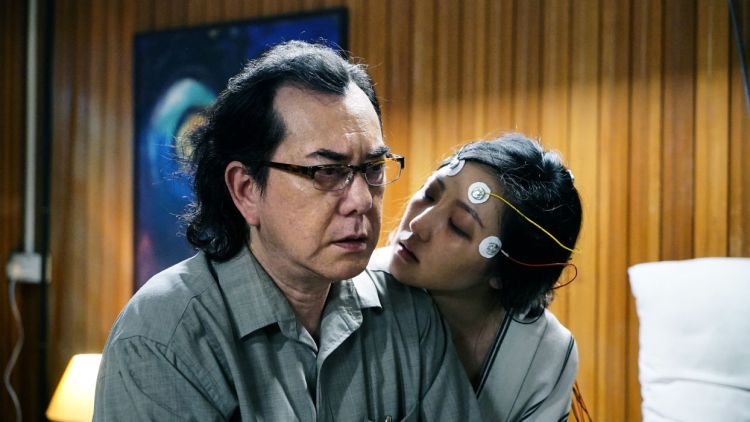 ’90s neurologist Lam Sik-ka (Anthony Wong) can’t sleep. Contacted by a fellow insomniac former girlfriend, he begins investigating and finds the answer lies all the way back in the Japanese occupation…
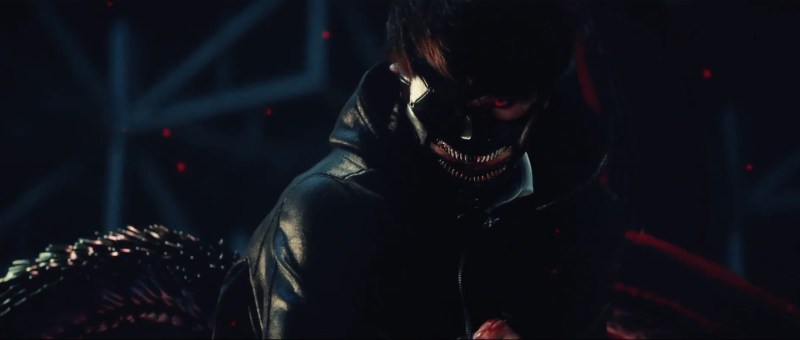
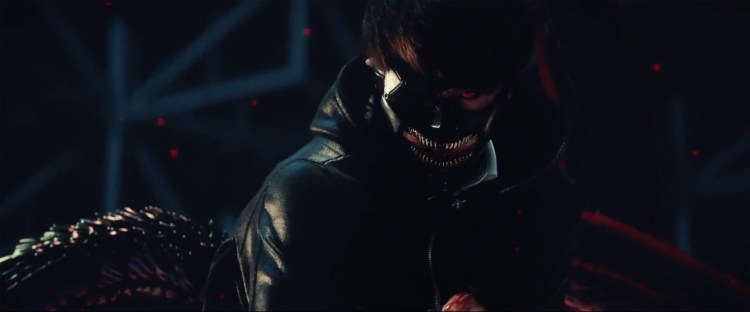 An adaptation of the manga by Sui Ishida, Tokyo Ghoul is the story of Ken Kaneki who wakes up in hospital to discover he’s been given transplants from a “Ghoul” and is now part Ghoul himself which means he needs to eat human flesh to survive…
 Students at a remote art school start mysteriously disappearing, could the creepy clay statues possibly be to blame?
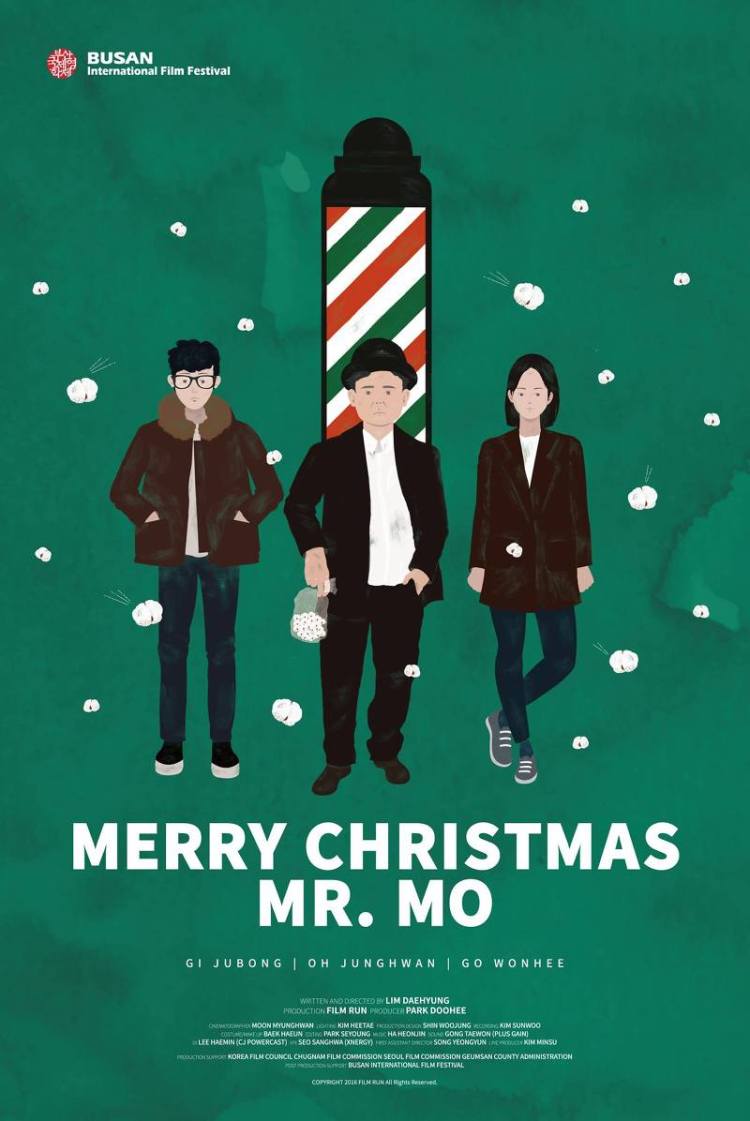



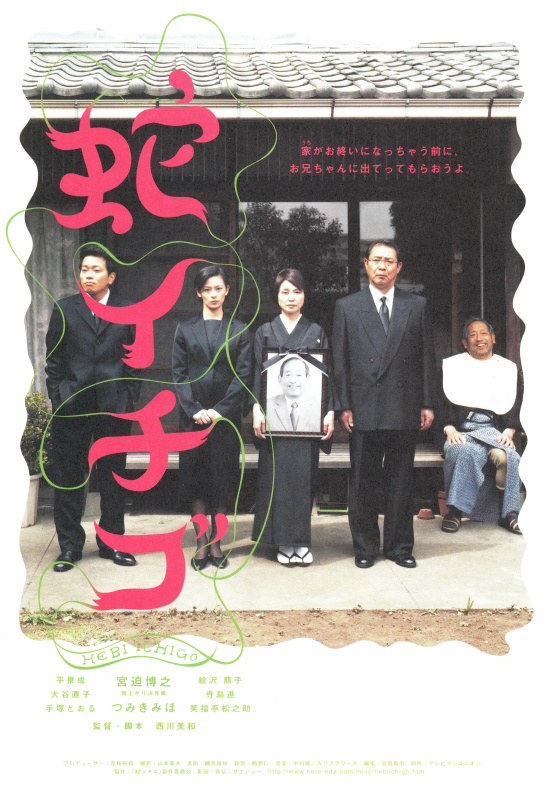 Following the last series of
 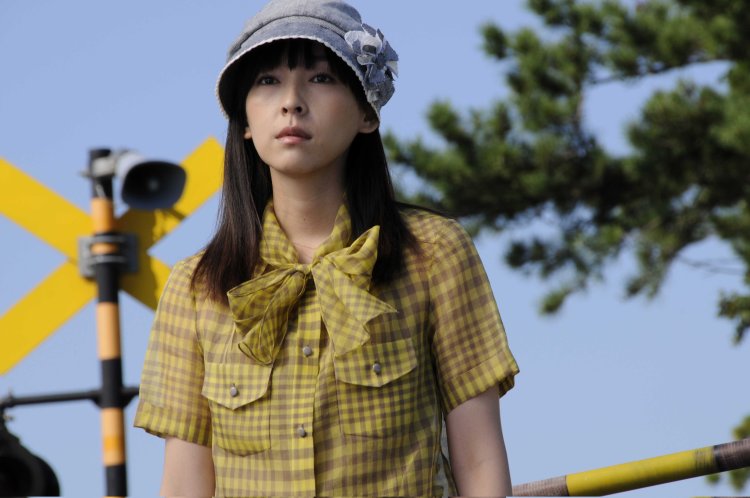 Released in 2009, the second feature from Satoko Yokohama stars Kenichi Matsuyama as Yojin – an Aomori farm boy who lives on a slightly different plane of existence to everyone else. When a pretty school teacher (played by Kumiko Aso) arrives from Tokyo, Yojin becomes determined to win her heart, whatever the eventual costs may be!
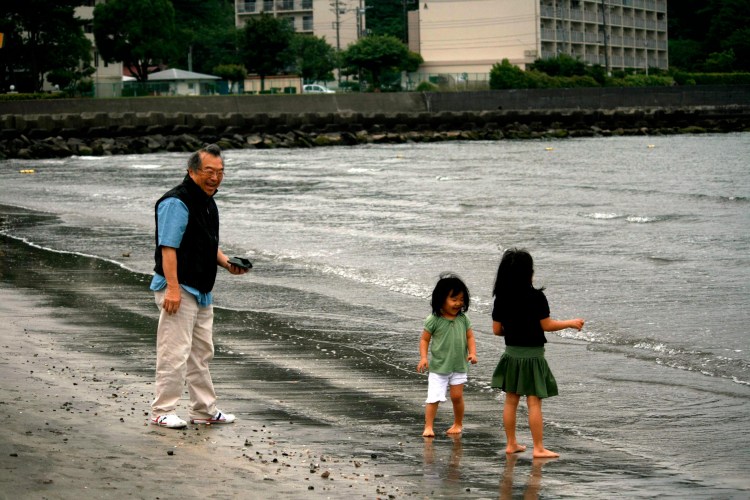 Also known as Ending Note, Mami Sunada’s documentary follows the last days of her father, a lifelong salaryman who retired aged 67 only to be diagnosed with terminal cancer soon after. Realising that he had only a short time left to live, Sunada began preparing for his death, creating his own bucket list and thinking about the “ending note” (a kind of personal testament) that he would leave behind for his family.
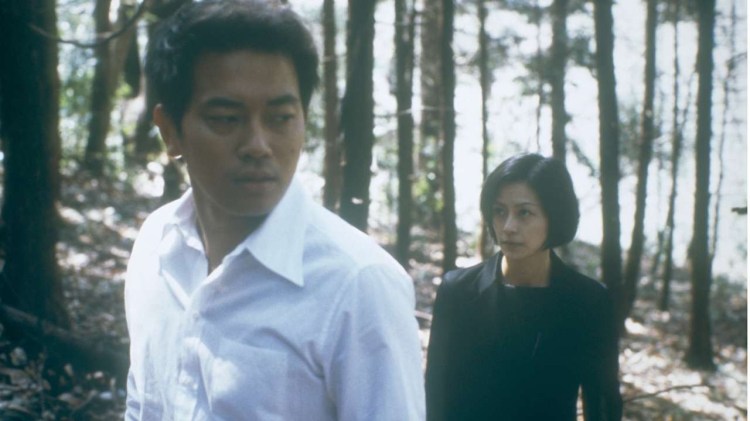 Miwa Nishikawa whose
 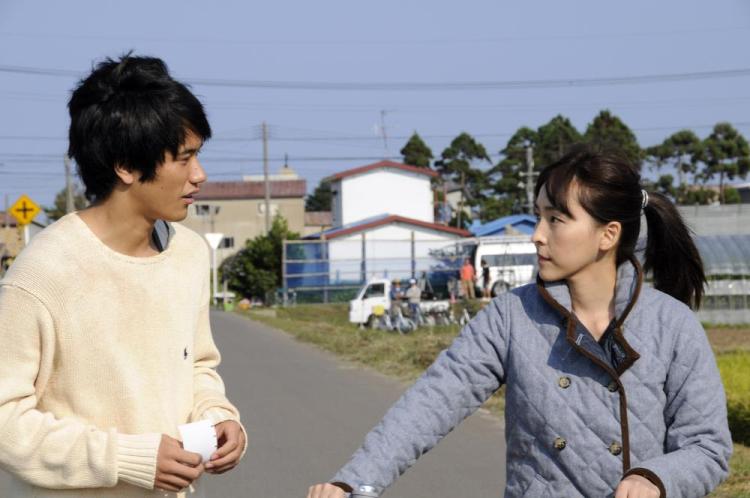 Directly after the screening of Wild Berries, there will be a panel discussion examining the rise of female filmmakers over the last 15 years. Chaired by Kate Taylor – East Asian programmer for the BFI London Film Festival, the panel will also feature film scholar Jasper Sharp (co-founder of Midnight Eye, author of Behind the Pink Curtain), film researcher Alejandra Armendáriz Hernández, and the season’s curator, Irene Silvera.
 Windows on Worlds