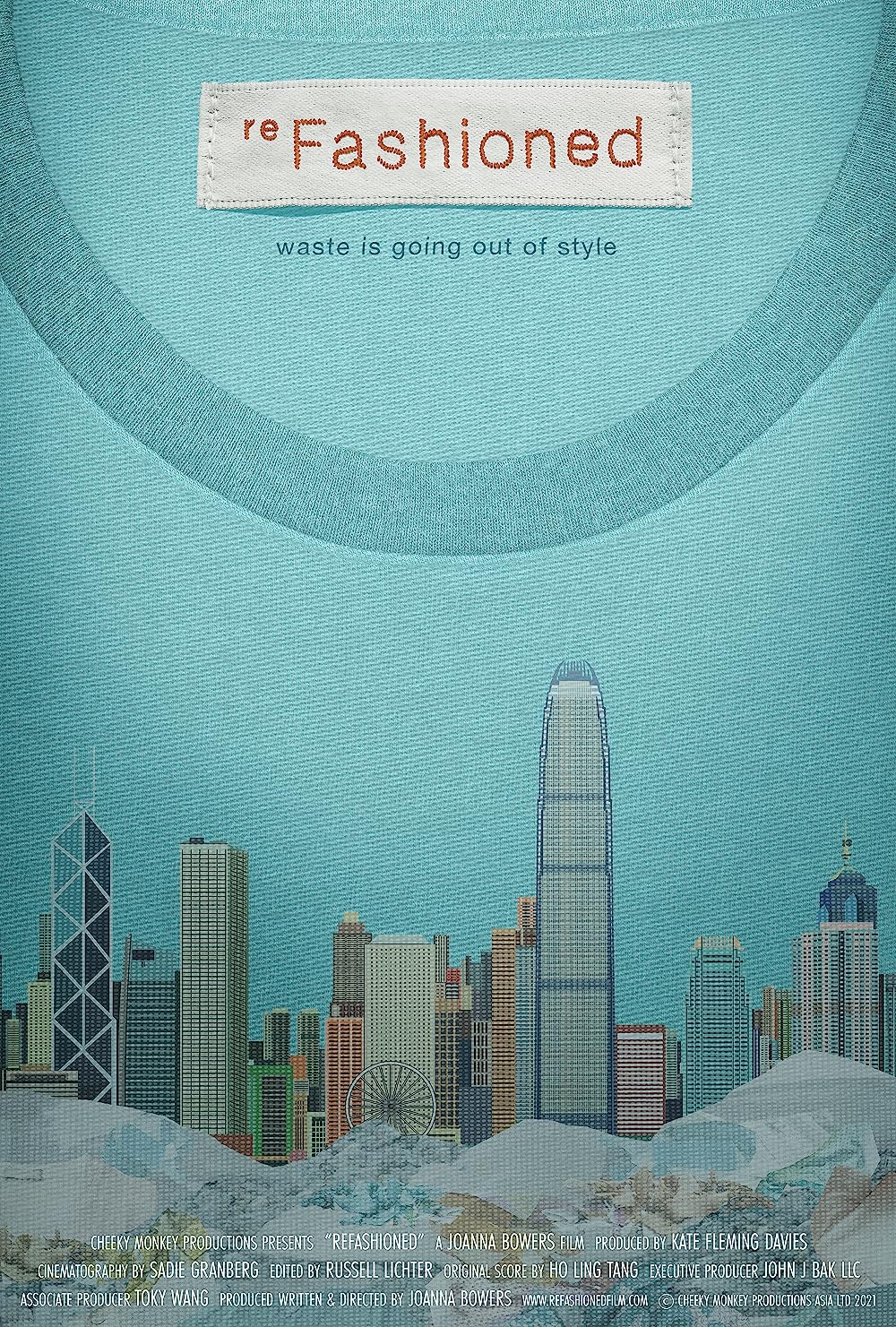
ReFashioned (Joanna Bowers, 2021)

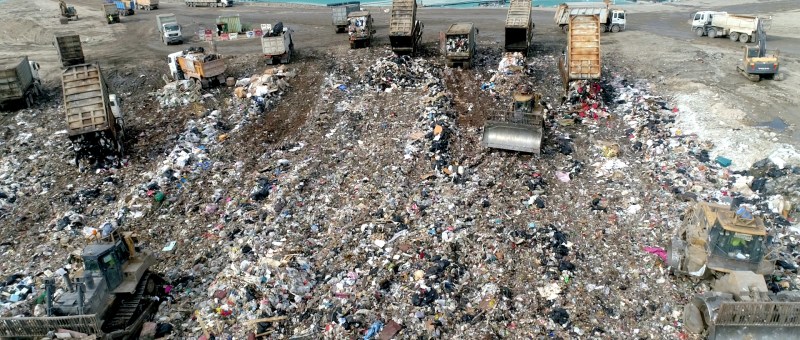
At the beginning of the consumerist era, our mentalities began to shift away from durability to disposability and we only desired that which we could throw away. But every time we throw something we don’t need anymore over our shoulder, the pile of discarded items grows higher and is already beginning to overshadow us. Joanna Bowers’ documentary ReFashioned examines the environmental impact of fast fashion and follows a series of Hong Kongers working towards initiatives to encourage recycling or reuse of textiles and plastic. 

The change in our mindset is most clearly reflected in the startup created by an American expat to sell secondhand children’s outfits in which the concept of pre-owned clothing is itself sold as something “new”. As she points out, in Chinese culture there has long been a resistance to the idea of buying secondhand born of the fear of inheriting the bad luck of the previous owner though there seems to be less class-based stigma as might be found in the West where there has often been a sense of shame connected to dressing one’s children in handmedowns. Similarly, where parents might once have given away clothing their children had outgrown to friends and relatives they may now be less likely to do so if think they still have monetary value. Donations to charity shops and thrift stores may suffer the same fate ironically depriving those who cannot afford to buy brand new of the opportunity to buy at all. 

Meanwhile, another interviewee remarks that the battle still lies in the mind of the consumer who remains unconvinced by the idea of recycling when they know that most of what they recycle ends up in landfill anyway. A government-backed initiative aims for a new approach in the recycling of textiles in which a robotised production line can sort by colour, respin thread, and produce new knitted garments while other less versatile fibres can be repurposed for carpets and upholstery. They have an end goal of creating a system in which the consumer would be able to bring their old clothes and have them deconstructed and remade by the machine into new designs allowing them to upcycle items they believed had simply gone out of style. Then again, the fashion show they put on to showcase their achievements is geared less towards the everyday than the catwalk which is admittedly designed to prove to brands that recycled material is just as good as brand new but perhaps also leans in to a fast fashion mentality if only more sustainably rather than returning to an age of well made garments designed for longterm use. 

It should also be noted that the documentary received funding from high street clothing store H&M whose efforts towards sustainability are given prominent mention which also suggests that sustainability must be made compatible with the consumerist mindset rather than undercutting it. The problem is largely of economics in that it simply does not make sense to recycle when the costs outweigh the benefits to the average business. Another young man has started a company planning to recycle plastic bottles and himself admits that his end goal would also be to reduce their usage in the first place and make himself irrelevant but in any case is told by prospective investors that the business has little viability because of its logistical costs and small scale. This would seem to be the barrier to the creation of the “circular economy” proposed by some of the other interviewees.

The earlier part of the documentary had reflected on the changing economic fortunes of Hong Kong in which textile magnates from Shanghai had set up factories in the city but once the Mainland began to open itself up in the 1980s moved there to take advantage of significantly reduced labour costs leaving many local people unemployed. There is then something quite remarkable in the decision to redevelop a former textile mill as an ultramodern recycling centre, the first of its kind in Hong Kong and perhaps the world, avoiding the additional energy costs of deconstruction and reconstruction while saving the unique architecture of a mid-20th century industrial building. This is perhaps the ultimate example of “refashioning” demonstrating how the old can be adapted for use by the new, even if sustainable solutions for our increasingly consumerist lifestyles still feel very far away. 


ReFashioned Dream Home streamed as part of this year’s Odyssey: A Chinese Cinema Season.

Original trailer (English dialogue)

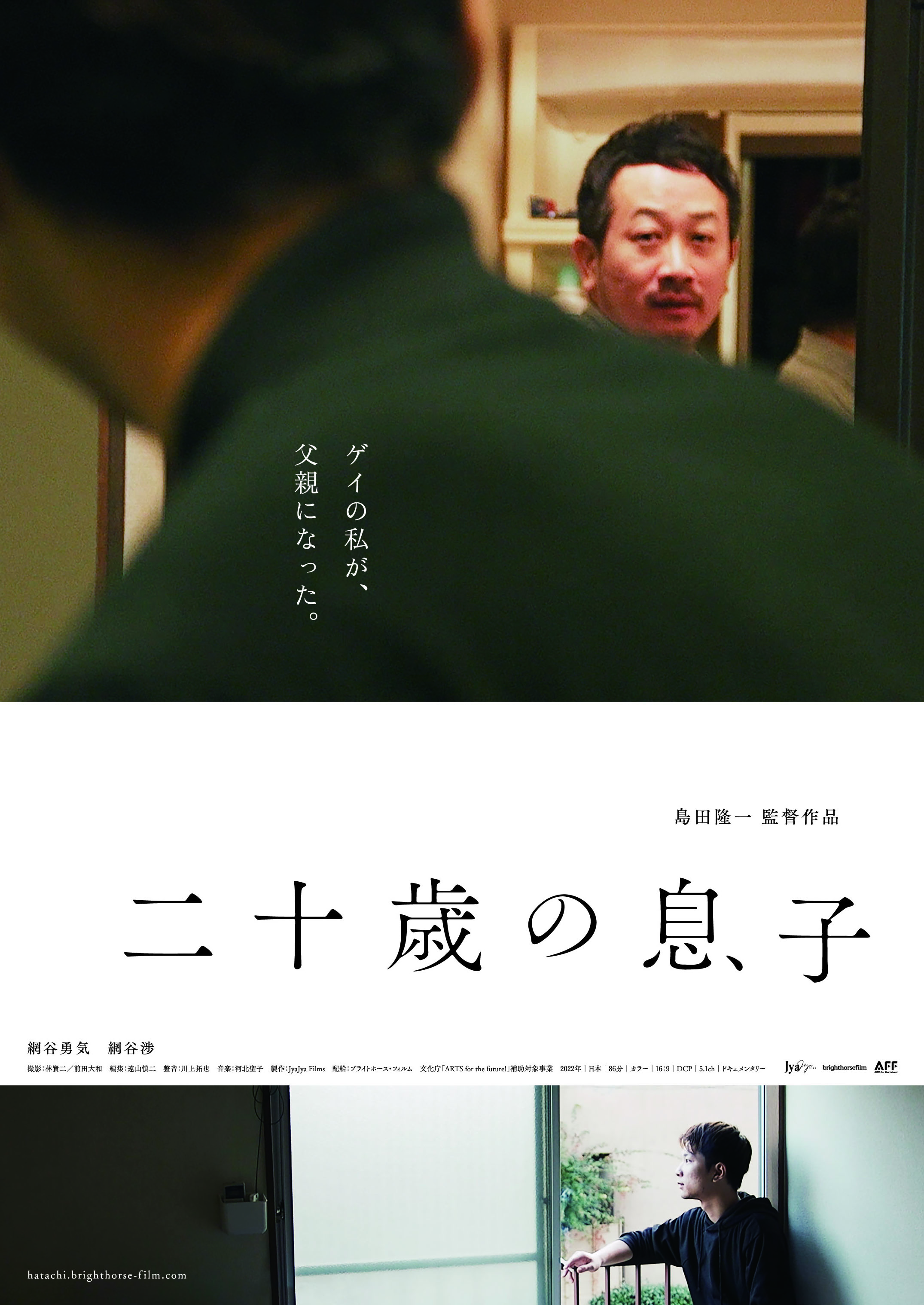
A Son (二十歳の息子, Ryuichi Shimada, 2022)

“It is simply how it should be” the father of the protagonist of Ryuichi Shimada’s documentary A Son (二十歳の息子, Hatachi no Musuko) remarks, explaining a concept of unconditional love to the 20-year-old man his own son has just adopted. The documentary never quite answers the question of exactly why Yuki made the decision to legally adopt Wataru aside from perhaps suggesting it’s a way of rejecting his own indifference to injustice, but otherwise attempts to draw comparison between the prejudice faced by members of the LGBTQ+ community and that towards children who grew up in the care system.

As Yuki later says, both LGBTQ+ people and foster children develop a habit of scanning people’s faces and watching out for any offhand remark they may make that would tip them off to the fact they are not a safe person to be open with. As he later relates, Wataru never knew his birth parents and suffered abuse in the care system. Looking for a place to belong, he ended up joining a biker gang, getting involved in petty crime, and being placed in juvenile detention which has left him with a criminal record. Even so, Yuki seems to have unshakeable faith in Wataru and is determined to provide him with a safe space and sense of permanency he hopes will allow him to feel a greater sense of confidence and security. 

In an outreach session, Yuki reveals that he knew he was gay from around 14 years old struggled to accept his sexuality after seeing the word “abnormal” listed under the dictionary definition of homosexuality. He too became violent and considered taking his own life which might explain why he empathises so strongly with Wataru, only he chose to come out to his parents instead who didn’t care at all and continued supporting him just the same. As his father later says, that’s just the way it should be. Yuki didn’t suddenly stop being their son just because he told them he was gay and all they ever wanted was his happiness. As parents, they support their children in whatever they want to so so if Yuki believes in Wataru then they’ll believe in him too immediately welcoming him to the family as their grandson much to Wataru’s mystification. He admits he’s not sure he could be so universally accepting should he one day have children of his own. 

Later in questioning his relationship with Wataru, Yuki explains that he’s also trying to teach him how to be a father in case he eventually becomes a parent but obviously struggles with the difficulties involved in becoming a father figure to man who is already a legal adult who may have ideas of his own and not always want to listen. Wataru can’t quite give a clear answer of why he accepted the adoption either aside from suggesting he wants to escape the social prejudice of being a man without a family, but perhaps also hints that family is what he’s been looking for or at least a place to belong that he can anchor himself to and go for help whenever he might need it. Yuki seems to think that by offering him a literal bed that it will help him turn his life around knowing that he will always have a safety net to fall back on. 

One of Yuki’s relatives nevertheless suggests she thinks Wataru’s optimism is merely “naive” as he pins all his hopes on a showbiz career, doing modelling gigs while working part-time in a cafe. He claims he wants to make something of himself by buckling down and working hard, insisting that his painful past can become a strength in lending him a unique profile rather than remaining something that will always drag him down. Yuki’s desire to become a father figure might also be branded as naive by some while he struggles with trying to find the right approach to allow Wataru to find his own way safe and secure that he’ll always have a home to go to. The documentary ends before it’s really possible to know how well the arrangement has worked out for either party and sometimes struggles to unify its twin themes of the abuses of the care system and a more generalised take on social prejudice towards minorities such as the LGBTQ+ community and orphans but nevertheless presents a broadly inspirational tale of intergenerational solidarity and the power of unconditional parental love. 


A Son screened as part of this year’s Nippon Connection

Original trailer (English subtitles)

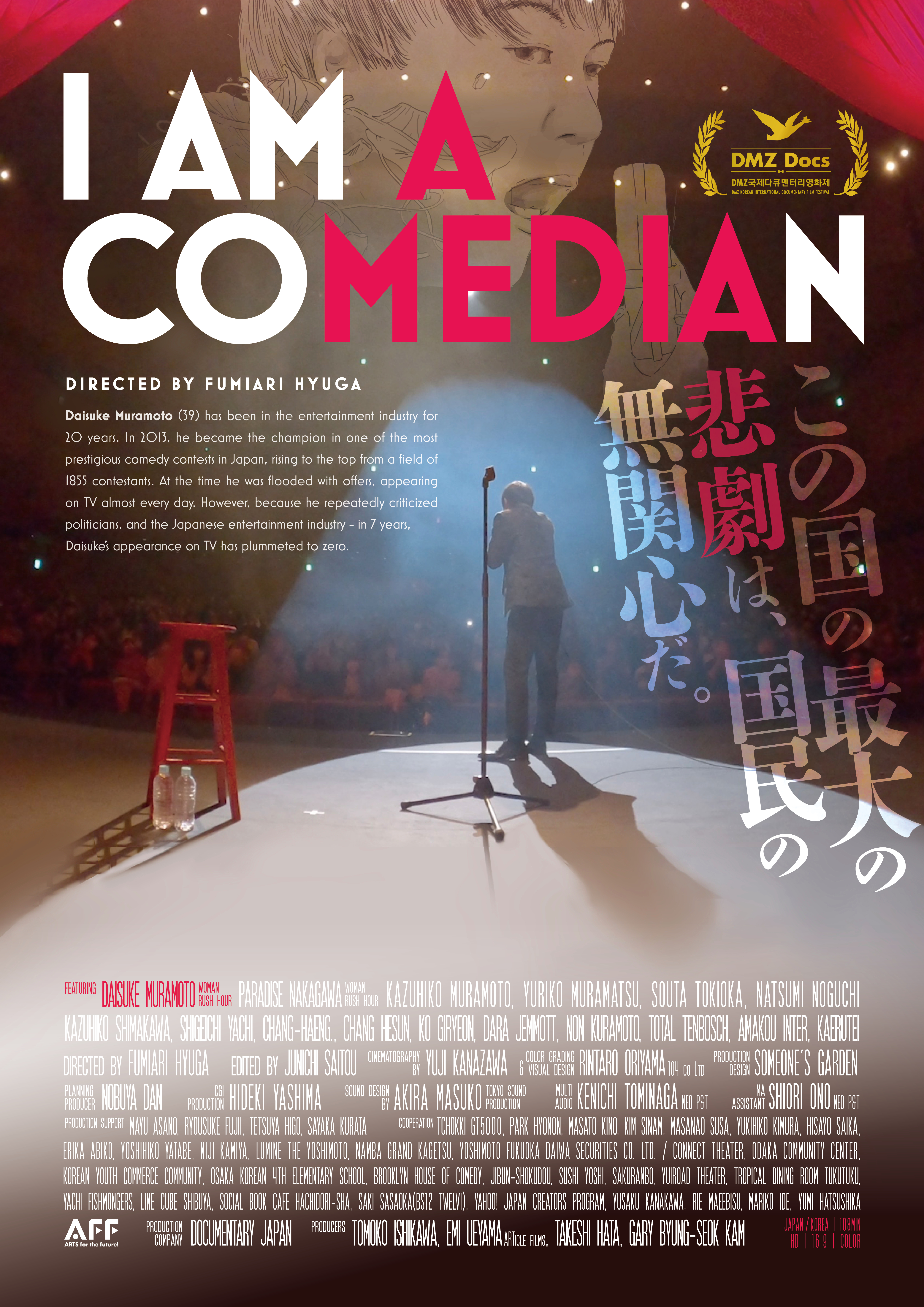
I Am a Comedian (アイアムアコメディアン, Fumiari Hyuga, 2022)

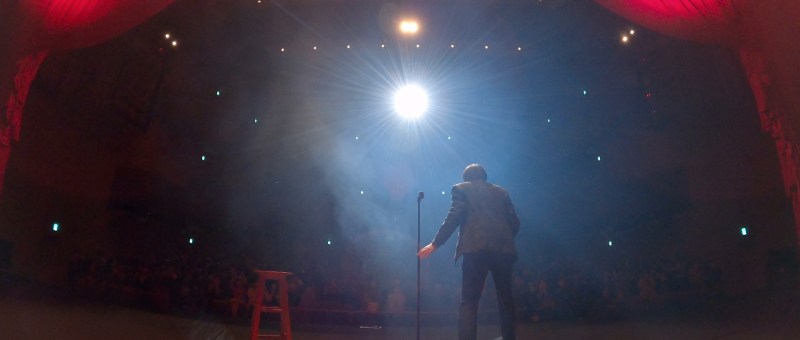
Can comedy change the world? Daisuke Muramoto was once one of the most popular comedians in Japan appearing regularly on television screens across the nation, but the moment he began to joke about serious subjects such as the Fukushima Nuclear Disaster, Comfort Women, discrimination against ethnic Koreans, and the US military bases on Okinawa, his bookings swiftly declined. Fumiari Hyuga’s documentary I am a Comedian (アイアムアコメディアン) in part explores the concept of freedom of speech in a nation in which taking about sensitive issues makes people uncomfortable and is also a portrait of a wounded idealist who in the end wants to make friends if only through “upsetting” people. 

Even Daisuke’s mother says he “upsets” her every time they meet so it’s often easier to communicate with him through text message and email. He can certainly be blunt and at times unthinking but it does not appear that he has any intention of hurting people’s feelings only of speaking his mind and perhaps encouraging them to think about things they’d rather ignore. It seems odd to him that the TV stations aren’t interested in his “controversial” comedy and especially NHK which is funded by the licence payer so doesn’t have to worry about upsetting sponsors. What it does have to worry about, however, is dealing with viewer complaints and so you can see why they’d rather self-censor than deal with aggressive telephone calls and letters from people who don’t agree with Daisuke’s point of view and are offended. 

Daisuke insists on his right to offend and plans to move to America where he thinks there is more freedom of speech and stand up comedy is necessarily “political”, but the inevitable paradox is that the issues he wants to comment on are all those of contemporary Japan. Talking to a Japanese comedian fluent in English who has been performing in New York for some years, he tries out a joke about Catholic priests but she just looks at him bemused not quite knowing what to say. Eventually she explains that though it’s not something people might be familiar with in Japan it’s been done to death in America and some comedians have based their entire careers on making jokes about the Catholic church so it’s not a good angle for his stateside debut. He may be able to speak his mind in America, but as an outsider as yet unfamiliar with the culture would he really have very much to say that isn’t simply recycled outrage aside from an actually quite funny Trump-related one liner? 

Getting a mad idea and diving straight in seems to be very on brand for Daisuke whose mother and school friends recall a sudden determination he had as boy to go to Brazil and become a footballer despite never having played football before and not belonging to any club (he started taking monthly lessons but soon gave up). His grand plan is to change Japanese society through laughter, confronting people with difficult issues and making them think so maybe they’ll take their new ideas to the ballot box. But most people, including his own father, think he’s being naive and if he really wants to change society he should get into politics instead. For all the support he receives from those who appreciate his frankness, there are also those who resent his attempt to inject his views into their entertainment. 

As for Daisuke himself, he admits to being a wounded soul occasionally insecure as a middle school dropout afraid that people look down on and laugh at him for unintended reasons. He recounts suicidal thoughts in his youth caused by his sense of futility and the fracturing relationship between his parents who later divorced. Several times, his routines turn dark and end on a worrying note of sadness as Daisuke abruptly retreats from the stage and thanks the audience for saving his life. After learning that his farewell tour will be cancelled because of the coronavirus, he cries backstage as if everything he has has suddenly been taken from him. In Japan he plays 1000-seater venues despite his controversial status, but finds himself once again playing tiny rooms in bars in an attempt to make it in America. Some of the things he says may upset people, but as he later suggests it’s less about liking or disliking than recognition and what he’s trying to do is see others equally, meeting them eye to eye with an unflinching gaze. Daisuke finds the humour in his tragedy and uses it as a reason to live like spotting a star in the darkness. Can comedy change the world? Maybe, or at least change the world within the man. 


I Am a Comedian screened as part of this year’s Nippon Connection.

International trailer (English subtitles)

Finding Her Beat (Dawn Mikkelson & Keri Pickett, 2022)

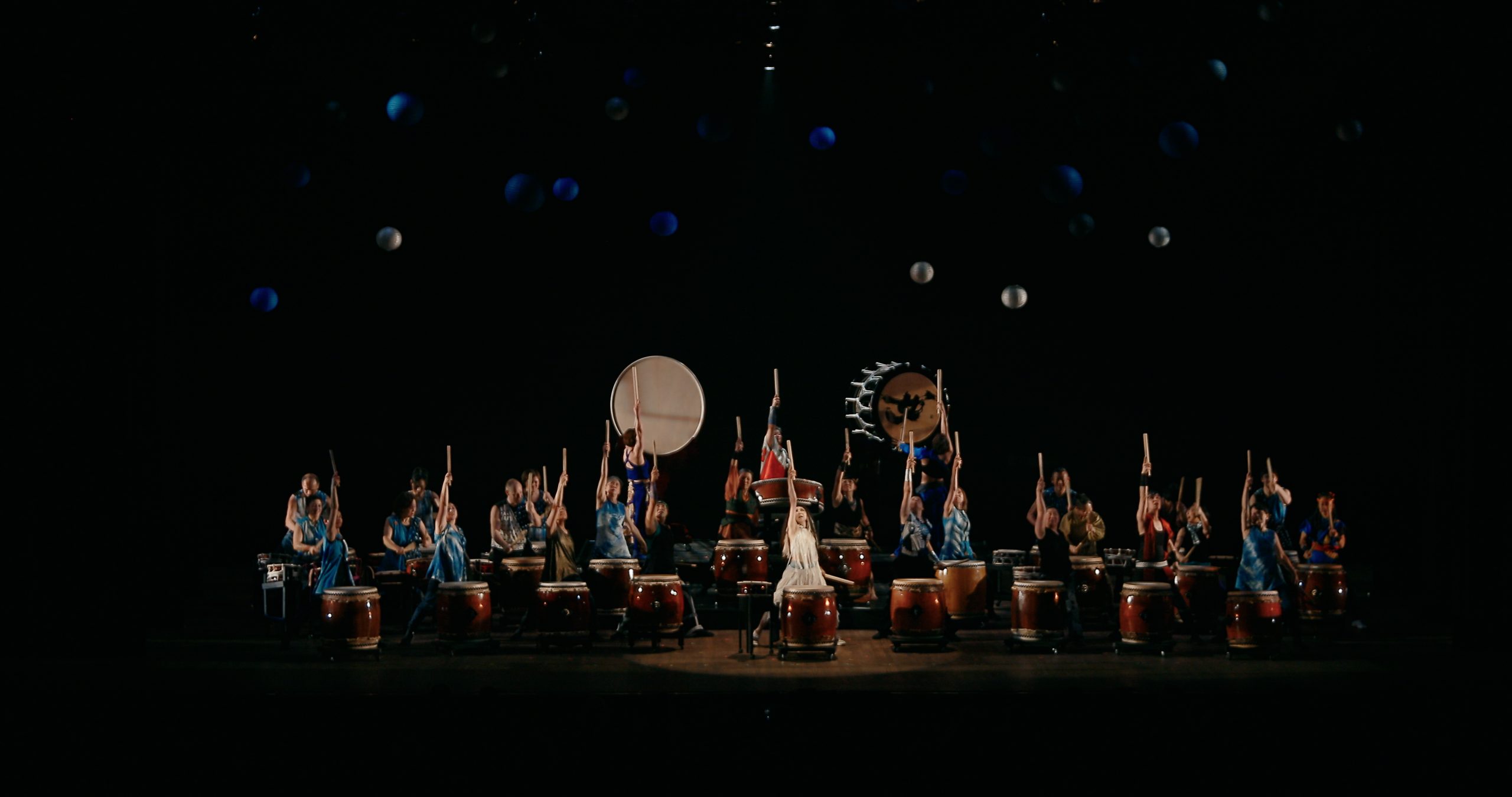
“We belong here, we deserve this.” It might sound like a redundant statement, but there are many reasons why the subjects of Dawn Mikkelson & Keri Pickett’s mostly observational documentary Finding Her Beat might have come to doubt their right to practice their art if not that simply to be who they are. As the opening text relates, taiko drumming has long been a male preserve and even if women were not expressly forbidden from playing conventional notions of femininity often forbad them. 

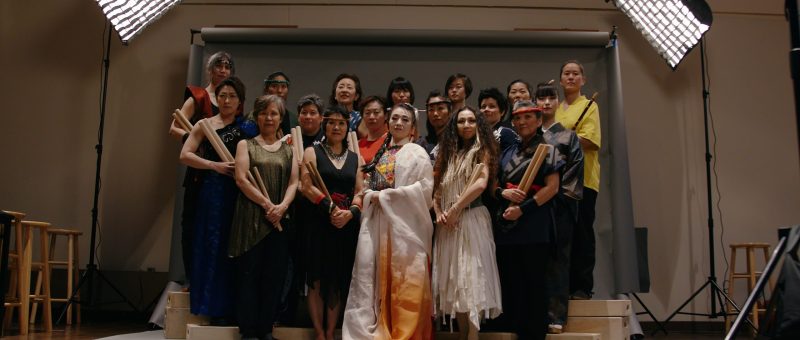
That’s in part the reason that Jennifer Weir, director of TaikoArts Midwest, embarked on the HERbeat project aiming to bring together female taiko players from the US, Japan, and around the world for a collaborative performance in Minneapolis. As Jennifer reveals, she is a Korean-American adoptee and had no particular reason to embrace taiko but like many of the other women who come to participate in the event, she has found a new home and community as a taiko drummer. The same is true for her wife, Megan, who once lived with a taiko drumming group in Japan before returning to the US and starting a family. 

Conversely, Chieko Kojima who is a founding member of the prominent taiko group Kodo on Sado Island explains that taiko gained a resurgence in the post-war era as young Japanese people looked for a way to rediscover traditional Japanese culture as a rejection of growing American cultural influence. Chieko herself had wanted to drum, but women were not really welcome to do so and so she became a dancer. Kaoly Asano’s practice at Gocoo is conversely rooted in post-war avant-garde performance art and incorporates other elements of traditional Shinto dance along with more modern influences such as trance and tecnho music. 

In a sense, their involvement with taiko is also a means of recovering a traditional culture that has often been mediated through a fiercely patriarchal society. Though there is no direct prohibition on women playing the taiko drums as there might be for entering a sumo ring, it has often been associated with masculinity as a celebration of physical strength and endurance. Socially enforced notions of gender therefore made it difficult for women to participate lest they be thought unfeminine and therefore unmarriageable particularly in ages in which marriage was the only secure path to a comfortable life for a woman. 

Many of the taiko players also mention that they have felt displaced within their societies, sometimes because those societies too did not accept their gender presentation or sexuality. They have all, however, found a source of solidarity as members of a taiko drumming group which is after all about togetherness and harmony. “In a way, taiko gave me a family” echoes Koaly Asano, “by meeting you, Tiffany, I finally felt I was not alone.” she affirms while talking to US-based taiko master Tiffany Tamaribuchi. For Asano, taiko is also a force that connect us with a place and the rhythms of the Earth. “What’s important is your sound, to transform your life into sounds” she adds as a kind of manifesto for her taiko. 

In a way it’s this sound translation that allows the women to come together, overcoming language barriers to find a common voice. Nevertheless, they are faced with a series of additional challenges including the looming coronavirus pandemic with the concert scheduled for February 2020. The show turns out to be the second to last staged in its venue for the almost two years of pandemic-related restrictions, while many of the drummers have already had future gigs cancelled in their home countries. All of which lends the concert an additional an additional weight and poignancy as the drummers prepare to claim a space only to have it taken away yet again. Nevertheless, the project does allow them to rediscover an international sense of solidarity along with individual pride in the practice of their art. Fittingly enough, the concert ends with a routine titled “Eijanaika?” which is both a reference to a carnivalesque protest movement during the Meiji Restoration, and a phrase which might be translated as “so what, what’s wrong with that?” neatly echoing the celebratory sense of defiance at the heart of HERbeat.


Finding Her Beat screened as part of this year’s San Diego Asian Film Festival Spring Showcase.

Trailer

Home Ground (홈그라운드, Kwon Aram, 2022)

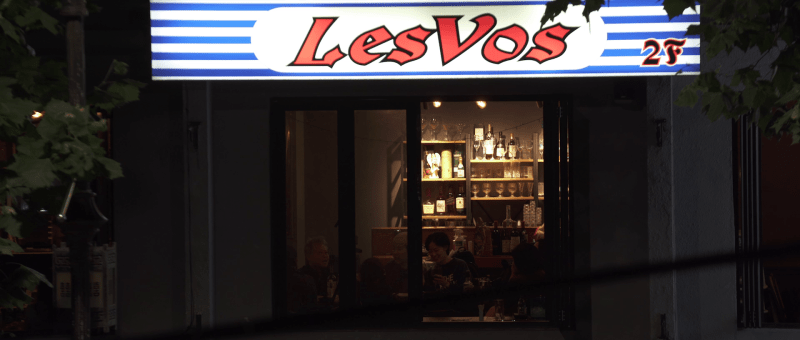
The ageing proprietor of an endangered lesbian bar reflects on the changing nature of queer culture in Korea over the last five decades in Kwon Aram’s contemplative documentary Home Ground (홈그라운드). “Home ground” is what many have come to regard spaces such as LesVos, but with changing times and the effects of the coronavirus pandemic maintaining them is becoming ever harder leaving the community with the few places to gather where they can come together in safety and solidarity. 

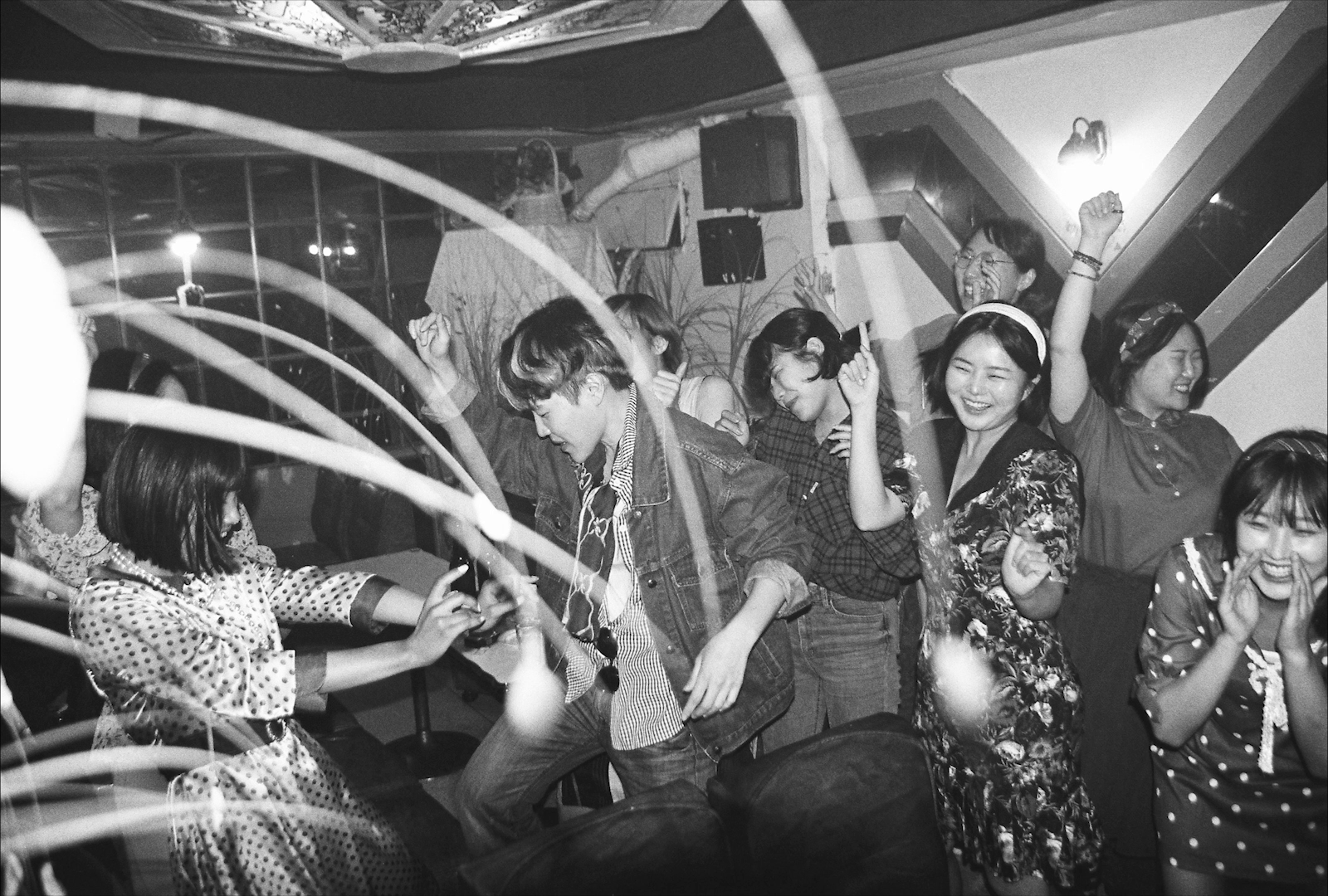
Though it has moved location, the documentary’s primary subject, Myong-woo, has run bar LesVos since in the late ‘90s. The first openly lesbian bar in Korea, it has provided a friendly and welcoming space for the LGBTQ+ community for almost 30 years though as Myong-woo relates times have certainly changed as they look back to the queer bars of Myeong-dong in 1970s including the legendary Chanel Tearoom which was raided by police in 1974 on the grounds of its scandalous “Decadence”. Kwon uses a mixture of stock footage and re-enactments to recreate the atmosphere of bygone eras as Myong-woo’s oldest friend Kkokji recalls the atmosphere at Chanel which had a strict no long hair rule and expected its patrons to dress smartly in suits. 

Like Myong-woo, Kkokji identifies himself as a transman and prefers to be address as “hyung” (older brother) though the pair are often mistakenly addressed as “auntie”. Myong-woo recalls breaking the heart of a boy in middle school whom he “dated” to fit in, knowing that he had to hide his sexuality though he seems to have been well accepted now in reuniting with a collection of school friends at LesVos. Kkokji meanwhile laments his difficulties finding employment because of his appearance and gender presentation while recalling a violent past as a street brawler and recruiter of women for bars in the ’70s and ’80s. 

LesVos by comparison seems to have been a more wholesome place, Myong-woo recalling that in the old days cherry coke and ice cream sundaes were firm favourites of the clientele. Before the bar existed, queer teens used to hang out in Shinchon Park where they found a sense of community along with an opportunity to meet new people in a comparatively safe place where they could be themselves. After checking with the licensing authorities who told him it was fine as long as he didn’t sell cigarettes or alcohol, Myong-Woo opened the bar to teens so they’d have a place to go that was safer than hanging out in the streets. 

Another former patron has created a safe space of her own in a queer-friendly dance studio where as she puts it they make life more fun and less lonely. Yet in the face of the pandemic, the community lost the ability to come together while faced with additional prejudice after the coronavirus cluster in an Itaewon club. As one interviewee relates, people began to blame LGBTQ+ people as if they were uniquely irresponsible without thinking about the reasons why the community feels the need to come together. Another adds that queer people were already “social distancing” before the pandemic, and that without queer spaces are often forced to hide who they are in a society which can often be hostile. 

Faced with the economic realities of the pandemic, Myong-woo worries he will have to close the bar while countless similar spaces have pasted closing notices on their doors. Myong-Woo himself is also ageing, a trip to the doctors revealing the toll standing for hours every day has taken on his feet while he’s also taken on another part-time job working in a kimbap shop with no money coming in through the bar. Even so he reveals how much he’s learning from his younger customers about how the community has changed while society largely refuses to. He reflects that he thought the young people of today had it better, but realises he is mistaken on attending a rally protesting the death of a transgender soldier who took their own life after being discharged from the army because of their transition. Myong-woo keeps the bar open to provide a place of refuge for those who may not have anywhere else to go, opening their doors on holidays for those who have only their queer family to rely on. “You can’t do it alone,” he reflects doing his best to preserve a small space of safety and solidarity amid a sometimes hostile atmosphere.


Home Ground screens at The Barbican 30th April as part of this year’s Queer East .

Bad Women of China (中华坏女人, He Xiaopei, 2021)

“Mum gave all her love to the Party and saved her grudges for family.” As she explains, documentarian He Xiaopei began her documentary Bad Women of China (中华坏女人, Zhōnghuá Huài Nǚrén) as a means of communicating with the mother who remained silent and distant towards her, yet nevertheless contemplates three generations of Chinese women through the prism of her own life as a lesbian who lived much of her life abroad. 

After many years living in the UK, Xiaopei returned to China with her grown-up daughter Qiao whom she ended up asking to interview her mother Yun Li in an attempt to improve her relationship with her. In a sense it works, Yun Li begins to talk about her life and history which as it turns out is very much intertwined with that of the Communist Party. The disconnection between them stems from Xiaopei’s sense of abandonment, unable to understand as a child why her mother decided to live separately from the family in a dorm at the Foreign Languages Institute where she studied and trained diplomats. In the prelude to the Cultural Revolution, Yun Li was branded a “rightist”. Sent to the country for re-education she seems to have overcorrected, leaving her family to prove her devotion to the Party. 

Then again, despite her hurt and longing Xiaopei is later forced to realise that she became a mother much like her own. Though she identified herself as a lesbian at a young age, Xiaopei married at random to have an attachment that was to life more than anything else and then had her daughter but became estranged from the husband with whom she had little in common. She too left Qiao behind for long periods of time while she went to study abroad, first as an economist and then intending to study feminism before eventually moving to the UK with longtime partner Susie and bringing her daughter with her. In the closing scenes of the film which are shot with sound only against a black screen, Qiao confronts her mother in the way Xiaopei was unable to do directly telling her that she felt neglected, that she wanted more love and a sense of reassurance Xiaopei was unable to give her. 

Qiao too is in many ways much like her mother and grandmother, a fiercely independent woman with complicated and fast moving love life. Yun Li had been something of a trailblazer, choosing a husband for herself and getting married on her own only informing her family afterwards in an age which still favoured arranged marriage. She was once struck dumb in childhood when an uncle who was taking care of her refused to let her attend school, and is insistent that a woman should be financially independent rather than rely on a man. Xiaopei broke with convention in divorcing her husband to embrace her authentic self by living openly as a lesbian albeit in the comparatively less conservative UK where she eventually married in 2005 if only to divorce some years later. 

This rebellious sense of autonomy is perhaps why Xiaopei titles the film “bad women” as each of them in some way reject social convention, though there is also the implication that Yun Li’s life was disrupted by her involvement with the Communist Party to which she remains devoted despite the way it treated her and the way she knows it to have treated others. Xiaopei reflects that Yun Li was never interested in fulfilling the stereotypical role of the good wife and mother, and realises that in the end neither was she though she tried to do her best and is in a sense received that Qiao wants her to be a partner and a friend in her life even if she could never fully reconcile with Yun Li who remained frustratingly distant from her. In a certain way, their reconciliation hints at a new sense of liberation in the modern society that allows the women to shake off the roles of mother and daughter and rebuild their relationship on a more equal footing even while the family scatters itself around the world increasing the physical distance between them but shrinking the emotional. 


Bad Women of China screens at Bertha DocHouse 27th April as part of this year’s Queer East 

Trailer (English subtitles)

Flowing Stories (河上變村, Jessey Tsang Tsui-shan, 2014)

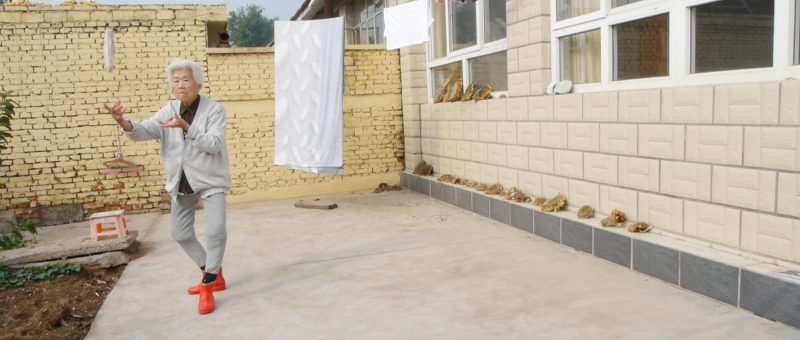
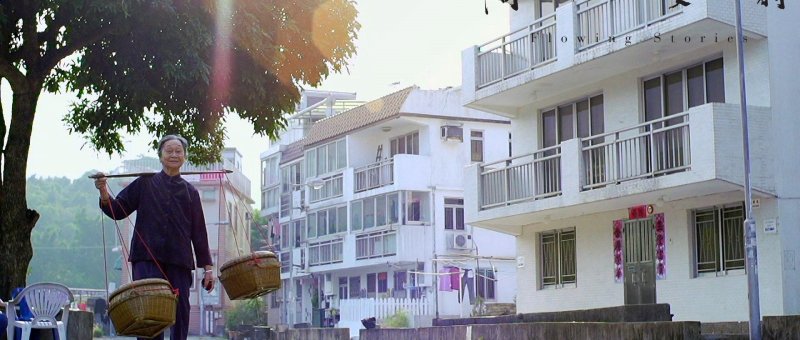
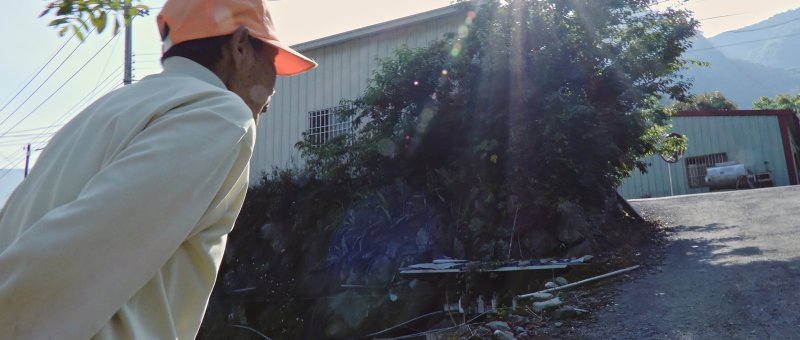
Shooting in her own home village, documentarian Jessey Tsang Tsui-shan spins a meandering tale of diaspora and dislocation in her 2014 documentary Flowing Stories (河上變村). Beginning in the small village of Ho Chung in which almost all of the residents have gone abroad to find work, the film charts the paths of migration along with the hardships discovered both at home and away while centring the village festival held every 10 years as a point of reunion as sons and daughters return in celebration of an idealised village life the modern world has denied them. 

Tsang begins her tale with Granny Lau, an elderly lady who lived next-door to her when she was a child whose relatives often brought her souvenirs from Europe. As Granny Lau explains, her life was always hard. She married Grandpa Lau at 19 in an arranged marriage but he left to find work abroad soon after, returning only a handful of times in 20 years during which they had several children Granny Lau had to raise alone. She describes her familial relationships as without affection, her husband a virtual stranger to her while she also had to work in the fields leaving her disconnected from her sons and daughters. Later, many of them traveled to Calais to work in the restaurant Grandpa Lau had set up with the intention of reuniting his family in France. 

The children who went also talk of hardship, being unable to speak the language and mixing only with other migrants from Hong Kong many from the same the village. Fourth daughter Mei Yong remarks that only the thought of the village festival kept her going when she came to Calais at 17 leaving all her friends behind and having nothing much to do other than work in the restaurant. Her sister-in-law says something similar, that when she arrived she was immediately put to washing dishes and only reprieved when the children were born but that wasn’t much better because the only source of entertainment available to them was to have dinner together. The second of the sisters Mei Lan moved to London with her husband and still doesn’t know the language, having regular mahjong parties with with her neighbours who are also from Hong Kong and many of them nearby villages. 

Most of the others say they don’t think they’ll ever move back, as Grandpa Lau eventually did, because they’ve spent more than half their lives abroad and have had sons and daughters who have grown up and made lives in other countries. But for Mei Lan it’s different because she has no children. She and her husband regret the decision to go abroad, suggesting they did so because their parents encouraged it thinking it would be easier for them to find work but really there were opportunities to be had in Hong Kong and they might have been happier living in a place where they spoke the language. 

But life is hard in every place, and equally for those who leave and those who are left behind. Some reflect on the changing nature of Ho Chung with its new settlement across the river dominated by detached houses which has, a daughter who moved to Edinburgh suggests, disrupted the sense of community. Where people once rarely closed their doors and neighbours wandered through each others homes helping each other out where needed, now everyone is scattered in disparate settlements. Then again, Granny Lau seems to think that sense of community is largely a myth explaining that in her day you had to do everything yourself, no one was going to feed your cow or plough your field if you couldn’t do yourself.

In her own way strangely cheerful in her stoicism, Granny Lau is a tough woman who asks why she would cry for a husband who was over 80 years old when he died, insisting that she had “nothing to be nostalgic about” and counting herself lucky as long as she has two meals a day. Now only around 900 people remain in the village, while it is said that the Shaolin Temple may be looking to build a new complex in the area as the natural vistas are disrupted once again by diggers further eroding the traditional qualities the village festival celebrates. The stories of migration flow in and out of Ho Chung taking pieces of the of the village with them as they go but equally leaving behind a melancholy sense of loss for a disappearing way of life.


Flowing Stories screened as part of this year’s Hong Kong Film Festival UK.

Original trailer (Traditional Chinese / English subtitles)

Lotus Sports Club (ក្លឹបកីឡាបាល់ទាត់ផ្កាឈូក, Vanna Hem & Tommaso Colognese, 2022)

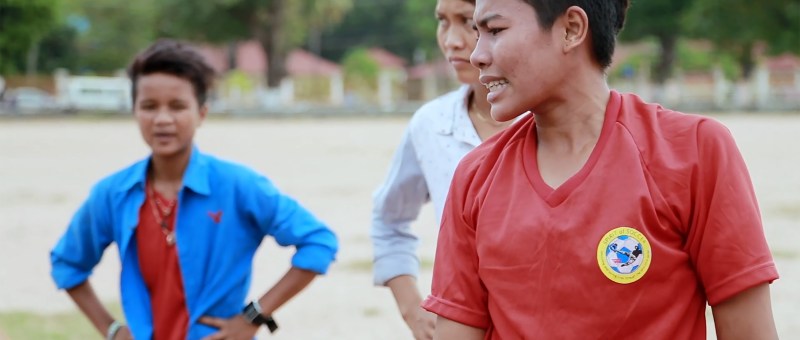
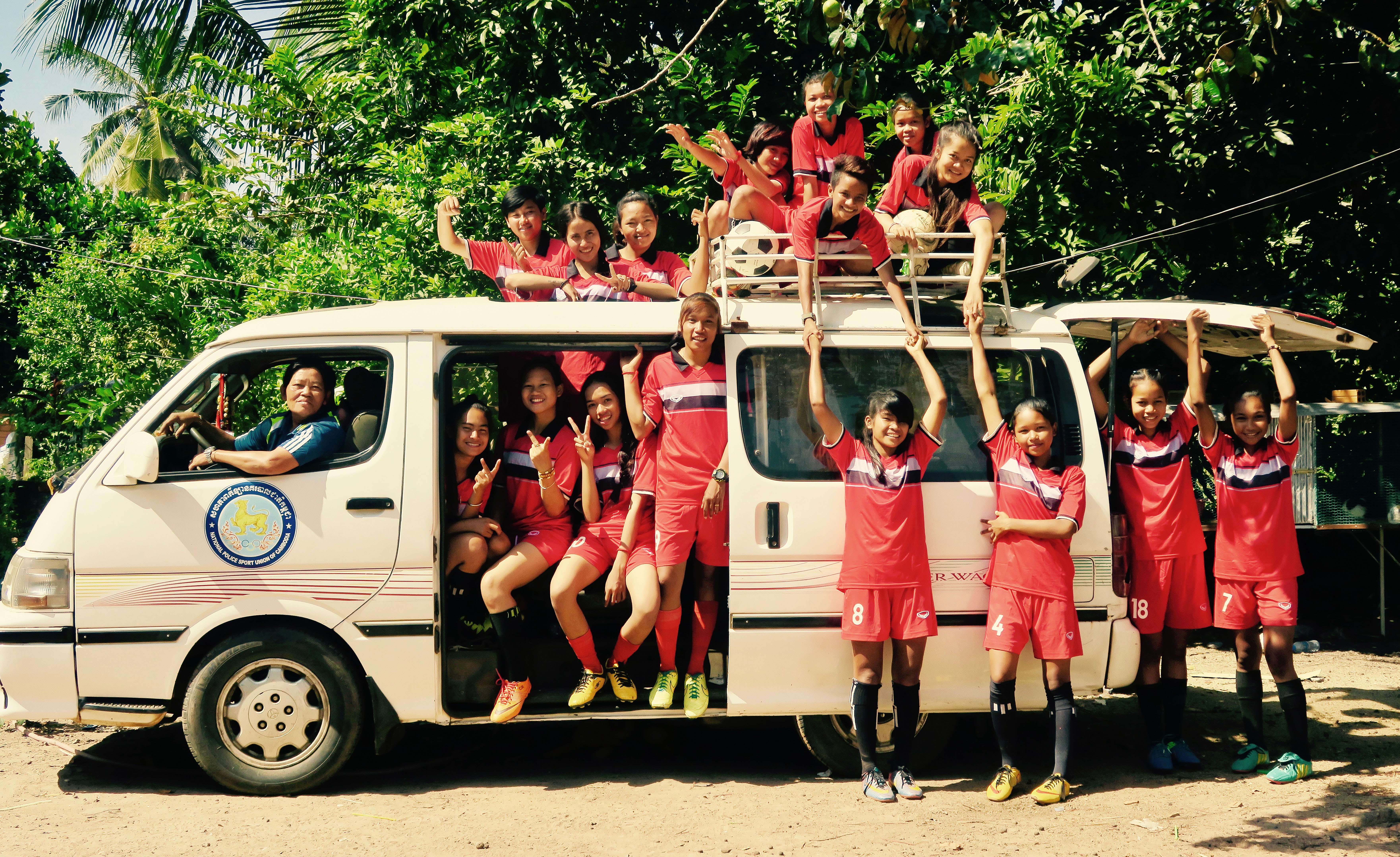
Solidarity becomes the watch word of a team of athletes led by the much loved Pa Vann in Tommaso Colognese and Vanna Hem’s observational documentary, Lotus Sports Club (ក្លឹបកីឡាបាល់ទាត់ផ្កាឈូក). Now in his 60s, Pa Vann is a trans man living with a longterm partner and running a women’s under 21 football team in which the majority of members are LGBTQ+, offering a place to belong to young people who often have nowhere else to turn having become estranged from their families or rejected by the world around them. 

One of the players on the team, Leak, explains that he always knew he was a boy but was expelled from school for cutting his hair short and behaving in a more masculine fashion. After leaving the home of a relative, a friend brought him to Pa Vann’s where he found a new sanctuary and a place he could be accepted for being himself. Amas, meanwhile, is from a conservative village and a Muslim family who struggle to accept his identity as a trans man and are unable to reconcile it with their religion and community. 

Both Leak and Amas are deeply grateful for the new family they’ve found with Pa Vann and also for the opportunities they’ve gained through football, Leak especially thankful to have met so many different people from so many different places while coming to see that he wasn’t alone and there were other people like him. The team is however for under 21s meaning that the pair will inevitably at some point age out and though it’s clear that they wouldn’t have to leave Pa Vann’s because of it they seem to struggle with what else to do with their lives. Leak in particular is deeply worried about not having a job at comparatively late age and eventually leaves for the city without saying goodbye apparently out of a desire to avoid hurting Pa Vann’s feelings or a fear he may be angry with him for leaving. 

Pa Vann is however philosophical if a little hurt, knowing that his job is to send them back out into the world with better skills to survive its harshness. Opening his home to the team members, he gives them life advice and teaches useful skills to help them find work such as carpentry and handicrafts. The entire point of the football team, which includes both LGBTQ+ members and otherwise, is to foster a sense of solidarity between the players to support each other in their everyday lives often in the face of entrenched social prejudice. 

Prejudice is something the team receives its fair share of. Players complain that some coaches from other regions accuse them of having men on the team and inappropriately ask for “proof” that they are female sometimes by having a look or a feel for themselves. But Pa Vann isn’t having any of that, directly telling the other coaches that he won’t have people being “rude” to his team and that their requests are “unacceptable”. Leak complains that the short-haired players have it worse and finds it ironic that he has to tell them he’s a woman to be left alone while even spectators sometimes hurl homophobic slurs from the sidelines. 

It seems unclear whether Leak and Amas find the city anymore accepting after moving there, but they do apparently find signs of hope in seeing other queer people living well while having their horizons broadened. Amas is also grateful for his time with Pa Vann but suggests that it might have been too easy to simply stay in the village and that he wanted to see more of the world and experience more of the life though he’d never have had the courage if it were not for the “solidarity” that Pa Vann showed him. Pa Vann’s own life cannot of have been easy. His partner explains that her family disowned her over the relationship while she herself identifies as straight and has never thought of Pa Vann as anything other than a man. But it has perhaps allowed him to show kindness and compassion to those like himself in giving them a safe place to stay where they can be accepted for who they are that then gives them the courage to extend the same kindness to others as they go out into the world seeking new and brighter futures of joy and solidarity. 


Lotus Sports Club screened as part of this year’s BFI Flare. It will also be screening at Bertha DocHouse on 23rd April as part of this year’s Queer East.

Trailer (English subtitles)

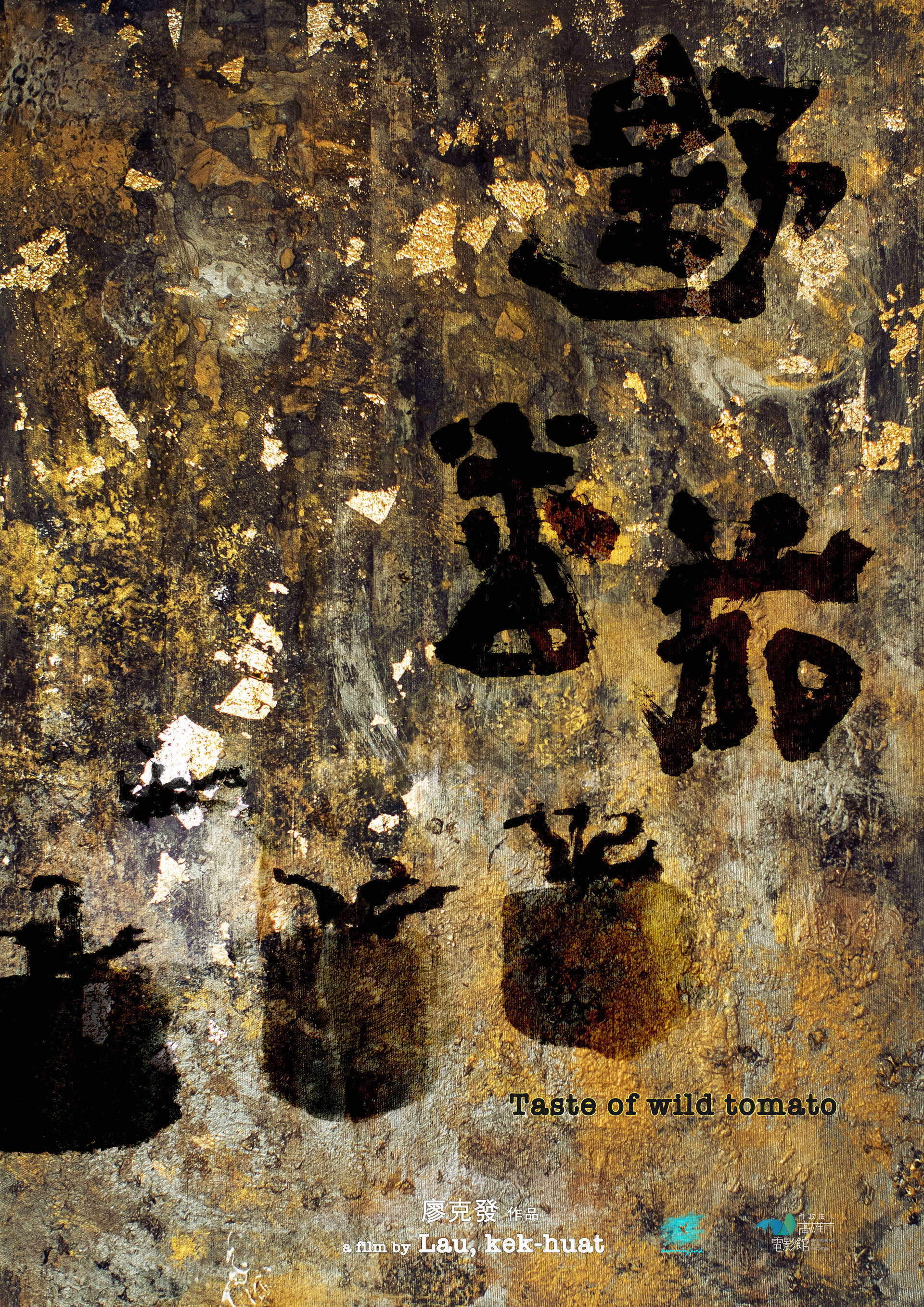
Taste of Wild Tomato (野番茄, Lau Kek Huat, 2021)

Towards the conclusion of Lau Kek Huat’s documentary Taste of Wild Tomatoes (野番茄, yě fānqié), a man whose father was murdered during the White Terror gets into a heated debate with a supporter of Chiang Kai-shek who asks him if he thinks things would have been better if the Japanese had stayed. It doesn’t seem to occur to her that Taiwan might have been just fine on its own, a free and independent nation no longer subject to any particular coloniser. Her attitude reflects the contradictions of the contemporary society still trying to understand and make peace with its past. The now middle-aged man thinks that Chiang Kai-shek’s presence in “Liberty Square” is inappropriate, “worshipped by tourists who do not know our history”, and that the lingering national trauma of the 228 Incident, in which a popular uprising against the rule of the KMT government in 1947 was brutally put down, has never fully been addressed. 

Another of Lau’s protagonists also lost her father to the White Terror and her mother to suicide shortly after. It’s her recollections that give the film its bittersweet title as she remembers being taken to her father’s grave as a small child but not knowing what was going on. She didn’t understand why her mother was crying and simply carried on eating some wild tomatoes that were growing near the grave. Their taste has stayed with her all these years as an ironic reminder of the fruits of oppression and the frustrated vitality of the Taiwanese society enduring even during its hardship. 

The film opens with a sequence featuring animation and stock footage from the colonial era over which a man gives a speech likening himself to the Japanese folk hero Momotaro and Taiwan to the island of barbarians to which he traveled. Kaohsiung had been an important military base under Japanese colonial rule, integral to imperial expansion to the South. The voice over describes it as an uncivilised land where they do not speak his language, but then emphasises that Taiwan has been transformed by Japanese intervention and is now the pearl of the empire. “As long as you work hard, you can be the true subjects of the Empire of Japan’” he ominously adds. 

Under the Japanese, the Taiwanese people were asked to give up their names and language, but they were also asked to do so under the KMT under whose rule Taiwanese Hokkien was actively suppressed in favour of Mainland Mandarin. A folk singer explains that traditional folk singing is tailored to the rhythms of the local language, Mandarin simply does not scan and if she cannot sing in Taiwanese then she cannot sing at all. She offers a caustic retelling of history in her songs reflecting on the 228 incident and the “unreasonable and cruel” rule of the KMT governor Chen Yi. Another man who took part in the uprising explains that the widow and son of a man who died next to him only came to ask how he died decades later because it was not only taboo but dangerous to make any mention of what happened on that day. 

Lau’s camera makes an eerie journey into a tunnel built by the Japanese military that was used as an interrogation room during the White Terror. A guide explains that the soundproofing wasn’t present in the colonial era but was added by the KMT so that people couldn’t hear what was going on inside. The woman who had tried to defend Chiang Kai-shek, irritated by the man continuing to speak in Taiwanese and answering him in Mandarin, had not tried to deny that such things had happened only that sometimes it is necessary to do “bad things” to survive much as an elderly conscript had recounted murdering an abusive Japanese officer and eating his flesh while hiding in the Philippine jungle during the war. “Justice always defeats authoritarian regimes” Chiang is heard to say in an incredibly ironic speech in which he also talks of the importance of rehabilitating “those who learned the wrong ideas in the fascist regimes” and making them accept Sun Yat-Sen’s Three Principles of the People (nationalism, democracy, and the peoples’s welfare). 

The woman who lost her parents now cares for her older sister who suffers with dementia, she thinks brought on by the hardship she endured because of her orphanhood. Closing with scenes of an air raid shelter repurposed as a children’s park, the film presents an ambivalent message as to how the past has been incorporated into contemporary life. Something good has been made of these relics of the traumatic memories, but in doing so it might also seem that the past itself has been forgotten or overwritten. The man who lost his father and himself went into exile defiantly holds up banners stating that Taiwan is not “Chinese Taipei” while insisting that the statue of Chiang Kai-shek must be removed from Liberty Square if it is to have any meaning, all while the folk singer continues to sing her song in her own language refusing to be silenced even if society does not always want to hear about its painful past.


Taste of Wild Tomato screened as part of this year’s Hong Kong Film Festival UK.

Original trailer (Traditional Chinese / English subtitles)

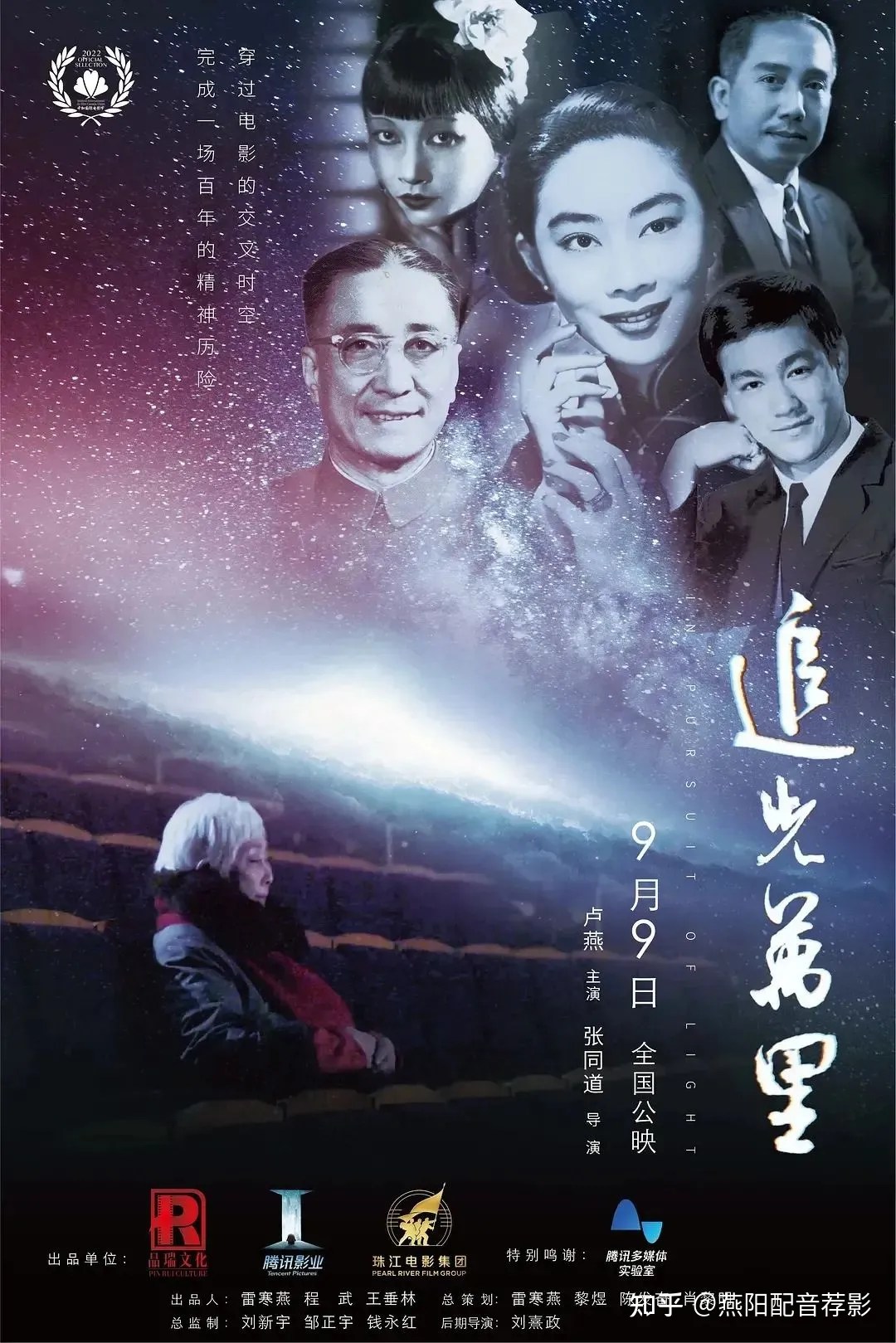
In Pursuit of Light (追光万里, Zhang Tongdao, 2022)

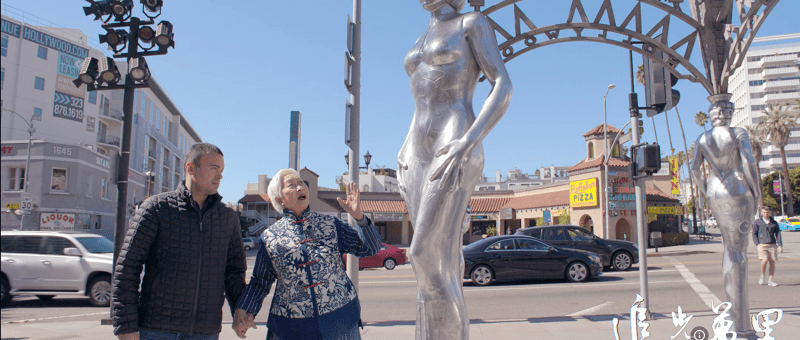
At 93 years of age, Chinese-American actress Lisa Lu Yan acts a guide exploring both the history of the film industry in China and Chinese actors in Hollywood in Zhang Tongdao’s heartwarming documentary In Pursuit of Light (追光万里, zhuīguāng wànlǐ). Lu may be best known to International audiences thanks to her roles in ‘90s hit The Joy Luck Club and the more recent Crazy Rich Asians but began her career in the US in the late 1950s fulfilling her dream of becoming an actress at the comparatively late age of 31 having already become a wife and mother. 

In recounting her own path to stardom she looks back at those who came before her such as Ann May Wong who grew up almost “on set” walking past film crews shooting silent movies on the streets of Chinatown who nicknamed her the “curious Chinese child” before she got the opportunity to star in a film of her own. The documentary suggests that it was a sense of rejection from Hollywood on being denied the lead role in The Good Earth on the grounds that even if, or possibly because, the film had a Chinese setting audiences would not accept her in the lead that led Wong back to China in search of her roots and cultural identity which she continued to maintain for the rest of her life and career. 

Lu may have faced some of the same problems in that the roles open to her in Hollywood were often restricted, but presents her return to Chinese-language cinema as another fulfilment of a dream. Travelling to Hong Kong for the 1968 film The Arch, she won the first of her Golden Horse awards picking up a second soon after for her supporting role in the Taiwanese wuxia film 14 Amazons. She reflects on her wandering journey which began with her working as an interpreter for English-language films in Shanghai, translating the dialogue and performing for non-English speaking audiences who could rent a headset to hear her. Her mother had been a talented Peking Opera singer and the pair were taken in by a prominent opera family in Hong Kong after the fall of Shanghai who became her god parents and encouraged her talent for performing. 

Talking to others often around her own age, she looks back at the origins of the Chinese film industry through the story of Lai Man-Wai, “father of Hong Kong Cinema”, who began his career following Sun Yat-sen into battle and later founded one of the most important film studios in Shanghai. She talks to the son of Cai Chusheng whose 1934 silent film Song of the Fishermen played for more than 80 days in Shanghai and went on to become the first Chinese film to win an award in an international film festival. Cai also directed tragic star Ruan Lingyu in her final film, New Women, shortly after which she took her own life after being hounded by the press just as the actress she played in the film, Ai Xia, had done the year before.

Like Lai and Cai, Ruan had ties to Cantonese-speaking Guangdong where Lu’s father was also from. The documentarians who contact Lu via telephone in the film’s beginning expressly ask her to act as a guide introducing the stories of other Cantonese filmmakers though she herself was born in Beijing, lived for a time in Shanghai and then Hong Kong before travelling to the US and eventually returning to star in Chinese-language films. Coming full circle, the last star she introduces is of course Bruce Lee who made his film debut as a baby in Esther Eng’s Golden Gate Girl shot San Francisco in 1941. At the start of the film, Lu had taken her grandson to see the statue of Ann May Wong in Hollywood, taking her own place in film history as she continues to share its stories with future generations. “I will keep going” Lu vows, having recently celebrated her 94th birthday, flying around in pursuit of light and the no longer far off dream of filmmaking.


In Pursuit of Light screens in Chicago April 8 as part of the 16th season of Asian Pop-Up Cinema.

Original trailer (Simplified Chinese / English subtitles)