Polan (ポラン, Kota Nakamura, 2022)

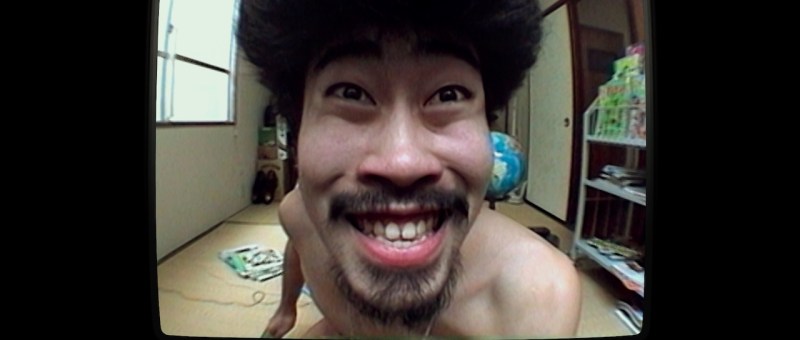
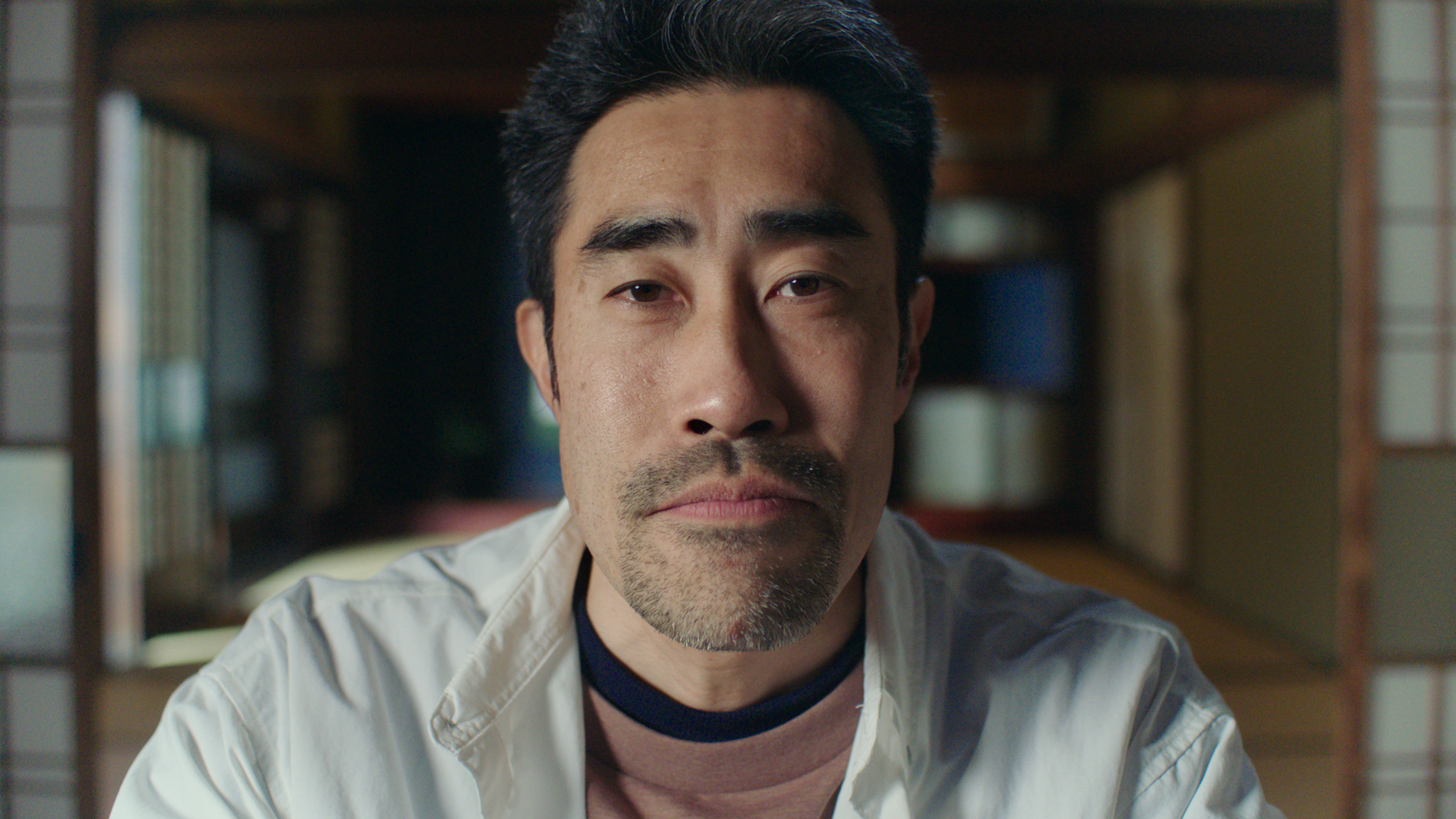
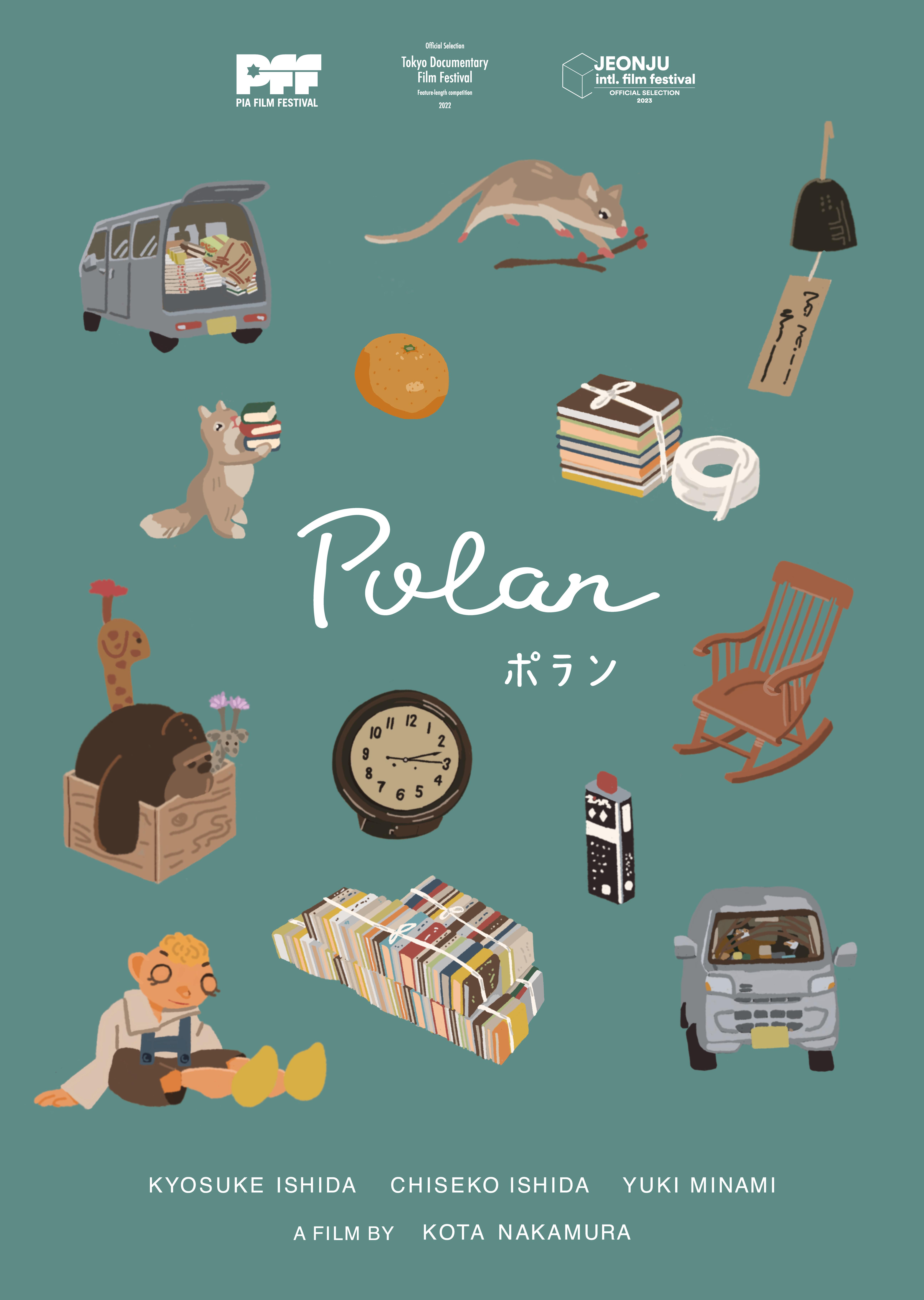
The closure of a second-hand bookshop leaves a gaping hole at the centre of a community in Kota Nakamura’s warmhearted documentary, Polan (ポラン). Driven to close their physical shop because of the ongoing economic effects of the pandemic, an elderly couple contemplate changing times but still hope to save something of paper culture and the organic pleasures of offline browsing from unexpected discoveries to serendipitous friendship and the comfort to be found in having a familiar place you can be certain of returning to. 

As he explains, Kyosuke Ishida found himself disillusioned when most of his fellow student protestors ended up getting regular salaryman jobs. He wanted to prove he was different, so he dropped out and started working as a tutor at cram schools before eventually deciding to open a small second-hand bookshop. The shop was so successful that they later moved to larger premises, but footfall began to fall during the pandemic while online sales remained constant. With his wife Chiseko who runs the bookshop with him already feeling the physical strain of their work and the landlord upping the cost of their lease, the pair eventually decide to close up though Kyosuke has mixed feelings and would have liked to continue a little longer. 

More than the books, what the shop offers is a sense of community. Some customers tearfully remark that they’ve grown up with the store and feel themselves bereft while others share happy memories of browsing the shelves. The store itself is like a place out of time, decorated in a whimsical, antique style from the fretted front window to the antique clock on the wall and old-fashioned dolls sitting on the cases. As they’re fond of pointing out, everyone is welcome at the store and they pride themselves on providing a diverse selection of books rather than just the things they particularly like or know will sell well. Kyosuke devotes whole shelves to each genre and keeps them all well stocked rather than prioritise sure sellers ensuring that rare books are always available. 

As he says, part of what he’s trying to save is paper culture. If you know what you’re looking for, then of course you can find it online right away and have it delivered quickly and cheaply. But perhaps something’s been lost in the drive towards convenience. Kyosuke remembers taking a lengthy train journey as a child during which they had to temporarily disembark in an unfamiliar place but that doesn’t happen with the Shinkansen where you can’t even open a widow or see much of the world around you as you rocket through it. As he sees it, you might have a happier life taking a more difficult path, much as he has opening a bookshop, discovering small things along the way rather than opting for easy convenience. He wants people to experience the thrill of the inconvenience of turning a page, along with “the joy of searching and pleasure of encountering” that can only be found with a physical experience in a real world bookshop. 

Nevertheless as he admits times have changed and we’re entering a new and unknown post-pandemic world. He regrets that the bookshop can’t go too but consoles himself with the knowledge it’ll exist online. There is however continuity as their employee, Minami, decides to open a bookshop of her own taking some of the same sentiments with her in providing another community hub open to a diverse collection of book lovers in pleasant surroundings. Revisiting the location a year later, Nakamura discovers the shop space still vacant. Its bare industrial walls are somehow devoid of life. It’s difficult to believe the bookshop with its whimsical old world charm once existed there. It takes just 20 days to demolish it with the shelving and other furnishings taken by other store owners such as Minami and a distant relative in another town suggesting that the shop itself lives on, moving in a cycle much the books though some of those are unfortunately pulped as last resort. A gentle tribute to a disappeared local institution, the film ponders on what we’re losing in the post-pandemic world along with what our love of convenience may be costing us in a warmth and sensation otherwise unavailable in our rapidly digitising world.


Polan screened as part of this year’s Camera Japan.

Original trailer (no subtitles)

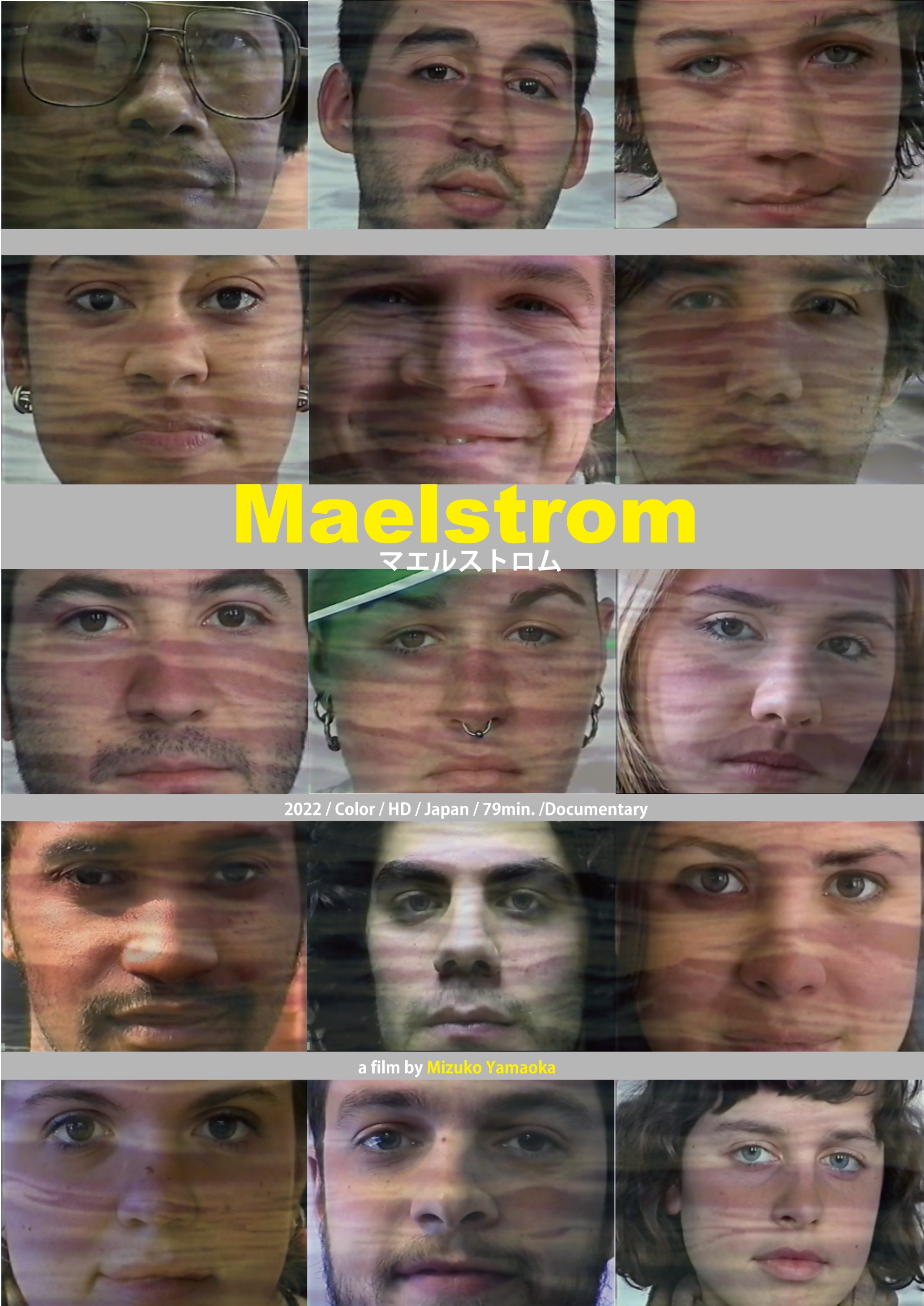
Maelstrom (マエルストロム, Mizuko Yamaoka, 2023)

In her personal essay film Maelstrom (マエルストロム), Mizuko Yamaoka meditates on disability and the quest for fulfilment in a society that can be oppressive and unwelcoming. Accompanied by her continuous voiceover, she presents a series of slides and snapshots along with a handful of video captures and interviews to illustrate her life’s journey while simultaneously searching for direction and wondering where it is she is supposed to be or go to fully become herself.

Several times she asks herself if she’ll ever become nostalgic for what was otherwise a time of struggle, and does in fact find that she has a fondness for the childhood home from which she longed to escape and most particularly its flowering dogwood tree so cruelly cut down when the house was demolished in 2013. The destruction of the house at once leaves her painfully rootless but perhaps also free as it seems to have done for her parents. She observes her mother whom she otherwise describes as controlling and lacking in empathy finding a new lease on life living together with the husband with whom she still seems to be very much in love all these years later. 

Paradoxically it’s this kind of relationship that Mizuko describes herself as seeking, lamenting the end of a relationship with a German boyfriend she met while studying abroad which frittered out when he returned home and she stayed in New York. Though Mizuko had longed go to abroad as a way of escaping her family which also in its way represents the conservatism of Japanese society, she had not wanted to go to New York and had ambivalent emotions about accepting her mother’s offer to study there not least in the feeling that she was once again suppressing her own desires to follow her mother’s commands. It was while studying there that she was involved in a traffic accident which broke her neck. Now a wheelchair user she felt she had no option but to return to Japan for longterm treatment and to the home she’d been so desperate to escape. 

Even so, the wheelchair is for her a means of seizing her freedom and she determines to reclaim her independence. The middle section of the film centres on the difficulties of living with disability in the contemporary society. Her parents had had their house adapted for accessibility and provided a separate entrance to give her some privacy, but when her father’s business closes and they have to sell she finds it difficult to find accessible living spaces and has to make a few alterations including a new bathroom in the flat she moves into. Attending a residential programme in Denmark had given her new insights into accessibility which she hoped to bring to Japan while making her own accommodations where she can such as fitting a crane to her accessible car to help her lift her powered wheelchair into the back independently.

Later she remarks on how easy it seemed to be for an able-bodied man to carry the wheelchair she struggled to move for her while insisting that she didn’t want to let stairs become a barrier to her travel. Wanting to visit somewhere new, she goes to a hairdresser’s owned by someone she’d met at a bookshop but has to ask staff to physically carry her down the narrow stairs to the basement salon. She finds that though it requires thorough research and planning, she is able to enjoy international travel arriving safely in Venice by water taxi further boosting her sense of freedom and independence. A temporary sense of equality emerges during the coronavirus pandemic as events go online and accessibility issues decrease even if it doesn’t seem to have much longterm benefits in changing the way society thinks about disability and inclusion. 

There’s no denying that Mizuko’s voiceover is often bleak and rigorously honest in expressing her feelings especially those relating to her complicated family relationships, but is in it’s own way hopeful as she continues to strive to find fulfilment in her life even as she observes others move on and leave her behind. She reflects that the internal issues she’s trying to overcome were present long before her accident and rediscovers release in her art of which this documentary is only a part while beginning to reassess her relationships and realising that independence doesn’t necessarily mean doing everything alone. A poignant meditation on past, future, the floating nature of connection, and an ableist society Yamaoka assembles a kaleidoscopic vision of her life while musing on ambivalent nostalgia and the necessity of moving forward in the midst of the maelstrom of life.


Maelstrom screened as part of this year’s Nippon Connection

Original trailer (English subtitles)
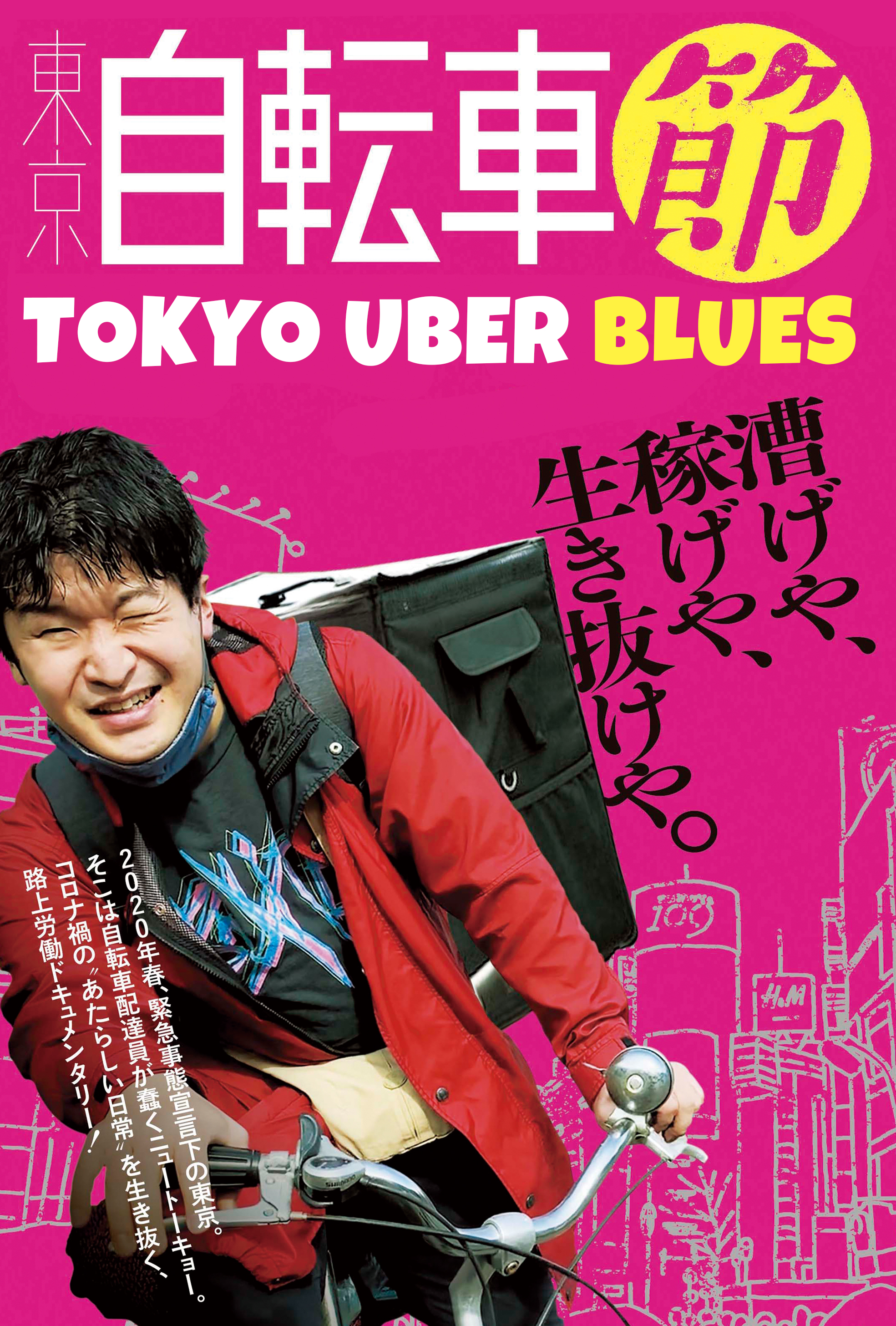
Tokyo Uber Blues (東京自転車節, Taku Aoyagi, 2022)

Aspiring filmmaker Taku Aoyagi had been working as a substitute driver, driving people home in their own cars after they’ve had a drink, for a company owned by his uncle in rural Yamanashi when the pandemic hit in early 2020. With bars closed and fewer people going out in general, he soon lost his job while saddled with significant student debts. In Tokyo Uber Blues (東京自転車節, Tokyo Jitensha Bushi), he documents his decision to move to Tokyo and become an Uber Eats delivery agent having heard of big opportunities to earn easy money amid the delivery boom of the pandemic. 

Aoyagi’s capture of himself is not always sympathetic and he often appears relatively naive even while trying to contend with the vagaries of the Covid-era economy. He’s fortunate enough to be invited to stay with a friend but soon finds that the work is much more difficult than he’d been led to believe and a nine-hour shift earns him only around 60 US dollars. Most of the orders he’s carrying seem inordinately small, biking half way across the city just to deliver one burger or a pair of bubble teas meaning of course that he’s only picking up a minimal amount in tips. The work is also physically taxing though obviously becomes less so as he gets used to it and is then able to upgrade to an electric bike. 

The film is much more about Taku’s direct experience as an Uber Eats deliveryman than it is about the gig economy, the precarious working environment, pandemic or life on the margins of a prosperous society at a moment of crisis but nevertheless makes small asides hinting at a disparity between the people who order the deliveries and those who deliver them. Taku reflects that people in high rise condos seem to order an awful lot of stuff and is left with mixed emotions on the one hand recognising that they provide the work for him but also mildly resentful that they seem to spend their money so frivolously when he can barely get by. He swings between considering the implications of Uber’s business model for its workers and fully believing that he is “connecting people” through his work. As time goes on it’s almost as if he’s beginning to lose to mind, rambling about his “quest” to master the system and become the ultimate Uber rider maximising his profits while describing himself and his colleagues as “hyenas” prowling the city ready to pounce on the next opportunity. 

Aoyagi does not go into the reasons he chooses to move out after staying with friends though it may perhaps just have been that he felt bad about imposing on them for so long or simply wanted his own space. An attempt to stay in a cheap hotel does not go as well as hoped and hints at his difficulties managing his money on an unpredictable income. For a while he becomes technically homeless, sleeping on the streets before finding refuge in overnight manga cafes when they eventually reopen. A jobbing actor he meets on the street gives him advice about where to find cheap food while an old classmate helps him out with Uber-related advice such as where to wait to find the prime gigs hinting at the various ways people will still help each other even while similarly desperate or in direct competition. 

Even so, he’s still receiving calls about his overdue loan payments and reflecting on the way the government chooses to spend its money. They tell people to stay at home, but what are you supposed to do if you don’t have one? Taku asks the actor where the homeless people go but he tells him they’ve all been bussed out of the city in preparation for the Olympics. When an air display takes place to celebrate the efforts of frontline workers, Taku briefly explains that he also felt as if they were celebrating his successful mastery over the Uber system only to later reflect that it cost about 30,000 US dollars which might not have been the best use of such a large amount of money. Still wearing grandma’s home made mask, he rides all over the city observing all sorts of people and ways of life but doesn’t seem to have found much of a way forward for himself or decided whether this system represents “freedom” or is inescapably exploitative as he realises that Uber doesn’t cover maintenance or repairs on the equipment he has to supply himself. “What a world this is,” he chuckles to himself riding into a “new normal” none of us quite understand. 


Tokyo Uber Blues screened as part of this year’s Nippon Connection

Original trailer (English subtitles)
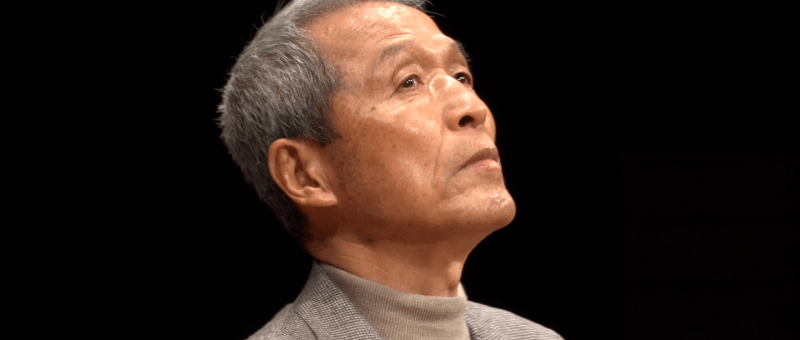
My Anniversaries (オレの記念日, Kim Sungwoong, 2022)

“Life can’t be all good things,” the cheerful hero of Kim Sungwoong’s documentary My Anniversaries (オレの記念日, Ore no Kinenbi) sighs rather incongruously given that he spent 29 years in jail for a crime he didn’t commit. As Shoji remarks walking around the prison where he was once incarcerated he only seems to remember the “fun” things rather than the cold or the low level horror that marked his life inside. What continued to weigh on him was the the injustice he suffered and the stigma of being called a murderer though he was innocent. 

Shoji Sakurai freely admits he was no angel in his youth and part of the reason he was pulled in by the police was because he was a considered a troublemaker they wanted to get rid of anyway. He and a friend, Sugiyama, were picked up together and accused of robbery and the murder of a 62-year-old loanshark. They had actually been together at the time in a completely different part of town but the police refused to listen to their alibi and railroaded each of them into false confessions. After pleading not guilty at trial claiming that their confessions had been forced, both men were sentenced to life in prison and each served 29 years. 20 years old when they went in, they were 49 and 50 and when they eventually came out. 

Yet the incongruous thing about Shoji is just how happy he seems to be. He isn’t particularly embittered by his experience and even at one point thanks the police because it’s because of them that he now gets to live a great life doing what he always wanted to do. Rather than be consumed by the hopelessness of his situation, Shoji decided to make the best of his incarceration by looking to the future and working hard to build a life for himself when he got out. He spent his time writing poems and songs and even though he hated making shoes on the prison production line became the best shoemaker in the place. Together with the director he revisits the prison on what appears to be some kind of open day with former guards running stalls in the courtyard. Shoji makes polite small talk with them as if they had been colleagues rather jailor and prisoner describing most of them as kind and only alluding to one who wasn’t while remarking that it’s usually the latter sort who earn speedy promotions. 

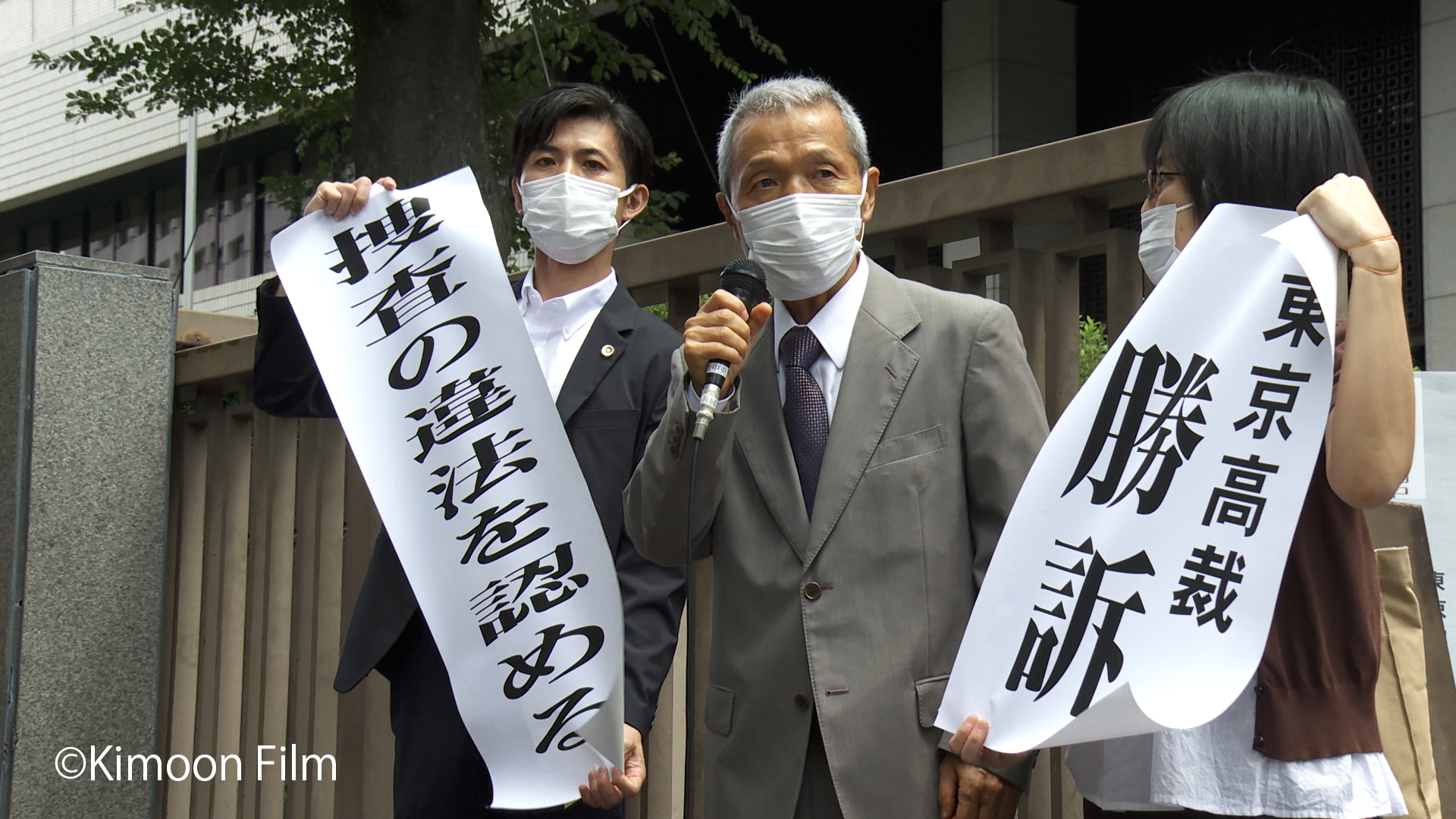
After release from prison both Shoji and Sugiyama continued to campaign for their convictions to be overturned which they finally were after a retrial victory, an incredibly rare event in Japan. Since then, he’s continued to advocate for changes to the judicial system and help others in a similar position to clear their names so that they can try to move on with their lives. In some senses, his sentence didn’t end when he was released because he was still the victim of a false conviction and continued to suffer under its weight, unjustly labeled as a murderer even if he admits he had once been a thief. Shoji met and married his wife Keiko not long after he had come out of prison and she describes him as having been almost glowing with the joy of his newfound freedom, but also recounts that he once tried to jump out of a window because of the hopelessness of his situation. 

His success in overturning his conviction gives hope to others like him who feared they’d spend the rest of their lives in prison labeled as a criminal for something they didn’t do or perhaps never even happened. Relentlessly cheerful, always cracking jokes, he assures them he can win and will continue striving until all the falsely convicted prisoners of Japan (of which there are many given the prevalence of forced confessions) are freed and the laws changed so that all the available evidence has to be presented to the court rather than only that selected by the prosecution. Even after being diagnosed with terminal cancer he continues to travel around the country and exclaims how “blessed” he is to have led such a good life. In many ways it’s the definition of a life well lived by a man who decided to be a cheerful in the face of adversity and did his best to chase happiness in whatever form he found it even in the darkest moments of his life in the knowledge that spring would one day finally arrive. 


My Anniversaries screened as part of this year’s Nippon Connection

International trailer (English subtitles)

ReFashioned (Joanna Bowers, 2021)

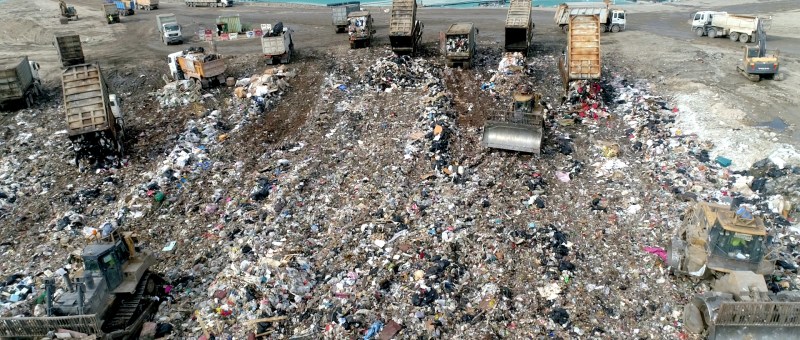
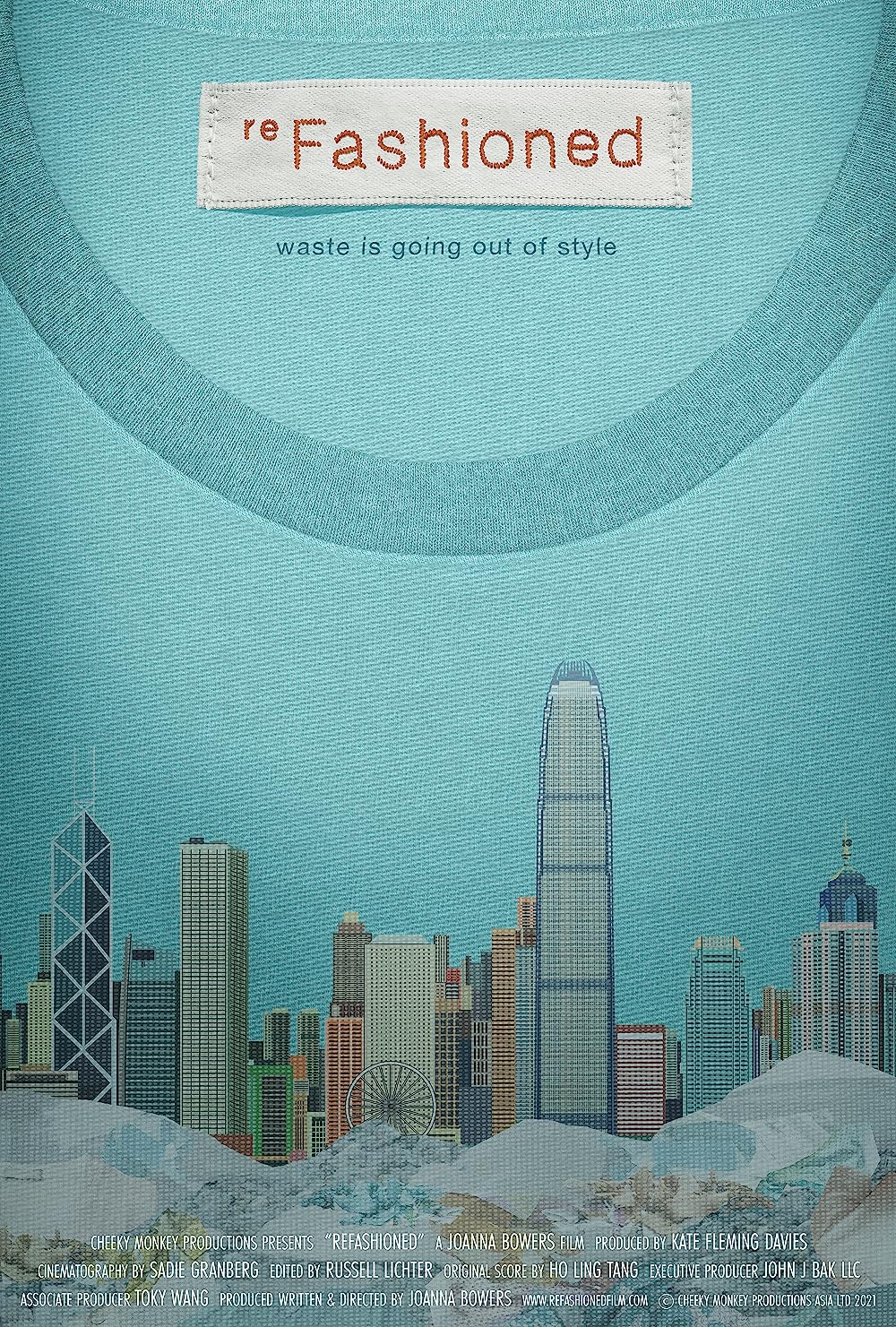
At the beginning of the consumerist era, our mentalities began to shift away from durability to disposability and we only desired that which we could throw away. But every time we throw something we don’t need anymore over our shoulder, the pile of discarded items grows higher and is already beginning to overshadow us. Joanna Bowers’ documentary ReFashioned examines the environmental impact of fast fashion and follows a series of Hong Kongers working towards initiatives to encourage recycling or reuse of textiles and plastic. 

The change in our mindset is most clearly reflected in the startup created by an American expat to sell secondhand children’s outfits in which the concept of pre-owned clothing is itself sold as something “new”. As she points out, in Chinese culture there has long been a resistance to the idea of buying secondhand born of the fear of inheriting the bad luck of the previous owner though there seems to be less class-based stigma as might be found in the West where there has often been a sense of shame connected to dressing one’s children in handmedowns. Similarly, where parents might once have given away clothing their children had outgrown to friends and relatives they may now be less likely to do so if think they still have monetary value. Donations to charity shops and thrift stores may suffer the same fate ironically depriving those who cannot afford to buy brand new of the opportunity to buy at all. 

Meanwhile, another interviewee remarks that the battle still lies in the mind of the consumer who remains unconvinced by the idea of recycling when they know that most of what they recycle ends up in landfill anyway. A government-backed initiative aims for a new approach in the recycling of textiles in which a robotised production line can sort by colour, respin thread, and produce new knitted garments while other less versatile fibres can be repurposed for carpets and upholstery. They have an end goal of creating a system in which the consumer would be able to bring their old clothes and have them deconstructed and remade by the machine into new designs allowing them to upcycle items they believed had simply gone out of style. Then again, the fashion show they put on to showcase their achievements is geared less towards the everyday than the catwalk which is admittedly designed to prove to brands that recycled material is just as good as brand new but perhaps also leans in to a fast fashion mentality if only more sustainably rather than returning to an age of well made garments designed for longterm use. 

It should also be noted that the documentary received funding from high street clothing store H&M whose efforts towards sustainability are given prominent mention which also suggests that sustainability must be made compatible with the consumerist mindset rather than undercutting it. The problem is largely of economics in that it simply does not make sense to recycle when the costs outweigh the benefits to the average business. Another young man has started a company planning to recycle plastic bottles and himself admits that his end goal would also be to reduce their usage in the first place and make himself irrelevant but in any case is told by prospective investors that the business has little viability because of its logistical costs and small scale. This would seem to be the barrier to the creation of the “circular economy” proposed by some of the other interviewees.

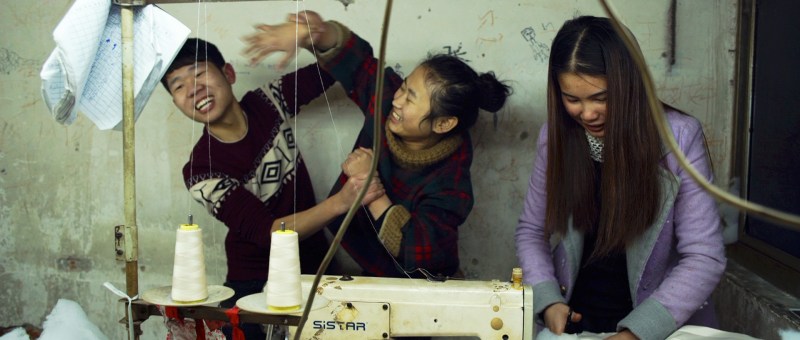
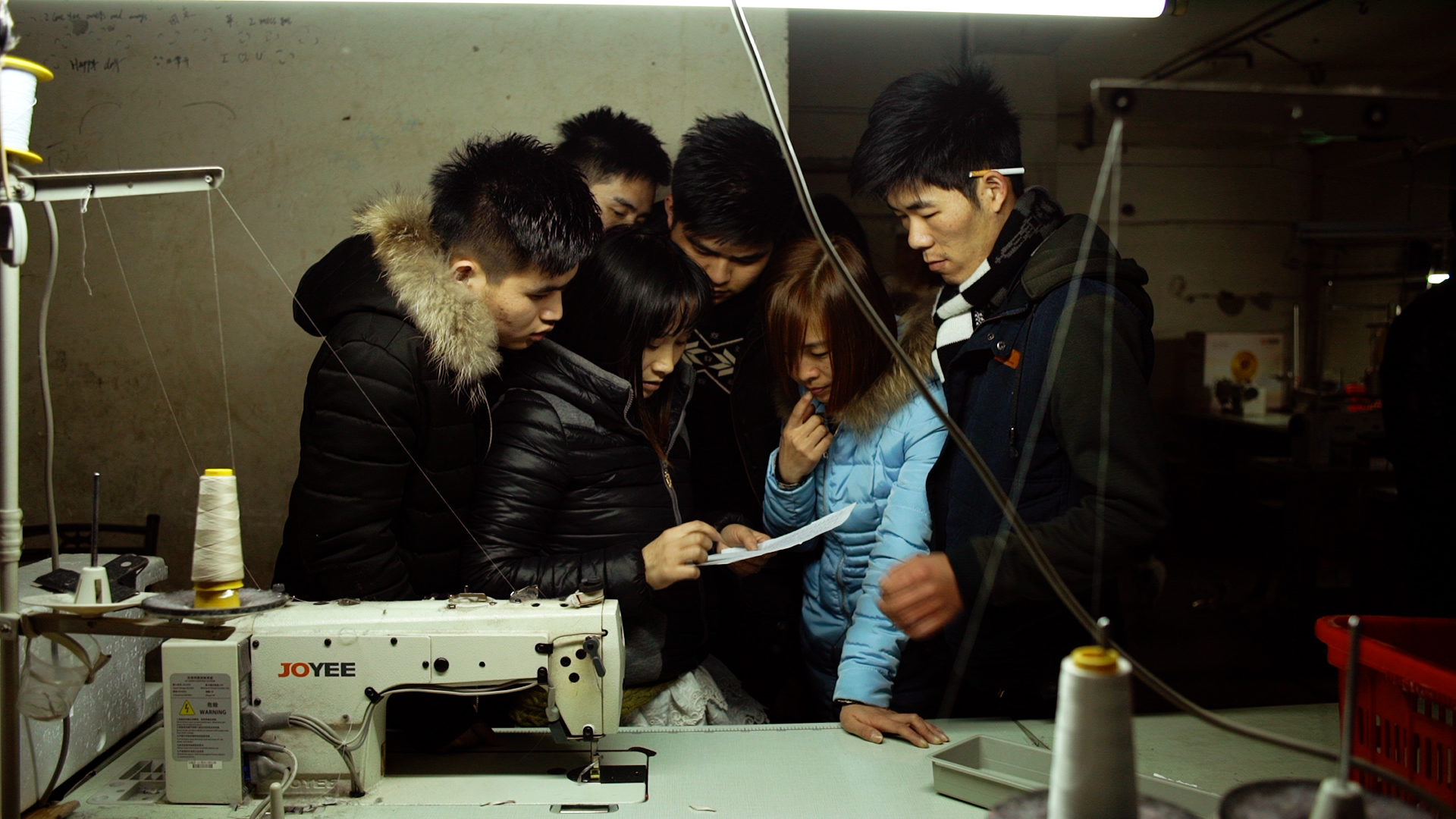
The earlier part of the documentary had reflected on the changing economic fortunes of Hong Kong in which textile magnates from Shanghai had set up factories in the city but once the Mainland began to open itself up in the 1980s moved there to take advantage of significantly reduced labour costs leaving many local people unemployed. There is then something quite remarkable in the decision to redevelop a former textile mill as an ultramodern recycling centre, the first of its kind in Hong Kong and perhaps the world, avoiding the additional energy costs of deconstruction and reconstruction while saving the unique architecture of a mid-20th century industrial building. This is perhaps the ultimate example of “refashioning” demonstrating how the old can be adapted for use by the new, even if sustainable solutions for our increasingly consumerist lifestyles still feel very far away. 


ReFashioned Dream Home streamed as part of this year’s Odyssey: A Chinese Cinema Season.

Original trailer (English dialogue)

A Son (二十歳の息子, Ryuichi Shimada, 2022)

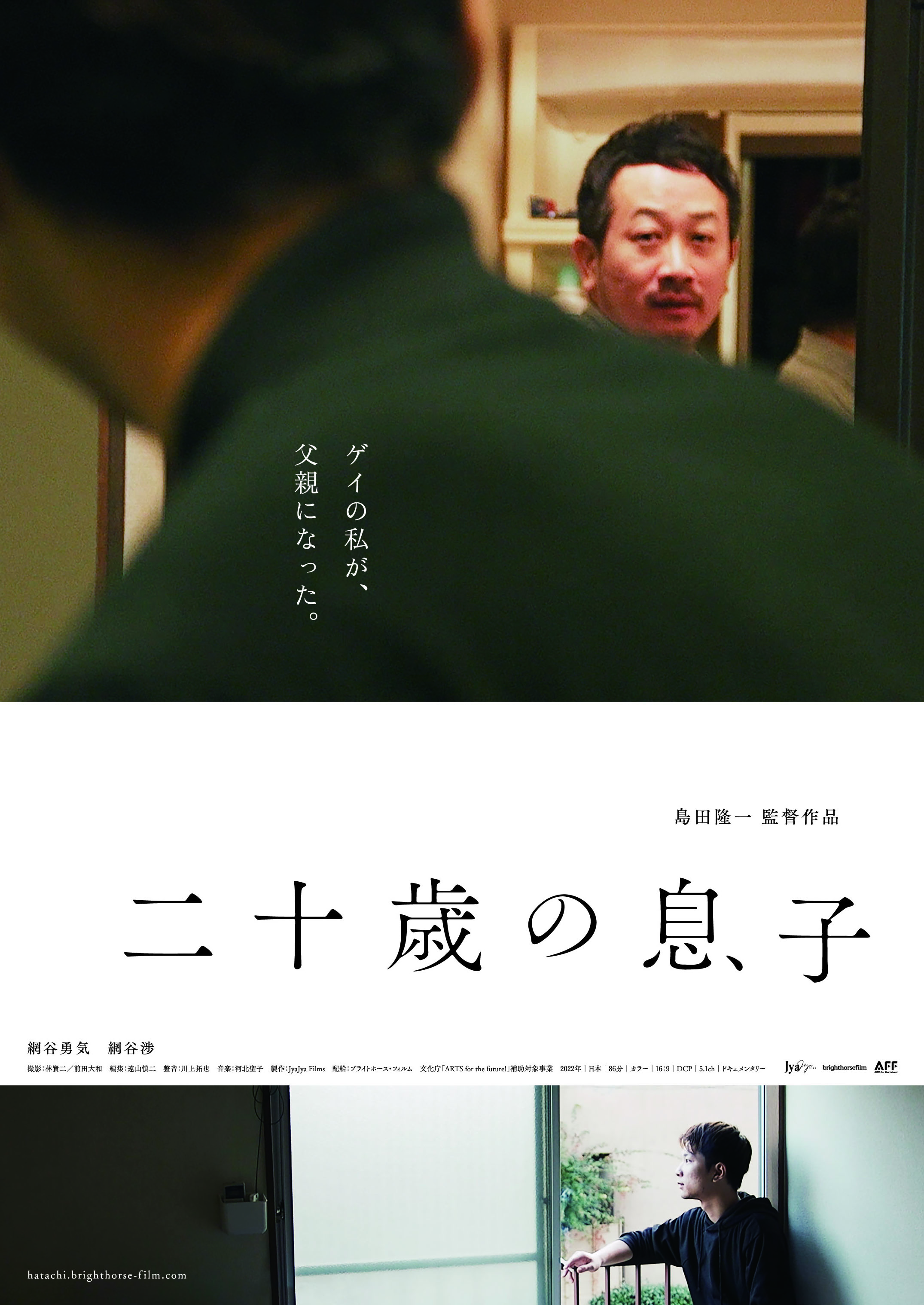
“It is simply how it should be” the father of the protagonist of Ryuichi Shimada’s documentary A Son (二十歳の息子, Hatachi no Musuko) remarks, explaining a concept of unconditional love to the 20-year-old man his own son has just adopted. The documentary never quite answers the question of exactly why Yuki made the decision to legally adopt Wataru aside from perhaps suggesting it’s a way of rejecting his own indifference to injustice, but otherwise attempts to draw comparison between the prejudice faced by members of the LGBTQ+ community and that towards children who grew up in the care system.

As Yuki later says, both LGBTQ+ people and foster children develop a habit of scanning people’s faces and watching out for any offhand remark they may make that would tip them off to the fact they are not a safe person to be open with. As he later relates, Wataru never knew his birth parents and suffered abuse in the care system. Looking for a place to belong, he ended up joining a biker gang, getting involved in petty crime, and being placed in juvenile detention which has left him with a criminal record. Even so, Yuki seems to have unshakeable faith in Wataru and is determined to provide him with a safe space and sense of permanency he hopes will allow him to feel a greater sense of confidence and security. 

In an outreach session, Yuki reveals that he knew he was gay from around 14 years old struggled to accept his sexuality after seeing the word “abnormal” listed under the dictionary definition of homosexuality. He too became violent and considered taking his own life which might explain why he empathises so strongly with Wataru, only he chose to come out to his parents instead who didn’t care at all and continued supporting him just the same. As his father later says, that’s just the way it should be. Yuki didn’t suddenly stop being their son just because he told them he was gay and all they ever wanted was his happiness. As parents, they support their children in whatever they want to so so if Yuki believes in Wataru then they’ll believe in him too immediately welcoming him to the family as their grandson much to Wataru’s mystification. He admits he’s not sure he could be so universally accepting should he one day have children of his own. 

Later in questioning his relationship with Wataru, Yuki explains that he’s also trying to teach him how to be a father in case he eventually becomes a parent but obviously struggles with the difficulties involved in becoming a father figure to man who is already a legal adult who may have ideas of his own and not always want to listen. Wataru can’t quite give a clear answer of why he accepted the adoption either aside from suggesting he wants to escape the social prejudice of being a man without a family, but perhaps also hints that family is what he’s been looking for or at least a place to belong that he can anchor himself to and go for help whenever he might need it. Yuki seems to think that by offering him a literal bed that it will help him turn his life around knowing that he will always have a safety net to fall back on. 

One of Yuki’s relatives nevertheless suggests she thinks Wataru’s optimism is merely “naive” as he pins all his hopes on a showbiz career, doing modelling gigs while working part-time in a cafe. He claims he wants to make something of himself by buckling down and working hard, insisting that his painful past can become a strength in lending him a unique profile rather than remaining something that will always drag him down. Yuki’s desire to become a father figure might also be branded as naive by some while he struggles with trying to find the right approach to allow Wataru to find his own way safe and secure that he’ll always have a home to go to. The documentary ends before it’s really possible to know how well the arrangement has worked out for either party and sometimes struggles to unify its twin themes of the abuses of the care system and a more generalised take on social prejudice towards minorities such as the LGBTQ+ community and orphans but nevertheless presents a broadly inspirational tale of intergenerational solidarity and the power of unconditional parental love. 


A Son screened as part of this year’s Nippon Connection

Original trailer (English subtitles)
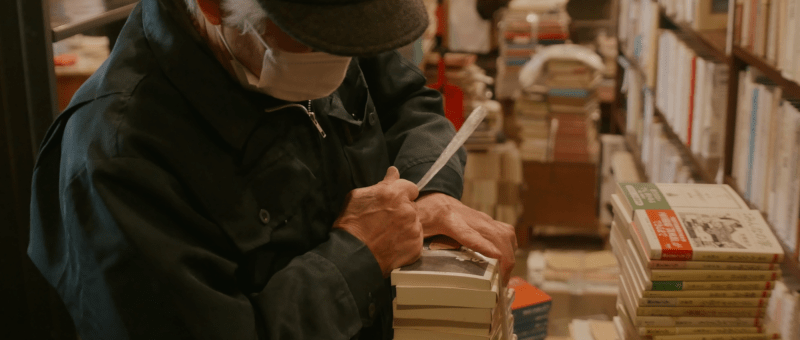
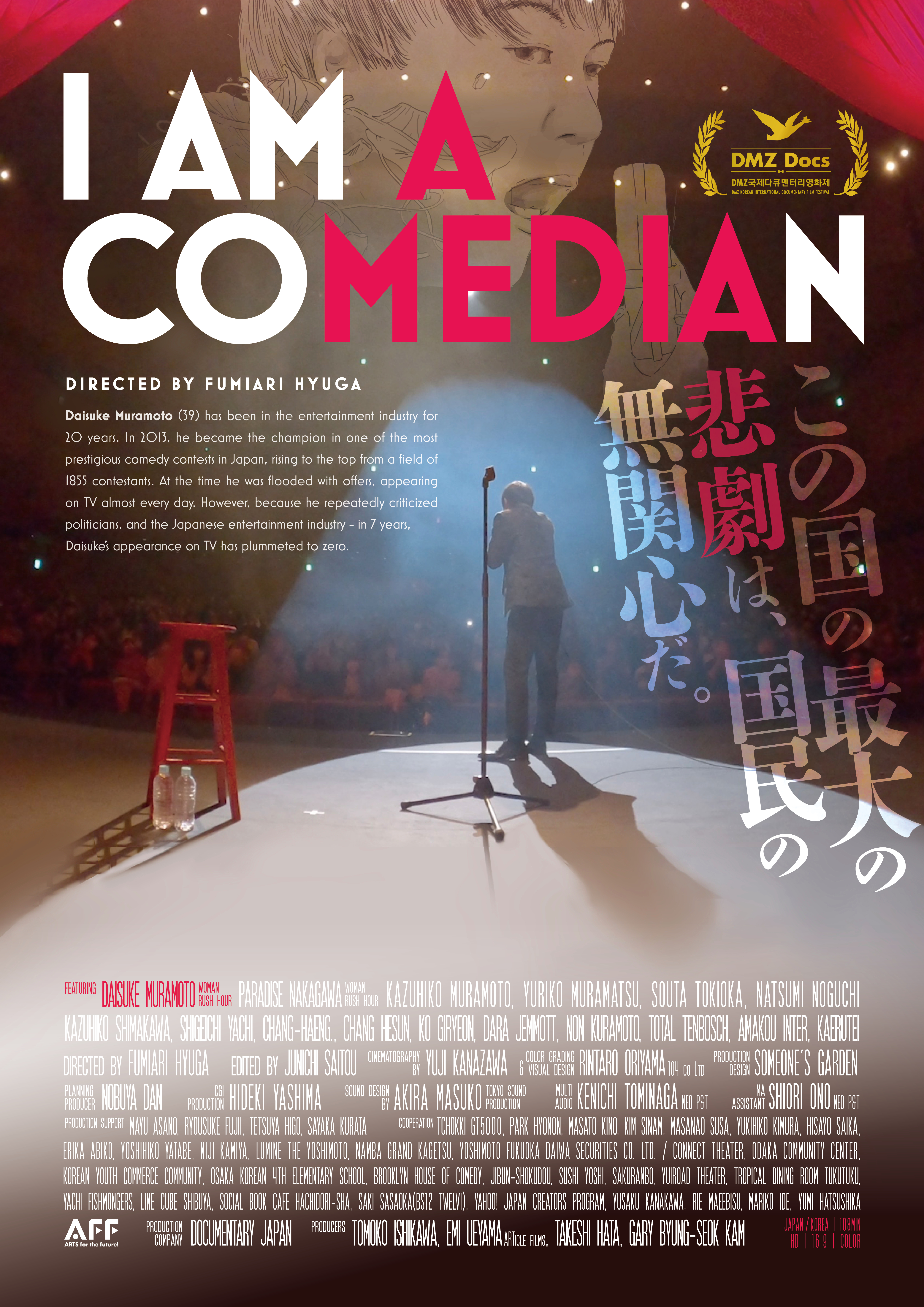
I Am a Comedian (アイアムアコメディアン, Fumiari Hyuga, 2022)

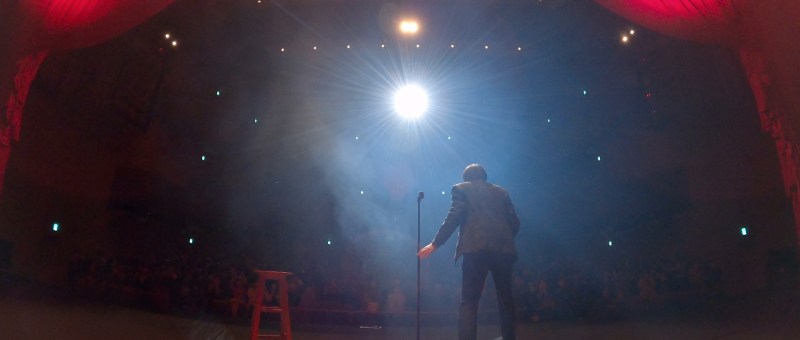
Can comedy change the world? Daisuke Muramoto was once one of the most popular comedians in Japan appearing regularly on television screens across the nation, but the moment he began to joke about serious subjects such as the Fukushima Nuclear Disaster, Comfort Women, discrimination against ethnic Koreans, and the US military bases on Okinawa, his bookings swiftly declined. Fumiari Hyuga’s documentary I am a Comedian (アイアムアコメディアン) in part explores the concept of freedom of speech in a nation in which taking about sensitive issues makes people uncomfortable and is also a portrait of a wounded idealist who in the end wants to make friends if only through “upsetting” people. 

Even Daisuke’s mother says he “upsets” her every time they meet so it’s often easier to communicate with him through text message and email. He can certainly be blunt and at times unthinking but it does not appear that he has any intention of hurting people’s feelings only of speaking his mind and perhaps encouraging them to think about things they’d rather ignore. It seems odd to him that the TV stations aren’t interested in his “controversial” comedy and especially NHK which is funded by the licence payer so doesn’t have to worry about upsetting sponsors. What it does have to worry about, however, is dealing with viewer complaints and so you can see why they’d rather self-censor than deal with aggressive telephone calls and letters from people who don’t agree with Daisuke’s point of view and are offended. 

Daisuke insists on his right to offend and plans to move to America where he thinks there is more freedom of speech and stand up comedy is necessarily “political”, but the inevitable paradox is that the issues he wants to comment on are all those of contemporary Japan. Talking to a Japanese comedian fluent in English who has been performing in New York for some years, he tries out a joke about Catholic priests but she just looks at him bemused not quite knowing what to say. Eventually she explains that though it’s not something people might be familiar with in Japan it’s been done to death in America and some comedians have based their entire careers on making jokes about the Catholic church so it’s not a good angle for his stateside debut. He may be able to speak his mind in America, but as an outsider as yet unfamiliar with the culture would he really have very much to say that isn’t simply recycled outrage aside from an actually quite funny Trump-related one liner? 

Getting a mad idea and diving straight in seems to be very on brand for Daisuke whose mother and school friends recall a sudden determination he had as boy to go to Brazil and become a footballer despite never having played football before and not belonging to any club (he started taking monthly lessons but soon gave up). His grand plan is to change Japanese society through laughter, confronting people with difficult issues and making them think so maybe they’ll take their new ideas to the ballot box. But most people, including his own father, think he’s being naive and if he really wants to change society he should get into politics instead. For all the support he receives from those who appreciate his frankness, there are also those who resent his attempt to inject his views into their entertainment. 

As for Daisuke himself, he admits to being a wounded soul occasionally insecure as a middle school dropout afraid that people look down on and laugh at him for unintended reasons. He recounts suicidal thoughts in his youth caused by his sense of futility and the fracturing relationship between his parents who later divorced. Several times, his routines turn dark and end on a worrying note of sadness as Daisuke abruptly retreats from the stage and thanks the audience for saving his life. After learning that his farewell tour will be cancelled because of the coronavirus, he cries backstage as if everything he has has suddenly been taken from him. In Japan he plays 1000-seater venues despite his controversial status, but finds himself once again playing tiny rooms in bars in an attempt to make it in America. Some of the things he says may upset people, but as he later suggests it’s less about liking or disliking than recognition and what he’s trying to do is see others equally, meeting them eye to eye with an unflinching gaze. Daisuke finds the humour in his tragedy and uses it as a reason to live like spotting a star in the darkness. Can comedy change the world? Maybe, or at least change the world within the man. 


I Am a Comedian screened as part of this year’s Nippon Connection.

International trailer (English subtitles)
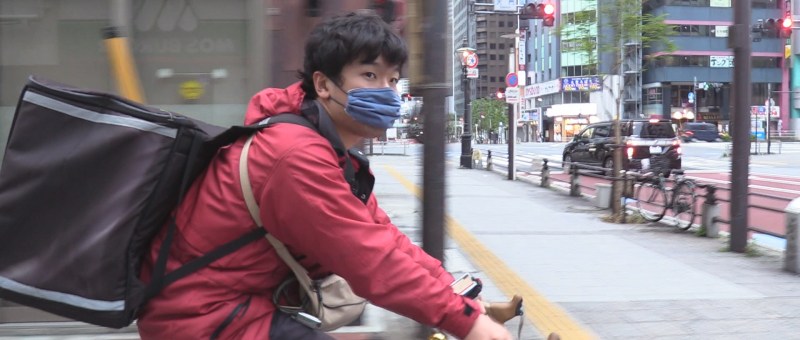
Finding Her Beat (Dawn Mikkelson & Keri Pickett, 2022)

“We belong here, we deserve this.” It might sound like a redundant statement, but there are many reasons why the subjects of Dawn Mikkelson & Keri Pickett’s mostly observational documentary Finding Her Beat might have come to doubt their right to practice their art if not that simply to be who they are. As the opening text relates, taiko drumming has long been a male preserve and even if women were not expressly forbidden from playing conventional notions of femininity often forbad them. 

That’s in part the reason that Jennifer Weir, director of TaikoArts Midwest, embarked on the HERbeat project aiming to bring together female taiko players from the US, Japan, and around the world for a collaborative performance in Minneapolis. As Jennifer reveals, she is a Korean-American adoptee and had no particular reason to embrace taiko but like many of the other women who come to participate in the event, she has found a new home and community as a taiko drummer. The same is true for her wife, Megan, who once lived with a taiko drumming group in Japan before returning to the US and starting a family. 

Conversely, Chieko Kojima who is a founding member of the prominent taiko group Kodo on Sado Island explains that taiko gained a resurgence in the post-war era as young Japanese people looked for a way to rediscover traditional Japanese culture as a rejection of growing American cultural influence. Chieko herself had wanted to drum, but women were not really welcome to do so and so she became a dancer. Kaoly Asano’s practice at Gocoo is conversely rooted in post-war avant-garde performance art and incorporates other elements of traditional Shinto dance along with more modern influences such as trance and tecnho music. 

In a sense, their involvement with taiko is also a means of recovering a traditional culture that has often been mediated through a fiercely patriarchal society. Though there is no direct prohibition on women playing the taiko drums as there might be for entering a sumo ring, it has often been associated with masculinity as a celebration of physical strength and endurance. Socially enforced notions of gender therefore made it difficult for women to participate lest they be thought unfeminine and therefore unmarriageable particularly in ages in which marriage was the only secure path to a comfortable life for a woman. 

Many of the taiko players also mention that they have felt displaced within their societies, sometimes because those societies too did not accept their gender presentation or sexuality. They have all, however, found a source of solidarity as members of a taiko drumming group which is after all about togetherness and harmony. “In a way, taiko gave me a family” echoes Koaly Asano, “by meeting you, Tiffany, I finally felt I was not alone.” she affirms while talking to US-based taiko master Tiffany Tamaribuchi. For Asano, taiko is also a force that connect us with a place and the rhythms of the Earth. “What’s important is your sound, to transform your life into sounds” she adds as a kind of manifesto for her taiko. 

In a way it’s this sound translation that allows the women to come together, overcoming language barriers to find a common voice. Nevertheless, they are faced with a series of additional challenges including the looming coronavirus pandemic with the concert scheduled for February 2020. The show turns out to be the second to last staged in its venue for the almost two years of pandemic-related restrictions, while many of the drummers have already had future gigs cancelled in their home countries. All of which lends the concert an additional an additional weight and poignancy as the drummers prepare to claim a space only to have it taken away yet again. Nevertheless, the project does allow them to rediscover an international sense of solidarity along with individual pride in the practice of their art. Fittingly enough, the concert ends with a routine titled “Eijanaika?” which is both a reference to a carnivalesque protest movement during the Meiji Restoration, and a phrase which might be translated as “so what, what’s wrong with that?” neatly echoing the celebratory sense of defiance at the heart of HERbeat.


Finding Her Beat screened as part of this year’s San Diego Asian Film Festival Spring Showcase.

Trailer

Home Ground (홈그라운드, Kwon Aram, 2022)

The ageing proprietor of an endangered lesbian bar reflects on the changing nature of queer culture in Korea over the last five decades in Kwon Aram’s contemplative documentary Home Ground (홈그라운드). “Home ground” is what many have come to regard spaces such as LesVos, but with changing times and the effects of the coronavirus pandemic maintaining them is becoming ever harder leaving the community with the few places to gather where they can come together in safety and solidarity. 

Though it has moved location, the documentary’s primary subject, Myong-woo, has run bar LesVos since in the late ‘90s. The first openly lesbian bar in Korea, it has provided a friendly and welcoming space for the LGBTQ+ community for almost 30 years though as Myong-woo relates times have certainly changed as they look back to the queer bars of Myeong-dong in 1970s including the legendary Chanel Tearoom which was raided by police in 1974 on the grounds of its scandalous “Decadence”. Kwon uses a mixture of stock footage and re-enactments to recreate the atmosphere of bygone eras as Myong-woo’s oldest friend Kkokji recalls the atmosphere at Chanel which had a strict no long hair rule and expected its patrons to dress smartly in suits. 

Like Myong-woo, Kkokji identifies himself as a transman and prefers to be address as “hyung” (older brother) though the pair are often mistakenly addressed as “auntie”. Myong-woo recalls breaking the heart of a boy in middle school whom he “dated” to fit in, knowing that he had to hide his sexuality though he seems to have been well accepted now in reuniting with a collection of school friends at LesVos. Kkokji meanwhile laments his difficulties finding employment because of his appearance and gender presentation while recalling a violent past as a street brawler and recruiter of women for bars in the ’70s and ’80s. 

LesVos by comparison seems to have been a more wholesome place, Myong-woo recalling that in the old days cherry coke and ice cream sundaes were firm favourites of the clientele. Before the bar existed, queer teens used to hang out in Shinchon Park where they found a sense of community along with an opportunity to meet new people in a comparatively safe place where they could be themselves. After checking with the licensing authorities who told him it was fine as long as he didn’t sell cigarettes or alcohol, Myong-Woo opened the bar to teens so they’d have a place to go that was safer than hanging out in the streets. 

Another former patron has created a safe space of her own in a queer-friendly dance studio where as she puts it they make life more fun and less lonely. Yet in the face of the pandemic, the community lost the ability to come together while faced with additional prejudice after the coronavirus cluster in an Itaewon club. As one interviewee relates, people began to blame LGBTQ+ people as if they were uniquely irresponsible without thinking about the reasons why the community feels the need to come together. Another adds that queer people were already “social distancing” before the pandemic, and that without queer spaces are often forced to hide who they are in a society which can often be hostile. 

Faced with the economic realities of the pandemic, Myong-woo worries he will have to close the bar while countless similar spaces have pasted closing notices on their doors. Myong-Woo himself is also ageing, a trip to the doctors revealing the toll standing for hours every day has taken on his feet while he’s also taken on another part-time job working in a kimbap shop with no money coming in through the bar. Even so he reveals how much he’s learning from his younger customers about how the community has changed while society largely refuses to. He reflects that he thought the young people of today had it better, but realises he is mistaken on attending a rally protesting the death of a transgender soldier who took their own life after being discharged from the army because of their transition. Myong-woo keeps the bar open to provide a place of refuge for those who may not have anywhere else to go, opening their doors on holidays for those who have only their queer family to rely on. “You can’t do it alone,” he reflects doing his best to preserve a small space of safety and solidarity amid a sometimes hostile atmosphere.


Home Ground screens at The Barbican 30th April as part of this year’s Queer East .

Bad Women of China (中华坏女人, He Xiaopei, 2021)

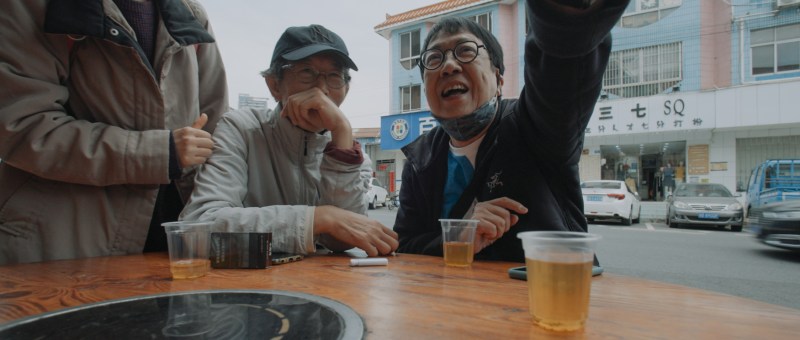
“Mum gave all her love to the Party and saved her grudges for family.” As she explains, documentarian He Xiaopei began her documentary Bad Women of China (中华坏女人, Zhōnghuá Huài Nǚrén) as a means of communicating with the mother who remained silent and distant towards her, yet nevertheless contemplates three generations of Chinese women through the prism of her own life as a lesbian who lived much of her life abroad. 

After many years living in the UK, Xiaopei returned to China with her grown-up daughter Qiao whom she ended up asking to interview her mother Yun Li in an attempt to improve her relationship with her. In a sense it works, Yun Li begins to talk about her life and history which as it turns out is very much intertwined with that of the Communist Party. The disconnection between them stems from Xiaopei’s sense of abandonment, unable to understand as a child why her mother decided to live separately from the family in a dorm at the Foreign Languages Institute where she studied and trained diplomats. In the prelude to the Cultural Revolution, Yun Li was branded a “rightist”. Sent to the country for re-education she seems to have overcorrected, leaving her family to prove her devotion to the Party. 

Then again, despite her hurt and longing Xiaopei is later forced to realise that she became a mother much like her own. Though she identified herself as a lesbian at a young age, Xiaopei married at random to have an attachment that was to life more than anything else and then had her daughter but became estranged from the husband with whom she had little in common. She too left Qiao behind for long periods of time while she went to study abroad, first as an economist and then intending to study feminism before eventually moving to the UK with longtime partner Susie and bringing her daughter with her. In the closing scenes of the film which are shot with sound only against a black screen, Qiao confronts her mother in the way Xiaopei was unable to do directly telling her that she felt neglected, that she wanted more love and a sense of reassurance Xiaopei was unable to give her. 

Qiao too is in many ways much like her mother and grandmother, a fiercely independent woman with complicated and fast moving love life. Yun Li had been something of a trailblazer, choosing a husband for herself and getting married on her own only informing her family afterwards in an age which still favoured arranged marriage. She was once struck dumb in childhood when an uncle who was taking care of her refused to let her attend school, and is insistent that a woman should be financially independent rather than rely on a man. Xiaopei broke with convention in divorcing her husband to embrace her authentic self by living openly as a lesbian albeit in the comparatively less conservative UK where she eventually married in 2005 if only to divorce some years later. 

This rebellious sense of autonomy is perhaps why Xiaopei titles the film “bad women” as each of them in some way reject social convention, though there is also the implication that Yun Li’s life was disrupted by her involvement with the Communist Party to which she remains devoted despite the way it treated her and the way she knows it to have treated others. Xiaopei reflects that Yun Li was never interested in fulfilling the stereotypical role of the good wife and mother, and realises that in the end neither was she though she tried to do her best and is in a sense received that Qiao wants her to be a partner and a friend in her life even if she could never fully reconcile with Yun Li who remained frustratingly distant from her. In a certain way, their reconciliation hints at a new sense of liberation in the modern society that allows the women to shake off the roles of mother and daughter and rebuild their relationship on a more equal footing even while the family scatters itself around the world increasing the physical distance between them but shrinking the emotional. 


Bad Women of China screens at Bertha DocHouse 27th April as part of this year’s Queer East 

Trailer (English subtitles)