Tokyo Burst: Crime City (TOKYO BURST-犯罪都市-, Eiji Uchida, 2026) [Fantasia 2026]

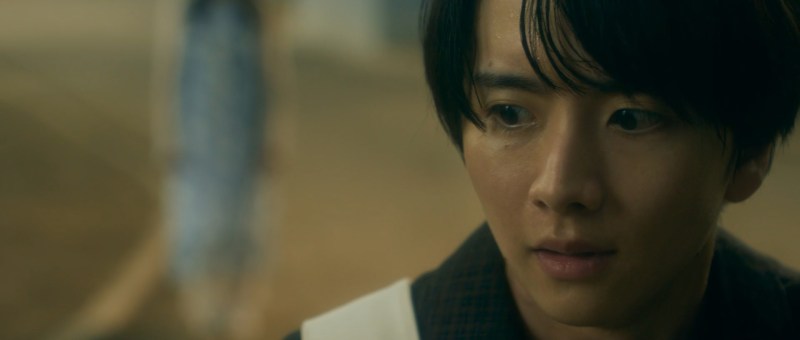
Ma Dong-seok’s popular Roundup series has a rather convoluted history in terms of its titling. The first film was screened under the literal translated title “Crime City” before being retitled with the ironic “The Outlaws” while all subsequent instalments in the series have adopted the title of the first sequel. Nevertheless, this Japanese spin-off set in 2015 which is two years before the first film’s release, comes with the subtitle “Crime City” and though a Korean co-production does not actually feature Ma Dong-seok but rather attempts to tell a similar story set in the world of Kabukicho.

Which is to say that it takes its equally from delinquent high school manga such as Be Bop High School which is name checked within the film rather than the maverick cop hamstrung by bureaucracy trope that lies at the centre of the Korean series. Though The Roundup may itself have become increasingly less gritty as the series continues to expand, it largely remains grounded within a more concrete reality which is not really something you can say about Tokyo Burst: Crime City even if does hint at the ways in which the crackdown on yakuza has accidentally led other kinds of organised crime groups flourishing.

In this case, that would the incongruity of a crime syndicate led by a greedy host who heads the club Dreaming and presses those who work for him into petty crime if they can’t make their onerous quotas. In general, the stereotypical image of a “host” who earns money by drinking with women in dedicated bars, is of someone slightly effeminate and sensitive. Their livelihood depends on at least appearing non-threatening while providing the illusion of unconditional love and acceptance to their customers while also perhaps coming across as young, vulnerable, and in need of looking after. Though legislation has now been brought in to help stop hosts exploiting women financially until the point that they force them into sex work, the kind of masculinity they present is gentle and non-violent, which makes them a surprising presence in the ruthless world of organised crime.

Yet as is explained to Korean detective Si-won the major difference between the two nations is the extent to which police build relationships with underworld figures in order manage rather than eradicate crime in order to prevent large-scale violence breaking out, though Ma had also been doing something similar in the first Roundup film. The political corruption angle so common in Korean films in which the sons of chaebol families are effectively above the law plays a less well in the Japanese setting while a subplot about a land rights for casino construction,  and upcoming election, the thuggishness of the Deputy Prime Minister’s son, and their collaboration with organised crime facilitated by the familiar face of Ma’s sometime sidekick Jang Yi-soo, seems underdeveloped and impossible to take seriously given the film’s cartoonish tone.

Nevertheless, The Roundup’s uncomfortable tendency to make light of police brutality is fully carried over as violent cop Shiro actively covers up security cameras to interrogate suspects, while the police are also guilty of making use of connections to speed up or frustrate justice. They are otherwise a comically bumbling bunch as is yakuza boss hold-out Iwaki frustrated at the loss of his turf to the host club upstarts. Shiro stands somewhere in the middle as a bruiser cop with a strong sense of justice but perhaps not so much ethics. Nevertheless, he eventually bonds with his new Korean partner through singing Linda, Linda at karaoke while becoming invested in his quest to catch those responsible for his late partner’s murder before they return to the safety of Korea where they are otherwise above the law. Despite the overarching silliness, there is an endearing sense of lived-in community in the Kabuchiko environment of which Shiro is at the very centre and even if the film refuses to take anything else to seriously, it does at least commit to the ferocity and carnage of its intermittent action scenes.


Tokyo Burst: Crime City screened as part of this year’s Fantasia International Film Festival.

Trailer (no subtitles)

The Last Footage (Arkar Soe Oo, 2026) [Fantasia 2026]

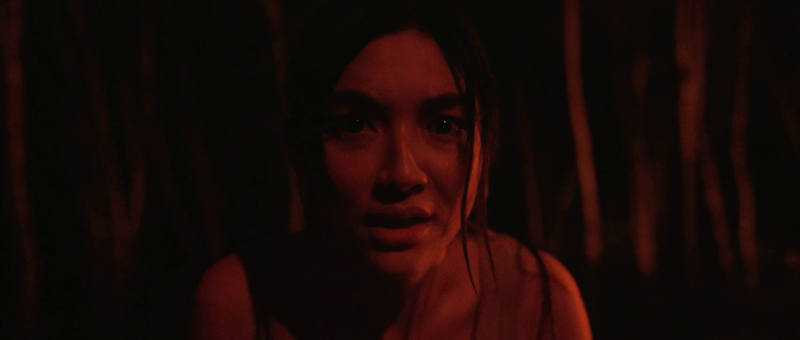
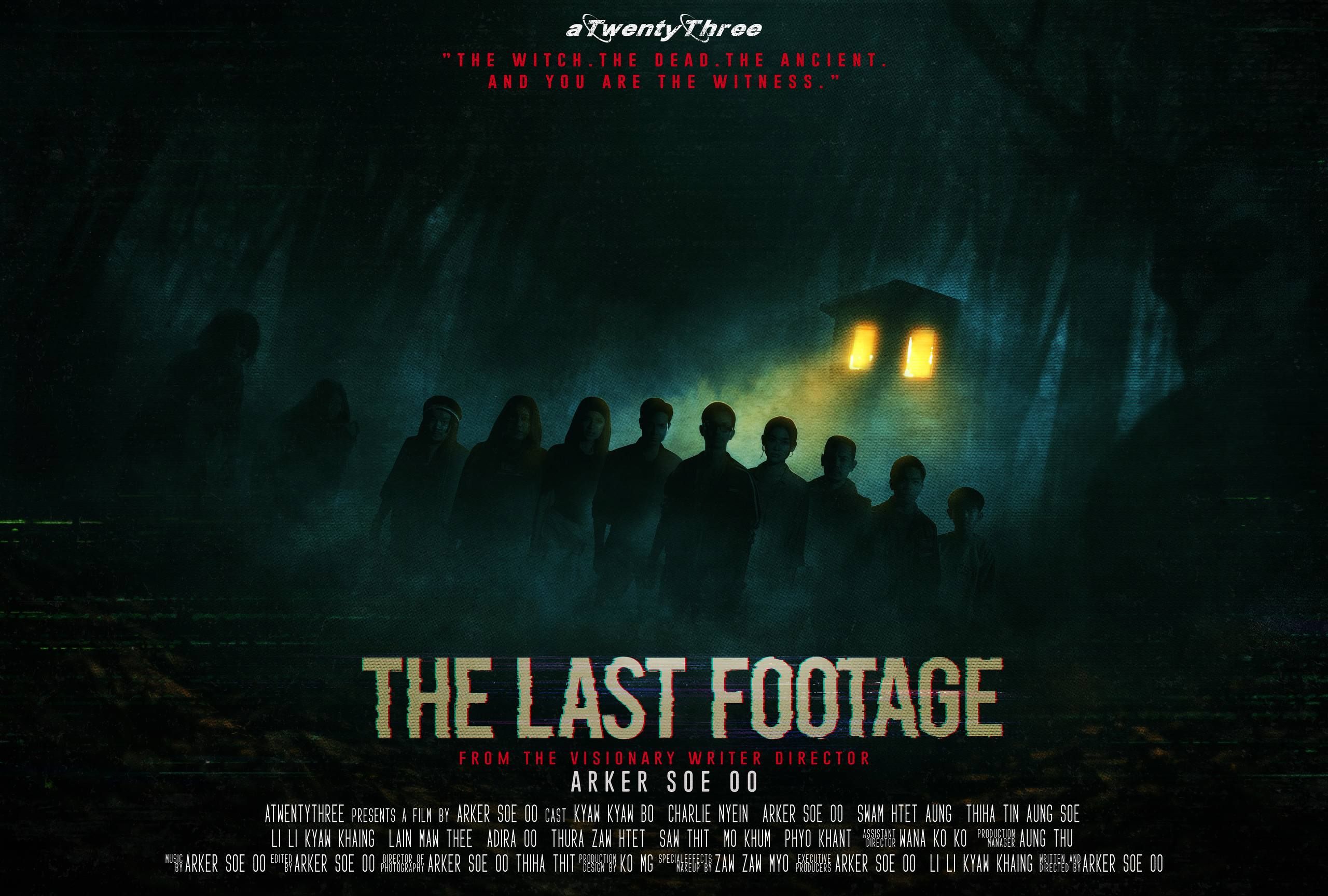
“Show some respect for things you don’t understand,” a creepy which intones, admonishing a group of city slickers fetching up in the forest with a dangerous disrespect for the natural world and what lies beyond in Arkar Soe Oo’s creepy found footage folk horror, The Last Footage. The first found footage films from Myanmar though apparently made for the international market rather than the purely domestic, the film is entirely shot with 4K camera-equipped glasses neatly juxtaposing an entirely new technology with ancient folk beliefs and ritual practices.

The opening sequence, however, seems to hint at the variety of uses these glasses can be put to from a young man taking a picture of his parents to another who surreptitiously Googles “how to talk to girls” while staring at an attractive woman in a coffee shop. A group of ghost hunters uses them to capture footage while walking around a former conference centre where large numbers of people died in an explosion before apparently meeting a sticky end after running into a weird cult. The ID numbers given suggest this footage is being stored somewhere else and is therefore somehow accessible externally.

Aung Khant seems to have bought the glasses just because they’re the cool new thing rather than a desire to capture something in particular. His friends describe him as being “obsessed with strange stuff” and recall a fairly disastrous trip they picked to a destination he picked, but don’t particularly seem to mind him documenting their every move through his glasses which, he points out, have excellent battery life. That comes in handy because the electricity’s been out at the strange little hut they eventually make it to after the coach they were travelling on breaks down right outside the forest.

Thu Ya has been left a sizeable amount of land on a former rubber plantation owned by his late grandfather. He plans to open a resort there, and suggests the group’s latest trip be to go check it out. In a way Thu Ya has received a toxic inheritance that he is ill-equipped to deal with, never really considering that his grandfather may have abandoned this place for a reason or that there really may be something dark and ancient lurking in the woods. They are all fairly affluent, educated urbanites who only joke about supernatural threats and are flippant about folk beliefs. Despite being urged not to do anything to disrupt the balance of the forest, two of the group engage in some black magic rituals as a joke using cow’s blood and candles they brought from home.

Stepping into the witch’s cottage, they may as well have entered another world as she makes cryptic pronouncements that “it has awakened” and there’s nothing to be done now except accept one’s fate. Obsessed with black magic rituals herself in an effort to resurrect her late son, the witch isn’t really interested in helping the gang or saving their lives. Beginning to realise they probably should have listened to Thu Ya’s uncle Ko Nyo who warned them that the forest was not a safe place, Aung Khant and his friends have little choice other than to do battle with the evil they’ve awakened in the hope of rescuing a missing child even if they themselves may not survive.

As the wearer of the glasses, Aung Khant is there to be an audience stand-in providing an immersive POV that gives the impression of actually being present. As such he is a fairly passive presence following those who take part in the action so he can witness and recored it through his glasses. In a sense, he embodies the camera and the fact that it is mounted in his glasses means that it can continue capturing images without his involvement. All he can really do, however, is watch as his friends desperately try to come up with solutions after deciding that they can’t run from this particular beast and will have to their best to fight it. As the witch had said, however, there are some things that cannot be understood but must be respected. They will pay a heavy price for their lack of respect for traditional folk practices and an ancient past from which they have become entirely disconnected. 


The Last Footage screened as part of this year’s Fantasia International Film Festival.
Trailer (English subtitles)

The Seoul Guardians (서울의 밤, Cho Chul-young, Kim Jong-woo, Kim Shin-wan, 2026) [Fantasia 2026]

Normality is such a fragile thing. It only takes a few seconds for everything to fall apart and the life you’ve known until now to completely disappear. Facing intense personal scrutiny and frustrated with opposition lawmakers doing exactly what they’re supposed to do in a democracy by opposing policies they disagree with, President Yoon Suk-Yeol announced martial law via a television broadcast late at night after many people had already gone to bed or at any rate were not particularly paying attention to the news. 

This was the first time that Martial Law had been declared since Chun Doo-hwan’s military coup in 1979. The democracy that the nation had carefully nurtured since Chun’s downfall in 1987 was under threat while Yoon ironically described opposition parties as a “legislative dictatorship” for blocking his policies. Following the declaration, ordinary citizens began to make their way to the National Assembly building to protest, but at the same time Yoon’s faction dispatched the police and army to encircle the building. Once martial law is declared, the president is supposed to attend the assembly for a free vote confirm its deployment, which Yoon failed to do while police and army made it difficult for lawmakers to enter the building and take their place to vote leading many, often not so young, officials to vault walls simply to enter the building. 

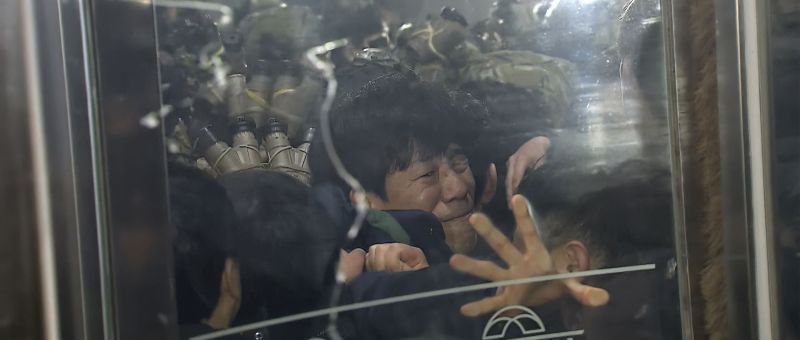
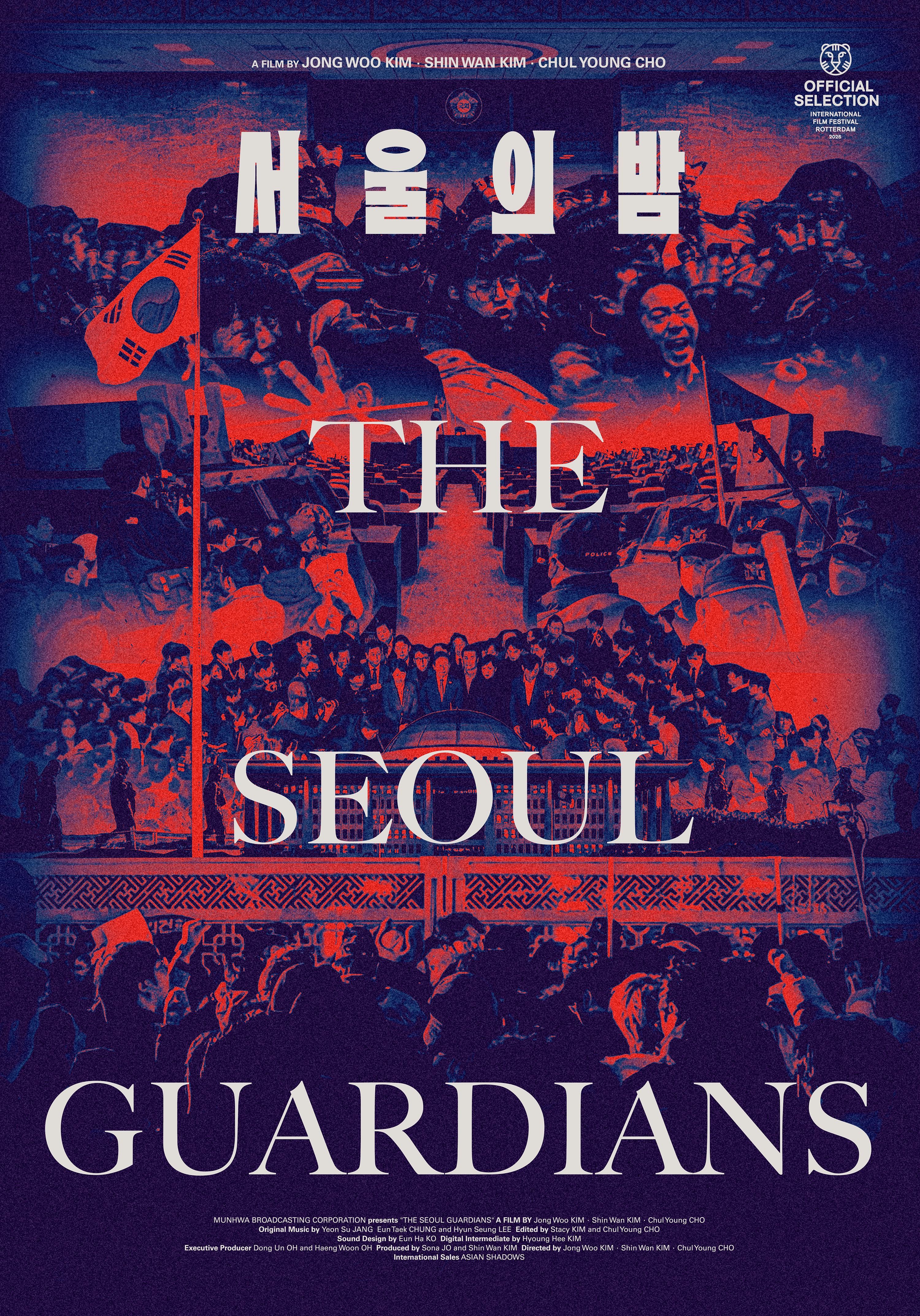
Comprised almost entirely of on-the-ground and stock footage and television news broadcasts, Kim Jong-woo, Kim Shin-wan, Cho Chul-young’s documentary viscerally depicts the sense of chaos and desperation of that night as the general population and lawmakers trapped inside the budding begin to realise that they have only this moment to stop the impending tragedy that Yoon has set in motion. “Remember Gwangju” some of the protestors shout. Interspersed with footage from 3rd December are flashes of newsreels from the Gwangju Massacre in 1980 in which state forces fired on protestors asking for the lifting the martial law that had been reinstated by Chun’s regime after he took power in a military coup shortly after the previous dictator, Park Chun-hee, was assassinated by the head of his own security team. 

The similarities between the two protests are striking as both utter near identical chants with the only real way to tell which footage is from 1979 and which from 2024 is by the video quality and the clothes that people are wearing. The night of 3rd December could have turned out so differently if even a single thing had gone wrong. A soldier’s gun going off or policeman losing his temper could have provoked further violence and brought about a world of nightly curfews and curbed freedoms that seems almost unthinkable in the present day. A curfew has already been declared active from 11pm, so all of these people are already breaking the law, but they choose to stay anyway in order to defend this fragile democracy.

There are also, of course, those who are there to support Yoon and feel as if he’s been unfairly treated. To them, he’s only right to do what he’s done because those “commies” on the other side wouldn’t let him get on with his work. By including footage from Yoon’s impeachment hearing, the documentary makes clear that this is not something that ended in the early hours of 4th December with Yoon recognising the unanimous vote to lift martial law, but an ongoing battle to resist authoritarianism and protect democracy however imperfect that democracy may also be. The question then is how robust these systems really are and if Yoon actually will be removed for having committed this offence against the normal functioning of government with a blatant power grab that effectively constitutes and attempt coup.

All that was really standing between Yoon and martial law was the will of the people who were willing to risk their safety and comfort and preserve their freedom and democratic rights. They looked back to those who had lost their lives in Gwangju and said, “We will remember you. We will not allow this to happen again.” In this way, as the voiceover from co-director Kim Jong-woo points out, the dead save the living in a very real living memory of the costs of authoritarianism. Though the film may play out like a thriller as those inside the assembly set up baracades fearful that paratroopers will storm the building and others call out to the young soldiers to obey their conscious and walk away, it is never flippant about the serious of this moment, nor the truth that a significant minority continue support Yoon and his policies which leaves ordinary people once again the guardians of a fragile democracy that maybe shattered at any moment.


The Seoul Guardians screened as part of this year’s Fantasia International Film Festival.
Trailer (English subtitles)

The Mouths (口に関するアンケート, Takashi Shimizu, 2026) [Fantasia 2026]

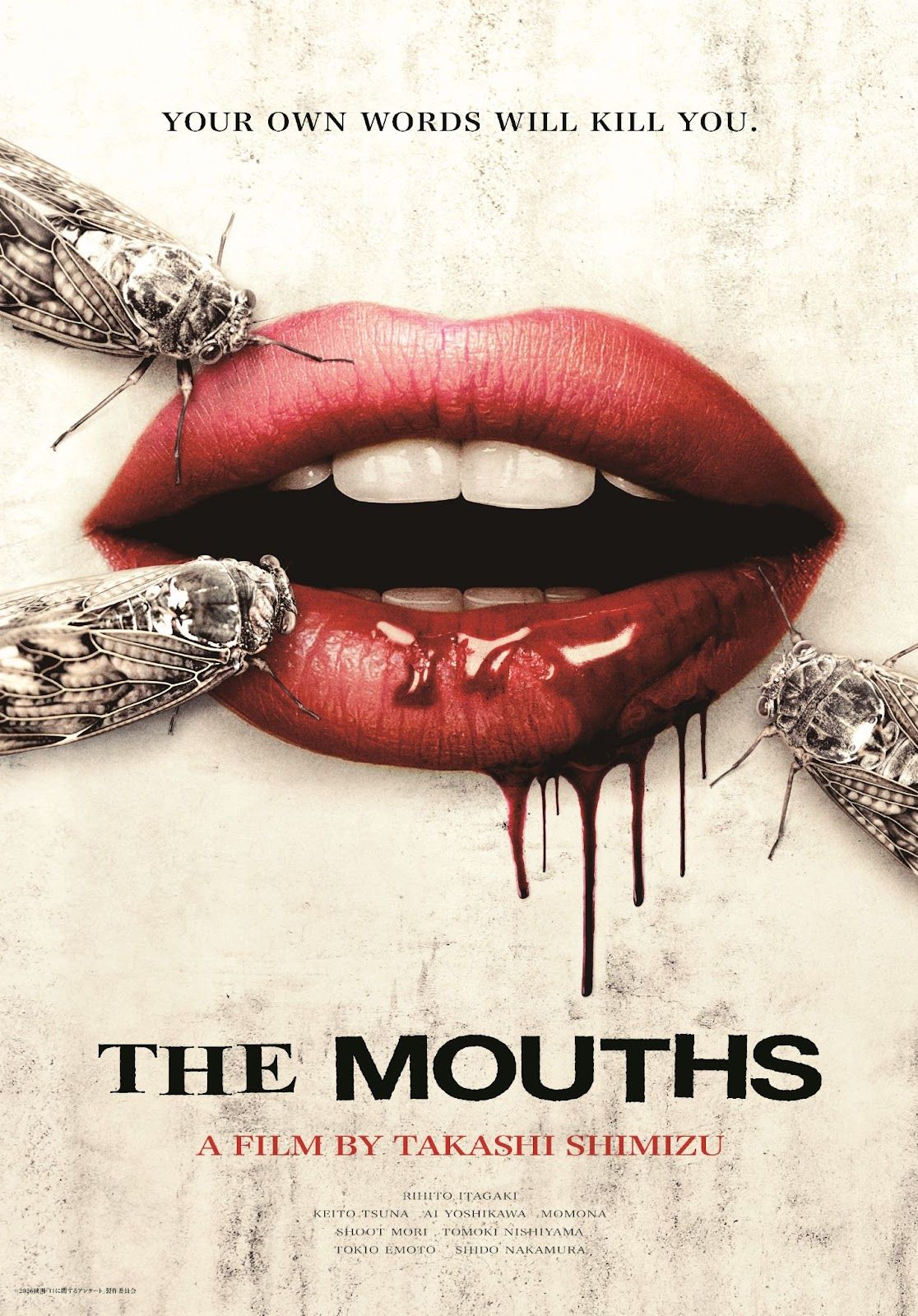
“Do you think the mouth is the source of the trouble?”  A survey asks at the end of Takashi Shimizu’s haunting horror, The Mouths (口に関するアンケート, Kuchi ni Kansuru Anketo). Assuming for the moment that we’re talking about the human mouth, they can indeed get you into a lot of trouble, but at the same time that trouble starts somewhere much deeper down, so perhaps it isn’t really the mouth that’s to blame either, rather its owner who unwisely chose to make their unspoken thoughts spoken. 

According to the editor of a mystery magazine (Tokio Emoto), that really might be the curse. We project our negative emotions onto an object and grant it a kind of supernatural power that might in other ways be entirely manmade. People have decided a creepy old tree in a cemetery is “cursed”, but it’s become fashionable among young people to challenge themselves by walking up to it. Though the tree once signalled good fortune, people soon started using it to curse others by voicing their petty resentments, but perhaps it’s putting all these dark thoughts into the tree that’s made it a kind of repository for human fear and loathing. All those we meet who went to see the tree took someone with them that they wanted to suffer, though they also of course ended up suffering themselves.

A group of students sets out to see it full of bravado expecting a spooky night where nothing will actually happen, or at least nothing that they don’t make happen for themselves. But beneath the camaraderie, there are cracks in their relationship with what amounts to a complicated love square in which Tatsuya (Keito Tsuna) has started dating Shota’s (Rihito Itagaki) ex An (Ai Yoshikawa), but Shota wants her back. Mirei (MOMONA), meanwhile, whose name contains a sound that is associated with the supernatural, resents An mostly for disrupting the dynamics of the group and her relationships with both men though without really declaring any kind of romantic allegiance. An is not altogether a sympathetic presence and brands Mirei’s potentially psychic abilities as “lame”, but nevertheless falls victim to the tree, loses her mind, and then eventually disappears. 

The left-behind trio do their best to find her, but are really searching themselves questioning their relationships, desires, and what they really wanted out of visiting in the tree. Shota first heard about it from his colleague, Kawase (Tomoki Nishiyama). Who visited with a “friend” (Shoot Mori) who appears to be bullying him in the hope that he would get his comeuppance only for both of them to be left haunted, constantly fearing the reappearance of the tree’s animalistic woman who threatens to devour them. In some ways, the monstrous woman stands in for the dark heart of nature, seemingly in tune with cicadas and their strange humming, not different from An’s, which characterises a Japanese summer. The summer is also, of course, when this world and the other are at their closest.

Another question the survey asks is if you would share this story with a friend. Kawase, after all, shared it with Shota almost as if tempting him toward the tree, prodding him to act on his basest emotions. As the magazine editor says, perhaps the real villains are people like him who irresponsibly spread this kind of information and help to create urban legends that unwittingly draw people towards the darkness in their own hearts. He and a police detective (Shido Nakamura) nominally looking into An’s disappearance search for more concrete answers, but in the end come to no real conclusions wondering what it was these people saw in the tree that eventually took them to such a dark place.

Shimizu maintains the episodic structure of the source novel with several different chapters recounting the events from one person’s point of view in a theatrical monologue that at first seems as if it must be testimony for the detective, but later turns out not to be even if the detective listens to the stories they’ve recorded on his dictaphone. The survey also asks us why we think they recorded them themselves on their phones, which is a question often left unasked in genre films in which we gloss over these kinds of practical questions knowing that they do so as a storytelling device. Sooner or later they all declare that they have said all that they had to say, if as they were a kind of ghost in the machine about to dissipate as soon as the tale is told. But really, it’s the same question as why they talked to the tree. They needed some means of releasing all these dark thoughts, but releasing them didn’t really help. In fact, it seems to have made things quite a lot worse. Perhaps if they’d been able to talk to each other in a healthier way, there’d no be no need for cursed trees or the supernatural dread that comes with having transgressed on something no human is supposed to see. But then again, this darkness is a part of human nature as much as its part of a strange and arcane world. Perhaps it is your own mouth that will damn you in the end.


The Mouths screened as part of this year’s Fantasia International Film Festival.
When You Open the Door (とびらをあけたら, Eriko Katagiri, 2026) [Fantasia 2026]

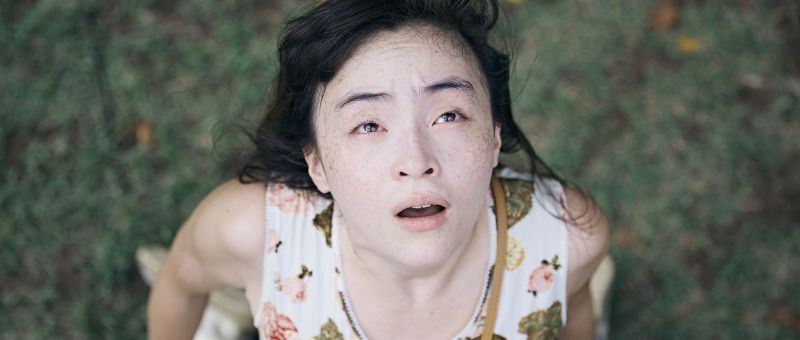
Maybe mankind wasn’t really supposed to live indoors. Miki (Serena Motola) has a job at an architectural firm that mainly seems to involve drawing straight lines with a ruler and pencil. Her boss praises her for her “distinctive” drawing style. Yet Miki seems out of place at the office, as if her consciousness were somewhere else and only her body physically present. She is mostly silent, and does not accompany her colleagues when they all head off for lunch, preferring a solitary bun which in itself leads her to a strange destination. 

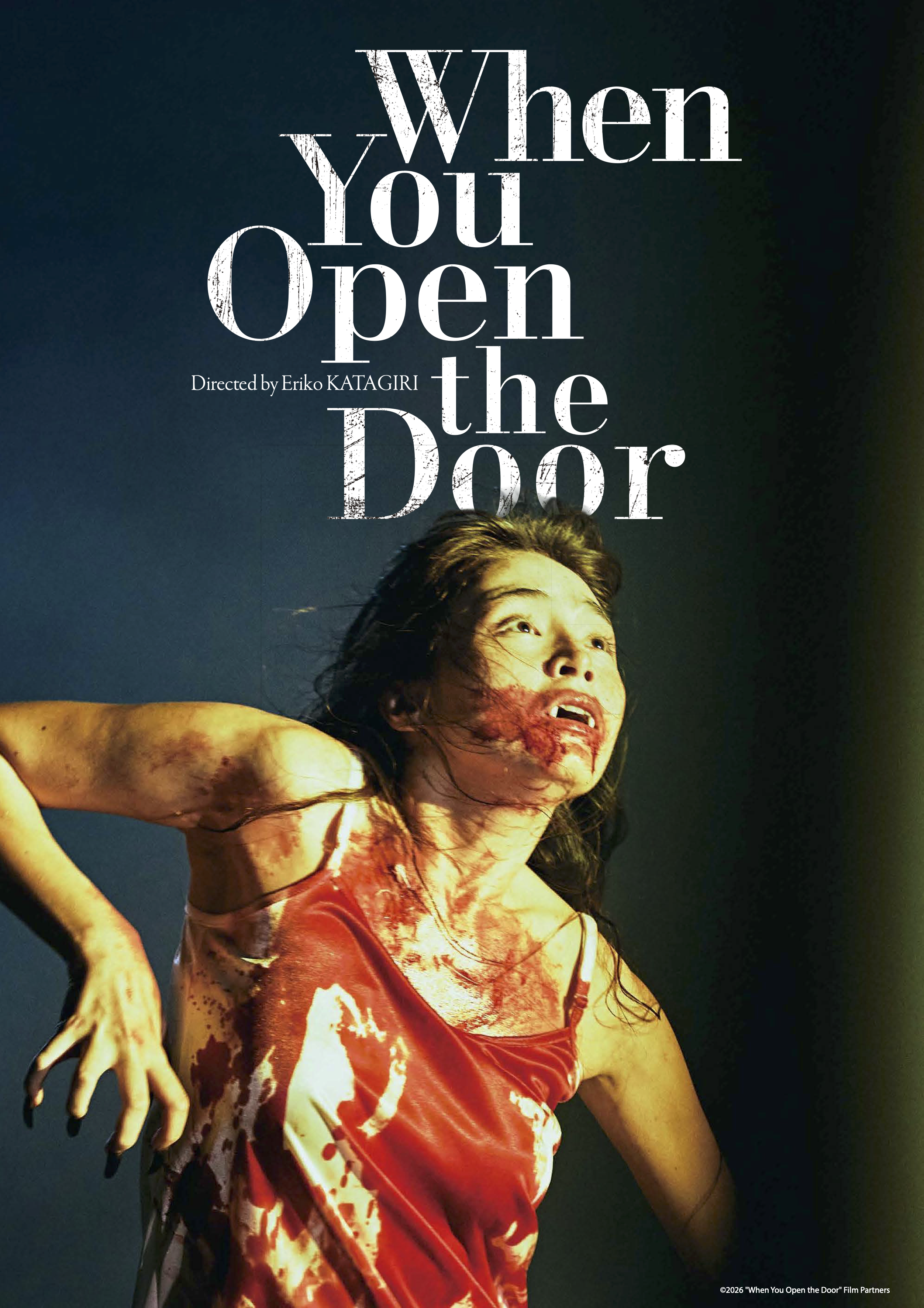
In Eriko Katagiri’s haunting drama When You Open the Door (とびらをあけたら, Tobira ow Aketara), it’s never quite clear how much is actually happening within an objective reality, and how much only inside Miki’s mind. She seems to be called back to the past and a childhood memory that is both comforting and nostalgic, but somehow ominous. Miki often appears to be slightly behind those around her, giving vague answers to questions after a long pause, such as when she tells her colleagues that the reason she’s late back from lunch is that she was bitten by a wolf. Her colleagues are confused, but they take what says at face value and set about trying to treat the “wound” though they can see no evidence of a wolf bite at the spot Miki points out. 

Nevertheless this “wolf bite”, echoing an incident in her childhood, seems to awaken something within her that has a deeper connection to the natural world. But this abrupt change in her character seems to worry her live-in boyfriend who explains that wolves are extinct in contemporary Japan. He takes her to a psychiatrist, but even he seems to entertain the idea that she is actually possessed by a wolf spirit. Meanwhile, this apparent possession introduces her to a community of older women, apparent devotees of an ascetic cult who howl at the moon in praise of “Toya-sama”. This secret society seems to offer her a refuge, a place where she can be supported by those like herself while communing with the natural world.

Her boyfriend’s desire to “cure” her is then perhaps an attempt to force her back into a more urban modernity and conventional femininity. Nevertheless, following the advice from the psychiatrist is in reality little different to the ascetic practice of the Itako spirit mediums who hid themselves away in caves without food and sleep in order to invite the wolf spirit in. His own lingering fear of abandonment seems to play a part in his isolation of her which also turns violent, while she in turn struggles with the decision of whether to open the door to whatever is waiting on the other side or spend her life in the comparative safety of a closed-off space.

But letting the wolf in, or perhaps out, also seems to return Miki more fully to the world. Though she is hungrier, devouring chicken drumsticks, she speaks less haltingly and has more to say. She seems to move with purpose and is no longer restricted to repeating conversations she’s had with others. Werewolves, a mother explains to her young son, look like people but eat human hearts. Perhaps this is what Miki has always been, but it’s not clear whether this is a largely metaphorical desire for human connection or romantic domination or a literally bloody act of dismemberment as implied by the fate of her childhood dolls.

Shadowy presences seem to pound on the walls of Miki’s consciousness requesting entry, and the film appears to take its cues from J-horror in exploring the pressing anxiety of darkened corners and lonely places while leaning in to darkness inherent in nature and things too ancient for us to fully understand. Even so, there is something quite captivating about the embracing of traditional female dance that brings about Miki’s transformation, engendering a liberation from the constraints of contemporary civility and acceptance of her authentic self as reflected back at her. Dream or reality, Miki’s consciousness seems to have undergone a change that leaves her happier, less alone, and more present if in what may be a purely subjective reality having learned to embrace her inner wolf.


When You Open the Door screened as part of this year’s Fantasia International Film Festival.
The Mutation (사랑의 탄생, Shin Su-won, 2025) [Fantasia 2026)

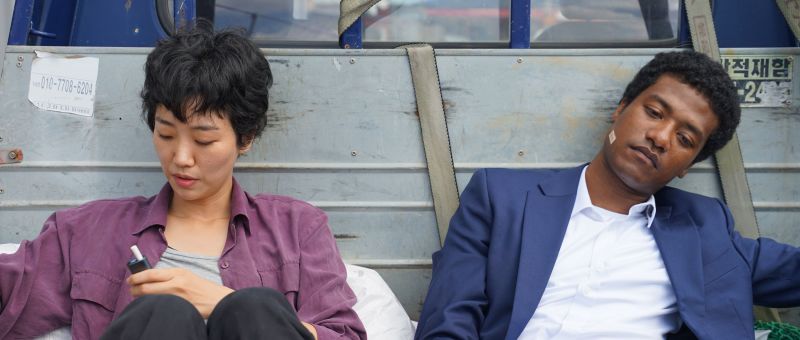
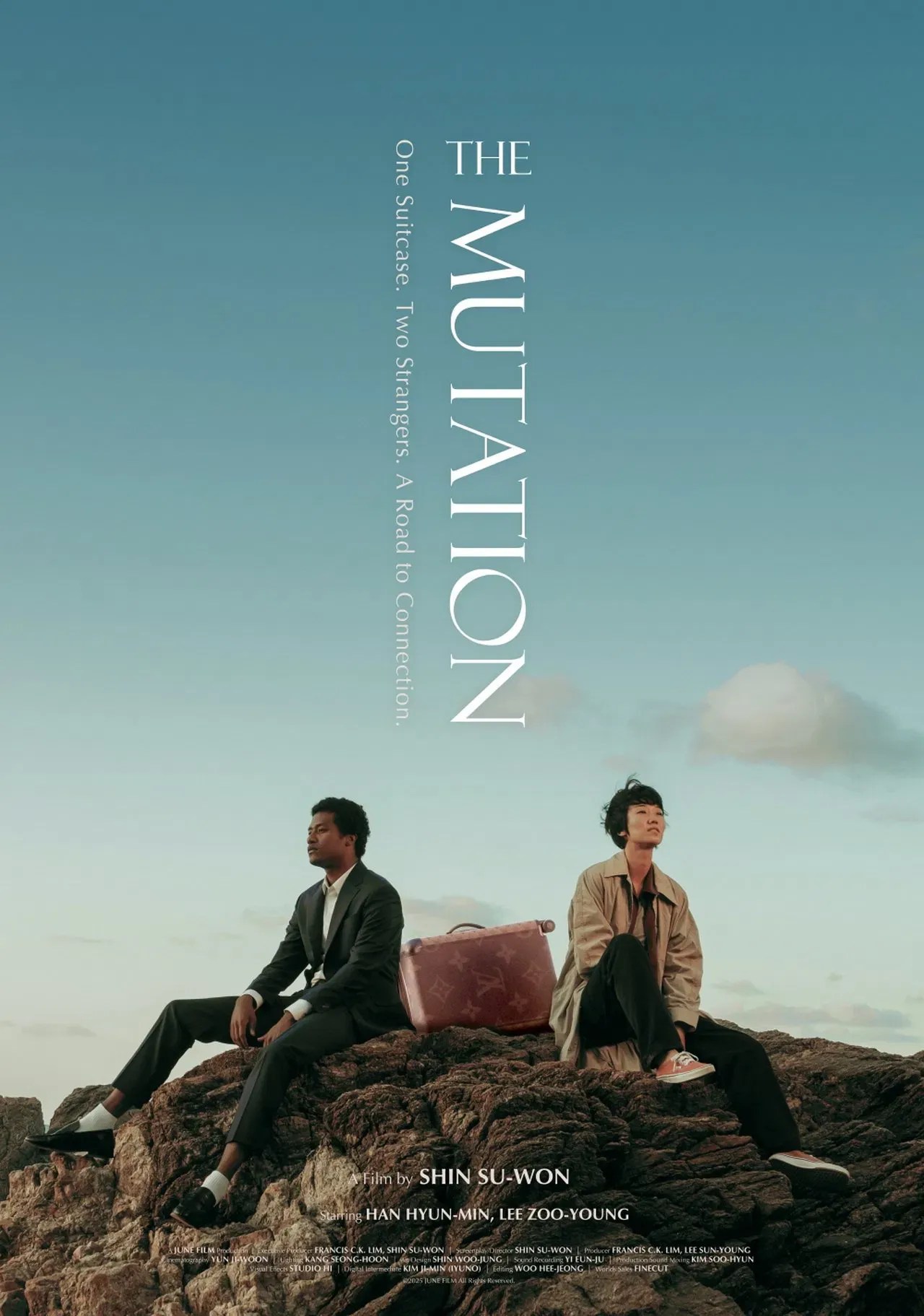
Two people largely excluded from mainstream society bond over a shared sense of loss and loneliness in Shin Su-won’s lighthearted road trip movie, The Mutation (사랑의 탄생). Though the English-language title may sound a little harsh, hinting at some kind of science fiction dystopia, the film is in other ways as the Korean title “The Birth of Love,” implies about self-acceptance and mutual solidarity among those that society has continues to other and reject.

The Korean title is quoted in each of the lives of the protagonists, Se-oh (Han Hyun-min), a man with dark skin who was born to two Korean parents, and Sora (Lee Zoo-young), a gay woman whose former partner took her own life after being pressured into a heteronormative marriage by her conservative mother. Se-oh has been rejected by his family as his father refuses to accept him as his son despite his mother’s assurance that she has remained faithful him. He tries asking an old friend of his mother’s for answers, but she tells him that what matters is only that he was born from love. Sora, meanwhile, discovers a letter written by her late partner Min-ji as a omechild that she titled “the birth of love” and recorded her growing feelings for a female classmate along with the fear that her parents would find out.

Sora’s difference is not visibly obvious in the way that Se-oh’s is, but she still finds that she is excluded from mainstream society. She says that she makes tables because they’re something to be shared rather than used selfishly, but it seems that few people are willing to come to hers despite her instructions to Se-oh that if he got a bigger table for his apartment people would soon come to sit around it. It does however signal her own openness and desire for connection, even if that desire is often rejected or goes unmet. After agreeing to accompany Se-oh on his trip, she too has somewhere she does not have the courage to go alone. On returning to the town where Min-ji lived, she discovers her mother being hassled in the market by a group of religious people who appear to be aware of exactly how her daughter died and why but berate her for not raising her “better”. Min-ji’s mother had thought that if she married, Min-ji would settle down and live a “normal” life, but in the end Min-ji could not live that way. Her mother is now filled with regrets wishing she had accepted her daughter for who she was despite what others may have said in their small and conservative town where the local pastor holds sway.

Min-ji’s mother did not tell Sora of her death for some time nor did she invite her to the funeral, hoping that no one would find out. Se-oh wasn’t invited to his mother’s funeral either and his name is conspicuously absent from the list of official mourners at the funeral hall. He is continually treated as an outsider as strangers automatically address him in English. It never occurs to them to someone who looks like him may have been born and raised in Korea and know no other language, and as such they reject his Koreanness. This has also meant that he has struggled to find employment and has been restricted to doing a series of precarious casual labour jobs, the latest of which is ironically playing the white tiger at a local amusement park. People like me better when I wear a mask, he says, which perhaps something Sora can also understand.

But she also says that Min-ji was the only person she ever knew who didn’t wear one, implying that it may not be possible to survive in this society as an authentic person without some kind of boundary between oneself and others. Nevertheless, through their gentle road trip, the pair begin to come to terms with the past and also with themselves in gaining a level of self-acceptance that allows them to move forward, together or apart. Warm and gentle in spirit, the film makes the most of its idyllic country settings while focusing on the simple power of human connection in the face of a world that can often be harsh and unforgiving of those it perceives to be somehow other.


The Mutation screened as part of this year’s Fantasia International Film Festival.
Trailer (English subtitles)

Break Free (オドレ!ヤクザ, Yu Nakamoto, 2026) [Fantasia 2026]

The yakuza as an institution has long been on the decline in Japan, if not on the brink of extinction, thanks to the various anti-organised crime laws that have come into play over the last few decades. The laws are so stringent that members of the yakuza are unable to open bank accounts, rent property, or even take out a mobile phone contract, making their daily lives almost impossible. Meanwhile, dwindling manpower and changing times have meant that the yakuza cannot make a living from its traditional lines of business and has to look for other ways to earn its keep.

It’s this very problem that’s plaguing the heroes of Yu Nakamoto’s warmhearted comedy Break Free (オドレ!ヤクザ, Odore! Yakuza!) who are all doing various other unsatisfying jobs such as working as takeaway delivery drivers, shopping mall mascots, or running low level romance scams online which seems like a more innocent nod to the reality that the actual yakuza’s main new line of business is scamming the elderly and vulnerable. Then again, most of them are really a little young to have joined the yakuza in its heyday and the film really takes place within the context of more recent straight-to-video yakuza movies. Though it makes frequent nods to the darker side of yakuza life, often for comic effect such as the silhouette of Kunio’s (Akio Fujii) colleague Yama (Shigeo Osako) beating a guy with a baseball bat appearing behind him as he shoots a dance video, our heroes are mainly good guys and hapless fools whose problem is that they can’t let go of their old lives nor can they adapt to the modern society.

The inability to get a legitimate phone is perhaps one reason why 38-year-old Kunio is completely unaware of social media and apps like “TikTak” that are dominated by dance videos. Another thing that yakuza really can’t do any more is harm a member of the public, which is why one slimy guy in a suit thinks it’s a good idea to try and show off to his girlfriend by taunting a yakuza knowing he can’t do anything to him. But Kunio unexpectedly fights back through the medium of improvisational street dance and goes viral for his pains. The clan begin to spot a new, less problematic line of business, but the plan is once again complicated by the fact that yakuza are technically banned from having accounts on those kinds of services as well appearing on television. Kunio, while still a yakuza, has to cosplay as one by pretending that the yakuza thing is just a gimmick to give his dance videos more of an edge. 

Deciding to hone his skills, he ends up in a dance class surrounded by little kids and run by a woman who used to be a backup dancer, but decided she liked teaching more and opened a school. In a way, this echoes Kunio’s journey. Marie’s decision to quit being a backup dancer wasn’t a moment of defeat but its opposite as she actively chose the kind of life she thought would suit her better. Kunio’s friend has already left the yakuza because he wanted to get married but didn’t want his girlfriend to become a gangster’s wife. He is still subject to some of the restrictions placed on yakuza so his life isn’t easy, but he makes a good living with his yakiniku restaurant and is very happy in his marriage. 

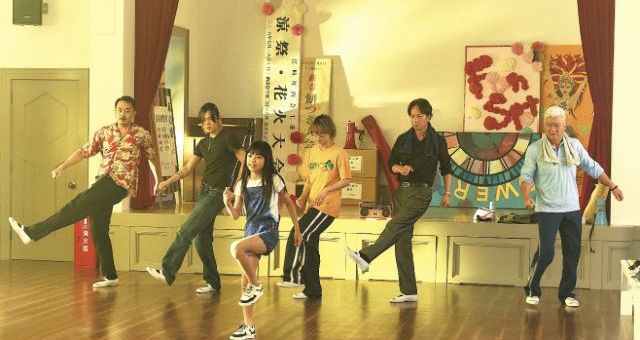
The pun of the English-language title refers to Kunio’s efforts to “break free” of the moribund yakuza world through the power of break dancing which not only reconnects him with the unfulfilled desires of his late brother but offers him a path to discovering his true self as he realises that in dance he’s finally found something he actually wants to do. Thanks to an unexpectedly supportive new community around him from Marie at the dance school to a pint-sized aspiring idol and veteran influencer Ririko, Kunio begins to see new possibilities for the future, but the yakuza proves harder to escape than one might first expect. Whether he can ever really “break free” remains to be seen, but even while otherwise imprisoned, dance can be liberating. Trading heavily on the incongruities of its concept, the film is nevertheless warmhearted and sympathetic of its gangster heroes who find themselves cast adrift in a world that no longer has much place for them.


Break Free screened as part of this year’s Fantasia International Film Festival.

Trailer (no subtitles)

Fantasia International Film Festival Confirms Complete 2026 Programme

The Fantasia International Film Festival returns for its 30th edition taking place once again in Montreal from July 16 to Aug. 2. As usual this year’s programme includes a host of new and classic features from East Asia:

China

Hong Kong

Indonesia

  • Levitating – Supernatural drama in which a young man dreams of becoming a shaman.
  • Sleep No More – Darky comic supernatural thriller from Edwin.

Japan

  • AnyMart – Bloody combini life satire starring Shota Sometani.
  • Beasts Clutching at Straws – Crime thriller directed by Hideo Jojo and adapted from the novel by Keisuke Sone previously adapted in Korea as Beasts Clawing at Straws.
  • Break Free – Zany comedy in which a yakuza’s tiktok dance goes viral.
  • Captured! – Quirky horror in which a young woman starts a horror blog only to find herself haunted for real.
  • Cherry and Virgin  – Animation exploring the relationship between a commercial illustrator and an erotic manga artist.
  • Cocoon – One Summer of Girlhood  – Animated adaptation of the manga by Machiko Kyo recounting the story of the Lily Corps during the Battle of Okinawa.
  • Gozu – Surreal gangster drama from Takashi Miike.
  • GROTESQQQUE – Three part anime anthology from Atsushi Nishigori. World Premiere.
  • The Mouths – Horror from Takashi Shimizu in which university friends investigate a haunted tree.
  • Nameless – A man who can kill with a seemingly invisible weapon goes on the rampage after being harangued by a religious woman in a cafe, leaving police and witnesses baffled in Hideo Jojo’s adaptation of the manga by actor and comedian Jiro Sato. Review.
  • Never After Dark – Horror from Dave Boyle following a spirit medium who guides wandering souls to the afterlife.
  • A New Dawn – Anime in which childhood friends reunite and two brothers face the closure of their family fireworks factory.
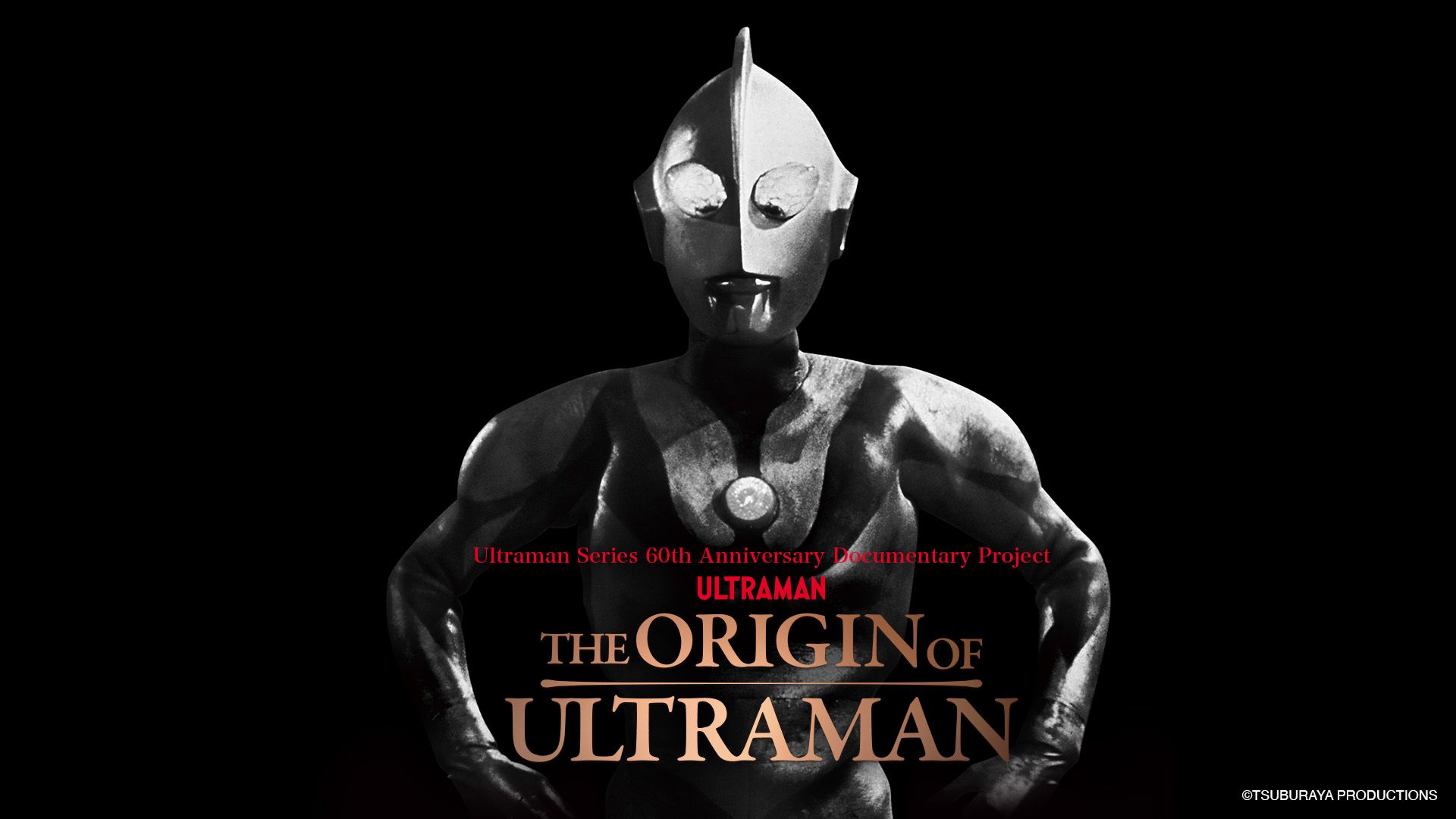
  • The Origin of Ultraman – Documentary exploring the origins of the classic tokusatsu series overseen by Hirokazu Koreeda.
  • Redline – Takeshi Koike’s classic 2009 racing-themed anime.
  • The Samurai and the Prisoner – Mystery period drama from Kiyoshi Kurosawa.
  • Sekiro: No Defeat – Anime set in the Sengoku era in which a ninja must rescue a kidnapped child.
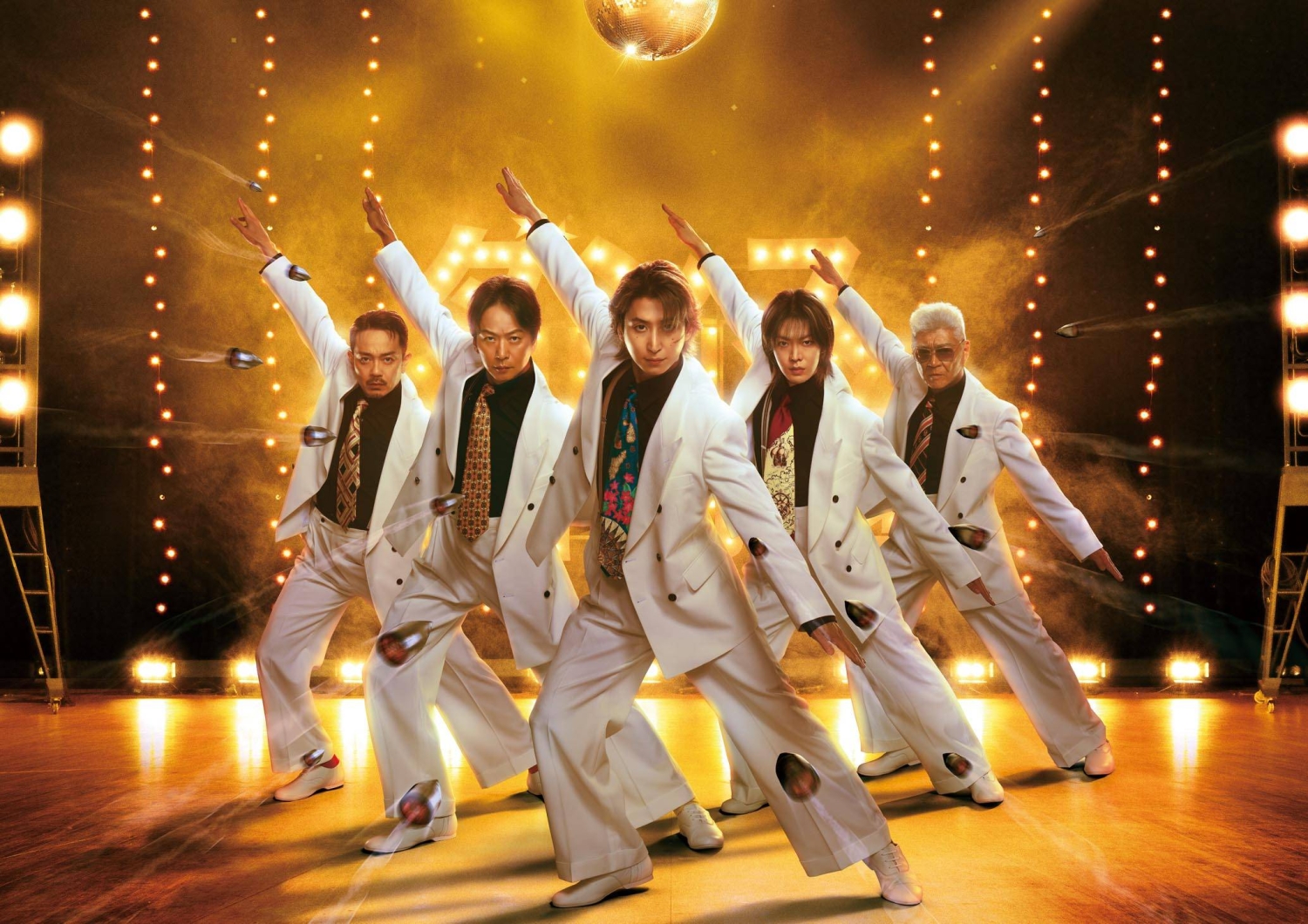
  • The Specials – Comedy from Eiji Uchida in which yakuza must post as a dance troupe to assassinate a rival.
  • Suzuki=Bakudan – Cat and mouse game between a mass bomber and a brainy policeman. Review.
  • TOKYO BURST: Crime City – Japanese spin-off of Ma Dong-seok’s Roundup series directed by Eiji Uchida.
  • Village of Eight Gravestones – Adaptation of the classic novel by Seishi Yokomizo directed by Takashi Shimizu.
  • When You Open the Door – Horror starring Serena Motola as a young woman drawn to a woodland shrine.
  • Wind Breaker – High school fighting drama from Kentaro Hagiwara.
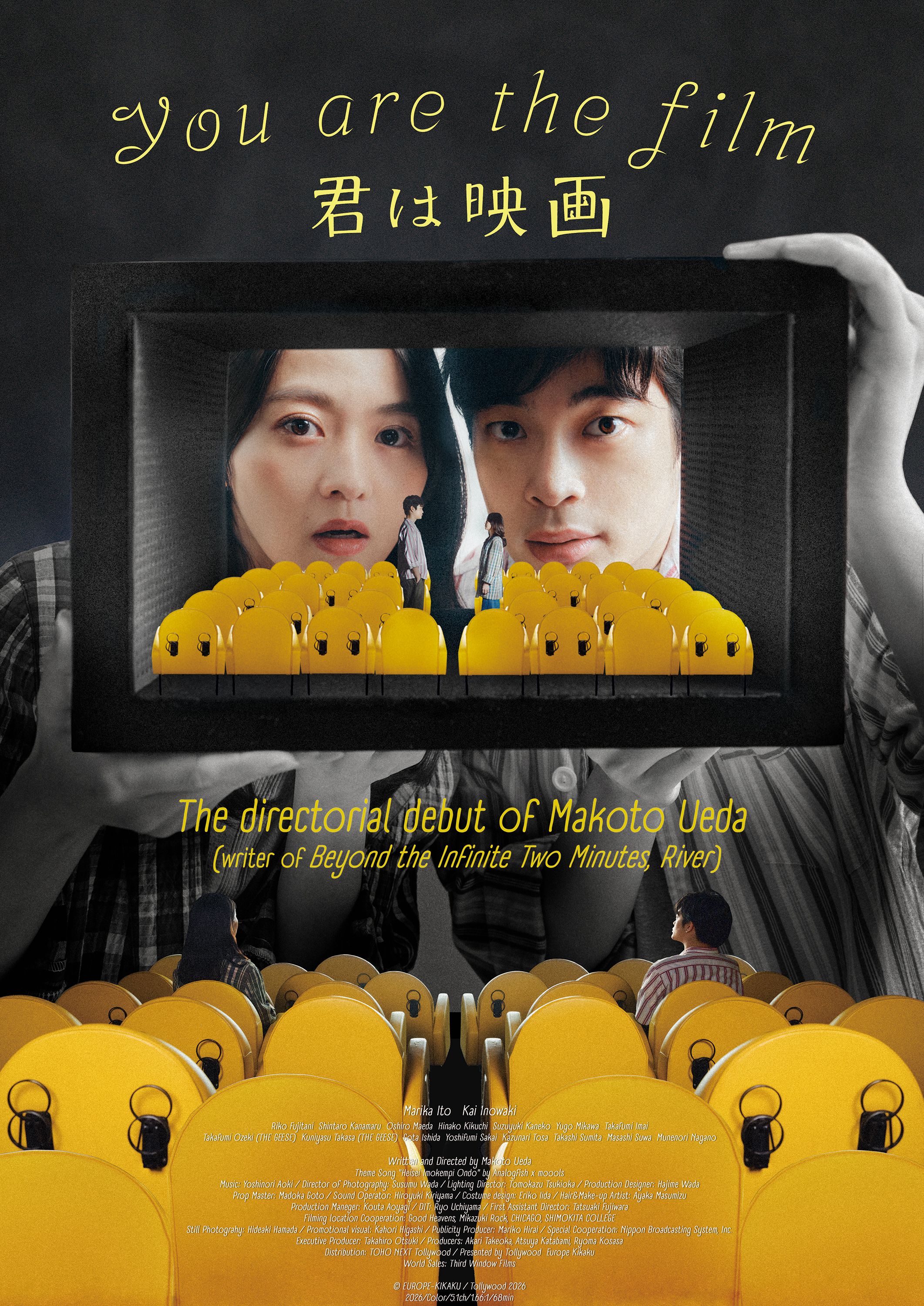
  • You Are the Film – Directorial debut from screenwriter Makoto Ueda in which a screenwriter and musician somehow end up watching each other’s experience on the big screen.

Philippines

  • Hayop Ka! – Steamy grown-up animation following the romantic adventures of a shopworker.
  • Zsazsa Zaturnnah – LGBTQ+ themed superhero animation.

South Korea

  • Colony – Latest from Yeon Sang-ho in which a professor is trapped in a building with a mysterious virus.
  • The Eyes – Korean take on Julia’s Eyes.
  • The Journey to Gyeong-Ju – A mother sets out to get revenge against the man who killed her youngest child.
  • The Mutation – A man discriminated against because of his skin colour and a gay woman whose partner took her own life after being forced into a heterosexual marriage embark on a road trip.
  • Niko – A broke screenwriter suddenly disappears in Seoul.
  • The Seoul Guardians – Documentary focusing on Yoon Suk-yeol’s declaration of martial law.
  • Tristes Tropiques – Children trained to be assassins turn against each other in this action thriller from Park Hoon-jung.

Taiwan

Thailand

  • God Skin – A desperate young man agrees to fight in a tournament in which rich people can send booster shots to their favourite players through VR tattooes.

Vietnam

The Fantasia International Film Festival runs in Montreal, Canada, July 16 to Aug 2. Full details for all the films along with scheduling and ticketing information are available via the official website, and you can also keep up with all the latest news via the festival’s Facebook pageBlueskyInstagram, and Vimeo channels.