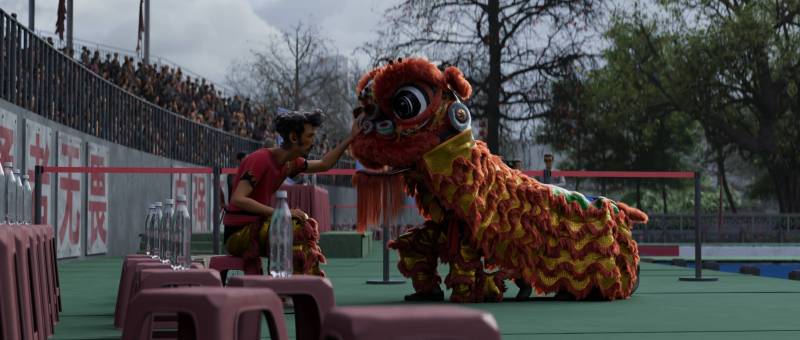
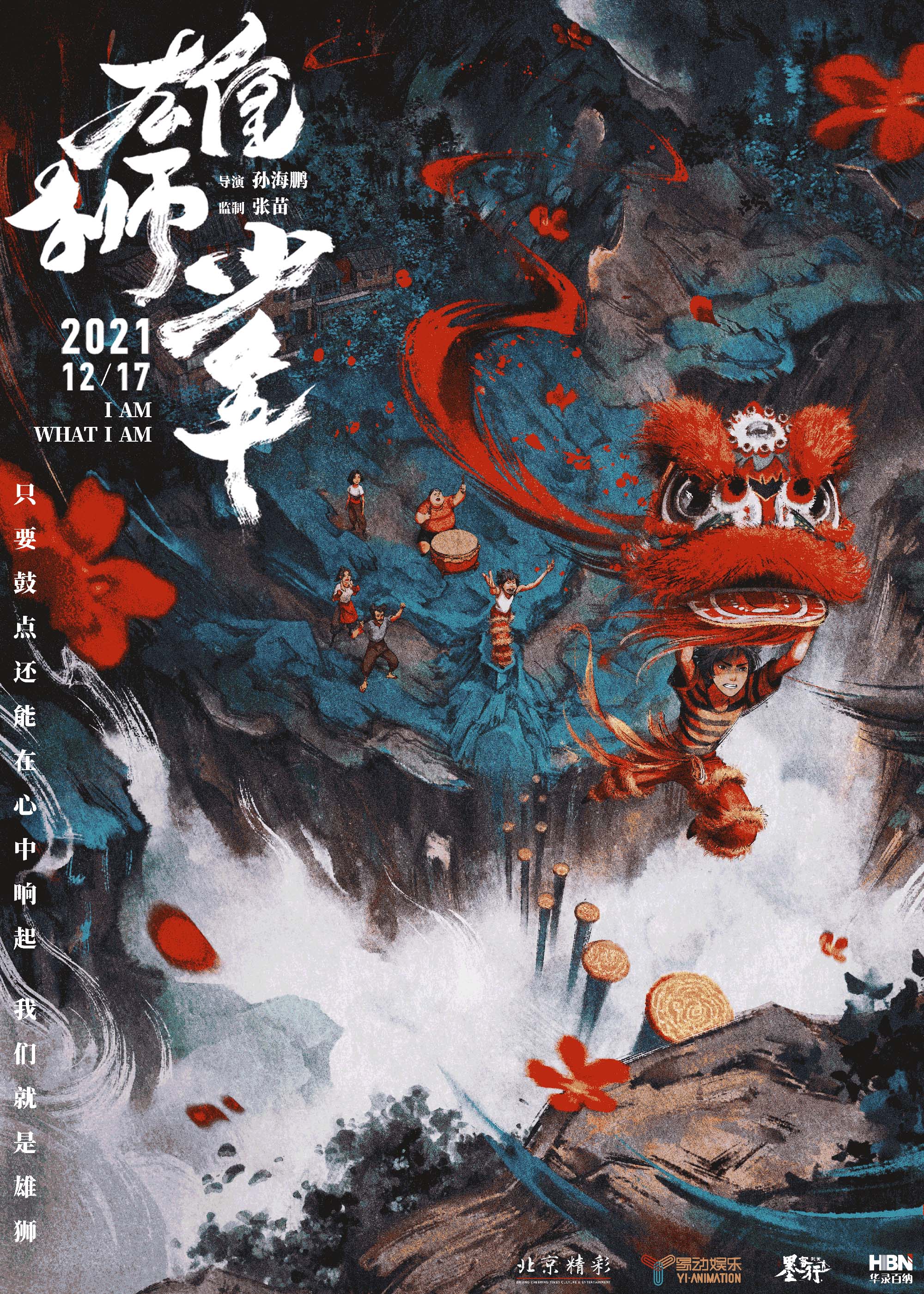
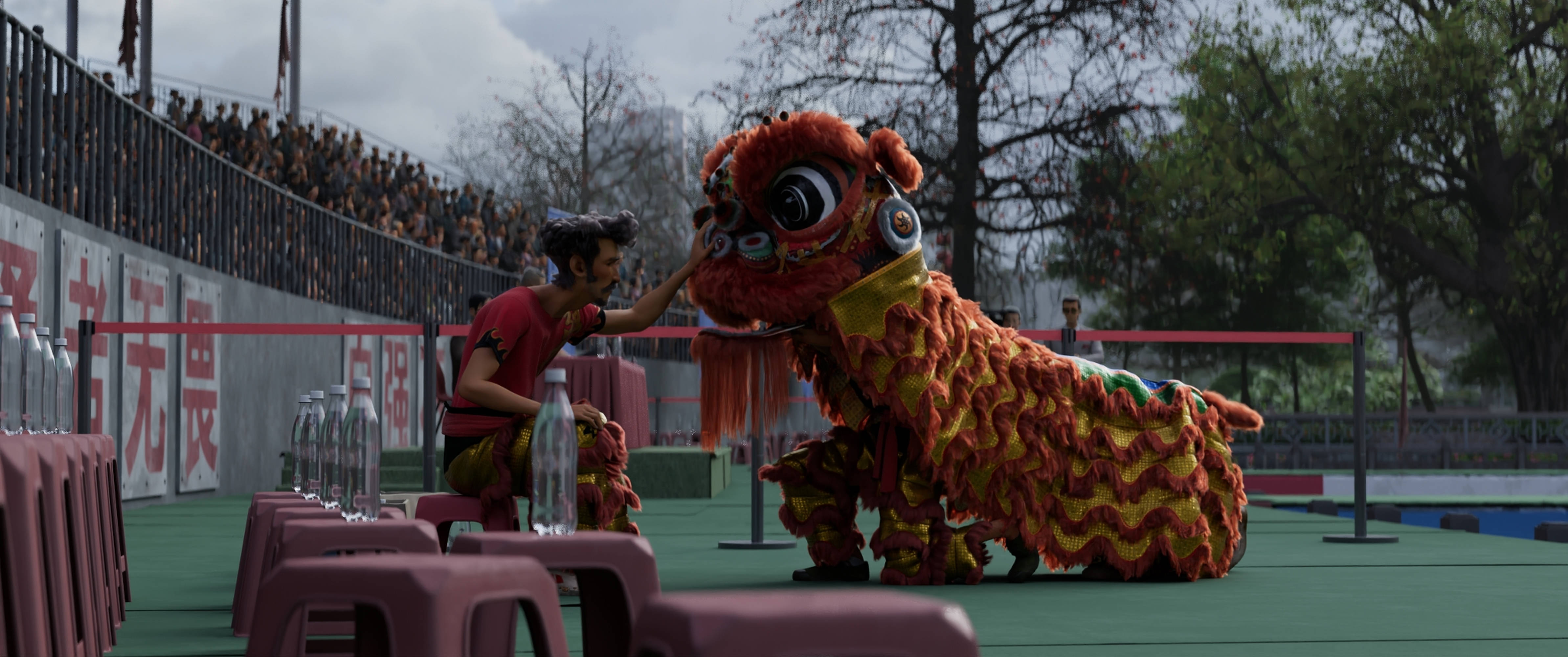
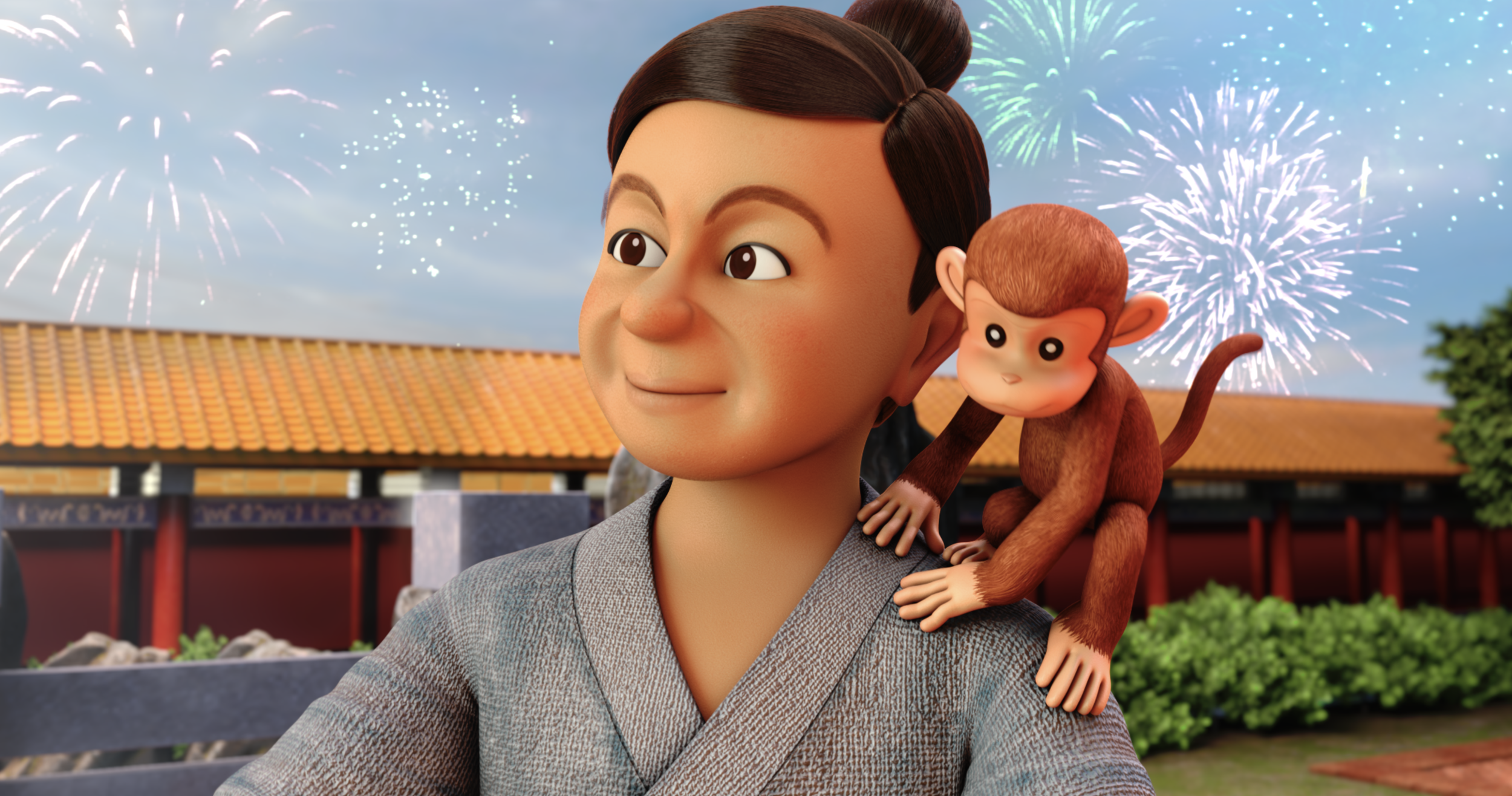
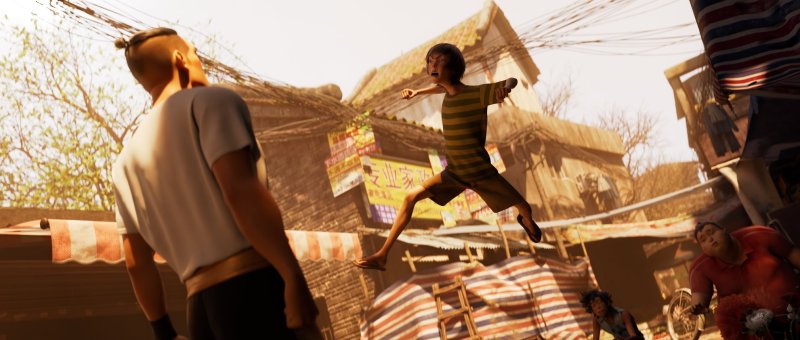
A diffident young man learns to unleash the lion inside while battling the fierce inequality of the modern China in Sun Haipeng’s heartfelt family animation, I Am What I Am (雄狮少年, xióngshī shàonián). With its beautifully animated opening and closing sequences inspired by classic ink painting and the enormously detailed, painterly backgrounds, the film is at once a celebration of tradition and advocation for seizing the moment, continuing to believe that miracles really are possible even for ordinary people no matter how hopeless it may seem.
The hero, Gyun (Li Xin), is a left behind child cared for by his elderly grandfather and it seems regarded as a good for nothing by most of the local community. Relentlessly bullied by a well built neighbour who is also a talented lion dancer, Gyun finds it impossible to stand up for himself but is given fresh hope by a young woman who makes a dramatic entrance into the village’s lion dance competition and later gifts him her lion head telling him to listen to the roar in his heart.
The young woman is presented as an almost spiritual figure embodying the lion dance itself, yet later reveals that her family were against her practicing the traditional art because she is female exposing the persistent sexism at the heart of the contemporary society. Gyun’s heart is indeed roaring, desperately missing his parents who were forced to travel to the city to find work while leaving him behind in the country hoping to earn enough for his college education. Part of the reason he wants to master the art of the lion dance is so that he can travel to the city where his parents can see him compete, while privately like his friends Kat and Doggie he may despair for his lack of options stuck in his small hometown.
But even in small towns there are masters of art as the boys discover when directed to a small dried fish store in search of a once famous lion dancer. Perhaps the guy selling grain at the market is a master poet, or the local fisherman a talented calligrapher, genius often lies in unexpected places. Now 45, Qiang (Li Meng) is a henpecked husband who seems to have had the life-force knocked out of him after being forced to give up lion dancing in order to earn money to support his family, but as the film is keen to point out it’s never really too late to chase a dream. After agreeing to coach the boys, Qiang begins to reclaim his sense of confidence and possibility with even his wife reflecting that she’s sorry she made him give up a part of himself all those years ago.
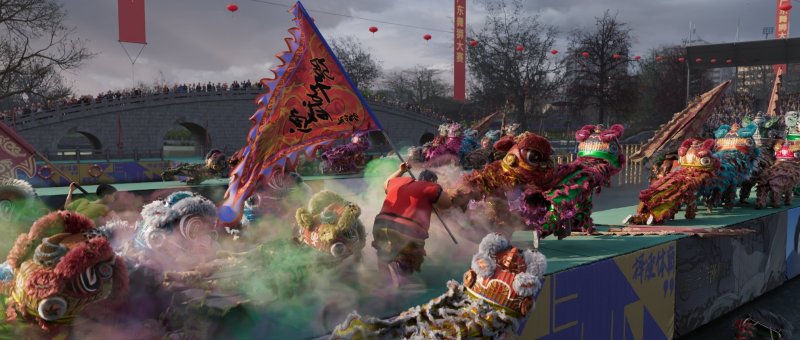
Then again, Gyun faces a series of setbacks not least when he’s forced to travel to the city himself in search of work to support his family taking his lion mask with him but only as an awkward burden reminding him of all he’s sacrificing. Taking every job that comes, he lives in a series of squalid dorms and gradually begins to lose the sense of hope the lion mask granted him under the crushing impossibility of a life of casual labour. The final pole on the lion dance course is there, according to the judges, to remind contestants that there are miracles which cannot be achieved and that there will always be an unreachable peak that is simply beyond them. But as Gyun discovers sometimes miracles really do happen though only when it stops being a competition and becomes more of a collective liberation born of mutual support.
In the end, Gyun can’t exactly overcome the vagaries of the contemporary society, still stuck in a crushing cycle of poverty marked by poor living conditions and exploitative employment, but he has at least learned to listen to himself roar while reconnecting with his family and forming new ones with friends and fellow lion dancers. While most Chinese animation has drawn inspiration from classic tales and legends, I Am What I Am roots itself firmly in the present day yet with its beautifully drawn backgrounds of verdant red forests lends itself a mythic quality while simultaneously insisting that even in the “real” world miracles can happen even for lowly village boys like Gyun when they take charge of their destiny not only standing up for themselves but for others too.
Asian Pop-Up Cinema returns for its 15th season in cinemas across Chicago with selected films streaming to homes across the US from Sept. 10 to Nov. 6. Each weekend will be dedicated to a specific region including: China (Sept.10 -16), Japan (Sept. 17 – 23), South Korea (Sept. 24 – Oct. 2), Taiwan (Oct. 22 – 23) and Hong Kong (Oct. 29 – Nov. 6) while this season’s Bright Star Awards go to Hong Kong actress Jennifer Yu and Korean actor Jeong Jae-kwang who will each be appearing in person before screenings of their respective films.
China
(September 10-16, Claudia Cassidy Theater & AMC New City 14)
Claudia Cassidy Theater, Chicago Cultural Center (78 E. Washington St., Chicago)
Documentary focusing on 12 artisans trying to keep traditional folk arts alive in contemporary Suzhou.
Official Opening Film
Saturday, September 10, 2 PM: I Am What I Am, (雄獅少年, Sun Hai-peng, 2021)
Claudia Cassidy Theater, Chicago Cultural Center (78 E. Washington St., Chicago)
Animation from Sun Hai-Peng set in rural Guangdong and following left behind teen Gyun who develops a fascination with traditional lion dance and sets off with two friends to find a lion dancing master.
September 10-16 Streaming available for U.S. views @ watch.eventive.org/apuc15
Drama in which a man returns from the city to his rural hometown to introduce his girlfriend in the hope that his mother will stop trying to arrange marriages for him but is fraught with anxiety as the woman he loves has been married before.
The owner of an electronics store keen to shake off his family’s legacy of disgrace because of an ancestor’s treachery selling a precious artefact to the Japanese is drawn swept into intrigue when the relic is returned.
Japan
(September 17 – 23, Wilmette Theater, 1122 Central Ave., Wilmette, IL)
Japan Cinema Showcase special host: Mark Schilling, author/critic of Japan Times
Saturday, September 17, 2pm: Noise (ノイズ, Ryuichi Hiroki, 2022)
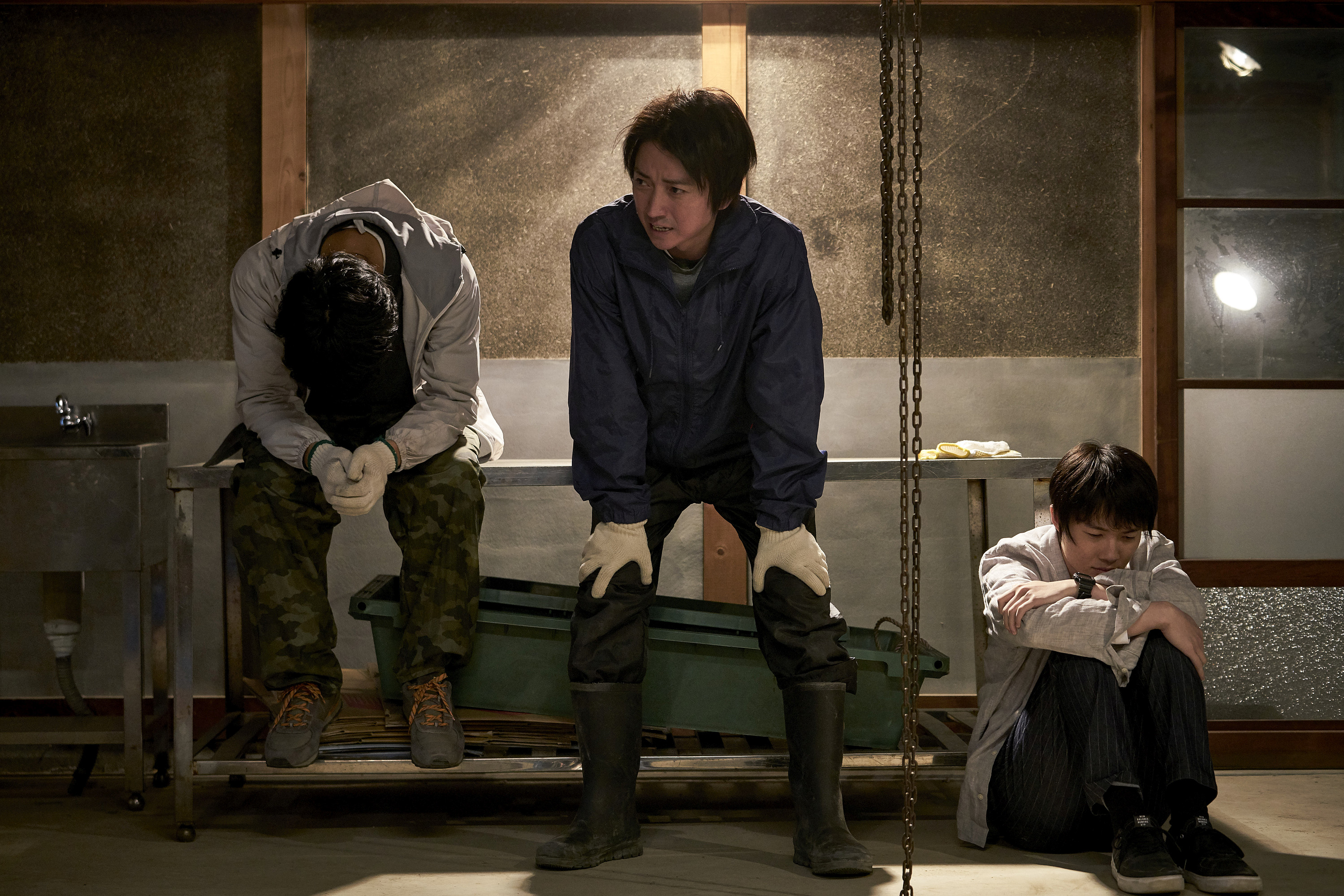
Darkly comic thriller from Ryuichi Hiroki in which the previously close relationship between three childhood friends is strained when they find themselves trying to cover up a murder. Review.
Saturday, September 17, 4:30 PM: Alivehoon (アライブフーン, Ten Shimoyama)
Drift racing drama supervised by Keiichi Tsuchiya in which a shy, introverted gamer is scouted by a team on the verge of shutting down.
Sunday, September 18, 2 PM: Popran (ポプラン, Shinichiro Ueda, 2022)
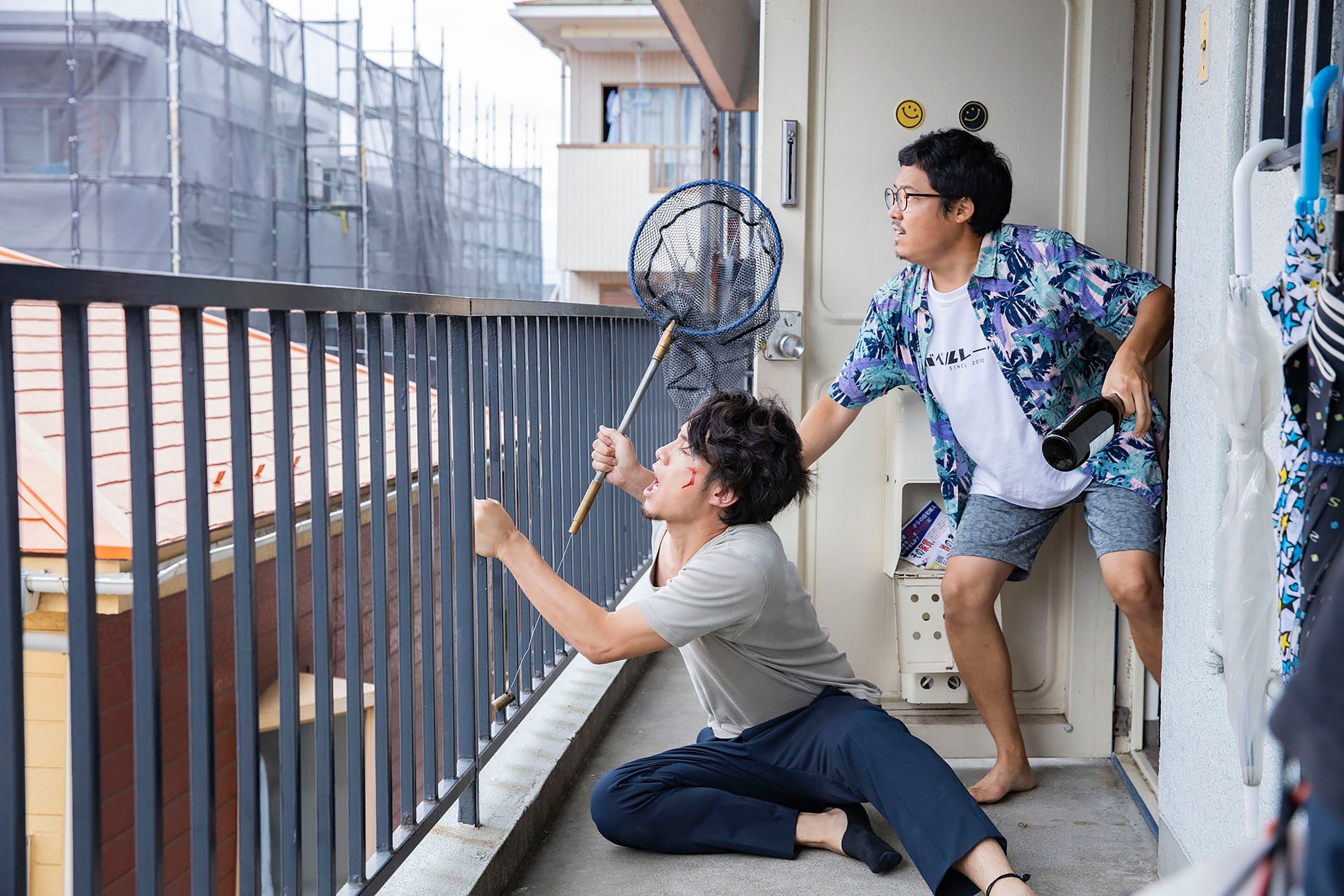
A self-involved CEO gets a course correction when his genitals suddenly decide to leave him in Shinichiro Ueda’s surreal morality tale. Review.
Sunday, September 18, 4:30 PM: The Fish Tale (さかなのこ, Shuichi Okita, 2022)
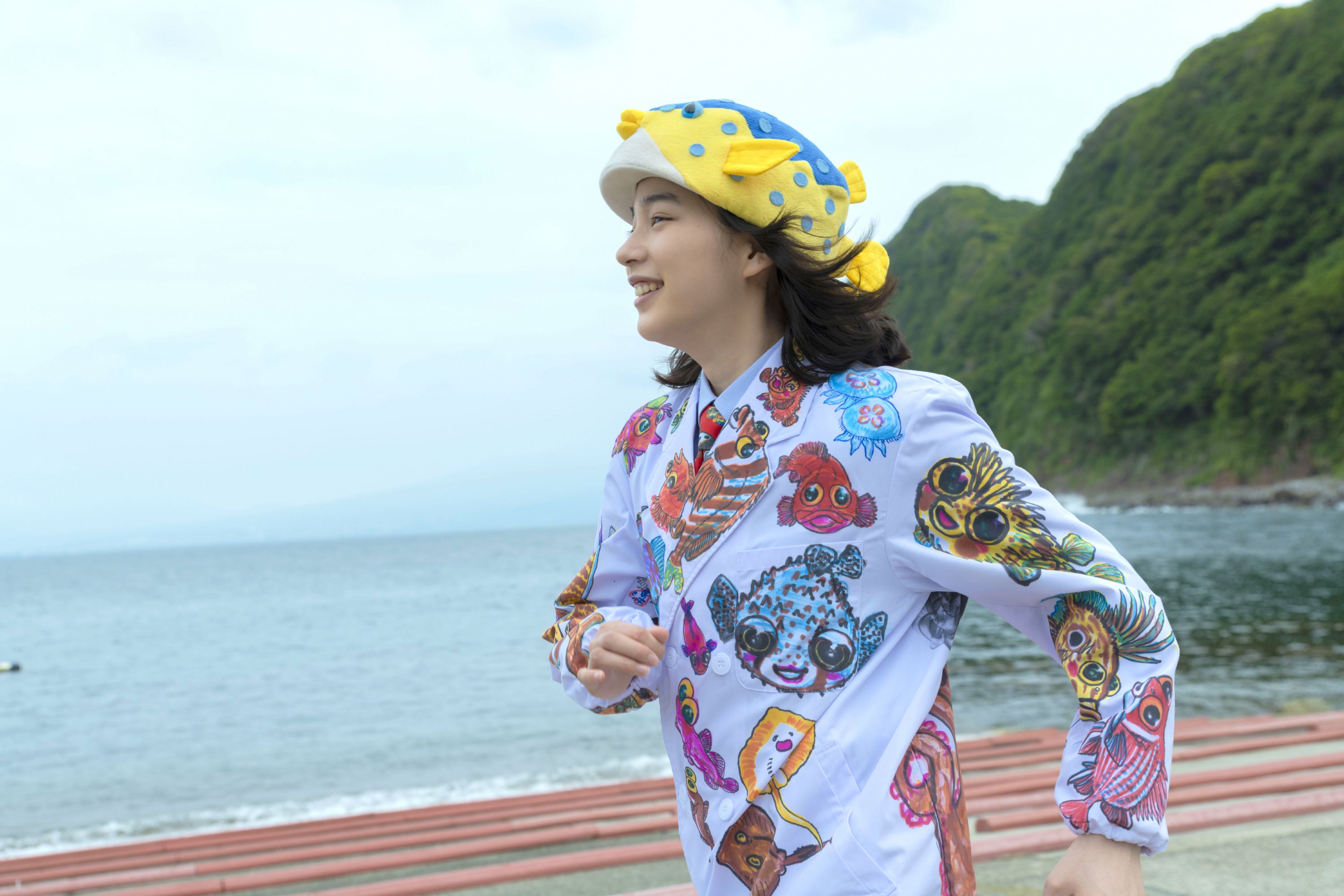
The infinite enthusiasm of a fish obsessive gradually brightens the world around them in Shuichi Okita’s charming portrait of an eccentric. Review.
September 17-23 Streaming available for U.S. views @ watch.eventive.org/apuc15
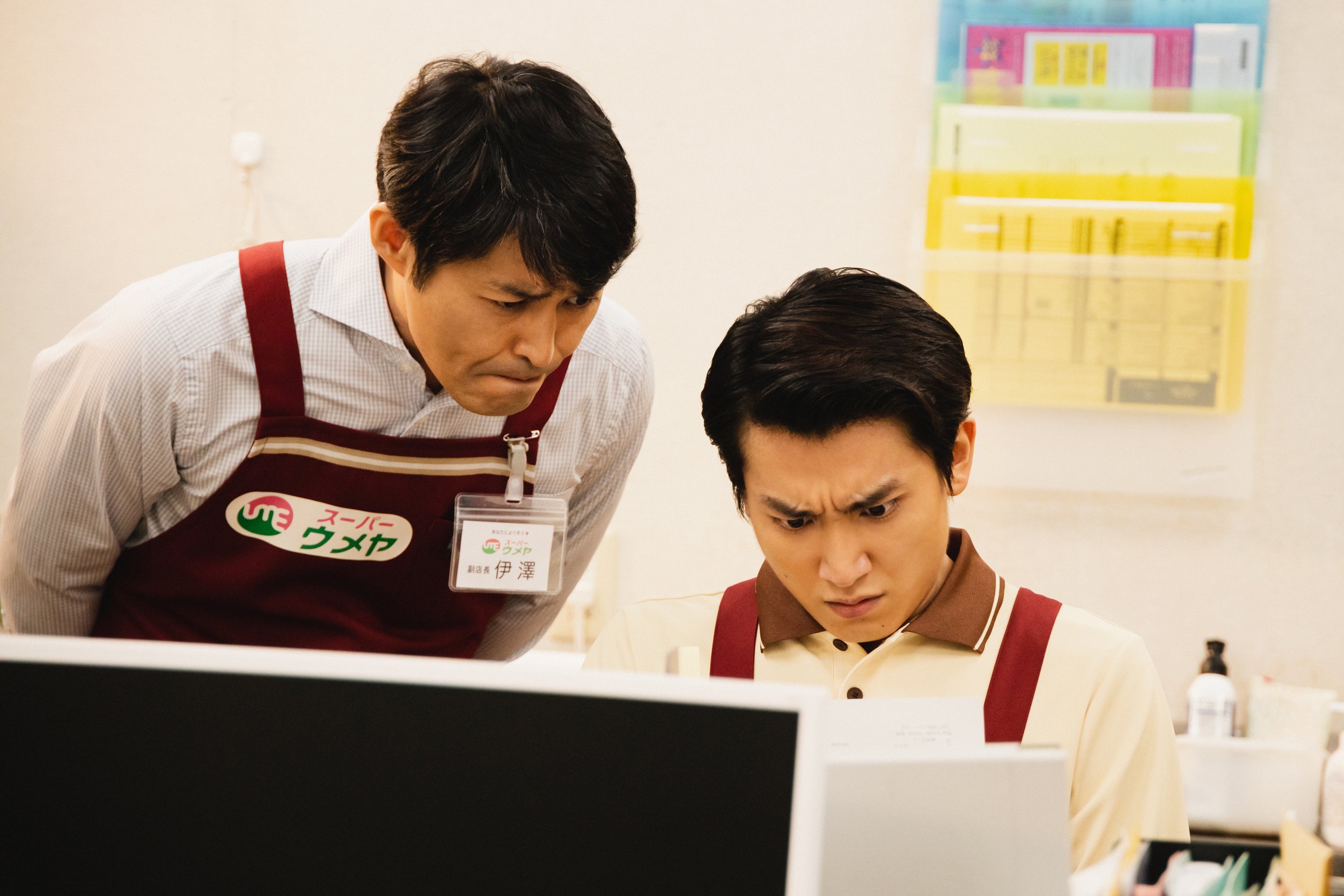
A veteran employee of a grocery store finds his life disrupted when his manager dies and HQ sends in an executive to replace him while his eldest daughter’s engagement shakes the foundations of his family life.
South Korea
(September 24 – October 2, AMC Niles 12, (301 Golf Mill Center, Niles, IL)
Saturday, September 24, 2:30 PM: Fairy (요정, Shin Tack-su, 2021)
A pair of cafe owners who got married but decided to continue running separate cafes experience a mysterious uptick in business after they hit a boy with their car and decide to keep in their house to cover up the crime.
Saturday, September 24, 4:30 PM: Mother’s Place (엄마의 자리, Ryu Hee-jung, 2022)
A young girl’s concept of family is undermined when her mother and step-father are killed in an accident but the relatives refuse to let them be buried together.
A location manager is faced with a difficult situation when she realises the director of the latest film she’s working on is the hometown boyfriend of her youth.
Sunday, September 25, 4:30 PM: Not Out (낫아웃, Lee Jung-gon, 2021)
Actor Jeong Jae-kwang will be appearing in person to pick up his Bright Star Award.
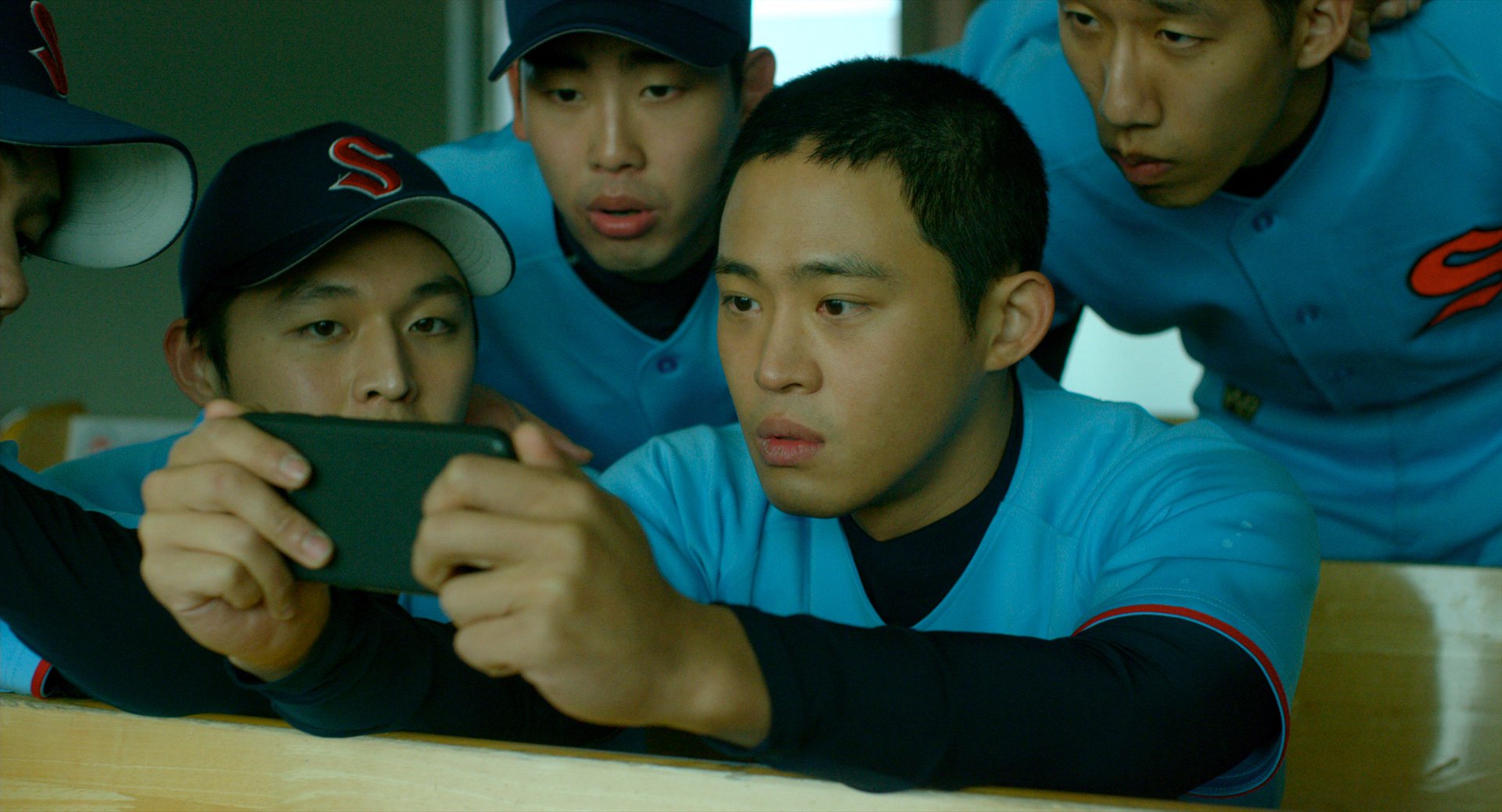
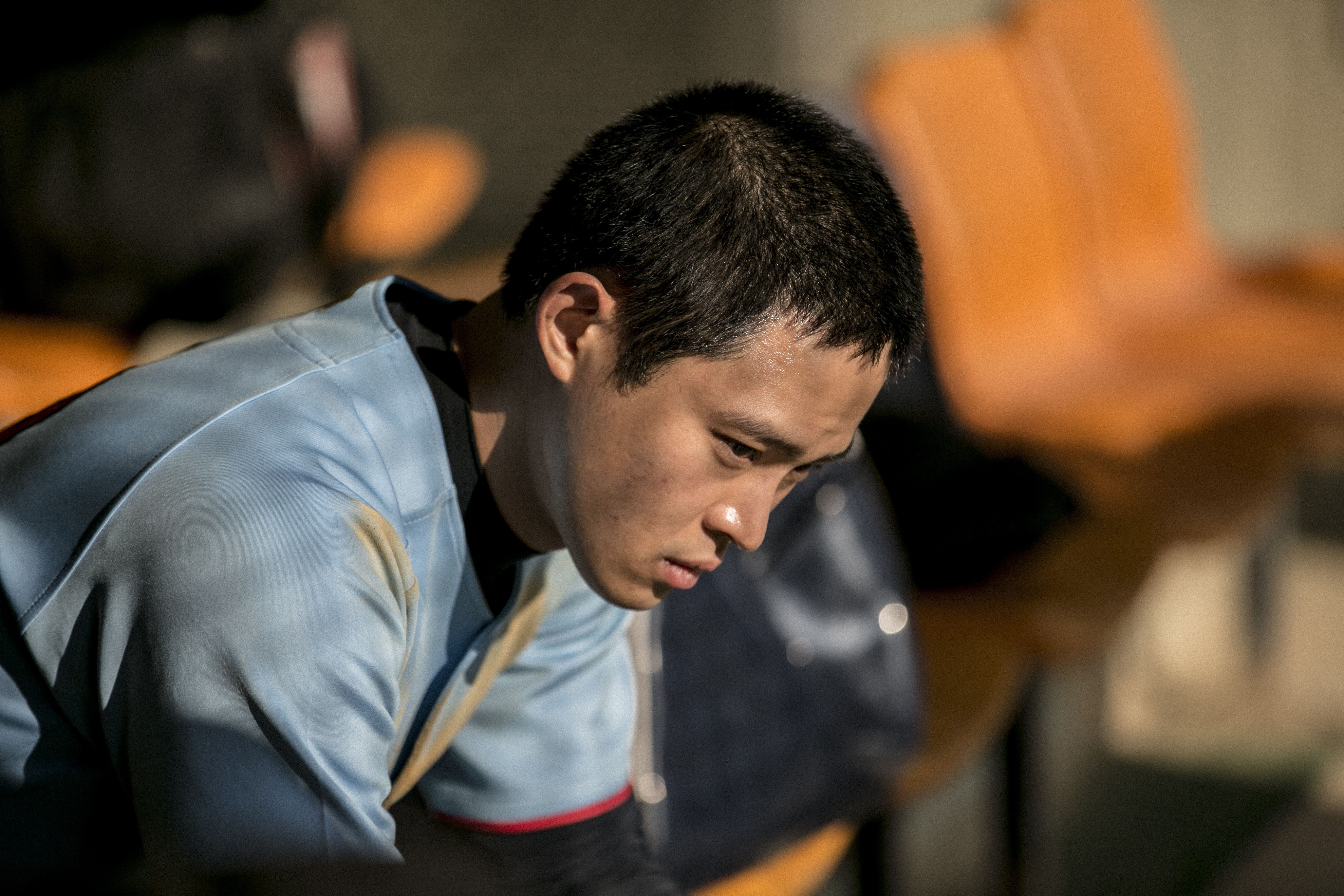
A young man goes to drastic lengths to make his baseball dreams come true in Lee Jung-gon’s unexpectedly dark character study. Review.
Saturday, October 1, 2:30 PM: Chorokbam (초록밤, Yoon Seo-jin, 2021)
A small family contend with the persistent unfairness of the contemporary society in Yoon Seo-jin’s slow burn indie drama. Review.
Saturday, October 1, 4:30 PM: My Perfect Roommate (룸 쉐어링, Lee Soon-sung, 2022)
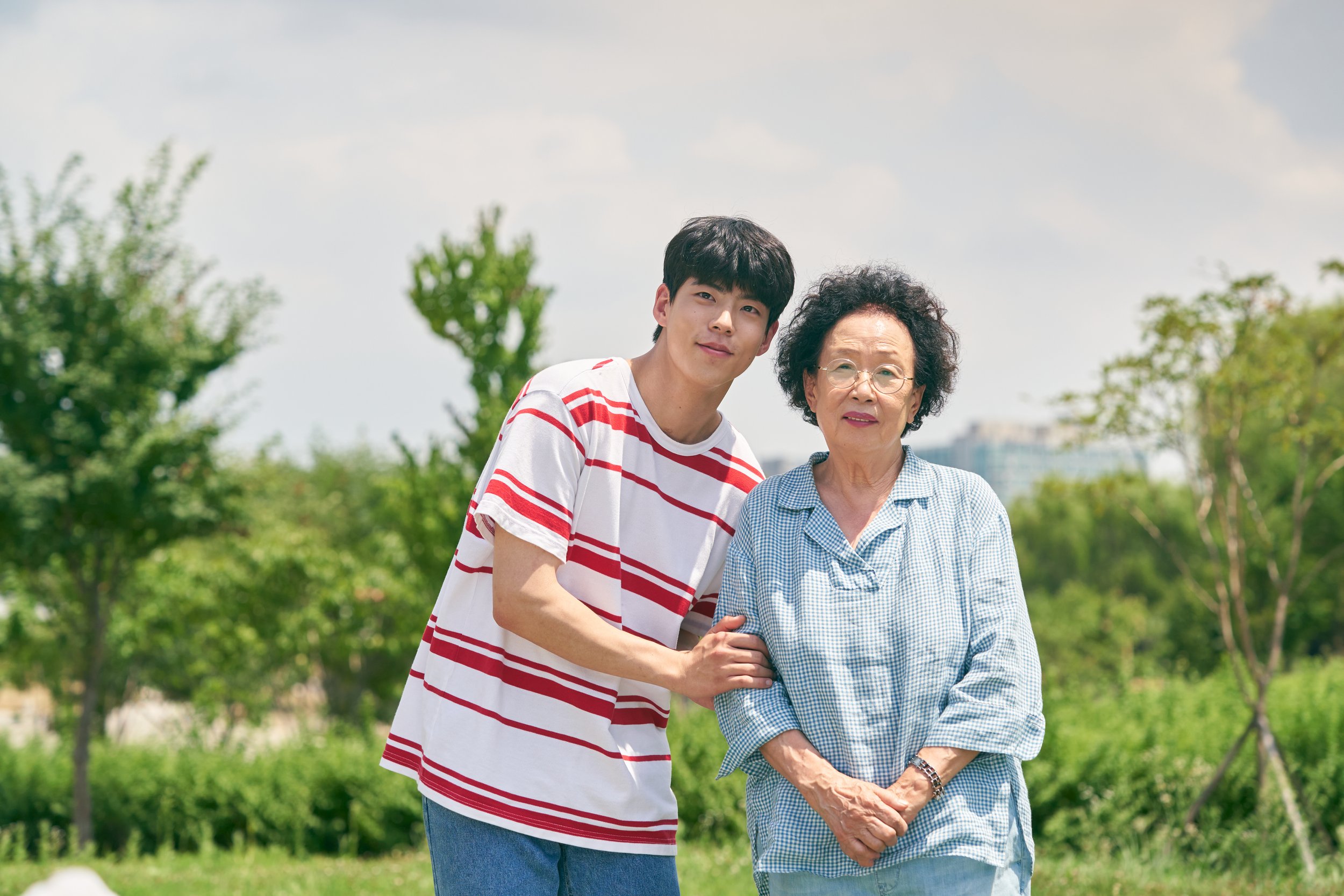
A kind young student and grumpy granny eventually discover a new sense of familial comfort after living together as part of a house sharing programme in Lee Soon-sung’s heartwarming drama.
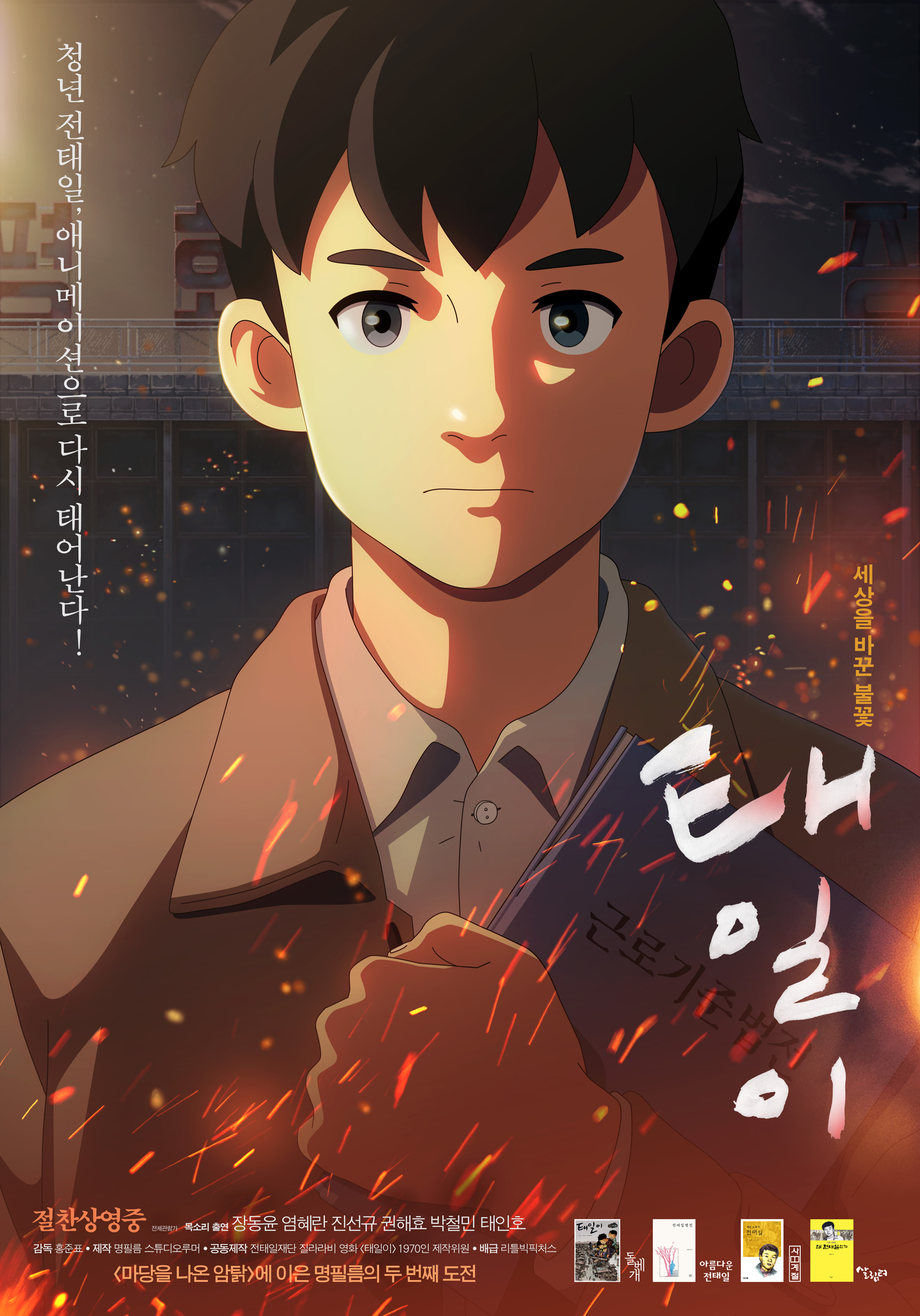
Animated biopic of labour activist Chun Tae-il who took his own life through self-immolation in protest against the failure to enforce existing labour law or protect workers from unhealthy and exploitative conditions. Review.
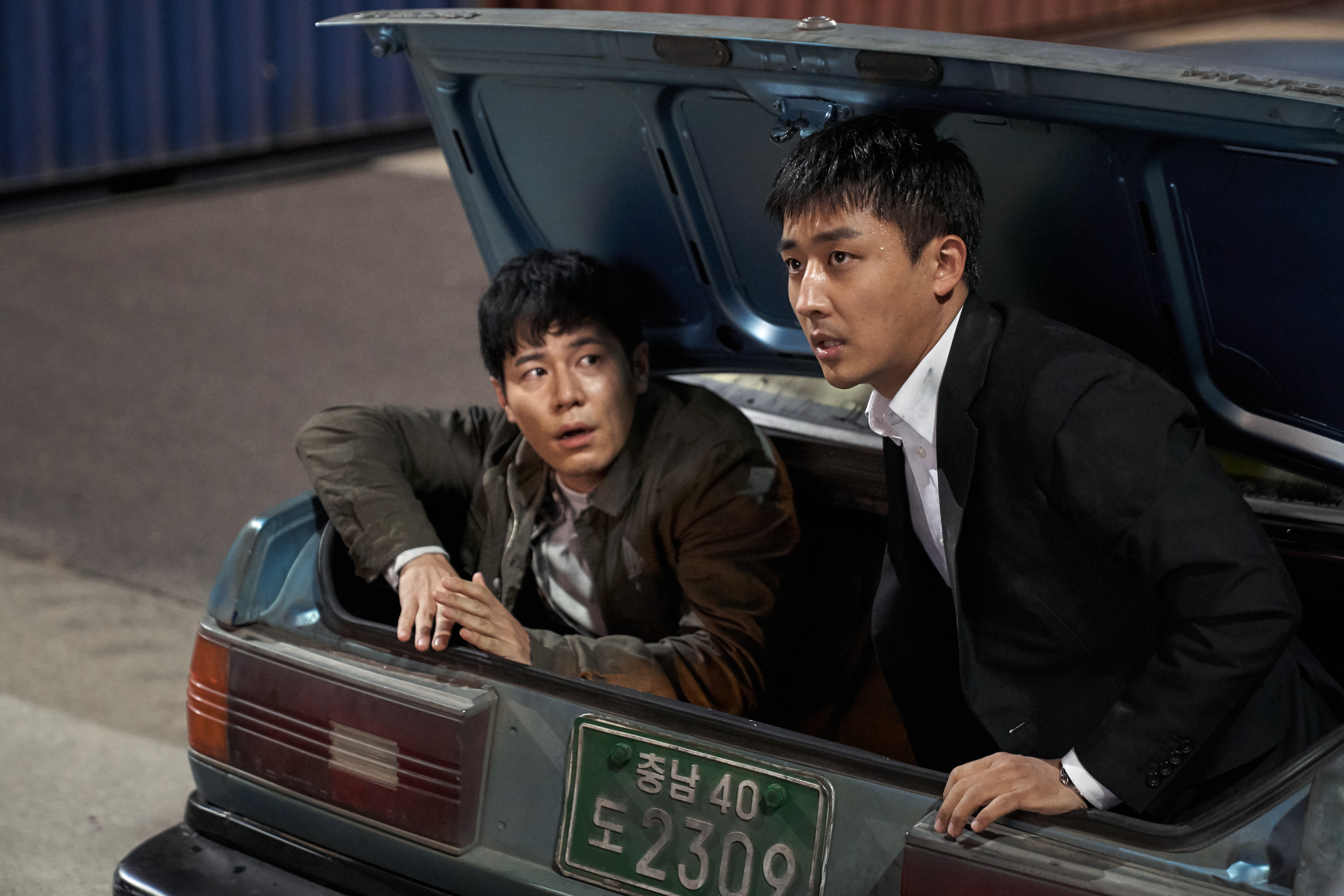
A cynical man makes peace with his father’s memory while driving his possibly haunted and very rundown Hyundai Stellar in Kwon Soo-kyung’s charmingly quirky road movie. Review.
Taiwan
(October 22-23, Illinois Institute of Technology, Tower Auditorium, 10 W. 35th St., Chicago)
A small boy begins to process grief and loss while searching for nightmare-eating tapirs in Kethsvin Chee’s charmingly retro fantasy adventure. Review.
Saturday, October 22, 4:30 PM: Chen Uen (千年一問, Wang Wan-jo, 2021)
Using a mix of interviews and animatics, Wang’s elegantly lensed documentary presents an enigmatic picture of the legendary pioneer of Taiwanese comics. Review.
Sunday, October 23, 2:30 PM: Shiro – Hero of Heroes (諸葛四郎 – 英雄的英雄, Lin Yu-chun & Chuang Yung-hsin, Liu Yu-shu, 2022)
Family animation inspired by the classic Taiwanese comic book JhugeShiro in which the Demon Society is after the Dragon and Phoenix sword leaving the hero, Shiro, to protect both the swords and the princess from the evil Ping.
An alienated teen finds a place to belong in Trash City only to instantly betray his new paradise in Yee Chin-Yen’s inspirational family animation. Review.
Hong Kong
(October 29 – November 6, FACETS Cinema and AMC New City 14).
Saturday, October 29, 2:30 PM: The Narrow Road (窄路微麈, Lam Sum, 2021)
AMC New City 14, 1500 N Clybourn Ave, Chicago, IL 60610
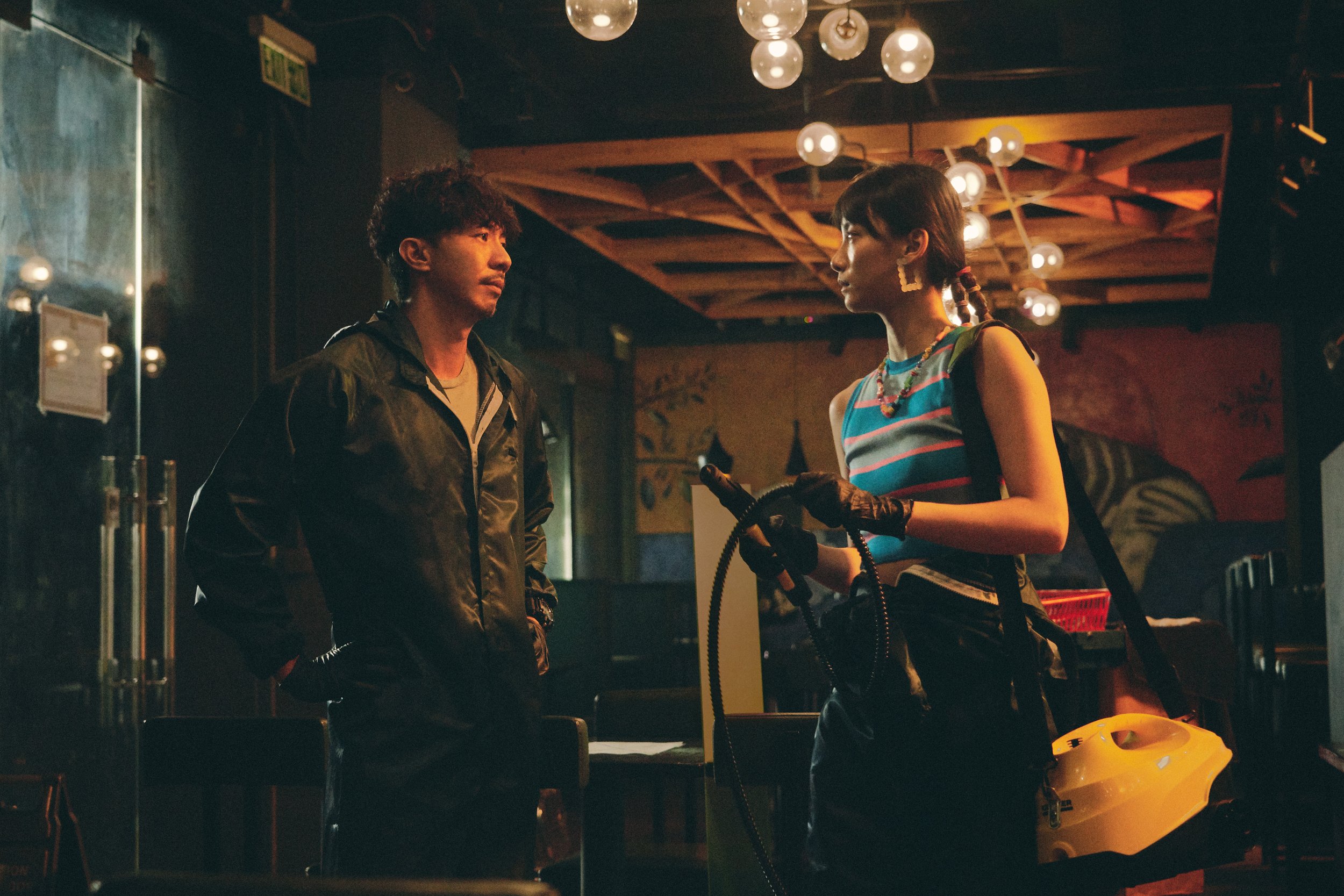
An earnest middle-aged man running a struggling cleaning business amid the difficult economic background of the coronavirus pandemic bonds with a young single mother in Lam Sum’s elegantly lensed social drama.
Saturday, October 29, 4:30 PM: Deliverance (源生罪, Kelvin Shum, 2021)
AMC New City 14
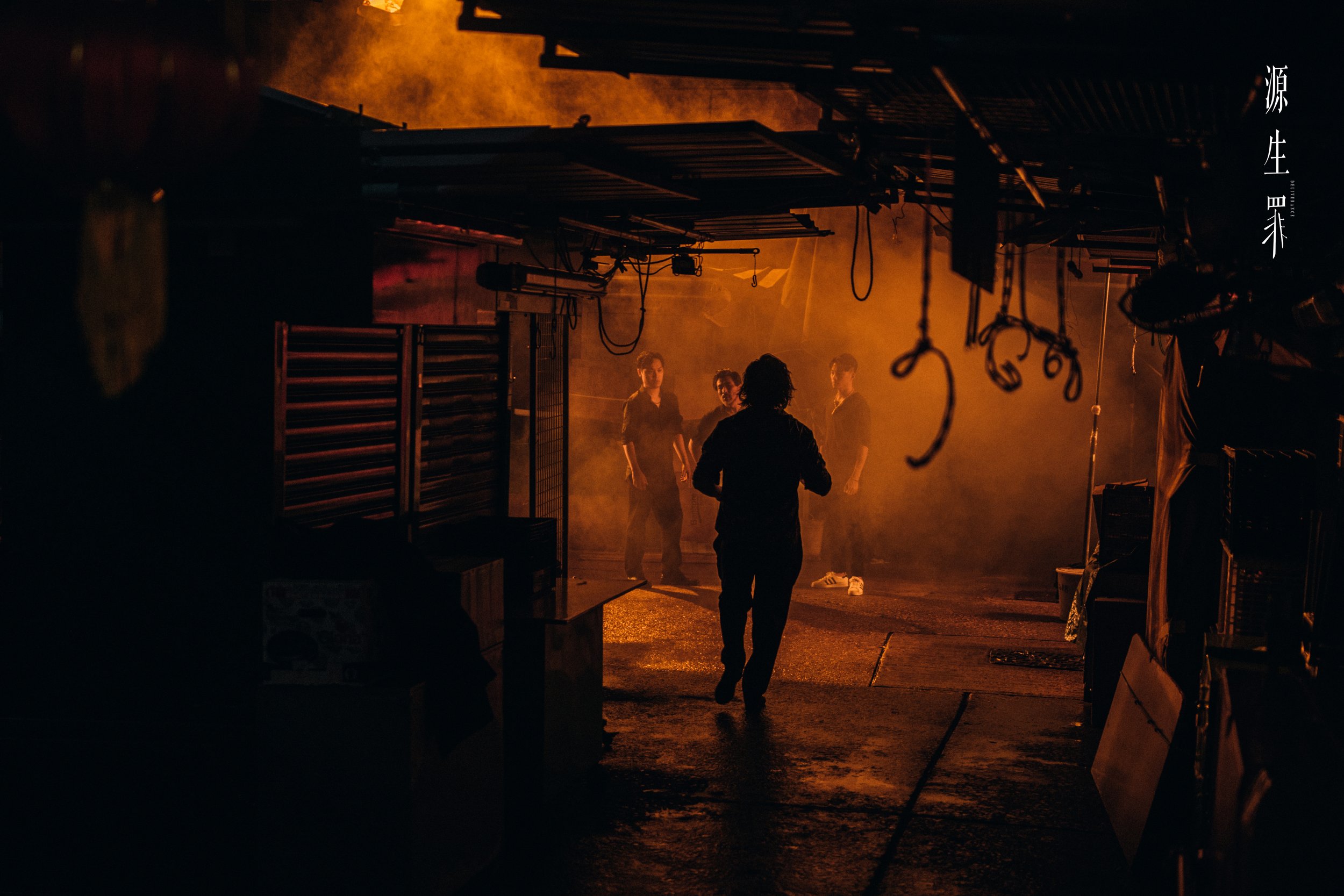
A woman returns to Hong Kong 15 years after her mother’s death and is forced to confront her unresolved trauma after undergoing hypnosis.
Celebrating Halloween at FACETS Cinema
(1517 W. Fullerton Ave., Chicago)
Sunday, October 30, 2:30 PM: Tales From the Occult (失衡凶間, Wesley Hoi, Fruit Chan, Fung Chih-chiang, 2022)
Hong Kongers contend with the hidden horrors of the contemporary society in the first instalment in a series of anthology horror films . Review.
Sunday, October 30, 5:30 PM: Rigor Mortis (殭屍, Juno Mak, 2014)
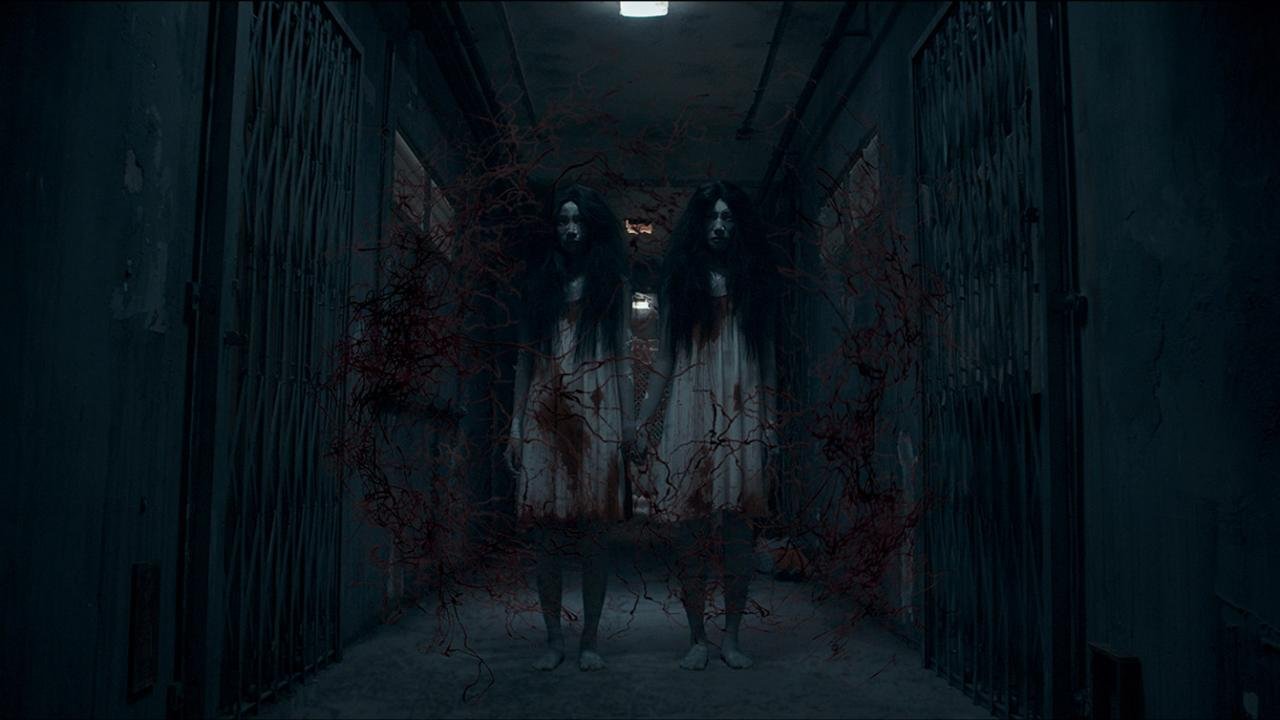
Juno Mak’s 2014 take on the hopping vampire movie in which a struggling actor moves in to a rundown tenement populated mainly by ghosts.
Saturday, November 5, 2 PM: Far Far Away (緣路山旮旯, Amos Why, 2021)
AMC New City 14
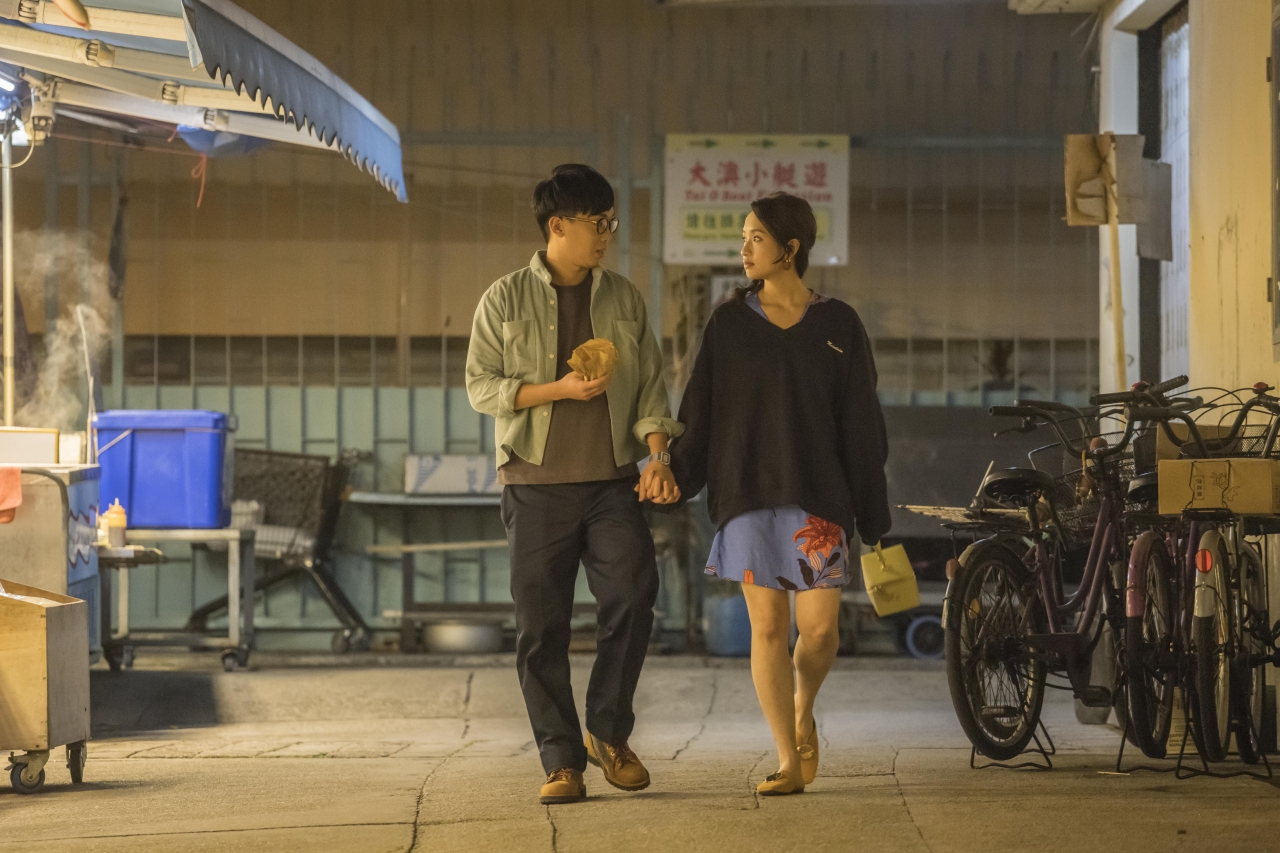
An introverted IT guy (Kaki Sham) gets a crash course in romance when he ends up dating a series of women from the far flung corners of Hong Kong in Amos Why’s charming romantic comedy. Review.
Saturday, November 5, 5 PM: The First Girl I Loved (喜歡妳是妳, Candy Ng, Yeung Chiu-hoi, 2021)
AMC New City 14
A young woman begins to re-evaluate her teenage romance when her first love asks her to be maid of honour at her wedding in Yeung & Ng’s youth nostalgia romance. Review.
Sunday, November 6, 2 PM: Pretty Heart (心裏美, Terry Ng Ka-wai, 2022)
AMC New City 14
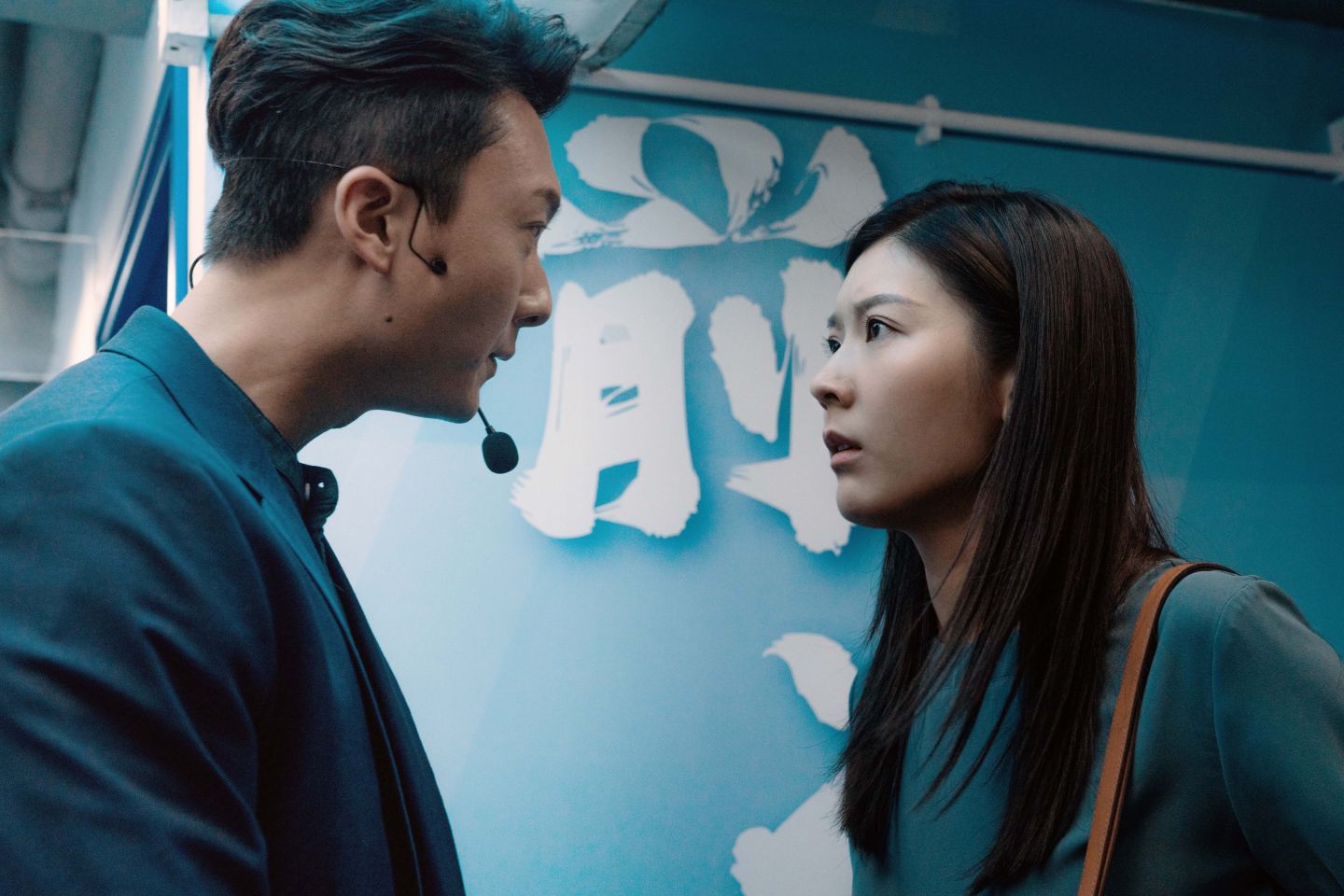
Hong Kong’s Jennifer Yu (Far Far Away, Men on the Dragon, Sisterhood) is this season’s Bright Star Award winner and will attend in person to receive the honour before the screening of her latest film, Pretty Heart, in which she stars as an idealistic high school teacher who is estranged from her headmaster father whom she blames for her mother’s death.
Seven-part anthology film featuring segments directed by Sammo Hung, Ann Hui, Patrick Tam, Yuen Wo-Ping, Johnnie To, the late Ringo Lam, and Tsui Hark exploring the past and future of Hong Kong from the 1950s to today.
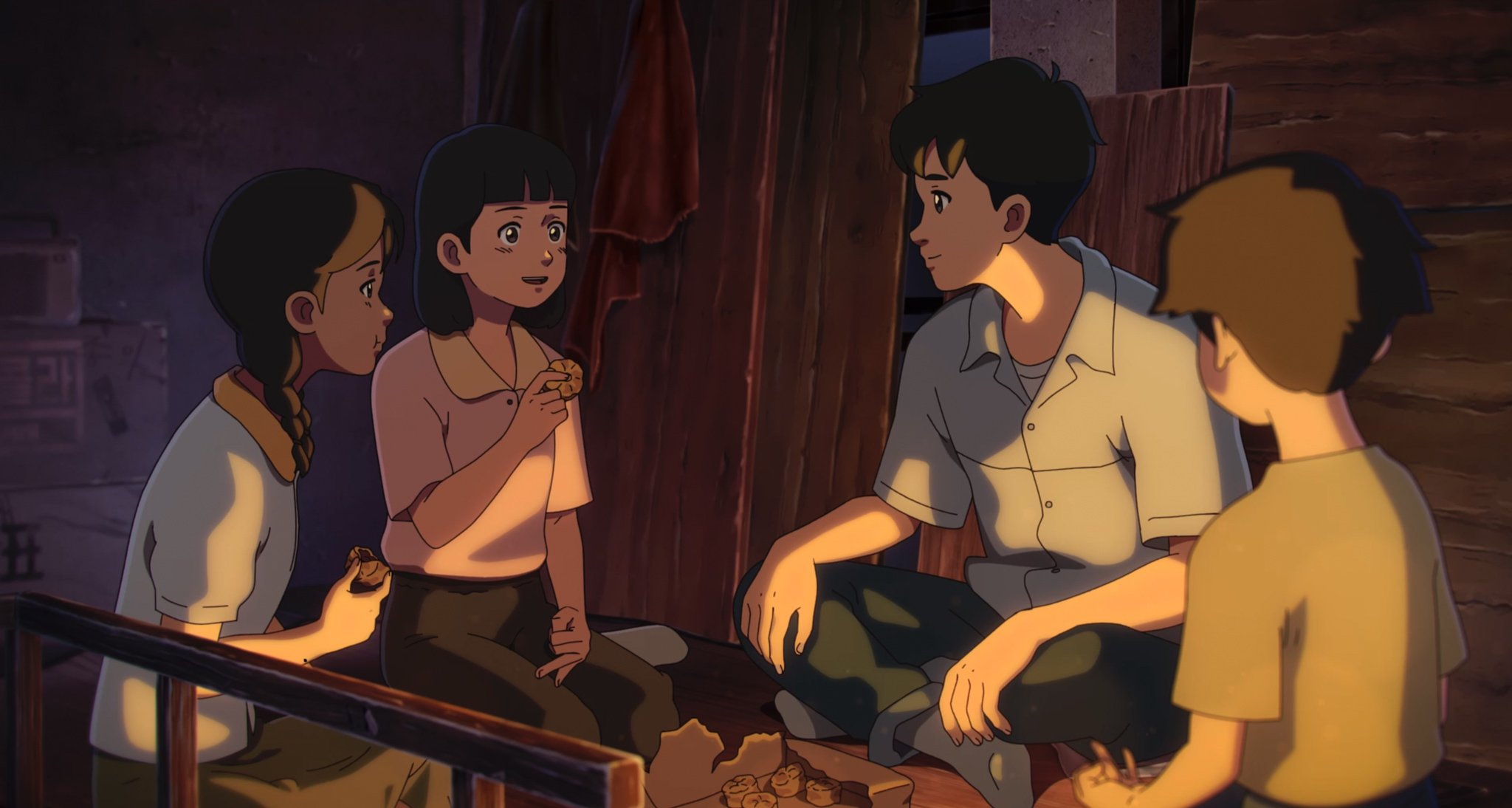
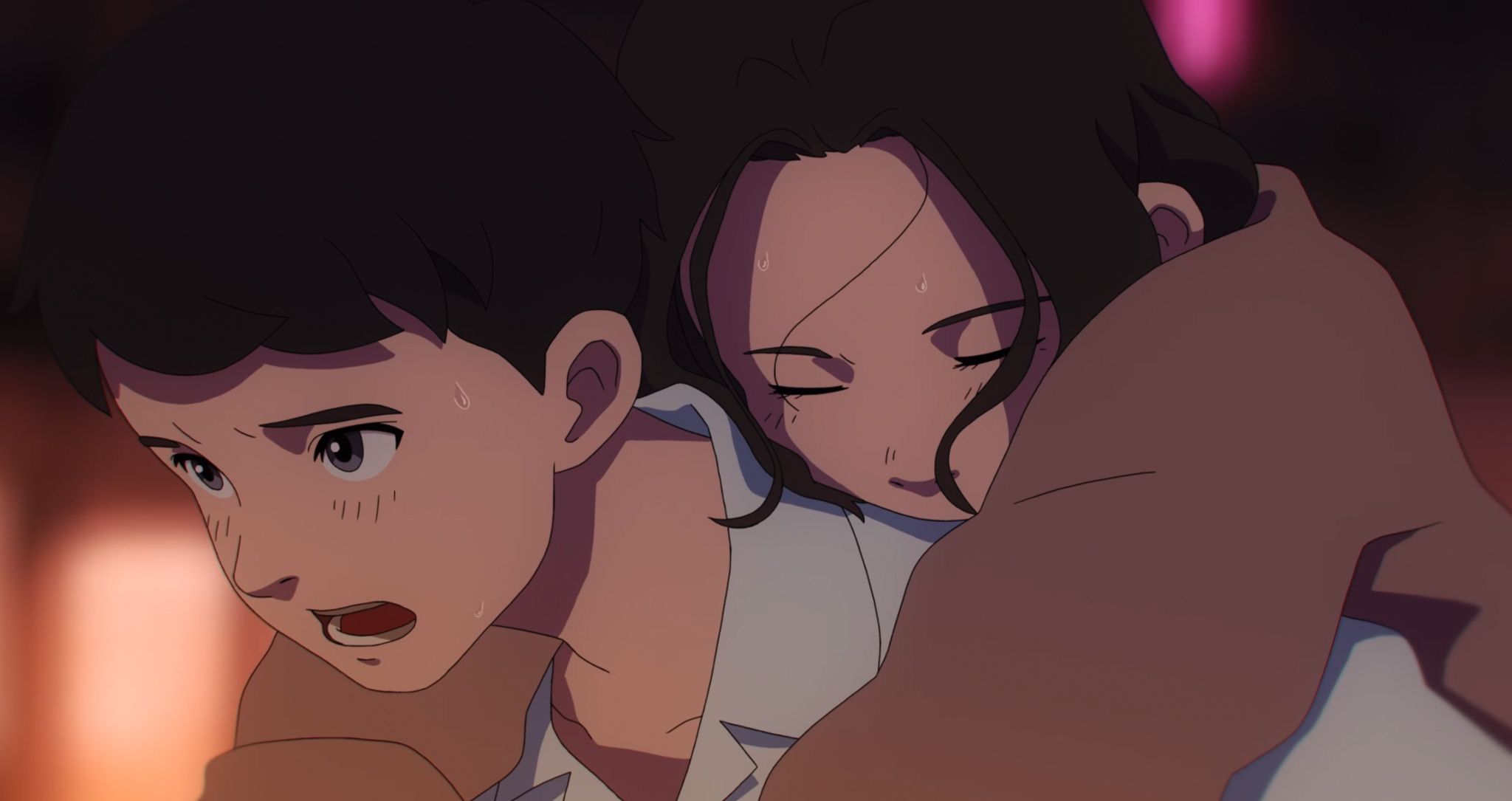
“We are not machines” became the rallying cry of a nascent workers movement in late 1960s Korea which gained momentum following the suicide by self-immolation of 22-year-old labour activist Chun Tae-il. 25 years on from his death, Park Kwang-su’s A Single Spark examined Chun’s legacy at the intersection of the labour and democracy movements, while Hong Jun-pyo’s animated treatment Chun Tae-il: A Flame That Lives On (태일이, Taeil-i) sees him as an ordinary man radicalised by his own compassion in his desperation to liberate those around him from the hell of poverty and exploitation.
As such the film opens with a happy family scene of Tae-il (Jang Dong-yoon) playing with his siblings near the river and then joining his mother as they walk home only for the atmosphere to darken when bailiffs arrive to confiscate their sewing machine, the only means they had of supporting themselves. Tae-il’s mother is forced to leave the family to find work in the city, while his father becomes an embittered drunkard who is little help to his children. Forced to give up on education, Tae-il too later travels to the city where he reconnects with his mother and begins seamstressing, eventually agreeing to a small pay cut in order to train as a tailor in the hope of earning more money for his family further down the line.
A kind and earnest young man, Tae-il first barely notices his exploitation while working hard trying to get a foothold on the employment ladder. He comes in early to sweep the floors and is caught out after curfew having spent his bus fare buying cakes for the children who help out on the shop floor. It’s only when a seamstress, Young-mi, collapses and is found to be suffering from TB caused by the poor conditions at the shop that he begins to question the wisdom of being loyal to his employer especially when he fires Young-mi for being ill and then refuses to pay her medical bills. When a floor manager quits after being accused of embezzlement, Tae-il is technically promoted but actually charged with doing two jobs for only a little more money which he doesn’t actually get because his boss uses the embezzlement as an excuse to cut everyone’s pay packet.
Tae-il starts to think there should be a law against this sort of thing and is shocked to discover, from his father no less, that there is but its existence has been deliberately kept from him. Whenever he raises the idea of standing up to his exploitation his father urges him not to, to remain complicit and hang on to the job no matter what, but eventually changes his mind and instructs his wife not to stop Tae-il from what he’s trying to do in challenging the existing social order. Even once Tae-il has managed to get through the statute on labour law which is written in difficult legal language and in Chinese characters he would not have learned to read as someone with only a primary school education, Tae-il tries to go to the authorities with evidence that the law is not being followed but they don’t care. They even accuse him of being selfish and unpatriotic in standing in the way of the nation’s drive for economic prosperity while meeting any attempt at worker solidarity with a charge of communism.
Earlier in the film, Young-mi had placed a plaster over a scratch on her sewing machine treating her means of production with a care and tenderness absent in her relationship with her employer who ironically sees her only as an expendable tool. What Tae-il and his friends are asking for isn’t anything radical, they just want the existing law to be respected along with basic improvements in their working conditions such as better ventilation and lighting to prevent workers falling ill. It’s small wonder that he starts to despair when his goals are so small and yet so impossible.
In truth Hong’s pains to present Tae-il as an ordinary man sometimes undercut the film’s premise, presenting his working situation as so normalised as to not seem that bad save for when a colleague ominously drops off caffeine pills and energy drinks ahead of a big order, while Tae-il’s mission also appears quite sexist in his frequent assertions of protecting the “poor sisters” who work on the shop floor as if they were incapable of participating in the movement themselves. The association he starts which is admittedly for local tailors is entirely staffed by men with Young-mi invited only to come and watch. Only later does he pass it on to his mother (Yeom Hye-ran) as the guardian of the flame which he has ignited in the hope of a better world. Perhaps in keeping with the film’s family friendly intentions, Tae-il’s martyrdom is presented in quasi-religious terms as he walks in flames carrying a new testament which on another level deprives the action of its essential violence and weakens the message Tae-il was trying to send in the horror of his death. Nevertheless, Hong’s gentle designs lend a degree of pathos in the pure-hearted intensity of Tae-il’s otherwise kindly eyes.
Chicago’s Asian Pop-Up Cinema returns this September with another handpicked selection of recent Asian hits. Each weekend will be dedicated to a specific region including: China (Sept.10 -16), Japan (Sept. 17 – 23), South Korea (Sept. 24 – Oct. 2), Taiwan (Oct. 22 – 23) and Hong Kong (Oct. 29 – Nov. 6), and the festival has just announced some of its key titles with the full lineup to be unveiled Aug. 22.
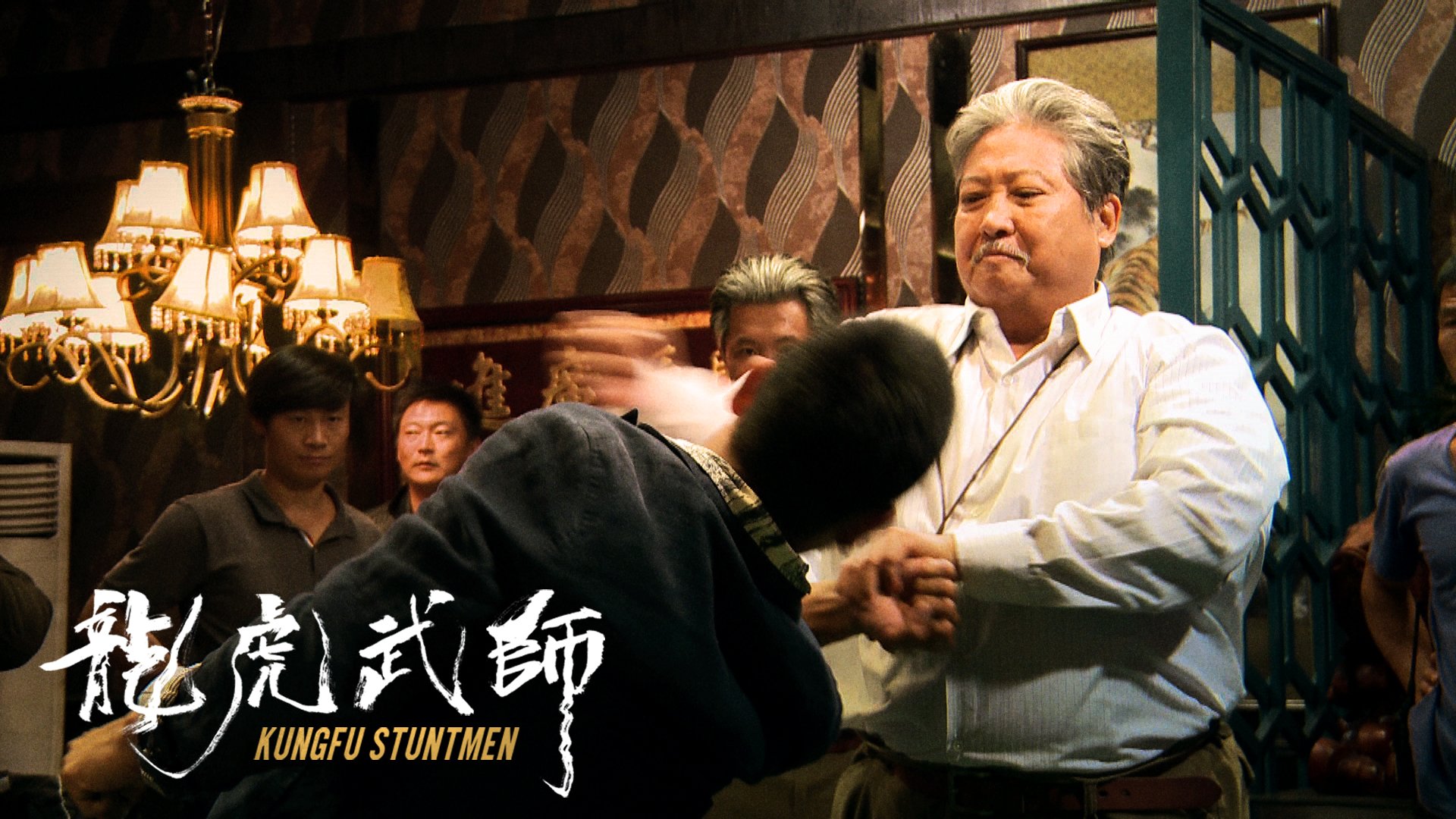
Wei Jun-Zi’s wide-ranging documentary looks back at 70 years of Hong Kong action cinema through the stories of the “kung fu stuntmen” who made it what it is today. Featuring interviews with such legendary figures as: Andrew Lau, Benny Lai, Yuen Mo, Sammo Hung, Stanley Tong, Tsui Siu-ming , Cheung Wing-Hon, Billy Chan, Tsui Hark, Wilson Tong, Lee Hoi-Sang, and Shen Hsin.
Claudia Cassidy Theater inside Chicago Cultural Center
Animation from Sun Hai-Peng set in rural Guangdong and following left behind teen Gyun who develops a fascination with traditional lion dance and sets off with two friends to find a lion dancing master.
Animated biopic of labour activist Chun Tae-il who took his own life through self-immolation in protest against the failure to enforce existing labour law or protect workers from unhealthy and exploitative conditions.
Seven-part anthology film featuring segments directed by Sammo Hung, Ann Hui, Patrick Tam, Yuen Wo-Ping, Johnnie To, the late Ringo Lam, and Tsui Hark exploring the past and future of Hong Kong from the 1950s to today.
Bright Star Award: Jennifer Yu
Nov. 6: Pretty Heart
AMC New City 14
Hong Kong’s Jennifer Yu (Far Far Away, Men on the Dragon, Sisterhood) is this season’s Bright Star Award winner and will attend in person to receive the honour before the screening of her latest film, Pretty Heart, in which she stars as an idealistic high school teacher who is estranged from her headmaster father whom she blames for her mother’s death.
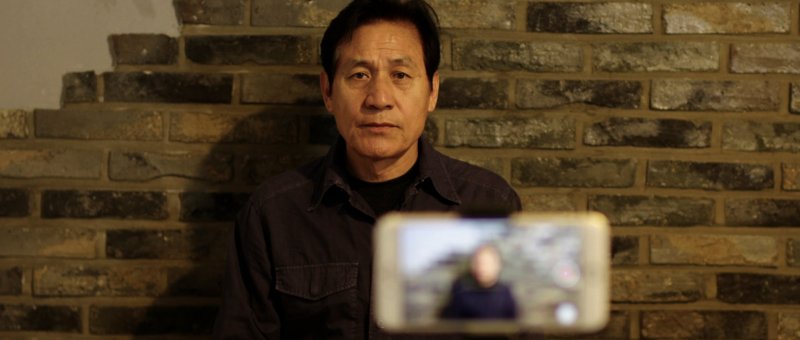
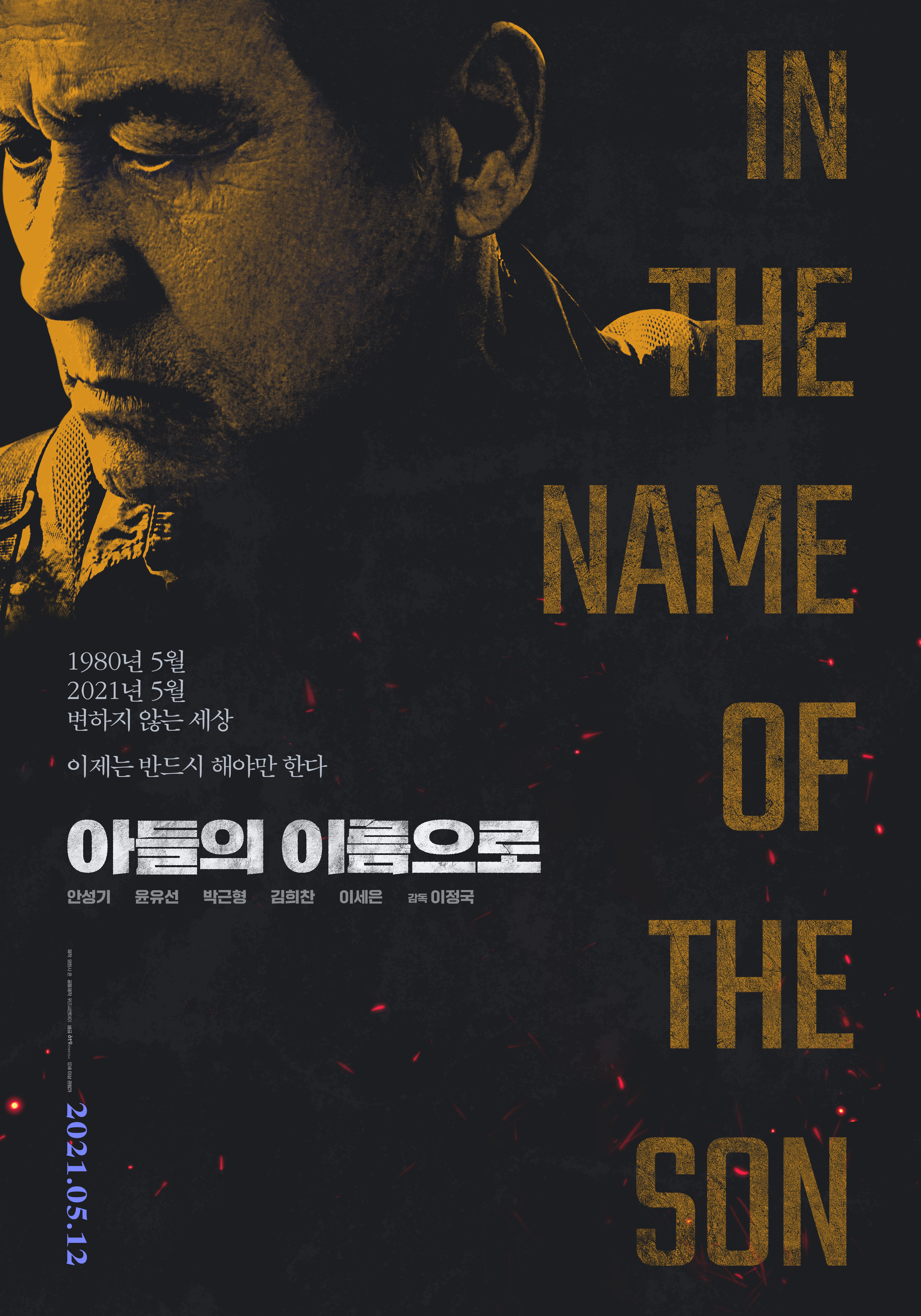
Partway through Lee Jung-gook’s raw exploration of the radiating effects of historical trauma In the Name of the Son (아들의 이름으로, Adeurui ireumeuro), the conflicted hero quotes a line from In Search of Lost Time which his son had recommended to him, “pain is only healed by thoroughly experiencing it”. The quote in itself reflects the hero’s wounded state in having failed to reckon with the sins of the past, a failing which has cost him dearly on a personal level, while simultaneously hinting at a national trauma which has never been fully addressed by the contemporary society.
When we first meet ageing designated driver Chae-gun (Ahn Sung-ki) he’s preparing to hang himself in a forest before noticing a stray parakeet, presumably an escaped family pet, chirping nearby in desperation. Taking pity on the bird knowing it cannot survive on its own he gives up on his plans and takes it home. We can see that Chae-gun is a compassionate man, softly spoken, perhaps a little shy and distant yet caring deeply for those around him such as the ladies from Gwangju who run a cafe where he is a regular, while he’s frequently seen making phone calls to his son in America. Yet as we later discover he is also a man of violence with an old-fashioned, authoritarian mindset, ominously sliding off his belt to beat up a gang of kids who tried to dine and dash before making them come back to apologise and pay their bill and later doing the same to bullying classmates of the cafe owner’s son, Min-woo (Kim Hee-chan).
He does these things less out of an old man’s disapproval of the younger generation’s lack of moral fibre than a genuine desire to help and most particularly the ladies at the cafe, but simultaneously takes Min-woo to task for a lack of manliness berating him in front of his bullies for not standing up for himself. These flashes of violence hark back to the hyper-masculine patriarchal attitudes that defined the years of dictatorship while also hinting at the buried self Chae-gun struggles to accept which so contrasts with his innate kindness and sense of justice. He too is angry and confused that those who ordered acts of atrocity such as the 1980 Gwangju Massacre have never been brought to justice and are living comfortable lives often still ensconced in country’s ruling elite such as former general Chairman Park whom he often drives home from a local Japanese restaurant to his mansion in a traditional village in the middle of Seoul.
As we discover, Chae-gun has his own reasons for being preoccupied with Gwangju in particular, yet it’s the failure to reckon with the buried past that he fears erodes future possibility. In a metaphor that in truth is a little overworked, one of the new assistants at the cafe, also from Gwangju, is mute, literally without a voice until the buried truths of the massacre are symbolically unearthed allowing her to speak. Meanwhile, many of Chae-gun’s generation are succumbing to dementia, an elderly man constantly escaping from his nursing home to wander a local park looking for his teenage son who went missing during the uprising and was never seen again. Chairman Park remains unrepentant, blaming everything then and now on “commies” while explaining to Chae-gun that they were “patriots” not “murderers” bravely defending the Korean state and in any case God forgives all so they’ve no need to blame themselves.
Park may feel no remorse but the unresolved trauma of Gwangju continues to echo not only through Chae-gun’s wounded soul but through society, a heated debate breaking out between a group young people of critical of the authoritarian past and a collection of older conservative nationalists who object to their criticism of President Park Chung-hee arguing that he rebuilt the economy and gave them the comfortable lives they live today. Yet what Chae-gun feels he owes to his son and implicitly to the younger generation is an honest reckoning with the past and his part in it while those who live with no remorse should not be allowed to prosper, guilt-free, as victims continue to suffer. What he’d say to those who thought that they bore no responsibility is that the greatest sin of all may have been in blindly following orders. Only by fully experiencing the pain of the national trauma can society hope to heal itself from the weeping wounds of the unresolved past.
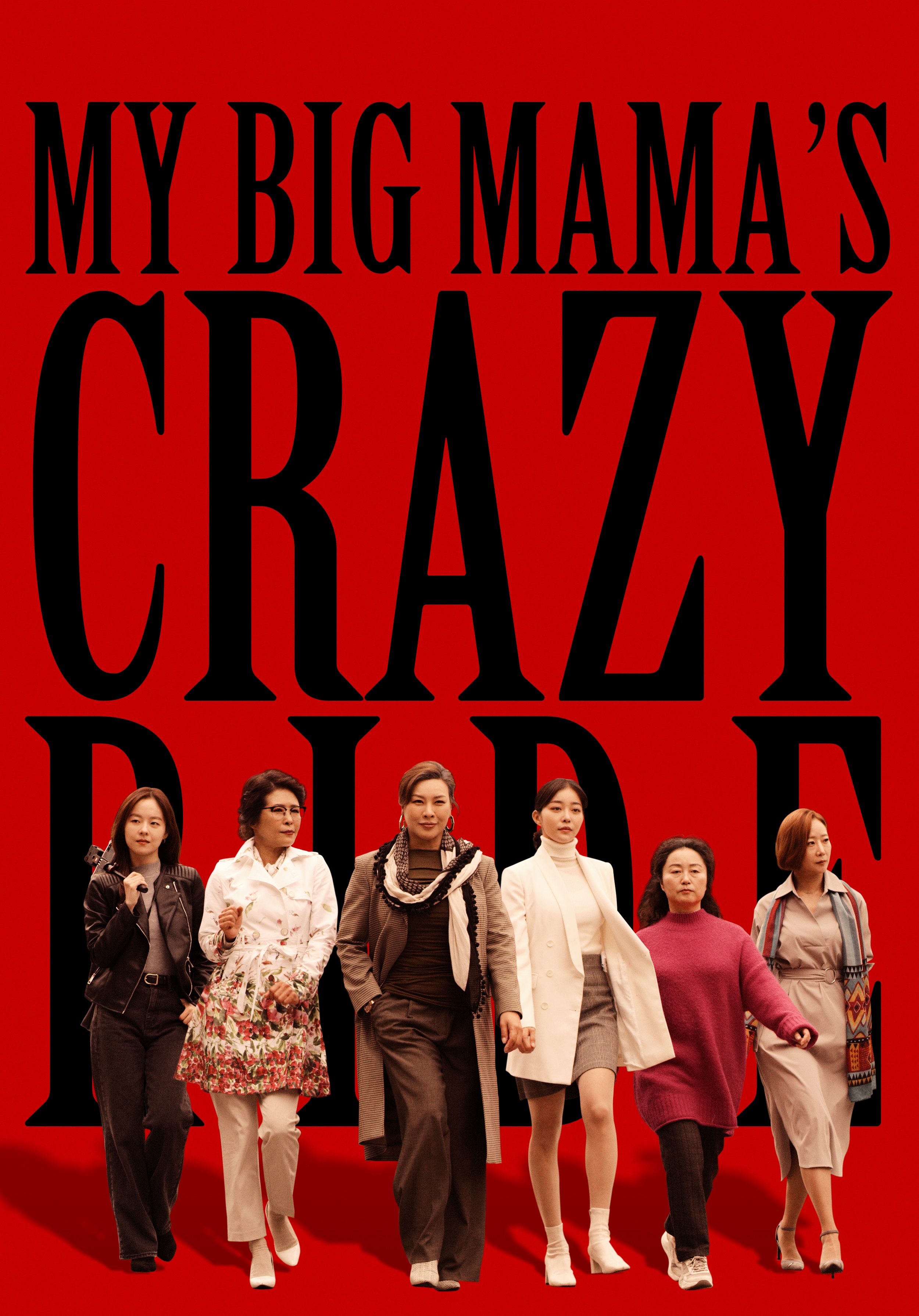
A veteran matriarch suddenly decides she’s had enough in Paek Seung-hwan’s indie comedy, My Big Mama’s Crazy Ride (큰엄마의 미친봉고, Keuneommaui michinbonggo). Taking aim not only at the deeply ingrained and hopelessly outdated patriarchal social codes of contemporary society, Paek also asks a series of questions about the concept of family with the wives and daughters-in-law repeatedly finding themselves described as “outsiders” yet expected to sacrifice their hopes and aspirations in dedicating themselves entirely to the “family” which more often than not treats them as unremunerated housekeepers.
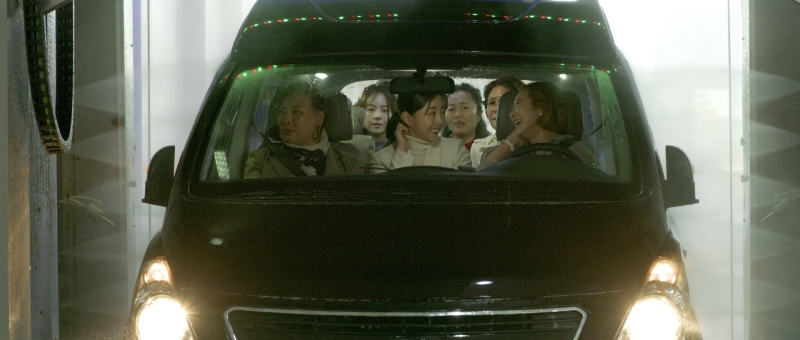
It’s easy enough to see why “Big Mama” Yeong-hui (Jung Young-joo) is fed up as her husband Han-il (Yu Seong-ju) barks orders from upstairs while she tries to sort out the food for the ancestral rites knowing the men are up there lounging around drinking just expecting everything to be done for them without needing to lift a finger to help. This year she’s choosing chaos, rounding up all of the other women in the family including Eun-seo (Kim Ga-eun) her nephew’s fiancée meeting the family for the first time and packing them into her minivan leaving the men to fend for themselves.
This is a problem for them for several reasons the biggest being that it soon becomes clear they have no idea how to do anything for themselves, drill sergeant Han-il ordering his brother and sons to finish all the food prep within the hour while they search for YouTube videos to teach them basic cooking. They can barely even figure out how to make themselves some instant noodles while they wait, becoming progressively drunker to avoid facing the reality of their situation or accept that perhaps their treatment of their wives has been unfair or that they’ve taken all of their labour for granted. Old-fashioned authoritarian Han-il even approves of Yeong-hui’s flight in the beginning in the belief that she’s taken the other women out to teach them some discipline despite her having brought up the subject of divorce because of his own treatment of her. He doesn’t see his behaviour as essentially abusive because of the patriarchal social codes in which he operates believing this is simply the way that husbands are supposed to boss their wives. His brother and sons are little different though subordinate to him as head of the family, oldest song Hwang-sang (Song Dong-hwan) eventually kicking back but only after realising his mother may really leave profoundly shaking his foundations even as a grown man with a son of his own.
Then again, aside from a potential divorce Yeong-hui is otherwise described as an “outsider” having married into the family most particularly when it comes to light that Han-il has sold some ancestral land and intended to keep the money for himself rather than share it amongst the other family members. When he sends the proceeds to Yeong-hui in a last ditch effort to get her to come home, it causes division on both sides with his brother Han-san (Yoo Byung-hoon) in particular objecting to the money leaving the family as Yeong-hui is technically a Lee and not a Yu while the women also think she should share the money with them rather than keep it for herself little knowing she was already planning to do so. Having serious doubts about marrying into this crazy family, Eun-seo, who is in any case Christian, isn’t sure why she was attending their ancestral rites anyway but if none of these women are actually “family” why is it they’re the ones expected to prepare the rites for the Yu ancestors? Yeong-hui sees the money in part as compensation for the unpaid labour she’s performed over the last 40 years while being shouted at and ordered around by her overbearing authoritarian husband.
Thanks to YouTuber niece Hyo-jeong (Ha Jung-min) and sleazy tabloid journalist nephew Jae-sang (Cho Dal-hwan) the women’s flight ends up going viral and even making the evening news where they find mass support from other women in similar situations along with unexpected male solidarity though a big thumbs up from a series of male policemen seems a little unlikely given the threat they present to the entrenched social order in rebelling against the same kind of patriarchal male authority the police force itself represents. In any case, it becomes clear that Yeong-hui has simply chosen to celebrate her own ancestral rights in paying tribute to another woman whose name she only belatedly found out, the other women also revealing that they don’t even quite know each other’s given names because they’re so used to addressing each other only as daughter/sister-in-law or else as X’s mum to the extent that they’ve been robbed of an individual identity. Nevertheless through their transgressive road trip the women rediscover a sense of female solidarity while the men are forced to reckon with the way they treat their wives realising that if they want to keep their family together they’ll have to move with the times.
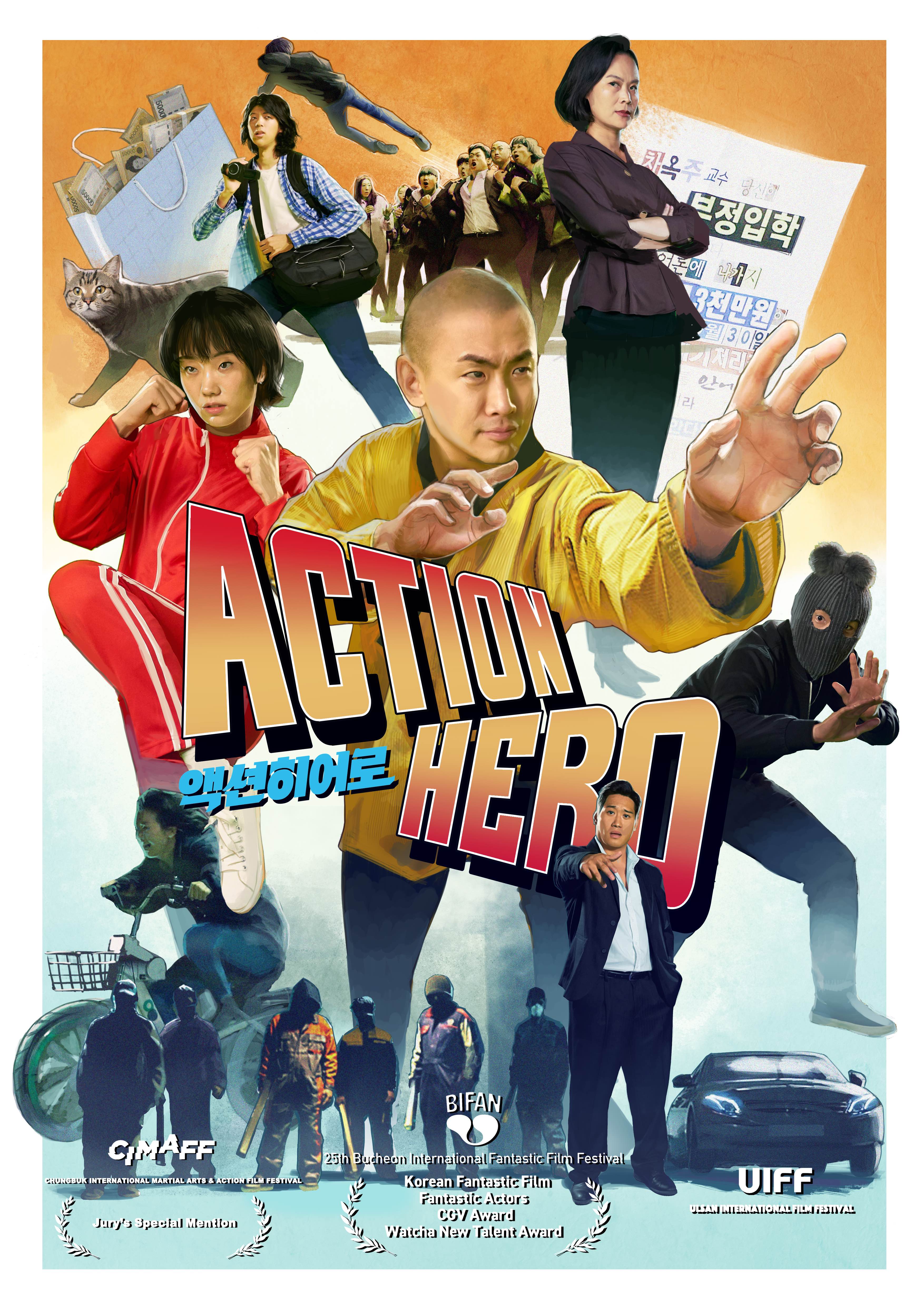
What better way to add a little authenticity to your movie than to unmask injustice live on camera? Lee Jin-ho’s indie action drama Action Hero (액션히어로) is a loving tribute to classic Shaw Brothers but also takes aim at the inequality at the heart of the contemporary society as the virtuous hero who says he just wants to be Jackie Chan starts a mini revolution in the student body after exposing the corrupt practices of their institution.
Signalling his intentions early on, Lee opens with the “GB” “Golden Brothers” logo and a lengthy martial arts sequence spoken entirely in Cantonese with a classic Shaw Brothers-esque titles card, but as it turns out this is all an anxiety dream as the fearless hero finds himself unable to save a hostage because he cannot answer a question from the upcoming civil service exam. Dreaming of becoming an action star, Joosung (Lee Seok-hyung) decides to sit in on a film class which is where he meets Chanyeol (Lee Se-joon) who shows him a copy of an action movie shot by a former student, Sunna (Lee Joo-young), 10 years previously. Joosung decides to make his own film too and when he and Chanyeol accidentally come across a blackmail letter threatening to expose their professor’s falsification of records in order to admit the sons of wealthy men decide to stakeout the drop location hoping to apprehend the professor and the blackmailer and make it a part of their movie.
Ironically enough, the previous Action Hero film had been about a culture of sexual harassment as Sunna herself starred as a martial arts avenger saving a young student from a lecherous teacher. 10 years on however Sunna still hasn’t finished her postgrad programme and is stuck as a teaching assistant working part-time at the campus coffee shop. Her colleague Jae-woo (Jang In-sub) is desperate for cash because he’s sick of this life and wants to open a friend chicken restaurant. Even Joosung is filled with despair for the future, working hard to pass the civil service exam even though it’s not something he actually wants to do. Meanwhile, the professor has been taking kickbacks so that chaebol sons with no talent can attend the university while their parents “support” from the sidelines. Perhaps conflicted in her actions, the offer of a promotion to department chair is enough to silence any qualms she might have hand while she’s eventually forced to confess all to the dean who is about to celebrate his 23rd re-inauguration which doesn’t exactly scream a commitment to democratic values.
Yet through their “investigations” Joosung and Chanyeol discover that the institutional corruption in play was largely an open secret, so commonplace as to be dismissed as just the way things work. The justice-minded Joosung wonders why no one does anything, hoping that the students will eventually wake up to what’s going on and begin asking questions while wondering if they simply lack the “passion” to become their own kind of action heroes and demand integrity from their governmental body. Sunna, meanwhile, fed up with her impossible circumstances feeling as if she’s wasted too much time on Hong Kong cinema picks a different, not quite altogether altruistic path but later recommits herself to exposing the admissions fraud and corruption which go right to the heart of their institution.
Lee continues to pay homage to the classic kung-fu movie with old school martial arts and use of freeze frame, Joosung wearing his Shaolin-style yellow top and Chanyeol at one point dressed as a classic kung fu master complete with long white beard only to discover themselves swept into a conspiracy deciding to unmask the injustice at the school. Then again, perhaps one action hero isn’t really enough to counter such ingrained corruption or the idea that this kind of impropriety has essentially become normalised and should just be accepted. Thanks to their adventures, each of the avengers is jolted out of their sense of inertia and powerlessness, Sunna realising she doesn’t need to let herself be exploited by her boss and can take control of her own future while Joosung and Chanyeol derive new hope for the future in squaring off against injustice. “The future is unclear, let’s persevere because we have each other” Joosung reflects in Cantonese on seeing the beginnings of a revolution on campus vowing to complete Action Hero 2 in the hope of a better tomorrow.
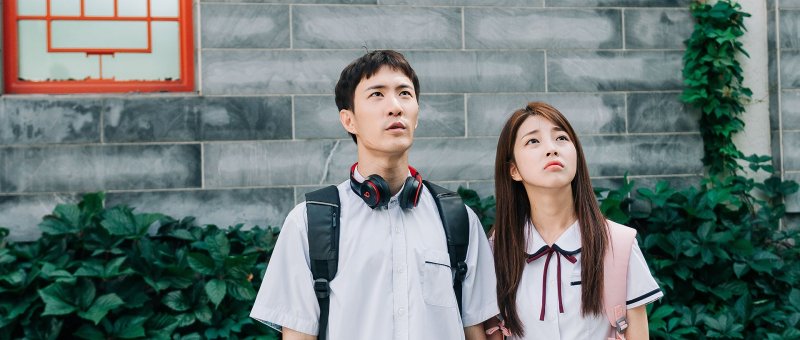
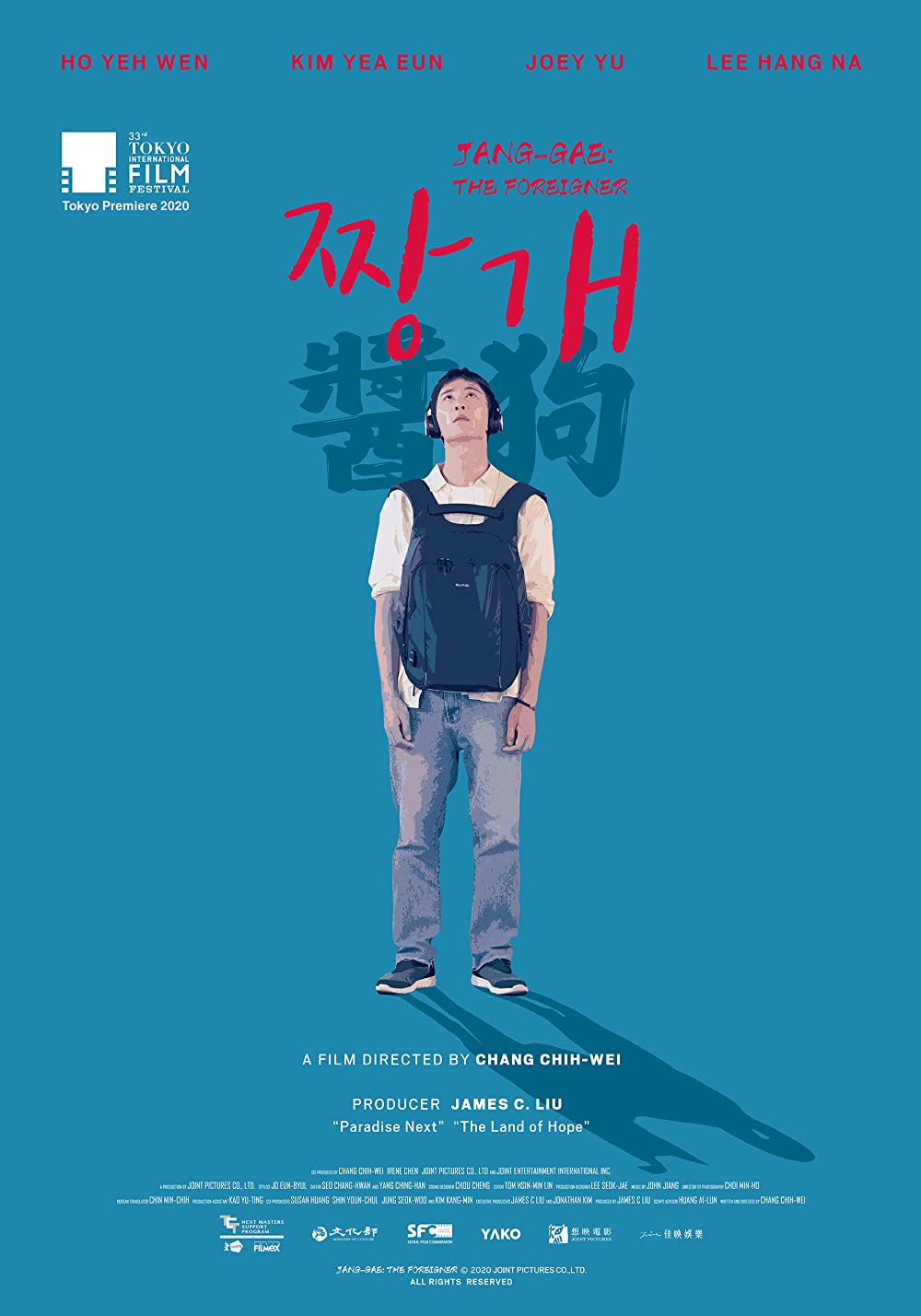
An angry young man struggles to repair his fracturing sense of identity in Chang Chih-Wei’s provocatively titled Jang-gae: The Foreigner (醬狗, jiàng gǒu). “Jang-gae” is in itself a derogatory term for Korean-Chinese translated literally as “sauce dog”, while the film’s hero Gwang-yong (Ho Yeh-wen) feels himself to be a perpetual outsider continually othered in Korea but having little affinity for his Chinese roots and dreaming of a future in the US having been short-listed for a scholarship programme only to be confronted with the contradictions of his identity when his father is taken ill and having the wrong kind of passport may jeopardise his dreams of going abroad.
For reasons unknown to him, Gwang-yong’s father Seo-sang (Joey Yu) pulled him out of the Chinese-medium school he’d been studying at and moved him to a regular Korean high school instead. Although a straight-A student and in fact the class monitor, Gwang-yong experiences constant xenophobic microaggressions from his classmates who sarcastically repeat the common Chinese greeting “Have you eaten yet?” and refer to him as “sauce dog” while the teacher expresses surprise that “even a foreigner like Gwang-yong” has mastered Korean history. The teacher’s remark is quite ironic in that Gwang-yong may have a Taiwanese passport but he was born and raised in Korea, as, it happens, was his father. In fact, his family has no real connection with Taiwan, his grandfather fled Mainland China during the civil war and presumably applied for a Republic of China passport as a supporter of the Nationalist Party. In any case, his passport is also a non-citizen one which grants no right of abode because his family has no household registration in Taiwan meaning in essence that Gwang-yong is stateless and has no citizenship of any sort.
For obvious practical reasons, he wants to apply for a Korean passport which he’s entitled to by right of birth as his mother is a Korean citizen but his father won’t have it. Meanwhile, despite bullying him the other boys all complain that foreigners have it easy believing that he got a leg up in the scholarship scheme for being non-Korean while he’ll also be exempt from the National Exam and military service (which as he points out he’d have to do in Taiwan if he were a full citizen there), but being exempt from each of these requirements for Korean citizens leaves him feeling even more excluded reinforcing the sense that he’s not really a part of the culture in which he has grown up in the only country he’s ever known. He tells his mother that he just wants to live a dignified life in Korea, but is ruffed up by a trio of thuggish men later claiming to be police immigration officers accusing him of overstaying on his visa not so much as even apologising after forcibly pulling his wallet out of his pocket and seeing his birthplace listed as Korea on his ID.
Most of his animosity is directed at his father who speaks to him only in Mandarin and is in general authoritarian and unsupportive, yet his father’s illness also causes him to lash out at his mother laying bare his own internalised shame in berating her for having married someone who was Korean-Chinese as if all his problems would have been solved if she’d only married somebody Korean, blaming her rather than standing up against the xenophobia and prejudice which pervade his society. Meanwhile the girl he has a crush on at school, Ji-eun (Kim Yea-eun) who is also an outcast having moved schools after the grandmother who was raising her passed away, just wants to get out of “Hell Joseon” and doesn’t much care where to. He points out swapping Hell Joseon for Taiwan’s “Ghost Island” might not make much difference, but discovers that his accidental statelessness leaves him doubly disadvantaged denied his full rights in either place while equally unable to escape.
Even so his father’s illness forces him to reconsider not only his relationship to him but to his Chinese heritage along with the Korean, Ji-eun also reminding him that the people who make it in Korean society are the ones who learn to stand up for themselves which perhaps informs his final act of rebellion against the bullies no longer willing to be meek or apologetic but directly challenging their attempts to intimidate him having gained a new confidence. A gentle coming-of-age tale in which a young man comes to understand both his father and his heritage Jang-Gae: The Foreigner never shies away from the problems faced by ethnic minorities in contemporary Korea nor the inequalities of the non-citizen passport but does allow its conflicted hero to find a degree of equilibrium in himself secure in his own identity.
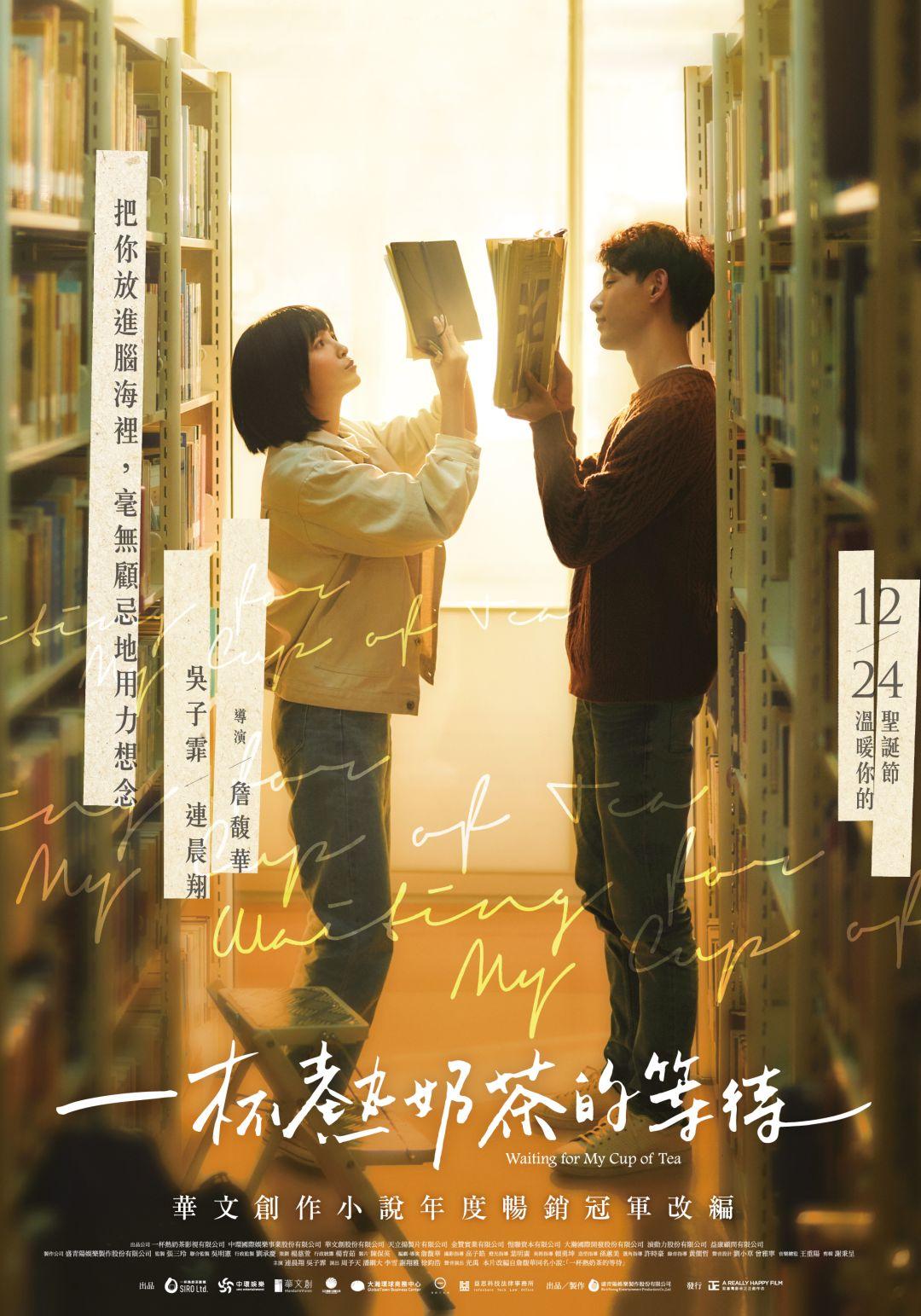
How long should you wait for love? Released during the prime romance season over the Christmas holidays and adapted from her own novel, Phoebe Jan Fu-hua’s Waiting for My Cup of Tea (一杯熱奶茶的等待, yī bēi rè nǎichá de děngdài) wonders if love is something you can defer or something to which you should submit as a collection of youngsters attempt to deal with various kinds of baggage from unresolved attachments to chronic illness, career worries, and the burden of responsibility for one’s own feelings and those of others.
Xiao-hua (Ellen Wu), for example, is a shy young art student who seems to stand at a distance from her friends while intensely irritated by a classmate/neighbour who has a sideline as a model and seems to have everything passed to her on a plate simply for being pretty. It’s Yi-chun’s love life, however, which is beginning to annoy her partly because each of her suitors, which Xiao-hua suspects may extend to at least three, constantly rings her bell mistakenly believing Yi-Chun’s is broken. After being jokingly threatened by Yi-chun’s overbearing secret boyfriend, she later runs into another young man, Zi-jie (Simon Lien Chen-hsiang), ringing her bell in vain advising him to come back later fearful of a scene should he enter and find another guy in Yi-Chun’s flat, while she’s also touched by the sight of a third man, A-wen, sitting quietly on a bench opposite her window next to a bouquet of flowers assuming he too is probably waiting for Yi-Chun.
Feeling sorry for A-wen sitting out in the cold waiting for a girlfriend who’s probably off with someone else, Xiao-hua buys him a hot milk tea from a vending machine which will become something of a motif throughout the film, but it’s Zi-jie she eventually falls for after a series of meet cutes during which he declares himself uninterested in committed romantic relationships and indifferent to Xiao-hua’s revelation that Yi-Chun may have as many as three guys on the go at the same time. Even so, he appears much more interested in her than he ever was in the model next-door, later ending his association with Yi-Chun rather abruptly much to her surprise in order to better romance Xiao-hua if mainly through an air of mystery.
Though all of these people are very young, in the main college students about to graduate, they each have their own barriers to romance which they’re wary to overcome, Xiao-hua’s being her previous relationship with fellow student Shao-Ping who broke up with her to take care of a childhood friend living with mental illness while selfishly asking Xiao-hua to wait for him. At one point or another, everyone asks someone else to wait or else to give them time, Xiao-hua eventually that of asking Zi-jie on figuring out why he seems to be keeping a distance from her echoing the words of the radio host she’s fond of listening to that he should give her time and learn to let her in, while he later asks the same of her, and of course A-wen is always “waiting” in one sense or another. There is something a little uncomfortable in Shao-ping’s broodiness, opposed to Xiao-hua’s new relationship not only because he unfairly believes he still has a right to a say in her romantic future but uncomfortably suggesting that he sees an ironic degree of symmetry fearing that Xiao-hua will discover that Zi-jie is a “burden” she will become responsible for an idea tacitly affirmed in the otherwise positive conclusion in suggesting that Zi-jie must wait until he’s physically fit for love before committing himself fully.
Meanwhile Xiao-hua’s romantic naivety is challenged by relationships between her friends witnessing a couple she thought were made for each other suddenly break up while each of them prepare for their lives after college, getting jobs and moving on often in different directions. She comes to realise that it’s unfinished business that holds people back and that in the end it’s better to have an uncomfortable conversation than leave a door open that would be better closed because there’s no sense waiting for a moment that’s already passed, but then paradoxically commits herself to waiting as an act of faith in a surer love. A gentle meditation on loneliness, grief, and the internalised barriers to romance Jan’s melancholy drama is less an advocation for moving on than for taking the time to find the right direction or at least one that is your particular cup of tea.
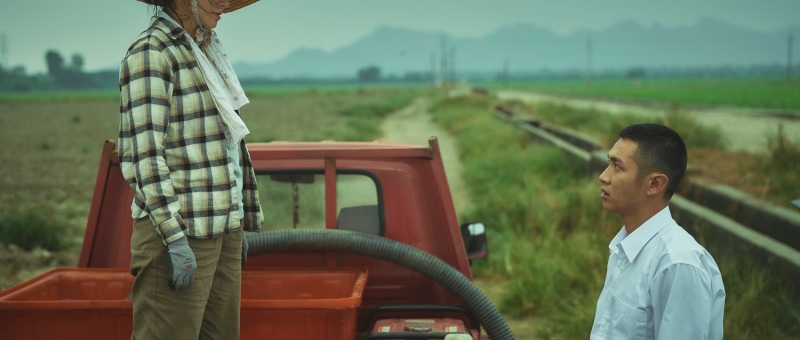
A former gangster just released from prison finds his loyalties conflicted while working for a corrupt local official in Chen Ta-pu’s quirky romantic crime drama, Grit (鱷魚, èyú). According to a not particularly interested policeman, no one really cares about things like loyalty or morality anymore but like the best of noble gangster heroes, Yu Da-Wei (Kai Ko Chen-tung), otherwise known as Croc because of an incomplete tattoo of a dragon on his back, really does yet his nobility only makes him vulnerable to the machinations of those around him even as he does his best to stand up to thuggish intimidation masquerading as local government.
At 17 years old, Yu was convicted of a gangland murder though it was rumoured at the time that petty gang boss Liu (Lee Kang-sheng) may have orchestrated the hit and set the young man up as a scapegoat promising him riches on release and that the grandfather who raised him would be looked after. Now a local councillor, Liu at least keeps his promise handing over twice the agreed amount of money along with a folder detailing where his grandfather’s ashes have been interred, but is otherwise unsupportive while later reluctantly agreeing to give Yu a job in his office during which he runs in to stubborn farmer Chen (Angelica Lee Sinje) whose father has recently passed away after a drunken accident. Chen has being trying to ring the council for weeks because someone’s cut off the water supply to her rice paddy but no one is willing to help her get it turned back on. Over earnest in his new occupation, Yu throws himself into action but is largely unaware of the vagaries of local politics and the likely reasons behind Miss Chen’s sudden inability to earn her living.
Chen is quick to denigrate local government, complaining that they always turn up for weddings and funerals but when you really need them they’re nowhere to be found. That’s one reason she’s so surprised by Yu’s genuine attempts to help but conversely disappointed when nothing is really done. For his part, Yu is disappointed too because he really thought they were there to serve the people so he rolls up his sleeves and unblocks the irrigation channel himself but thereafter finds himself on the receiving end of the harassment Chen has been facing for months because she refuses to sell her land to developers. Liu is only motivated to help on discovering that the thugs at Chen’s farm may have been sent by a political rival but thereafter resorts to typical gangster tactics. Rather than try to help Chen, he blackmails his way onto the deal and then tells Yu to do whatever it takes to get her off her land so they can all profit as part of a dodgy real estate scam.
An old school gangster, Yu is torn between loyalty to his old boss for whom he’s already been to prison and doing the right thing especially as he begins to bond with Chen as she continues to care for him after he is badly injured by thugs. He naively gives Liu opportunities to change, tries to convince Chen her land’s not worth dying for, and searches for another solution but eventually finds himself hamstrung by the contradictions of the world in which he lives where former gangsters are now in legitimate power and the state continues to behave like a low level street gang. It might be tempting to read a wider political message into Chen’s determination to hang on to her land which as her father was fond of saying is the only thing you can’t import as she alone refuses to give in to intimidation asking why it is they’re telling her to leave when there seems to be no good reason while Yu is eventually pushed towards resistance if only in her defence because of the mutual kindness that has arisen between them, two people otherwise alone in the world.
“We all have our own worth” Liu snarls, but Yu is perhaps beginning to realise his, no longer the naive kid but turning the boss’ weapons back on him willing to sacrifice himself in order to save Chen even if he retains an unrealistic belief that Liu will honour his promises. Quirky in tone and somehow earnest, Chen Ta-pu’s charming crime drama is at once an innocent romance in which a lonely woman and a morally compromised man find love while battling institutional corruption, and a tale of personal redemption as the hero discovers “something more important” than loyalty to an oppressive social system and exploitative mentor.









 Windows on Worlds