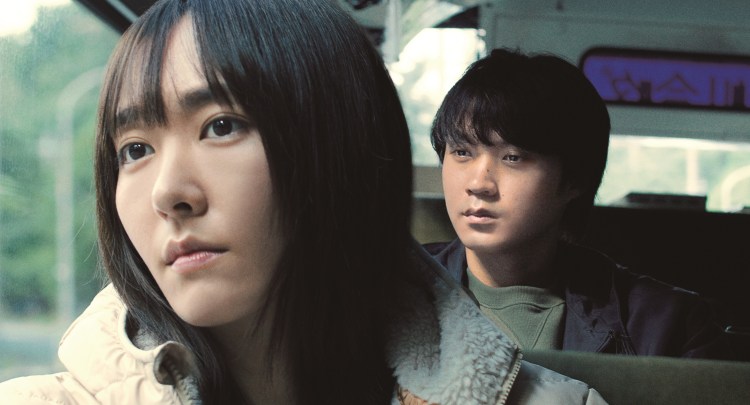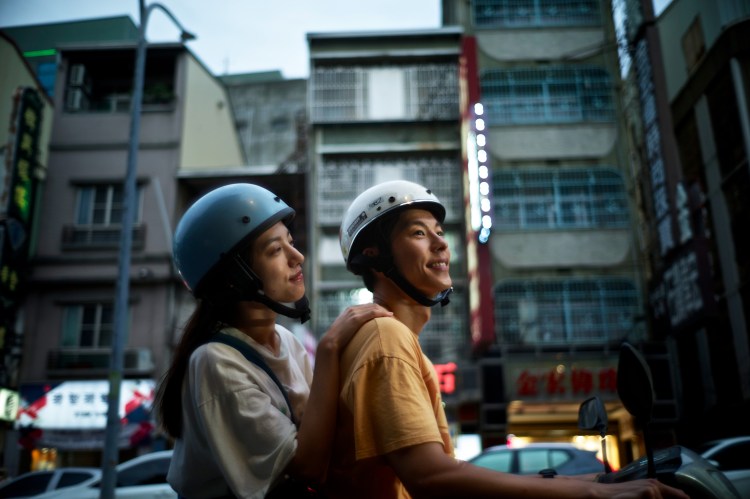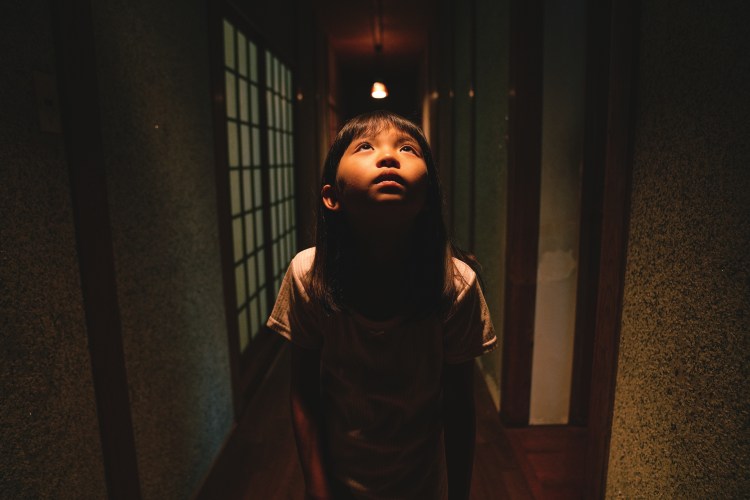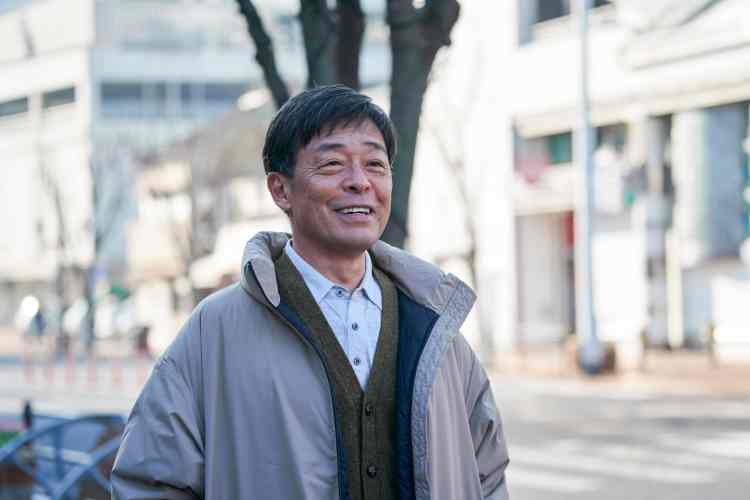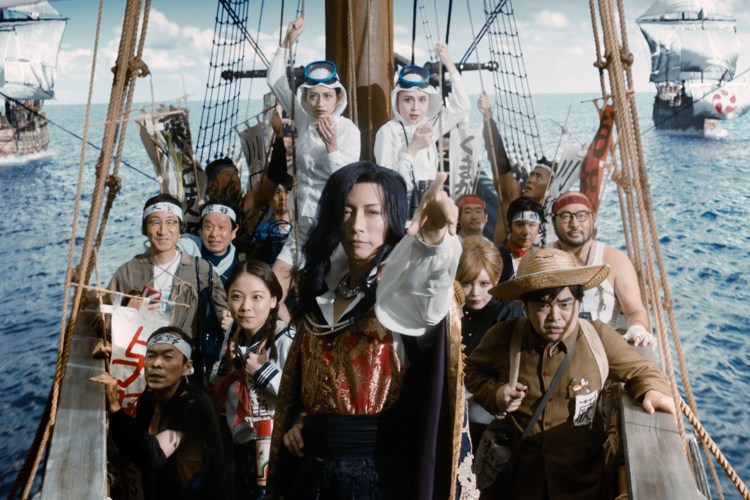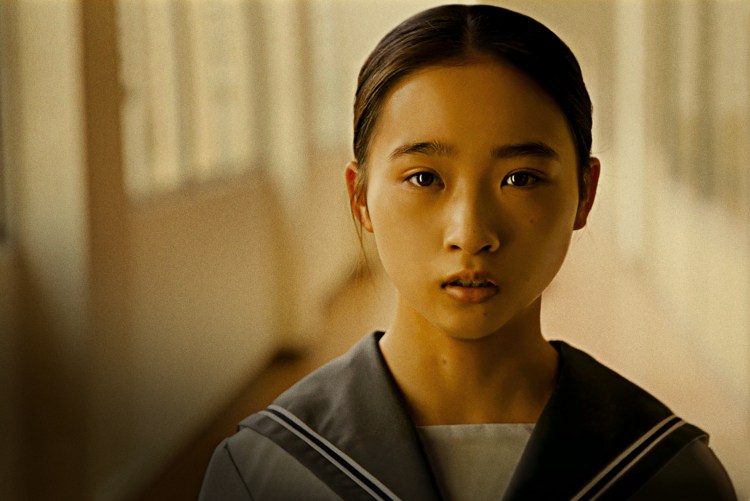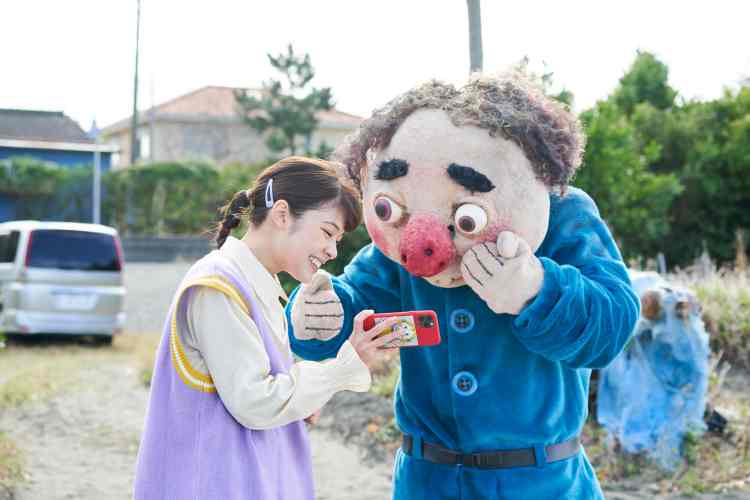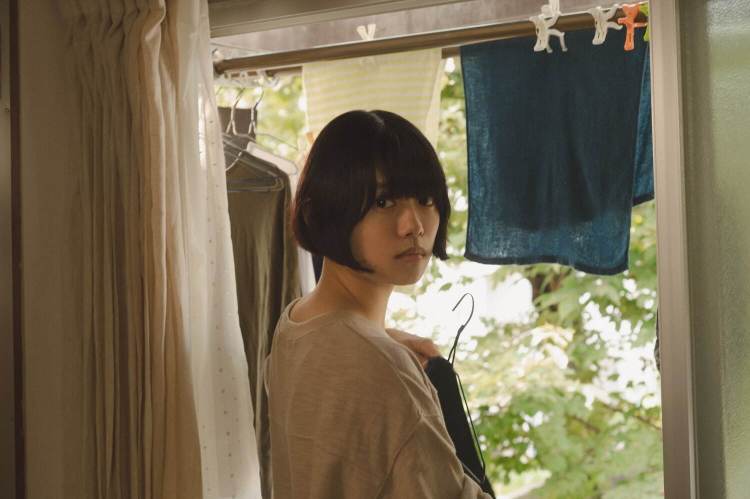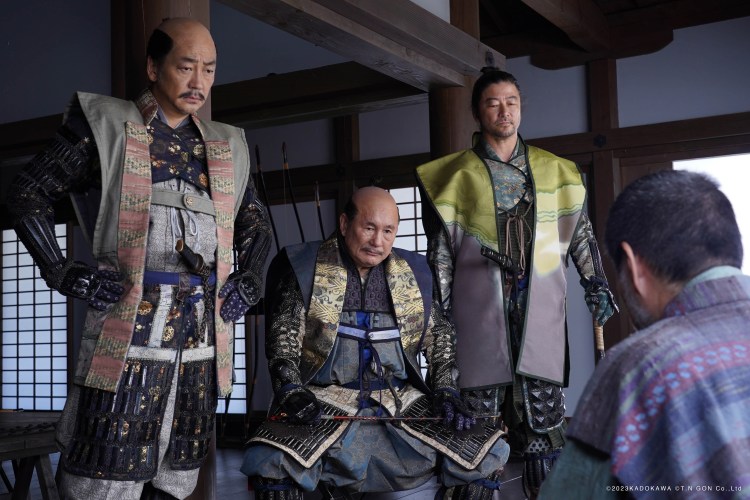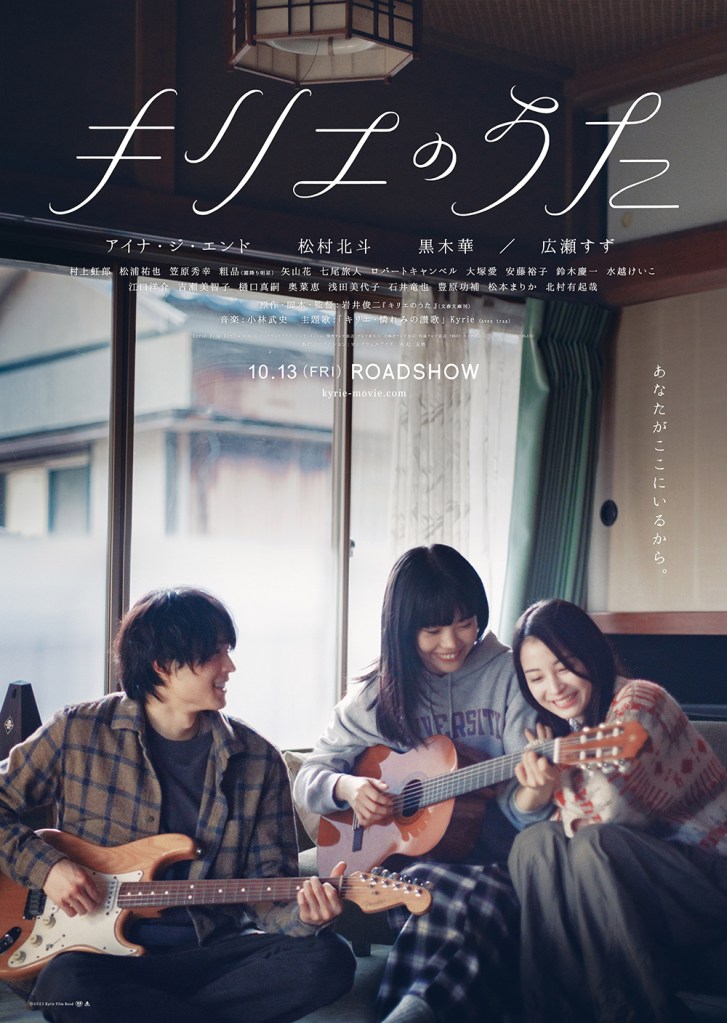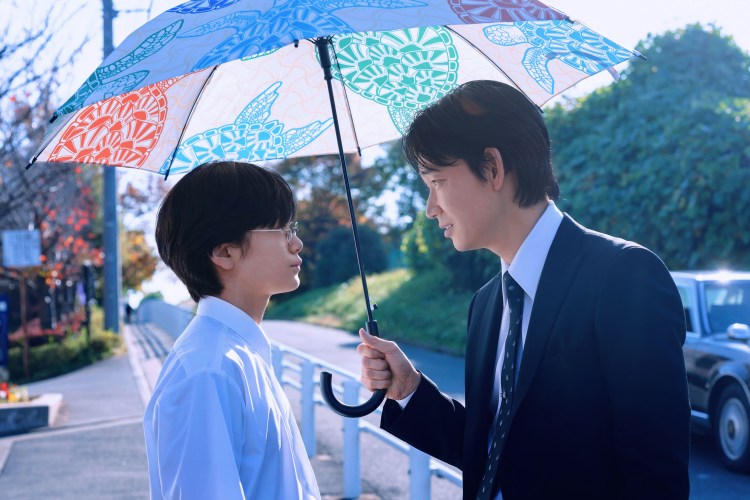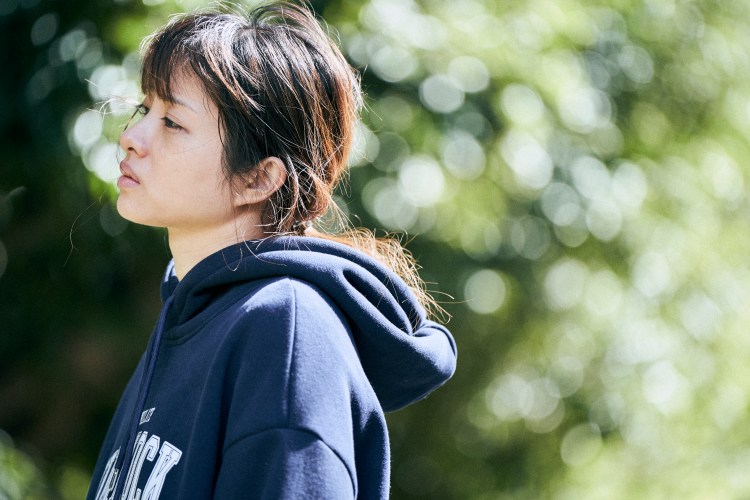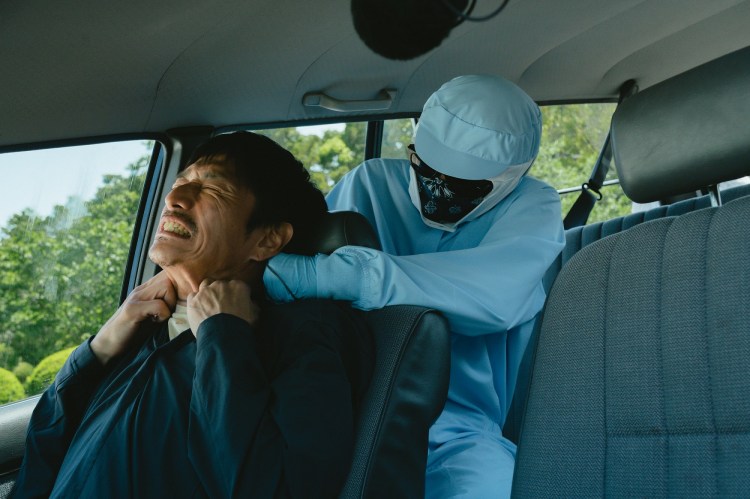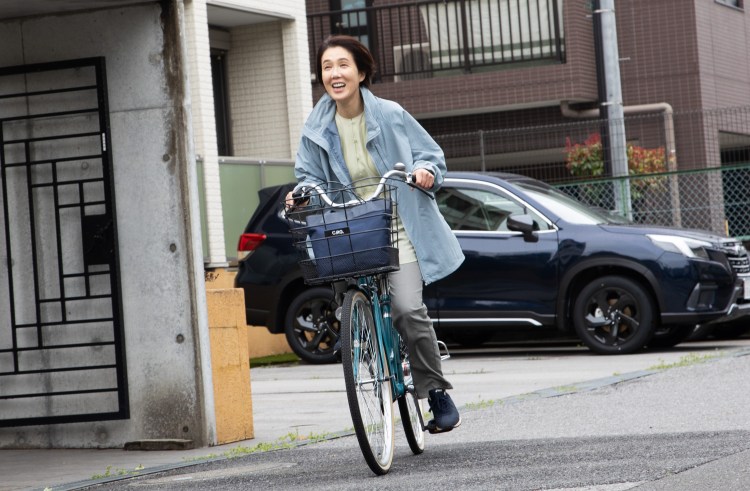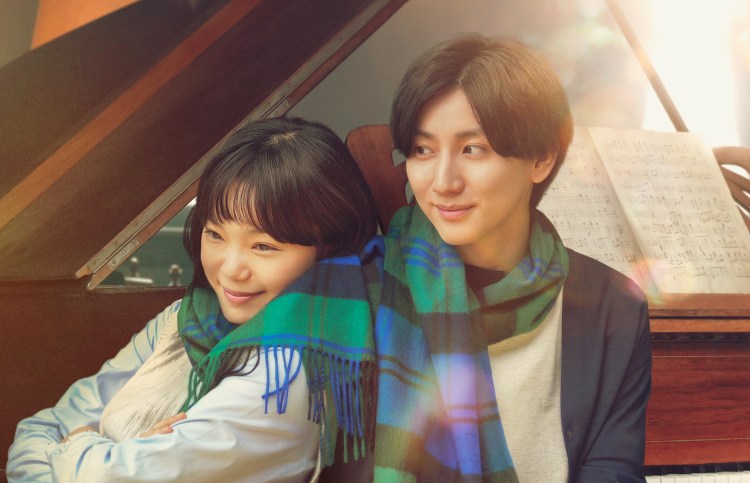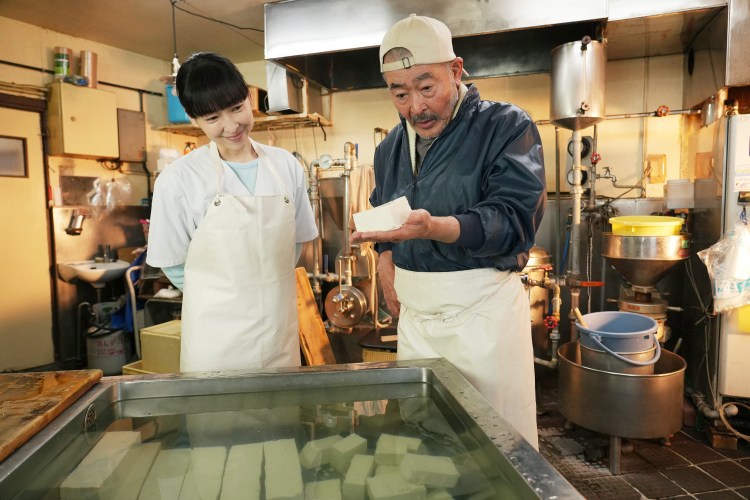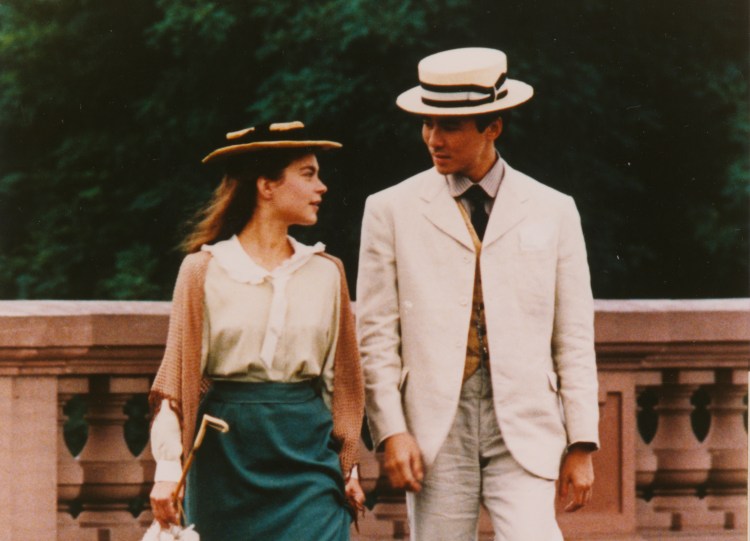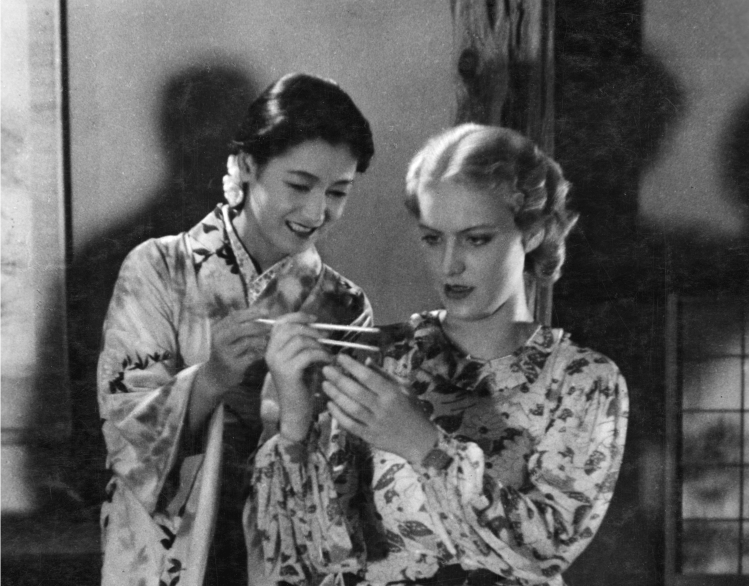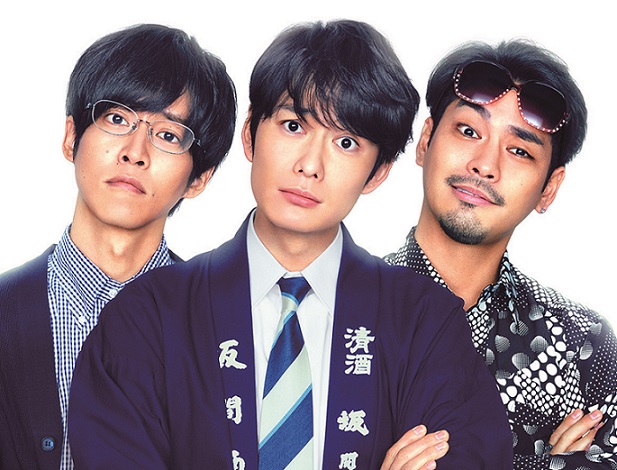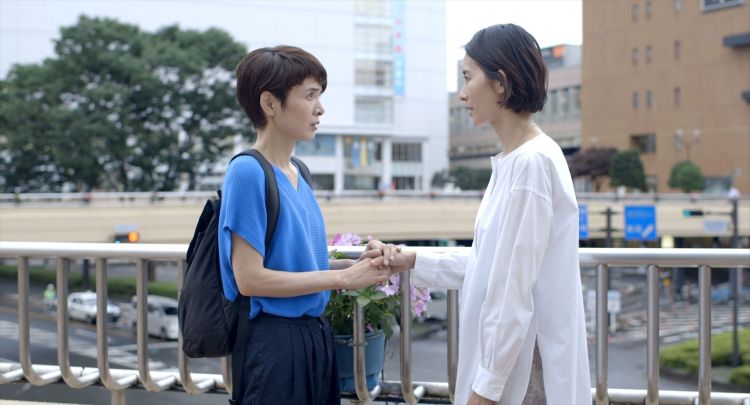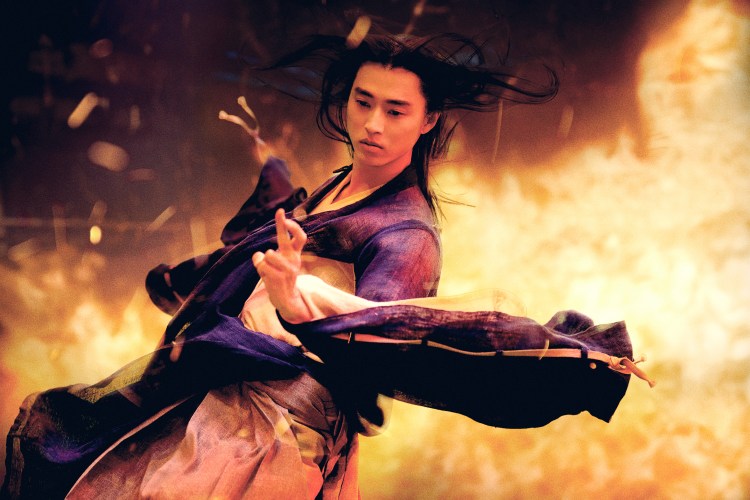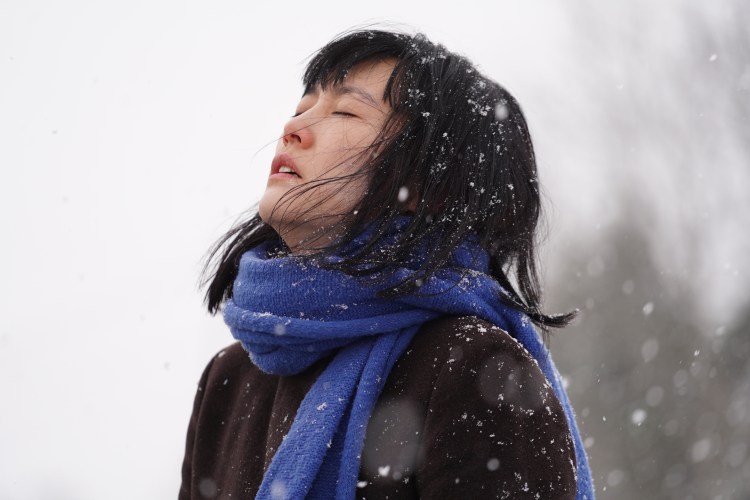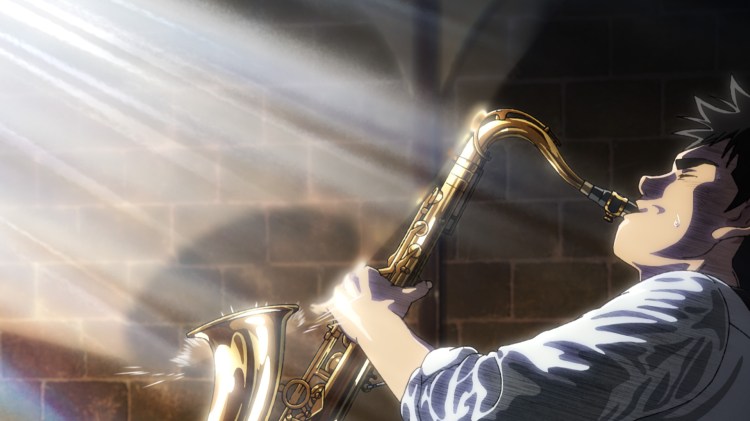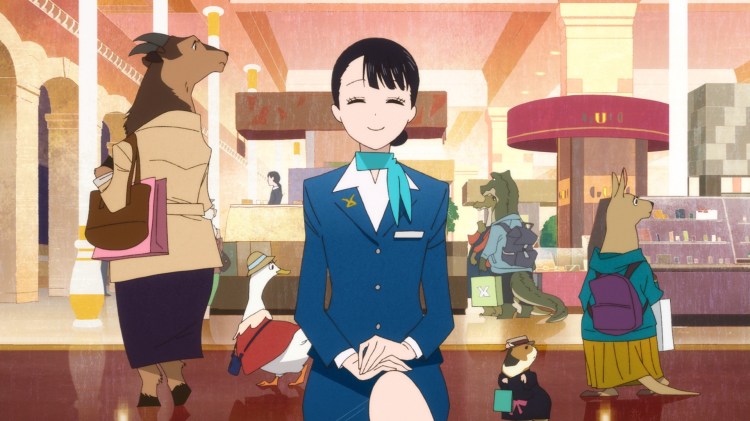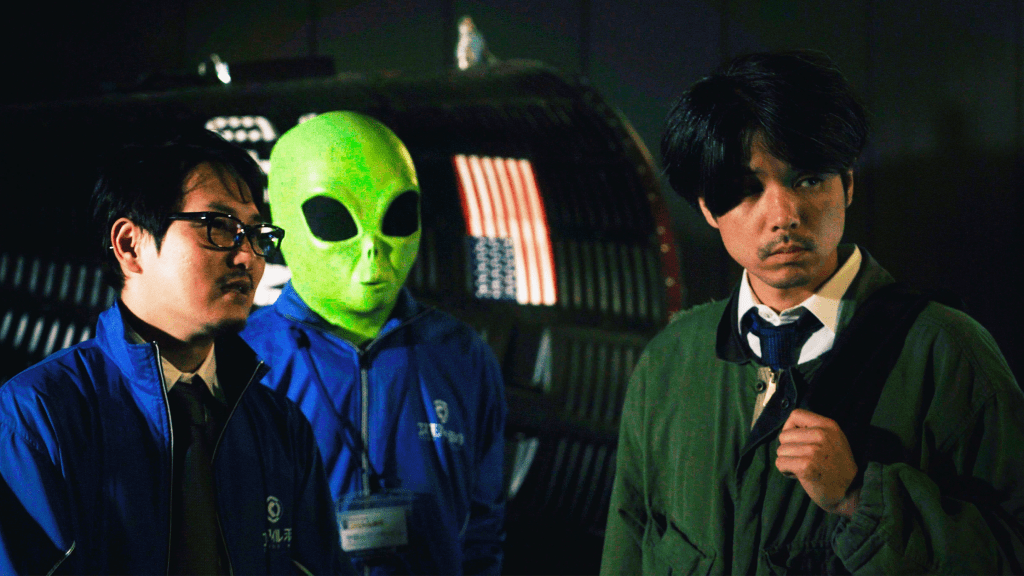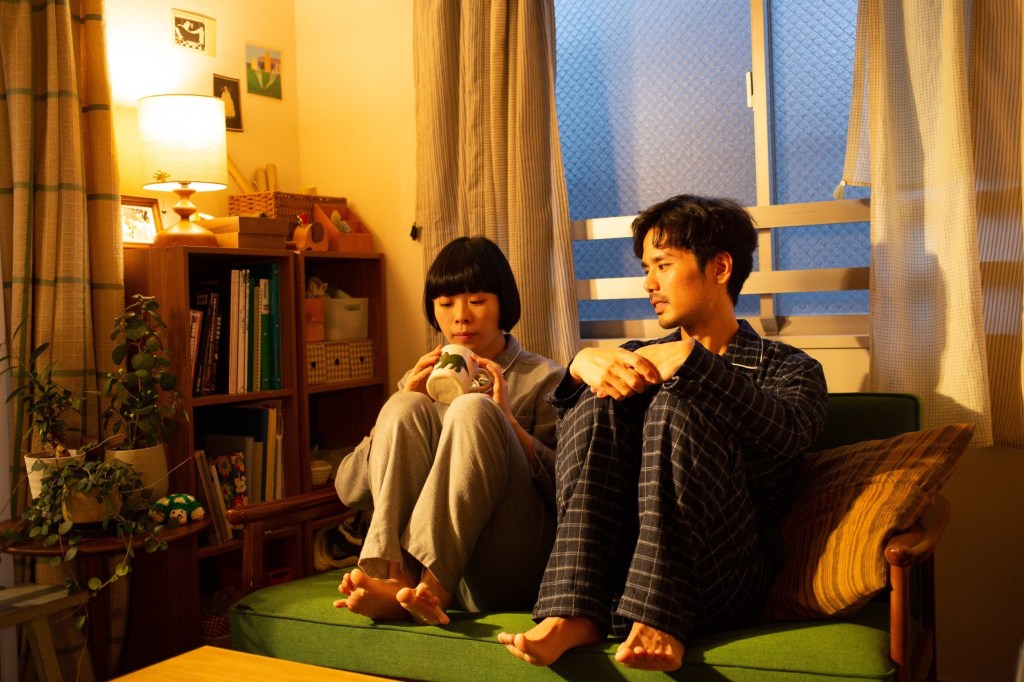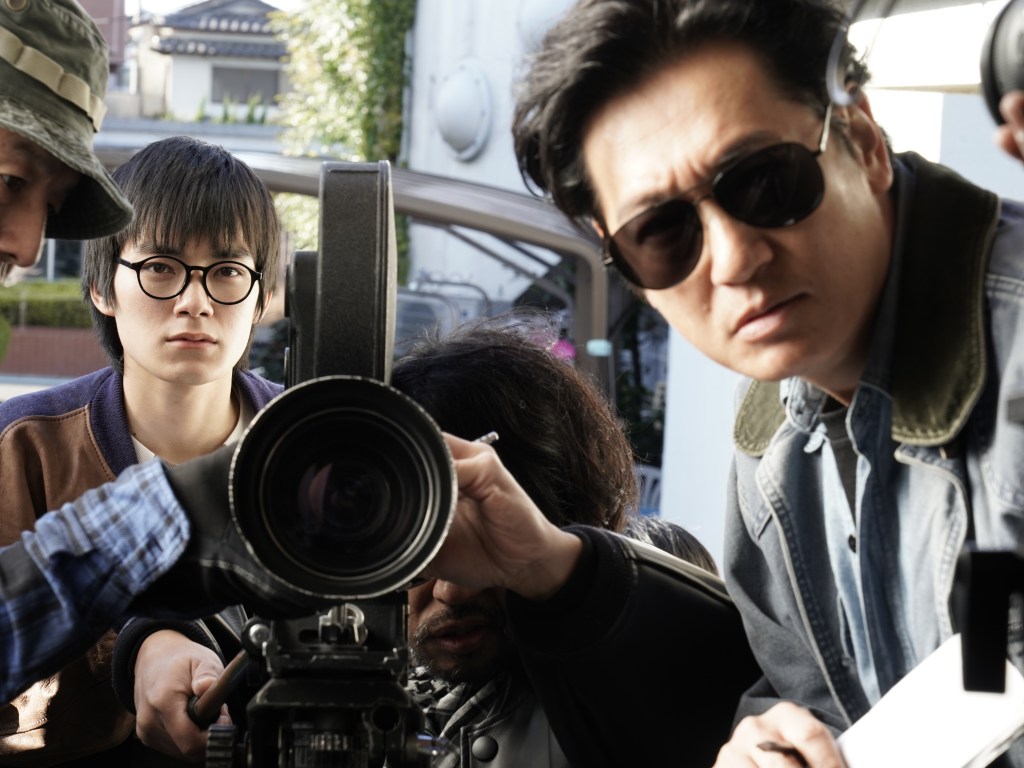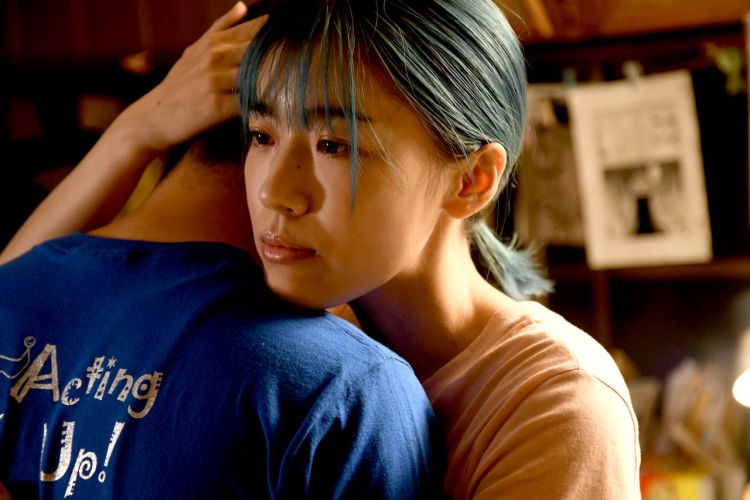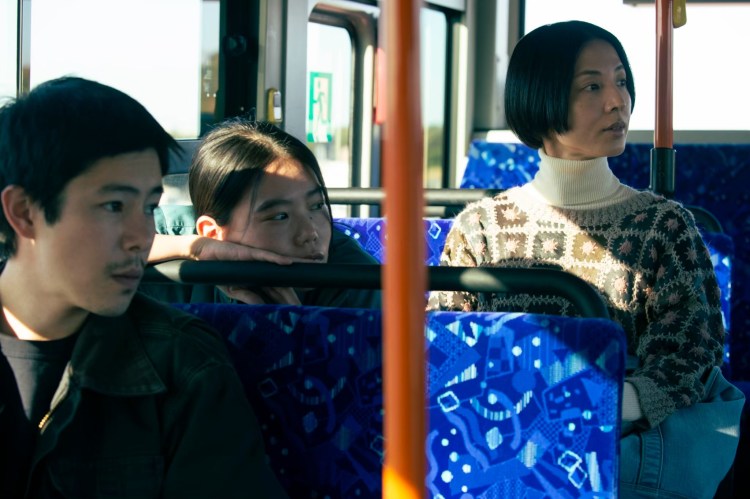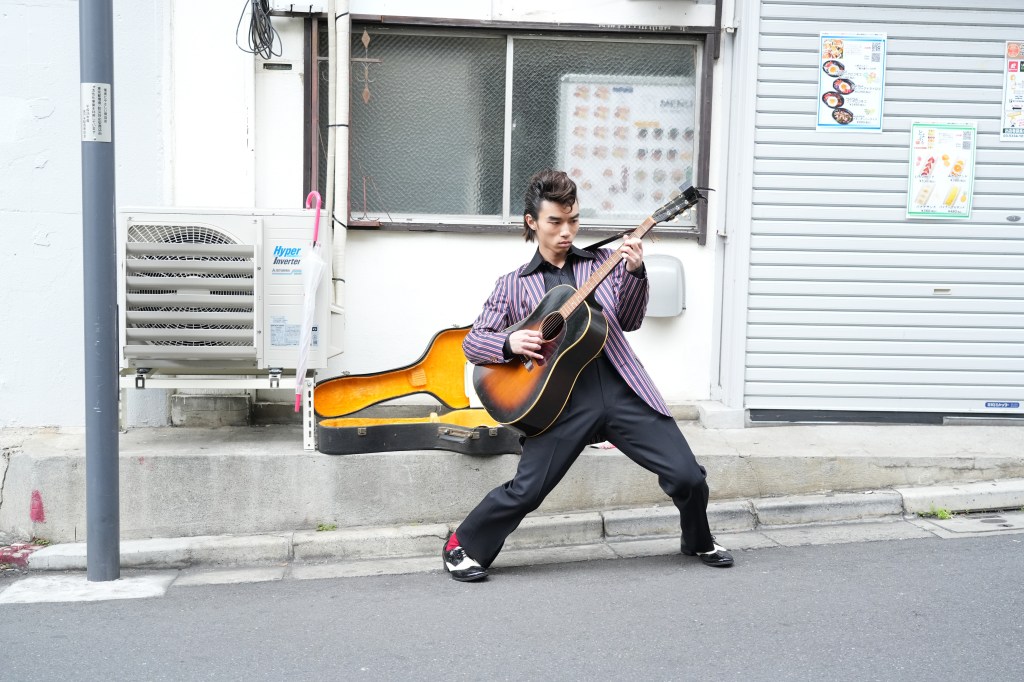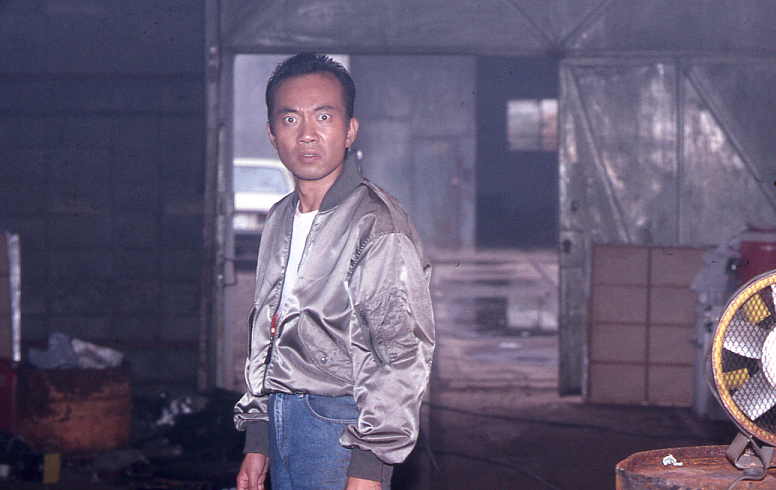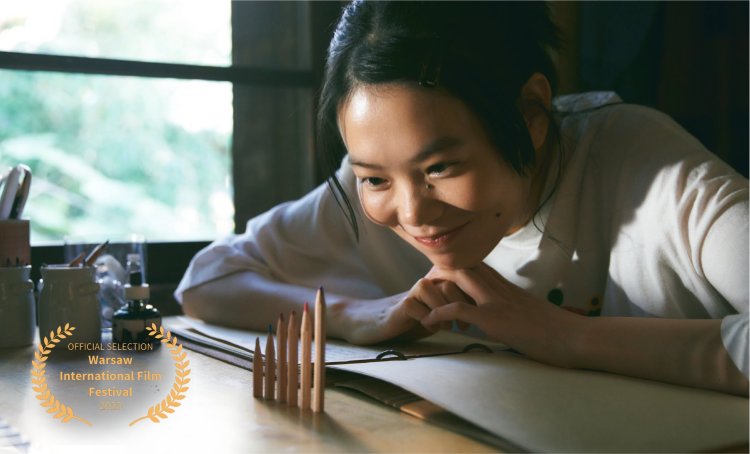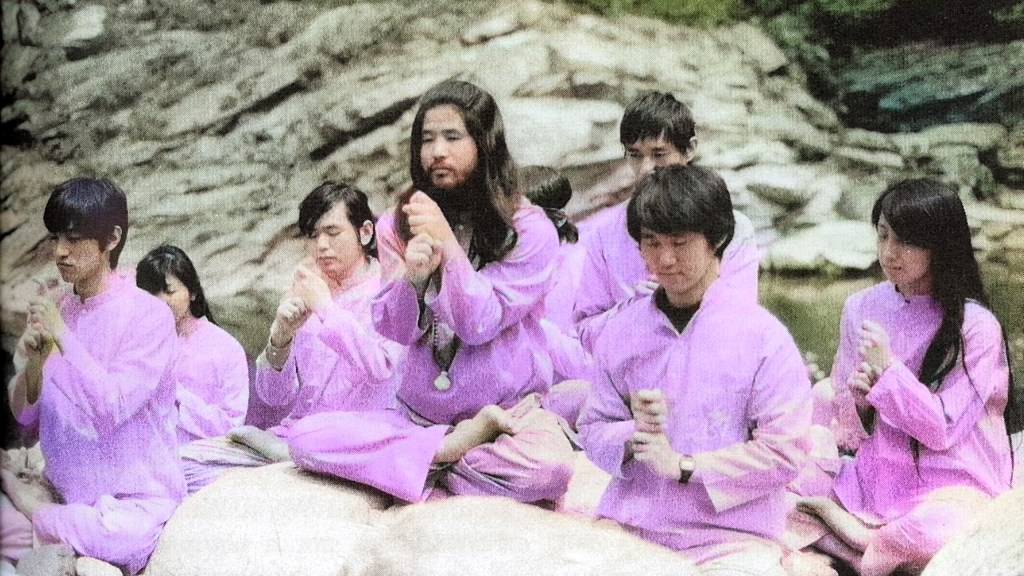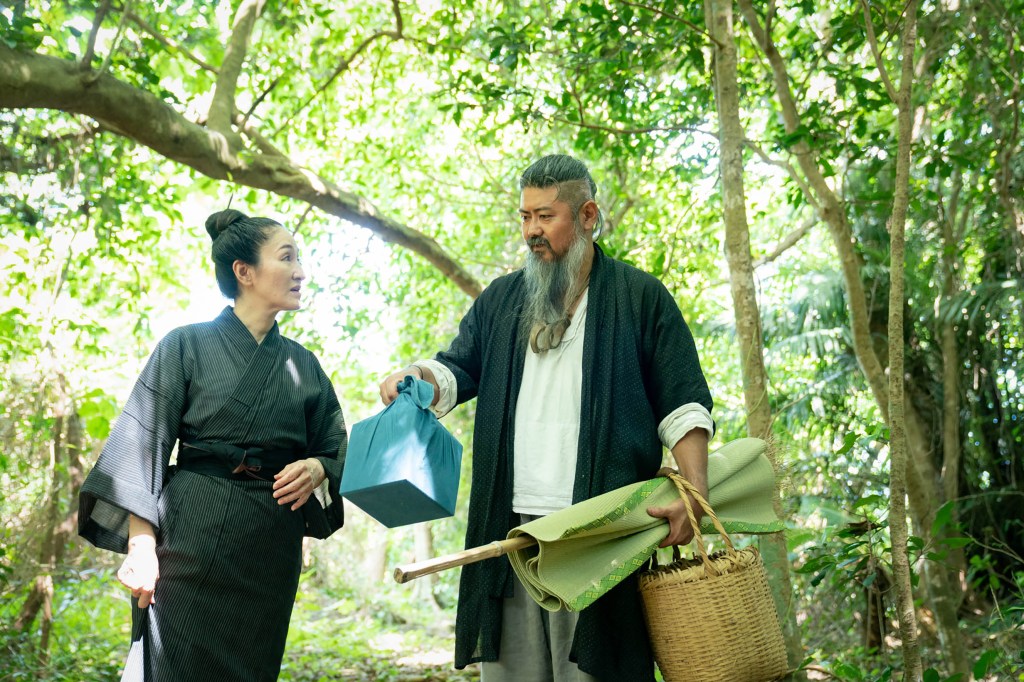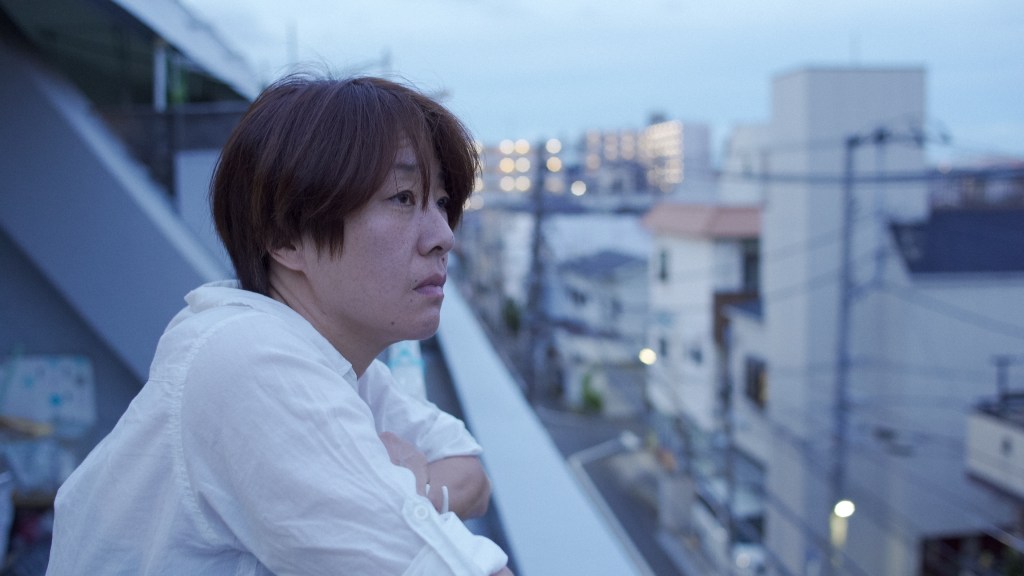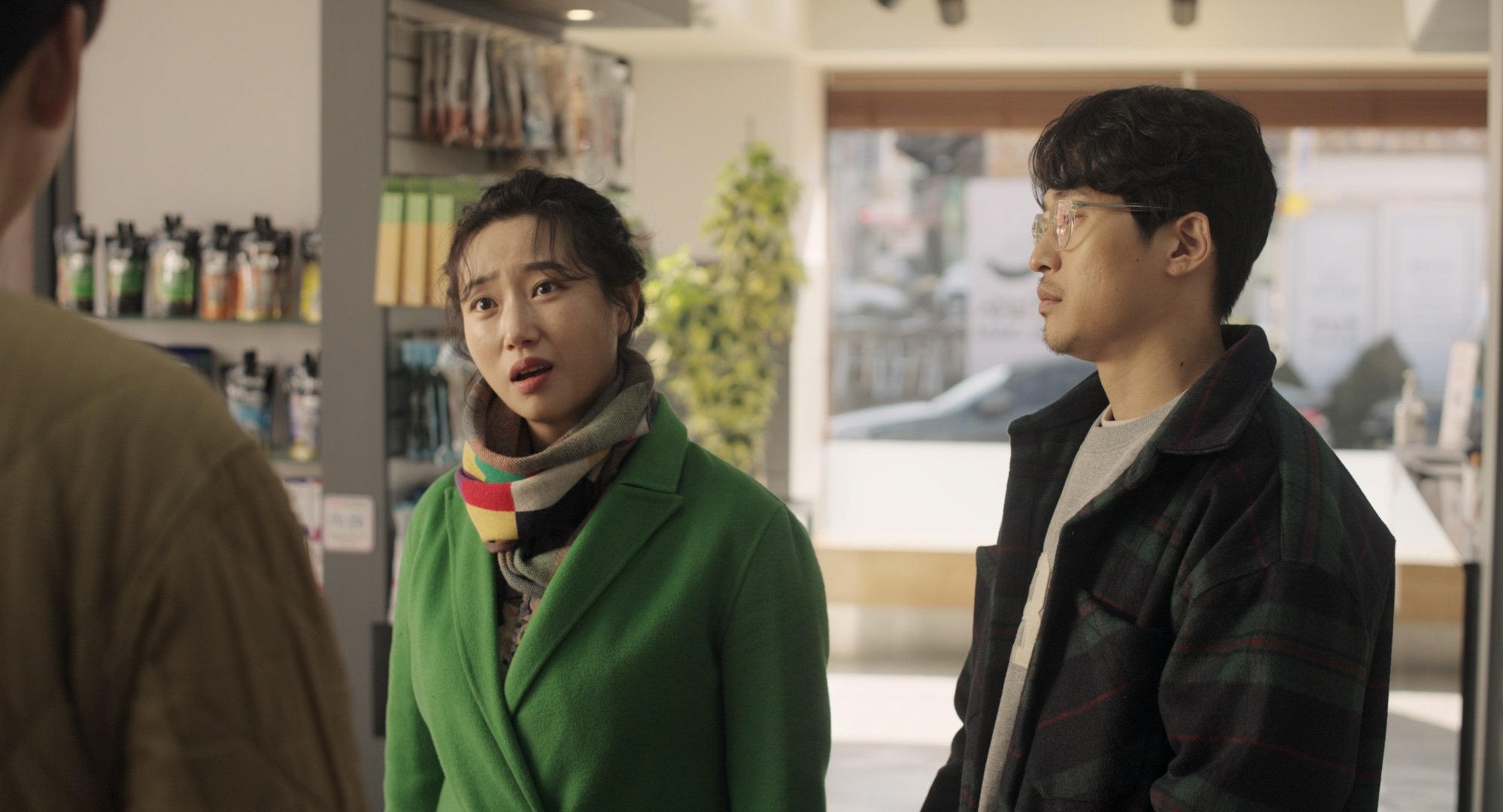
Concrete Utopia (콘크리트 유토피아, Um Tae-hwa, 2023)

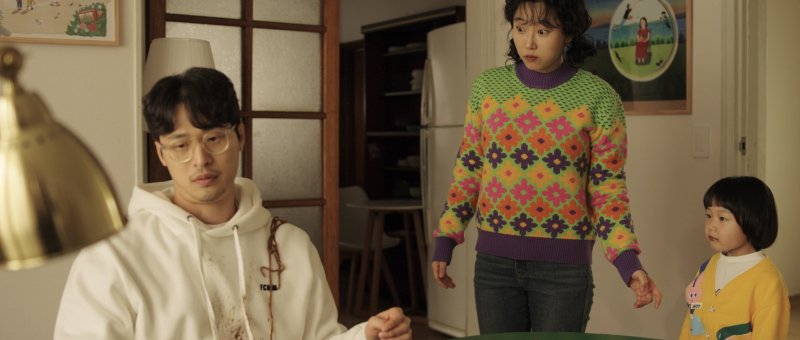
“They were just ordinary people” the heroine of Um Tae-hwa’s Concrete Utopia (콘크리트 유토피아) replies when asked about those who once lived in her apartment block. Considering what happened there, her words have a chilling quality hinting at the ways society breaks down and doesn’t in the wake of disaster and fear brings out our worst instincts. Yet on the other hand, perhaps it’s not so far from where we are now as Um’s housing crisis satire makes plain in a patriarchal and status-obsessed society.

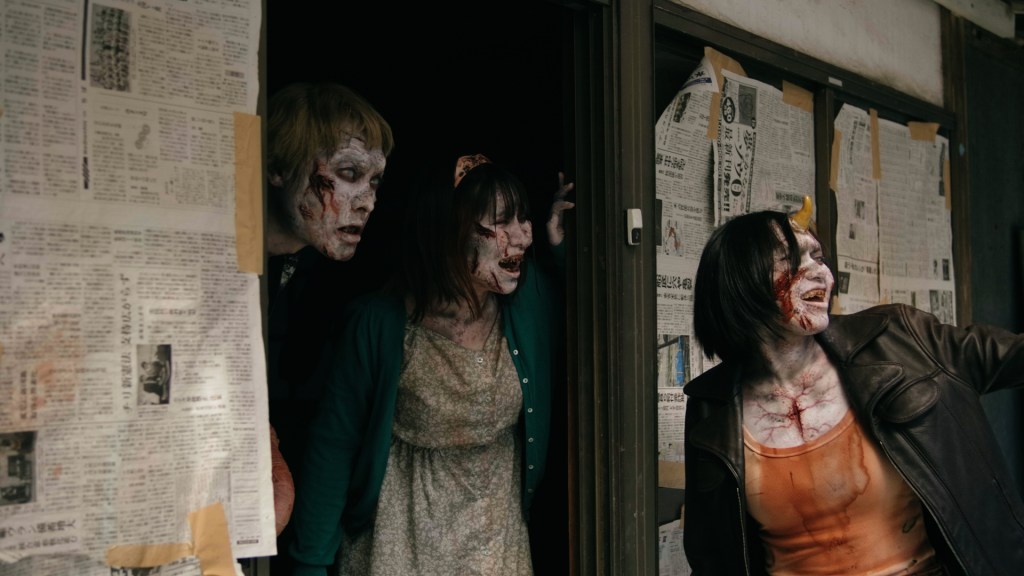
“There’s no high and now low now. Everyone is equal,” according to Keum-ai (Kim Sun-young), head of the women’s association at the Hwang Gung apartment block, but of course that’s not true. An opening sequence featuring stock footage hints at the aspirational nature of post-war high rises that as one woman said were designed to give regular people a chance at homeownership though what most people enjoy is the convenience. The irony is that this is quite literally hierarchal living, though there are hierarchies even within hierarchies. When disaster strikes the city, Hwang Gung is inexplicably the only apartment complex left standing in what was previously a forest of concrete. Refugees from other other apartment blocks have made their way into the building, but some want to evict them and not least because they come from “Dream Palace” a more expensive and snooty complex across the way the residents of Hwang Gun believed looked down on them. 

With all these “outsiders” in the building, tensions begin to bubble. One couple wants to evict the non-residents because it took them 23 years to buy an apartment so they’re incredibly resentful that someone might usurp their privilege. Chaired by Keum-ai, a debate develops as what to what residency means with some firmly believing only home ownership is good enough, questioning the rights of civil servant Min-sung (Park Seo-joon) because he is still repaying his mortgage and therefore isn’t technically the owner of this home. In any case, most are unwilling to share despite knowing that many of the non-residents will die if left out in the post-disaster sub-zero temperatures. 

It’s also telling that when pressed to elect a leader, someone says that it has to be a man. Within the new system that emerges, the residents are divided along strict gender lines with the men serving in a kind of militia under the increasingly authoritarian rule of “Delegate” Young-tak (Lee Byung-hun) and women remaining in the building doing stereotypical female tasks. The rules state that the apartments are for residents only, while rations are awarded in proportion the perceived contribution to the community and it is forbidden to go outside. The residents develop a sense of themselves as chosen people, but are also feared by those around them for their cruelty with the rumour that their raiding parties are practicing cannibalism. 

The moral centre of the film, Min-sung’s wife Myeong-hwa (Park Bo-young) was against evicting the non-residents but largely goes along with the status quo until noticing the ways in which Young-tak’s authoritarianism is changing her husband, destroying his humanity and turning him into an obsequious lackey too afraid to resist. Then again, Min-sung was already a little more selfish and conservative than she may have been, secretly wanting to evict the non-residents in the hope of holding on to his property while unwilling to share the spoils with them. It’s this fear, their fear of displacement on losing the social status that comes with homeownership, that drives some towards cruelty even though in a world like this things like property values and job titles are obviously no longer relevant. 

This is may also explain Young-tak’s short term thinking, sending raiding parties out to find more food in the ruins and rubble rather than exploring options for growing new crops or securing water supplies. Flashbacks to conversations with his family reveal that this may have been a longterm problem for him with his wife criticising that he “never solved anything”. Her criticism undermines his sense of manhood in his inability to protect his family, not only unable to provide financial stability but even to keep a roof over their heads having apparently been swindled out of a house purchase. Male failure and insecurity by turns fuel his need for authoritarian power while the men under him, like Min-sung, mistakenly look to him as a leader and seek to emulate his code of masculinity in the desire to claim their own role as patriarchs protecting their families. 

As another member of the apartment block points out, no matter how bad the situation is there are things you should do and things you shouldn’t. Myeong-hwa does her best to maintain her humanity and is perhaps rewarded for it on encountering another group of good people much like herself while others find only more violence and misery. If they had only agreed to share in the beginning, come together and thought seriously about solutions for a better future all this could have been avoided but in the end traditional social values prove hard to abandon with homeownership still afforded special status amid the ruins of society even as Young-tak institutes a mini authoritarian fiefdom complete with secret police and public self-criticism sessions. Darkly comic in its satirical absurdity, Um’s drama is keen to point out what a crisis can do to “ordinary people” but also offers a ray of hope that there will in the end always be those less inclined to selfish cruelty than to an altruistic desire to find solutions that work for everyone.


Concrete Utopia screened as part of this year’s London East Asia Film Festival.

International trailer (English subtitles)

The Rest of Our Lives (ラストターン 福山健二71歳、二度目の青春, Shinji Kuma, 2023)

A pair of elderly men struggle to find meaning in their lives in the face of well-meaning infantilism and health anxiety in Shinji Kuma’s warmhearted ageing drama, The Rest of Our Lives (ラストターン 福山健二71歳、二度目の青春,, Last Turn: Fukuyama Kenji 71-sai, Nidome no Seishun). They are not, however, the only ones as even younger people find themselves consumed by existential confusion when reaching a natural turning point and accepting that their lives will have to change. Yet through their various relationships each begins to come to a new accommodation with the present and accept that though their lives may be different than before there are still many things for them to do. 

Kenji lost his wife two years previously having cared for her as she succumbed to Alzheimer’s. These days he likes to take a walk around the neighbourhood and then get on with his usual business though even he begins to realise that he’s become forgetful and is prone to doing strange things like leaving the remote control for the TV in the freezer. His son lives far away but is worried enough about him to install an iPad on the wall so they can call each other any time and he can also check in on him to make sure Kenji hasn’t had a fall or anything like that. But to Kenji it obviously seems like an imposition, his son’s basically spying on him and taking away his privacy along with a little of his independence. Satoru has also been checking out homes and recommends an organisation for elderly people where he can get health advice, stay active, and avoid social isolation. 

Only at the centre he starts to feel insulted, irritated that the staff members talk to them as if there were small children while getting them to do weird exercise regimes that make him feel silly. One elderly gentleman, Hashimoto, eventually storms out exclaiming that they aren’t in kindergarten anymore instantly earning Kenji’s admiration. Even so, as it turns out they are very different men. While Kenji is somewhat reserved and polite, Hashimoto is a chatterbox who makes constant inappropriate comments about women he probably only (just) gets away with because of his age and otherwise loudmouth personality. The friendship between them is slow to develop for this reason, but also because Kenji seems to have forgotten what it’s like to have a friend and accidentally upsets him leading Hashimoto to think that perhaps he is just annoying Kenji and should leave him alone. 

At the swimming pool they’re encouraged to go to, the pair run into Kaori, a former competitive swimmer like them struggling to accept the physical decline of her body along the end of her sporting career. Now working as an instructor she finds teaching an uphill battle partly in her buried resentment but also through a lack of empathy for her students unable to remember what it was like to not be able to swim and impatient with those lagging behind. They are all looking for ways to reorient themselves, not so much because of their age because of the immense changes in their lives along with a sense of loneliness. Kenji lives alone, but even Hashimoto who has moved in with his son confesses that the often feels in the way and once again infantilised seeing as they’ve given him a traditional Japanese room which lacks a locking door. 

Yet the realisation Kenji comes to is that their fear of becoming a burden is misplaced. It’s alright to ask for help when you need it and even better to offer it where you can such as in his thoughtful decision to walk a neighbourhood dog that barks all the time because the elderly lady who owned him passed away and her son’s out all day at work. Shining a light on the lives of the elderly in an increasingly ageing Japan, the film is makes a gentle plea for intergenerational solidarity and a more compassionate society that is responsive to the needs of others and cares for everyone equally. Kenji and Hashimoto marvel that even in their old age they still take pleasure in learning new things while allowing themselves to accept help as a gesture of love while making sure to return the favour wherever they can. 


The Rest of Our Lives screened as part of this year’s Camera Japan.

My Lovely Angel (내겐 너무 소중한 너, Lee Chang-won & Kwon Sung-mo, 2021)

“You’ve got to be brutal to survive in this world,” according to a coldhearted gangster remonstrating with down on his luck chancer Jae-sik (Jin Goo) for his seeming inability to be as bad as the world around him in Lee Chang-won & Kwon Sung-mo’s touching drama My Lovely Angel (내겐 너무 소중한 너, Naegen Neomu Sojunghan Neo), “You won’t get anywhere the way you handle stuff.” He might have a point, Jae-sik doesn’t really have the heart to be a heartless gangster but for the moment at least has been driven into cynicism by the futility of his life. 

When one of the women in the small troupe of performers at promotional events he drives round in his van doesn’t turn up for work, Jae-sik is irritated and not really all that remorseful on realising that the reason Ji-young hasn’t arrived is that she died in a freak accident. Like most of the other women, he doesn’t know much about her personal life hearing from the police that her family record only lists a seven-year-old daughter. Investigating her apartment he makes two important discoveries. Firstly, Ji-young’s lease is about to expire and there’s a 70,000 won deposit looking for a new owner. Secondly, Ji-young’s daughter Eun-hae (Jung Seo-Yeon) is still in the apartment though she behaves as if she doesn’t know he’s there and seems to survive on packets of bread her mother had left on the kitchen table. 

It takes Jae-sik quite a while to realise that Eun-hae is deafblind, but in any case he ends up moving into the apartment and superficially looking after her in the hope of claiming that he’s Ji-young’s common law spouse and entitled to the deposit money and anything else Ji-young might have to bequeath. But as he discovers, deafblind people find themselves trapped in an awkward limbo of the contemporary welfare system which recognises only deaf or blind people, leaving those who are unable to see or hear without any kind of support. Jae-sik tries to take Eun-hae to school, but she’s put in a class for blind children which is taught through spoken language that she is obviously unable to hear. Jae-sik complains that the classes are no good for her while she becomes obviously bored and frustrated by them, but the teacher’s only suggestion is that she also take the classes for deaf children which are taught in visual media she obviously can’t see. 

Of course, to begin with Jae-sik only accepts Eun-hae as a means of getting the money, otherwise little interested in what will happen to her now. He tries to ring her estranged birth father, but he rejects all responsibility for her presumably having walked out on the relationship because of his reluctance to care for a child with special needs. Jae-sik tells the landlady, who thinks he’s Eun-hae’s dad, that he’s looking for a nanny because he wouldn’t be able to care for her on his own while working only for the landlady to point out that Ji-young was managing it alright hinting at the patriarchal double standards which still see childcare as an inherently female domain. 

Still despite himself, Jae-sik begins to bond with Eun-hae who is after all completely dependent on him. He begins to communicate with her through teaching her words written in hangul by tracing them on her palm, while she seems to blossom in a new world of sensation when the pair embark on a road trip to the country. Though his past chases him, the further Jae-sik travels from the city the less cynical he seems to become no longer interested solely in money but beginning to care about those around him, not just Eun-hae but those he meets along his journey many of whom are also dealing with their own problems which sometimes echo his own as in a single-mother’s attempts to care for her ageing father as his dementia worsens. Lee & Kwon lend a golden glow to the expanses of the rural farmland where Jae-sik and Eun-hae find themselves taking refuge, Eun-hae in thrall to the natural world cheerfully dancing in the rain, smelling the flowers, and befriending animals even as the city snaps at their heels. Avoiding obvious sentimentality, the film nevertheless tells a poignant story of paternal redemption and the blossoming of a little girl finally finding a means to express herself.


My Lovely Angel screened as part of this year’s London Korean Film Festival.

Original trailer (English subtitles)

Nocturne (녹턴, Jeong Gwan-jo, 2019)

“Every day is a battlefield” the mother of Eun Seongho, one of the protagonists of Jeong Gwanjo’s documentary Nocturne (녹턴) exclaims while trying to keep her son in line during a difficult journey on the underground. Seongho is autistic and has learning difficulties. He is very dependent on his mother, Minseo, who raised him and his brother Geongi alone after their (never seen) father left the family. But while Minseo does her best to push Seongho towards a stable career as a classical musician, Geongi seems to flounder extremely resentful of his mother and brother in feeling both burdened and excluded. 

Geongi later claims that he does not feel part of the family and as a child assumed that his mother disliked him as all of her time was taken up with trying to care for Seongho. Now as an adult he struggles to settle, once training as a concert pianist himself but later dropping out of university to start a business which he says failed because of a scam. “There are no nice people in this world,” he sighs while openly wondering what sort of man he’d be if only he’d had the same love and attention poured on him as Seongho had heavily implying he’d have made much more of his life.

Seongho’s language skills are limited and he is easily distracted, unable to sit still and often jumping around like a child or else making high pitched noises to release some of his frustration. Of course, all of this is particularly difficult in the rarefied world of classical music which depends on a sense of formality and decorum. Minseo painstakingly rehearses with him, reminding Seong-ho to lift the tails of his suit as he sits at the piano and place his hand on the edge of the keyboard as he bows. His music teacher berates him for not practicing and then lying about it, telling Minseo he’s at the end of his tether as he feels he does not know how to get through Seongho while himself frustrated by his slow progress and knowing that only increases the pressure on Seongho who will then become avoidant and unwilling to play at all. 

Minseo seems to be hoping that Seongho will be able to support himself financially through his music and is acutely aware that caring for him will become more difficult as she ages while she obviously cannot be there for him forever. The manager of residential centre she takes him to grimly adds that many parents of children like Seongho hope that they will be able to bury their children with their own hands while Minseo wonders if she’d be able to go peacefully outliving him  by just a few moments.

All of which is the reason that she places so much pressure on Geongi to take care of his brother so that Seongho will be looked after once she’s gone. But that only deepens Geongi’s resentment feeling as if he only exists as a caretaker for Seongho and his own life is unimportant, wilfully sacrificed by his mother whom he cannot forgive for the sense of rejection he feels. He claims not to resent Seongho himself, but doesn’t see why he should sacrifice his life for him and firmly refuses the responsibility. Meanwhile, be becomes a heavy drinker working several low paying jobs to get by while practicing piano in his spare time. 

Yet after agreeing to accompany him to St. Petersburg where ends up playing the piano for him after a snafu with the sheet music, Geongi comes to a new understanding of his brother explaining that as they played together it finally felt as if they were really conversing and Seongho for the first time felt like a big brother to him. Echoing the universal language of music, the film never shies away from the difficulties faced by those responding to Seongho’s complex needs or his own in his inabilities to make himself understood or when his behaviour confuses others such as his need to touch things on the subway, but does ultimately discover a kind of rebalancing as Geongi finds new ways to connect with his brother along with a new acceptance of himself.


Nocturne screened as part of this year’s London Korean Film Festival.

Original trailer (UK subtitles)

Mayhem Girls (メイヘムガールズ, Shinichi Fujita, 2022)

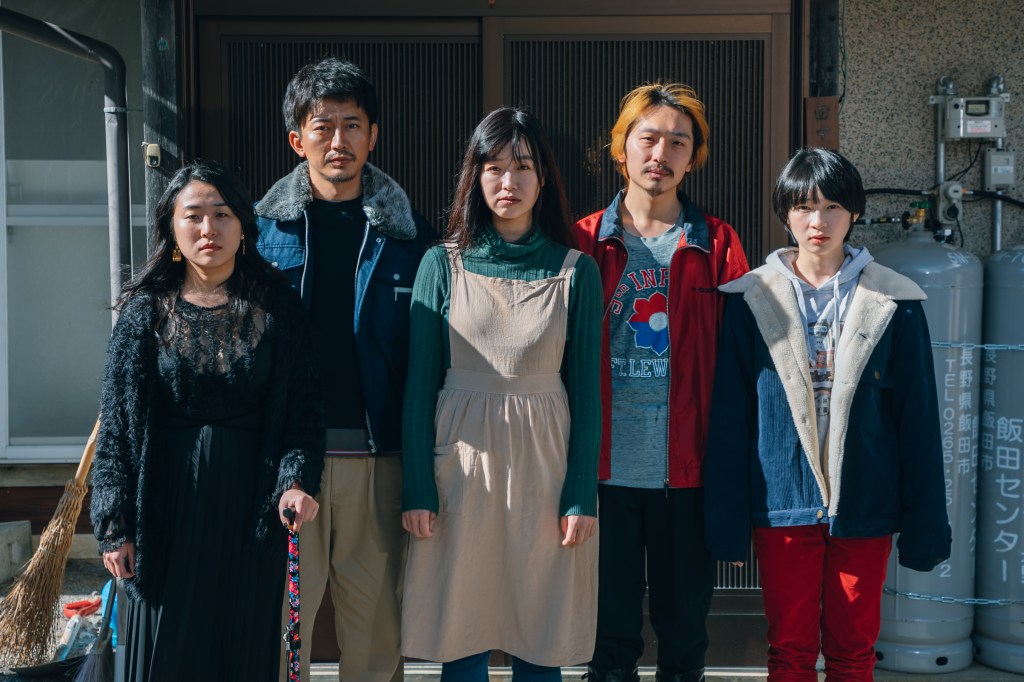
Four teenage girls unexpectedly find themselves with superpowers during the Covid-19 pandemic, but largely struggle with just the same problems as everyone else in Shinichi Fujita’s sci-fi-inflected high school dramedy Mayhem Girls (メイヘムガールズ). Despite the implications of the title, mayhem is not exactly the girls’ vibe though they each in their own way challenge the oppressive social norms of those around them later depressed by the realisation that they’ll soon have to go back to being “normal” and lose this brief respite they’ve been given from the rigours of high school life. 

The girls are already close to boiling point with the pressures of the pandemic as the teachers (ironically) yell at them to use hand sanitiser and social distance. The final straw seems to be the announcement that the Cultural Festival will be going online. That might be one reason why popular girl Mizuho (Mizuki Yoshida) suddenly snaps when her teacher catches her reading Twitter on her phone rather than studying. Miss Sawaguchi (Maako Miwa) is young and somewhat timid, unable to exert her authority over the class which is largely uninterested in her attempt to read out articles from English-language magazines. What’s the point, Mizuho wonders, in learning English if you can’t go abroad anyway? Sawaguchi takes this opportunity to reprimand Mizuho as a means of asserting her control but it backfires as something strange happens when she confiscates the phone. Sawaguchi’s hand stops mid-air allowing Mizuho to simply reclaim it while she runs out of the room as if in pain. 

This is only the first inkling that Mizuho has gained unexpected powers of telekinesis though she struggles to understand what happened, certain that she didn’t touch Miss Sawaguchi and confused that she seems to be talking about “violence” and displaying bruises on her wrists. In any case, the event loses her her phone which is akin to a kind of social death for a teenage girl. Her powers have, however, brought her to the attention of Tamaki (Amane Kamiya) who is a telepath, or more accurately given her an excuse to make contact for as it turns out Tamaki has long been carrying a torch for the oblivious Mizuho who is hung up on the student who was her tutor in middle school, Yusuke (Taisei Kido). Soon they are joined by two more girls, Akane (Manami Igashira) who can teleport, and Kei (Hina Kikuchi) who can read the minds of machines, in a kind of after school superpower club. 

Though they eventually become good friends, the relationship between the girls is strained by their differing views on their powers and by Mizuho’s concurrent obsession with Yusuke who is now a part-time delivery rider struggling to find a full time job in the middle of the pandemic. Using Kei’s powers to track him down she waits outside his house for him to come back and inserts herself into his life. Though he seems as if he’s about to remind her that her behaviour is inappropriate, Yusuke eventually goes all in on Mizuho after learning of her powers and asks her to use them to rob a bank so he can forget about his employment woes. 

There are many things you shouldn’t do for a boy and robbing a bank is very high on the list, though perhaps merely a more extreme version of a lesson typically learned in adolescence. In any case, this is far as Mizuho is pushed to the dark side. Other than that, none of the girls really consider using their powers for evil ends with even Tamaki admitting that she has thought about poking around in Mizuho’s head but feels it would be wrong to do so. It’s Tamaki who draws the short straw in being largely unable to articulate herself even by using her powers before eventually trying to communicate in images only to be robbed of the power to do so at the very last second when she’s reduced to being “normal” once again. 

“Normality” does seem to resume for them, each of the girls heading back to their own individual cliques having seemingly learned little from their experiences save Tamaki who is left with a lingering sadness. Perhaps what they’ve been through is a kind of mayhem, a period of chaos provoked by the pressures of the pandemic along with oppressive teachers and the regular teenage issues of unrequited love and romantic disappointment but they’ve returned to “normal” all too quickly leaving precious little time to meditate on the results of their flirtation with superpowers and psychic abilities in a world in which normality itself is both somewhat illusionary and infinitely oppressive.


Mayhem Girls screened as part of this year’s New York Asian Film Festival.

Original trailer (no subtitles)

The Shadowless Tower (白塔之光, Zhang Lu, 2023)

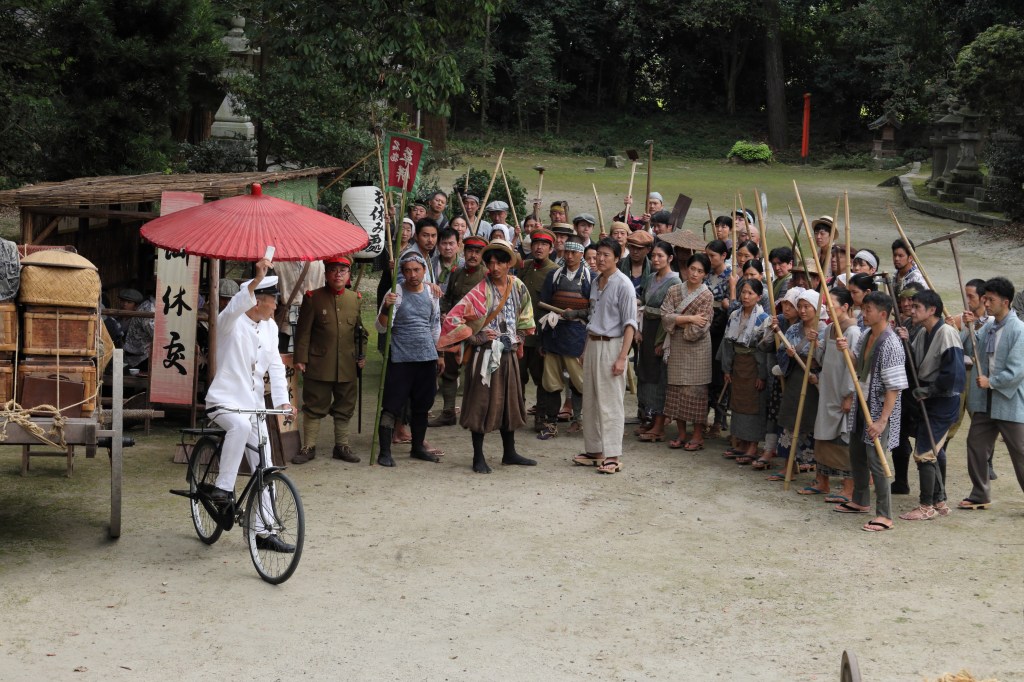
A tale of middle-aged loneliness and regret, Zhang Lu’s Shadowless Tower (白塔之光, Bái Tǎ zhī Guāng) takes its name from a white pagoda in the centre of Beijing that is said to cast no shadow. Or at least, as the hero later suggests, its shadow may be far away in its old home town of Tibet. Most Zhang’s protagonists are somewhat displaced most particularly spiritually and existentially, cut adrift by corrupted paternity while uncertain how to progress towards the future. 

For Gu (Xin Baiqing), a former poet now a melancholy restaurant critic and divorcee with a small daughter, the problem is he’s beginning to feel more and more like the father he hasn’t seen since he was five when his mother kicked him out of the house after he was accused of groping a woman on a bus. In a meta-textual touch, Gu’s kite-flying father Yunlai is played by film director Tian Zhuangzhuang who once made a film called The Blue Kite that is also about failed fatherhood and was banned by the authorities on its release. In any case, Gu is only a part-time father to his little girl, Smiley (Wang Yiwen), who is living with his sister and her husband who has been secretly in touch with Yunlai and aware that he rides hundreds of miles by bicycle twice a year visit Beijing on the kids’ birthdays though he cannot meet them.

In many ways, it might seem to be the father, or at least the image of one, that is the shadowless tower that hangs over Gu’s life. He fantasies about interrogating him over the bus incident, wondering if what his mother did was right or if they unfairly rejected a good man because of a misunderstanding. His mother’s anger was apparently partly because Yunlai would not compromise and confess to the crime to get a lighter sentence, instead being sent to a labour camp which left her financially responsible for the children on her own. Gu’s sister Wenhai (Li Qinqin) reflects that if he had not been such a good father to begin with she could have forgiven him, but because he was his disgrace caused her to lose faith in the world. 

Gu seems not to have much faith in the world either, remarking that he separated from his wife owing to an excess of politeness, the same politeness that keeps him aloof from his surroundings and prevents him from making meaningful connections. Yet for all that, he embodies a kind of fatherhood, sitting down on the bed of his lodger and gently placing a hand on his back on hearing his crying through the wall. The young man later embraces him as a son to a father, while Gu finds himself dancing a melancholy waltz with Yunlai who is also an image of his future self. 

But even as a lifelong Beijinger, Gu remains rootless. Meeting up with old friends, all of whom might have been young in the late ‘80s, they drink and sing the song composed for the 2008 Olympics as if they were looking for a father in the city. Gu also reads from Bei Dao’s My Beijing which similarly rests on a sense of exile even while present. The only woman in the group laments that she never married and meditates on the ghost of lost love, while the only one of them who fled abroad eventually takes his own life in a foreign land.

Jolting him out of his inertia, Gu encounters free spirited photographer Wenhai (Huang Ya) who shares his sister’s name though she is also similarly displaced and struggling with a more literal orphanhood that leaves her caught between the North East and the Cantonese-speaking south where she was adopted. A gentle love story arises between them, Wenhai cutting through the wall of Gu’s politeness with refreshing frankness but also with troubles of her own and a worrying tendency to refer to him as her father which nevertheless has a kind of circularity to it. 

Crouching down by the pagoda, they can’t see their shadows either and wonder where they are. Then again, perhaps it’s not so much that tower casts no shadow, but the shadow it casts is so vast that covers everything below just as Gu’s searching for his father overshadows his life even as he is also searching for himself. Intensely moving, Zhang’s poetic drama waxes on middle-aged rootlessness but also the interconnectedness of all things, from kites to earthworms and the great dance of life in all its inescapable loneliness. 


The Shadowless Tower screened as part of this year’s London East Asia Film Festival.

Original trailer (Simplified Chinese / English subtitles)

A Letter from Kyoto (교토에서 온 편지, Kim Min-ju, 2022)

A disillusioned young woman returns to her hometown in search of healing but finds it in a state of disrepair in the fracturing relationship between her two sisters, one approaching middle age and the other yet to graduate high school, and her ageing mother entering the first stages of dementia in Kim Min-ju’s poignant debut feature A Letter From Kyoto (교토에서 온 편지, Gyoto-eseo on Pyeonji). As the title implies partly a story of dislocation, seeking both an escape from and return to the safety and comfort of a hometown, the film explores the destructive effects of secrecy and miscommunication between those who ought to share a greater intimacy.

Hye-young (Han Sun-hwa) couldn’t wait to get out of Yeongdo and has been living in Seoul for the past several years with the aspiration of becoming a writer but has been earning her living working for a TV station making educational programmes. It’s clear that something has gone wrong for her in her sudden and unannounced visit home, though she only explains that she’s taking break. Meanwhile, she begins to notice that her mother, Hwa-ja (Cha Mi-kyung), has become forgetful and easily confused. Not only is she overstocking her fridge with multiple purchases of persimmons but habitually picking up the leftover kimchi from the kitchen where she works despite reminders from her otherwise sympathetic boss not to. 

The ages of the three sisters, like those of the Chekhov play marooned in the provinces, seem to be representative of the passage of a life. The youngest, Hye-joo (Song Ji-hyun), is boisterous and full of dreams keeping her hopes of becoming a hip hop dancer a secret on remembering all the fuss surrounding Hye-young’s announcement that she wanted to become a writer. Oldest sister Hye-jin (Han Chae-ah) by contrast is cynical and worldweary. She supports the family with her job in a mid-range handbag shop where she once dated the manager only he decided to break up with her because she didn’t want to leave Busan and had no interest in money. 

Hye-jin later tells unexpected love interest Polish sailor Piotr that she has never been abroad perhaps because she’s in a sense afraid to leave while constrained by her sense of duty owing to being the older sister, mildly resentful of Hye-young for abandoning them and shifting all of the burden onto her. A sense of displacement floats around the family home in part because of Hwa-ja’s childhood past, born in Japan and then brought to Korea by her Korean father without her Japanese mother’s knowledge. The film’s title comes from a series of letters the daughters find that are written in Japanese, a language that Hwa-ja claims to have forgotten though is perhaps slowly returned to her as they begin to translate in an attempt to retrace and reclaim the past that been hidden from them.

Though she recounts a fear of discrimination because of her Japanese ancestry, Hwa-ja had never particularly hidden her past answering Hye-young’s questions as to why she never mentioned it with the reasonable reply that she never asked. A sense of secrecy and miscommunication continues to divide the sisters with Hye-young reluctant to discuss the reasons behind her desire to return home, Hye-joo keeping her dancing dreams a secret, and Hye-jin not saying much at all in her disappointment and resentment. It frustrated Hye-young that her mother never throws anything away, but to her it would be like throwing away a part of her past self and another act of forgetting aside from that she no longer has any control over.

Yet the film seems to suggest that Hwa-ja need not remember everything when her daughters can remember it for her, adopting her orphaned memories into their own stories while she too is able to make a kind of peace with the past on reclaiming the memories of her own mother that were otherwise lost to her through linguistic and geographical displacement. Exposing the secrets and repairing the fracturing past frees each of the sisters to follow a path that more suits them, accepting that there’s a time to leave your hometown, and a time to return, whether or not or one eventually decides to stay. Poignant and somewhat elegiac, the film eventually celebrates maternal and sisterly connections extending beyond the immediate family in the presence of Hwa-ja’s staunchly loyal childhood friend along with a sense of serenity in rootedness to a particular place that represents a home.


A Letter from Kyoto screened as part of this year’s London Korean Film Festival.

Trailer (no subtitles)

Tinker Ticker (들개, Kim Jung-hoon, 2013)

A jaded young man finds himself torn between continuing to fight the system and a total capitulation to it in Kim Jung-hoon’s explosive debut feature Tinker Ticker (들개, Deul-gae). Fit to explode, Jung-gu (Byun Yo-han) takes his revenge on a bullying culture by literally blowing it to hell but after a spell in juvenile detention emerges meek and mild, lacking in resistance and apparently willing to undergo whatever degradations are asked of him in order to achieve conventional success. 

Having placed a bomb in the car of a teacher who was abusive towards him, Jung-gu was caught and sent to prison with the unfortunate consequence that he can no longer study chemistry as he’s been banned from using dangerous substances. He repeatedly attends job interviews where he is asked bizarre and invasive questions, but can only find work as a post-graduate teaching assistant to a marketing professor who, like his teacher, largely abuses his position to humiliate him. To ease his frustrations, Jung-gu makes bombs at home but offers to send them out on the internet for free on the condition that the recipient actually use them.

His life changes when he runs into rebellious drop out Hyo-min (Park Jung-min) who is done with capitulation and fully committed to bucking the system. Seemingly from a wealthy family, he’s cut ties with his parents and lives a squalid life in a bedsit while continuing to attend university lectures despite having been expelled. Jun-gu sends one of the bombs to him to see what would happen and though Hyo-min seemed like he was going to simply throw it away he ends up blowing up a van which ironically has the CJ Films logo on the side.

Hyo-min in a sense represents Jung-gu’s rage and resentment towards the system that oppresses him along with a desire for anarchic autonomy while he conversely leans closer to a conventional corporate existence by willingly debasing himself before his sleazy boss Professor Baek (Kim Hee-chang) who asks him to act unethically by “revising” the results of his research so they can secure funding and do a back door deal with his long-standing contact Mr. Kim. Baek also forces him to drink beer that’s been drained through his sock as part of a bizarre hazing ritual while otherwise running him down or insulting him at the office. 

Hyo-min tries to goad Jun-gu into blowing up his attempts at conventionality by taking out Baek, but he continues to vacillate apparently still interested in becoming a corporate drone whatever the personal cost. “I don’t want you to become dull,” a slightly spruced up Hyo-min later insists in trying to push Jung-gu into killing Baek, while Jung-gu isn’t sure which life he wants torpedo. In any case, he seems incredibly ashamed of his criminal past and wary of others finding out about it not just because of its practical consequences for his employment but on a personal level. If he wants to transition fully to the life of a soulless salaryman he’ll need to kill the Hyo-min within him and remove all traces of resistance and individuality.

Despite having promised to do so, none of the other men who request the bombs actually use them perhaps like Jung-gu lacking the ability to follow through but enjoying the power of having the ability to burn the world even if they’ll never use it. Jung-gu’s bombing fixation is indeed in its way passive, a vicarious thrill in the ability to cause havoc for no real purpose but not really doing anything with it all while his resentment grows in parallel with his desire to be accepted by mainstream society. Hyo-min eventually comes to the conclusion that nothing really changes, and it both and doesn’t for Jung-gu who finds himself succumbing to the consumerist desires of a capitalistic society willing to debase himself, and later humiliate others, to claim his rightful place on the corporate ladder. Kim takes aim at the pressure cooker society, implying that these young men are in themselves almost ready to explode in their twin resentments and jealousies while ultimately complicit in their own oppression in wilfully stepping in to a corporate straitjacket even at the cost of their freedom and individuality. 


Tinker Ticker screened as part of this year’s London Korean Film Festival.

International trailer (English subtitles)

Into the Shaolin (在少林, Sun Hongyun, 2023)

Like many of the monks at the centre of Sun Hongyun’s documentary Into the Shaolin (在少林
zài Shàolín), our associations with the name are almost exclusively tied up with martial arts movies. Yet as they discovered on entering the temple, it’s not all about kung fu which to some at least came as a disappointment when they were still novices tasked with performing ordinary chores. Then again, many of them do not necessarily anticipate being monks all their lives and so long spent in contemplation leaves them with few other ways to support themselves in the secular world other than through leveraging their martial arts training.

As we can see, many monks come to the temple in childhood often to escape poverty or because they were thought to be troublemakers at home. Sun follows the little monks with empathy, capturing both their mastery over the craft at such a young age and the pain and difficulty it often causes them raising series ethical issues over whether it is right and fair to expect so much from small children who often cry in pain or frustration. Others also remark that they miss their parents having essentially been sent away though one boy explains that his mother managed to get a job nearby so that she can still spend time with him and observe his training.

It’s these familial ties that present the strongest contradictions to the monks and bind them more fully to the secular world. One young man who came to the temple for lack of other options contemplates remaining there for the rest of his life and is a little resentful that even at 18 he still has to get the permission of the grandparents who raised him to go on a mountain retreat. The grandparents, who lost their son, his father, in a workplace accident they believe caused by overwork, want nothing more than for him to get married and start a business and so they flatly refuse to allow him to go on being a monk forever instructing him not to bother contacting them again if that’s what he plans to do. 

But then as others have said, being a shaolin monk doesn’t teach you how to live in the secular world and gives you few transferable skills that would allow you to support yourself. An older monk explains that most of the monks who came to the temple at the same time as him have left but almost all still work with martial arts in some capacity as there’s nothing else for them to do. Even so, the little monks talk of doing other things with their lives once they grow up one hoping to become a soldier defending China and another a movie star. Many came to the temple specifically because of their love of kung fu films starring Jet Li, Donnie Yen, or Wang Baoqiang who himself trained in Shaolin martial arts. 

Others meanwhile have found serenity in the rhythms of the temple and may no longer be suited to living outside of it. The show the boys are preparing utilises a series of boxes of the kind they usually sleep in which as one monk admits to the untrained eye closely resemble coffins but as he puts it no one really needs much more space than their body naturally occupies and it doesn’t really matter where they sleep. Of course, to those in the secular world those things mean a great deal and there’s probably a big difference between a box at the temple and one on the street. Another monk reflects on the shaolin name which means “few trees” though at the temple few is a lot and less is more. He thinks that it’s a fallacy to consider a “return” to the secular world because the true “return” is to your true self which you only discover by leaving home. 

That might be a sentiment shared by a Serbian doctoral student staying at the temple while researching her thesis and in particular the concept of “Chan”. Offering her own insights as a foreigner living at the temple she reflects on the differing attitudes to nature found in China while she seems to be the only woman currently in training. She remarks that it might be odd to call a temple home but that’s what it’s been to here even as she prepares to leave it. Sun’s documentary has an ambivalence to it, at once admiring of the monks in their asceticism, but also somewhat sad not only for their inability to escape their suffering, merely exchange one kind for another, but also for the predicament they my find themselves in should the time come to leave the temple whether by their own will or otherwise.


Into the Shaolin screened as part of this year’s DOC NYC and is available to stream in the US until Nov. 26.

Trailer (English subtitles)

Heaven Rain Flows Sweetly (Li Shasha, 2023)

In her personal essay film Heaven Rain Flows Sweetly, Li Shasha finds herself meditating on her rootless life and traditional attitudes to the natural world when confronted firstly by ecological disaster and then by global pandemic. In the traditional culture of the Nakhi People among whom Li grew up in the remote landscape of the Himalayas, they say there was once a war between humanity and the spirits because humanity took too much from the Earth and gave nothing in return. As wildfires rip through Oregon where she handled settled and begun a garden, she wonders if we haven’t reneged on our bargain and are paying for our lack of regard for nature.

On a return to the US, it suddenly seems odd to her that grasshoppers and frogs appear only as motifs on shop window displays amid the grey concrete of the cities. As child, she had taken part in rituals honouring fire but now sees its terrifying potential as the world around her is reduced to ashes. In the wake of disaster, she pays a visit home to see the grandmother who raised her while her her own mother studied abroad but encounters a different kind of destruction as the village she once new has become a living museum. Now designated a UNESCO World Cultural Heritage Site, most of the original residents have moved away and rent their traditional-style homes out to the throngs of tourists which now descend on the region. Wandering around the town she sees a bustling night life scene in which the traditional dance of Nakhi People has been repurposed as entertainment for outsiders drinking in the many bars.

In order to rediscover Nakhi culture she must head further into the mountains, but also observes that this way of life has also been disrupted by encroaching modernity. She finds a little girl who, as she once was, is being cared for by grandparents while her brother and mother work in the city. Her cousin has returned from university for the summer and remarks how much more difficult it is to readjust to rural life than it is become used to urban living. It seems much hotter here than he remembered, he’d never have thought to bring a hat, and given the ongoing drought they now farm corn rather than rice. The young man asks if America is more ecologically friendly than China, which seems like an ironic question but prompts Li into a reconsideration of her own relationship with the natural world along with the uncomfortable reminder that as she walks through America she treads on the land of another displaced indigenous people. 

Li celebrates Lunar New Year with the villagers and only hears of an imminent lockdown and a mysterious new disease that seems again like a kind of rebuke for the way mankind has treated the Earth. Presented with a choice, she can’t decide whether to stay or go and reflects that far from uniting us the pandemic has presented only more division. But then even on her return to the US she finds new ways of being and echoes of a more traditional culture in a local community garden that reminds of the way the villagers live tending to the earth with togetherness and replacing what one takes in a gentle symbiosis with nature. 

Using mainly English when talking about her life in America and Mandarin for that in China, Li laments she knows no Nakhi and has lost touch with her culture which seems to be retreating even further in the face of encroaching modernity. Even so, she begins to reevaluate the balance of her life while asking if it’s already too late or if we, like her ancestors, can find new ways to repair our relationship with nature and learn to live in harmony with it once again. Li’s poetic voiceover lends a touch of melancholy to her exploration of all we’ve all lost in a bid for modernity but also perhaps a note of hope that scorched earth can still be replanted though it may take many hands to do so. 


Heaven Rain Flows Sweetly screened as part of this year’s DOC NYC and is available to stream in the US until Nov. 26.